Backpacking Gear
Best Backpacks 2025: Five Field-Tested Packs Compared
Five backpacking packs used across a full season of trips, from frameless ultralight designs to a traditional 50-liter hauler, with honest notes on comfort, capacity, and durability.
Introduction
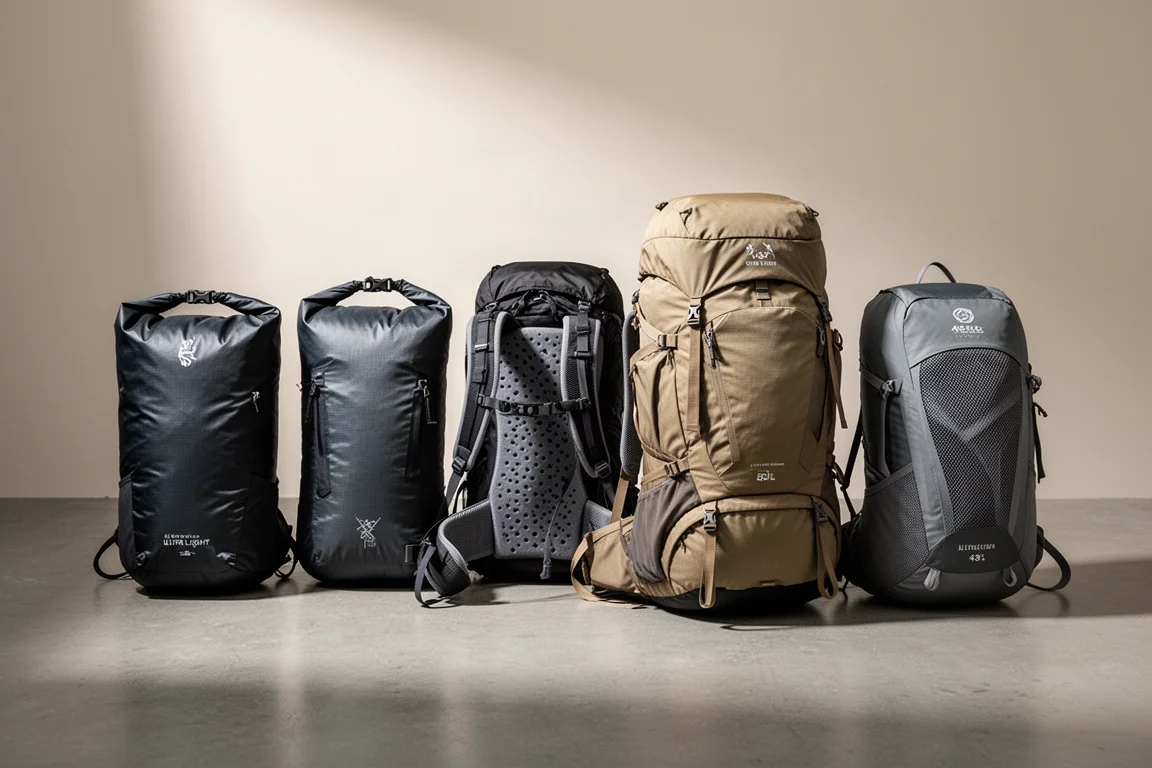
Across a full season of backpacking trips, five packs came along often enough to form a clear opinion. They cover frameless ultralight designs, lightweight framed packs, and one traditional 50-liter option built for a much wider range of loads and people.
Two of them stood out as favorites, two proved impressively versatile, and one did not live up to expectations. Each is a different answer to the same question: how much structure do you actually need, and how much weight are you willing to carry to get it.
How These Packs Were Evaluated
These packs were judged on how they carried real loads rather than on spec sheets. Most trips landed in the 20 to 25 lb range for gear, food, and water, with a deliberate push toward 20 to 22 lbs where possible.
The criteria were comfort under load, harness and hip belt design, pocket layout, materials and durability, capacity, and price. Packs that carried well with less weight were favored, because that is the direction many of these trips were heading.
Frameless packs were judged differently from framed ones. A frameless design is not meant to carry the same load as a full suspension system, so the real question becomes whether the pack still feels stable and controlled once it is fully packed.
That distinction matters more than any single feature. A pack that carries comfortably at 22 lbs can feel completely different at 30 lbs, and the gap between the two is where most buying mistakes happen.
Best Frameless Pack: Gossamer Gear Gorilla 38
The Gorilla 38 was the first frameless pack in years, and it turned out to be one of the most comfortable packs of the season. The removable foam panel at the back does two jobs at once: it adds a little structure to the body of the pack, and it keeps gear from poking into the small of the back.
The harness transfers weight well, and paired with a lighter total load, that is what makes the pack work. The removable hip belt is genuinely functional, and the padded section includes zippered pockets, though they are small. Snacks and lip balm fit. A phone does not.
The details are thoughtful. Stretchy shoulder pockets sit on both sides, so a phone or snacks stay reachable even when the hip belt is off. The 38-liter body has a large front stretch pocket, a top zipper pocket for small items that need to stay secure, a single over-the-top strap rather than a Y strap, and a roll-top entry.
Side pockets are the main compromise. They are tight, low on volume, and difficult to use when the pack is fully loaded. Two bottles will not fit in them.
At just over $200 as part of the Type Two collection, it is a reasonable price for a minimal frameless pack that carries this well.
Best Lightweight Framed Pack: Hyperlite Mountain Gear Waypoint 35
The Waypoint 35 came along after the Unbound 40 turned out to be larger than expected. It turned out to be a genuinely different pack rather than a smaller version of the same one, which is why both earned a place here.
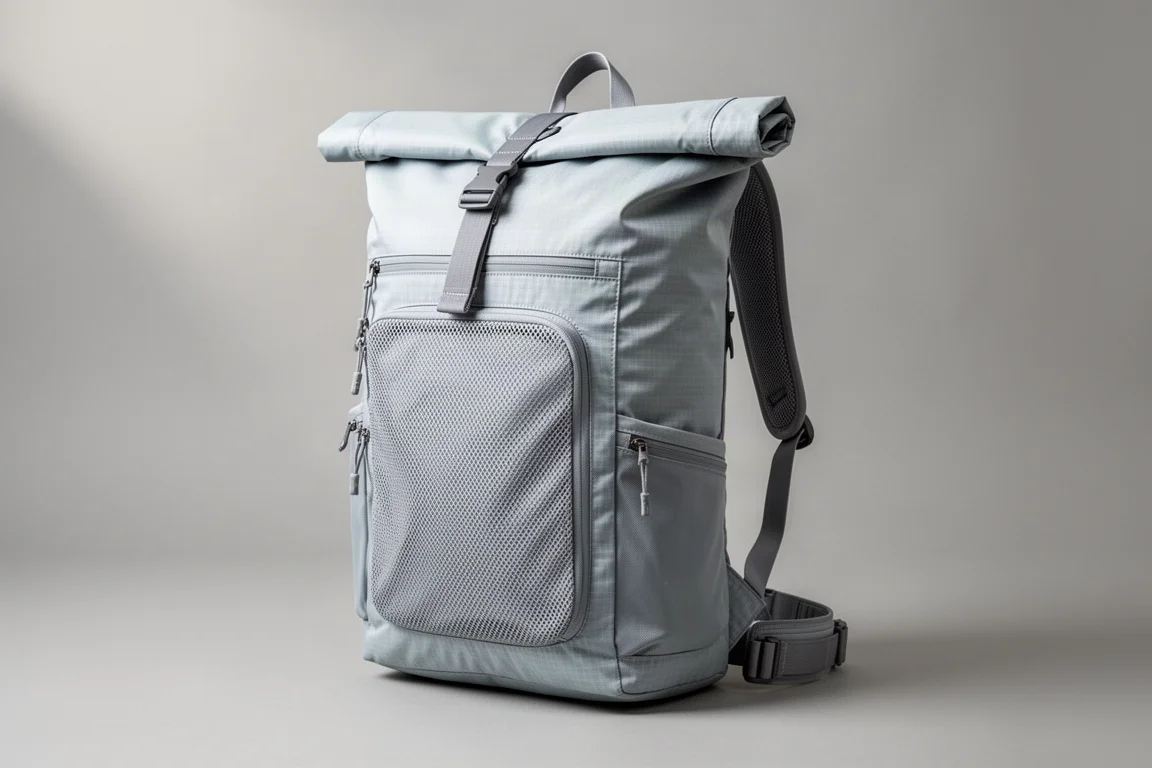
The frame is simple: a single stay runs through the back panel, with foam padding around it. The pack is rated for loads up to roughly 30 lbs, and in practice 26 to 28 lbs carried comfortably.
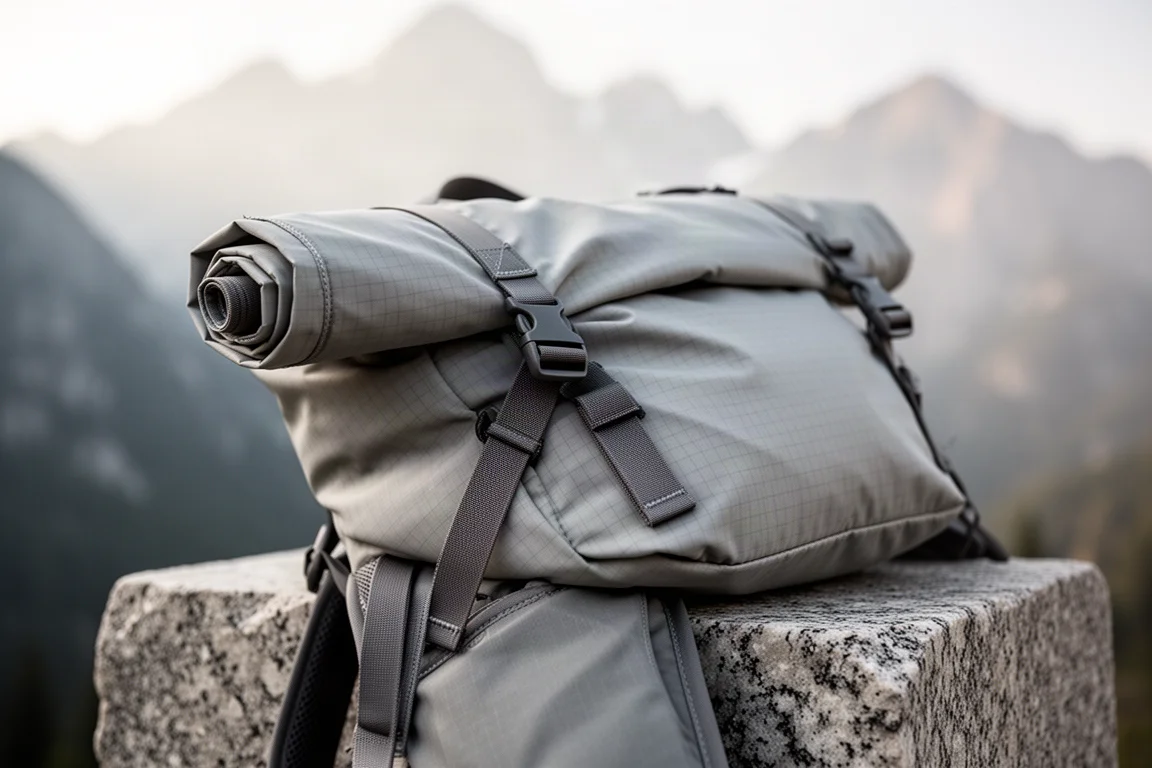
The hip belt is integrated into the body of the pack rather than clipped on at the sides, wrapping through the lumbar area to create full support. The hip belt pockets are usable and fit a standard phone without trouble. Stretchy shoulder pockets are included as well.
The recurring complaint is the hip belt area, which is slippery and tends to slide down the back over time, requiring occasional readjustment. The side pockets are roomier than the Gorilla’s, so bottles go in and out more easily while the pack is worn. The roll-top carries a Y strap on top for a jacket or a closed-cell foam pad. A bear canister will not fit under that strap.
It is built from Dyneema composite fabric and sits at a premium price point.
Most Versatile Traditional Pack: Gregory Paragon 50
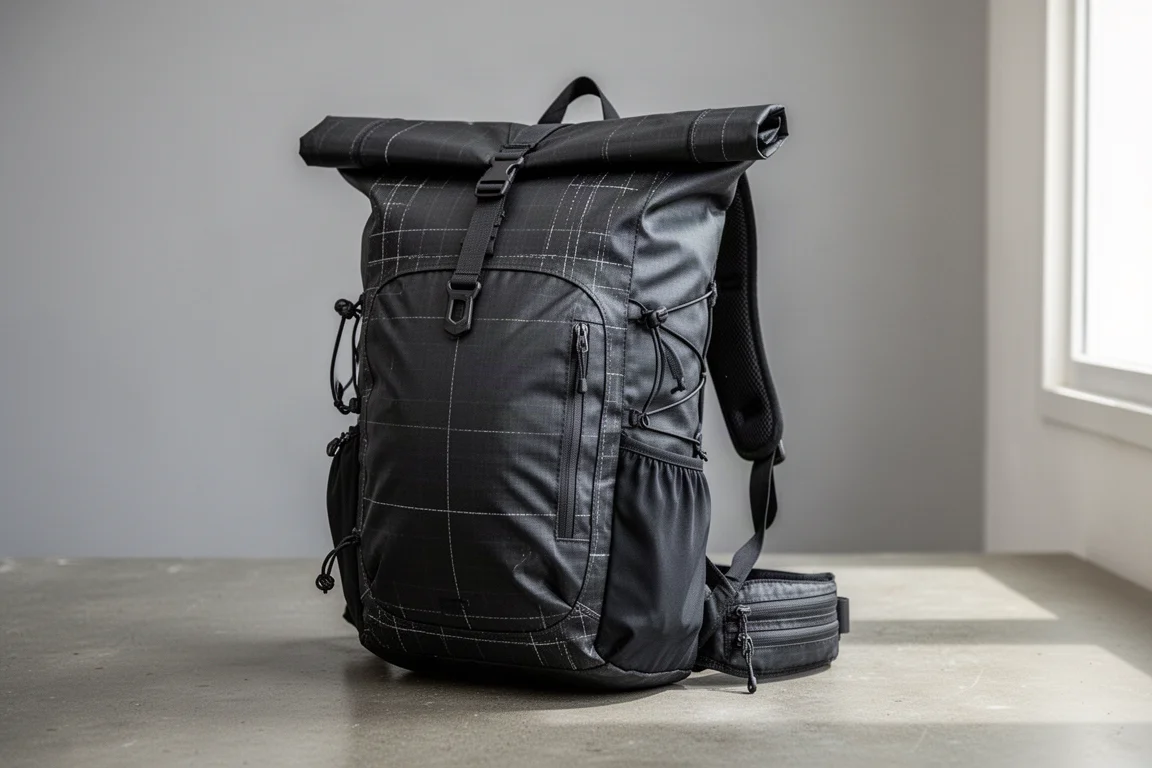
The Paragon 50 is a more traditional design, and its strength is adjustability. Torso length moves up and down, and hip belt length adjusts as well, so the same pack can be fitted to very different bodies. It also comes in sizes beyond 50 liters and in small, medium, and large.
The layout is familiar and complete: bottom straps, a zippered sleeping bag compartment, a stretch mesh front pocket, a top lid over a cinch collar with an over-the-top strap, and stretchy side pockets. Those side pockets are still difficult to use for bottles while the pack is worn, a common compromise on this style of pack.
The suspension is fully framed with some ventilation at the back panel, a stiff and comfortable hip belt, and conventional shoulder straps. The only shoulder strap storage is a small mesh sleeve intended for a satellite messenger. A side entry zipper adds quick access to the main body.
It is not overly heavy, and it lands at a reasonable price point for how much it does.
Best High-Volume Ultralight Pack: Hyperlite Mountain Gear Unbound 40
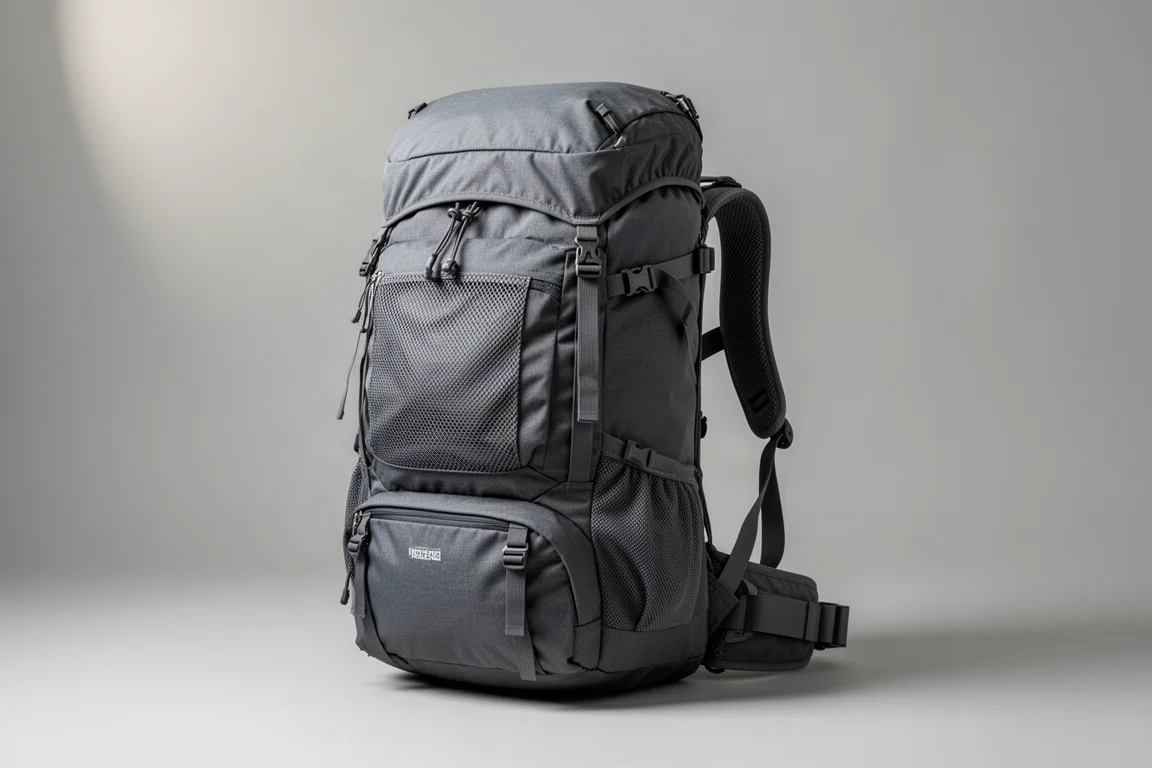
The Unbound 40 was purchased for a long thru-hike that did not happen, then taken out on a replacement trip instead. The surprise is how much fits inside. The 40 liters refer to internal capacity, and that capacity swallows a full warm-weather kit with a BV475 bear canister standing upright, with room left over.
The pocket design is the most distinctive part. A large front stretch pocket has a secondary stretch pocket at the bottom that opens into the main pocket, so a water filter and a squeeze bag stay separate from a first aid kit. There is also a bottom pocket, a feature the Waypoint lacks, though it is not for everyone.

Side pockets are large enough for two bottles each. Hip belt pockets on both sides are generously sized and will take a phone plus more. There are no shoulder strap pockets, which is the trade-off for those larger hip belt pockets.
The frame is full length and the hip belt wraps around the body of the pack, with the same slippery lumbar behavior noted on the Waypoint. A Y strap sits on top for a jacket or a foam pad. It is a Dyneema pack at a premium price point, and the volume it delivers is the reason to choose it over a smaller option.
The Pack That Fell Short: Big Agnes Sweetwater 43
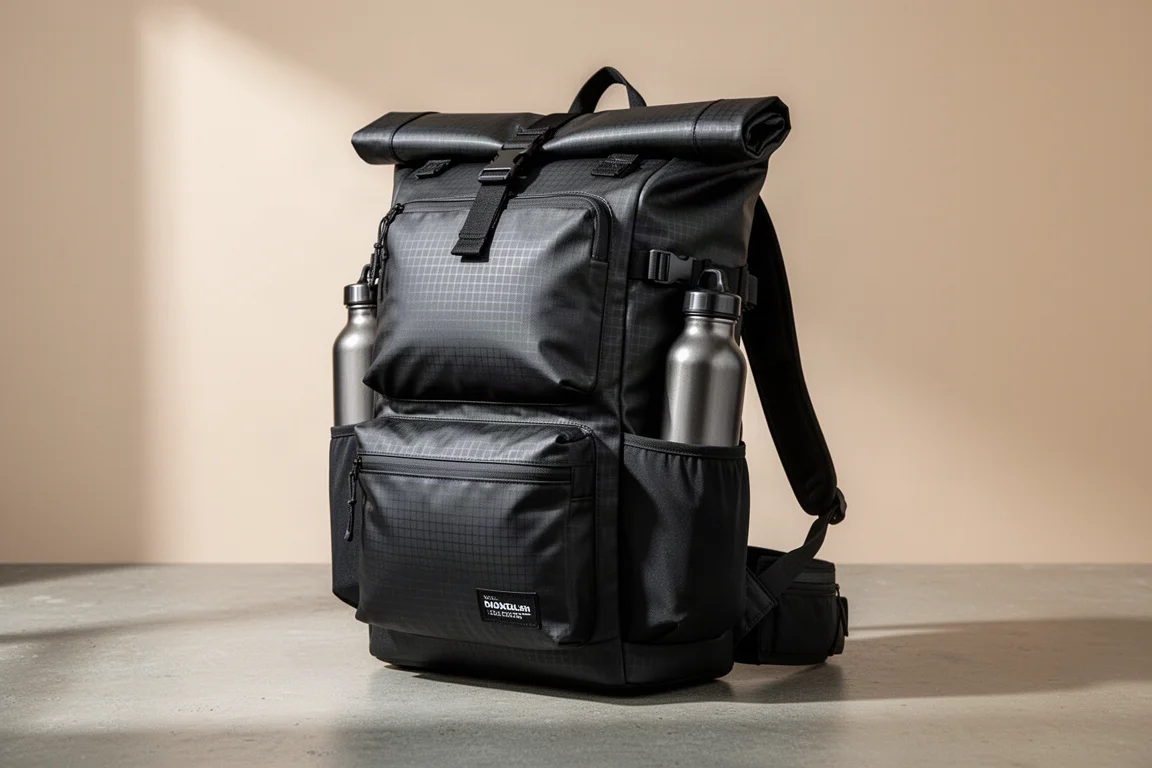
Not every pack earns a place. The Sweetwater 43 was the least successful of the season, despite high expectations going in.
Comfort is the core problem. The hip belt runs large, wraps too far around, and offers less adjustment than it should. A cutout in the belt creates odd pressure points rather than helping carry the load, and the pack pushes pressure up onto the shoulders. The shoulder straps could be more dialed in.
Durability is the second concern. The exterior mesh is not especially robust, and there is a lot of it in high-abrasion areas. Holes appeared in the mesh on the first outing. That same mesh sits on the side of the pack instead of a more durable 3D-shaped pocket, where less of it would have been a smarter choice.
The torso is adjustable at the shoulder straps, but the hip belt is not. The front mesh pocket is one single, very large compartment, and the vest-style strap design leaves no hip belt pockets at all. It is a straightforward, streamlined idea that does not deliver in practice.
Overall Buying Advice
Start with the load, not the pack. A frameless design like the Gorilla 38 rewards a total weight in the low 20s and punishes anything much above that. A simple framed pack like the Waypoint 35 handles roughly 28 lbs comfortably. A traditional suspension like the Paragon 50 is the safer choice when the load is unknown or when one pack has to fit more than one person.
Pocket layout deserves more attention than it usually gets. Hip belt pockets that fit a phone, shoulder strap pockets, and side pockets a bottle actually slides into all matter more over a long day than a few grams of weight.
Then think about capacity honestly. The Unbound 40 holds more than its number suggests, which makes it the better choice for trips that require a bear canister. The Waypoint 35 is the opposite: a genuinely compact pack that works when the rest of the kit is already dialed in.
Durability should be weighed against terrain. Mesh-heavy designs save weight, but mesh is the first thing to fail when a pack is dragged over granite or pushed through brush.
Finally, price tracks materials. Dyneema packs sit at a premium, while the Gorilla 38 and the Paragon 50 offer a lot of function for considerably less.
Conclusion
Five packs, five different answers. The Gorilla 38 and the Waypoint 35 are the picks for anyone moving toward a lighter, more minimal kit. The Paragon 50 is the most adaptable and the easiest to recommend when a pack has to serve several people or several kinds of trips. The Unbound 40 is the volume play for trips that need a bear canister and a full kit. The Sweetwater 43 is the one to skip, at least until comfort and mesh durability improve.
Further reading
Related Reviews

Backpacking Gear
Building a 10 lb Base Weight: An Ultralight Backpacking Gear List
A practical walkthrough of the ultralight pieces behind a 10 lb base weight, from a 765 g pack and a roomy one-person tent to a full camp chair and a dependable water filter.
Backpacking Gear
A 15-Pound Lightweight Backpacking Gear List for Solo Trips
A beginner-friendly 15-pound backpacking setup built from easy-to-find gear, with notes on what each piece does, how it packs, and where to spend your attention.
Backpacking Gear
8 Ultralight Backpacking Gear Upgrades Worth Carrying
Eight small, affordable backpacking upgrades that solve real trail annoyances, from a pillow that stays put to a fuel valve that rescues leftover canister gas.