Backpacking Gear
Best Backpacking Water Bottles: CNOC Through Bottle vs Ignious NOBO vs Mazama Migo
A three-way comparison of the CNOC Through Bottle, the Ignious NOBO, and the Mazama Migo, covering weight, price, squeezability, filtering, and cleaning.
Introduction
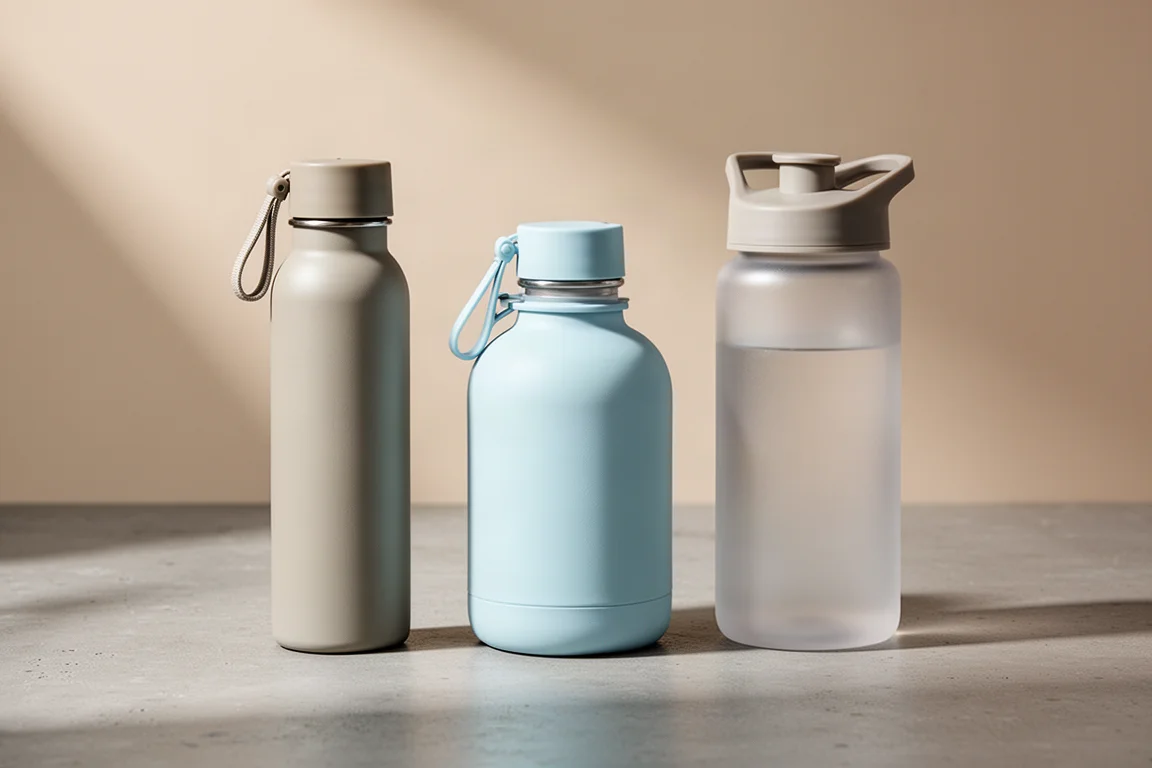
Three soft-sided water bottles have arrived over the past couple of years, and all three chase the same goal: replace the flimsy disposable sport bottle that many backpackers carry, while adding the durability of a hard-sided bottle. The CNOC Through Bottle, the Ignious NOBO, and the Mazama Migo share a capacity of roughly 1 litre, with the Migo holding 38 oz when filled to the brim, and all three use a 28 mm threaded mouth that fits common squeeze filters and accessories. Where they differ is weight, price, stiffness, body shape, and how they behave when you fill, filter, and clean them.
What Matters Most in a Backpacking Water Bottle
A handful of practical details shape how a bottle behaves over a long day on trail: weight, capacity, thread standard, wall stiffness, mouth size, and price.
Weight is the obvious one for anyone packing light, but stiffness matters just as much. A stiffer bottle resists crushing inside a pack, yet it also resists the squeeze you need to push water through a filter. Mouth size decides how quickly you can scoop from a stream, how easily you can add a drink mix, and how simple the bottle is to clean. The 28 mm thread on all three bottles matches the standard used by disposable sport bottles and by many popular filters, so filter compatibility is effectively a draw. Price is the last variable, and the spread here is wider than you might expect.
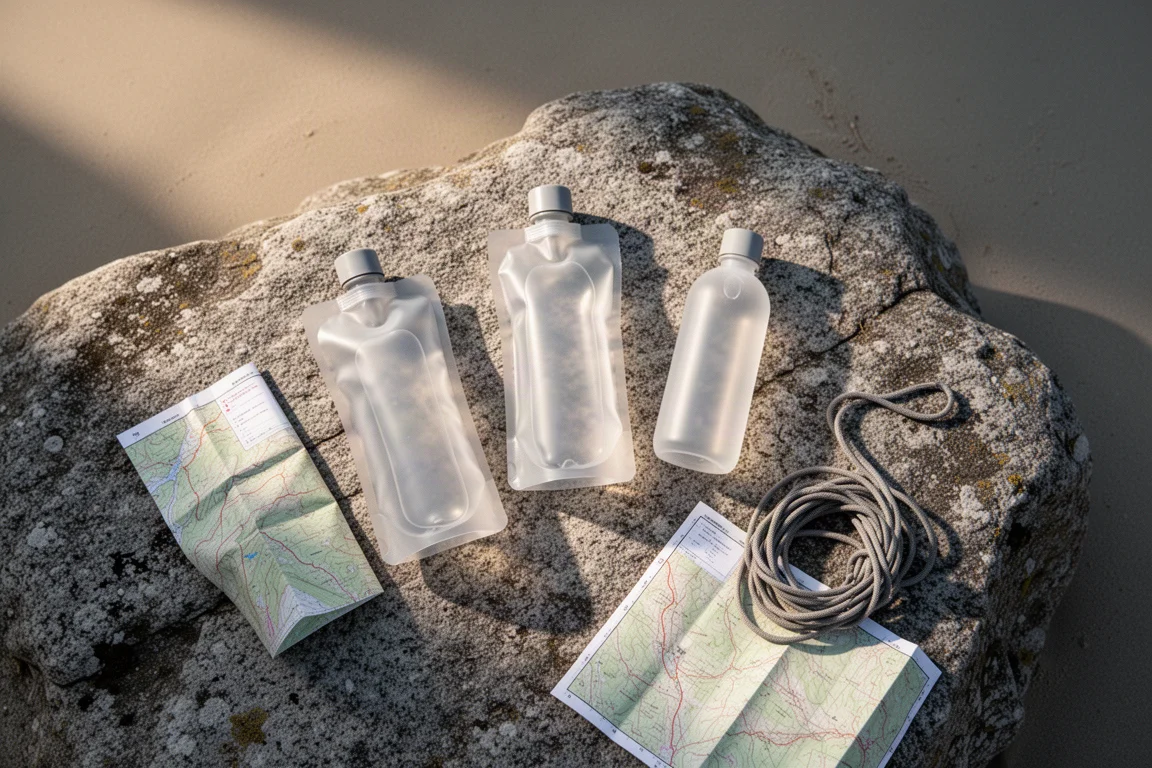
What follows is a section by section look at each bottle, followed by notes on how they performed when filling, filtering, drinking, and cleaning.
CNOC Through Bottle: The Best Value Option
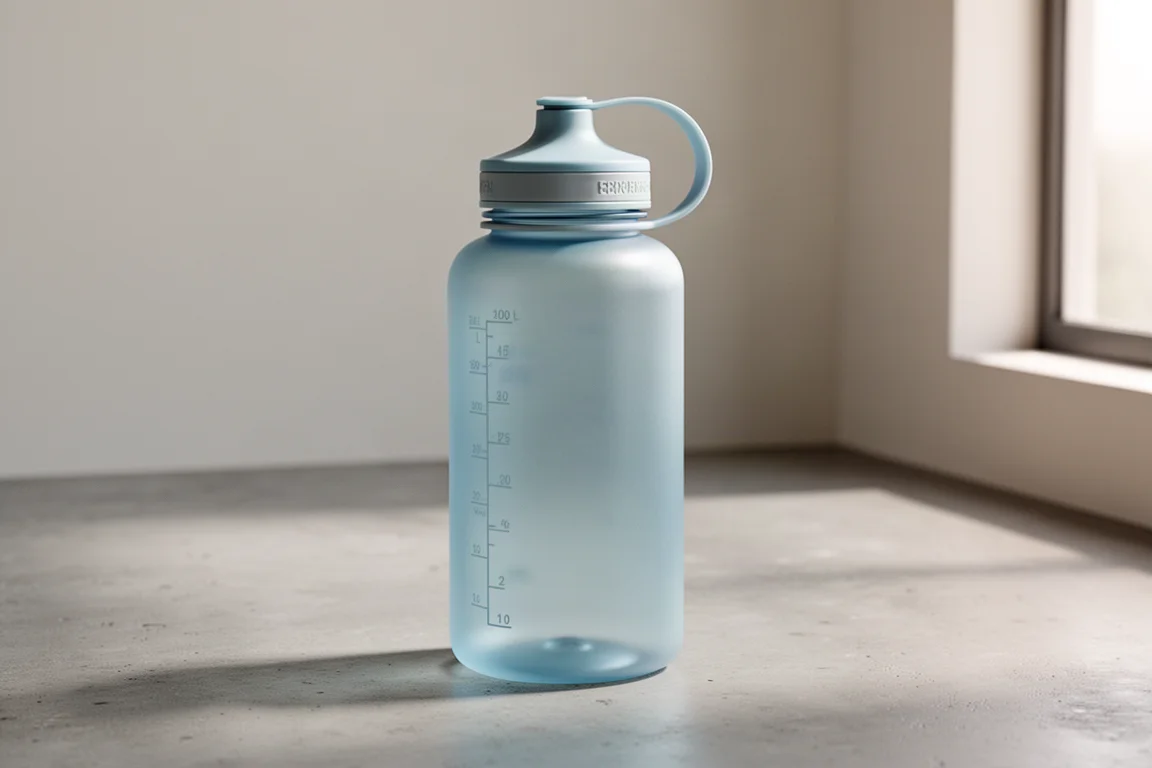
The Through Bottle weighs 90 g, holds 1 litre, and costs $12.99, which makes it the least expensive of the three. It is more than twice the weight of a disposable sport bottle, but it earns that weight back in durability. The plastic is noticeably stiffer than a single-use bottle, and squeezing it takes real effort.
Volume markings are molded into the back of the bottle in both millilitres and ounces, starting at 8 oz and 200 ml near the base. The cap uses a 28 mm thread and includes a tether, and it is the same universal cap the brand uses across much of its range. A small plastic loop near the top of the bottle holds a cord, which makes the bottle easier to pull out of a pack pocket or carry by hand.
CNOC Outdoors states that the bottle can withstand boiling water, though the guidance is not to leave boiling water in it for long. That is sensible advice for this class of plastic, since prolonged heat can soften the walls and lead to deformation over time.
In size, the Through Bottle lands very close to a disposable sport bottle. The heights are nearly identical, and the diameter is only slightly wider. That makes it the safest bet if your pack pockets are slim or low profile.
The trade-off shows up when you filter water out of the bottle rather than into it. Because the walls are stiff, you reach the limit of the squeeze quickly, and once the bottle is compressed you have to open it again to let air back in and reshape it before continuing. Filtering a full litre this way is slow work.
Ignious NOBO: The Lightest Bottle of the Three
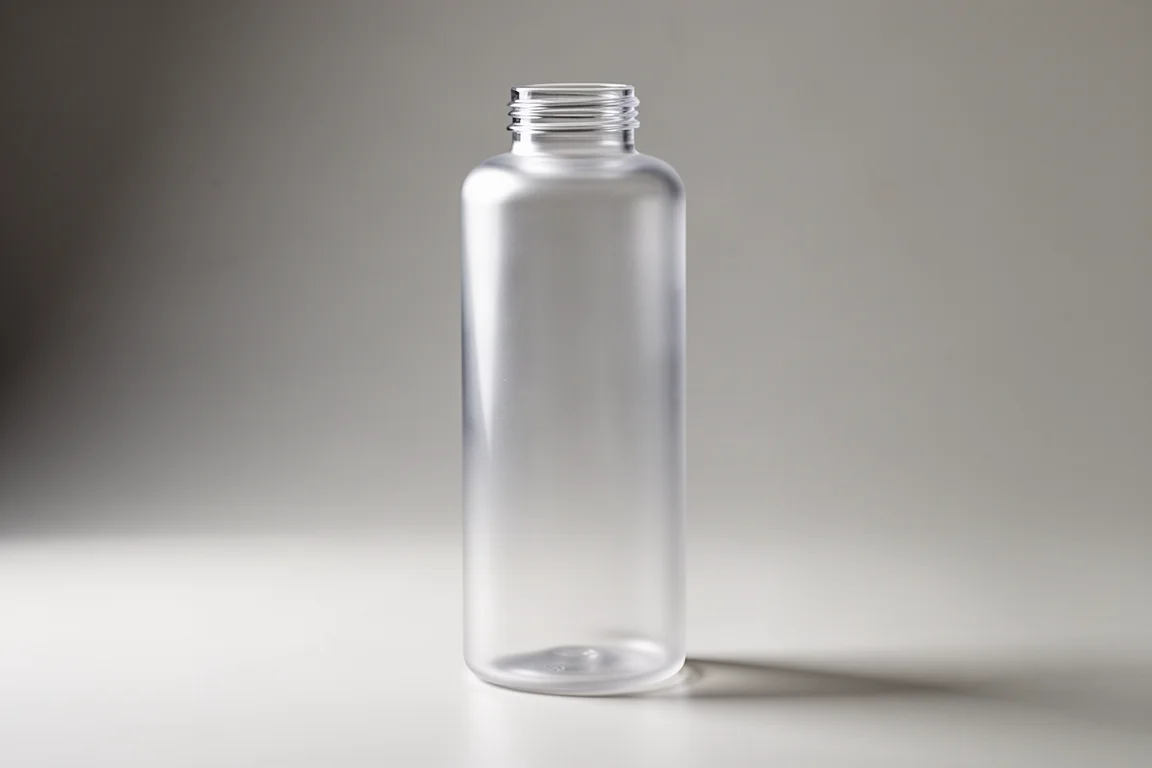
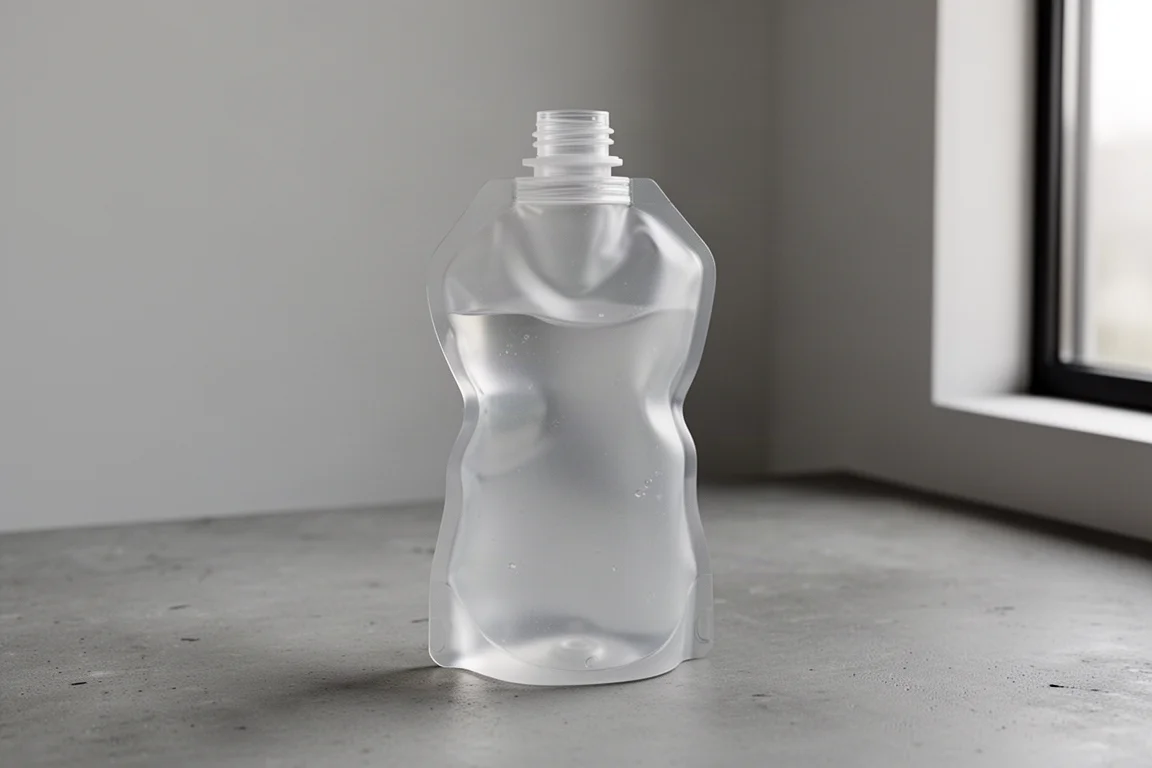
The NOBO from Ignious weighs 65 g, holds 1 litre, and costs $21.99, which makes it the most expensive of the three. The packaging lists 65 g, and it weighed 66 g with the paper wrap still on, so the claim holds up. In the hand it feels remarkably light, and the azure white body is easy to spot. Colour options change the cap rather than the bottle itself.
The low weight comes from a wider, shorter body. The NOBO is noticeably wider in diameter than the Through Bottle, which is how it keeps a full litre of capacity while standing shorter than the other two. Printed measurements on the back start at 4 oz and run to roughly 900 ml.
Squeezability is excellent. The walls flex easily, which makes the bottle comfortable to drink from and easy to push water through a filter. The cap is tethered and includes an internal O-ring, and it screws onto the same 28 mm threads as the other two bottles.
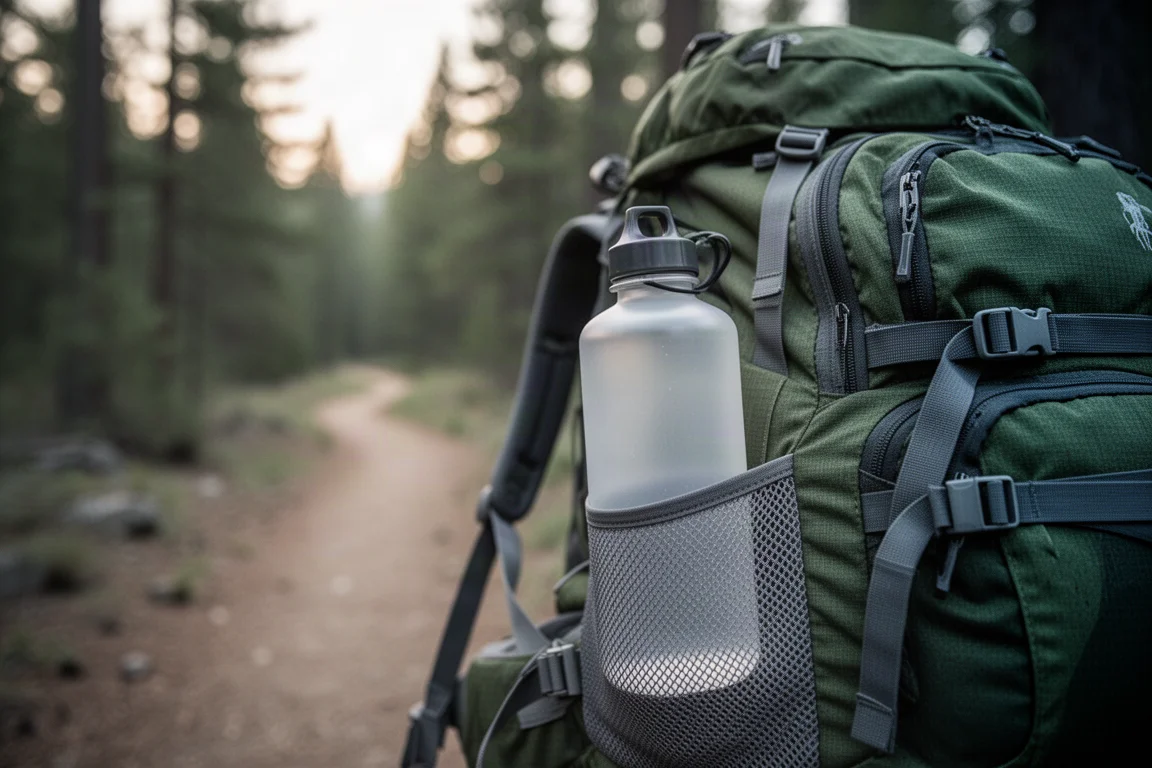
On a pack, the shorter body is a real advantage. It fits a roomy shoulder strap bottle pocket without trouble and sits further away from your face than a taller bottle would. Two NOBO bottles in one pocket would be snug but probably possible. The wider diameter is the main thing to check before buying: if your pack pockets are tight and low profile, this is the bottle most likely to struggle.
Mazama Migo: The Most Versatile Design
The Migo is a 38 oz bottle. It holds 32 oz, or 1,000 ml, up to the wide mouth, and 38 oz when filled to the very top. It weighs 138 g and costs $18.95, which makes it the heaviest of the three and the middle option on price. It is designed in the United States in partnership with a team based in Bend, Oregon, and produced in a factory that team owns in China.
The defining feature is the dual opening. A wide mouth sits alongside a narrow 28 mm opening that fits the same filters and accessories as the other two bottles. The wide mouth is what makes the Migo easy to fill from a stream, easy to clean, and easy to dose with a drink mix, which matters if you rely on electrolytes over long days.
The body is made from LDPE, a low-density polyethylene, so it is highly squeezable and semi-translucent. The Migo is the easiest of the three to filter out of, and it returns to shape after being compressed rather than staying deformed. It is rated to withstand boiling water, and it carries printed lettering and measurements on the back. Its diameter sits between the Through Bottle and the NOBO. The cap is not tethered, and a tethered cap is in development as an add-on rather than a standard item.
Trail Performance: Filling, Filtering, and Drinking
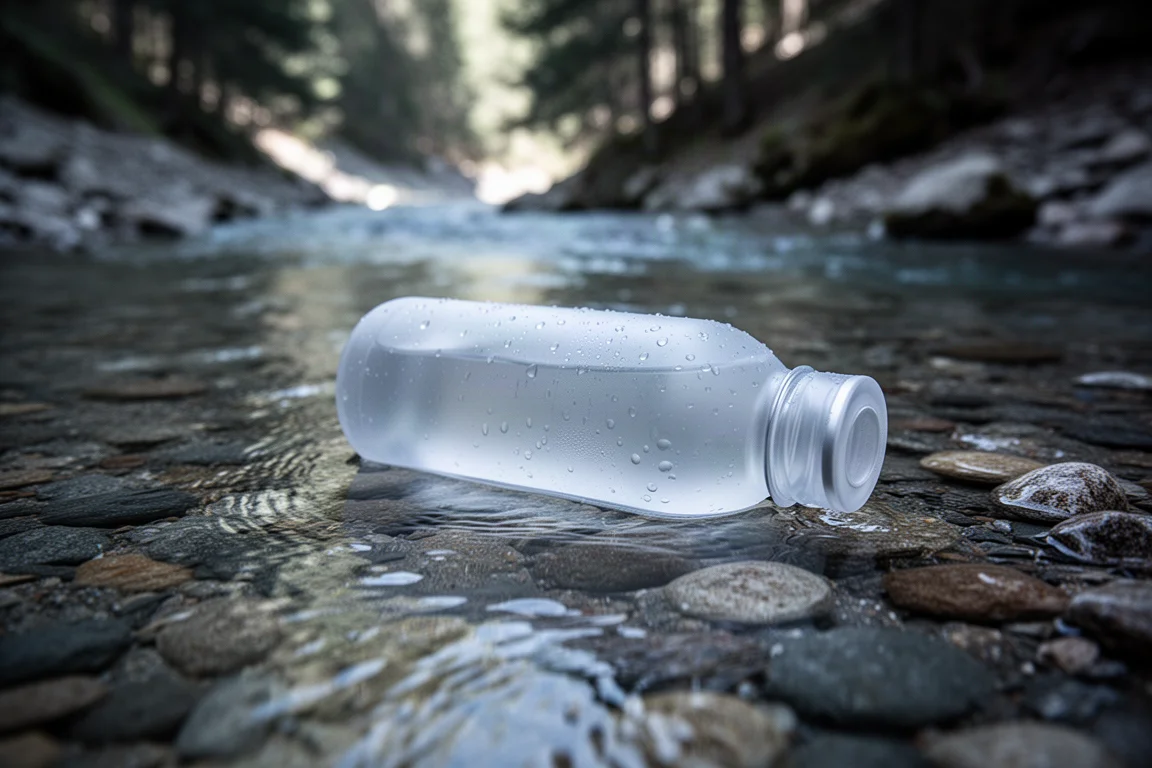
Filling from a running stream separates the bottles quickly. The narrow mouths of the Through Bottle and the NOBO take more care to scoop enough water, while the wide mouth of the Migo fills fast. If you filter into a narrow mouth bottle, a small coupling that screws onto the filter makes life much easier: attach the bottle to the coupling, tighten it, invert, then back the connection off slightly so air can escape as water goes in. Without a coupling, a wide mouth gives you a much larger target to aim at.
Filtering water out of a bottle is where the differences really show. The Migo was the easiest by a clear margin, since it squeezes deeply and springs back into shape. The NOBO was also comfortable to squeeze. The Through Bottle was the hardest, because the stiff walls run out of travel and the bottle has to be reopened and reshaped between rounds of squeezing.
Durability was not a concern with any of the three. All of them are well made, and each one is a clear upgrade over a disposable bottle for anyone who wants a bottle that lasts more than a trip or two.
Cleaning, Care, and Long-Term Durability
The Through Bottle and the NOBO were both cleaned by rinsing with warm soapy water, shaking, and then rinsing repeatedly until no soap remained. The Migo was considerably easier: the cap comes off, the parts wash separately, and the interior can be wiped out with a cloth thanks to the wide opening.
All three bottles can go in a dishwasher, with one caveat. Put them on the top rack, or at least away from the heating element at the bottom, because dishwasher temperatures near that element can soften and melt this type of plastic.
A bottle brush helps if you want to scrub the interior rather than just rinse it. Brushes sold for cleaning wine or beer bottles fit inside all three bottles, while some standard bottle brushes are too wide for the narrower bodies.
Before first use, rinse each bottle with warm water. The Through Bottle and the NOBO carried a slight plastic taste that mostly disappeared after a simple rinse, and a full wash removes it completely.
Which Bottle Should You Choose?
The right answer depends on which compromise you would rather make.
If cost is the priority, the Through Bottle is the clear pick. At $12.99 it is the least expensive, and it is the closest match to a disposable sport bottle in height and diameter, so it slides into slim pack pockets without fuss. The stiff walls are the price you pay, and they are most noticeable when you filter water out of the bottle rather than into it.
If weight is the priority, the NOBO is the one to take. At 65 g it is the lightest of the three by a wide margin, it squeezes beautifully, and its short, wide body sits low against a shoulder strap. It is also the most expensive, and its diameter is the least likely to fit very slim pockets.
If versatility is the priority, the Migo is the most capable all-rounder. The wide mouth plus narrow 28 mm opening covers filling, filtering, cleaning, and drink mix without fuss, and it is the easiest of the three to filter out of and to clean. It is also the heaviest, and its cap is not tethered, though a tethered cap is planned as an add-on.
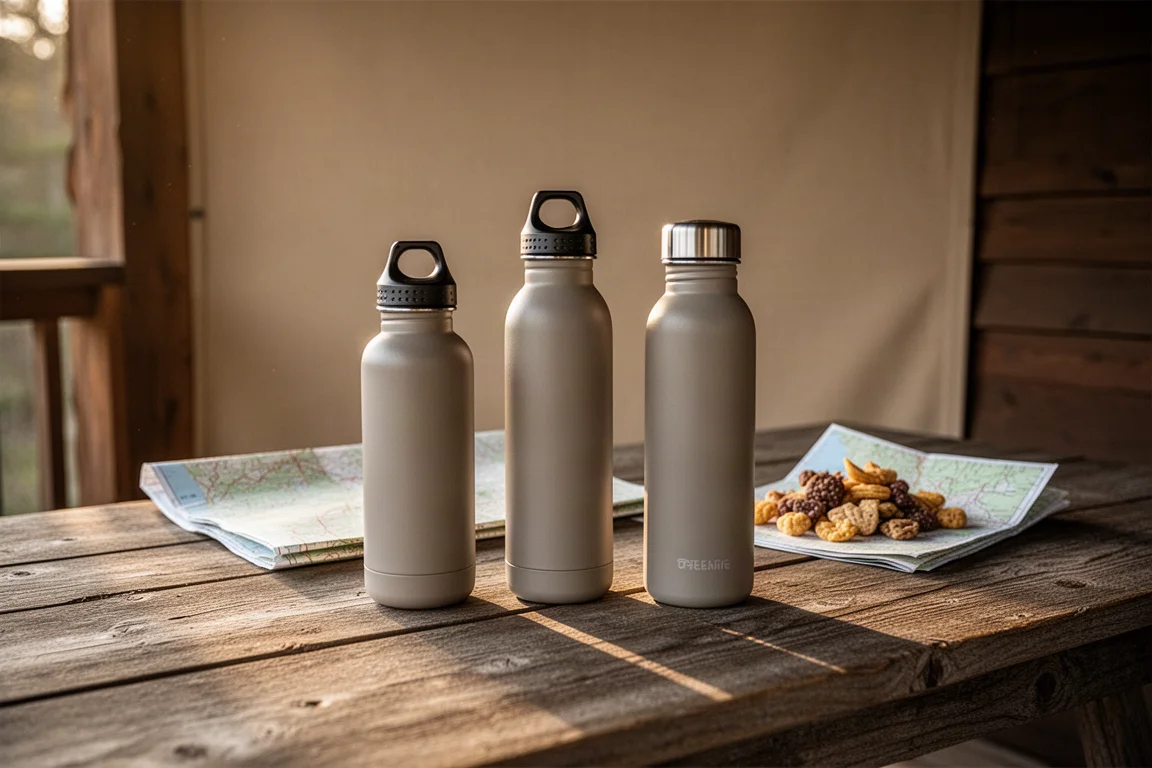
None of these bottles needs to be a competitor to the others. The useful thing is that there are now several reusable options at similar capacities, which makes a disposable bottle a much less appealing default than it used to be.
Conclusion
All three bottles share the 28 mm thread that keeps filter compatibility simple, and all three are durable enough to replace a disposable bottle for good. Choose the Through Bottle for the lowest price and the slimmest profile, the NOBO for the lowest weight, and the Migo for the widest range of uses. Match the bottle to how you actually carry and filter water, and any of the three will serve you well.
Further reading
Related Reviews

Backpacking Gear
Building a 10 lb Base Weight: An Ultralight Backpacking Gear List
A practical walkthrough of the ultralight pieces behind a 10 lb base weight, from a 765 g pack and a roomy one-person tent to a full camp chair and a dependable water filter.
Backpacking Gear
A 15-Pound Lightweight Backpacking Gear List for Solo Trips
A beginner-friendly 15-pound backpacking setup built from easy-to-find gear, with notes on what each piece does, how it packs, and where to spend your attention.
Backpacking Gear
8 Ultralight Backpacking Gear Upgrades Worth Carrying
Eight small, affordable backpacking upgrades that solve real trail annoyances, from a pillow that stays put to a fuel valve that rescues leftover canister gas.