Backpacking Water Bottles
Best Backpacking Water Bottles 2026: CNOC Through Bottle vs Ignious NOBO vs Mazama Migo
Three reusable one-liter bottles built to replace disposable trail bottles, compared on weight, price, filtering, cleaning, and pack fit.
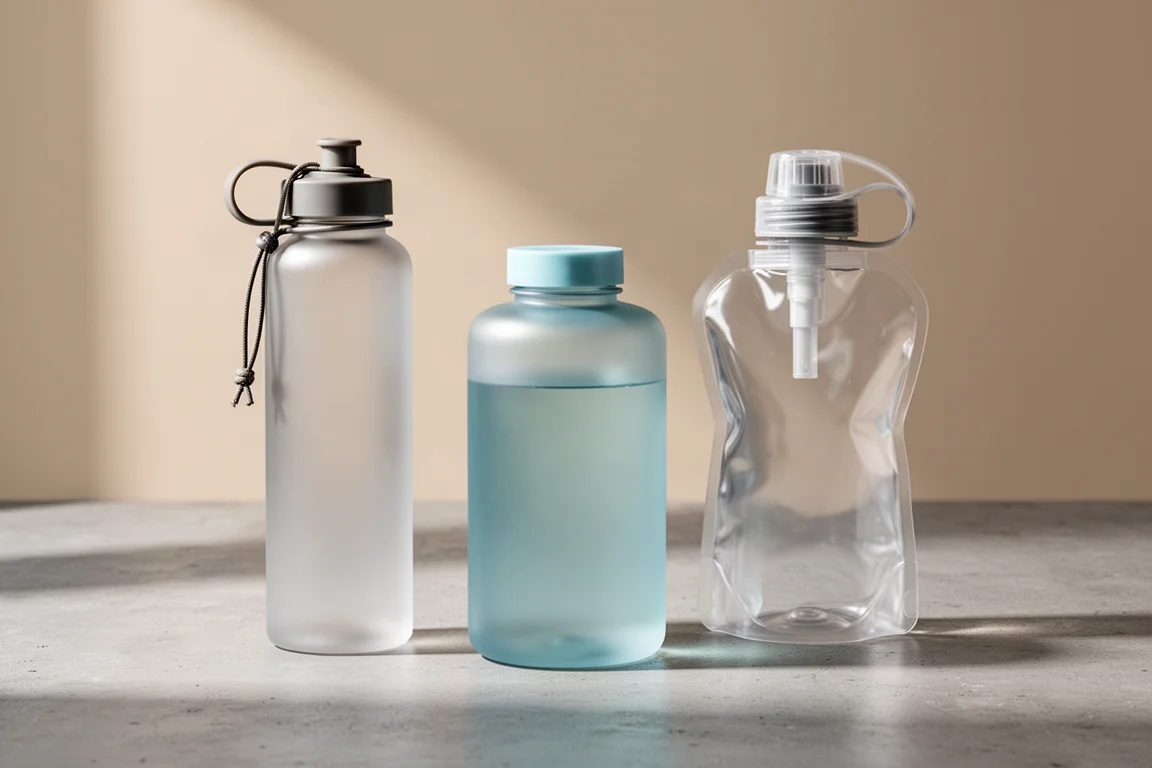
Introduction
Reusable bottles have quietly become one of the more interesting corners of backpacking gear. For years, a one-liter disposable bottle was the default choice: light, cheap, and easy to replace at a resupply stop. The trade-offs were durability and the fact that it went into a bin after a few weeks of hard use.
Three bottles now take on the same job with a design meant to last: the CNOC Through Bottle, the Ignious NOBO, and the Mazama Migo. All three hold one liter, all three use the 28 mm cap thread found on common disposable bottles and many trail filters, and all three are built to be refilled season after season. They differ in weight, price, body shape, and how they behave when you actually filter water through them.
What Matters Most in a Reusable Backpacking Water Bottle
Four things separate a useful trail bottle from a frustrating one. Weight comes first, because a bottle is carried on every step of a trip. Squeezability comes second, since a soft body lets you push water through a filter without a pump. The opening comes third, because it decides how easy the bottle is to fill, clean, and dose with drink mix. Thread compatibility comes last but matters just as much, since a 28 mm cap works with a wide range of filters and accessories.
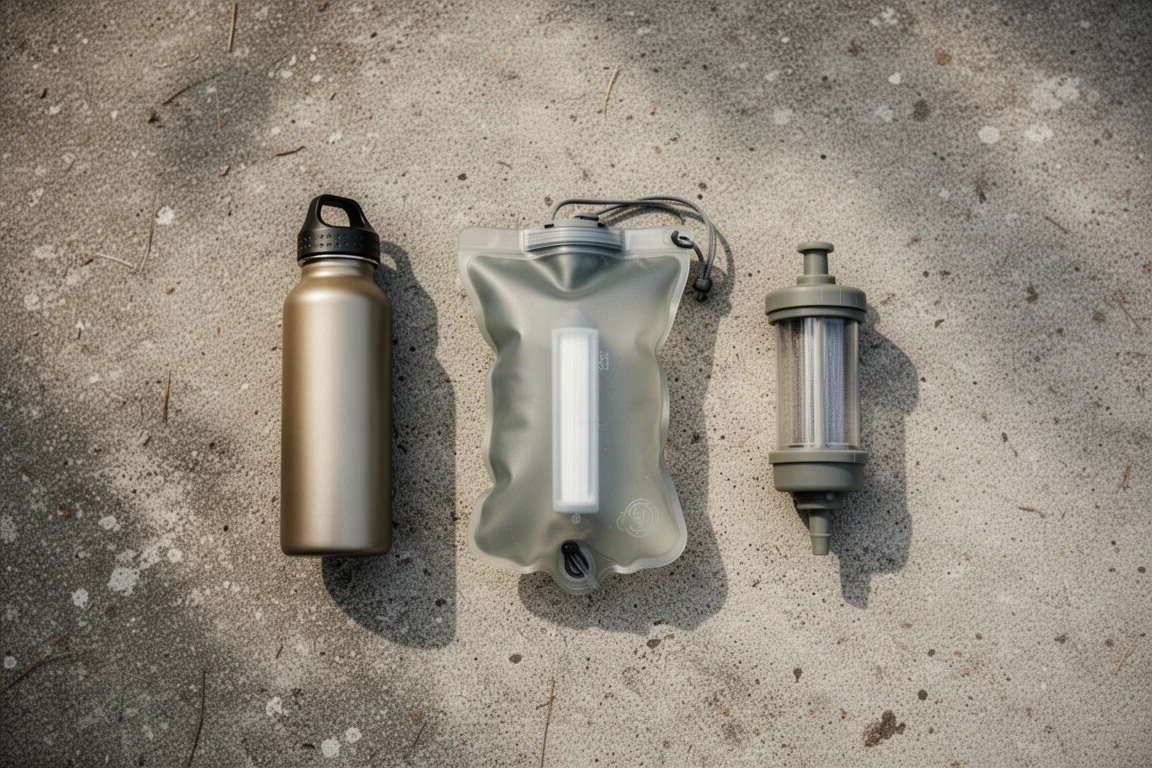
Price is part of the picture too, though it works differently here. Each of these bottles costs more than a disposable one and is intended to outlast a long chain of them, so the real question is which set of compromises fits your kit. The three bottles below make three different ones.
CNOC Through Bottle: The Best Value Pick
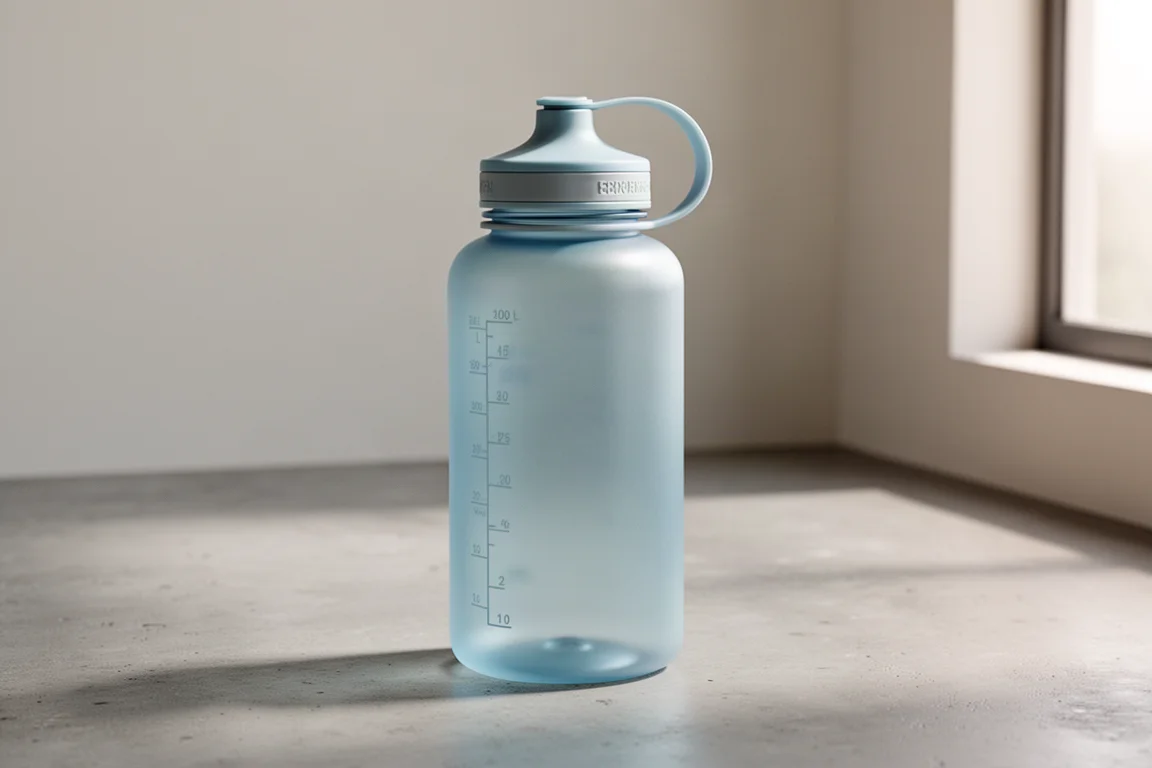
The Through Bottle is the closest thing here to a straight replacement for a disposable bottle. It holds 1 L, weighs 90 g, and costs $12.99. The plastic is noticeably stiffer than a thin disposable bottle, and squeezing it hard takes real effort, which is the point: that stiffness is what lets it survive being crushed in a pack, sat on at a break, or jammed into a pocket.
The body carries raised volume markings in milliliters and ounces, starting at 8 oz and 200 ml. The cap uses the same 28 mm thread as the other two bottles and includes a tether, since CNOC uses a common tethered cap across much of its range. A small plastic loop near the shoulder holds a cord that makes the bottle easier to pull from a pocket or carry by hand.
Set next to a disposable bottle, the Through Bottle is almost identical in height and only slightly wider. CNOC states that the bottle can handle boiling water temperatures but does not recommend leaving boiling water in it for long, which is sensible guidance for any HDPE bottle: sustained heat softens the plastic and can lead to deformation over time.
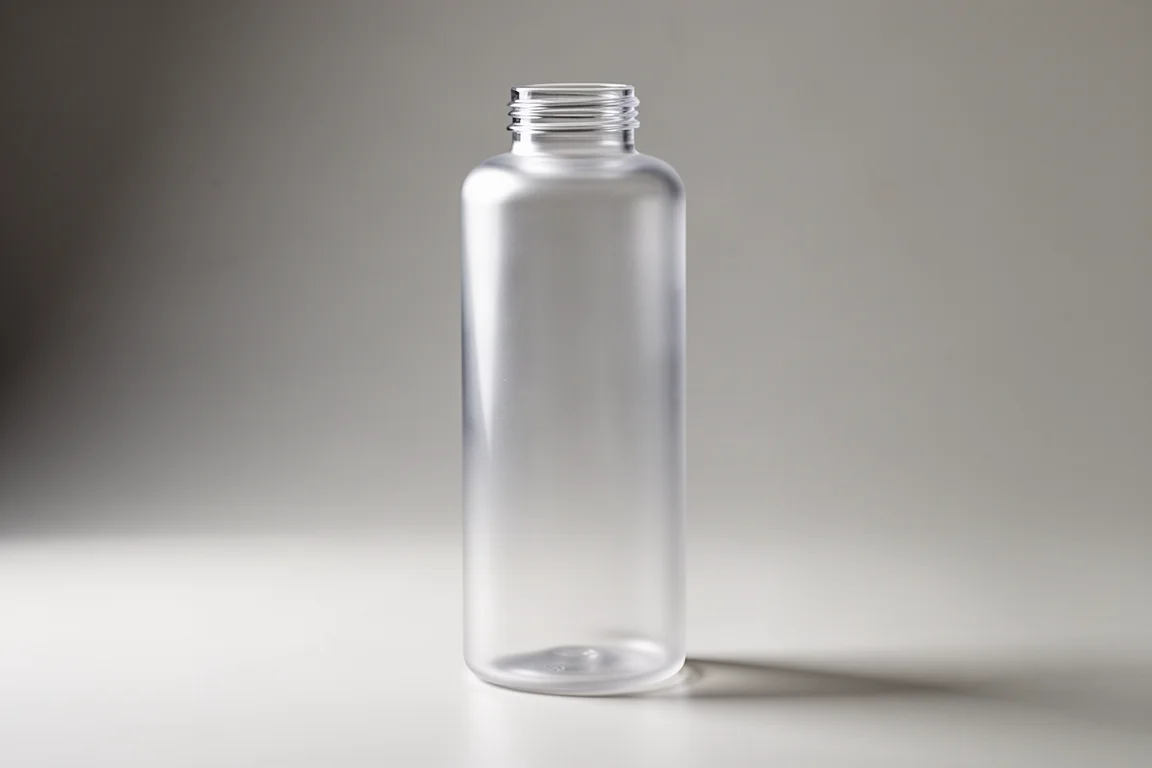
Ignious NOBO: The Lightest Bottle Here
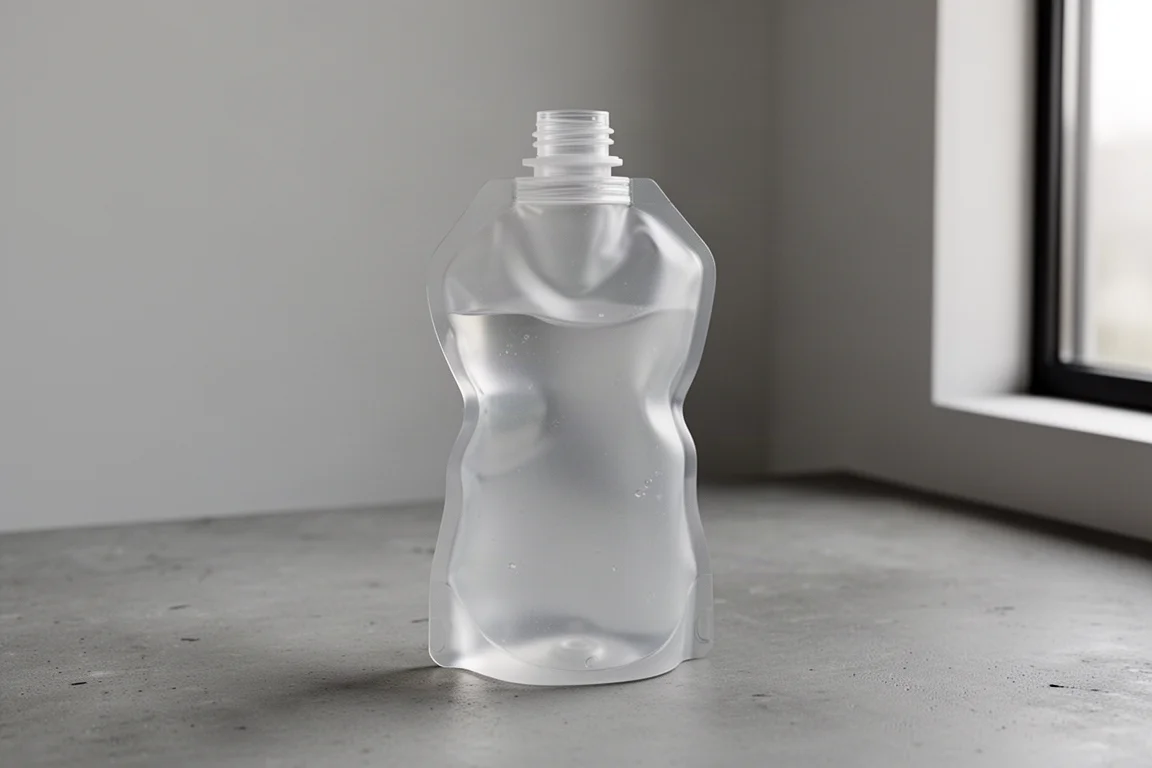
The NOBO is the weight play. Ignious lists it at 65 g, and it came in at roughly 66 g on a kitchen scale with the packaging paper still attached, so the claimed figure holds up. For a one-liter bottle that is remarkably light, and it is obvious the moment you pick it up.
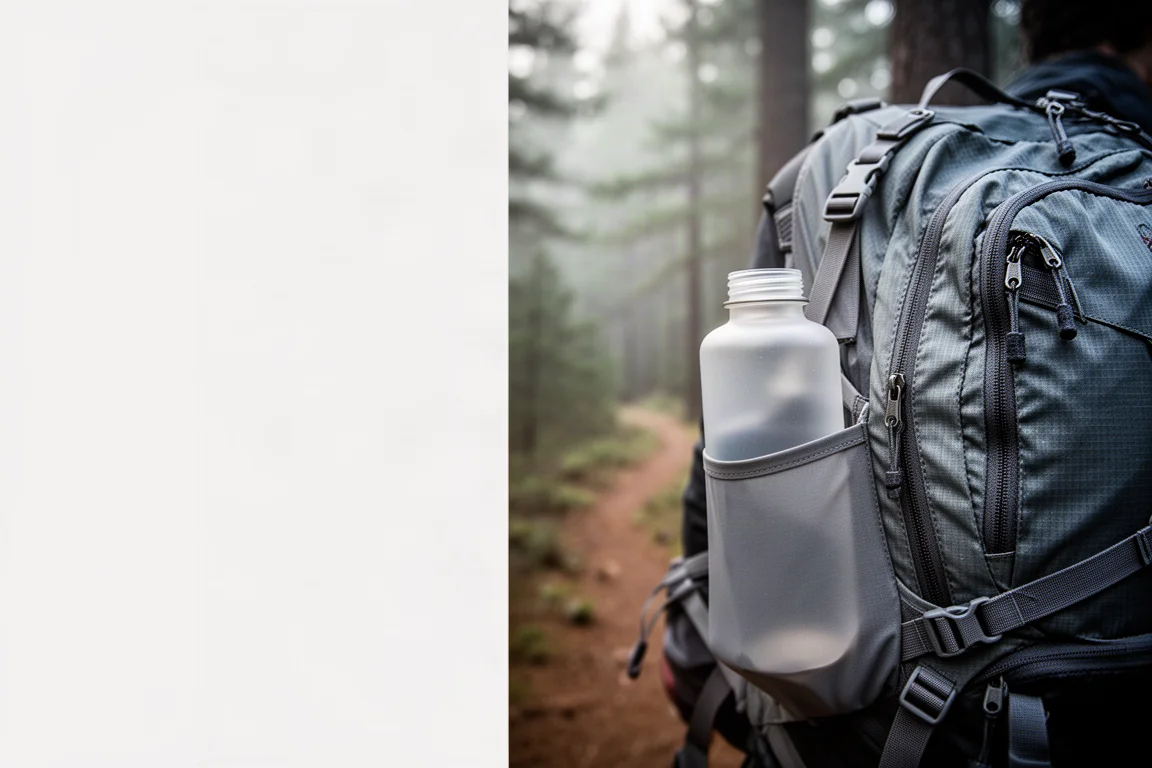
That low weight comes from a short, wide body. The NOBO is significantly wider than the Through Bottle, and the extra diameter is what allows it to stay at 1 L while standing much shorter. The benefit is a bottle that sits further from your face when it rides in a shoulder-strap pocket. The trade-off is that wide bodies can be a tight fit in slim, low-profile pack pockets.
Squeezability is excellent, which is a genuine advantage when you are pushing water through a filter. The cap is a tethered design with an internal O-ring, and it threads onto the standard 28 mm opening. Printed measurements run from 4 oz up to about 900 ml, so the scale is coarser than the raised markings on the Through Bottle. At $21.99, the NOBO is the most expensive of the three.
Mazama Migo: The Most Versatile Design
The Migo takes a different route: instead of one opening, it has two. The main mouth is wide, and a second 28 mm opening accepts the same filters and accessories as the other bottles. The Migo holds 32 oz (1,000 ml) to the wide mouth and 38 oz when filled to the top, weighs 138 g, and costs $18.95.
The wide mouth shapes everything else about the bottle. It makes filling from a stream fast, it makes the inside easy to reach with a cloth, and it gives you a much larger target when you are adding drink mix or squeezing a filter directly into the bottle. That last point matters if your filter does not thread onto a 28 mm opening, because aiming at a wide mouth is far easier than hitting a narrow one.
The Migo is made from LDPE, a low-density polyethylene, which makes it easy to squeeze and gives it a slightly translucent look. It deforms under pressure and springs back into shape afterwards, which is useful while filtering. It is designed to withstand boiling water and comes in a range of colors. The bottle was developed in the United States with a team based in Bend, Oregon, and produced in a factory in China.
One difference to note: the Migo’s cap is not tethered. It ships with a simple replaceable cap, and a tethered version is planned as an add-on in a later production round. A 700 ml version with a tethered cap has been shown as an early sample, but it is not available yet.
Trail Notes: Filling, Filtering, and Cleaning
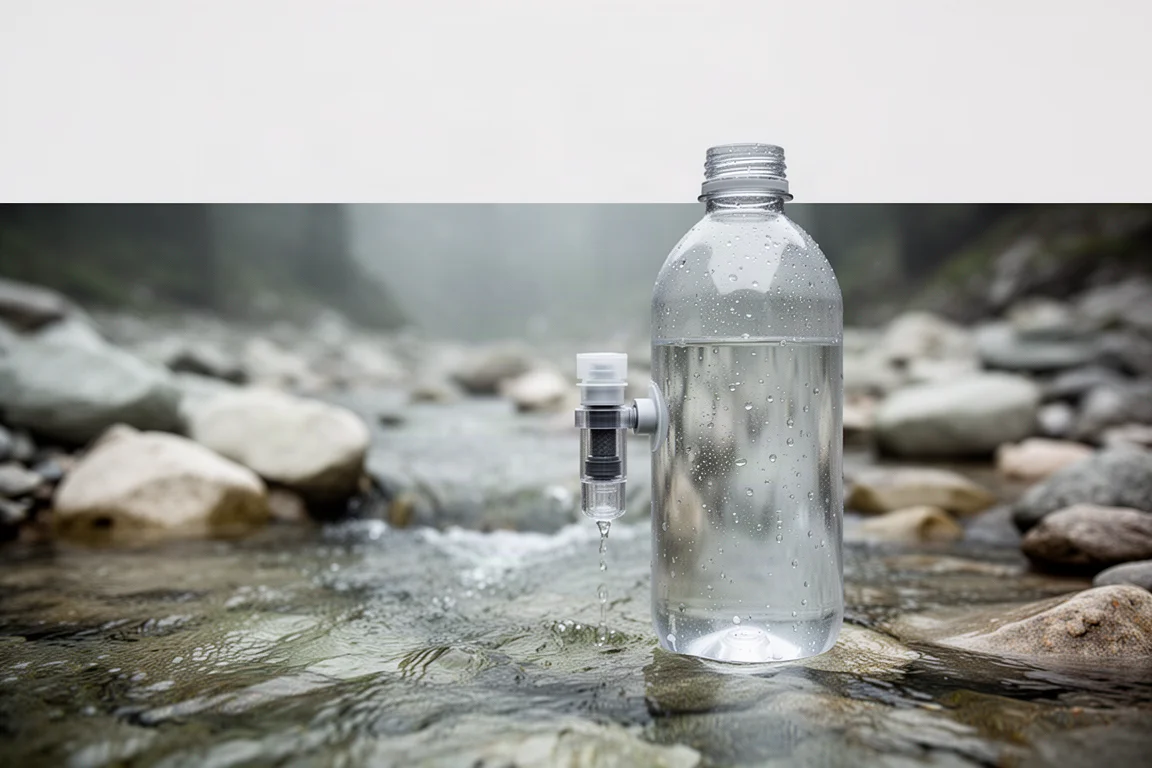
All three bottles share the same 28 mm thread, so a screw-on squeeze filter or a cleaning coupling attaches directly to any of them. When filtering into a narrow opening, the smoothest method is to attach the bottle to the filter, tighten it down, then back the connection off slightly so air can escape while water flows in. The Migo’s wide mouth skips that step entirely when your filter does not thread on.
Filtering out of the bottles is where they separate most clearly. The Through Bottle is the hardest of the three to squeeze hard enough to force water through a filter, and once it is squeezed flat you have to reopen it and let air back in before continuing. The NOBO is far easier to squeeze, and the Migo is the easiest of the three, with the LDPE body springing back into shape after each squeeze instead of staying deformed.
Cleaning followed a similar pattern. The Through Bottle and the NOBO were rinsed with warm soapy water, shaken well, and then rinsed repeatedly until no soap remained. The Migo was easier: the cap pops off, the parts wash separately, and the inside can be wiped with a washcloth. All three can go in a dishwasher, though the top rack is the safer spot, well away from the heating element at the bottom. Bottle brushes made for wine or beer bottles fit inside all three, which is worth knowing if you have struggled to find a brush that reaches. Before first use, a warm rinse is worth the minute it takes, since it largely clears the plastic taste from the water.
Buying Advice: Matching a Bottle to Your Pack
The choice comes down to priorities. If cost leads everything else, the Through Bottle at $12.99 is the straightforward pick, and its stiff body and molded markings make it feel like a direct upgrade over a disposable bottle. If weight leads, the NOBO at about 65 g is the one to carry. If versatility leads, the Migo and its dual openings are the most flexible of the three.
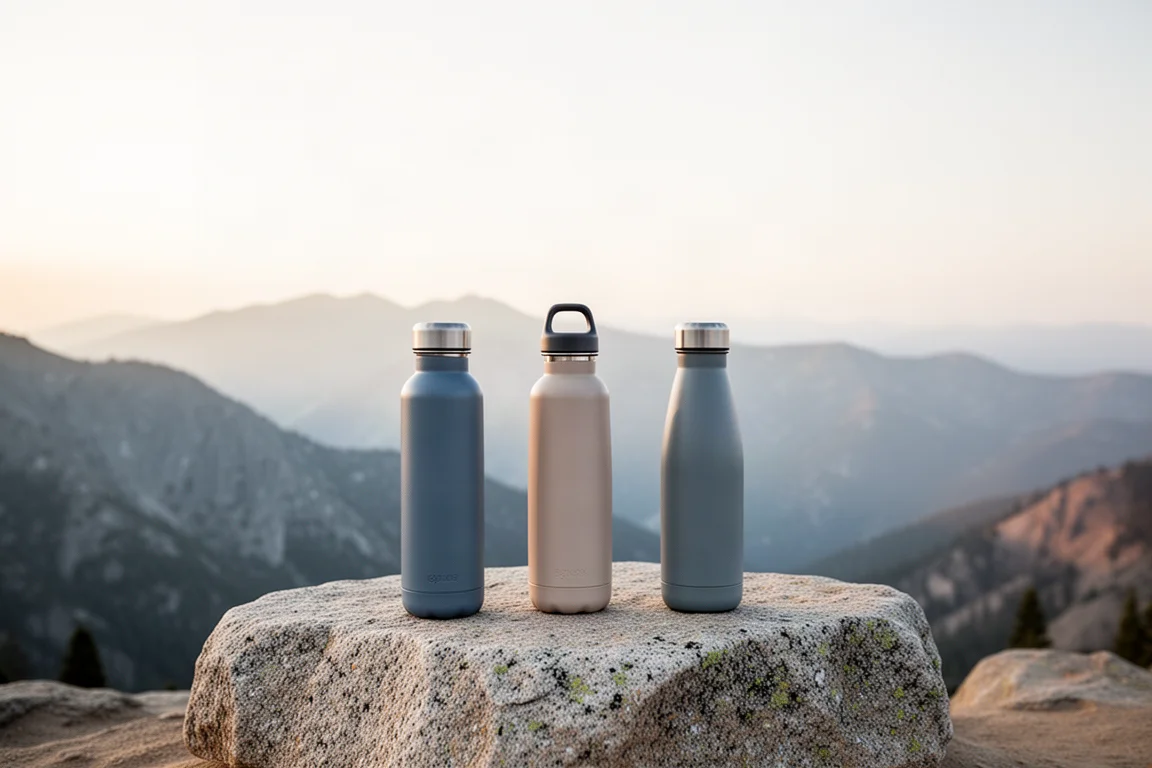
Pocket fit deserves a mention before you commit. The Through Bottle is the slimmest of the three and the most likely to slide into narrow, low-profile pack pockets. The Migo is close enough in size to a disposable bottle that it should fit most of the same places. The NOBO is wider, so it is worth checking against your shoulder-strap pockets if they run slim, even though its shorter height keeps it comfortably out of the way in roomier ones.
Durability is not the deciding factor here. All three are well made and far tougher than the disposable bottles they replace, and any of them will serve as a meaningful upgrade on the trail. The differences are in weight, price, and how the bottle behaves at a water source, not in whether it will hold up.
Conclusion
Each of these bottles solves the same problem in a slightly different way, which is good news for backpackers: there is no single right answer, only the bottle that matches how you hike. The CNOC Through Bottle wins on price and simplicity. The Ignious NOBO wins on weight. The Mazama Migo wins on flexibility, with a wide mouth that makes filling, cleaning, and mixing drinks easier than either of the others.
Pick the one whose compromise you can live with, rinse it before the first trip, and it should keep working long after a case of disposable bottles would have been recycled.
Further reading
Related Reviews

Backpacking Gear
Building a 10 lb Base Weight: An Ultralight Backpacking Gear List
A practical walkthrough of the ultralight pieces behind a 10 lb base weight, from a 765 g pack and a roomy one-person tent to a full camp chair and a dependable water filter.

Road Bikes
10 New Road Bikes Worth Watching: Aero, Titanium, Steel and Endurance Standouts
A practical roundup of 10 new road bikes, from aero flagships chasing single-watt gains to titanium, steel and endurance platforms built for real roads.
Bikepacking Gear
11 Bikepacking Essentials for Long-Distance Cycling
Eleven bikepacking essentials for long-distance cycling, from a steel gravel frame and a two-person tent to helmet lights, packable gloves, and a frame bag that puts weight in the right place.