Camping Tents
Best Backpacking Tents: Ten Standout Shelters for Wild Camping
Ten backpacking tents ranked by real-world use, from an £80 first wild camping shelter to a premium four-season tent trusted in 60 mph winds.
Introduction
Choosing a backpacking tent is rarely about finding the single best model on the market. After working through more than 40 different tents over years of camping, the shelters that stand out are the ones that solved a specific problem, survived a specific night, or made a specific trip possible in the first place.
This list of ten favourites is ordered that way. The number one spot is not automatically the best tent for every buyer, and a budget shelter can outrank a premium one when it has done more work. Weight, interior space, wind performance, pitch size, price and simple familiarity all feed into the order.
Two useful starting points before reading on. First, decide how much weight you are willing to carry, because that single decision eliminates a large part of the market immediately. Second, decide how exposed your typical pitch is, because a tent that shrugs off 50 mph winds is a different product from a tent that packs down to the size of a loaf of bread.
How These Tents Earned Their Place
The rankings here are based on use rather than specification sheets. A tent earns a high position by being pitched repeatedly, by handling the conditions it was bought for, and by being easy enough to live with that it never becomes a reason to stay home.
Weight matters most on long-distance walks, where every gram is carried for hours. Internal space matters on trips where weather keeps you inside the tent for a full evening. Wind performance matters on exposed ground, where a freestanding design with plenty of tie-out points is worth more than a lighter shelter that needs perfect ground to stand up straight.
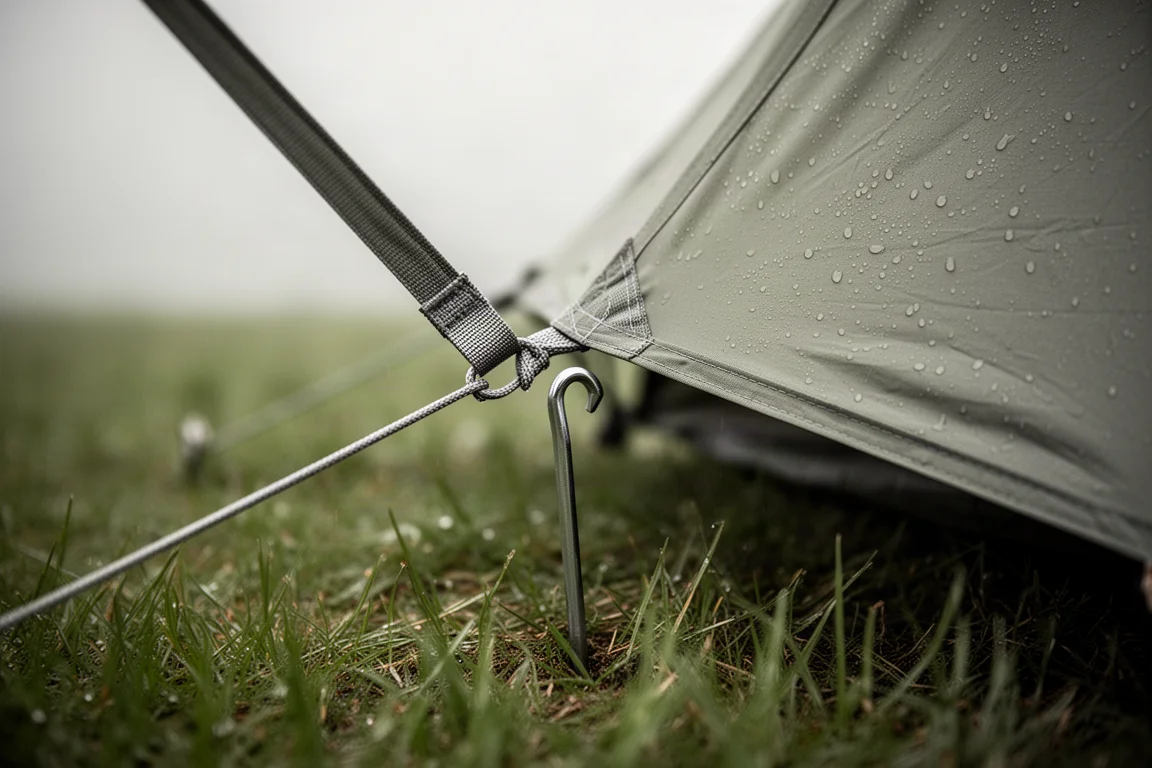
Pack size is the quiet factor. A tent with poles fixed to the flysheet needs a larger space to be folded away, which becomes awkward on small, cluttered pitches. A tent with shorter poles packs down more easily and fits into tighter gaps in a rucksack.
Price is part of the picture, but it is not the whole story. A shelter costing around £80 to £125 can still keep you warm, dry and safe, and several tents on this list prove that. Premium shelters justify their cost through materials, construction and long-term durability rather than through features alone.
The final factor is harder to measure and just as real: confidence. A tent you trust completely changes how you plan a trip, because you stop treating bad weather as a reason to turn back. Every shelter below earned its position partly on that basis.
Hilleberg Nallo 3: All-Season Space for Two
At number ten, the Hilleberg Nallo 3 is an exceptionally strong all-season shelter with genuine room for two people. It was bought for trips where the pitch could be almost anywhere and the weather could do almost anything, and it is built to hold its shape in those conditions.
The trade-off is size. The footprint is large, which makes it a poor fit for the tight nooks and awkward corners that a smaller tent can squeeze into, and it is simply more tent than a solo camper needs. Where two people share the load and want space to sit out a long evening, it makes far more sense. With more regular use it would likely climb higher on this list.
Durston X-Mid 1: The Trekking Pole Tent That Rewrote the Rules
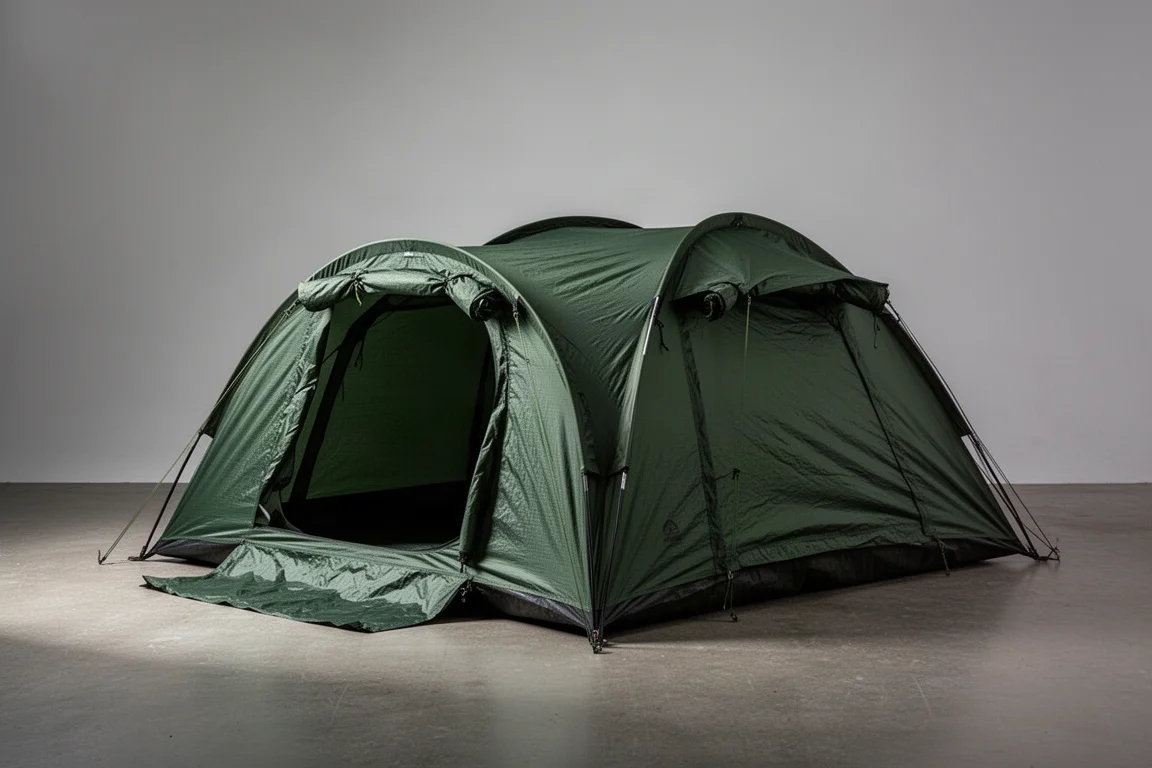
Number nine is the Durston X-Mid 1, one of the most genuinely inventive tents to appear in years. It is a trekking pole shelter, but the design is asymmetric: the inner tent runs at a different angle to the outer. That offset creates noticeably more headroom and interior volume than the footprint suggests, while keeping the structure stiff for its weight.
Packed weight comes in at around 700 g excluding trekking poles, which makes it a natural choice for long-distance hiking. It pitches quickly, and there is comfortable room for one person plus their gear. For anyone already carrying poles, it is one of the most efficient shelters available.
Vango Zenith 200: The Tent That Started It All
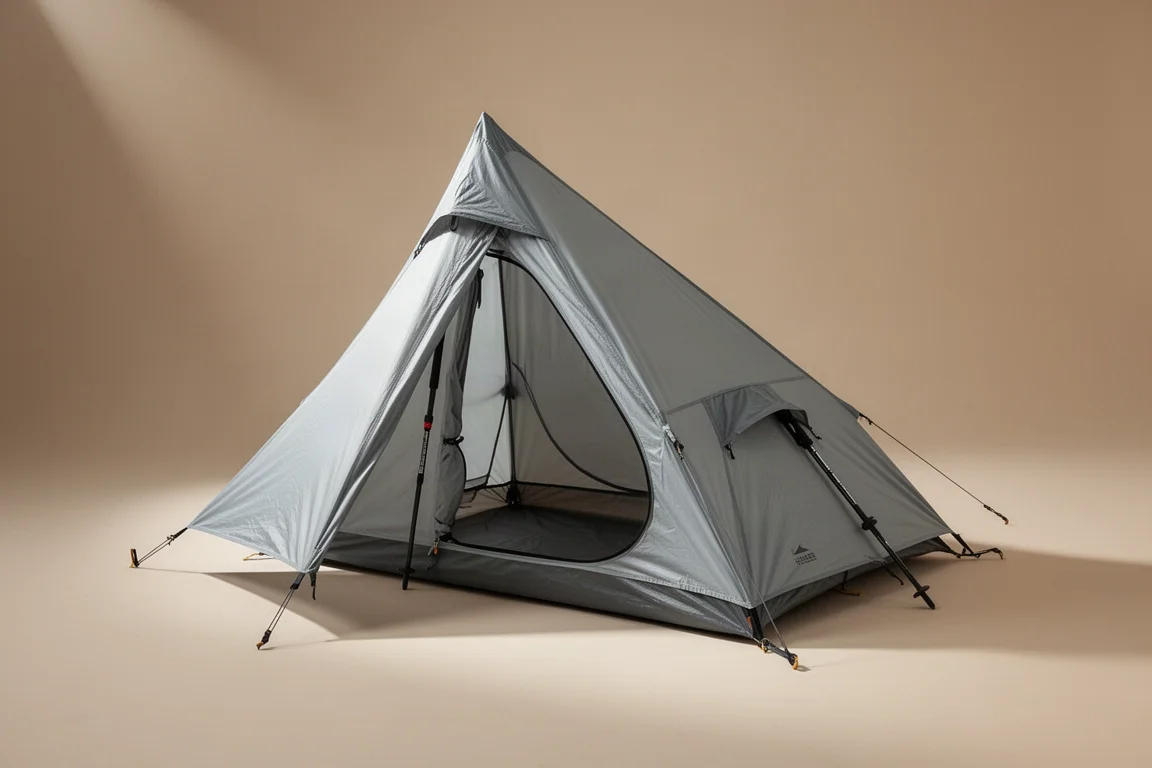
Number eight, the Vango Zenith 200, is a modest tent with an importance out of proportion to its specification. It was the first shelter used for wild camping, and it opened the door to nights out in the Peak District and the Yorkshire Dales.
At around £80 and roughly 2 kg, it coped with wind, light snow and frost, and did the only thing that really matters: it kept the weather off. Similar designs have since succeeded it in the range, but the experience it made possible is not something a specification sheet can reproduce. That is why a budget tent sits inside a top ten next to far more expensive shelters.
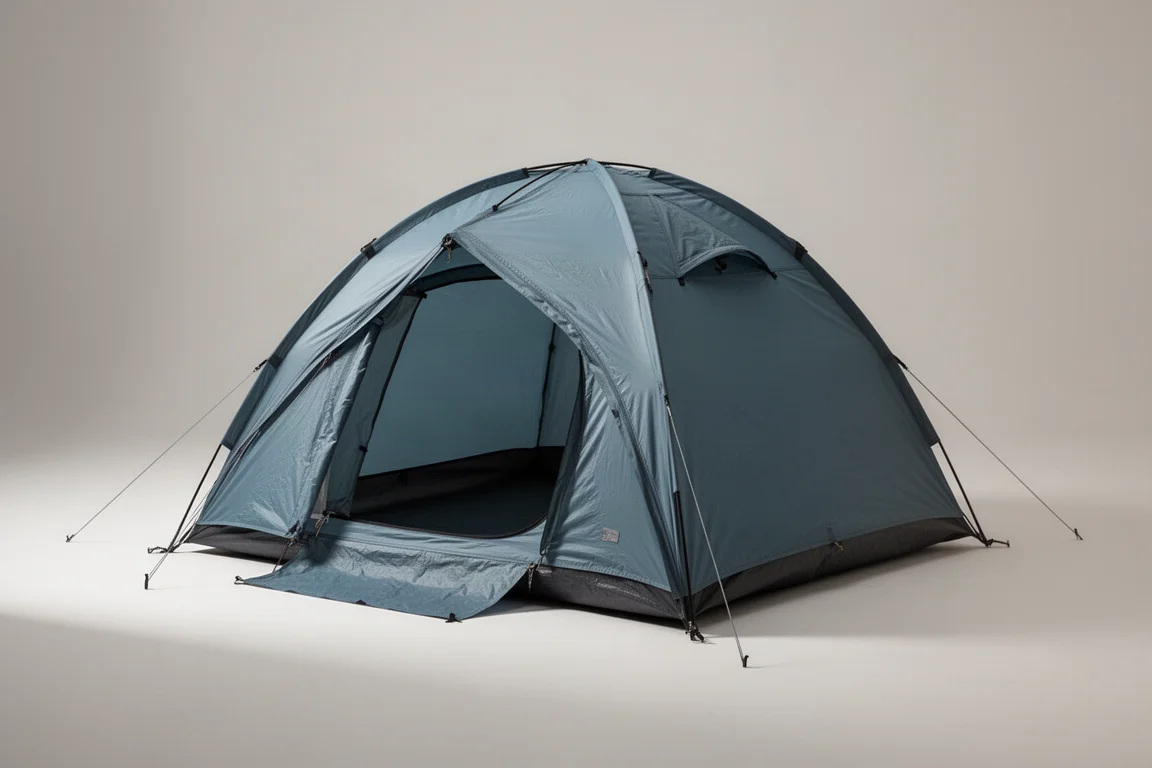
Terra Nova Laser Compact All Season: Modern Materials, Plenty of Room
Number seven is a newer addition to the list. The Terra Nova Laser Compact All Season borrows the same materials used on the brand’s more extreme models, including the Voyager and the Quasar, and combines them with a roomy interior and a generous number of tie-out points.
It weighs roughly 1.7 kg, which is impressive for a tent of this quality and internal volume, and it pitches easily. For hill conditions where wind and rain arrive together, it is a well-rounded shelter that feels built for the job rather than adapted to it.
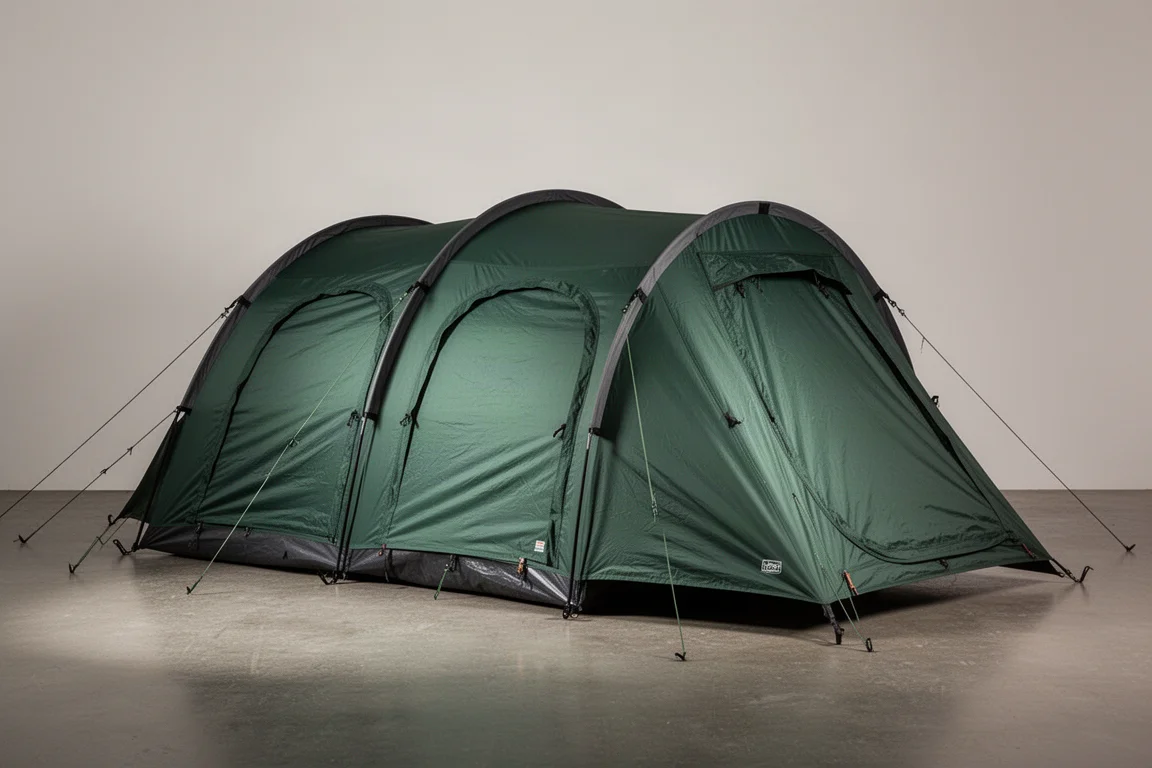
Hilleberg Akto: The First Step Into Premium
Number six, the Hilleberg Akto, was the first premium tent here, and it set the benchmark for what that category means. It pitches easily, offers a good amount of space for one person, and takes a serious beating when the weather turns.
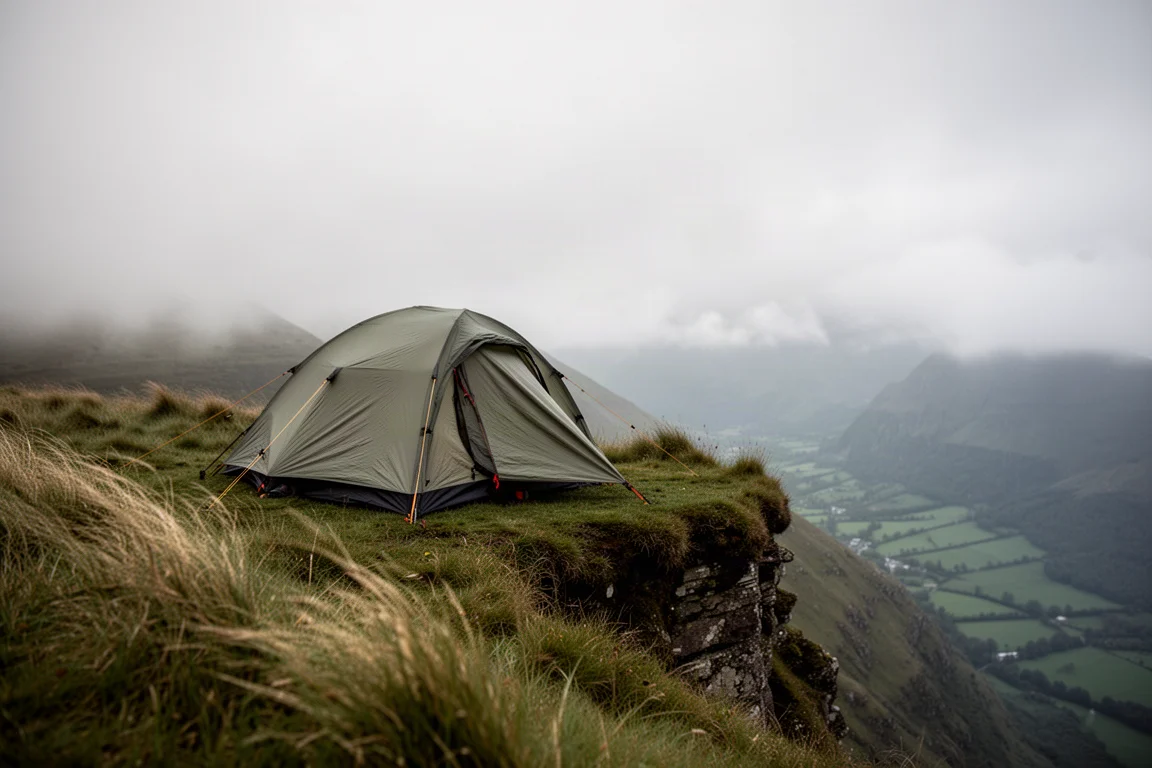
It was chosen over the Hilleberg Soulo at the time because of its smaller footprint and slightly more interior space. That decision sums up the Akto well: it trades a little of the Soulo’s outright strength for an easier pitch and more usable room inside. It is the tent that made the case for paying more in the first place.
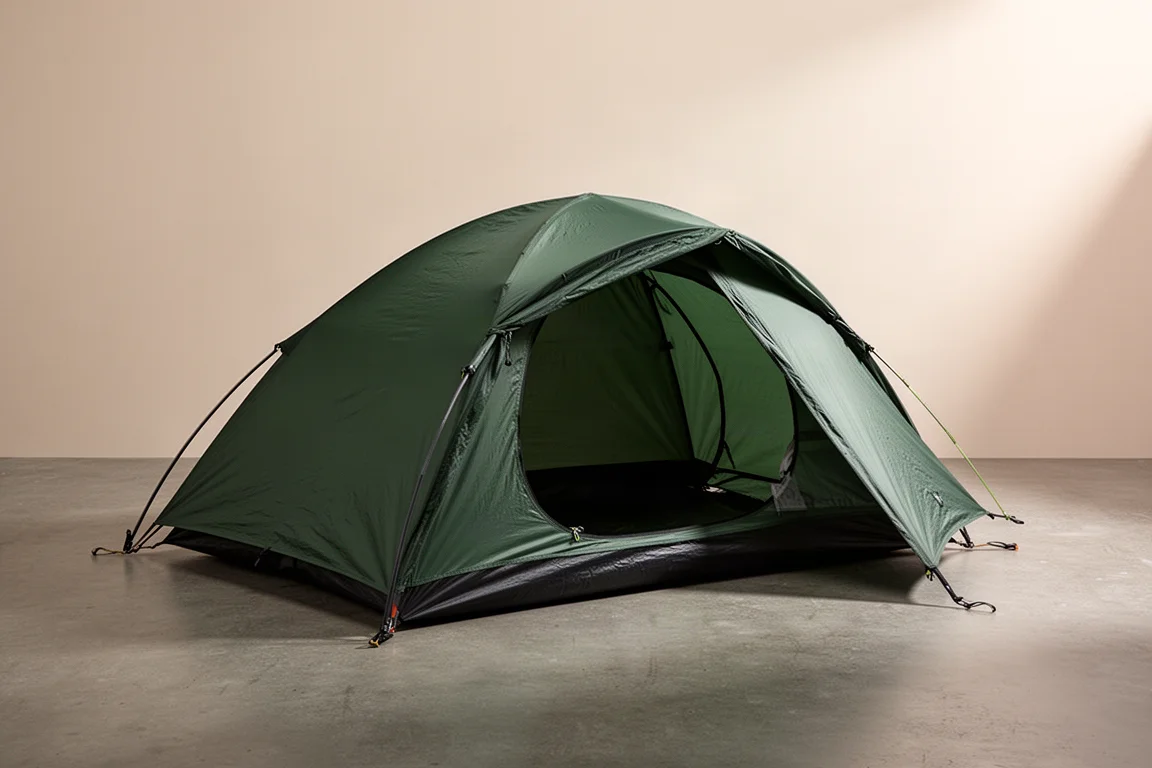
Wild Country Helm 1: Budget Shelter, Serious Strength
Number five, the Wild Country Helm 1, is the best value shelter on this list. At around £125 and roughly 2 kg, it is a genuinely sturdy tent that has stood firm in winds of 40 to 50 mph alongside far more expensive designs. A later revision, the Helm 1 Compact, uses shorter poles that pack down more easily.
The pitch is refreshingly simple: two poles, a handful of pegs, and a night of safe, warm shelter. That lack of complication is a large part of the appeal. On pure tent specification, more expensive shelters are superior, but the Helm 1 earns its top-five place on reliability, price and the ease of simply getting out the door.
Terra Nova Laser Photon 1: Ultralight and Remarkably Tough
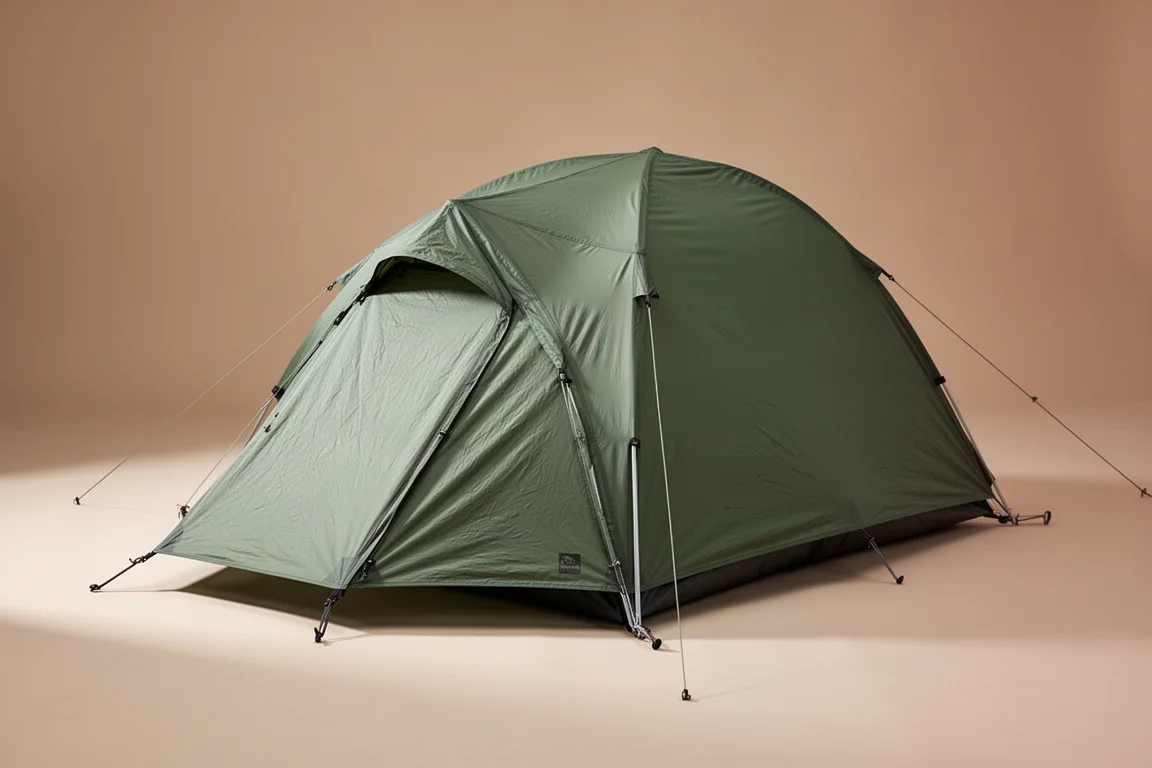
Number four, the Terra Nova Laser Photon 1, was the first ultralight tent in the collection and remains one of the most memorable. It weighs around 700 to 750 g including poles and packs down to very little.
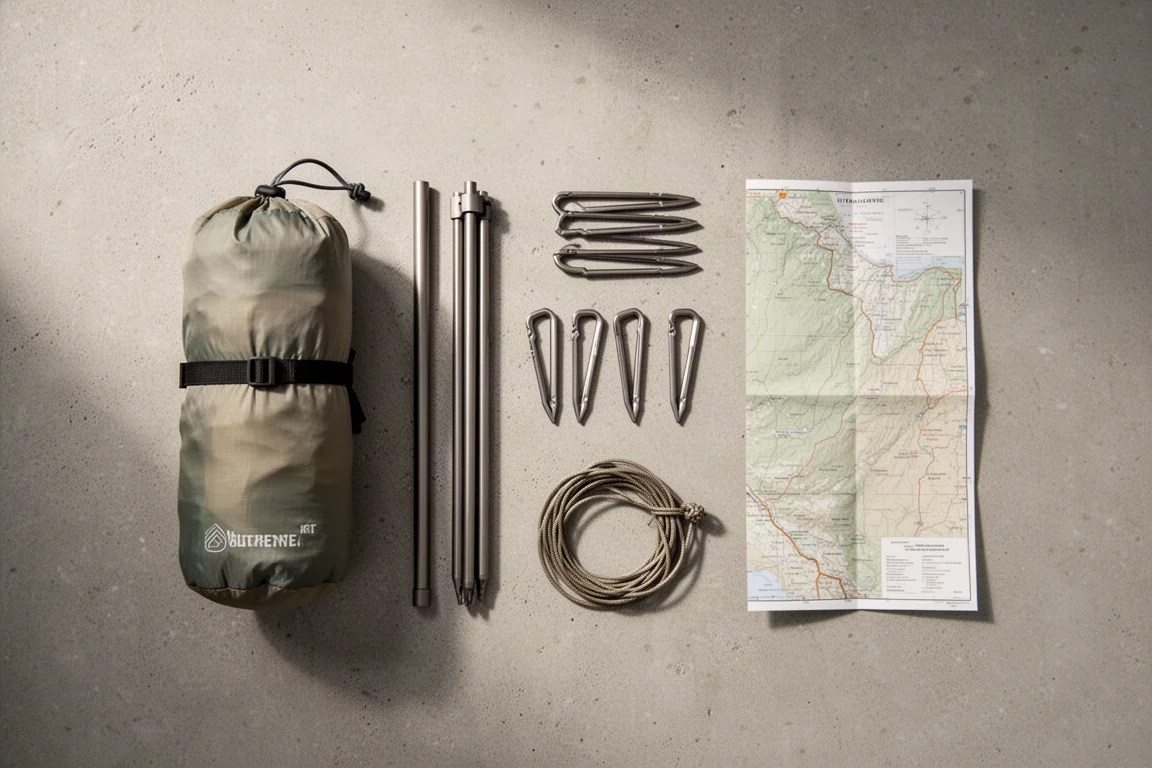
The silicone coating on both sides of the fabric makes it strong and highly tear resistant, and the single-pole design has stood up to genuinely testing conditions on multi-day trips. It pitches quickly, and there is enough room inside for one person and their kit, particularly with the inner dropped. It is no longer easy to find at retail, which makes it a keeper rather than something to hunt down.
Nordisk Voss 1 PC: Polycotton Craftsmanship
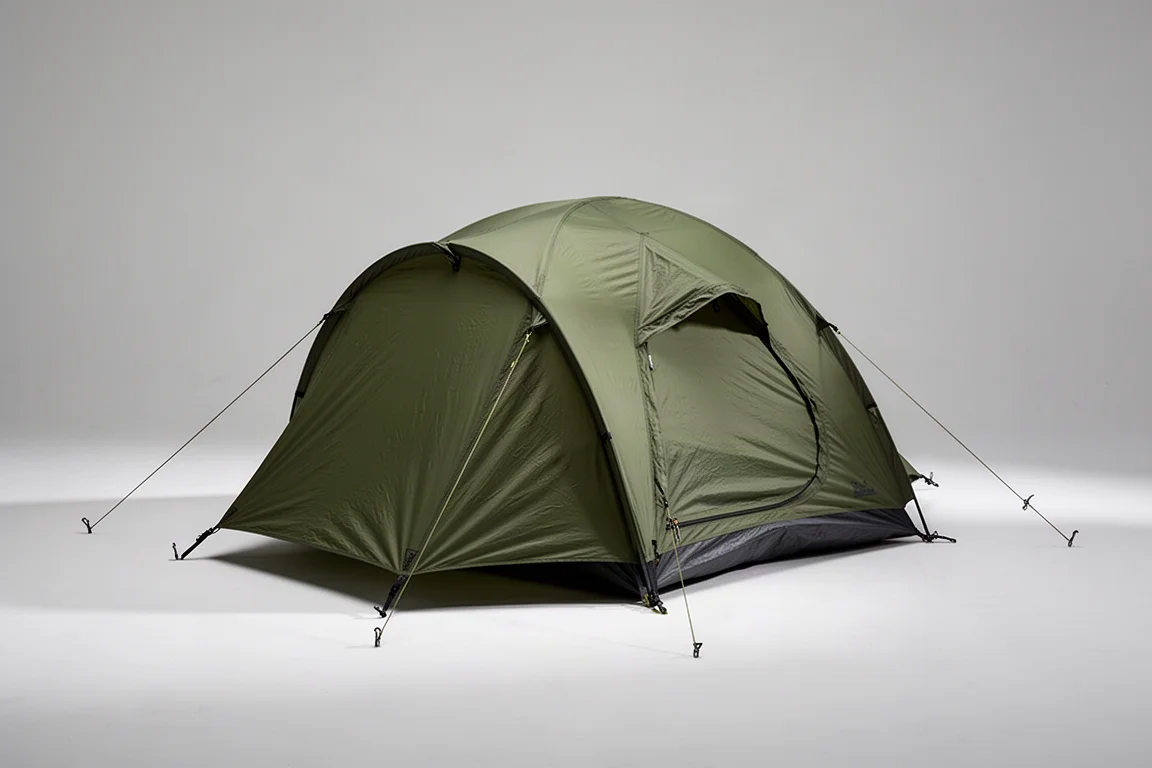
Number three is the Nordisk Voss 1 PC, a polycotton shelter that stands apart for the quality of its construction. The fabric behaves like cotton, and the wetter it gets, the more waterproof it becomes, which is unusual to use and takes some getting used to.
It pitches easily, offers a lovely interior space, and barely moves in the wind. The cost is weight and bulk at around 3.5 kg, which is a lot to carry up a mountain. For anyone willing to trade pack weight for a tent that feels as though it will last indefinitely, it is difficult to beat.
Terra Nova Southern Cross 1: The Freestanding Workhorse
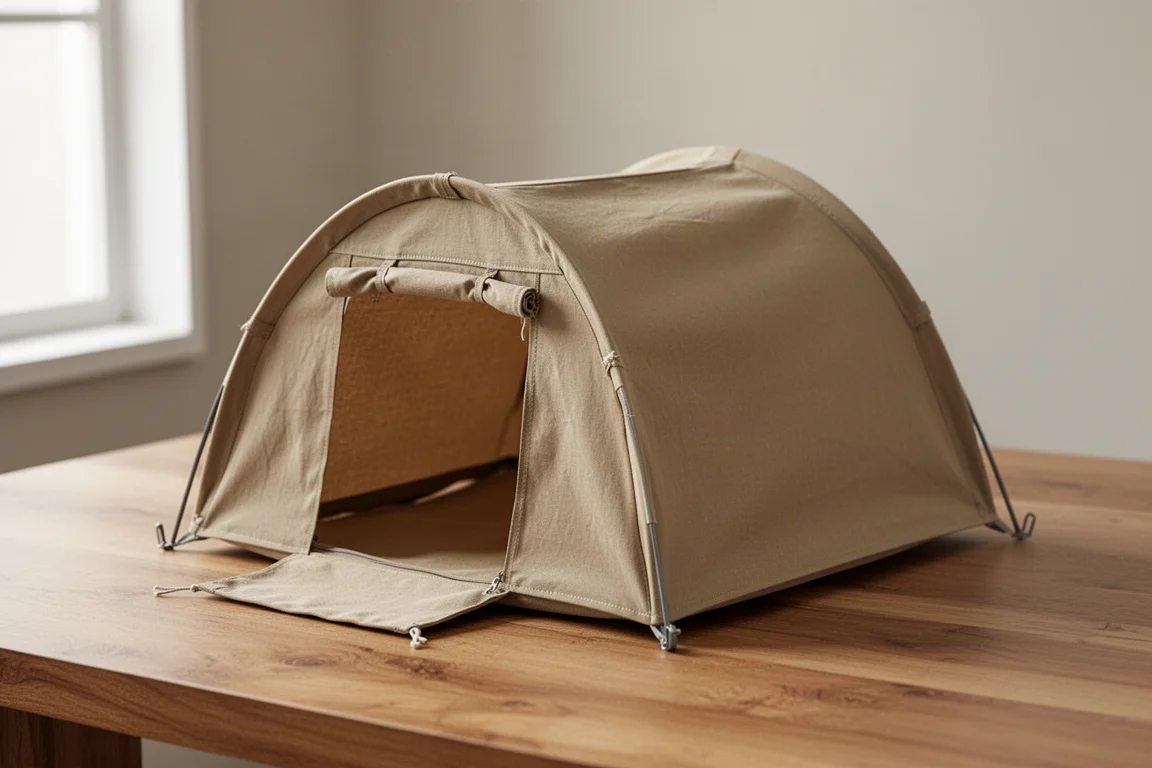
Number two, the Terra Nova Southern Cross 1, has been in use for a long time and has seen some genuinely grim conditions. Wind, rain, snow, thunder and lightning: it has kept the elements at bay through all of it.
It is freestanding, has a small footprint that fits almost anywhere, and a low profile that helps it shrug off weather. The inner is snug, which keeps warmth in on cold nights, and the vestibule is large enough to cook in with the door zipped down. It is not the most spacious one-person tent, but that compactness is a large part of why it performs so well.
Hilleberg Soulo: The Strongest One-Person Shelter
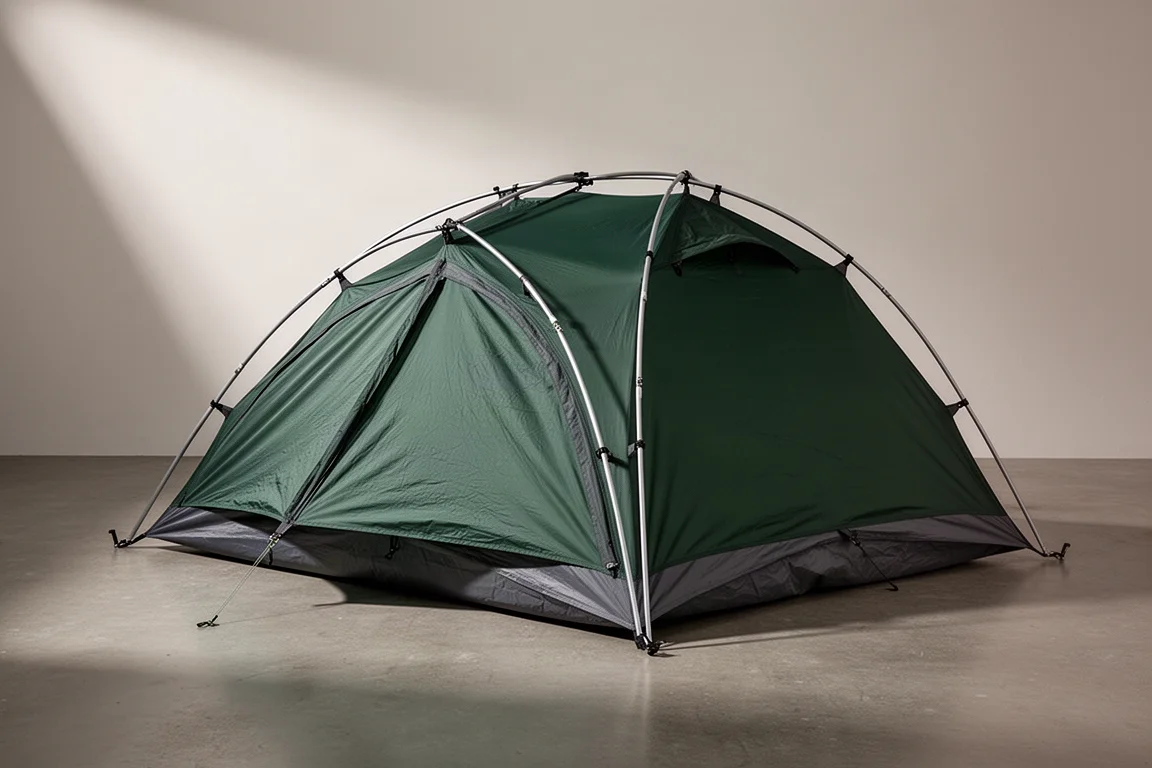
Number one is the Hilleberg Soulo. It is freestanding, covered in tie-out points, and can be built up from the ground, which is exactly what you want when the wind is trying to flatten the pitch. Once it is up, it holds its position and does not move.
It has handled 60 mph winds and snow, and it is one of the very few tents that can be trusted completely. It is also the shelter that shaped the trips that followed, from extreme-weather camps to pitches chosen purely for the view in the morning. Strong, stable and confidence-inspiring, it takes the top spot on this list.
Buying Advice: Matching the Tent to the Trip
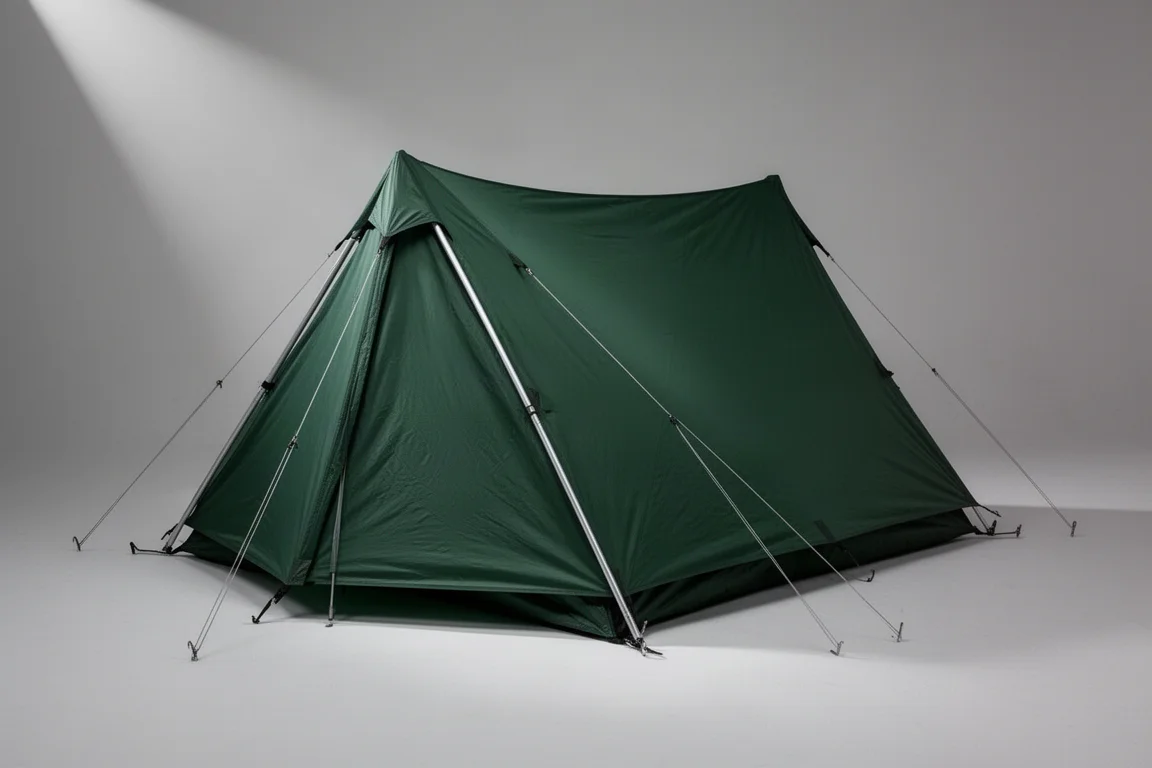
There is no single best backpacking tent, because the right answer depends entirely on the trip. A long-distance walk rewards low weight, which is where the Durston X-Mid 1 and the Terra Nova Laser Photon 1 come into their own. Exposed, windy pitches favour a freestanding design with plenty of tie-out points, such as the Hilleberg Soulo or the Terra Nova Southern Cross 1.
Budget matters too, and it is worth remembering that a tent costing around £80 to £125 can still keep you warm, dry and safe. The Vango Zenith 200 and the Wild Country Helm 1 are the clearest proof of that on this list. At the other end, premium shelters such as the Hilleberg Akto, the Hilleberg Nallo 3 and the Nordisk Voss 1 PC justify their cost through materials, construction and durability rather than through clever features.
A practical way to decide: work out how much weight you are willing to carry, how much interior space you actually need, and how exposed your usual pitch is. Then choose the shelter that answers those three questions, and ignore the rest. An £80 tent that gets used every month is worth more than a premium tent that stays in the cupboard.
Conclusion
This list is about favourites rather than a specification ranking. The order reflects the trips each tent made possible and the confidence each one inspired, from a first night out under a budget shelter to a premium tent pitched in 60 mph winds.
If you take one thing from it, make it this: the tent that suits your trips is the one worth buying, whether that is an ultralight trekking pole shelter for long-distance walking, a freestanding four-season tent for exposed ground, or an affordable first tent that gets you out of the house in the first place. What matters is that the gear is up to the job, so the night out is the thing you remember.
Further reading
Related Reviews
Camping Tents
3F UL Gear Taiji Two-Person Tent Review: Field Waterproofing Results and Buying Advice
The Taiji pairs an attached fly with a removable inner, but sustained rain exposed untaped vent seams that need sealing before this shelter can be trusted.
Camping Tents
3FUL Gear Lanshan 2 Pro 4-Season Review: A Sub-$200 Single-Wall Trekking Pole Tent
An early look at the 3FUL Gear Lanshan 2 Pro 4-Season, covering its straightforward pitch, generous interior space, and the condensation and seam-sealing questions that come with any single-wall shelter.
Camping Tents
Alps Mountaineering Lynx 1-Person Tent Review: Big Value in a Small Budget Tent
A close look at the Alps Mountaineering Lynx 1-Person Tent, covering real interior dimensions, materials, setup time, ventilation limits, and who should buy it.