Backpacking Tents
Best Backpacking Tents for the Appalachian Trail: Two Shelter Options Worth Knowing
A practical look at two backpacking tents for long distance hiking, from a 19-ounce trekking pole shelter to a double wall design, plus how to weigh the trade-offs.
Introduction
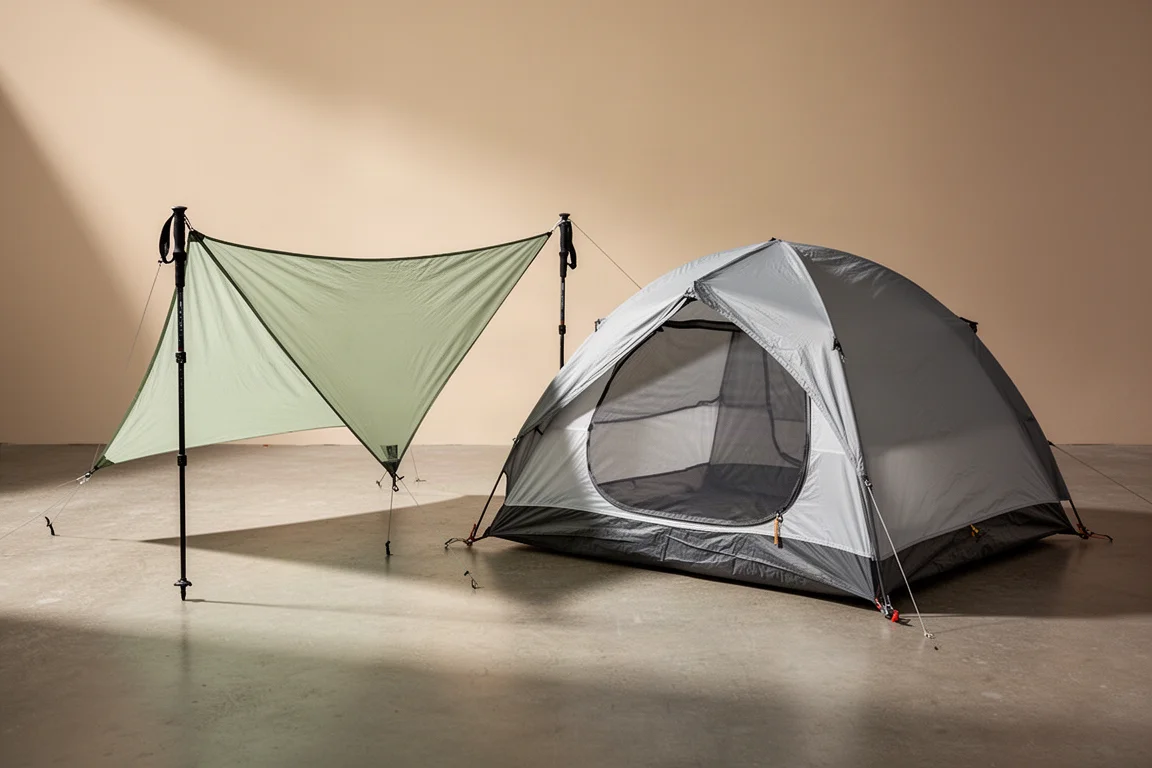
Choosing a shelter is one of the biggest gear decisions on a long distance hike, and the market can feel endless. Weight, pitching style, wall construction, fabric and interior space all shape how a shelter performs over weeks of daily use. On the Appalachian Trail, one simple guideline narrows the field quickly: aim for a shelter that weighs three pounds or less. Pack weight is felt on every climb, and the shelter is one of the few places where saving a handful of ounces makes a noticeable difference.
This guide covers two established backpacking tents that sit at different points on the weight and simplicity spectrum, and explains the design trade-offs behind each so you can match a shelter to the way you actually hike.
What Matters Most in a Backpacking Shelter
Three pounds or less is a sensible target for a backpacking shelter. Beyond weight, the main decisions are pitching style, wall construction, interior capacity and fabric.
Traditional tents remain by far the most popular shelter type on the Appalachian Trail, and trekking pole tents have been catching up steadily. Wall construction splits into single wall and double wall designs, and each has a clear effect on warmth, ventilation and interior condensation. Capacity matters as well, because a one person tent holds a sleeper and a sleep system but may not hold a pack, while a two person tent adds room for gear, a companion or a dog.
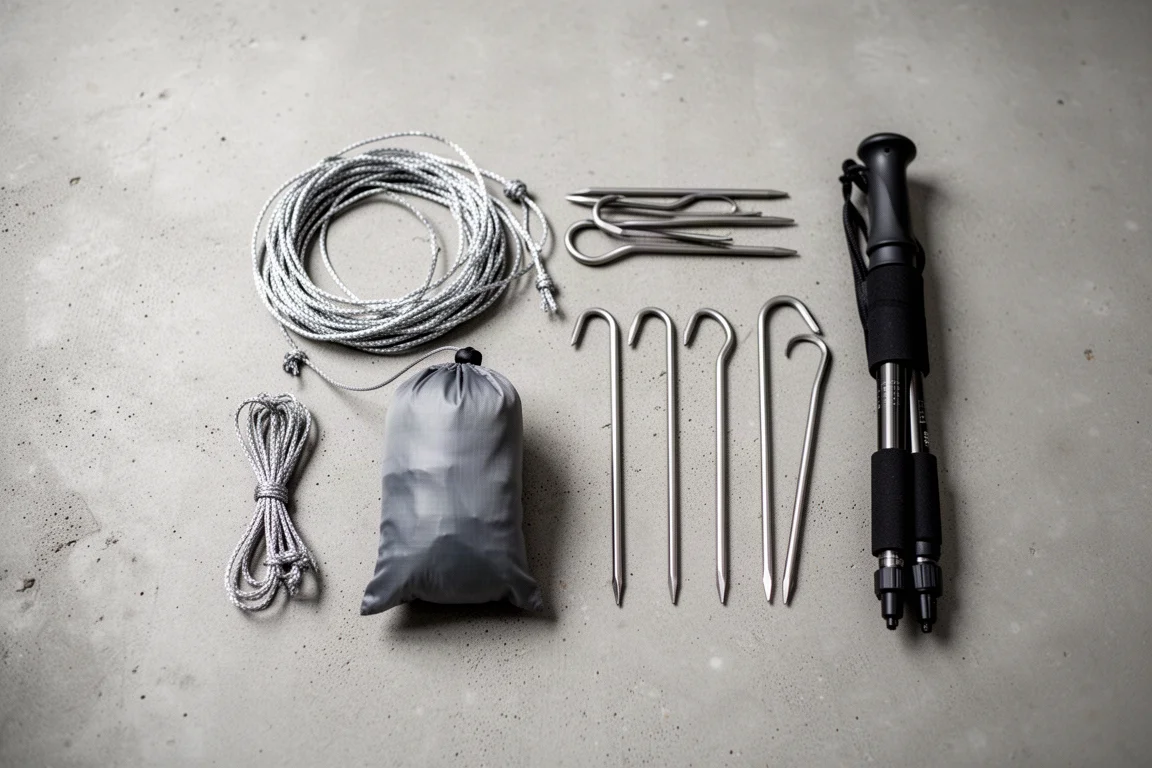
Fabric ties all of it together. It determines packed weight, how the shelter behaves in sustained rain, and whether an extra ground cloth is needed underneath.
Best Ultralight Trekking Pole Tent: ZPacks Duplex
The ZPacks Duplex represents the lightest approach discussed here and is one of the most established trekking pole tents on long trails. It weighs 19 ounces and pitches with trekking poles rather than a dedicated pole set. Hikers who do not carry trekking poles can usually buy a lightweight vertical rod from the manufacturer instead, so the shelter still works without them.
The Duplex is a single wall tent built from Dyneema Composite Fabric, a laminate that is lighter than nylon and does not stretch or absorb water the way nylon does. A taut pitch stays taut overnight, and a rainy night does not leave you packing a waterlogged shelter the next morning. DCF shelters also generally do not need a ground cloth, which removes another item and a few more ounces from the pack. The Duplex ships with taped seams.
Single wall designs trade ventilation for weight, so condensation can form on the interior wall. The Duplex addresses this with a mesh section that lets moisture running down the wall drain away instead of pooling on the floor. Even so, it pays to keep a sleeping bag from pressing against the wall on cold, humid nights.
The Duplex has been the most popular model on the Appalachian Trail for several years, which reflects how well the design has been received by long distance hikers.
Best Double Wall Option: Big Agnes Fly Creek UL2
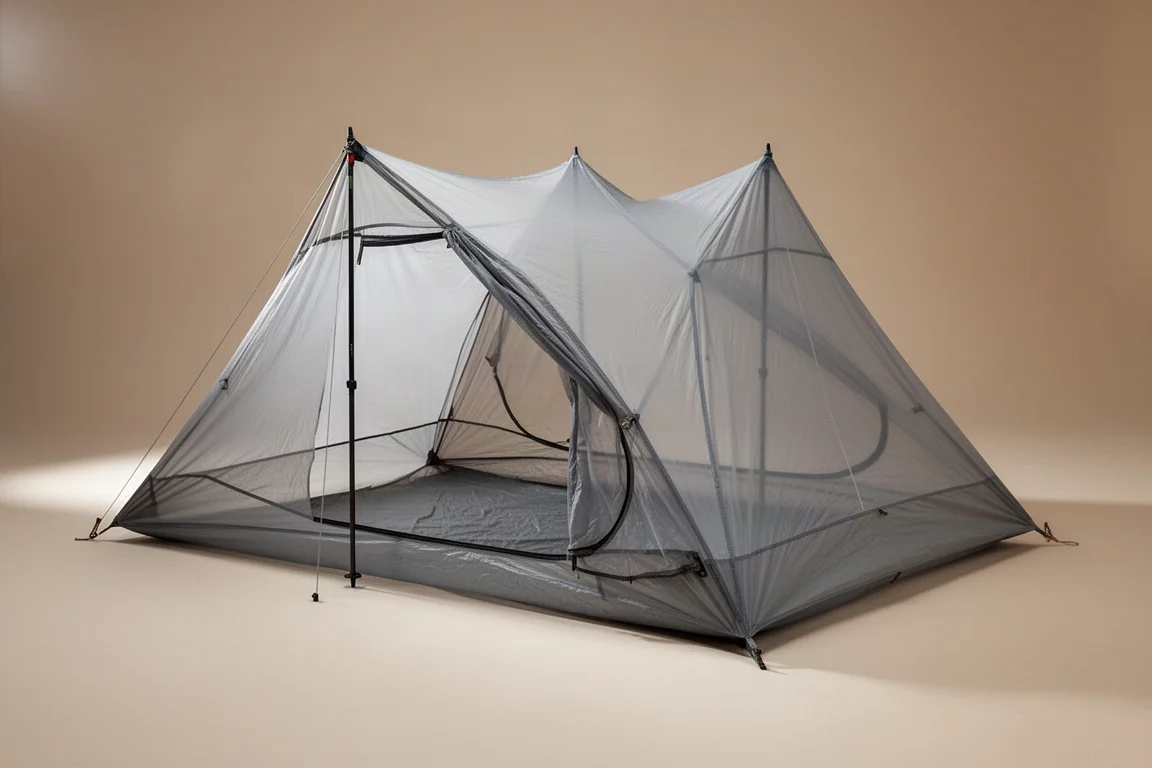
The Big Agnes Fly Creek UL2 takes the opposite approach. It is a double wall tent, which means an inner mesh wall sits beneath a separate waterproof outer wall. The extra layer traps more body heat, so double wall shelters tend to feel warmer, and the mesh inner wall improves ventilation while water vapour that collects on the outer wall runs down and away from the sleeping area. That combination makes condensation easier to manage in humid, wet conditions.
Double wall tents also give you options. The rain fly can be removed on warm nights, leaving a well ventilated mesh shelter that keeps insects out while you look up at the sky. The Fly Creek UL2 sleeps two, so there is space for a partner, a dog, or a spread of gear at the end of a wet day.
The trade-offs are weight and complexity. A double wall shelter involves more pieces and generally weighs more than a single wall trekking pole tent, and the fly has to be handled separately when pitching and packing.
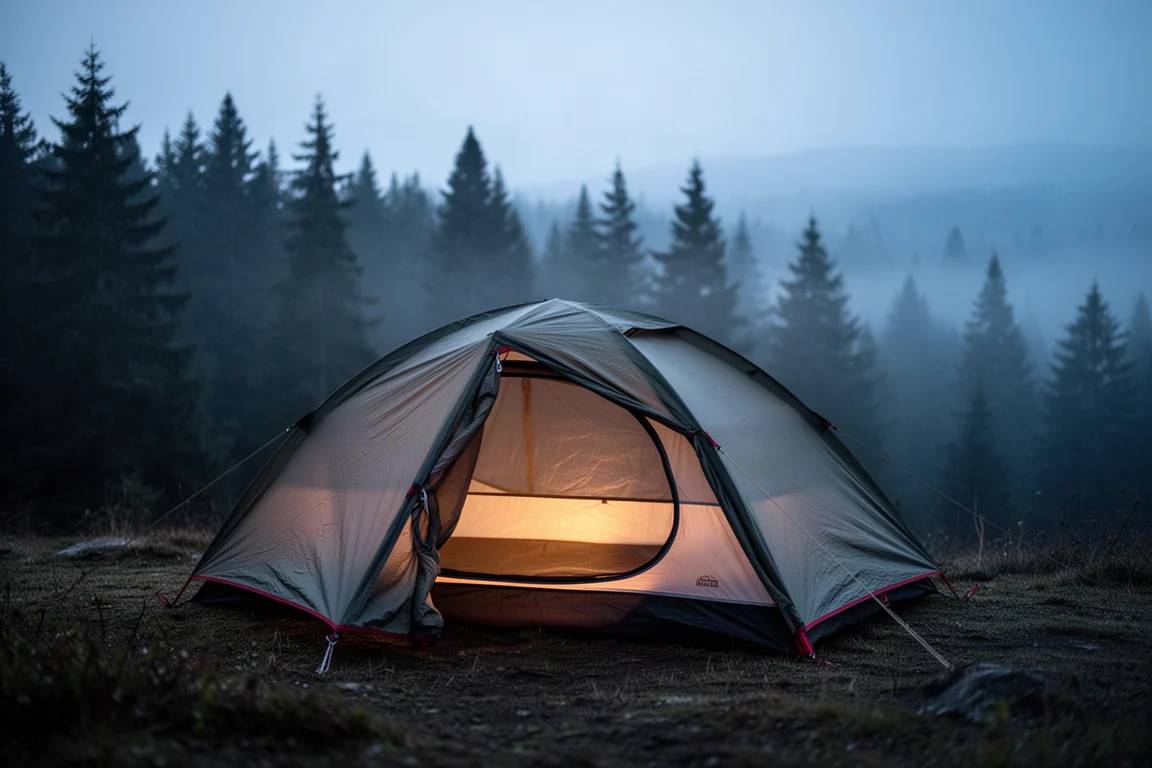
For hikers who value warmth, ventilation and a pitch that goes up the same way every time, the double wall approach remains a comfortable and dependable choice.
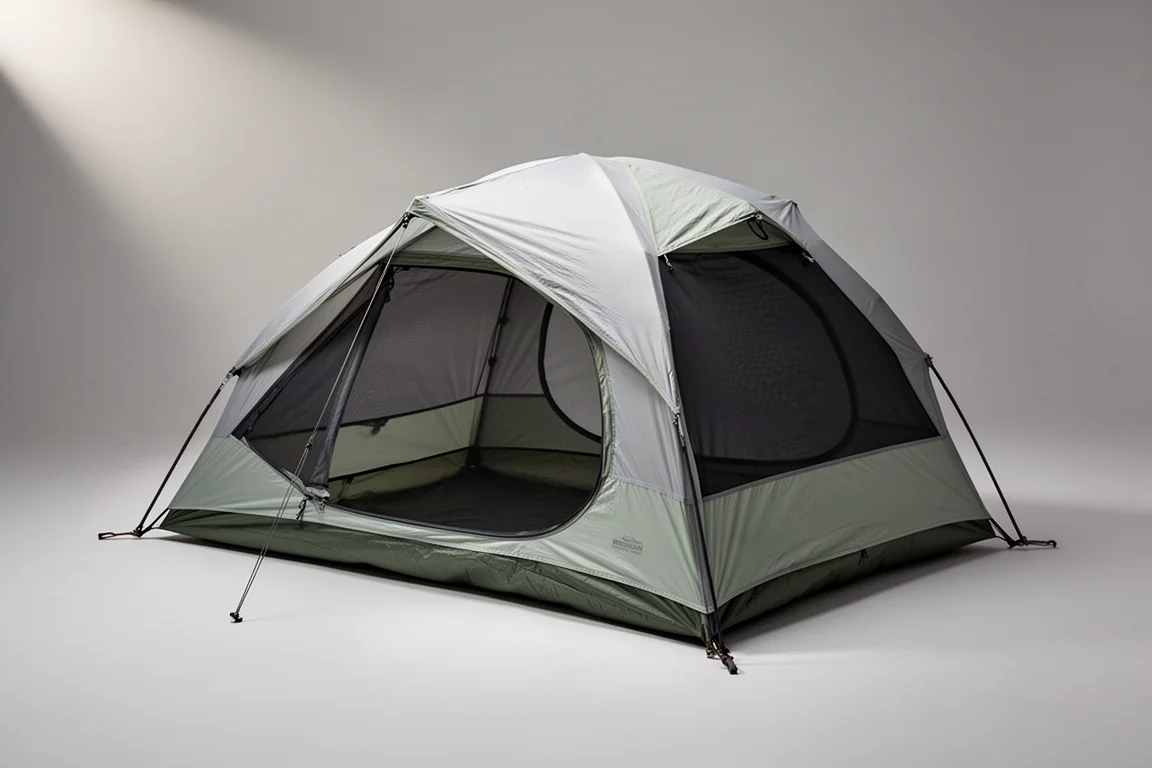
Freestanding, Semi-Freestanding, and Trekking Pole Shelters
Shelters fall into three pitching categories, and the choice affects both weight and how forgiving the shelter is to set up.
A freestanding tent stands on its own with the pole set included in the box. It can be pitched on rock, sand or a wooden platform where stakes will not go in, which is why newer backpackers often find it reassuring. It is also the heaviest of the three options.
A semi-freestanding tent also includes poles, but the vestibule or the rear corners still need to be staked out for a complete pitch. This is the mid-weight option and by far the most common style on the Appalachian Trail.
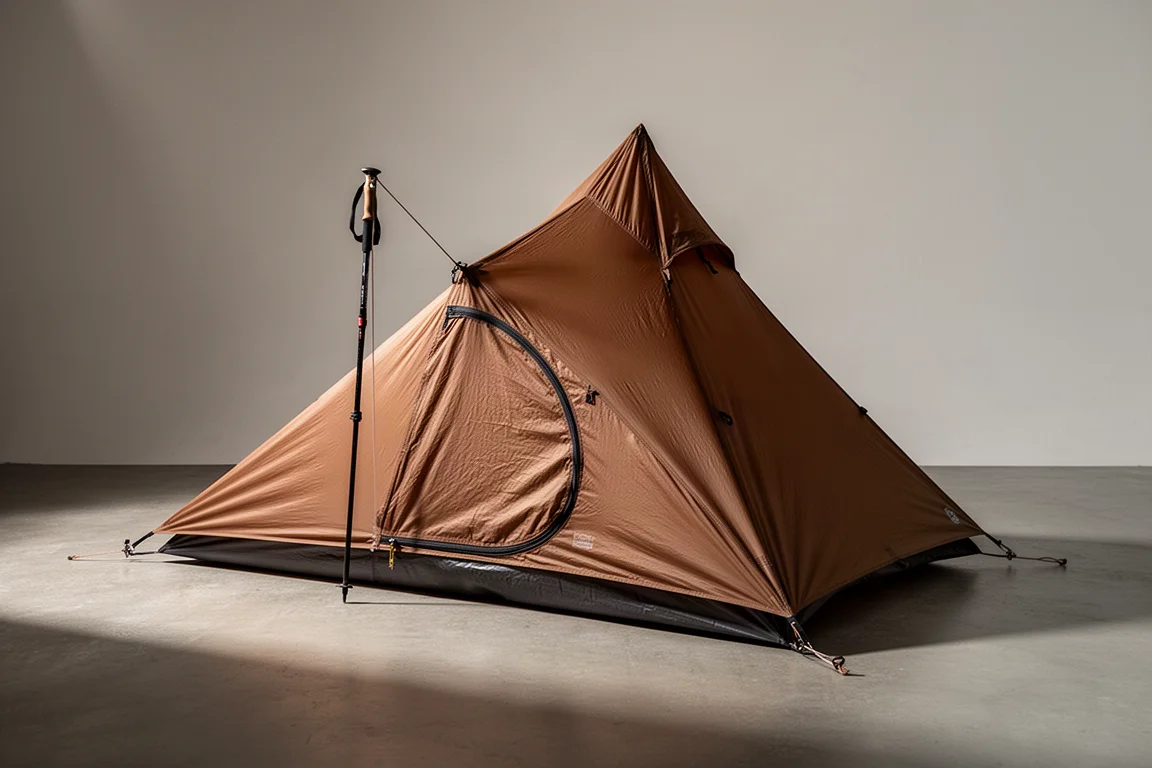
A non-freestanding shelter uses trekking poles or a dedicated lightweight rod to stand up. It is the lightest option because there is no full pole set to carry. It asks for a little more skill at first, but the pitch becomes second nature after a few nights. For hikers who already carry trekking poles, it is an efficient way to shed weight.
Fabric Choices: Nylon, Polyester, and Dyneema Composite Fabrics
Most shelters are built from woven nylon or polyester and then waterproofed. The coating is usually polyurethane, polyethylene or silicone, which is why you will see shelters described as sil nylon or sil poly. Nylon is lighter and more durable than polyester, so it dominates backpacking shelters, but it stretches and absorbs some water. A nylon tent can sag overnight and gain water weight in the rain. Polyester is often used for tarps, which see less abrasion than a tent floor.
Dyneema Composite Fabric, once known as Cuben Fiber, is the premium option. It is lighter than nylon, does not sag and does not absorb water, so a taut pitch stays taut and a wet night does not add water weight to your pack. DCF shelters usually do not require a ground cloth, while nylon shelters are generally paired with a footprint or a sheet of polycryo, which adds weight to an already heavier setup.
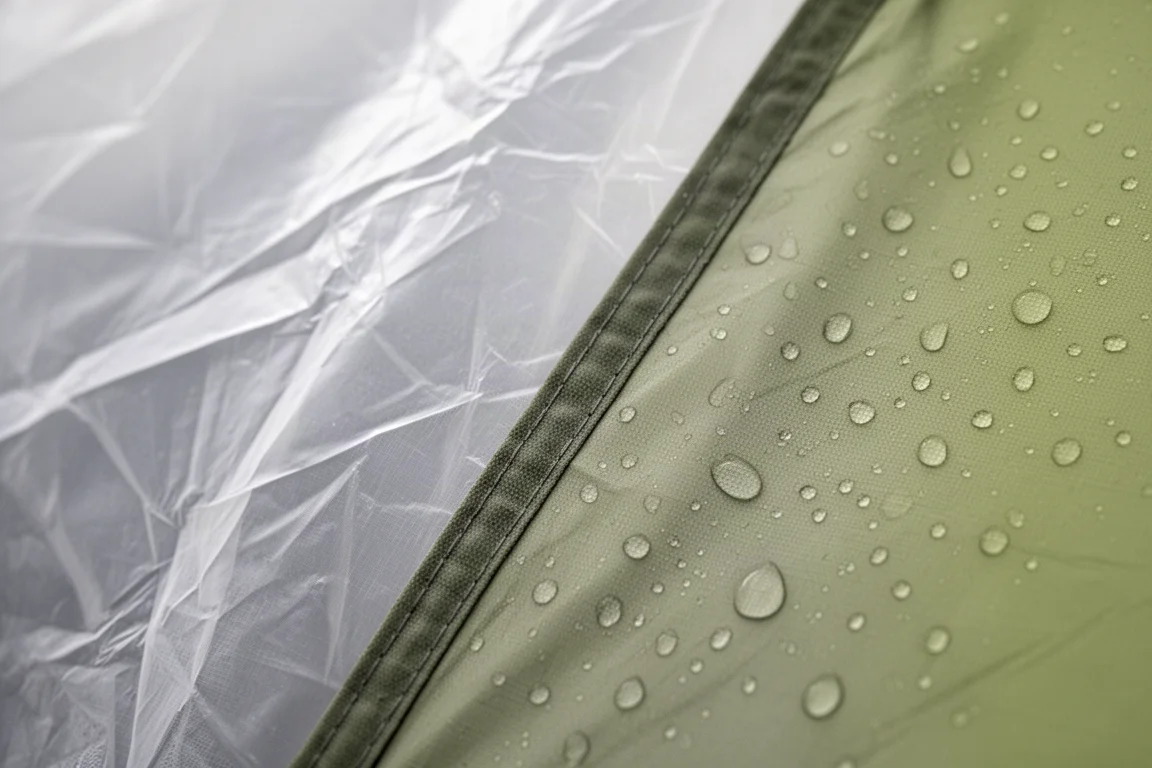
The catch is cost. DCF is significantly more expensive than nylon or polyester, and that is the main reason the material has not replaced the alternatives. It is worth comparing full shelter weight, including any footprint, when you weigh a nylon tent against a DCF one.
Seam Sealing and Stakes
Whatever shelter you choose, the seams need sealing before you rely on it. Waterproof fabric is still punctured by stitching, and those small holes leak in a heavy downpour. Some manufacturers seam seal before shipping, some offer it as a paid service, and some leave it to the buyer. If you seal the seams yourself, use the sealer formulated for your shelter’s fabric. You can usually tell whether seams have been treated by looking for a clear, slightly soft coating along the stitch lines. The ZPacks Duplex uses seam tape rather than a liquid sealer.
Stakes are a smaller decision than they first appear. Shepherd hook stakes are typically the lightest and go into the ground easily, though they bend more readily than thicker designs. Longer, thicker stakes hold better in soft or loose ground but add weight. Most shelters ship with stakes that will work fine, and no single stake type is likely to make or break a long hike.
Buying Advice
Choosing between these two shelters comes down to how you hike, where you hike, and how much you want to think about your pitch at the end of a long day.
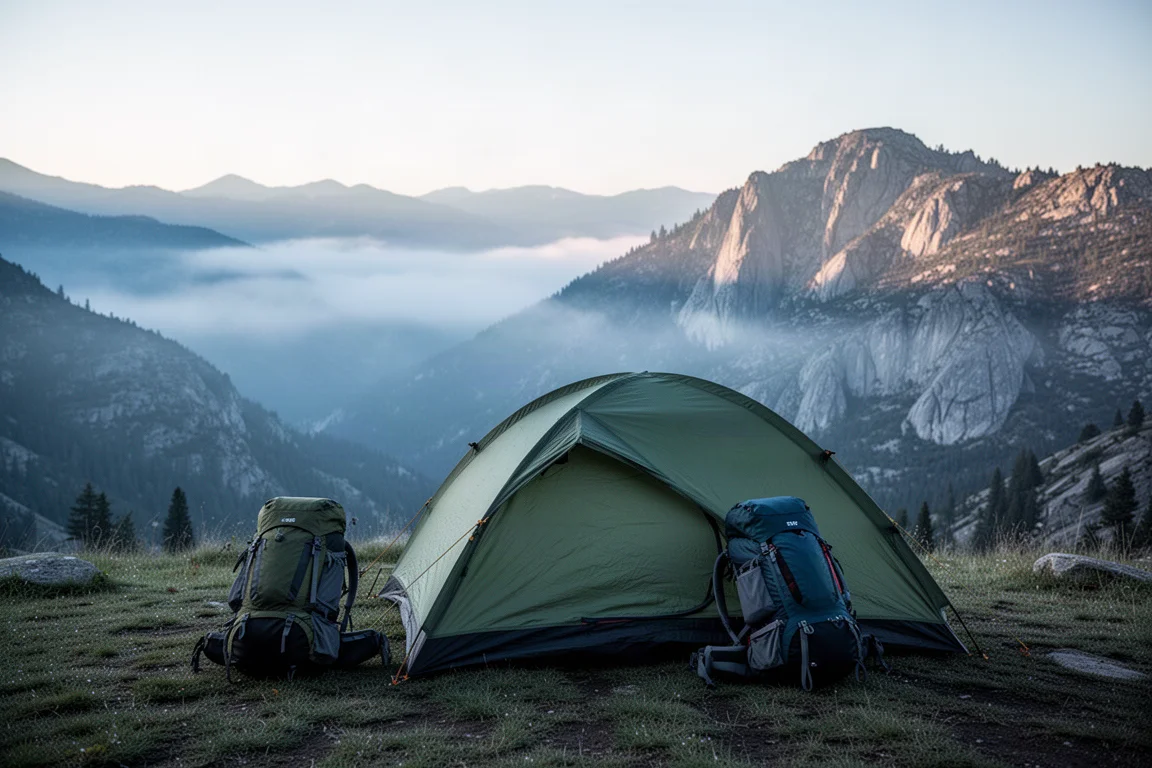
If you already carry trekking poles, a non-freestanding shelter like the ZPacks Duplex removes the weight of a pole set and rewards a little practice with a fast, taut pitch. Its DCF construction also means no ground cloth and no water weight after rain, though the material costs more up front and the single wall design asks you to manage condensation carefully.
If you would rather have a pitch that goes up the same way every time, want more warmth and ventilation control, or plan to share the shelter, the Big Agnes Fly Creek UL2 covers those needs in a double wall package. It weighs more and involves more components, but the removable fly and mesh inner body are genuinely useful in humid conditions and on warm nights.
Capacity is worth a second look. A two person shelter costs relatively little in extra weight and price compared with a comparable one person model, and the extra space keeps your pack and gear inside the shelter instead of outside in the rain. If budget and pack weight are the priority, a one person model with a vestibule can still work well.
Whichever shelter you choose, carry one. Relying on trail shelters alone leaves you exposed if a shelter is full on a rainy night, and having your own shelter keeps you self sufficient. Seal the seams, practice the pitch at home, and check fabric and stake choices against the conditions you expect.
Conclusion
Weight, pitching style, wall construction and fabric are the four decisions that shape a backpacking shelter. The ZPacks Duplex shows how light a trekking pole shelter can be, and its DCF construction handles rain and condensation with very little fuss. The Big Agnes Fly Creek UL2 shows what a double wall two person tent offers in warmth, ventilation and interior space. Both are proven approaches, and the right one is simply the shelter that matches the way you hike.
Further reading
Related Reviews
Backpacking Tents
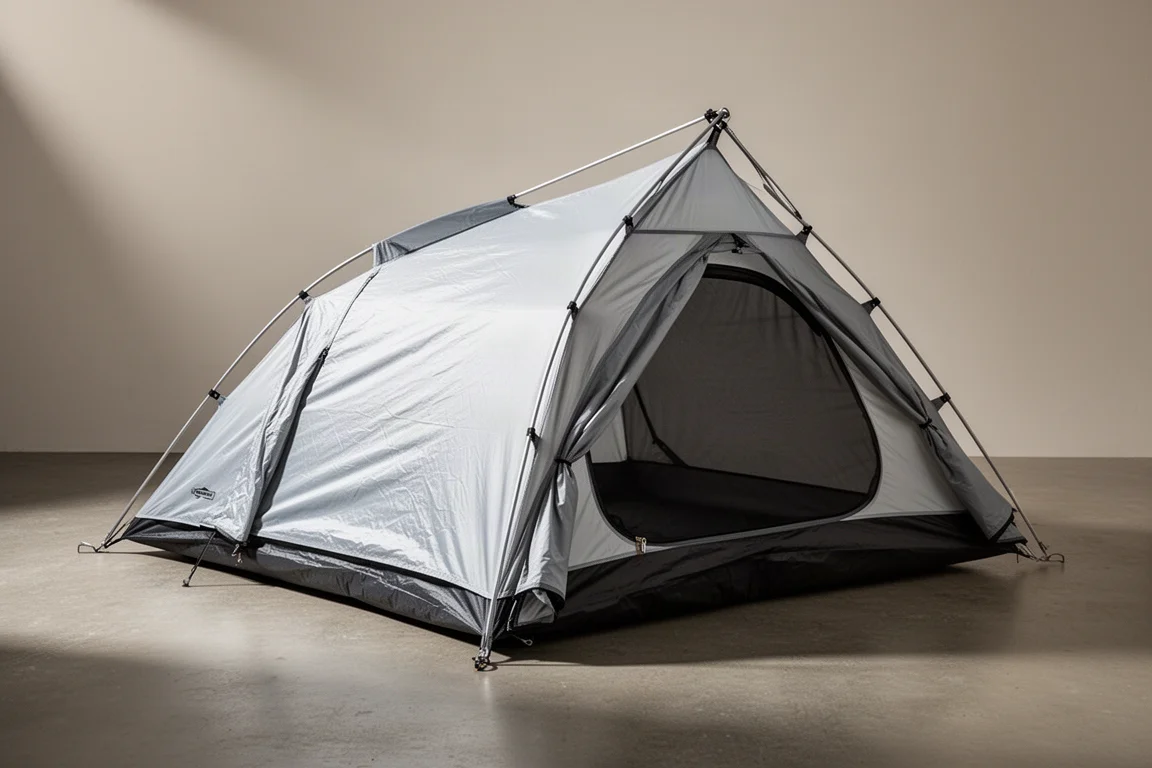
3F UL Lanchan Pro 1 Review: A 1 lb 8 oz Single-Wall Trekking Pole Tent
A practical look at the 3F UL Lanchan Pro 1, a single-wall trekking pole shelter with a 1 lb 8 oz weight, 20D silnylon fabrics, and a roomy 90 x 31 x 49 inch interior.
Backpacking Tents
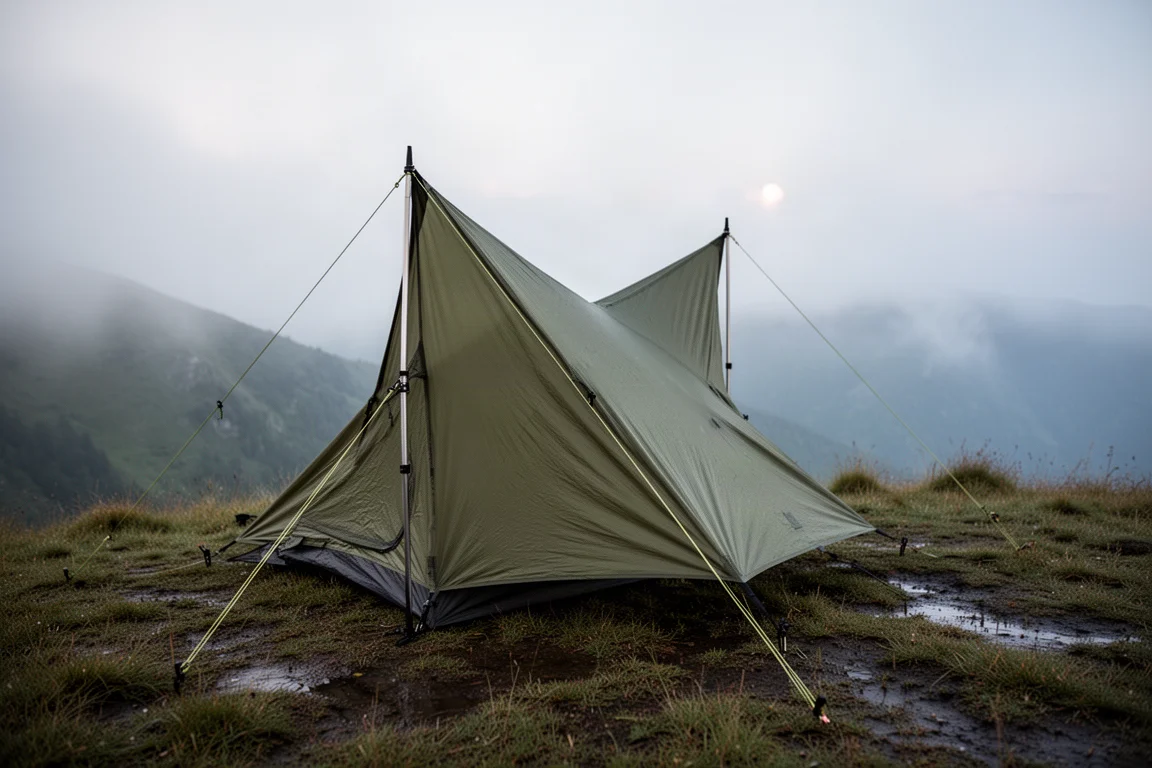
3F UL Taiji 2-Person Tent: A Convertible Backpacking Shelter Worth a Closer Look
A practical look at the 3F UL Taiji two-person tent, covering its materials, true two-person interior, fly-first pitching, and the seasonal inner swap that lets one shelter cover more of the year.
Backpacking Tents
3FUL Lanshan Twoerson Pro Review: A Light Trekking Pole Shelter That Struggled in Rain
A two-person trekking pole shelter with a 2026 redesign, pitched with sticks and put through a night of steady rain. Here is what worked, what did not, and what to check before buying.