Backpacking Stoves
Best Backpacking Stoves Compared: BRS 3000, MSR PocketRocket 2, and Soto WindMaster
Three canister stoves compared on boil time and fuel efficiency across lid use, canister level, valve setting, and pot diameter.
Introduction
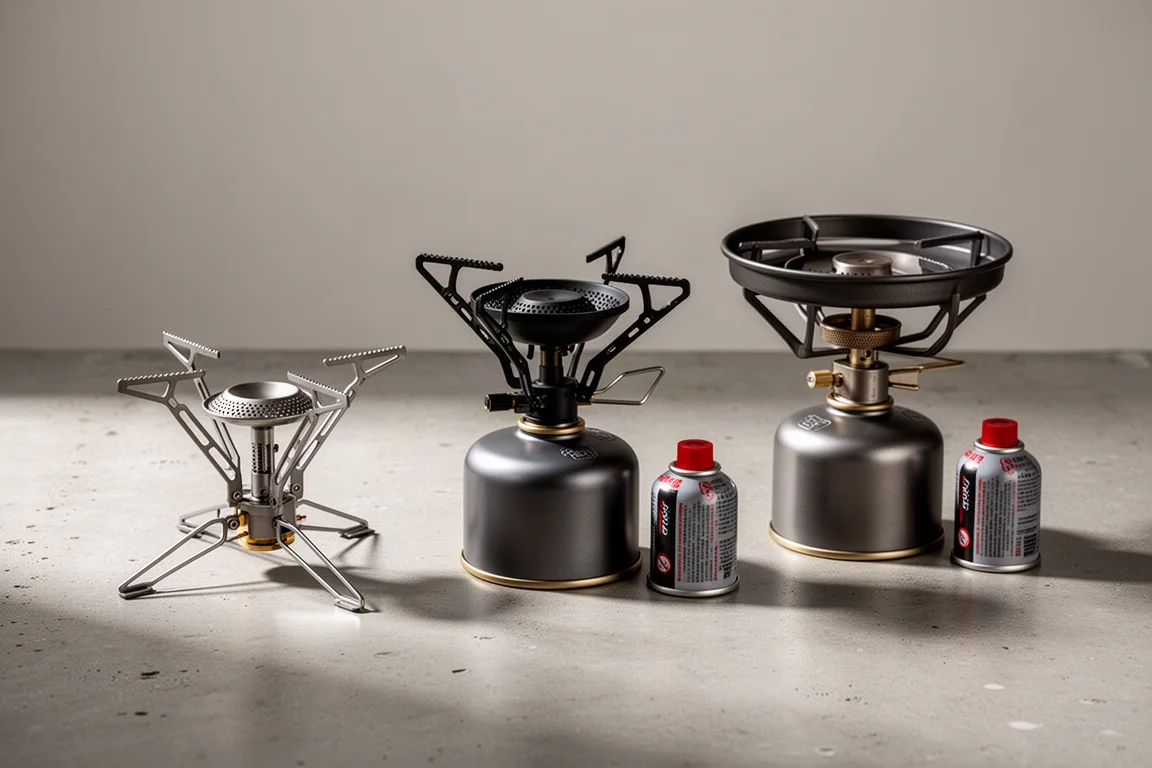
Boil time and fuel efficiency decide how a canister stove behaves over a multi-day trip, and the two numbers do not always move together. A set of controlled experiments compared three widely used backpacking stoves: the ultralight BRS 3000, the long-standing MSR PocketRocket 2, and the Soto WindMaster, which is the only one of the three with a pressure regulator.
The three stoves also differ in burner output, burner diameter, and the distance between the burner and the top of the pot support arms, which makes them a useful cross-section for anyone trying to understand why stoves behave differently on the trail. Four variables were tested: whether a lid is used, how much fuel remains in the canister, how far the valve is opened, and how wide the pot is.
How These Tests Were Run
Every test followed the same baseline. The water started at 3 degrees Celsius and was heated to 80 degrees Celsius, in 500 millilitre batches. Room temperature was held at 23 degrees Celsius with no air movement, so each run began from identical conditions. Large fuel canisters and a low-down stove attachment were used, with the valve open to 50 percent for the lid comparison.
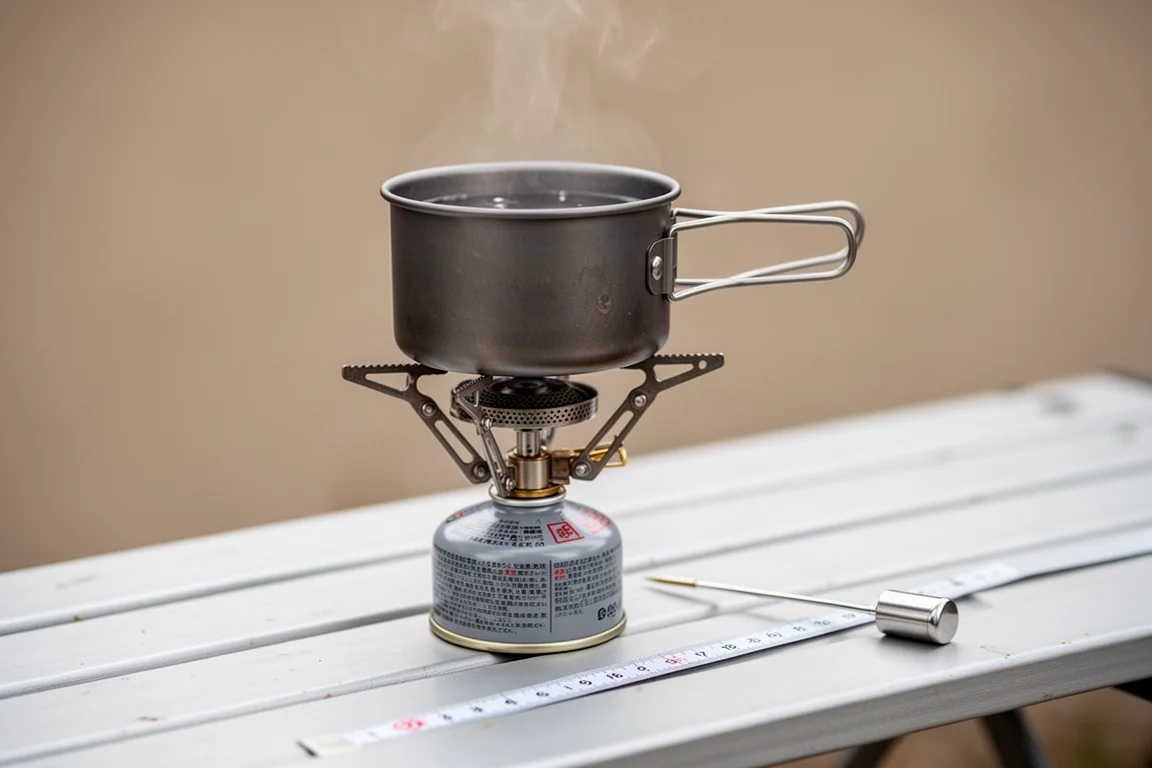
The lid versus no-lid comparison covered the BRS 3000 and the Soto WindMaster. The canister-level test ran all three stoves from a full 110 gram canister down to empty. The valve test used a low-down attachment to meter flow from a 450 gram canister and covered the BRS 3000 and the Soto WindMaster. The pot diameter test used titanium pots measuring 95 millimetres, 115 millimetres, and 145 millimetres across.
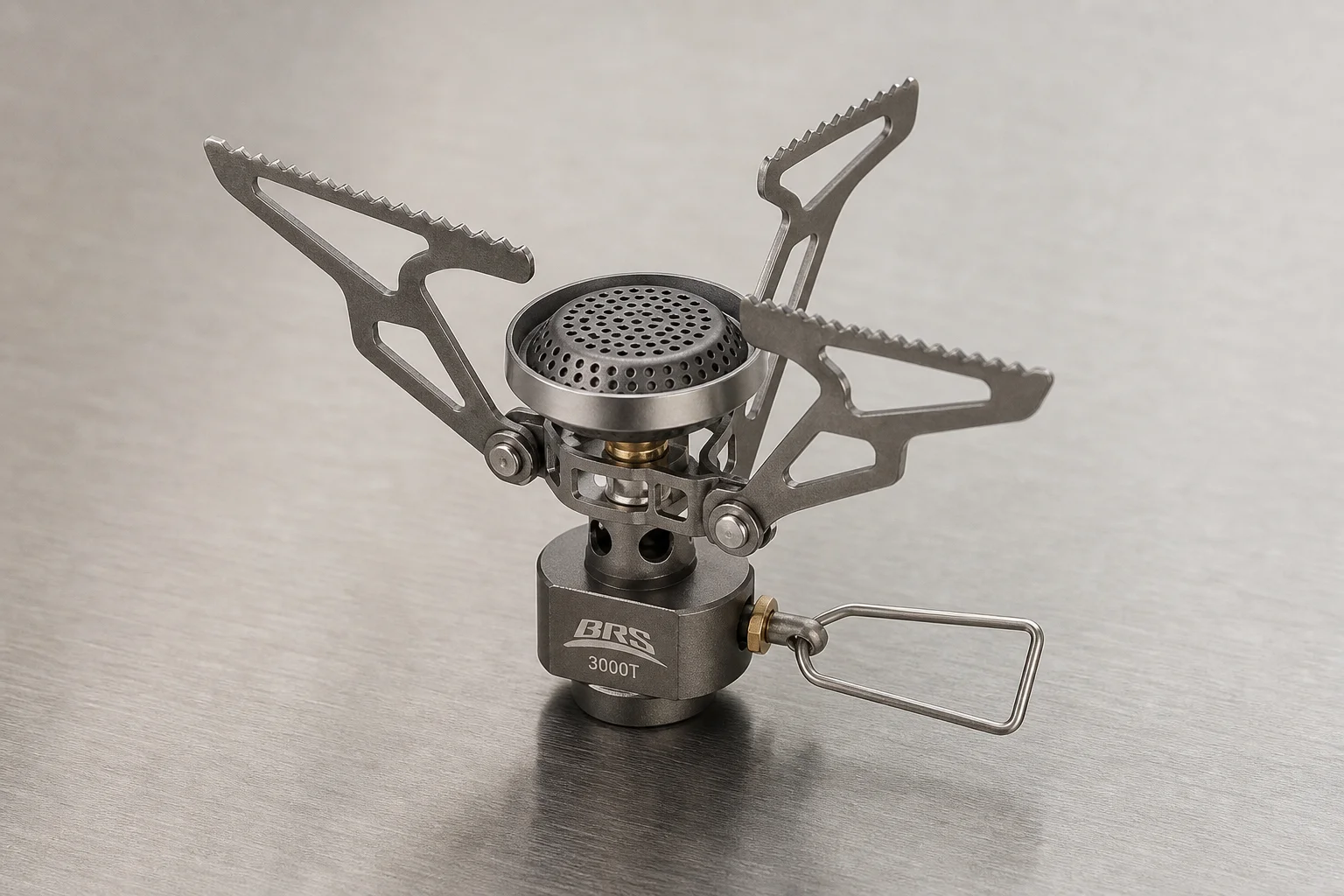
BRS 3000: The Ultralight Reference
The BRS 3000 is the ultralight option in this group, and it produced the highest boil count of the three. Starting from a full 110 gram canister, it completed 12 boils of 500 millilitres, one more than the other two stoves managed.
Its behaviour followed a clear pattern. With a full canister it used more fuel and boiled water faster. As the canister emptied, boil times lengthened while fuel consumption dropped. That is typical of an unregulated burner: lower internal pressure means less fuel flow, which costs time but returns efficiency.
MSR PocketRocket 2: The Proven All-Rounder
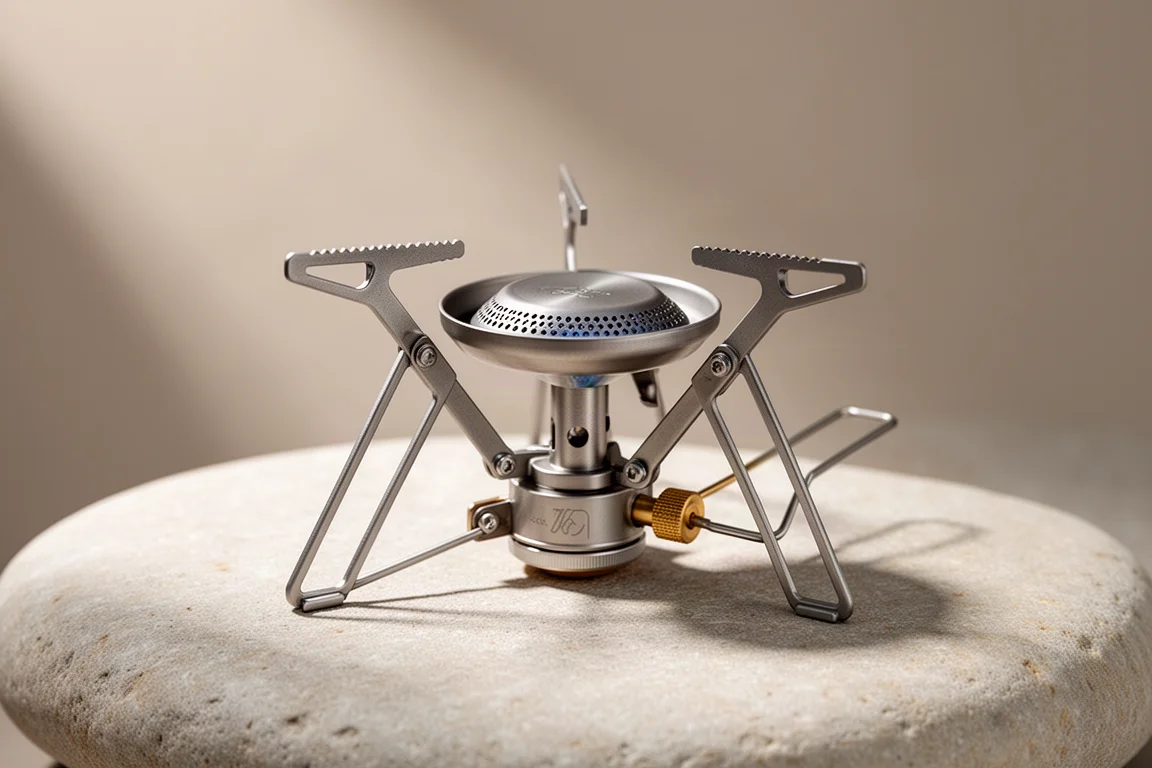
The MSR PocketRocket 2 is an unregulated stove with a long-standing following, and it showed the most pronounced shift of the three as its canister drained. Fuel consumption was noticeably higher with a full canister and noticeably lower near the end, with boil times moving in the opposite direction.
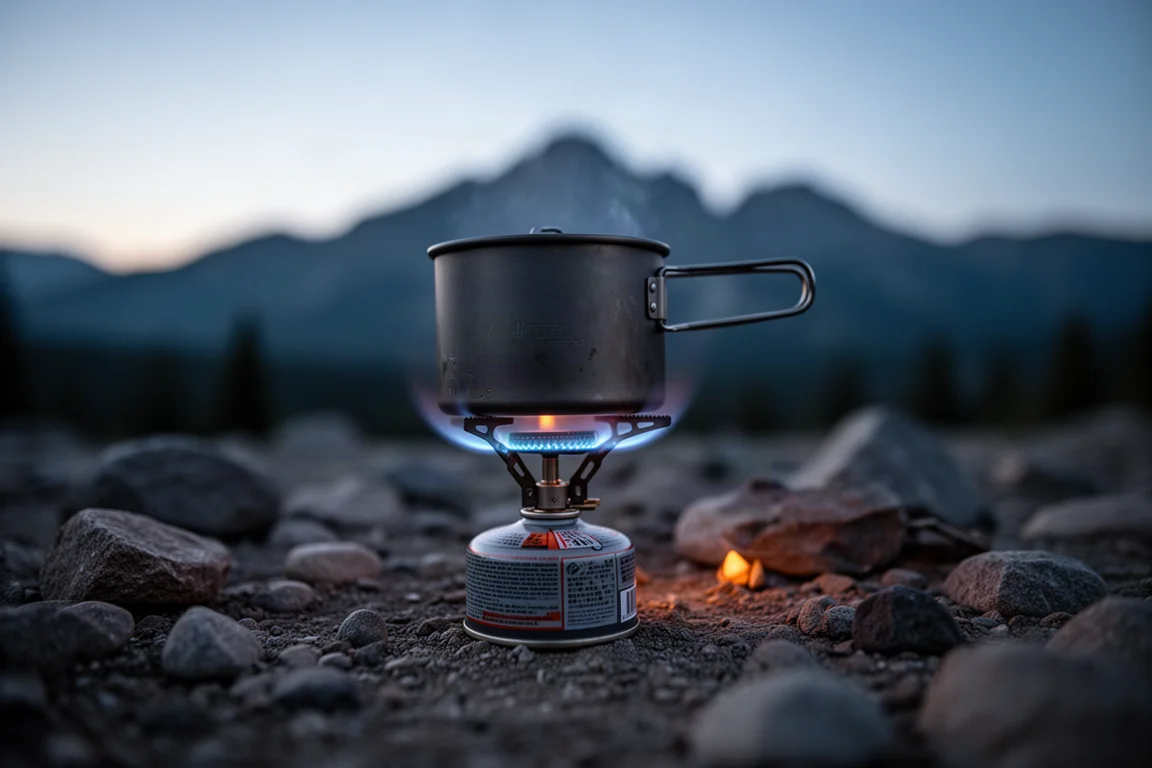
Across a full 110 gram canister, the PocketRocket 2 produced 11 boils of 500 millilitres. For anyone planning resupply points, that is the number worth remembering: a fresh canister rewards you with speed, and a light canister rewards you with range.
Soto WindMaster: The Regulated Option
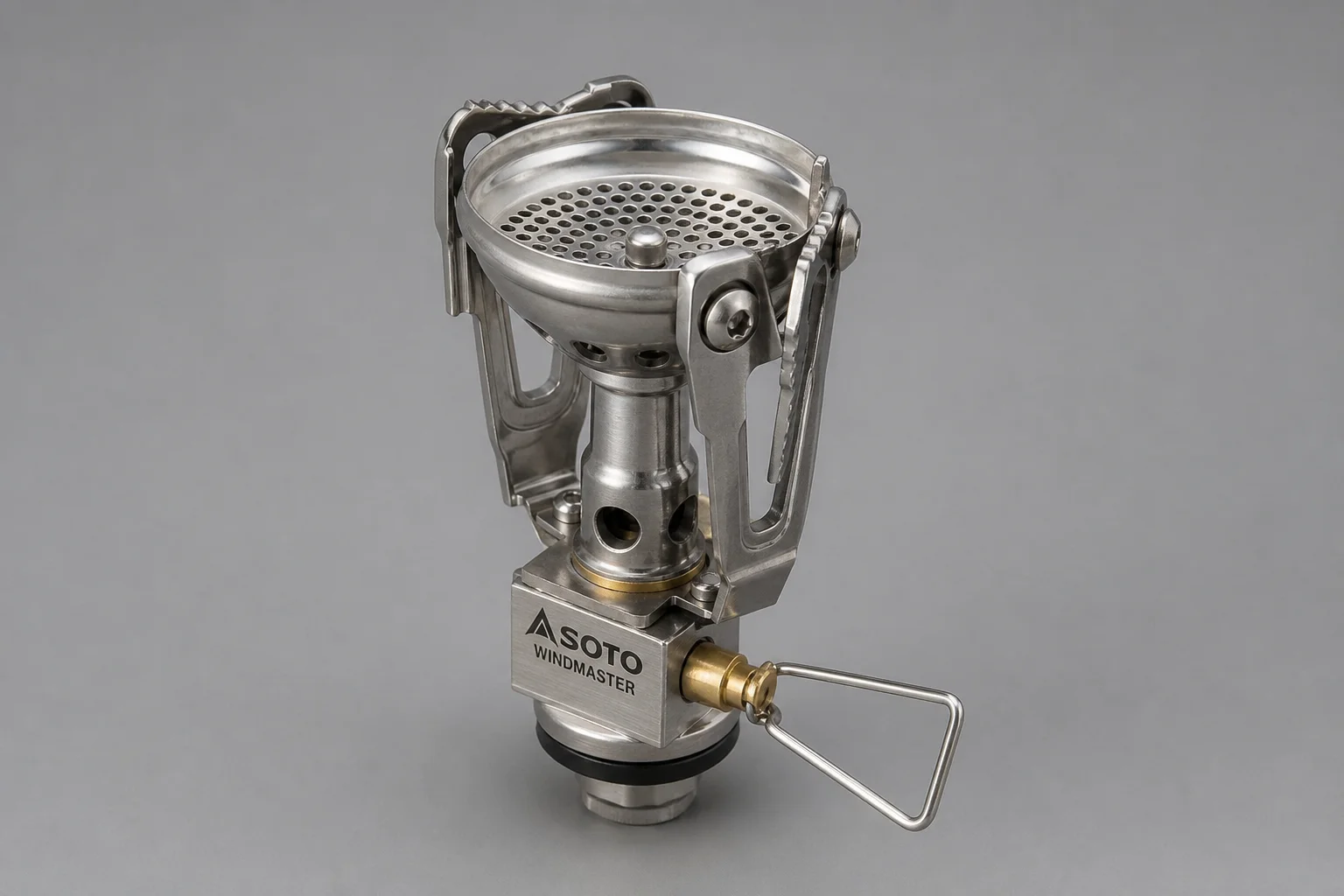
The Soto WindMaster is the only regulated stove in this comparison, and it behaved differently by design. It held consistent boil times and consistent fuel consumption as the canister emptied, rather than swinging between fast and thirsty or slow and frugal.
That consistency carries a trade-off. Because the regulator kept output high throughout, the WindMaster proved less fuel-efficient than the BRS 3000 in the canister-level test, despite boiling faster. It produced 11 boils from a 110 gram canister, matching the PocketRocket 2.
In the valve test, the WindMaster barely changed until the valve was reduced to 25 percent open, which is worth knowing before assuming that throttling a regulated stove saves fuel the way it does on an unregulated one. It also responded well to wider pots: boil times fell by 50 seconds and fuel use by 2.4 grams between the 95 millimetre and 145 millimetre pots.
What the Test Results Mean for Fuel Planning
Three practical patterns emerged from the testing.
Lid use made almost no difference to boil times or fuel consumption under these conditions, which were mild and calm. A lid becomes worthwhile when boil times get long: in cold weather, when the canister is running low, when boiling a large volume of water, or when cooking over alcohol.
Canister level changes everything on an unregulated stove. As fuel leaves the canister, pressure falls, fuel flow drops, boil times rise, and fuel efficiency improves. A regulated stove smooths that curve out.
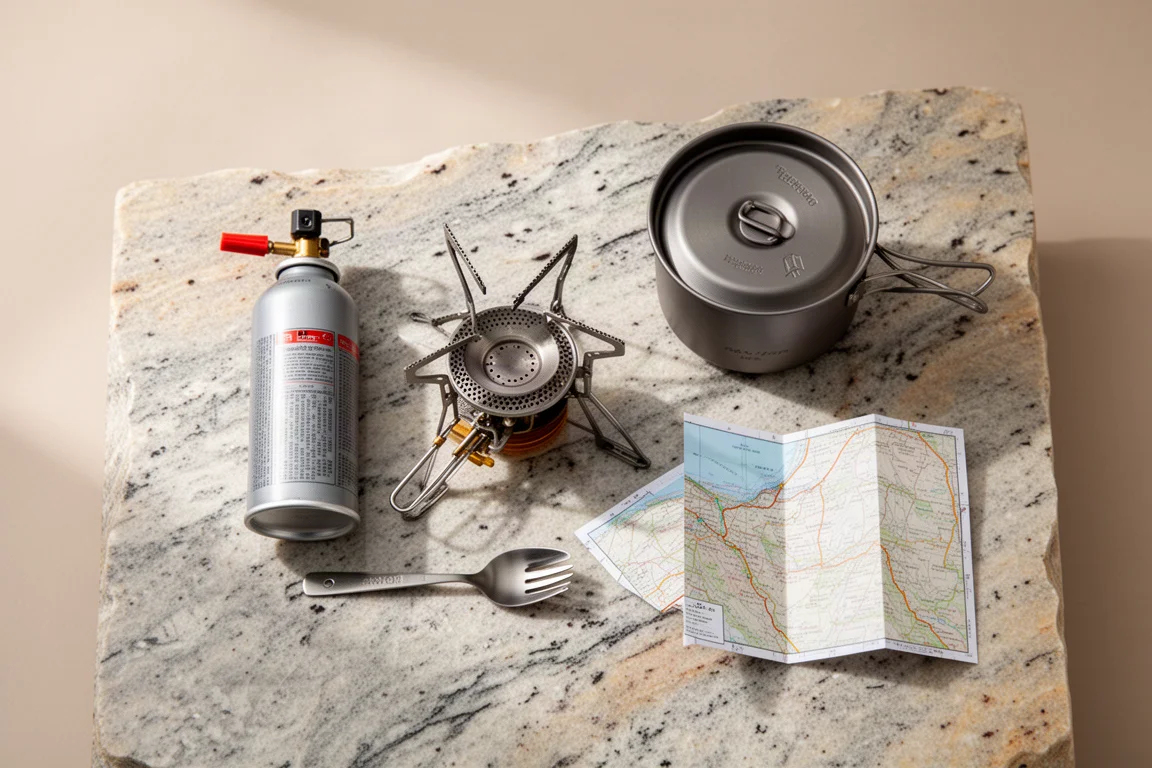
Valve position is the most direct lever a hiker controls. Reducing fuel flow increased fuel efficiency in testing at the cost of longer boil times, and the sweet spot sat at a lower setting rather than at full power. Higher output tended to mean lower efficiency, which is exactly why the high-output regulated stove finished behind the BRS 3000 on fuel use.
Pot Diameter and Weight Trade-Offs
Pot diameter affected both stoves tested, and the effect was consistent: wider pots boiled faster and used less fuel. Between the 95 millimetre and 145 millimetre pots, boil times fell by 54 seconds on the BRS 3000 and 50 seconds on the Soto WindMaster, while fuel use fell by 4.1 grams and 2.4 grams respectively.
The catch is weight. A wider pot weighs more, and the fuel savings only matter if they change what you carry. With a 110 gram canister and the narrowest pot tested, a hiker boiling 500 millilitres twice a day gets roughly five days. The widest pot added two more boils, which is about one extra day in the backcountry on the same canister.
That is most valuable on the edge of a resupply. If a trip runs six or seven days and the alternative is packing a second canister, a slightly wider pot can remove that canister from the pack entirely.
Buying Advice: Choosing Between These Three Stoves
Each stove earns its place on a different kind of trip.
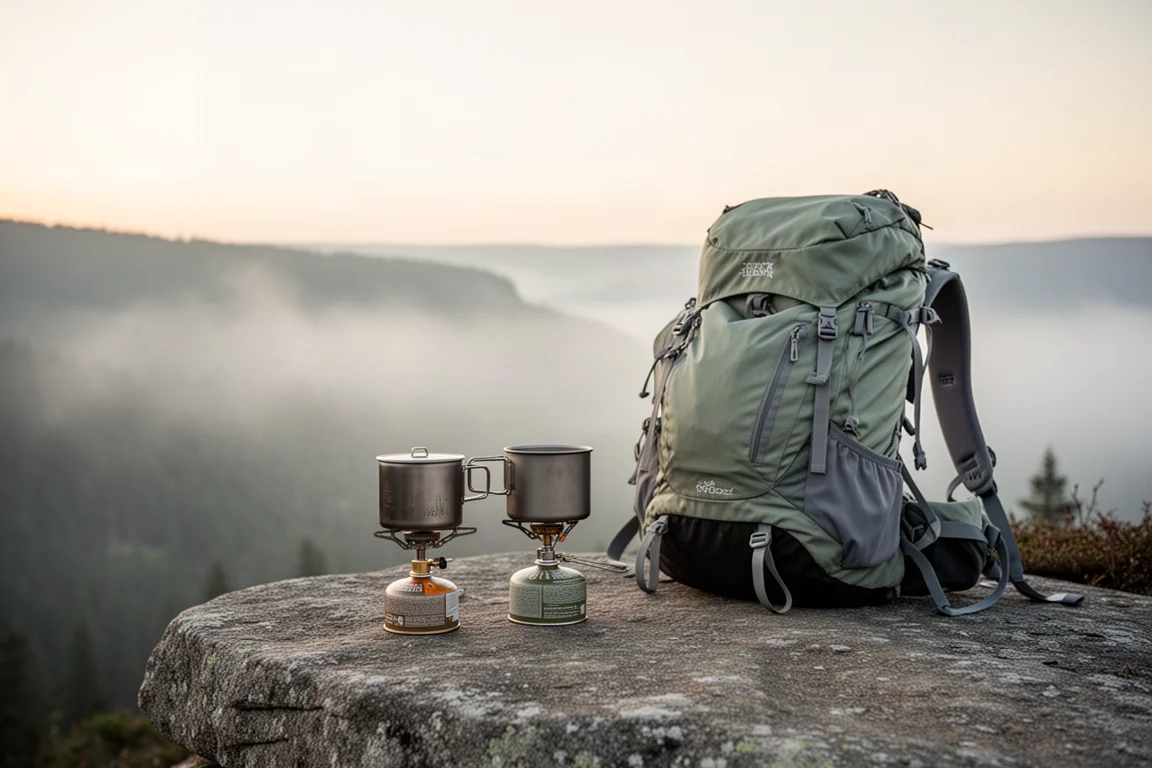
Choose the BRS 3000 if minimum carried weight is the priority and you want the highest boil count per canister among the three. Accept that its output drifts as the canister empties, and plan your cooking accordingly.
Choose the MSR PocketRocket 2 if you want a simple, familiar unregulated stove and you tend to start trips with a fresh canister. Plan around the fact that its fuel use changes most across a canister, so a nearly empty canister is a slow canister.
Choose the Soto WindMaster if predictable performance matters more than the last gram of fuel. The regulator keeps boil times steady from a full canister to a light one, and it responds well to wider pots, but it will not match the BRS 3000 on efficiency at high output.
Whichever you pick, the cheapest gains come from technique: use a lid when conditions are demanding, cook below full power when you are not in a hurry, and match pot width to trip length rather than to habit.
Conclusion
Fuel efficiency and boil time are not the same goal, and the testing makes the trade-off clear. Unregulated stoves give you speed on a full canister and range on a light one. A regulated stove such as the Soto WindMaster trades a little efficiency for consistency. Pot diameter and valve position sit in the hiker’s control and can shift both numbers without changing the stove at all.
Further reading
Related Reviews
Backpacking Stoves
Best Backpacking Stove and Pot Combinations: Budget to Premium
A practical look at fourteen backpacking stoves and cook pots, from inexpensive starter pairings to windproof all-in-one systems that cost close to $200.
Backpacking Stoves
Best Backpacking Stove Systems: Five Canister Stoves Compared
Five canister stove and pot systems compared on wind resistance, boil speed, packed size, and cooking control, from a bare titanium burner to a fully integrated cook system.
Backpacking Stoves
Best Backpacking Stoves 2026: Six Stove Types Compared and Ranked
A practical comparison of canister, white gas, wood burning, solid fuel, and alcohol backpacking stoves, ranked on speed, weight, fuel availability, and cost.