Backpacking Stoves
Best Backpacking Stove Kits: 12 Pot and Stove Options From Budget to Premium
A practical roundup of backpacking stoves, titanium pots, and all-in-one cook systems, focused on the trade-offs that matter when you are mostly boiling water.
Introduction
A backpacking stove kit rarely has to do more than boil water and rehydrate a meal, yet the options span an enormous range. At one end sits an inexpensive stainless steel pot with a basic ultralight burner. At the other end are insulated all-in-one systems that cost several times as much.
This roundup covers twelve pot and stove combinations across that range, from budget starter setups to premium systems built for exposed, high-altitude conditions. Rather than crowning a single winner, the aim is to make the trade-offs visible: boil speed, behaviour in wind, simmer control, weight, capacity, and how neatly each system packs.
A useful starting point is capacity. Most dehydrated meals need roughly two cups of water, so pot volume and packability often matter more in practice than the number of features on the burner.
What Actually Matters in a Backpacking Stove Kit
The first question is what you actually cook. If you are boiling water for dehydrated meals and coffee, almost any canister stove paired with a suitably sized pot will do the job. If you want to simmer, use a fry pan, or cook in the pot itself, you need a burner with better flame control.
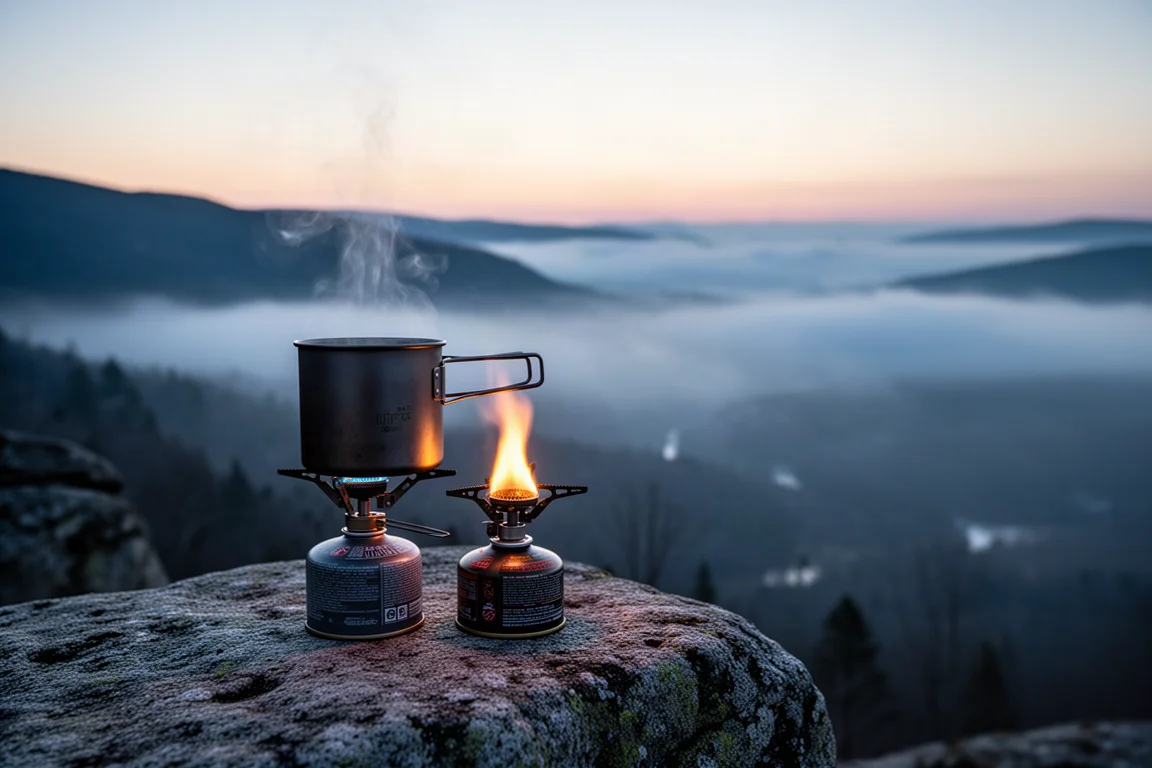
Wind resistance is the second variable. An exposed flame loses efficiency quickly in a breeze, and that shows up as longer boil times and more fuel burned. Burners with a recessed or shielded head handle wind noticeably better than open designs.
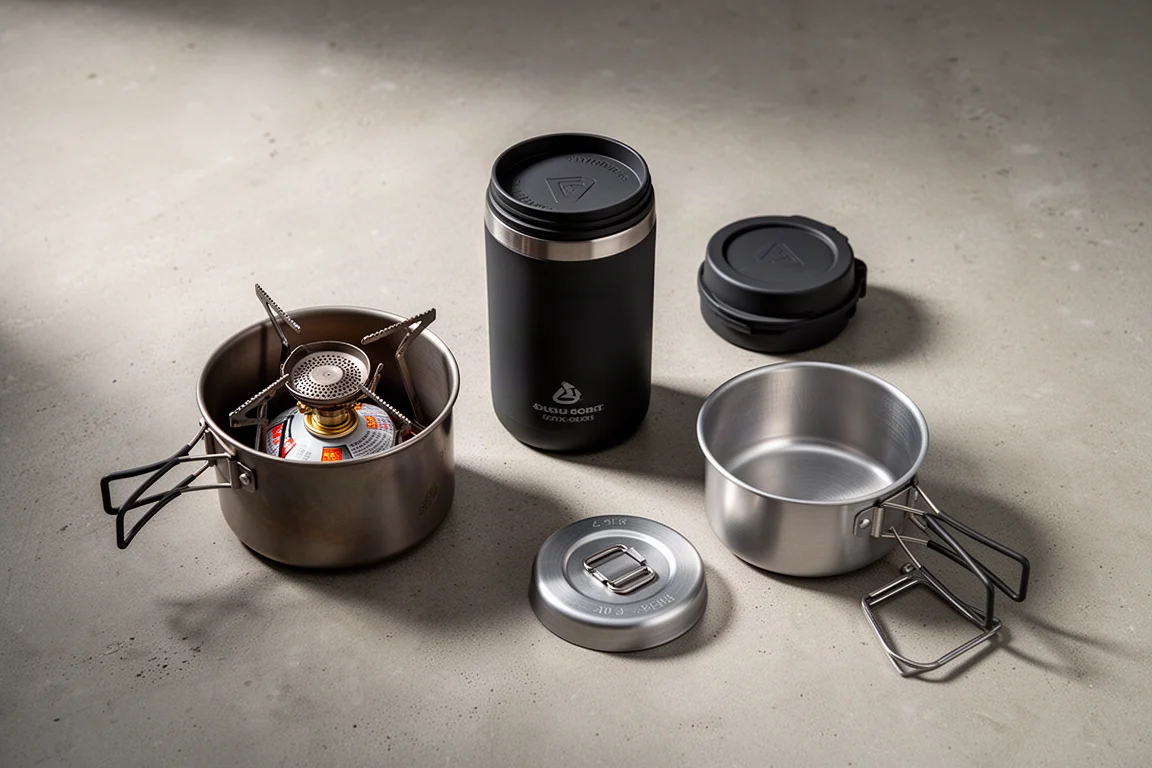
Third is packing. A system that lets you nest the stove and a fuel canister inside the pot takes up less room and keeps small parts from going missing.
Fourth is ignition and stability. A built-in igniter removes the need to carry a separate lighter, and wider folding arms make a real difference when you set a larger pot on a small burner.
Finally, consider durability and long-term cost. A well-built stove from an established brand is usually a one-time purchase, and the money saved by choosing the cheapest option is small compared with replacing a system that fails early.
Budget Pick: BRS 3000T Stove
The BRS 3000T represents the entry point for ultralight canister stoves. Paired with an inexpensive stainless steel pot, it forms a combination that costs very little and still covers the basics: a locking lid, a usable handle, and a stable platform for boiling water.
It is not an overly heavy option for backpacking, which makes it a sensible starting point for anyone who wants to try backcountry cooking without committing to a large spend. Comparable ultralight burners, such as the Olicamp Ion, fill the same role if the BRS is hard to find.
What you give up at this price is refinement rather than function. Expect a simple burner with limited wind protection and no igniter.
Best Value Kit: MSR PocketRocket 2 Mini Stove Kit
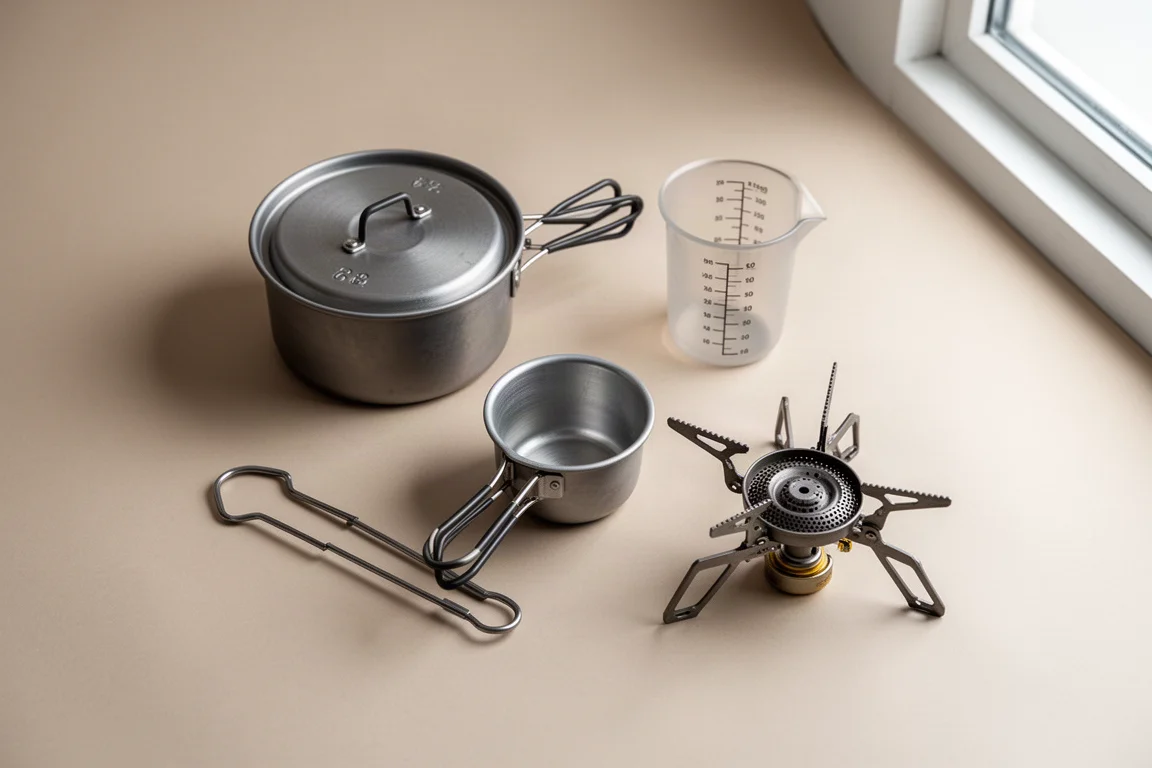
The MSR PocketRocket 2 Mini Stove Kit bundles a proven stove with the accessories that make a simple cook system work. For under $100 you get the PocketRocket 2, a measuring cup that doubles as a drinking cup with graduation lines up to 12 oz, and an aluminium pot with a pot grabber.
The pot has a small rubber ring around it, which lets you hold it securely while pouring boiling water into a freeze-dried meal bag without burning your fingers. The stove itself is a long-standing design that has proven to last a very long time.
Two limitations are worth knowing. The PocketRocket is loud, so it sounds like a small jet engine in a quiet campsite. And the pot is small in capacity, which makes it less suited to cooking noodles, pasta, or rice. For boiling water, pour-over coffee, and rehydrating meals, it is a genuinely strong option.
Ultralight Titanium Stove: Snow Peak LiteMax
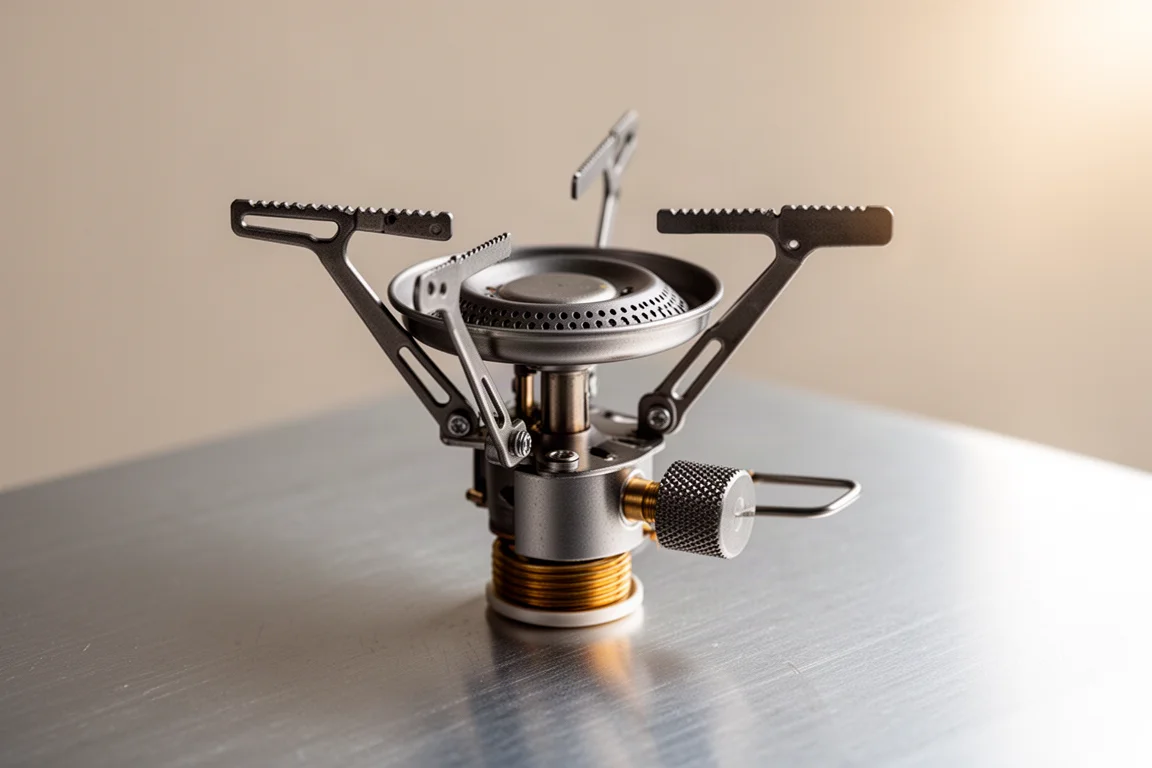
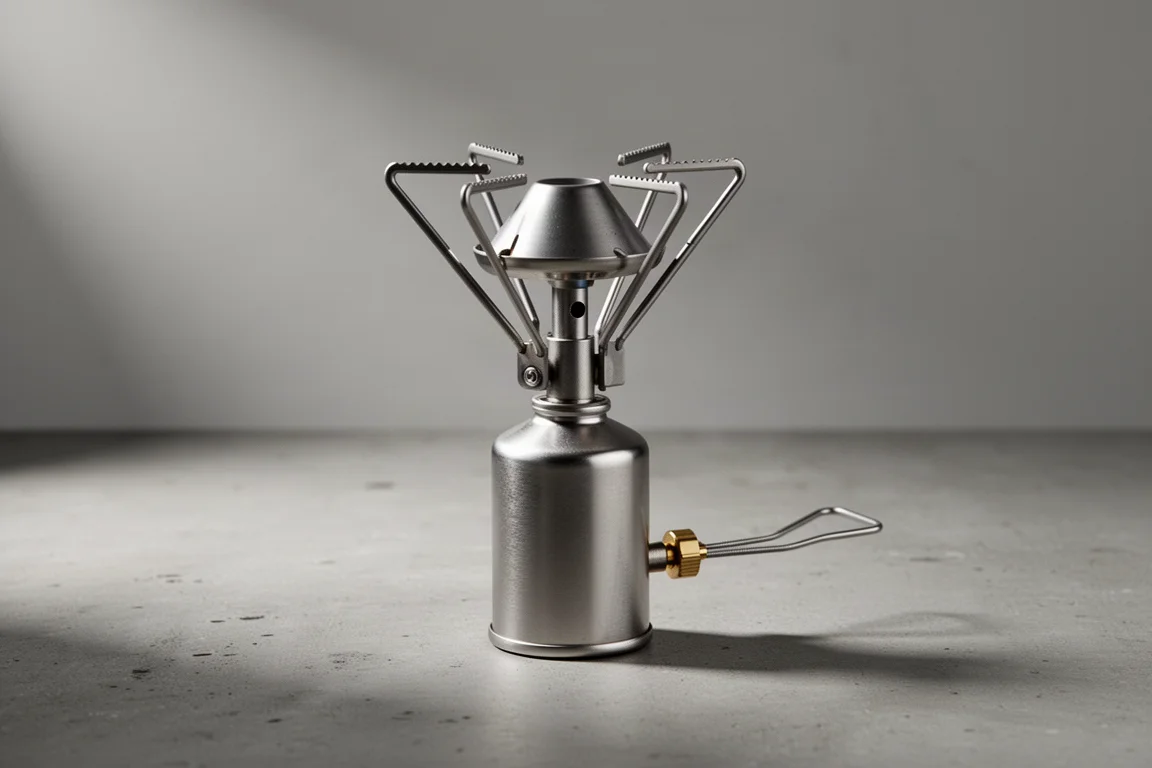
Snow Peak is known for lightweight products that stay durable, and the LiteMax fits that reputation. It is very lightweight and very small, which makes it a natural match for small pots. Folding arms extend outward to accommodate larger pots and to keep everything more stable.
The trade-off is wind. The LiteMax is not as wind-resistant as the PocketRocket 2, so an exposed ridge or a breezy morning will slow it down. It remains a highly efficient burner and a well-proven design.
Snow Peak Trek 700 Titanium Pot
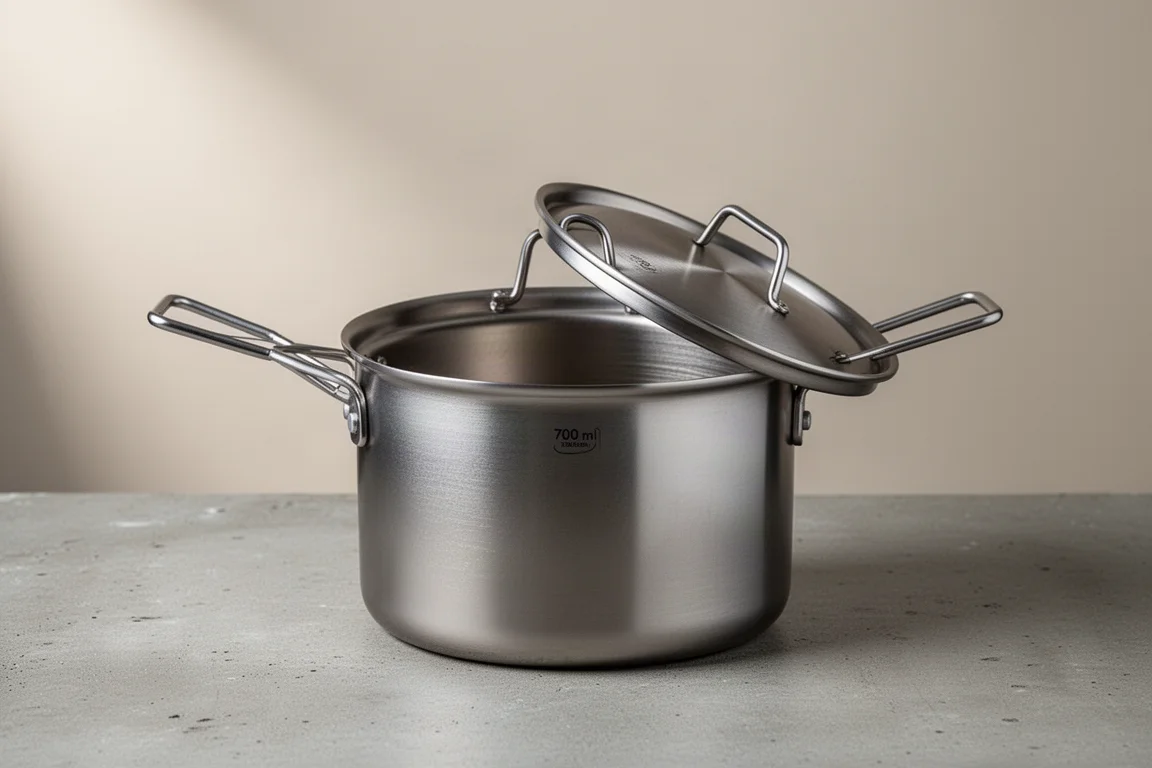
The Trek 700 is a titanium pot with a 700 ml capacity, comfortably over two cups, which is enough to rehydrate a standard dehydrated meal. It has graduation lines on the inside and ergonomic handles.
Its biggest practical advantage is nesting. A stove and a fuel canister both fit inside, so the whole cook system travels as a single unit and nothing gets lost at the bottom of a pack.
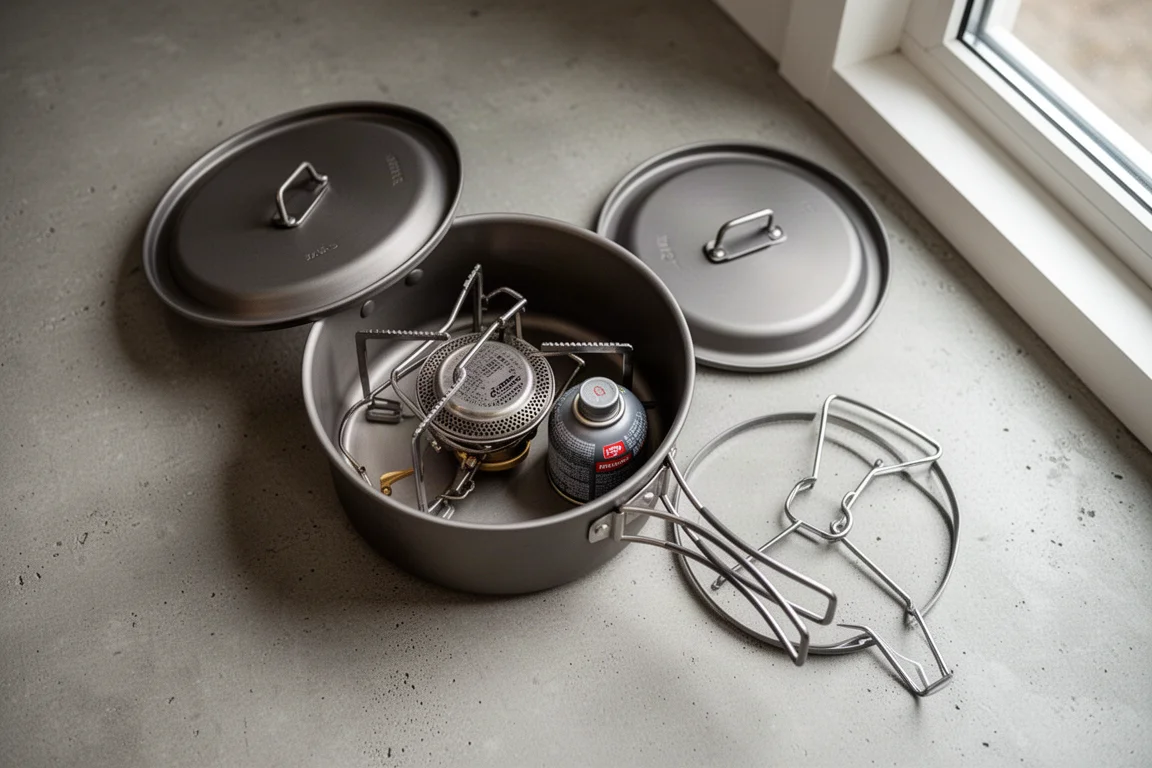
Because the flame tends to come out around the edges of the pot, the metal gets hot around the rim, so carrying a pot grabber or a cloth is worth the few extra grams. Titanium keeps the weight low, and the pot is durable enough to be a long-term piece of kit.
All-in-One Simplicity: Jetboil Zip
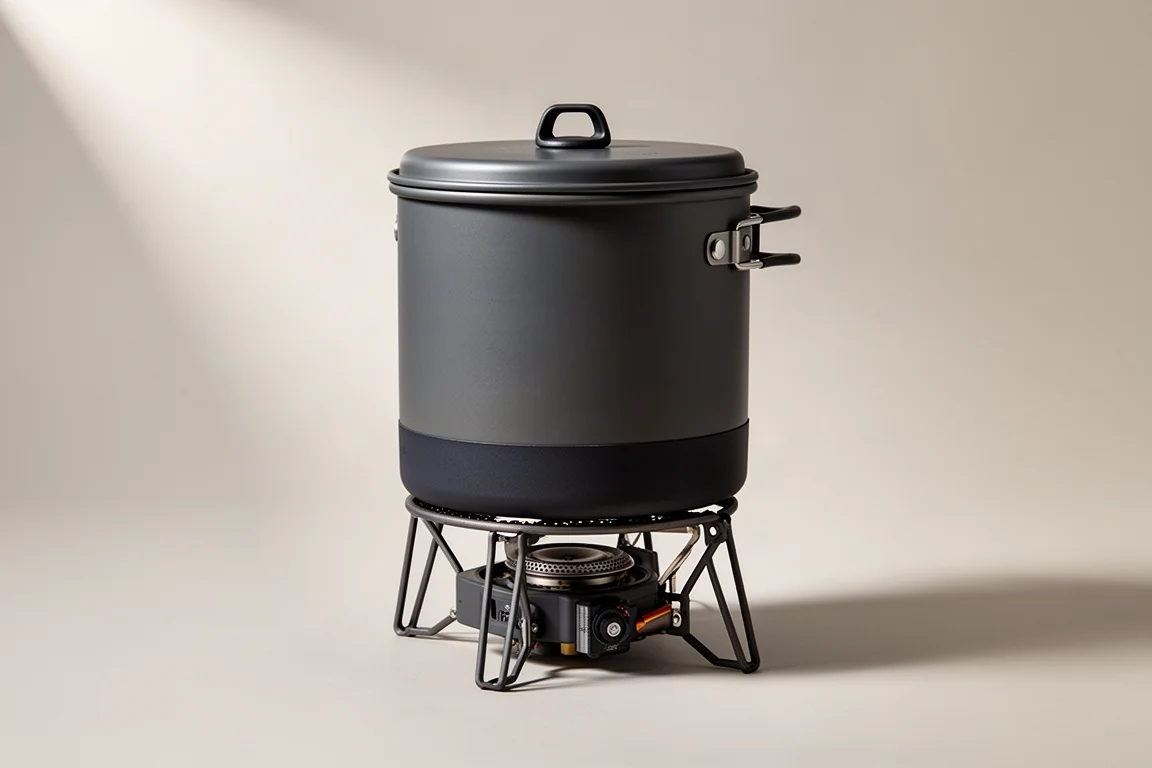
The Zip is the introduction to Jetboil’s all-in-one systems, and it is a solid, relatively inexpensive entry point. It combines a lid, a burner, and a small cup at the base that can be used for measuring, plus a stand that fits on the fuel canister to keep the whole assembly stable.
It is the lower-capacity, lower-feature model in the range, holding less than a litre. The cup is dark and not especially see-through, so reading the measurement lines takes a moment. Accessories such as a French press are available if you want to brew coffee directly in the cup.
Efficiency is the headline here: it gets water to a boil quickly and everything needed for a stable setup is included. It suits anyone who wants one self-contained system rather than a modular pot and stove pairing.
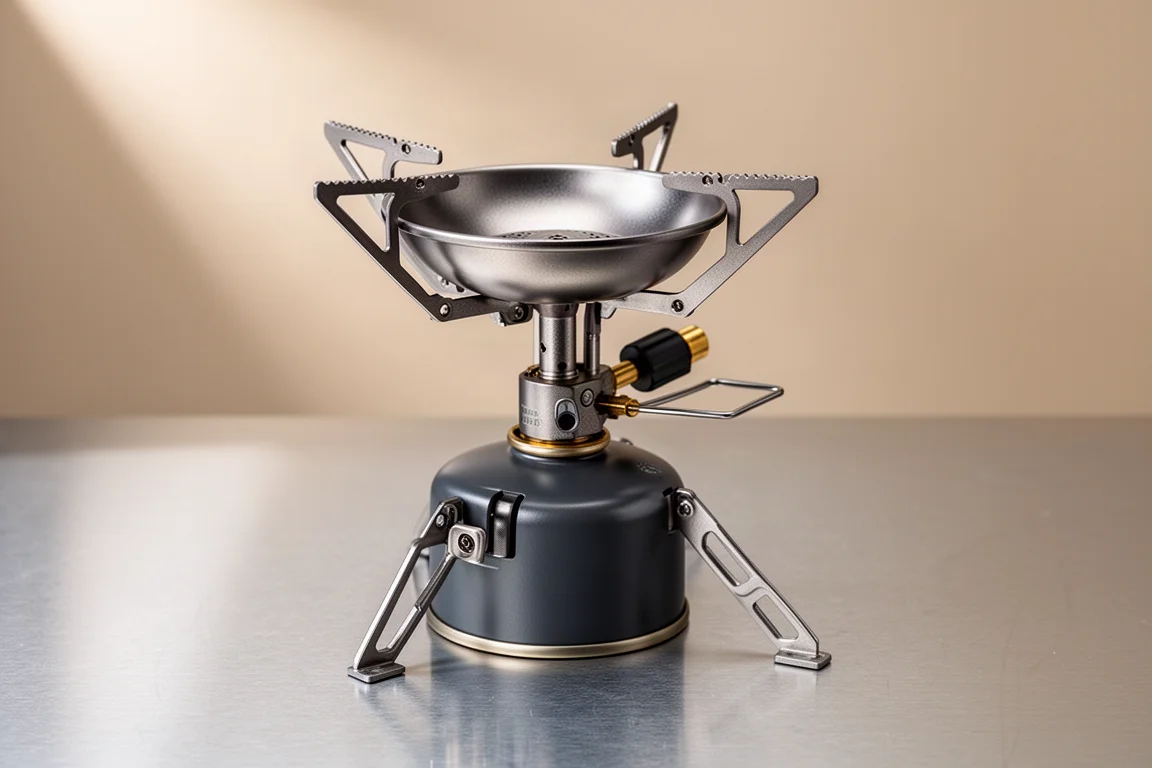
Wind-Ready Control: Soto WindMaster Stove
The WindMaster is one of the most capable burners in this roundup, combining efficiency with fine control over the flame. Its main drawback is physical size, which makes it less convenient to nest inside a small pot than some alternatives.
Soto also offers the Thermal Stack, an aluminium cook set that pairs naturally with the WindMaster if you want a matched pot rather than a third-party one.
For anyone who cares more about cooking performance than the smallest possible packed size, this is a compelling choice.
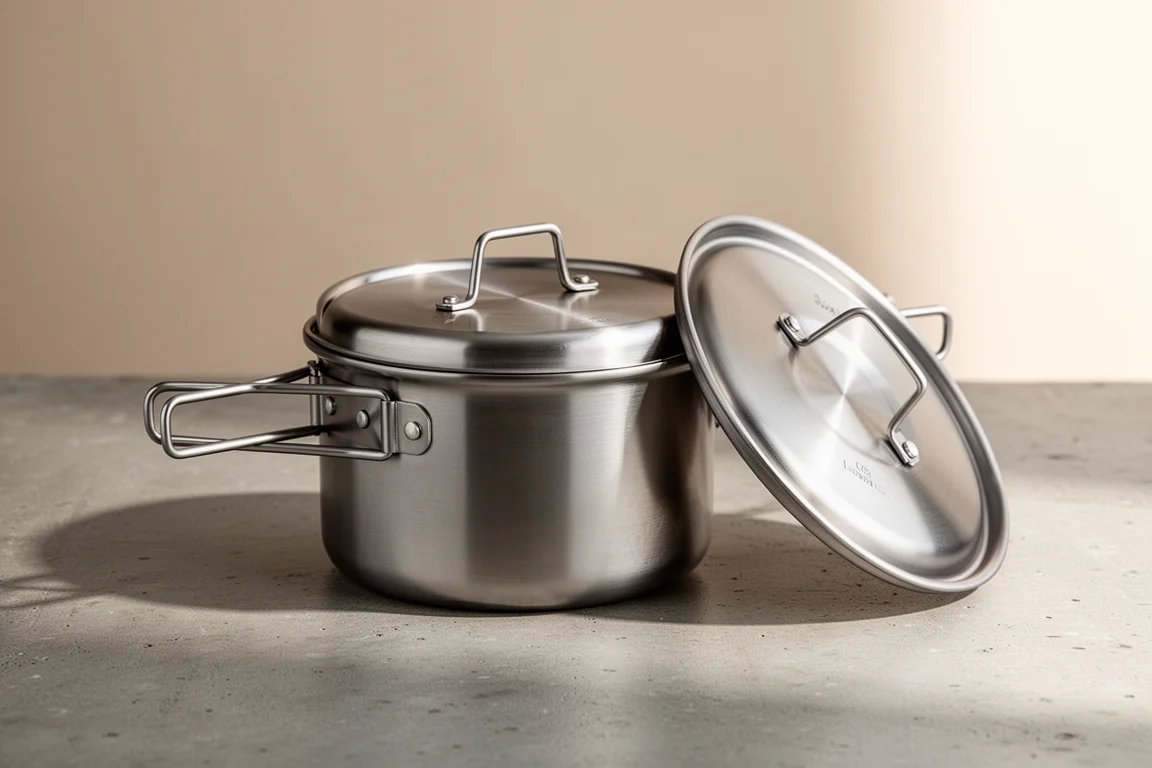
Minimum Capacity, Minimum Weight: Toaks 550 Titanium Pot
The Toaks 550 sits right at the minimum useful capacity for rehydrating meals, which makes it the pot to choose when weight matters more than flexibility. For a very simple, very light setup it is a solid option.
Titanium keeps the weight down, and the modest size means it takes up almost no room in a pack. Just be realistic about what fits: this is a pot for boiling water and rehydrating, not for cooking a multi-ingredient meal.
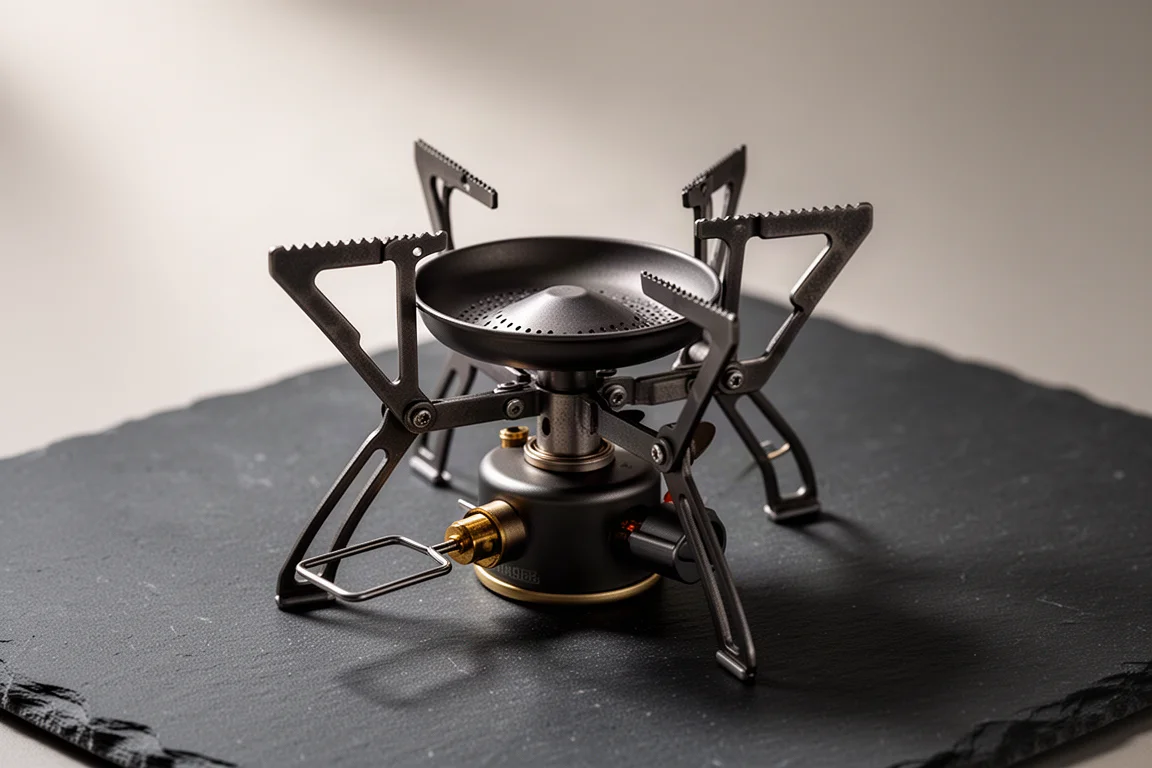
Built-In Ignition: Soto Amicus Stove
The Amicus is a smaller sibling of the WindMaster, and that smaller size means it fits into compact pots. It has integrated pot supports built into the burner head, and it includes a piezo igniter, a feature many of the burners here lack.
That igniter matters more than it sounds. Without one you need to carry a lighter or matches and keep them dry, so having ignition built into the stove simplifies the whole kit. Paired with a 550 ml titanium pot, the Amicus forms one of the lightest complete cook systems in this roundup.
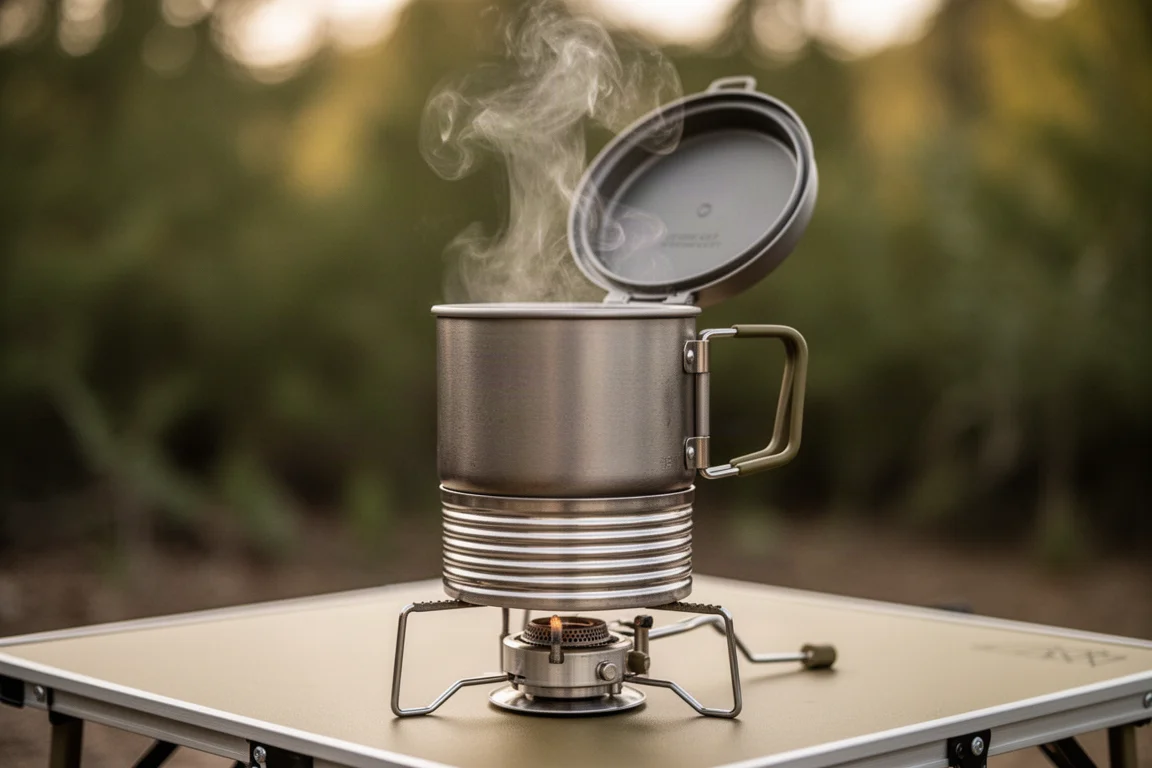
More Versatile All-in-One: Jetboil MiniMo
The MiniMo is noticeably larger than the Zip and considerably more versatile. It uses the same corrugated metal heat exchanger to boil water quickly, and it adds a large graduated cup for measuring and drinking.
What separates it from the Zip is the burner. A separate pot stand allows a fry pan to sit on top, a regulator provides far more simmer control than the basic Zip burner, and a piezo igniter is built in. That combination makes more ambitious camp cooking realistic, from bacon and eggs to a properly simmered meal.
The trade-off is price. At over $150 it costs substantially more than the Zip, so it makes most sense for people who want to cook rather than simply boil water.
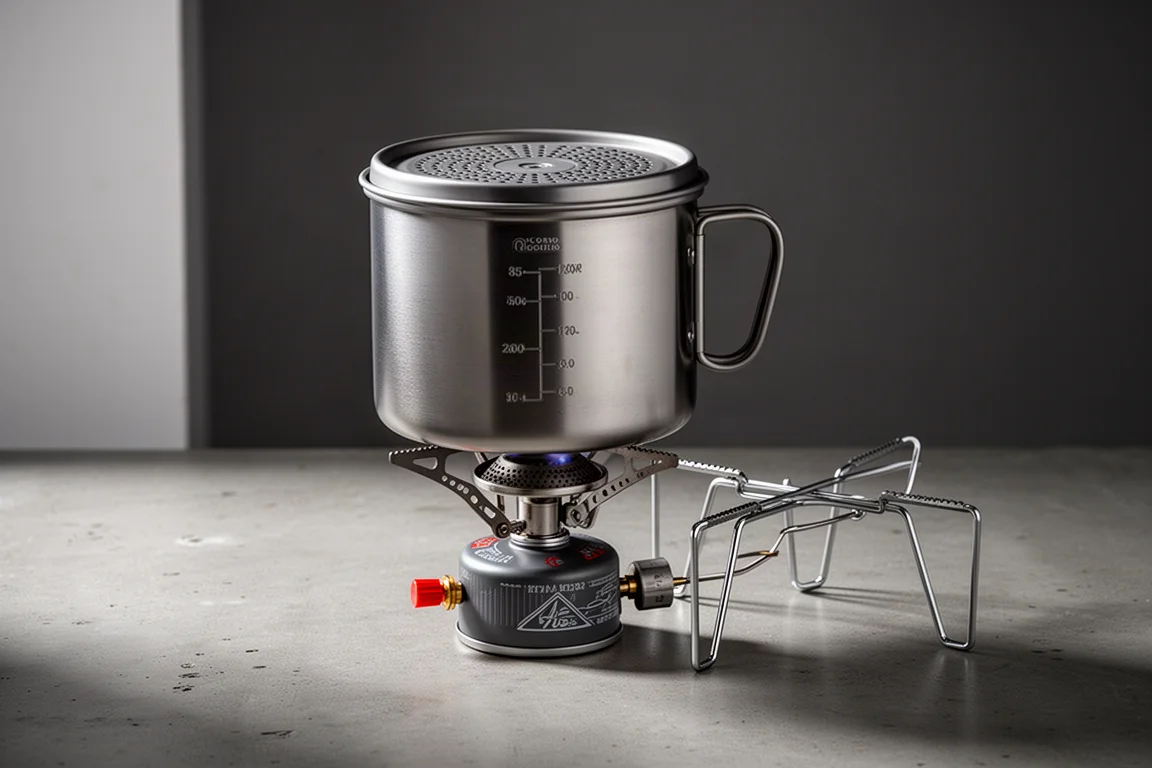
High-Alpine Reliability: MSR WindBurner
The WindBurner is the most expensive system in this roundup, close to $200, and it makes the clearest case for spending that much. Its burner is designed to shield the flame from wind, which matters in high alpine terrain, at elevation, and in exposed campsites where a normal burner struggles.
The system includes a 1 litre pot with an insulated ring, a lid with a strainer, and a pot stand. The included cup is similar to the one supplied with the PocketRocket kit, which is a nice bonus. The tall, enclosed design keeps boil times consistent and efficient, and it works well across seasons, including for larger groups where you are preparing water for several meals.
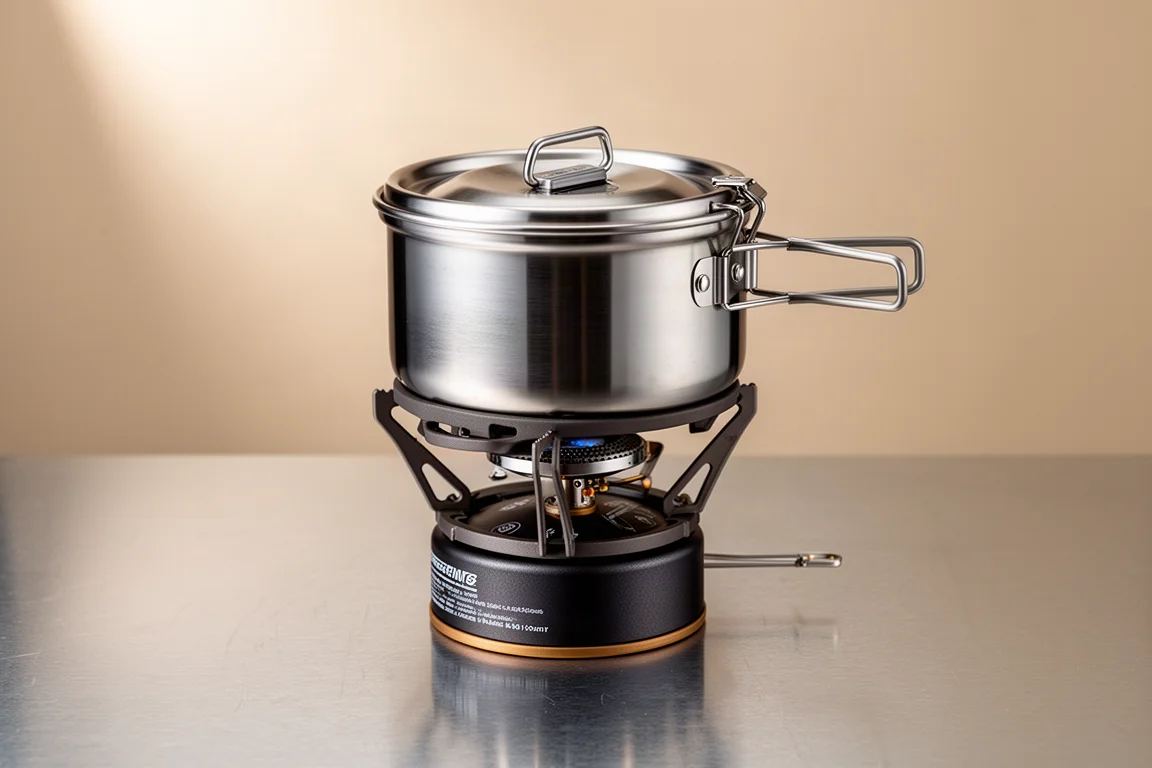
Larger Titanium Option: Toaks 750ml Titanium Pot
The 750 ml version of the Toaks titanium pot is the more practical size for a nesting setup. It is large enough to hold a gas canister and a compact stove inside, which keeps a modular cook system contained in one piece of gear.
For a simple, flexible kit built around a canister stove, this is a strong pairing: light, durable, and big enough for the meals most backpackers actually eat.
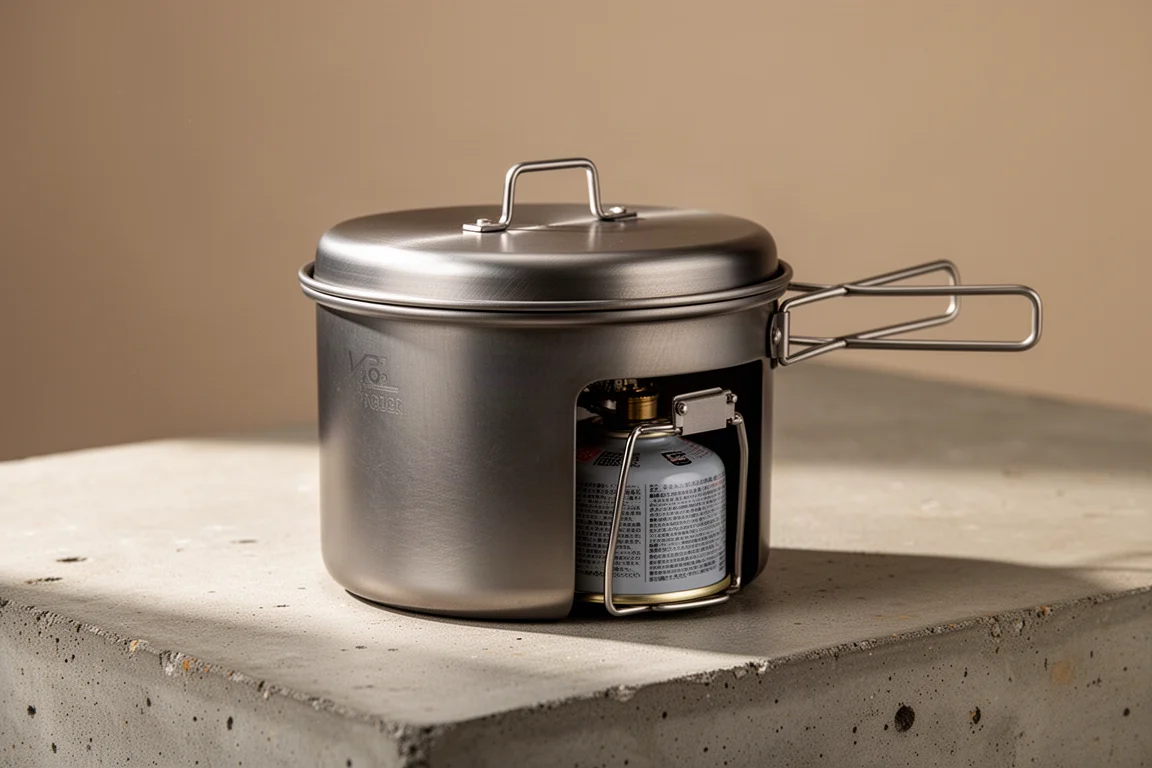
Quiet and Wind-Ready: MSR PocketRocket Deluxe Stove
The PocketRocket Deluxe adds a built-in igniter, quieter operation, and better wind performance than the standard PocketRocket, while still packing small enough to nest inside a pot with a fuel canister.
Compared with the WindMaster, it may give up a little efficiency, but it is the more compact of the two, which matters if packing volume is a priority. It is a good middle path for anyone who wants a quiet, wind-tolerant burner without moving to a full all-in-one system.
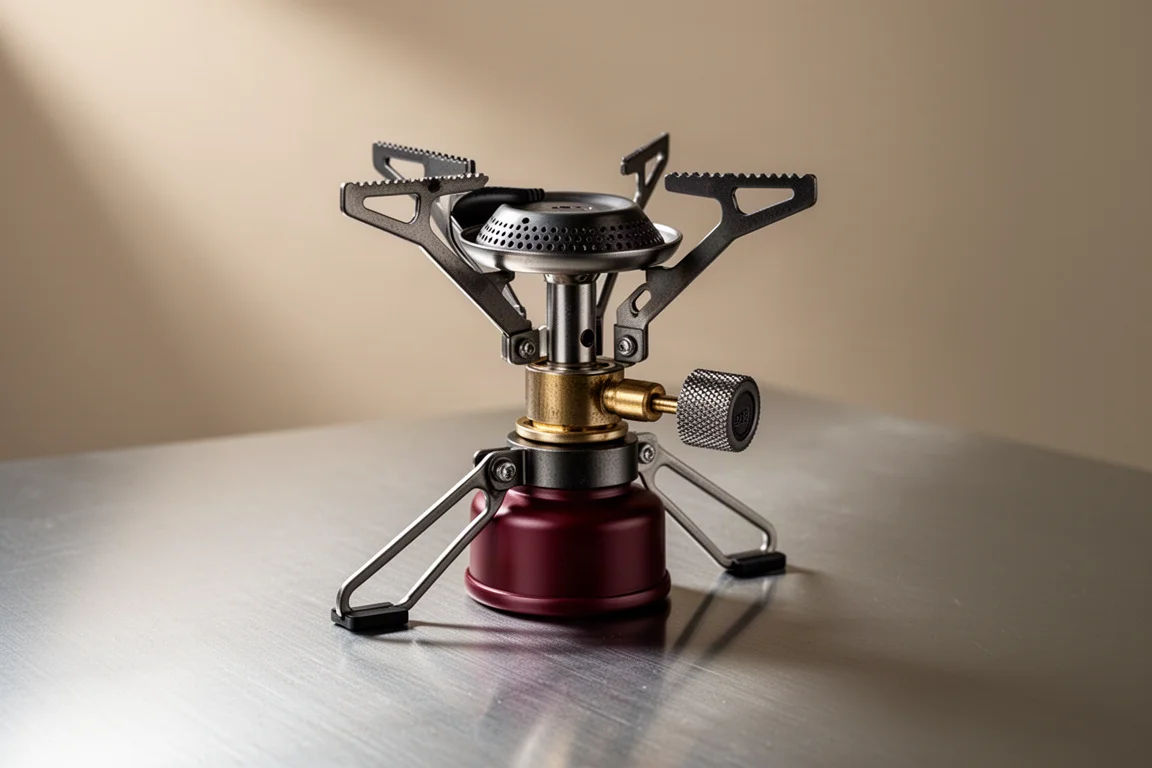
Buying Advice: Matching a System to Your Trips
For boiling water and little else, an inexpensive ultralight burner with a basic stainless or titanium pot covers everything at the lowest cost. If you want a single kit that already includes a cup, a pot, and a pot grabber, the MSR PocketRocket 2 Mini Stove Kit is the value option under $100.
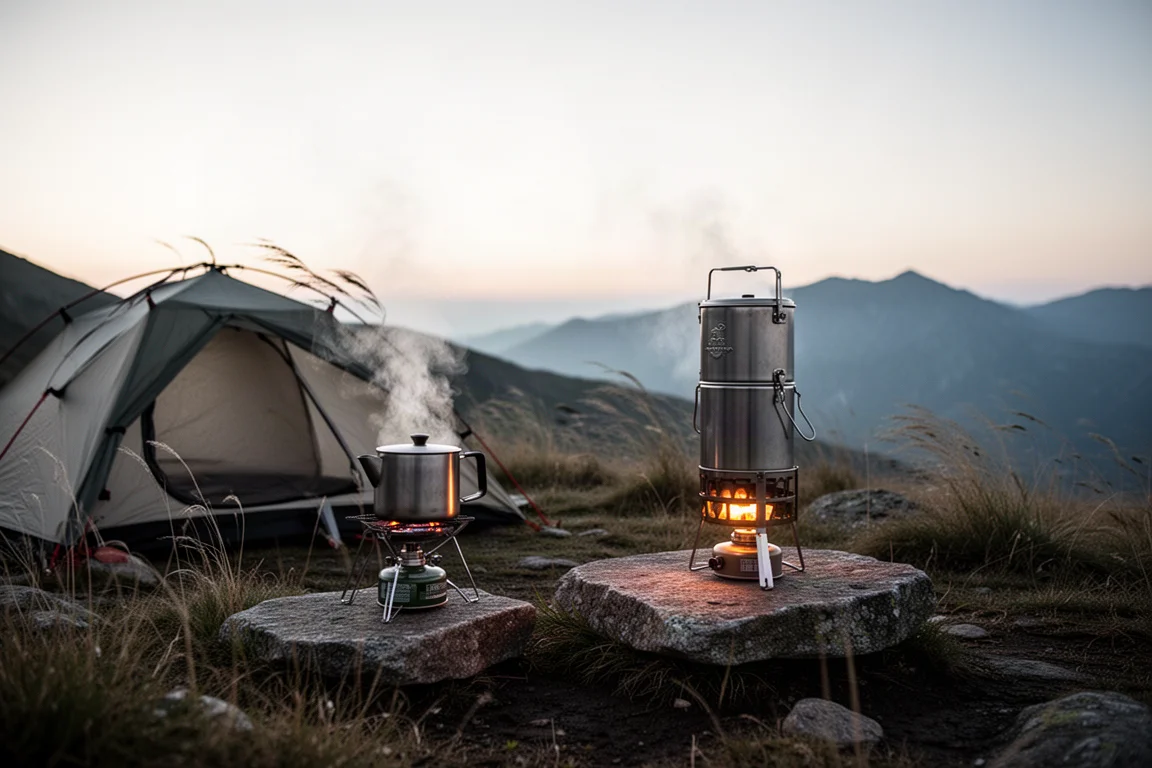
If you want to cook rather than just boil, an all-in-one system with a regulator and a separate pot stand, such as the MiniMo, buys real versatility. And if you regularly camp above the treeline, at altitude, or in consistently windy places, the WindBurner’s shielded design is the one that earns its premium price.
Across every option here, buying a stove from an established brand tends to be a one-time investment. That is worth weighing against a cheaper system that may need replacing sooner.
Conclusion
The right backpacking stove kit depends on what you ask it to do. Budget burners and simple titanium pots handle boiling water well, mid-range kits add convenience and better packing, and premium all-in-one systems add wind resistance, simmer control, and consistency in harsh conditions. Match the system to your cooking habits and the conditions you camp in, and the decision becomes straightforward.
Further reading
Related Reviews
Backpacking Stoves
Best Backpacking Stove and Pot Combinations: Budget to Premium
A practical look at fourteen backpacking stoves and cook pots, from inexpensive starter pairings to windproof all-in-one systems that cost close to $200.
Backpacking Stoves
Best Backpacking Stove Systems: Five Canister Stoves Compared
Five canister stove and pot systems compared on wind resistance, boil speed, packed size, and cooking control, from a bare titanium burner to a fully integrated cook system.
Backpacking Stoves
Best Backpacking Stoves 2026: Six Stove Types Compared and Ranked
A practical comparison of canister, white gas, wood burning, solid fuel, and alcohol backpacking stoves, ranked on speed, weight, fuel availability, and cost.