Backpacking Stoves
Best Backpacking Stove and Pot Systems: Five Canister Stoves Compared
A practical look at five backpacking stove systems, from the Jetboil Zip to the MSR WindBurner, judged on boil speed, wind resistance, weight, and cooking flexibility.
Introduction
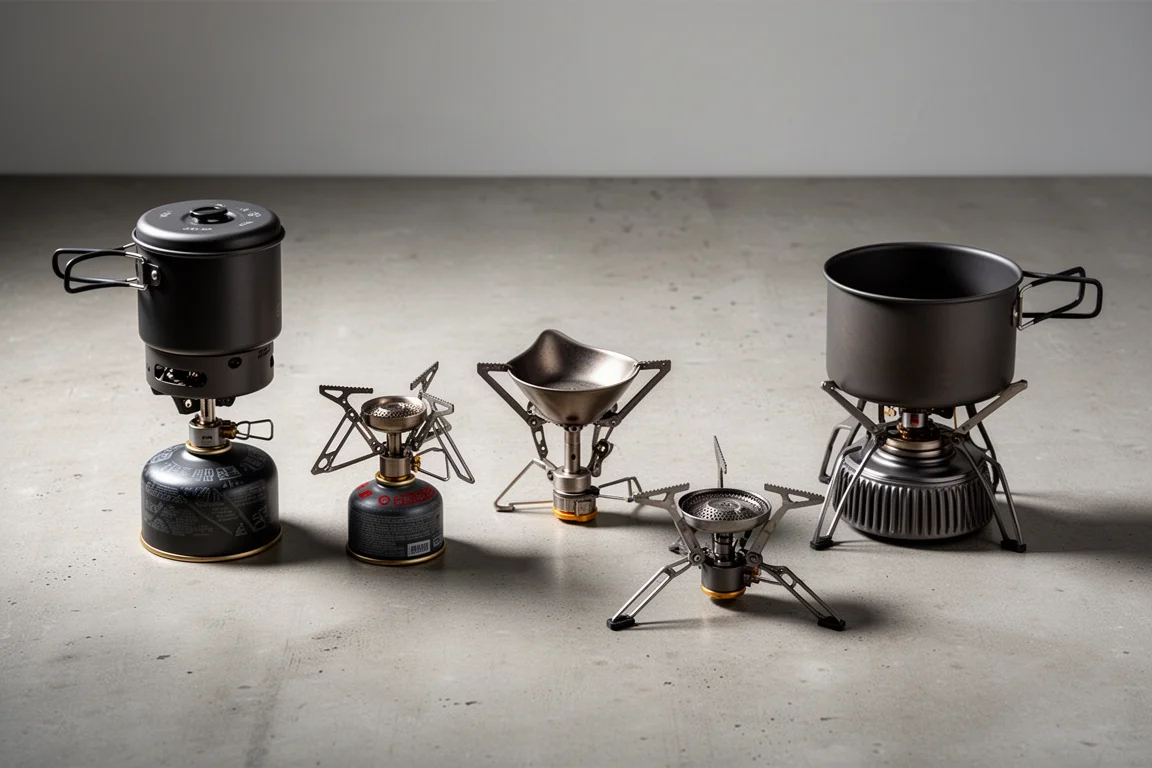
A stove and pot are among the most important pieces of gear a backpacker puts in a pack. They decide how quickly you eat, how much fuel you burn through, and how much room is left for everything else. This guide covers five canister stove systems, ordered from the least enjoyable to the most enjoyable across a full year of backpacking trips, with the specific reasons each one landed where it did.
How These Systems Were Evaluated
Five factors separated these stoves. Boil speed matters most on cold mornings and long days. Wind resistance decides whether the burner keeps performing when the weather turns. Packed size and weight affect every step of the walk. Cooking ability matters if you want anything beyond rehydrated meals. Stability with larger pots decides whether a system can feed more than one person.
Underneath all of it sits value. A stove that costs more than a simpler alternative should deliver something the simpler option cannot, and that test shaped the ranking as much as any specification.
Jetboil Zip: An All-in-One System That Costs More Than It Delivers
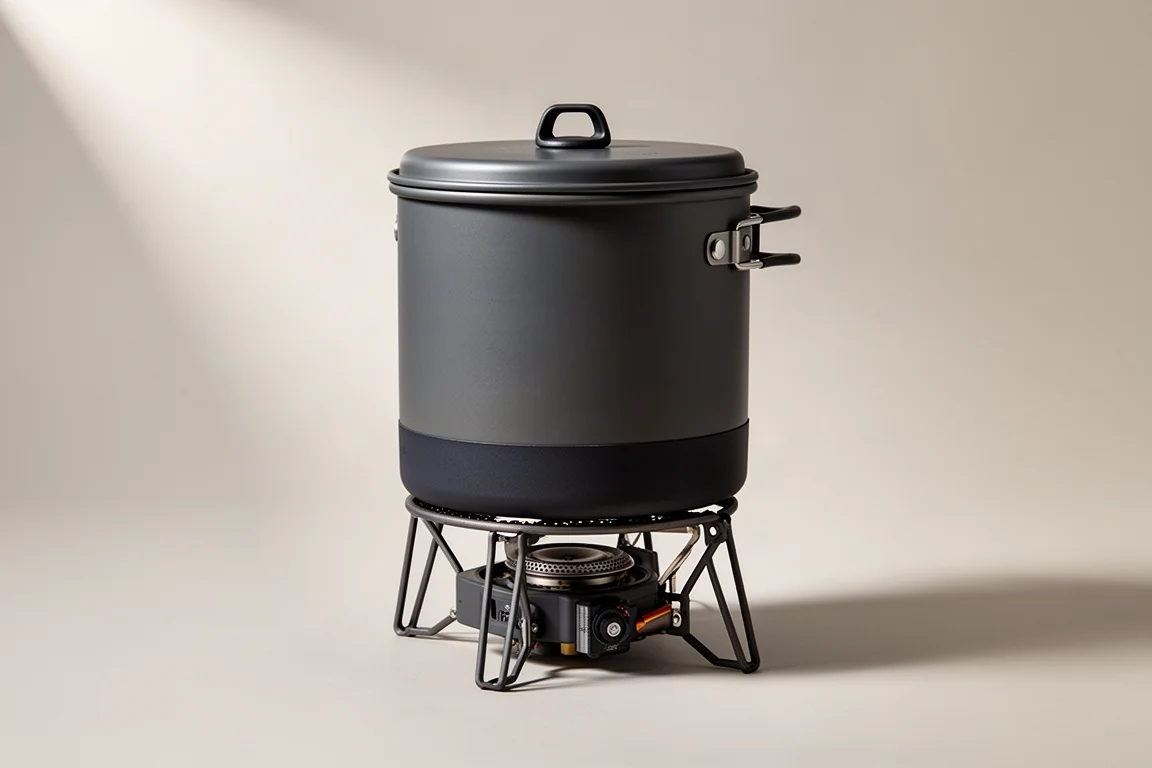
The Jetboil Zip sits at the bottom of this list. It is a genuine all-in-one system: the burner and pot lock together into a single unit, water boils very quickly, and the pot has enough capacity for one person, with enough room to stretch to two. The burner itself is a decent size.
What holds it back is value. You can spend significantly less on a stove and pot that perform as well or better than the Zip does. The system is built around boiling water rather than cooking, so it does not earn that extra outlay back in the kitchen. It also has no Piezo igniter and no pressure regulator, and it is bulky and heavy for what it offers. A simpler setup takes up less space inside a pack.
Snow Peak LiteMax: Light Titanium With Limited Wind Performance
The Snow Peak LiteMax is a titanium stove, and it is very light. It also offers a more stable platform for a larger pot than the smallest budget canister stoves, which makes it a reasonable option for boiling water in a genuinely lightweight package.
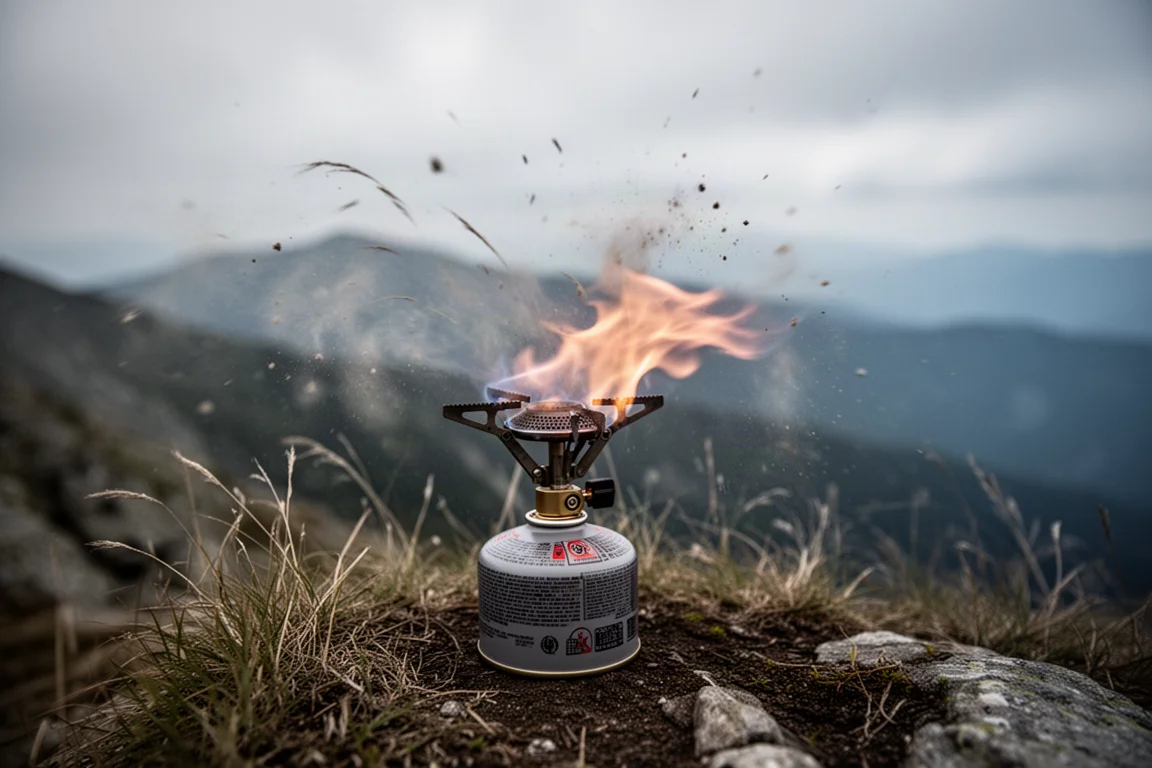
The problem is wind. The LiteMax has no windscreen of any kind, and its cone-shaped burner does not always light on all sides. When wind blows hard against it, performance falls away and fuel is wasted. For a canister stove, that is a meaningful shortfall: the design does not hold up when conditions are less than calm, which is why it lands near the bottom despite its low weight.
If your trips stay mostly sheltered and you count every gram, the LiteMax still does its job. If you cook in exposed places, that trade-off is harder to accept.
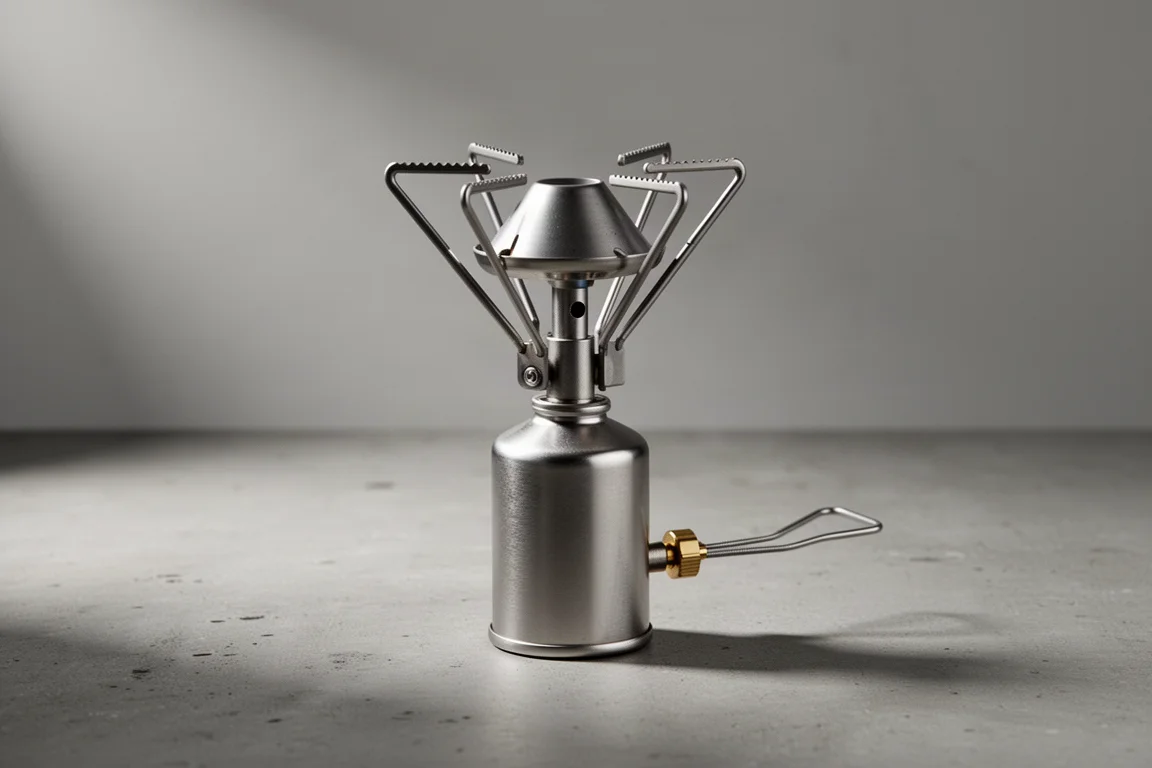
Soto Amicus: The Most Versatile All-Rounder
The Soto Amicus is one of the most enjoyable backpacking stoves of any year, and it earns that through design details rather than headline numbers. The pot stand on top is wide, and it pairs naturally with 550 ml or 700 ml pot and cup systems.
Where it separates itself from the LiteMax is the burner shape. Instead of a cone, the Amicus uses a concave burner, and that geometry gives noticeably better wind protection while keeping the pot close to the flame. The burner is larger than many alternatives, so bigger pots still perform well. The Piezo igniter has been consistently reliable, and the stove breaks down small enough to fit inside a 550 ml pot.
It is also not limited to boiling water. Simmer control is good enough for real cooking, which makes it the most flexible stove here for the weight and pack space involved.
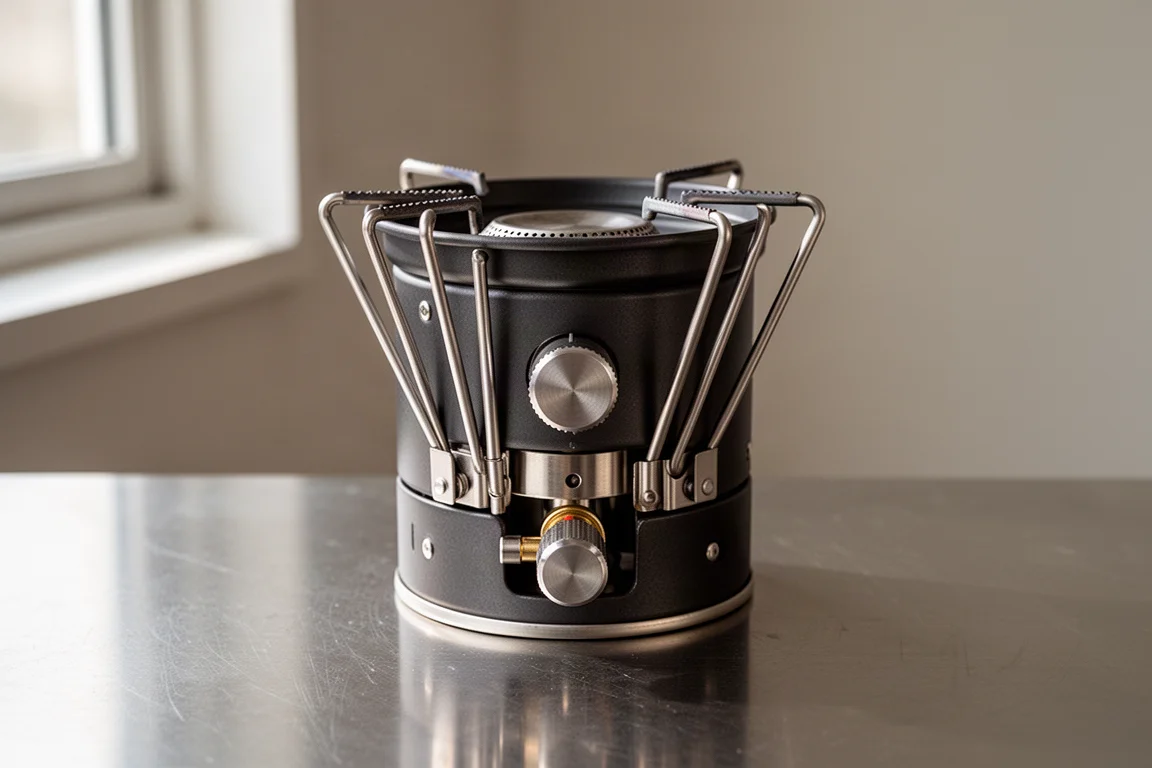
MSR PocketRocket 2: Dependable Performance, Unmistakable Noise
The MSR PocketRocket 2 is a tried and true stove: high quality, dependable, and built to keep working for a very long time. The pot support is large enough for a frying pan or bigger pots, it boils a lot of water quickly, and it works well in a group setting.
The catch is noise. This is the loudest stove here by a wide margin, and that is a real drawback in camp. While it is running, holding a conversation with the people around you becomes difficult, which is a genuine annoyance on group trips even though the cooking performance itself is excellent.
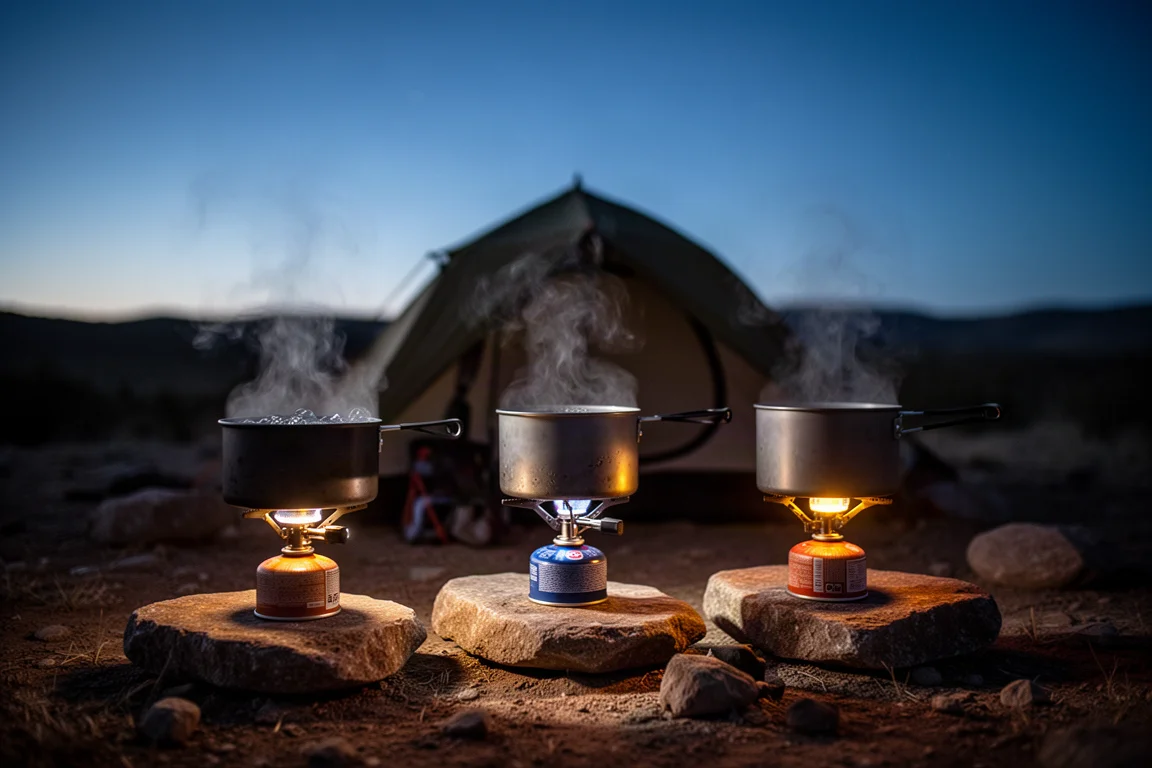
For anyone who prioritises reliability and pot size over a quiet camp, it remains a strong choice.
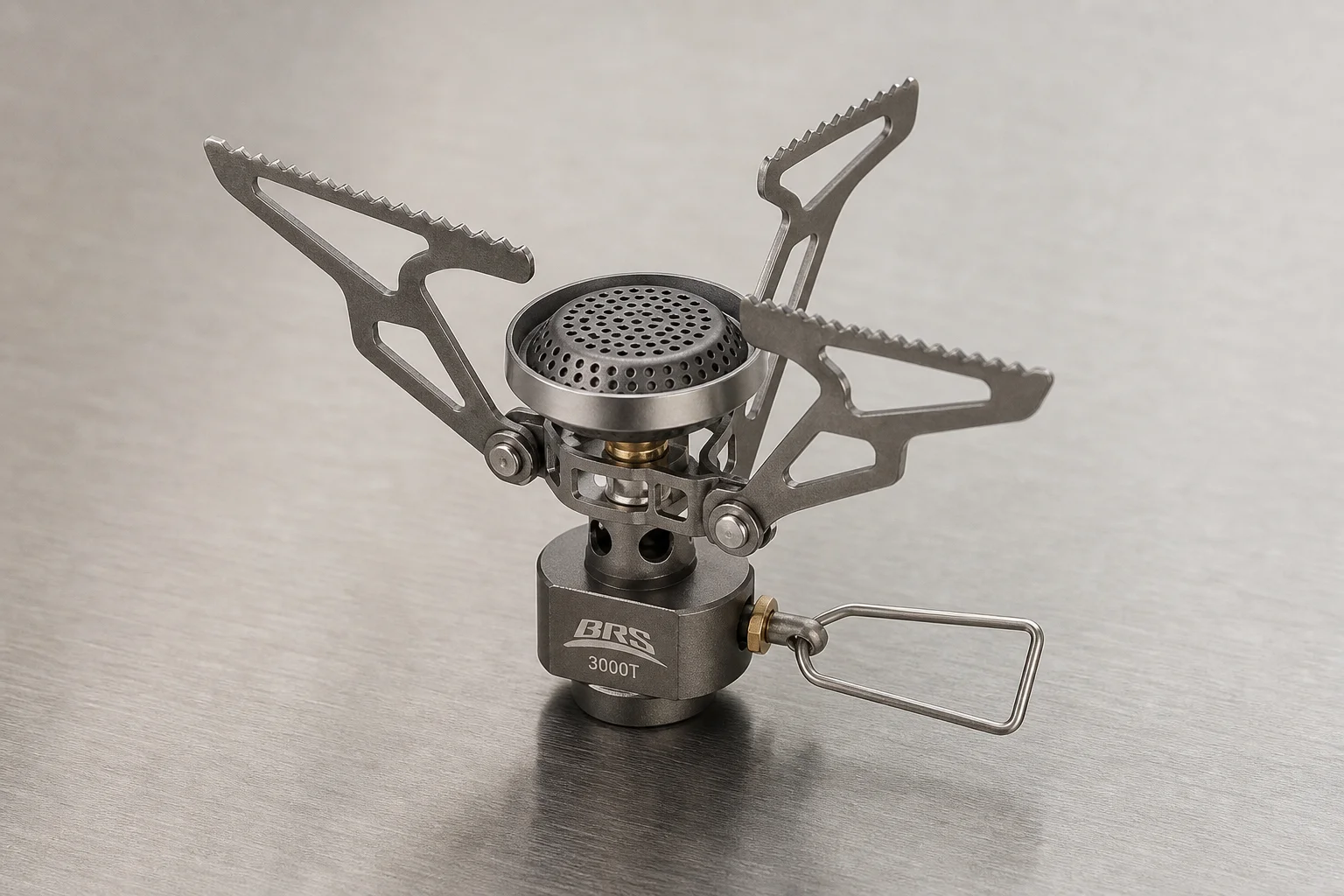
MSR WindBurner: The Most Enjoyable System Overall
The MSR WindBurner takes the top spot. It is easy to dismiss at first as another heavy, bulky integrated system that duplicates what a lighter stove already does, but a year of group camping and family trips changes that view.
The reason is efficiency. The burner and pot connect directly, and the comb and cone shape on the burner removes the wind penetration that would otherwise cut into performance. The flame spreads wide rather than concentrating in the centre, and the corrugated metal on the base of the pot is shaped to sit perfectly on the burner. The result is a very efficient, very wind-resistant burn. Water boils quickly, and you can refill and boil again in succession to rehydrate food for several people without standing around waiting.
It is also more stable than expected thanks to the pot stand, everything nests inside itself for packing, and it is not as heavy as its size suggests. Set against the Jetboil Zip at the other end of this list, it is simply the more efficient system.
Buying Advice: Matching the Stove to the Trip
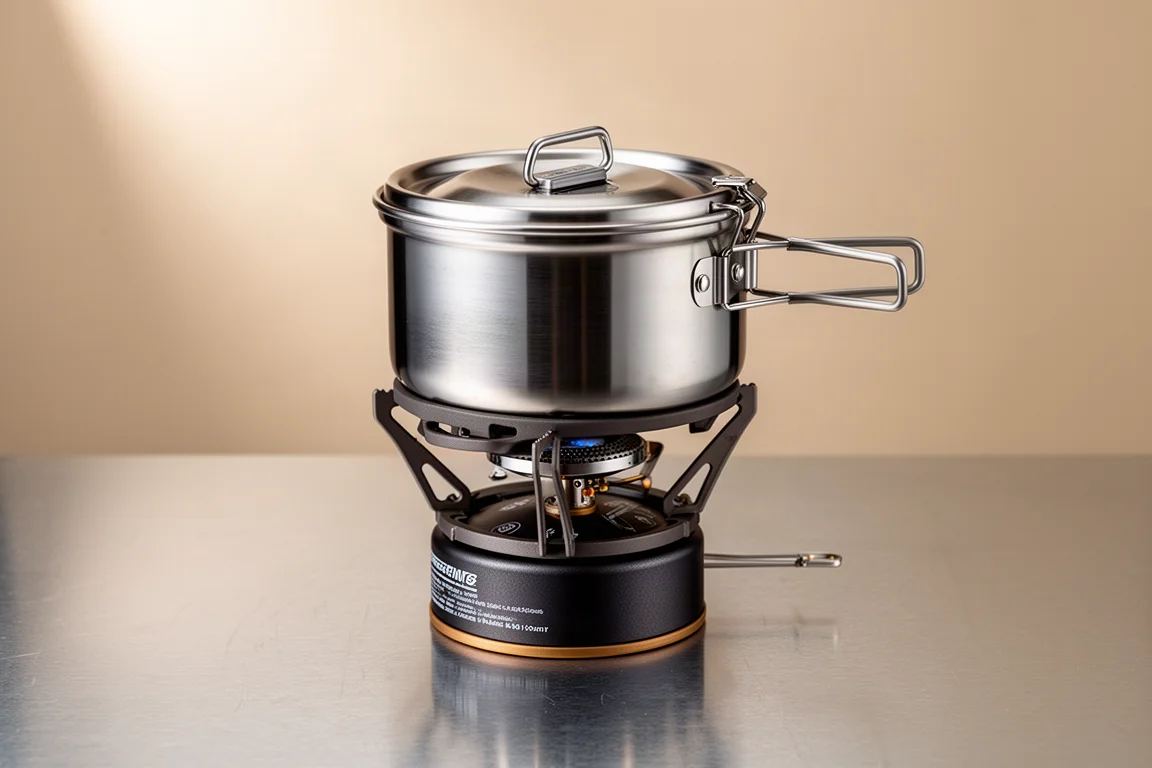
The right system depends on the job you are asking it to do. If you only boil water for one or two people and want to keep costs down, a compact canister stove with a separate pot is the better value, and the money saved goes further than an integrated system that does not cook. If you want to actually cook, check simmer control first, which is where the Amicus stands out. If your trips regularly take you into exposed, windy terrain, wind resistance matters more than a few grams, and that is the WindBurner’s strongest argument. For group trips, prioritise boil speed and stability with larger pots.
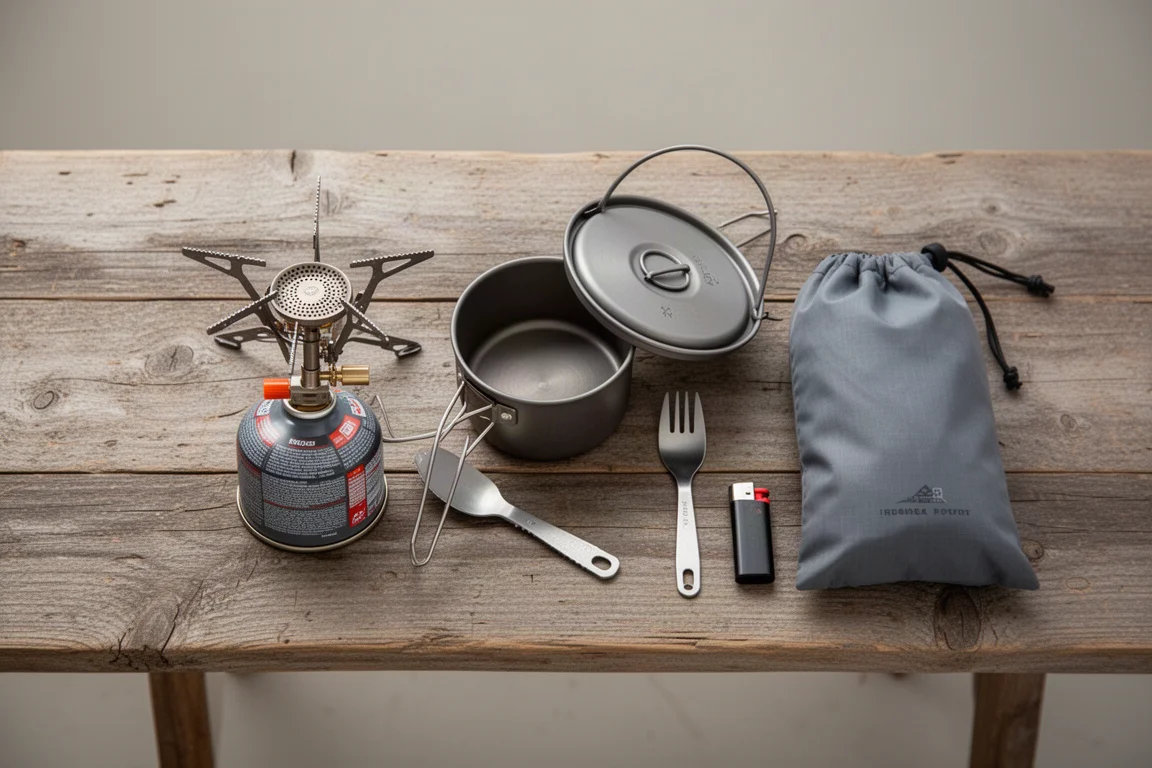
Weigh that against bulk. Integrated systems take up more room and lock you into one pot, while a simple stove and a separate pot give you flexibility and a smaller packed footprint. Neither approach is wrong, but the choice is clearer once you know whether your stove is a water boiler or a cooking tool.
Conclusion
These five systems cover a wide range of priorities, and the ranking comes down to how well each one matches the trips it is meant for. The Jetboil Zip boils water quickly but asks a lot for what it gives back. The Snow Peak LiteMax is impressively light but struggles in wind. The Soto Amicus is the most versatile all-rounder, the MSR PocketRocket 2 is dependable and loud, and the MSR WindBurner is the most efficient and most enjoyable system of the group. Pick the one whose strengths line up with where and how you actually camp, and it will serve you well for years.
Further reading
Related Reviews
Backpacking Stoves
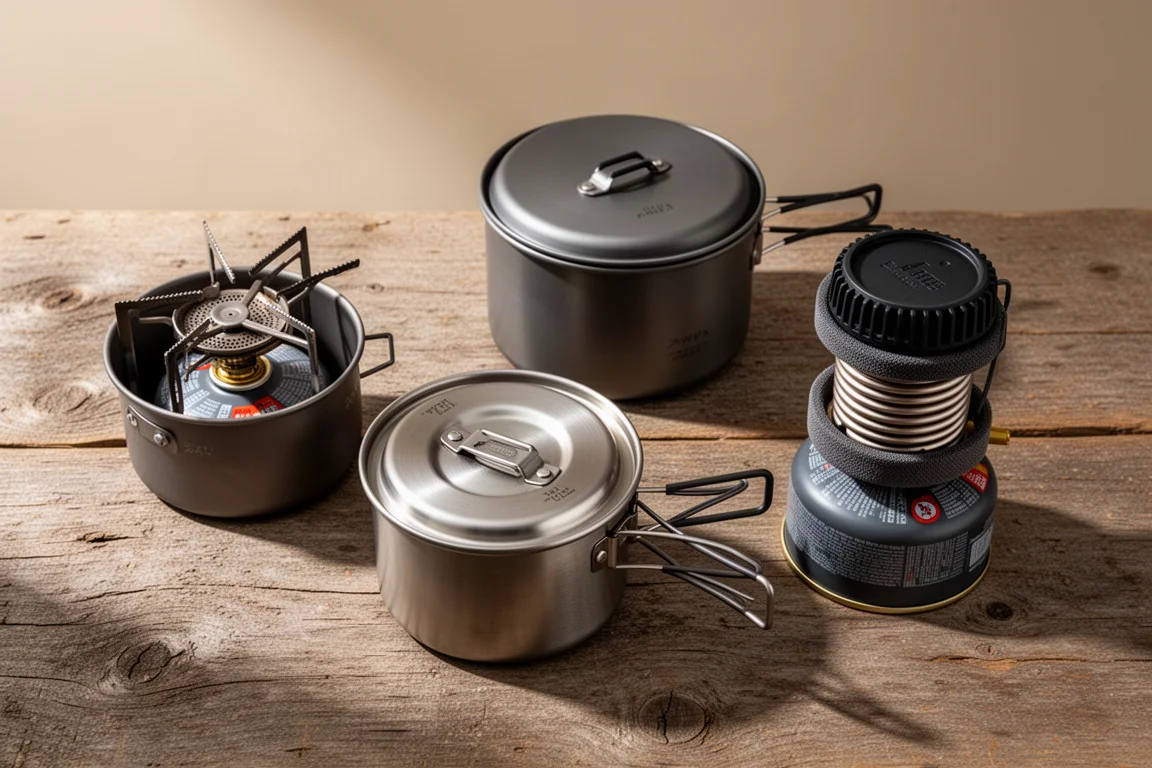
Best Backpacking Stove and Pot Combinations: Budget to Premium
A practical look at fourteen backpacking stoves and cook pots, from inexpensive starter pairings to windproof all-in-one systems that cost close to $200.
Backpacking Stoves
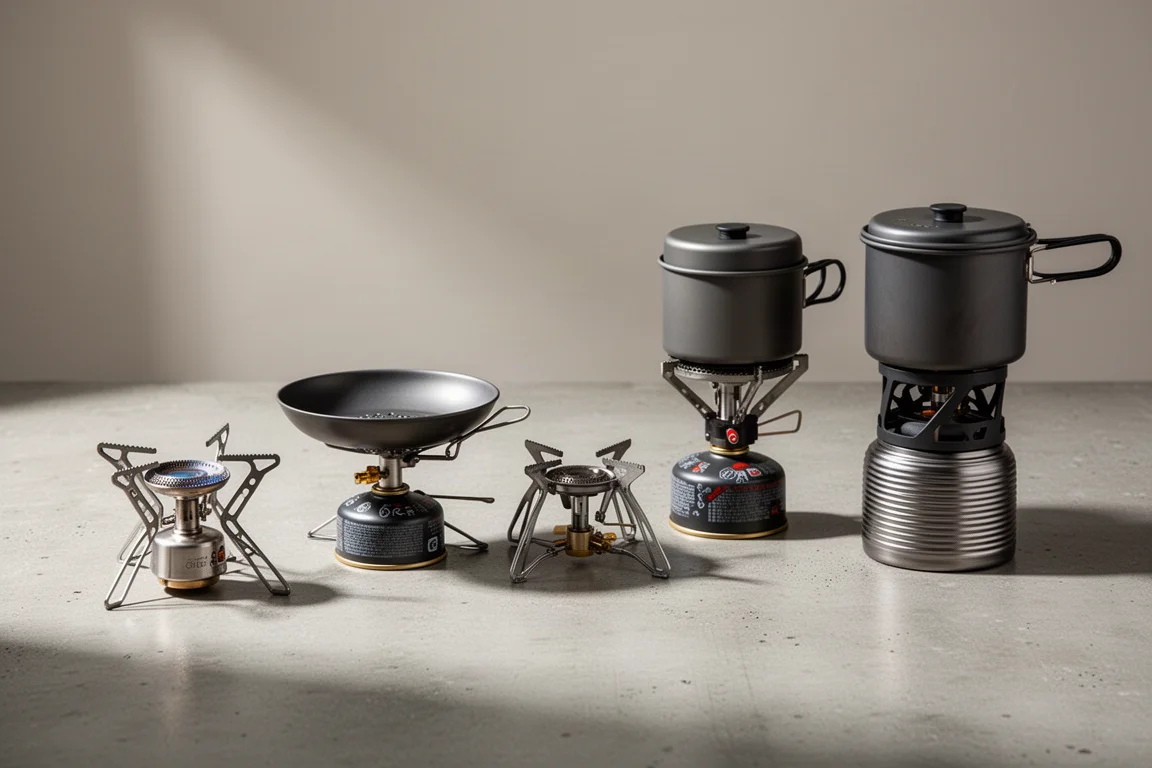
Best Backpacking Stove Systems: Five Canister Stoves Compared
Five canister stove and pot systems compared on wind resistance, boil speed, packed size, and cooking control, from a bare titanium burner to a fully integrated cook system.
Backpacking Stoves
Best Backpacking Stoves 2026: Six Stove Types Compared and Ranked
A practical comparison of canister, white gas, wood burning, solid fuel, and alcohol backpacking stoves, ranked on speed, weight, fuel availability, and cost.