Backpacking Stoves
Best Backpacking Stove and Pot Combos: 9 Setups Compared
Nine backpacking stove and pot combinations, from a budget ultralight burner to sealed all-in-one systems built for wind, altitude, and long seasons on the trail.
Introduction
A backpacking stove and pot pairing is one of the few pieces of gear that has to earn its place every single evening. Done well, it boils water in minutes, nests into one compact lump in your pack, and quietly survives years of trips. Done badly, it is loud, unstable, and maddening in wind.
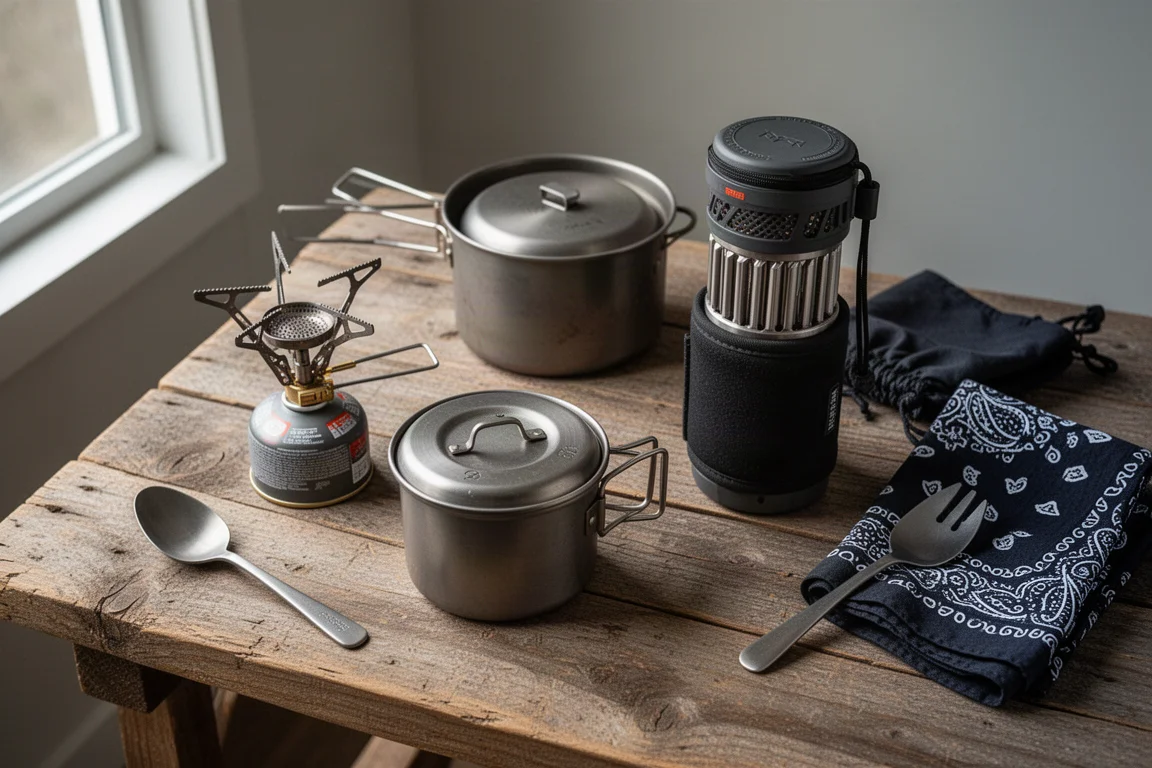
This roundup covers nine stove and pot combinations, from a budget ultralight burner that costs very little to sealed all-in-one systems engineered for wind and altitude. Some are modular, some arrive as complete kits, and each one fits a slightly different kind of trip.
What Matters Most in a Stove and Pot Setup
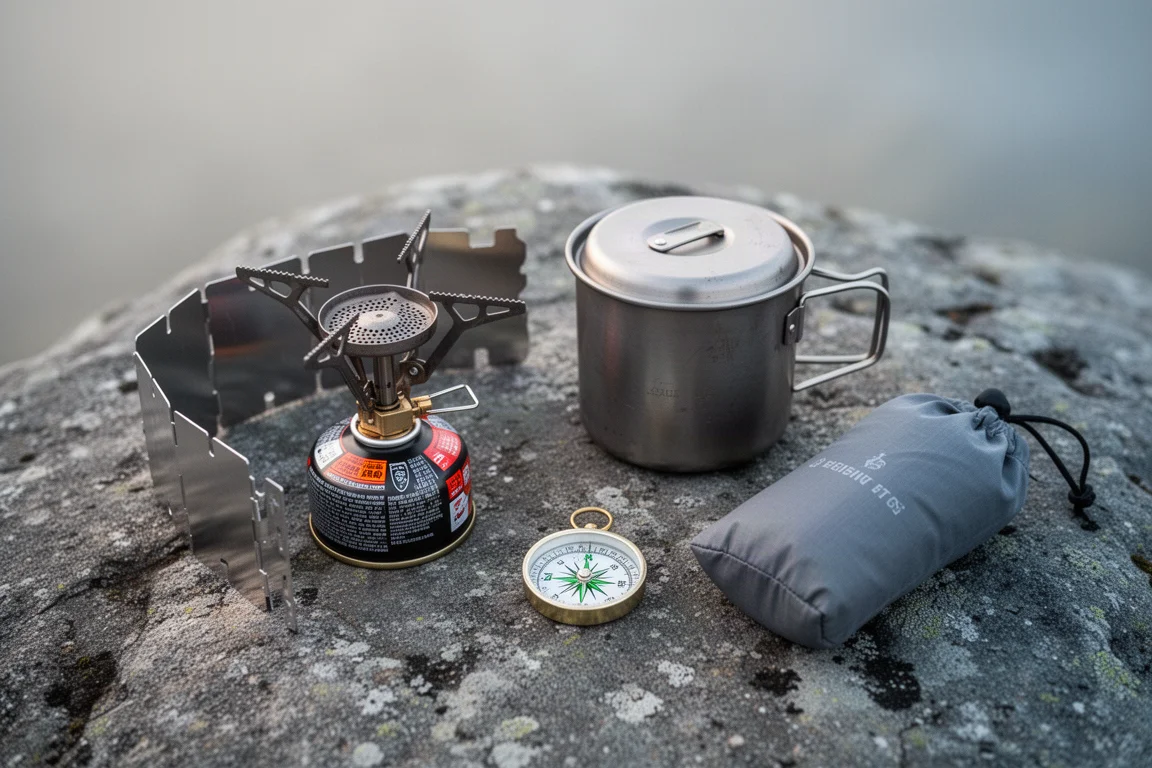
Boil speed and fuel efficiency come first for most backpackers, because most backcountry meals are rehydrated with hot water. Wind resistance matters almost as much. An exposed flame loses efficiency quickly on a ridge or in an alpine basin, and a stove that keeps burning in a breeze saves both fuel and patience.
Beyond that, the practical questions are about capacity and control. A pot needs enough volume to rehydrate a meal and still leave room for a hot drink, and 550 to 700 ml is the range where most dehydrated meals fit comfortably. Simmer control only matters if you plan to cook rather than pour. Ignition is a small convenience with real value, since a built-in piezo igniter means one less lighter to carry and lose. Nesting is the quiet luxury of this category: a pot that swallows the stove, the canister and a small cup turns three loose items into one.
Price, finally, deserves perspective. Spending more buys faster boils, better wind behaviour and more cooking flexibility, but it does not change the fact that you are mostly heating water. The budget options here do that job perfectly well.
Best Budget Pick: BRS-3000T
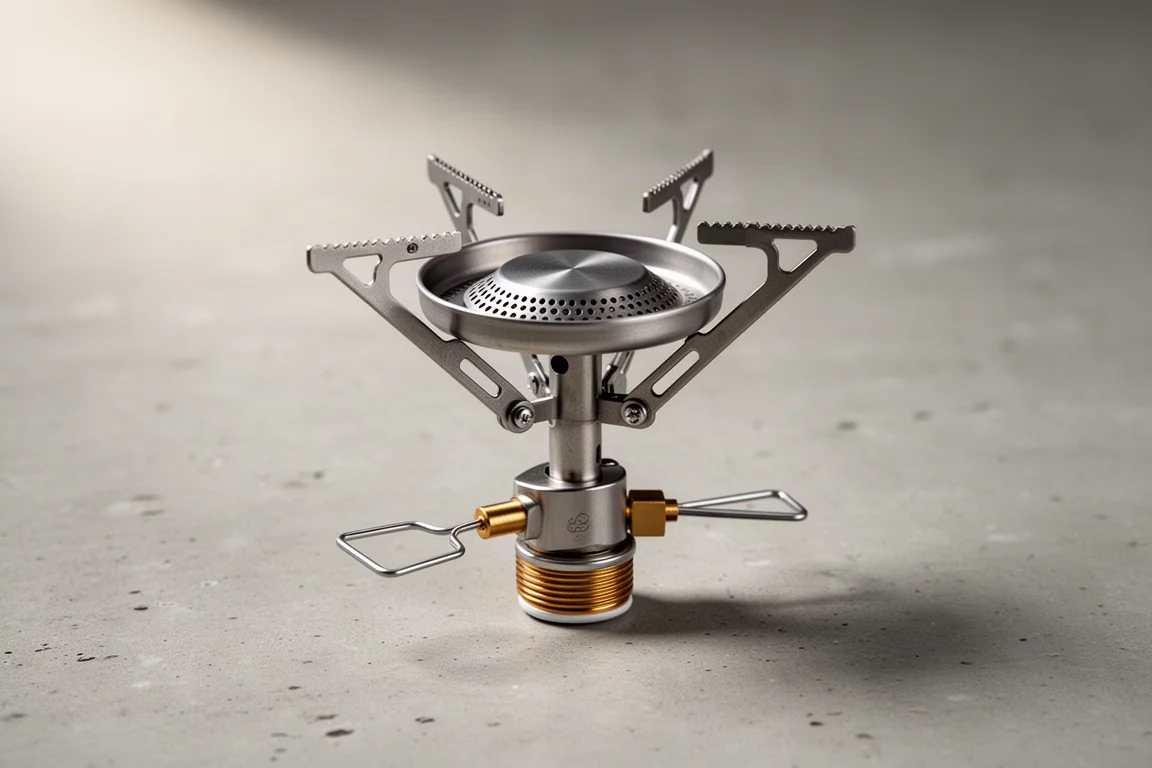
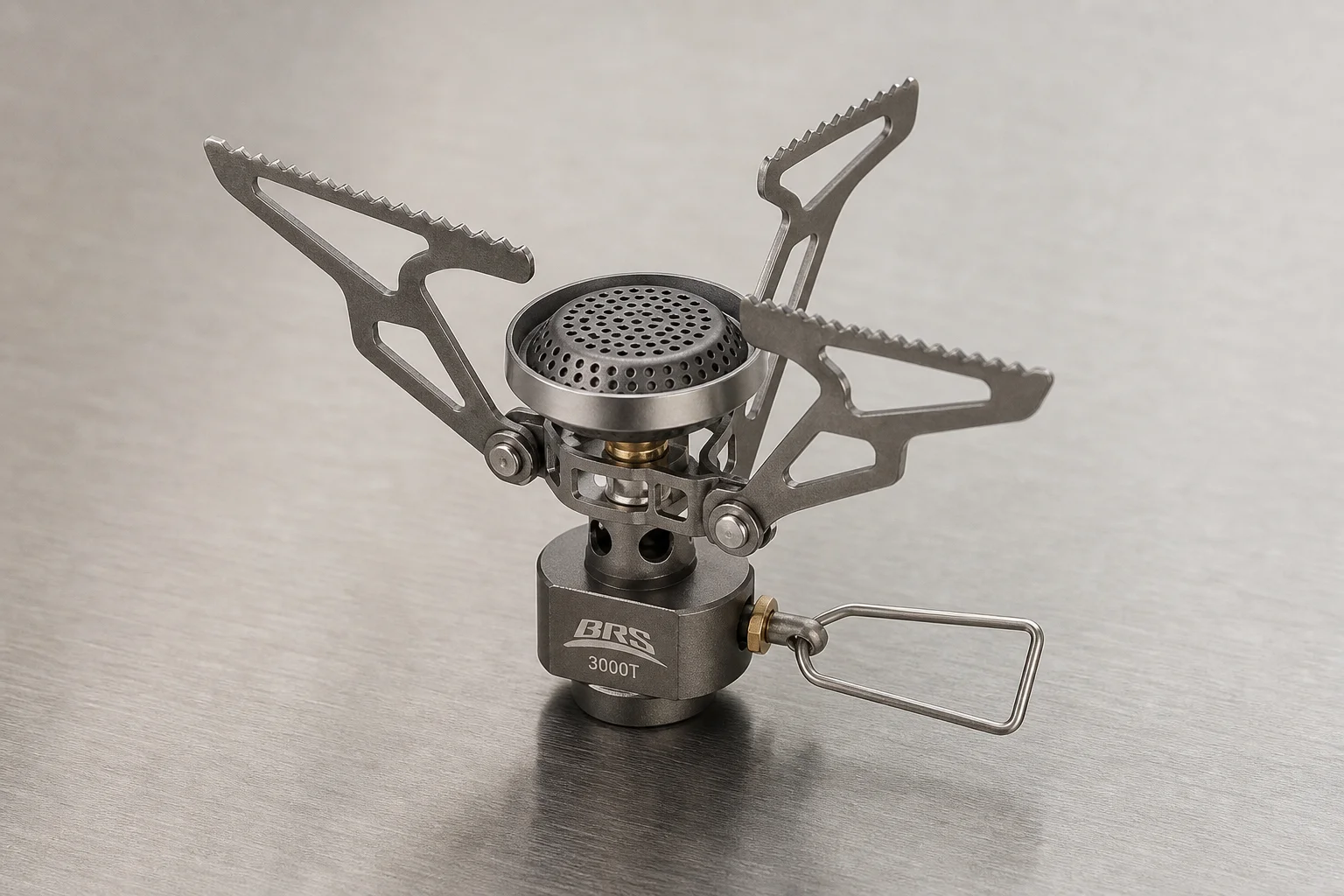
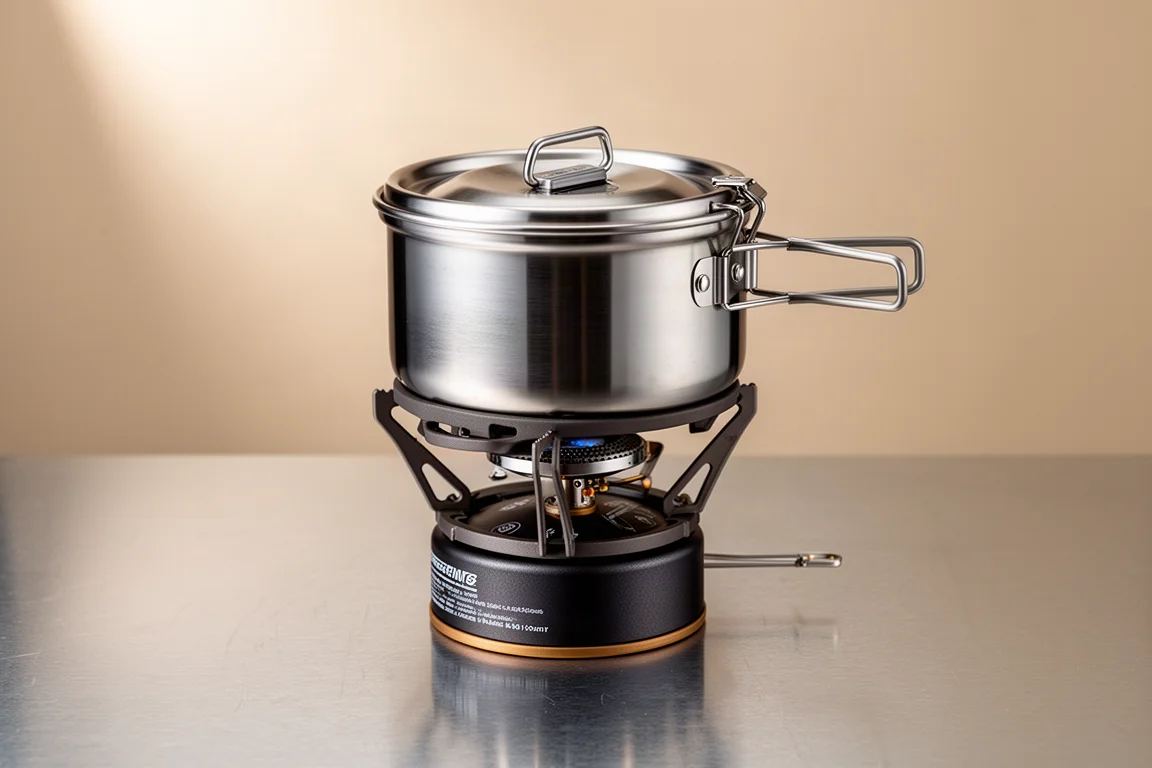
The BRS-3000T is the classic entry point into canister stoves: a tiny screw-on burner that weighs almost nothing and asks very little of your wallet. Paired with a stainless steel pot that has a locking lid and a handle, the combination comes in at a genuinely low price while still giving you a stable platform for boiling water and simple cooking. It is not an especially heavy setup either, which surprises people who assume budget gear has to be bulky.
For anyone assembling a first backpacking kit, or for a spare stove that lives in a daypack, this is a sensible place to start. The trade-offs are the usual ones at this price: no built-in igniter, so bring a lighter, and no regulator, so fine simmer control is limited.
Best All-Rounder Starter Kit: MSR PocketRocket 2
Few stoves have been around as long, or been trusted by as many backpackers, as the PocketRocket line. The PocketRocket 2 is the current version of that design, and it ships in a compact kit that adds real value: a measuring cup graduated to 12 oz that doubles as a drinking cup or mixing vessel, plus an aluminium pot fitted with a pot grabber and a rubber ring around the body. That ring matters more than it sounds, because it lets you hold the pot steady while pouring boiling water into a dehydrated meal bag without burning your fingers.
The stove itself is fast and famously durable. It is also famously loud, closer to a small jet engine than a camp stove, which is the price of its boil speed. The pot is on the small side for cooking pasta, rice or noodles, but for boiling water, making pour-over coffee or rehydrating a meal, it does everything asked of it.
Best Ultralight Stove: Snow Peak LiteMax Stove
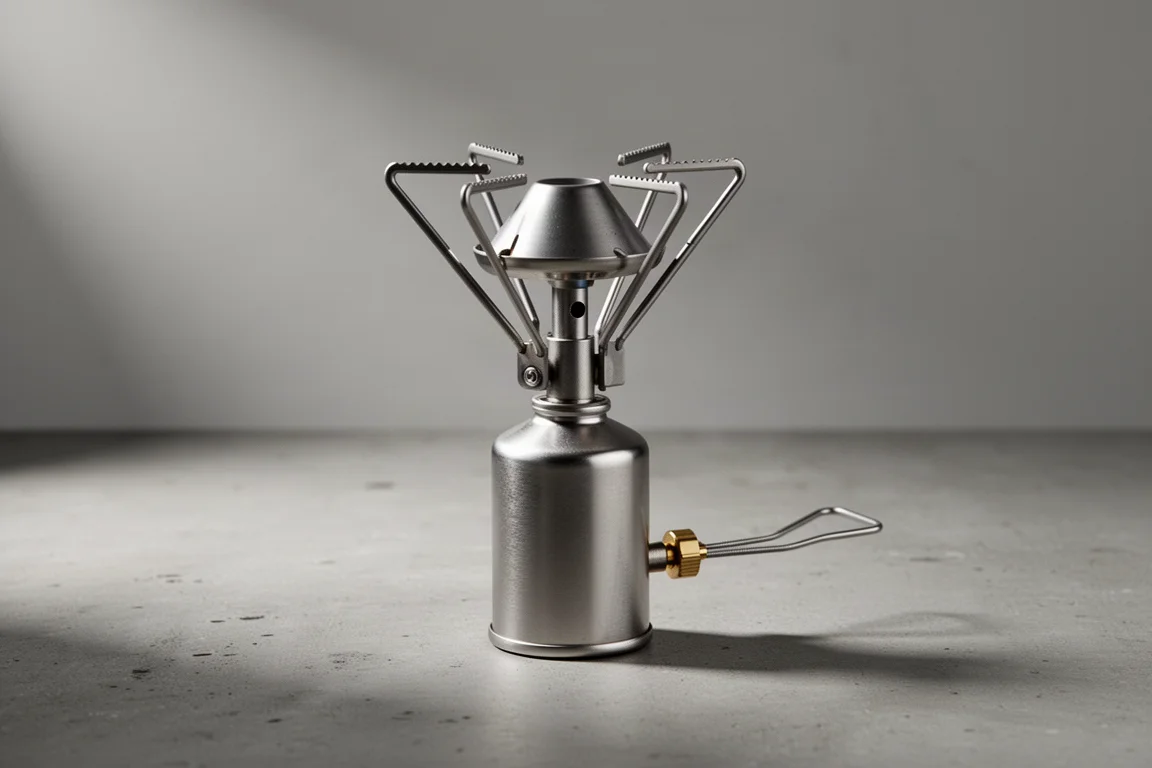
Snow Peak has a long reputation for light, durable gear, and the LiteMax is a clear example of that approach. It is very light and very small, small enough to disappear inside a compact pot, and its folding arms extend outward to support larger cookware when you need them. That combination of minimal packed size and flexible pot support is what makes it appealing for weight-conscious trips.
The main compromise is wind. The LiteMax is more exposed to gusts than a stove with a broader burner head and a more sheltered design, so it is happiest in calm conditions or tucked behind a natural windbreak. Within those limits it is a highly efficient burner that asks almost nothing of your pack weight.
Best Nesting Titanium Pot: Snow Peak Trek 700 Titanium Pot
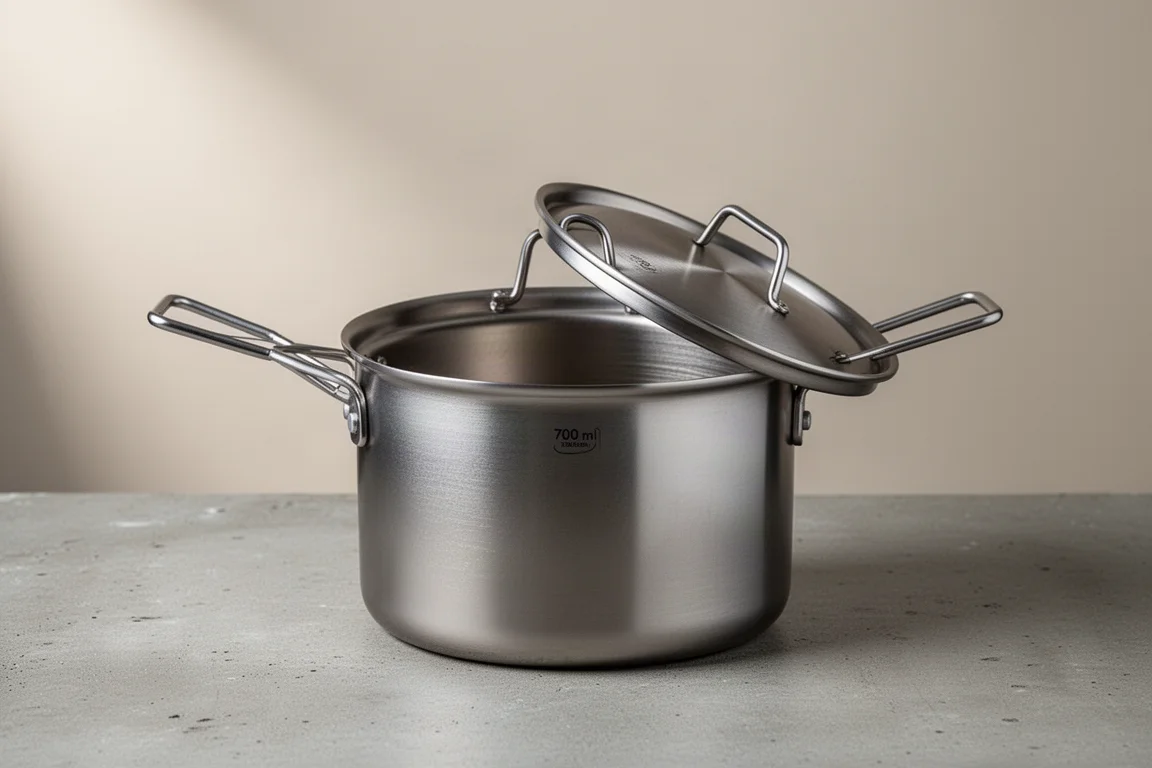
The Trek 700 is a 700 ml titanium pot, which works out to more than two cups of capacity and enough to rehydrate a full dehydrated meal with room to spare. Its real talent is packing. The stove and the fuel canister both drop inside, so the entire cooking setup becomes a single item in your pack. Graduation lines on the interior wall make measuring water easy, and the handles are shaped for a comfortable grip.
Titanium is the reason it stays light, and also the reason for the one caution here. Thin titanium heats fast, and with many stoves the flame wraps up around the sides of the pot, so the rim and handles get properly hot. A pot grabber or a folded cloth solves it, but it is worth knowing before your first boil.
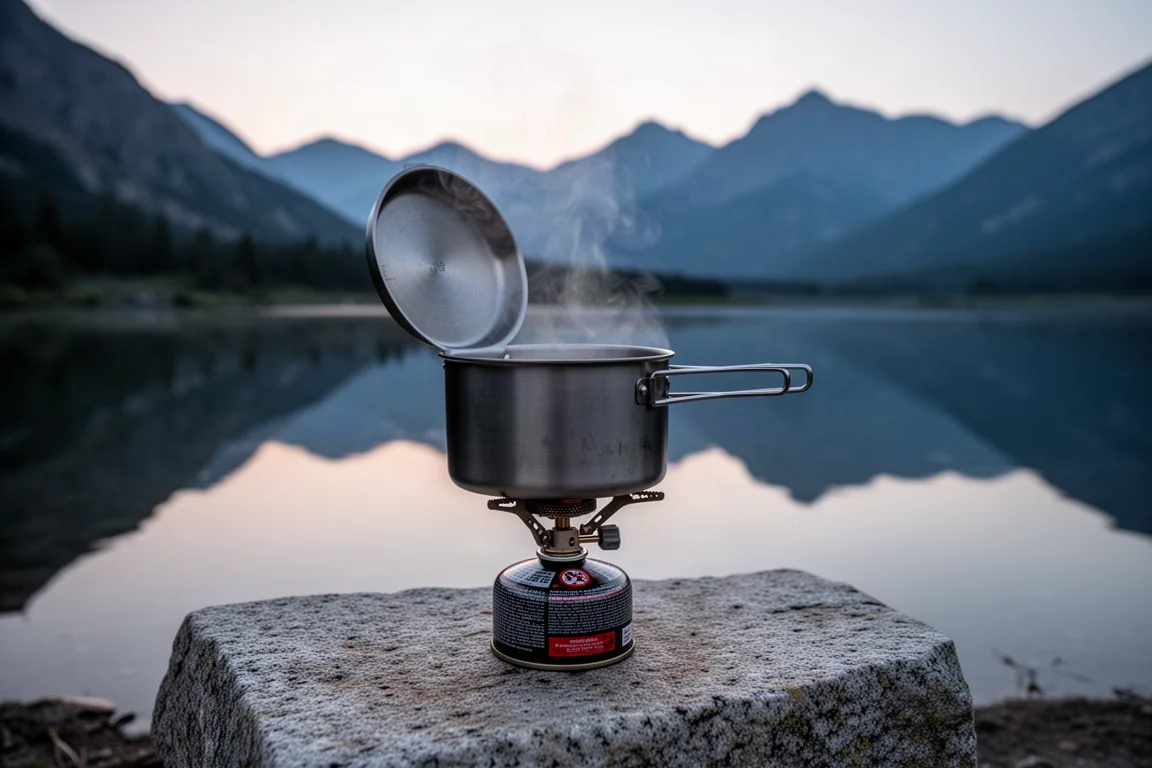
Used as a nesting system, this pot pairs naturally with a small folding-arm stove, and the combination covers most three-season backpacking trips without adding noticeable weight.
Best Compact Stove With a Built-In Igniter: MSR PocketRocket Deluxe
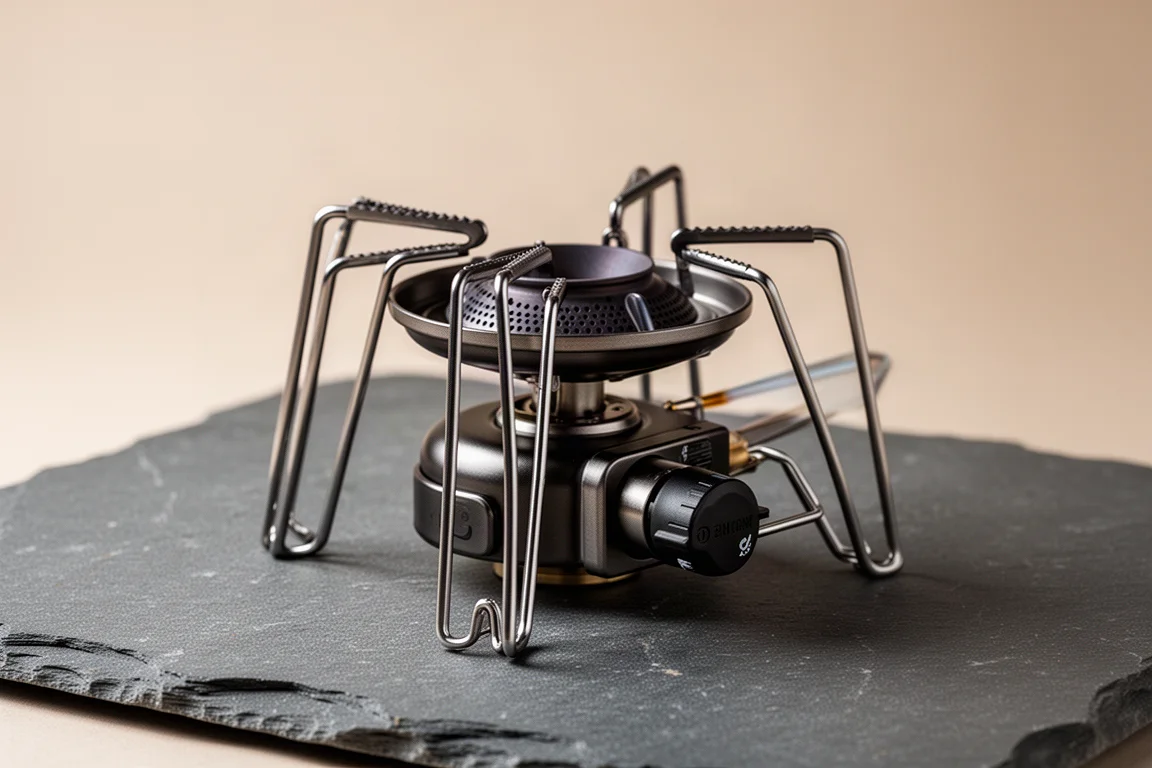
The PocketRocket Deluxe takes the proven PocketRocket formula and adds the features that matter on a long trip. There is a built-in igniter, so no separate lighter is required. It runs noticeably quieter than a basic canister burner. And it handles wind well, which keeps boil times predictable when the weather turns.
Its strongest argument, though, is size. The Deluxe packs small enough to fit inside a 750 ml titanium pot together with the canister, turning the whole kitchen into one compact bundle. For backpackers weighing a marginally more efficient but bulkier stove against a smaller one, this is the reason to choose smaller.
Best All-in-One Entry System: Jetboil Zip
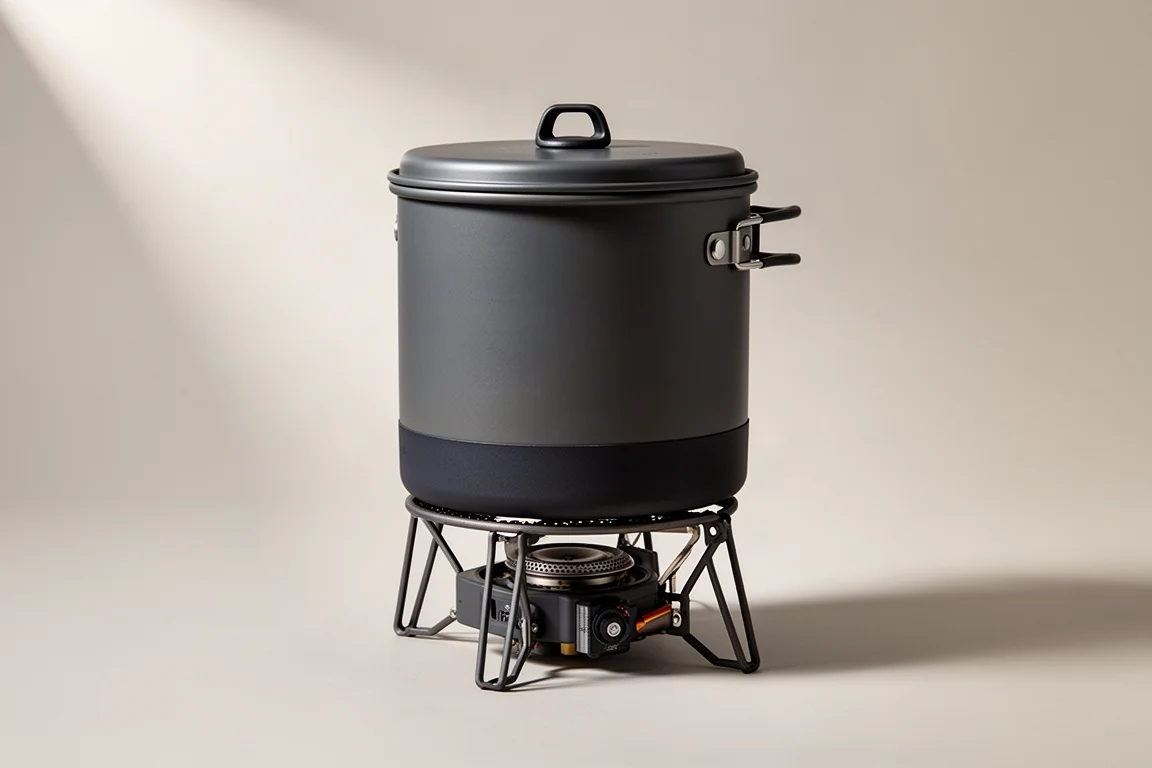
The Jetboil Zip is the simplest way into an all-in-one system. The pot, burner and lid are designed as a single unit, with a measuring cup at the base and a canister stand that widens the footprint so the whole assembly stays upright on uneven ground. Jetboil systems are known for getting water to a boil quickly, and the Zip lives up to that reputation.
It is also the entry model, so expectations should match. Capacity is under a litre, the measurement lines are hard to read against the dark cup, and there is no regulator, so simmer control is minimal. What you get instead is speed, simplicity and the option of accessories such as a French press for coffee. For anyone who mainly wants hot water fast, it is a strong choice.
Best Simple Ultralight System: SOTO Amicus
The SOTO Amicus is a small canister stove with integrated pot supports and a piezo igniter built in. That igniter is a genuine convenience, because most stoves in this roundup need a separate lighter or match. The compact body suits smaller pots, which makes it a natural match for a 550 ml titanium pot, roughly the minimum capacity worth carrying for rehydrating a meal.
The result is one of the lightest and most straightforward setups on this list. There is nothing to configure and nothing extra to lose: the stove folds out, lights, and boils. For minimalist trips, that simplicity is the entire appeal.
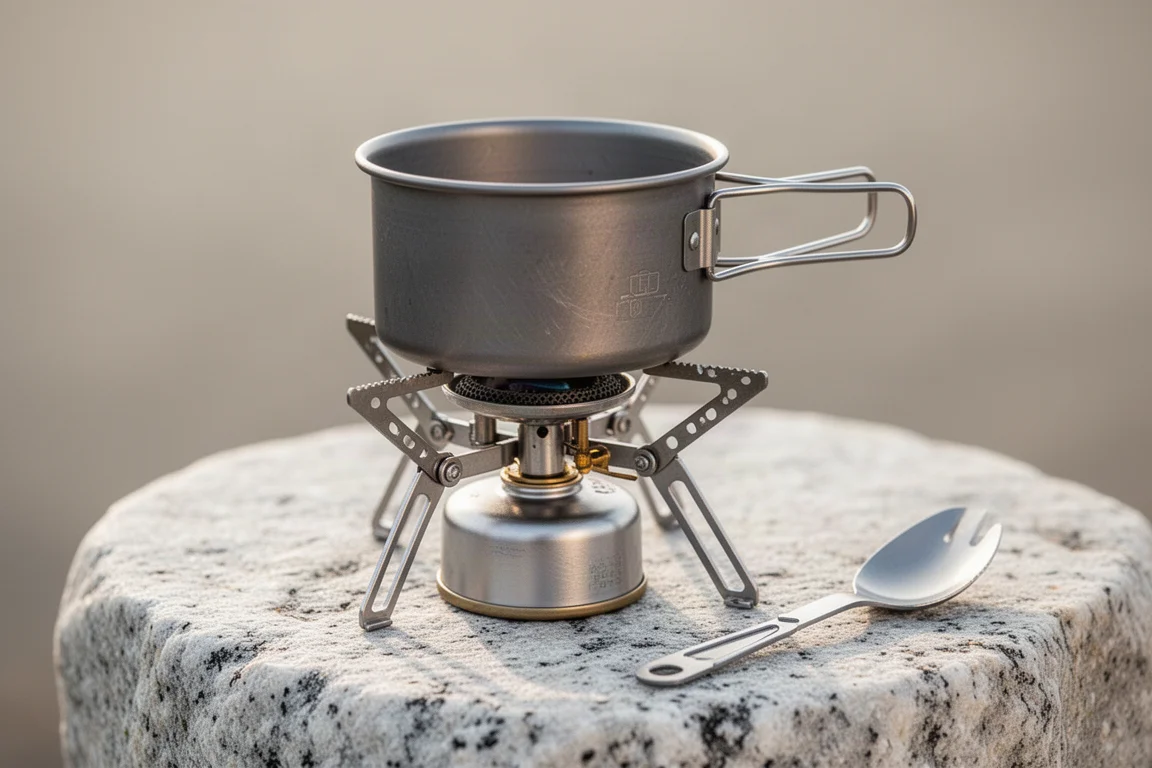
Because the pot and stove are so small, this pairing rewards careful packing rather than capacity. It is a setup for one person cooking one meal at a time, and it is very good at exactly that.
Best Versatile All-in-One: Jetboil MiniMo
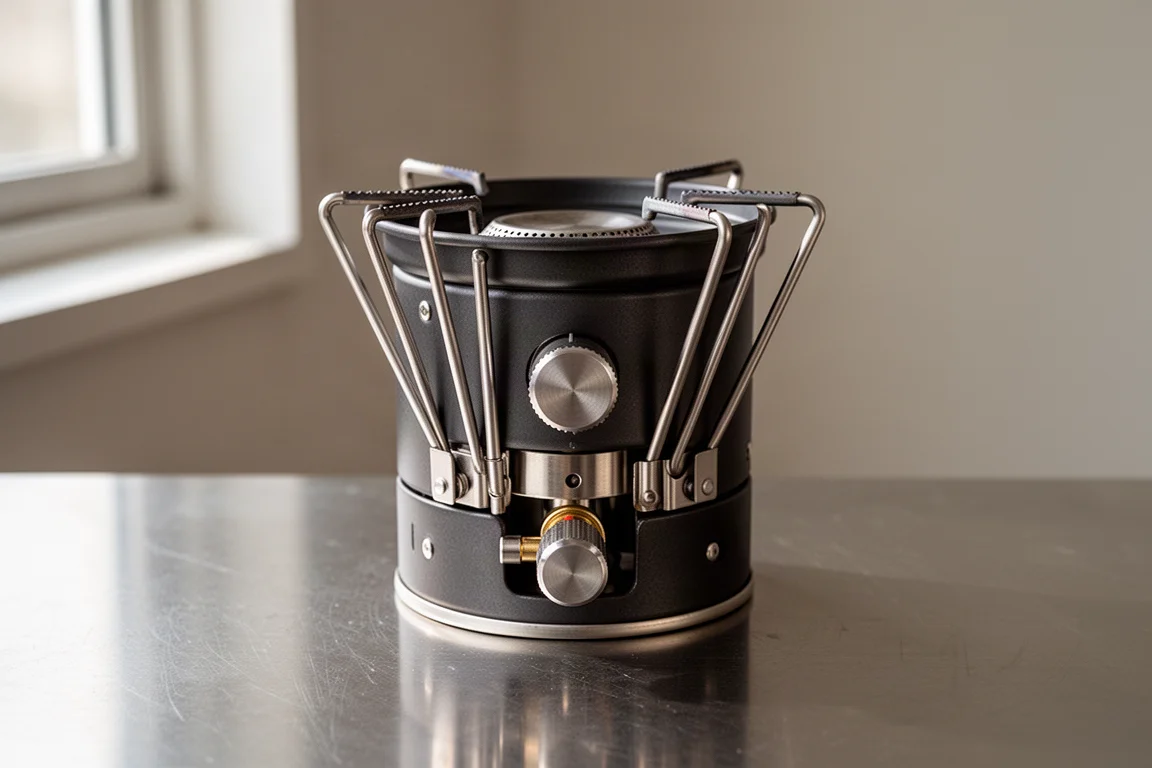
The MiniMo is the larger, more capable sibling of the Zip, and the difference is not only capacity. The cup is bigger and easier to read, the corrugated metal around the base drives heat into the pot efficiently, and the stove adds a regulator, which the Zip does not have. That regulator is what turns an all-in-one system from a water boiler into something you can genuinely cook with.
The MiniMo also comes with a separate pot stand, which means you can set a fry pan on top and work with real ingredients rather than only hot water. The built-in piezo igniter removes the need for a lighter, and the system stays compact for what it can do. The catch is price, which runs above $150, and a packed size noticeably larger than the entry model.
Best for Wind and High Alpine Conditions: MSR WindBurner
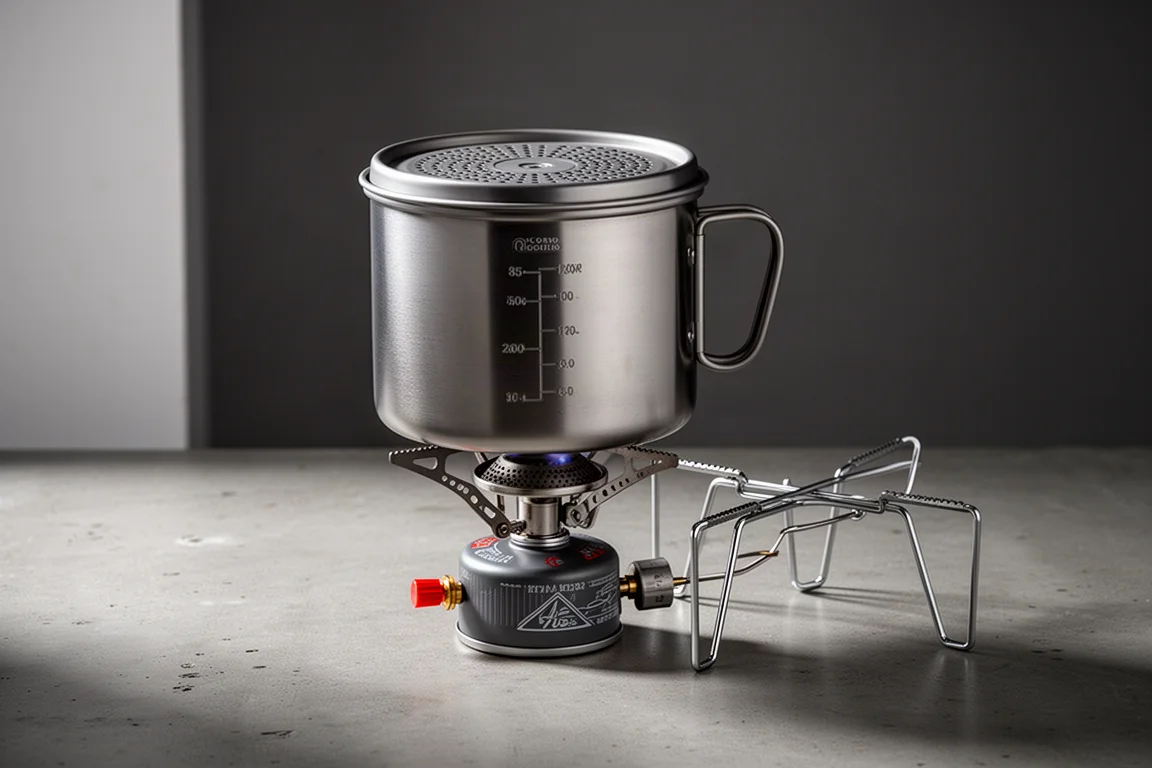
Spending close to $200 on a stove that mostly boils water sounds hard to justify, and for a sheltered forest campsite it probably is. In high alpine terrain, at elevation, or in genuinely windy conditions, the WindBurner earns its price. The burner and pot are built as a sealed, sheltered unit that keeps the flame protected, so boil times and fuel use stay consistent when an open burner would be struggling.
The system includes a one litre pot with an insulated ring, a pot stand, and a lid with a strainer, along with a cup similar to the one included in the PocketRocket kit. It is a tall package, but it handles several meals in a row without complaint, which makes it a reasonable choice for family trips or for anyone who wants one kit that works across all seasons.
Buying Advice: Matching the Kit to the Trip
The honest starting point is what you actually do at camp. If your meals are dehydrated and your hot drinks come from a mug, a lightweight canister stove paired with a titanium pot in the 550 to 700 ml range covers everything at the lowest weight. A budget burner and a stainless pot with a locking lid will do the same job for very little money.
If you would rather carry one complete object than assemble a system, an all-in-one design is the better fit. The Jetboil Zip keeps it simple and fast, while the MiniMo adds the regulator and pot stand that let you cook properly rather than just boil. The MSR WindBurner takes that idea further with wind protection that matters above the treeline.
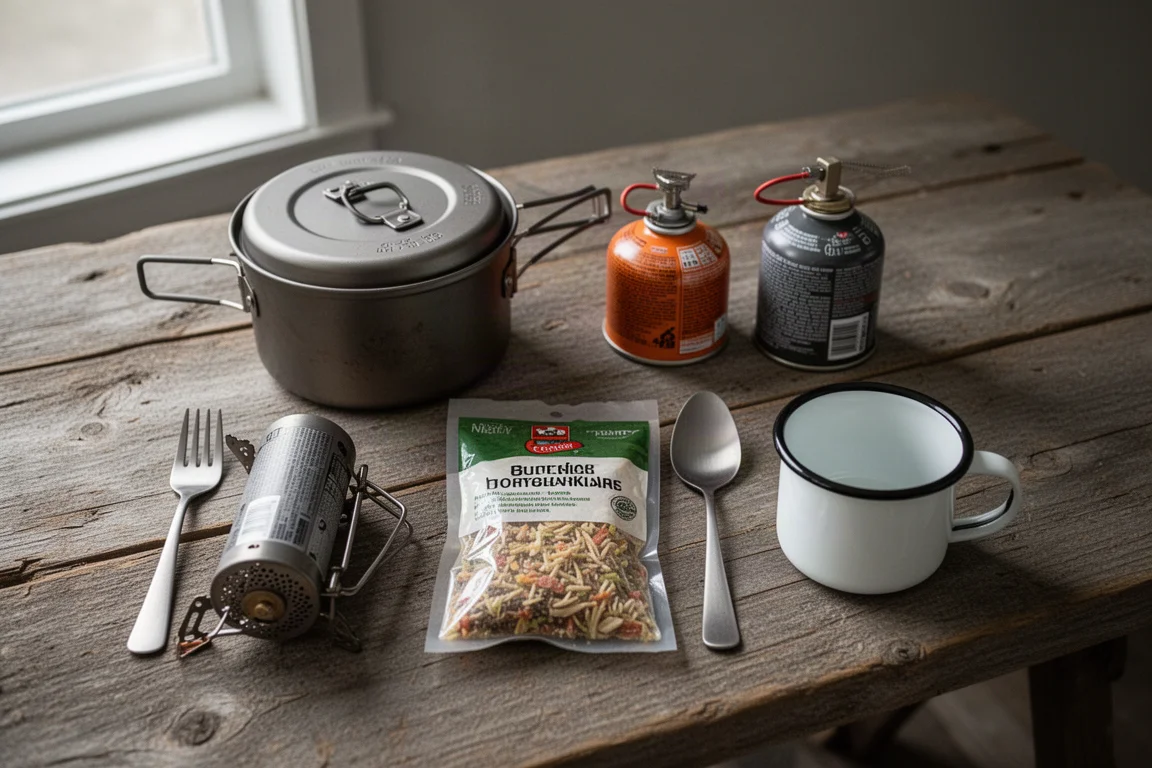
Two kits stand out as the safest overall recommendations. The MSR PocketRocket 2 kit is efficient, light and compact, and it includes a cup and a pot, so nothing else is needed to get started. The MSR WindBurner is the one to choose when conditions are the problem rather than the menu. Both come from a company with a long record of gear that survives many seasons on the trail, which makes either one closer to a one-time purchase than a recurring cost.
Conclusion
There is no single best backpacking stove and pot combination, only the one that matches how you cook. A budget burner with a stainless pot gets you out there for very little. A nested titanium pot and a compact stove with an igniter keeps the pack light and the routine simple. An all-in-one system with a regulator, or a sealed windproof design, buys capability that shows up on exposed ridges and long trips.
Pick the setup that fits your meals, your conditions and your tolerance for fiddling, and it will quietly do its job for years.
Further reading
Related Reviews
Backpacking Stoves
Best Backpacking Stove and Pot Combinations: Budget to Premium
A practical look at fourteen backpacking stoves and cook pots, from inexpensive starter pairings to windproof all-in-one systems that cost close to $200.
Backpacking Stoves
Best Backpacking Stove Systems: Five Canister Stoves Compared
Five canister stove and pot systems compared on wind resistance, boil speed, packed size, and cooking control, from a bare titanium burner to a fully integrated cook system.
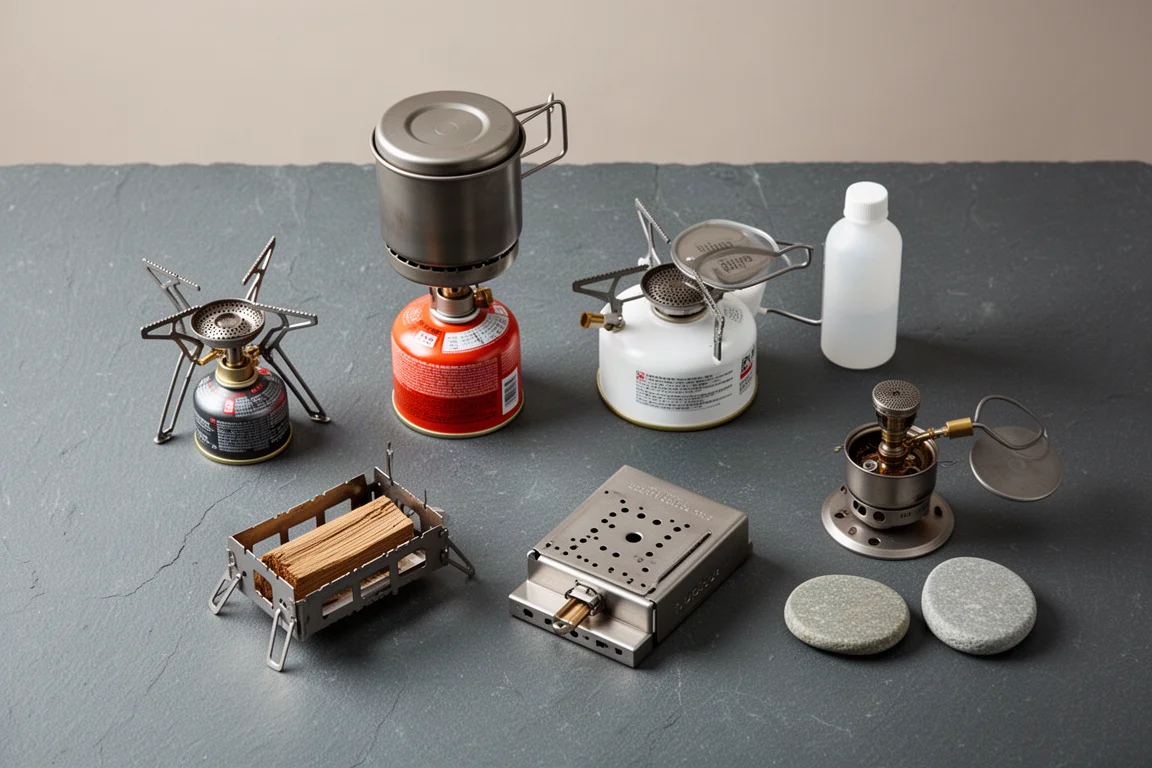
Backpacking Stoves
Best Backpacking Stoves 2026: Six Stove Types Compared and Ranked
A practical comparison of canister, white gas, wood burning, solid fuel, and alcohol backpacking stoves, ranked on speed, weight, fuel availability, and cost.