Outdoor Gear
Best Backpacking Socks: What Works on the Trail and What to Avoid
A practical guide to backpacking socks, covering the weights, fibre blends and fits that hold up, the designs that rarely work, and four pairs worth considering.
Introduction
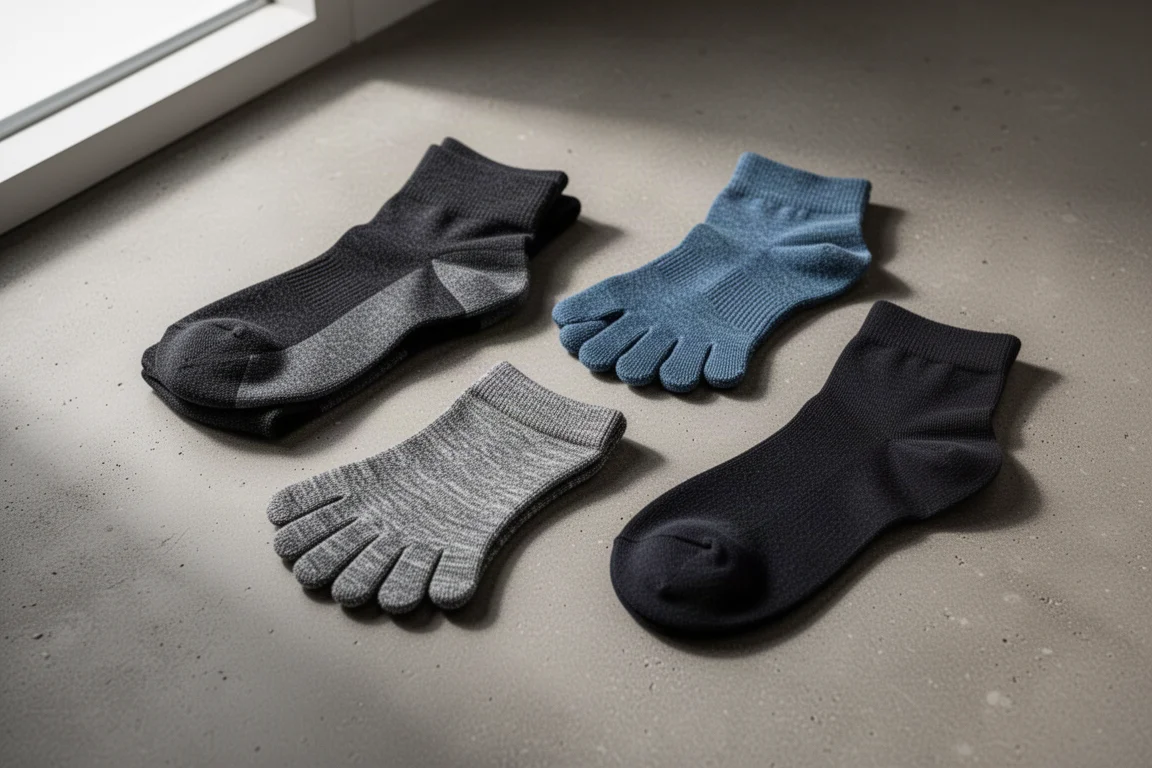
Few pieces of backpacking gear can derail a trip as quietly as a bad pair of socks. Wet cotton, a fit that loosens by day two, or a fabric blend that never dries out will turn a long day on the trail into a very uncomfortable one, and blisters are usually the first sign that something is wrong.
The good news is that socks are also one of the cheapest things to fix. Across more than 20 pairs worn and tested over five years of backpacking, a clear pattern has emerged: the best socks are not the thickest or the most technical ones. They are the pairs with the right weight, the right fibre blend, and a fit that holds its shape.
This guide covers the sock types that rarely work, the specialty options that occasionally make sense, and four pairs that are genuinely worth the money.
What Actually Matters in a Backpacking Sock
Three things decide whether a sock works on a multi-day trip: weight, fibre composition, and fit.
For most backpacking, a mid-weight to lightweight sock is the sweet spot. Anything heavier tends to hold on to more moisture simply because there is more fabric to soak up, and a saturated sock is a cold sock.
Fibre composition matters more than the name printed on the packaging. Some socks sold as merino wool contain only 5 to 10 percent merino. The useful range sits between roughly 40 and 65 percent merino wool, with the balance made up of polyester or nylon and only a low percentage of spandex. A blend of 57 percent merino wool, 27 percent polyester, 18 percent nylon and 1 percent spandex is a good example of a composition worth buying.
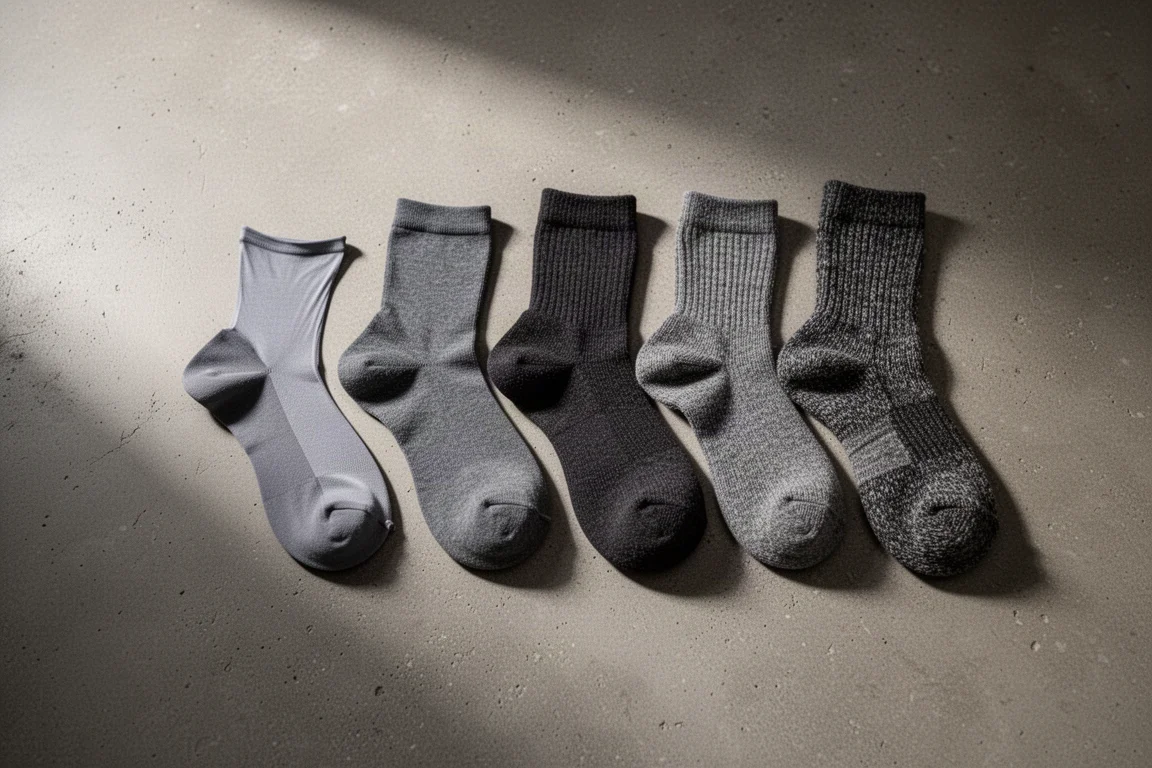
Fit is the third factor and the easiest one to get wrong. Look for a sock that is not tight across the toes and that does not loosen or bag out after a few days of wear. Socks with a very high merino content, around 85 percent, can lose their shape once they get wet and can stretch out after three or four consecutive days, which is exactly when blisters start forming.
Sock Types That Rarely Work for Backpacking
Plain cotton socks are the classic mistake. Cotton holds moisture against the skin, so as soon as feet sweat or get wet they turn cold and stay cold, and the fabric dries slowly. It is a poor match for multi-day trips in any season.
Athletic socks are a step up but still not ideal. They are often form-fitting thanks to a high spandex content, and they do hold their shape reasonably well, which does matter. The trade-offs are weight and odour: they are heavier than a dedicated hiking sock and they tend to develop a smell over time.
Double-layer socks that sew an inner liner to an outer sock are a clever idea that rarely delivers in practice. The inner layer can move and bunch independently of the outer layer, so instead of reducing friction it creates a new source of it, and the wearer ends up adjusting the sock constantly. A separate, loose liner worn inside a normal sock achieves the same goal far more reliably.
Extremes of thickness are worth avoiding too. Very thick, high-loft wool socks look wonderfully warm, but they carry a poor weight-to-warmth ratio for backpacking and they hold a lot of moisture. Extremely thin socks need a high spandex content to keep their shape, which can compress the foot uncomfortably. A sock that loses its shape by day two or day three is a reliable way to develop blisters.
Sock Liners, Sleeping Socks, and Other Specialty Options
Sock liners are a genuinely useful niche item. A liner is extremely thin, thin enough to see your hand through it, and it is worn inside another sock so that two layers are moving against each other rather than against your skin. That makes liners most useful with a bigger, stiffer boot that only comes out occasionally, when hot spots develop quickly. Hikers who need them only now and then will get the most value from a pair.
Down socks are a different category entirely. They are excellent for warmth but they are not made for walking around in. Keep them inside a sleeping bag or under a top quilt where they belong.
Anatomically mapped socks that label a left and a right toe box are another specialist option. When the fit is perfect they can feel excellent. When it is not, the sock ends up tight in one spot and there is no way to adjust around it, so they suit some feet far better than others.
Best Overall: Darn Tough Hike Trek Quarter Sock
The Hike Trek Quarter sock from Darn Tough is a lightweight sock with targeted cushioning, and it comes out ahead of everything else on the table. Targeted cushion puts padding where it matters without adding material that holds moisture, which keeps the sock comfortable across long days on the trail.
Two things separate it from the closest alternative. The first is shape retention: it has kept its fit over time, where a comparable lightweight merino sock shrank and became tighter across the toes. The second is the warranty. Darn Tough will replace the sock if it develops a hole, which is a meaningful promise on a pair that costs about $20 and effectively turns it into a lifetime purchase.
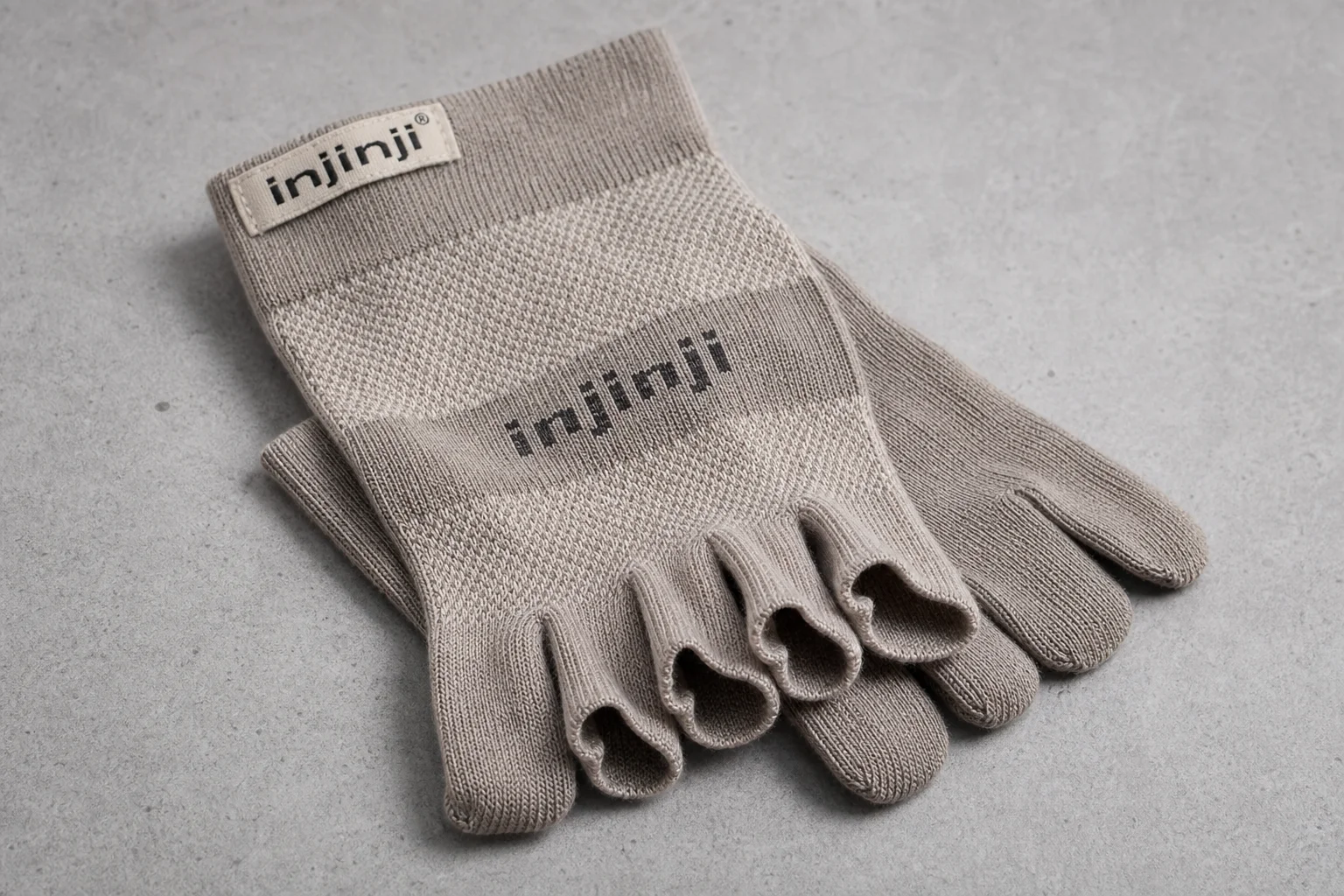
Best for Trail Running: Injinji Toe Socks
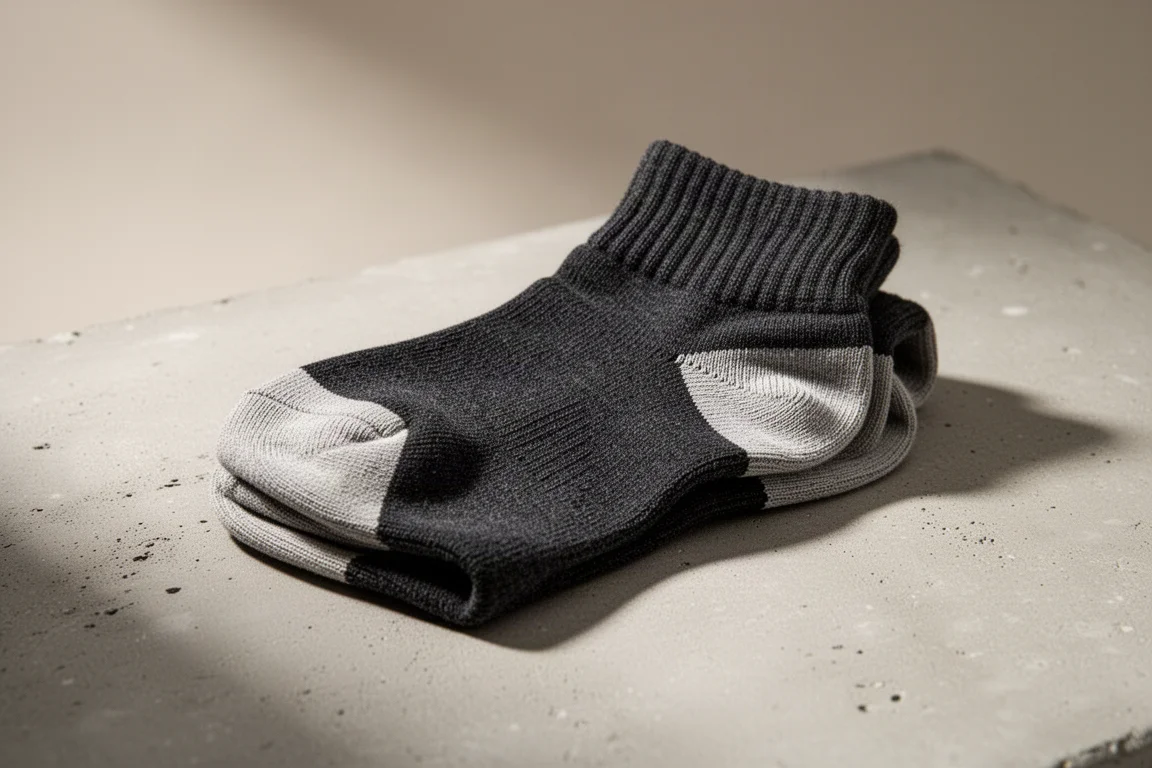
Toe socks look unusual and work surprisingly well for a specific job. Injinji’s version separates each toe into its own sleeve, which cuts down on the friction that builds between toes over long distances.
The synthetic blend version is the one to choose. It has become the preferred trail running sock because it manages moisture well and keeps blisters at bay. The merino wool version is a different story: it runs noticeably colder, cold enough that a winter trip in them was a genuine mistake.
Trail runners and hikers who blister between the toes will get the most out of these socks. For cold-weather backpacking, look elsewhere.
A Lightweight Cushioned Option: Smartwool Socks
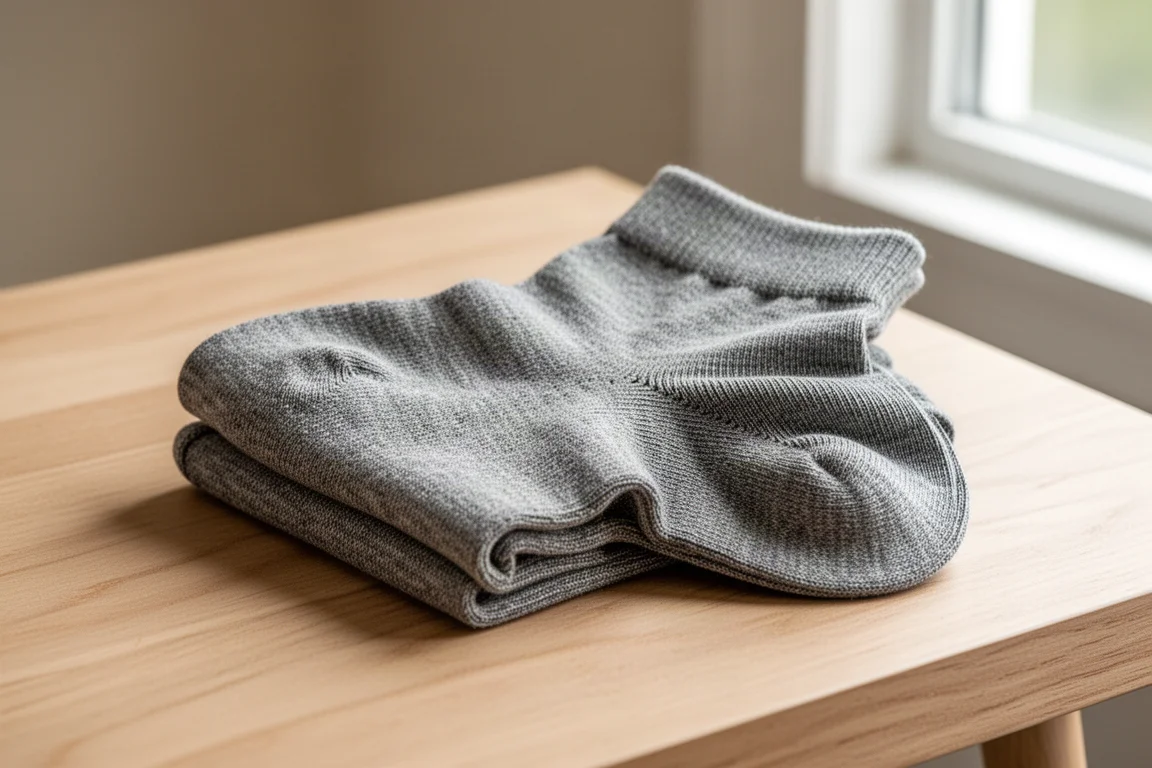
Smartwool’s lightweight socks with targeted cushion are a close second to the top pick, and for many hikers they will be the more familiar choice. The weight and the cushioning sit right where they should be for three-season backpacking: light enough to dry quickly, padded enough to stay comfortable under a loaded pack.
The main consideration is longevity. This pair shrank slightly over time and ended up tighter across the toes, which is the kind of change that turns a comfortable sock into an uncomfortable one halfway through a trip. It is worth checking the fit again before committing to a long hike in them.
Best Budget Pick: PeopleSox
Budget socks are usually a false economy, but they do not have to be. PeopleSox is the exception worth knowing about: a pair picked up for a few dollars, with a printed composition of 57 percent merino wool, 27 percent polyester, 18 percent nylon and 1 percent spandex.
That blend is the reason they work. A merino content in the 40 to 65 percent range, nylon and polyester for durability, and only a trace of spandex is exactly what a good hiking sock looks like, and it proves that a low price does not automatically mean a bad sock.
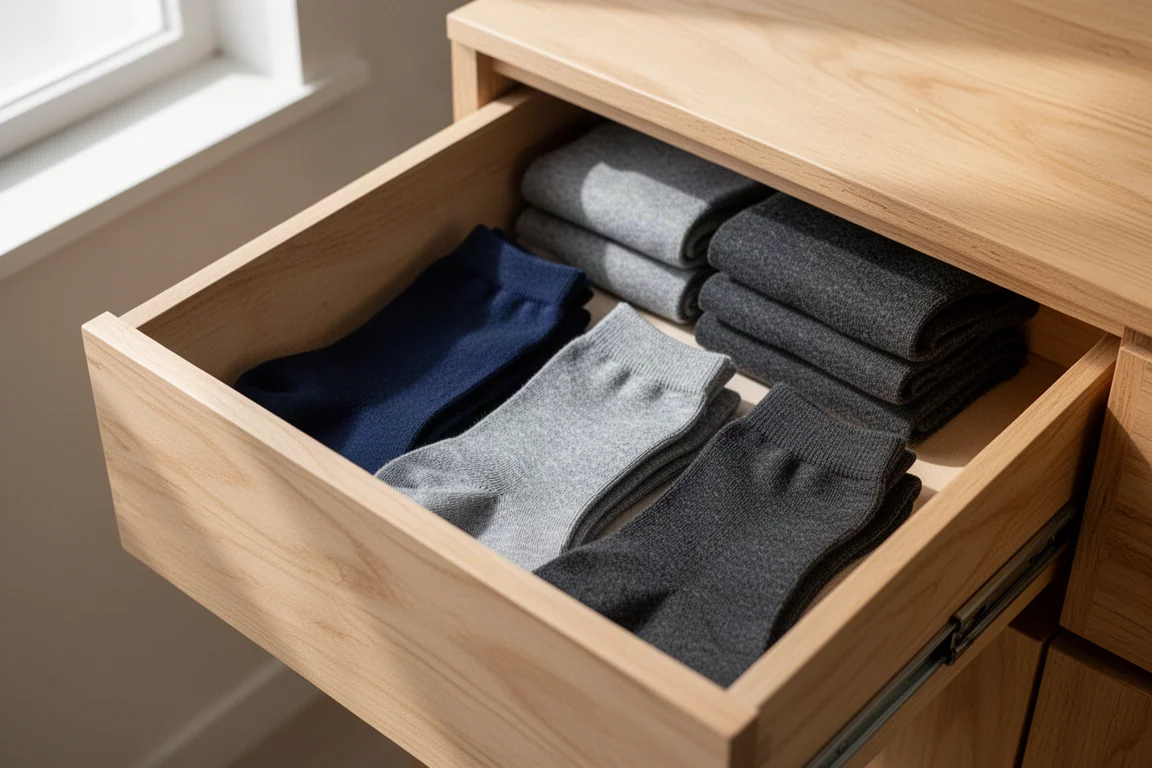
These are best kept for everyday wear, commuting and around-town use rather than backpacking, but they are a useful reminder to read the fibre breakdown before paying extra for a name.
Buying Advice
Start with weight. A mid-weight to lightweight sock will handle most backpacking trips, keep more moisture out of the fabric, and dry faster than a heavy lofted sock.
Then check the composition. Aim for a merino wool content between roughly 40 and 65 percent, with polyester or nylon making up most of the rest and spandex kept to a minimum. If a sock is advertised as merino but lists only 5 to 10 percent, keep looking.
Fit and shape retention come last but matter just as much. Avoid anything tight across the toes or prone to bagging out, and remember that a high-merino sock can stretch when wet and after several consecutive days of wear. Where the budget allows, a sock with a replacement guarantee adds real long-term value to a purchase that already costs around $20.
How to Test and Care for Your Socks
A simple test at home removes most of the guesswork. Wet the socks out completely, then wear them and see how well they hold their shape. A sock that sags and stretches when wet will do the same thing on the trail, usually on the day it matters most.
High-merino socks are the ones to watch, since an 85 percent merino sock can lose its shape when wet and after three or four consecutive days of wear. Rotating between pairs gives each one time to recover and keeps the fit consistent from the first mile to the last.

It also helps to keep expectations realistic. Even a well-made sock has a lifespan, and the point of testing before a trip is to find the pairs that stay comfortable long enough to be worth carrying.
Conclusion
Backpacking socks come down to three decisions: keep the weight light to mid-weight, choose a blend with 40 to 65 percent merino wool and only a little spandex, and pick a fit that stays put. Get those right and the rest is personal preference.
The Darn Tough Hike Trek Quarter sock covers the widest range of trips and comes with a warranty that backs it up. Injinji toe socks are the specialist choice for trail running and blister-prone feet, Smartwool’s lightweight cushioned socks are a solid alternative for merino fans, and PeopleSox shows how far a well-chosen budget blend can stretch.
Further reading
Related Reviews
Outdoor Gear
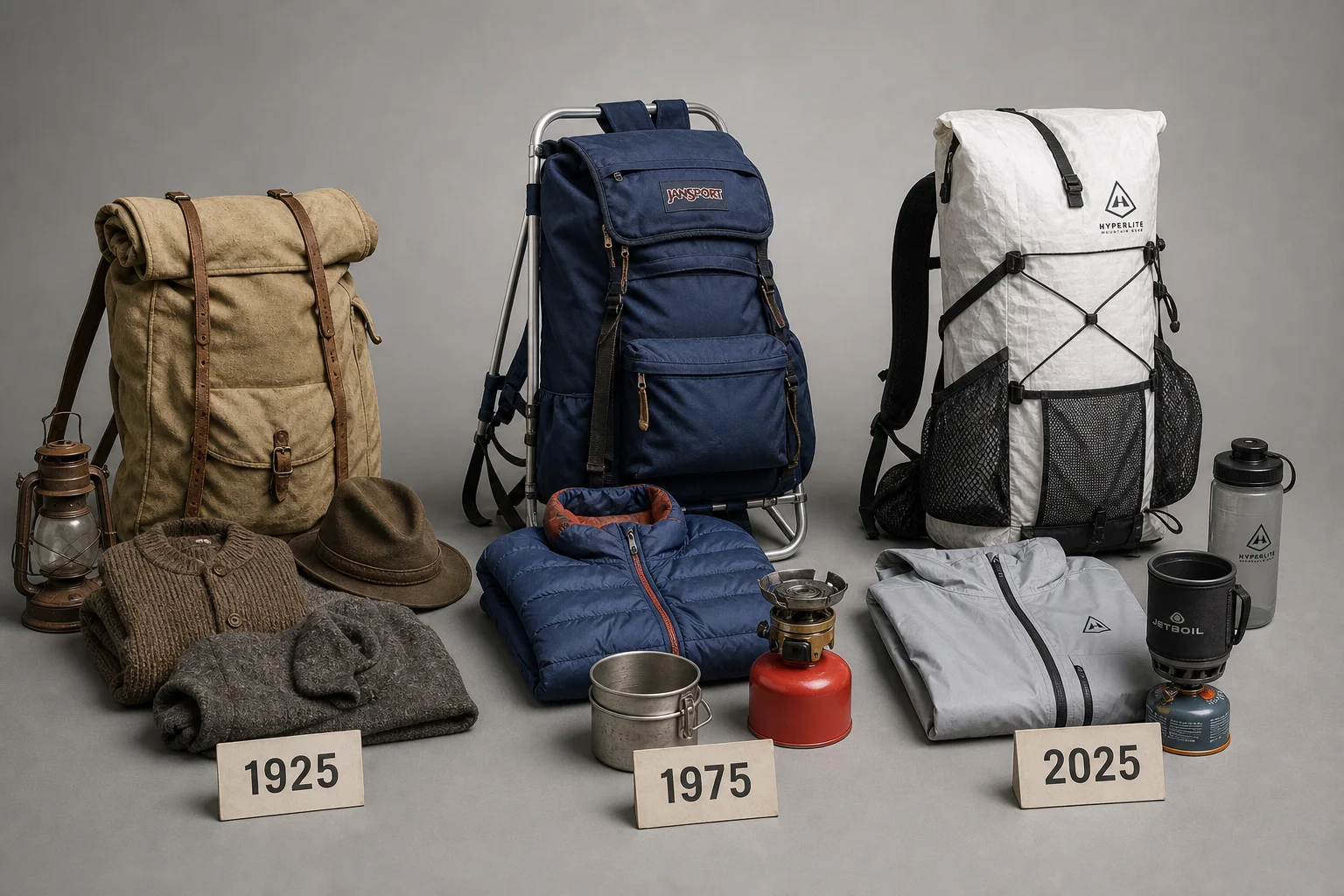
Backpacking Gear Evolution: 100 Years of Technology Compared
We tested backpacking gear from 1925, 1975, and 2025 across a three-day hike in Yosemite. Here's how technology has transformed comfort, weight, and the outdoor experience.
Outdoor Gear
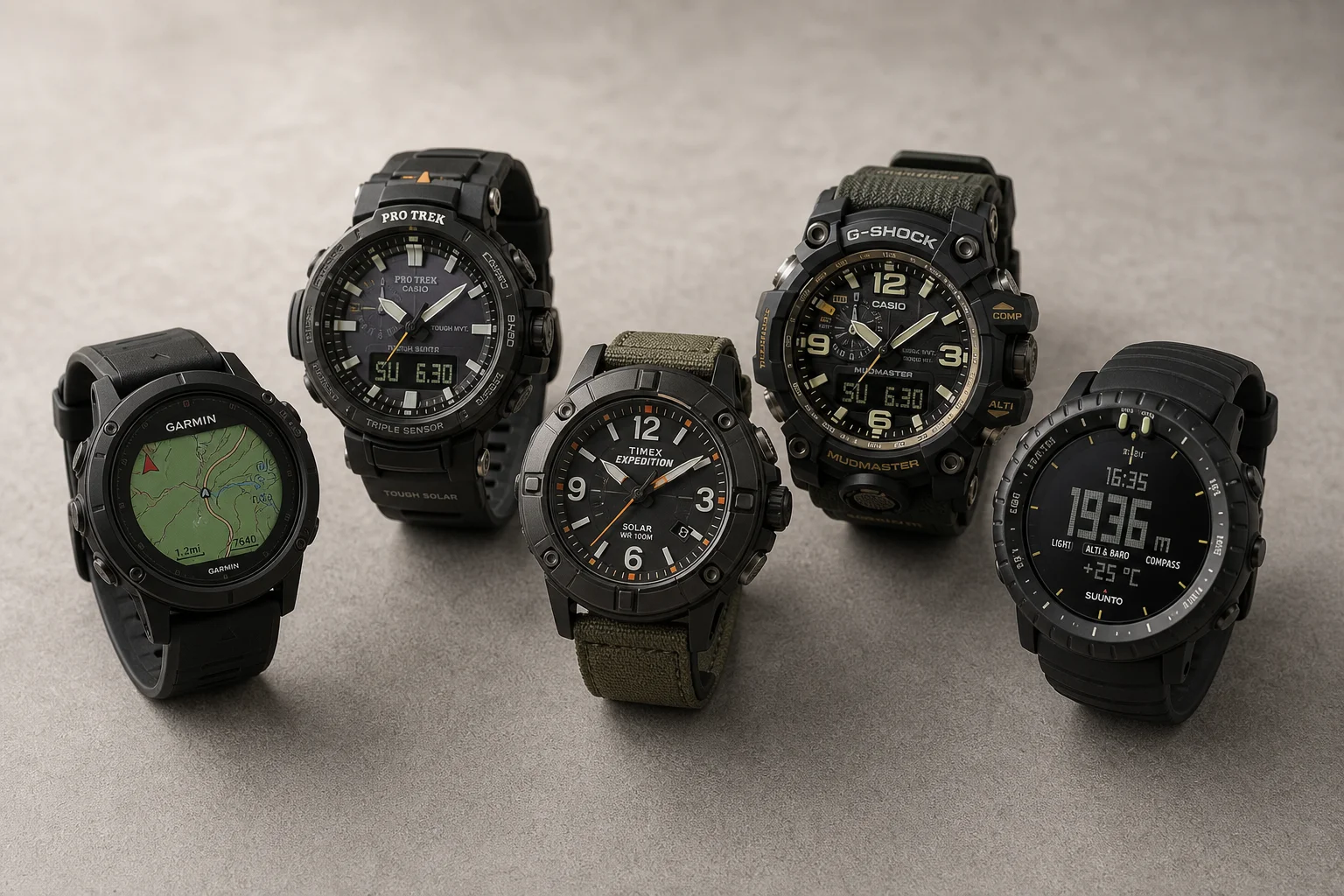
Best Affordable Hiking Watches: Five Rugged Options for Outdoor Adventures
Five durable hiking watches that balance ruggedness, functionality, and value for outdoor enthusiasts who need reliable GPS tracking and weather resistance.
Outdoor Gear
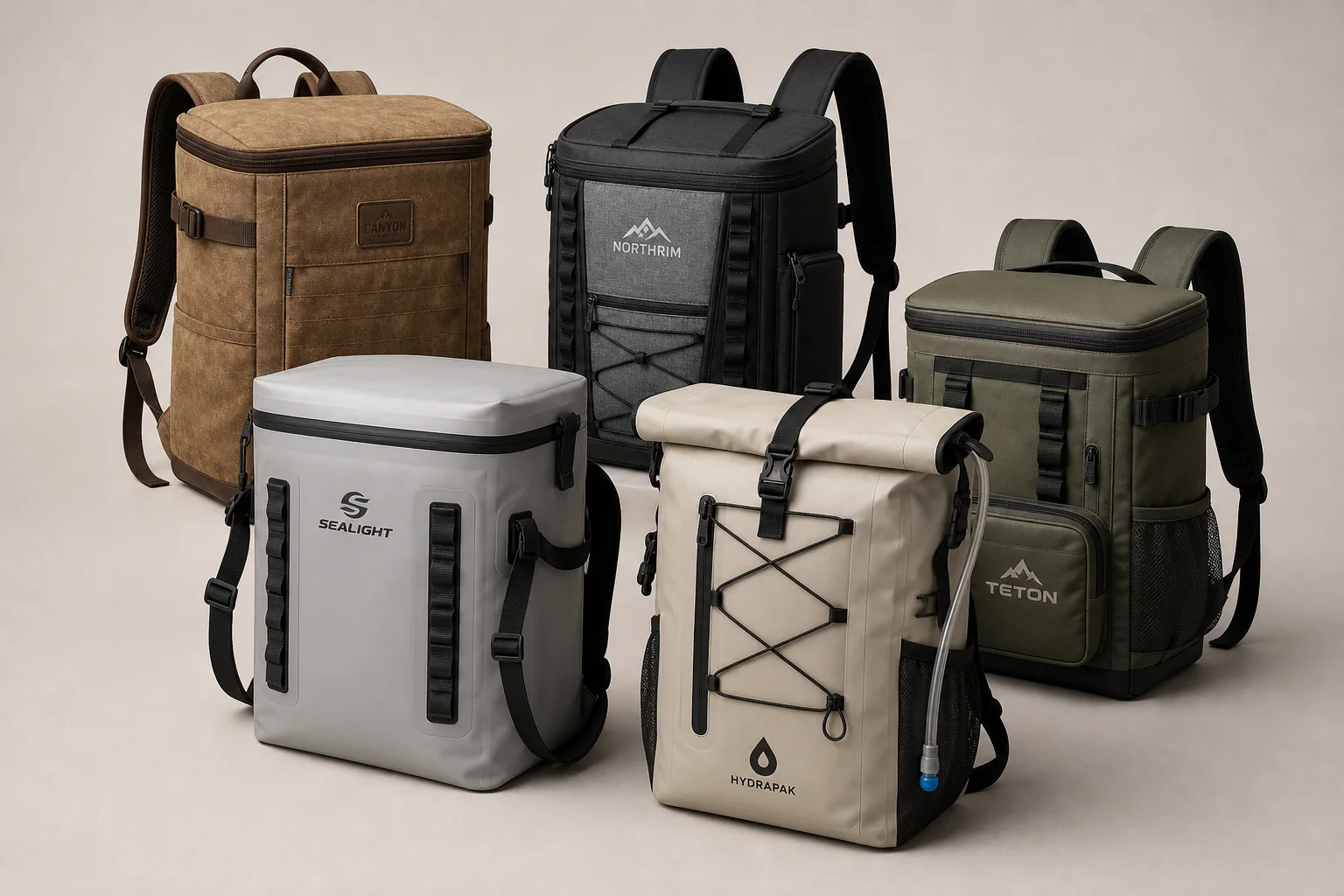
Best Backpack Coolers 2026: Five Practical Options for Outdoor Adventures
Five backpack coolers with distinct cooling capabilities, storage features, and design trade-offs to help you choose the right one for your outdoor needs.