Backpacking Gear
Best Backpacking Small Items: Eight Lightweight Essentials Worth Packing
Eight small backpacking items that solve real trail problems, from adjustable tent poles and a sub-6 oz power bank to a 7 g pot grabber and a half-ounce towel.
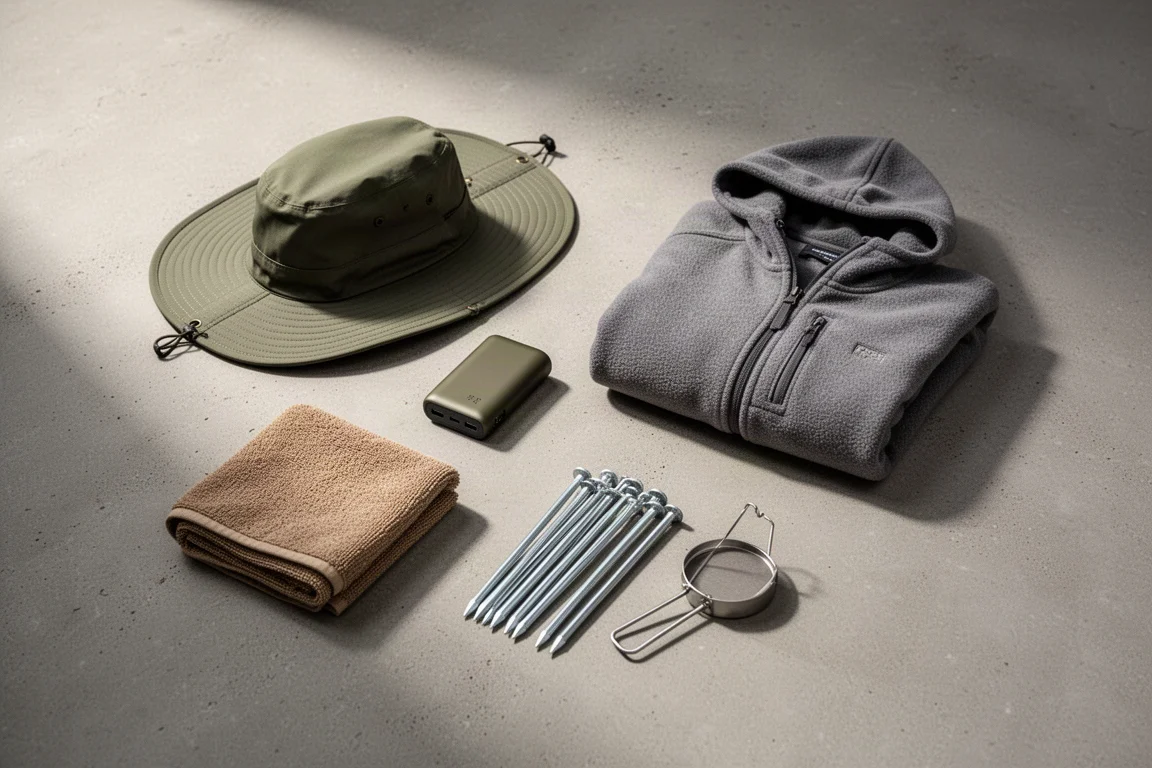
Introduction
Big-ticket gear gets all the attention. The shelter, the sleep system, the pack and the cook kit are the items people research for weeks, compare ounce by ounce and debate at length. Yet the gear that quietly decides whether a trip runs smoothly is usually much smaller and much cheaper than any of that.
This guide looks at eight small items that consistently earn a place in a backcountry pack. None of them are headline purchases. Each one solves a specific, repeatable problem, whether that is pitching a trekking pole shelter, keeping a phone alive for a week, or lifting a titanium pot without burning your fingers. Weights and prices are noted wherever they were given, because at this size, grams and dollars both matter.
How Small Items Earn Their Place
The filter for this list is simple. An item has to solve a problem that comes up trip after trip, not once in a season. It has to justify its own weight, however small that weight is. And it has to be something you reach for often enough that leaving it behind feels like a gamble rather than a saving.
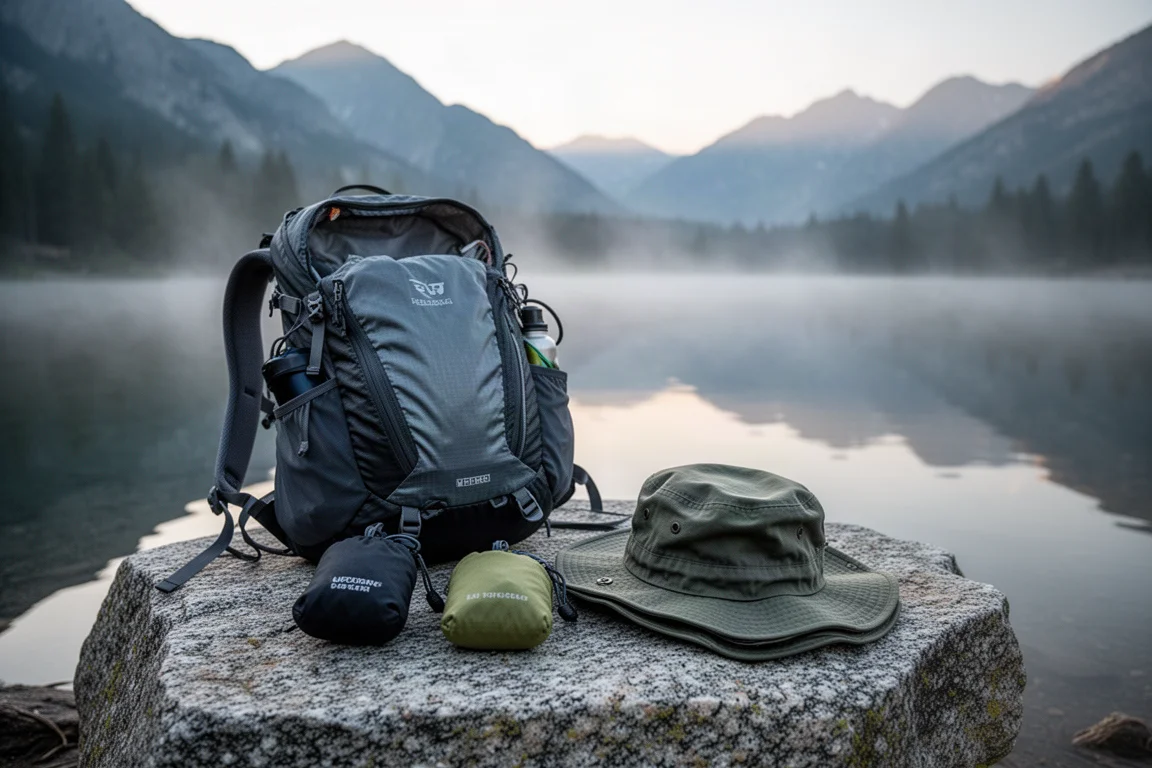
That is why the numbers here are so modest. Half an ounce for a towel. Seven grams for a pot grabber. Four ounces for a fleece hoodie in a size large. Individually these items barely register on a scale, but together they cover shelter setup, navigation, phone charging, weather protection, hygiene and repair. The sections below take each one in turn.
Durston Gear Adjustable Tent Poles
Trekking pole shelters have become a default choice for lightweight backpackers because the poles you already carry do the structural work. The catch is that not everyone carries trekking poles, which raises an obvious question about how the tent is supposed to stand up at all.
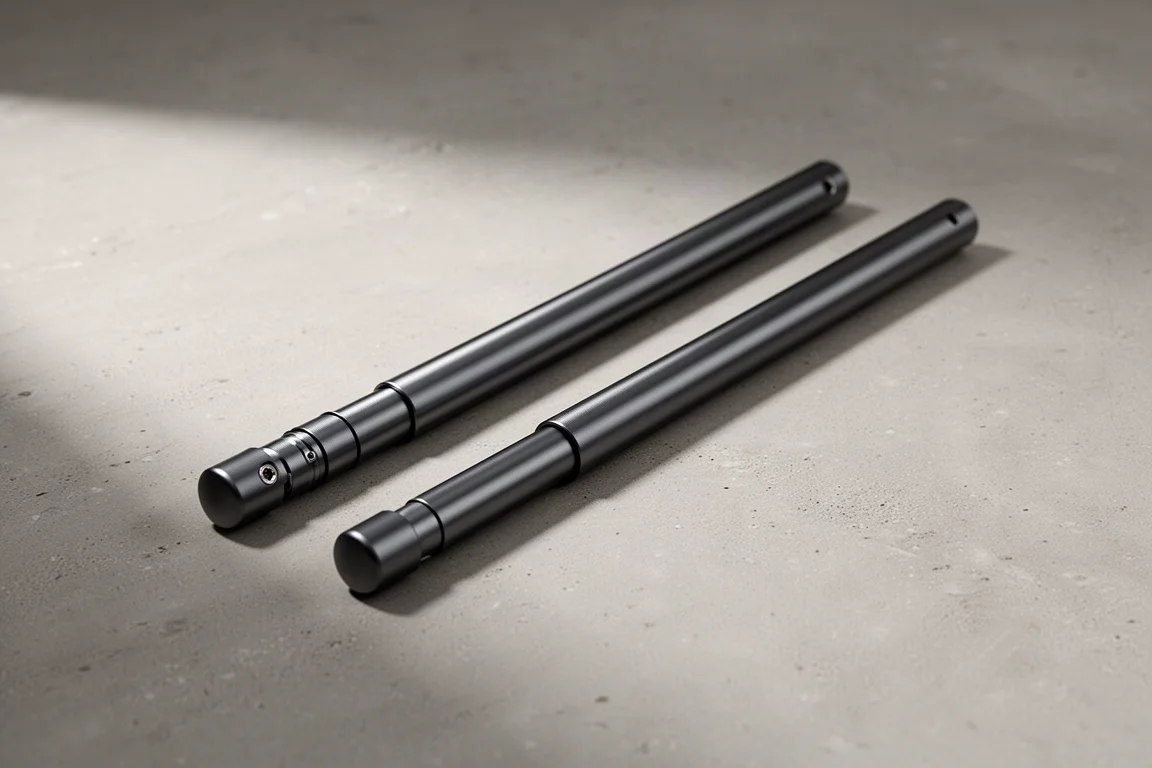
Adjustable tent poles from Durston Gear answer that question directly. Durston is best known for its tents, but these poles may be the most quietly useful product in the range. The appeal is the adjustment itself. Many shelters list a recommended pole height, but there is no need to chase that figure precisely. Stake the shelter out first, then extend the pole until the fly is taut. It is a simpler routine that works every time and removes a step that otherwise invites fiddling.
Nitecore NB1000: A Power Bank Smaller Than Your Phone
Phones now do far more on the trail than they used to. They act as a GPS unit, a satellite communicator, a camera and a backup map all at once, which makes keeping one charged far more important than it was a decade ago.
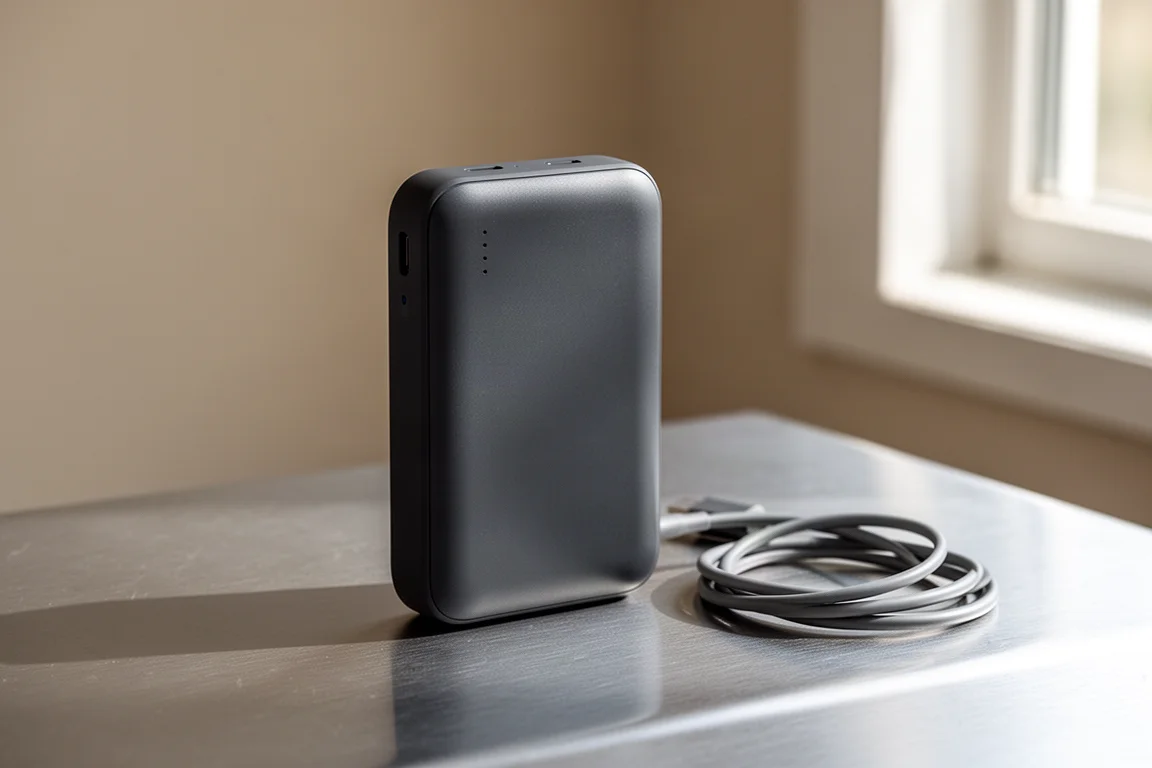
The Nitecore NB1000 is the lightest and most compact battery bank in this category. It offers 10,000 milliamp hours of capacity while being smaller and lighter than a typical phone, and it will keep a phone charged for well over a week of use. It weighs 5.3 oz and costs just under $60. That combination makes it worth carrying not only on backpacking trips but any time you are heading out for longer than you expect your phone to last on a single charge.
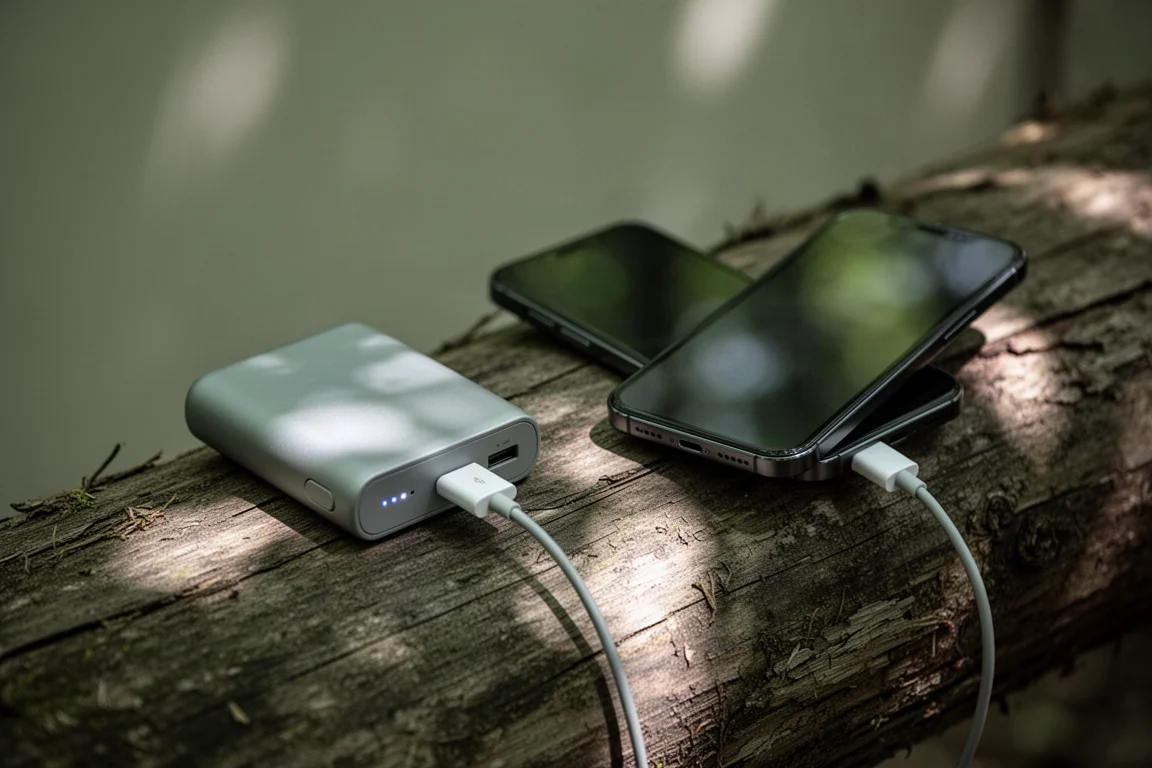
Because it is smaller than the device it charges, the NB1000 disappears into a hipbelt pocket or a ditty bag without adding noticeable bulk. For anyone who relies on a phone for navigation and photos, that trade is easy to justify.
Natural Atlas: Trail Distance Done Properly
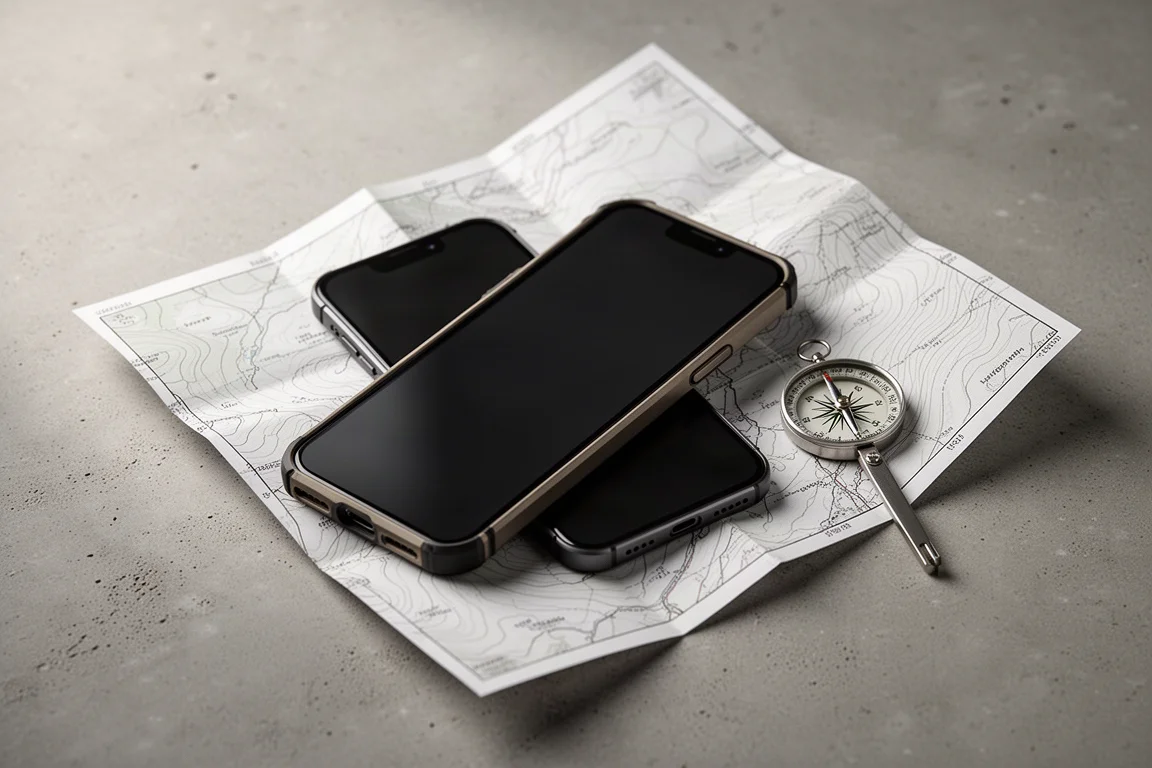
Natural Atlas is a GPS app built and maintained by two people in Oregon who simply love the outdoors, and that shows in the way it handles distance. Instead of measuring a route as the crow flies, it measures distance along the trail, which is the number that actually matters when terrain winds, climbs and doubles back on itself.
The app is also under constant development, with new features such as weather overlays arriving over time. The full featured app is available for $30, which puts it in the same territory as a single piece of hardware while covering navigation for every trip you take.
MSR Groundhog: The Stake That Finished Second
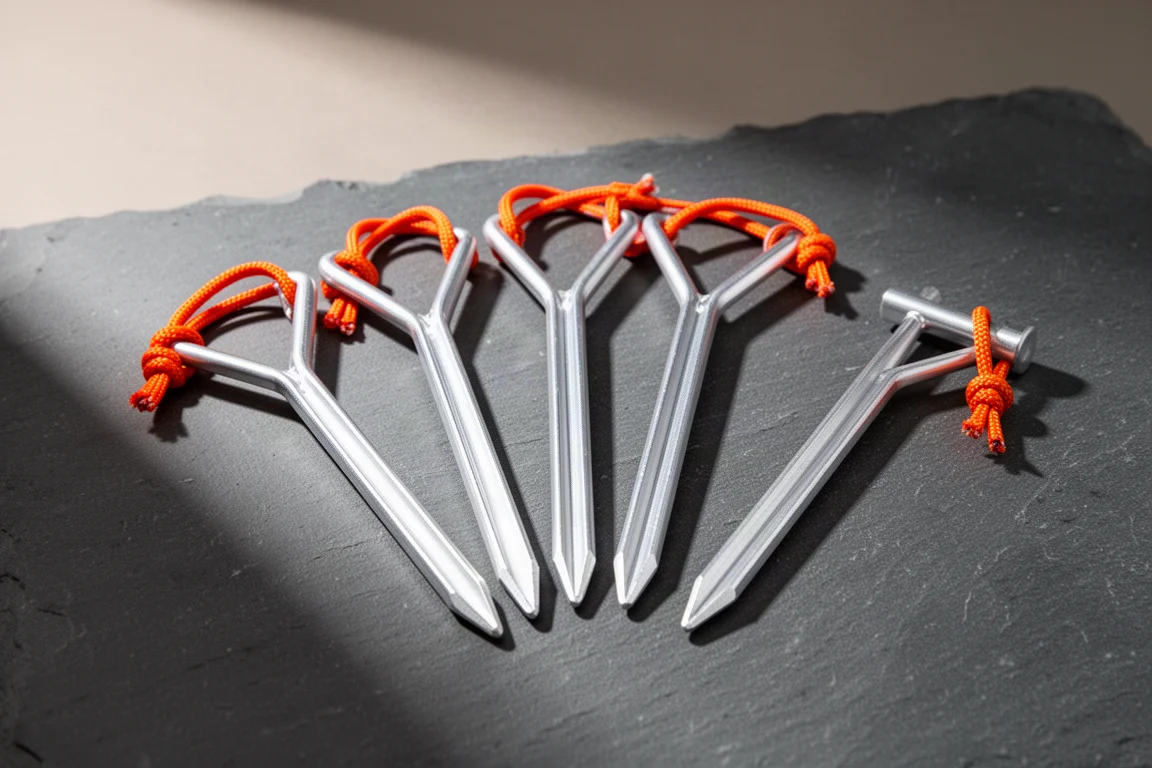
Tent stakes are the most taken-for-granted item in a pack. Most people use whatever came in the tent bag and never think about it again. Stakes do not all hold the same, though, and a pull-force comparison of five popular designs makes the differences measurable.
In that comparison, a set of 8-inch aluminium nail stakes came out on top, needing an average of 55 lb of force to pull free from the ground. That was roughly 20 percent stronger than the next best performer, the MSR Groundhog. The Groundhog still has a place in a kit as a dependable secondary stake, and its lighter, more compact profile is easy to justify alongside a heavier primary set.
Dorfman Pacific Men’s Mesh Safari Hat
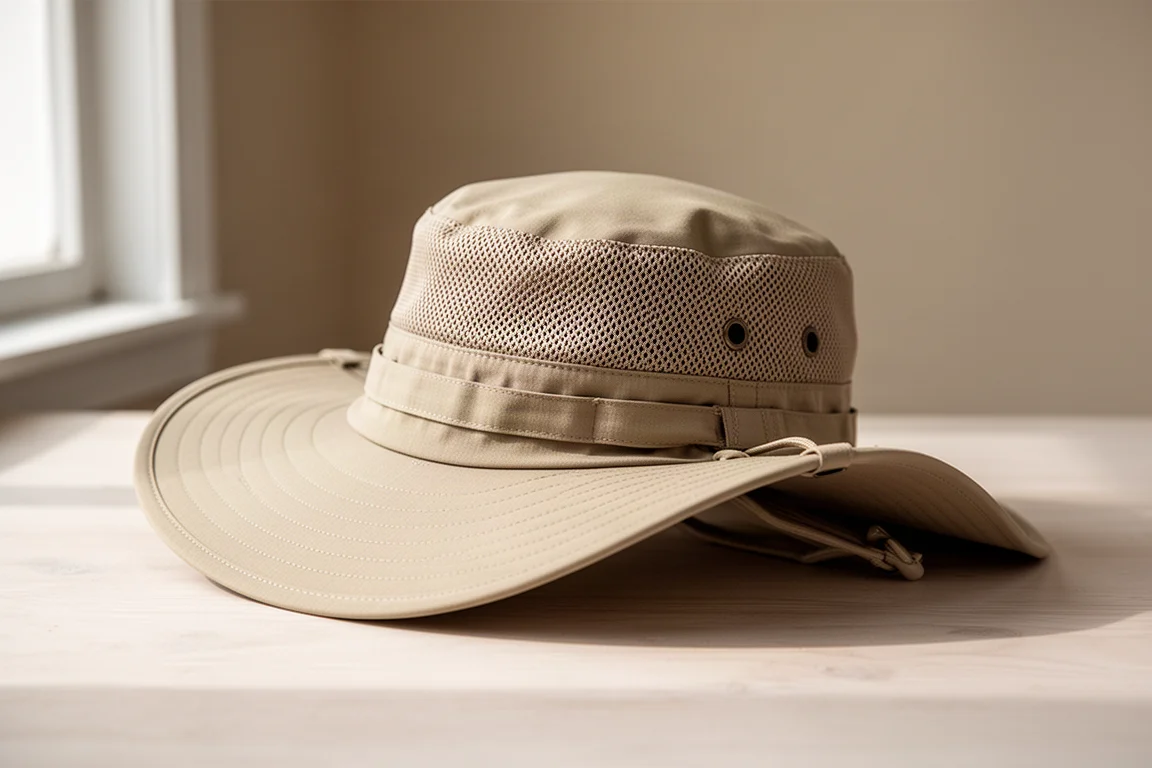
Sun protection is one of those categories where the best item is the one you actually wear. A hat that is awkward to stow tends to stay at home, which is what makes this Dorfman Pacific men’s mesh safari hat easy to live with. It folds in half so it fits inside a pack when it is not on your head, which means it can travel on every trip rather than only the ones with guaranteed sunshine.
Far Point Alpha Hoodie: Warmth at Four Ounces
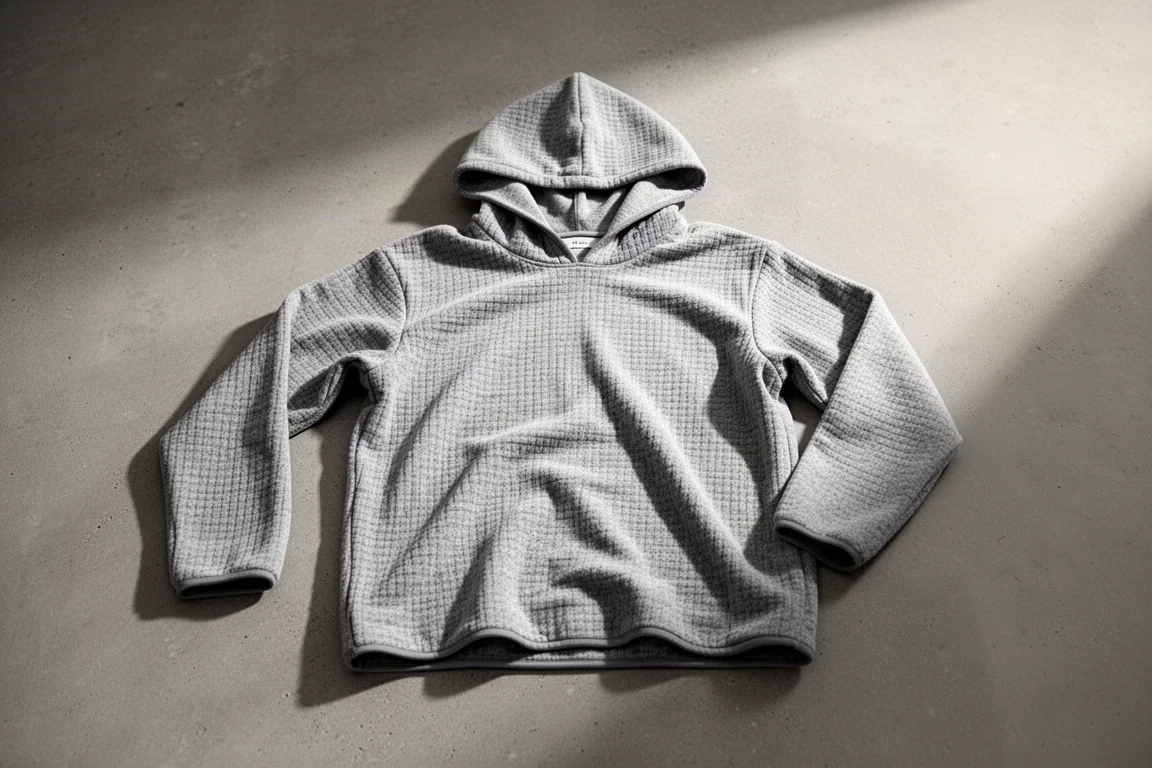
The Far Point Alpha Hoodie is one of the lightest fleece hoodies on the market, and the numbers back that up. A size large comes in at just 4 oz, which is close to the weight of an empty stuff sack in some kits.
That low weight makes it an easy layer to bring along for cool mornings, windy ridgelines and the temperature drop that arrives the moment the sun goes down. It is best understood as a lightweight active layer rather than a replacement for a heavier insulating jacket, so pair it with something warmer for genuinely cold conditions.
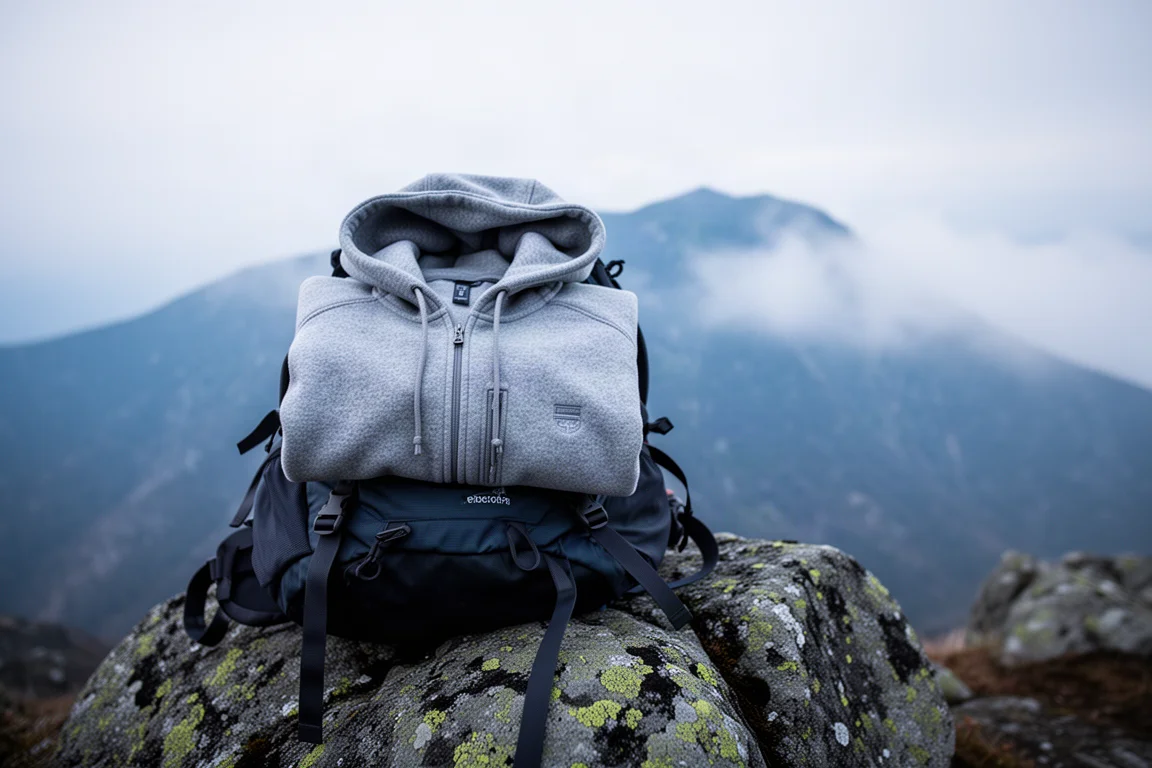
Packed down, the hoodie takes up very little room, which is the real argument in its favour. A layer you barely notice in the pack is a layer you will not leave behind.
Matador Nanofiber Towel
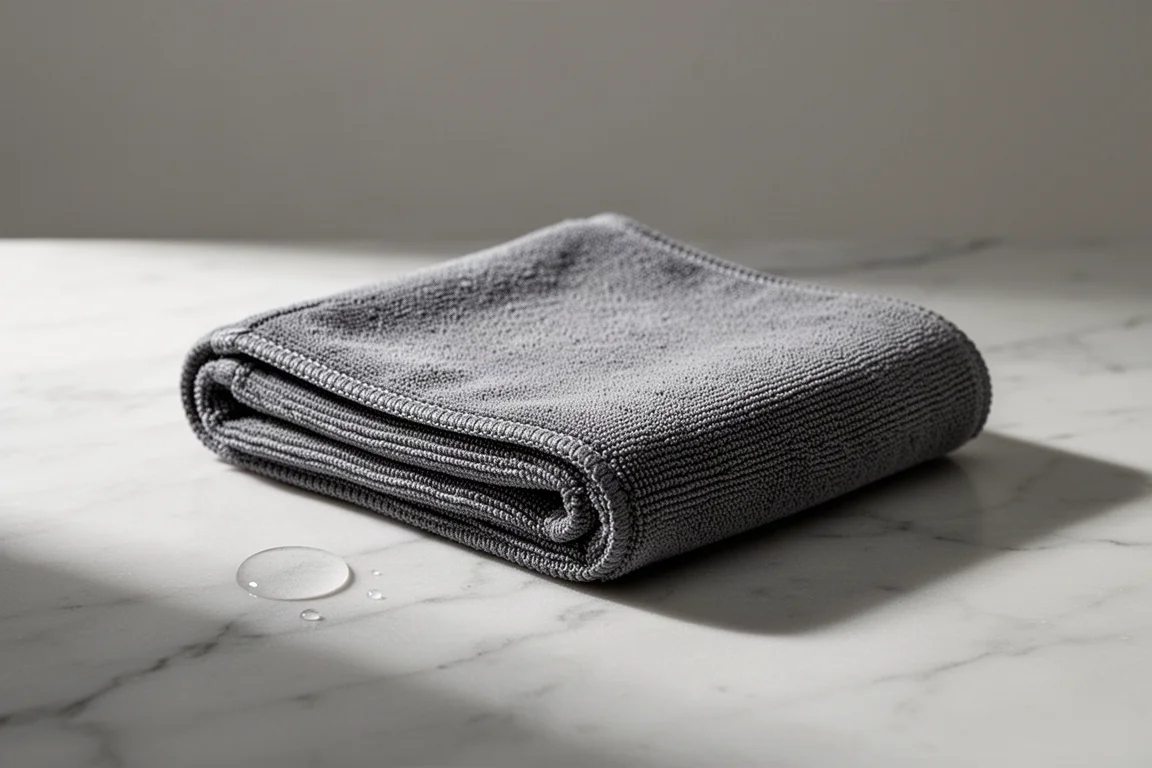
A small towel is one of those items that seems unnecessary until the first time you need it. Keeping one accessible is useful for wiping sweat off your brow on a hot climb, and it doubles as a cloth for mopping condensation off the inside of a tent and for drying hands and feet after a water crossing.
The Matador Nanofiber towel handles all of those jobs while weighing only half an ounce and costing less than $18. It is a small, inexpensive addition that removes a handful of minor annoyances from a trip.
Suluk 46 Pot Grabber
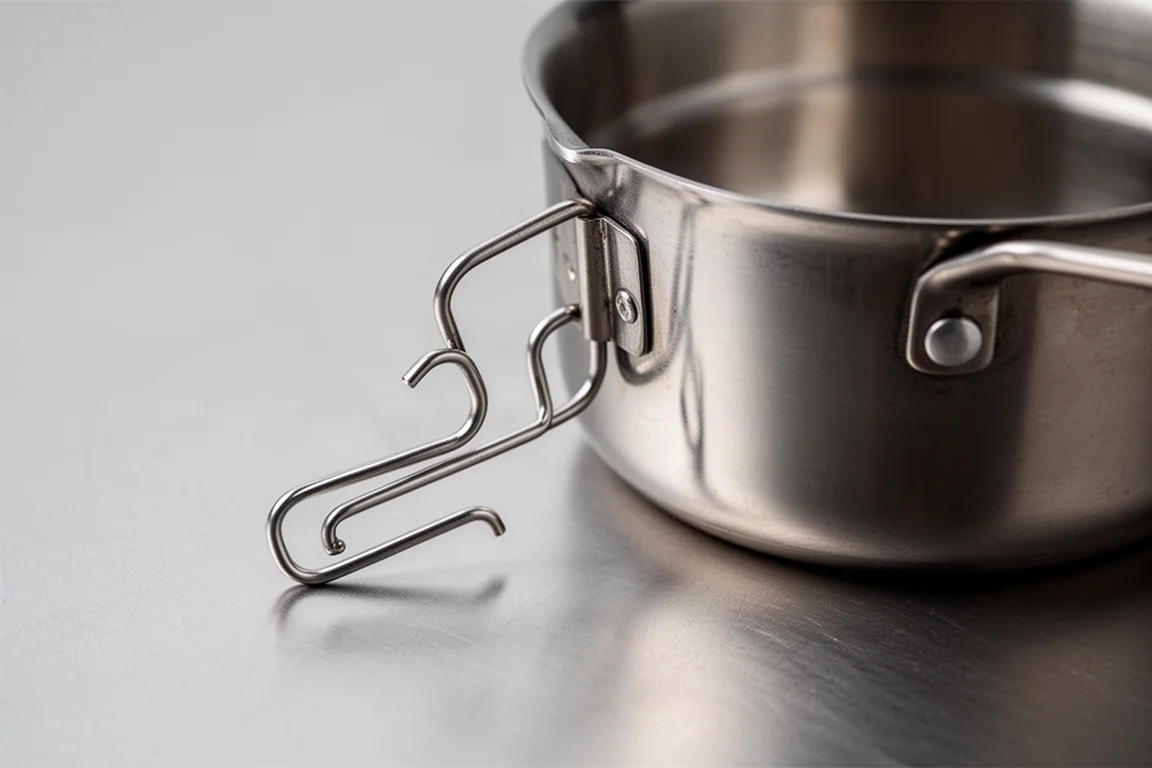
Cooking gear has a small, sharp problem. The built-in handles on many titanium pots get hot, and plenty of ultralight pots do not have handles at all. A pot grabber solves both cases, and the Suluk 46 version is one of the neatest examples of the idea.
It weighs just 7 g, comes in both aluminium and carbon fibre, and costs less than $20. That is a very small amount of weight and money to spend on being able to lift a hot pot safely and without juggling a bandana or a spare sock.
Buying Advice for Backcountry Small Items
The pattern across all eight items is worth noticing. Each one is cheap and light on its own, and each one removes a specific recurring irritation. That makes the decision process straightforward. Start with the problem you keep running into on trips, then buy the smallest item that solves it.
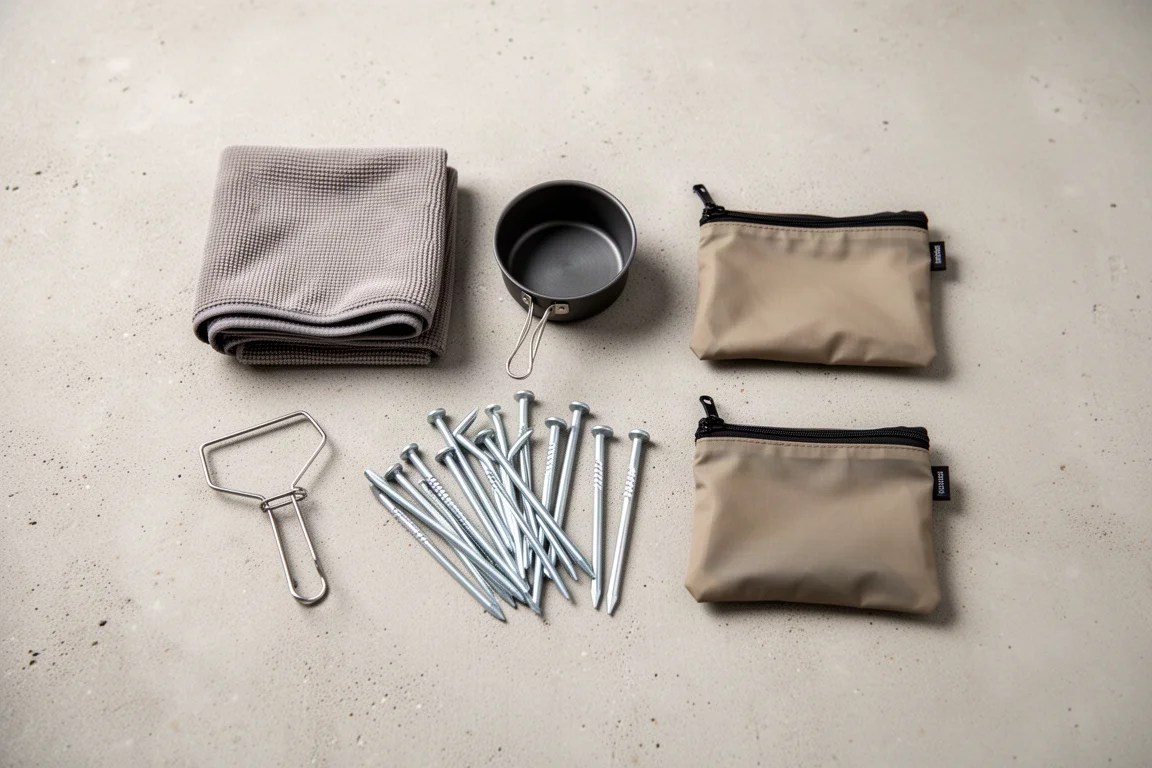
It also helps to weigh how often an item will be used against how much it costs to carry. A 7 g pot grabber that gets used twice a day is an easy call. A 5.3 oz power bank that keeps a phone alive for over a week is easy too, given how much a phone now does on the trail. Where a price is given, the figures here are modest: $30 for a full featured navigation app, under $20 for the pot grabber, less than $18 for the towel and just under $60 for the power bank.
Finally, treat these as a system rather than a shopping list. A tent that pitches with adjustable poles, stakes that hold, a phone that stays charged and a layer that packs down to nothing all reinforce each other. That is what makes small items worth the space they take up.
Conclusion
None of these eight items will be the reason someone buys a new pack, and that is exactly the point. Adjustable tent poles from Durston Gear make trekking pole shelters easy to pitch, the Nitecore NB1000 keeps a phone running for well over a week, Natural Atlas measures trail distance the way it should be measured, and the MSR Groundhog remains a dependable stake. The Dorfman Pacific mesh safari hat, the 4 oz Far Point Alpha Hoodie, the half-ounce Matador Nanofiber towel and the 7 g Suluk 46 pot grabber round out a kit of genuinely small upgrades.
Bought together, they cover shelter setup, navigation, power, sun protection, warmth, hygiene and cooking for a modest outlay. Bought one at a time, they still fix the specific annoyances that tend to define a trip. Either way, they are the sort of items that end up in the pack every single time.
Further reading
Related Reviews

Backpacking Gear
Building a 10 lb Base Weight: An Ultralight Backpacking Gear List
A practical walkthrough of the ultralight pieces behind a 10 lb base weight, from a 765 g pack and a roomy one-person tent to a full camp chair and a dependable water filter.

Backpacking Gear
A 15-Pound Lightweight Backpacking Gear List for Solo Trips
A beginner-friendly 15-pound backpacking setup built from easy-to-find gear, with notes on what each piece does, how it packs, and where to spend your attention.

Backpacking Gear
8 Ultralight Backpacking Gear Upgrades Worth Carrying
Eight small, affordable backpacking upgrades that solve real trail annoyances, from a pillow that stays put to a fuel valve that rescues leftover canister gas.