Sleeping Pads
Best Backpacking Sleeping Pads Compared: From Ultralight to Maximum Comfort
Five sleeping pads across the ultralight-to-comfort spectrum, with the real weights, warmth limits, and trade-offs that matter before you buy.
Introduction
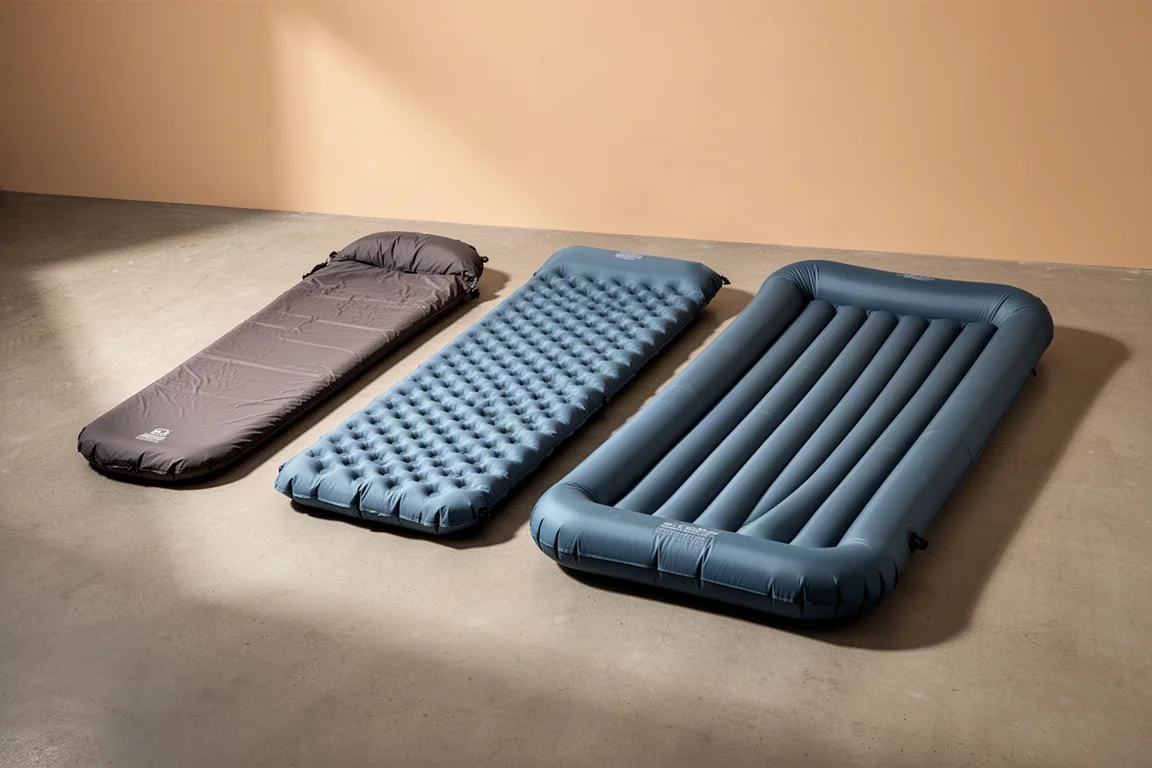
Choosing a sleeping pad usually comes down to one question: how much comfort is worth carrying? Across five pads that span the lightest category on the market to well over a kilogram, the answer shifts in ways that are not always obvious. Some weight gains buy warmth and space. Others buy comfort alone, and a few quietly cost you warmth even as the pad gets bigger.
This comparison moves from the lightest option available to the most comfortable pad in the lineup, covering the Nemo Tensor Elite, the Therm-a-Rest Xlite, the Sea to Summit Ether Light XR, the Therm-a-Rest NeoAir XLite, and the Exped MegaMat Ultra. The goal is to show what each step up in weight actually delivers, and where the balance point sits for most backpackers.
What Changes as Sleeping Pads Get Heavier
Three things drive the experience of any inflatable pad: weight, warmth, and comfort. As pads get heavier, they tend to get thicker, wider, and more supportive, and the baffle patterns change from simple horizontal channels to dimpled or vertical structures that relieve pressure more effectively.
Warmth does not follow the same upward curve. Reflective films and internal cell structures can deliver excellent warmth per gram, but a larger pad also exposes more surface area to cold air. That means a pad with a higher R-value does not automatically sleep warmer than a lighter, smaller one. Durability and packed size generally improve with weight as well, since thicker materials hold up better and wider pads simply take up more room in a pack.
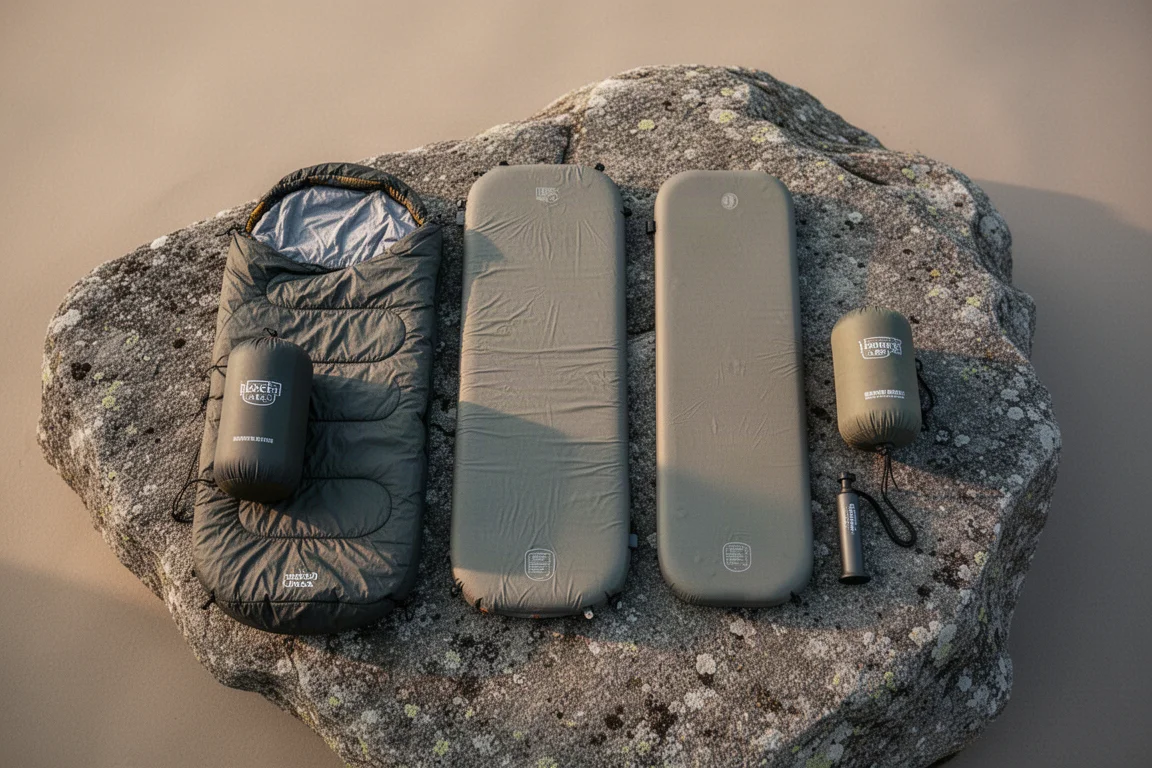
The practical takeaway is that weight buys comfort and size fairly reliably, while warmth depends far more on the specific construction than on the number on the scale.
Nemo Tensor Elite: The Ultralight Baseline
The Tensor Elite is the lightest pad in this comparison and the lightest on the market. It uses a mummy shape and very lightweight materials to get there, and the result is a deliberately bare-bones design. The R-value is 2.4, which means it is not a pad for temperatures around freezing. It stays comfortable to roughly 5 degrees Celsius, and that is close to its limit.
Comfort is better than those numbers suggest. A slightly dimpled baffle pattern helps distribute pressure, and the top fabric is thin enough to stretch a little, which adds pressure relief. At 3 inches thick, though, it sits at the lower end of what inflatable pads offer, so it will not match a thicker pad for cushioning. What you give up for the weight is comfort, warmth, durability, and size. The current version is 20 inches wide in a regular length, and a 25-inch wide version is expected in 2026 for anyone who wants more surface area without abandoning the ultralight approach.
Therm-a-Rest Xlite: The Warmth-to-Weight Leader
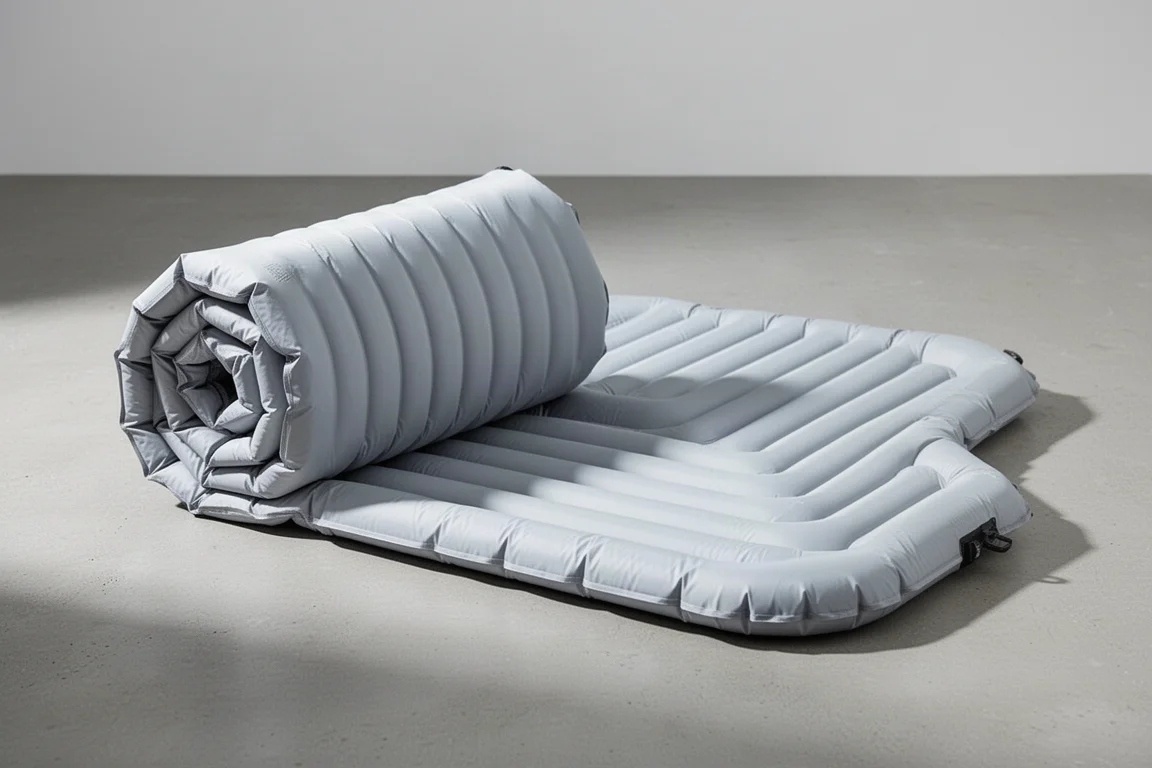
The Xlite occupies the next weight step, roughly 350 to 450 grams depending on width and shape. Wider pads weigh more, and rectangular pads weigh more than mummy shapes. The common sizes are 20 inches and 25 inches wide.
Its strength is one of the best warmth-to-weight ratios available. A reflective film suspended inside the pad bounces heat back toward the sleeper, and a triangular core matrix baffling system divides the interior into small cells that limit convective heat loss. With an R-value of 4.5, it stays comfortable down to about 20 degrees Fahrenheit, or minus 6 degrees Celsius. Moving up from the lightest category also unlocks 25-inch wide pads and pads that sleep comfortably below freezing.

The compromise is comfort. Horizontal baffles are less plush than dimpled or vertical designs, and they are a required part of the triangular core matrix that produces the warmth in the first place. For anyone who measures a pad by warmth per gram, that is an easy trade to accept.
Sea to Summit Ether Light XR: Comfort at Around 600 Grams
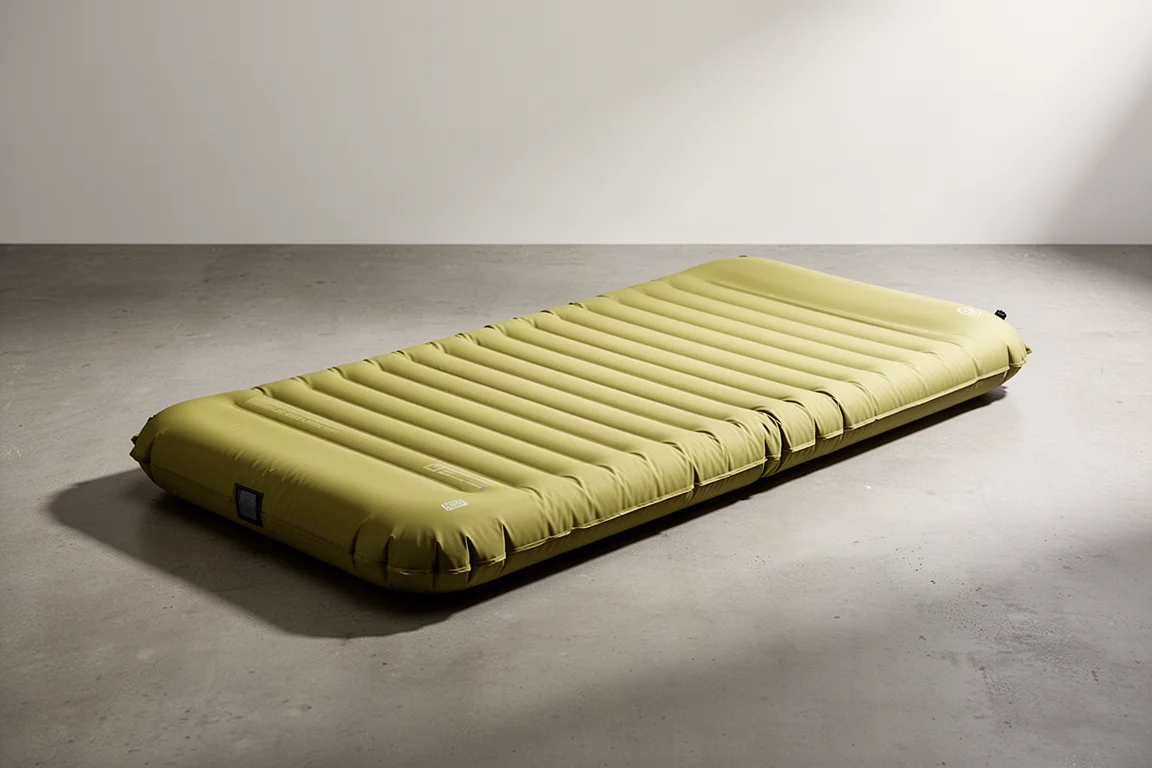
At roughly 600 grams, the Ether Light XR is where comfort becomes the headline. It was among the first pads to use a dimpled baffling system, which works like a grid of small air springs and delivers strong pressure relief. The valve is also one of the best in this group, which matters more than it sounds when you are inflating and deflating a pad twice a day.
The pad is 4 inches thick and uses a rectangular shape, so it sleeps wider and flatter than the mummy options. A squared-off top keeps your elbows on the pad if you sleep on your stomach or like to spread out, and the extra room helps in warm weather when you are not trying to conserve body heat.
Warmth is where this category gives something back. Despite an R-value of 4.1, the Ether Light XR is comfortable to about freezing but not much below it. Not every pad in this weight class sleeps cold, but the ones that sleep warmer tend to be less comfortable.
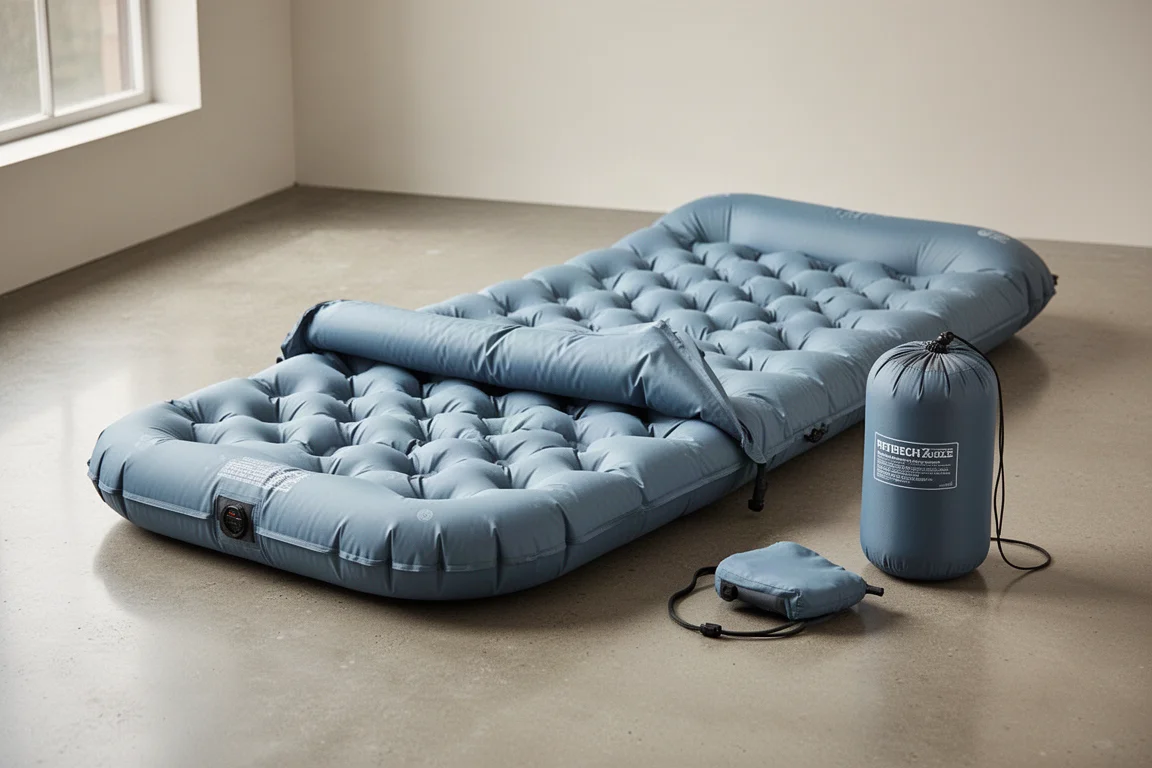
Therm-a-Rest NeoAir XLite: Backcountry Luxury That Still Packs
Around 800 grams, pads start behaving like car camping mattresses that happen to fit in a backpack. The NeoAir XLite was among the first of these comfort-focused pads, and it brings a level of luxury close to many car camping options while staying light enough to carry on a backpacking trip.
At 26 inches wide and 4.6 inches thick, it is both wider and thicker than the pads below it. Sidewalls run around the perimeter, so the pad does not slope from the middle to the edges, which preserves usable sleeping area. It is also the first pad in this progression to use a stretchy top fabric. That fabric is heavier because it must be thicker to meet durability expectations, but it is excellent at relieving pressure. Even with horizontal baffles, the combination of thickness and stretch makes this a very comfortable pad.
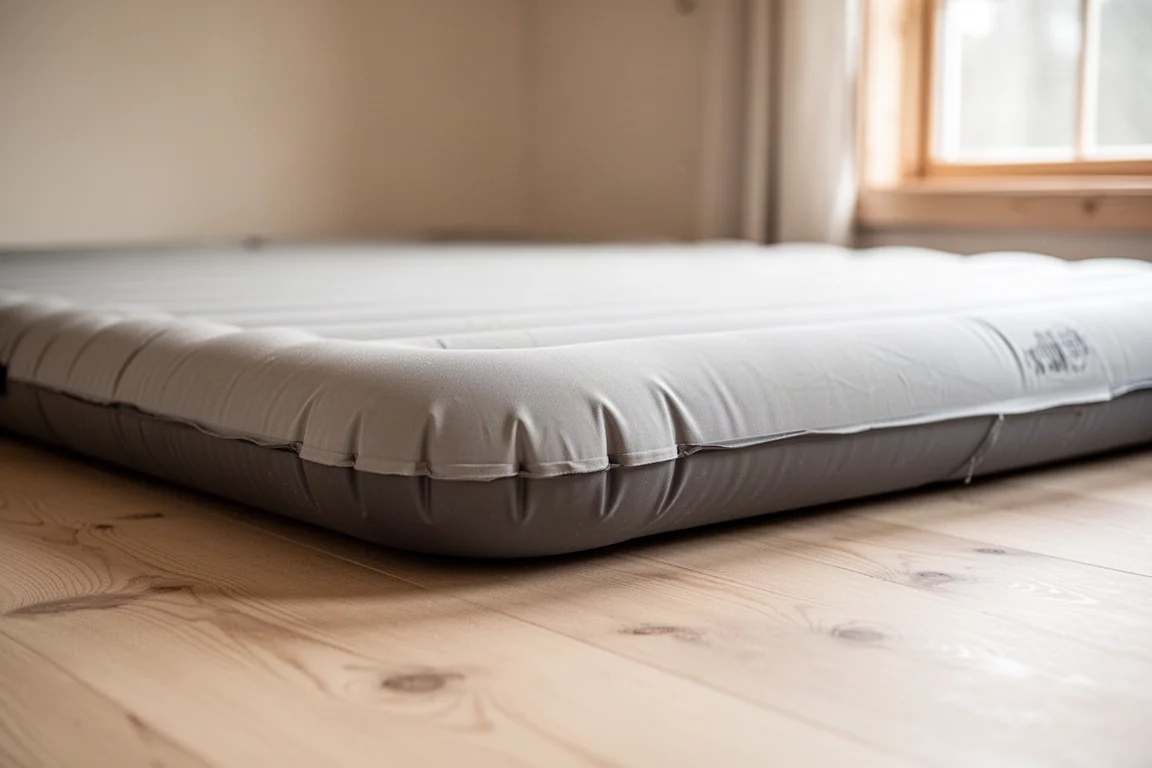
Warmth is the surprise here. The R-value of 4.7 looks strong, but the pad’s size works against it: more surface area on the top and sidewalls is exposed to cold air, which makes heat harder to retain. It sleeps cold once temperatures drop below freezing. It can be taken lower and still sleep warm, but there is not much margin. The two sacrifices are weight and warmth, and both are real.
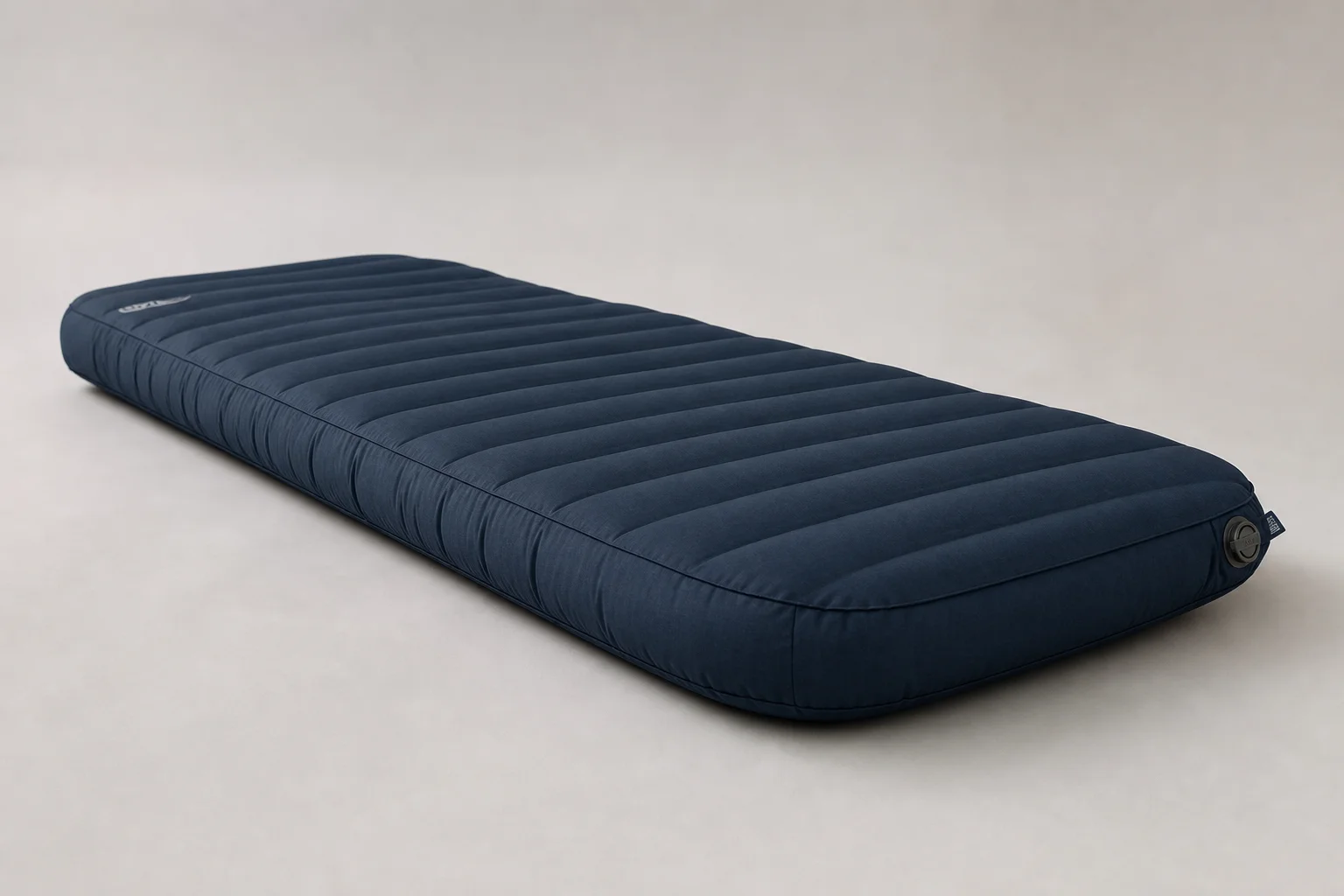
Exped MegaMat Ultra: Maximum Comfort for Camp
The MegaMat Ultra is the heaviest and bulkiest pad here, and for many backpackers that rules it out immediately. For anyone whose priority is a genuinely good night’s sleep at camp rather than maximum daily mileage, it is the most comfortable option in this lineup.
It is the only pad here at 30 inches wide, five inches wider than the other wide pads. Like the NeoAir, it uses a stretchy top fabric and perimeter sidewalls, but it improves on that design with vertical baffles. Those baffles feel a little better from a comfort standpoint and make the pad more stable and supportive, where the NeoAir can feel somewhat balloon-like. Preference does play a role: some sleepers find the MegaMat Ultra more comfortable, while others prefer the NeoAir.
The trade-offs mirror the NeoAir. The R-value is slightly lower and the pad sits at the top of the weight range with more bulk to pack. In exchange you get a more stable platform and five extra inches of width.
Finding the Sweet Spot: Buying Advice
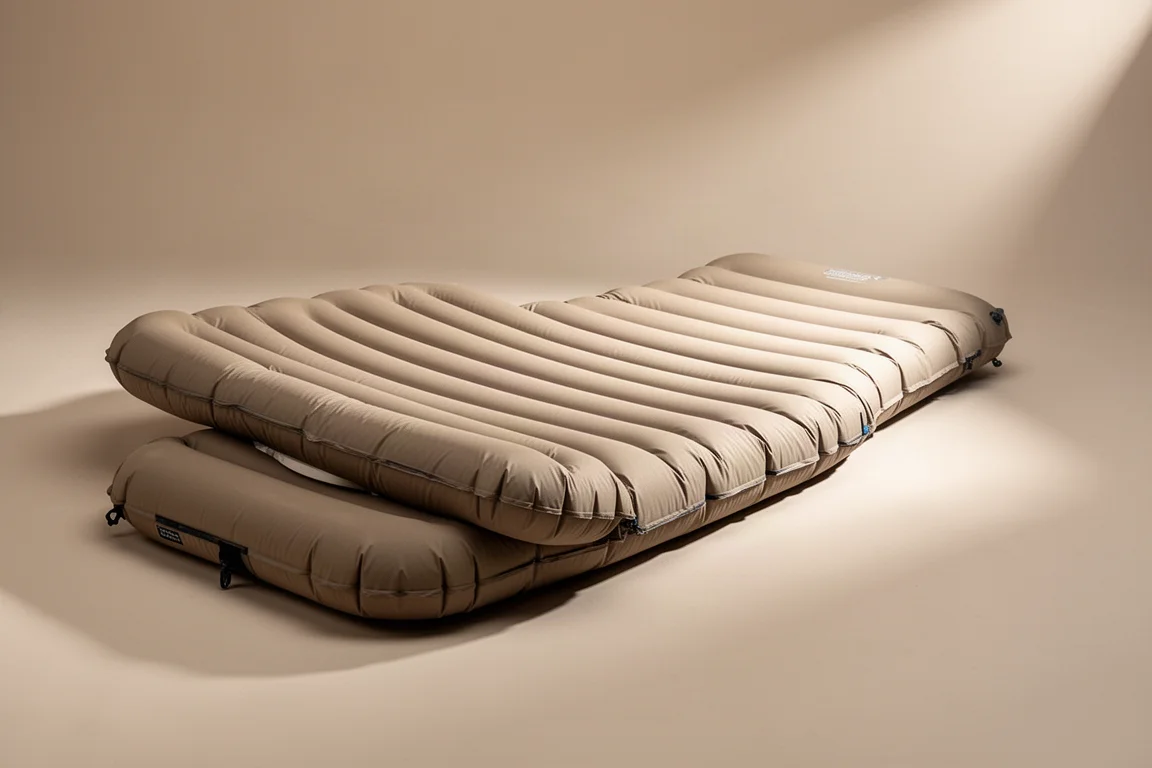
For most backpackers, the balance point sits around 500 to 600 grams, right where the Sea to Summit Ether Light XR lands. At that weight you get a pad that is comfortable, warm enough for three-season use, and light enough to carry without resenting it. Newer options such as the Tensor All Season, the Exped Ultra 6.5R, and the Nemo Eclipse push that formula further, aiming to be nearly as comfortable as the Ether Light while being both warmer and lighter. The Exped Ultra 6.5R and the Nemo Eclipse stand out as all-rounders worth watching closely.
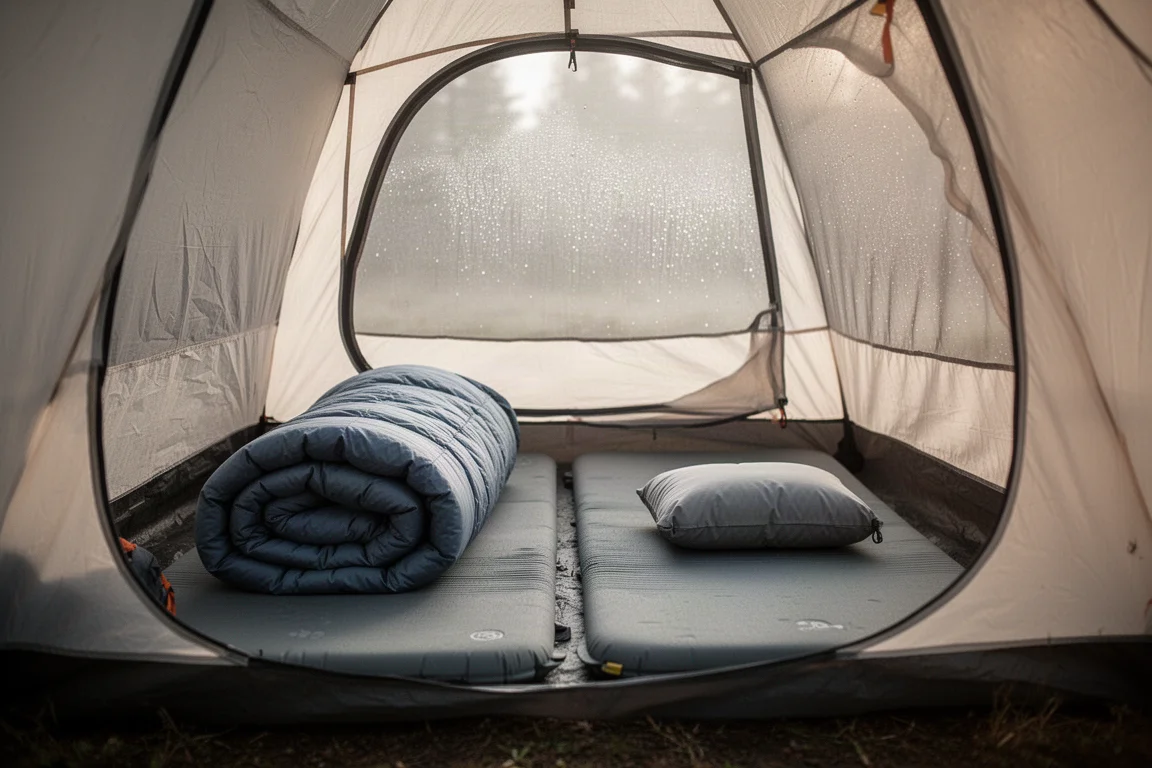
Personal priorities should drive the final call. On trips where covering distance is the goal and you arrive at camp ready to sleep immediately, an ultralight pad makes sense: the Tensor Elite works well for weight-focused trips, and the Xlite has covered long thru hikes. On shorter trips with more time spent at camp, such as family outings, the comfort of the NeoAir XLite or the MegaMat Ultra is worth the extra weight in the pack.
For thru hikers, every gram counts across thousands of steps, so the lighter end of the range earns its place. For everyone else, a balanced pad is usually the right answer, and comfort becomes the sensible priority only when the distance is short.
Conclusion
There is no single best sleeping pad, only the right compromise for a given trip. The ultralight end of the range buys low weight and, with the right construction, strong warmth per gram, at the cost of comfort, cold-weather warmth, and durability. The comfort end buys space, thickness, and support at a real weight and bulk penalty. Most backpackers will be happiest near the middle, around 500 to 600 grams, and can adjust from there based on how far they plan to walk and how much they value sleep.
Further reading
Related Reviews
Sleeping Pads
Best Backpacking Sleeping Pads 2026: Nine Pads Rated on Price, Comfort, Warmth, and Weight
Nine backpacking sleeping pads compared on price, comfort, warmth, and weight, from a $65 summer pad to a year-round option rated at R-7.3.
Sleeping Pads
Best Backpacking Sleeping Pads: Comfort, Warmth, and Weight Compared
A practical comparison of the Nemo Quasar 3D, Therm-a-Rest NeoAir XTherm Max, and Big Agnes Rapide SL for backpackers choosing between comfort, warmth, and packed weight.
Sleeping Pads
Best Backpacking Sleeping Pads: Ultralight, Winter, Comfort and Budget Picks
A practical roundup of the sleeping pads that stand out for ultralight weight, winter warmth, pressure relief and value, plus three popular pads that fell short.