Sleeping Pads
Best Backpacking Sleeping Pads by Price: What You Get From $40 to $250
A price-tier guide to backpacking sleeping pads, from the strongest budget option under $50 to premium comfort pads over $250, plus the best value pick at each level.
Introduction
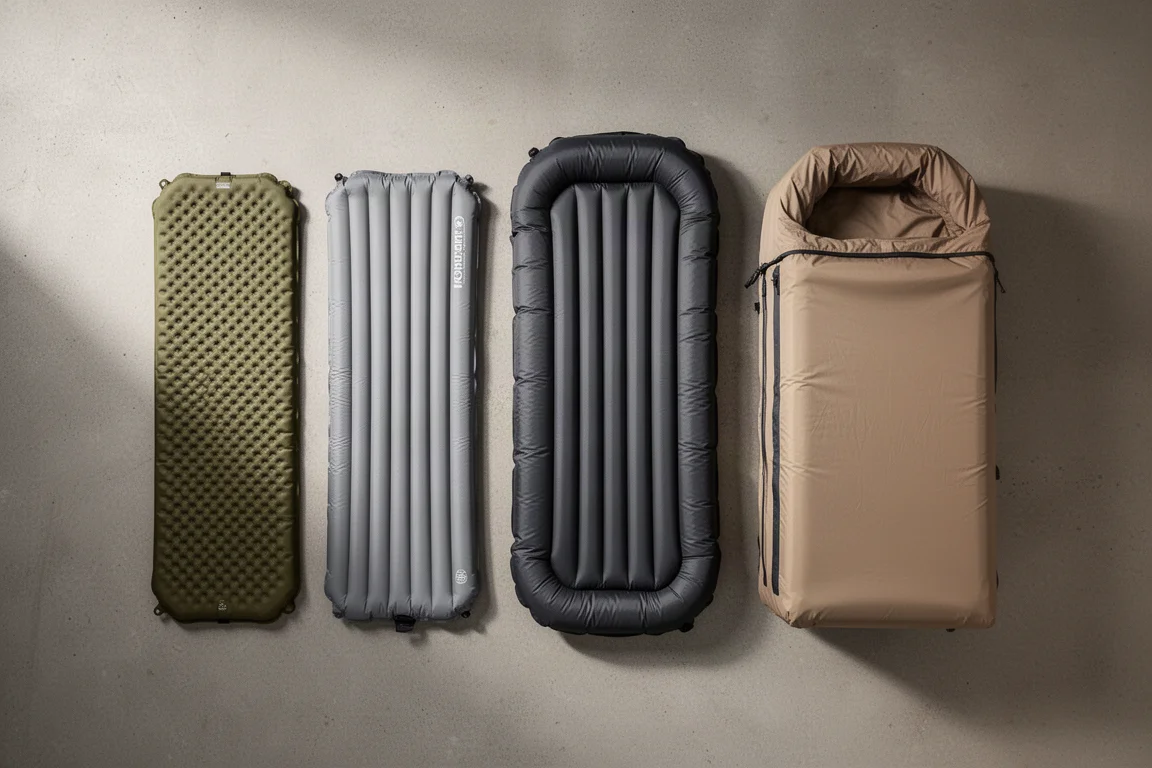
A sleeping pad looks like the simplest piece of gear in a backpack: fabric, baffles, and air. The price spread suggests otherwise. Pads sell from under $50 to well over $250, and the gap between tiers is not marketing noise. It comes down to three qualities that are genuinely hard to combine in one product: warmth, comfort, and weight.
This guide breaks the market into price tiers, names the strongest option in each one, and finishes with the pads that deliver the best combination of price and performance.
What Changes as Sleeping Pad Prices Climb
Every pad here is judged on the same three attributes. Warmth decides how far below freezing you can sleep without shivering. Comfort decides how you feel at hour six. Weight decides whether the pad earns a place in a lightweight pack.
Inexpensive pads usually solve one of those problems well and compromise on the others. The internal construction is where the money goes. The best budget designs use a dimpled baffle pattern, with raised and lowered areas, where each raised section behaves like a small air spring and spreads pressure away from hips and shoulders. Reflective insulation bonded to the inside of the shell is the other budget technique, and it is what lets a thin pad sleep warm below freezing.
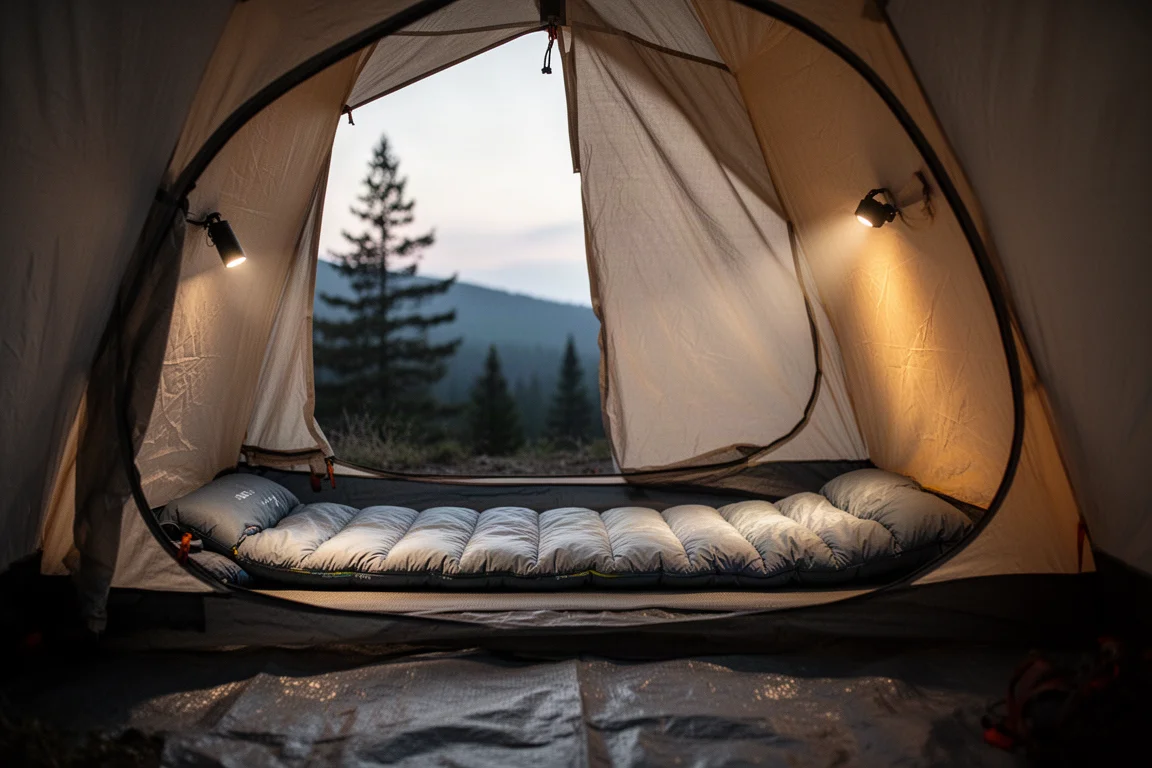
Thickness and stability are where spending more starts to pay off. Thicker pads hold more air and can be deflated partway for a softer, more stable sleep instead of feeling like a balloon. Higher tiers add vertical baffles for pressure relief, raised outer baffles that keep you centred, valves placed on top of the pad for easier inflation and mid-night adjustment, and stretchy top fabrics that are difficult and expensive to make durable. Above $200, pads stop compromising: they are warm, comfortable, and light at the same time, and the only real cost is the price.
One caveat applies across the whole guide. Thinner pads are less comfortable for heavier sleepers, so anyone over roughly 200 to 220 pounds should look at the thicker options and inflate them fully.
Best Under $50: Bestway RidgeRest
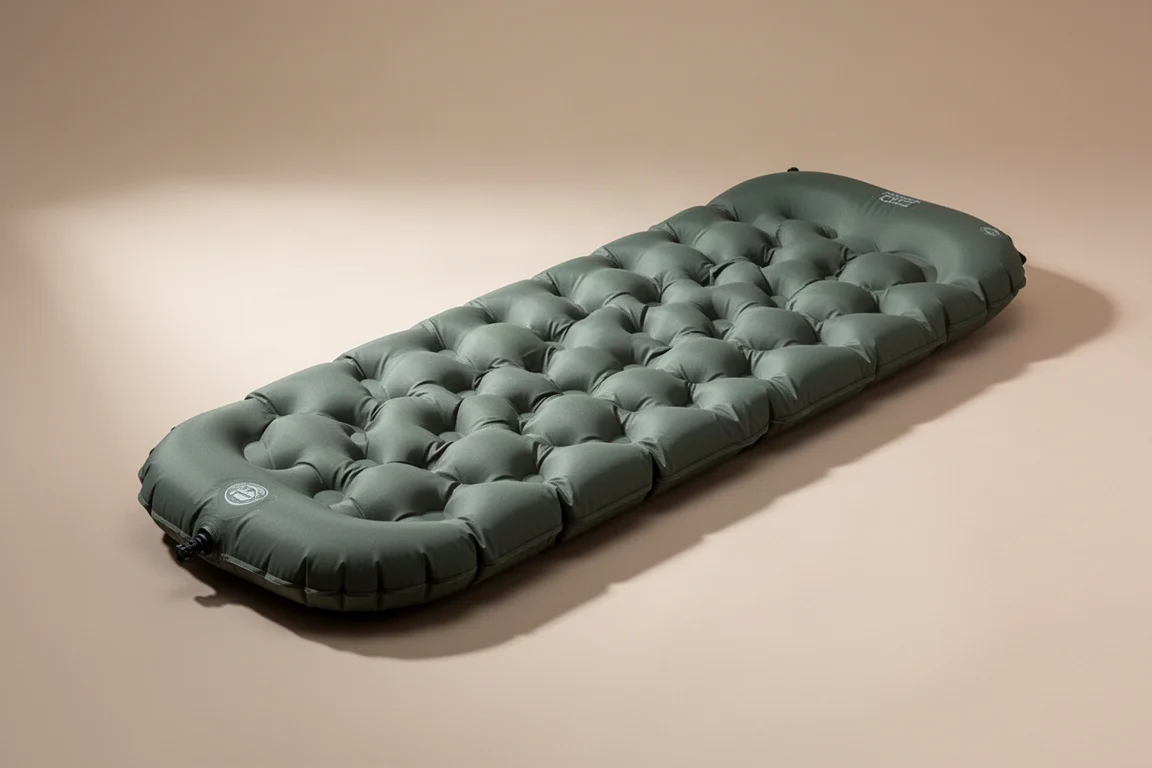
The budget tier has a clear winner. The RidgeRest is warm, comfortable, durable, and light enough at 700 g, and it costs about $40.
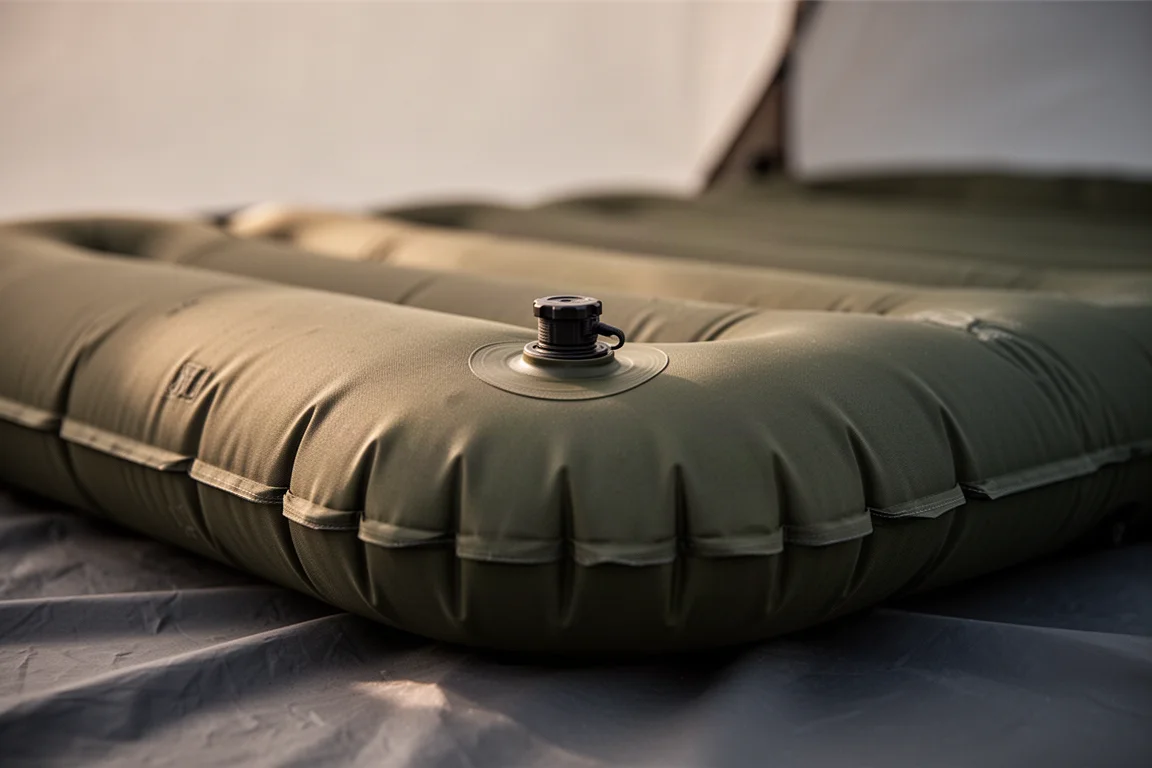
It follows the dimpled baffling layout that makes the REI Helix such a popular design, with raised and lowered sections acting as small air springs for pressure relief, plus reflective insulation on the inside to help you sleep warm below freezing. The main difference from the Helix is the valve, which sits on top of the pad. That placement makes inflation easier and makes it simple to add or release a little air overnight without getting off the pad.
The trade-off is thickness. Sleepers over roughly 200 to 220 pounds may not find it supportive enough, and this is a pad that should be fully inflated rather than softened.
Best Under $100: Naturehike 5.8
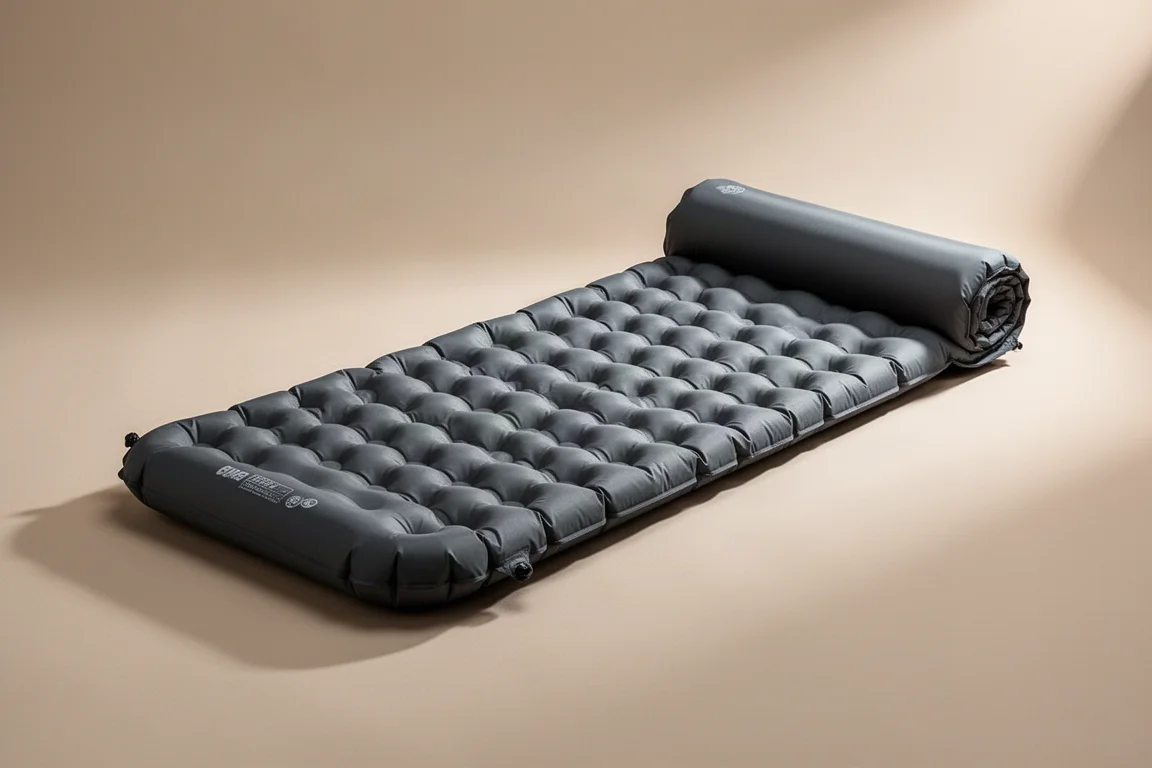
At $80 and 594 g, the Naturehike 5.8 is one of the lightest pads under $100, which is unusual because warmth and low weight normally pull in opposite directions. It uses a dimpled baffle pattern and reflective internal insulation, so it sleeps warm below freezing while packing down small.
It is not the most comfortable pad in this guide. The baffling is good rather than excellent, and the pad is not especially thick, so heavier sleepers should look elsewhere. What it does offer is a rare balance: warm, genuinely light, and inexpensive in the same package.
Best $100 to $150: FlexTail Tiny R05
This is where pads start to feel like proper sleep surfaces. The FlexTail Tiny R05 costs $130, weighs 584 g, and is four inches thick.
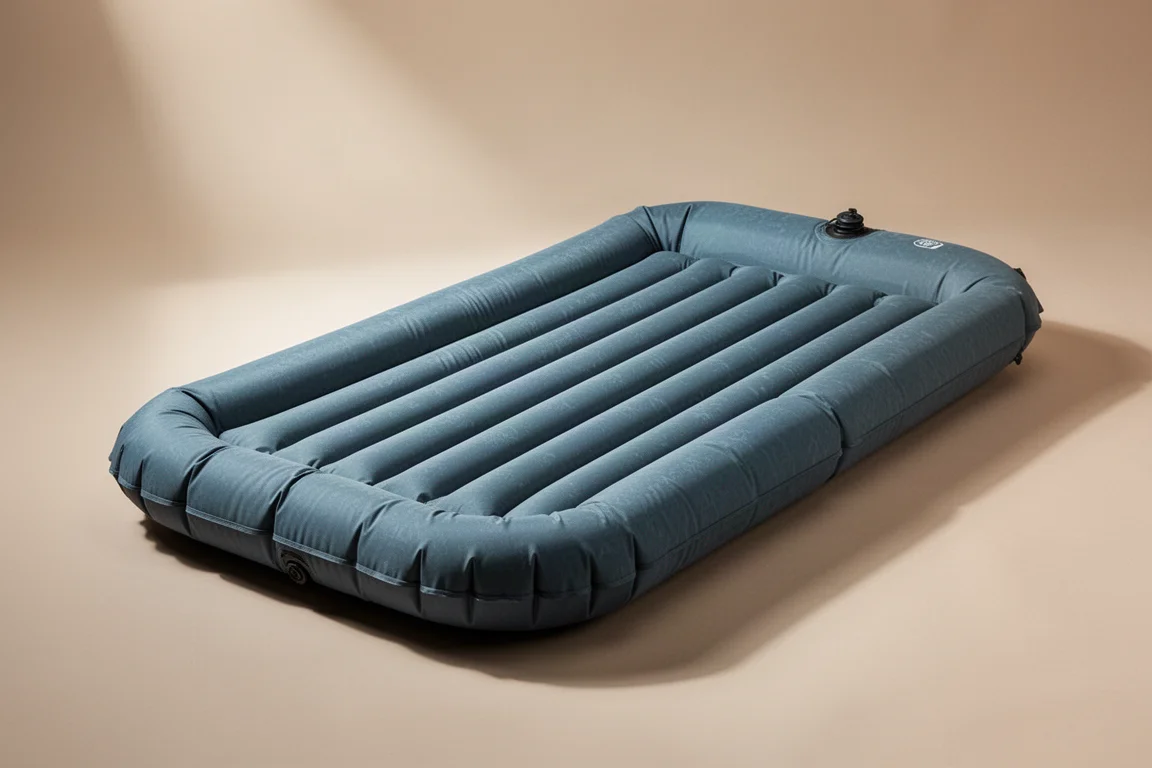
The construction is what earns it the top spot in this tier. Raised outer baffles help keep you centred on the pad, slightly dimpled vertical baffles provide pressure relief, and the valve sits on top for easy inflation and adjustment. Because the pad is thick and stable, releasing some air makes it softer without the wobbly, balloon-like feel that thin pads develop when they are under-inflated. It sleeps warm below freezing and packs up small. It comes only in a large size.
The only real complaint is price positioning. FlexTail is known for affordable gear, and at $130 this pad sits above what that reputation would suggest, though it still costs far less than the mainstream alternatives.
Best $150 to $200: Nemo Eclipse
The Nemo Eclipse shares a lot with the FlexTail Tiny R05 and the Paria Elevate XL, including a comparable weight and a similar overall shape. Two differences stand out.
The first is stability. At around 70 percent inflation, the Eclipse feels noticeably more settled when you move around on it, which appears to come from the internal baffling. The second goes the other way: it sleeps colder. The reflective insulation does not extend all the way to the outer baffles, so those edges lack insulation, and the pad is comfortable down to roughly -2 C on warm ground. Its high R value does not translate into the real-world warmth you would expect from that number. Nemo has indicated that insulation may reach the outer baffles in a future version, though that has not been confirmed.
If you sleep in mild conditions and want the most stable feel in this tier, the Eclipse is the one to consider. If you camp in the cold, the warmth gap matters.
Best $200 to $250: Exped Ultra 6.5R
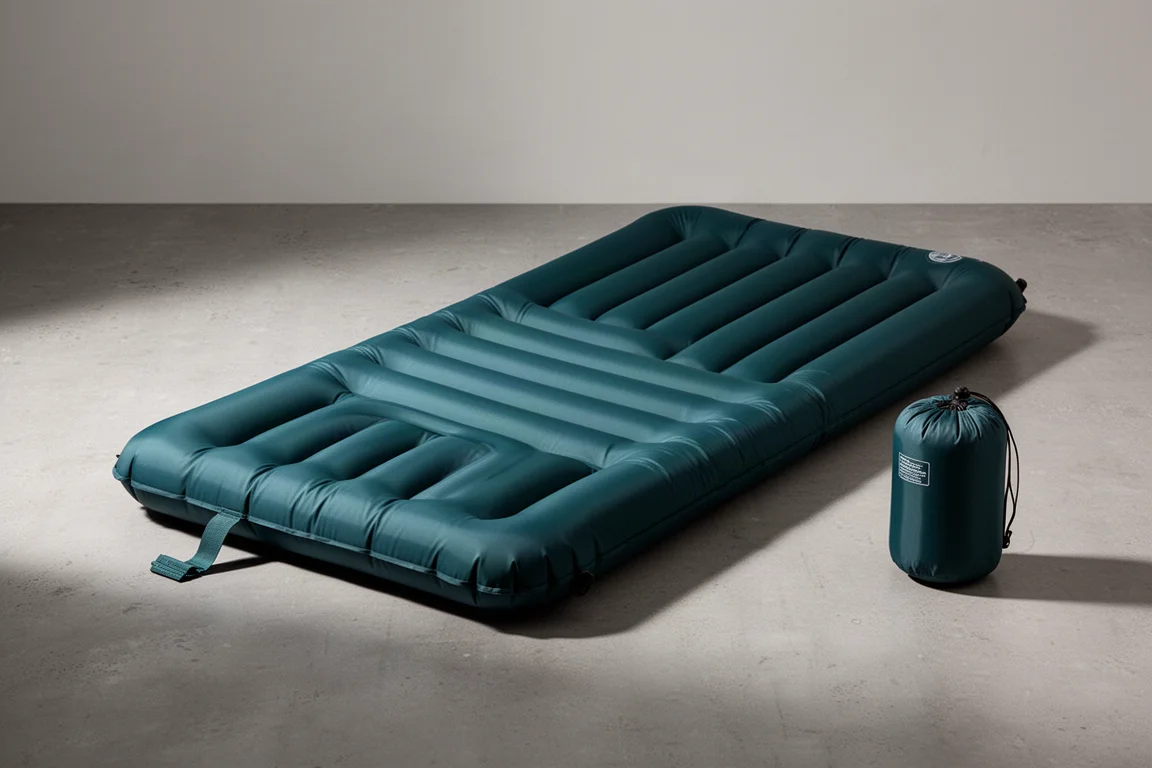
Above $200, pads stop making excuses. The Exped Ultra 6.5R weighs around 550 g in the medium wide size, sleeps comfortably down to about -6 C on fairly cold ground, and costs $200, which is the bottom of this tier.
Vertical baffles with a slightly dimpled surface handle pressure relief well, and a slightly stretchy top material lifts comfort further. That stretchy fabric is one of the clearest dividing lines in the market. It is difficult to work with and difficult to make durable, which is why it appears almost exclusively on pads in this price range and above. The pad packs small for how warm it sleeps.
The compromises are modest. It is not as thick as some sleepers would like, and it is not quite as comfortable as the Nemo Eclipse.
Best Over $250: Exped MegaMat Ultra
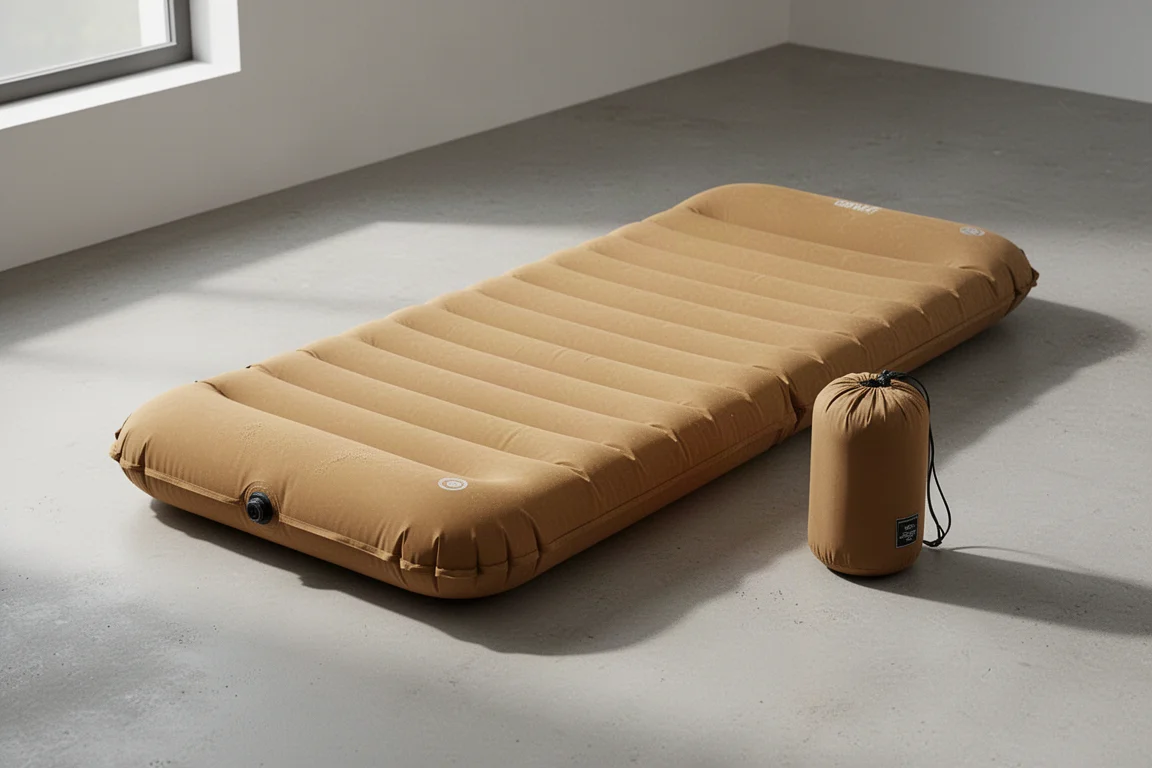
The MegaMat Ultra is the most comfortable backpacking sleeping pad in this guide, and at $250 for the medium wide it sits right at the entry point of the premium tier.
It weighs 880 g, which is heavy for backpacking but not unreasonable for the comfort on offer, and it packs down to a manageable size. The sidewall construction allows Exped to build a very thick pad while preserving usable sleeping surface, so the extra height translates into real space rather than a domed top you roll off. Vertical baffles keep it stable, and a stretchy soft top material makes it feel closer to a bed than a pad. It is also available in a 30-inch wide version, which is rare for backpacking pads and a genuine option for anyone who wants more room.
The downsides are the obvious ones. It is the heaviest and bulkiest pad here, and it is expensive. That is the trade at this price point, and for a comfort-first setup it is often worth making.
The Benchmark to Beat: REI Helix
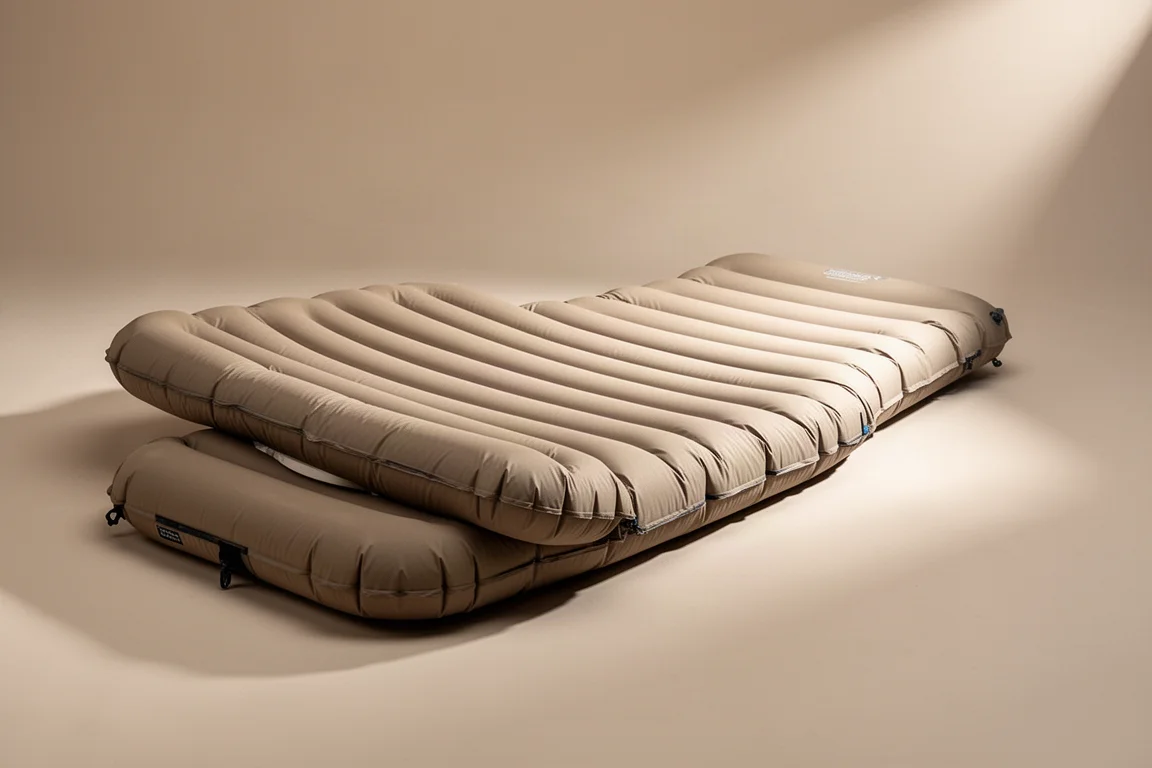
The REI Helix is the pad that the budget winner in this guide follows most closely, and it remains a strong design: comfortable dimpled baffling, warm reflective insulation, and a shape that works for a wide range of sleepers.
Its valve placement differs from the RidgeRest, and many people find the RidgeRest’s top-mounted valve easier to live with because it simplifies inflation and overnight adjustment.
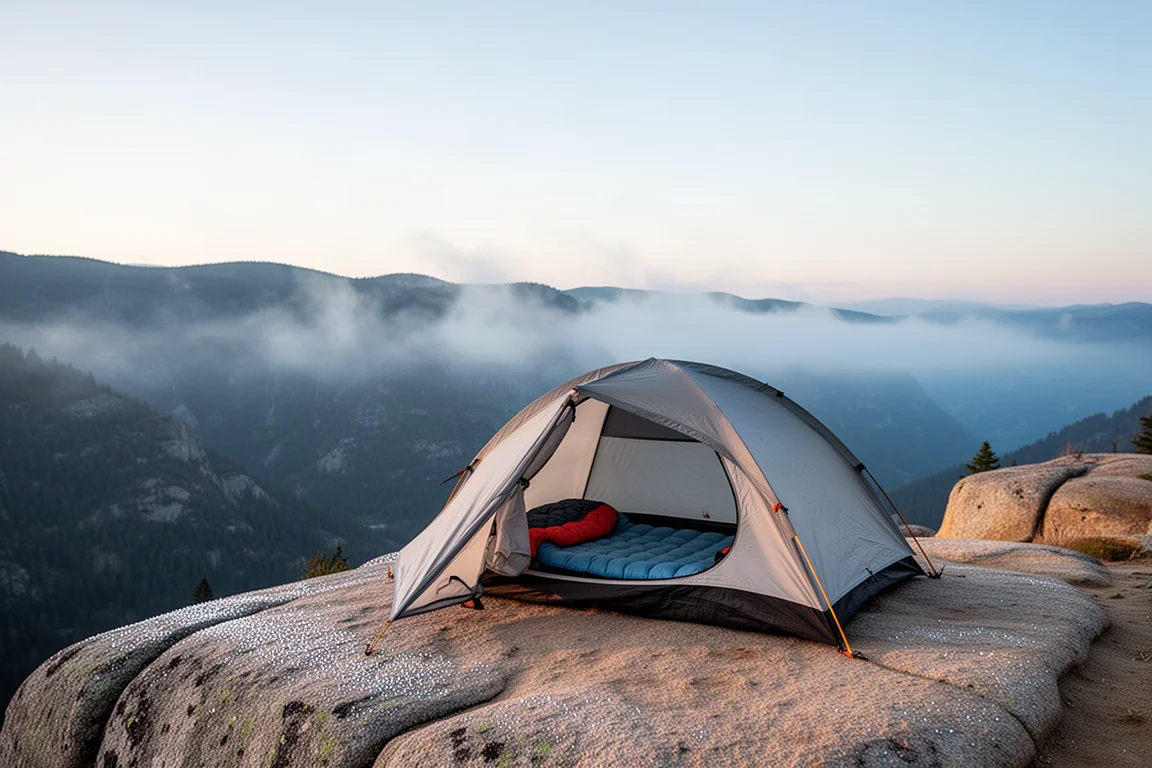
The catch is price. REI has raised prices across its pad lineup, so the Helix now sits far above the $40 RidgeRest and no longer competes the way it once did on value. It carries the same thickness limitation as the RidgeRest, which means heavier sleepers should consider a thicker option.
The Close Alternative: Paria Elevate XL
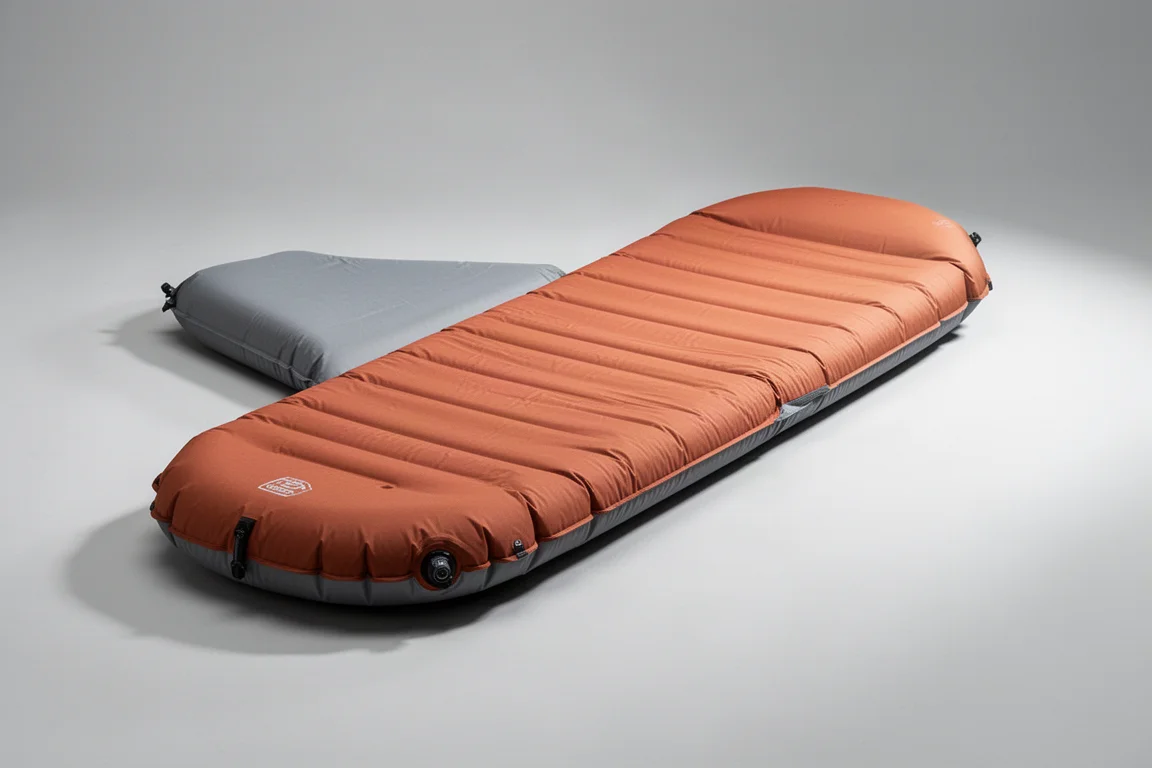
The Paria Elevate XL is closely related to the FlexTail Tiny R05: four inches thick, raised outer baffles to keep you centred, slightly dimpled vertical baffles for pressure relief, a top-mounted valve, and warmth below freezing.
The differences are small but they decided the ranking here. The Elevate XL is slightly more expensive and slightly heavier at 595 g, and it comes only in a large size. If you find it priced below the FlexTail, the two are close enough that either one is a sensible buy.
Overall Buying Advice
Value means price and performance together, not price alone, and that is the standard used throughout this guide.
For the best overall value, the Bestway RidgeRest is hard to argue with. It is the least expensive pad here at about $40, and it is warm, comfortable, reasonably light, compact, and more durable than its price suggests. The main limitation is thickness for heavier sleepers.
For the best ultralight value, the Exped Ultra 6.5R is the pick. It is light at around 550 g, warm, and comfortable. The Nemo Eclipse is close in weight and slightly more comfortable, so if you do not camp in sub-freezing temperatures it can be the better choice, while the Exped’s warmth advantage tips the balance for cold-weather trips.
For the best comfort per dollar, the FlexTail Tiny R05 stands out. It is nearly as comfortable as the Nemo Eclipse for considerably less money, and it sleeps warm and packs small.
Conclusion
Sleeping pad prices track three things: warmth, comfort, and weight. Under $50 buys a genuinely capable pad if you accept a thinner profile. Between $100 and $150, pads get thick, stable, and comfortable. Above $200, you stop trading one quality for another and start paying for the privilege of having all of them. Match the tier to the conditions you actually sleep in, and the right pad is easy to justify.
Further reading
Related Reviews
Sleeping Pads
Best Backpacking Sleeping Pads 2026: Nine Pads Rated on Price, Comfort, Warmth, and Weight
Nine backpacking sleeping pads compared on price, comfort, warmth, and weight, from a $65 summer pad to a year-round option rated at R-7.3.
Sleeping Pads
Best Backpacking Sleeping Pads: Comfort, Warmth, and Weight Compared
A practical comparison of the Nemo Quasar 3D, Therm-a-Rest NeoAir XTherm Max, and Big Agnes Rapide SL for backpackers choosing between comfort, warmth, and packed weight.
Sleeping Pads
Best Backpacking Sleeping Pads: Ultralight, Winter, Comfort and Budget Picks
A practical roundup of the sleeping pads that stand out for ultralight weight, winter warmth, pressure relief and value, plus three popular pads that fell short.