Backpacking Sleep Gear
Best Backpacking Sleeping Gear 2025: 7 Standout Picks for Warmer, More Comfortable Nights
A roundup of seven standout sleeping pads, quilts, and sleep systems that delivered warm, comfortable nights in the backcountry this year.
Introduction
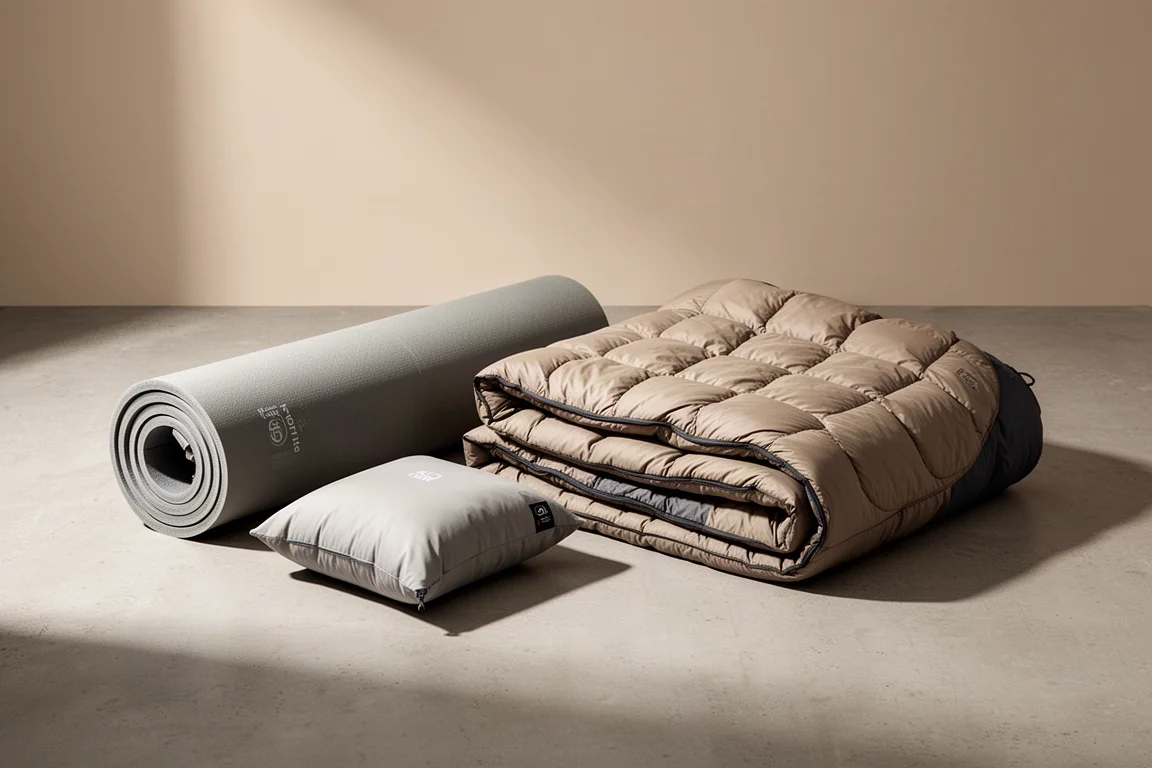
Backpacking sleep gear is deeply personal. A pad that feels plush to one hiker can feel unstable to another, and a quilt that keeps one sleeper warm can leave another fighting drafts. After a season of relying on a small set of trusted pieces, a clear pattern emerged: the best sleep came from gear that balanced warmth, comfort, and packability without forcing compromises.
This roundup covers seven standout items for 2025, from high-R-value sleeping pads to ultralight quilts and a full sleep system. Each one earned its place through real nights in the field, and each has a distinct role depending on how you camp.
What to Look For in Backpacking Sleep Gear
Three factors matter most when choosing sleep gear for backpacking: warmth-to-weight ratio, comfort, and pack size. Warmth is measured by R-value for pads and temperature ratings for bags and quilts, but real-world comfort often comes down to construction details like baffle design, draft protection, and how well the gear fits your sleeping style. Pack size determines how easily the gear fits into a pack, and weight matters over long miles. Finally, value depends on how many seasons and conditions you can use a piece for. The products below excel in different ways, so match them to your own priorities.
Sea to Summit Ether Light XT Pro
The Sea to Summit Ether Light XT Pro is the updated cold-weather pad from the previous generation, and it addresses the main drawback of the older model. The previous version used synthetic insulation and packed down to roughly the size of a bear canister, which made it impractical for many cold-weather trips. The XT Pro keeps the same comfort-focused construction but achieves a much smaller pack size while maintaining an ASTM-rated 7.4 R-value.
That warmth rating puts it firmly in four-season territory. The pad uses air-sprung cells for baffling, which creates a stable, comfortable sleep surface, and it has a 4-inch thickness. The top is 30-denier nylon, and the bottom is 40-denier nylon, so it is built to handle extreme environments. In testing, it performed well down to the low 20s Fahrenheit, though it was not used directly on snow or frozen ground. It sleeps warm and is very comfortable, especially for side sleepers who need pressure relief.
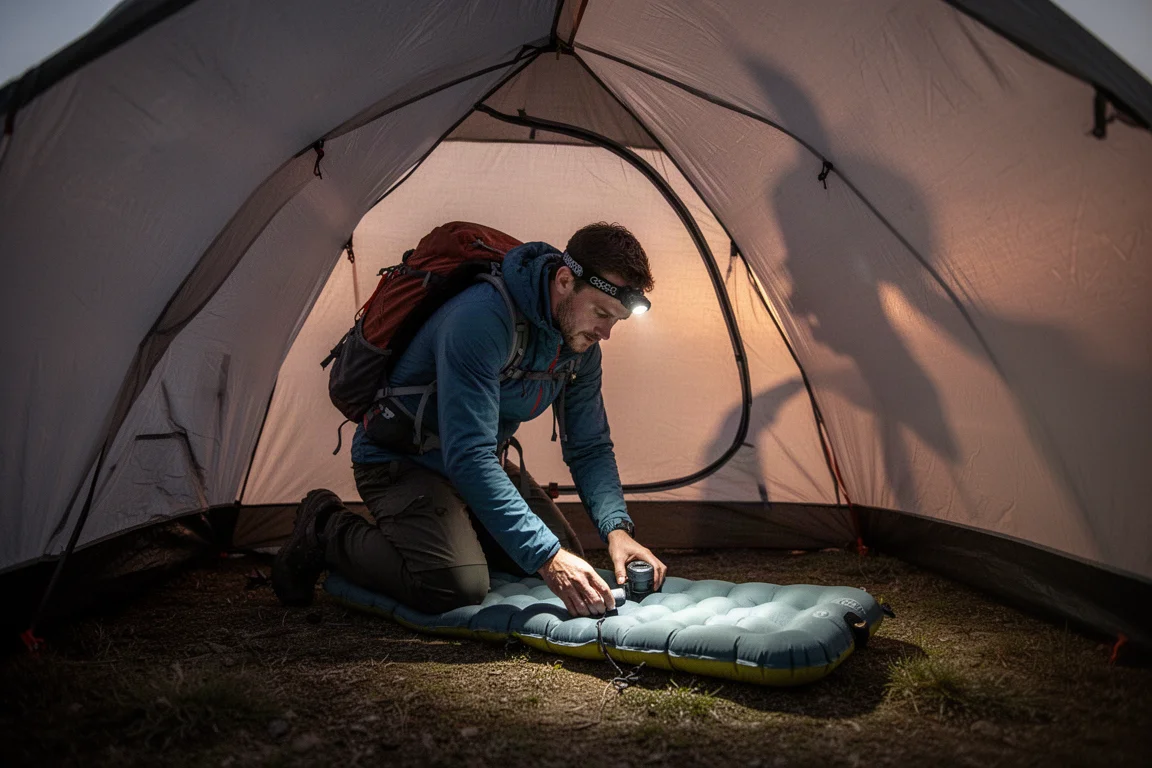
The main trade-off is price. The regular wide rectangular version costs $269 USD, which is a significant investment. For backpackers who frequently camp in cold conditions and prioritize comfort, that cost can be justified because the pad works across all four seasons, except perhaps the hottest summer nights. The combination of a high R-value, genuine comfort, and a packable design makes it a compelling option for cold-weather adventures.
Zen Bivy Ultralight
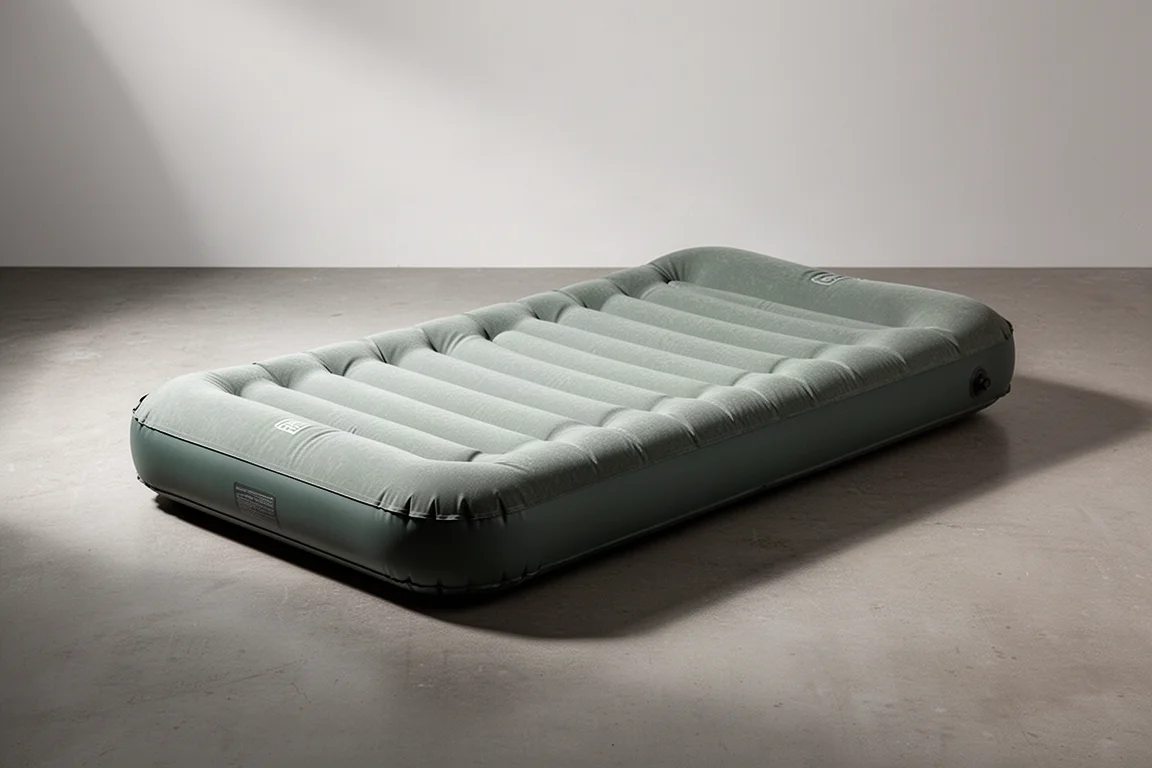
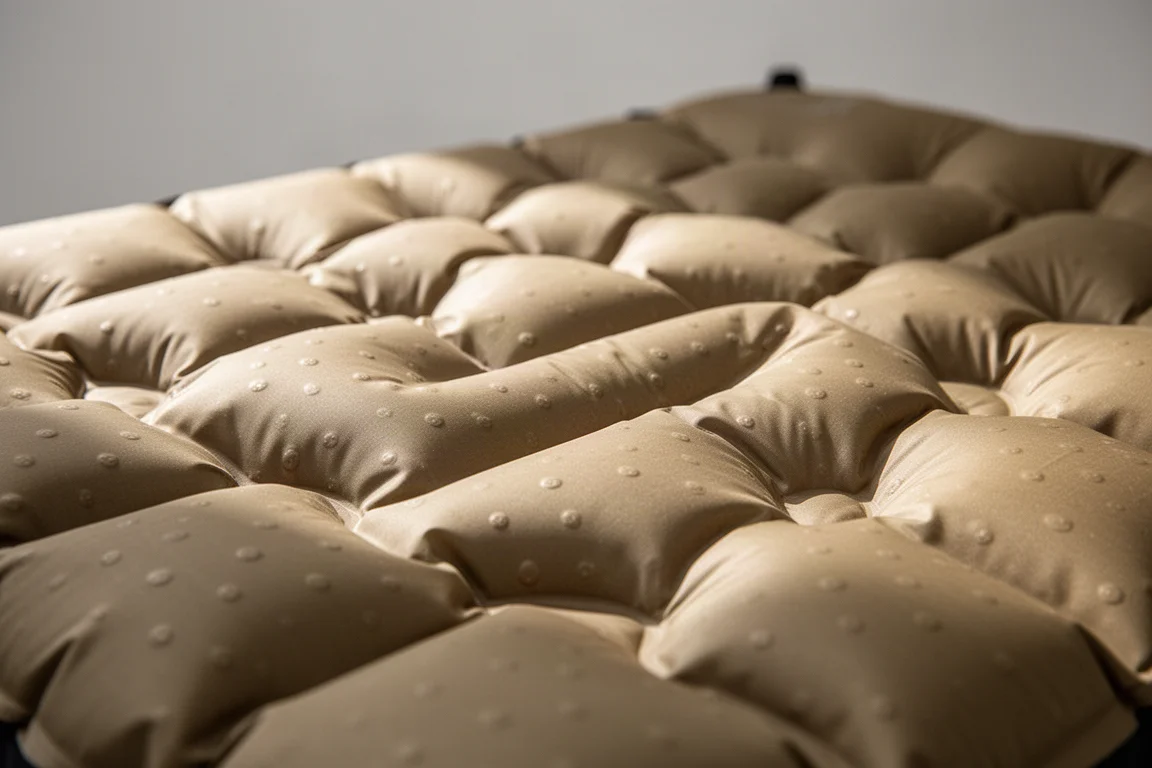
The Zen Bivy Ultralight has been the most-used pad over the last 18 months, and for good reason. It delivers the most comfortable backcountry sleep of any pad in this roundup, with a 4.8 R-value that punches above its weight. It sleeps warmer than many pads in the four-to-five R-value range, and it has been used down into the teens Fahrenheit while keeping the sleeper warm.
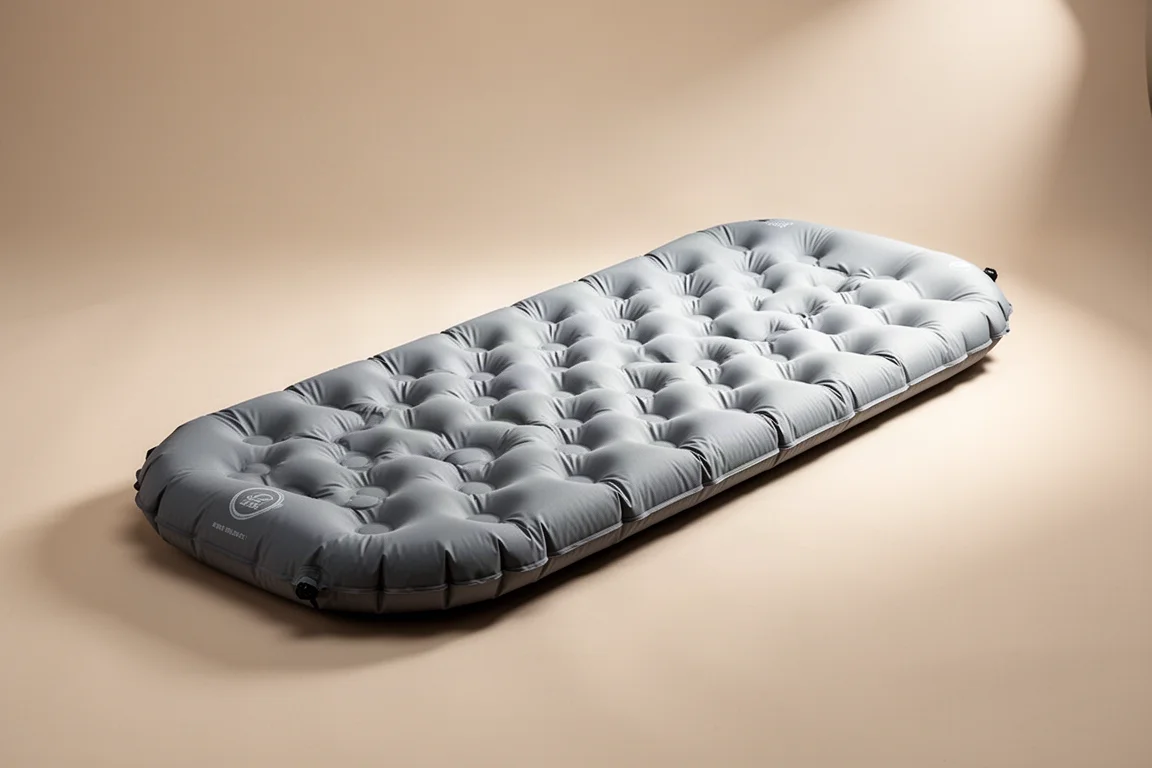
What makes it stand out is the construction. The pad uses quilted baffling with two layers of Mylar insulation, and the baffles are offset between the layers. The weld points and dimples on one side do not align with those on the other, which eliminates cold spots and prevents heat loss. The result is a warm, comfortable pad that packs small and has proven durable with no leaks or issues over extended use.
The main wishes are minor: it could be slightly lighter to match the weight of some competitors, and a touch thicker for even more cushioning. But those trade-offs would add weight, and the current balance is excellent. At around $200, it offers outstanding value, and it is the top recommendation for a three-season pad that can handle cold nights.
Cumulus Aerial 330
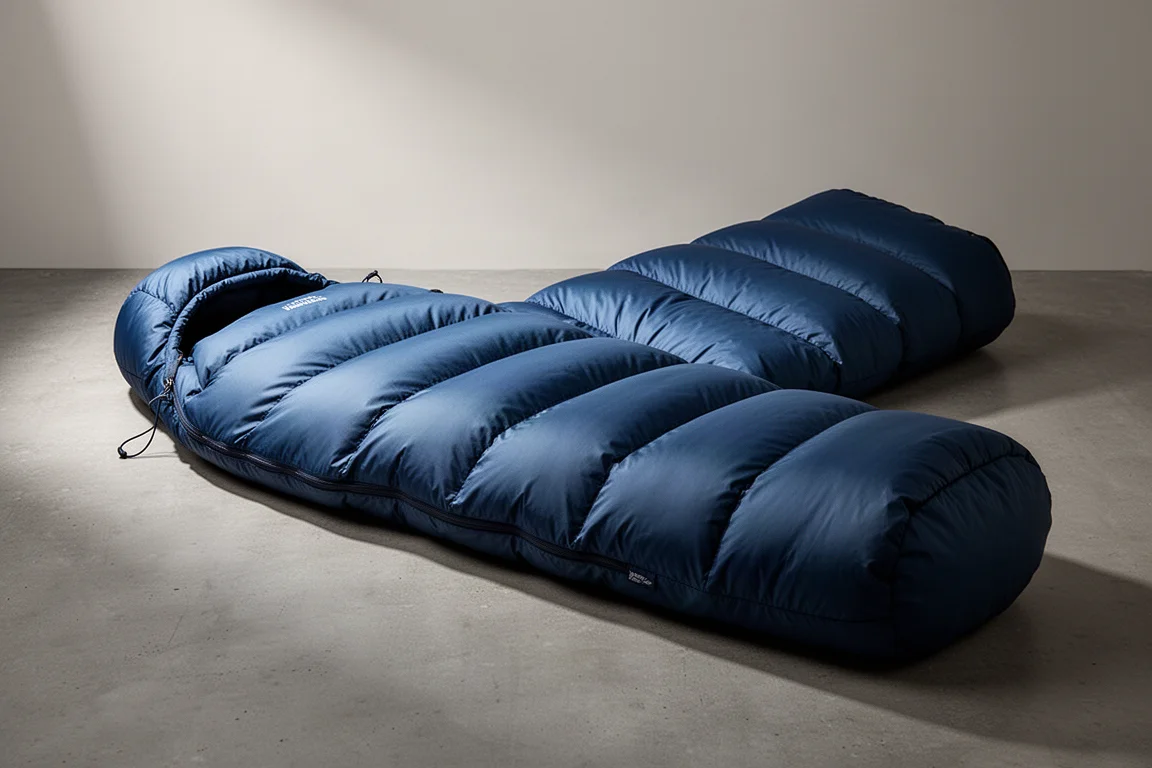
The Cumulus Aerial 330 is a collaboration between Cumulus and Gossamer Gear, and it is one of the most minimalist sleeping bags available. The name refers to the 330 grams of 900-fill-power down insulation inside. It weighs just 17 ounces while carrying a comfort rating of 30°F, a combination that seems almost improbable until you use it.
The bag has no zipper. Instead, you slide into it and close it up, with a non-insulated fabric panel on the back that acts similarly to a quilt. Simple elastic shock cords attach to loops to keep the bag in place as you move. It is a full mummy-style bag with a minimal hood and no draft collar around the top cinch, but it is very easy to get in and out of. Despite the minimalist design, it sleeps very warm. It has been used in low 40s and high 30s Fahrenheit with no cold nights.
The fit is the main consideration. It accommodates sleepers up to about 6 feet tall, but it is tight in the hips and knees for broader or larger users. It is an ultralight-focused product, so the trim cut is part of the weight savings. The price has fluctuated: it was purchased for $325 from the Gossamer Gear website, and it currently lists at $400 on Gossamer Gear or $359 on the Cumulus website, where shipping from Poland applies. The Gossamer Gear version comes in blue, while the Cumulus version is red. Given the 17-ounce weight and 30°F comfort rating, it is a phenomenal value for ultralight backpackers.
UGQ Alpha Bandit
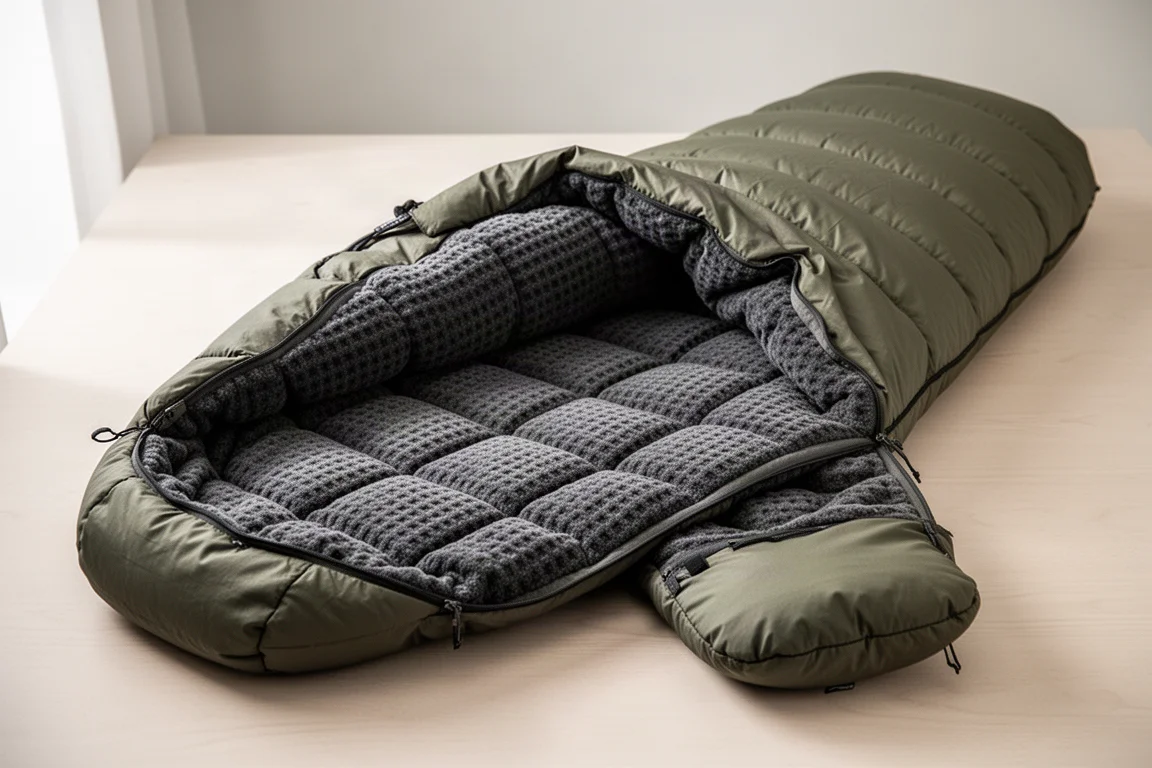
The UGQ Alpha Bandit is the most unique piece of sleeping gear in this roundup. It is a quilt lined with Alpha Direct fabric as the inner liner, a design choice that has sparked strong opinions but ultimately delivers exceptional comfort and warmth. The Alpha Direct liner is not removable; it is sewn in and integrated through the entire length of the quilt.
The benefit is a soft, enjoyable feel against the skin that typical ultralight fabrics cannot match. It also adds warmth: the quilt is built as a 30°F quilt based on its down fill, but the Alpha Direct lining effectively adds about 10 degrees of warmth, bringing the comfort rating to around 20°F. It has been tested in fairly cold temperatures and performed well.
The trade-off is weight. At about 36 ounces for the complete setup, it is not the lightest option. It also has a zippered footbox and can be laid out as a large open blanket, which adds functionality for camping or overlanding but also adds weight from the zipper and cordage. The Alpha Bandit was a limited release of only 50 units, and it is currently not available. For those who want one, contacting the company directly is the only path. For anyone who values skin comfort and warmth over absolute weight savings, it is a compelling design.
Katabatic Sawatch 15°
The Katabatic Sawatch 15° is a high-performance quilt that delivers on its temperature rating. In fact, the 15°F rating is so effective that it can be too warm for milder trips. The quilt feels deceivingly light for how warm it sleeps, and on some outings it has been too warm to use comfortably. For many buyers, the 22°F or 30°F versions would offer more versatility.
The design uses horizontal baffles throughout, unlike some quilts that use vertical baffles in the torso and horizontal in the footbox. The back has a static elastic binding that runs all the way around to help seal drafts. The quilt uses a differential cut, meaning the inner liner is smaller than the outer liner, which prevents the baffles from compressing when pressure is applied from the body. This is a thoughtful detail that preserves loft and warmth.
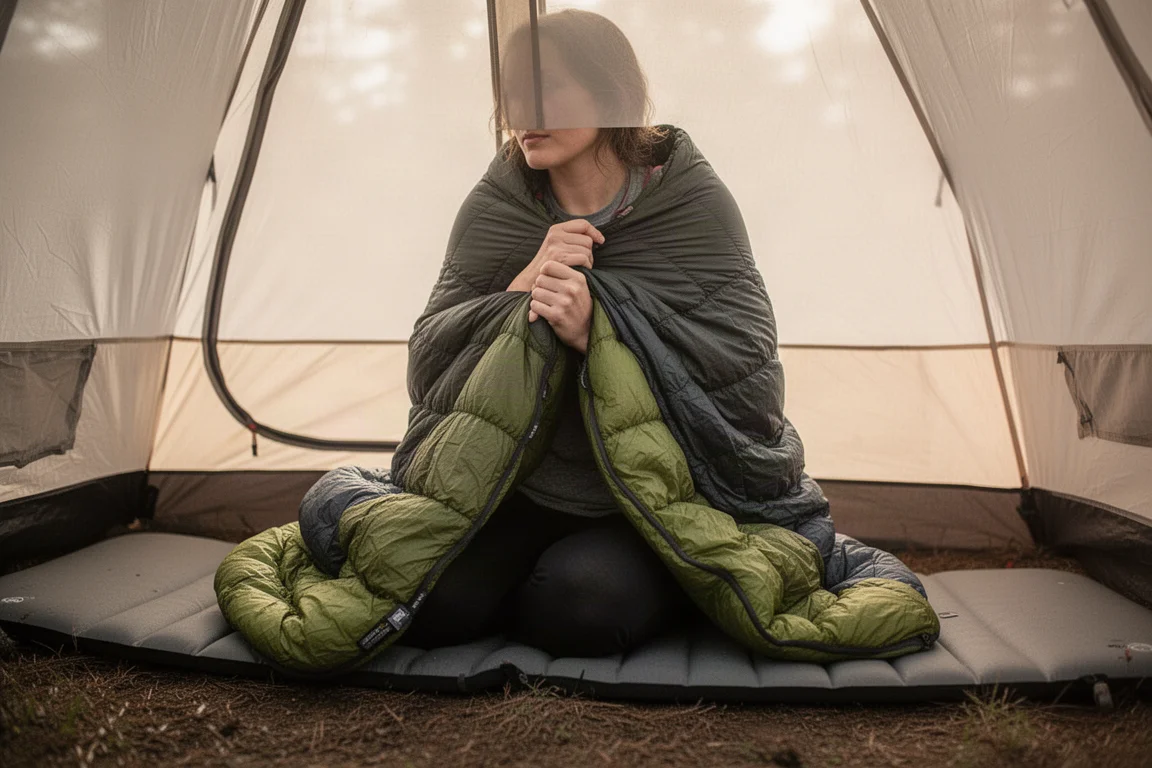
The footbox is well-constructed and seals in heat, and the pad attachment system is smart: small cords clip into plastic pieces and can be adjusted and locked in place, with a secondary mitten hook to bring the quilt closer to the pad edge. It snaps around the neck and has a full draft collar. At $509 for the 6-foot length, regular size, and 900-fill-power down, it weighs 25 ounces. A hood accessory with elastics that go under the arms can extend its range even further. For cold sleepers or those who want a one-and-done quilt, it is an impressive piece.
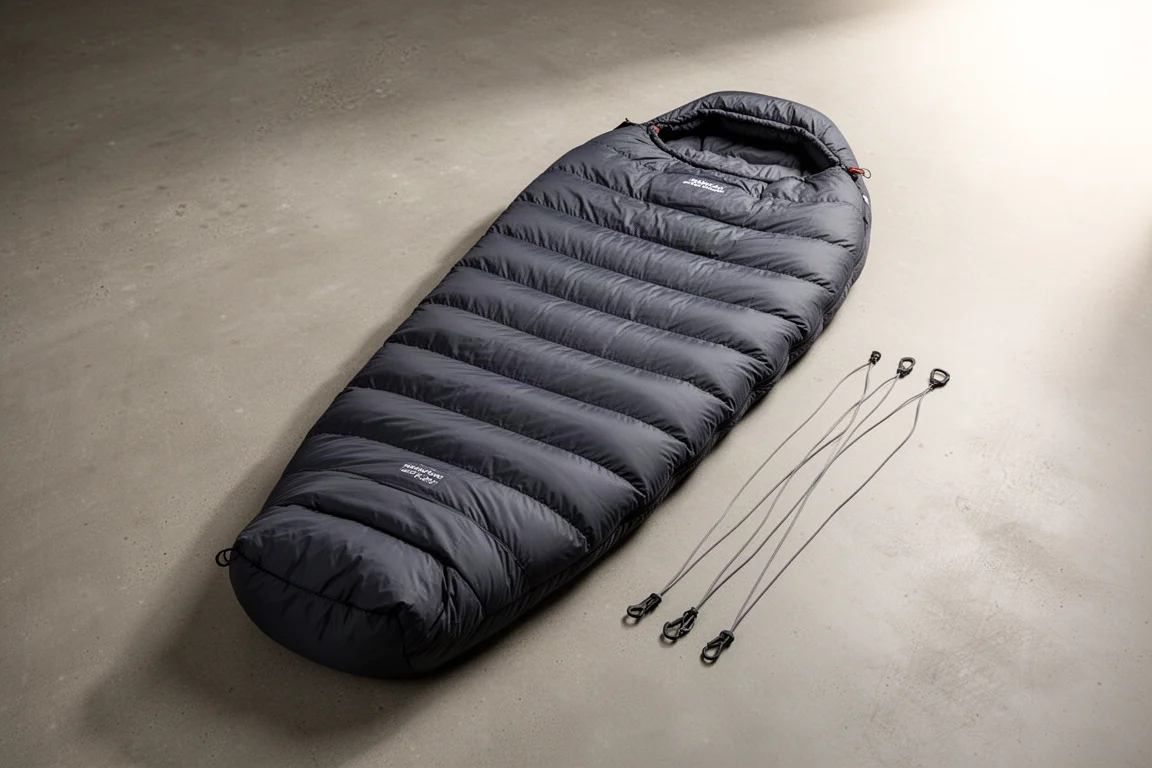
Zenbivy Ultralight Bed
The Zenbivy Ultralight Bed is a system rather than a single piece: a quilt and a sheet that attach to each other to create a bed-like experience. It is designed to eliminate drafts and the need to tuck insulation around your body. The clip system uses wings on the sides, and the clips attach above a large panel of down. When the quilt pushes against the wing, it creates a spacious, comfortable interior that does not feel constrictive, even for side sleepers who move between positions.
The system is available with goose down or, more recently, Muscovy down at a lower price point. A size large quilt costs $369, and adding the 25°F rated sheet brings the total to about $500, compared with well over $650 previously. That makes the system more accessible while retaining the comfort and warmth that define it. The sheet can be non-insulated or insulated, and it allows you to tuck your head in and wrap the quilt around you for a stellar night’s sleep.
For anyone who struggles with drafts or wants a bed-like feel in the backcountry, the Zenbivy Ultralight Bed is a standout. It is the system of choice when a hard day demands reliable, warm, comfortable sleep.
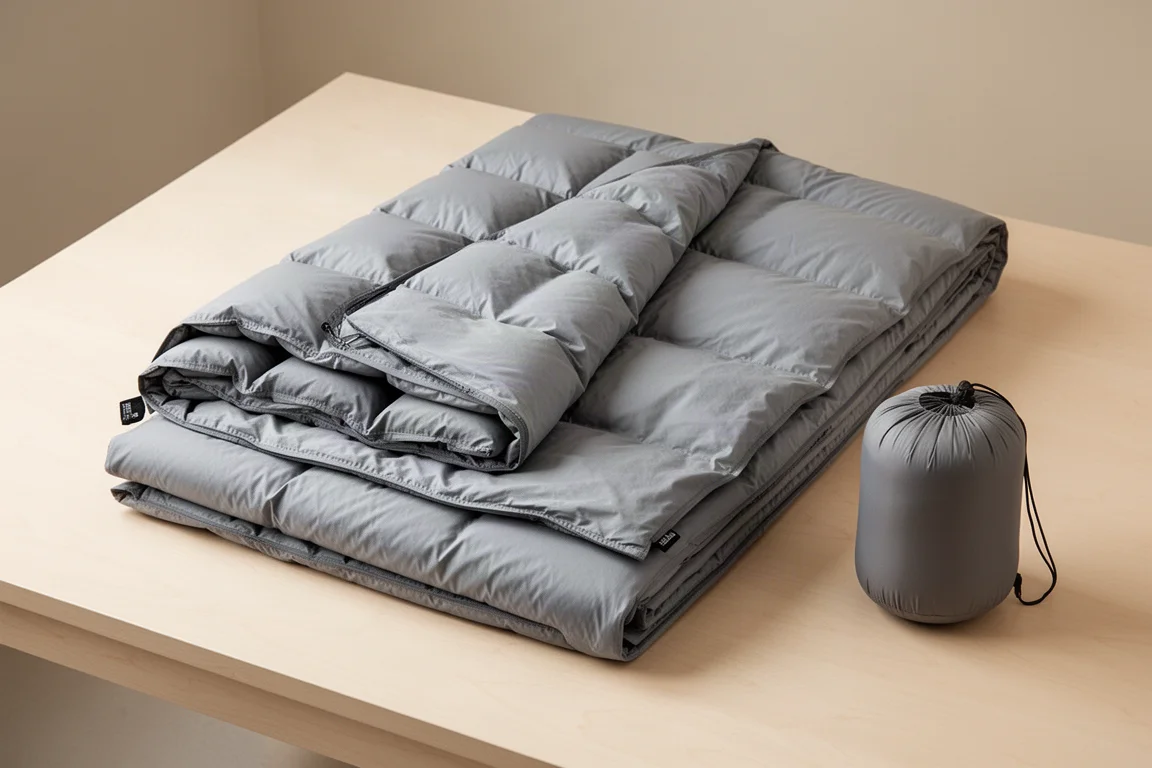
Zenbivy Soft Top Pillow
The Zenbivy Soft Top Pillow is the best pillow in this roundup. It is comfortable, lightweight, and packable, and it clips directly to the inside of the Zenbivy sheet. That attachment keeps it in place through the night and eliminates the common problem of a pillow sliding away. Compared with many other backpacking pillows, it delivers a better night’s sleep. For anyone using a Zenbivy sleep system, it is a natural addition that enhances comfort without adding meaningful weight.
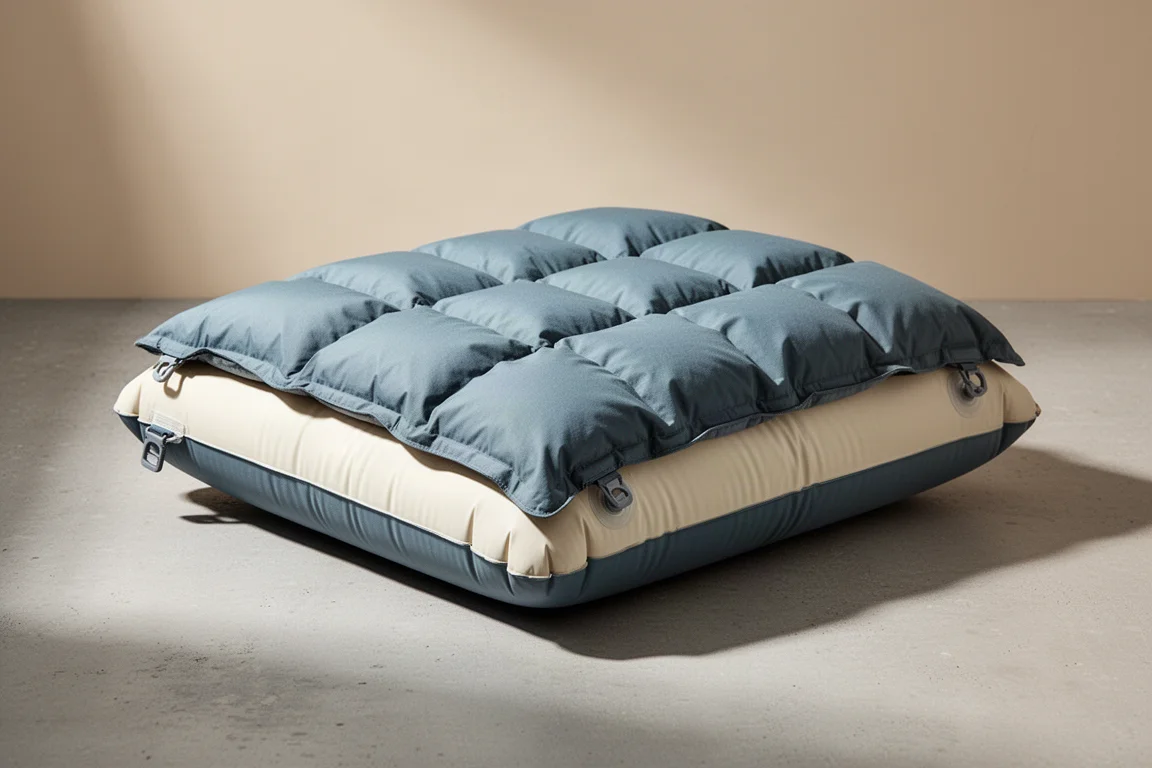
Overall Buying Advice
Choosing sleep gear comes down to matching the product to your priorities. If cold-weather comfort is paramount and budget allows, the Sea to Summit Ether Light XT Pro offers a high R-value and four-season versatility. For a three-season pad that balances warmth, comfort, and value, the Zen Bivy Ultralight is hard to beat. Ultralight backpackers who want a minimalist bag should consider the Cumulus Aerial 330, while those who value skin comfort and unique design may appreciate the UGQ Alpha Bandit if they can find one.
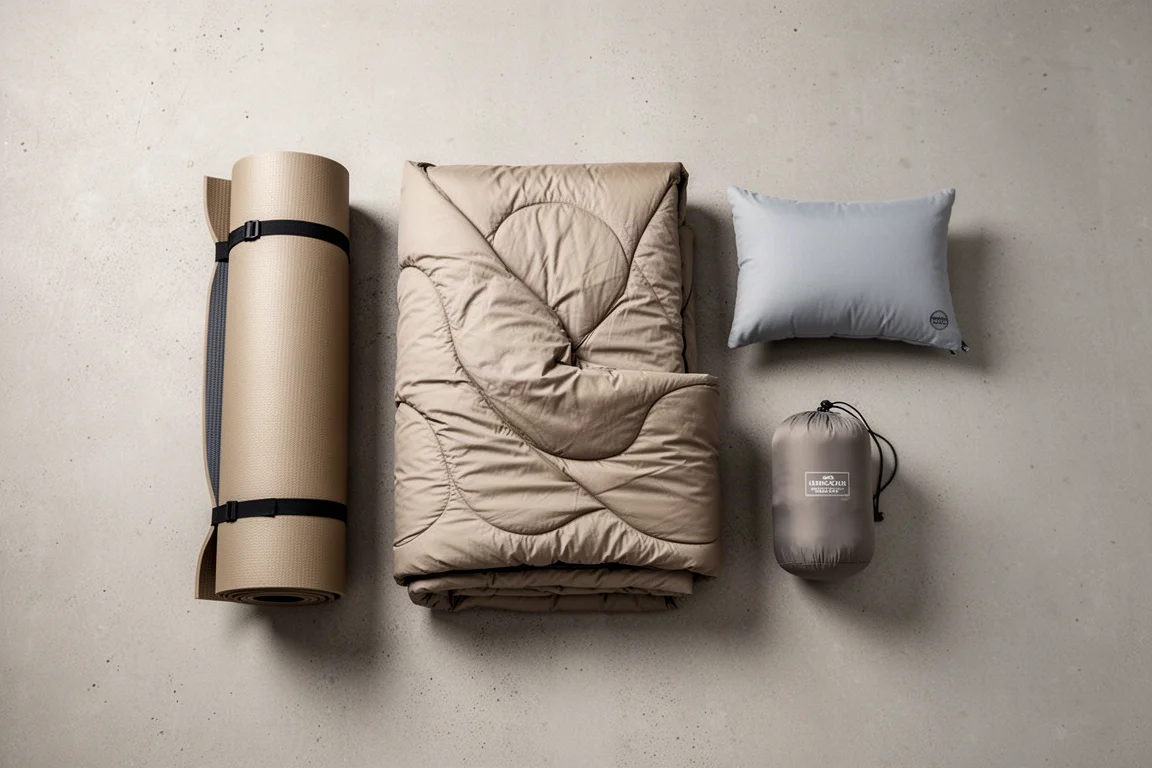
For quilt users, the Katabatic Sawatch 15° is exceptionally warm and well-built, though most people may prefer a higher temperature rating for versatility. Finally, the Zenbivy Ultralight Bed and Soft Top Pillow together create a cohesive sleep system that feels like a bed and eliminates drafts. These are investments, with most items north of $350, but they deliver measurable improvements in sleep quality. Buy for the conditions you actually camp in, and prioritize the features that address your biggest sleep challenges.
Conclusion
The best sleep gear is the gear that matches your style and the conditions you encounter. This year’s favorites span a range of approaches, from high-R-value pads to ultralight quilts and integrated sleep systems. Each item here has earned its place through consistent, comfortable performance in the field. Whether you are upgrading one piece or building a complete sleep kit, these seven products are worth considering for warmer, more restful nights in the backcountry.
Further reading
Related Reviews
Backpacking Sleep Gear
The Key to Great Sleep in the Backcountry: Pads, Quilts, and Pillows Worth Packing
Sleep is the hardest part of backpacking. Here is what actually helps: a thicker, wider pad, a quilt instead of a bag, and a pillow with real cushioning.

Backpacking Gear
Building a 10 lb Base Weight: An Ultralight Backpacking Gear List
A practical walkthrough of the ultralight pieces behind a 10 lb base weight, from a 765 g pack and a roomy one-person tent to a full camp chair and a dependable water filter.
Backpacking Gear
A 15-Pound Lightweight Backpacking Gear List for Solo Trips
A beginner-friendly 15-pound backpacking setup built from easy-to-find gear, with notes on what each piece does, how it packs, and where to spend your attention.