Backpacking Sleep Gear
The Key to Great Sleep in the Backcountry: Pads, Quilts, and Pillows Worth Packing
Sleep is the hardest part of backpacking. Here is what actually helps: a thicker, wider pad, a quilt instead of a bag, and a pillow with real cushioning.
Introduction
Ask a group of backpackers what the hardest part of a long trip is, and few will say the hiking. It is the sleep. You can walk all day, arrive at camp completely spent, and still spend the night staring at the tent ceiling. That gap between exhaustion and actual rest is what makes backcountry sleep so frustrating.
This year I set out to close that gap, testing sleeping pads, quilts, and pillows night after night to work out which pieces genuinely change how well you sleep outdoors.
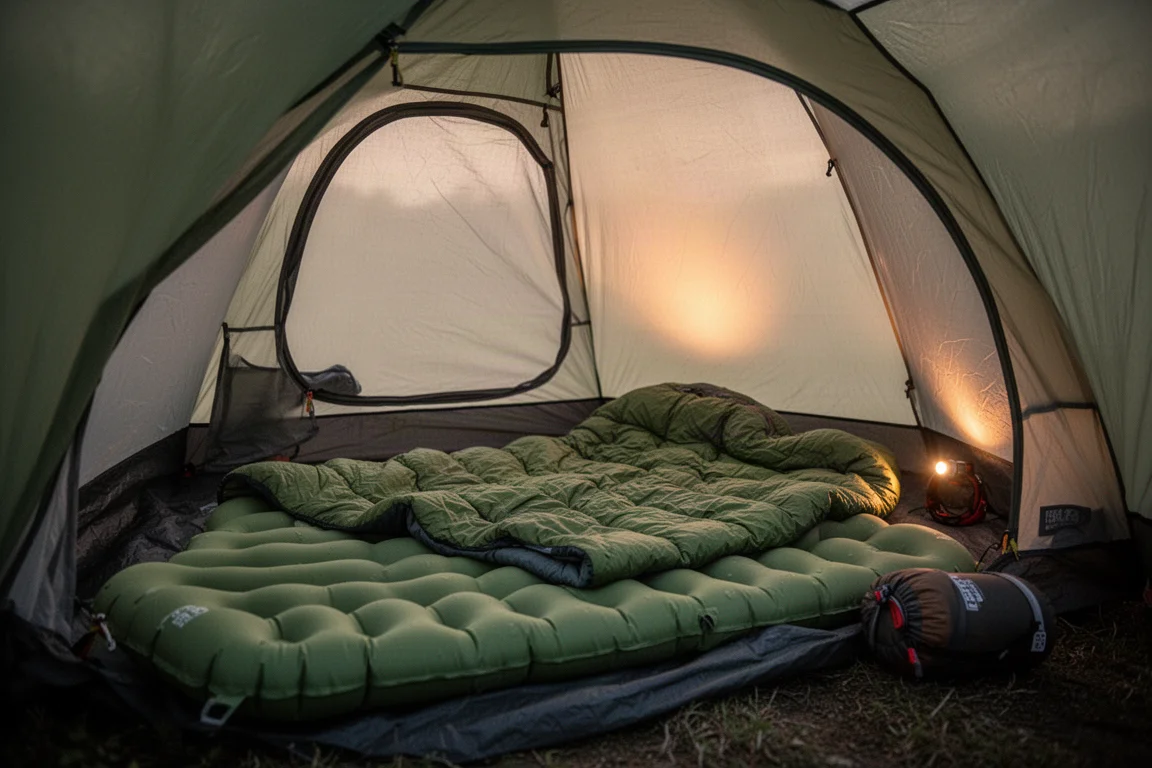
What follows is what held up: a thicker and wider sleeping pad, a quilt instead of a sleeping bag, and above all a pillow with real cushioning. Warmth still comes first, but comfort is what turns a night in a tent into actual rest.
What to Look For in a Backcountry Sleep Setup
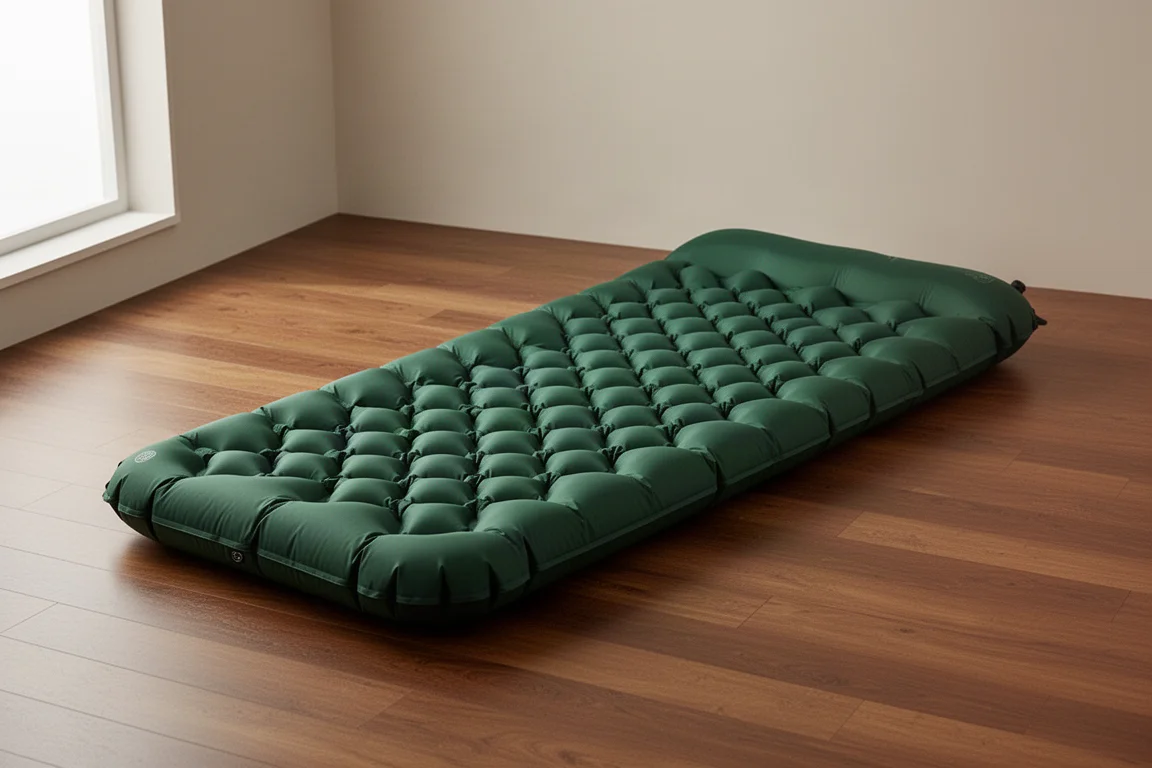
Start with the pad. Thickness and width matter more than price tag. A thin air mattress simply feels worse than a thick one, and an expensive pad does not automatically deliver a better night. Width is the detail most people overlook. On a 20 inch pad, a side sleeper cannot extend a knee without dropping off the edge, and back sleepers end up with arms hanging below the mat or folded on the chest. Going wider solves both problems at once.
Then reconsider the sleeping bag. Bags are restrictive, they make turning onto your side awkward, and around half of the weight is doing nothing useful. A quilt behaves like a blanket and lets you move.
Finally, take the pillow seriously. It is the piece most people treat as an afterthought, and it turned out to be the one that changed sleep the most.
Sleeping Pads: Thick and Wide Beats Thin and Narrow
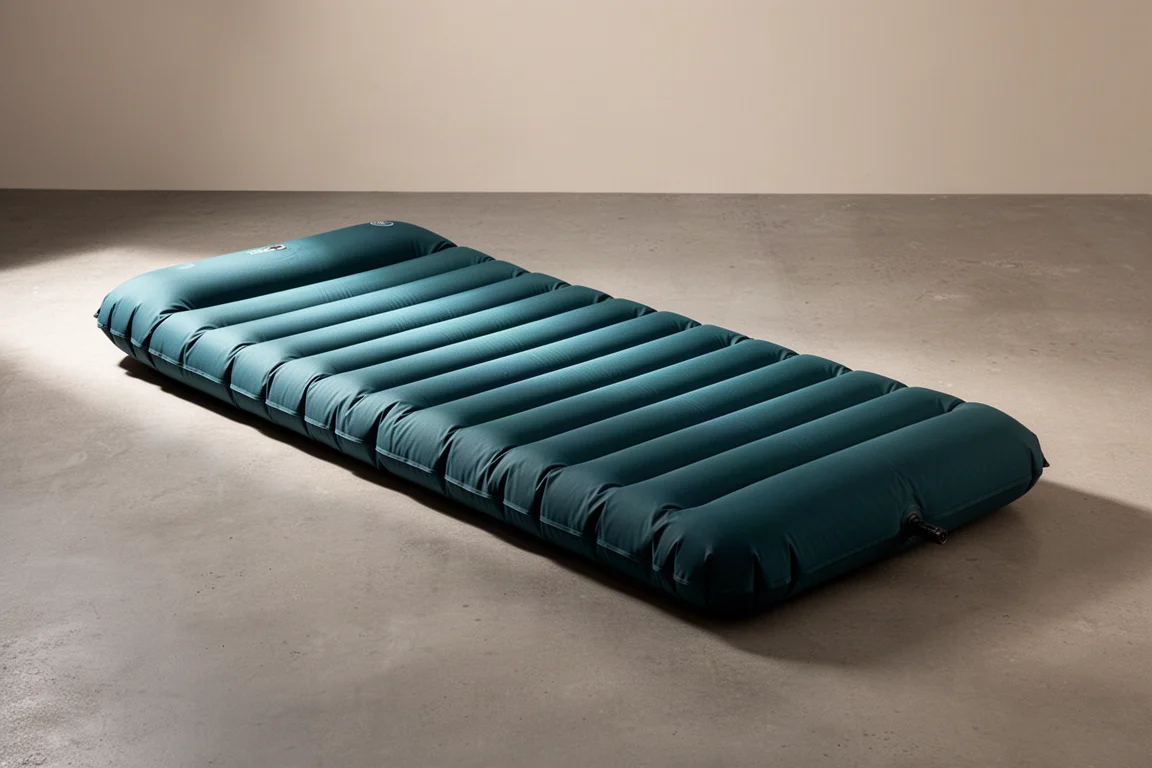
Closed-cell foam pads are a false economy. An inflatable pad is more comfortable, warmer, and packs smaller, which makes the switch an easy call. Choosing among inflatable pads is where the real differences appear. Three models stood out across months of testing, and each one leans in a different direction.
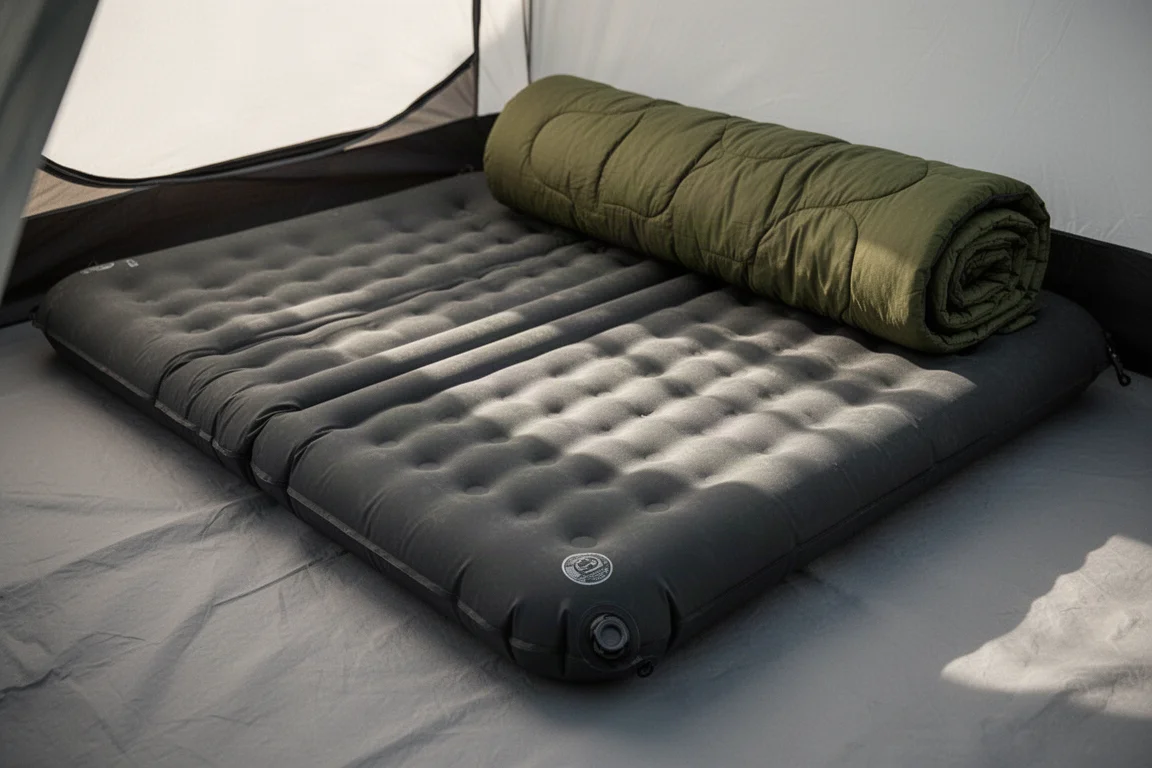
The right pick depends on what you value most: warmth on cold trips, a balance of the two, or outright comfort when the forecast is kind.
Nemo Tensor
The Nemo Tensor was the warmest of the comfortable pads tested. If cold nights are your main concern and you still want a pad that feels good to lie on, this is the model that balanced those two demands best.
Sea to Summit Ether Light
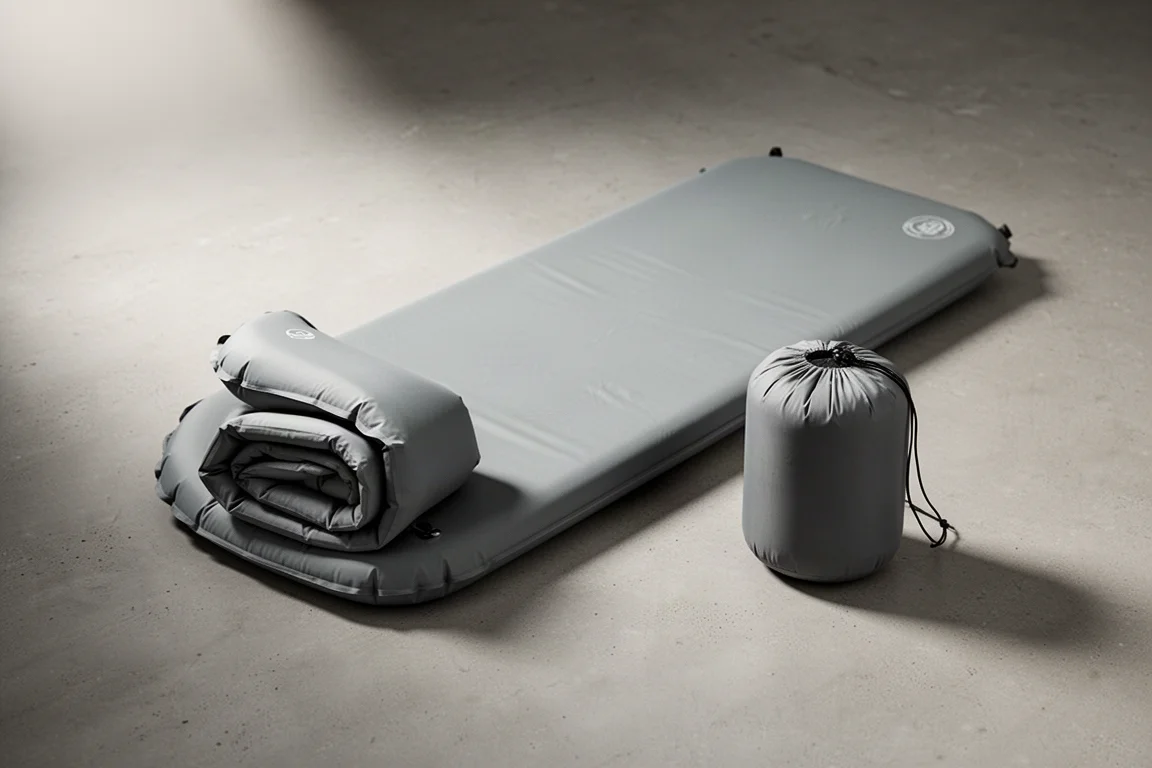
The Sea to Summit Ether Light offered the best compromise between warmth and comfort of the group. It is the pad to look at when you want one option that does not push too far in either direction.
Big Agnes Q Core
The Big Agnes Q Core is the most comfortable pad I have used, and it is not close. The trade-off is warmth: it runs cold, feeling even chillier than its 3.2 ASTM R value suggests. For mild conditions it is superb; for shoulder-season trips, plan accordingly.
Quilts and Sheets: A Better Shape Than a Sleeping Bag
A sleeping bag wraps you like a cocoon. That shape fights every attempt to roll onto your side or stretch out a leg, and a large share of its weight does nothing for warmth. A quilt works like a blanket instead, so you can move through the night without feeling pinned.
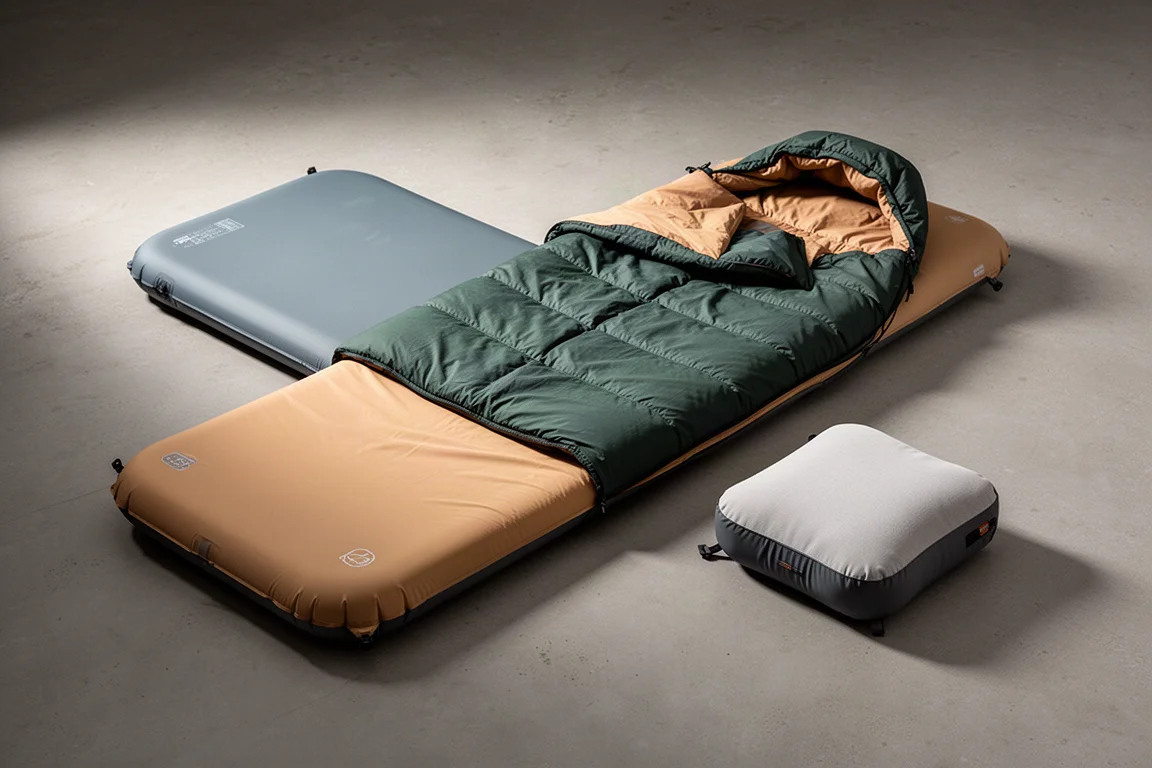
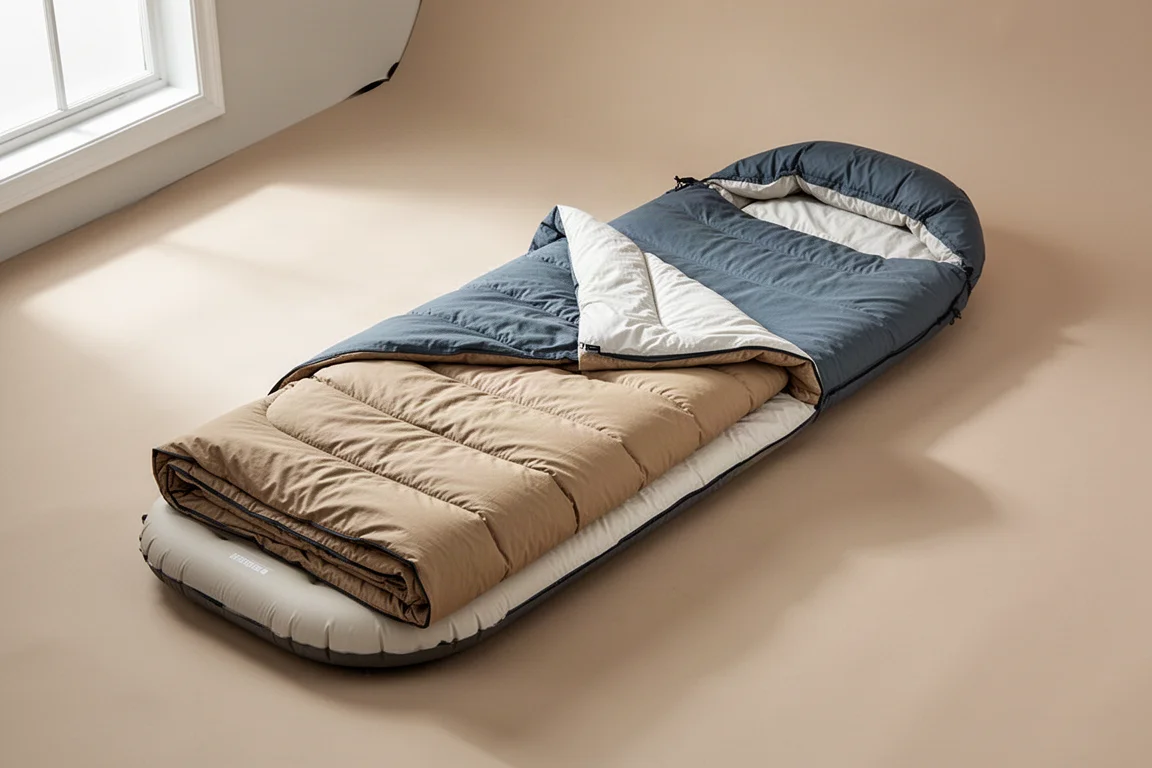
The one catch with quilts is that you sleep directly on the pad. The Zen Bivy sleep system solves that by pairing the quilt with a sheet that covers the mattress, which makes the whole setup feel much closer to a bed.
Zen Bivy Sleep System
The Zen Bivy adds a fitted sheet over the air mattress, and that sheet carries a built-in hood which keeps your head warm and holds your pillow exactly where you put it. A pillow sliding out from under your head is one of the small miseries of camping, and the hood removes it. The sheet also uses a series of hooks and loops to hold the quilt in place. Most quilts rely on one or two pad straps, which leaves you vulnerable to drafts when you roll over in cold weather; the multiple attachment points here make a draft far less likely.
Pillows: The Real Key to Great Sleep
For years the pillow was whatever was left over: a stuff sack filled with spare layers, or a basic inflatable pillow. Both are bad. Once I started paying attention to what made sleep work at home, the answer was obvious. A good pillow carries a disproportionate share of the difference, and it was the missing piece in the backcountry.
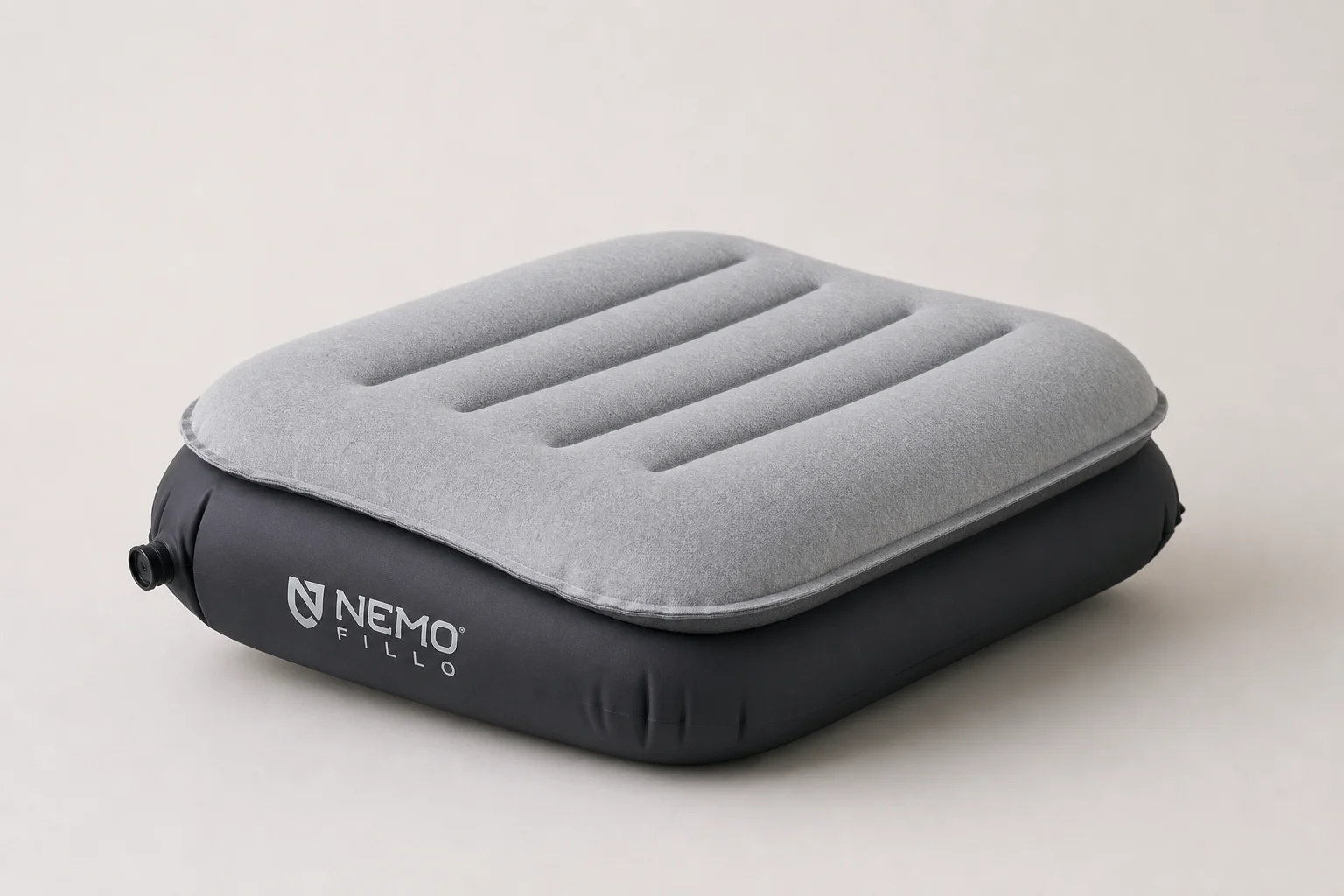
Moving to high-end pillows changed everything. The Nemo Fillo, the Sea to Summit Aeros, the Therm-a-Rest Compressible, and the Zenbivy Inflatable Pillow are all a serious step up from a stuff sack. What matters most is cushioning: a purely inflatable pillow squashes against your ear, while a pillow with a padded top layer spreads that pressure out.
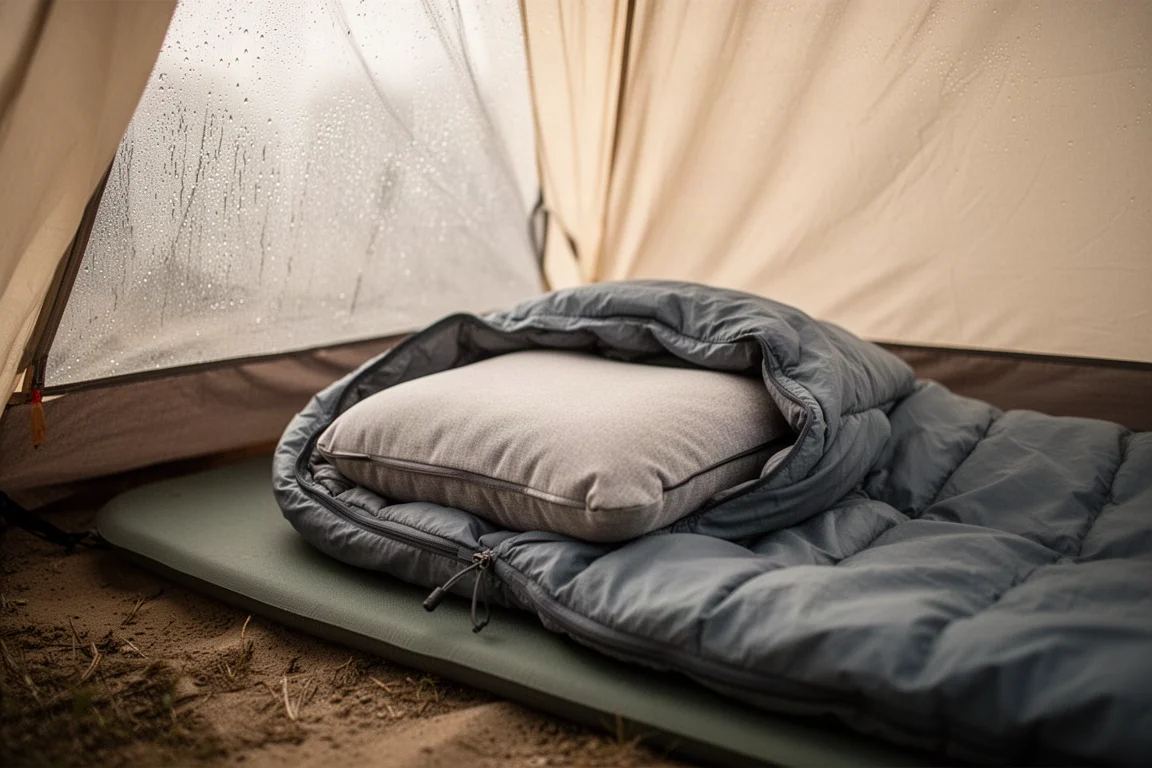
The four pillows below cover the range, from purely inflatable designs to one with a genuine cushion layer, and the difference between them is easy to feel on the first night.
Nemo Fillo
The Nemo Fillo became the favourite. It is an inflatable pillow with a thick cushion on top, so it stays light in the pack while still feeling like something you want to put your head on. It does not crush your ear the way a purely inflatable pillow does, and because the air chamber holds the shape, it never flattens under the weight of your head.
Sea to Summit Aeros Pillow
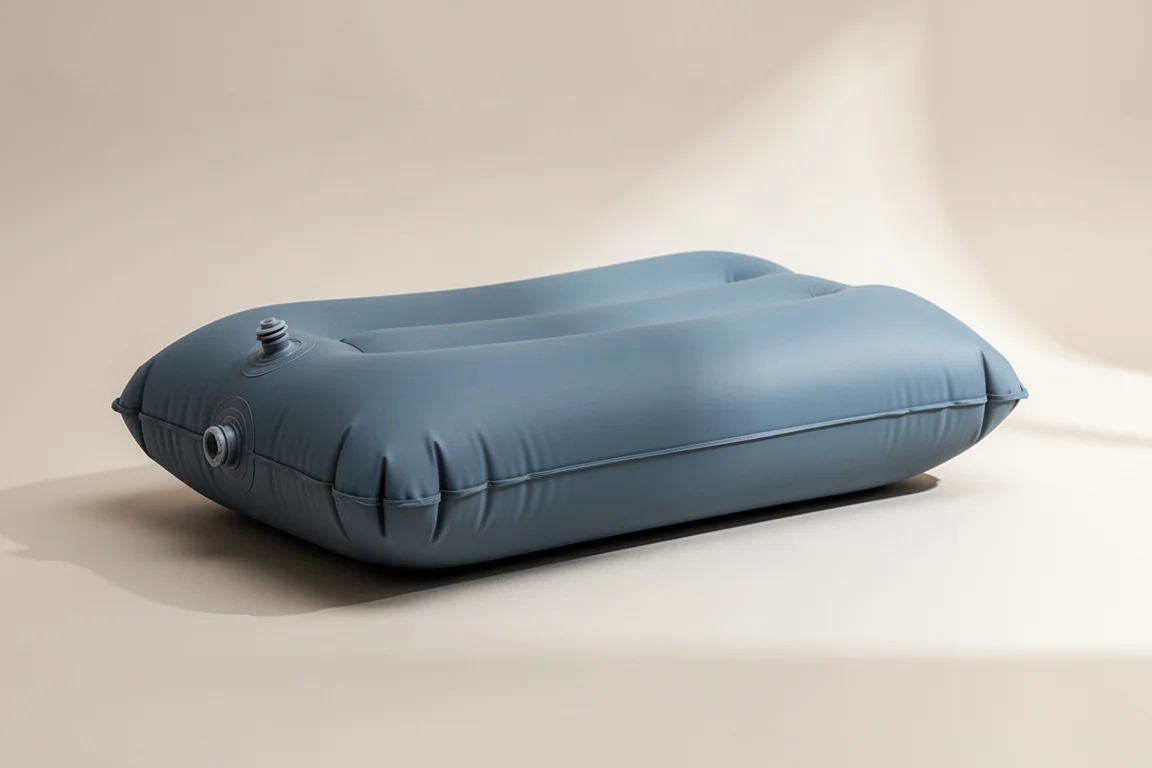
The Sea to Summit Aeros was one of the inflatable pillows tested on the way to that conclusion. It is a light, packable design and it belongs to the group that showed how much better a dedicated pillow is than a stuff sack. As a purely inflatable pillow, though, it does not offer the cushioning layer that made the Fillo the one that stayed in the pack.
Therm-a-Rest Compressible Pillow
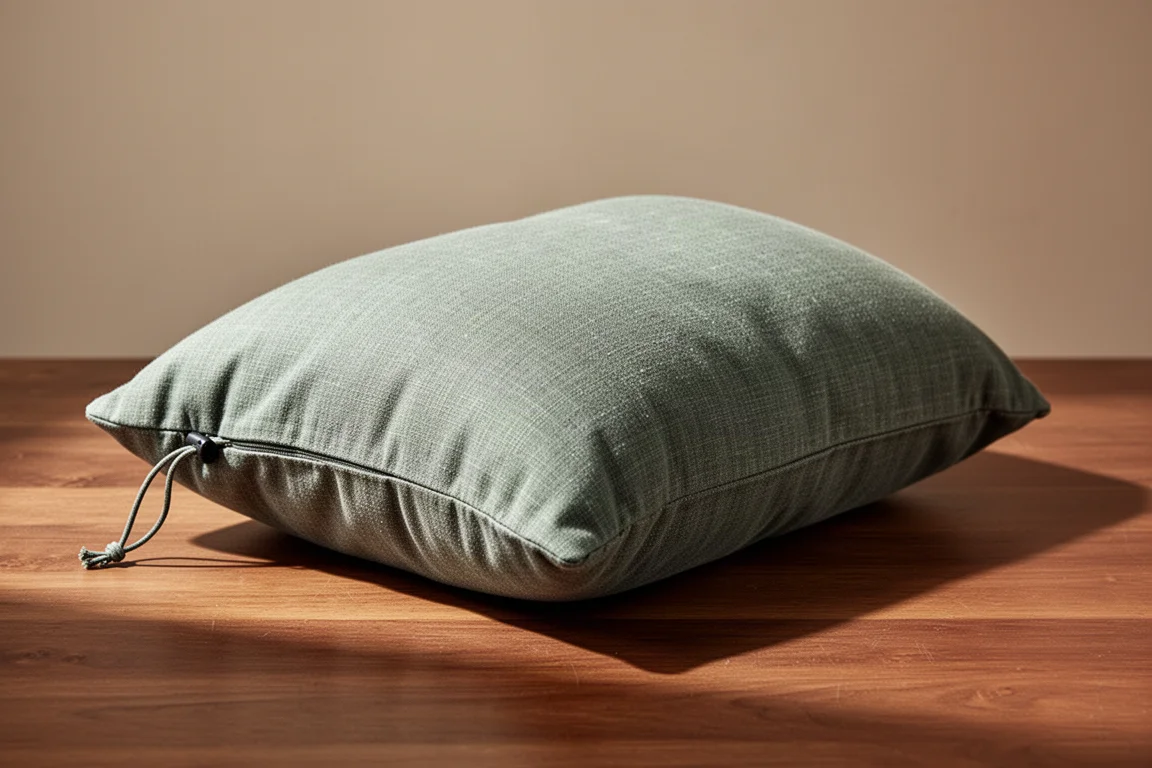
The Therm-a-Rest Compressible Pillow was the one I expected to like most, because it feels the closest to a real pillow at home. In practice it does not have enough loft. To stay small enough to be worth carrying, it compresses so much under your head that it goes flat before the night is over.
Zenbivy Inflatable Pillow
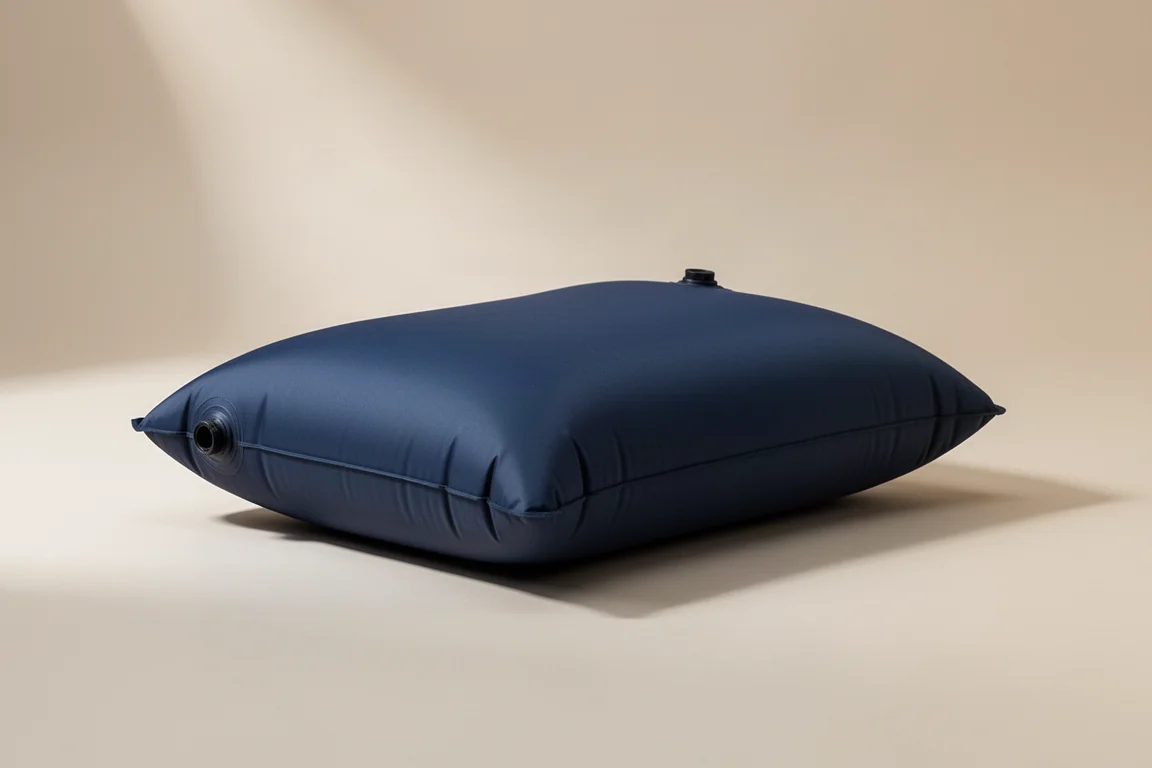
The Zenbivy Inflatable Pillow was tested alongside the others. It is a straightforward inflatable design, which keeps it simple and packable, but like the other purely inflatable options it lacks the padded top layer that relieves pressure on the head and ear.
Staying Warm: Temperature Ratings Come First
None of this matters if you are freezing. Warmth is the first priority, and it comes from the pad and the quilt working as a pair. A quilt rated for cold weather on top of a pad that does not insulate well will still leave you cold, so build the two together rather than shopping for either in isolation.
Be careful with ratings as well. Temperature numbers can be misleading, and it pays to treat them as a starting point rather than a guarantee.
Buying Advice
If you change only one thing, change the pillow. It is the least expensive way to move the needle and the piece that made the biggest difference here, and the Nemo Fillo is the straightforward recommendation for most people.
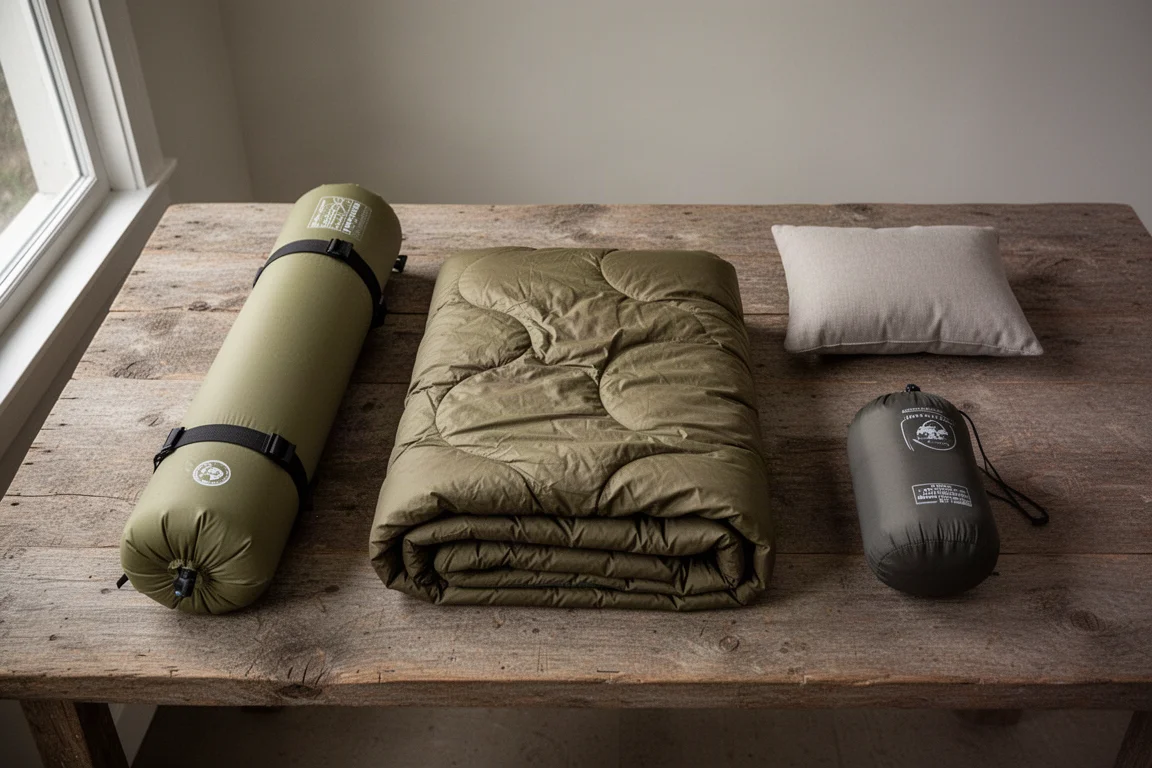
Next, address the pad. Go thicker and wider than you think you need, because a 20 inch pad is where a lot of bad nights begin. The Nemo Tensor suits cold-weather trips, the Sea to Summit Ether Light splits the difference between warmth and comfort, and the Big Agnes Q Core is the most comfortable of the three if you are camping in milder conditions.
Then look at your quilt. If you are still in a sleeping bag and struggling to get comfortable, a quilt is a genuine upgrade, and the Zen Bivy sleep system adds the sheet and hood that make the setup feel less like camping and more like a bed.
Finally, match the quilt and pad ratings to the conditions you actually camp in, not the ones you hope for. A warm pad under a properly rated quilt does more for a night’s sleep than any single upgrade on its own.
Conclusion
Better sleep in the backcountry is not about spending more. It is about the thickness and width of what you sleep on, a quilt that lets you move, and a pillow with enough cushion to keep your head comfortable through the night. Get those three right and the hardest part of backpacking gets a lot easier.
Further reading
Related Reviews

Backpacking Gear
Building a 10 lb Base Weight: An Ultralight Backpacking Gear List
A practical walkthrough of the ultralight pieces behind a 10 lb base weight, from a 765 g pack and a roomy one-person tent to a full camp chair and a dependable water filter.

Road Bikes
10 New Road Bikes Worth Watching: Aero, Titanium, Steel and Endurance Standouts
A practical roundup of 10 new road bikes, from aero flagships chasing single-watt gains to titanium, steel and endurance platforms built for real roads.
Bikepacking Gear
11 Bikepacking Essentials for Long-Distance Cycling
Eleven bikepacking essentials for long-distance cycling, from a steel gravel frame and a two-person tent to helmet lights, packable gloves, and a frame bag that puts weight in the right place.