Sleeping Bags
Best Backpacking Sleeping Bags: Six Picks From Ultralight to Budget
A practical roundup of six backpacking sleeping bags, from premium down models to a budget-friendly option, with strengths and trade-offs to consider.
Introduction
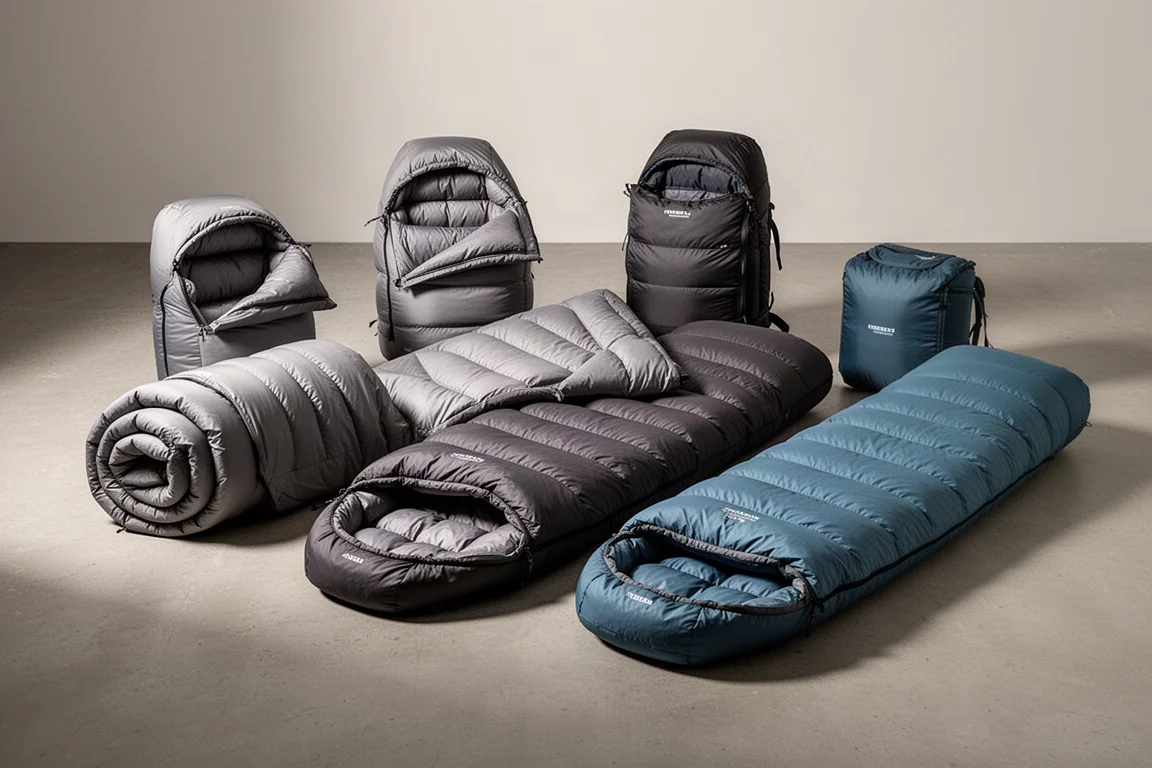
For backpackers who prefer sleeping bags over quilts, the right bag comes down to a few practical questions: how warm it needs to be, how much it weighs, how small it packs, and how much room it gives you to move. This roundup covers six sleeping bags that range from premium down models to a budget-friendly option, with notes on temperature ratings, materials, and the trade-offs that matter before you buy.
The bags here are all down-filled and RDS certified, which means the down is ethically sourced. They also share a focus on packability, so most will fit comfortably inside a backpack for three-season trips.
What to Look For in a Backpacking Sleeping Bag
A 20F bag is a common target for three-season backpacking, especially at higher elevations where temperatures can drop even in warmer months. Temperature ratings can be defined differently, though. Some bags are rated at the limit where you start to feel cold, while others use a comfort rating. A 10F bag, for example, may keep you comfortable down to about 20F, while a bag labeled 20F might have a comfort rating closer to 32F.
Down fill is another key factor. Down packs smaller and offers a better warmth-to-weight ratio than synthetic insulation, which is why all the bags in this roundup use it. Fill power matters too: higher numbers like 850 or 900 fill down provide more loft for less weight, while 550 fill down is heavier but more affordable. Interior room also affects how well you sleep. A wider bag lets you roll around without feeling constricted, while a narrower, ultralight design saves weight. Features like draft collars, hood cinches, zipper guards, and shaped footboxes can make a noticeable difference in comfort and warmth.
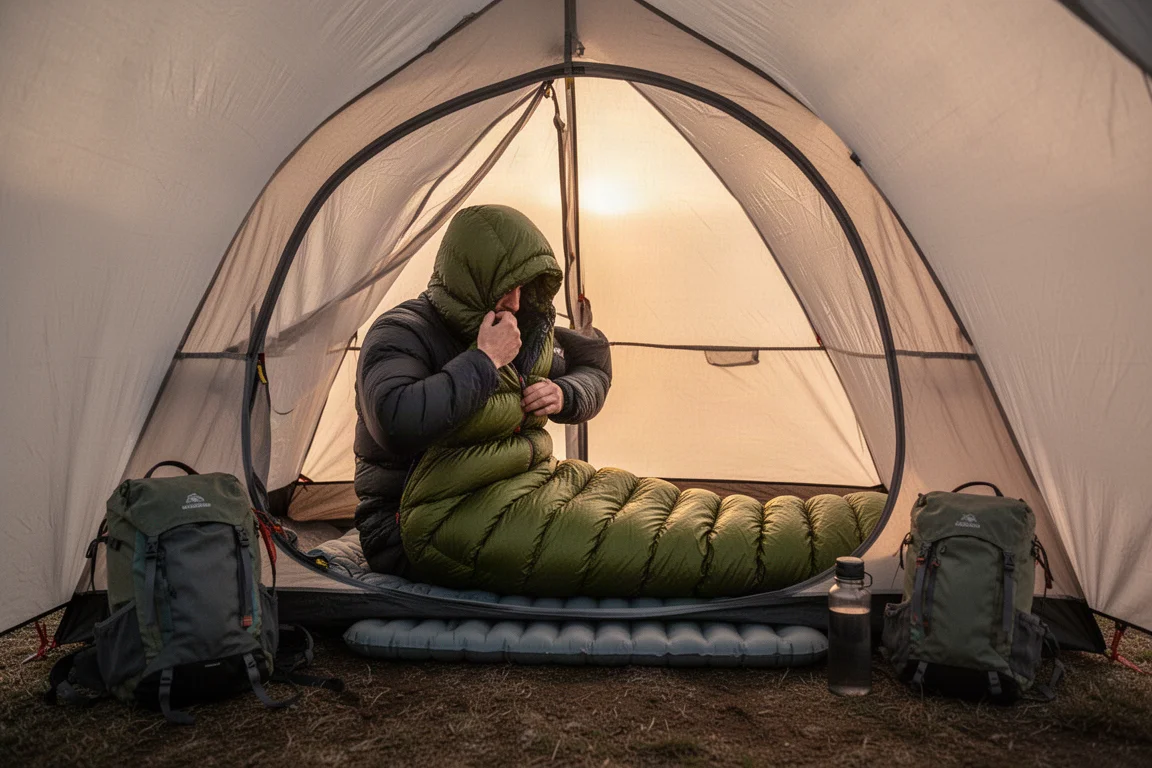
Weight and packed size are often the deciding factors for backpackers. Ultralight bags can compress down to the size of a water bottle, while more affordable down bags still pack reasonably small. It also helps to check whether the bag includes pad straps, how far the zipper opens for ventilation, and whether the back of the bag has enough insulation for how you sleep.
Western Mountaineering Versalite: A Premium Long-Term Bag
The Western Mountaineering Versalite is made in the United States and costs over $600 at last check. It uses 850+ fill down, and the brand states the down is almost always over 900 fill. The bag is rated to 10F, but it is likely to feel comfortable down to about 20F, which covers most three-season backpacking trips. It is extremely lightweight for the warmth it provides, with impressive loft and a roomy interior that lets you roll around.
The zipper is designed not to catch, thanks to tape on the inside, and the draft collar is enormous. That collar is a plus if you like to cinch it around your neck, but it can feel cumbersome if you are claustrophobic. The hood cinches down to a tiny opening for warmth, and the footbox is cozy. The main annoyance is a small Velcro flap that tends to get in the way during the night. Otherwise, the fabric, stitching, and overall construction are top-notch, and the bag is signed by the person who made it.
Western Mountaineering AlpinLite: Similar Build, Slightly Less Down
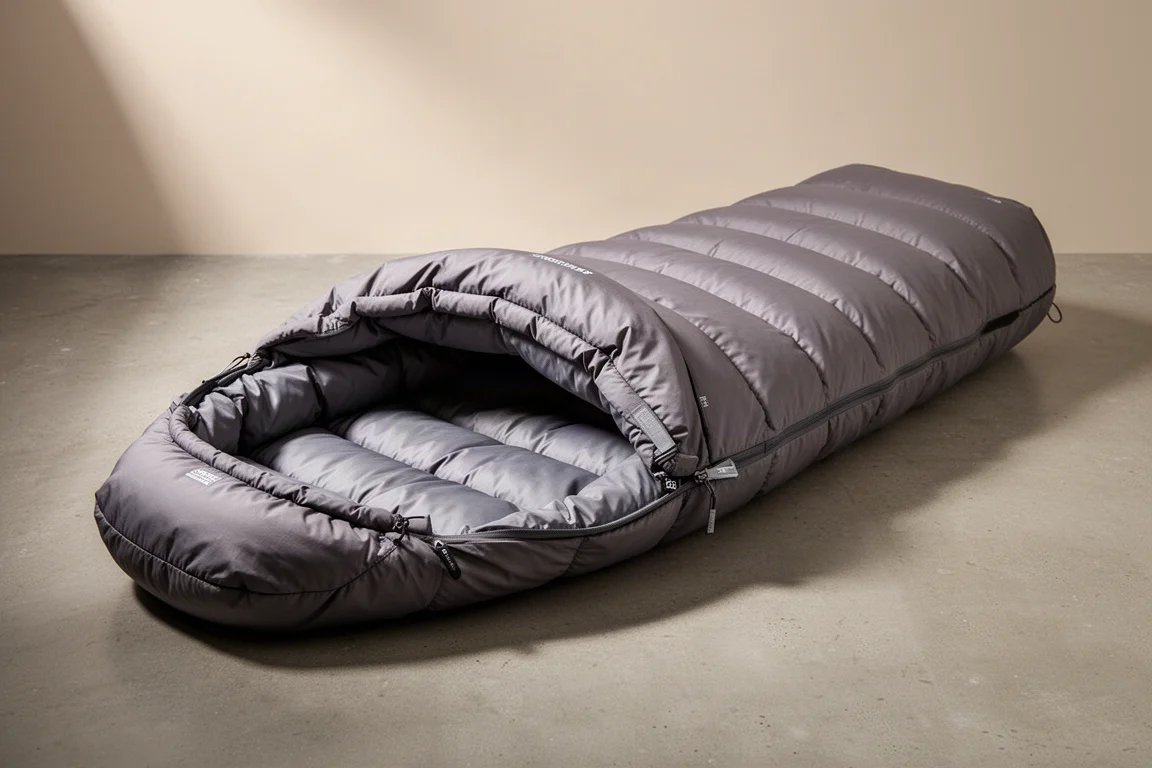
The Western Mountaineering AlpinLite is nearly identical to the Versalite. The standard version has a little less down fill inside, which makes it slightly cooler, but it is still rated to 20F and has been used comfortably at that temperature. Every other part of the bag is the same, including the draft collar, zipper, hood, and footbox. It comes in a different color and is signed by a different maker.
Because the standard AlpinLite has less down, it sits a step below the Versalite in warmth, but the difference is not huge. It is a little less expensive, though not by much. For backpackers who want the same design and build quality as the Versalite with a slightly lower upfront cost, the AlpinLite is a sensible alternative.
Therm-a-Rest Hyperion 20: Ultralight Warmth
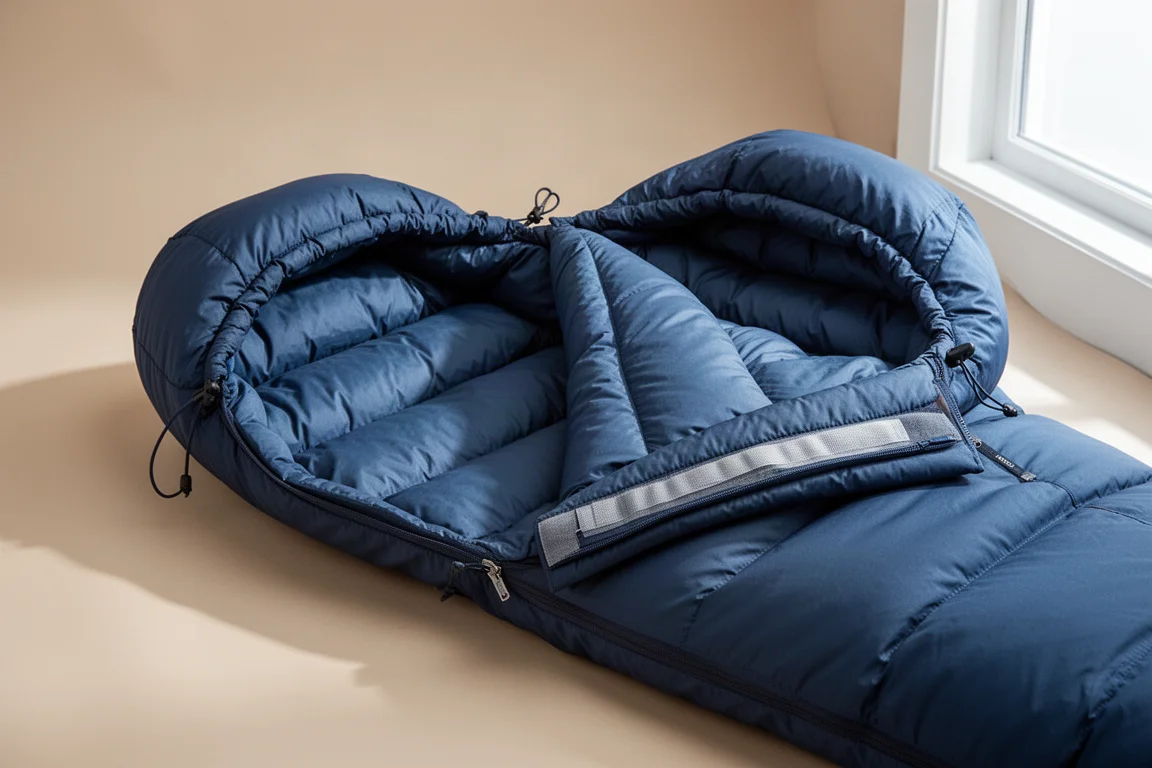
The Therm-a-Rest Hyperion 20 is one of the lightest bags for the warmth it offers. It has a comfort rating of 32F, not 20F, but it has been used comfortably in the high 20s, around 27F to 28F, in dry cold conditions. The warmth-to-weight ratio is exceptional, and the bag weighs around 20 ounces. It uses 900 fill down, and it packs down almost to the size of a water bottle.
That low weight comes with trade-offs. The fabric is thin, so it needs to be handled with care. The zipper only goes partway down, which limits ventilation at the feet, and the back of the bag has less insulation than the top. You need to keep the bag oriented with the insulated side up, or use the included pad straps to hold it in place. The hood is decent and has a cinch, but there is no draft collar. For ultralight backpackers who prioritize weight and packed size, it is a standout choice.
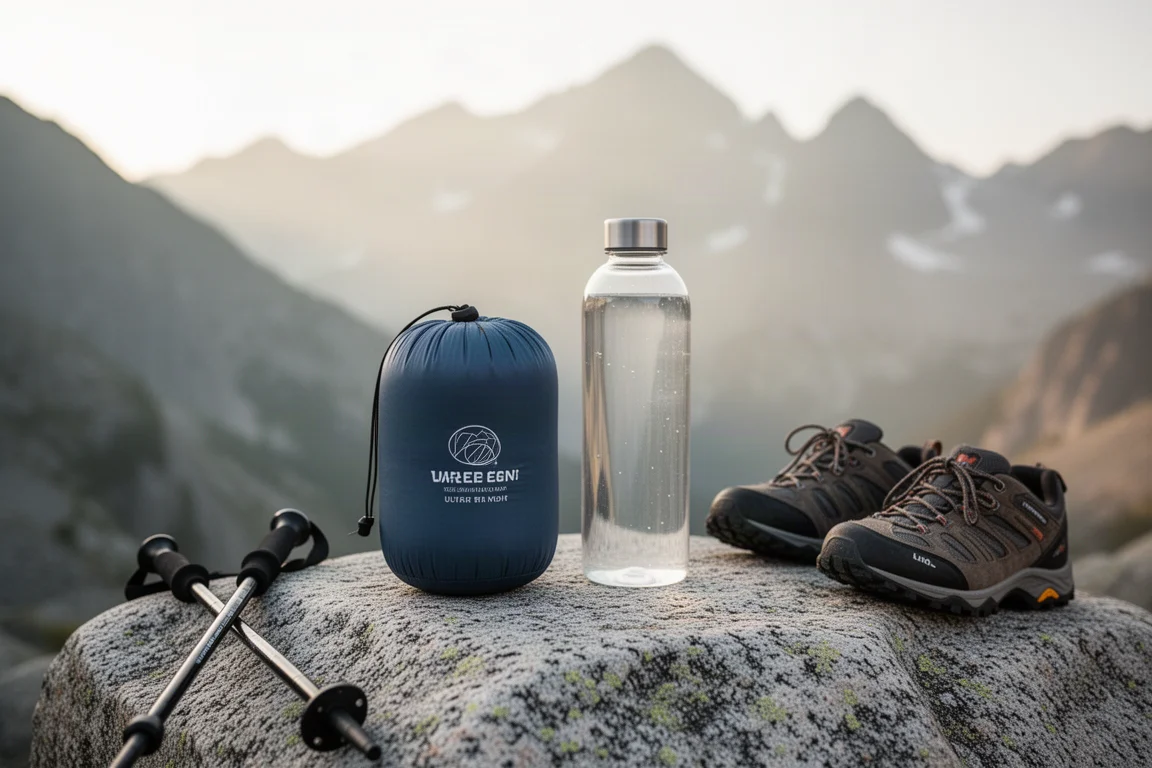
The Hyperion 20 is best suited to trips where every ounce counts and conditions are not expected to drop far below freezing. It is not the bag for cold sleepers or winter use, but for fast-and-light three-season backpacking, it delivers a remarkable combination of warmth and low weight.
Big Agnes Torchlight UL: Adjustable Fit
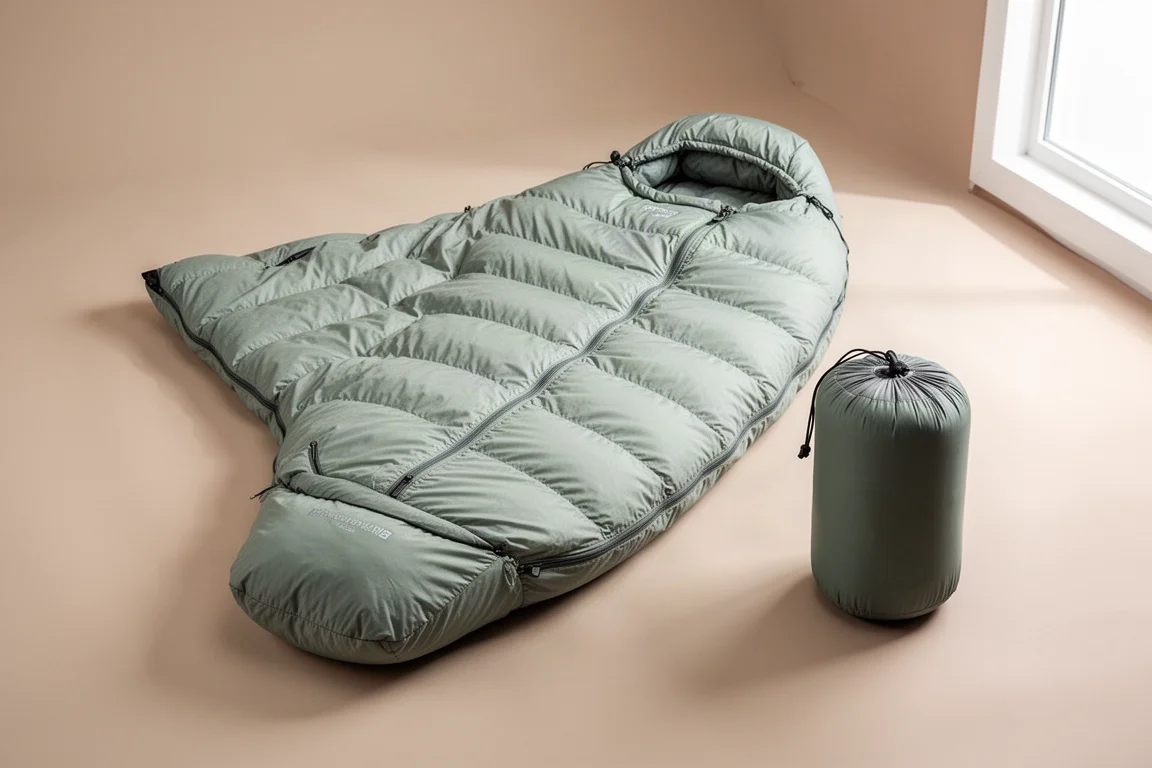
The Big Agnes Torchlight UL is built around adjustability. It expands to fit different body sizes, so it works for larger individuals as well as thinner sleepers. That flexibility comes from extra zippers, which makes the bag a little heavier than a fixed-width design. It is rated to about 32F.
If you have struggled to find a bag that fits your shoulders or hips without feeling tight, the Torchlight UL is worth a look. The expandable design lets you dial in the interior space, and the bag remains a solid option for three-season use when temperatures stay around freezing or above.
Big Agnes Sidewinder: Built for Side Sleepers
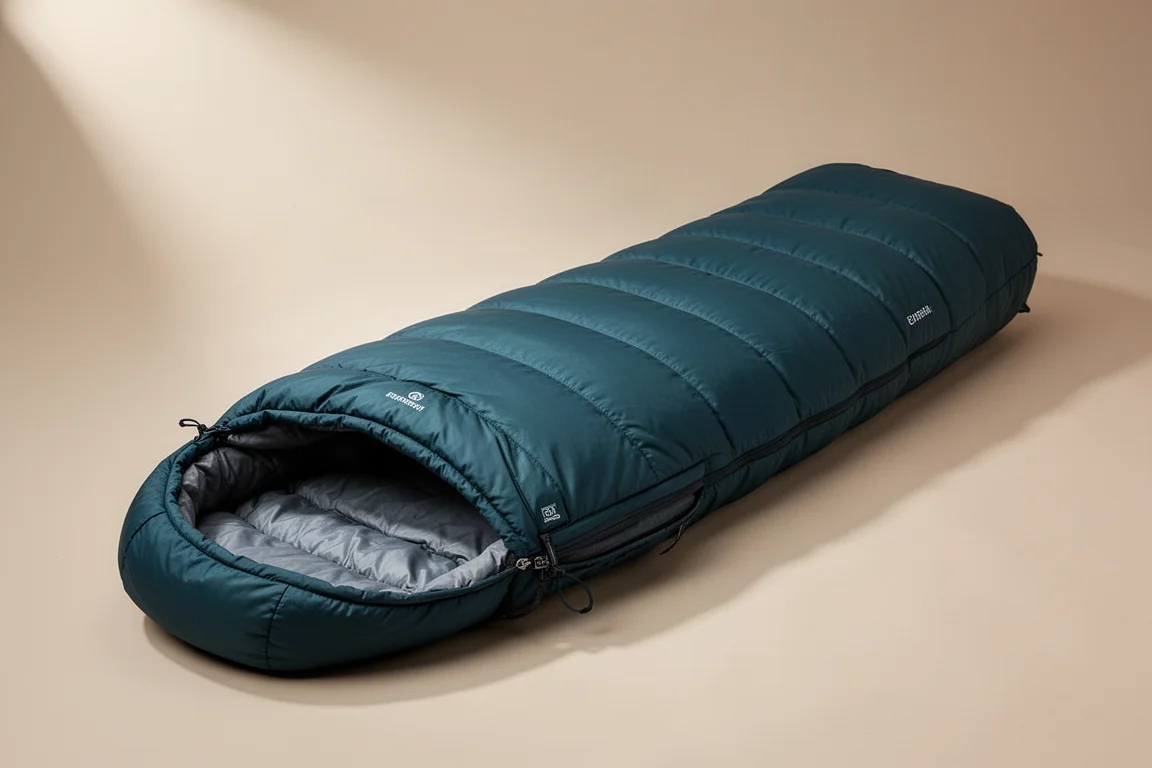
The Big Agnes Sidewinder is designed specifically for side sleepers. Its shape and hood let you lie on your side without the awkward feeling of the hood facing up while your head turns to the side. It has been used for a full night’s sleep with excellent comfort, which makes it a strong pick for anyone who naturally sleeps on their side.
Side sleepers often struggle with standard bags because the hood and draft collar do not align well with their sleeping position. The Sidewinder solves that problem with a design that keeps the bag comfortable and functional when you are on your side. If you sleep on your back or stomach, a more traditional bag may be a better fit.
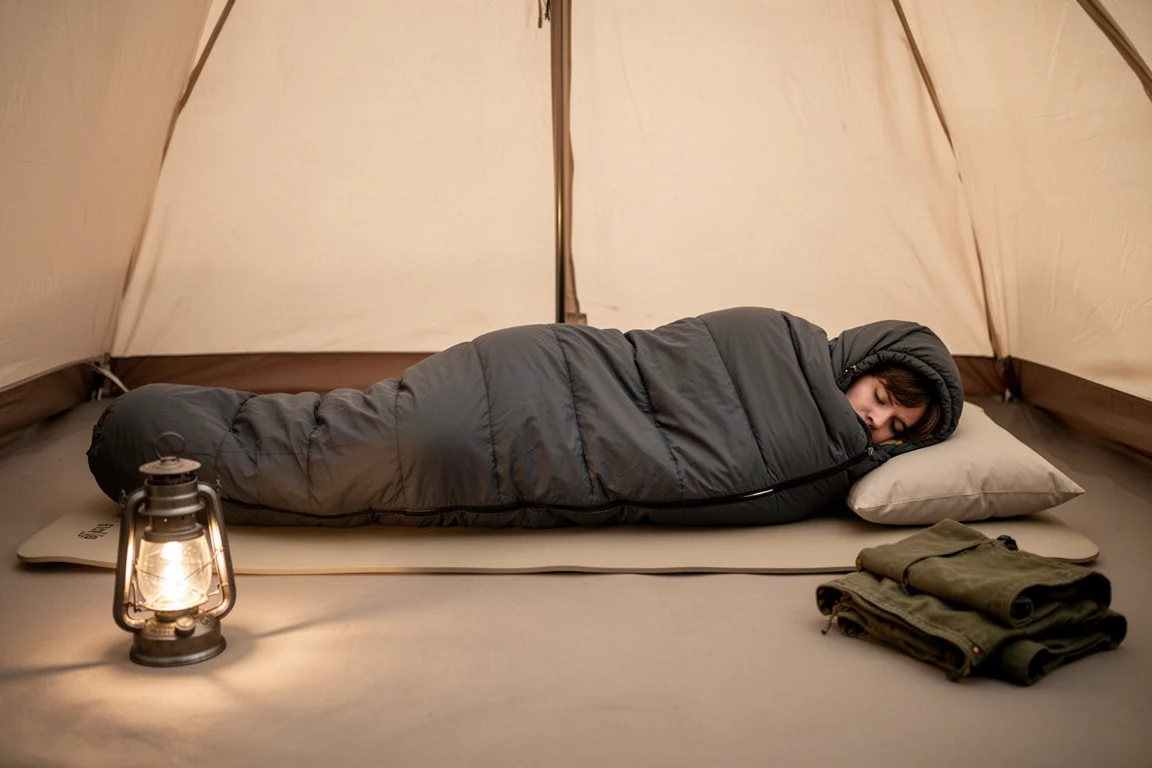
For side sleepers who want a backpacking bag that does not fight their natural position, the Sidewinder is a specialized but very effective option.
Kelty Cosmic Down 20: Budget-Friendly Value
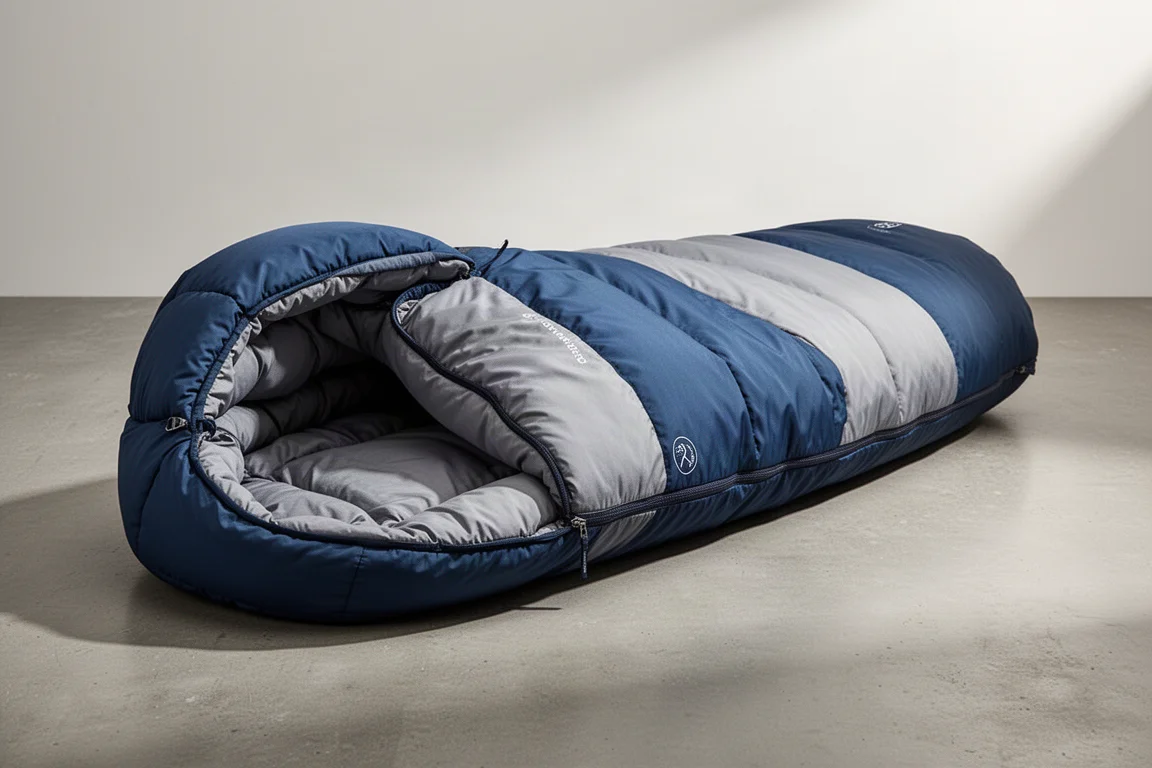
The Kelty Cosmic Down 20 is the budget pick in this roundup. It uses 550 fill down, which is lower than the premium bags here, and it is a little heavier as a result. Even so, it offers the biggest bang for your buck among down sleeping bags. It can sometimes be found for around $150, packs down pretty small for a down bag, and is built like a tank.
The Cosmic Down 20 is a good choice for campers and backpackers who want the benefits of down insulation without spending several hundred dollars. It may not be as light or as warm for its weight as the high-end options, but it is durable, reliable, and easy to recommend for budget-conscious buyers.
Overall Buying Advice
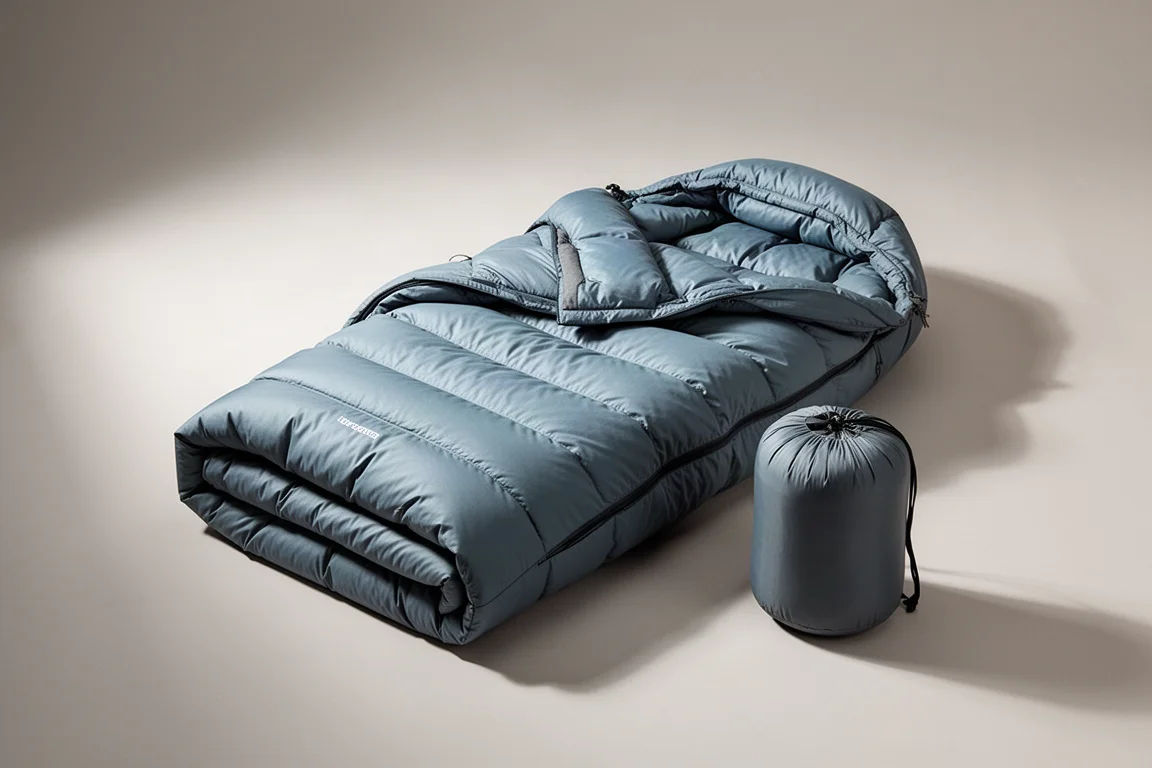
The best sleeping bag depends on how you sleep and where you camp. If you backpack frequently and want a bag that can last for years, the Western Mountaineering Versalite and AlpinLite are premium options with excellent build quality and strong warmth for their weight. If low weight and a tiny packed size are your top priorities, the Therm-a-Rest Hyperion 20 is hard to beat, provided you understand its 32F comfort rating and its insulation layout.
If fit is your main concern, the Big Agnes Torchlight UL adjusts to different body sizes, while the Big Agnes Sidewinder is tailored for side sleepers. For budget-minded backpackers, the Kelty Cosmic Down 20 delivers dependable down performance at a much lower price. Whichever bag you choose, pay attention to the temperature rating definition, the fill power, the packed size, and the interior dimensions. Those details will tell you more about real-world comfort than a single temperature number.
Conclusion
These six sleeping bags cover a wide range of needs, from ultralight performance to side-sleeper comfort and budget-friendly value. The right choice comes down to matching the bag to your typical trips, your sleeping style, and how much you are willing to carry. With the details above, you can compare the trade-offs and feel more confident about picking a bag that will work for you season after season.
Further reading
Related Reviews
Sleeping Bags
Best Down Sleeping Bags Under $300: Four Backpacking Options Worth a Look
Four down sleeping bags that stay under $300, compared on fill power, baffle design, hood comfort, and packed size.
Sleeping Bags
Best Sleeping Bags and Sleep Systems: Five Premium Down Picks Compared
Five premium down sleeping bags and sleep systems compared on warmth, weight, construction, and value.
Sleeping Bags
Big Agnes Lost Ranger UL 3-in-1 Sleeping Bag System Review: One Bag, Three Setups
A practical look at the Big Agnes Lost Ranger UL 3-in-1 Sleeping Bag System, covering how the three configurations work, where it shines, and the details worth weighing before buying.