Backpacking Sleep Systems
Best Backpacking Sleeping Bags and Quilts: Four Lightweight Down Options for Thru-Hikes
A practical look at four lightweight down sleep systems, from a budget-friendly beginner bag to a premium multi-season quilt built for long thru-hikes.
Introduction
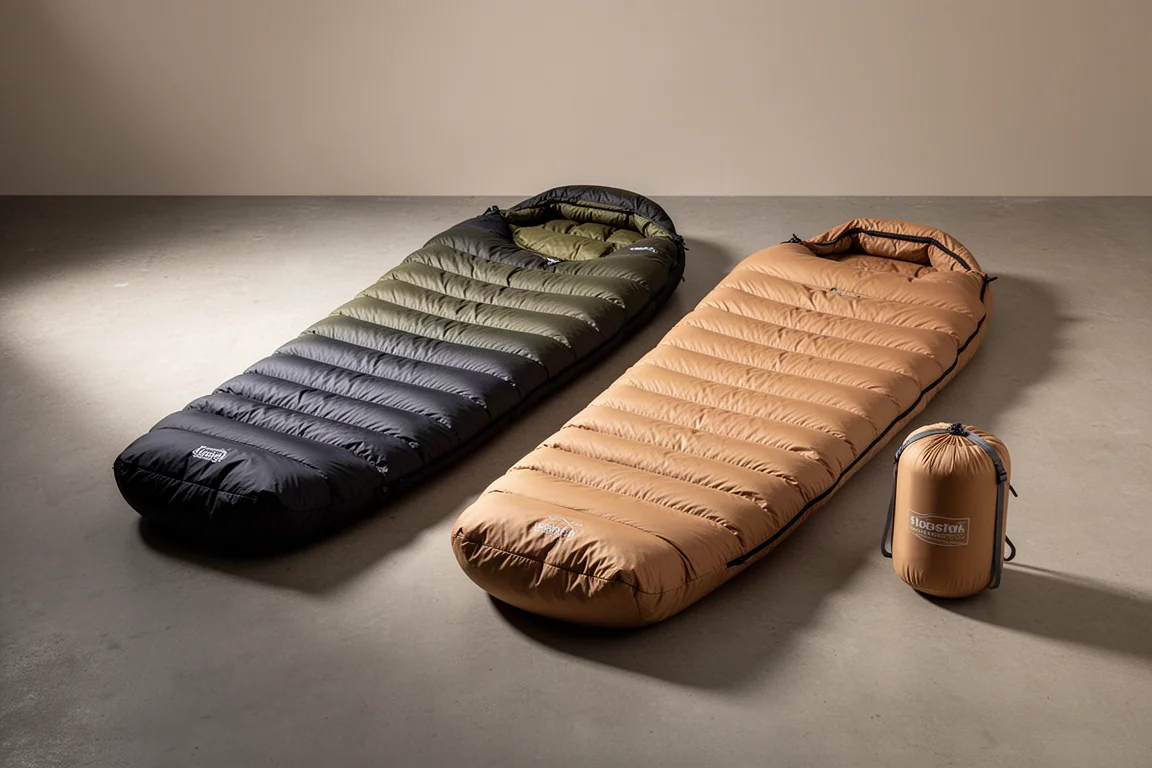
Choosing a sleep system is one of the few backpacking decisions that can make or break a long-distance hike. A bag or quilt that is too heavy slows you down on every climb, while one that is too cold turns a night in the mountains into a sleepless ordeal. The four options below cover the full range, from a first-time backpacker’s budget pick to a premium quilt built for multi-season thru-hikes.
All four are lightweight down designs, and all four have been used on real long-distance trails rather than tested in a living room. The differences come down to temperature rating, fill power, total weight, strap system, and how much you are willing to spend on your nights outside.
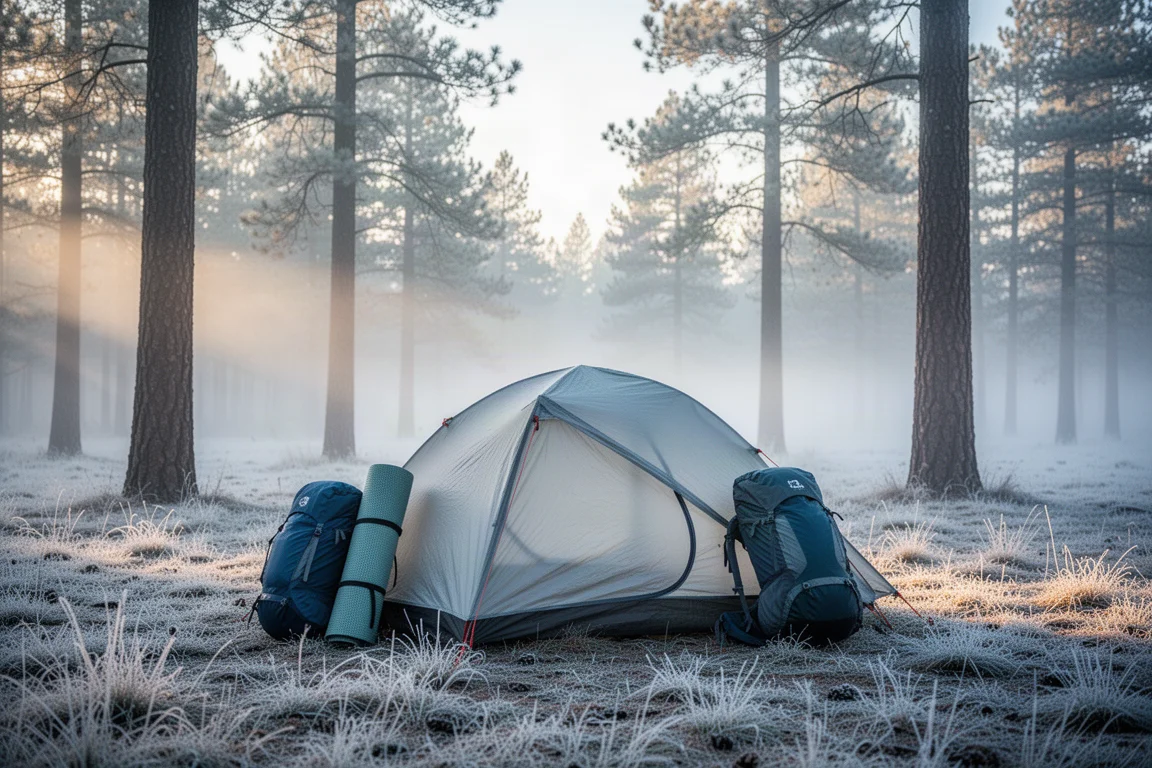
If you are still deciding between a traditional sleeping bag and a quilt, the short version is this: a quilt saves weight by removing the insulation that would otherwise be crushed beneath your body, and it relies on a strap system plus your sleeping pad to seal in warmth. A sleeping bag is more forgiving to set up and easier to trust on a first trip, which is why the budget pick below is still a bag.
What to Look For in a Backpacking Quilt or Sleeping Bag
Temperature ratings matter more than any single number on a spec sheet. Manufacturers publish comfort, lower limit, and extreme ratings, and the extreme figure is an emergency threshold rather than a target. How warm you sleep personally shifts everything: a cold sleeper will often want a rating ten degrees warmer than the label suggests.
Fill power describes how much loft a given weight of down provides. Higher fill power means more warmth for less weight and a smaller packed size, but it also usually means a higher price.
Weight and packed volume are the other half of the equation on a long hike. Anything that comes in at or under a pound is a meaningful saving over a traditional bag, especially when you carry it for months.
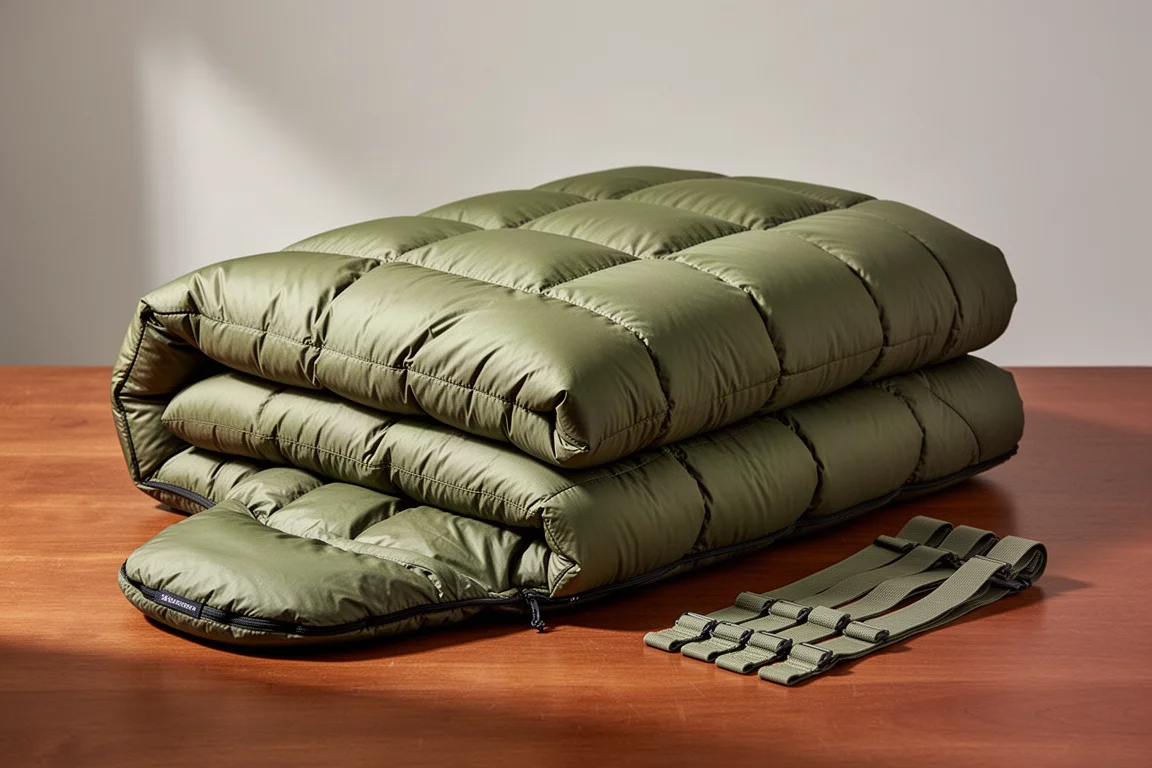
Finally, consider the strap or attachment system if you choose a quilt. A system that is easy to adjust at the end of a long day gets used properly; one that is fiddly may not.
Best Budget Sleeping Bag: Aegis Max Ultralight Goose Down Sleeping Bag
The Aegis Max Ultralight Goose Down Sleeping Bag is a solid entry point for anyone getting into backpacking who does not want to spend a fortune on gear but still wants something light enough to enjoy the trip. It is insulated with 800 fill power goose down and carries a comfort rating of 52°F, a lower limit of 43°F, and an extreme emergency limit of 15°F.
In real trail use at the start of a long thru-hike, when conditions were warmer than at the end, it proved comfortable down to around 40°F for a cold sleeper. Warmer sleepers may be able to push it into the upper 30s, though it is worth testing your own limits in safe conditions rather than on a remote section.
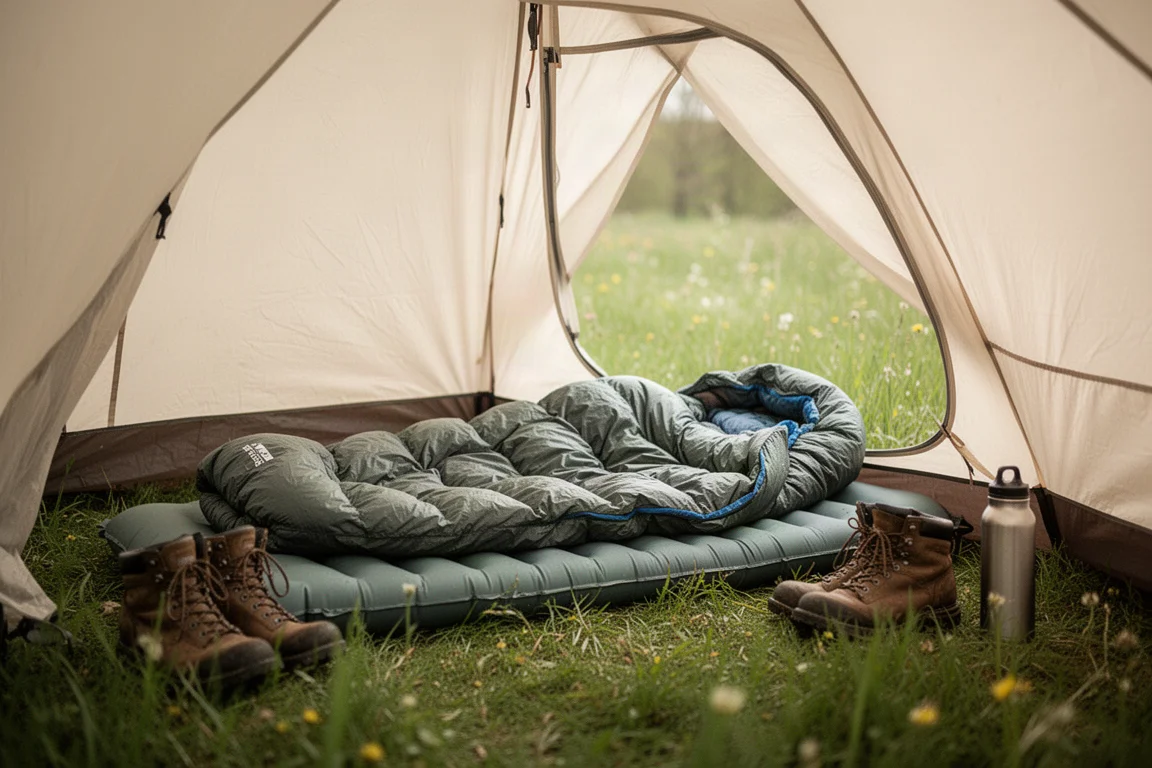
At 18.6 ounces it comes in just over a pound, which is genuinely light for a down bag at this price. It originally sold for around $95 and has since been listed at roughly $110, still a strong value for a down bag in this weight class.
This is a bag best suited to beginners and to shoulder-season trips in late spring or early fall, when the weather is cool but not dangerous. It is not the tool for deep winter or exposed alpine nights.
Best Mild Three-Season Quilt: Enlightened Equipment Enigma Quilt
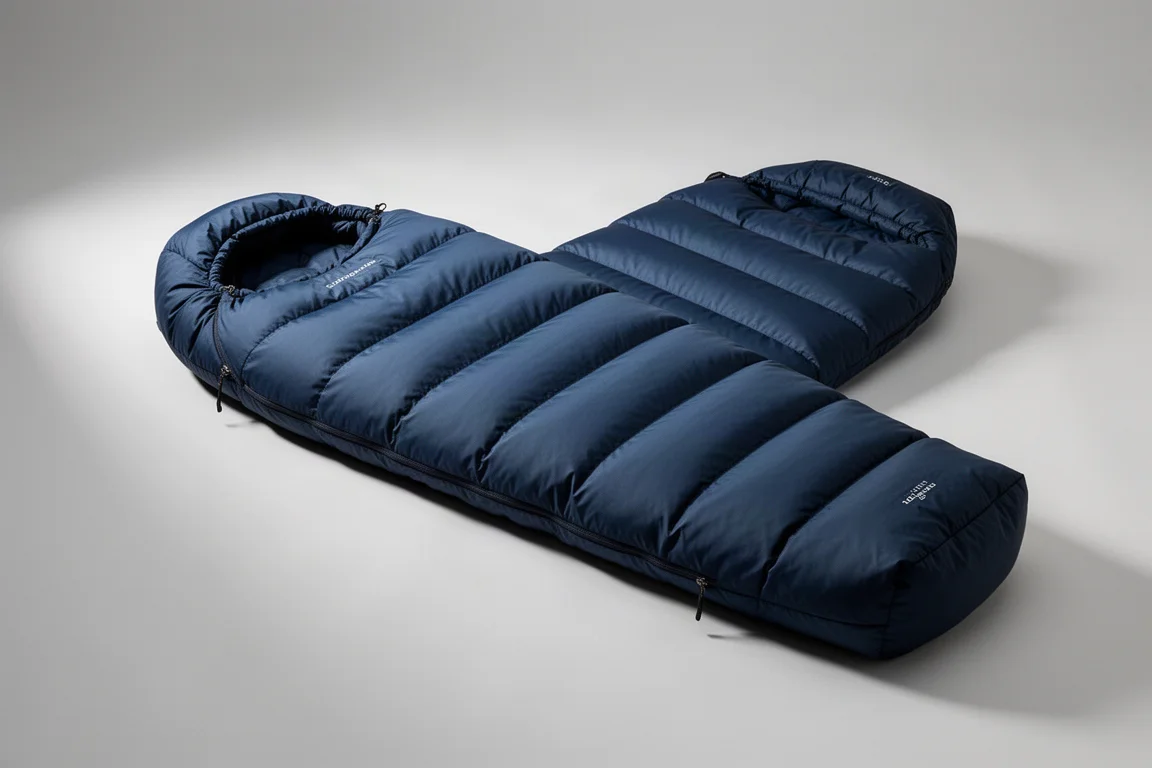
The Enlightened Equipment Enigma is a strong choice for mild three-season weather. It is available in custom configurations for those who can wait out the lead times, but the brand also keeps stock options, which matters if you need something quickly before a trip. A 30°F rating works well for summer use on long trails, including stretches where nights stay cool but rarely drop far below freezing.
In practice, the 30°F rating held up comfortably as long as temperatures stayed around 30°F or warmer, and some hikers report staying warm below their rated limit. Cold sleepers should still plan around the comfort figure rather than assuming they can stretch it.
Weighing 15.35 ounces at a cost of $345, it comes in under a pound, which is the main argument for a quilt over a comparable bag. It is also the most approachable quilt for a first-time quilt user: there is no real learning curve, and the strap system is easy to adjust and straightforward to set up. Because it is so versatile, it can simply be thrown over the top of you rather than strapped down, which makes it a good match for warmer routes where a full bag would be overkill.
Best All-Around Quilt for Long Thru-Hikes: Katabatic Gear Alsek 22
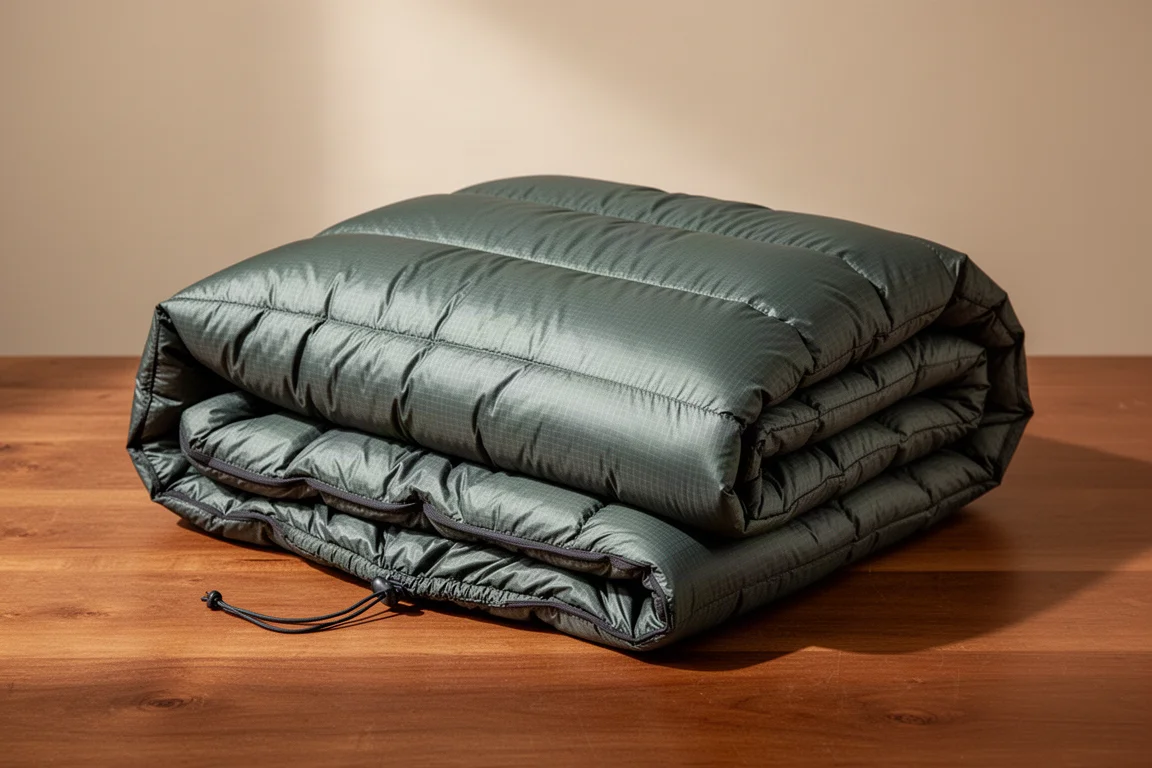
For a long thru-hike on a route like the Appalachian, Pacific Crest, or Continental Divide Trail, and for three to four season temperatures, the Katabatic Gear Alsek 22 Degree Quilt is the standout. Katabatic meets the standard for responsibly sourced down, and the Alsek is the loftiest and most comfortable quilt or sleeping bag of the group, with a warmth that feels noticeably richer than its weight suggests.
The configuration used here was the 900 fill power Hyper Dry goose down option in the six-foot size. It weighs 21.9 ounces and costs $425, which is the main obstacle: this is a pricey piece of gear, and it is the clearest trade-off in this roundup.
The other drawbacks are smaller but real. The strap system is genuinely awkward to work with and takes some patience, though it does lock in place very well once adjusted. If the easier strap system from the Enigma could be fitted to this quilt, it would be close to ideal. Color options are also limited, which matters only if appearance factors into your decision; on trail, warmth and a light pack matter far more.
What About the Zpacks 10 Degree Sleeping Bag?
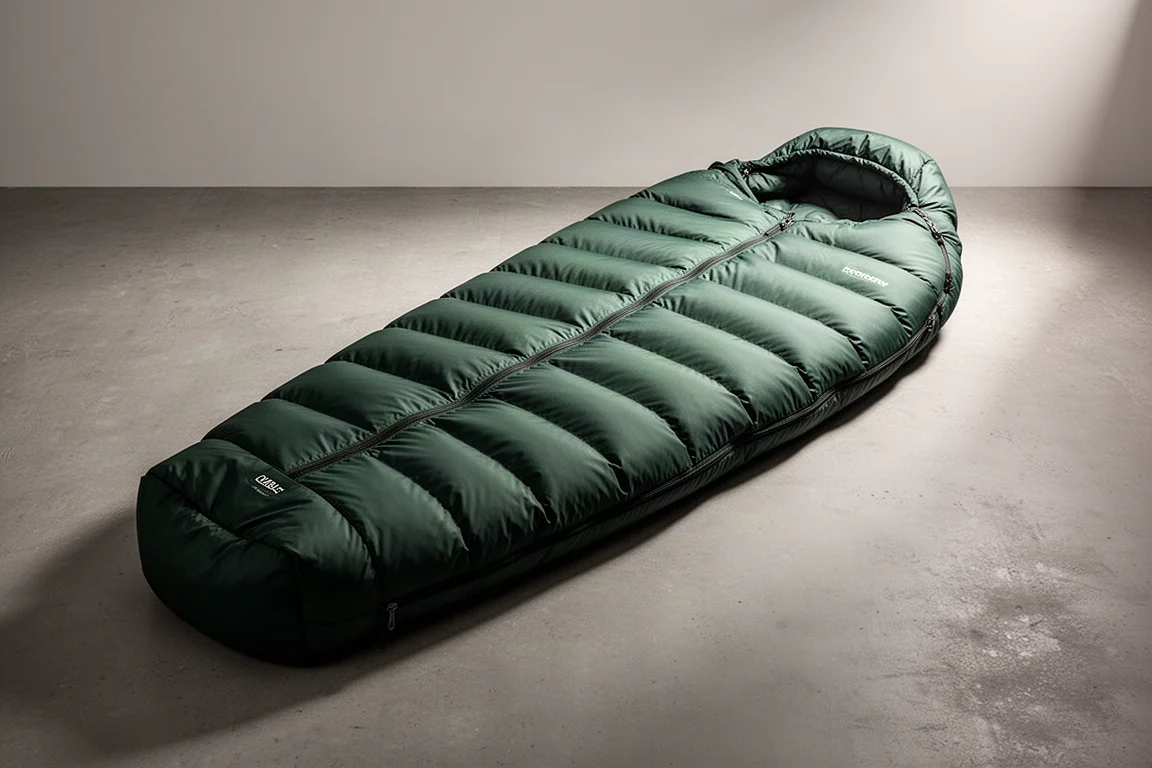
The Zpacks 10 Degree Sleeping Bag was the long-standing pick for long thru-hikes and multi-season temperatures before quilts took over. It is a nicely lofty bag that performed well over extended trips, and for hikers who prefer the enclosed feel of a traditional bag, it remains a reasonable direction to look.
It is not without limits. Even in a 10°F bag, some nights still felt chilly when temperatures never dropped below the mid-20s, which is a reminder that ratings and real-world comfort do not always line up. Since moving to quilts, there has been little reason to go back to a bag for this category.
Buying Advice
The right choice here depends far more on your hiking style than on the spec sheet. If you are new to backpacking and planning shoulder-season trips, the Aegis Max Ultralight Goose Down Sleeping Bag delivers a genuine down bag at a low price and removes the pressure of spending big before you know what you like. If you want a quilt for mild summer conditions and value an easy, forgiving strap system, the Enlightened Equipment Enigma is the simplest place to start.
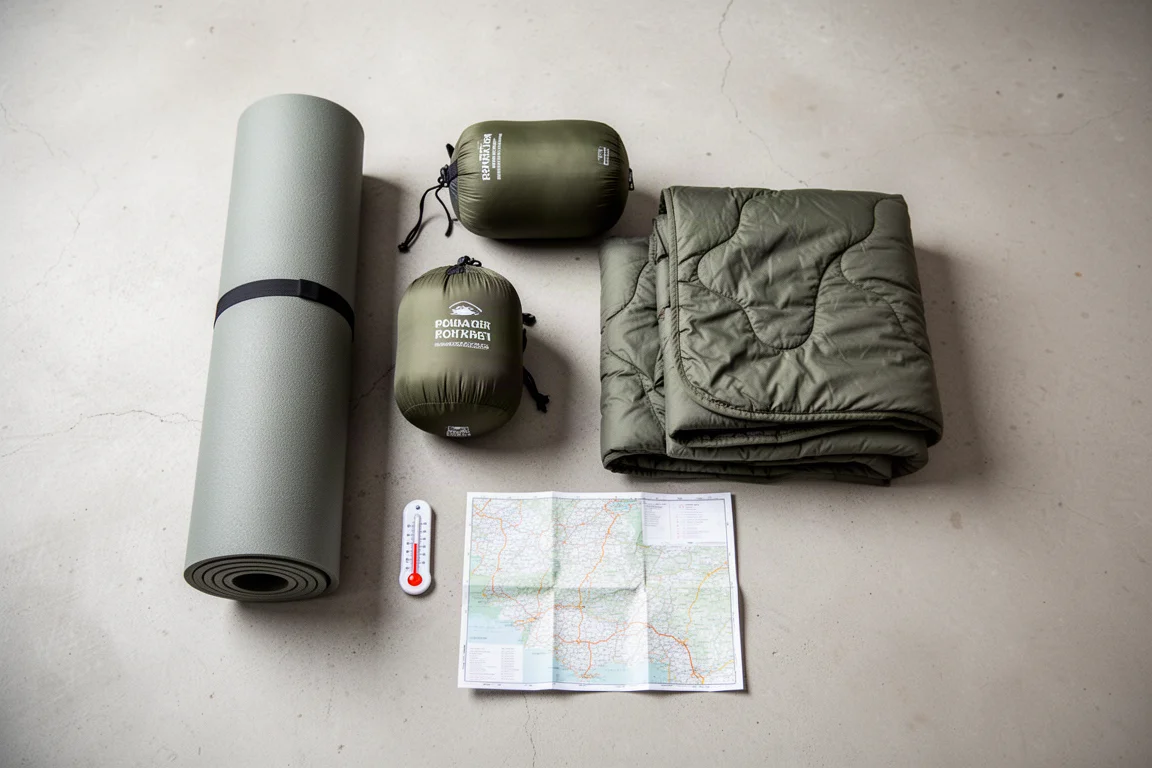
If your plans involve a months-long thru-hike or cold shoulder-season nights, the Katabatic Gear Alsek 22 justifies its price with loft and warmth that are hard to match. The Zpacks 10 Degree Sleeping Bag remains a sensible option for anyone who simply prefers a bag, provided you account for the possibility of cold nights near the mid-20s.
Whichever direction you take, match the rating to the conditions you actually expect, test the system on a shorter trip first, and treat the temperature label as a starting point rather than a promise.
Conclusion
These four sleep systems cover the realistic range of backpacking needs: a budget down bag for beginners, an easy and versatile three-season quilt, a premium quilt for long thru-hikes, and a proven bag for those who prefer the enclosed format. Pick the one that matches your season, your budget, and how warm you personally sleep, and the rest of your kit gets easier to plan around.
Further reading
Related Reviews
Backpacking Sleep Systems
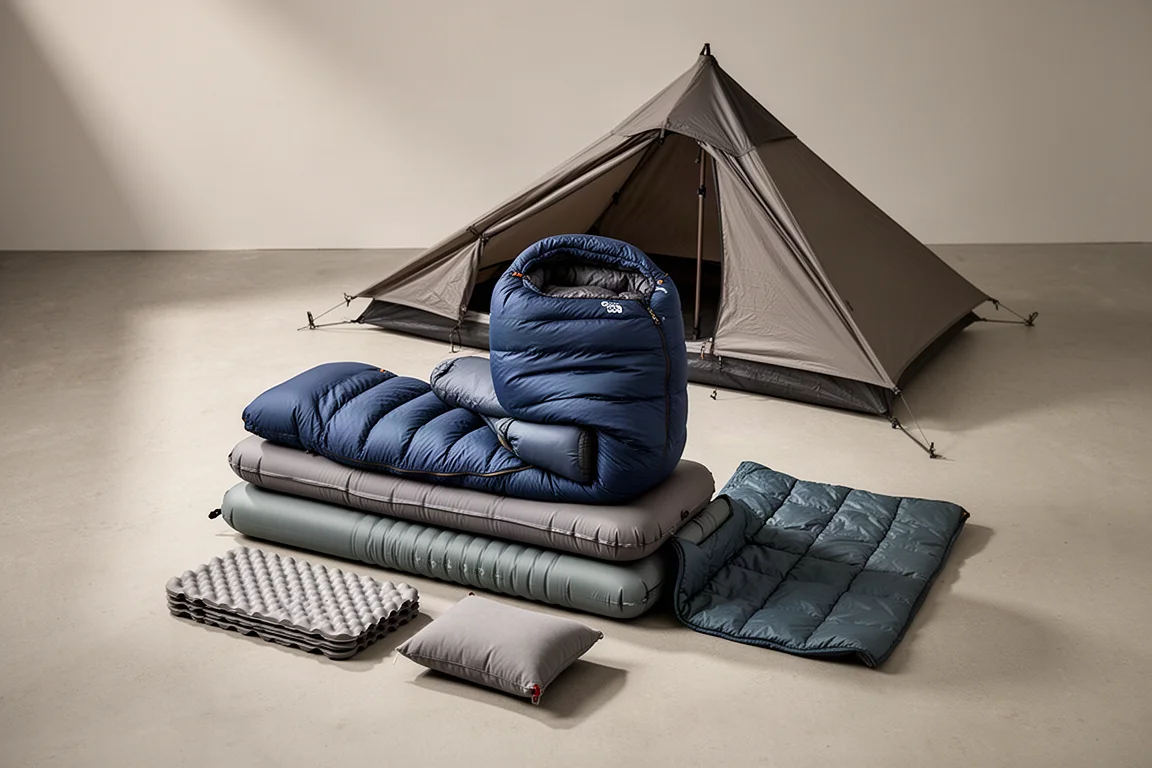
Extreme Cold Sleep System: Six Backpacking Layers for Deep Winter Warmth
A bottom-up look at a six-piece winter sleep system, from a foam ground mat to a floorless shelter, and the reason each layer earns its place.
Backpacking Sleep Systems
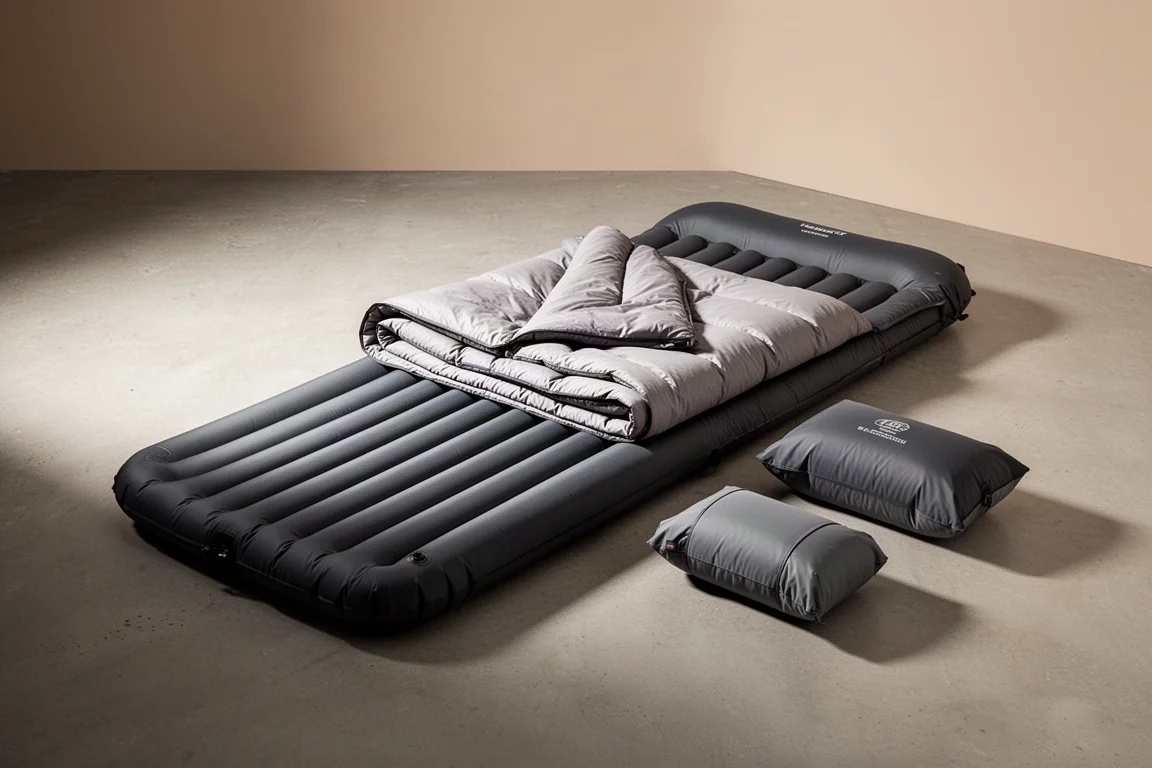
Luxury Backpacking Sleep System: Four Pieces That Feel Like a Bed at Home
A wide, thick sleeping pad, a draft-free quilt, a generously cushioned pillow, and a few small habits that bring backcountry sleep much closer to home.
Backpacking Sleep Systems
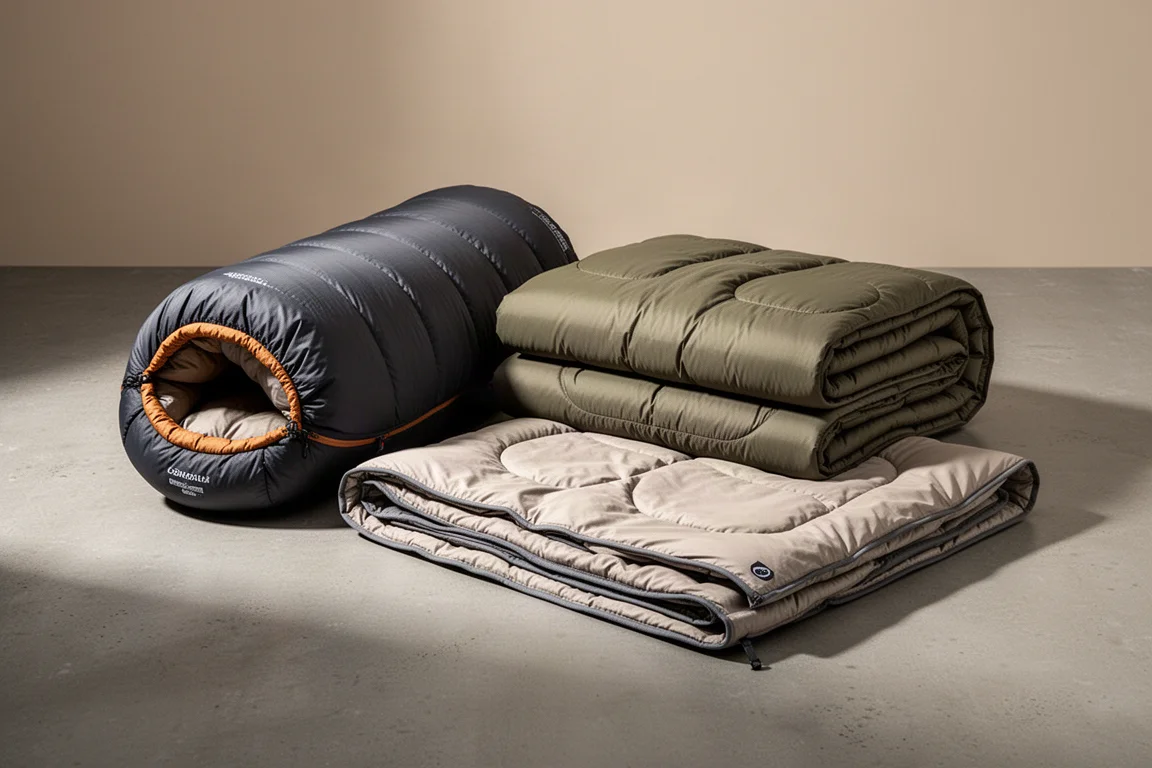
Quilts vs Sleeping Bags for Backpacking: Five Sleep Systems Compared
A practical look at five backpacking sleep systems, from wide quilts to adjustable sleeping bags and a ground-focused quilt bed, and how to choose between them.