Sleeping Bags
Best Backpacking Sleeping Bags 2026: Six Options Ranked by Real-World Use
Six backpacking sleeping bags and quilt systems compared on warmth consistency, zipper behavior, fabric feel, shape and value.
Introduction
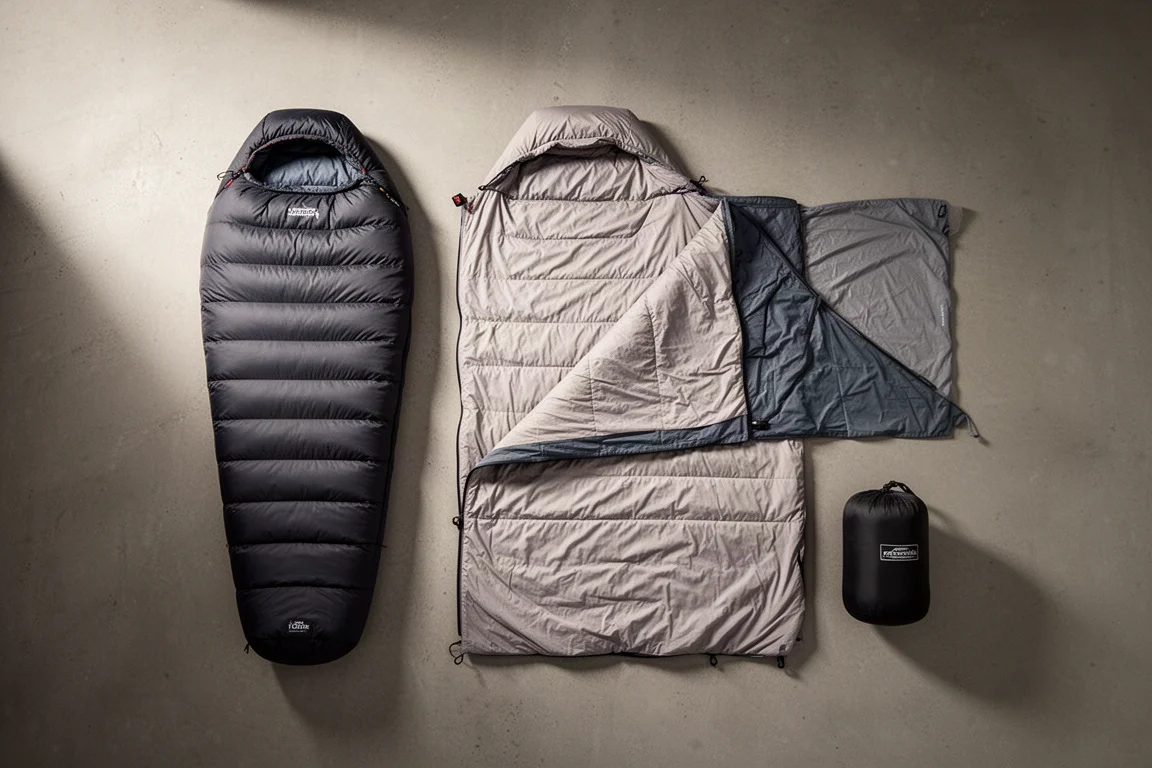
Choosing a backpacking sleeping bag is less about picking the single best product on the market and more about finding the one you will still be happy to carry after two seasons of real use. The six options below cover a wide range: an ultralight winter down bag, a customizable European bag, a value-focused 650 fill mummy, two quilt-based bed systems, and a premium bag built for a decade of nights out.
Each of them earns a place on a shortlist for a different reason, and each has a trade-off that matters. The notes below focus on how they actually behave in a tent: how consistent the warmth feels, how the zipper behaves at 2 a.m., how the fabric sits against skin, and how the shape fits a real body.
How These Sleeping Bags Were Evaluated
Four things separated these bags in practice. The first is warmth consistency, meaning whether the bag stays comfortable through the night at freezing temperatures or develops cold spots as you shift position. The second is zipper behavior. A bag that is warm but difficult to exit in the dark is a bag that gets sold, and several of the options here show exactly why zipper track design matters more than most shoppers expect.
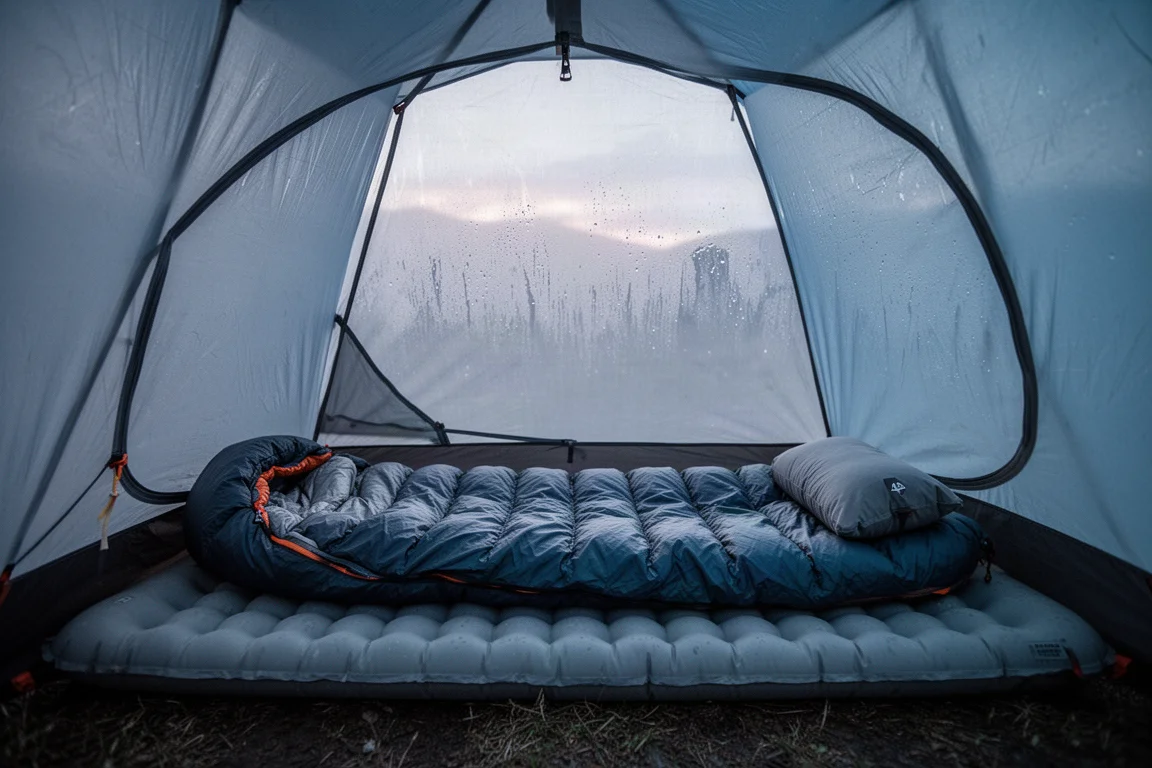
The third is fabric hand feel. Ultralight shell materials save weight but can feel sticky against skin when you are warm or damp, and that difference shows up every single night. The fourth is shape and fit, because a narrow traditional mummy cut that suits a slim sleeper can feel restrictive for someone with broader shoulders.
Weight and packed size run through all four categories. A bag can be light on the scale and still bulky in a pack, and a heavier system can still be worth carrying if it delivers a genuinely better night of sleep.
Sea to Summit Spark 4
The Spark 4 is a 5°F rated down bag with an ultralight shell, and it has been in regular rotation for more than two years, most often on cold winter trips paired with a liner for extra warmth. On pure warmth and comfort it holds up well.
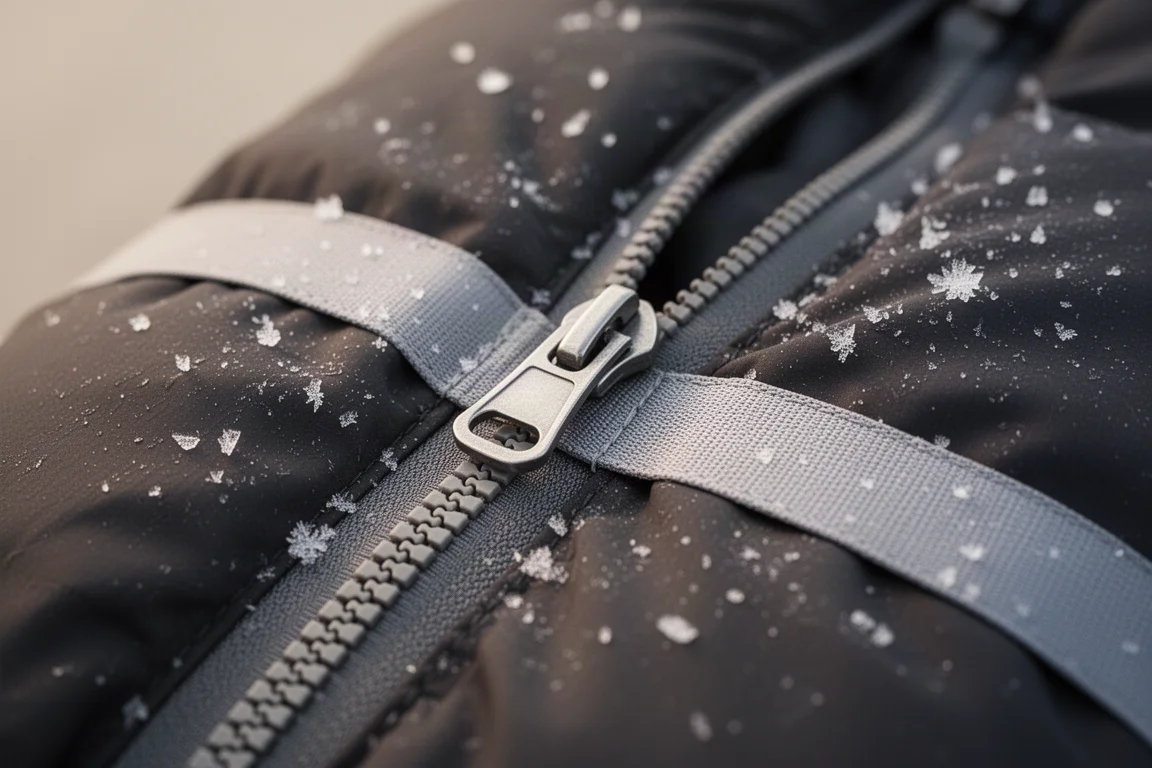
Two specific traits keep it out of the top spot. The ultralight fabrics are sticky, so when you climb in warm, sweaty or grimy, the shell catches and holds against your skin rather than sliding freely. The second is the zipper. It uses a small size 3 zipper to save weight, and it frequently snags near the top, which is exactly where you do not want friction when you are trying to get out of the bag in the middle of the night. The track offers little protection against fabric getting caught in the teeth.
If weight is the priority and you sleep cool, it remains a strong winter option. If easy in-and-out access matters to you, the trade-off becomes obvious quickly.
Cumulus Lightline 400
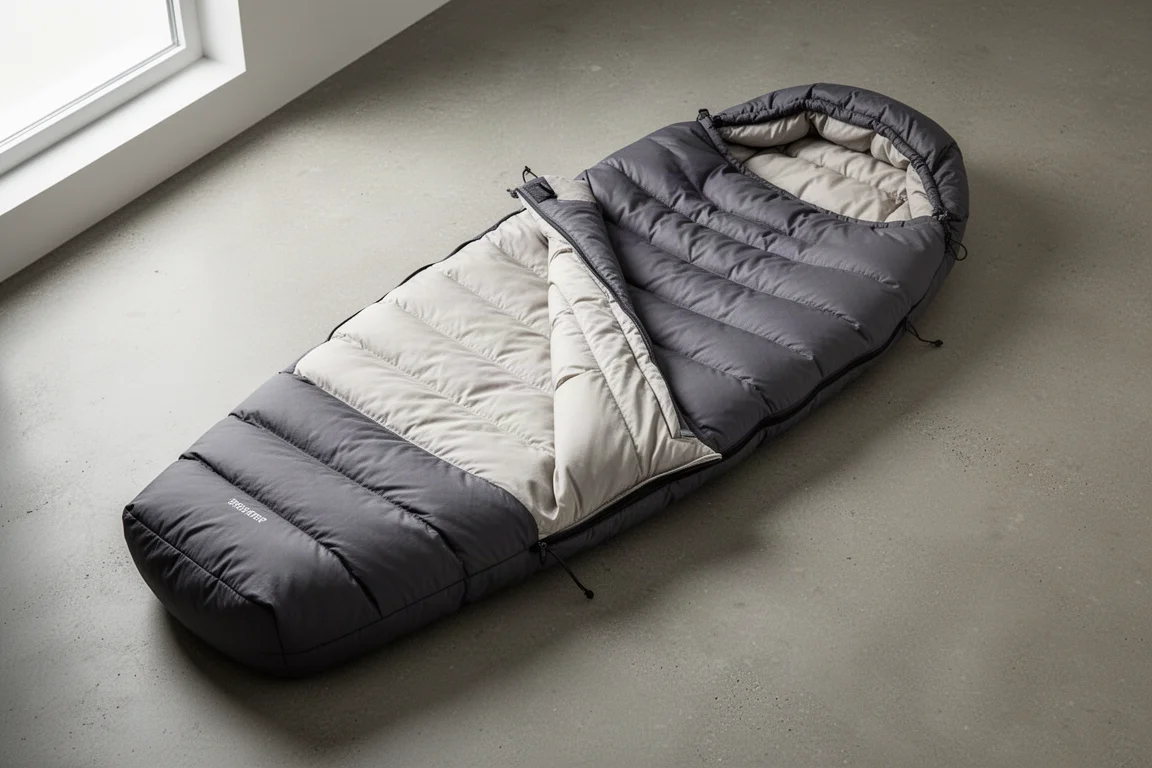
The Cumulus Lightline 400 is the only bag here that can be genuinely customized, covering length, fill amount, width and the fabrics used. That flexibility, combined with an accessible price, makes it one of the strongest value propositions in the lightweight category.
The compromises are subtle rather than serious. The zipper catches fabric because there is no guard ribbon running alongside the teeth, so you will occasionally be pulling shell material out of the zip. The foot box is also tighter than some sleepers will prefer, which is noticeable for anyone who likes to move their feet around at night.
For a buyer who wants a light down bag tailored to their own dimensions without paying a premium price, this is a compelling place to start. The customization alone makes it worth a serious look.
It is worth noting that customization means the bag you receive can be tuned to your body and your typical conditions, which is a rare advantage in this category.
Mountain Hardwear Bishop Pass 650
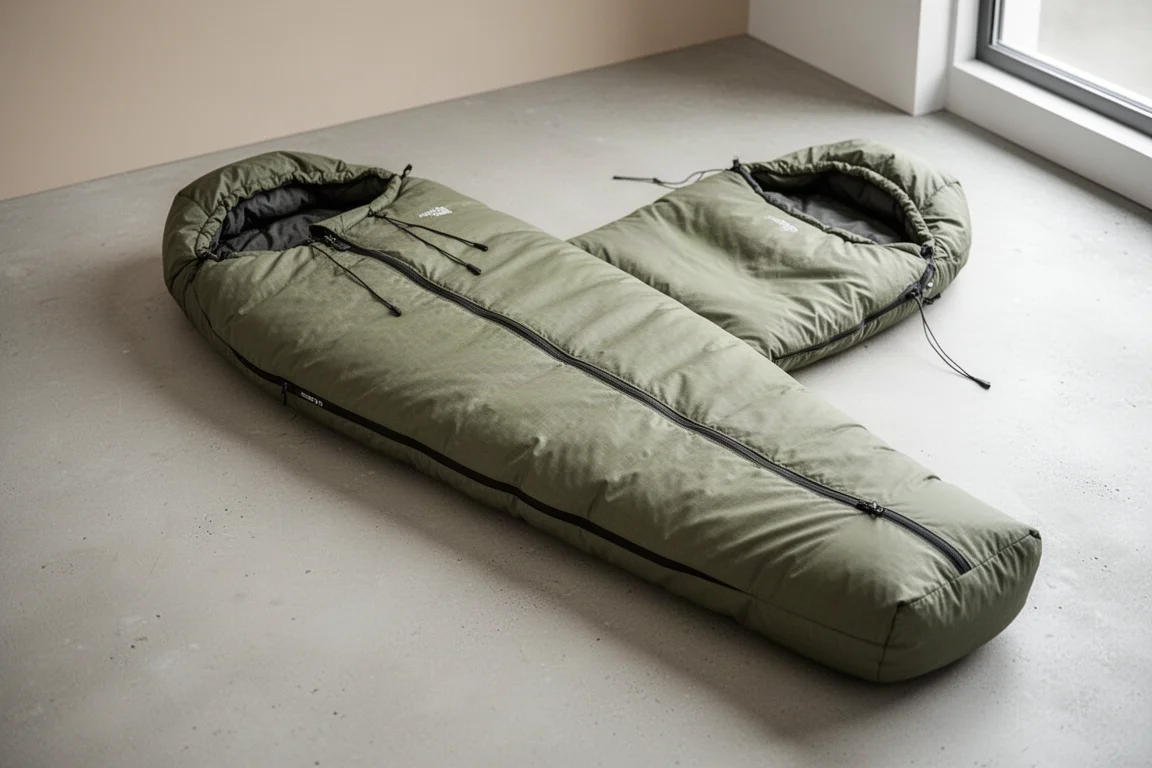
The Bishop Pass 650 fill power down bag has been the biggest surprise of the group, largely because of what it delivers for a price just under $300. Warmth has been consistent across multiple nights in freezing temperatures, with no cold spots and no nights where the bag felt like it was falling short.
At 650 fill power it is still lightweight, but the lower fill power means a larger packed size than the higher-end options here. The other consideration is shape. This is the narrowest and most traditional mummy cut of the six, which makes it the most likely to feel constrictive for broad-shouldered or taller sleepers. The foot box is generously sized and stays warm, and the zipper moves smoothly thanks to a better track than most, though it is not entirely snag-free.
For anyone who fits the shape, this is one of the best value sleeping bags available right now, and the consistent warmth is the reason.
Zenbivy Bed
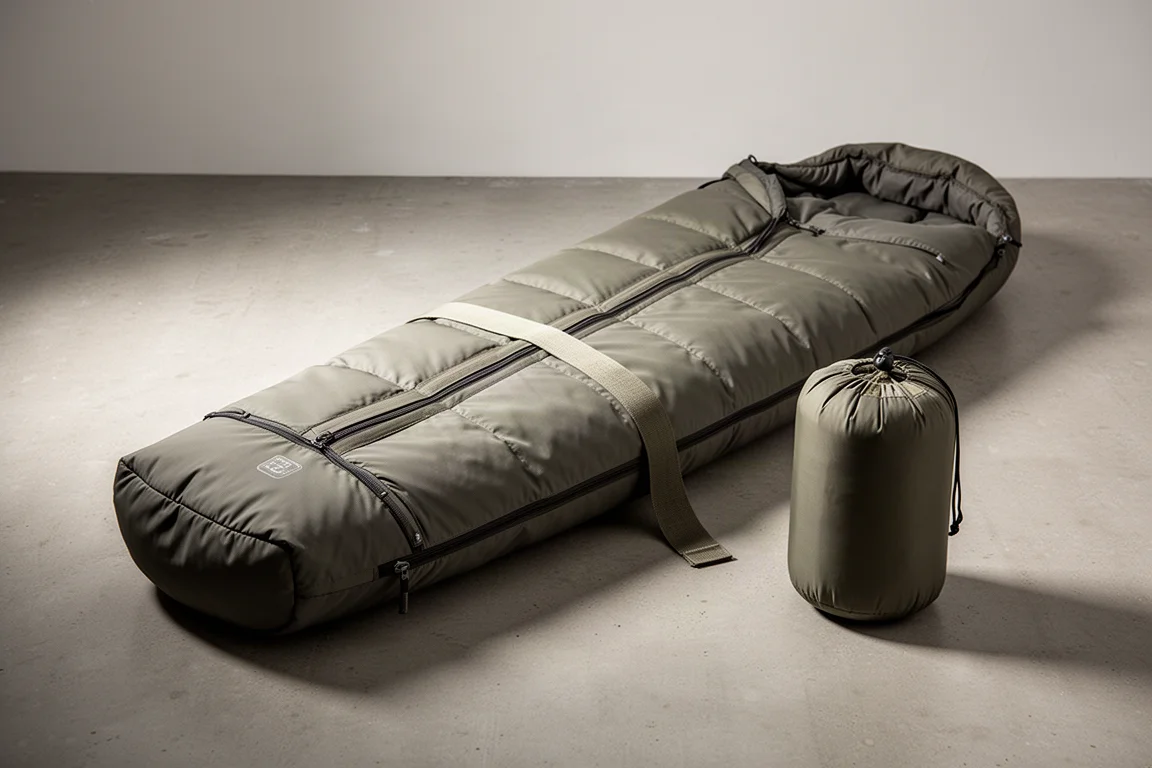
The Zenbivy Bed is not a sleeping bag at all. It is a quilt-based sleep system, and over roughly a year and a half of use it has produced some of the most comfortable nights out. The design is versatile, well thought out, and genuinely enjoyable to sleep in.
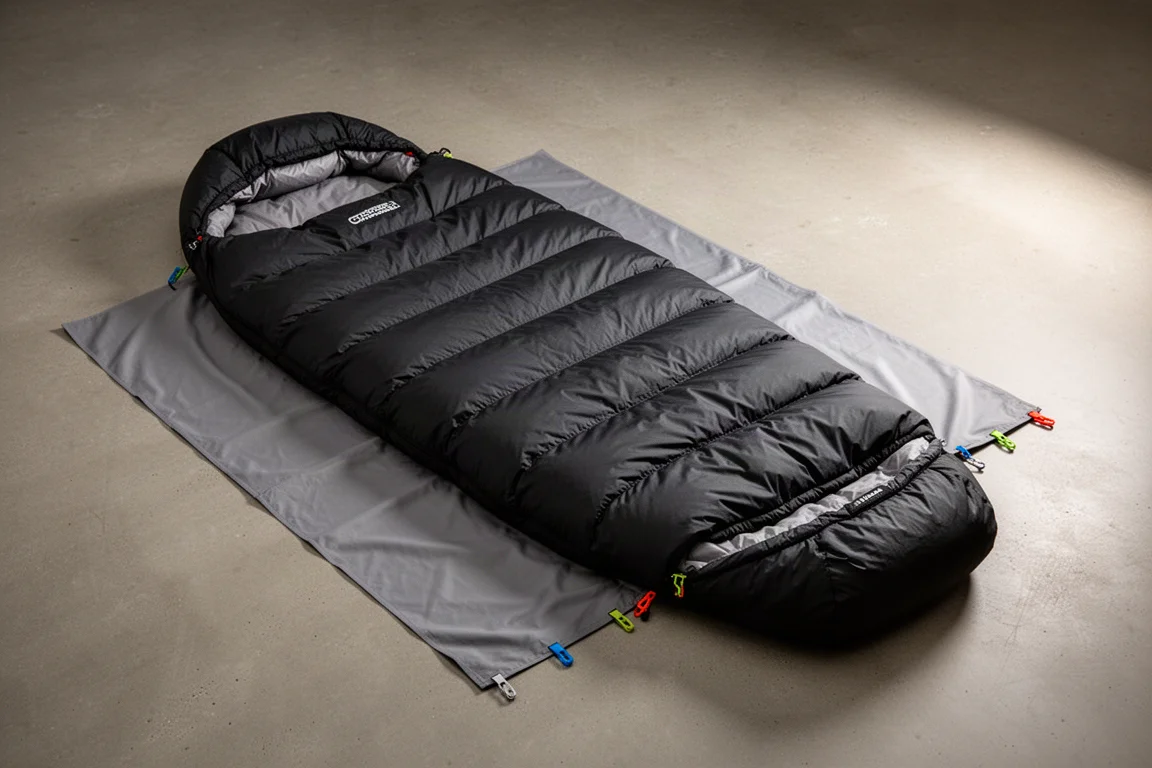
The core mechanic is the wing that attaches to a sheet fitted over your sleeping pad. Side zippers let you get in and out easily, and the wing and sheet combination eliminates drafts so you can toss and turn without losing the heat trapped inside. The oversized insulated hood is a standout detail, since it holds a pillow and lets you wrap an arm around it while keeping insulation around your shoulder. A zippered foot box opens up so the system can be used more like a blanket.
The limitations are worth understanding before buying. Because this is a quilt system rather than a bag, a large part of your comfort depends on the insulation underneath you, so pairing it with the right pad for the conditions is essential. It is also heavier than most of the alternatives here, since the extra zippers and fabric add up. The Zenbivy Light Bed addresses exactly that.
Zenbivy Light Bed
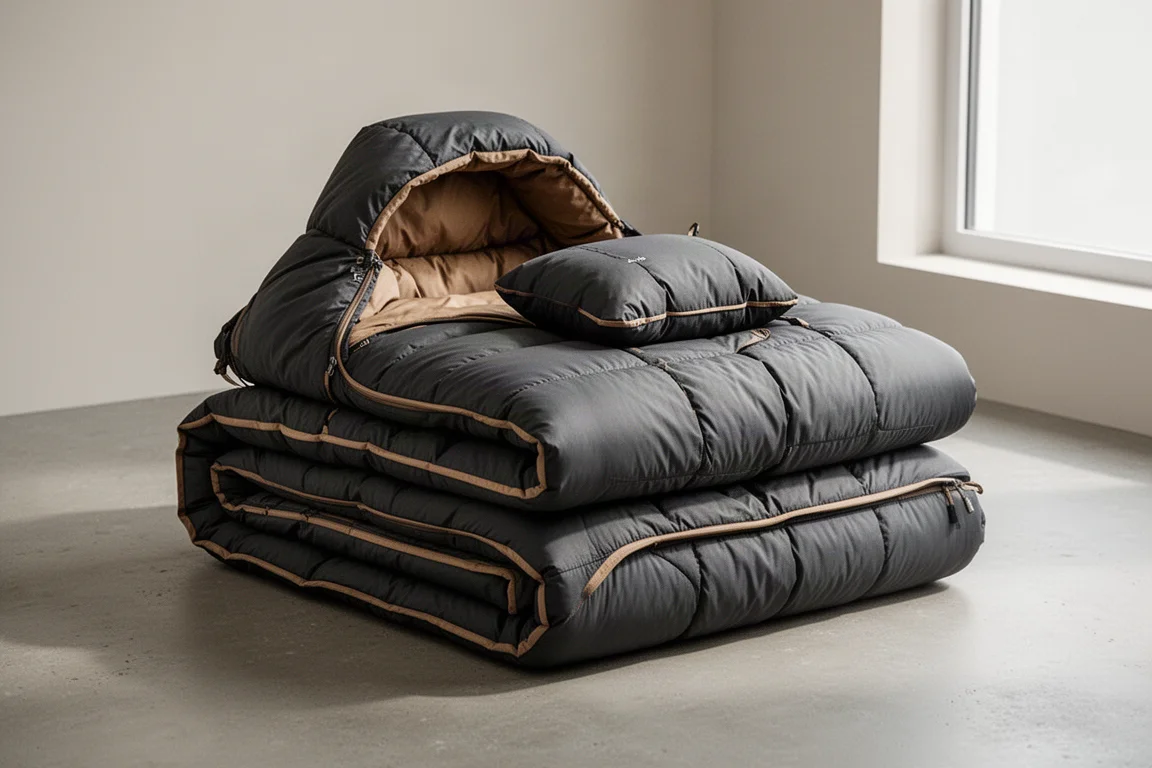
The Zenbivy Light Bed strips out the zippers and replaces them with clips, which makes it the lighter way into the same sleep system concept. Entry and exit stay easy, and the convertible foot box is still there, opening up for a blanket-like feel when conditions allow.
The trade-off is insulation in the wings. The Light Bed has none, so it relies more heavily on the rest of the system and on what you place underneath. It can also use the fast sheet, which is shared with the core quilt, so the components work across the lineup rather than locking you into one configuration.
For backpackers who want the comfort and draft resistance of a bed-style system without the extra weight of zippers and additional fabric, this is the version to consider. It is a meaningful weight saving over the standard Bed, and the clip attachment is straightforward once you have set it up a couple of times.
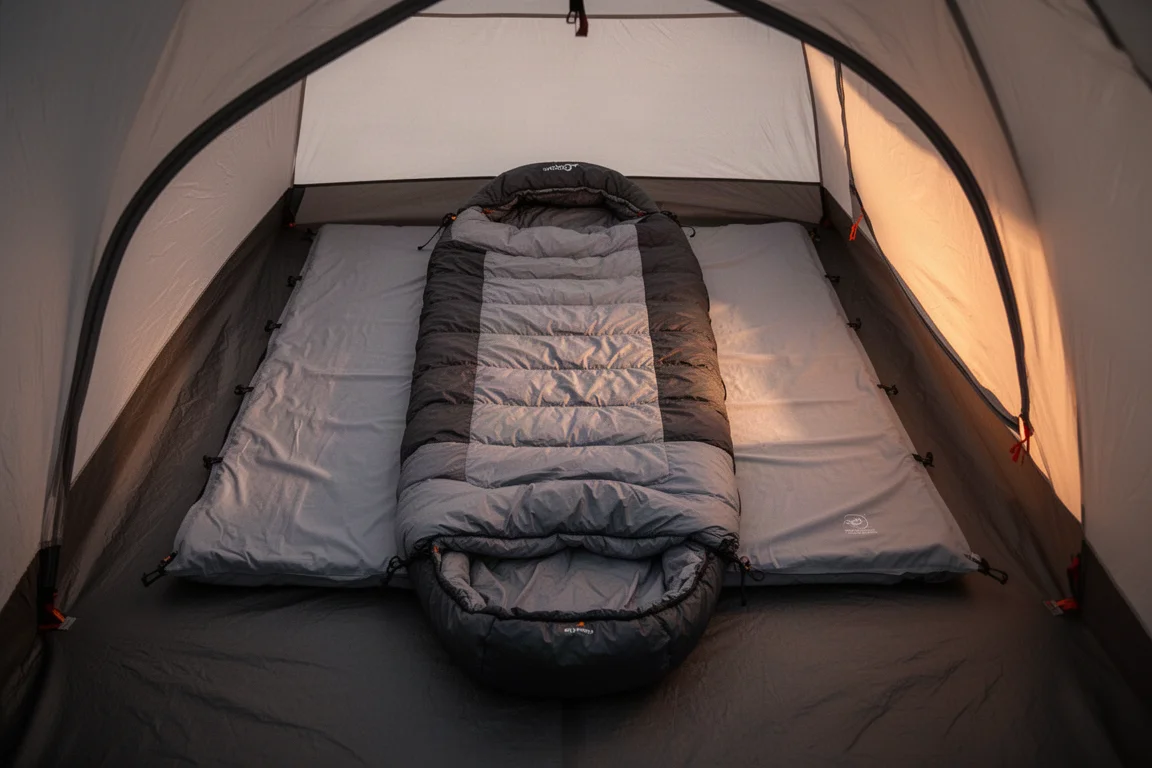
Both Zenbivy systems reward a little setup practice, and both deliver a sleep experience that is noticeably different from a traditional mummy bag.
Western Mountaineering Ultralite 20°F
The Western Mountaineering Ultralite 20°F is the last bag that would leave the shelf. It is expensive at around $600 and made in the US, and it is the highest quality sleeping bag in this group by a clear margin. The construction, the down and the fabrics are all a step above, and the expectation is that it will remain reliable for many years, likely a decade or more.
It does not offer the bed-like experience of the Zenbivy systems. It is a tapered, traditional mummy shape, and for a smaller sleeper that cut is not restrictive at all. The consistency is the selling point: every night in this bag has been comfortable, without the variability that shows up elsewhere.
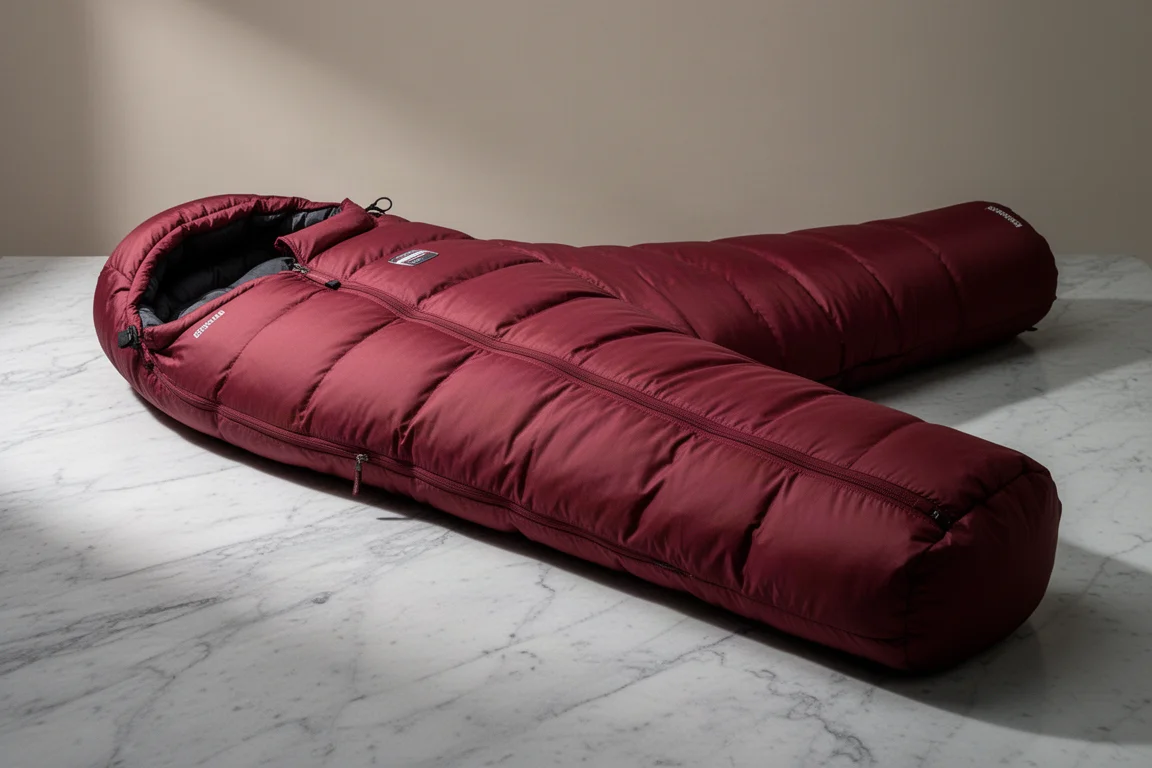
The zipper is the best in the group. A wide, robust ribbon roughly an inch or more across runs alongside the track and keeps fabric out of the teeth, so night-time exits are quick and uneventful. A draft collar around the neck adds warmth, and the differential cut, where the inner shell is smaller than the outer shell, means knees, feet and shoulders pressing against the inside fabric cannot push the loft flat and create cold spots.
The shell is not as soft as the quilt systems here, which is a genuine drawback, but it also does not behave in the sticky way that ultralight fabrics sometimes do. For a buyer who wants one bag that will hold up for years of trips, the price is easier to justify.
Overall Buying Advice
Match the bag to the way you actually sleep, not to the specification sheet. If you sleep cold and want consistent warmth at freezing temperatures without spending a premium, the Bishop Pass 650 delivers that at just under $300. If you want a light down bag shaped to your own body, the customization available on the Lightline 400 is difficult to find elsewhere.
If your priority is the quality of the sleep itself, the Zenbivy systems are the most comfortable option here, provided you pair them with insulation suited to the conditions underneath you. Choose the Bed for the full feature set and the Light Bed if weight matters more than the insulated wings.
If you want one bag to keep for a decade and you are prepared to pay for it, the Ultralite 20°F is the most durable and best-constructed option in this group, and the zipper design alone changes how a night out feels. The Spark 4 remains a capable lightweight winter bag, but its sticky shell and fiddly zipper are worth weighing against its low weight.
Conclusion
There is no single winner here, only a set of bags that suit different sleepers. Warmth consistency, an easy zipper, a fabric that feels good against skin and a shape that fits your body are the four details that decide whether a sleeping bag stays in your kit for years or gets sold on. Buy for the night you will actually have, and any of these six can be the last bag you part with.
Further reading
Related Reviews
Sleeping Bags
Best Down Sleeping Bags Under $300: Four Backpacking Options Worth a Look
Four down sleeping bags that stay under $300, compared on fill power, baffle design, hood comfort, and packed size.
Sleeping Bags
Best Sleeping Bags and Sleep Systems: Five Premium Down Picks Compared
Five premium down sleeping bags and sleep systems compared on warmth, weight, construction, and value.
Sleeping Bags
Big Agnes Lost Ranger UL 3-in-1 Sleeping Bag System Review: One Bag, Three Setups
A practical look at the Big Agnes Lost Ranger UL 3-in-1 Sleeping Bag System, covering how the three configurations work, where it shines, and the details worth weighing before buying.