Backpacking Gear
Best Backpacking Sleep System Gear: Pads, Pillows, and Quilts
A practical guide to building a comfortable backpacking sleep system, covering sleeping pad R-value and baffle design, pillow support and pad straps, and quilt temperature ranges.
Introduction
There is a version of backpacking sleep gear that looks efficient on paper and feels miserable at two in the morning: a self-inflating pad barely an inch thick, a stuff sack stuffed with spare clothes standing in for a pillow, and a thin blanket for warmth. That setup packs small and saves weight, but the trade-offs surface quickly. On a thin pad, a side sleeper’s hip takes the full load and an arm can go numb over the course of the night. Choose a three-quarter-length pad to save more weight and the legs hang off the end and get cold. A clothes-filled stuff sack rarely offers enough height, and it slides off the pad, so the night turns into a hunt for the pillow.
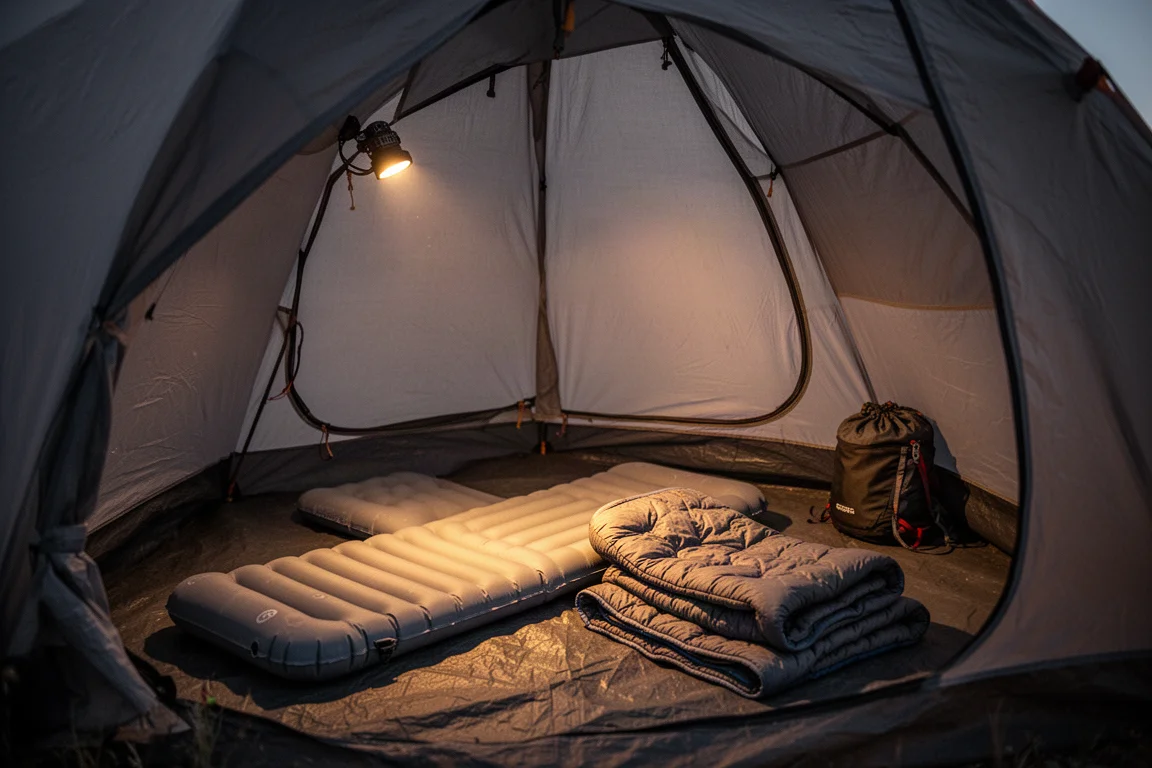
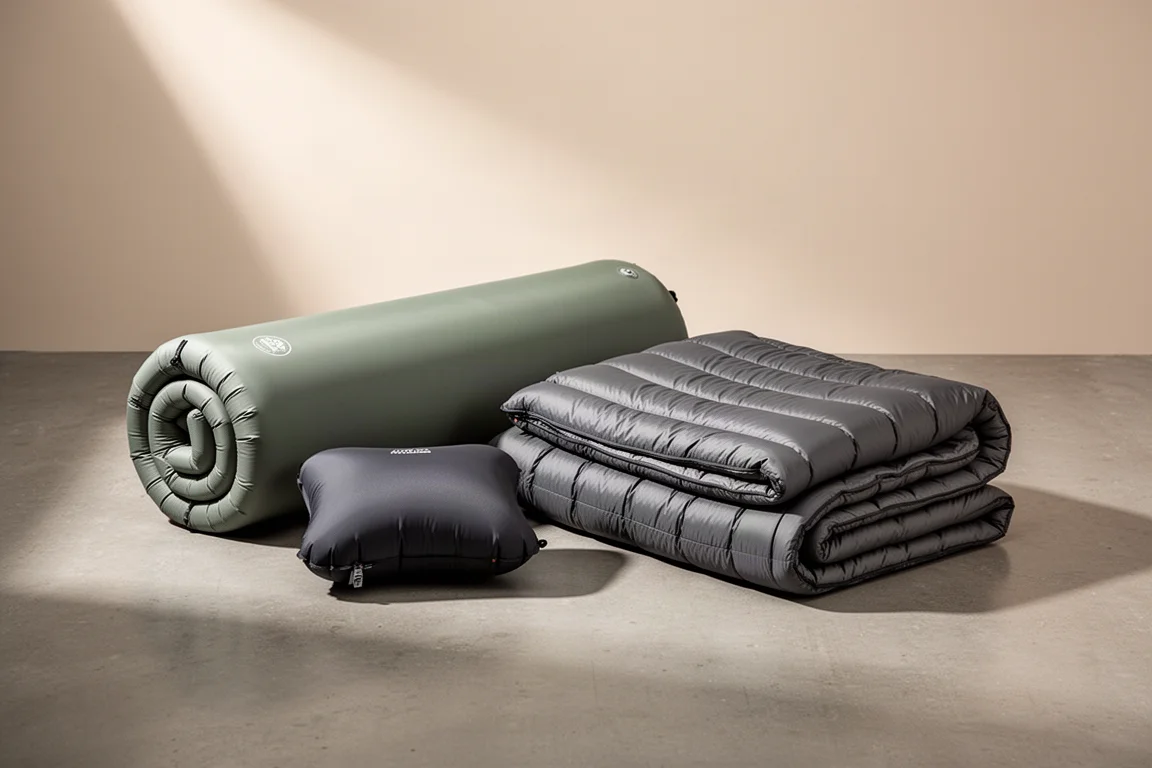
A better system rests on three pieces working together: a pad that relieves pressure and insulates against the ground, insulation that traps warmth without restricting movement, and a pillow that stays where you put it. The sections below cover what to look for in each piece, along with the specific pads, pillows, and quilts that make the cut.
What to Look For in a Backpacking Sleep System
Sleeping Pad R-Value
For three-season use, aim for a sleeping pad with an R-value of at least 3. In colder climates, or for backpackers who head out often in the shoulder seasons, an R-value of at least 4 is the better target. R-value is the most direct number for judging how well a pad holds warmth against cold ground.
Pressure Relief and Baffle Design
Warmth is only half of pad comfort. A side sleeper needs a surface that spreads load away from the hip and shoulder instead of concentrating it in one spot. Baffle design does much of that work. A dimpled baffle pattern, with raised areas separated by recessed dimples, is particularly effective at relieving pressure points, and it is often the difference between waking up with a sore hip and sleeping through the night.
Pillow Support, Baffling, and Pad Straps
A stuff sack full of clothes fails for two reasons: it does not provide enough height or support for the head and neck, and it has no way of staying on the pad. A dedicated backpacking pillow addresses both. Inflatable pillows hold their shape through the night rather than compressing the way a compressible pillow or a clothes-filled sack does. Supportive baffling keeps the surface feeling like a pillow at home instead of a balloon that sinks on one side and bulges on the other. The pillow also needs a way to attach to the pad, either through loops that accept a shock cord or through a pad strap built into the pillow.
Why a Quilt Instead of a Sleeping Bag
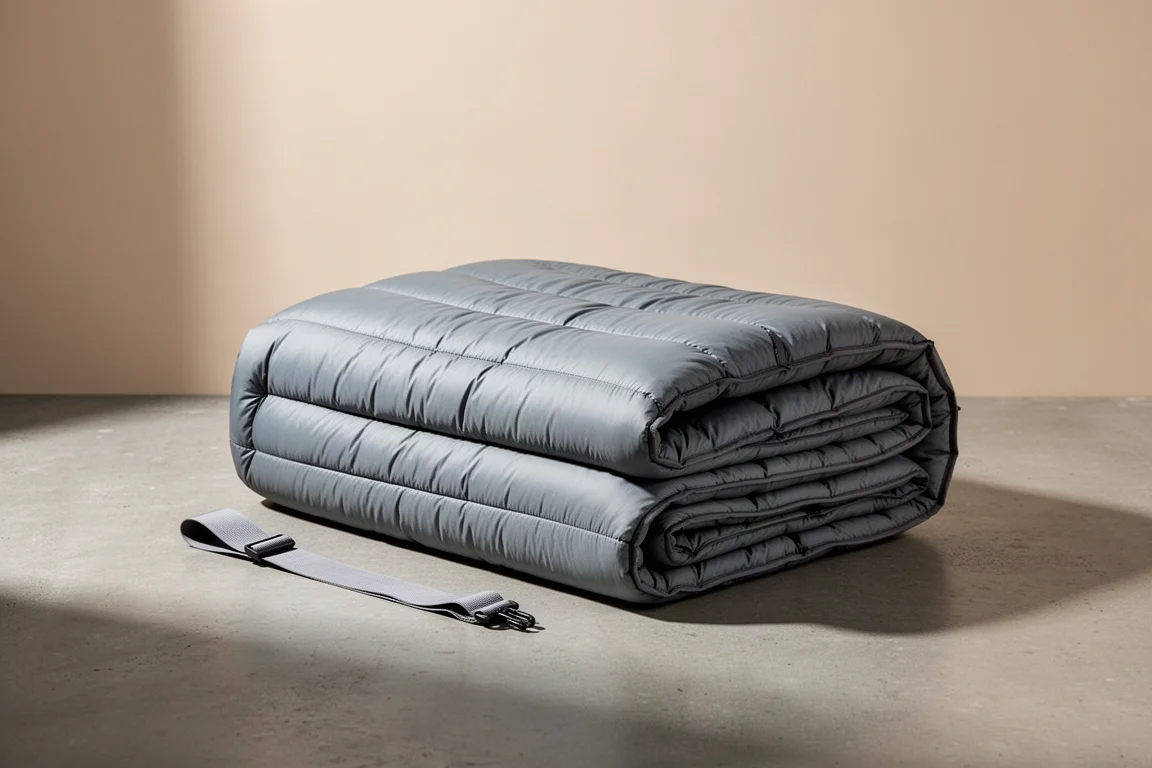
A thin blanket is not warm enough, but it gets one thing right: it allows you to toss and turn without the restriction of a sleeping bag. A backpacking quilt keeps that freedom and adds the features a blanket lacks. It has an enclosed footbox, usually up to about the knees, and it opens above the knees like a blanket. Pad straps lock it onto the sleeping pad, and a neck cinch and snap close it around the neck to keep drafts out. The result is the freedom of a blanket with far better warmth management.
Sleeping Pads
A pad has two jobs: keep you warm and keep you comfortable. The three below are the ones that reliably deliver a full night of sleep.
REI Helix
The REI Helix carries an R-value of 4.9, which is warm enough for shoulder-season trips and holds up on cold ground and in sub-freezing conditions. Snow and frozen ground are a different story, and that is where it falls short. What sets the Helix apart is its dimpled baffle pattern, made up of raised areas and recessed dimples. That layout is unusually effective at relieving pressure points, so a side sleeper can avoid a sore hip and keep an arm from going numb.
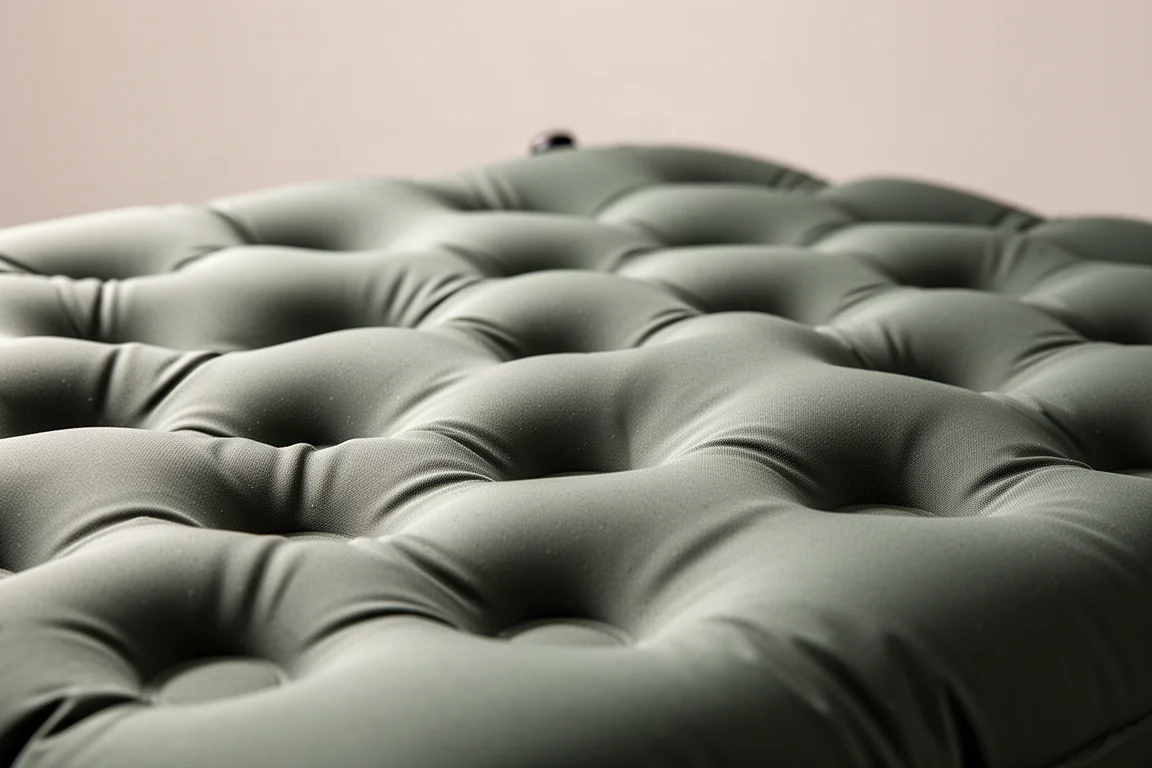
The Helix belongs to a small group of pads that are comfortable enough to sleep through the night on. For three-season backpacking and shoulder-season trips where the ground is not frozen, it is one of the strongest comfort options available.
Sea to Summit Ether Light XT
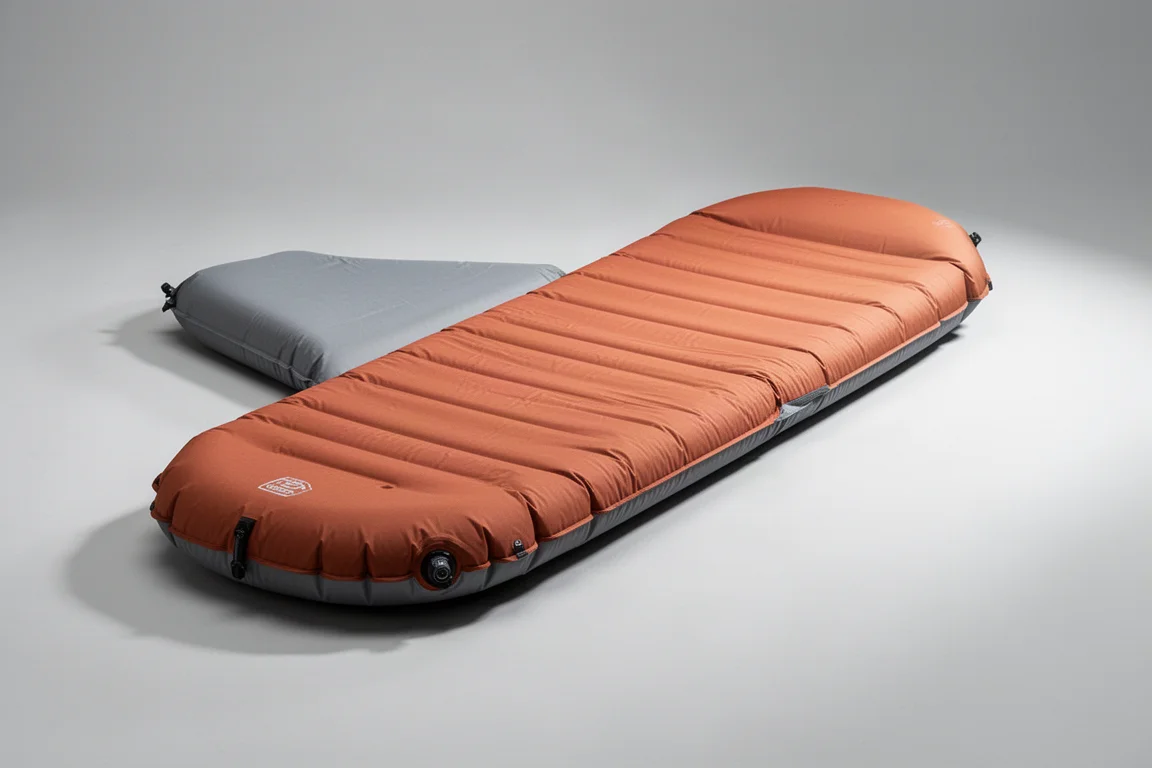
The Sea to Summit Ether Light XT is another pad in that short list of surfaces comfortable enough to sleep through the night on. It is a comfort-first option for backpackers who want a pad they can rely on night after night, and it pairs well with the Helix for anyone building a system around pressure relief.
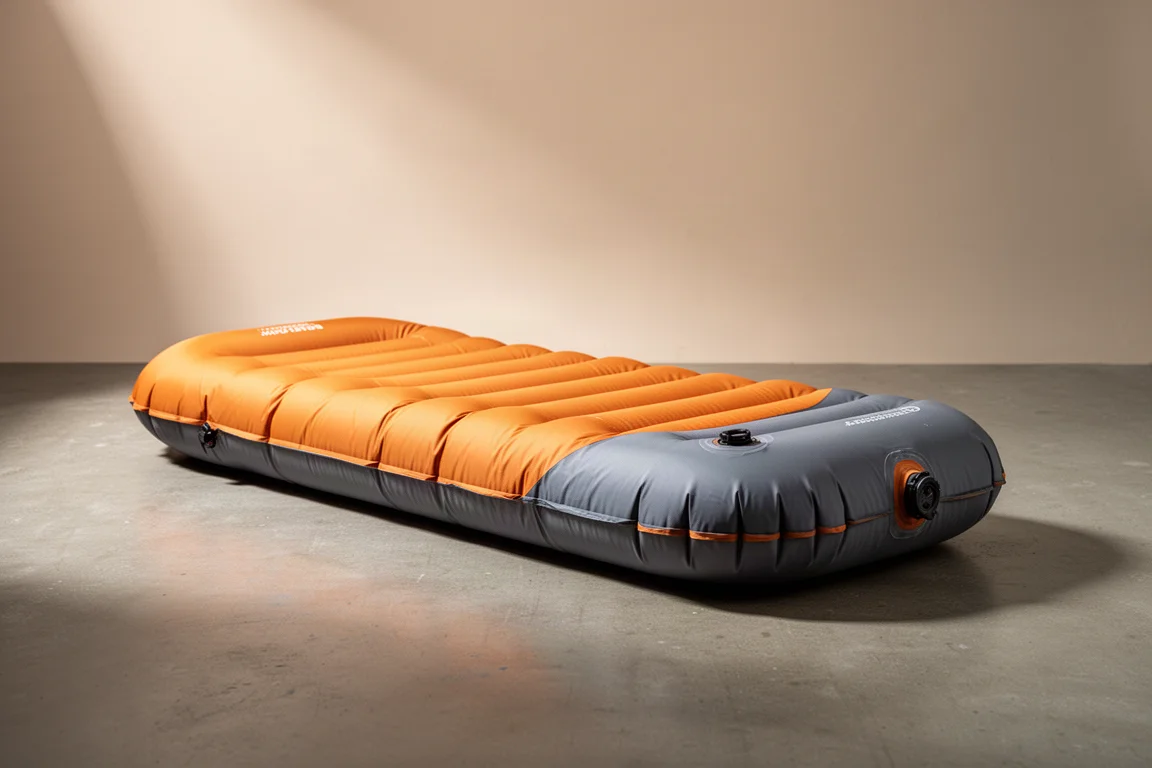
Big Agnes QCore
The Big Agnes QCore completes the group of pads that make it easy to sleep through the night. Like the other two, it is a comfort-oriented design for backpackers whose priority is waking up without a sore hip or a numb arm.
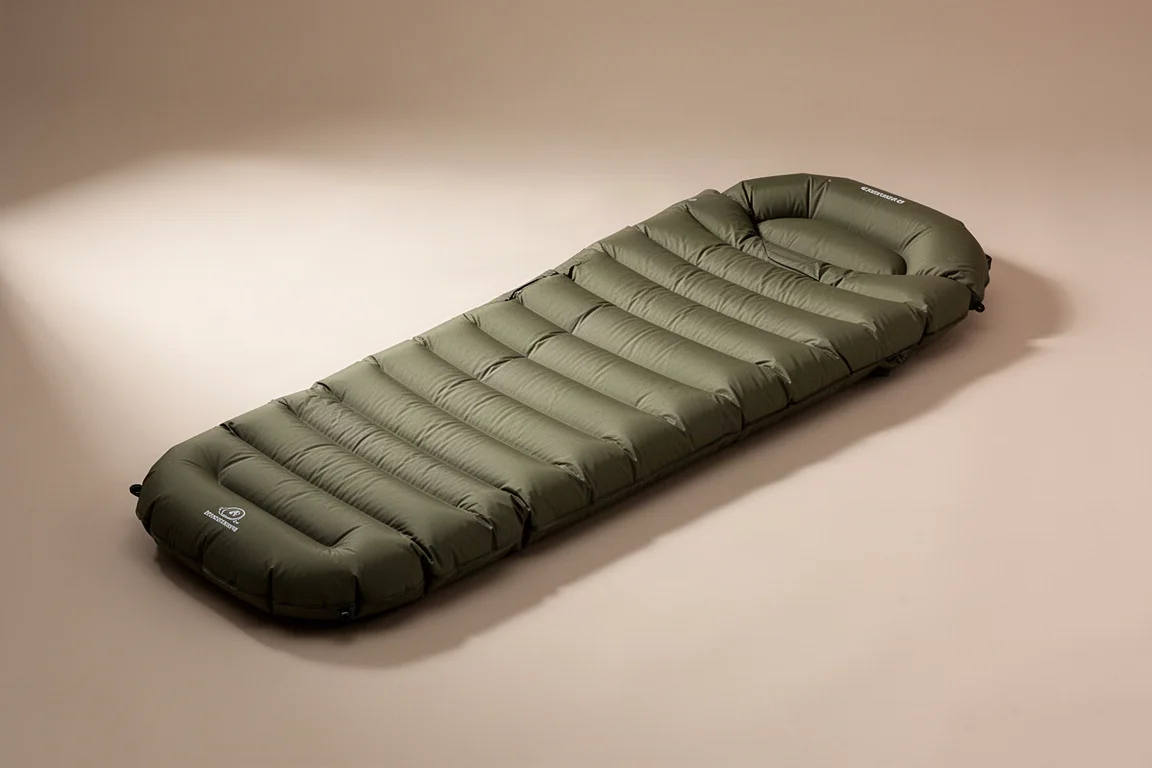
Pillows
A handful of pillows are comfortable enough to take on the trail. The two below show the features that make a backpacking pillow work.
Exped Mega Pillow
The Exped Mega Pillow has the three qualities that matter most in a camp pillow. It has enough height to support the head and neck. Because it is inflatable, it holds its shape through the night instead of compressing the way a stuff sack of clothes or a compressible pillow does. Its baffling is supportive, so it feels closer to a pillow at home than to a balloon that shifts when you roll over. It also has loops on either side that accept a shock cord, which means it can be attached to the sleeping pad and stay in place.
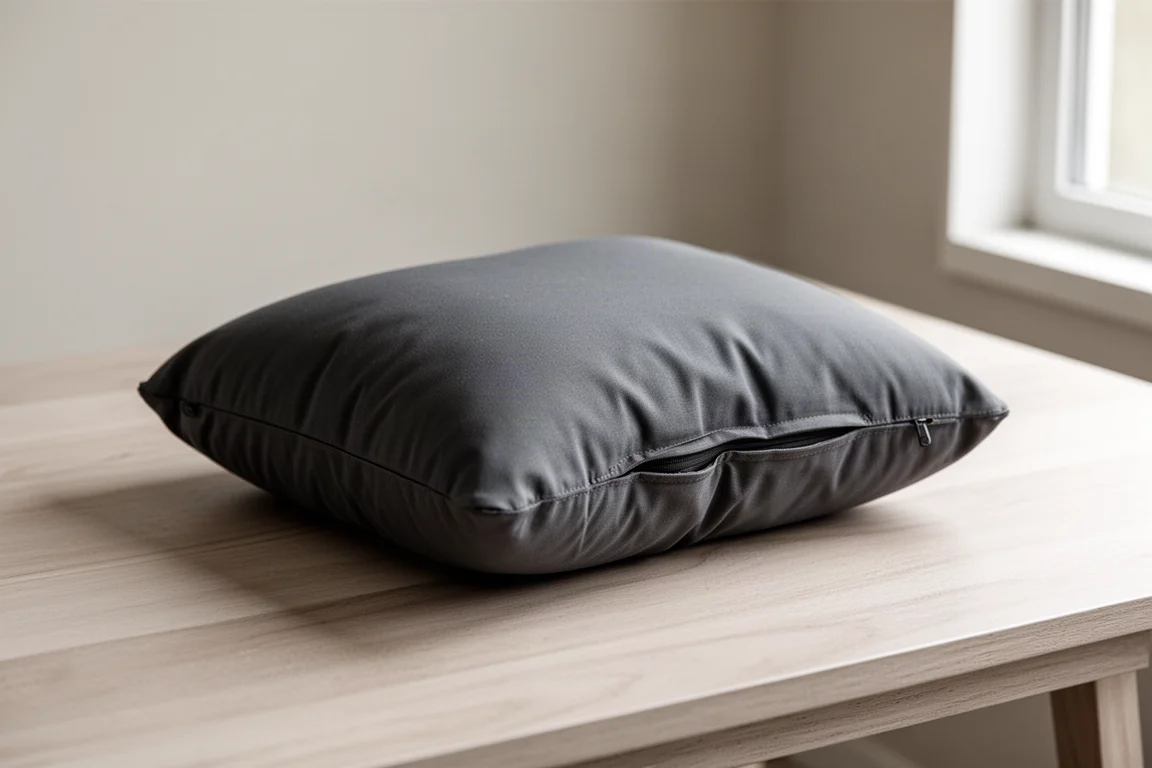
Trekology 2.0 Pillow
The Trekology 2.0 pillow covers the same ground with a pad strap built right into the pillow rather than separate loops, which makes it the pick for lightweight trips. It has the height and supportive baffling needed for a comfortable night, and the built-in strap keeps it anchored to the pad instead of sliding off.
Quilts
A quilt is essentially an upgraded blanket: enclosed at the footbox, open above the knees, held on the pad with straps, and closed at the neck with a cinch and snap. Temperature range is the main decision point.
Hammock Gear Econ Burrow
The Hammock Gear Econ Burrow is a great quilt and one of the more budget-friendly ways into quilt-style insulation. It follows the same quilt formula as the rest of the category: an enclosed footbox for warmth at the feet, an open upper section that allows you to move, pad straps that lock it onto the sleeping pad, and a neck cinch and snap to keep drafts out.
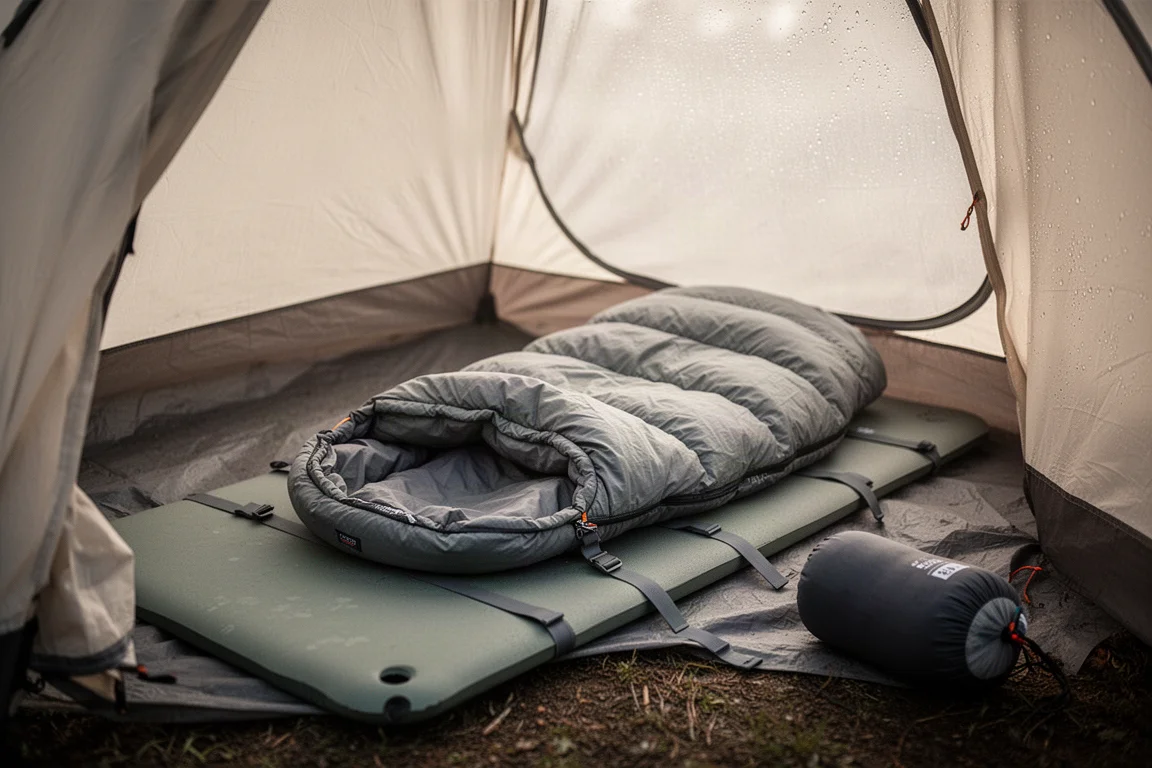
For backpackers who want quilt warmth and freedom without paying the most for it, the Econ Burrow is a sensible starting point.
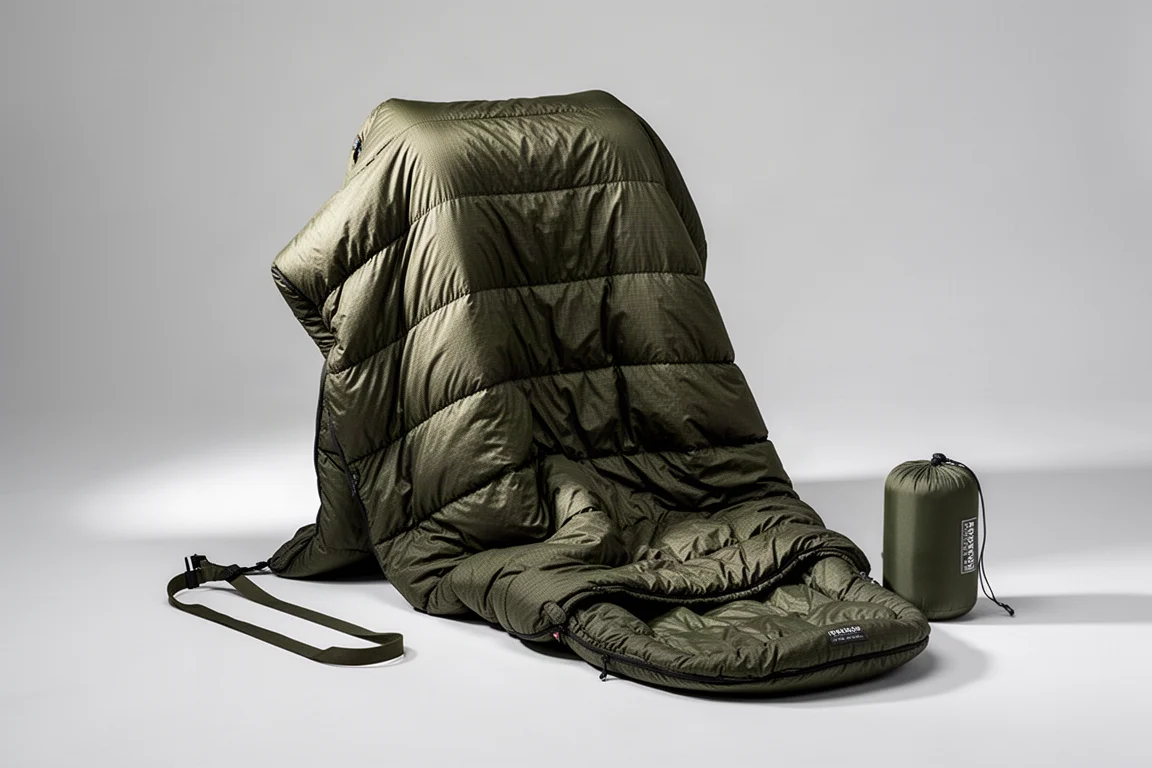
Enlightened Equipment Revelation
The Enlightened Equipment Revelation is the quilt to choose when nighttime temperatures usually stay around 10 °C or warmer. Its open footbox can be opened up when a night turns warm, which makes it the more adaptable of the two Enlightened Equipment options in mild and variable conditions.
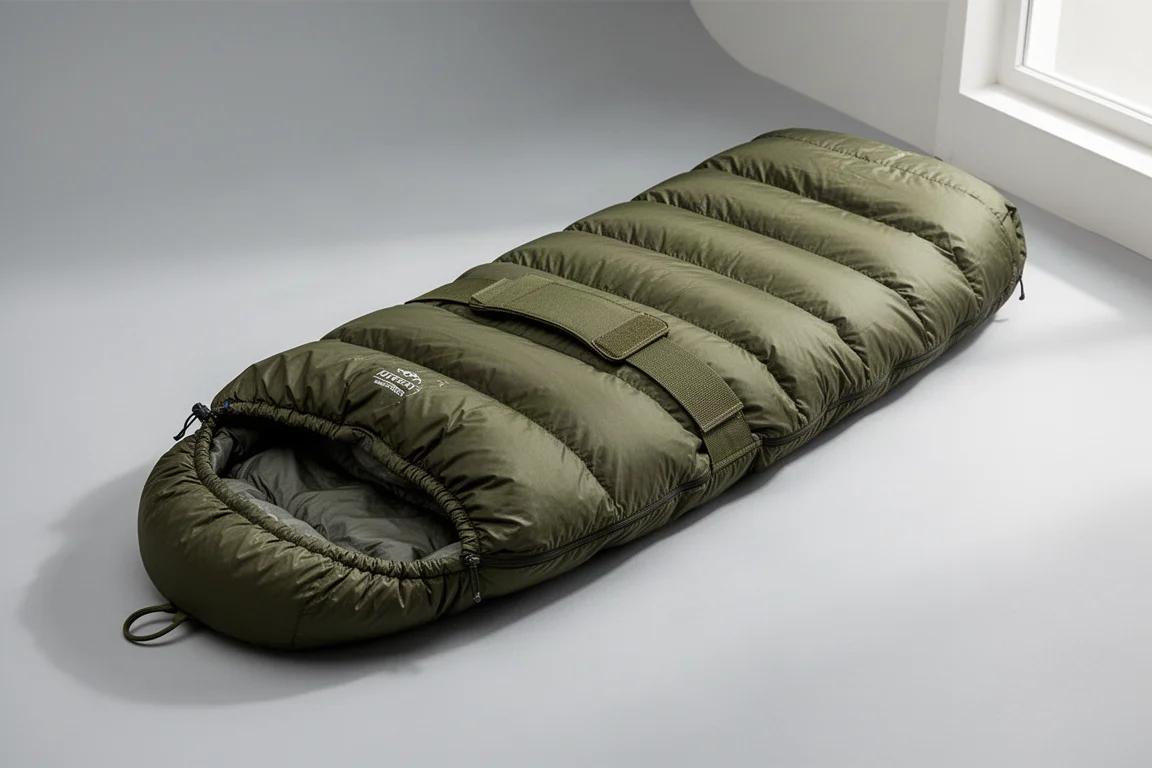
Enlightened Equipment Enigma
The Enlightened Equipment Enigma is the colder-weather counterpart, intended for trips where temperatures usually drop below 10 °C and definitely below freezing. Both Enlightened Equipment quilts are highly customizable and can be built for very low weight, which appeals to backpackers who want insulation tuned to their own trips.
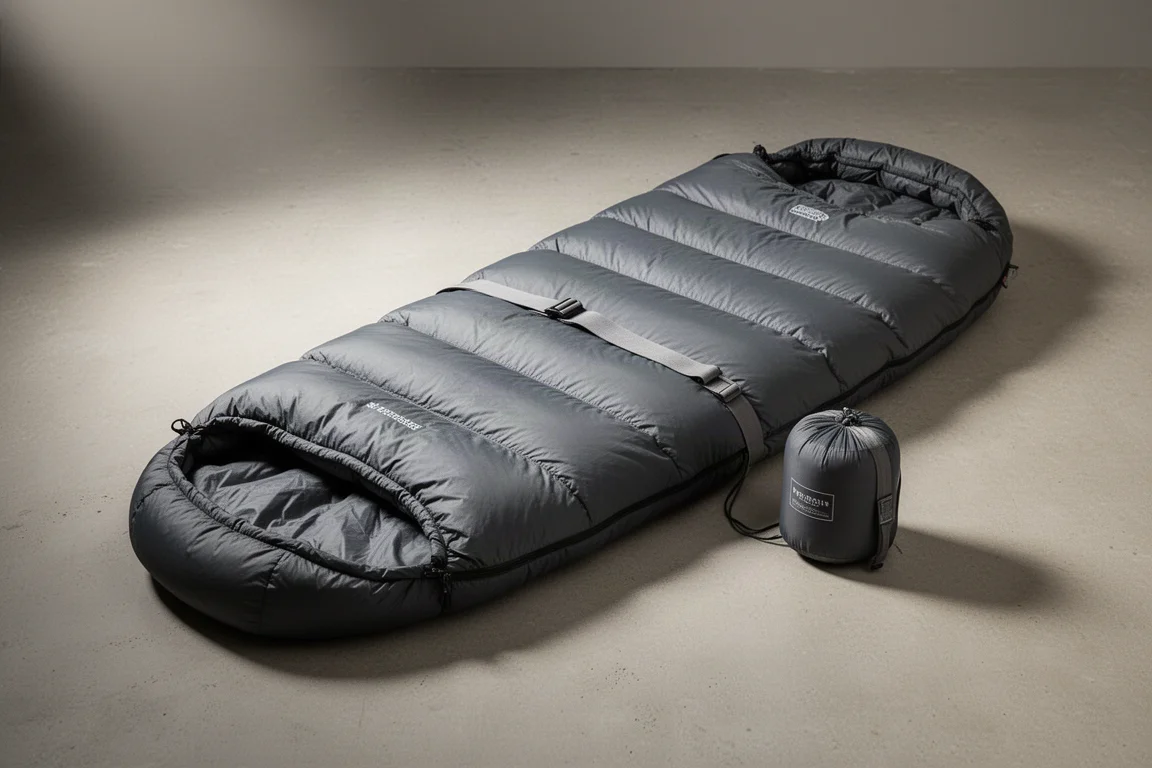
REI Magma Quilt
The REI Magma Quilt suits anyone who wants to try a quilt in a store first or who values a strong return policy. Its limit is temperature: it works down to about freezing and is not the right choice for colder nights.
Buying Advice
Match each piece to the conditions you actually camp in. For three-season trips, a pad rated at R-value 3 or higher is the baseline, and R-value 4 or higher is the better target for cold climates and shoulder-season use. If snow or frozen ground is on the itinerary, plan on more insulation than a three-season pad provides.
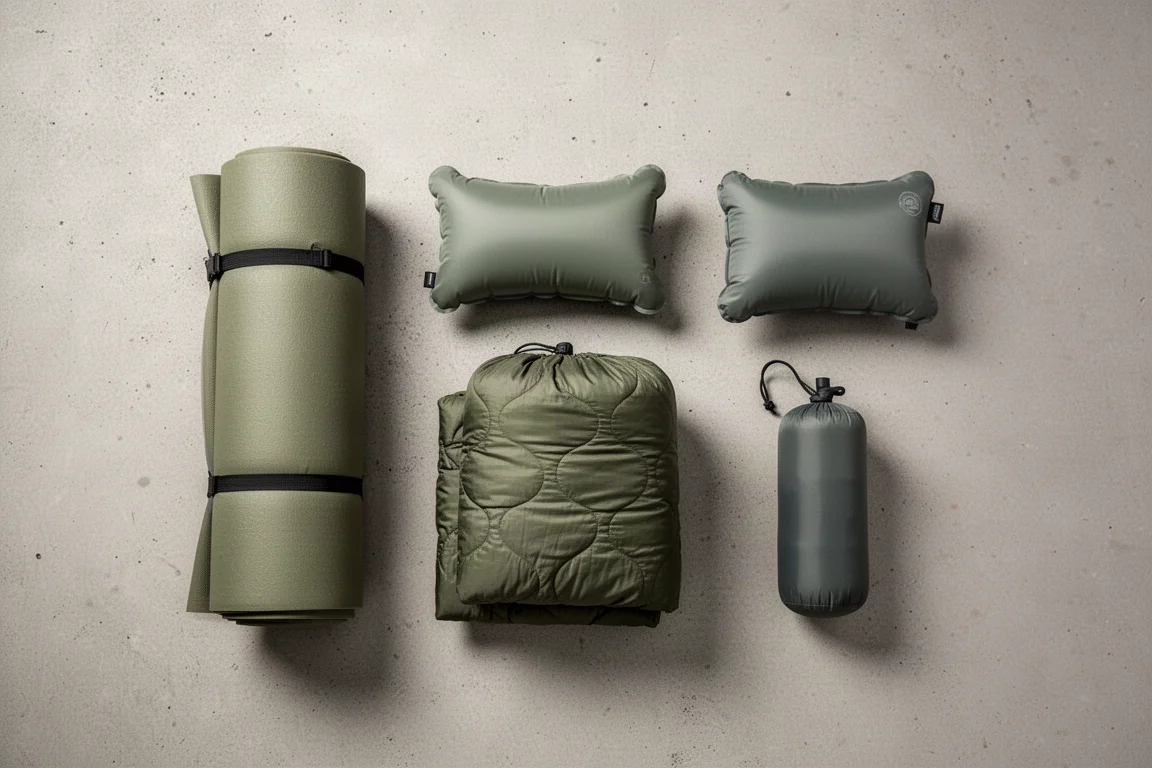
For side sleepers, pressure relief deserves as much attention as warmth, which is where baffle design earns its place. A pillow is the least expensive piece in the system and the one most likely to change how a night feels, and the requirements are simple: enough height, supportive baffling, and a strap that attaches it to the pad. On the insulation side, choose the temperature range first and the brand second. A quilt with an open footbox suits mild nights and warm sleepers, while a closed, warmer quilt is the right call when temperatures drop below freezing. If you are unsure about quilts in general, buying from a store where you can try one and return it easily lowers the risk.
Conclusion
A comfortable sleep system is worth sorting out early, and the three pieces reinforce one another: a pad that relieves pressure and insulates against cold ground, a pillow that supports the neck and stays on the pad, and a quilt that traps warmth while still letting you move. Start with the pad’s R-value and baffle design, add a pillow with a pad strap, then pick a quilt for the temperatures you actually sleep in.
Further reading
Related Reviews

Backpacking Gear
Building a 10 lb Base Weight: An Ultralight Backpacking Gear List
A practical walkthrough of the ultralight pieces behind a 10 lb base weight, from a 765 g pack and a roomy one-person tent to a full camp chair and a dependable water filter.
Backpacking Gear
A 15-Pound Lightweight Backpacking Gear List for Solo Trips
A beginner-friendly 15-pound backpacking setup built from easy-to-find gear, with notes on what each piece does, how it packs, and where to spend your attention.
Backpacking Gear
8 Ultralight Backpacking Gear Upgrades Worth Carrying
Eight small, affordable backpacking upgrades that solve real trail annoyances, from a pillow that stays put to a fuel valve that rescues leftover canister gas.