Hiking Pants
Best Backpacking Pants: Four Synthetic Options Worth Packing
A practical look at four synthetic hiking pants for backpacking, from a trim lightweight pair to stretchy and convertible designs, plus a budget pick.
Introduction
Denim is fine for a walk around the neighbourhood, and it is a poor choice for a multi-day backpacking trip. Cotton collects dirt easily, holds on to sweat, and turns heavy and slow to dry once it gets wet. On a long day of hiking, that combination turns a manageable climb into an uncomfortable one.
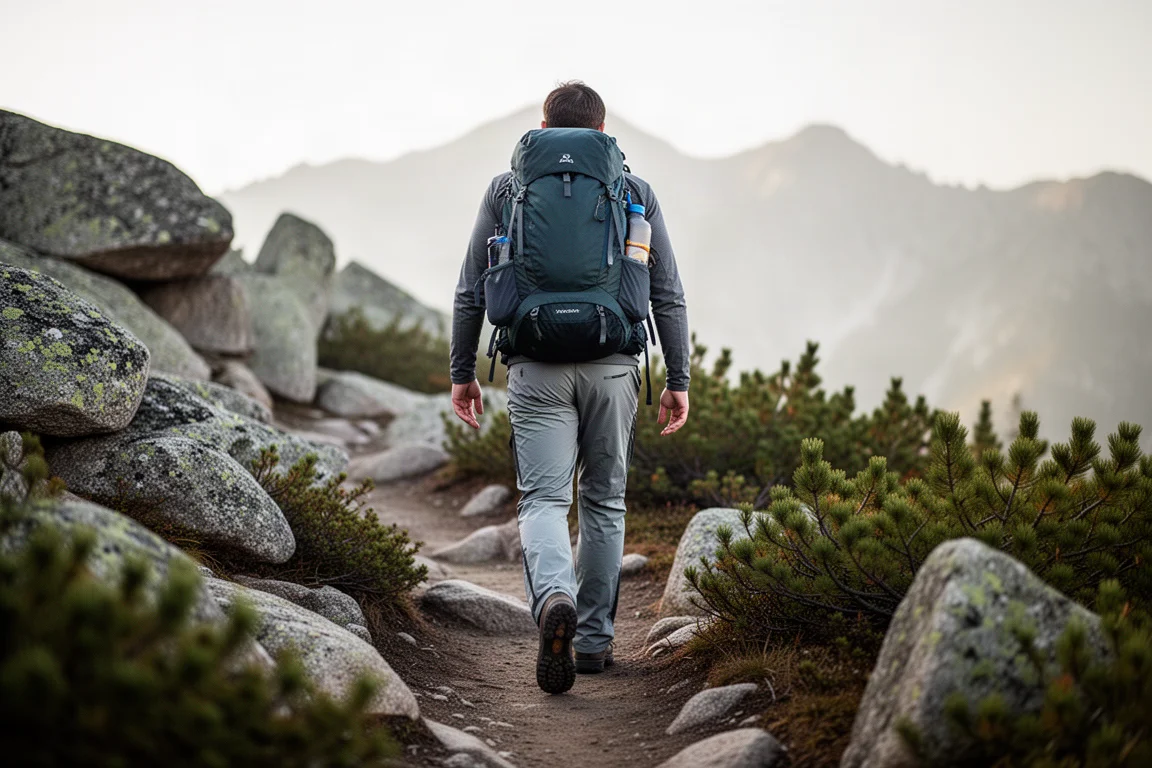
Nylon and other synthetic fabrics solve most of that. They weigh far less than denim, they stay noticeably cleaner through the day, and the little dirt that does cling to them brushes off easily. When rain arrives they do not become a wet, heavy layer, because the fabric moves moisture away from the body and dries quickly. The benefit carries over to camp: climbing into a sleeping bag in clean, dry clothing keeps your shelter and your bag cleaner for the rest of the trip.
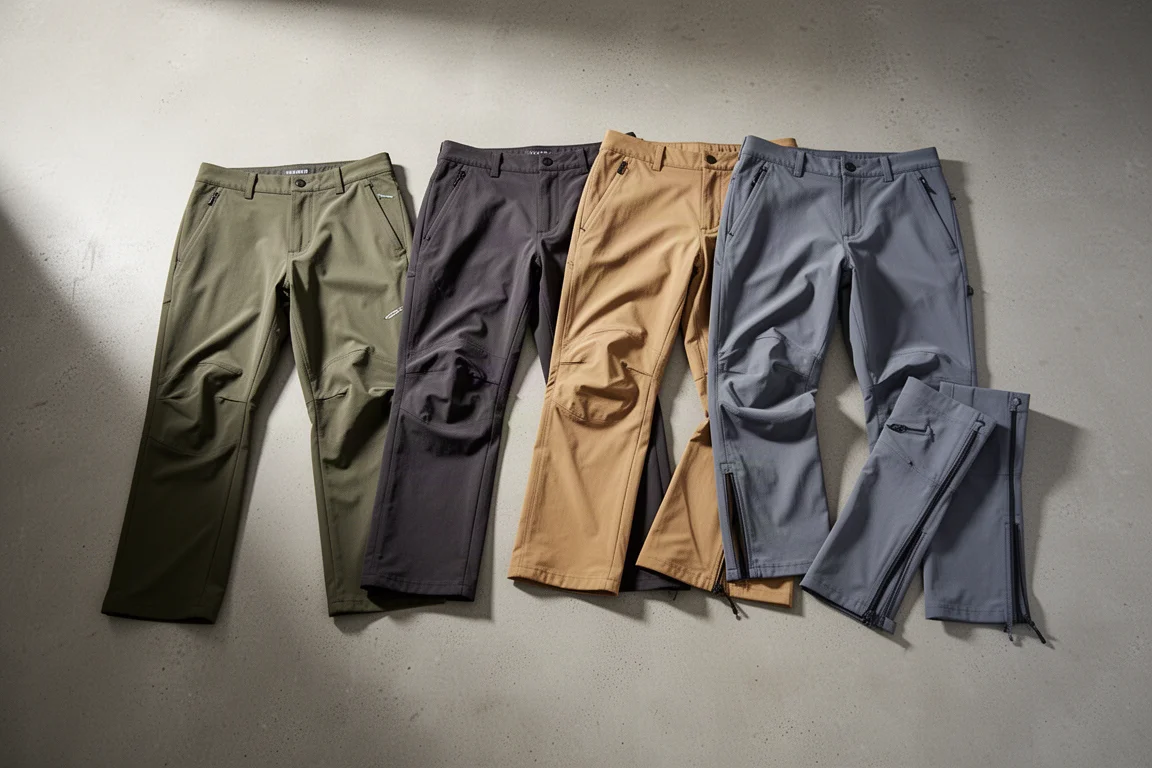
The four pants below cover the main approaches. One is very light and trim, one leans on stretch, two convert to shorts, and one keeps the cost low.
What to Look For in Backpacking Pants
Fabric matters more than any other single detail. Synthetic and nylon pants stay light, resist holding dirt, and dry fast. Cotton does the opposite, which is why jeans are the wrong tool once you are out for several hours or several days.
Fit is a personal decision with real consequences. A trim, form-fitting cut moves with you and layers neatly, while a relaxed cut leaves more room and feels less restrictive when you are crouching, kneeling, or sitting on the ground at camp.
Convertible designs zip off around the knee and turn full-length pants into shorts. That one feature makes a pair usable across a much wider range of temperatures, which is useful when a trip starts cold and ends hot.
Pockets and weight round out the picture. Cargo pockets add storage, but they also add bulk, so it is worth deciding how much you genuinely want to carry in your pants.
Arc’teryx Stow Pants: Lightweight and Pocket-Rich
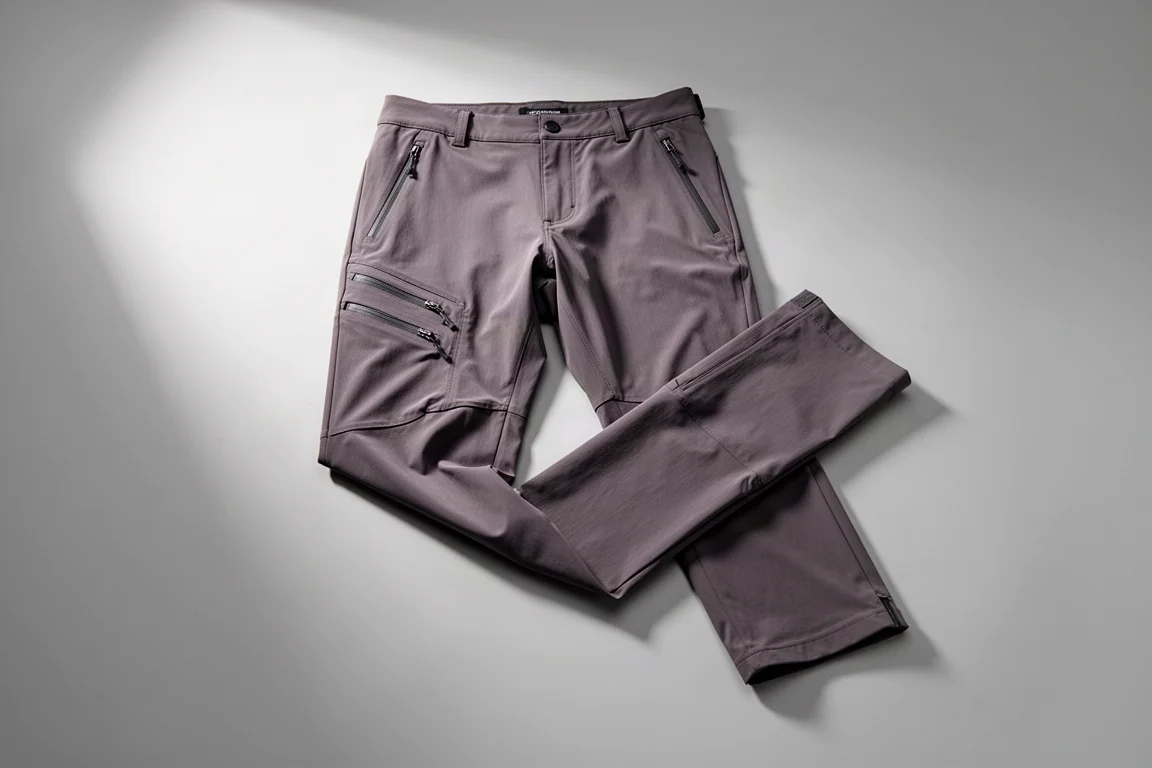
The Stow Pants are the lightest and trimmest pair in this group. The cut is form-fitting and the fabric is very light, so they pack down small and barely register once you are wearing them. They also carry a generous number of pockets for a pant this slim, which makes them easy to live with over a long day on trail.
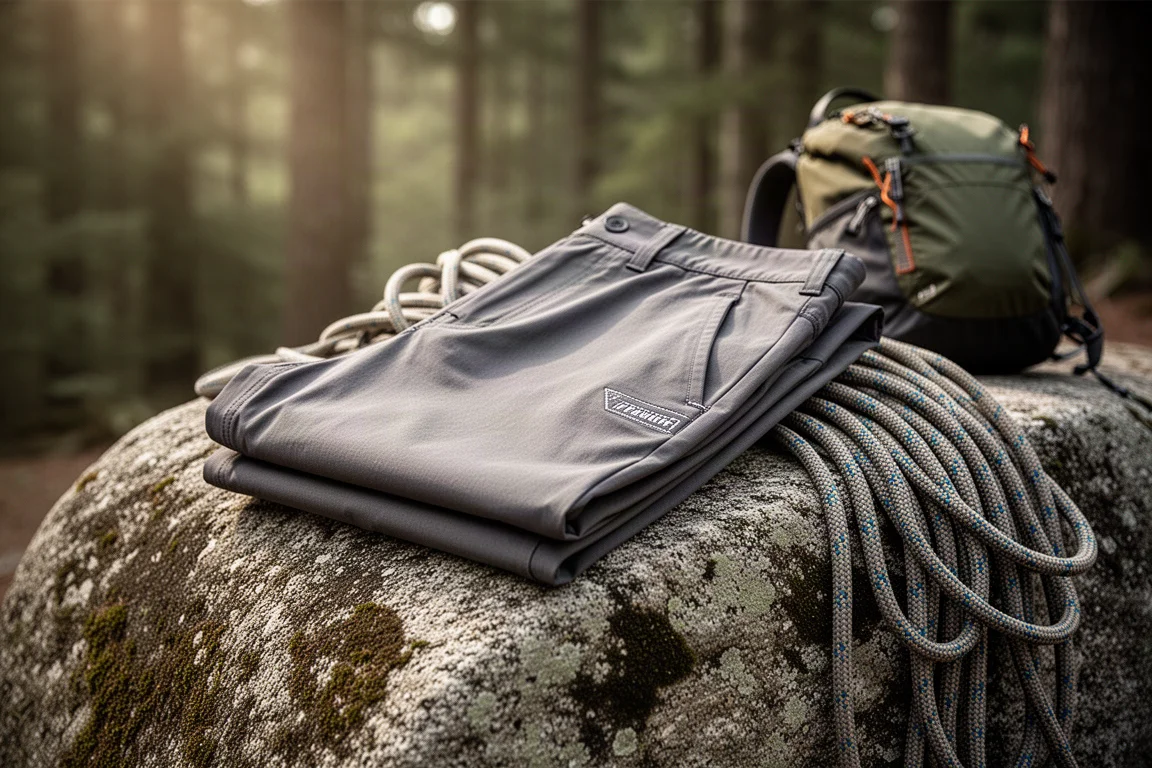
Because the fit is close, they work best as a standalone layer in mild to warm conditions rather than as a roomy shell worn over a base layer. Hikers who prefer a streamlined silhouette and want to keep gear weight down will find that trade-off worthwhile.
Outdoor Research Ferrosi Pants: Stretch That Moves With You
The Ferrosi Pants are the stretchiest option here. The fabric gives noticeably when you move, so kneeling down, stepping over fallen logs, or crouching to set up camp never feels like the pant is fighting you. That elasticity makes them feel closer to a pair of sweatpants than to a technical hiking pant, while still sitting fairly close to the body.
The trade-off is a slightly baggier overall shape than the trimmest options. For anyone who spends a lot of time crouching and moving over uneven ground, that extra give is the main reason to choose them.
KUHL Renegade Convertible Pants: Zip-Off Versatility
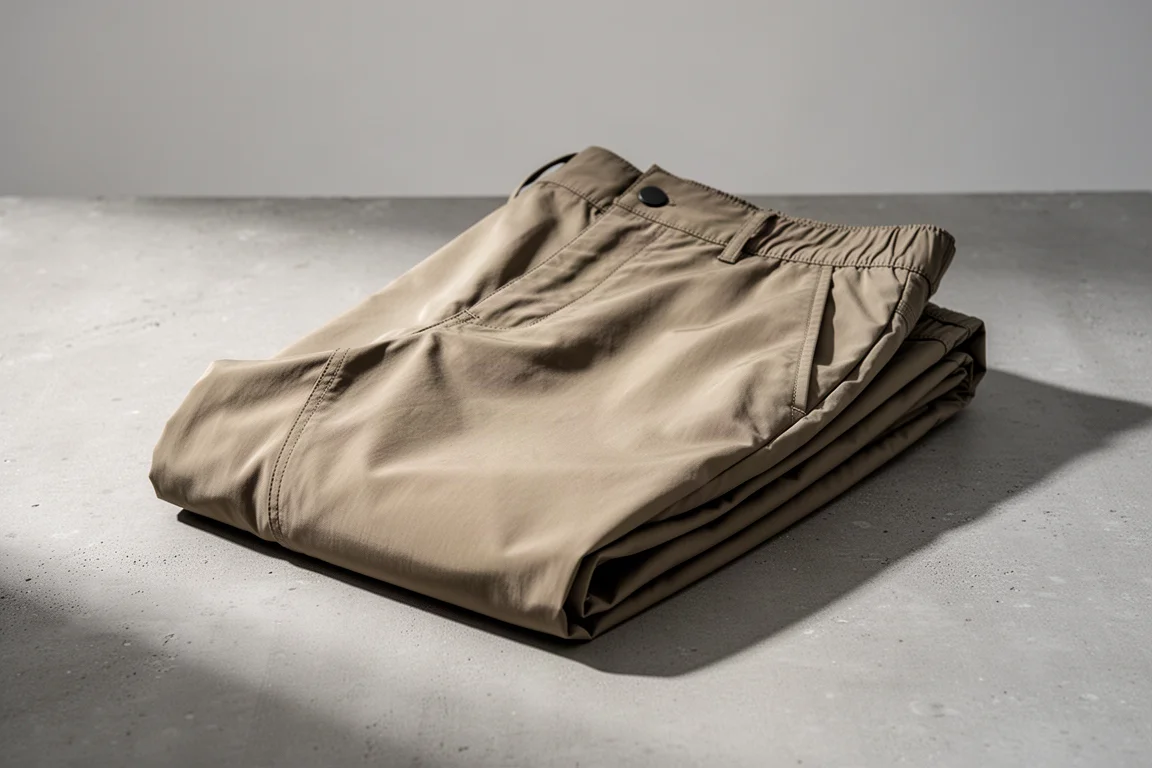
The Renegade Convertible Pants are the thicker of the two convertible options here. The fabric is heavier, which makes them a reasonable choice for cooler days, and the legs zip off around the knee to become shorts when the temperature climbs. That combination is why they can be worn across seasons rather than sitting in a drawer for half the year.
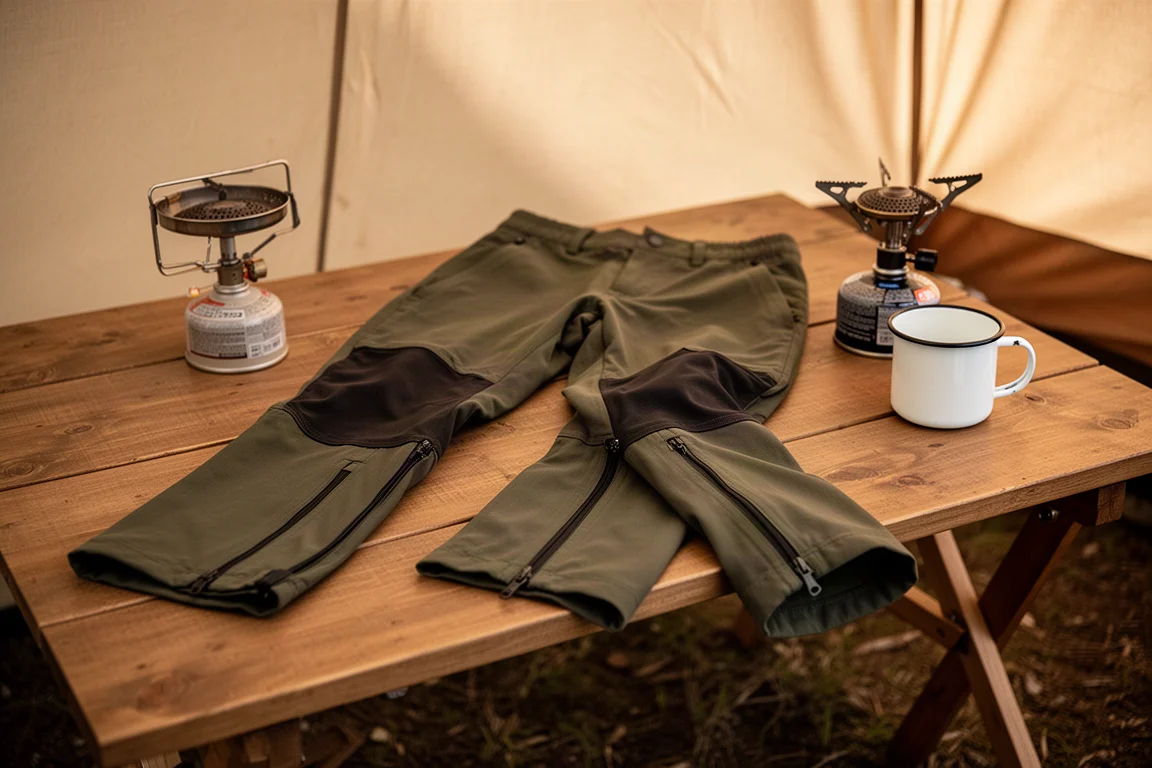
If you want one pair that handles a cold morning and a hot afternoon, the convertible design is the feature worth paying for. If you rarely want shorts, a lighter fixed-length pant is the simpler choice.
Columbia Silver Ridge Convertible Pants: The Budget Pick
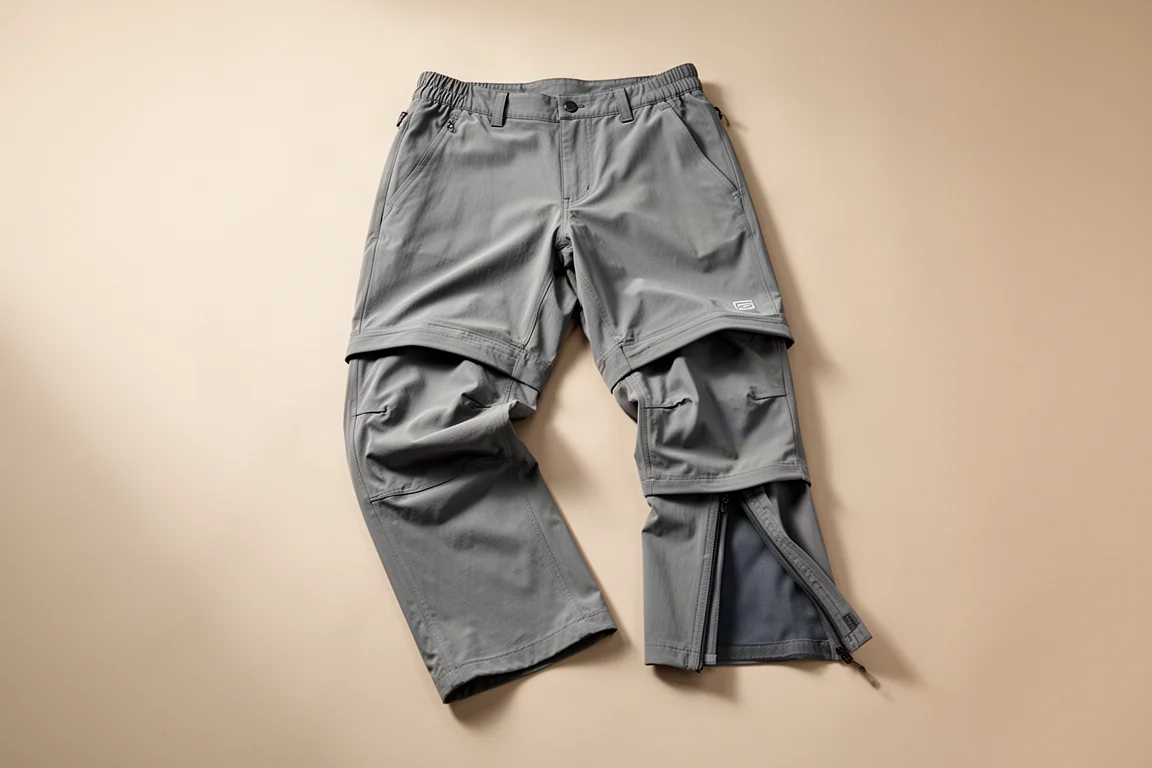
The Silver Ridge Convertible Pants are the value option, typically priced somewhere between $40 and $60. They also zip off around the knee, they are very lightweight, and they include plenty of cargo pockets. The fabric is not as stretchy as the others here, and the fit is noticeably baggier, which gives them a more relaxed, traditional look.
For a first pair of hiking pants, a spare pair for car camping, or a budget-conscious kit, they cover the essentials: synthetic fabric, low weight, and the option to convert to shorts.
Buying Advice
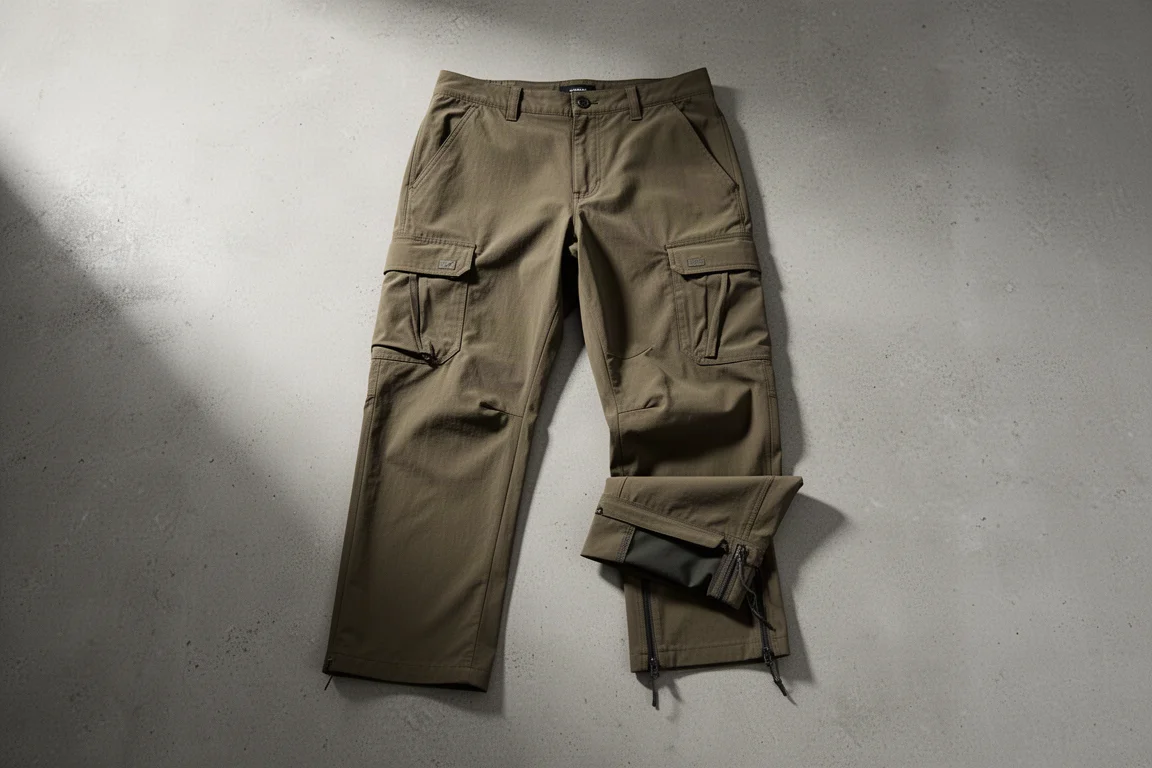
Start with the fabric and the fit, then decide whether you actually need the convertible feature. If low weight and a trim cut matter most, the Arc’teryx Stow Pants are the natural pick. If freedom of movement is the priority, the stretch of the Outdoor Research Ferrosi Pants is the reason to choose them. If you want one pair that works from a cold start to a hot afternoon, either convertible option delivers that, with the KUHL Renegade offering a thicker fabric and the Columbia Silver Ridge keeping the price low.
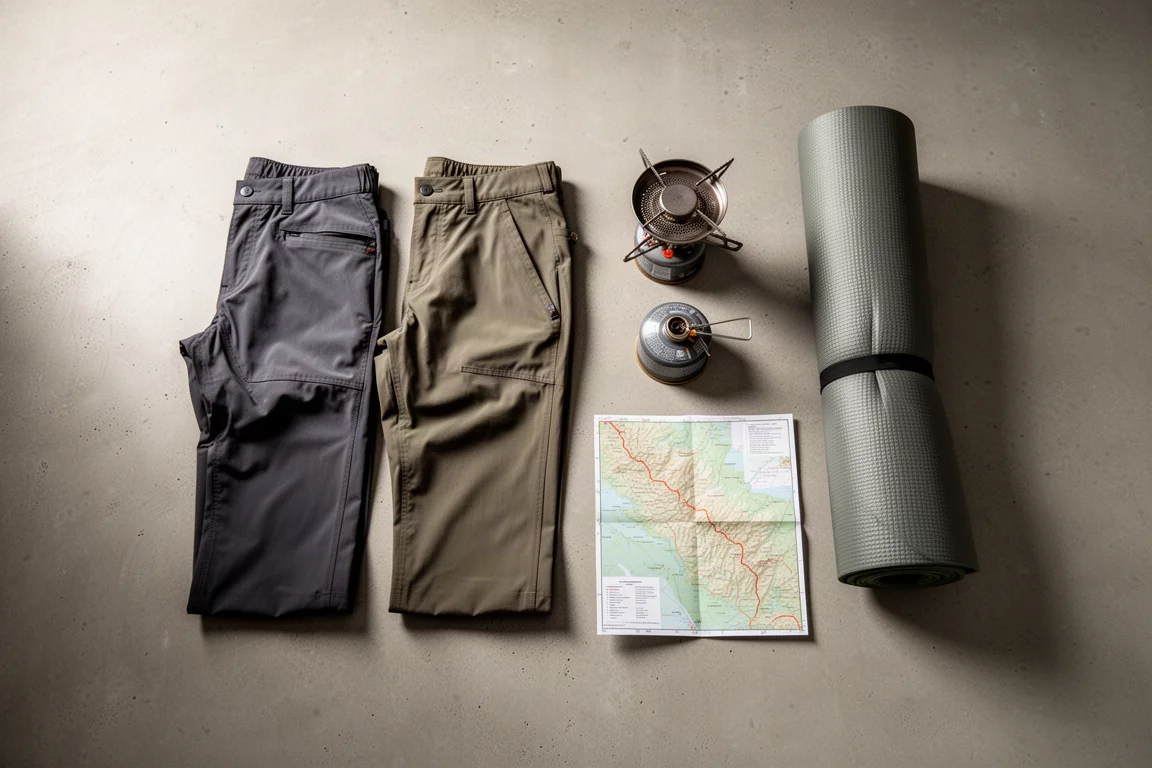
Whichever you choose, the goal stays the same: leave the cotton at home and pack a pant that stays light, dries fast, and keeps your camp clean.
Conclusion
Synthetic hiking pants are one of the simplest upgrades available to a backpacker. They are lighter than denim, they resist dirt and sweat, and they dry quickly when the weather turns. The four pairs above each solve that problem from a slightly different angle, so the right one is simply the one that matches how you hike.
Further reading
Related Reviews

Backpacking Gear
Building a 10 lb Base Weight: An Ultralight Backpacking Gear List
A practical walkthrough of the ultralight pieces behind a 10 lb base weight, from a 765 g pack and a roomy one-person tent to a full camp chair and a dependable water filter.
Road Bikes
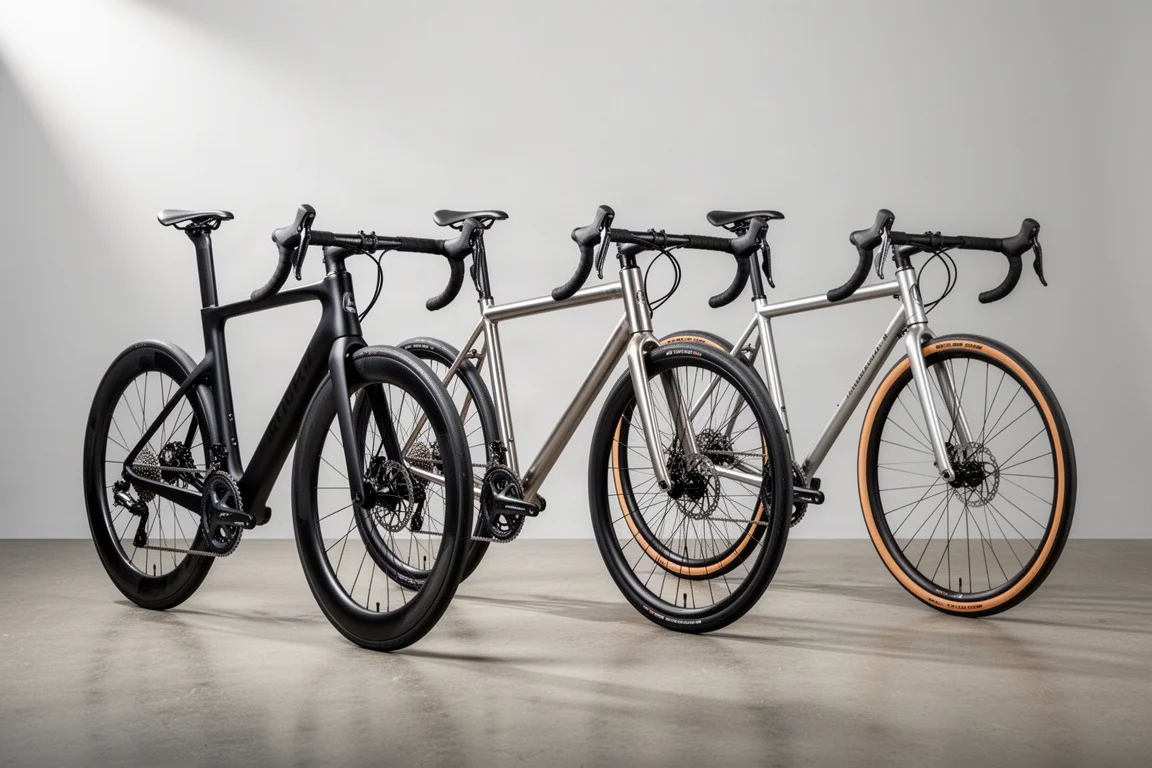
10 New Road Bikes Worth Watching: Aero, Titanium, Steel and Endurance Standouts
A practical roundup of 10 new road bikes, from aero flagships chasing single-watt gains to titanium, steel and endurance platforms built for real roads.
Bikepacking Gear
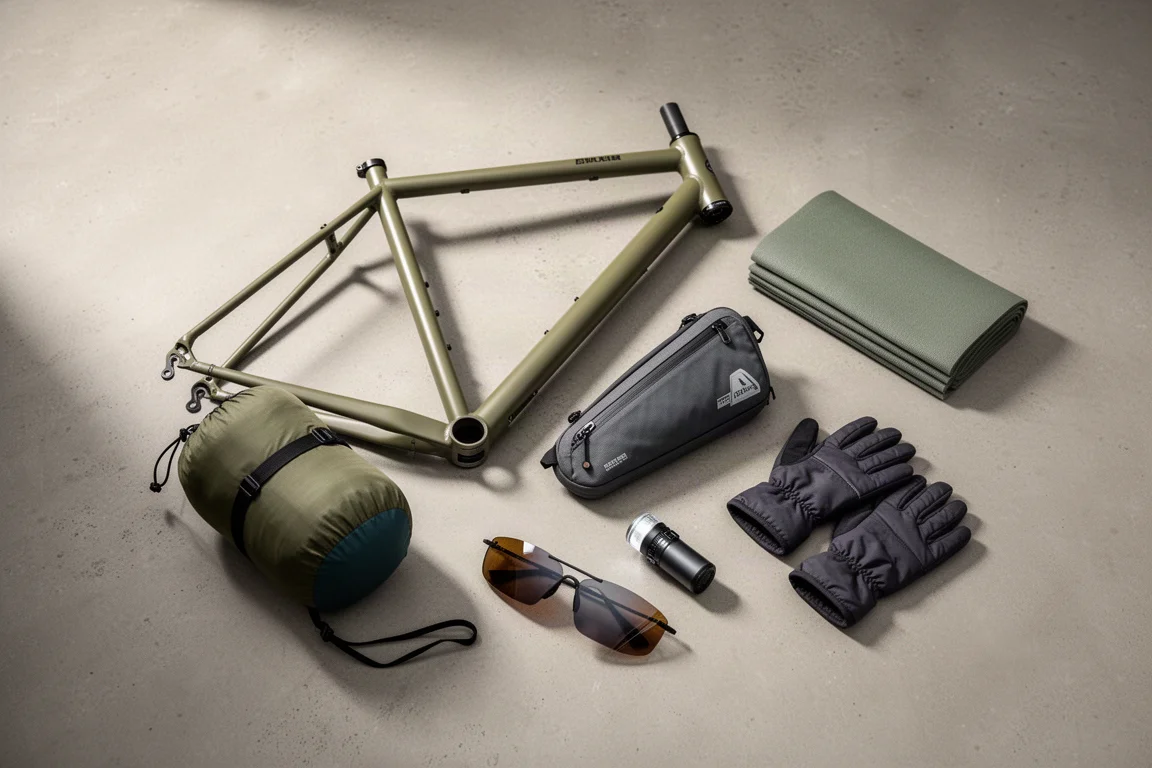
11 Bikepacking Essentials for Long-Distance Cycling
Eleven bikepacking essentials for long-distance cycling, from a steel gravel frame and a two-person tent to helmet lights, packable gloves, and a frame bag that puts weight in the right place.