Backpacking Gear
Best Backpacking Layering Systems: What to Buy at Every Price Point
A practical guide to backpacking layering systems, covering base layers, hiking pants, sun hoodies, fleeces, insulated jackets, and rain shells at budget, mid-range, and premium price points.
Introduction
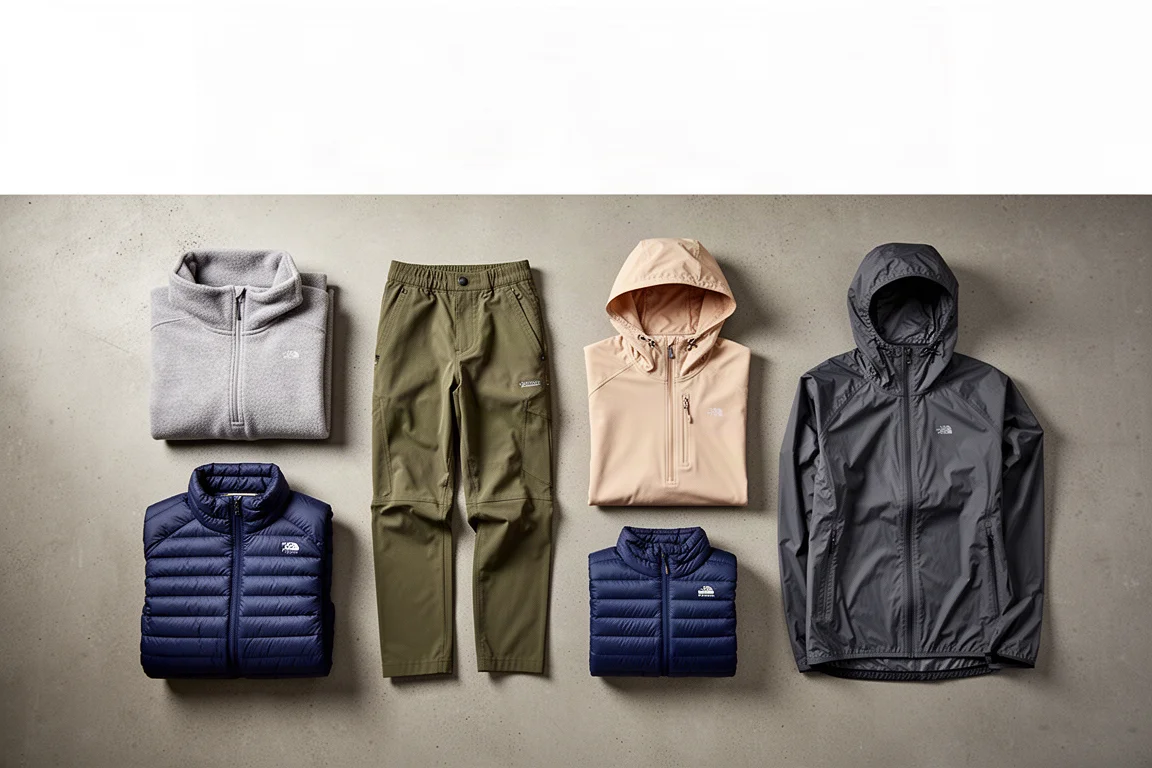
A complete backpacking layering system always comes down to the same short list of pieces: a full set of base layers, a pair of hiking pants, a sun hoodie, a fleece, an insulated jacket, and a rain jacket. What separates a budget kit from a premium one is not the number of items but the materials, the construction details, and how long each piece is likely to hold up.
This guide covers 13 pieces across budget, mid-range, and premium price points, explains what each layer actually does on trail, and shows where spending more genuinely changes the experience and where it does not.
How to Choose Layers That Work Together
A few principles matter more than brand names when you are assembling a system.
Base layers are sleepwear as much as hiking wear. EN and ISO temperature ratings on sleeping bags are tested on the assumption that the sleeper is wearing a full set of base layers, so a dedicated set is part of your sleep system, not just another hiking layer.
Fleece should be 100 percent polyester. Cotton holds moisture and stops insulating once it is wet, so anything with cotton in it does not belong in a layering system.
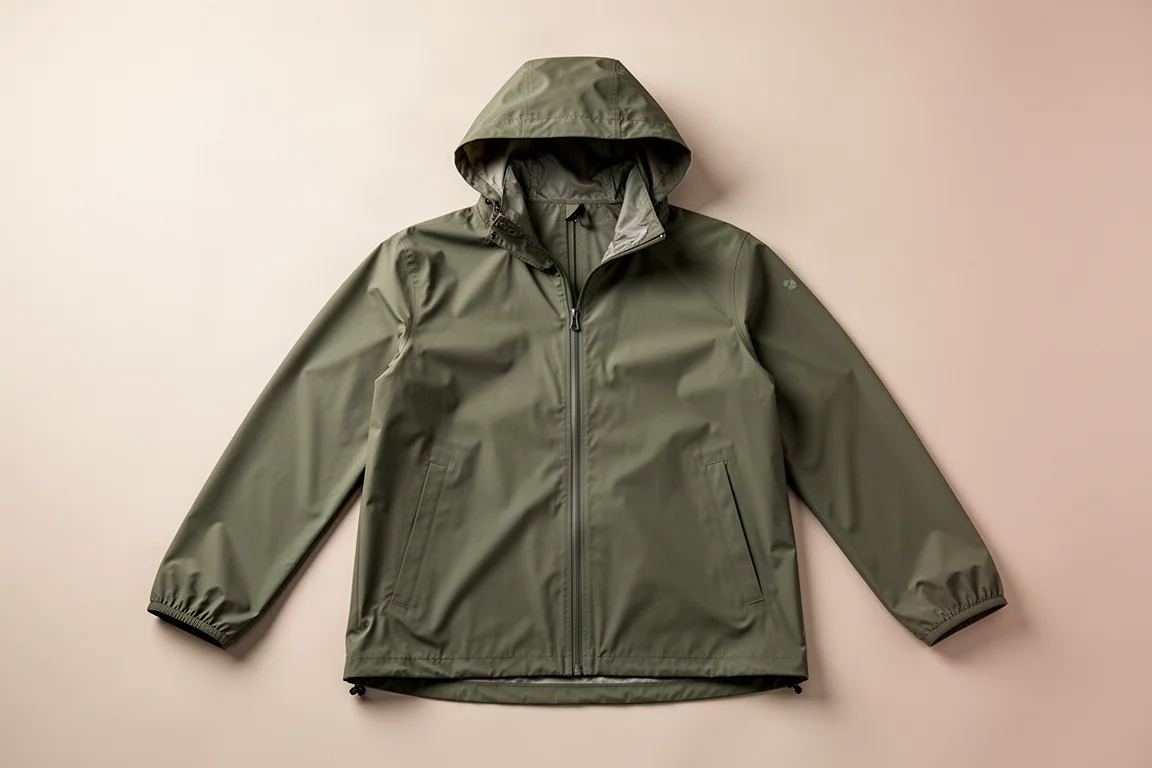
Rain shells need to be genuinely waterproof rather than merely water resistant.
Insulated jackets should be sized to fit over every other layer in the system. If the jacket only fits over a base layer, you lose the ability to stack everything on the coldest mornings.
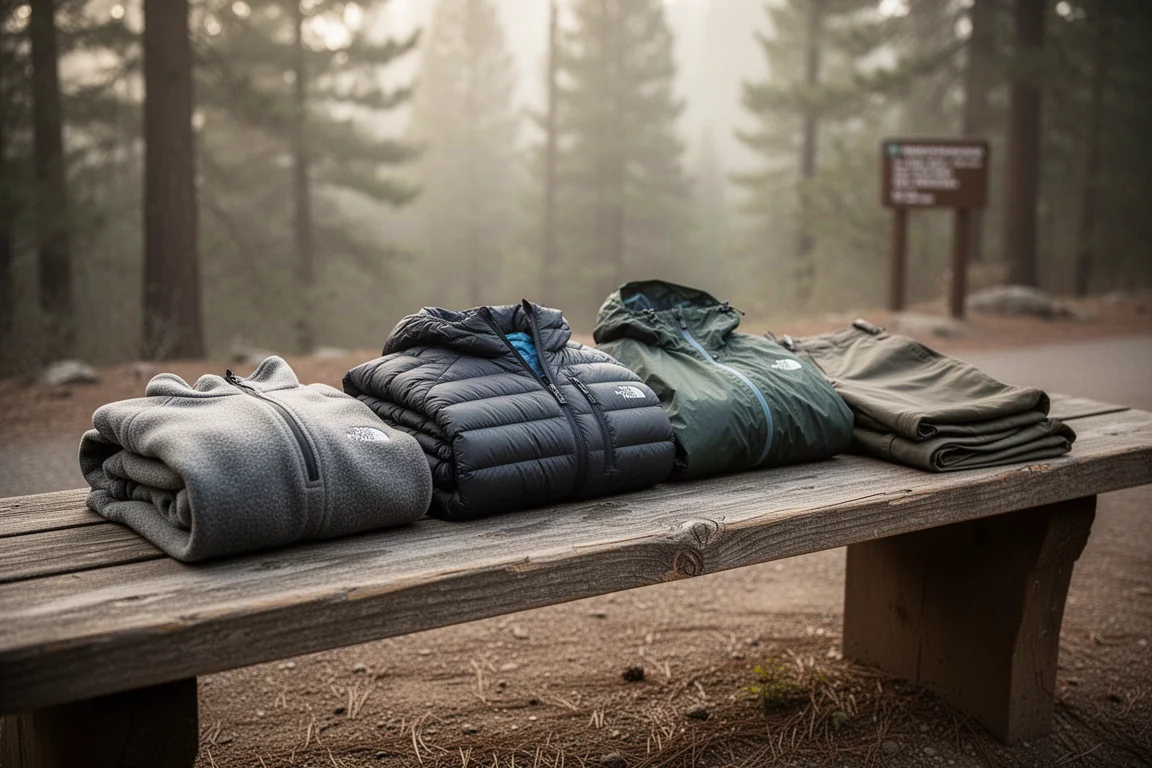
Buying secondhand is a legitimate strategy for at least one layer. A fleece jacket is the easiest piece to find used, and the only real requirement is that the fabric is polyester rather than cotton.
Best Budget Base Layers: Cuddl Duds Fleece-Lined Base Layers
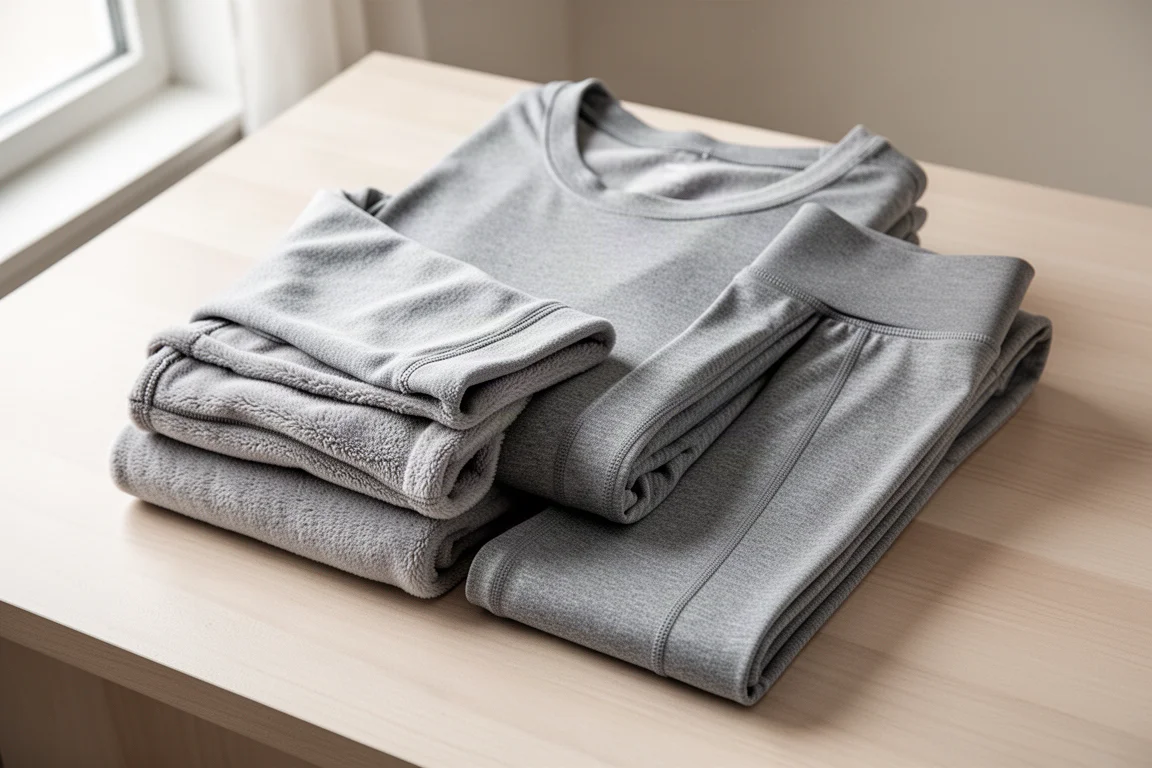
Cuddl Duds fleece-lined base layers come as a matching top and bottom for around $30, and the set performs well above that price. The bottoms use a wide waistband that stays comfortable under hiking pants, including underneath a hip belt, and the microfiber fleece lining makes both pieces feel soft against the skin. They are warm enough to sleep in, which matters because a base layer set doubles as sleepwear. For a first set of backpacking base layers, these are worth a look at any price.
Best Budget Hiking Pants: Baleaf Trekker Hiking Pants
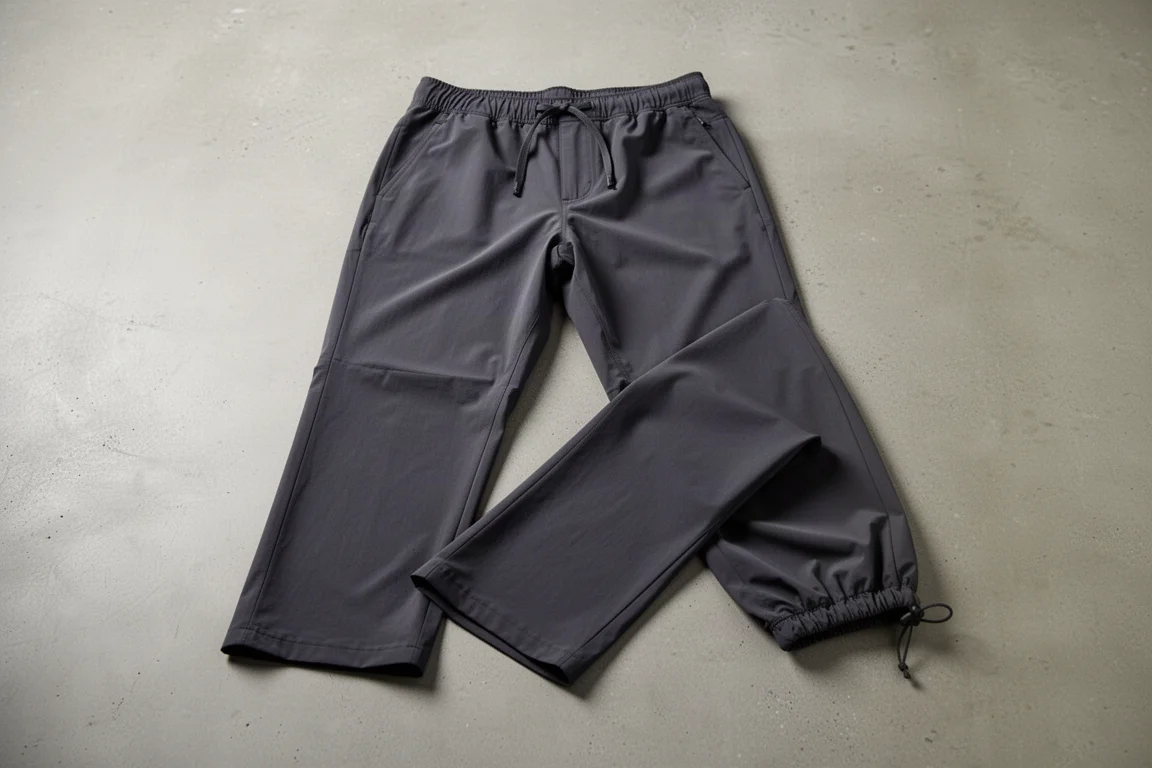
Baleaf builds fitness and athleisure apparel, and the Trekker pant brings that approach to hiking. It is a pull-on style with a drawstring, a slightly wide leg, and a cinch at the ankle. The fabric is quick drying and wicks moisture, and it feels light and airy in warm conditions. At around $30, these pants are an inexpensive way to work out what you actually want from a hiking pant before spending more.
Best Budget Sun Hoodie: Seamade Sun Hoodie
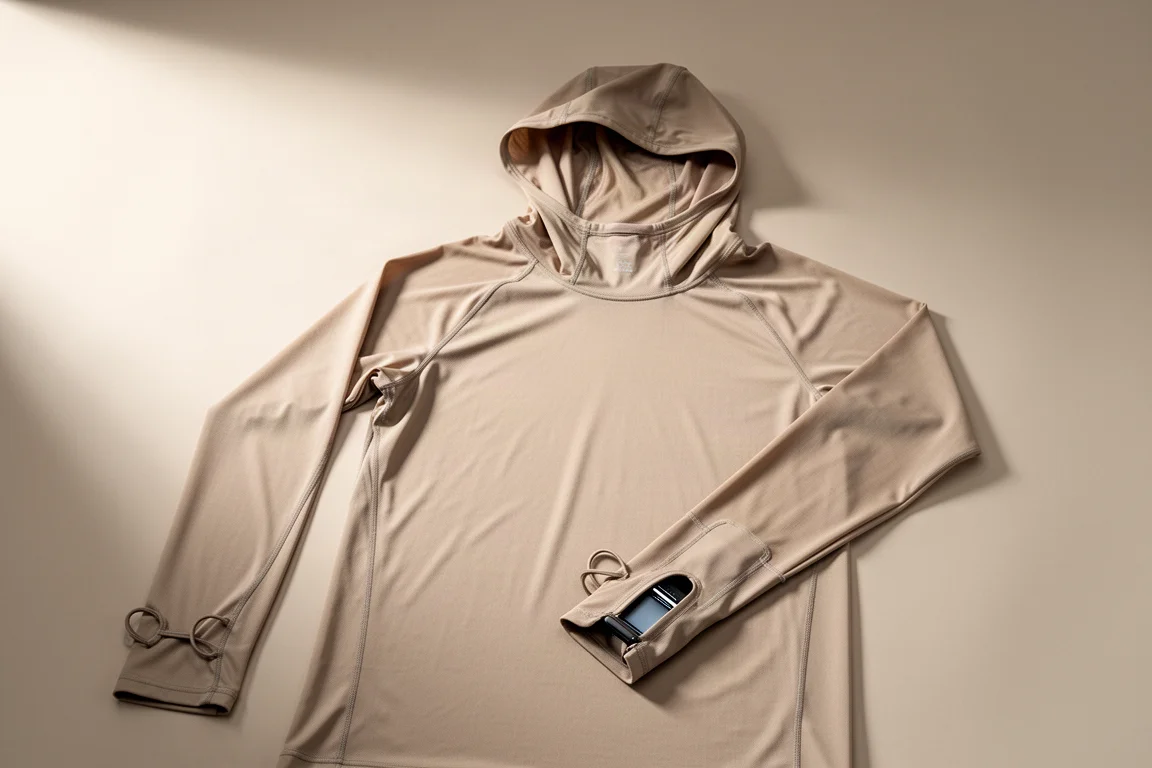
The Seamade sun hoodie is designed for beaches and boats, but it works just as well on trail. It is light, breathes well, and provides UPF 50 sun protection, the same rating as the mid-range sun hoodie below. Two details stand out: a port in the hood for pulling long hair through, and small loops that hold the fabric over your hands. There is also a watch port on the sleeve so you can check the time without pushing a sleeve up. It costs around $20 and comes in a wide range of sizes and colors.
Best Value Insulated Jacket: Decathlon Forclaz Down Jacket
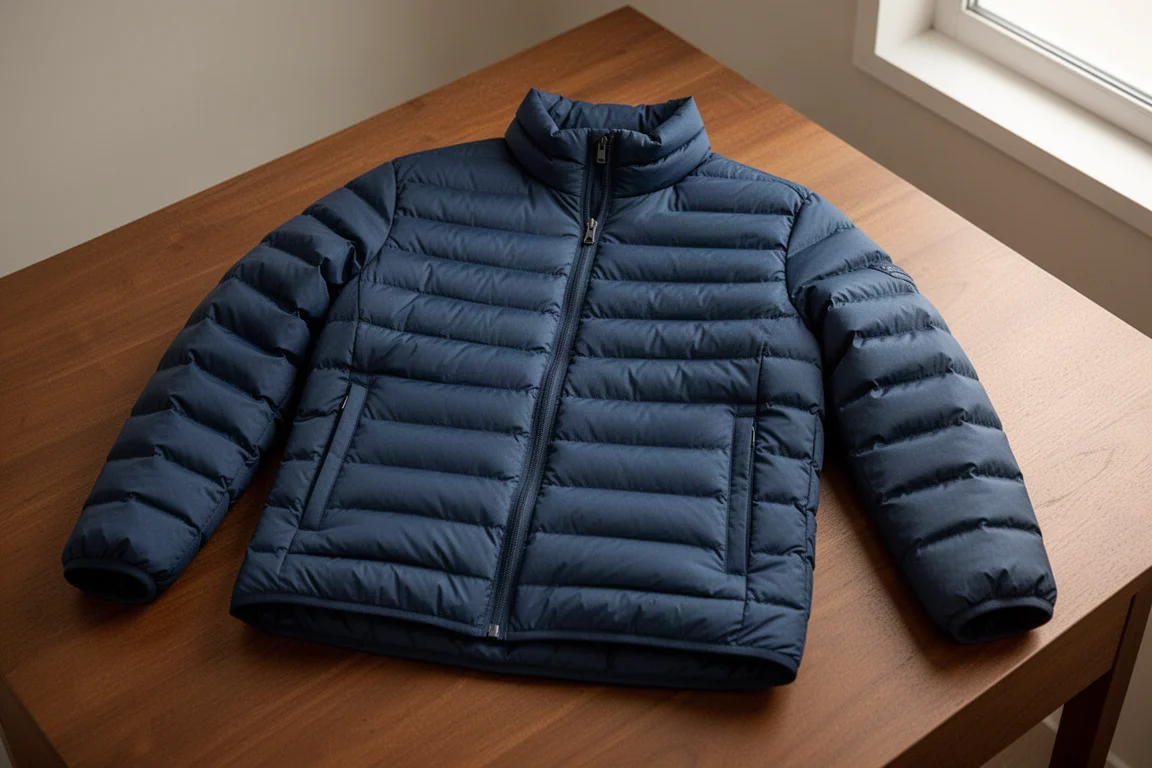
The Forclaz down jacket was $99 and now sells for $120, and it remains one of the least expensive well-made down jackets available. It is warm, lightweight, and easy to pack, and after well over a year of regular use it has not fallen apart. Sizing matters here: choose an insulated jacket that fits over all of your other layers, so you can wear it with everything on when it is cold without giving up warmth the rest of the time.
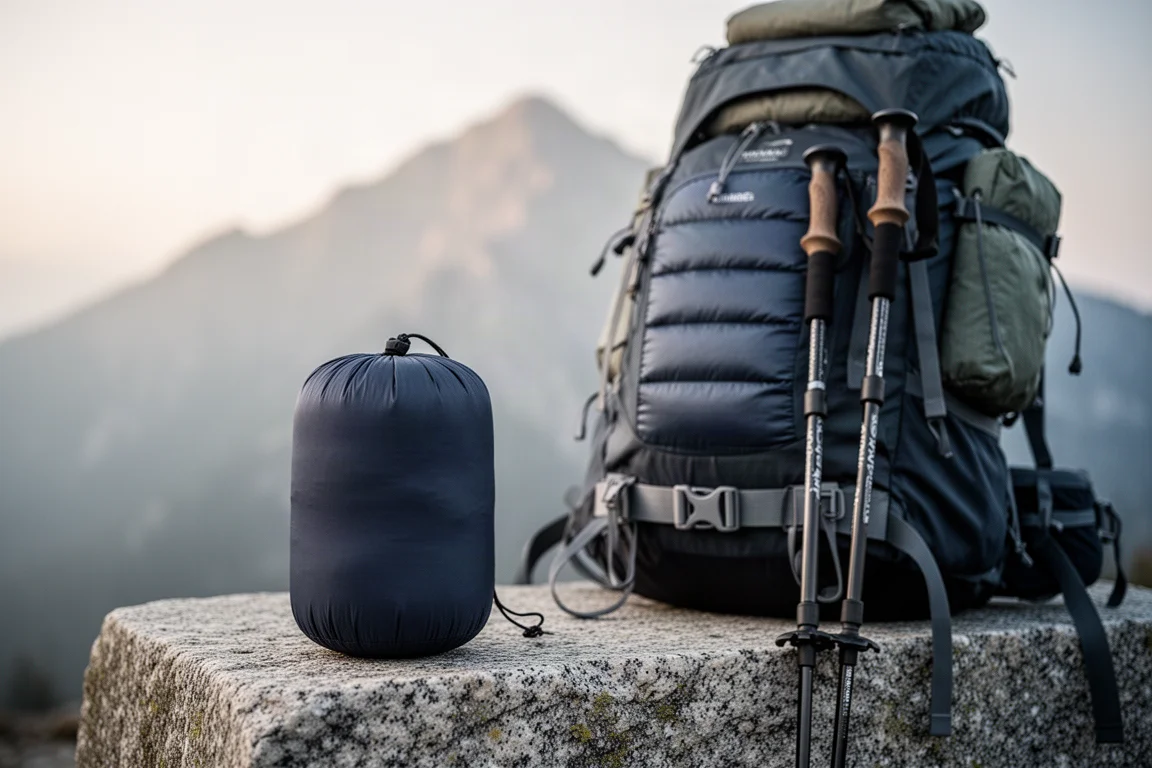
If you want a single insulated jacket that covers most three-season conditions without a premium price tag, this is the one to look at first.
Best Mid-Range Base Layers: REI Midweight Base Layers
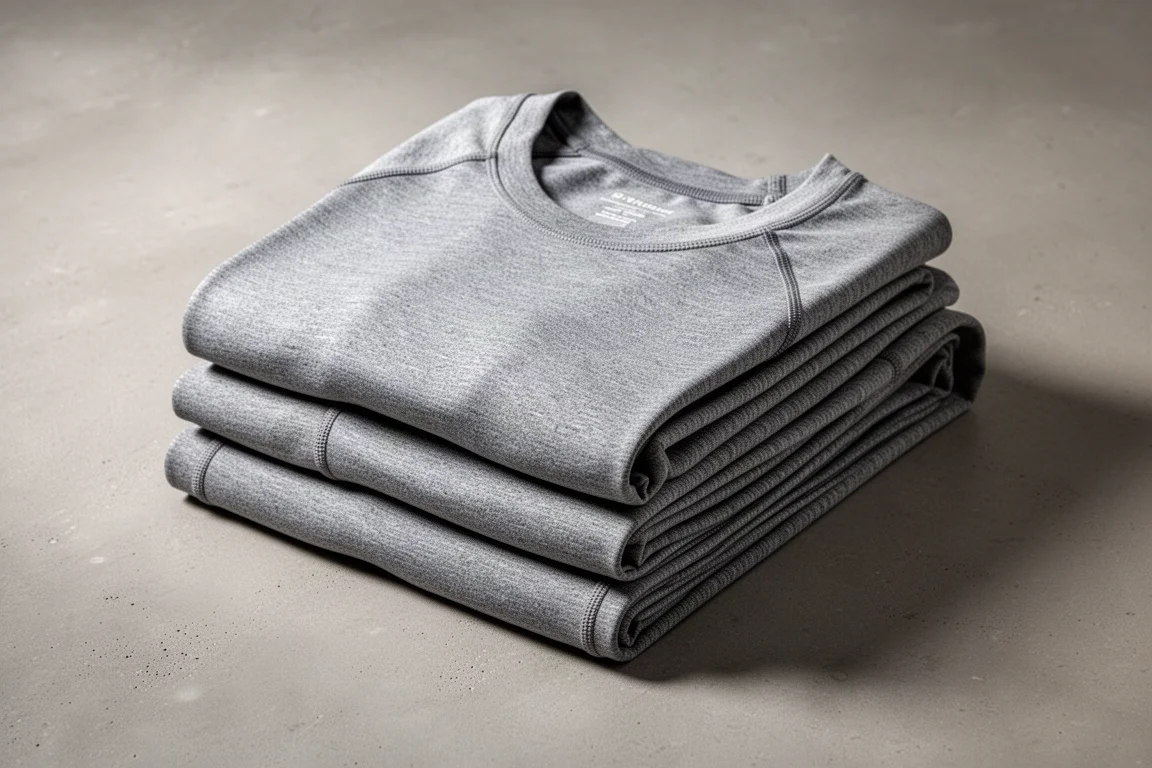
REI makes midweight, lightweight, and heavyweight base layers, and the midweight version is the one worth buying. Each piece is $55, so a full set runs $110. They are warm, comfortable, and wick moisture well, and they are cozy enough to sleep in. For the money they are among the most durable and reliable base layers you can find, and they come in women’s, men’s, and youth sizing as well as plus sizes.
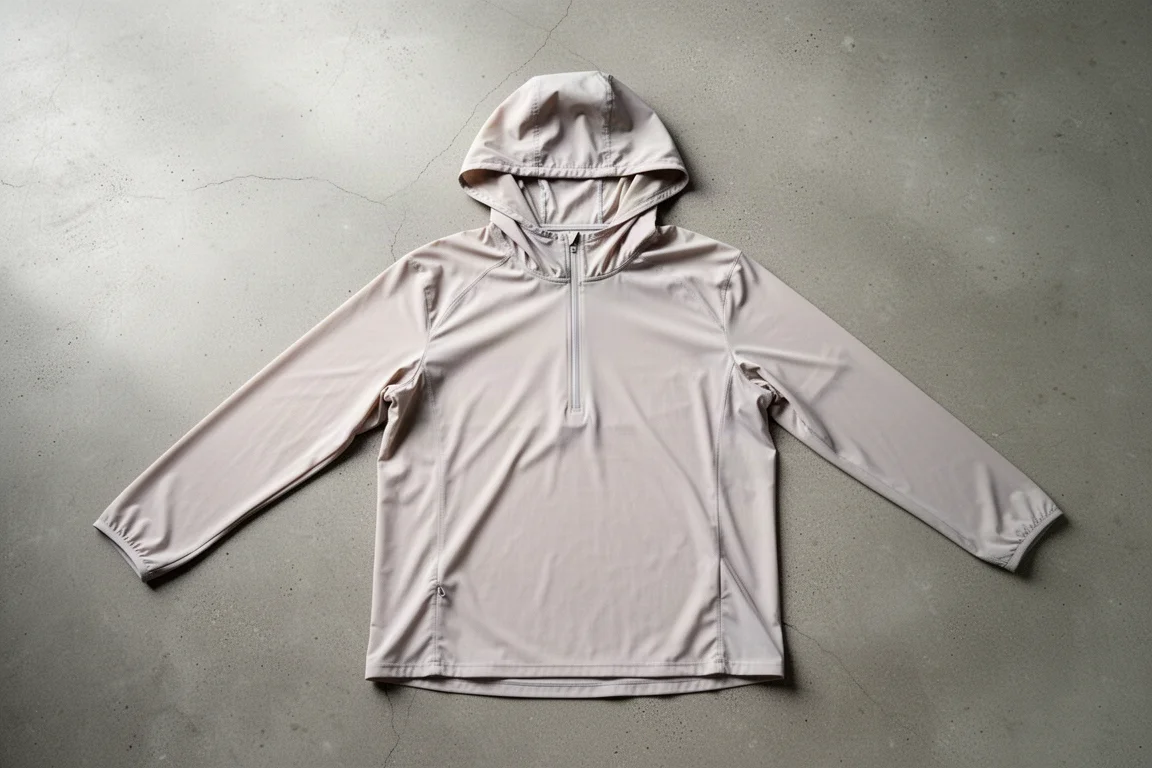
Best Mid-Range Sun Hoodie: REI Sahara Sunshade Hoodie
At $50, the Sahara Sunshade hoodie is the piece that tends to end up in everyone’s pack. The cuffs have thumb holes, the hood is large enough to cover your head easily, and an internal drawstring lets you cinch it around your face. It is comfortable enough to wear for hours without noticing it, it keeps the sun off effectively, and it wicks moisture well. It has been worn for five straight days in temperatures above 90 F and stayed comfortable throughout. Heavy use does leave it holding an odor, so plan on washing it regularly.
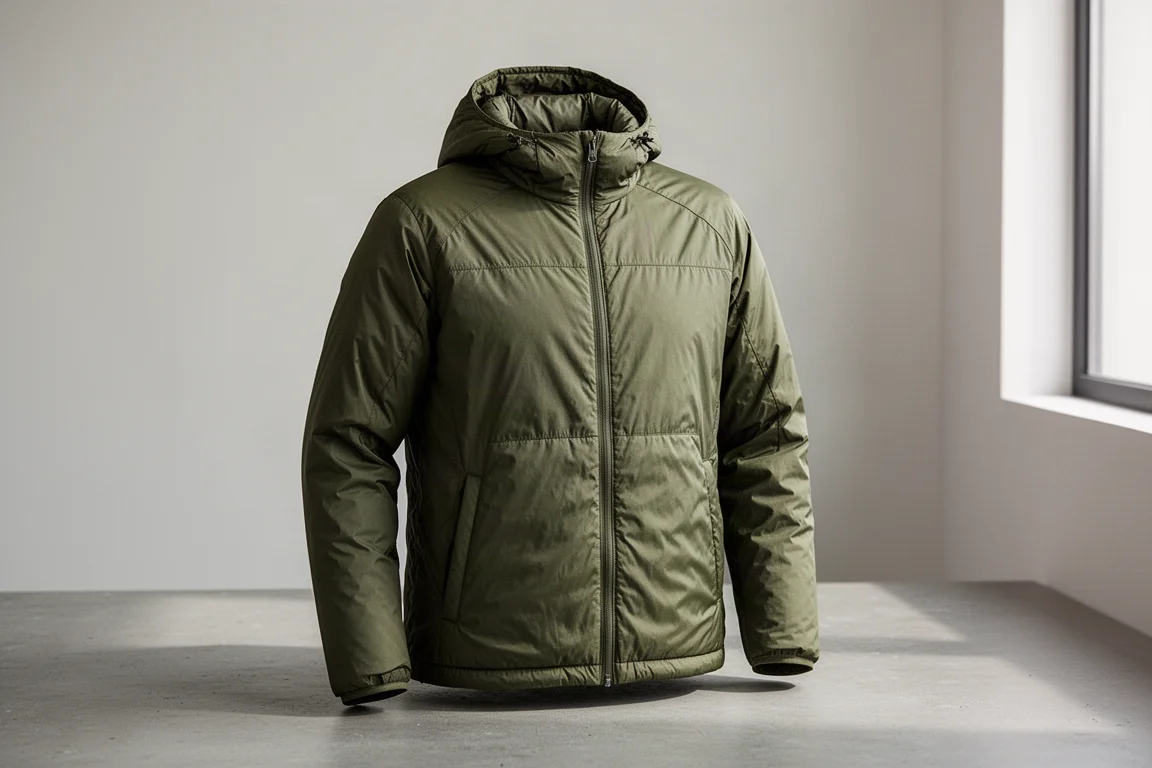
Best Mid-Range Insulated Jacket: Enlightened Equipment Torrid Apex Jacket
Synthetic insulated jackets often feel less packable and less warm than down, and the Torrid Apex jacket is the exception. It uses Apex synthetic insulation, weighs very little, and stays warm even when it gets damp, which is the main advantage synthetics hold over down. At $200 it is light, comfortable, and easy to layer under a shell.
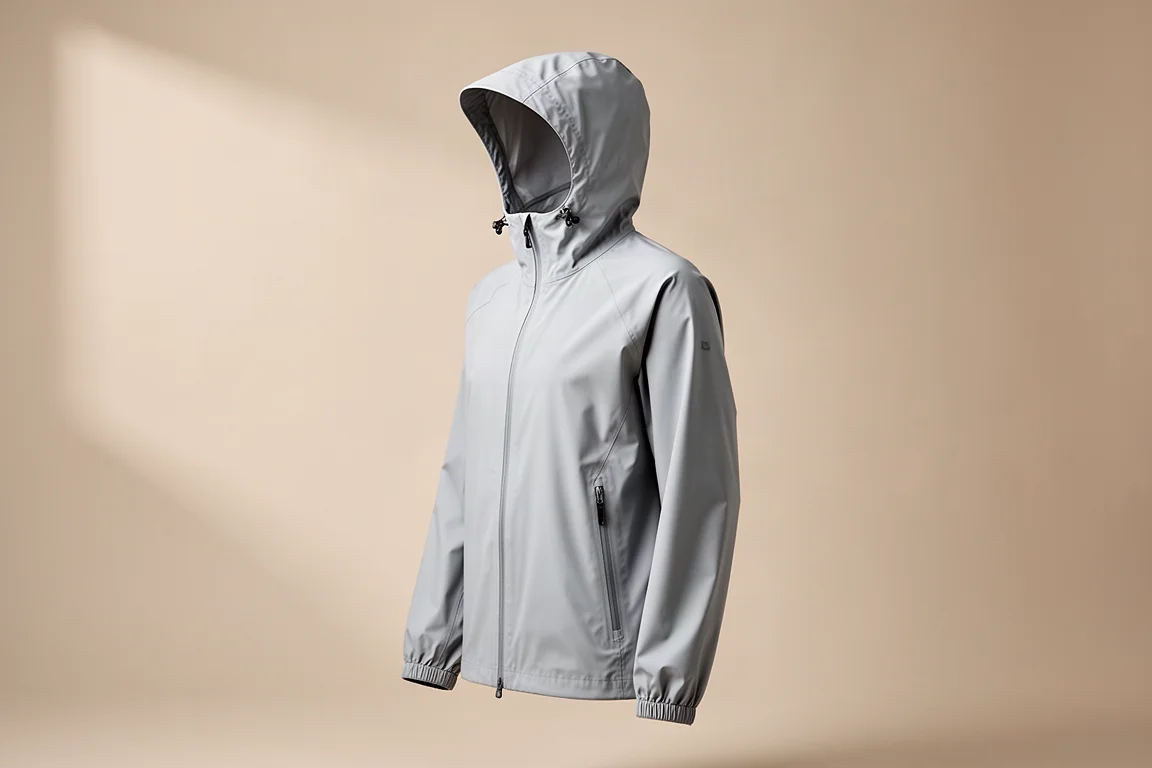
Best Mid-Range Rain Jacket: LightHeart Gear Rain Jacket
The LightHeart Gear rain jacket is deliberately simple. It is not breathable by design, and it makes up for that with enormous pit zips that dump heat quickly. The hood has toggles for cinching it around your face, the seams are fully taped, and the fabric is durable. Stretchy elastic cuffs with a small velcro closure tighten around the wrist, and the whole jacket packs down into its own pocket to a very small size. At $150 it is a strong value for anyone who wants a durable shell.
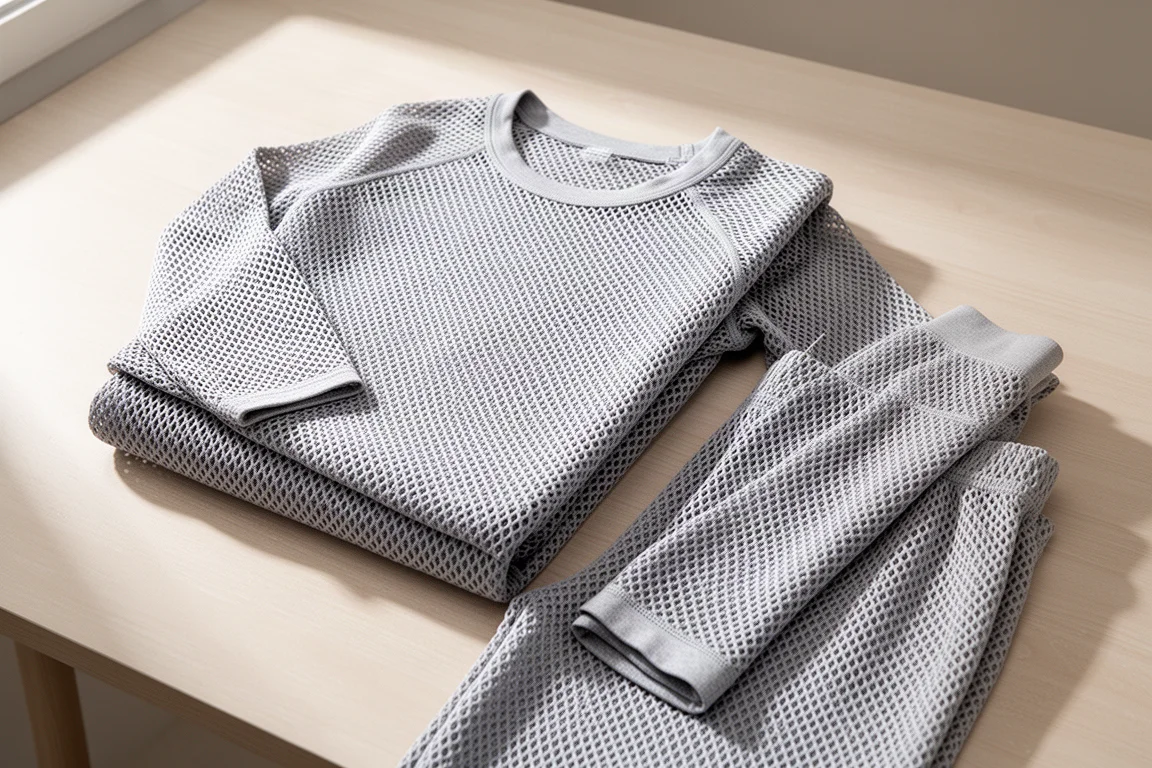
Best Premium Base Layers: Brynje Base Layers
Brynje base layers look unusual because they are built from a mesh fabric with open holes, similar to fishnet. The pockets in the mesh trap air, your body warms that air, and it sits close to the skin to hold heat in. The set is synthetic, with the top at $80 and the bottoms at $110. The bottoms use a solid knit at the seat for durability and added backing at the knees. If the mesh construction is not for you, merino wool base layers are the conventional alternative for cold conditions.
Best Premium Hiking Pants: Stio Pinedale Hiking Pants
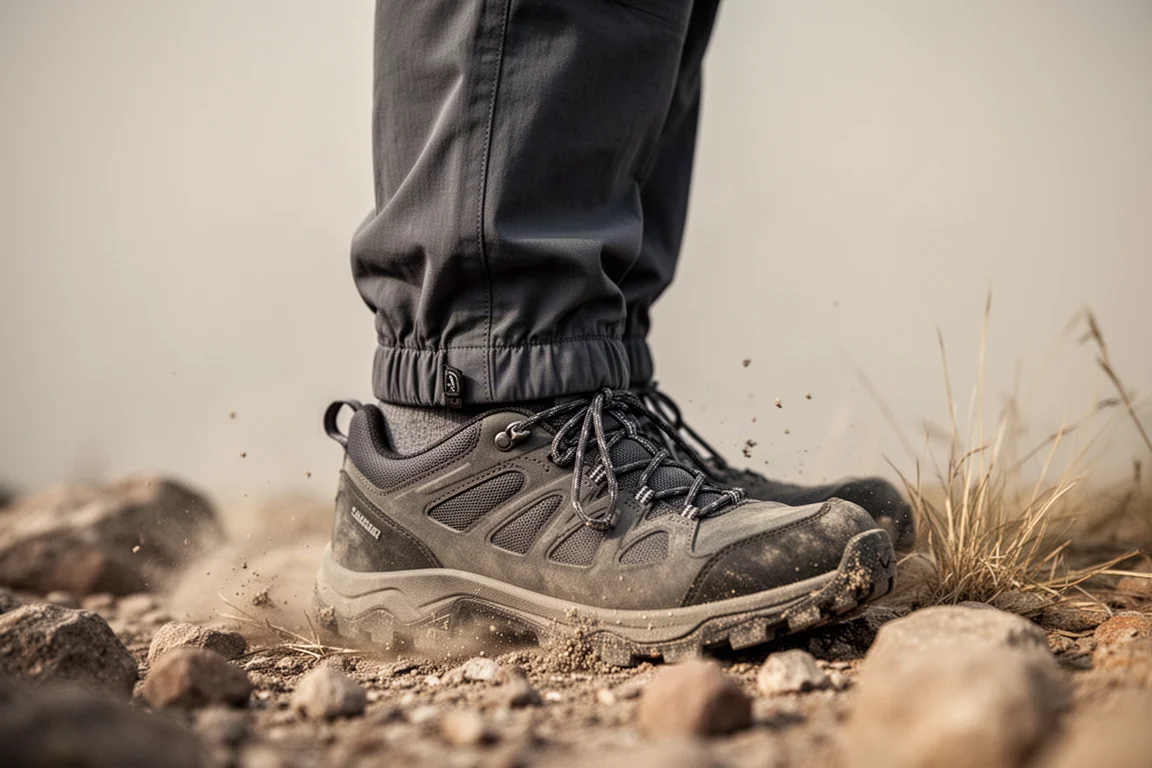
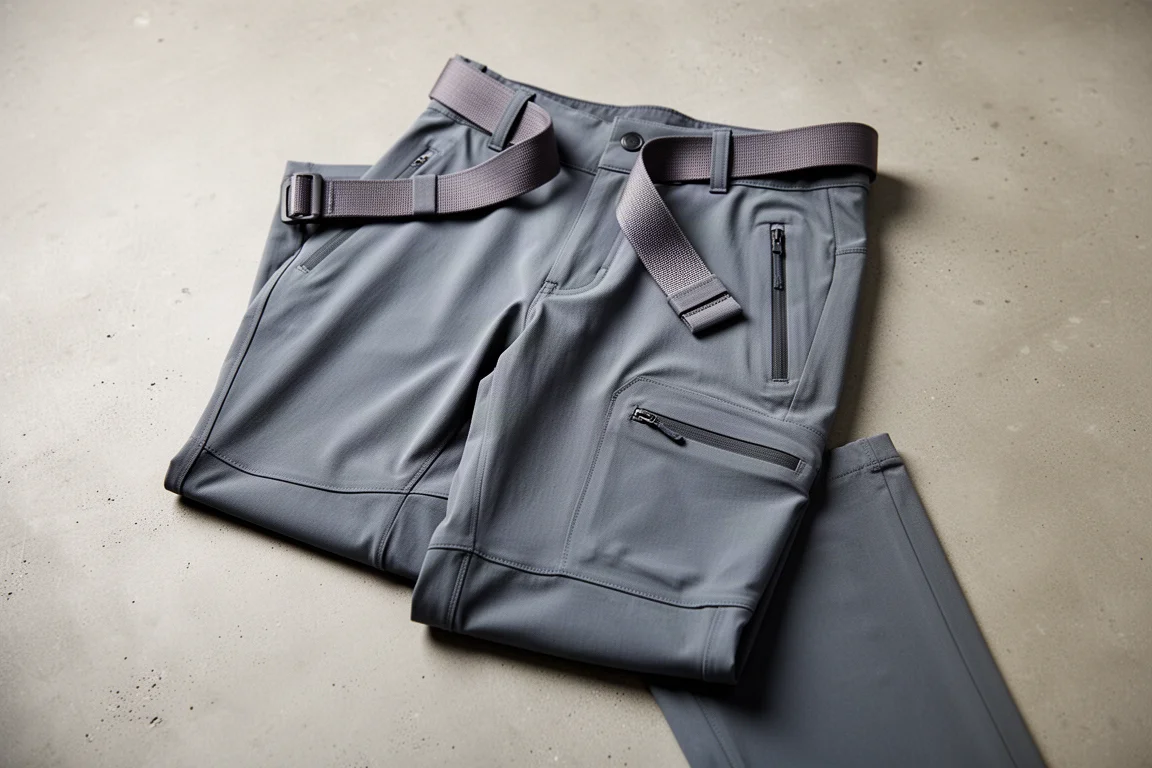
The Pinedale pants are a midweight hiking pant, so they are not as thin as the lightest options here, but they breathe well. A cuff at the bottom tightens around your shoes to keep debris out in brushy terrain. There is a zip pocket at the back, two large side pockets, and a vertical leg pocket sized for a phone. The adjustable belt runs around the back and sits comfortably under a hip belt, and the fabric has plenty of stretch. At $149 they cost considerably more than budget hiking pants, but they are in line with other premium options and the feature set justifies it.
If you want one pair of hiking pants that handles rough trails, changing temperatures, and long days, this is a strong pick.
Best Premium Fleece: Sambob Micro Grid Hoodie
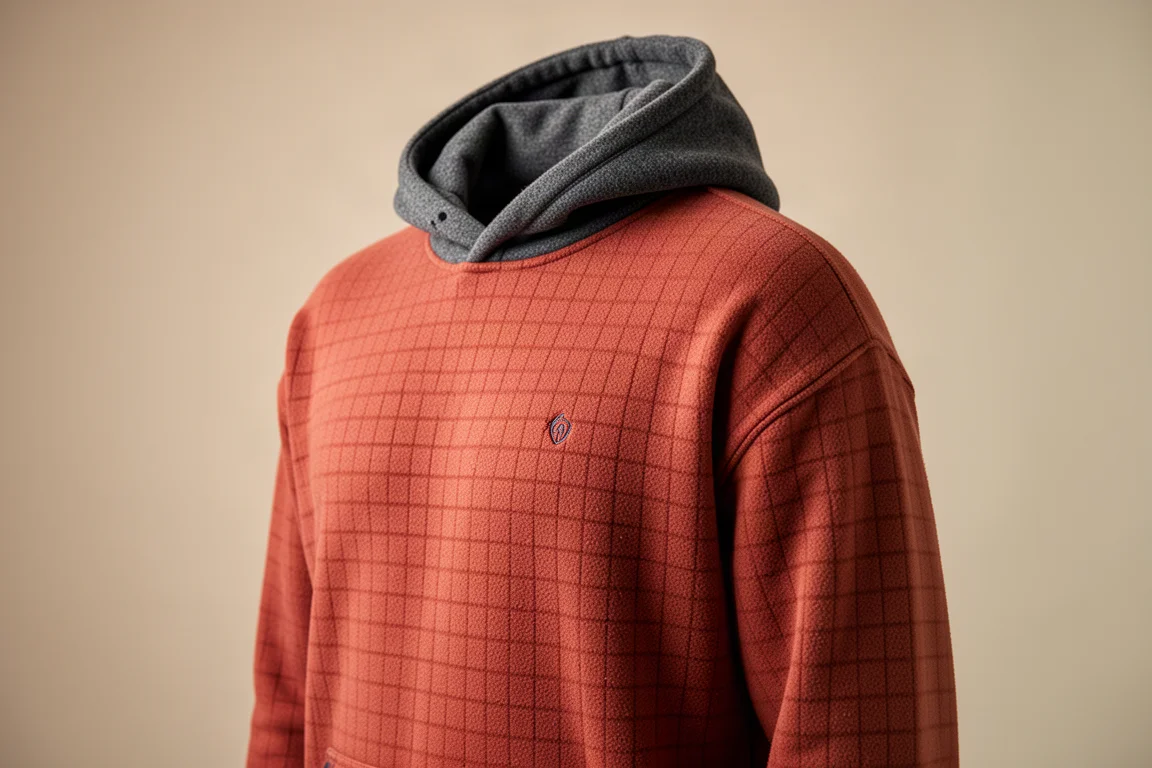
Sambob is a small company based in Portland, Maine, and its fleeces are made to order, which means you choose every color that goes into the build. The micro grid fabric is soft, breathable, and insulates well, and the fleece is not heavy, so it packs easily. Different styles are available, including a hoodie with pockets and slim or wide fits, and the price adjusts with the features you choose. At $120 it is a premium fleece, and it is also one of the warmest and coziest options available.
Best Premium Insulated Jacket: Arc’teryx Cerium Down Jacket
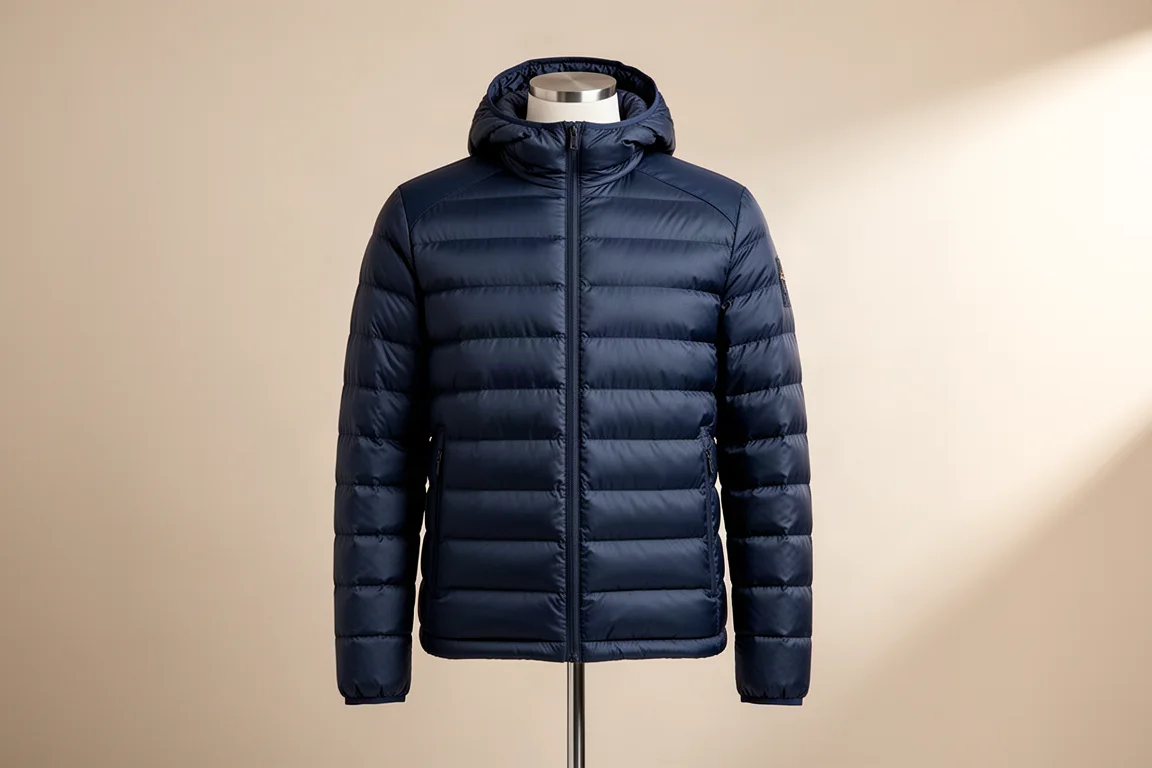
The Cerium is an 850 fill power down jacket that uses synthetic insulation in the shoulders and cuffs. Those are the areas that take the most wear and are most likely to get wet, and synthetic insulation keeps working when damp while down does not. At $400 it is expensive, but it is a well-made jacket that holds up over years of use.
Best Premium Rain Jacket: Outdoor Vitals Tushar Rain Jacket
The Tushar is a minimalist rain jacket built to be hiked in. A small piece of elastic replaces a bulky velcro cuff closure, the hood is one size fits all with no toggles, and there are no pockets at all, which removes potential entry points for water and keeps the jacket streamlined and light. It uses two different waterproof membranes: a more durable one across the shoulders and other high-wear areas, and a more breathable one where you sweat most. At $230 it trades price for the combination of low weight and durability.
How to Build a System That Works for You
Price tiers are useful for shopping, but most people end up with a mix. One practical combination is mid-range synthetic base layers, midweight hiking pants, a sun hoodie, a grid fleece, a lightweight rain shell, and a synthetic insulated jacket, which comes to roughly $800 and covers the vast majority of three-season conditions. In genuinely cold weather, swapping the synthetic insulated jacket for a down jacket adds warmth. If you run hot and hike in your base layers, a mesh base layer set moves moisture more aggressively.
A few rules hold at every price point. Skip cotton entirely and stick to polyester and wool. Make sure your rain shell is truly waterproof rather than water resistant. Size your insulated jacket to fit over everything else. And remember that a fleece is the easiest layer to find secondhand, so a thrift store is a reasonable place to start as long as the fabric is 100 percent polyester.
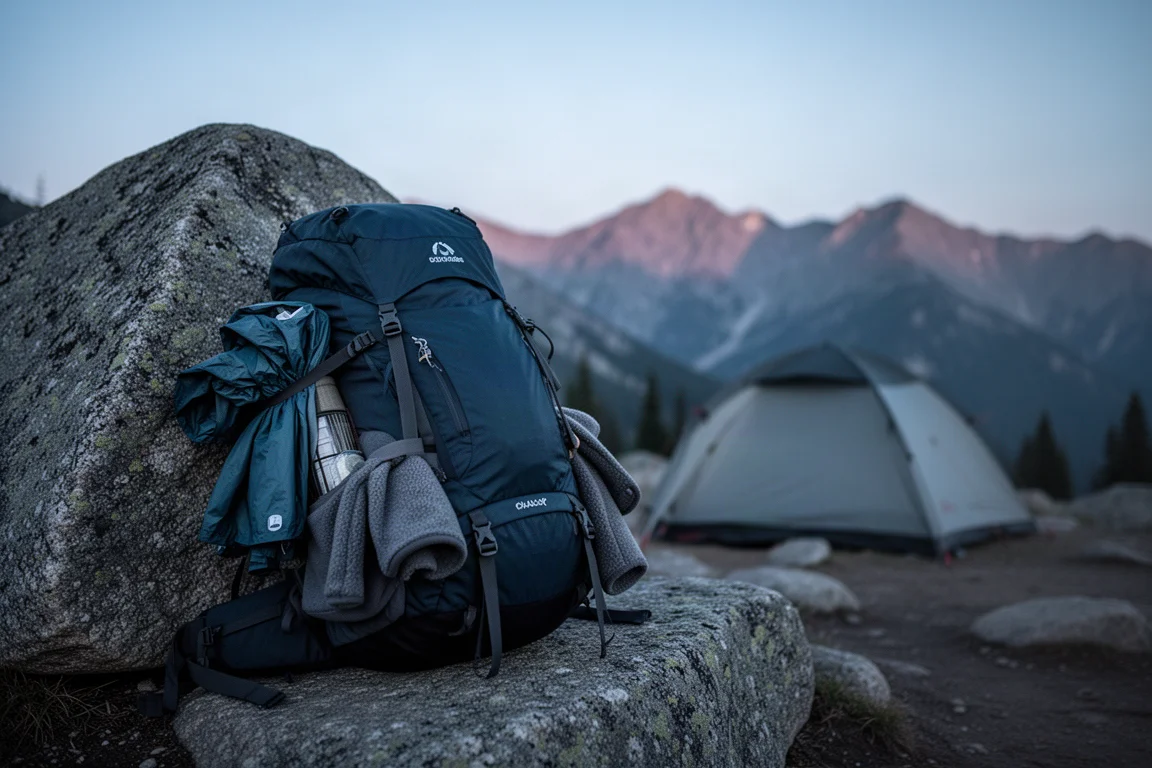
You do not need a new pair of pants or a new shirt every season. One layering system that covers the conditions you actually hike in is enough, and it is worth building that system deliberately rather than accumulating pieces you will not use.
Conclusion
Across all three price points, the layer list stays the same and the differences come down to materials, construction, and longevity. The strongest approach is to spend where the conditions demand it and save where they do not: a budget base layer set and sun hoodie can sit comfortably next to a premium shell or insulated jacket in the same pack. Start with the layers you wear most, buy them once, and let the rest of the system grow from there.
Further reading
Related Reviews

Backpacking Gear
Building a 10 lb Base Weight: An Ultralight Backpacking Gear List
A practical walkthrough of the ultralight pieces behind a 10 lb base weight, from a 765 g pack and a roomy one-person tent to a full camp chair and a dependable water filter.

Backpacking Gear
A 15-Pound Lightweight Backpacking Gear List for Solo Trips
A beginner-friendly 15-pound backpacking setup built from easy-to-find gear, with notes on what each piece does, how it packs, and where to spend your attention.

Backpacking Gear
8 Ultralight Backpacking Gear Upgrades Worth Carrying
Eight small, affordable backpacking upgrades that solve real trail annoyances, from a pillow that stays put to a fuel valve that rescues leftover canister gas.