Backpacking Gear
Best Backpacking Gifts: 11 Ultralight Gear Picks for Hikers
Eleven practical backpacking gift ideas, from a $13 reusable water bottle to a full sleeping pad, with the real strengths and trade-offs of each.
Introduction
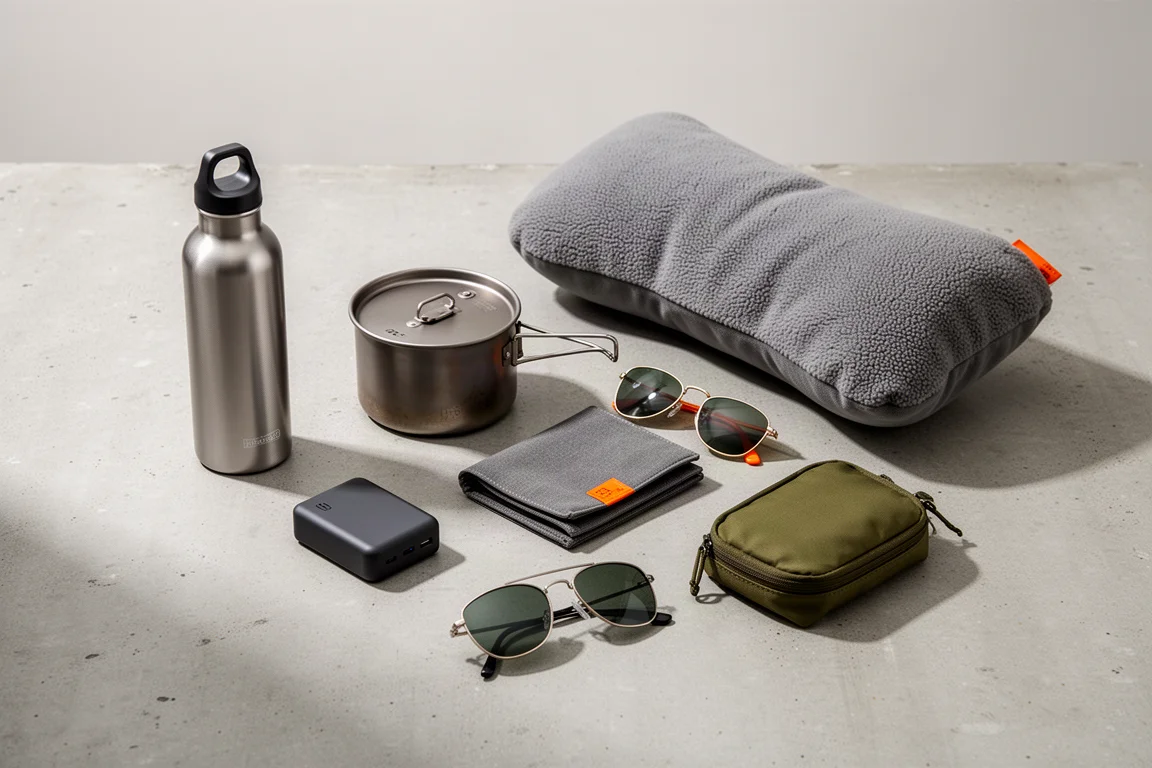
Finding a gift for someone who spends time outdoors gets easier when you focus on gear they will actually carry. Backpackers are picky about weight, and they notice when an item earns its place in a pack. The eleven picks below span a wide range, from a reusable water bottle at around $13 to a full sleeping pad at the top of the price scale.
Each one is chosen for a specific job: hydration, organization, power, sleep, cooking, or sun protection. Prices are noted where they are known, so you can match a gift to both the person and the budget.
What Makes a Good Backpacking Gift
Weight and durability come first. A gift that adds bulk or fails after one season tends to end up in a drawer, while something light and well made gets packed again and again.
Versatility is the second filter. A titanium pot that doubles as a cup, or a pouch that works for toiletries at home and snacks on the trail, earns far more use than a single-purpose gadget.
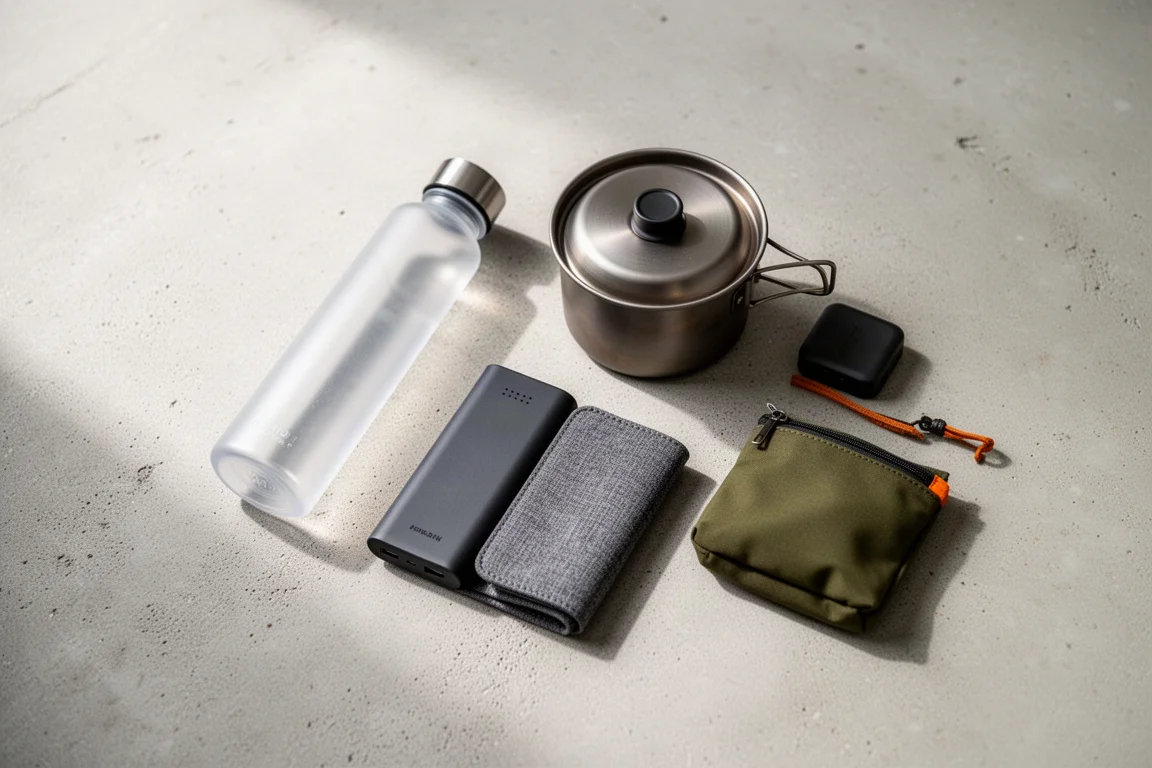
Price point matters too. There is a sensible role for a $13 bottle and a $249 sleeping pad, because the right gift depends on the person and the occasion. Small, affordable items make strong stocking fillers, while a larger purchase suits a milestone gift or something shared around the house.
Finally, think about what the person already owns. Replacing a worn-out item, or upgrading a piece of gear they use constantly, usually lands better than adding something new to the pile.
Katadyn Water Bottle: A Reusable Bottle Built to Last
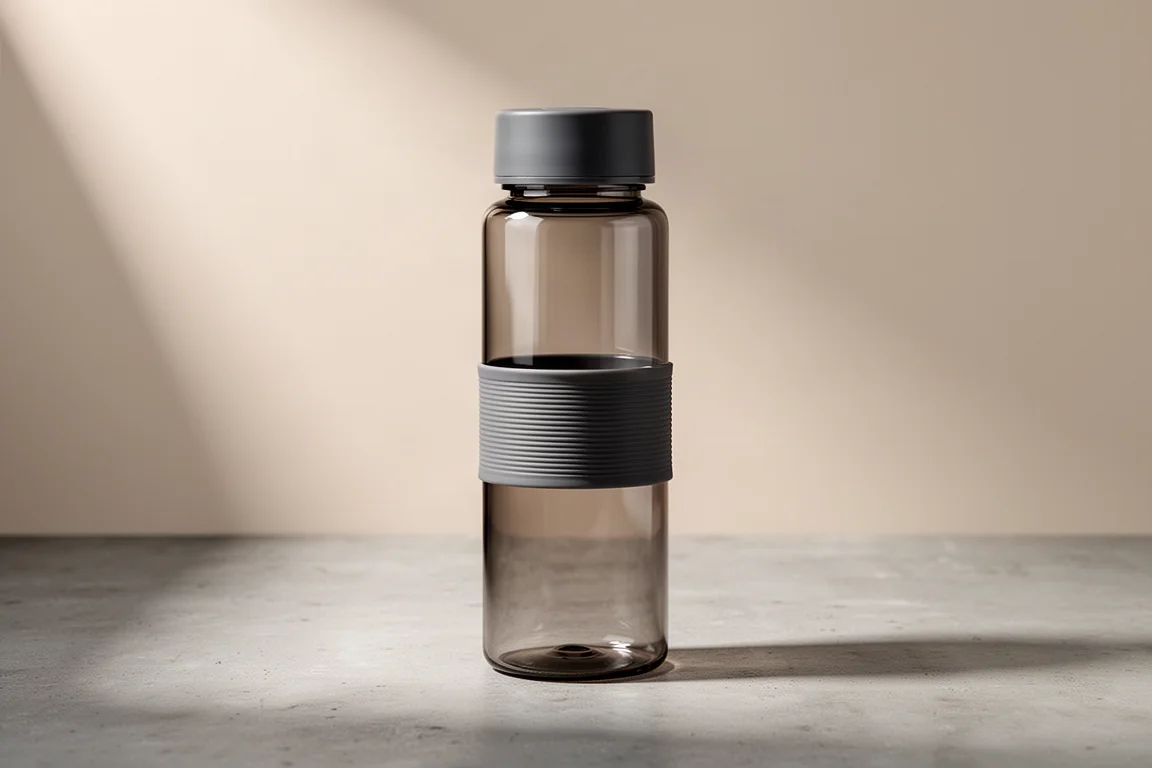
The Katadyn bottle is a reusable water bottle designed to be refilled and reused, rather than a single-use bottle that gets topped up and carried for weeks on end. It works as a direct replacement for a Nalgene or for the refilled soft drink bottles many hikers keep in a cupboard.
It is a straightforward gift that is hard to get wrong, and at around $13 it leaves room in the budget for something else. The narrow opening keeps it tidy to drink from, though it does mean a bottle brush helps when it is time to clean it out.
It also fits neatly at the top of a stocking, and you can fill it with small treats before wrapping it.
Hubba Dyneema Wallet: Minimalist Carry for Everyday
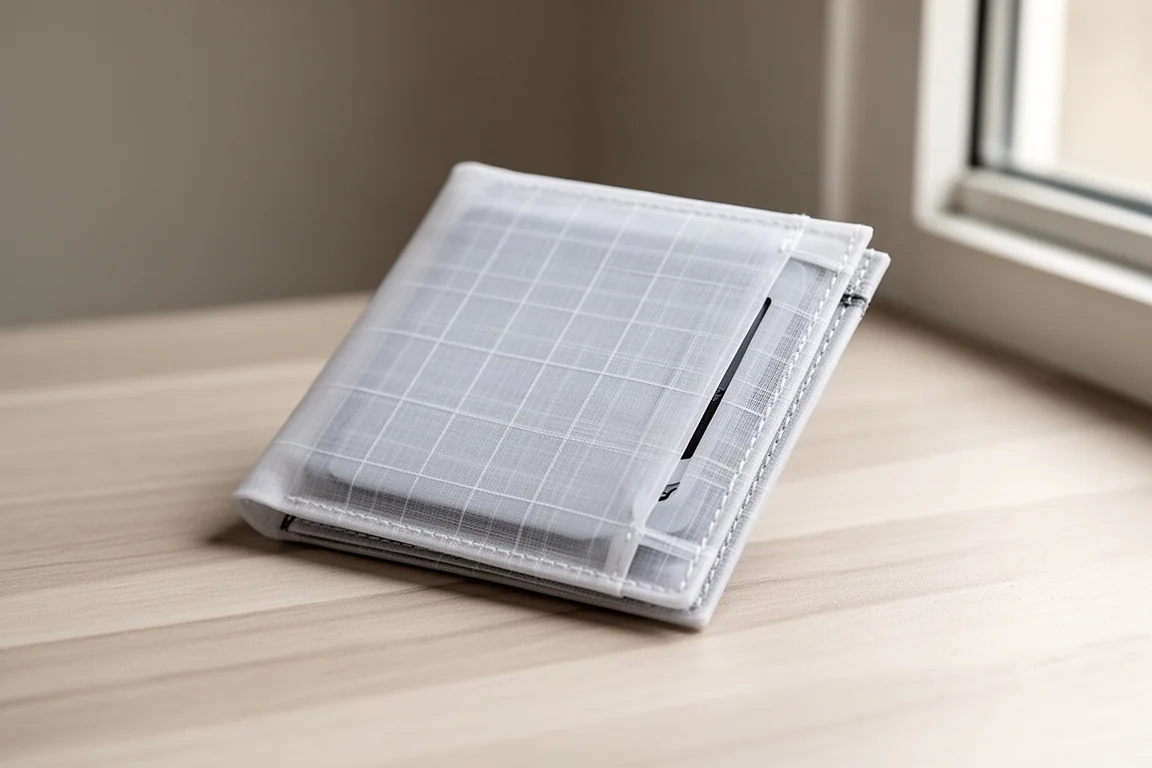
Wallets made from Dyneema are a small trend in ultralight gear, and the Hubba wallet is one of the cleaner examples. It is a minimalist sleeve that holds a card, an ID, and a few extras, and it looks better than the average piece of technical equipment.
At $35 it costs more than a basic wallet, which is the trade-off for the material. In return you get something that holds up well over time and carries far less bulk than a leather wallet stuffed with receipts and old cards.
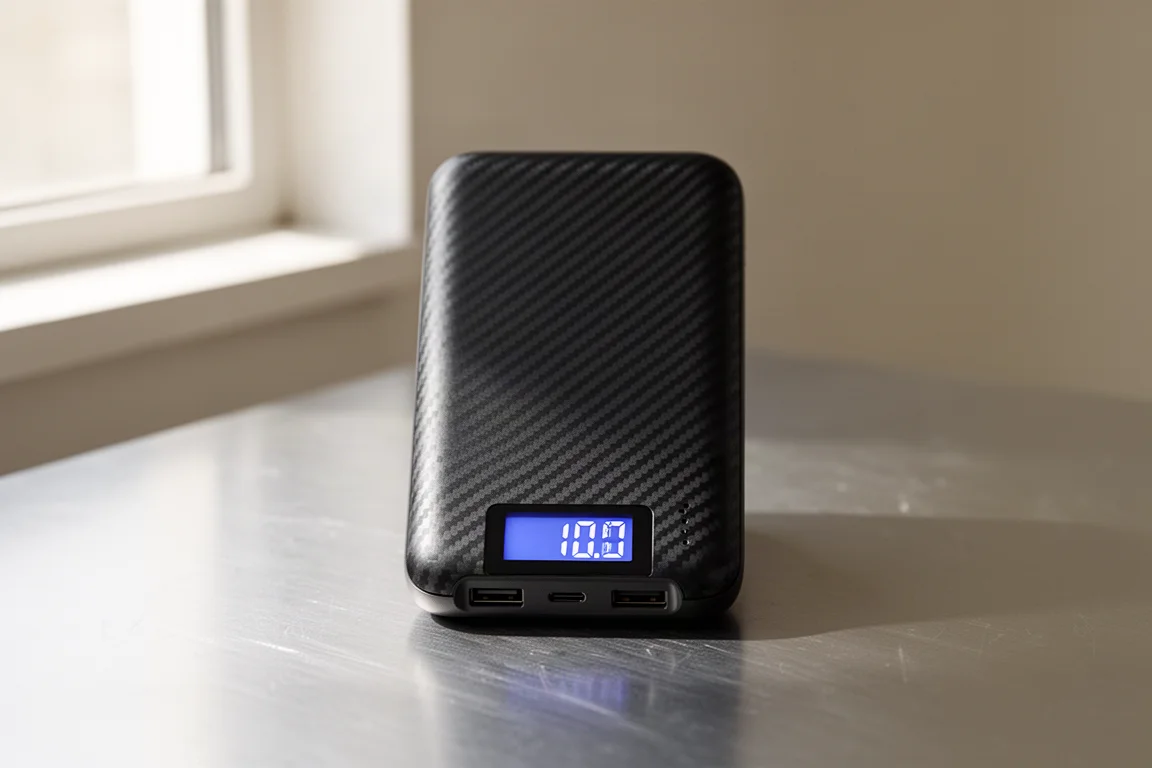
Nitecore NB10000 Power Bank: High-Capacity Backup
The Nitecore NB10000 is a 10,000 mAh power bank built for people who count grams. It is light for its capacity and works just as well in town as it does on the trail, which makes it one of the easier gifts to justify.
Nitecore power banks sit above basic alternatives on price, and this model comes in at $65. For anyone who relies on a phone for navigation, photos, or emergencies, the weight and capacity make that a reasonable trade.
Nitecore NB Air Power Bank: A Lightweight Pocket Option
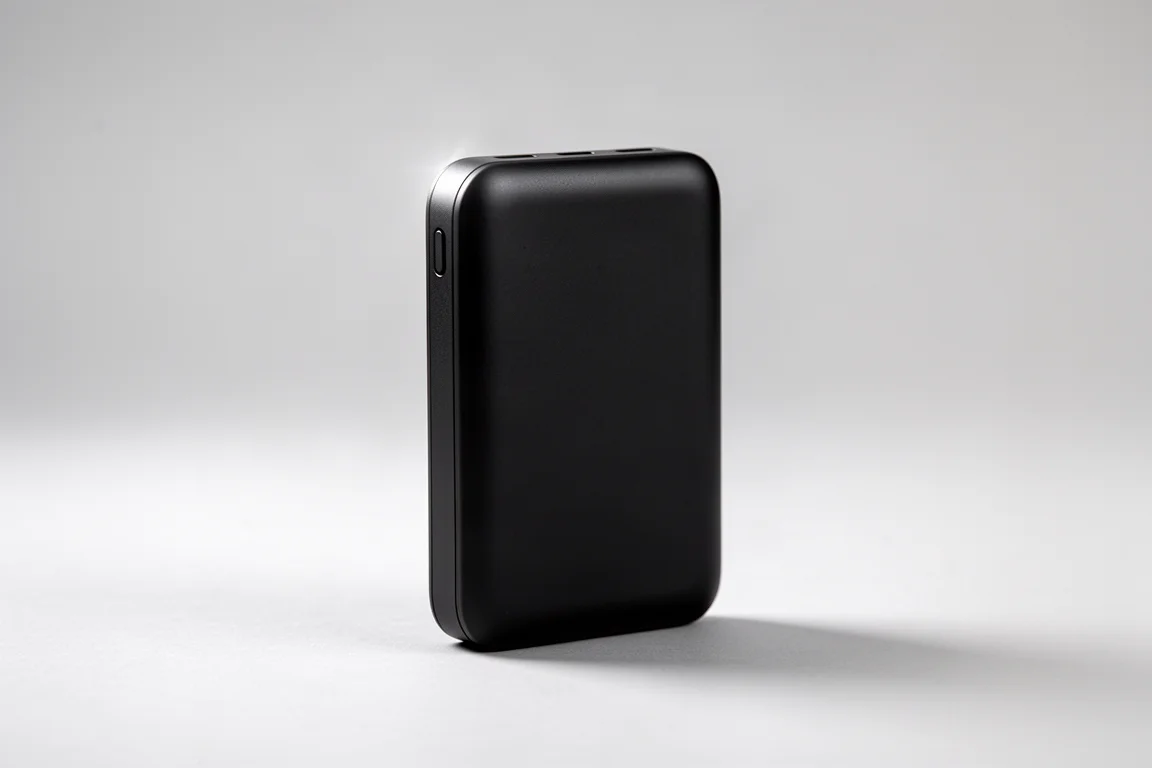
The NB Air is the smaller of the two Nitecore models at 5,000 mAh. It is compact enough to carry in a pocket or leave in a backpack, so it is there on the day a phone runs low.
At $39.99 it costs less than the larger model, and the capacity covers the everyday case of a device that needs charging before the day is over.
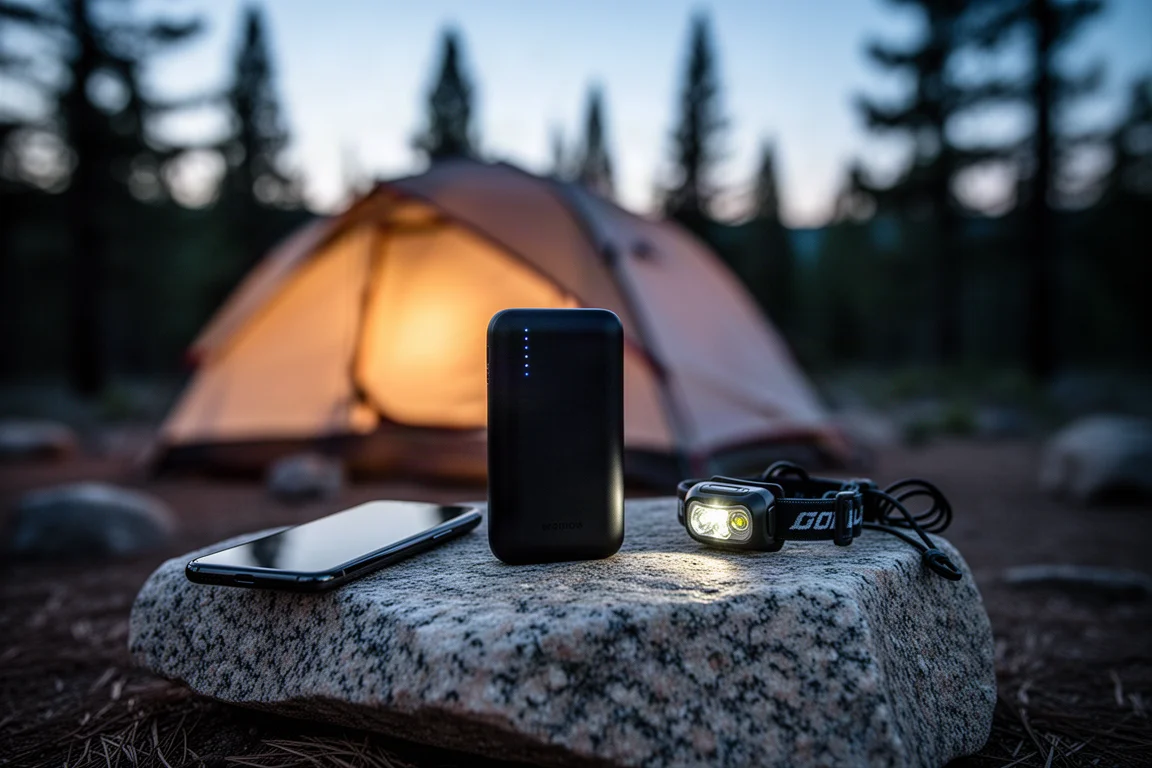
For a hiker who already carries a bigger battery on long trips, the NB Air works as the light option for short outings and daily carry. It is the kind of item that gets used more often than its size suggests.
Plante Sling: A Minimalist Shoulder Carry
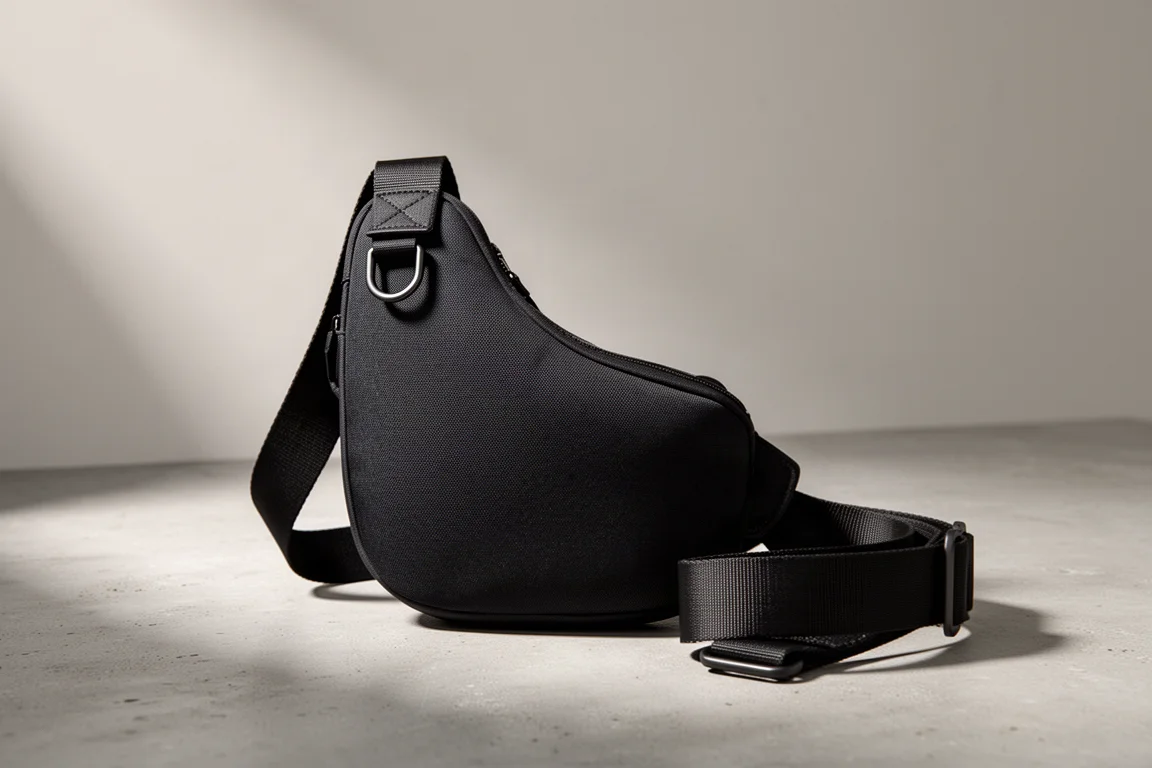
The Plante sling is a small shoulder bag that can also be worn as a fanny pack, which makes it useful in town and on short hikes. It uses a buckle-free closure, and the metal detail at the loop gives it a more considered feel than the usual nylon bag.
It is not a replacement for a backpack, but it holds the essentials: phone, wallet, keys. At $70 it is priced like a design piece rather than a bargain, so it suits someone who wants a daily carry bag rather than pure utility.
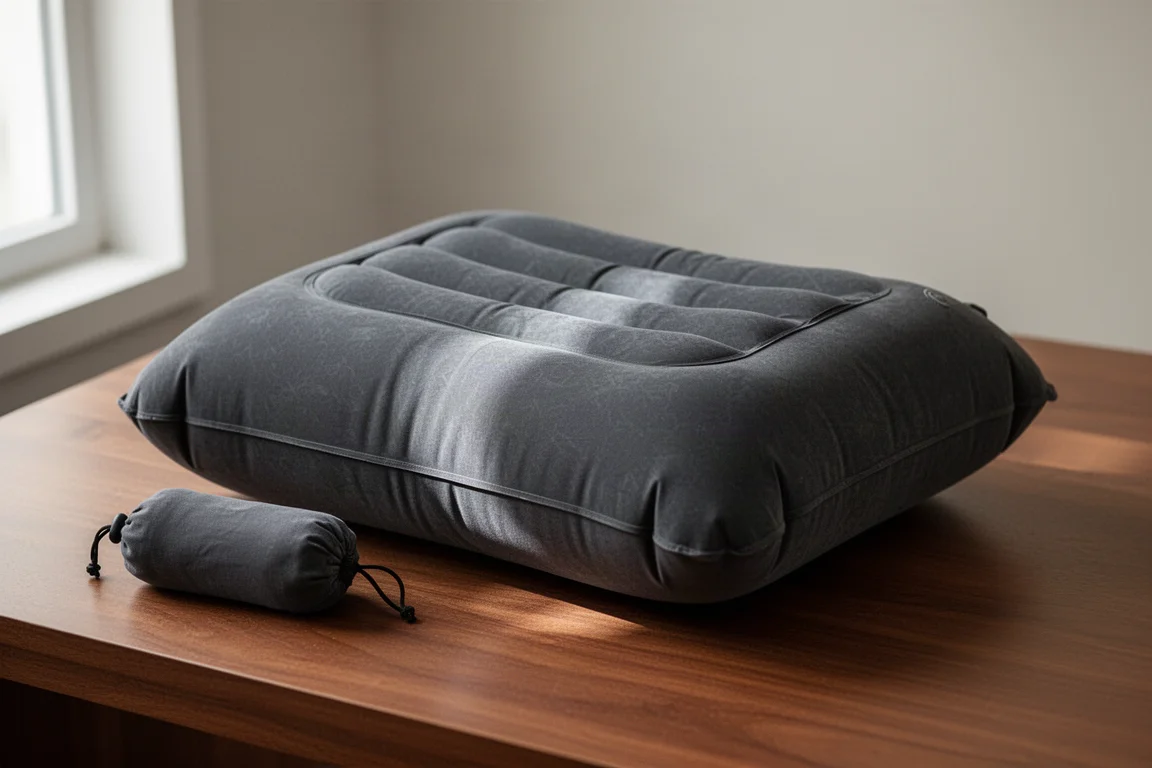
Sea to Summit Aeros Down Pillow: Warmth for Cold Nights
The Aeros Down Pillow pairs an inflatable base with a layer of high fill power down on top and a soft fleece surface where your face rests. The result is a pillow that insulates as well as it cushions, which matters on cold trips when a plain air pillow feels cold and clammy.
It still packs down very small, and at $64.95 it is a clear upgrade over a basic inflatable pillow. It also fills a gap in a lot of gear collections, since many people own a warm sleeping pad but still carry a three-season pillow.
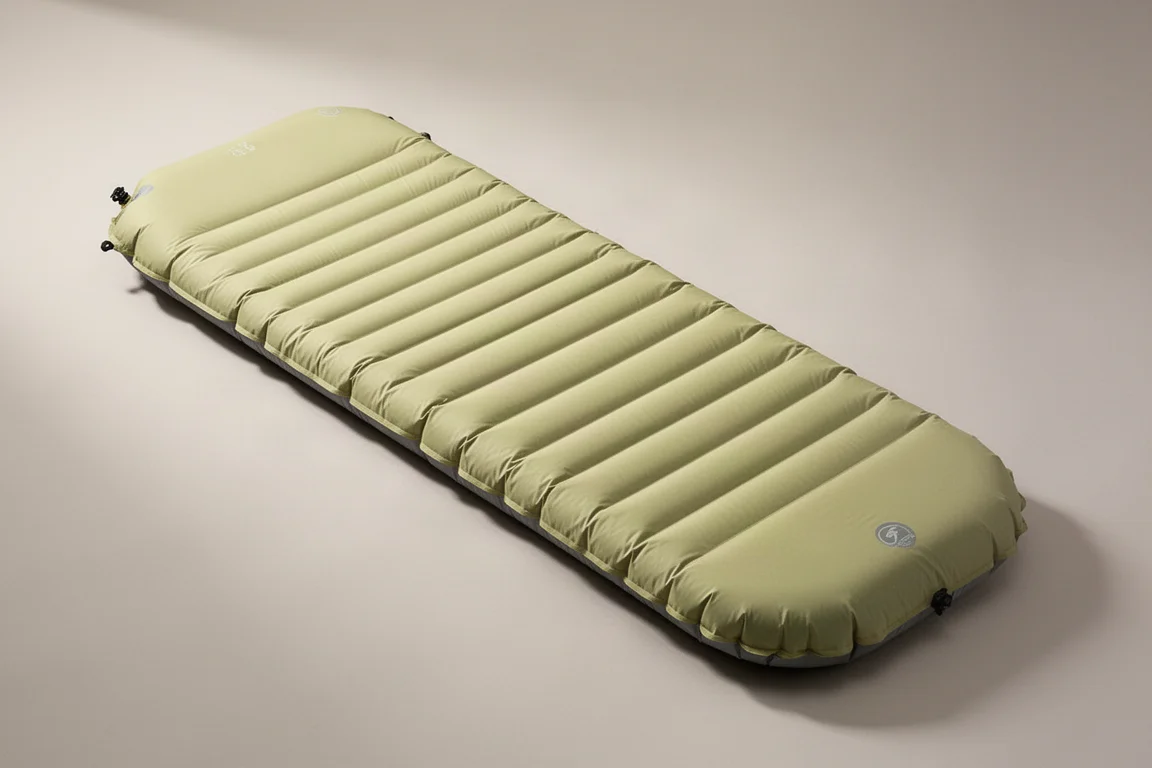
Therm-a-Rest NeoAir Sleeping Pad: Comfort You Can Pack
The NeoAir is the comfort pick on this list. It is very comfortable to sleep on and does not weigh much for the support it provides, which makes it useful for backpacking as well as car camping and spare beds at home.
One thing worth knowing is the feel. The pad has a slightly bouncy, waterbed-like quality that some sleepers love and others notice on the first night. Sizes affect the price as well, with the regular wide at $249 and the large at $259.
Inflating it by mouth takes real effort, which is why a pump sack is a common companion for pads like this one.
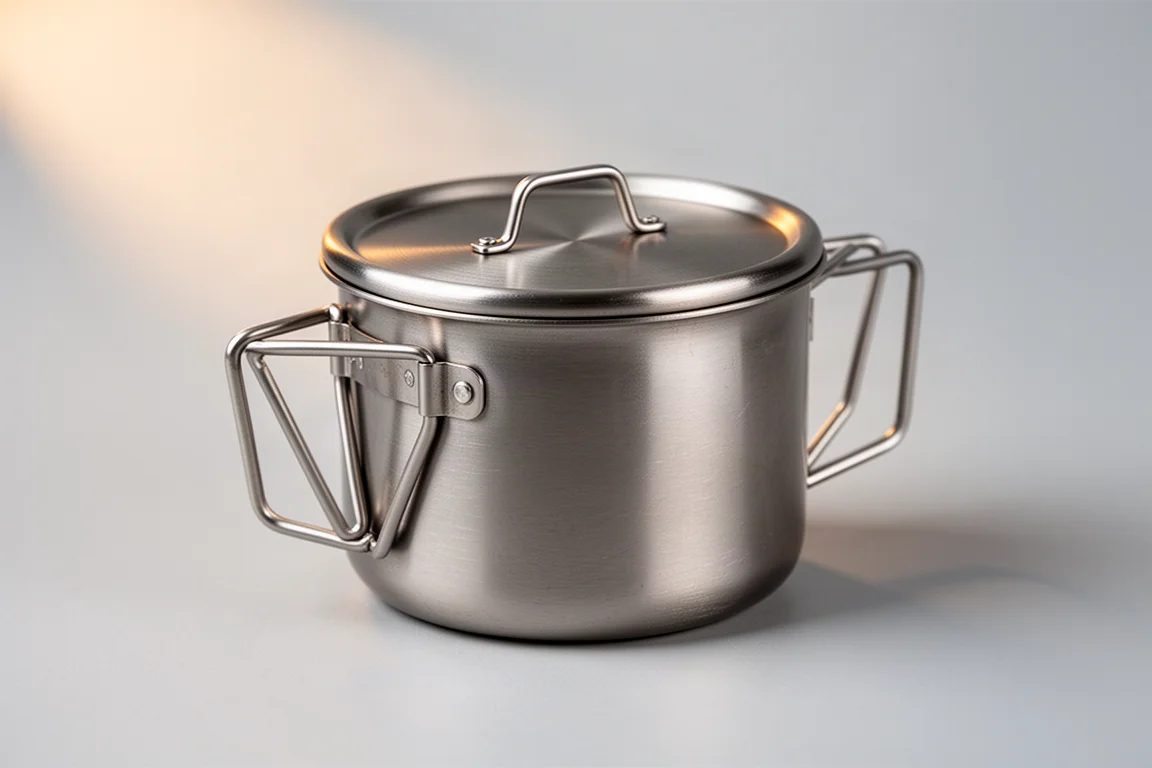
Toaks 750 Titanium Cup and Pot: Simple and Versatile
The Toaks 750 is the most practical item here. It is a titanium cup and pot in one, and the wall thickness is the detail that matters: it is thick enough that the pot will not flex, bend, or dent easily in a pack.
Toaks lowered the price on this model to make it a flagship product, and it now sits at $26. For someone who camps, car camps, or hikes ultralight, it is a simple item that gets used constantly.
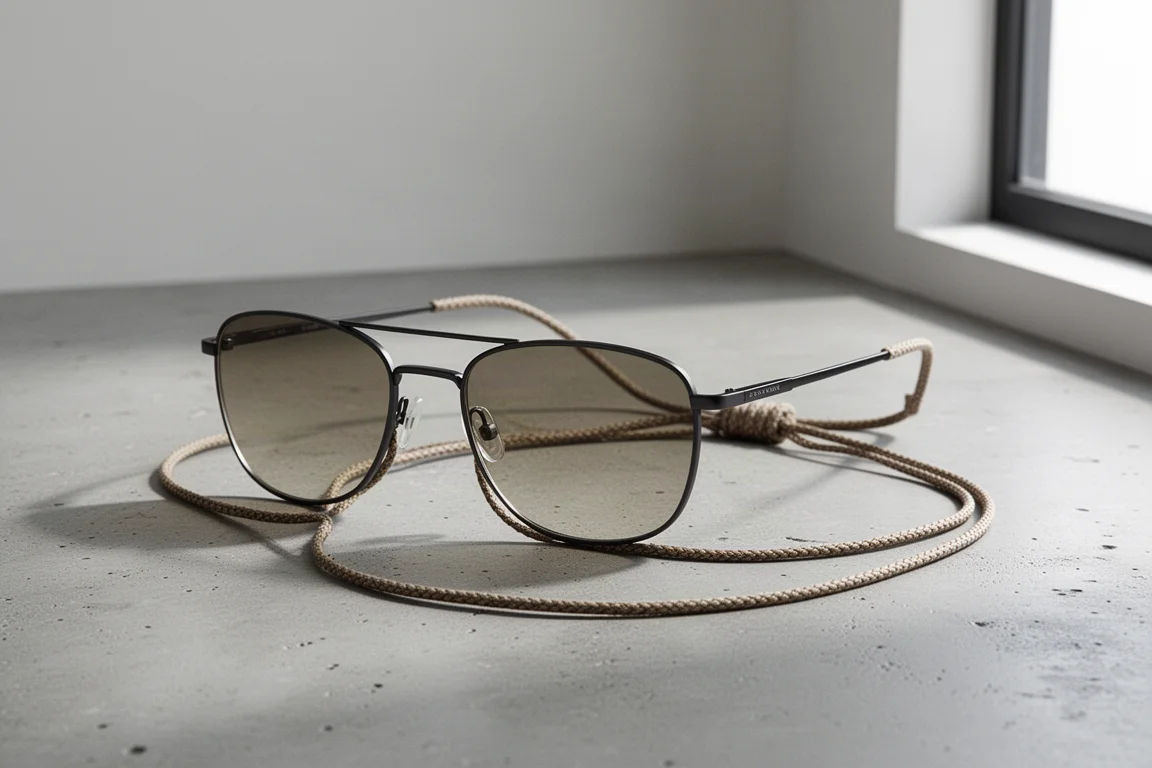
Ombraz Sunglasses: Armless Frames That Stay Put
Ombraz sunglasses replace the usual side arms with a cord that runs behind the head. The effect is that they stay connected while you move, do not jostle, and are much harder to drop while you are wearing them.
They come in polarized and non-polarized versions, so it is worth checking which one you are buying. At $160 they are a premium gift, and they make the most sense for someone who regularly loses or misplaces ordinary sunglasses.

For exposed ridgelines, water crossings, and bright snow, the cord design removes the usual fiddling with arms and ears. It is a niche approach, but it solves a real problem for people who are hard on their eyewear.
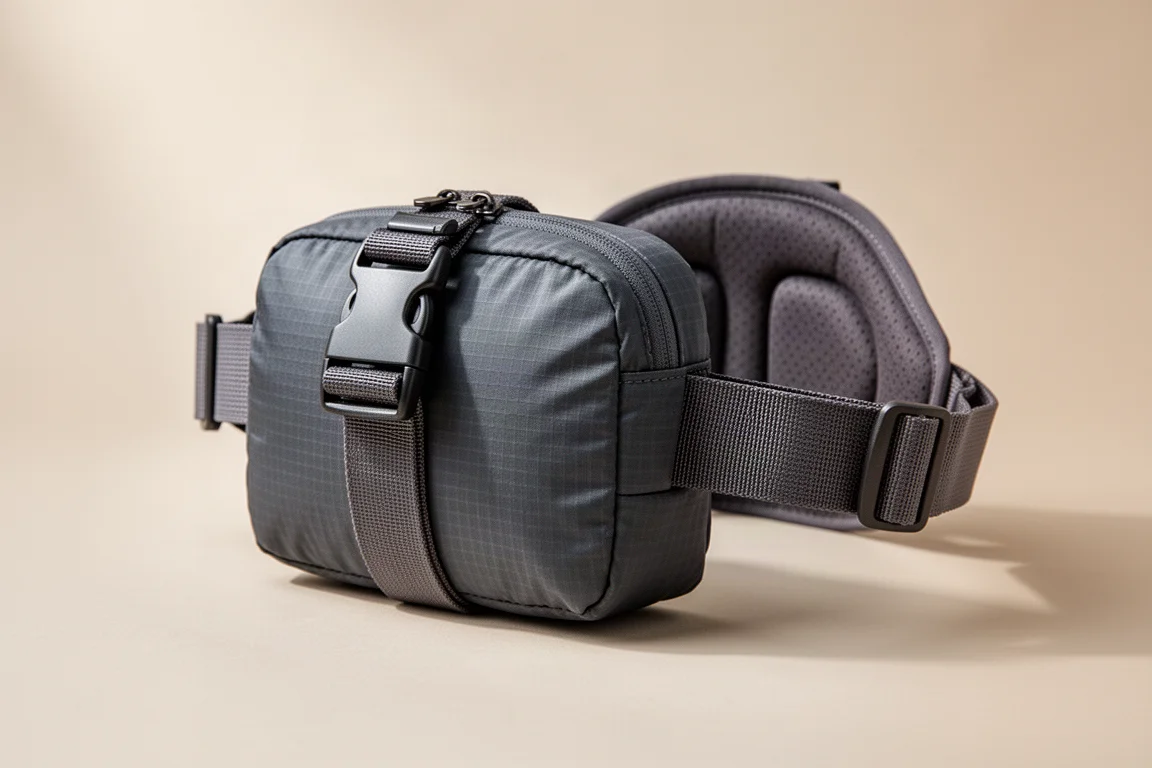
Gossamer Gear Piku Fanny Pack: A Sling That Does More
The Piku is a fanny pack and shoulder sling with a magnetic clip at the top, straps at the back that let it mount on a bicycle handlebar, and a ventilated back panel that can be removed and used as a small sit pad.
That combination makes it a genuinely different gift, and the storage capacity is generous for the category. At $75 it is not cheap, but the removable panel gives it a second job on top of the first.
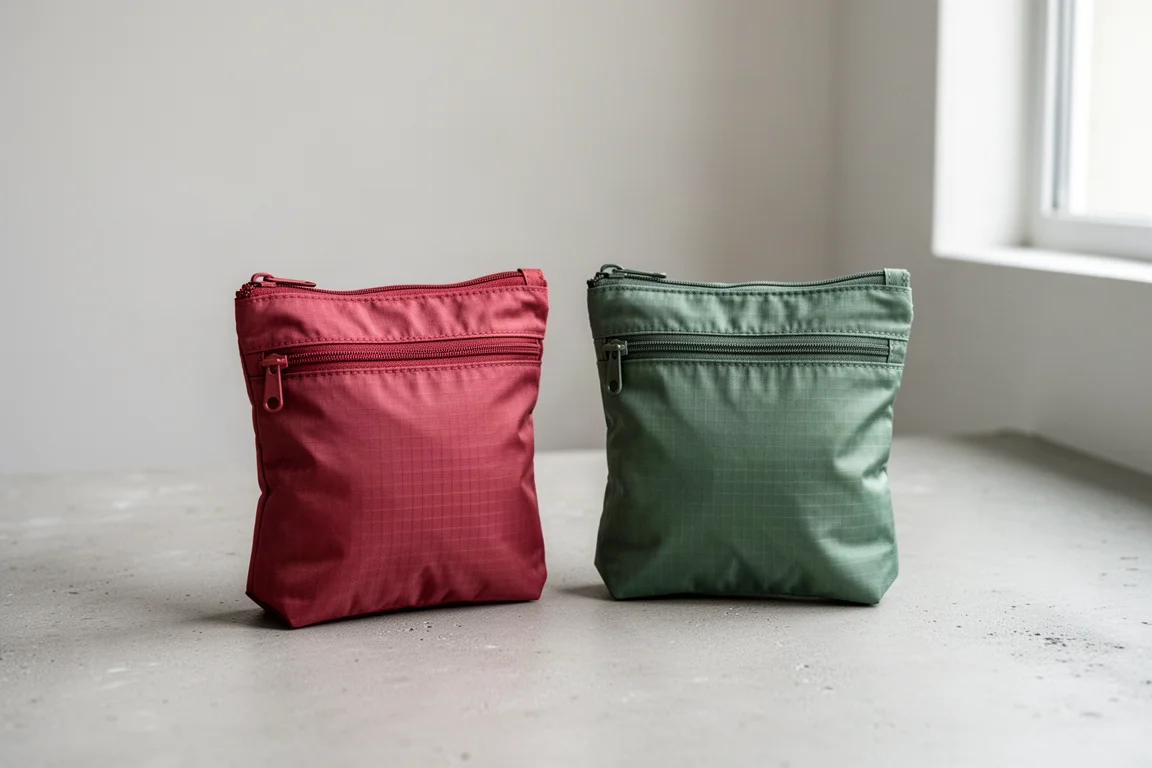
Backpacking Exposure Ditty Pouch: Small Organizer, Big Value
The ditty pouch is the smallest item here and possibly the easiest to give. It is a flat zippered pouch for toiletries, snacks, or cables, and it stands up on its own when opened, which adds volume when you need to carry something more substantial.
The maker matters here too. Backpacking Exposure is a small operation whose owner spent years sewing for a pack brand, and it shows in details like the base that lets the pouch stand. At $20 for the small size and about $22 for the larger ones, a set in two colors makes a tidy gift.
How to Choose Backpacking Gifts That Get Used
Match the gift to how the person travels. A weekend car camper will get more from the NeoAir pad than from a 5,000 mAh power bank, while a long-distance hiker will appreciate low weight in every category.
Weight and price tend to move together. Titanium, Dyneema, and down all cost more than the alternatives, so a $26 titanium pot and a $249 sleeping pad are answering very different questions.
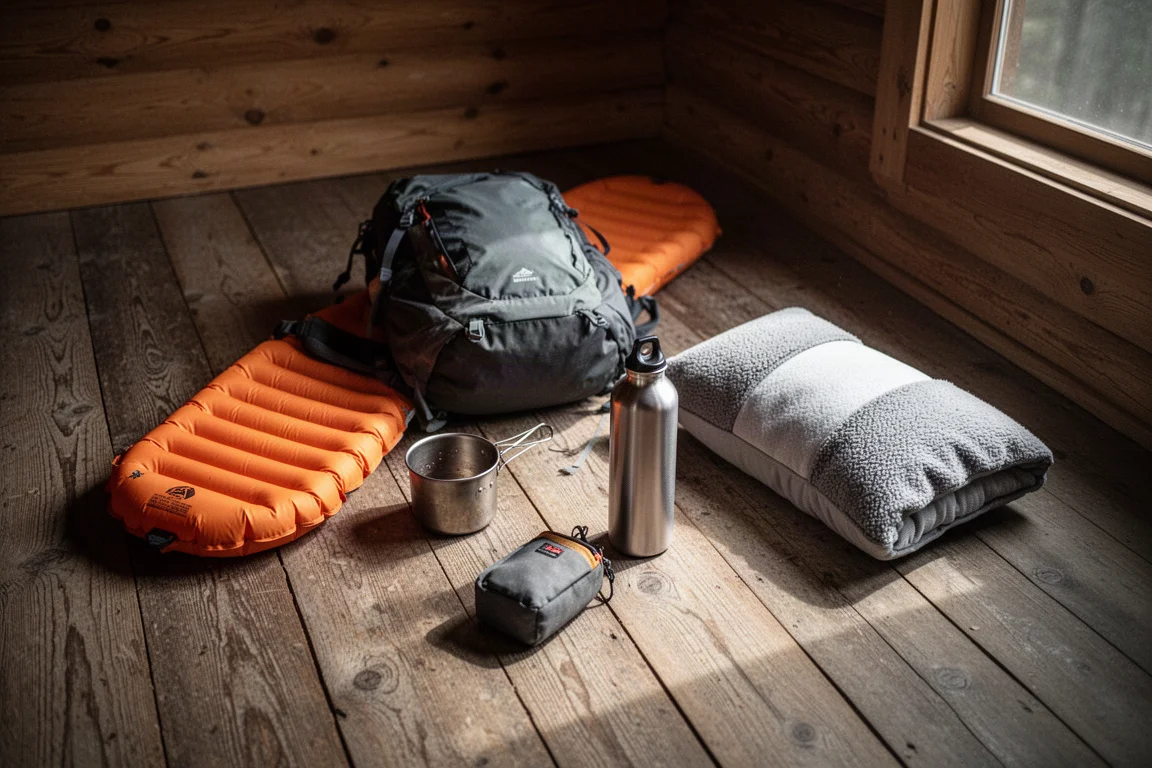
If you are building a set, the affordable end of this list combines well. The water bottle, the ditty pouch, and the titanium pot can sit together in one box for around $60, and each of them will get used on the next trip.
For a single larger gift, the sleeping pad and the sunglasses are the two items that most change a day outdoors, one for sleep and one for comfort in bright conditions.
Conclusion
Every item here earns its place by doing a job well rather than by being novel. The bottle, the pot, and the pouch cover the low end of the budget, the power banks and the pillow sit in the middle, and the sleeping pad and sunglasses are the premium picks for someone who spends a lot of time outside.
Pick the one that matches a problem the person actually has, and it will be in the pack long after the holidays are over.
Further reading
Related Reviews

Backpacking Gear
Building a 10 lb Base Weight: An Ultralight Backpacking Gear List
A practical walkthrough of the ultralight pieces behind a 10 lb base weight, from a 765 g pack and a roomy one-person tent to a full camp chair and a dependable water filter.

Backpacking Gear
A 15-Pound Lightweight Backpacking Gear List for Solo Trips
A beginner-friendly 15-pound backpacking setup built from easy-to-find gear, with notes on what each piece does, how it packs, and where to spend your attention.

Backpacking Gear
8 Ultralight Backpacking Gear Upgrades Worth Carrying
Eight small, affordable backpacking upgrades that solve real trail annoyances, from a pillow that stays put to a fuel valve that rescues leftover canister gas.