Backpacking Gear
Best Backpacking Gifts 2026: 11 Practical Picks for Hikers and Campers
Eleven giftable backpacking items, from a $13 reusable water bottle to a premium sleeping pad, with honest notes on price and who each one suits.
Introduction
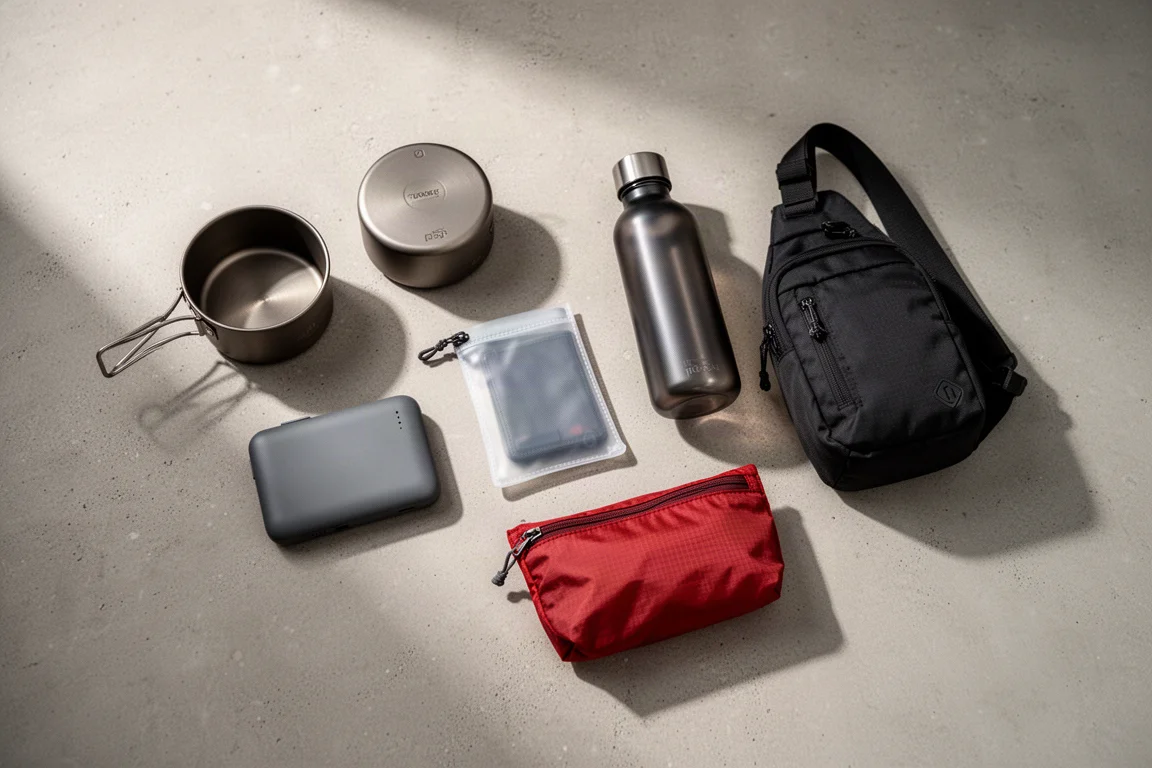
Shopping for a backpacker usually goes one of two ways. Either you buy something generic that ends up in a drawer, or you find a small, specific item that earns a permanent place in their pack. This guide leans hard into the second option.
The eleven items below cover a wide spread of prices, from around $13 to $249, and each one solves a real problem on the trail or around camp. Some are stocking fillers. A couple are proper main gifts. All of them are the kind of thing a hiker will actually use rather than politely store.
How These Gifts Were Chosen
Every item here was judged on four things: whether it does a job a backpacker already cares about, how much it weighs or how small it packs, how well it holds up over time, and whether the price makes sense for what you get. Items that only make sense for a very specific trip type were left out.
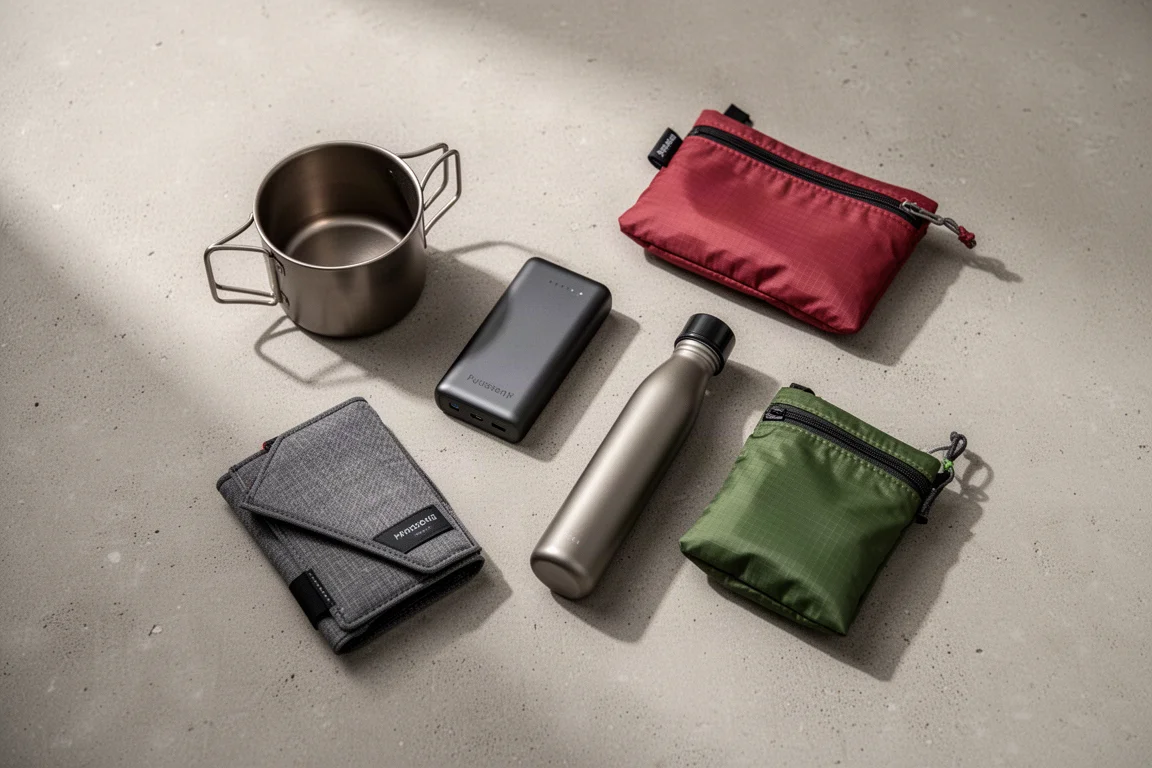
A note on price: the figures in this guide come from the makers and range from about $13 to $249. That spread is deliberate. If you are filling a stocking, the smaller items work well. If you want one substantial gift, the sleeping pad and the sunglasses sit at the top of the range.
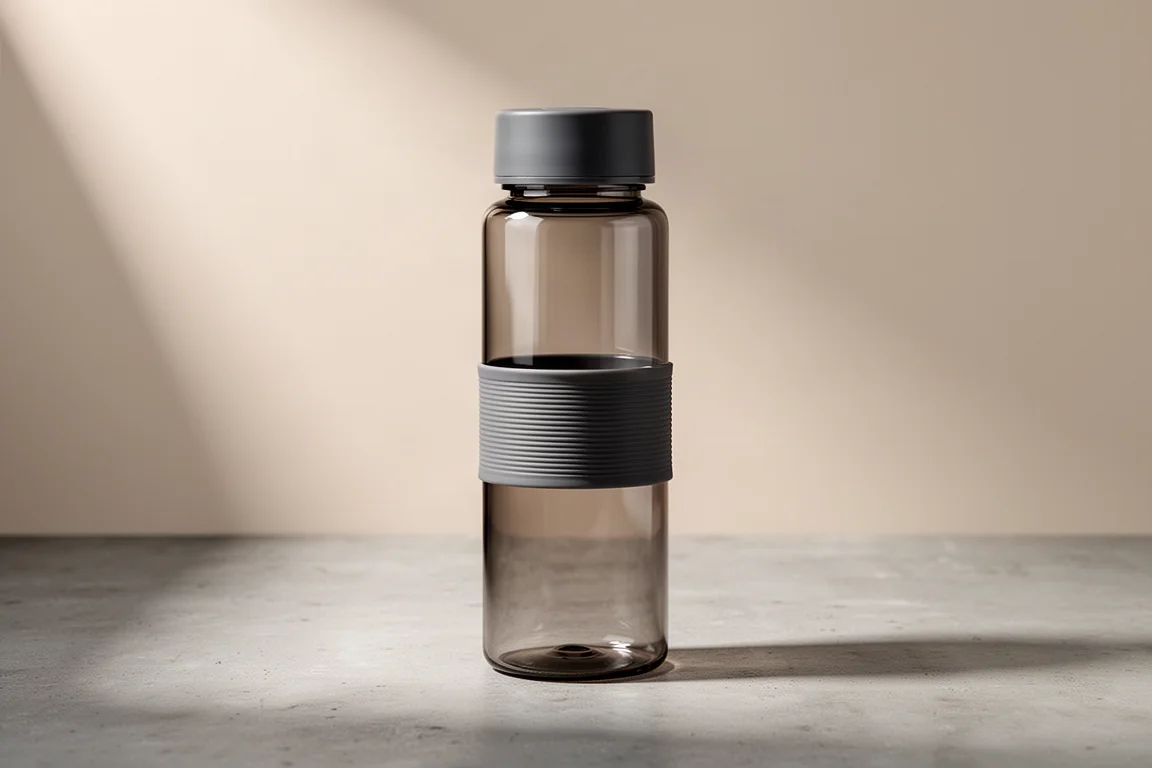
Katadyn Water Bottle
Reusable bottles have become a genuine category of their own, and this one from Katadyn is a direct replacement for the single-use bottles that many hikers refill long past the point where the plastic is meant to be reused. It is built to be washed and reused rather than replaced every few weeks.
The opening is narrow, so a bottle brush helps with cleaning. At around $13 it is one of the cheapest genuinely useful gifts on this list, and it doubles as a container: fill it with smaller items and it becomes part of the wrapping. Avoid sticky snacks if you plan to do that, since they are hard to rinse out.
Hubba Dyneema Wallet
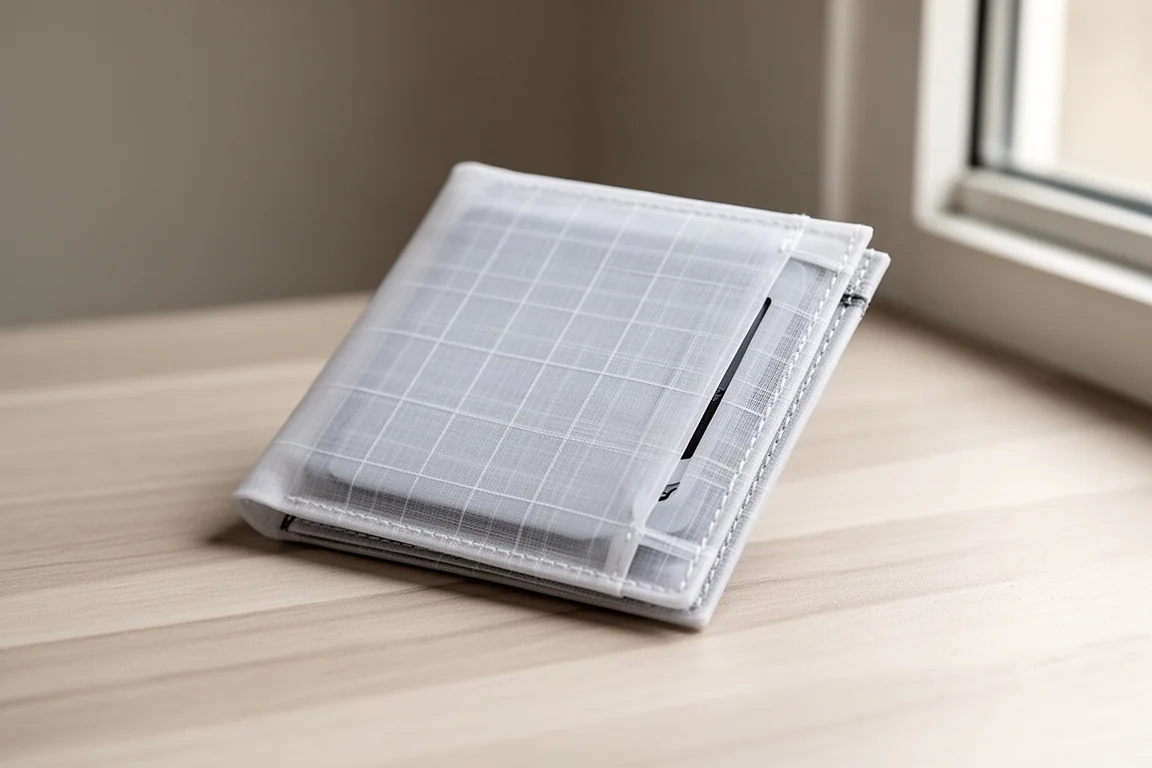
Dyneema has become the signature material of ultralight gear, and Hubba has used it for something you handle every day. This is a minimalist wallet that carries a card or two plus an ID, and it is one of the rare pieces of technical gear that also looks deliberate rather than improvised.
They hold up well with regular use, and at $35 the price is mostly explained by the material. It is not the right gift for someone who keeps receipts, loyalty cards, and a roll of dental floss in a chunky bifold. For a light traveler, though, it is the sort of small object that quietly improves a daily routine.
Nitecore NB Air Power Bank
Almost every backpacker carries a power bank, which makes this an easy gift to get right. The NB Air is the smaller of two Nitecore options here, with 5,000 mAh of capacity in a body small enough to live in a pocket or a pack lid for a phone top-up.
The newer generation has been reliable in use and addresses the concerns that surrounded the earlier version of the same model. At $39.99 it is a sensible mid-range gift for someone who mostly needs to keep a phone alive on a weekend trip.
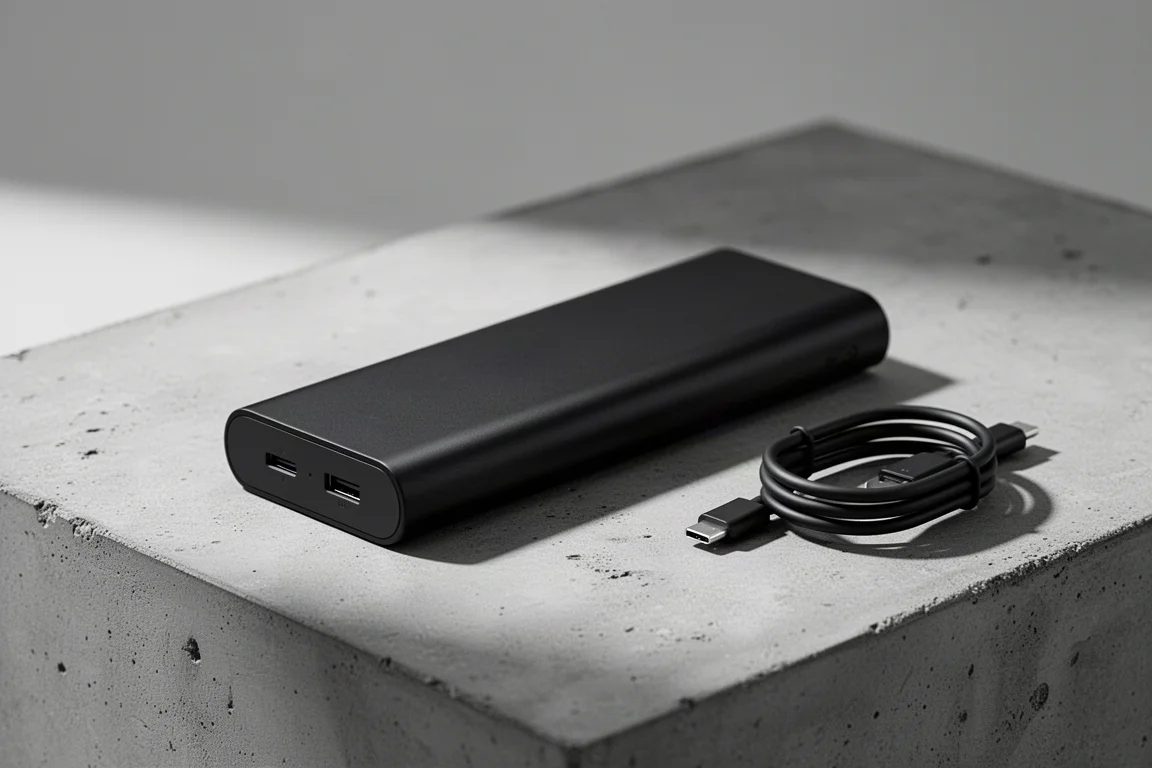
Nitecore NB10000 Power Bank
The NB10000 doubles the capacity to 10,000 mAh while staying light for a battery of that size. Nitecore tends to cost more than generic power banks, and the trade-off is weight and build quality rather than raw capacity.
For multi-day trips where a phone is the main thing being charged, the extra capacity is worth the small weight penalty.
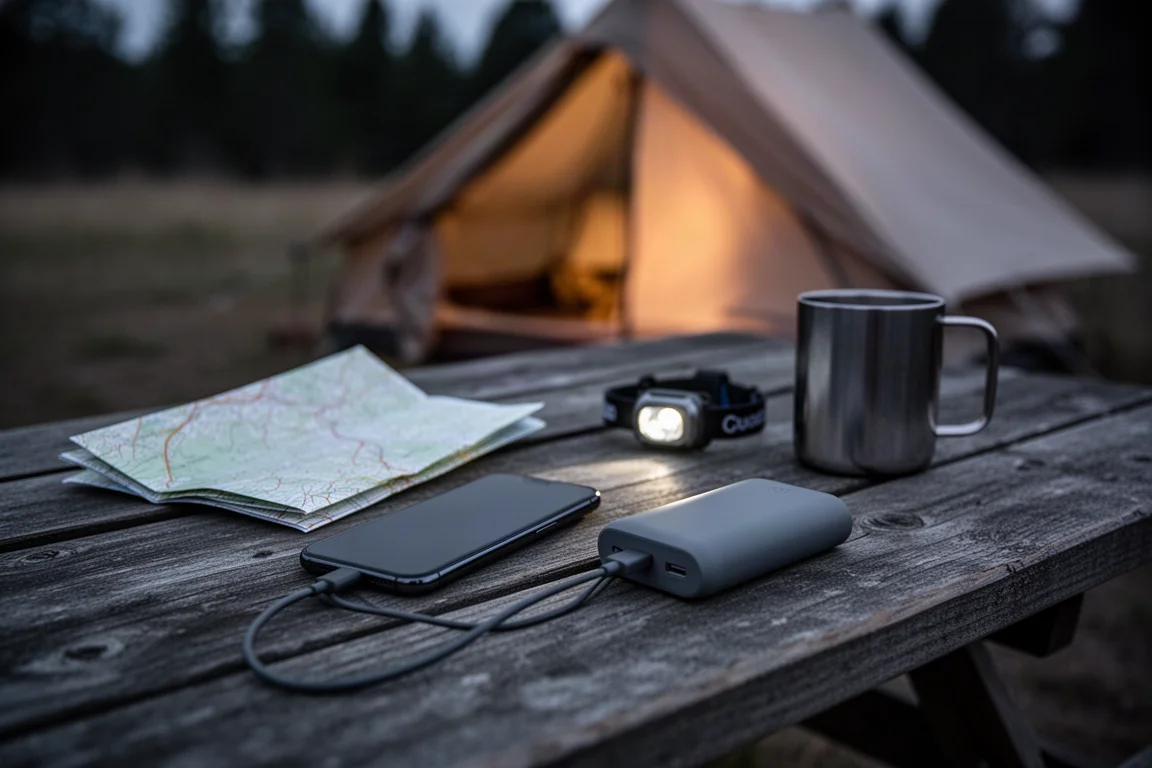
Both banks do the same job, so the choice comes down to trip length. The 5,000 mAh model is the one to slip into a pocket on a day hike, while the 10,000 mAh version is the better match for overnight and multi-day routes where there is no outlet for days at a time.
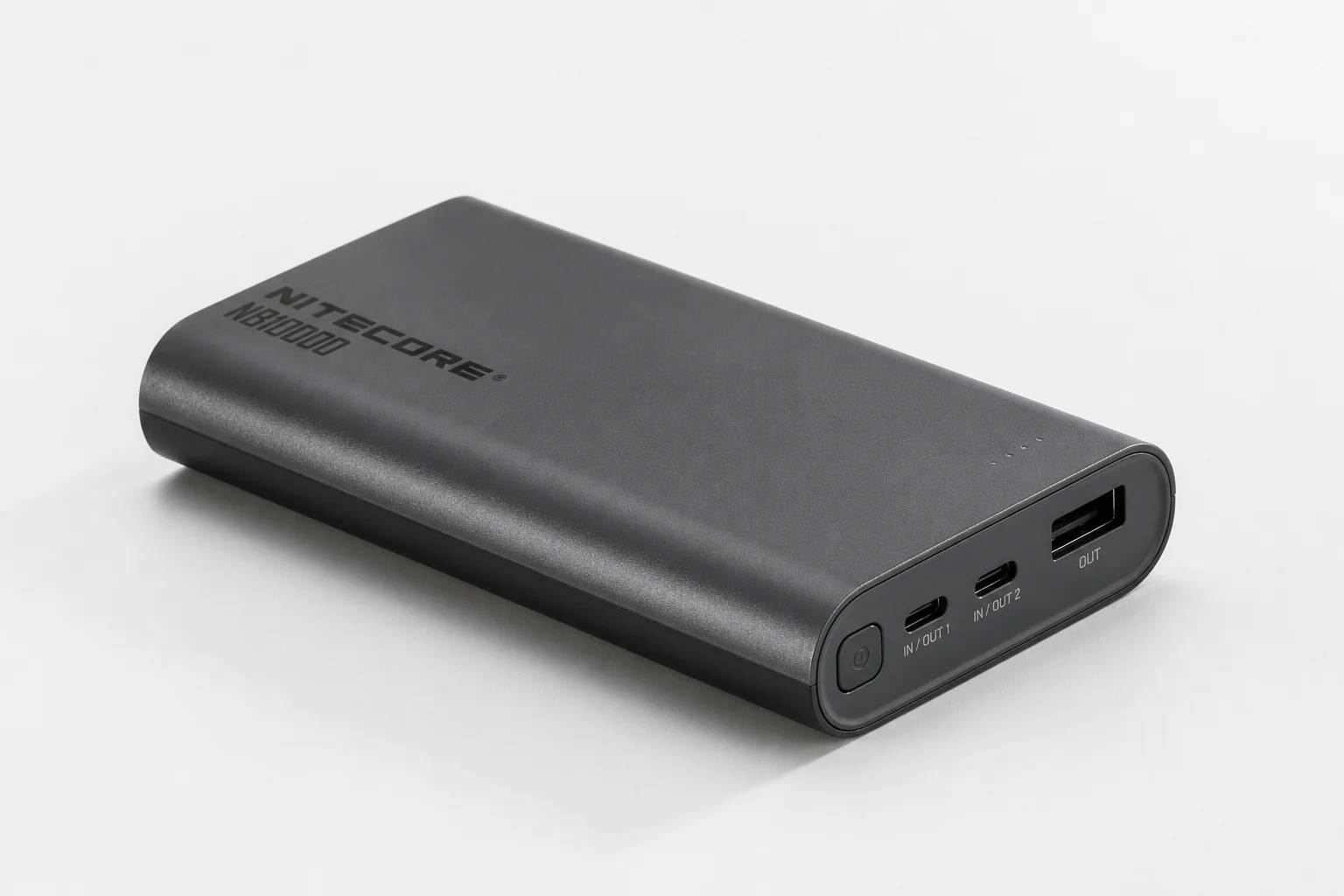
Plante Shoulder Sling
This is a sling that can also be worn as a fanny pack, which makes it a flexible option for someone who wants to carry a phone, a wallet, and a few essentials without a full pack. The design is minimalist, and it uses metal hardware rather than plastic buckles, which gives it a cleaner, less technical look.
There is a small loop on the outside for attaching a key or a small item. At $70 it sits in the middle of the range, and it is the kind of gift that works as well in town as it does at a trailhead.
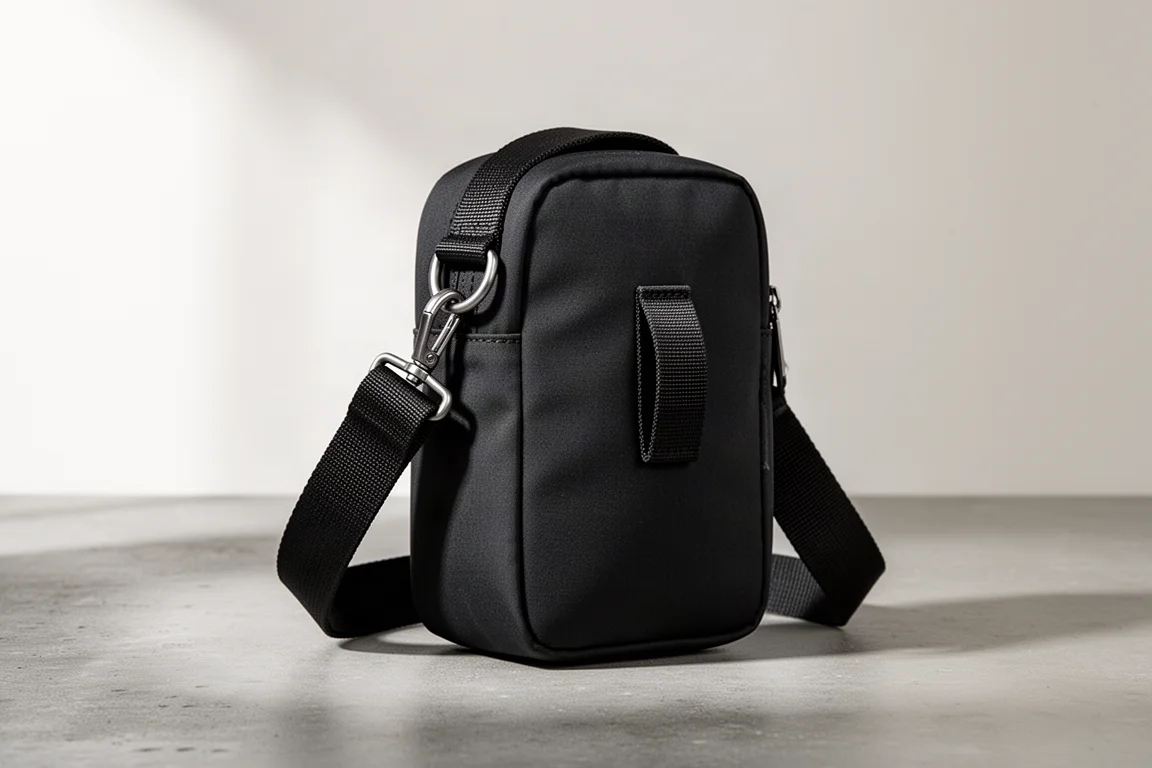
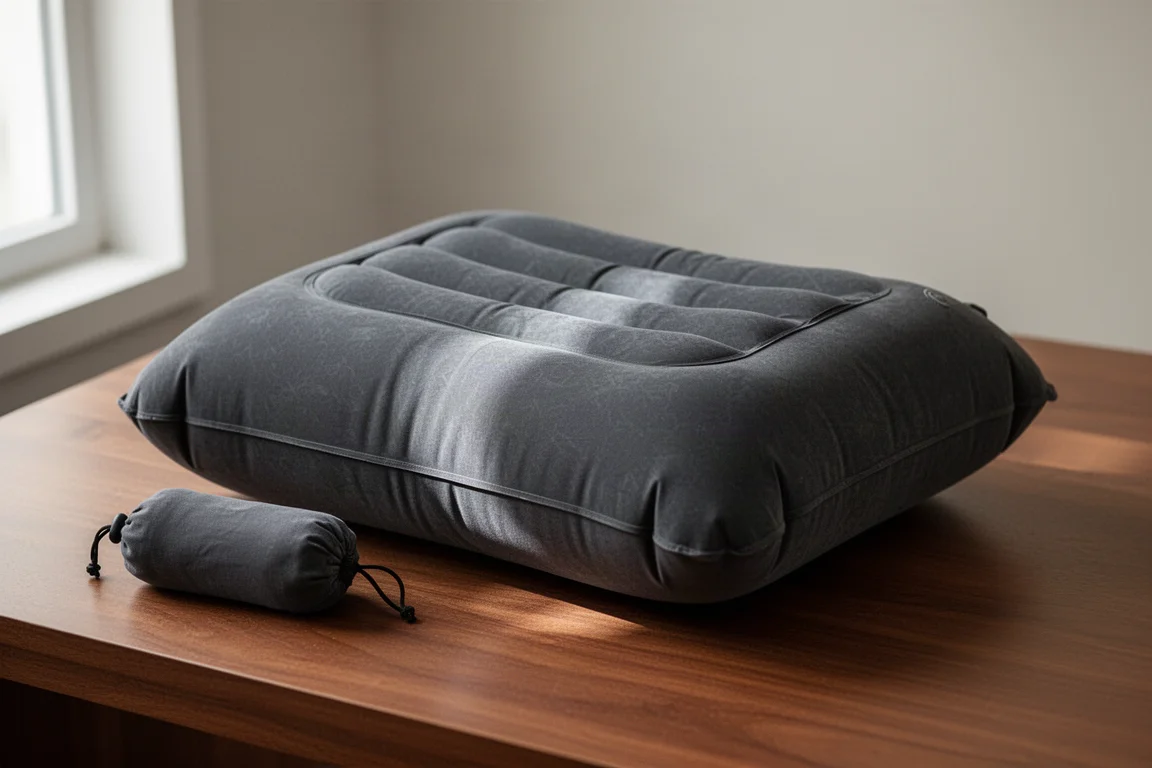
Sea to Summit Aeros Down Pillow
Cold-weather camping exposes a weak point that most people ignore: a bare inflatable pillow against your face. This one adds a layer of high fill power down on top and a soft fleece surface around the edges, so it does not feel like sleeping on a sheet of cold nylon.
It still packs down tiny, and for anyone who already owns a warm sleeping pad but has never upgraded their pillow, this is the obvious next step. It is also available in non-insulated versions for warmer trips. Price is around $64.95.
Therm-a-Rest NeoAir Sleeping Pad
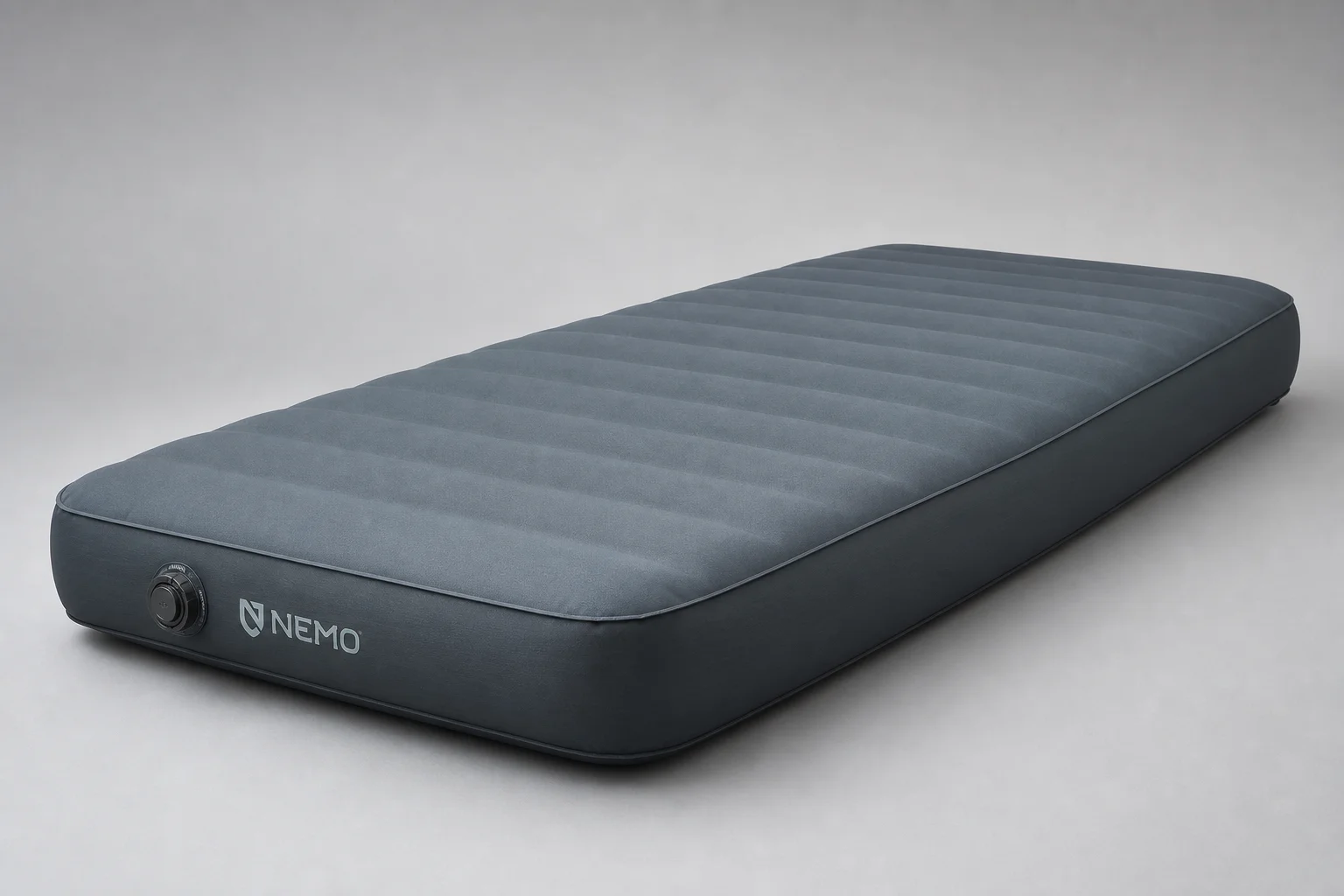
If you want one substantial gift, this is it. The NeoAir is a comfort-focused sleeping pad, and in use it feels genuinely plush, with a slightly bouncy quality that some sleepers love and others will notice straight away. It remains light for the comfort it provides.
That combination makes it useful well beyond backpacking. It works for car camping, for guests sleeping on the floor, and for anyone who wants better sleep in the backcountry without carrying a heavy pad. The regular wide version is $249 and the large is $259.
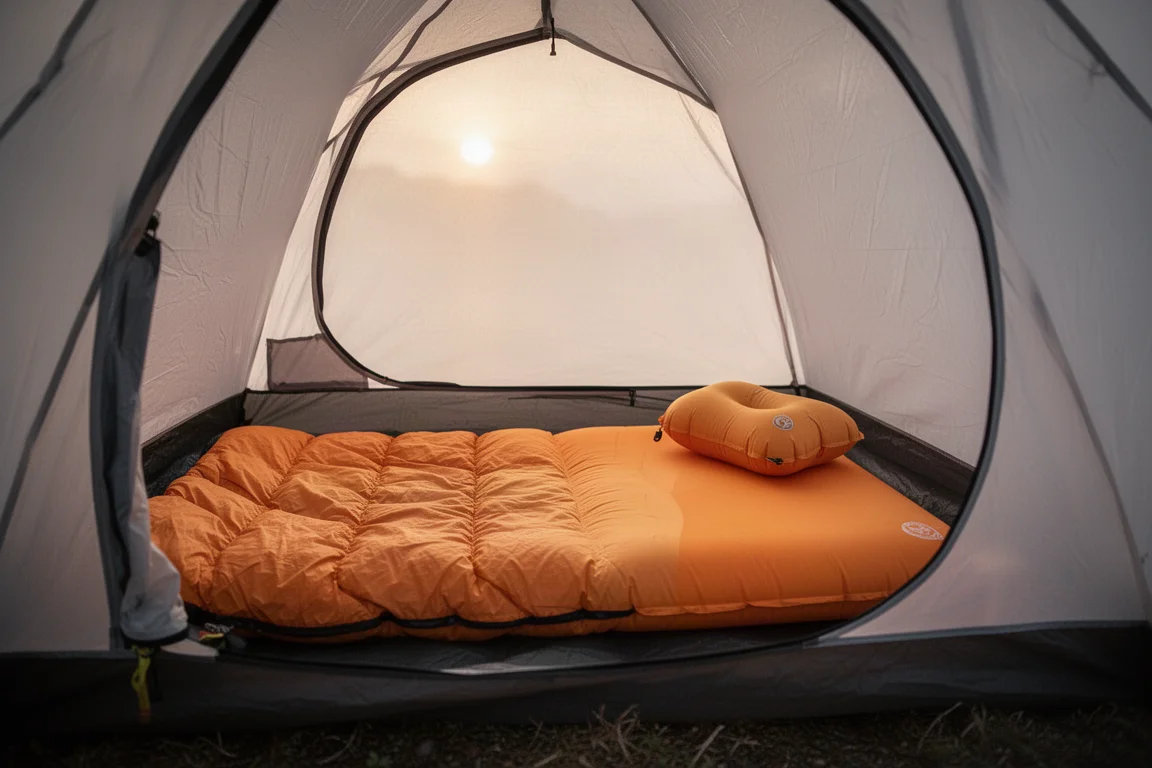
Sleep is the part of a trip that people remember most, and a pad is the single biggest lever on how a night outdoors feels. If the person you are buying for already tolerates their current pad rather than enjoying it, this is the upgrade that changes the experience.
Toaks 750 Titanium Pot
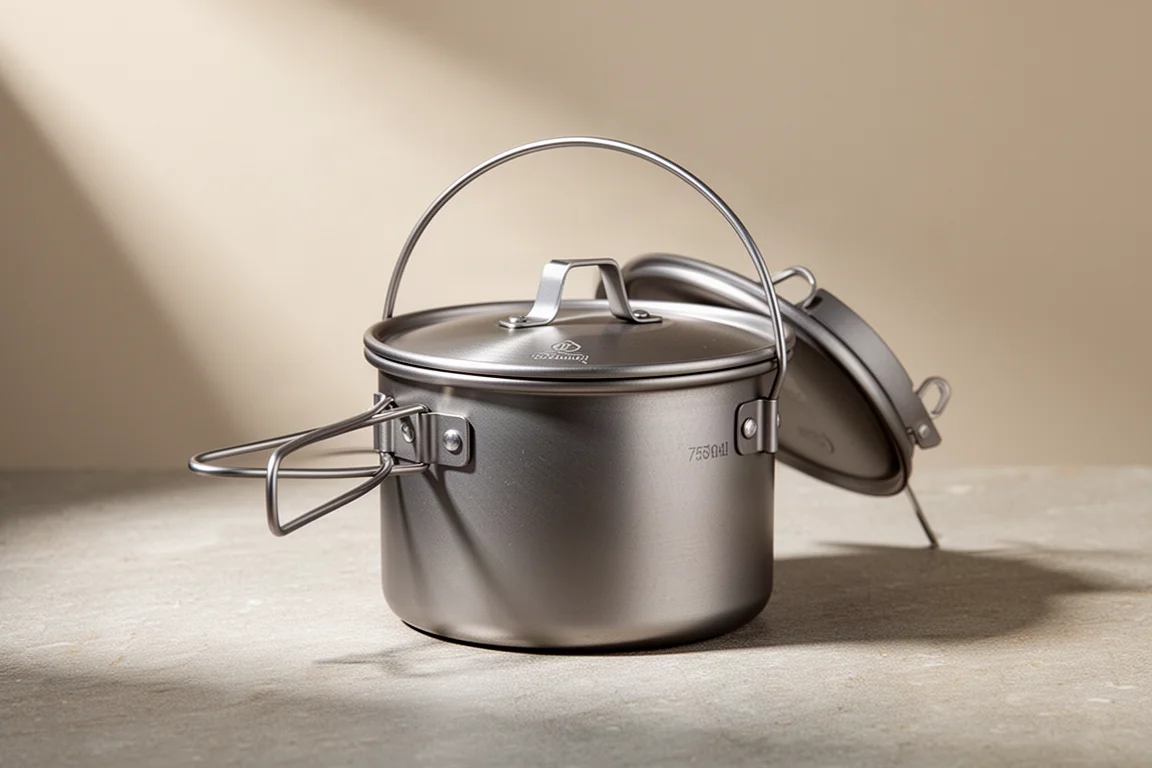
This is the most basic item on the list and possibly the most useful. The Toaks 750 is a titanium pot that works equally well as a mug, and the thickness of the titanium is the detail that matters: thick enough that it will not flex, bend, or dent in a pack, thin enough to weigh almost nothing.
It is a cup and a pot in one, which is exactly the kind of versatility that earns a permanent spot in a kit. At $26 it is an easy stocking stuffer, and the maker has kept the price low to keep it as a flagship product.
Ombraz Sunglasses
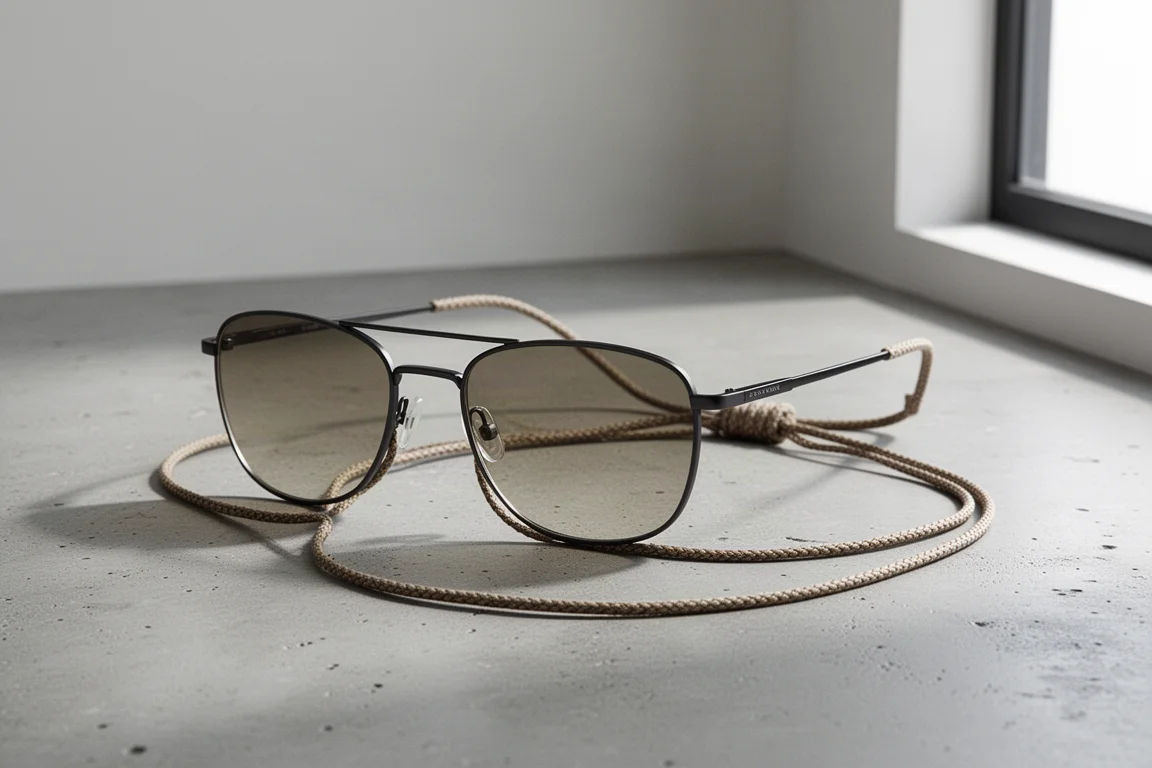
Ombraz takes a different approach to sunglasses. Instead of arms that hook over the ears, a cord runs around the back of the head, so the frames stay connected and will not fall off or jostle while you are moving.
They are available in polarized and non-polarized versions, and the price is around $160. The design is aimed at people who have lost or broken conventional sunglasses in the past. One caveat worth knowing: most glasses are lost in storage rather than on the face, so a protective case is still a sensible addition.
Gossamer Gear Piku Sling
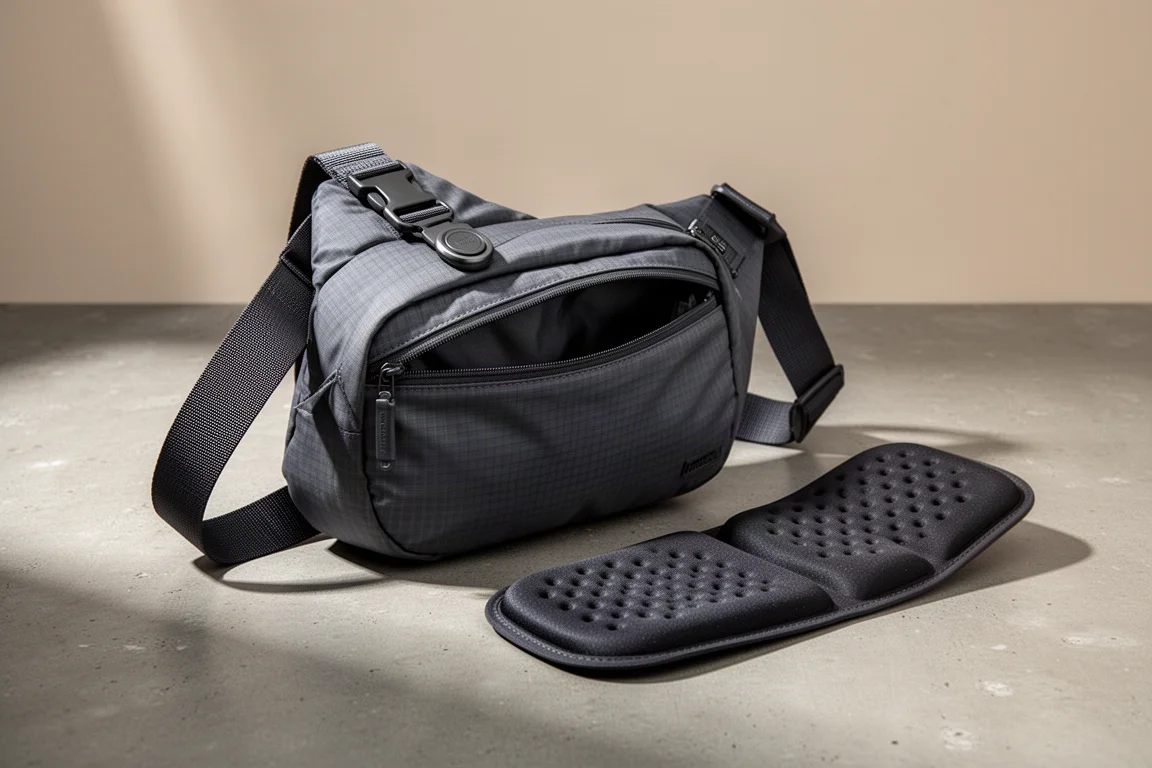
The Piku is a large-capacity sling that can be worn as a fanny pack, and it has a few details that separate it from the usual options. A magnetic clip closes the top, the back straps allow it to be attached around a bicycle handlebar, and the ventilated back panel can be removed and used as a small sit pad.
That last feature alone makes it a more interesting gift than it first appears. At $75 it is a mid-range pick for someone who likes modular gear and will find their own uses for it.
Backpacking Exposure Ditty Pouch
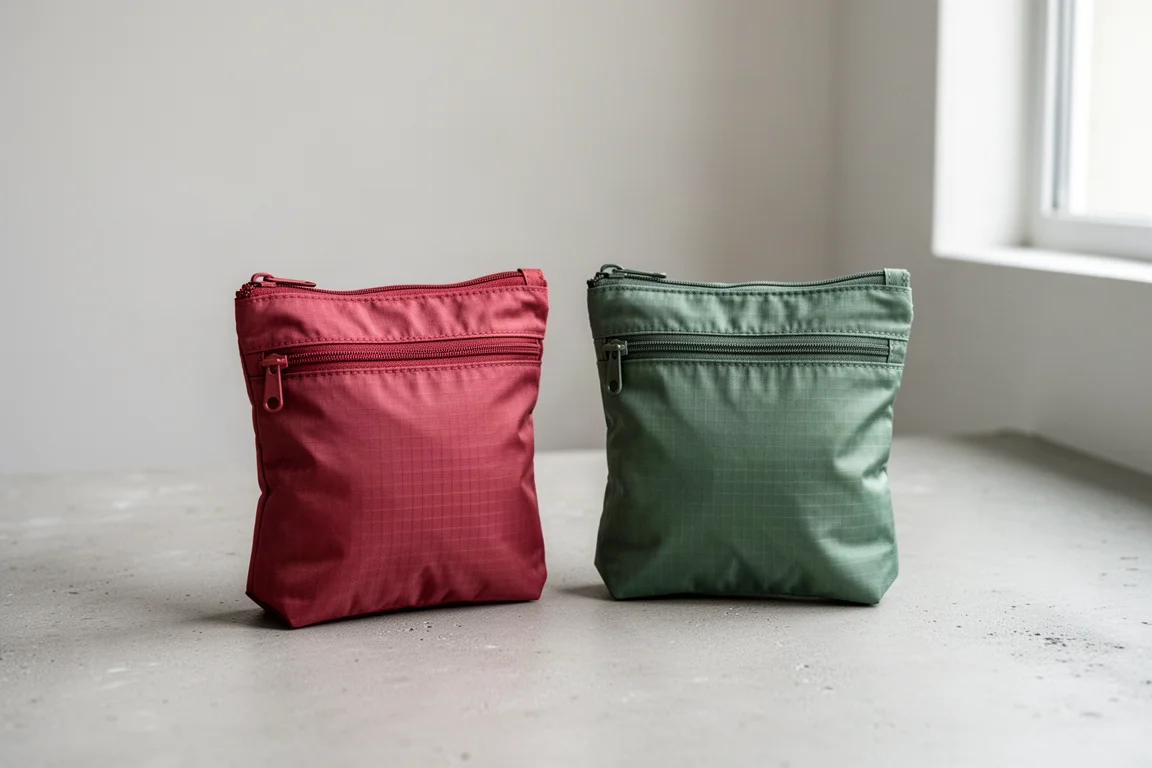
A ditty pouch is one of those small items that quietly becomes indispensable. This one is made by a small maker with years of experience sewing ultralight gear, and it stands up on its own, which means it can lie flat for thin items like a passport or open up to hold snacks and cables.
Use it for toiletries while traveling, for cables and small electronics in a pack, or for snacks on a day hike. The small version is around $20, larger sizes are about $22, and they come in colors that make a set easy to put together.
Overall Buying Advice
The safest approach is to match the gift to how much gear the person already owns. Someone with a dialed-in kit will get the most out of the small, specific items: a ditty pouch, a reusable bottle, or a Dyneema wallet. Someone still building a setup will appreciate the titanium pot or a power bank, since those are the pieces that get used on every trip.
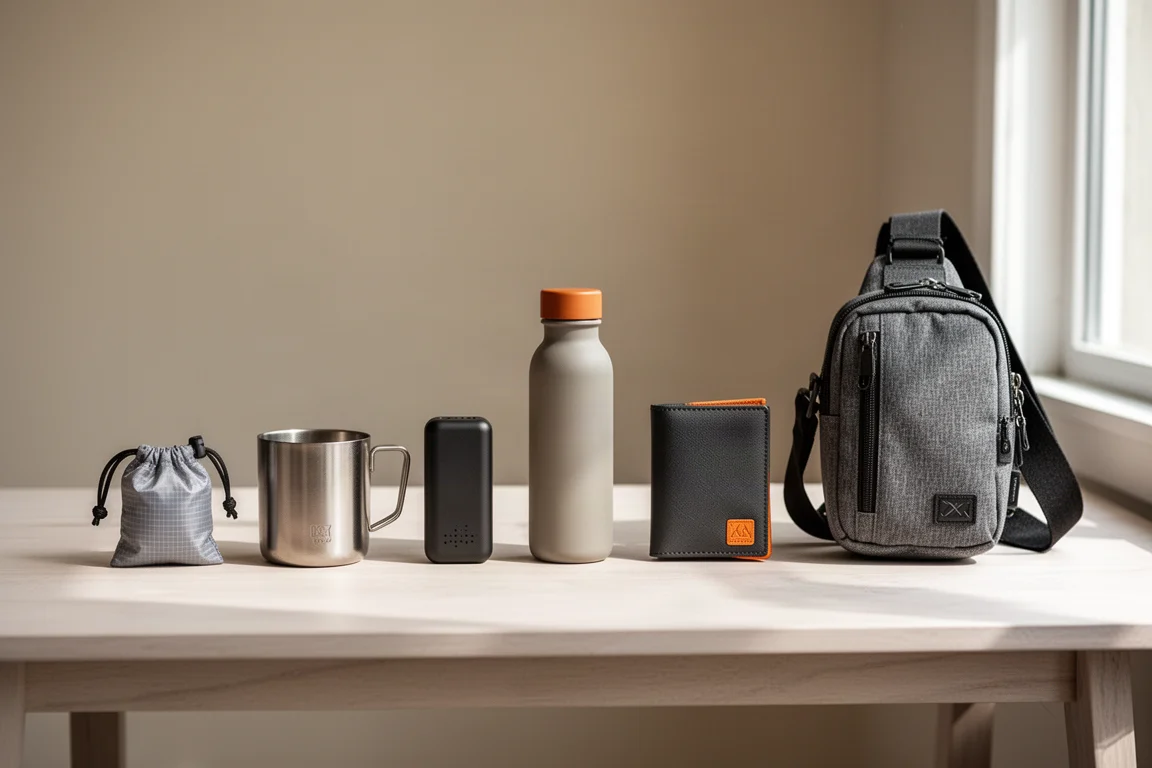
If you want a single memorable gift and the budget allows, the sleeping pad and the sunglasses are the two items that make the biggest difference to daily comfort. The pillow sits neatly in between as an upgrade that almost nobody buys for themselves.
If you are still unsure, buy two or three small items rather than one big one. A titanium pot, a pouch, and a bottle together cost less than the pad and cover more of the moments that make a trip work.
Conclusion
Good backpacking gifts are rarely dramatic. They are the small objects that solve a problem you did not know you had, or the upgrade you would never buy for yourself. Any of the eleven items here will be used rather than stored, and that is the standard worth shopping to.
Further reading
Related Reviews

Backpacking Gear
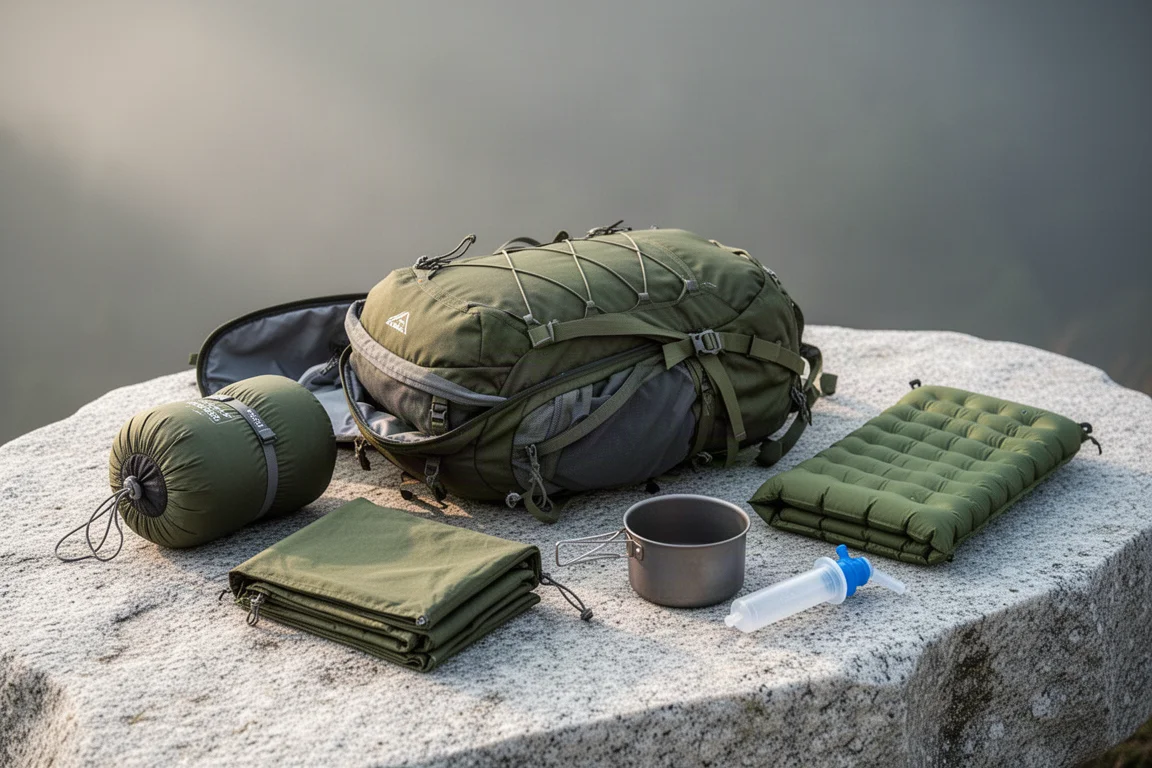
Building a 10 lb Base Weight: An Ultralight Backpacking Gear List
A practical walkthrough of the ultralight pieces behind a 10 lb base weight, from a 765 g pack and a roomy one-person tent to a full camp chair and a dependable water filter.
Backpacking Gear
A 15-Pound Lightweight Backpacking Gear List for Solo Trips
A beginner-friendly 15-pound backpacking setup built from easy-to-find gear, with notes on what each piece does, how it packs, and where to spend your attention.
Backpacking Gear
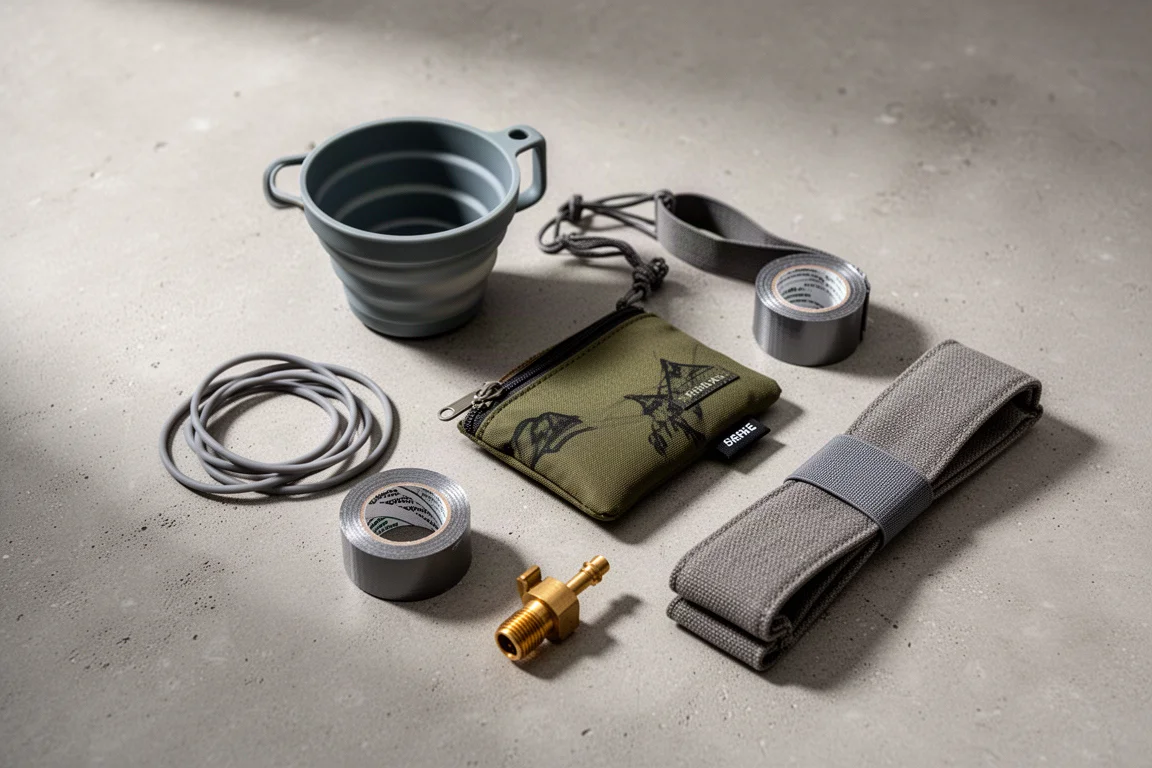
8 Ultralight Backpacking Gear Upgrades Worth Carrying
Eight small, affordable backpacking upgrades that solve real trail annoyances, from a pillow that stays put to a fuel valve that rescues leftover canister gas.