Backpacking Gear
Best Backpacking Gear for Wind and Cold: Six Pieces Built for Exposed Conditions
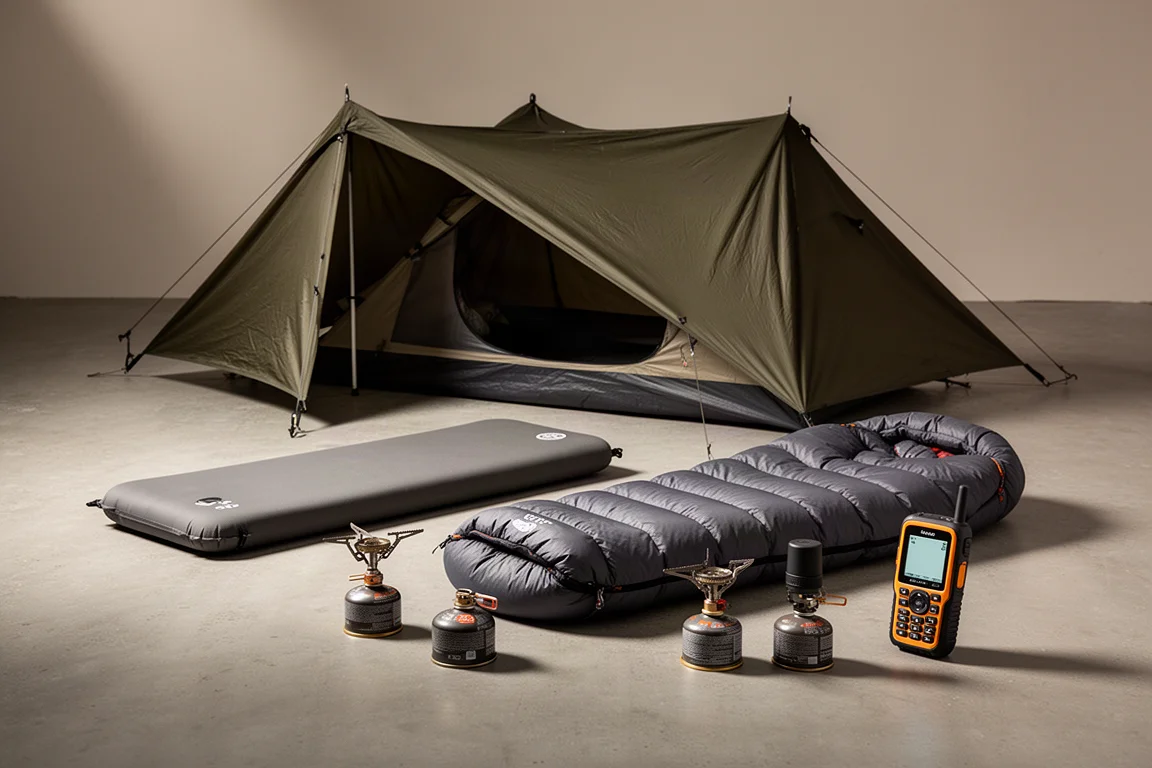
A field-focused look at six pieces of backpacking gear for wind and cold, from a four-season shelter with a new pole structure to a satellite messenger that sends pictures and voice.
Introduction
Gear that performs well in a sheltered forest site can fall apart on an exposed ridge. The six items in this roundup were chosen because they target exactly those harder conditions: sustained wind, overnight temperatures that drop below freezing, and terrain where a shelter has to stay put without a tree for protection.
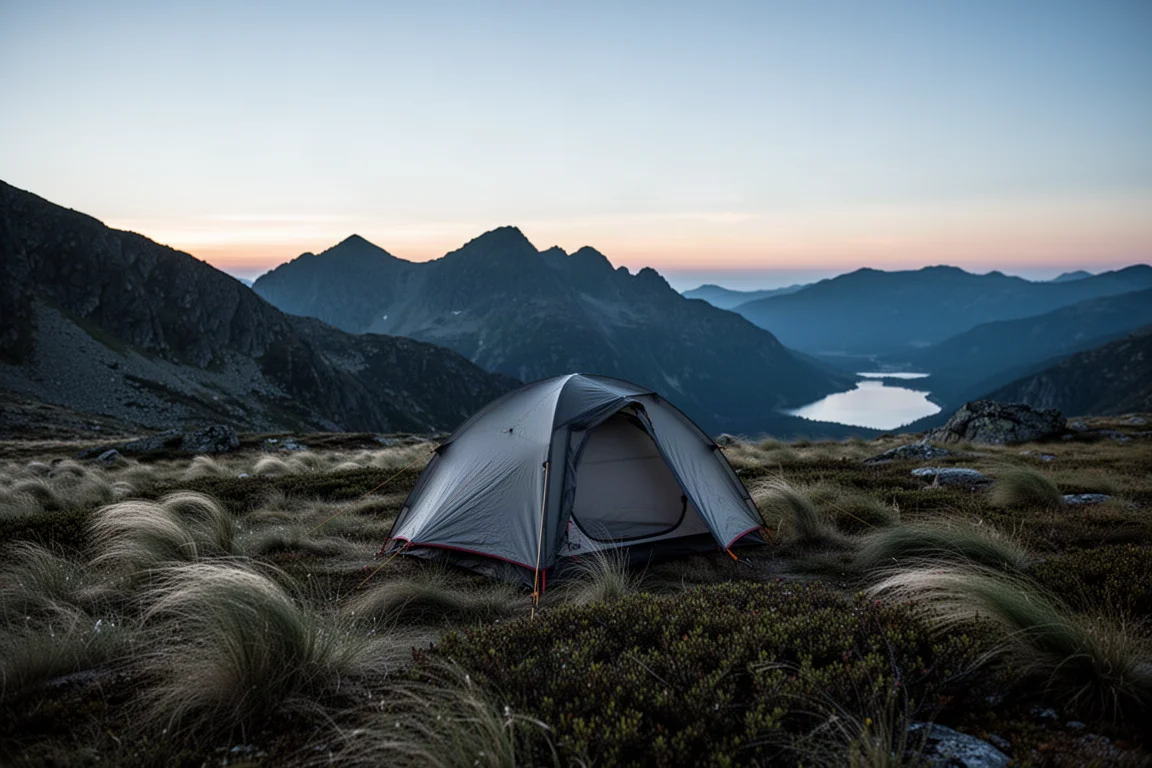
Each piece was put through a real trip in the Canadian Rockies, including a climb past a chained cliff section, a camp on an exposed plateau, and an overnight wind test that pushed the shelter well past what most three-season tents would tolerate. A side-by-side stove boil test in gusting wind rounded out the comparison. Some of this gear is genuinely exciting. One item is hard to recommend.
What Cold and Wind Demand From This Gear
Wind changes the priorities. A shelter needs a low profile, plenty of guy-out points, and an inner that does not balloon into the living space. A sleeping system has to balance warmth against the comfort that comes from thickness and stretch. A stove has to keep a flame lit and transfer heat efficiently when the air is moving. A satellite messenger has to work where there is no cell signal at all.
Weight still matters, but it is not the only measure. Versatility across seasons can be worth more than a few saved grams, especially for anyone camping in Iceland, Scandinavia, Scotland, or similar wind-exposed regions.
Tarptent Arc Dome: A Four-Season Shelter With a New Pole Structure
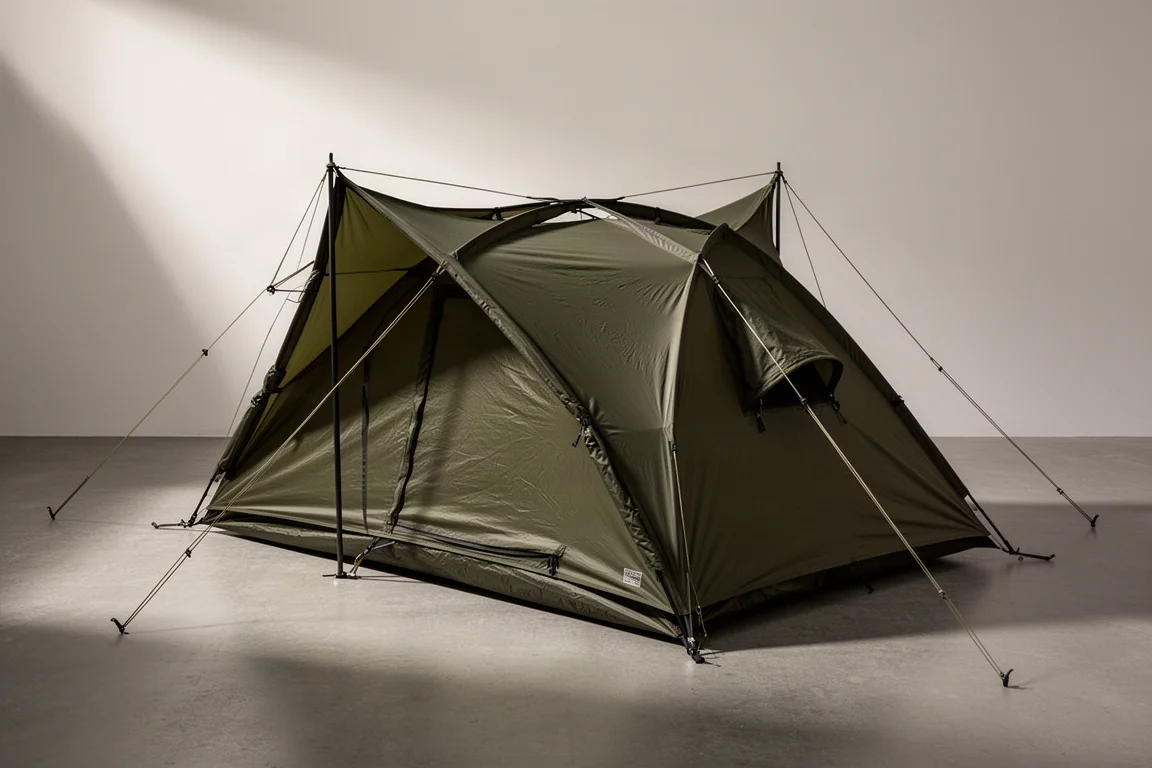
The Arc Dome takes its name from its pole layout. Two poles run corner to corner across the top of the tent. Setup starts by staking out all four corners to create a rectangle, then sliding each pole through its sleeve.
The sleeve system is slower than clips, but it adds a lot of structural support. Guy-out points are generous: two on each pole sleeve, one at the midpoint of every panel, and one at the bottom of every panel, for 12 in total. Only four of those 12 were used during an overnight test in extreme wind, and the tent still held. With all 12 deployed, it should be close to bombproof.
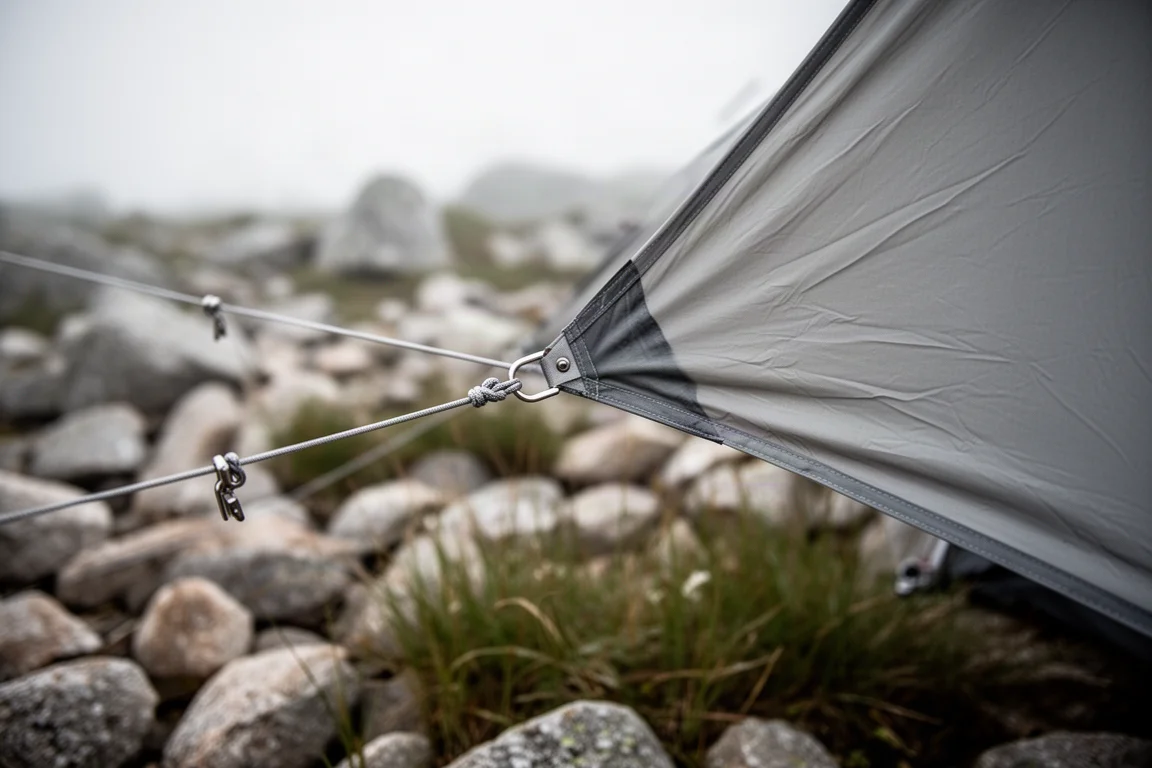
The fly sits very low to the ground, which keeps wind from getting underneath it. A solid inner fabric version was used for the trip, and a mesh inner is also available. The tent is wide enough for two 25-inch wide pads, and it makes efficient use of the space with large pockets at each end and two small pockets near the top. The inner can be attached to the outer fly, which stopped it from ballooning inward through a windy night. Top-loading capacity is another strength: leaning nearly all of a person’s weight onto the roof produced no drama, which bodes well for snow loading.
The trade-offs are mostly in the details. One line-lock hook on a guy line snapped in the early hours of the morning on a large panel, the only failure point of the night. There is a gap of about four inches between the two pole sleeves at the top, which makes threading the second pole awkward, and the brand has said an arch between the sleeves is planned. The sleeve entry is narrow, which will be more frustrating with bulky winter gloves than with bare hands. Corner guy-out points sit low, and color-coding would make pole insertion faster when everything is flapping. Carbon fiber tubes prop open the two vents and stayed quiet in the wind.
Therm-a-Rest NeoLoft: Thick, Stretchy Backcountry Comfort
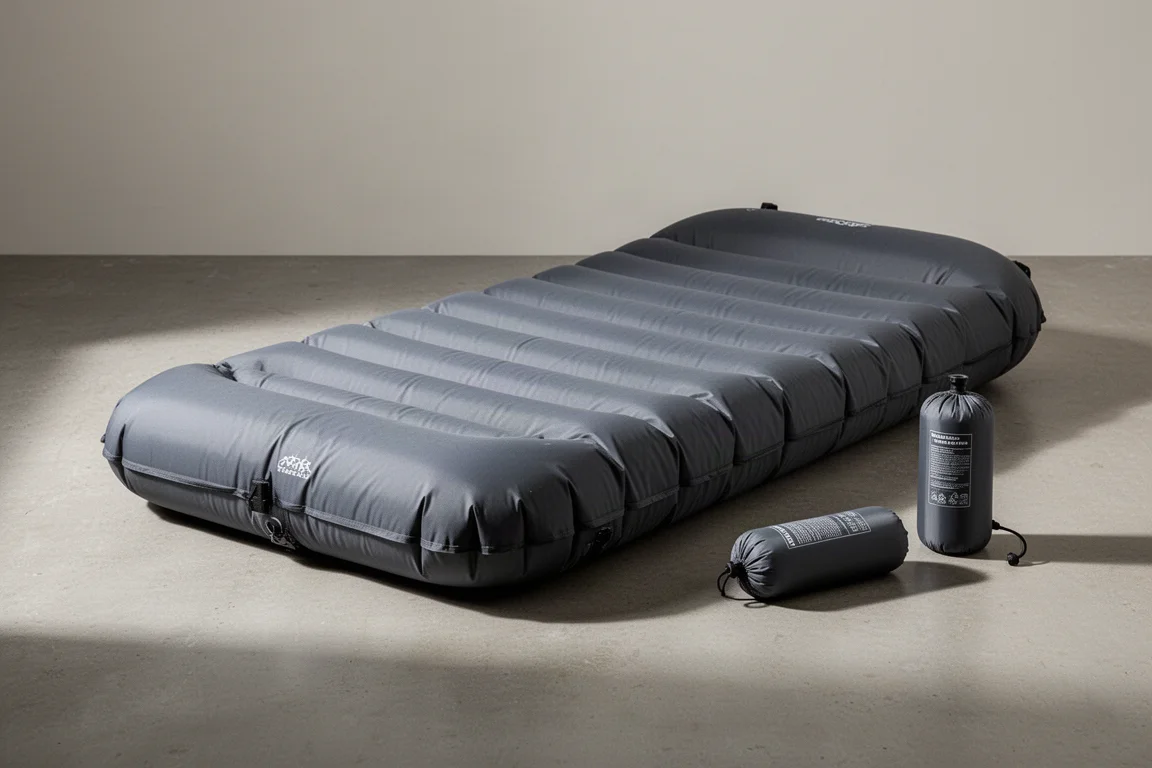
The NeoLoft is the thickest sleeping pad used on a backpacking trip so far. It measures about 4.6 inches thick and 26 inches wide, while keeping an R-value of 4.7. It weighs 850 g, which is heavy for a backpacking pad but not unreasonable given its size.
Comfort comes from two things. The first is thickness: at roughly 60 percent inflation, the pad supports the body without feeling like a hard surface. The second is the stretchy top fabric, which gives slightly under pressure. Horizontal baffles are usually uncomfortable, but with the stretch and a partially deflated setup they were not noticeable at all.
Partially deflating a pad also lowers its effective R-value, so the 4.7 rating is not what a sleeper actually gets at 60 percent inflation. It stayed warm on ground that dropped below freezing, but it will not feel as toasty as a dedicated cold-weather pad. For campers who prioritize comfort and do not mind the weight, this is one of the most comfortable options available.
Therm-a-Rest Boost 650: A Sleeping Bag That Adapts to the Temperature
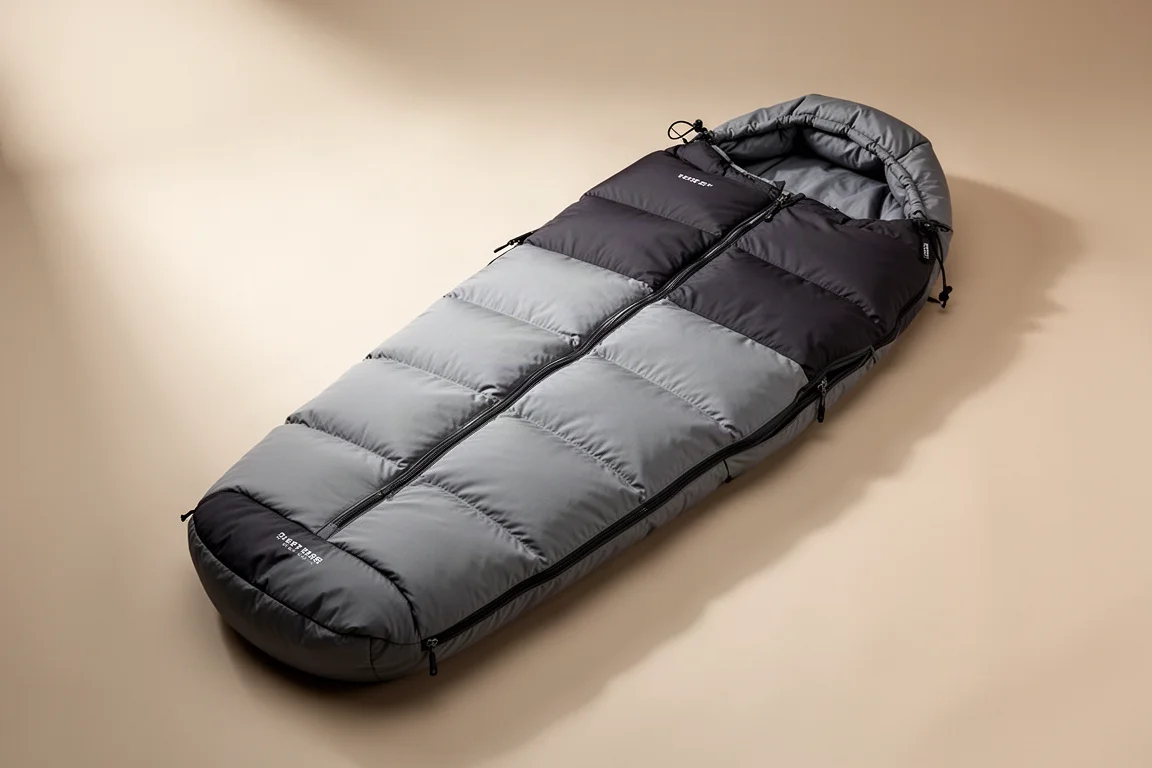
The Boost 650 does two unusual things. Short zippers on the sides create arm holes, which make it possible to read or send messages before sleep without opening up the whole bag. A zipper running down the center of the bag, called the warm zip, changes the temperature rating: fully open, the comfort rating is 0°C, and closing it is claimed to add roughly 4 to 6 degrees Celsius of warmth, down to about -4°C.
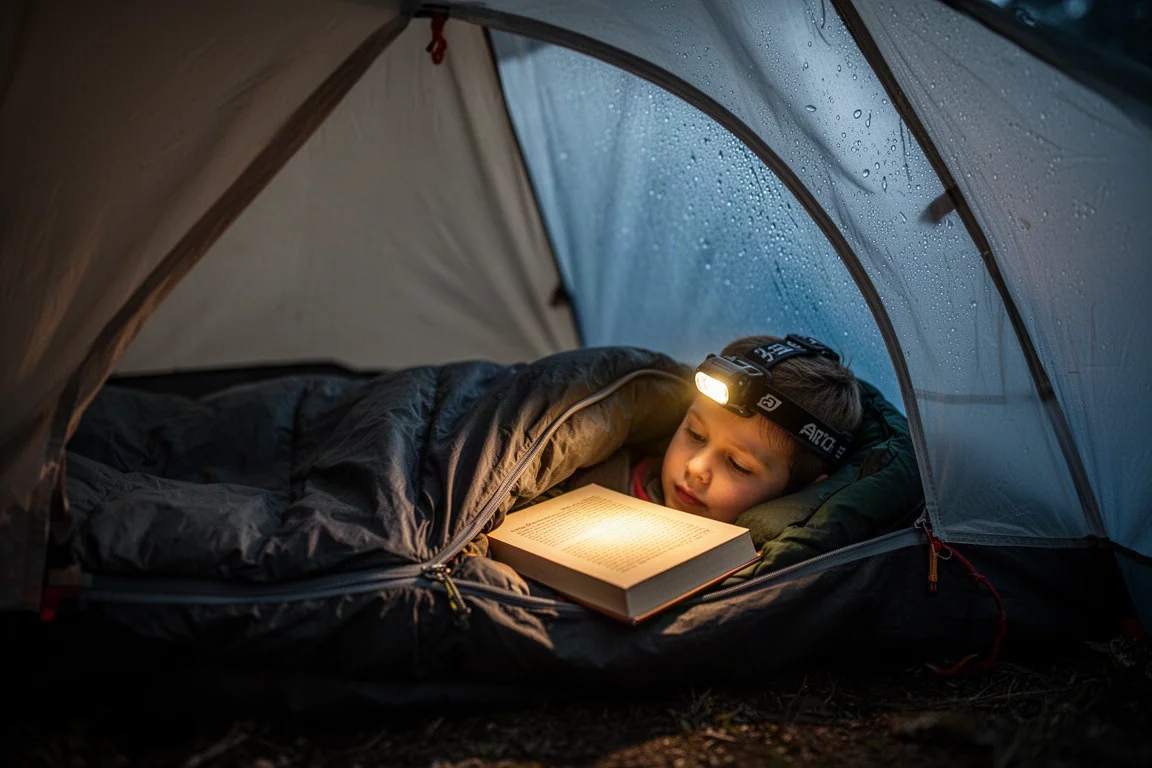
In practice the arm holes were the standout feature, and the shape fit a 5’10” and 180 lb frame well in the regular size. The warm zip did seem to add some warmth as temperatures approached freezing, though it was hard to confirm the full claimed gain. The hood and neck baffle use two separate cinch cords that are easy to confuse, a common frustration with sleeping bag hoods.
The bigger consideration is weight. With 650 fill power down and a thicker shell fabric, the bag weighs over a kilogram, close to a dedicated winter bag. That makes it a versatility play rather than a lightweight one: fully zipped for cold nights, opened up with the arm holes venting for warmer ones. A lighter premium version would be a compelling product.
MSR Switch: A Compact All-in-One That Struggles in Wind
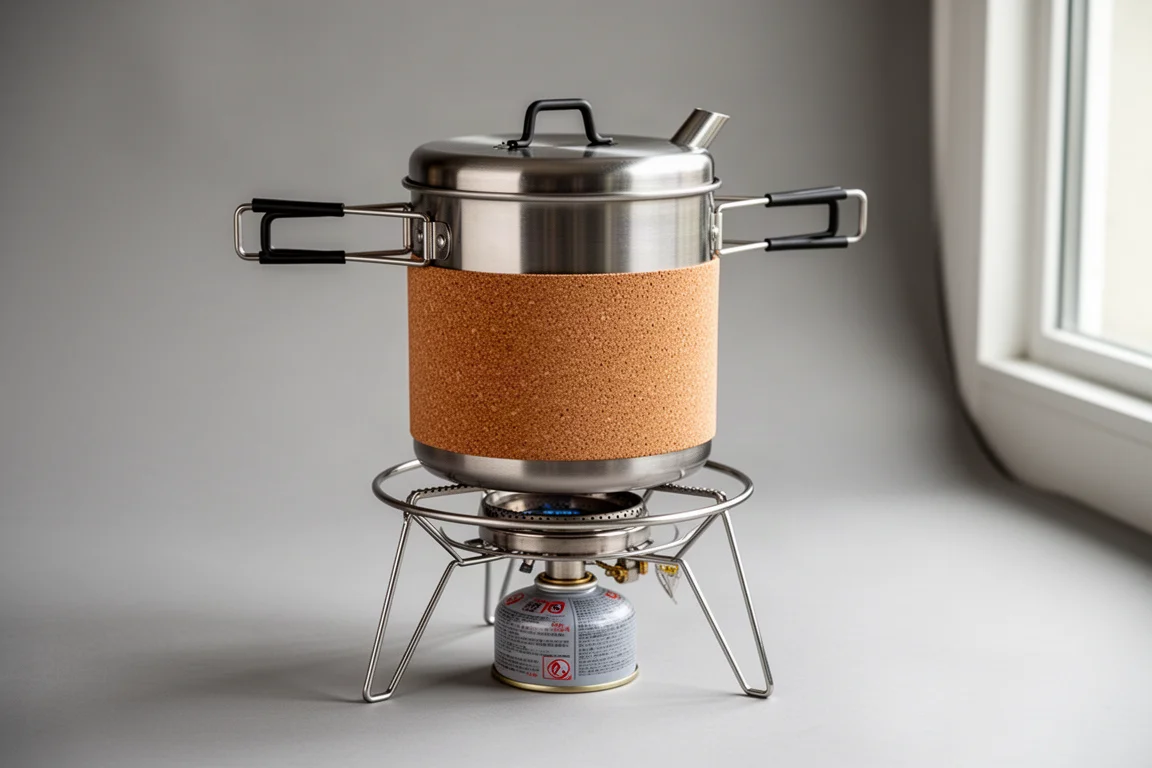
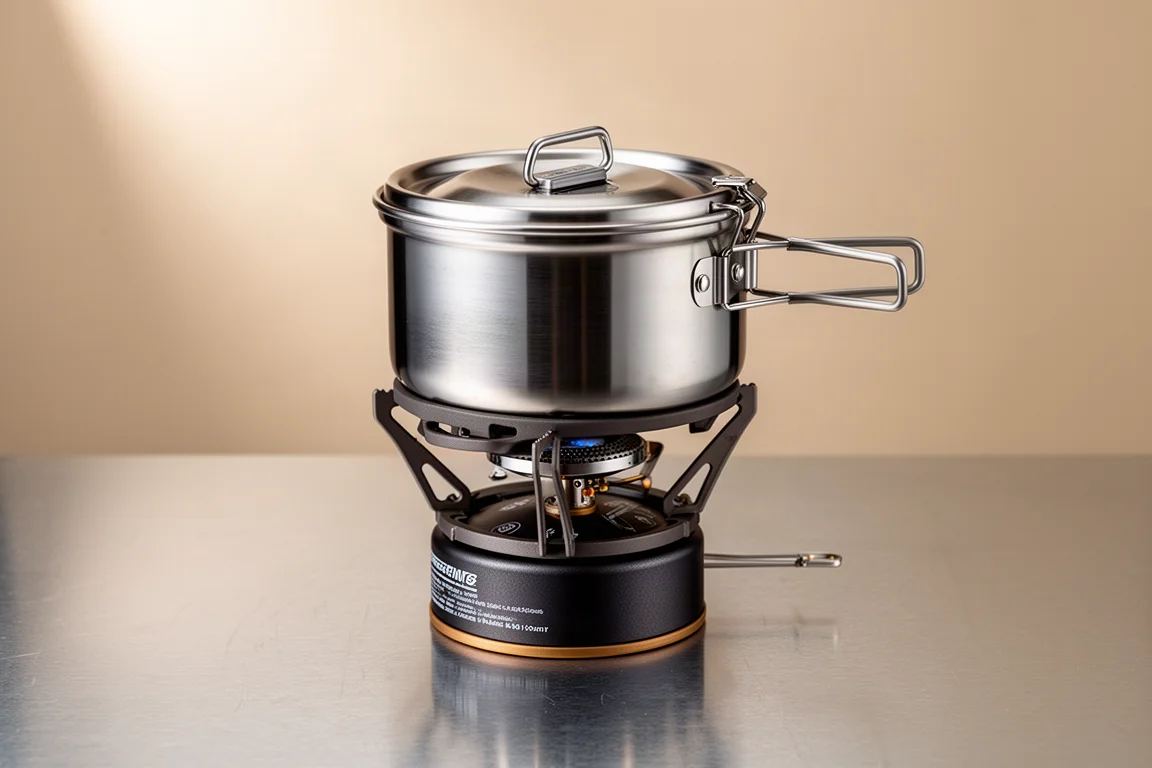
The Switch is MSR’s more affordable all-in-one stove system at $130, which is still a lot for a stove setup. Instead of a heat exchanger on the pot base, it uses a curved bottom intended to absorb and transfer more heat into the water, plus integrated wind protection. The burner is essentially an upgraded Pocket Rocket 2 with a piezo igniter and a ring that the pot sits on.
In a side-by-side boil test against the WindBurner, both pots holding the same amount of water, the Switch took 5 minutes and 15 seconds. That was roughly twice as long as the WindBurner in wind that was only gusting to around 10 to 15 km/h. For a system that looks designed for windy conditions, that is a disappointing result.
Combined with the price and the weight, the Switch is hard to place in the market. It may appeal to someone who wants a simple all-in-one setup from a familiar brand, but it does not deliver the wind performance its design suggests.
MSR WindBurner: The Wind Performance Benchmark
Run beside the Switch with identical water volumes, the WindBurner finished in about half the time in the same gusting wind. It is widely regarded as one of the best stoves available for windy conditions, and this comparison did nothing to change that impression.
For anyone who cooks in exposed places, the gap between the two systems is the whole story. Wind protection and heat transfer are not marketing details on a stove. They decide how long you stand around waiting for water to boil while the air is moving.
Garmin inReach Messenger Plus: Satellite Messaging With Pictures and Voice
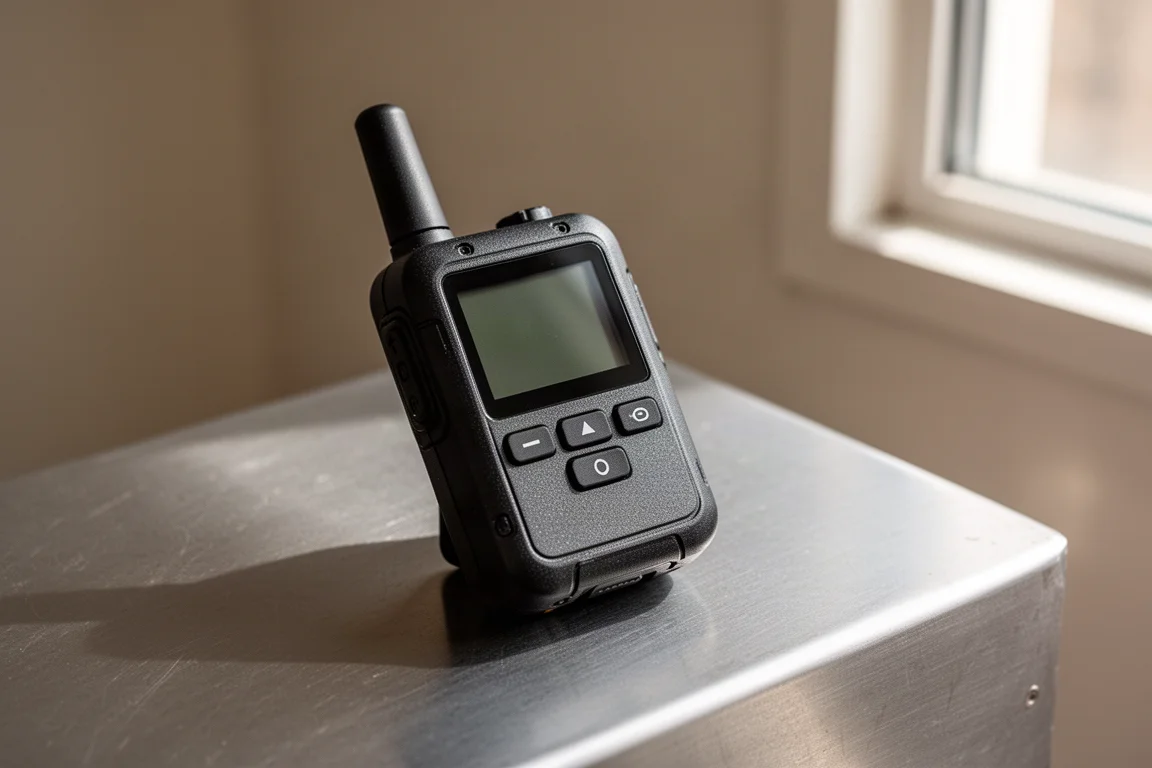
The inReach Messenger Plus adds picture and voice messaging to a satellite messenger, two things earlier devices in this category did not do. A photo and a voice message went out from the trail before a technical, exposed section of the route, and a photo came back from home the same evening.
Message performance is reasonable. Picture messages took about five minutes to send and receive, while standard text messages arrived almost instantly. Image quality lands somewhere around 0.5 to 1 megapixel, well below what a phone camera captures, but it is good enough when viewed on a phone screen.
The cost is the catch. The Plus carries an upfront premium of roughly $200 over the standard version, though subscription plans cost the same. For most people the extra messaging features will not justify that, but for anyone who spends a lot of time out of signal range and wants more than a text from family at home, the trade-off can make sense.
Buying Advice: Matching Gear to the Conditions You Actually Camp In
Start with the conditions, not the feature list. If your trips involve exposed ridges, shoulder season snow, or the kind of wind common in Iceland, Scandinavia, Scotland, and similar places, the Arc Dome is the most interesting piece here. It is rare for one tent to work well in both winter and three-season conditions, and this one has a real shot at being a single shelter for both.
The NeoLoft is the comfort pick for anyone willing to carry 850 g. The Boost 650 is the versatility pick for anyone willing to carry over a kilogram in exchange for a bag that adapts across a wider temperature range.
For cooking, the stove comparison is decisive. The WindBurner is the one to choose when wind is part of the forecast, and the Switch is difficult to justify at $130 given how it performed beside it. The inReach Messenger Plus is a niche upgrade: worth the premium for people who value picture and voice messages from remote places, and unnecessary for everyone else.
Conclusion
This is a strong group of gear with one clear miss. The Arc Dome brings a genuinely new pole structure to a four-season shelter and backs it up with wind performance and top-load strength, even if the sleeve system and a snapped line-lock hook show there is still some refinement to come. The NeoLoft and Boost 650 both deliver on comfort and versatility in different ways, and the WindBurner remains the reference point for windy cooking. The Switch and the inReach Messenger Plus are the two pieces to think hardest about before buying.
Further reading
Related Reviews

Backpacking Gear
Building a 10 lb Base Weight: An Ultralight Backpacking Gear List
A practical walkthrough of the ultralight pieces behind a 10 lb base weight, from a 765 g pack and a roomy one-person tent to a full camp chair and a dependable water filter.

Backpacking Gear
A 15-Pound Lightweight Backpacking Gear List for Solo Trips
A beginner-friendly 15-pound backpacking setup built from easy-to-find gear, with notes on what each piece does, how it packs, and where to spend your attention.
Backpacking Gear
8 Ultralight Backpacking Gear Upgrades Worth Carrying
Eight small, affordable backpacking upgrades that solve real trail annoyances, from a pillow that stays put to a fuel valve that rescues leftover canister gas.