Backpacking Gear
Best Backpacking Gear Upgrades: 10 Items That Make the Biggest Difference
The backpacking upgrades that change the most: better sleep with the right pillow and pad, strength gear for training, lighter packs, and a camp chair worth carrying.
Introduction
Upgrading gear is only worth it when the change shows up on the trail. The items in this guide are the ones that tend to make the biggest difference to a backpacking trip: the sleep system you spend the whole night on, the strength gear that keeps you training without injury, the pack on your back, and the chair you sit in at camp.
There is no rule that says working gear has to be replaced. If a piece of kit is doing its job, keep using it. The upgrades below are worth considering when something specific is not working, whether that is a pillow that slides around all night, a pack that hurts by mid-afternoon, or a sleeping pad that leaves your arm numb.
How to Choose the Right Upgrade
Start with the sleep system. A good pillow and a good sleeping pad decide whether you wake up rested or stiff, and they produce the most obvious change in how a trip feels.
Next, look at the pack. A backpack is worth replacing if it causes pain at any point during the day, or if it weighs more than roughly 3 lb. Modern packs can carry 40 lb or more while staying under that figure, so moving from a heavier pack to a lighter one is a realistic change rather than an aspirational one. Shedding a few pounds off your back is roughly the same as leaving two litres of water at home for the whole day.
Camp comfort is the last category, and it is the easiest one to underestimate. A chair that weighs about a pound changes how you spend the evening.
Sleep Better: Pillows
Three things separate a pillow that works from one that does not.
Height comes first. A pillow that is too tall for your shoulders pushes your head up and can kink your neck, while one that is too short lets your head sink and puts extra pressure on your shoulder and arm. Side sleepers with broader shoulders generally want more height, and smaller frames generally want less.
Stability is second. Some pillows behave like a balloon: press down on one side and the other side rises. A good baffling system keeps the surface even, so the pillow stays comfortable wherever your head lands.
Attachment is third. A pad strap keeps the pillow fixed to your sleeping pad instead of letting it wander as you turn during the night. Straps also make a pillow far more versatile, since the same pillow can be used with almost any pad.
Exped Mega Pillow
The Exped Mega Pillow is the most comfortable option in this guide. It has the height and the baffling to stay supportive through the night, and it includes a pad strap, which is the feature that keeps it in place on almost any sleeping pad.
Dream Sleeper
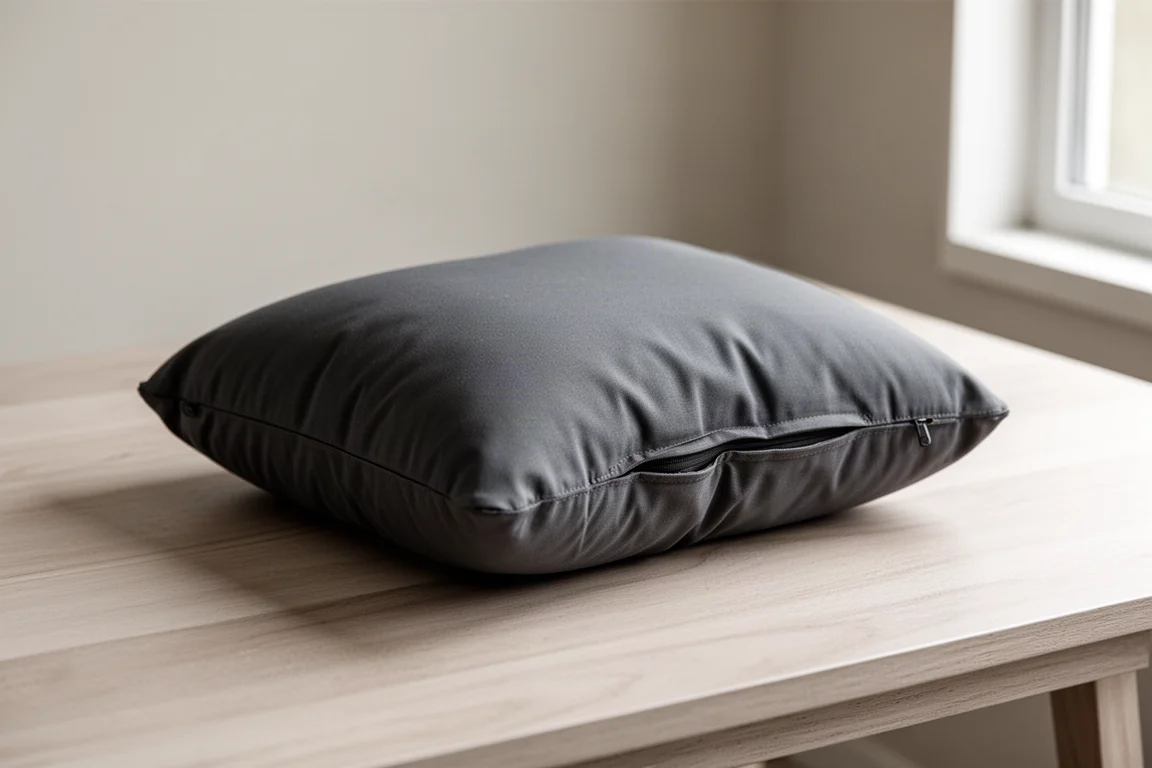
The Dream Sleeper is the ultralight pick. It is the pillow to look at when packed size matters more than plushness, and pad straps can be added to it so it stays put on the pad instead of sliding around.
Sleep Better: Sleeping Pads
Two things matter most in a sleeping pad: warmth and pressure relief.
Warmth is usually described with an R value, which gives a useful indication of how warm a pad will sleep. In practice, the number and the real-world experience do not always match. Some pads, including the Big Agnes Zoom UL, sleep noticeably colder than their rating suggests.
Pressure relief comes down to thickness and baffle design. Three inches is a sensible minimum. Baffle layout matters just as much: horizontal baffles, like those on the Therm-a-Rest XLite, tend to feel uncomfortable, while the quilted, dimpled baffling used on the REI Helix and the ZenBivy Ultralight does a much better job of relieving pressure on hips and shoulders.
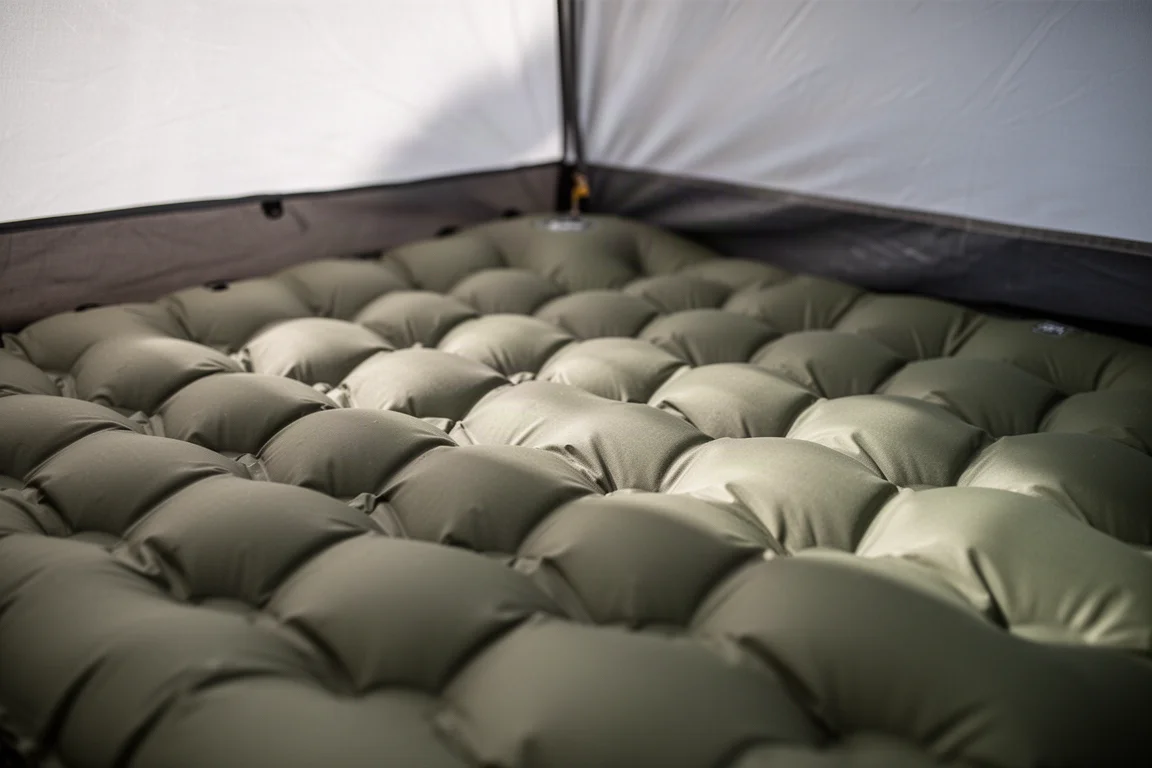
Weight is the trade-off to weigh up. A lighter pad is easier to carry, but a comfortable night’s sleep is usually worth more than a few saved grams, and there are pads that stay reasonably light without giving up comfort.
REI Helix
The REI Helix is a warm, comfortable three-season pad. Its R value sits in the high fours, which is plenty for typical three-season conditions, and the quilted, dimpled baffling keeps pressure off the hips and shoulders.
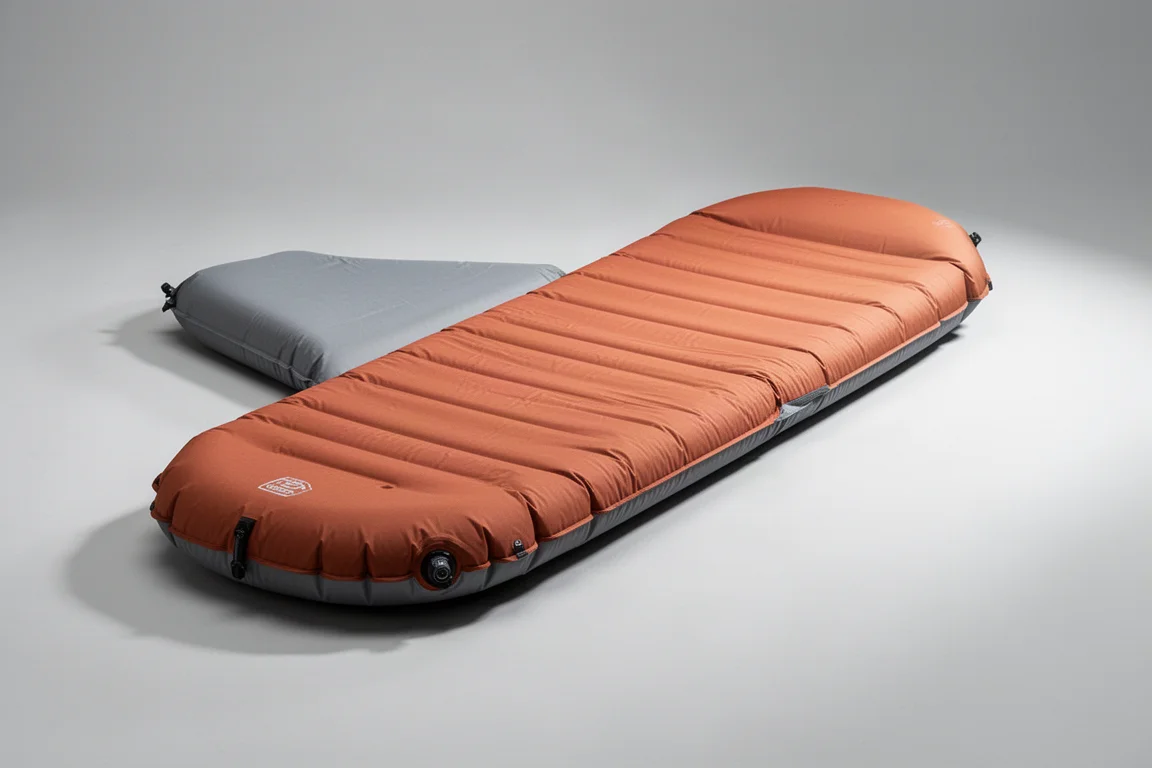
ZenBivy Ultralight
The ZenBivy Ultralight follows the same formula: an R value in the high fours and a quilted, dimpled baffle pattern that makes side sleeping far more comfortable than a flat or horizontally baffled pad.
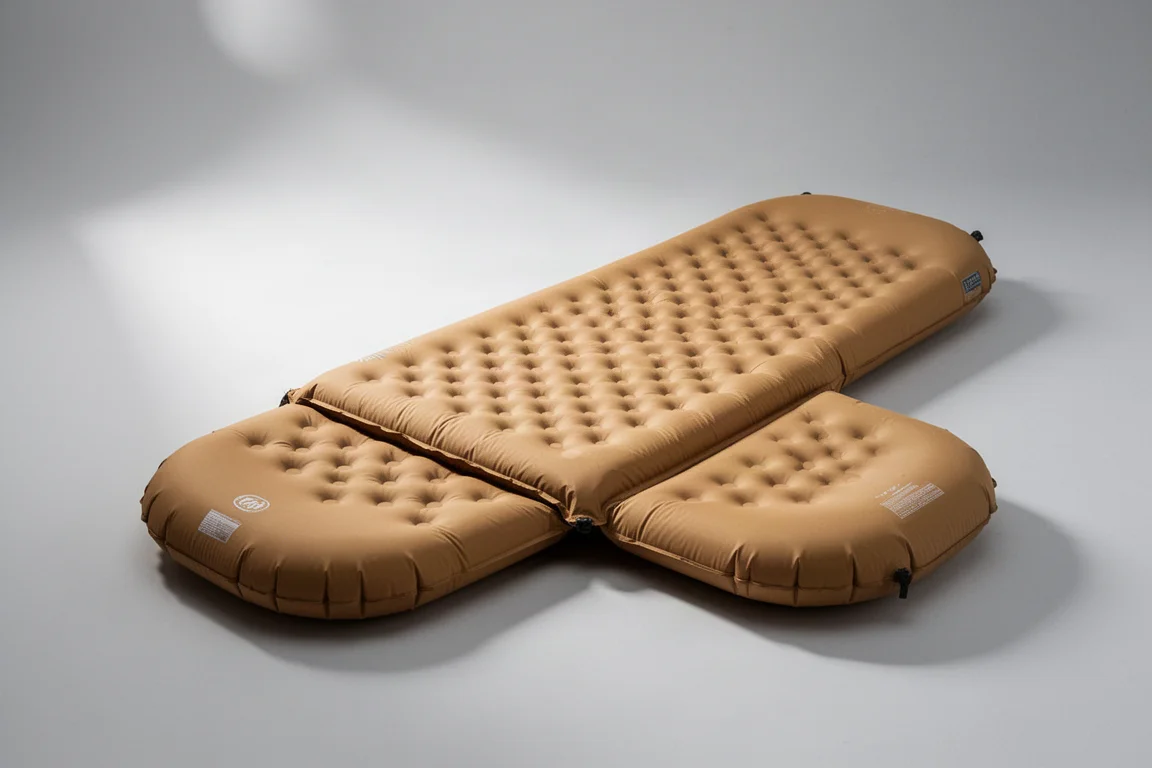
Big Agnes Rapide
The Rapide was updated at the end of 2023. The newer version keeps the same baffling system, so it is just as comfortable as the version before it. The insulation changed, however, and that is where the problem lies: the pad carries an R value in the fours but sleeps closer to what you would expect from a pad in the twos. It is a cold sleeping pad, and it is not the one to take out when temperatures drop or when the ground is cool.
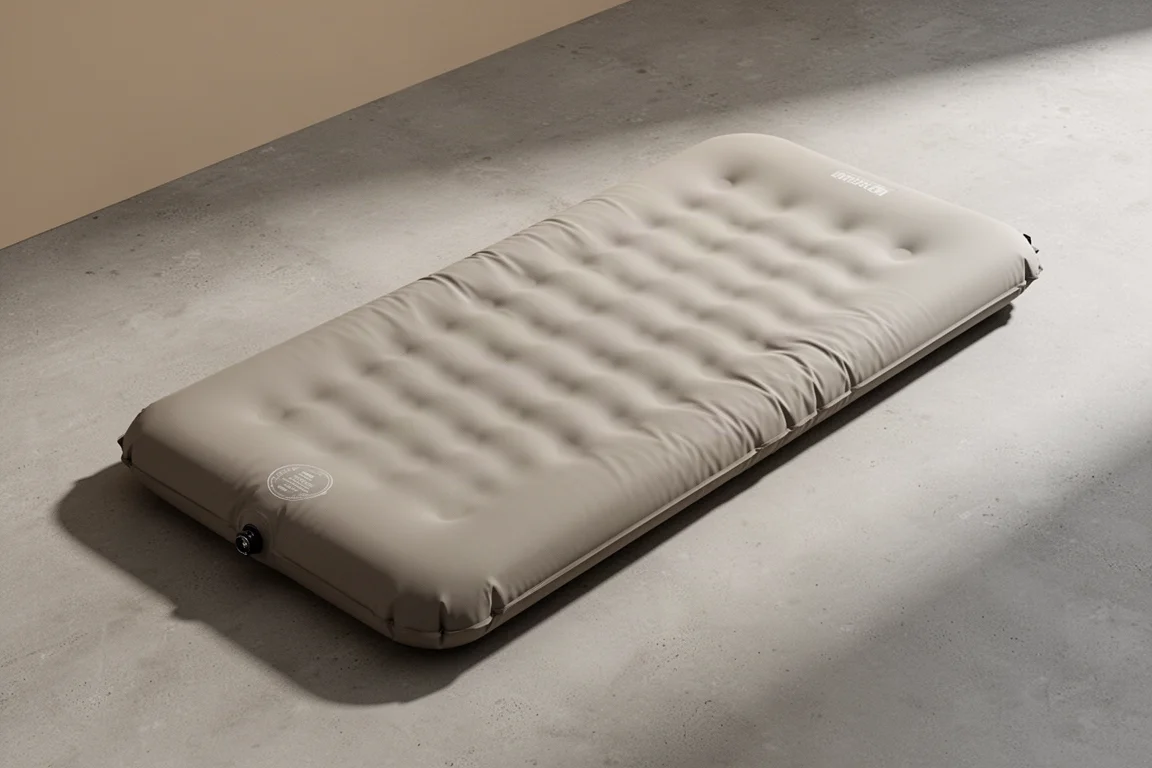
Train for the Trail: Strength and Volume
Backpacking fitness comes down to two things: strength and volume.
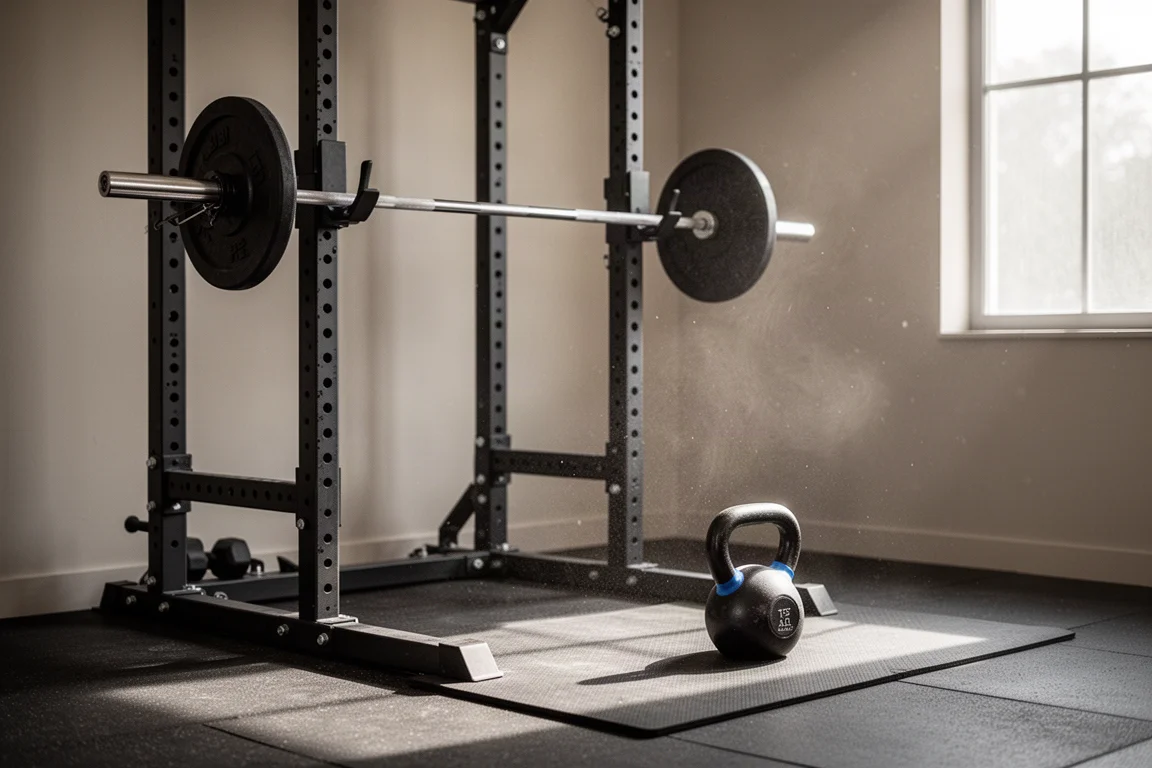
Strength work protects against injury and makes climbing with a load easier. Squats and deadlifts are effective, and a full home setup with a squat rack covers both. If space or budget is tight, a resistance band and a few crab walks will still build the glutes, which do a lot of the work on a loaded climb.
Volume is the other half. Long walks accumulate the steps that hiking demands, and a standing desk paired with a foldable incline treadmill makes it easy to log those miles while working. The same setup is useful for testing packs: load one up, walk, and put real miles on it without needing to be on trail.
Bells of Steel Adjustable Kettlebell
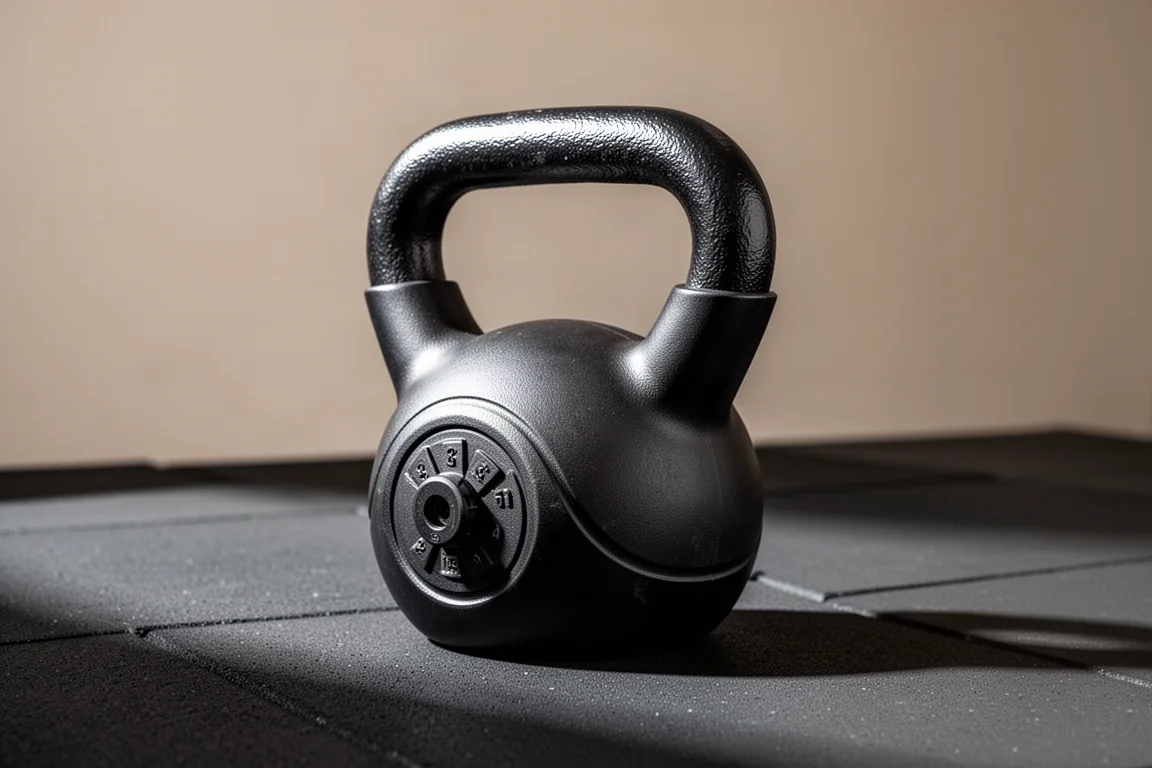
If you only add one piece of strength equipment, a kettlebell is the most versatile choice. The Bells of Steel adjustable kettlebell covers a wide range of loads in a single unit, and it suits the movements that matter most: swings for glutes, squats, overhead presses, and curls.
The appeal is the range. A single adjustable kettlebell stands in for a rack of fixed weights, which makes it a practical option for a home setup that has to stay compact.
Backpacks: When an Upgrade Is Worth It
Two situations justify a new pack. The first is discomfort. If a pack causes pain at any point in the day, it is worth replacing, because carrying a load does not have to hurt. The second is weight. A pack over 3 lb is worth a look, especially since packs that carry 40 lb or more now come in under that figure. Going from a 6 lb pack to a 2 lb pack is a realistic move, and it is roughly equivalent to carrying two fewer litres of water all day.
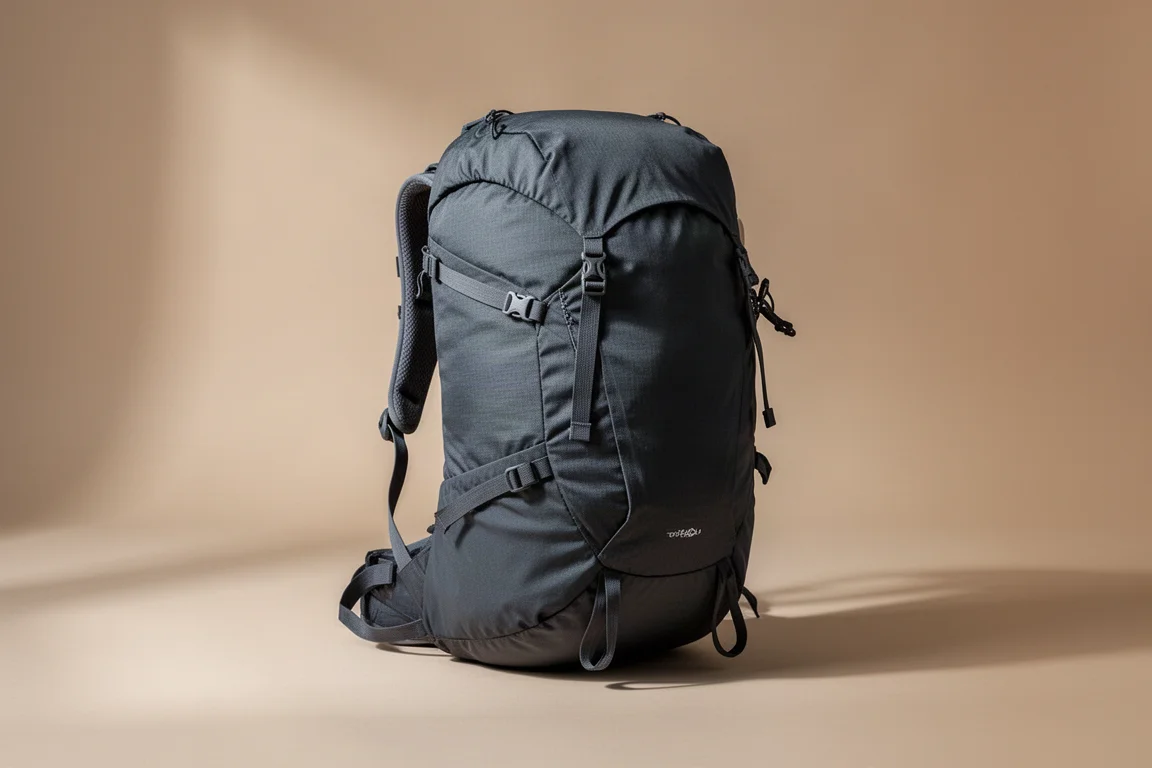
Wapta 30
The Wapta 30 is built for ultralight loads. If your base weight sits in the 5 to 10 lb range, it is an outstanding pack and one of the standouts of its class.
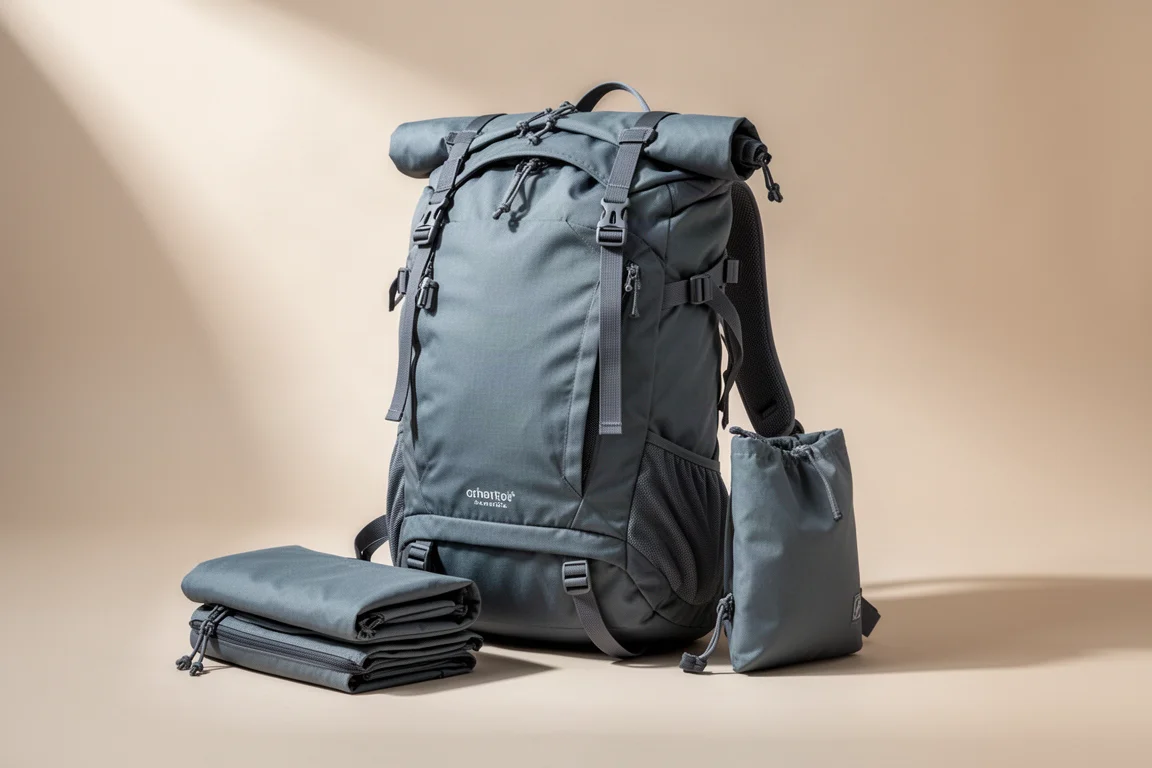
REI Flash 55
The REI Flash 55 is the choice when the load is heavier. It handles up to 40 lb and beyond, which makes it the better fit for larger kits and longer stretches between resupply.
Camp Comfort: Chairs
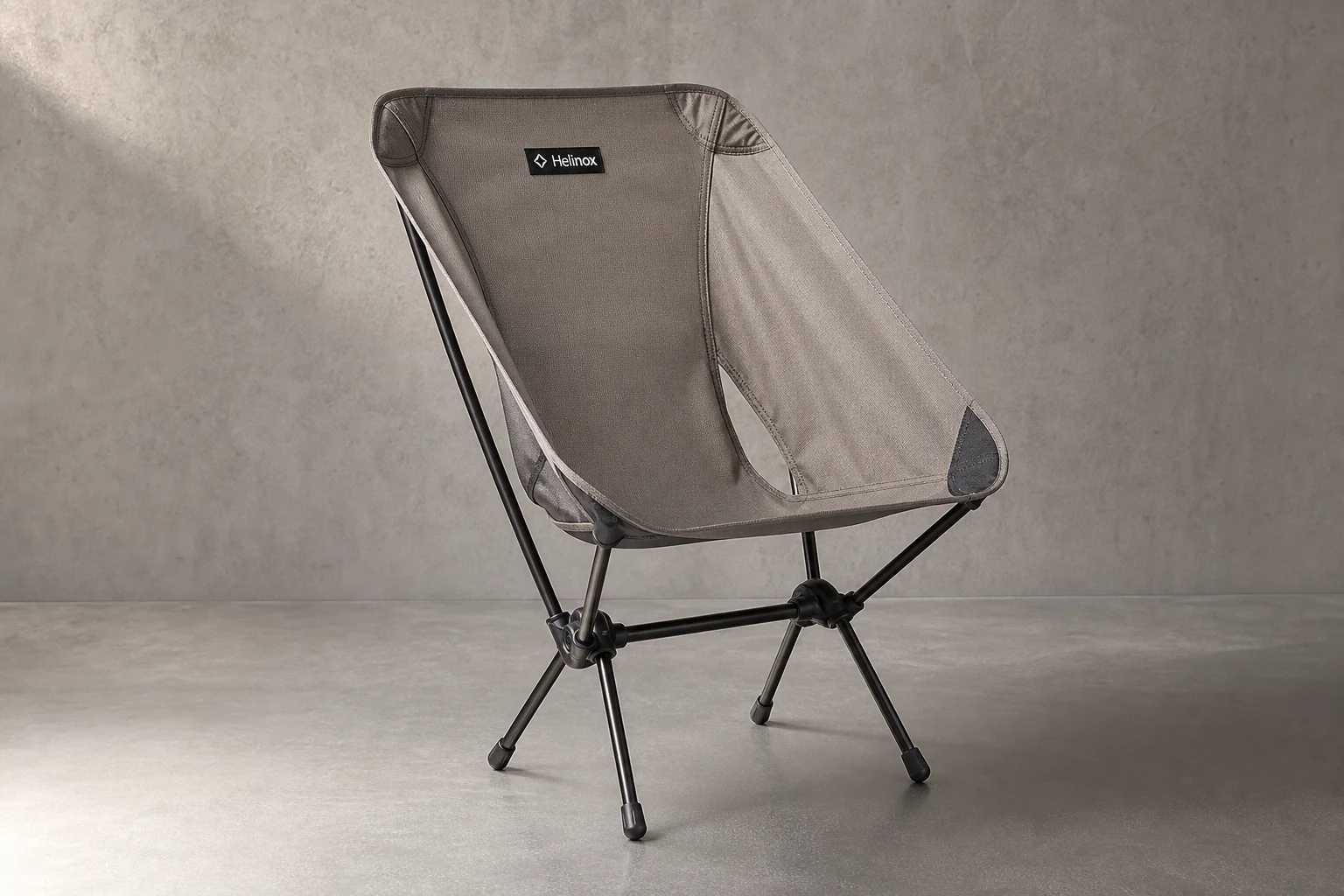
A chair is the piece of gear that generates the most envy at camp. Sitting properly, with your legs stretched out and the weight off your back and core, is a different experience from perching on a log or a rock. At around a pound, a chair is also easy to justify carrying.
Helinox Chair Zero
The Helinox Chair Zero sits at about one pound, which is light enough that it rarely feels like a compromise in a three-season kit.
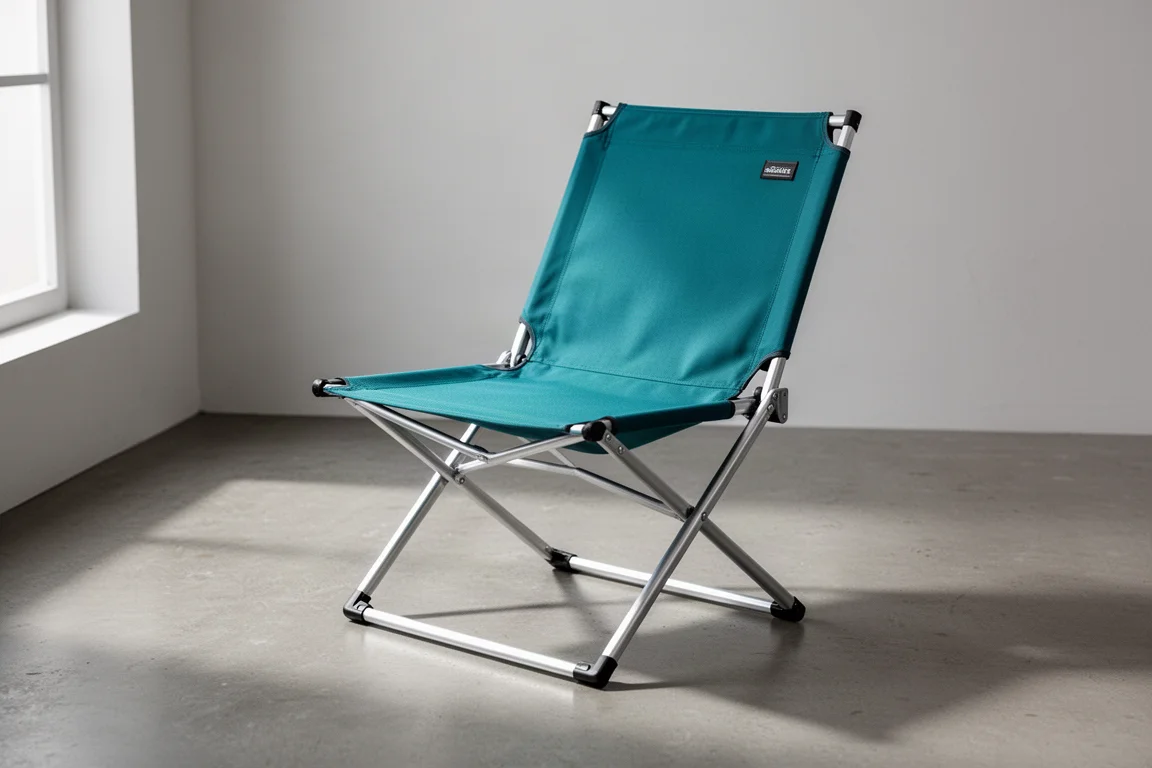
REI Flexlite Air
The REI Flexlite Air is the other roughly one-pound option, and it has been available at under $100 on sale, which makes it an easy one to try if you have never brought a chair along.
Buying Advice
Upgrade where the payoff is largest. For most backpackers that means the sleep system first: a pillow and a pad that let you sleep through the night will change more trips than any other purchase. A pack is next if yours hurts or weighs more than it needs to. A chair is the smallest change of the three, but it is also the one people tend to appreciate most once they reach camp.
None of this is a reason to replace gear that already works. If your current setup is comfortable, warm, and light enough for the trips you actually take, spend the money on the trip instead. Upgrade when something specific is not working, and put the budget toward the item that fixes it.
Budget also matters less than fit. A mid-range pad with the right baffling will beat a more expensive pad that sleeps cold, and a pillow that matches your shoulder width will beat a taller one that kinks your neck.
Conclusion
The gear that changes a backpacking trip is rarely the most expensive or the most talked about. It is the pillow that stays put, the pad that keeps your hips off the ground, the pack that stops hurting, and the chair that makes camp worth sitting in. Start with sleep, address the pack if it is causing problems, and add the comfort items when the weight budget allows.
Further reading
Related Reviews

Backpacking Gear
Building a 10 lb Base Weight: An Ultralight Backpacking Gear List
A practical walkthrough of the ultralight pieces behind a 10 lb base weight, from a 765 g pack and a roomy one-person tent to a full camp chair and a dependable water filter.
Backpacking Gear
A 15-Pound Lightweight Backpacking Gear List for Solo Trips
A beginner-friendly 15-pound backpacking setup built from easy-to-find gear, with notes on what each piece does, how it packs, and where to spend your attention.
Backpacking Gear
8 Ultralight Backpacking Gear Upgrades Worth Carrying
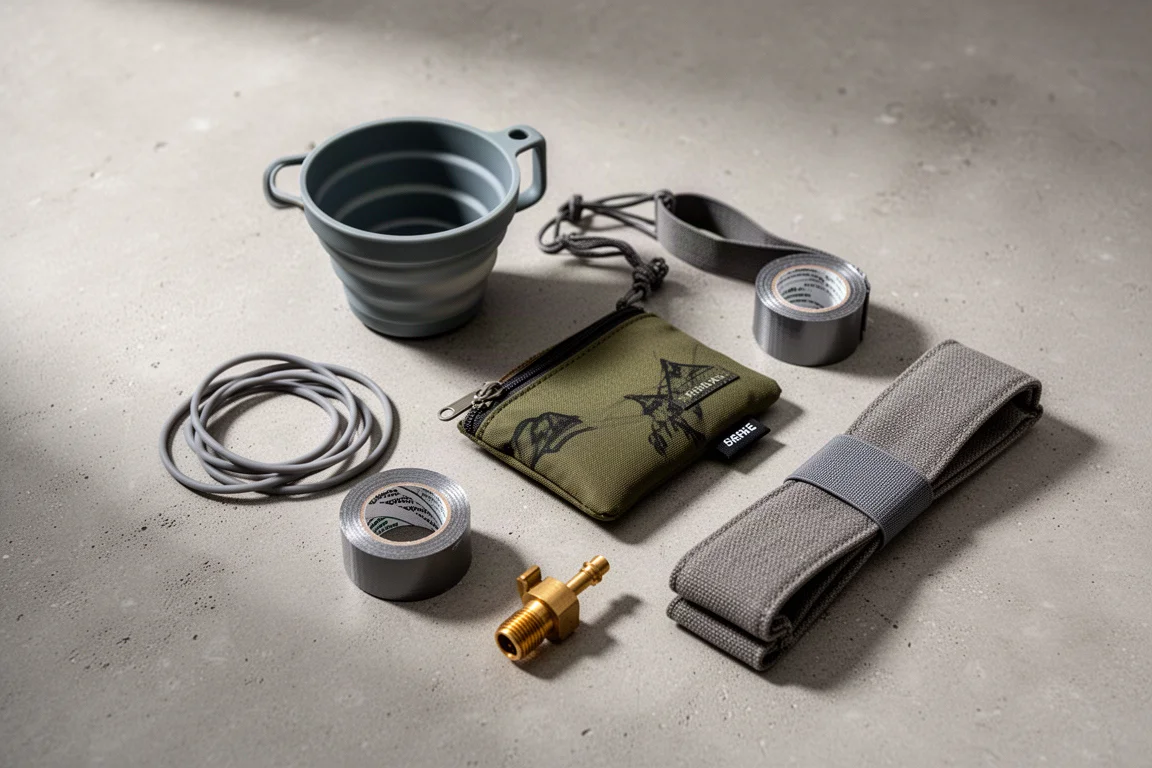
Eight small, affordable backpacking upgrades that solve real trail annoyances, from a pillow that stays put to a fuel valve that rescues leftover canister gas.