Backpacking Gear
Best Backpacking Gear Under $50: Six Essentials Worth Packing
Six lightweight, budget-friendly backpacking items that earn their place on the trail, from water filtration to trail hygiene.
Introduction
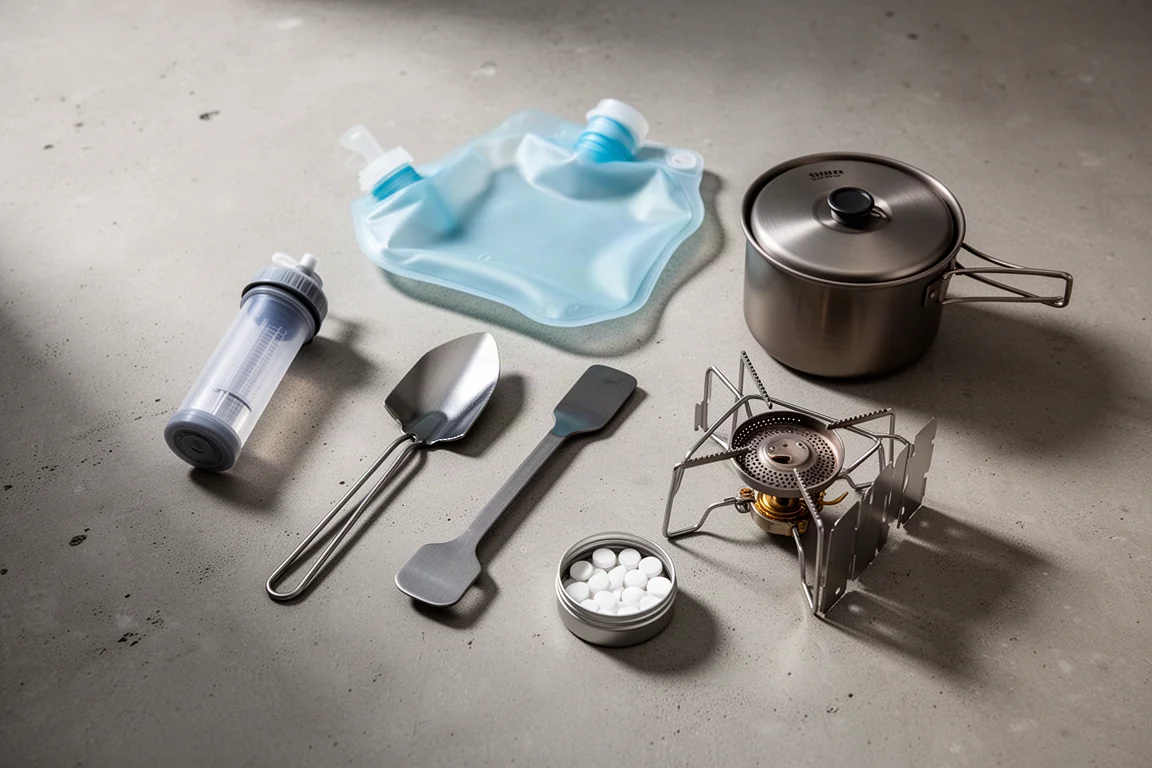
Gear under $50 is where a backpacking kit quietly gets better. Shelters, packs and sleep systems take most of the attention, but the small items you handle every single day are the ones that decide how smoothly a trip runs. A dependable filter, a water bag that packs down small, a tool for digging a cathole, a pot sized for one meal, a simple stove and a lighter way to brush your teeth all cost relatively little, yet they shape how efficient you are on the trail.
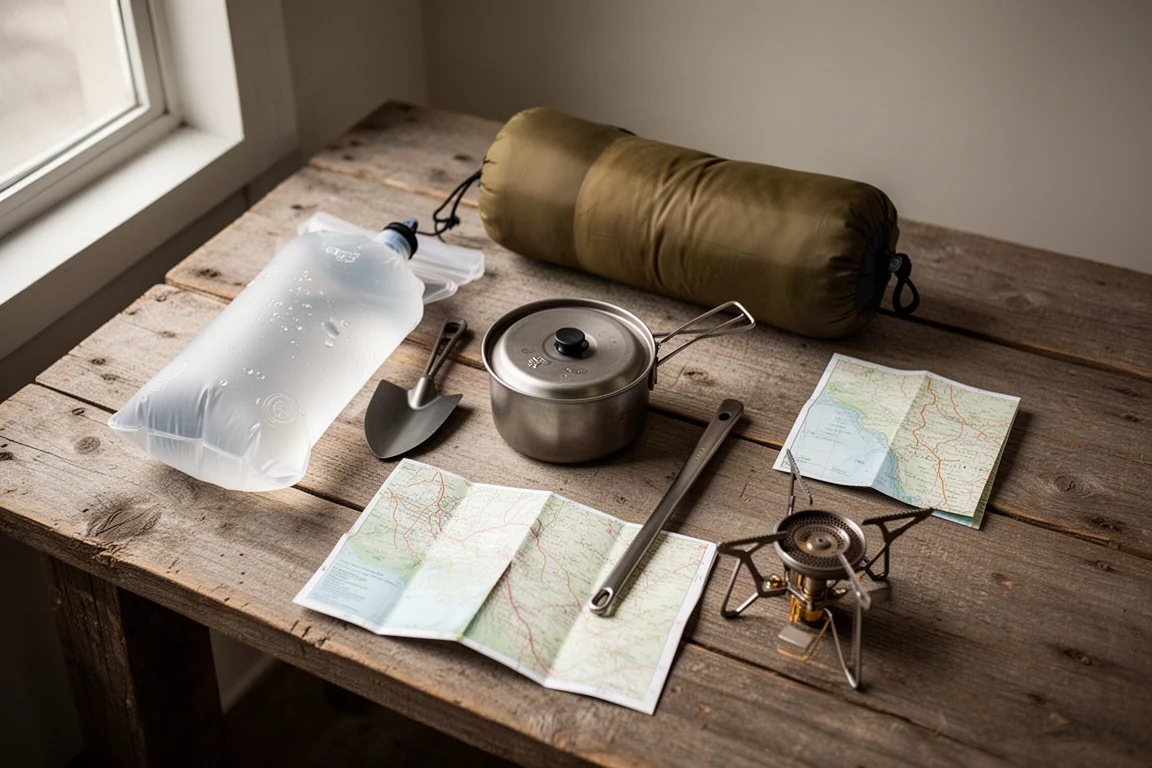
None of these items are luxuries, and that is the point. They save weight, cut fuss and make leave-no-trace habits easier to keep, which matters more than any single line on a spec sheet. The six picks below are worth considering first if you are building a kit from scratch or trimming down one you already own.
What to Look For in Sub-$50 Backpacking Gear
At this price point, the best gear tends to be simple rather than clever. A filter that keeps working trip after trip, a trowel that digs without fighting you and a stove that sets up quickly will all beat complicated designs that need babysitting. Weight matters too, but only after the item does its job well, because a few grams saved on a tool that frustrates you is not a good trade.
Practical details decide whether an item stays in your kit for years. Look for parts that are easy to live with, sizes that match the meals you actually eat, and consumables you can portion out trip by trip. Everything below follows that pattern, and every item is built around a job you will do at least once a day in the field.
Sawyer Squeeze: Dependable Water Filtration
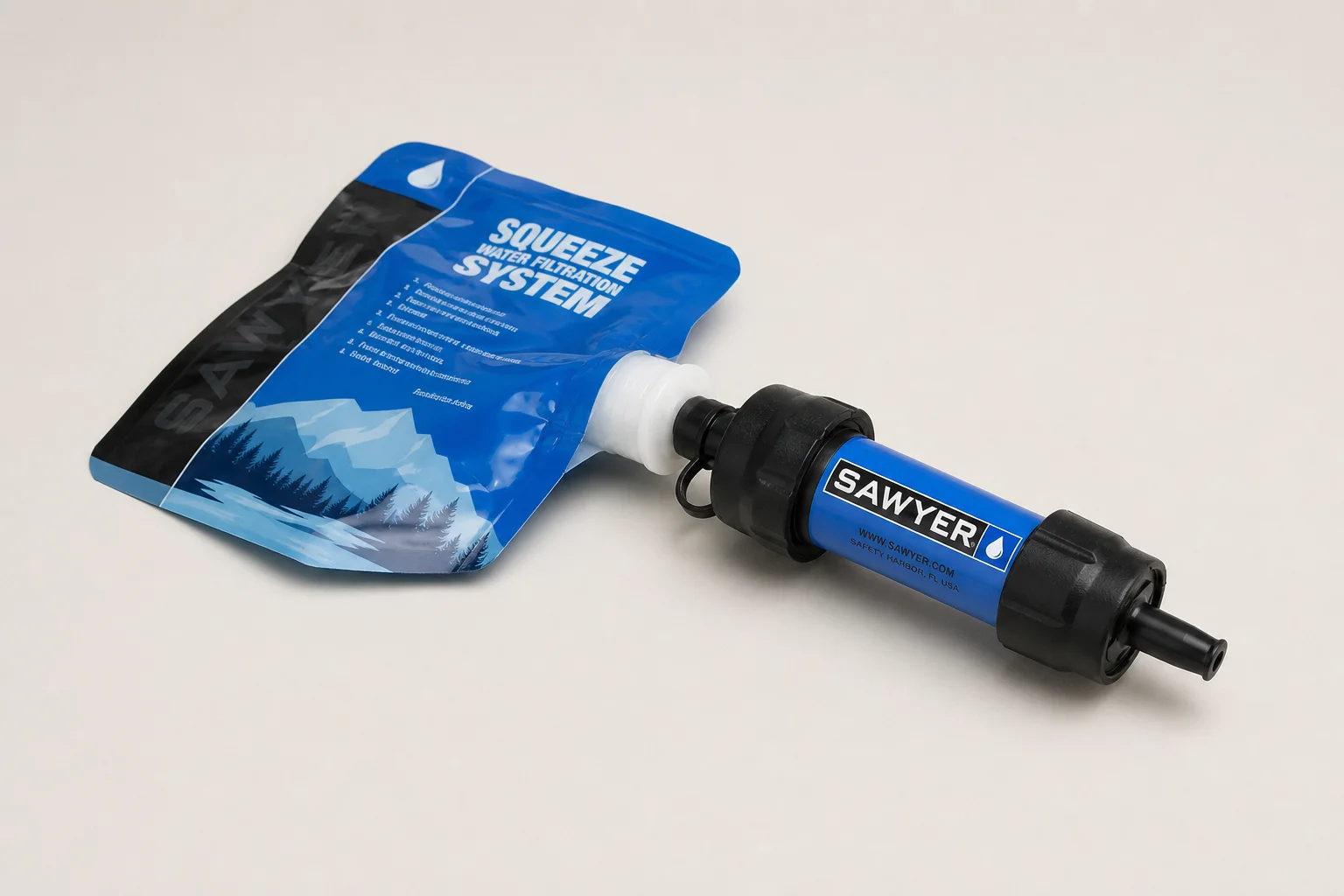
The Sawyer Squeeze is a squeeze-style water filter that has earned a lot of trust through simple repetition. It is the filter that stays in the pack even when other options come and go, and that consistency is exactly what you want from the piece of gear standing between you and a water source.
Its appeal is that the routine never changes. There is nothing to charge and nothing to recalibrate, so the process is the same at every stream and every seep. Pair it with a compatible bag or bottle and it becomes a complete treatment system that barely registers in the weight of your pack.
Cnoc Outdoors Vecto: Flexible Water Storage
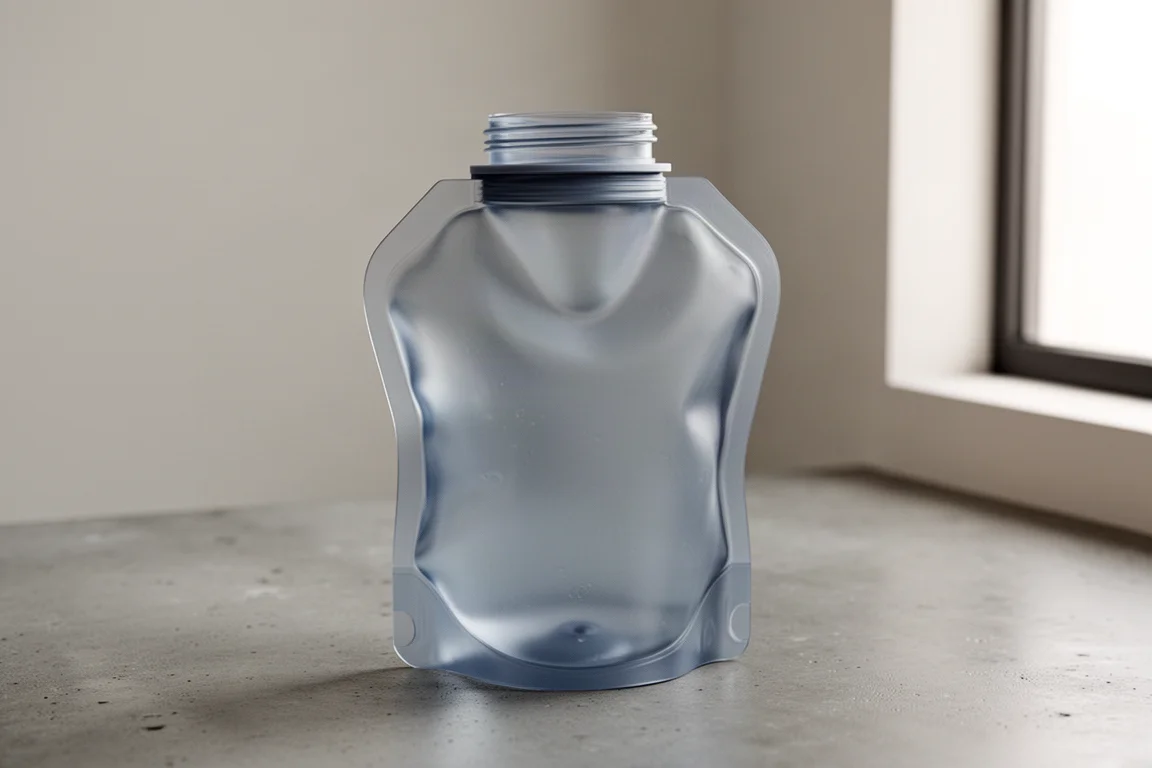
The Vecto water bag from Cnoc Outdoors is the natural partner for a squeeze filter. It comes in two-litre and three-litre sizes, so you can match capacity to how much water you usually carry, and the larger option is handy on dry stretches or when filling several bottles in one trip.
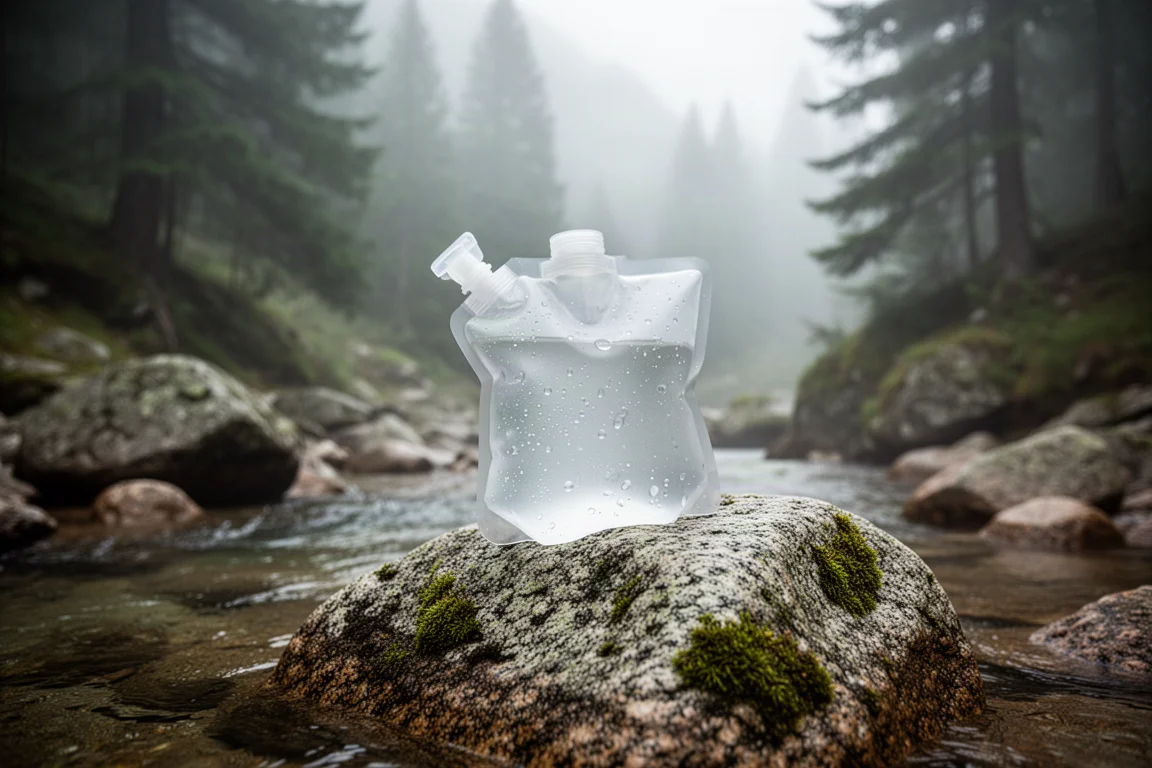
The bag fills easily and folds down small when empty, which is why it remains a primary option even though durability has been the one recurring complaint. Treated with a little care and kept away from sharp edges, it takes up far less room in a pack than a rigid bottle ever could.
Bogler Trowel: A Lightweight Poop Kit Tool
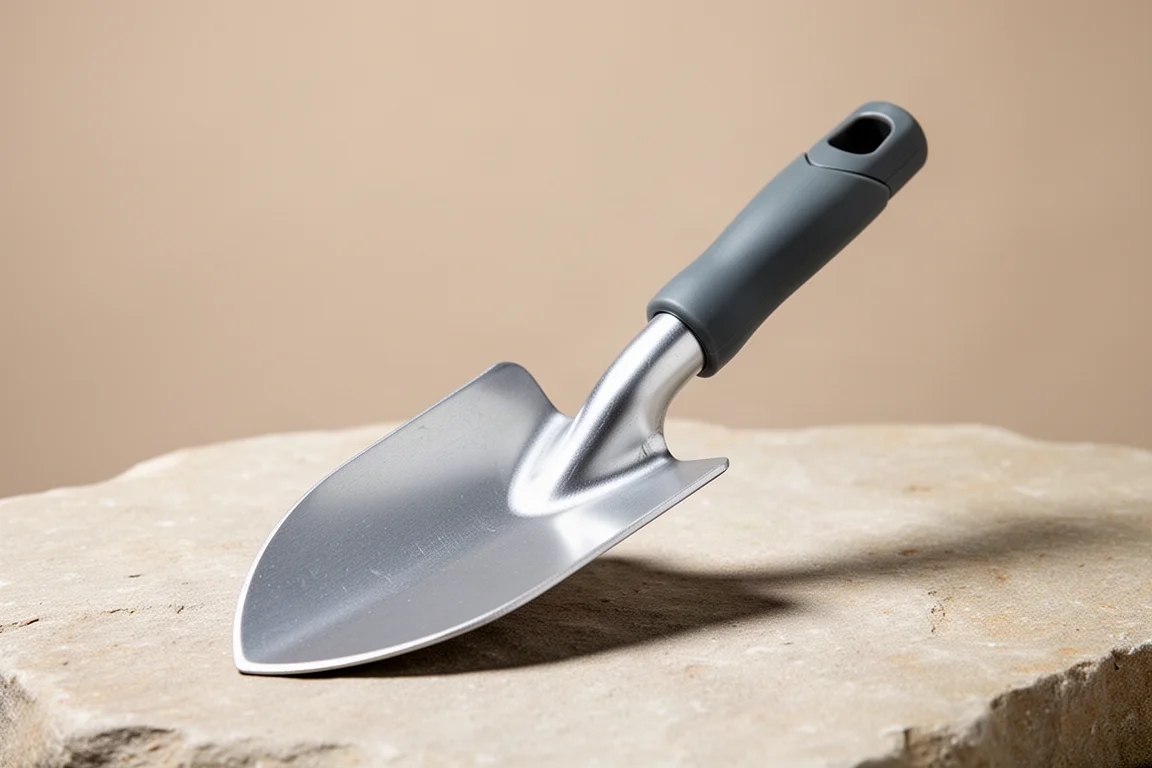
A cathole trowel is the piece of leave-no-trace gear people leave behind until the first trip where they miss it. The Bogler Trowel is a lightweight option built for that job, with a slim blade that digs into soil quickly and small serrations along the side that help work through roots.
It is a straightforward alternative to bulkier tools, and because it weighs so little it is easy to justify carrying on every trip. If you are assembling a dedicated poop kit, this is the kind of item that makes the whole kit easier to use rather than just easier to carry.
Toaks 550 ml Titanium Pot: The Right Cook Pot Size
Capacity matters more than most people expect. A 550-millilitre titanium pot from Toaks is sized for the way a lot of backpackers actually eat: enough water for a hot drink, enough for a freeze-dried or dehydrated meal, and not much beyond that. It suits a solo kit rather than a group kitchen.
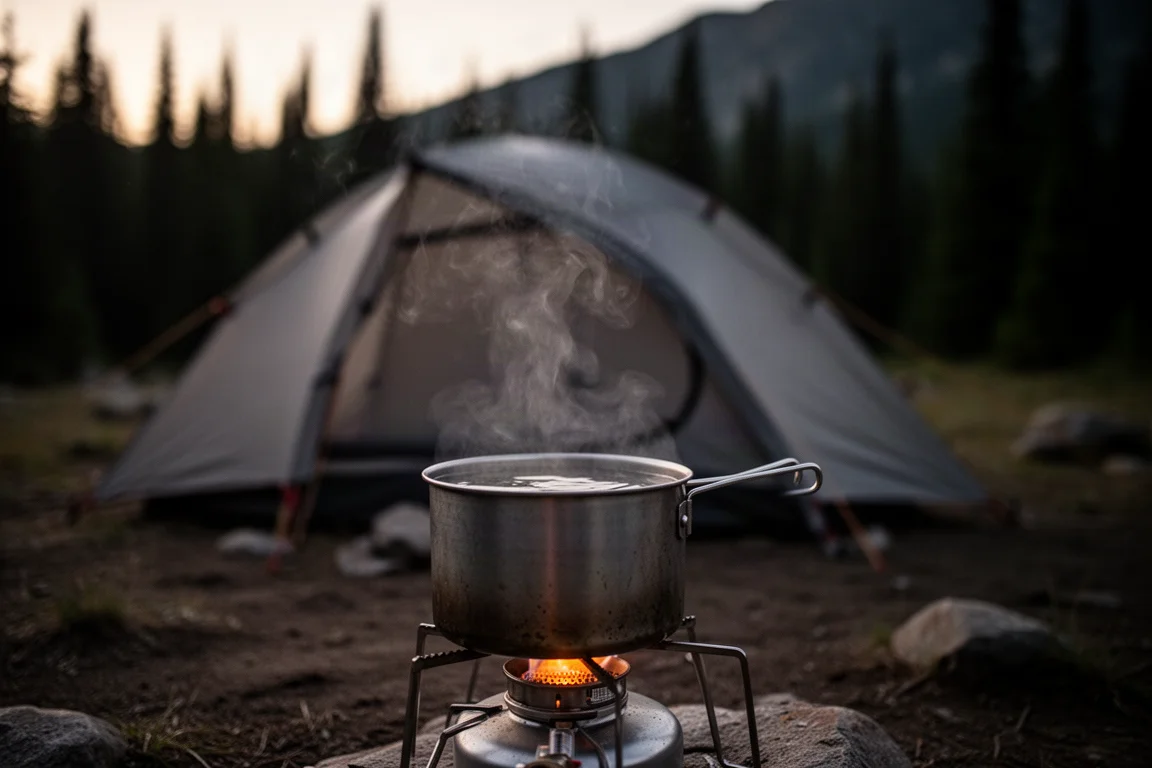
Titanium keeps the pot extremely light, and the simple round form stacks easily with the rest of a cook kit. It is a boil-water pot rather than a frying pan, and that is precisely the role it needs to fill on a three-season trip where hot meals and hot drinks are the whole agenda.
White Box Stove: An Alcohol Stove With a Real Pot Stand
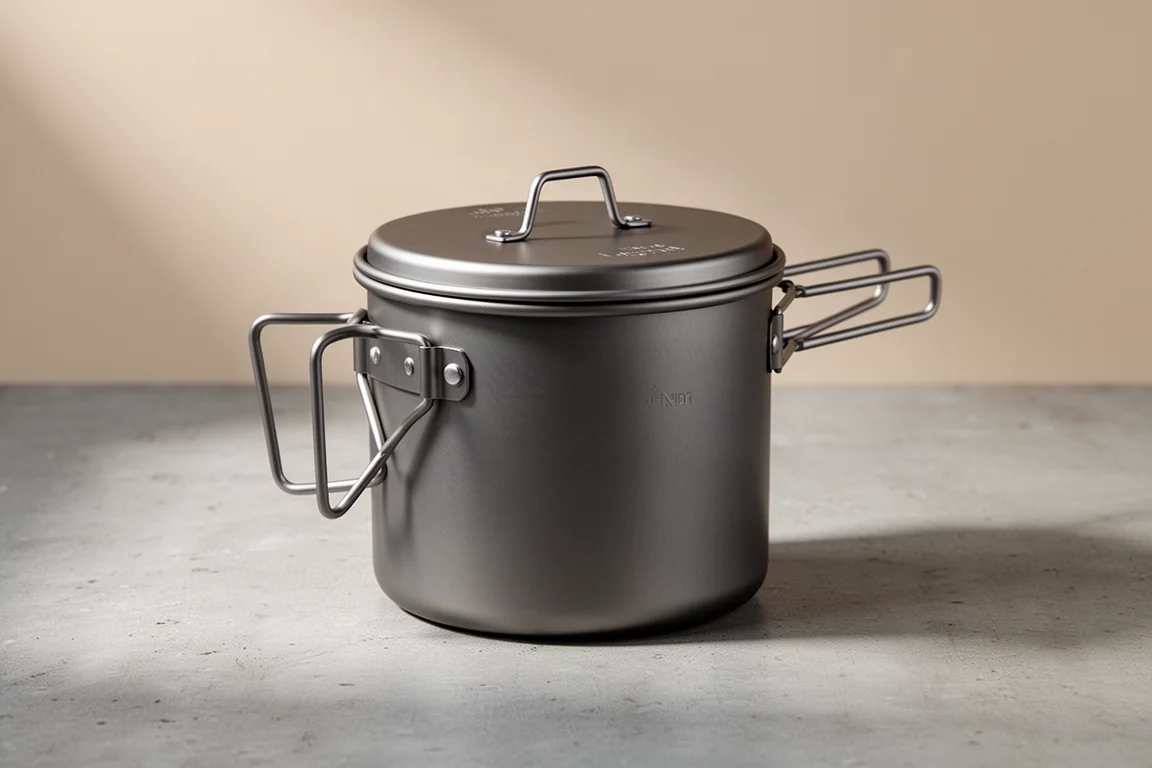
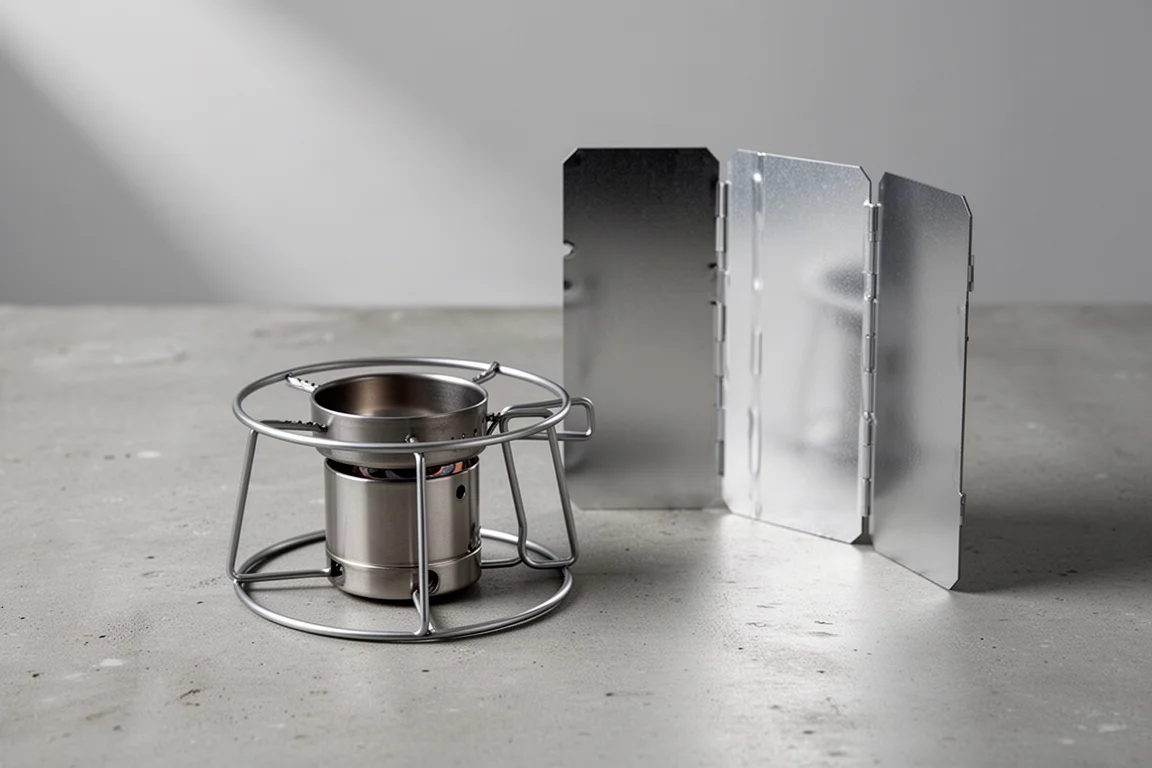
Alcohol stoves are popular for their simplicity, but the pot stand is usually the weak point. The White Box Stove addresses that directly with a proper pot stand built into the setup, so the whole system comes together quickly and stays stable while the fuel blooms around the sides of the burner.
It is not heavy, and it comes with a windscreen, which is the accessory an alcohol system needs most. In open, dry country a stove like this keeps the cook kit simple, and having a real stand means you spend less time balancing a pot on an improvised platform.
Unpaste Toothpaste Tablets: Lighter Trail Hygiene
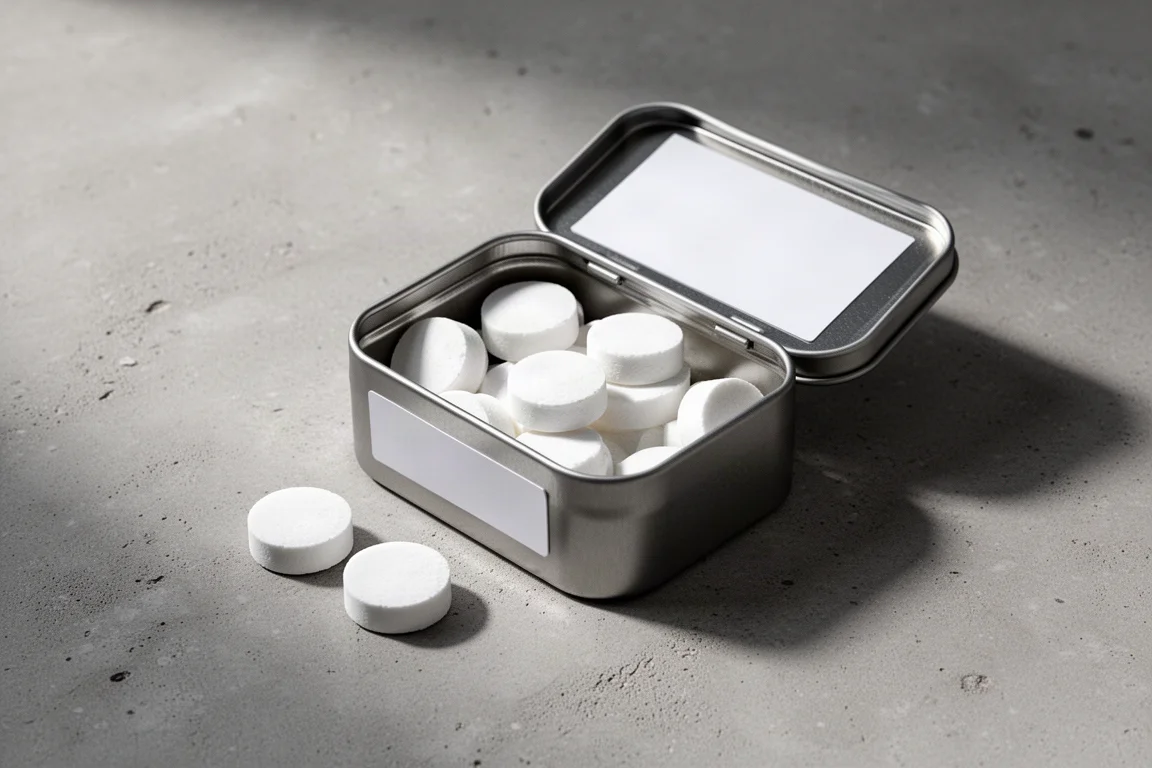
Trail hygiene is easy to neglect, and toothpaste tablets make it easier to fix. Unpaste tablets are mint flavoured and very light, and the real advantage is portioning: you carry only what you need, so a three-day trip with brushing morning and night means six tablets and nothing else in the bag.
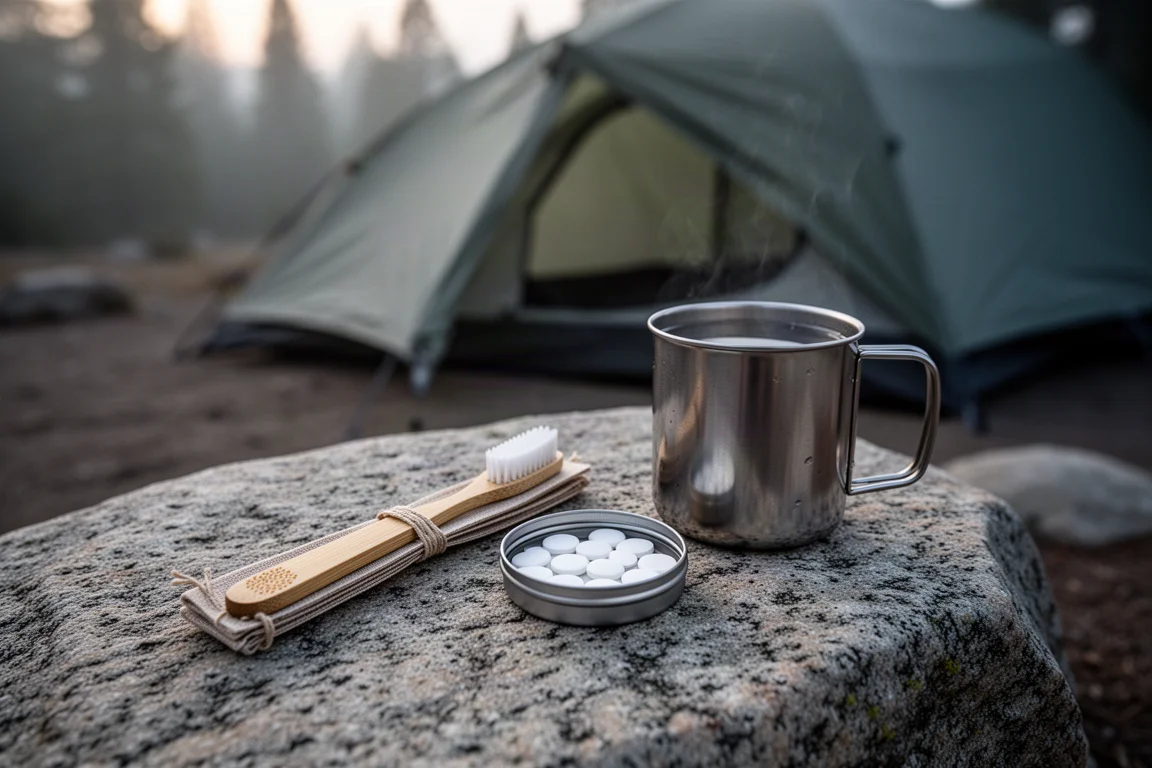
There is no tube to squeeze and no paste working its way into a food bag, and no extra trash to pack out at the end of the trip. For anyone who has carried a half-used tube to save weight and regretted it, the trade is obvious, and the routine becomes part of camp life rather than an afterthought.
Conclusion
None of these items is expensive, and none of them is complicated. What they share is that each one solves a daily problem: clean water, somewhere to put it, a proper cathole, a pot that holds exactly one meal, a stove that stands up on its own, and a way to brush your teeth without carrying a tube.
If you are starting from nothing, the filter and the water bag come first, because water treatment is the one system you cannot improvise in the backcountry. Add the trowel, the pot and the stove as your camp routine comes together, and treat the toothpaste tablets as the inexpensive upgrade that makes the rest of the kit more pleasant to use.
Further reading
Related Reviews

Backpacking Gear
Building a 10 lb Base Weight: An Ultralight Backpacking Gear List
A practical walkthrough of the ultralight pieces behind a 10 lb base weight, from a 765 g pack and a roomy one-person tent to a full camp chair and a dependable water filter.

Backpacking Gear
A 15-Pound Lightweight Backpacking Gear List for Solo Trips
A beginner-friendly 15-pound backpacking setup built from easy-to-find gear, with notes on what each piece does, how it packs, and where to spend your attention.

Backpacking Gear
8 Ultralight Backpacking Gear Upgrades Worth Carrying
Eight small, affordable backpacking upgrades that solve real trail annoyances, from a pillow that stays put to a fuel valve that rescues leftover canister gas.