Backpacking Gear
Best Backpacking Gear Under $30: 11 Practical Items Worth Packing
Eleven lightweight backpacking items at $30 or less, from a dual-purpose camp light and an efficient cook pot to water bags, organizers, and a $15 thermometer.
Introduction
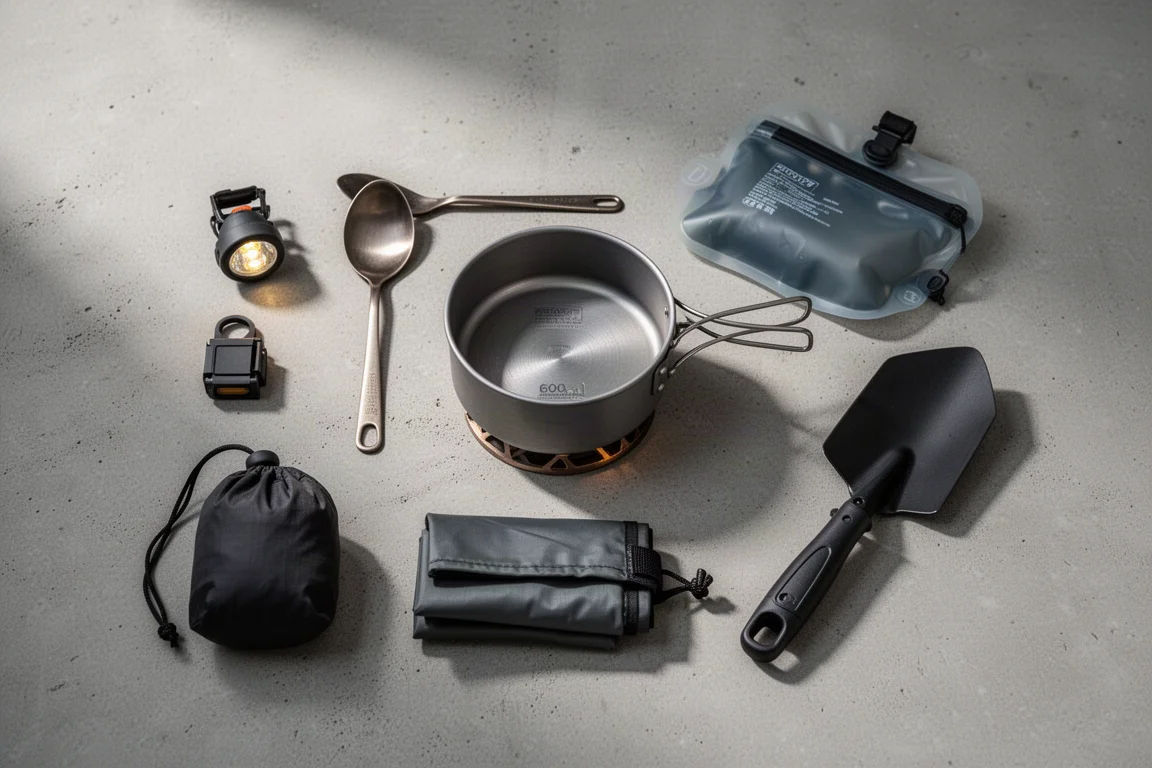
Backpacking gear does not have to be expensive to be genuinely useful. The items below all add function and value to a backpacking setup without a large outlay, and most of them cost $30 or less. They cover the small, repeated moments of a trip: cooking and rehydrating meals, lighting camp, treating water, organizing a pack, digging a cathole, and understanding the conditions you slept in.
If you are partway through the season and thinking about a few adjustments to your kit, these are practical places to start. Each one solves a specific problem, and none of them require rebuilding your whole setup.
How These Picks Were Chosen
Every item here earns its place by being functional, lightweight where it matters, and inexpensive relative to what it does. The focus is on gear that gets used on real trips rather than gear that only looks good in a spreadsheet. Value matters as much as price: a $15 item that gets used on every trip is a better buy than a cheap item that stays at home.
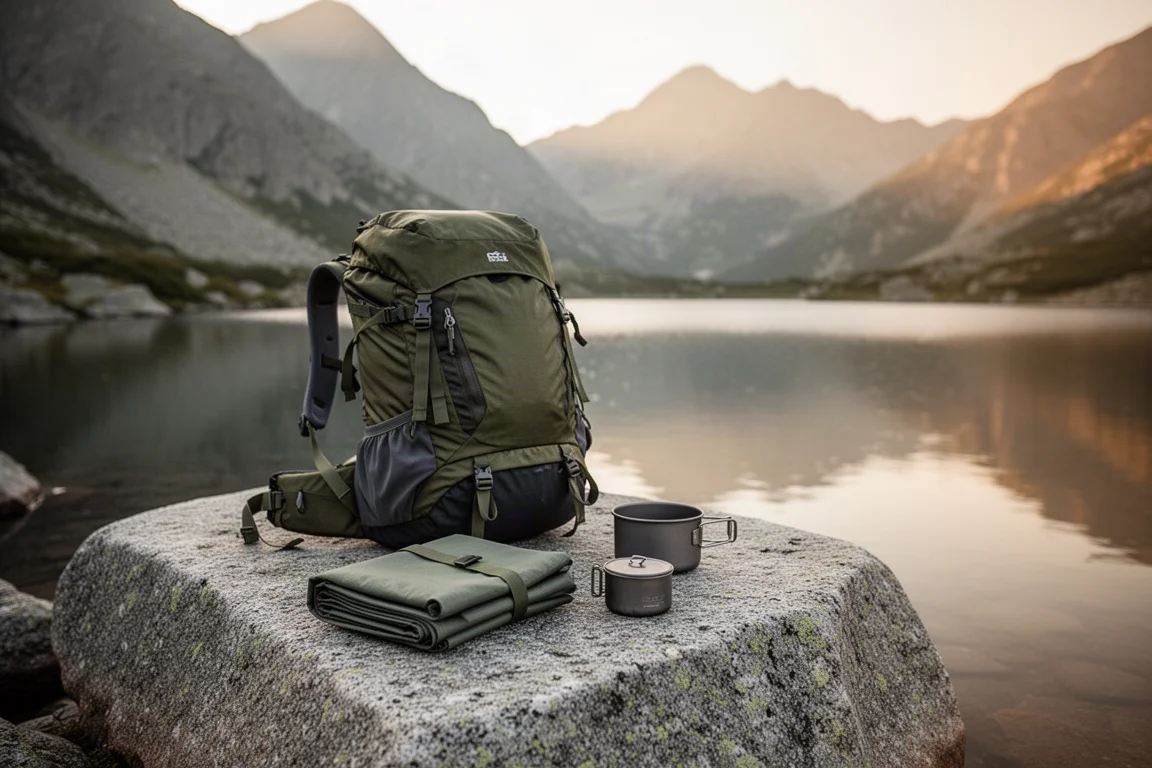
Several of these items also replace two things you would otherwise carry, which is where the real weight and cost savings come from. Others are small organizers that keep the rest of a pack working the way it should, and one is a planning tool that shapes the trip before you leave.
Claymore KON 40B: A Light That Doubles as a Lantern
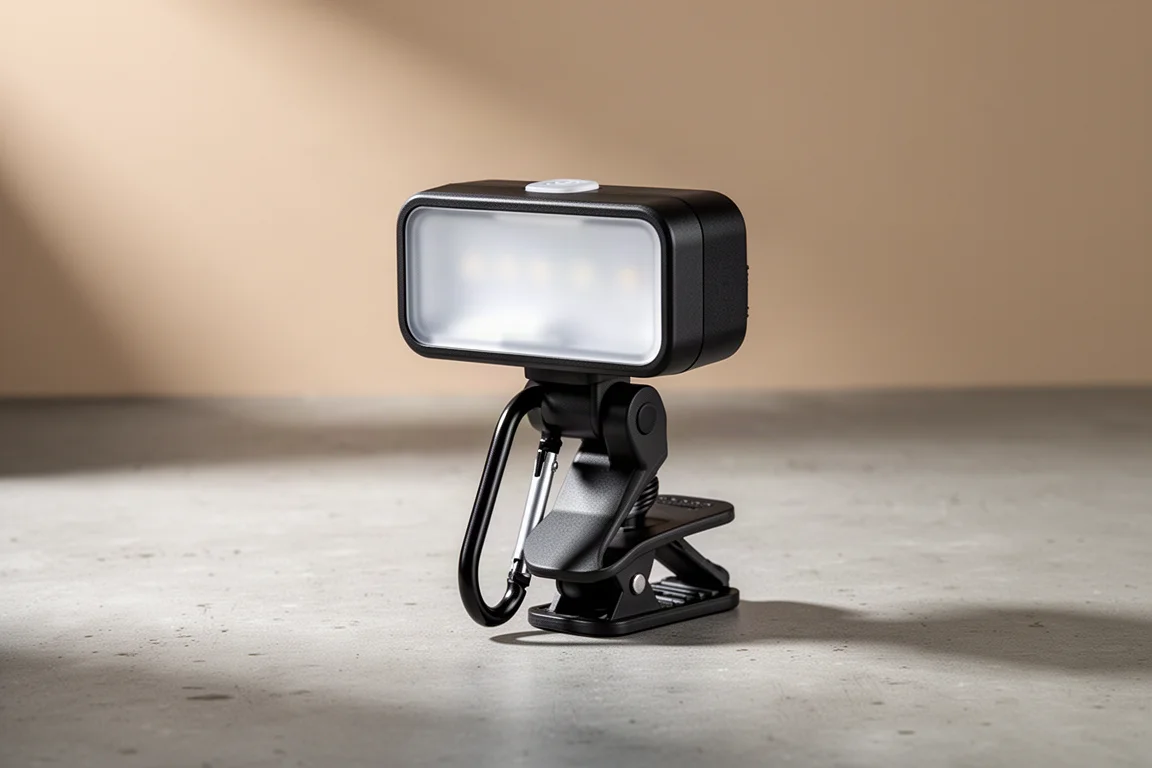
The Claymore KON 40B is a small multi-use light built around an articulating clip. A headlamp function covers white light, and there is a red light mode as well, with dimmable brightness so output can be dialed up or down to suit the moment. The clip attaches to the brim of a hat and pivots so the beam can be aimed in any direction, and a carabiner on the clip makes it easy to hang or carry.
Because the top of the light also has LEDs, it can be hung from a tent as a lantern. That combination means one item covers both the headlamp and lantern roles, which is a meaningful saving for anyone who would otherwise pack both. It is also easy to unclip from the carabiner and carry on a short walk away from camp at night.
Big Sky International Insulated Rehydration Pouch
This insulated pouch from Big Sky International is a simple idea that improves every freeze-dried meal. Boiling water goes into the meal bag, the bag goes into the pouch, and the insulation holds the heat in while the food rehydrates. The result is properly softened food rather than crunchy noodles in the middle.
It uses a synthetic insulation inside instead of a reflective liner, it is very well made, and it is lightweight. It costs under $20. Comparable pouches can be improvised from reflective material and tape, but this one is a cleaner and more durable version of the same concept, and it is a straightforward addition to a cook kit.
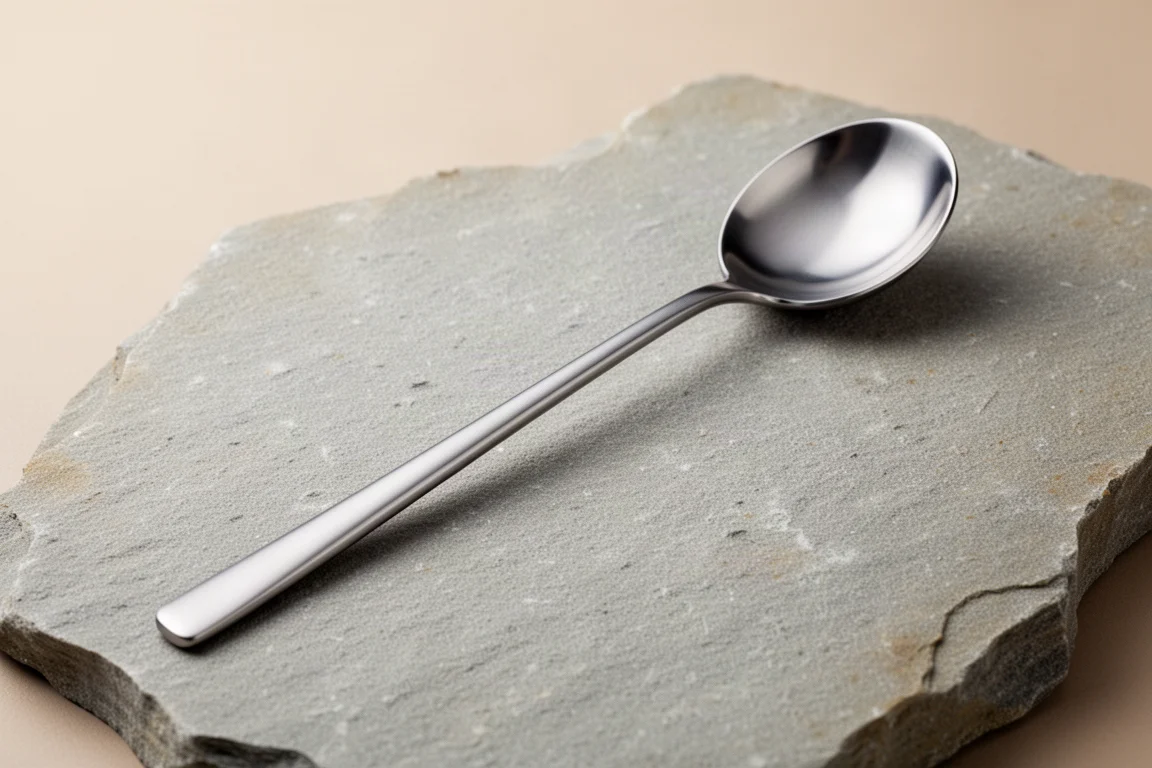
MSR Titan Titanium Spoon
The MSR Titan is a long-handled titanium spoon, and the extra length is the point. It reaches the bottom of a freeze-dried meal bag without getting your hands sticky, and the bowl shape is more pleasant to eat from than a spork. It is lightweight, comfortable to hold, and the edges are smooth rather than sharp against the back of your hand.
It costs around $18, which is a little more than a basic spork, and that difference buys a better eating experience on every trip. For a piece of gear that gets used at least twice a day, that is an easy trade to justify.
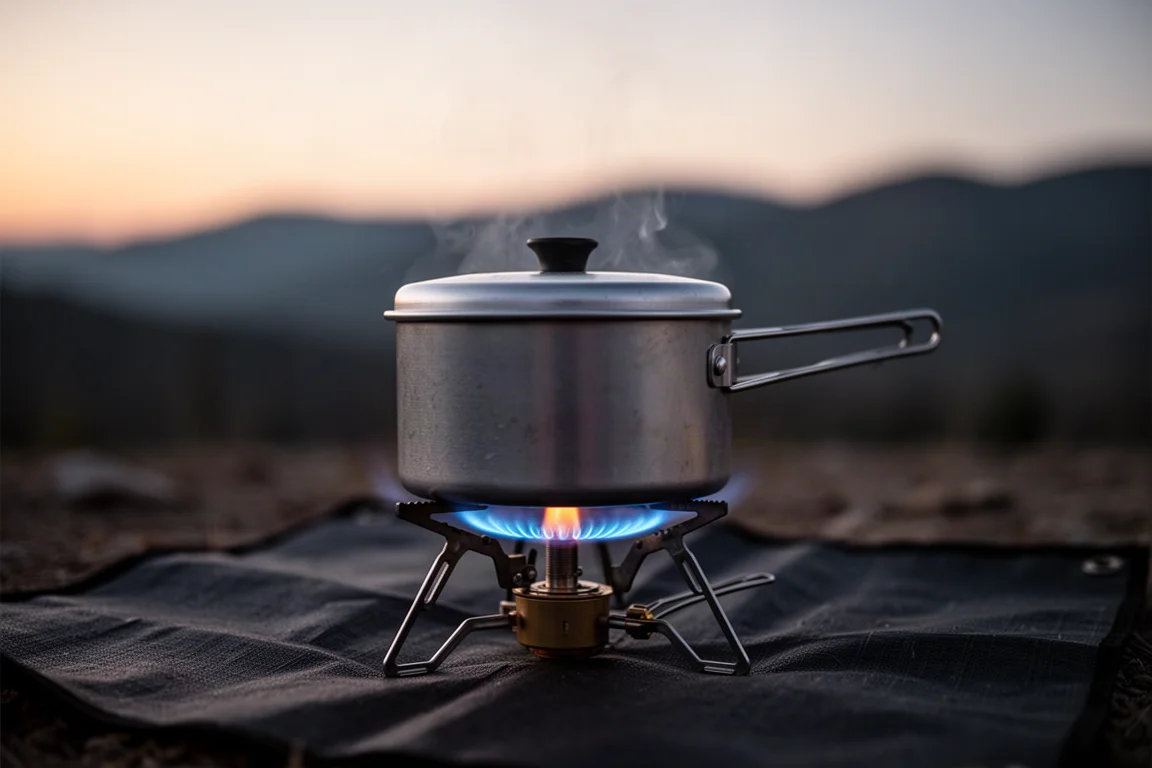
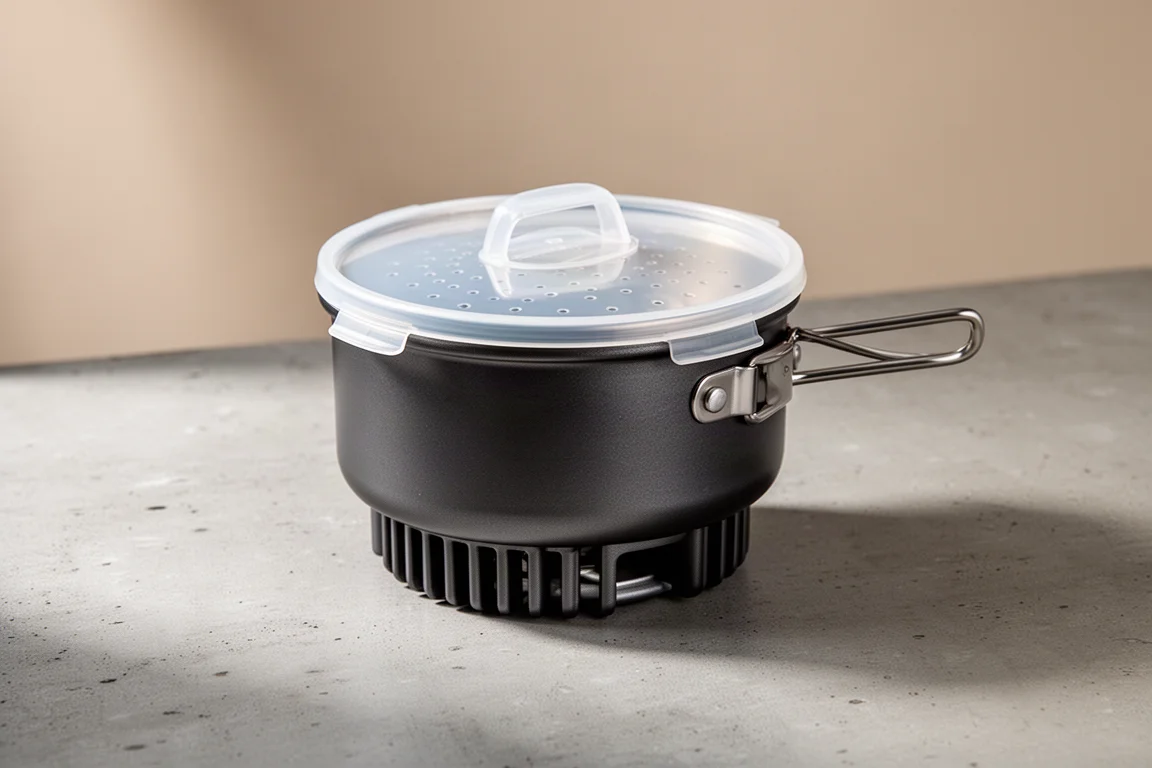
Fire Maple Petrol Cook Pot
The Fire Maple Petrol is a 600 mL aluminum pot with a heat exchanger on the bottom, and it costs under $30. The heat exchanger is the standout feature: it makes the pot noticeably more efficient and shortens boil times, which matters on longer trips where fuel is part of the plan.
The removable lid is clear plastic and includes strainer holes. A Soto WindMaster stove and a gas canister both fit inside the pot, so the whole cook system nests into one small package. Three notches are cut into the pot on a 120-degree pattern, which lets three-prong pot supports sit closer to the base for better wind resistance.
The 600 mL capacity keeps the whole package small, and the nesting arrangement means fewer loose parts rattling around in the pack. For a compact and efficient solo cook setup, it is a strong buy.
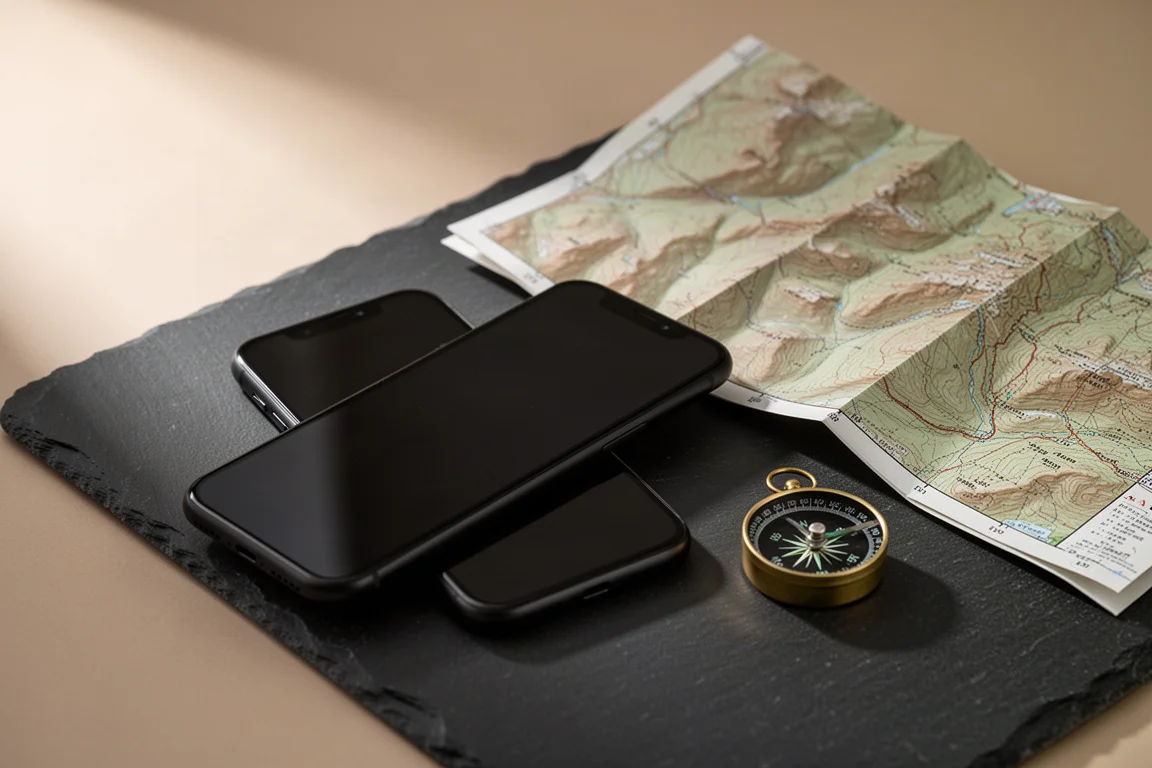
onX Backcountry: Trip Planning Before You Walk It
onX Backcountry is a trip-planning app, and it is the one item on this list that is not a physical piece of gear. It allows waypoints to be added and mapped, shows 3D imagery of the landscape so the contours of a route are visible before you hike it, and helps identify campsites and water sources along the way. Those are the details that often decide whether a trip runs smoothly.
It is worth signing up for the free trial before a trip and planning a route with it. A savings offer is also available. For anyone who plans routes in unfamiliar terrain, the value sits in the planning stage rather than on the trail.
Vecto X 2L Water Bag
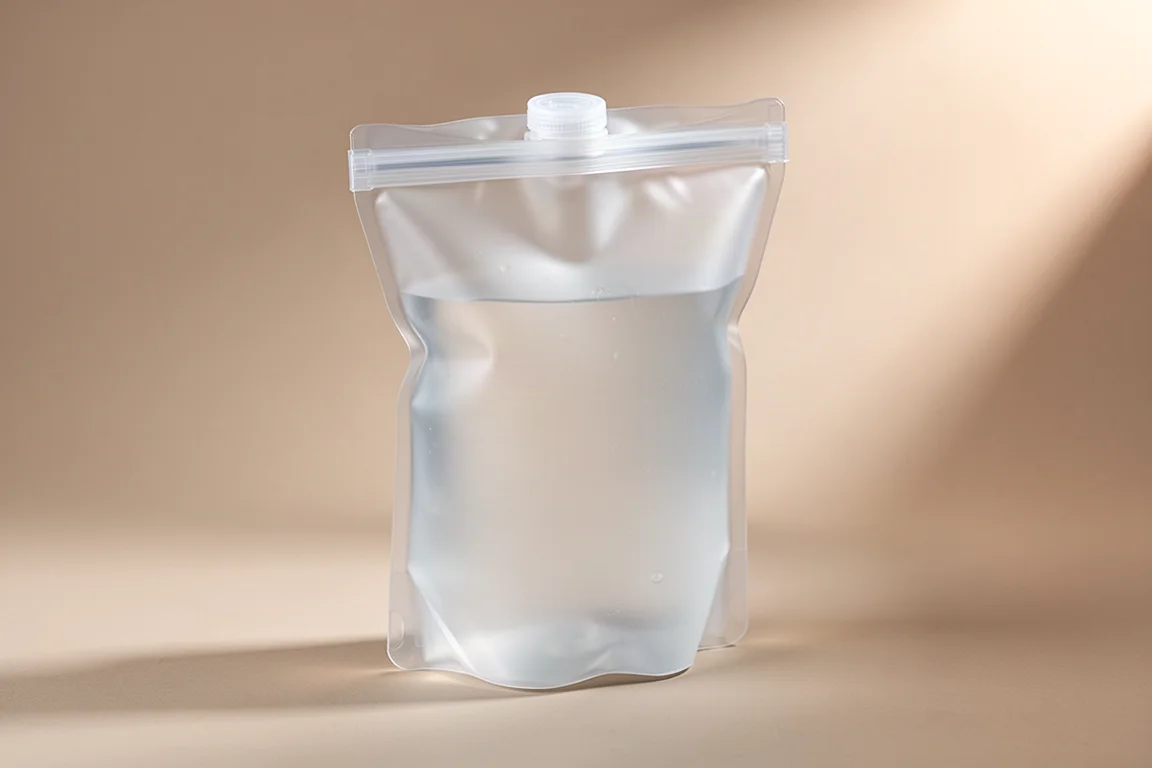
The Vecto X is a 2-liter water bag, and the X version uses a thicker material than the standard version. That extra material holds up to more abuse, which matters in desert terrain where sharp vegetation and rough ground cause pinhole leaks in thinner bags.
Filling is easy thanks to the slider closure on top, and the bag is not overly heavy for its size. It pairs well with a Sawyer Squeeze filter, which makes for a complete water treatment setup.
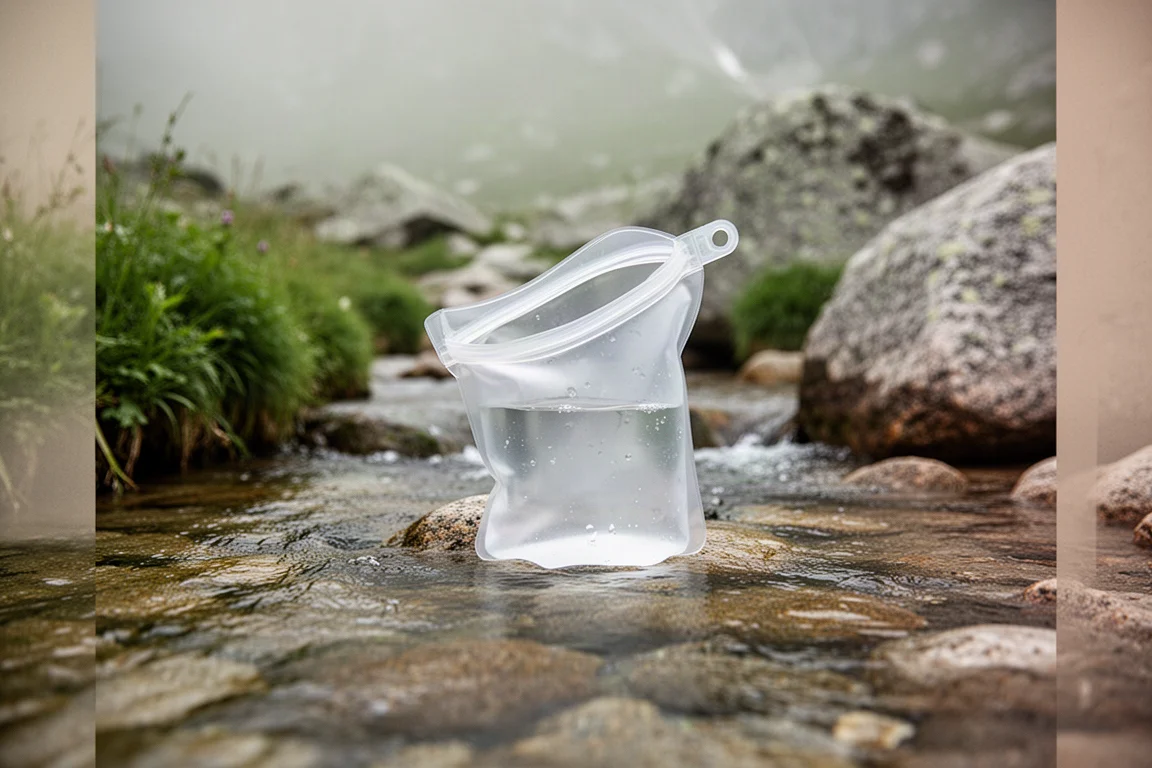
The wide slider opening makes filling from shallow or awkward sources far less fiddly than a narrow opening, and the material gives confidence when the ground around a source is rough. For anyone who collects water from streams, springs, or standing pools, it is the most capable bag in this category.
Hilltop Packs Personalized Ground Sheet
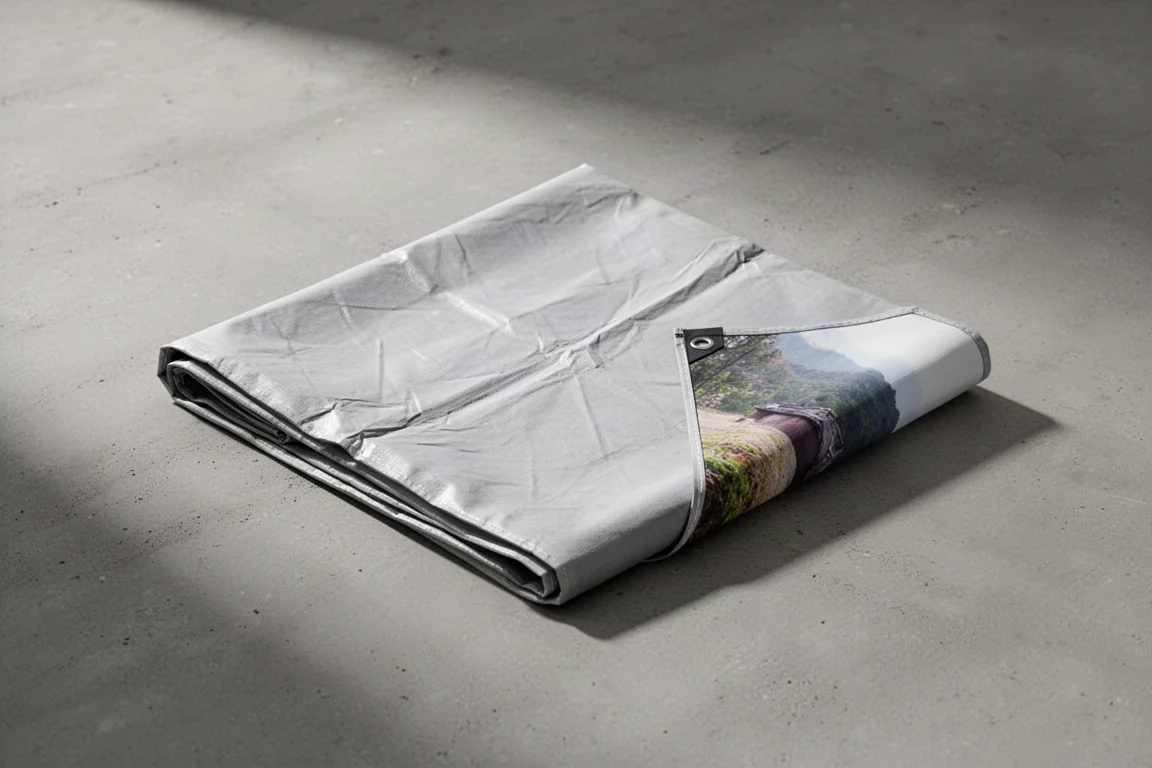
The Hilltop Packs personalized ground sheet is made from a lightweight, waterproof material that is also abrasion resistant, and it can be printed with a photo of your own. It costs under $30, and it earns its place by giving you a dry surface where there otherwise is not one.
In camp it provides a dry spot to sit, kneel, or set gear down, and it works well laid in the vestibule of a tent with gear stacked on top. It is also useful away from camp, such as on wet shorelines while fishing, where kneeling on bare ground means getting soaked. The personalization is a nice touch on top of the practical function.
Hilltop Packs Zippered Accessory Bag
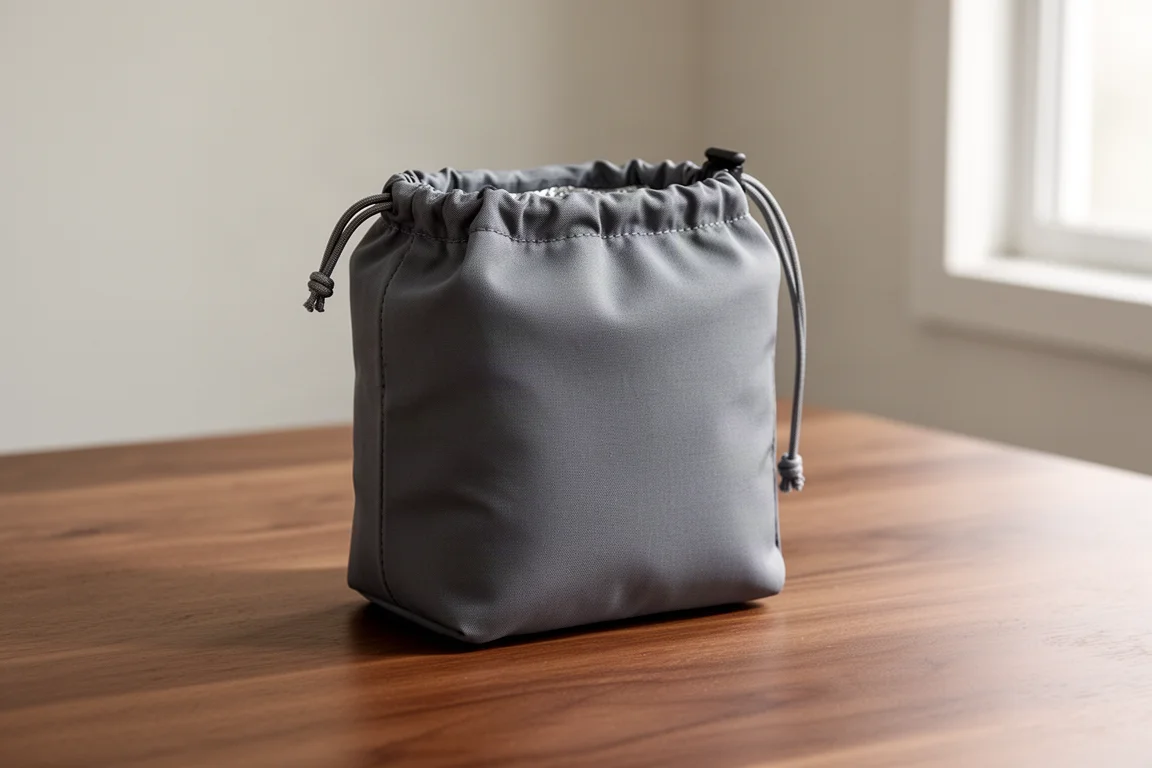
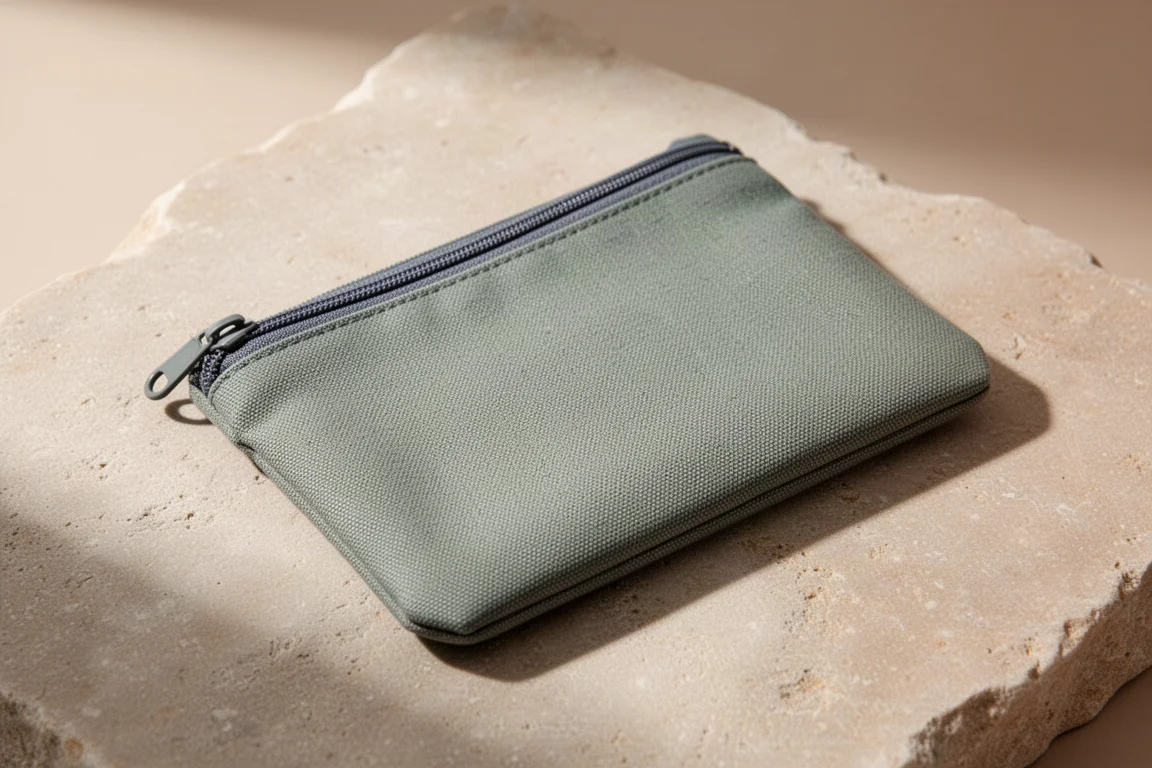
Small accessory bags add a little weight, and for many backpackers that trade is worth it. A zippered pouch from Hilltop Packs keeps small items together so they can be found without unpacking everything, which is exactly the kind of organization that pays off at the end of a long day.
A pouch like this is a natural home for a hygiene or cathole kit, with wipes, hand sanitizer, and a trowel all in one place. That keeps the items you would rather not dig for separated from the rest of the pack, and it stops them from spreading through your gear.
Hilltop Packs Roll-Top Bag
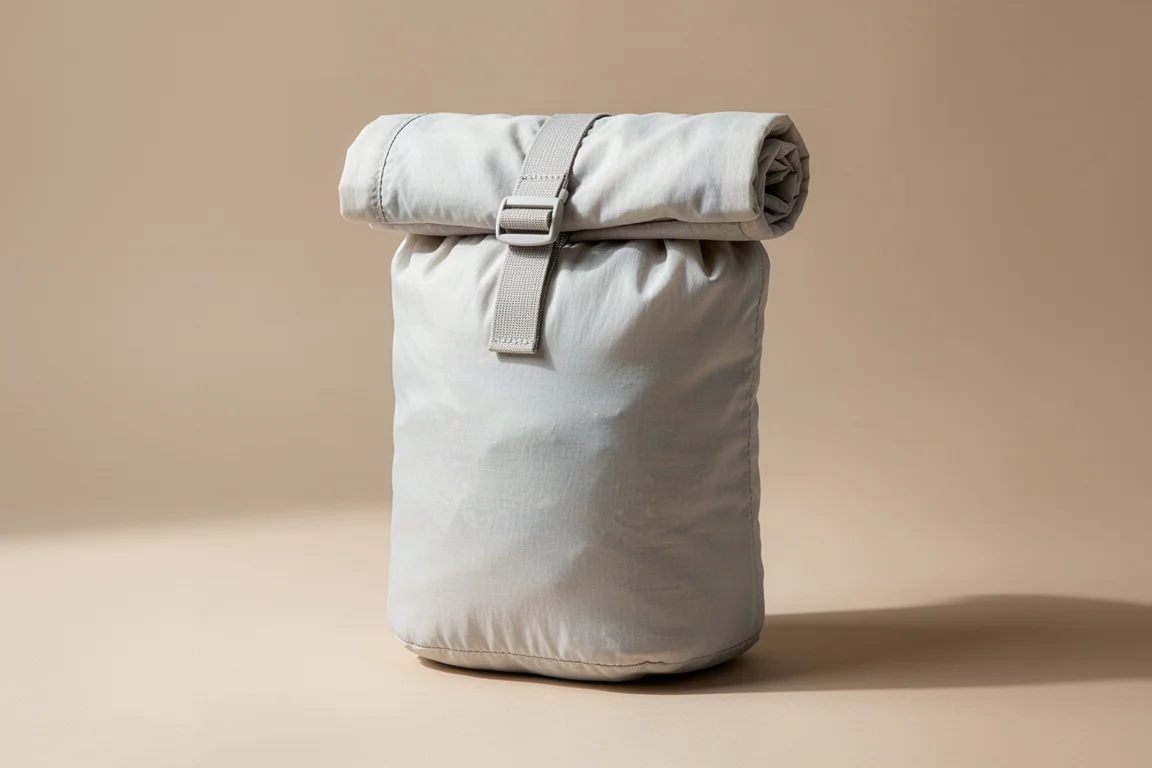
The Hilltop Packs roll-top bag is a plain, simple stuff sack in basic white fabric, and it is a great value. The roll-top closure keeps contents protected from weather and from the general wear of a pack, which is the main reason to use one.
A bag like this suits anything that needs to stay dry or be kept away from the rest of your gear, and a hammock is one good example. It is not a complicated product, and that is the appeal: it does one job, weighs very little, and costs very little.
Bogler TR Trowel
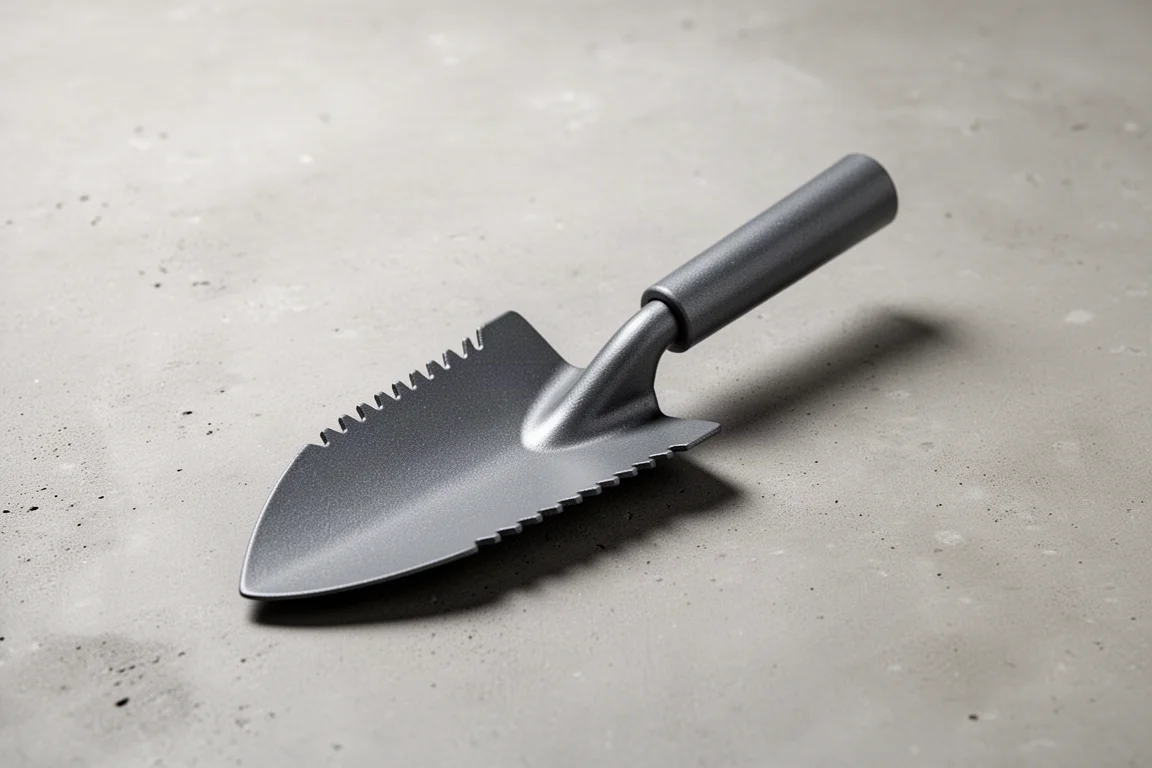
The Bogler TR is a lightweight, inexpensive trowel for digging catholes, and it is the best option of its type. It is comfortable in the hand rather than sharp enough to dig into your palm, which is a common problem with heavier and more aggressive designs.
The current version adds serrations on all sides, which makes digging through rooted or compacted ground noticeably easier. If you are still carrying a bulky garden-style trowel, this is a small upgrade that saves weight and works better.
Govee Bluetooth Thermometer
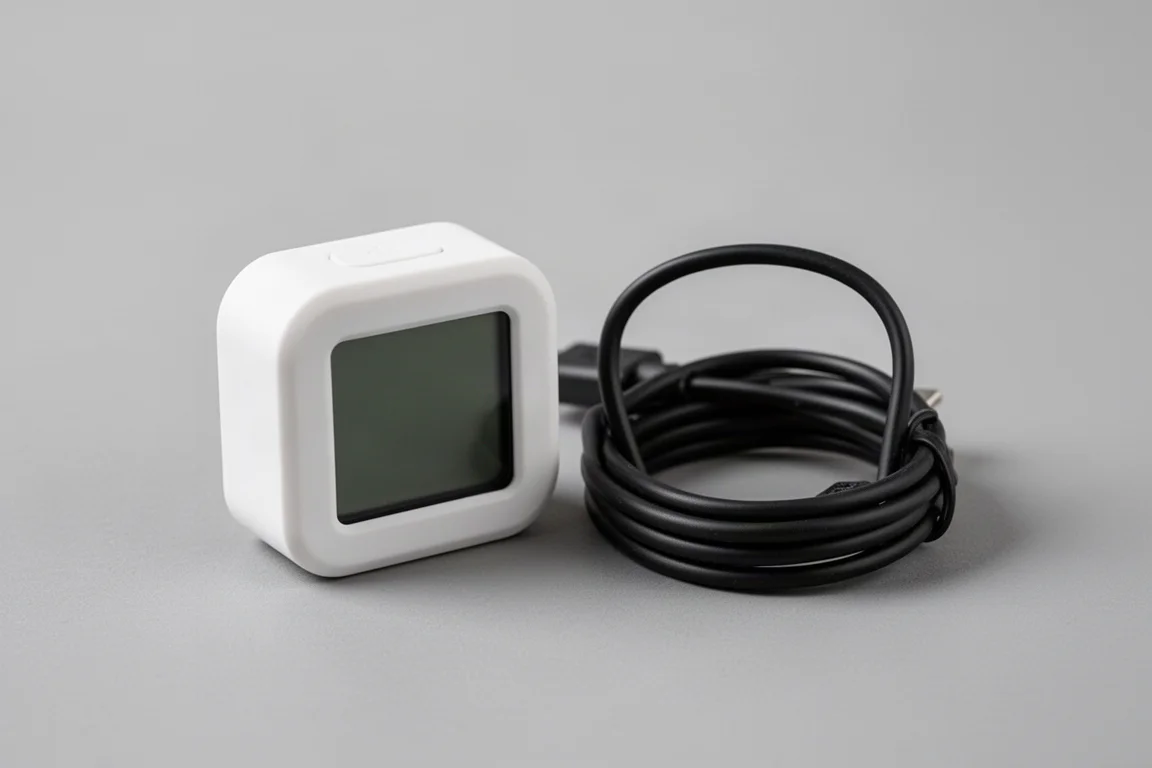
The Govee Bluetooth thermometer collects temperature and humidity data while you are out on a trip. It is small, light, not bulky, and it costs around $15, which makes it an easy item to add to a pack.
Using two of them is where it gets genuinely useful. One goes outside the tent and one goes inside, which gives a clear picture of overnight lows and the humidity difference between the two. For anyone testing sleeping bags and sleeping pads, that data makes it much easier to judge how a sleep system actually performed, and to compare results between summer trips on dry ground and shoulder-season trips on frozen ground.
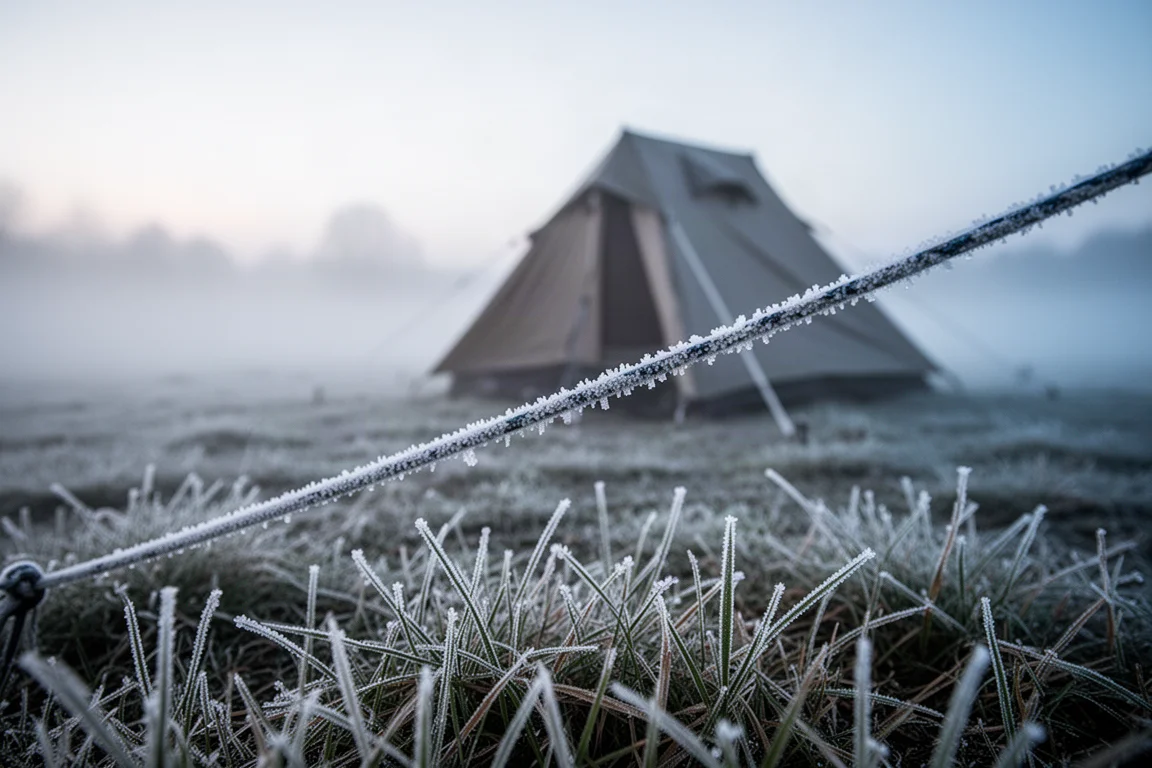
It is a nerdy piece of gear, and that is part of the fun: the numbers turn a vague sense of whether you slept warm into something you can compare from trip to trip.
Buying Advice
Start with the items that replace something you already carry. A light that works as both a headlamp and a lantern, or a cook pot that swallows a stove and a canister, reduces both cost and pack weight in one move. Water treatment and meal rehydration are the two areas where a small purchase changes every day of a trip, so they are usually the best first upgrades.
Organization items are worth adding once the core kit is settled. A trowel, a small zippered pouch, a roll-top bag, and a ground sheet are inexpensive, and they make a pack easier to live out of. A Bluetooth thermometer is the most optional item here, but for anyone comparing sleep systems it turns guesswork into data.
Conclusion
None of these items are expensive, and that is the point. Each one solves a specific, recurring problem on a backpacking trip, whether that is a properly rehydrated dinner, a light that does two jobs, water that is easy to collect, or gear that stays dry and organized. If you are adjusting your kit partway through the season, pick the one or two that address the annoyance you notice most, and the rest of the list will still be there when you are ready.
Further reading
Related Reviews

Backpacking Gear
Building a 10 lb Base Weight: An Ultralight Backpacking Gear List
A practical walkthrough of the ultralight pieces behind a 10 lb base weight, from a 765 g pack and a roomy one-person tent to a full camp chair and a dependable water filter.
Backpacking Gear
A 15-Pound Lightweight Backpacking Gear List for Solo Trips
A beginner-friendly 15-pound backpacking setup built from easy-to-find gear, with notes on what each piece does, how it packs, and where to spend your attention.
Backpacking Gear
8 Ultralight Backpacking Gear Upgrades Worth Carrying
Eight small, affordable backpacking upgrades that solve real trail annoyances, from a pillow that stays put to a fuel valve that rescues leftover canister gas.