Backpacking Gear
Best Backpacking Gear Under $200: 10 Name-Brand Picks Worth Buying
A complete backpacking kit built from trusted outdoor brands, with every item at or below a $200 ceiling and the trade-offs spelled out.
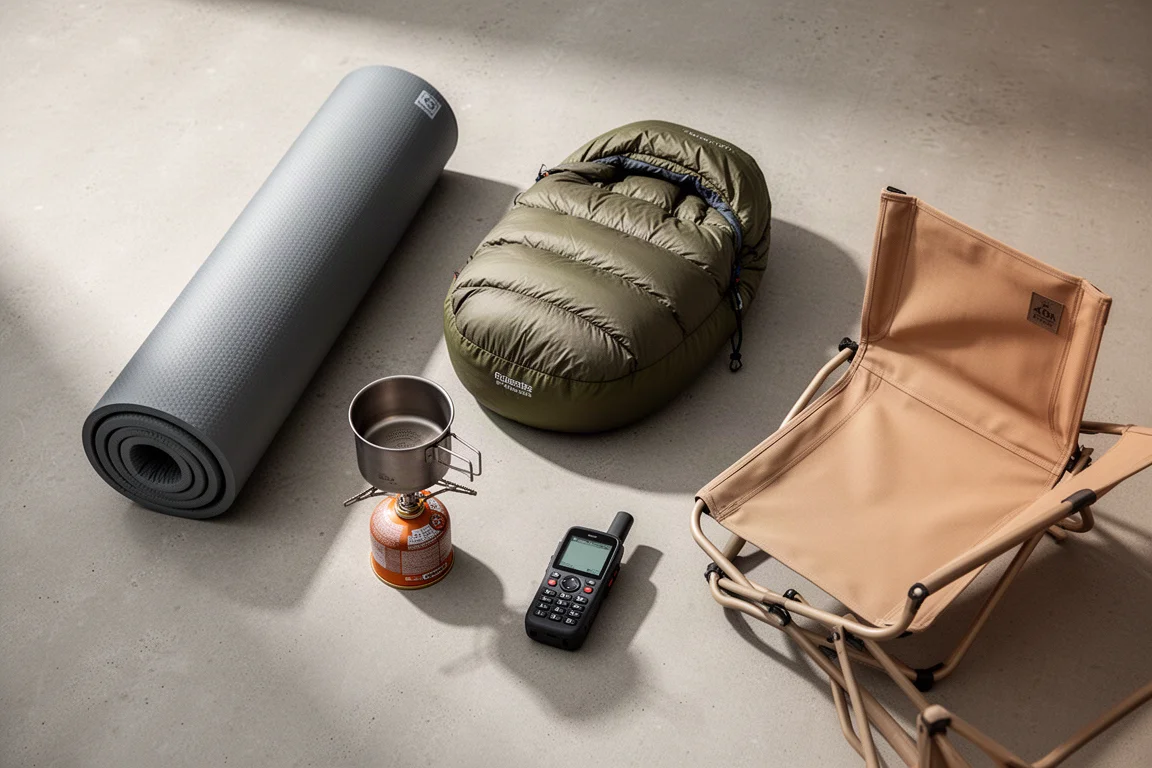
Introduction
Backpacking has a reputation for being an expensive hobby, and it is easy to see why. Between the shelter, the sleep system, and the pack, a full kit can quietly climb past a thousand dollars before anyone buys a single stove.
This guide takes a different approach. Every item below comes from an established outdoor brand you have likely heard of, and every item sits at or below a $200 ceiling. Nothing here is an obscure marketplace-only label, and nothing requires a discount hunt to make sense.
The list is honest about where the money goes. Sleeping pads, stoves, and small accessories are easy to keep affordable. Tents and backpacks are harder, and the picks below reflect the compromises that come with a fixed budget rather than pretending those compromises do not exist.
How This List Was Built
Two filters shaped every recommendation. The first was brand: only established outdoor manufacturers with long track records and widely available gear. The second was price: a hard maximum of $200 for any single piece of equipment.
That second filter does real work. On smaller items, staying under $200 is simple. On shelters and packs, it usually means accepting slightly more weight, a narrower floor, or a simpler feature set. Where a trade-off is unavoidable, it is named in the section rather than glossed over.
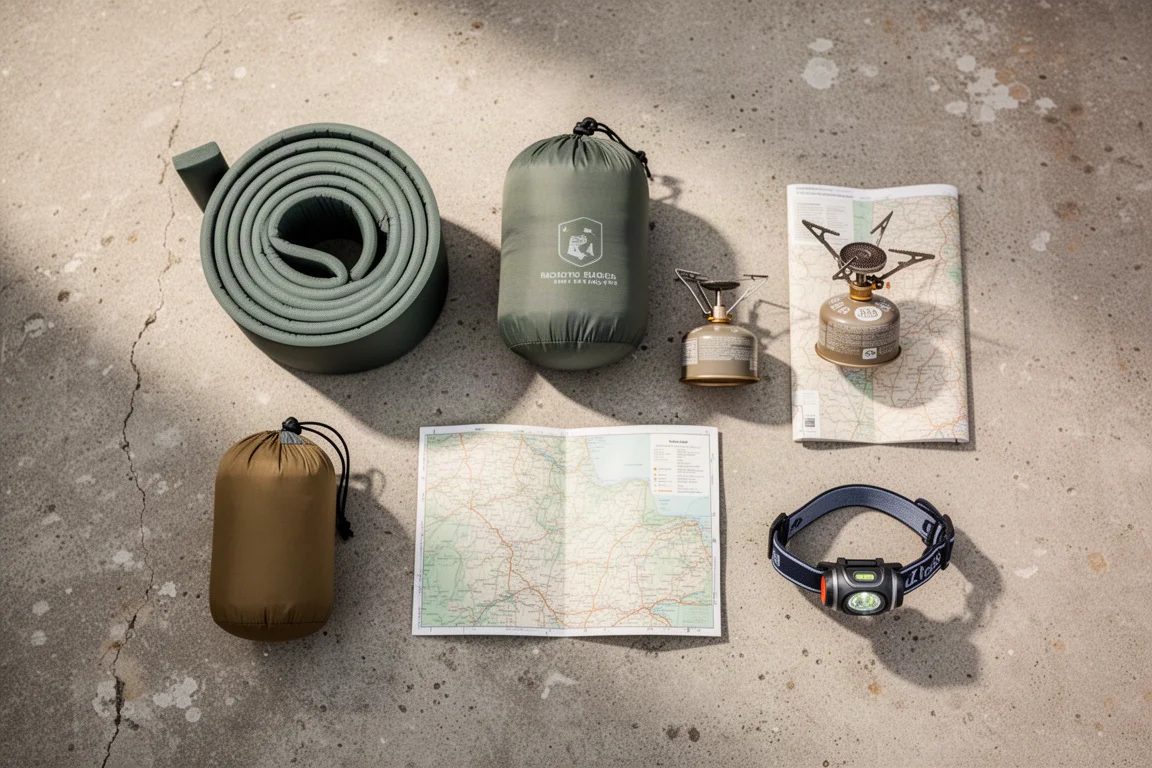
A useful way to read this list is by priority rather than by price. Warmth and sleep quality are the two things that most often decide whether a trip feels good, which is why the sleep system gets the most attention here. Everything else can be adjusted around those two choices.
Best Sleeping Pad: Nemo Tensor
The Nemo Tensor is the strongest all-round pick on this list. It is an insulated pad measuring 3 inches thick and 25 inches wide, weighing around 22 ounces, and carrying a 4.2 R-value.
Those numbers matter more than they look. A 25-inch width is generous enough for side sleepers, the 3-inch thickness keeps hips and shoulders off the ground, and a 4.2 R-value makes this a genuine three-season pad that will handle all but the coldest conditions. Finding that combination of comfort and warmth without a significant weight penalty is the hard part, and this pad does it.
At $190 it is not a budget pad and it is not positioned as one. The money goes into warmth and comfort at a weight that stays reasonable, which is exactly the trade-off most backpackers are shopping for.
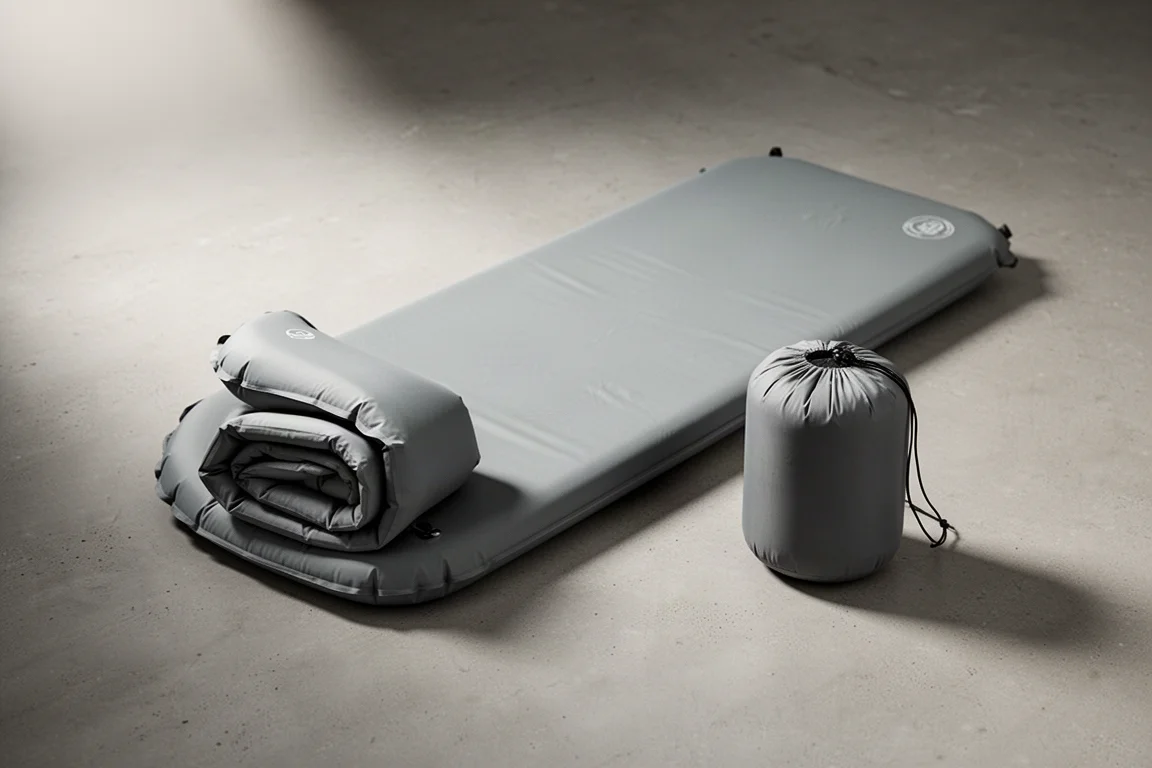
Budget Alternative Sleeping Pad: Klymit Static V
If insulation is not a priority, the Klymit Static V brings the cost down to $65 while staying comfortable and light. The difference is warmth: this pad carries an ASTM R-value of 1.3, compared with 4.2 on the Nemo Tensor.
That makes it a summer pad. For warm-weather trips it is a sensible, inexpensive choice that will not weigh down a pack. For anything colder, the insulated option is worth the extra money, because a pad that cannot hold warmth will not be rescued by a better sleeping bag.
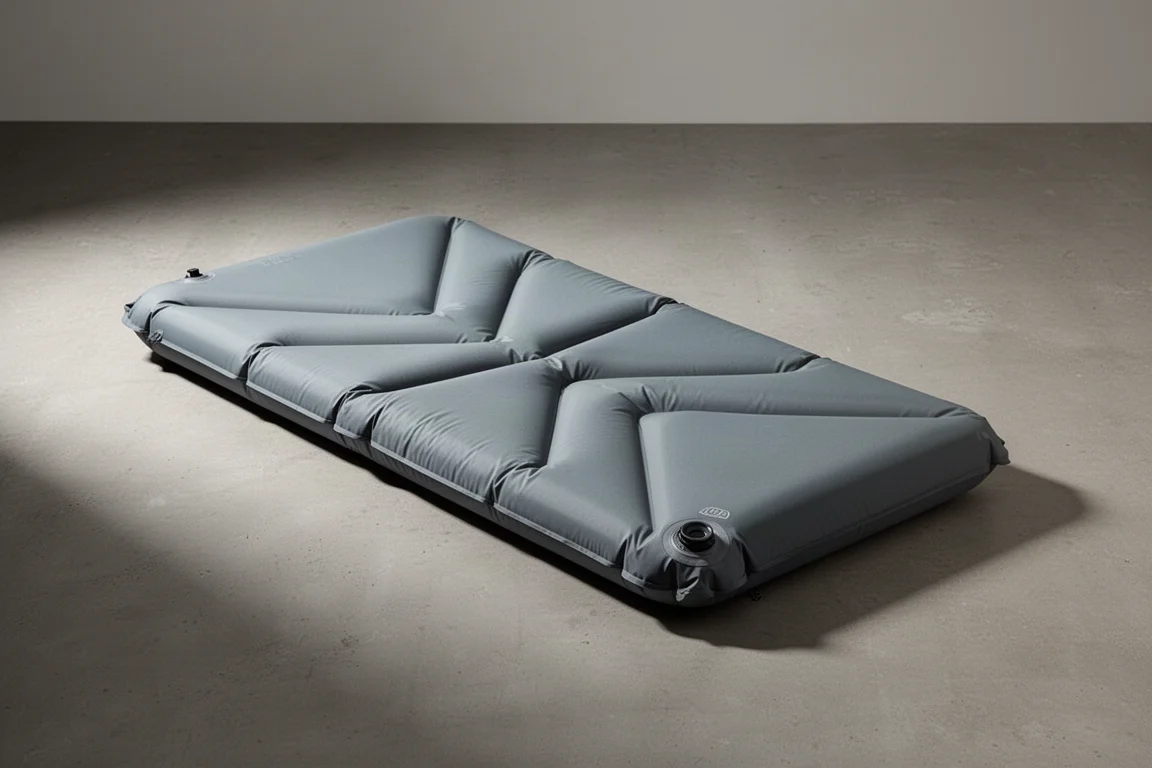
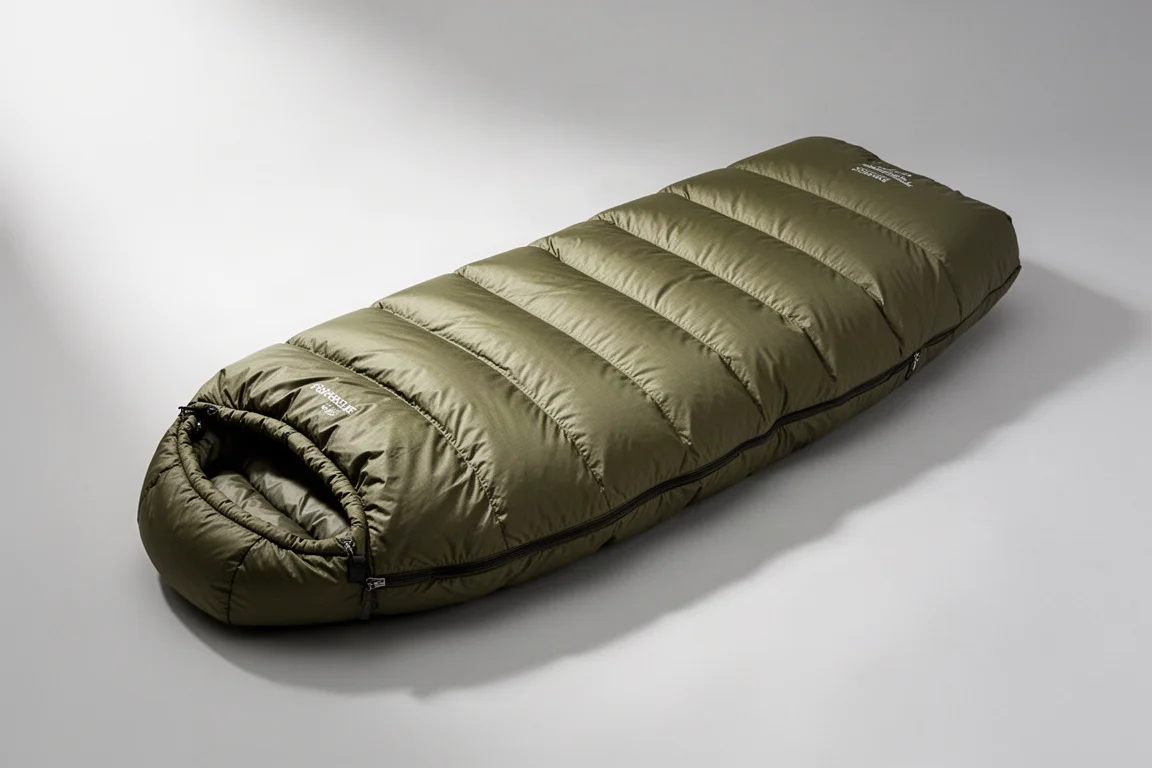
Best Budget Sleeping Bag: Kelty Cosmic 20
The Kelty Cosmic 20 is a down bag priced at $170, and that combination is genuinely uncommon. Down still offers the best warmth-to-weight ratio of any insulation available, and years of attempts to duplicate it have not produced a fill that is both warmer and lighter. Because of that, down bags are usually expensive.
The compromise here is fill power. This bag uses 550 fill down, so it is a little heavier than premium options, but it still packs down small and weighs 2 pounds 10 ounces. Moving to a lighter bag means spending substantially more, which is what keeps this one on the list.
Best Integrated Cook System: MSR WindBurner
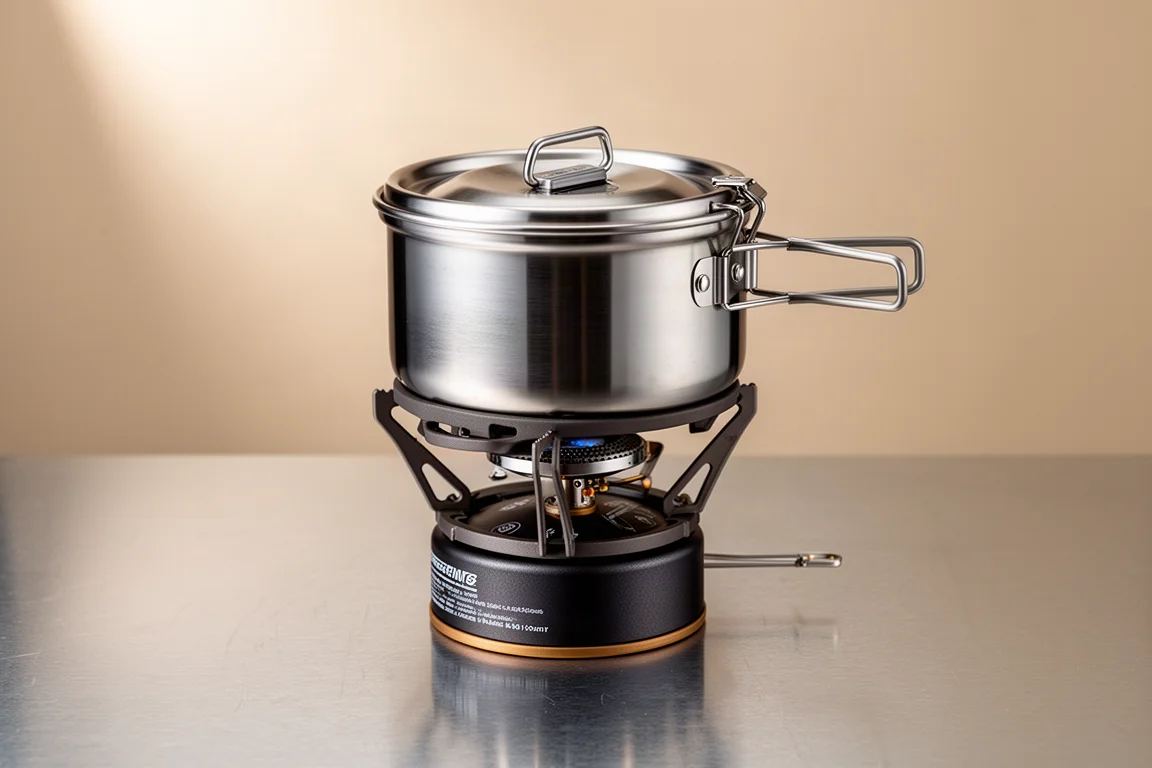
The MSR WindBurner is a complete cooking package in one unit: stove, pot, measuring cup, and windscreen, all packing down into itself. It boils water quickly and handles exposed, breezy campsites well because the burner and pot are designed to work as a single system.
At $170 it is a lot of money for a stove, and that is the honest trade-off. What you get in return is convenience and predictable performance without assembling a kit from separate parts.
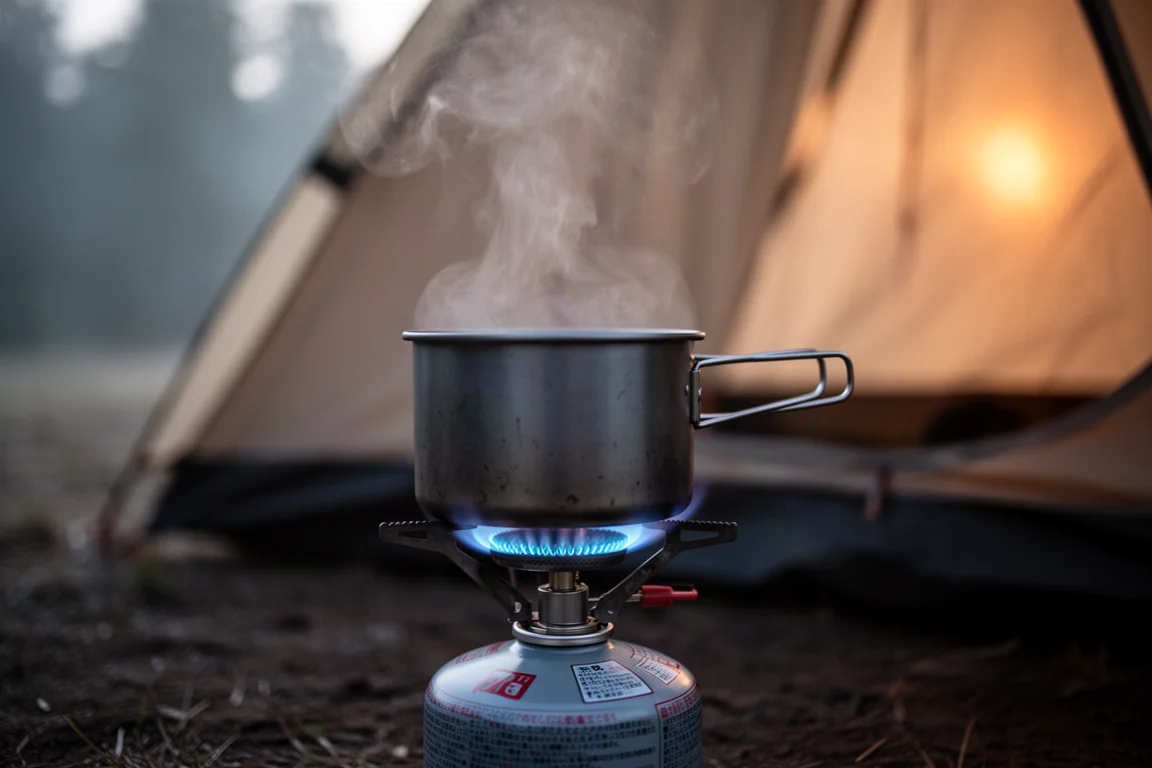
If your priority is a single, self-contained setup that you can pull out and light without thinking about it, this is the premium choice on the list. If you would rather keep both cost and weight down, a canister stove and a separate pot will cover the same job for far less.
Best Value Canister Stove: MSR PocketRocket Deluxe
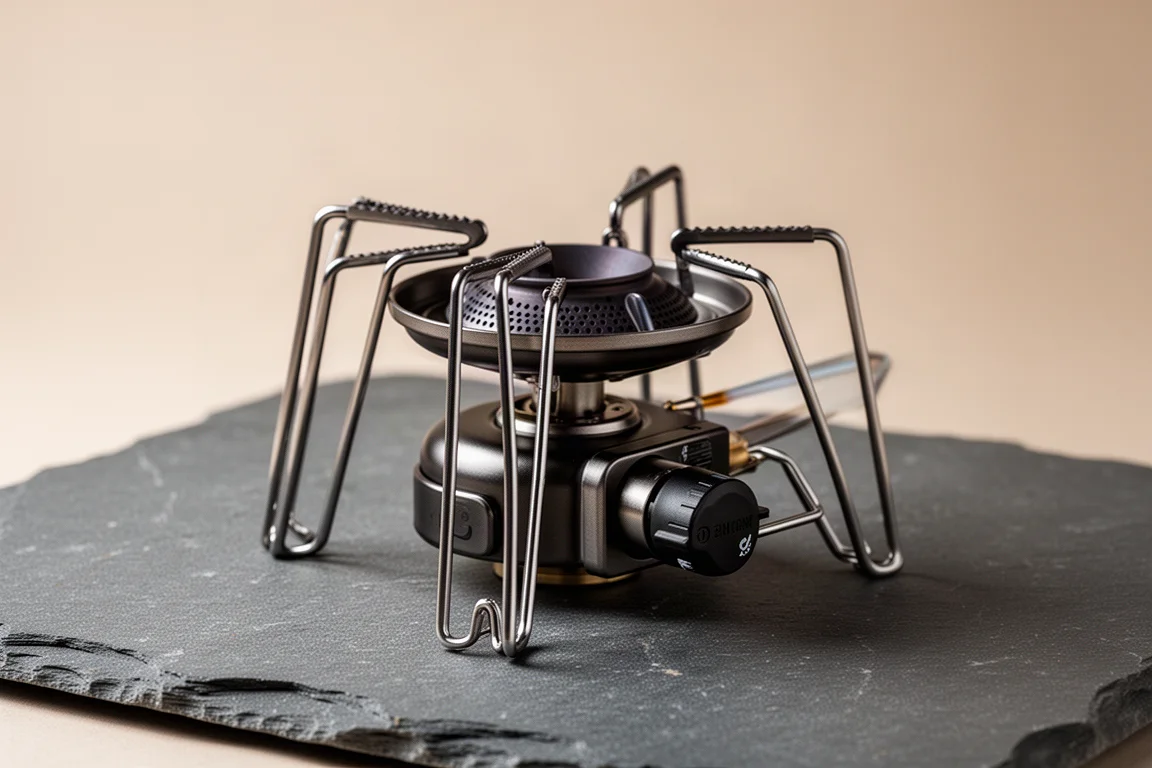
The MSR PocketRocket Deluxe costs $50, weighs less than 3 ounces, and adds two features that matter in real use: a built-in igniter and a built-in regulator.
The igniter is a small convenience that becomes a big one when a lighter goes missing. The regulator helps the stove hold a steady flame as temperatures drop, which is the difference between a reliable breakfast and a frustrating one on a cold morning. Paired with a lightweight titanium pot, this makes a complete cook setup for well under $100.
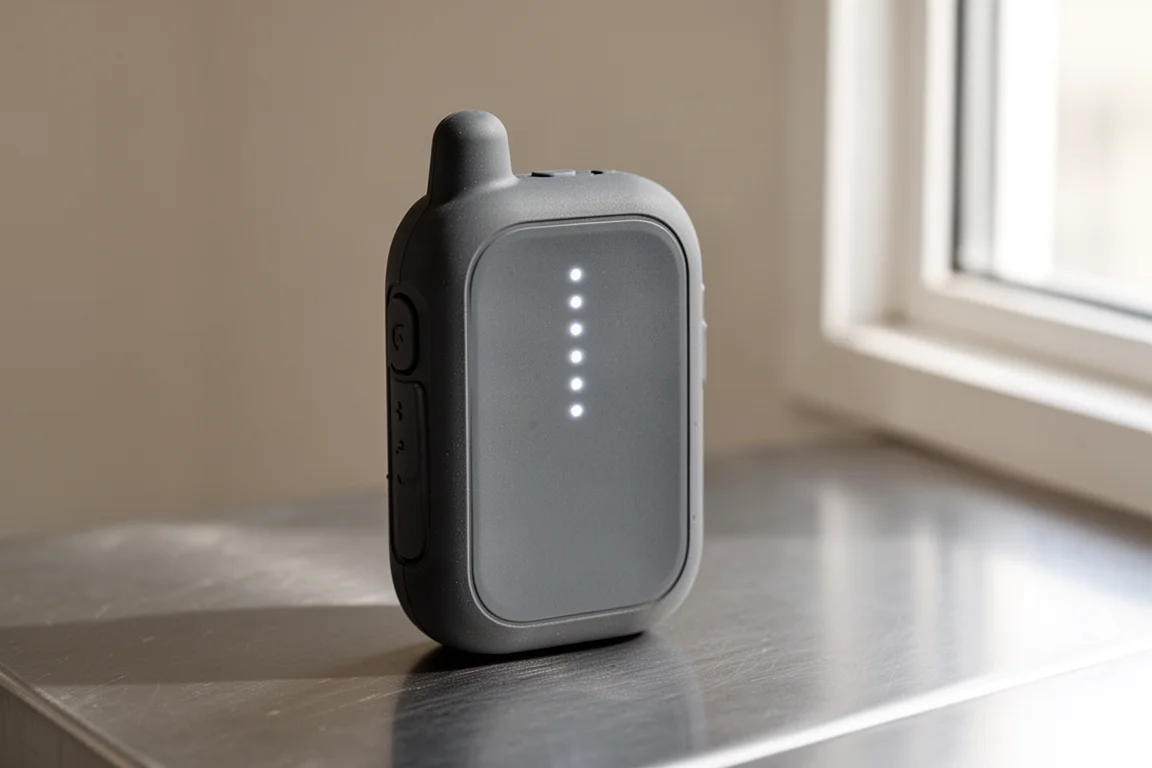
Best Emergency Satellite Communicator: Zoleo
A satellite communicator is the item on this list that most people hope never to use, and the one they are most glad to have. Zoleo lets you text family and friends with or without cell service, send your location, check the weather far from any coverage, and press an SOS button to call for help in an emergency.
Zoleo is one of the few emergency satellite communicators available under $200, though that figure covers the device and not the required service plan. The service is the recurring cost, and for anyone who spends time beyond reliable cell coverage, it is money well spent.
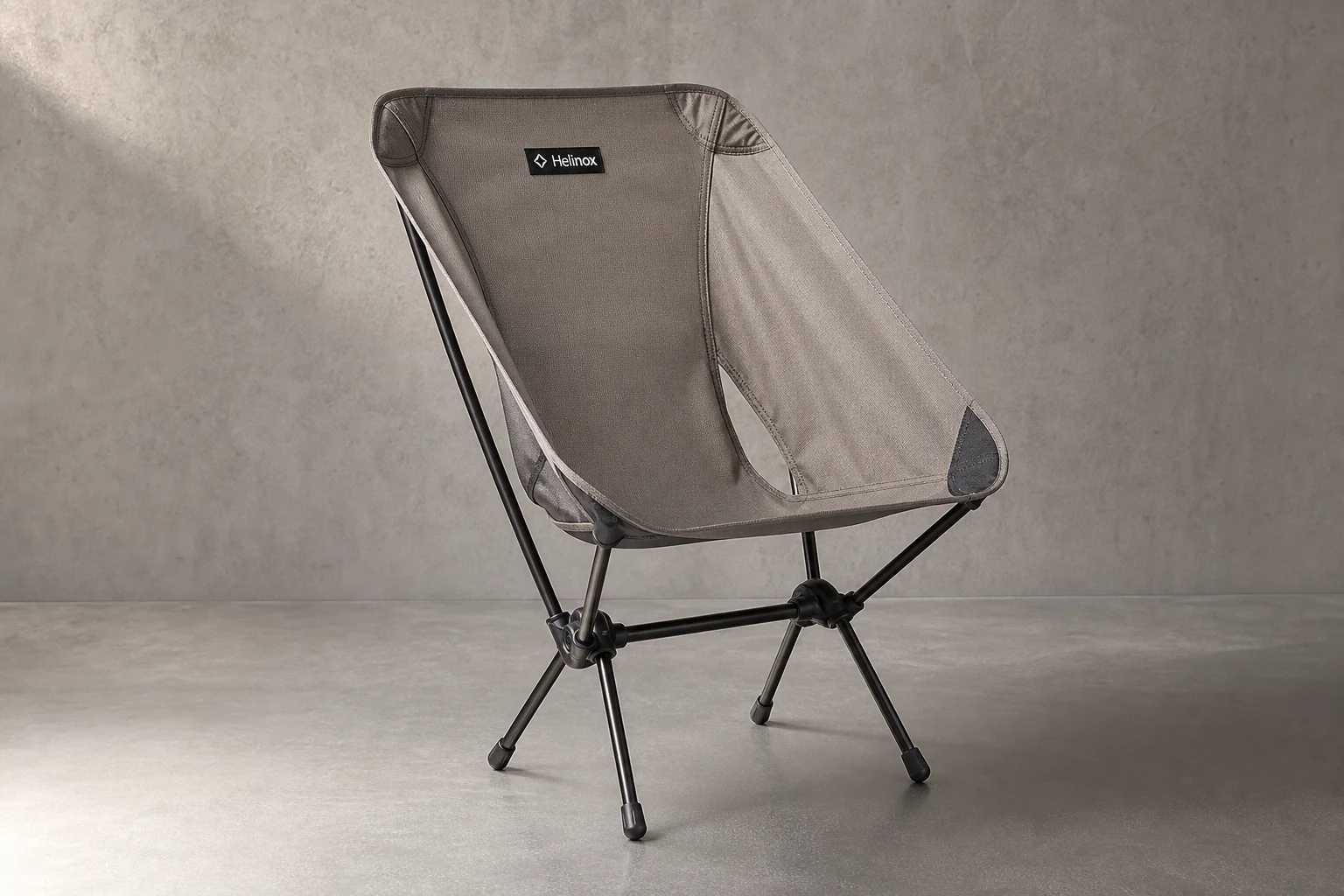
Best Comfort Upgrade: Helinox Chair Zero
The Helinox Chair Zero is not strictly necessary gear, and that is exactly why it belongs here. A chair does not keep you warm or get you up a mountain, but it changes how an evening at camp feels, and it is the item most backpackers quietly want once they have tried one.
It stays within the $200 ceiling and remains a comfort item rather than a burden. Treat it as a reward for trimming weight elsewhere, not as a replacement for the essentials.
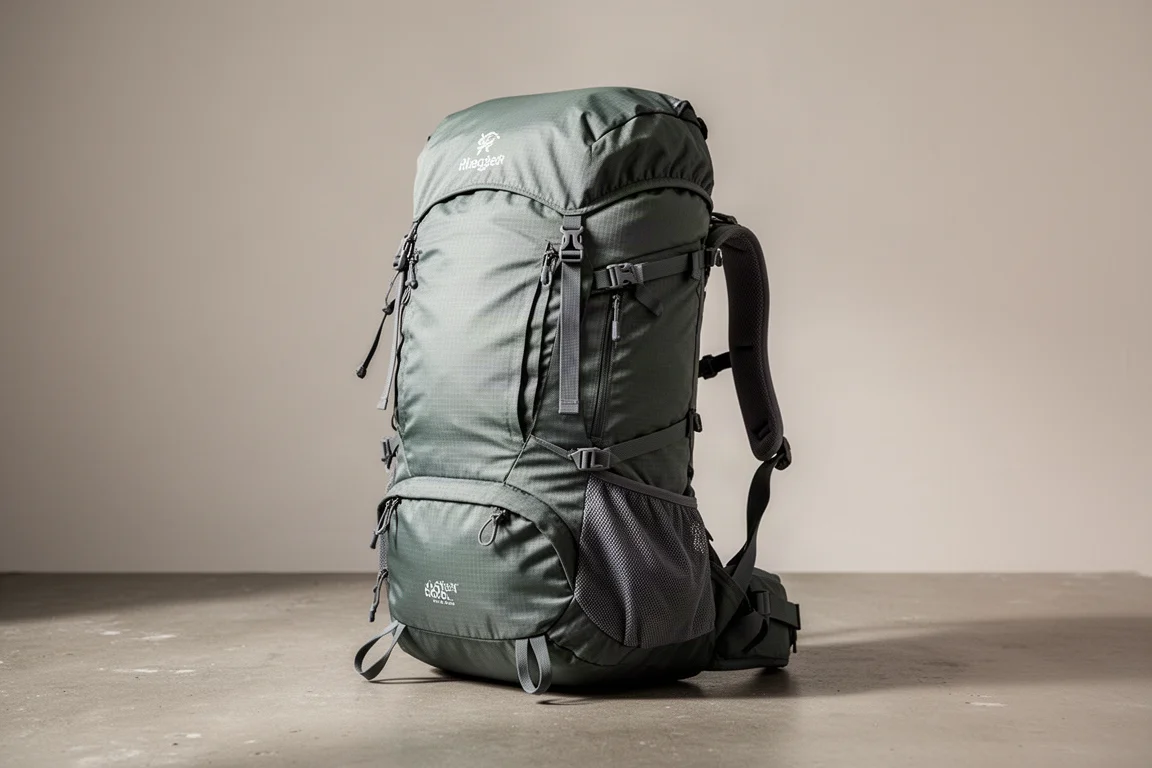
Best Lightweight Backpack: Granite Gear Crown 2
The Granite Gear Crown 2 60-liter pack sits right at the $200 mark, and it has built a strong following among backpackers who describe it as lightweight, well built, and comfortable to carry. On price and reputation alone, it earns a place on a list like this.
It is worth being clear about what that means. This is a widely trusted option rather than a hands-on pick, so treat the fit as something to verify for yourself. If the 60-liter capacity and the weight suit your kit, it is one of the better-regarded packs at this price.
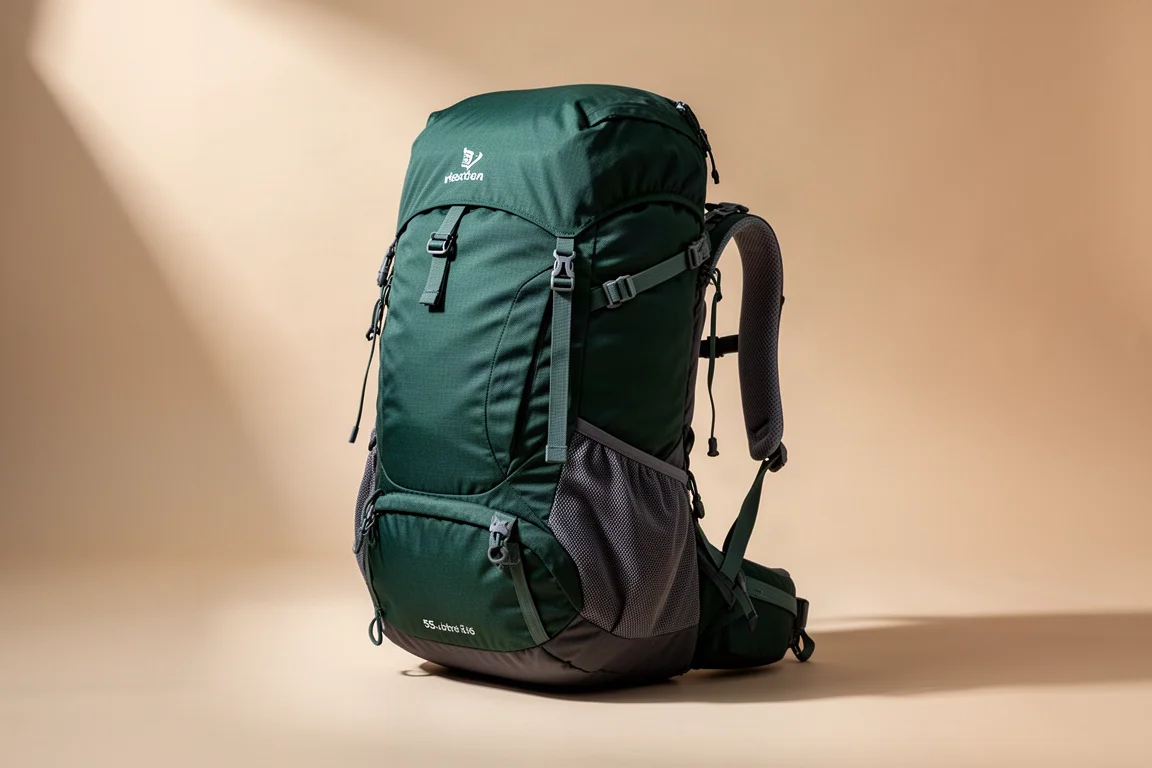
Best Starter Backpack: Kelty Asher 55
The Kelty Asher 55 is a traditional-style pack that costs $140 and weighs just over 3 pounds. Kelty has been building packs for a long time, and this one is well made for the money.
That combination makes it a strong starter pack. It is an easy recommendation for a first backpacking setup, or for anyone helping a friend or family member get on the trail without spending much. It gives up some of the refinement of a specialist ultralight pack, but it does the job at a price that removes most of the risk.
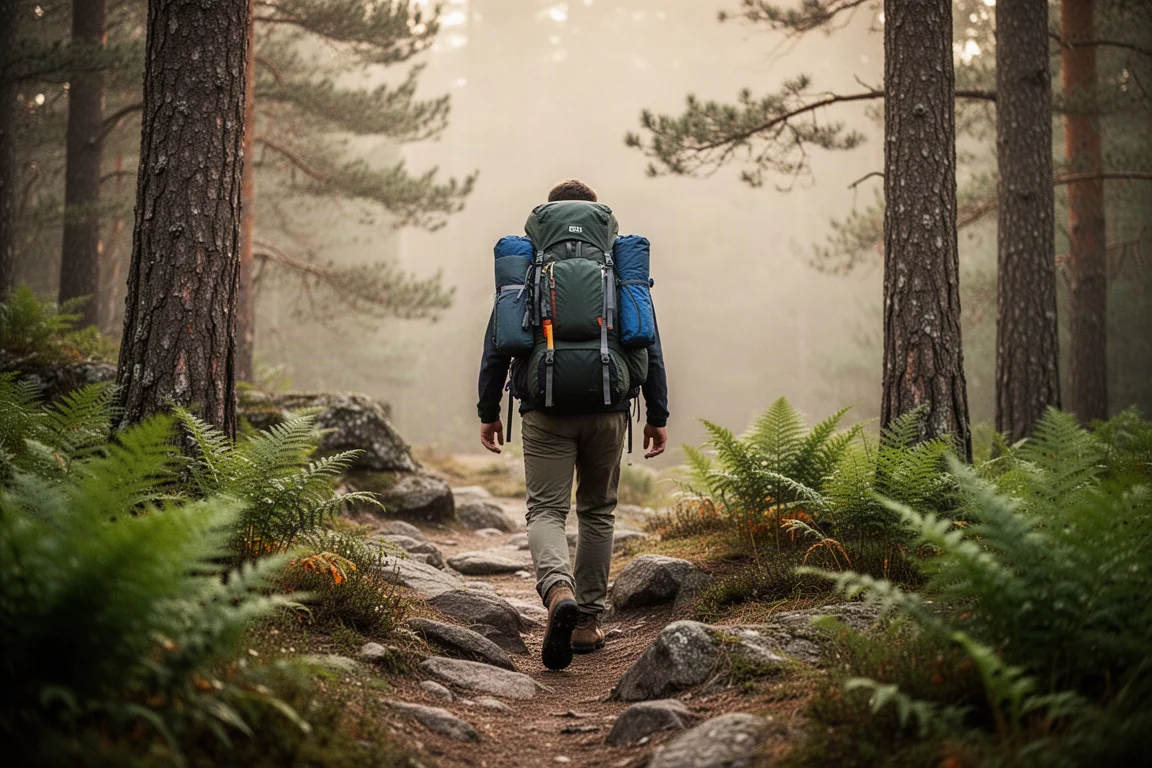
For a first kit, the pack is a sensible place to save. The money is better spent on the sleep system, where warmth and comfort have a much bigger effect on how a trip feels.
Best Budget Tent: Big Agnes C Bar 2
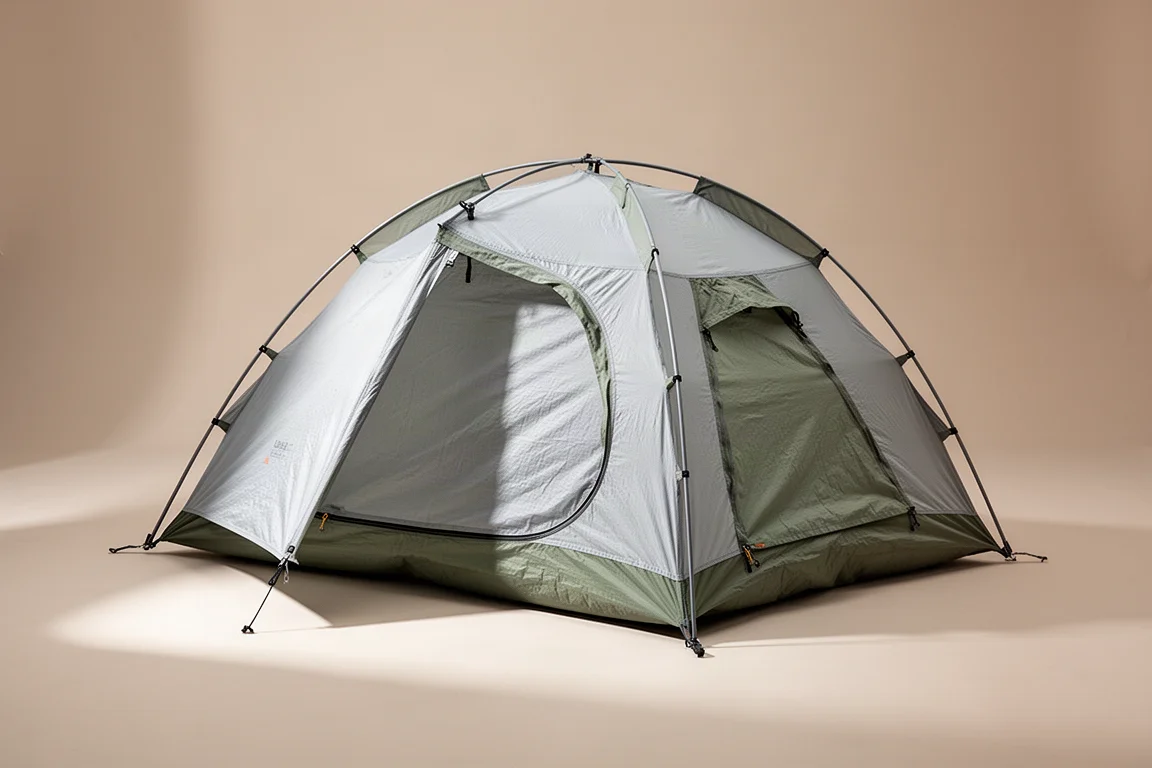
The Big Agnes C Bar 2 is a two-person tent that weighs 4 pounds even, and weight was the priority in choosing it. For one person it is genuinely roomy: a 25-inch wide pad fits with plenty of space left for gear. Two people can use it, but only with mummy pads or 20-inch wide pads, which is a real constraint.
The 4-pound weight is the other compromise. It is manageable when split between two people, but it is heavier than anyone would choose. That is the reality of the price point: a lighter name-brand shelter means spending more, and this tent is the honest answer for a fixed budget.
Overall Buying Advice
If you are building a kit from this list, start with the sleep system. A pad with a 4.2 R-value and a down bag rated for three-season use will do more for your comfort than any other two purchases, and they are the items you will notice every single night.
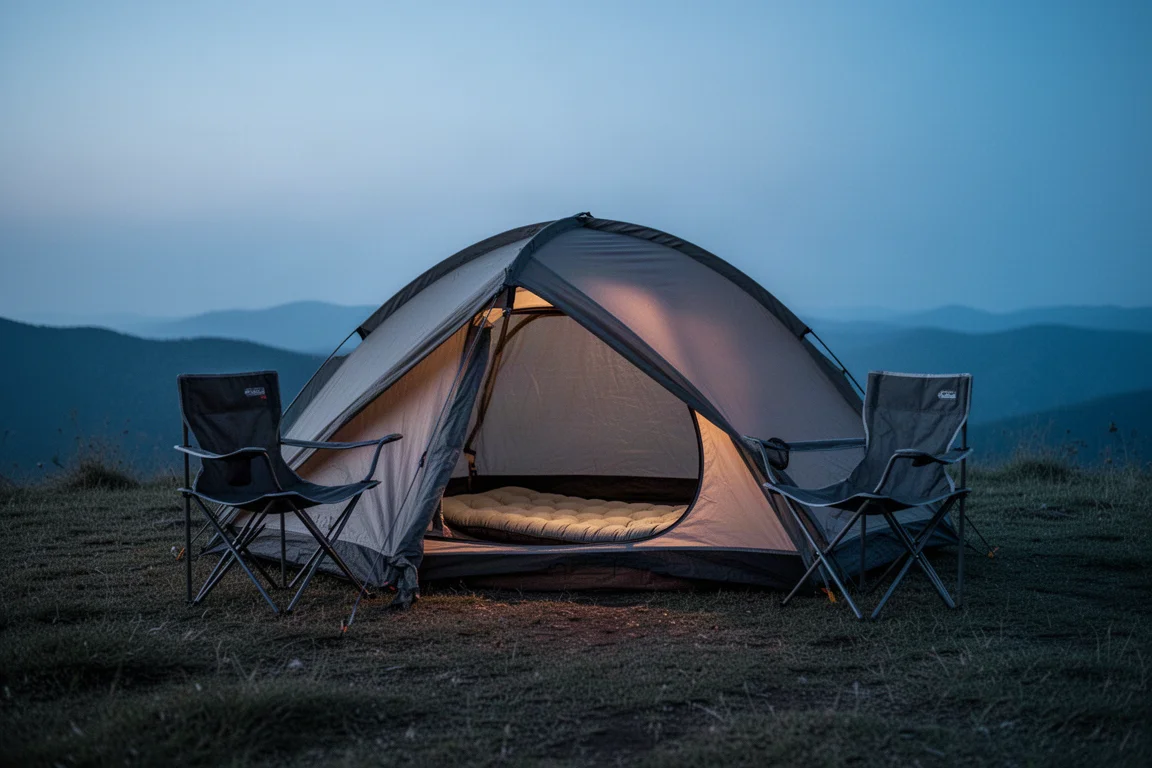
From there, work outward. Choose the integrated cook system if convenience matters more than cost, or the canister stove and a separate pot if it does not. Add a satellite communicator if your trips take you beyond cell coverage, and treat the chair as an optional comfort upgrade rather than a requirement.
The two big-ticket compromises are the pack and the shelter. The 55-liter pack is the low-risk starting point, the 60-liter option is the lighter pick at the ceiling, and the two-person tent trades weight for price. None of these choices will keep you off the trail. They simply decide how much you carry and how much you spend.
Conclusion
A capable backpacking kit does not require premium prices. With a $200 ceiling and a preference for established brands, this list covers every major category: a warm, comfortable pad, an affordable down bag, a stove setup that suits your style, a communicator for safety beyond coverage, a pack that fits your experience level, and a shelter that gets the job done.
Buy the sleep system first, fill in the rest as your trips demand, and the total stays far lower than the hobby’s reputation suggests.
Further reading
Related Reviews

Backpacking Gear
Building a 10 lb Base Weight: An Ultralight Backpacking Gear List
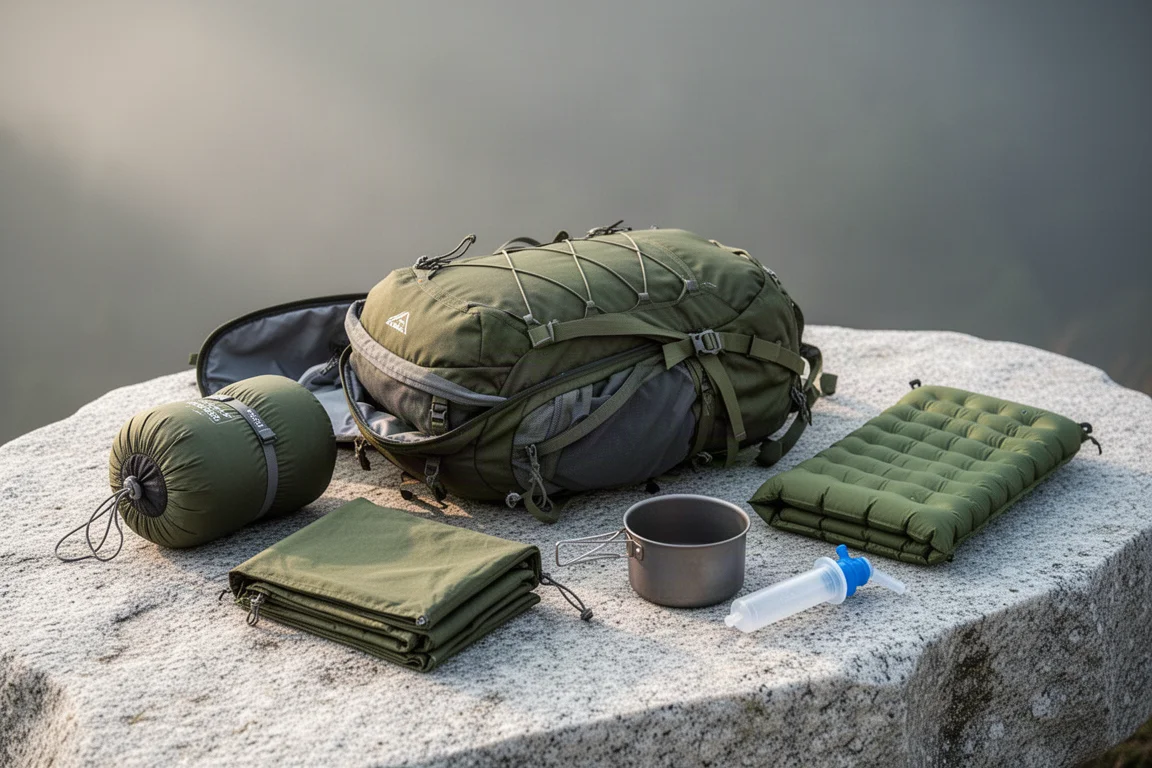
A practical walkthrough of the ultralight pieces behind a 10 lb base weight, from a 765 g pack and a roomy one-person tent to a full camp chair and a dependable water filter.
Backpacking Gear
A 15-Pound Lightweight Backpacking Gear List for Solo Trips
A beginner-friendly 15-pound backpacking setup built from easy-to-find gear, with notes on what each piece does, how it packs, and where to spend your attention.
Backpacking Gear
8 Ultralight Backpacking Gear Upgrades Worth Carrying
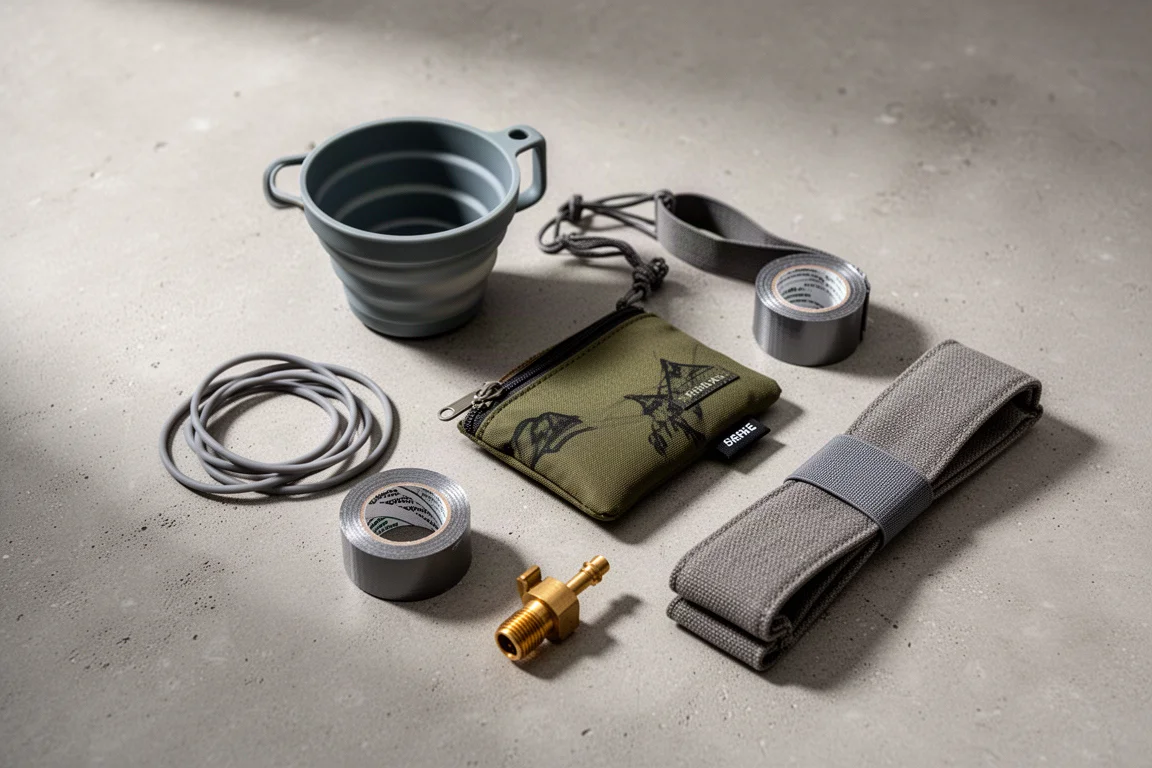
Eight small, affordable backpacking upgrades that solve real trail annoyances, from a pillow that stays put to a fuel valve that rescues leftover canister gas.