Backpacking Gear
Best Backpacking Gear Under $20: Four Small Items That Carry Their Weight
Four low-cost backpacking essentials worth the space they take up: longer tent stakes that hold, blister tape that stays put, a waterproof pack liner, and a compact repair kit.
Introduction
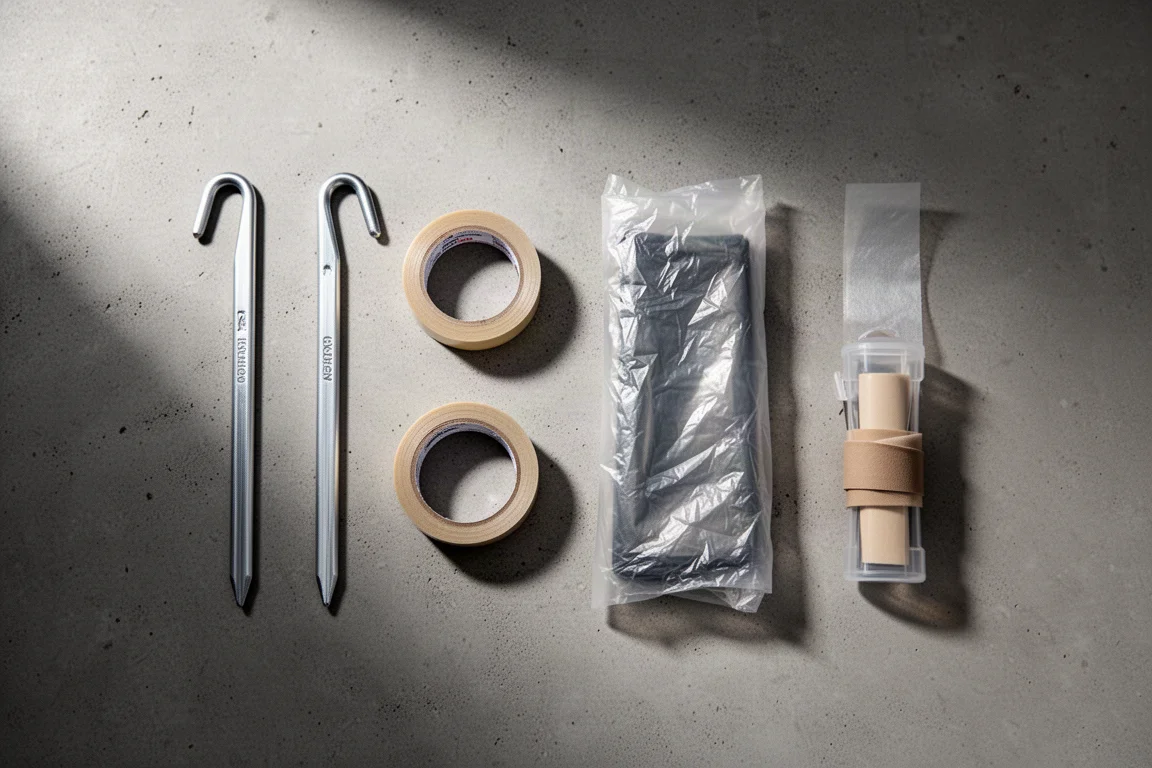
Tents, sleeping bags, and sleeping pads get most of the attention when a backpacking kit is planned, and they do make a large difference to how a trip feels. The smaller items are easy to overlook, yet they often decide whether a day on trail goes smoothly. This guide covers four compact pieces of gear that each cost less than $20 and solve a very specific problem: stakes that hold in difficult ground, tape that keeps blisters from taking over, a liner that keeps a sleeping system dry, and a repair kit that can rescue a trip after a tear or a broken buckle.
Each item is small, light, and inexpensive relative to the failure it prevents. None of them requires a big change to how a pack is organized.
What Makes These Items Worth Carrying
Low pack weight is a reasonable goal, but chasing the lowest possible number can backfire. Titanium shepherd hooks and titanium V-stakes are impressively light, yet they pull out of anything except the best soil. The stakes supplied with high-end tents often share the same weakness, with limited holding power once the ground turns loose or rocky.
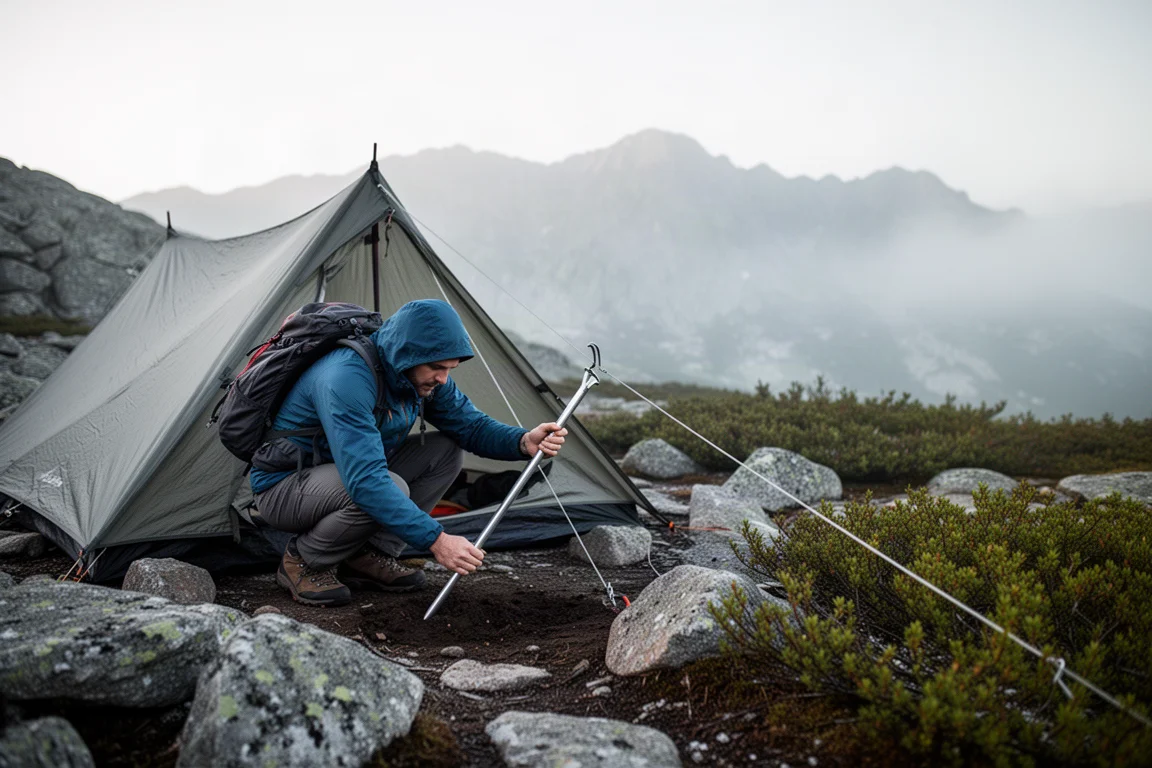
What the four items in this guide have in common is that they address a failure point. A stake that releases in the middle of the night, a blister that opens up, a soaked sleeping bag, or a torn pack strap can each change the shape of a trip. Every one of these items weighs very little, costs very little, and is easy to carry on every trip rather than only on the trips where it seems necessary.
MSR Groundhog Stakes: Holding Power Where It Counts
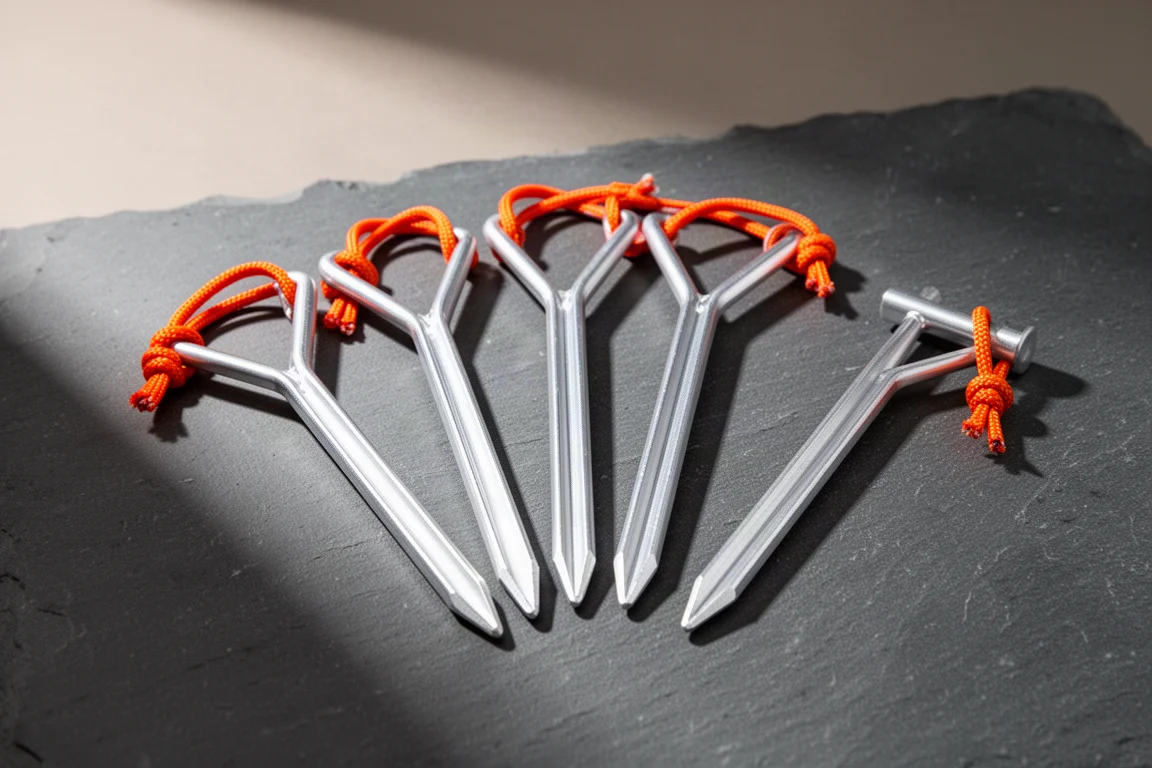
The MSR Groundhog is a T-stake design, and the detail that matters most is not the shape of the head but the length of the stake. Longer stakes hold noticeably better than short ones. When common designs are driven into the ground at a 45 degree angle, attached to a guyline, and loaded by leaning back, the shorter shepherd hook, the V-stake, and the stake supplied with a high-end tent all release easily. The MSR Groundhog holds firm, and a longer aluminium stake holds even more strongly, requiring most of a person’s weight before it begins to move.
That difference matters most on exposed pitches, in loose or rocky soil, and anywhere a guyline sits under real tension. It also matters on nights when wind picks up and the shelter needs every anchor point to stay exactly where it was placed.
Leukotape: Blister Care That Stays Put
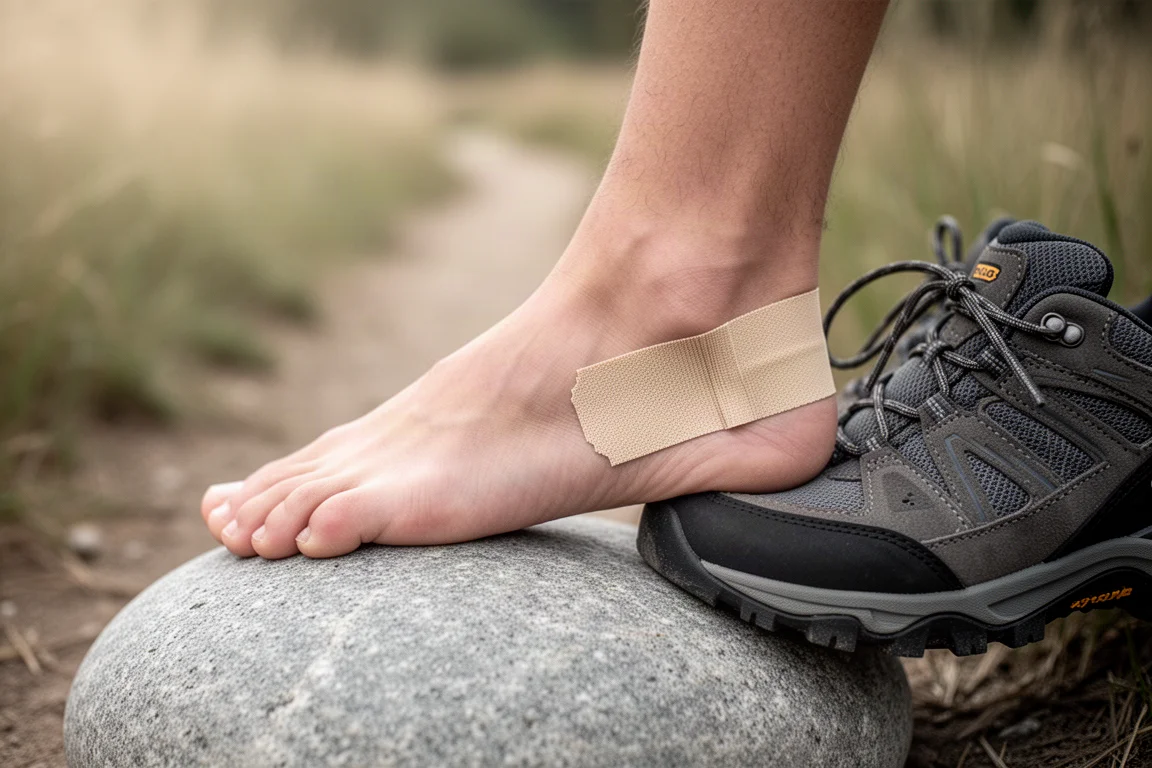
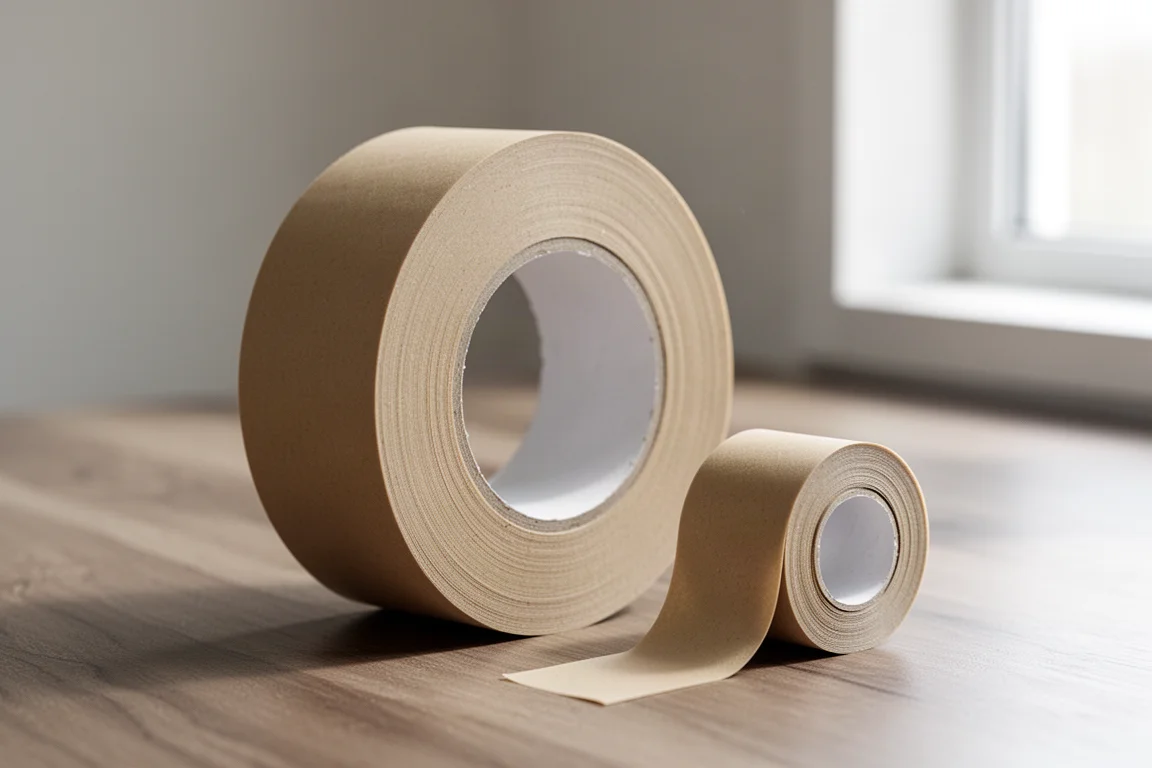
Leukotape earns its place for one reason: it handles hot spots before they turn into blisters. It tears by hand, so scissors are not strictly required, although trimming the corners helps the edges stay flat and stops the tape from peeling. It also adheres well to skin that is damp or sweaty, which matters on multi-day trips when a clean, dry foot is not always available. It has stayed in place on skin for up to five days.
It is compact as well. A full roll wound around a small piece of plastic takes up less space than a roll of athletic tape and can last three or four years of occasional use, which makes the cost per trip almost nothing.
Nylofume Pack Liner: A Waterproof Packing System
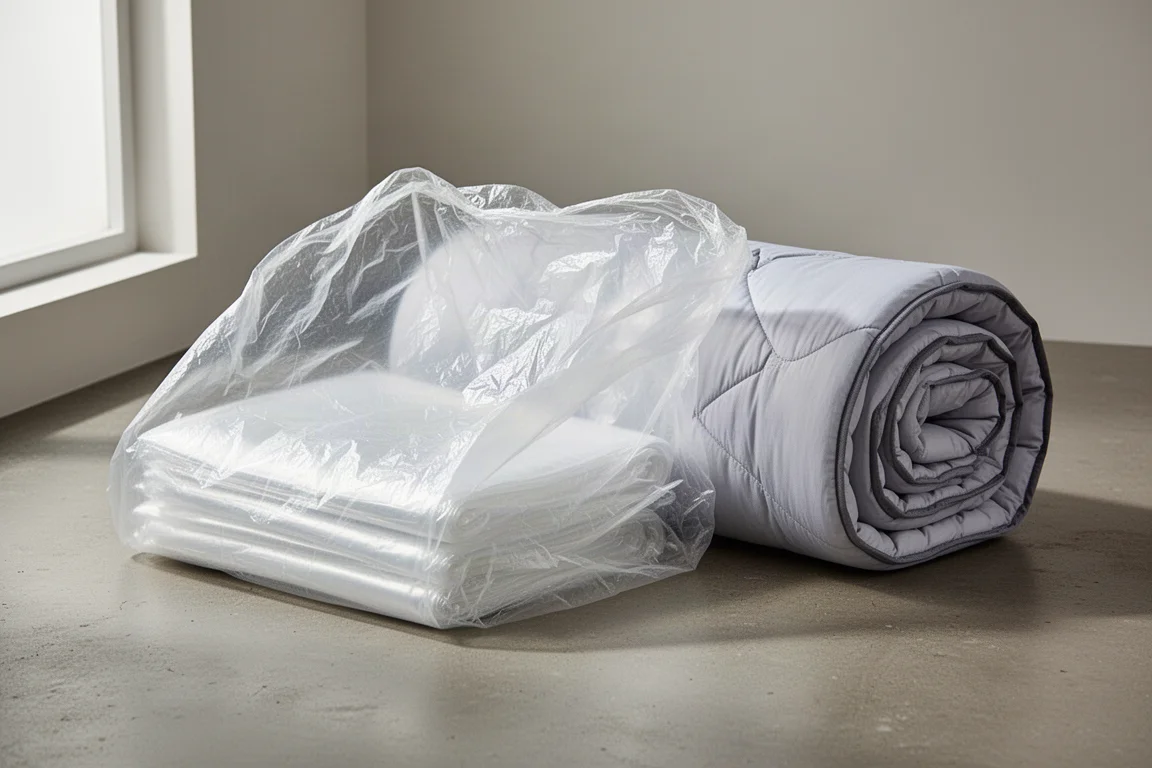
A Nylofume pack liner is lightweight, waterproof, and sized to fit neatly inside most packs. The system is simple. The liner goes into the pack first, and a quilt or sleeping bag is stuffed loose inside it to fill the base of the pack. A sleeping pad, pillow, and clothing go in next, either loose or in a stuff sack. Anything else that needs to stay dry goes into the same liner. The top is then twisted closed and tucked down the side.
Used this way, the liner keeps a sleeping system dry through sustained rain and also helps the pack hold its shape so it sits comfortably against the back. It has kept everything inside a pack dry on wet coastal routes and on trips with intermittent rain.
Common Gear Repair Kit: Small Insurance Against Trip-Ending Damage
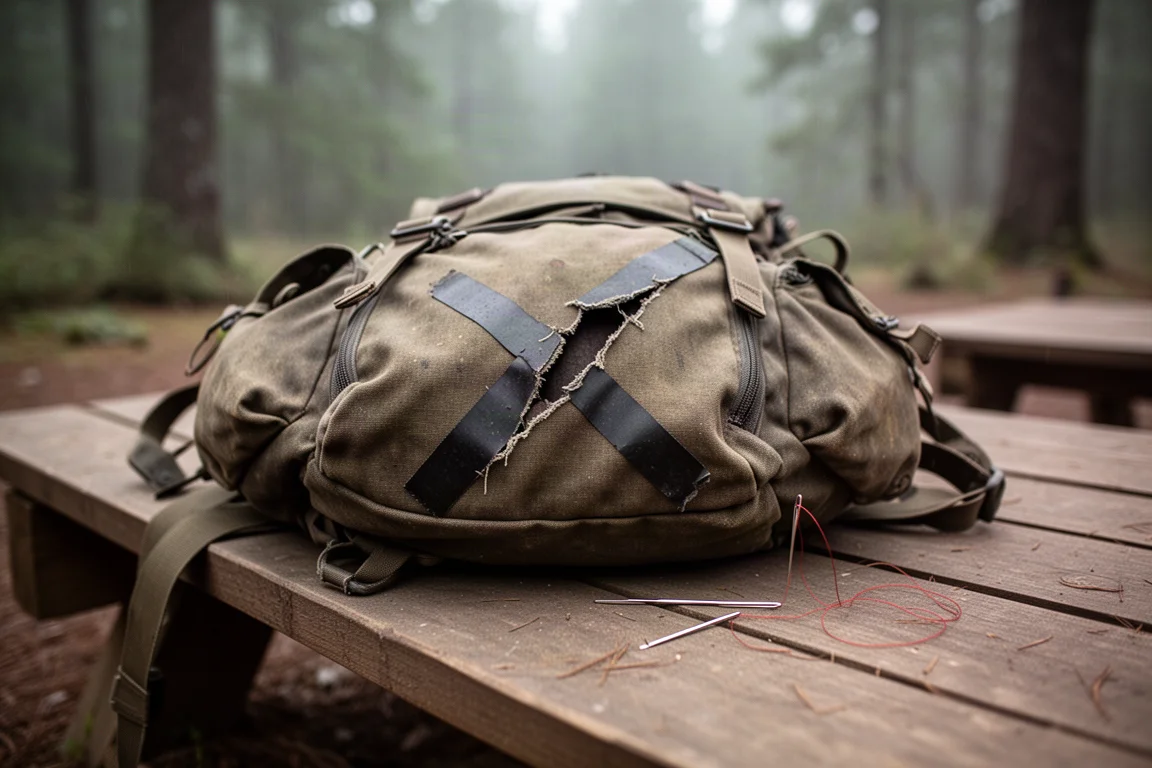
A repair kit is the item most people leave at home and most wish they had brought. Gashes in packs, holes in shoes, holes in sleeping bags, broken buckles, and snapped pack straps are all common enough, and a large enough tear in a sleeping bag or quilt can mean losing a serious amount of down. Any of those problems can end a trip early when there is nothing on hand to fix them.
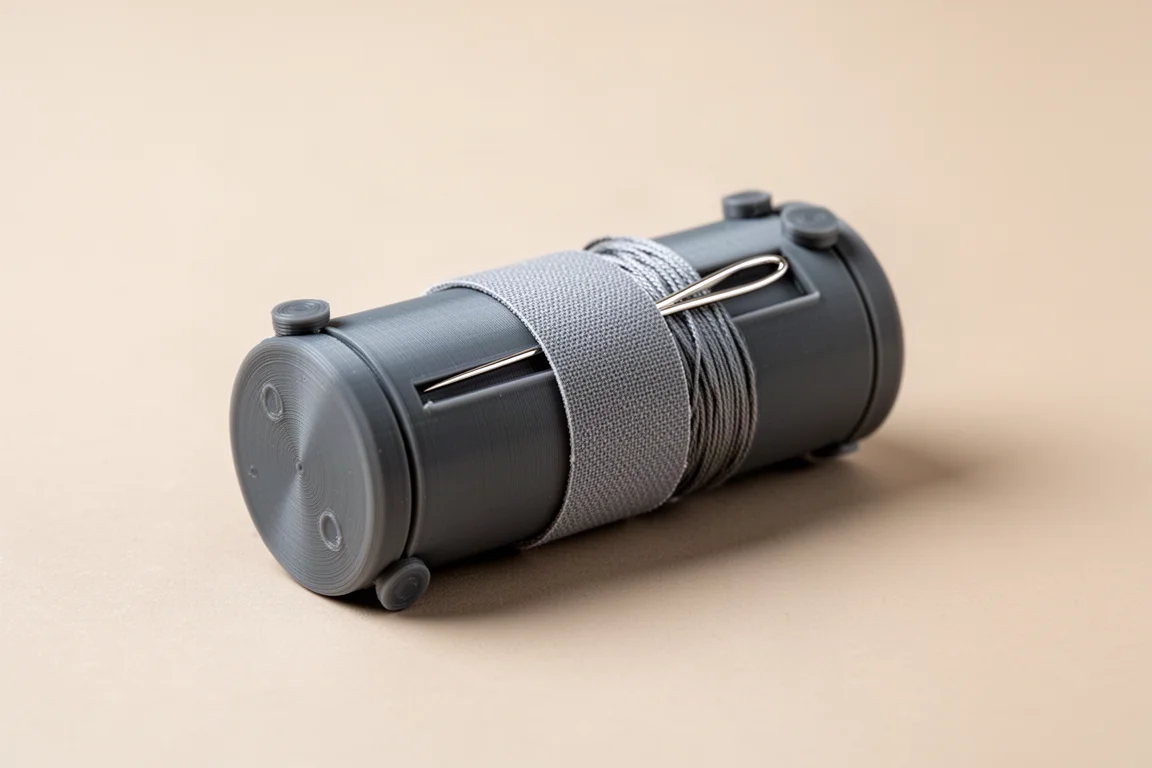
The Common Gear repair kit wraps tape around a plastic core, and the core itself has a small compartment that holds a needle so it does not get lost. The smaller version covers the essentials, while the larger version adds a compartment for patch kits so everything stays in one tight, compact unit. The contents match what a self-assembled repair kit would normally include.
Buying Advice
These four items are not competing with one another, so the real decision is which failure points are most likely on the trips being planned. Anyone pitching a tent in loose, rocky, or exposed ground will notice the difference a longer stake makes. Hikers who blister easily will get more use out of a roll of Leukotape than out of almost anything else in the pack. A pack liner is worth carrying whenever rain is plausible, and a repair kit is worth carrying on every multi-day trip, particularly when the sleeping bag or quilt uses thin, easily torn fabric.
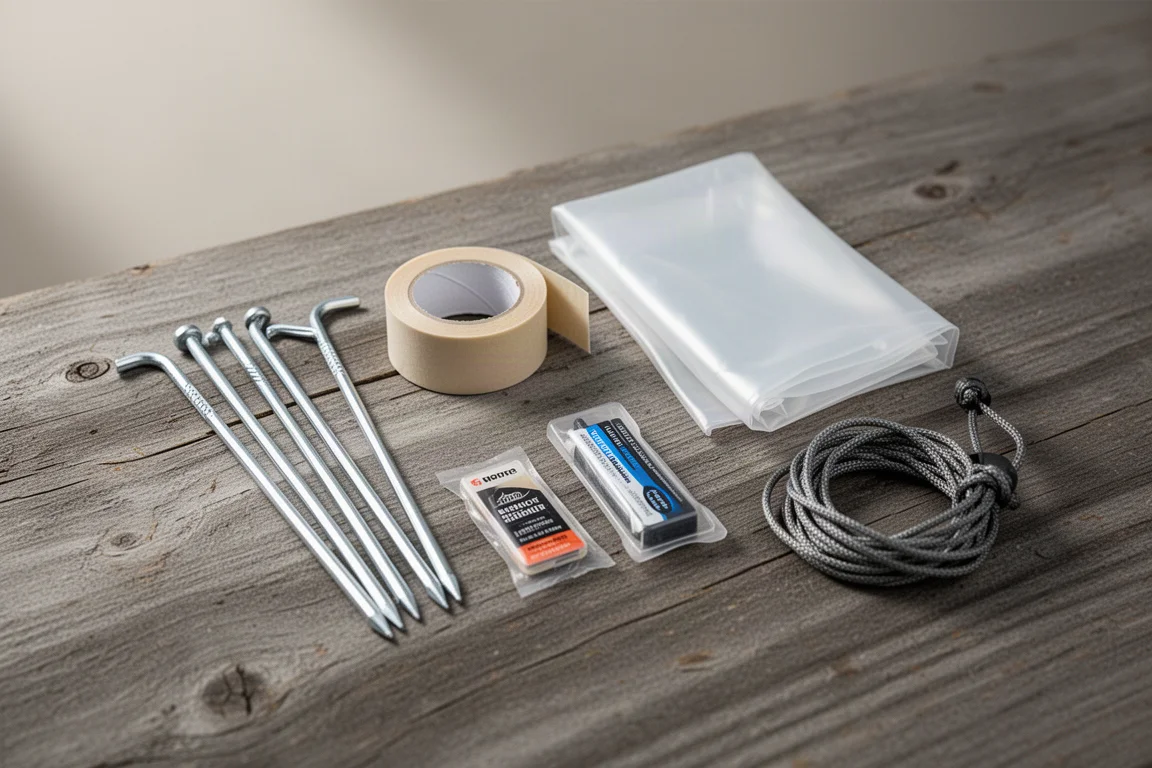
Because each item costs little and weighs little, most backpackers can carry all four without much thought. The longer stakes and the larger repair kit add a small amount of bulk, so anyone counting grams carefully may want to weigh those trade-offs, but none of these items is heavy enough to justify leaving it behind.
Conclusion
The gear that gets discussed most is rarely the gear that saves a trip. Longer T-stakes that hold in bad ground, a roll of tape that stays on a hot spot for days, a liner that keeps a sleeping bag dry, and a compact repair kit are all inexpensive additions, and each one removes a specific risk from a backpacking trip. For a small outlay of money and pack space, they make the bigger items in a kit work the way they are supposed to.
Further reading
Related Reviews

Backpacking Gear
Building a 10 lb Base Weight: An Ultralight Backpacking Gear List
A practical walkthrough of the ultralight pieces behind a 10 lb base weight, from a 765 g pack and a roomy one-person tent to a full camp chair and a dependable water filter.
Backpacking Gear
A 15-Pound Lightweight Backpacking Gear List for Solo Trips
A beginner-friendly 15-pound backpacking setup built from easy-to-find gear, with notes on what each piece does, how it packs, and where to spend your attention.
Backpacking Gear
8 Ultralight Backpacking Gear Upgrades Worth Carrying
Eight small, affordable backpacking upgrades that solve real trail annoyances, from a pillow that stays put to a fuel valve that rescues leftover canister gas.