Backpacking Gear
Best Backpacking Gear Under $1,000: Shelter, Sleep System, and Pack
A complete first backpacking kit built in the right order, with light, well-made picks that keep the big three inside a roughly $1,000 budget.
Introduction
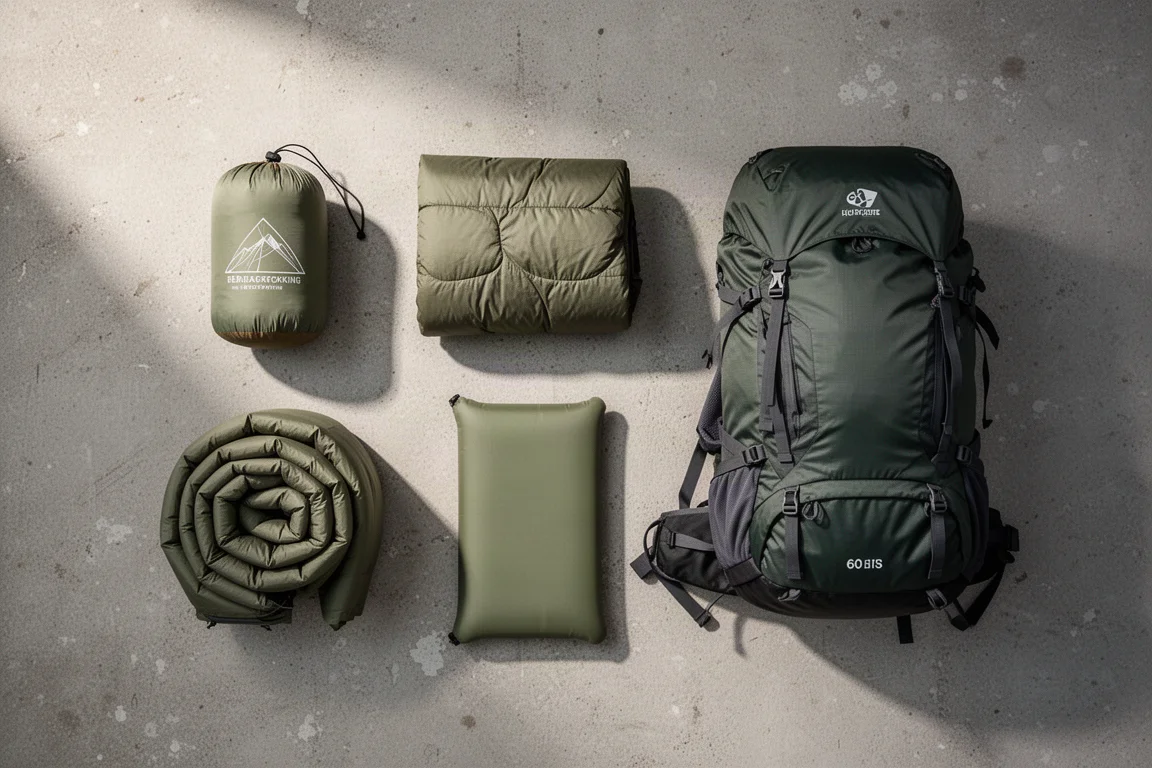
Putting together a first backpacking kit is mostly a decision about order. The three items that matter most are shelter, sleep system, and backpack, and they are best bought in that sequence. The tent comes first, then the sleep system, then the pack, because the pack has to swallow everything else. Buy the backpack first and the odds are good you end up with the wrong volume or the wrong size for the gear you eventually choose.
The six items below are the ones worth building a first kit around. They are light enough to make long days comfortable, proven enough to trust on trail, and priced so that a complete big three setup stays inside a roughly $1,000 budget.
What Matters in a First Backpacking Kit
Three things matter most in the gear you buy: it has to be quality, it has to be light, and it has to be reasonably priced. Cheap no-name equipment can survive a trip or two, but a full season of regular backpacking is a different test. Lightweight gear that is built well is the difference between a kit you keep using and one you replace.
Beyond the big three, almost nothing else has to be bought new. A two or three pound puffy jacket already hanging in the closet will do. A simple poncho covers rain. A phone flashlight handles a night or two of walking. Food can travel in a grocery bag or a few ziplock bags. The money is better spent on the tent, the sleep system, and the pack.
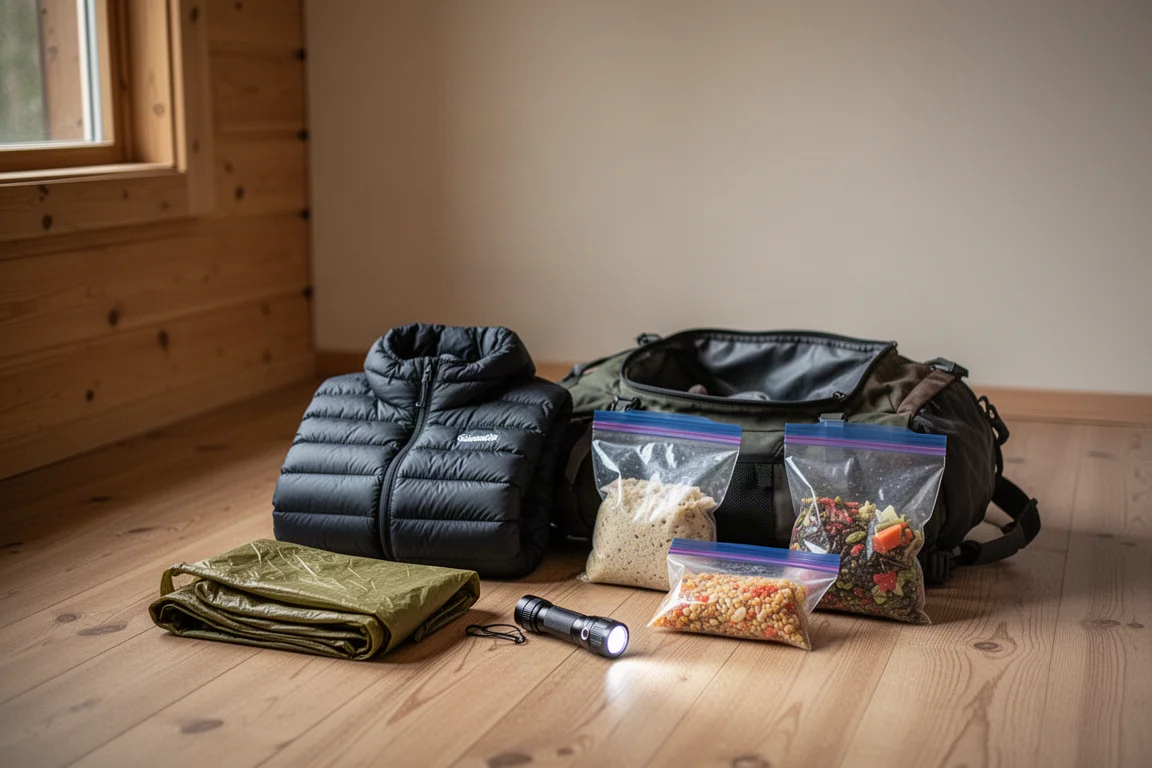
That is also why the picks here favor gear that is easy to live with rather than the absolute cheapest option on the shelf. Every item below is something worth keeping after the first season.
Best Tent: Nemo Hornet 2-Person Tent
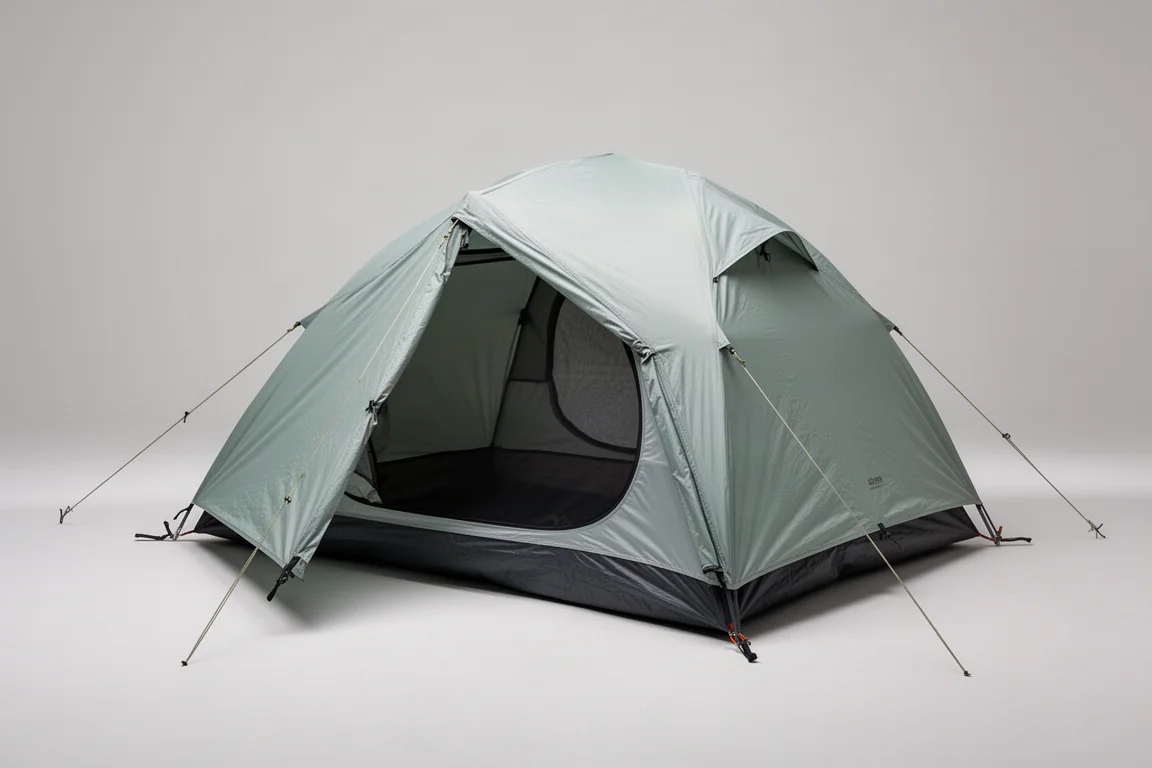
A two-person tent is the right starting point even for one person. The extra room makes a real difference for anyone still carrying bulkier gear, and the Nemo Hornet 2-Person Tent delivers that space at a very low weight. It is one of the lightest two-person options available, and it is priced below other tents in the same class.
The trade-off is width. Headroom in the height sense is fine, but the interior is narrow, so one person fits comfortably while two occupants will find themselves brushing the mesh inner walls. For a first tent that has to work for solo trips and the occasional partner, that is an easy compromise to accept.
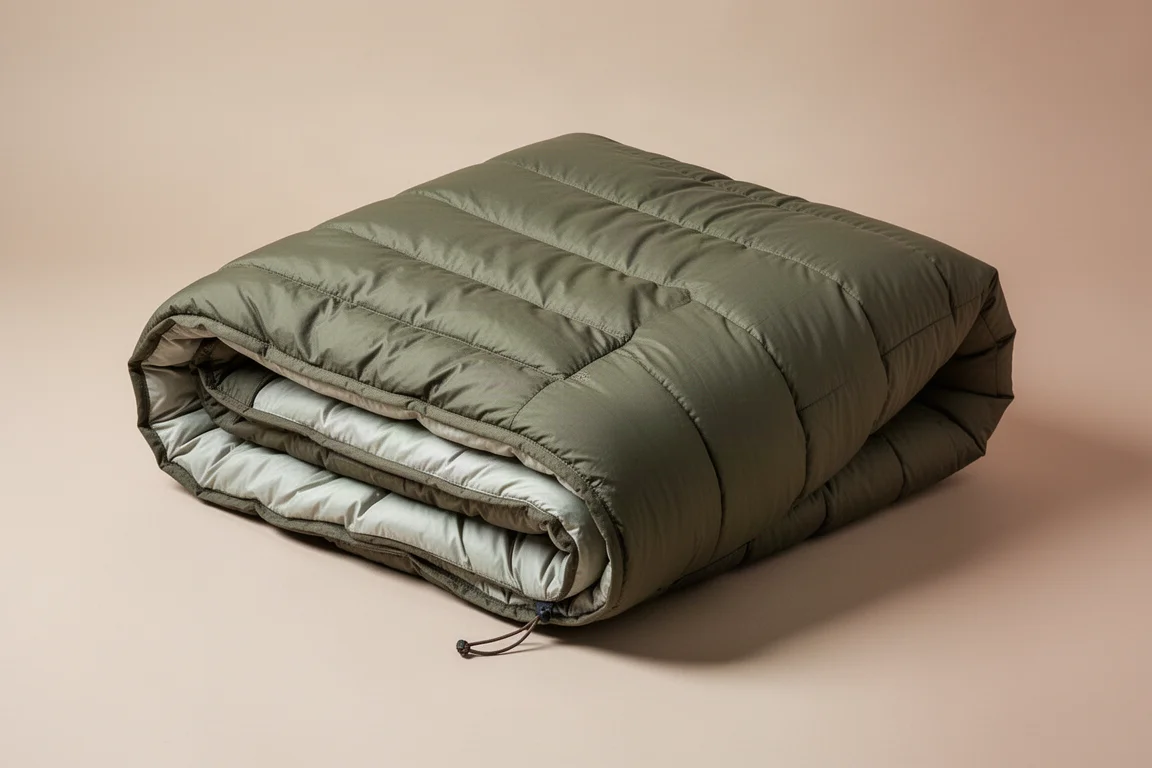
Best Quilt: UGQ Bandit 20-Degree Quilt
A sleeping bag is easier for a complete beginner. Most people have used one their whole lives, and there is no technique to learn. A quilt, on the other hand, is a learned experience. Some people take to it immediately, while others sleep cold until they understand how to use it and how to buy the right one. The reason a quilt earns a place here anyway is cost. A down quilt is lighter than a synthetic one and less expensive than even the budget down sleeping bags, which matters when the whole kit has to stay inside a set budget.
The UGQ Bandit is the pick, and the 20 degree rating is the version worth choosing because it covers the widest range of conditions across most of the year. The dynamic tension option, roughly ten dollars extra, adds a shock cord running along the sides from the head end to the footbox. Pulling on it wraps the quilt underneath the sleeper, closer to how a sleeping bag behaves, which shortens the learning curve considerably.
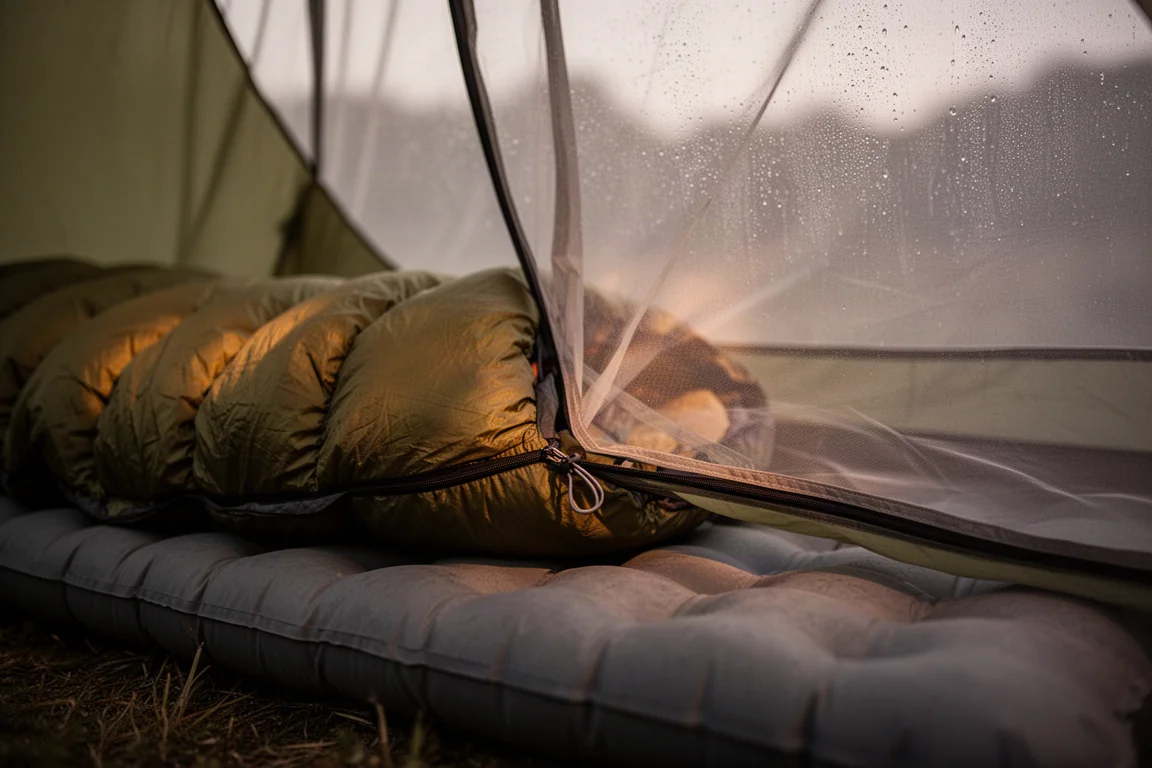
Down fill is the reason this quilt stays light, and the 20 degree rating is versatile enough for three-season use in most conditions. Anyone who sleeps very cold, or who simply wants zero technique to think about, is still better served by a traditional bag.
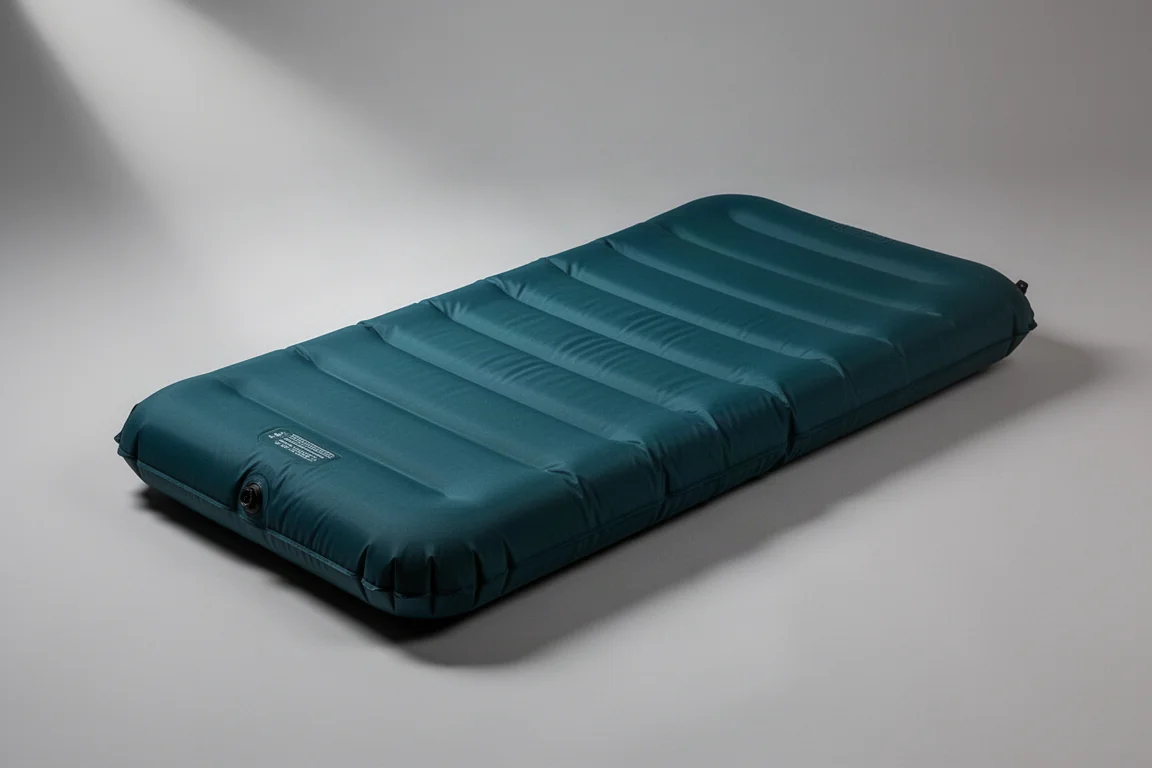
Best Sleeping Pad for Cooler Nights: Nemo Tensor Insulated
Insulation is the deciding factor for most first pads. The Nemo Tensor Insulated is the recommendation for newer backpackers because it keeps sleepers warm into the low 30s and possibly the high 20s. It is not the lightest pad available, but it is still extremely light, and it is comfortable enough to make the small weight penalty worthwhile.
Width deserves attention here. A 25 inch wide pad is a better choice than a 20 inch pad for anyone new to sleeping on the ground, since rolling off a narrow mat in the middle of the night is a common and avoidable frustration.
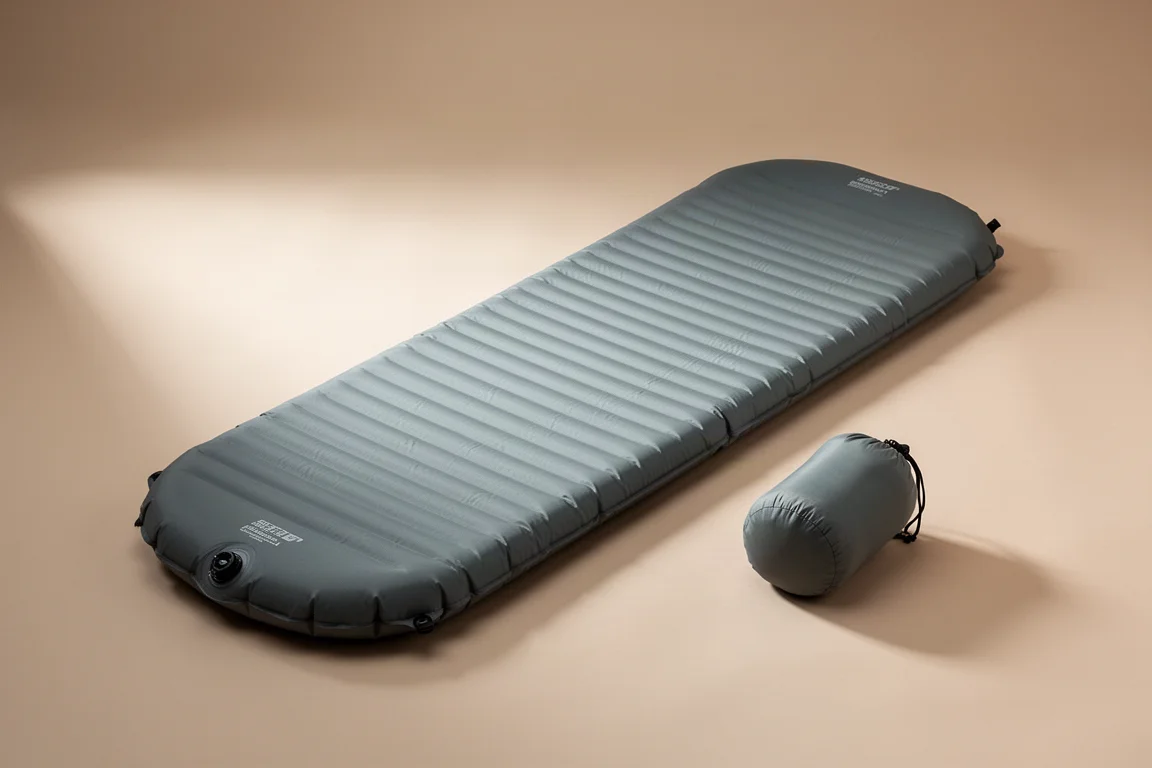
Best Ultralight Pad Option: Therm-a-Rest NeoAir UberLite
The Therm-a-Rest NeoAir UberLite is the other side of the same decision. It is remarkably light and genuinely comfortable, and it costs about the same as the insulated option. What it gives up is warmth: a warm sleeper can take it down to the mid 40s or low 40s, and below that the cold starts to win. For summer trips and mild shoulder-season nights it is an excellent pad, and for a first kit that needs to cover more of the year the insulated pad remains the safer call.
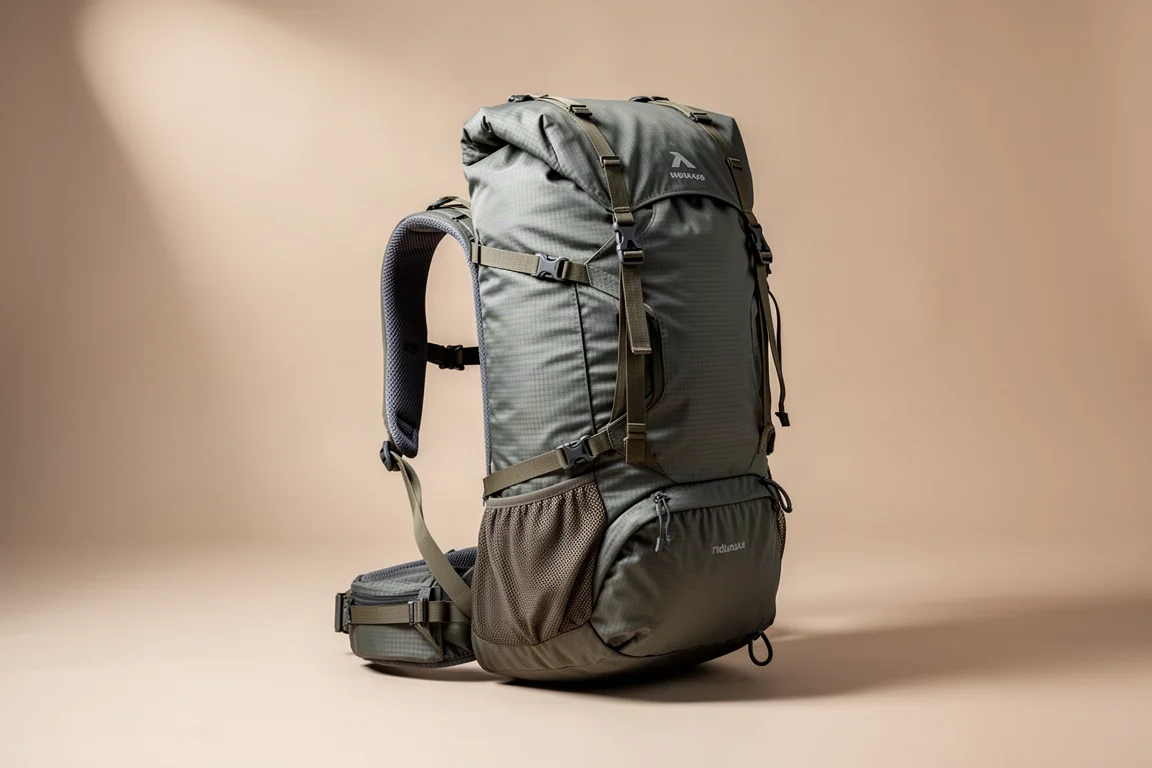
Best Backpack: Granite Gear Crown2 60
The pack is the last piece to buy, and the Granite Gear Crown2 60 is the value pick. It weighs right around two pounds, carries a real load comfortably, and has a reputation built on long-distance use, including full Appalachian Trail thru-hikes and months of continuous mileage. For the price, it is the best budget backpack available right now.
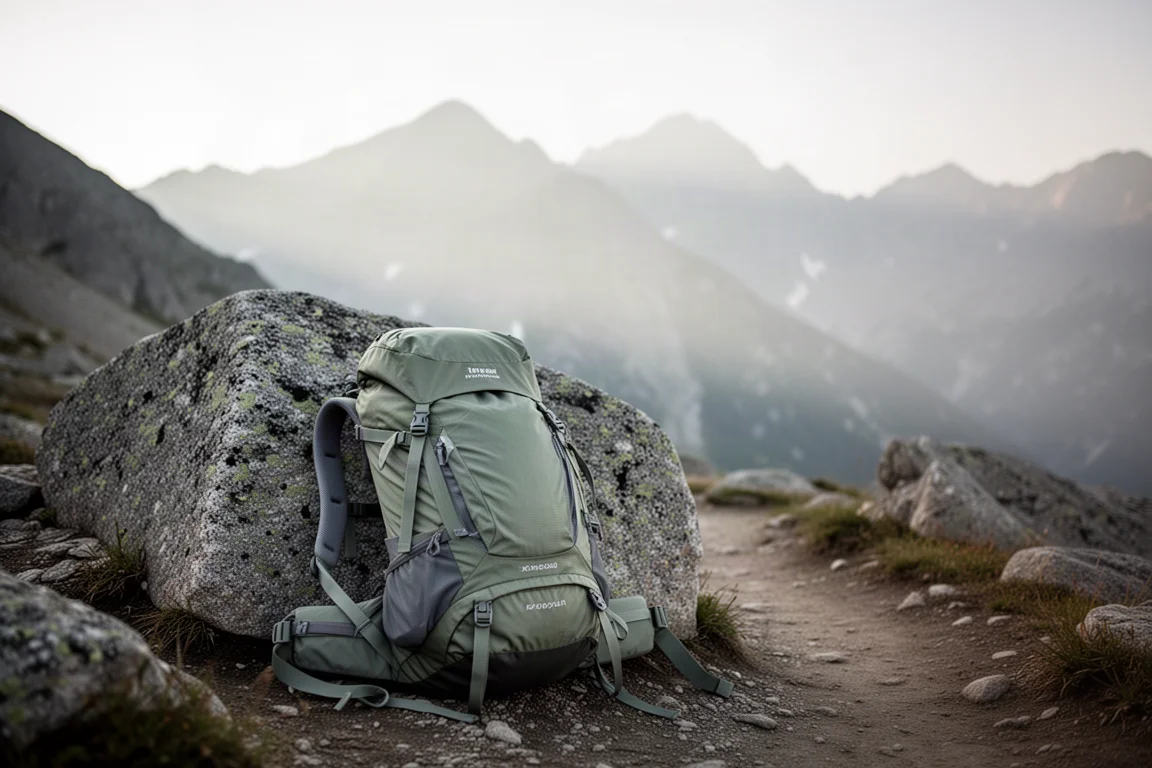
The 60 liter capacity is generous enough for a quilt, an insulated pad, a two-person tent, and several days of food without strapping gear to the outside. Higher-priced packs exist and some hikers prefer them, but nothing about this one holds a first kit back.
A Newer Option to Watch: Outdoor Vitals Shadowlight 45
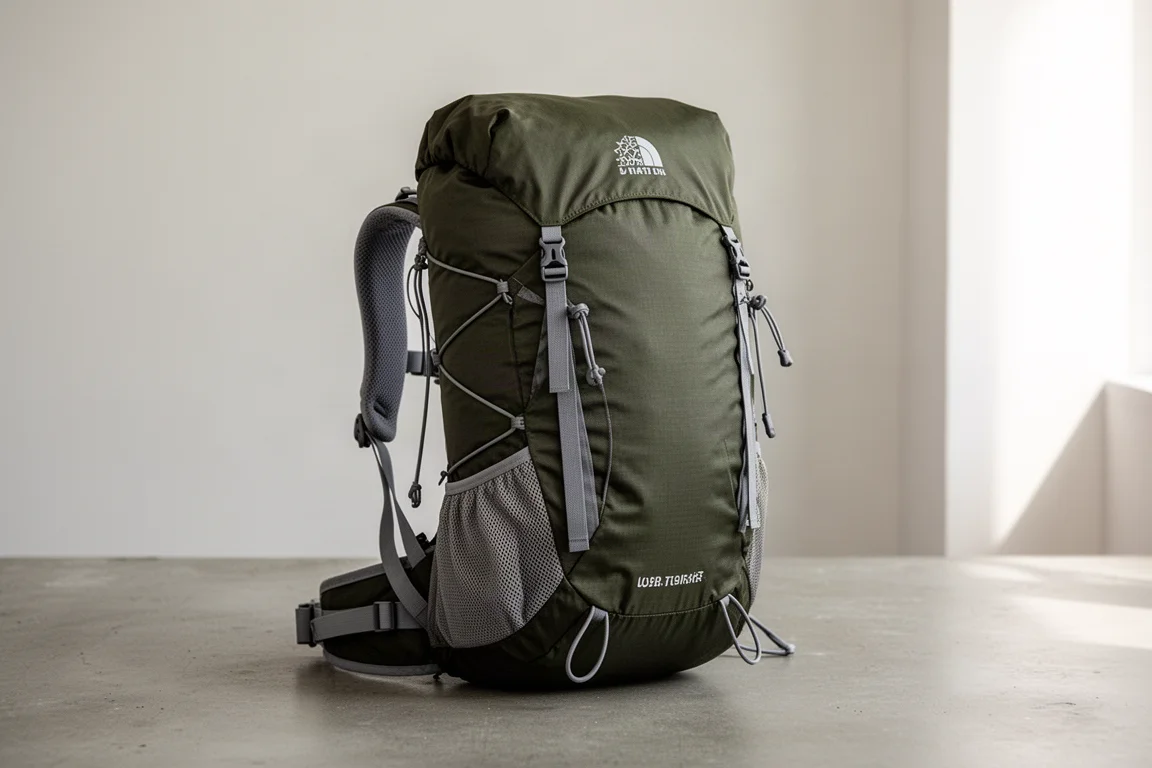
There is a second pack worth knowing about. The Outdoor Vitals Shadowlight 45 weighs two pounds and sits at roughly the same price point as the Crown2 60, but it is new and has not been widely field-tested yet. It is an option to keep an eye on rather than a recommendation to buy today, and availability is worth confirming before planning a trip around it.
Overall Buying Advice
Buy in order: shelter, then sleep system, then backpack. Choosing the pack last means its volume and fit are decided by gear that already exists rather than guesswork. Size the pad wide, choose a 20 degree quilt unless you sleep very cold, and keep the small extras simple.
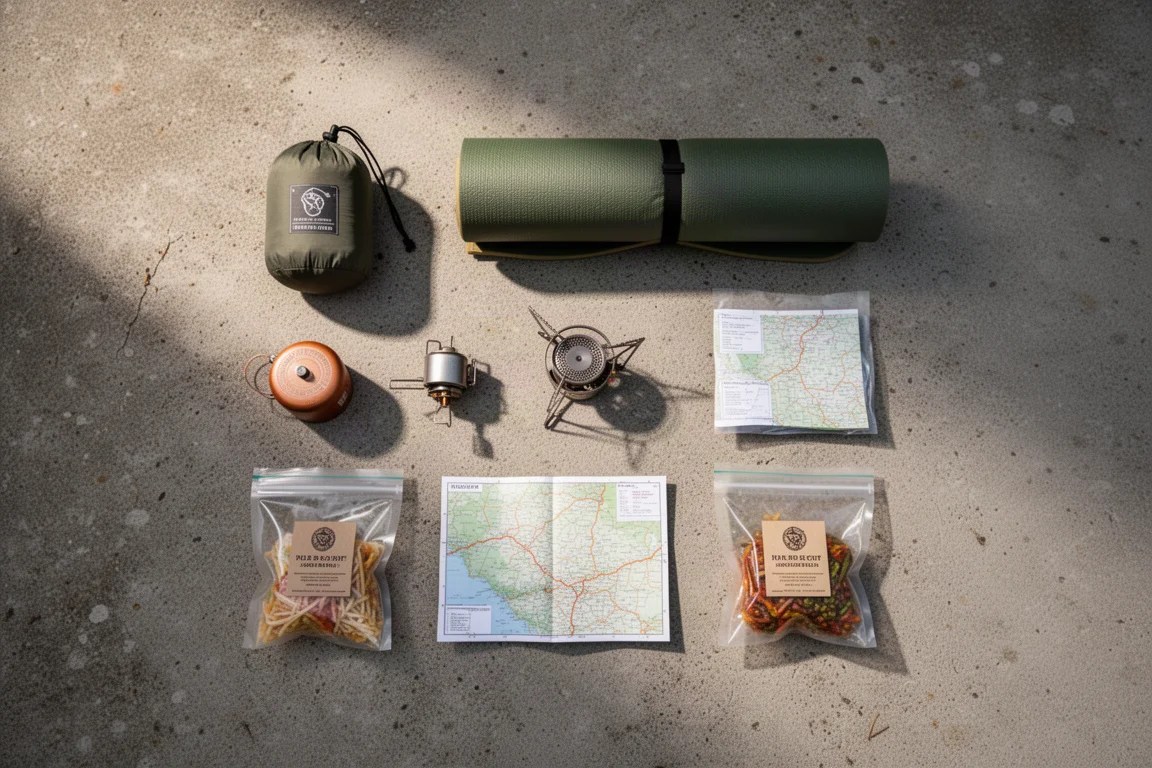
If the budget is tight, the place to save is everything that is not the big three. A closet puffy jacket, a poncho, and a phone light cost nothing, and the money they free up goes straight into the tent, the quilt, and the pack, where quality actually shows up on trail.
Conclusion
A complete first backpacking kit does not have to be complicated or expensive. A lightweight two-person tent, a 20 degree down quilt, an insulated sleeping pad, and a two pound pack cover the essentials for most of the year, and they leave room in a $1,000 budget for the small items already sitting at home.
Further reading
Related Reviews

Backpacking Gear
Building a 10 lb Base Weight: An Ultralight Backpacking Gear List
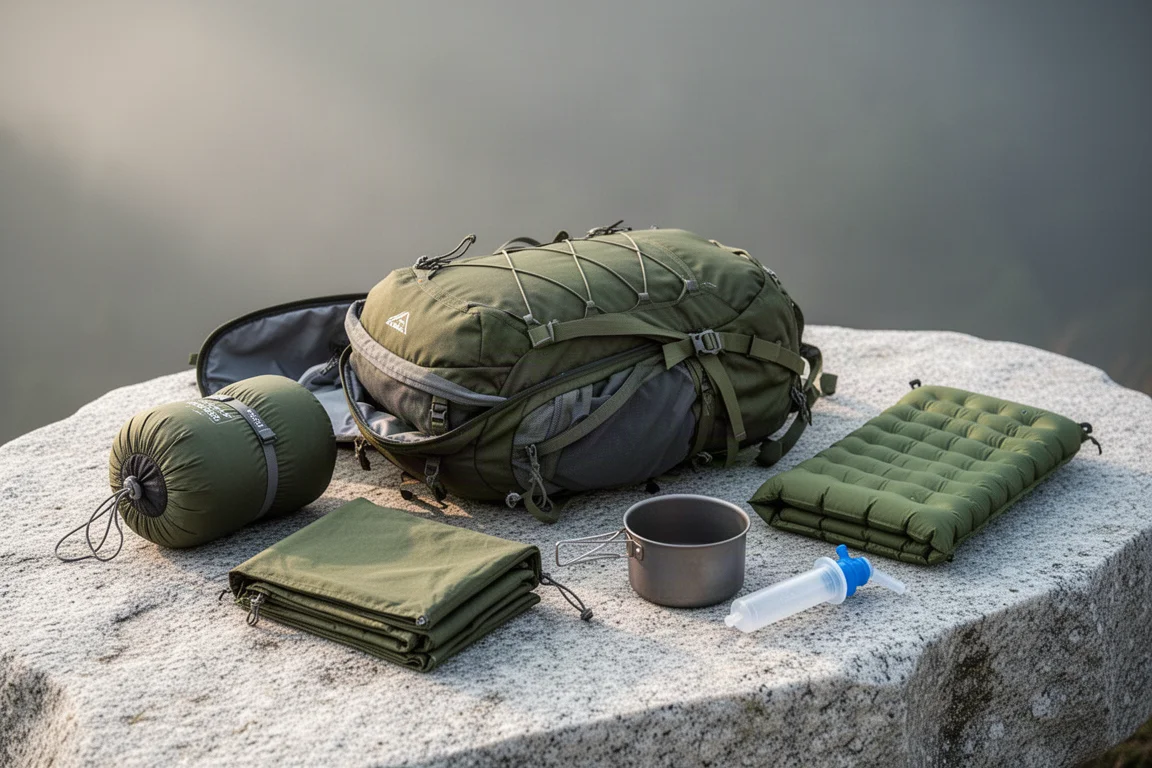
A practical walkthrough of the ultralight pieces behind a 10 lb base weight, from a 765 g pack and a roomy one-person tent to a full camp chair and a dependable water filter.
Backpacking Gear
A 15-Pound Lightweight Backpacking Gear List for Solo Trips
A beginner-friendly 15-pound backpacking setup built from easy-to-find gear, with notes on what each piece does, how it packs, and where to spend your attention.
Backpacking Gear
8 Ultralight Backpacking Gear Upgrades Worth Carrying
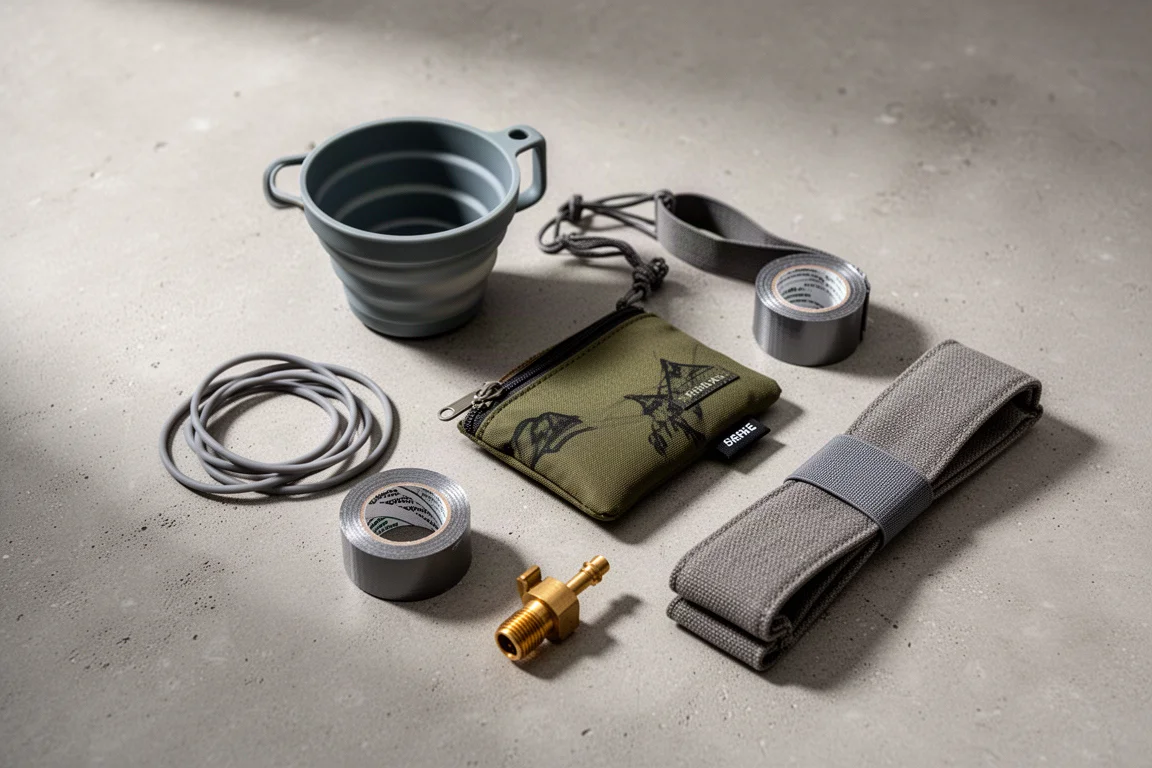
Eight small, affordable backpacking upgrades that solve real trail annoyances, from a pillow that stays put to a fuel valve that rescues leftover canister gas.