Backpacking Gear
Best Backpacking Gear: Standout Picks for Value and Performance
A field-tested roundup of the backpacks, sleeping pads, quilts, tents, small essentials, and trail food that stood out most for value and performance.
Introduction
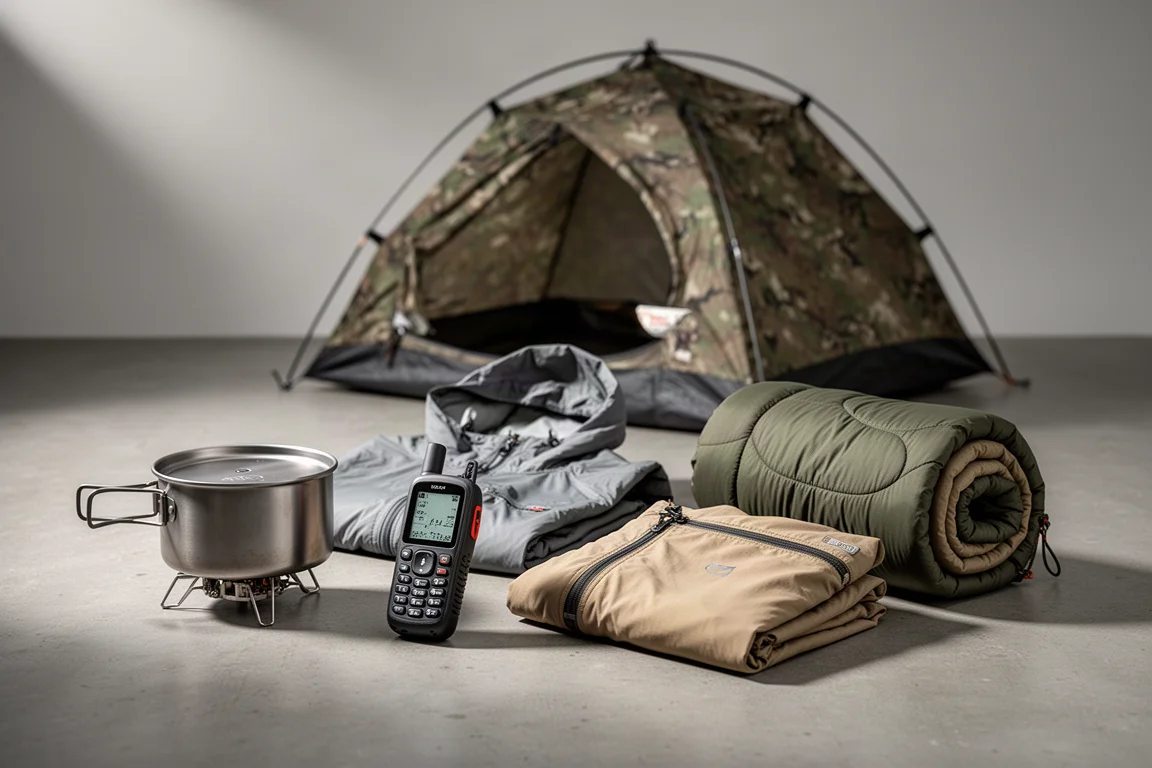
Gear earns its place in a pack over miles, not on a spec sheet. The picks below are the items that stood out most for value, performance, and plain enjoyment across a season of long trails, desert canyons, and quick overnights. They cover six areas: backpacks, sleeping pads, quilts and sleep systems, tents, small essentials, and trail food and drink mixes.
Nothing here is a paid placement. These are the products that worked well enough to keep reaching for, and each one comes with a clear reason to consider it along with the trade-offs worth knowing before you spend.
Backpacks
Two packs anchored the year, and they sit at opposite ends of the design spectrum. One leans on features and value. The other strips everything back in the name of weight. Both carry a load well, which is the part that matters once the miles start adding up.
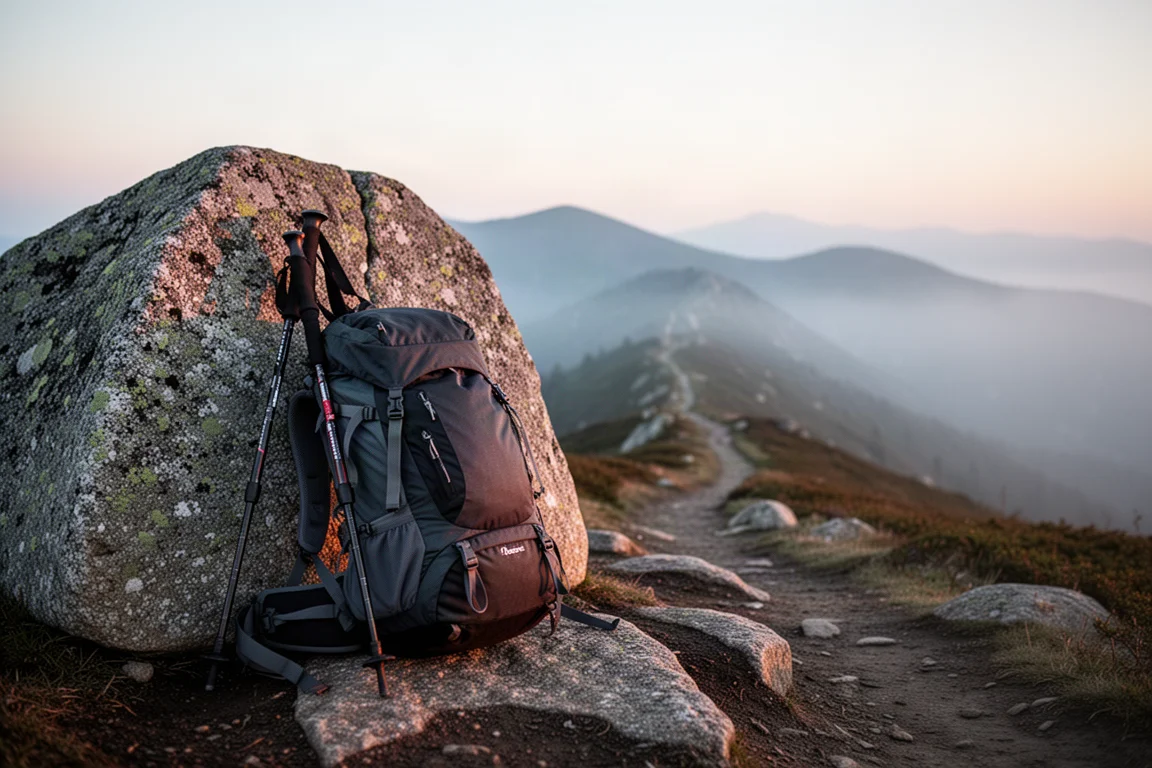
Choosing between them comes down to how much you are willing to pay for weight savings. A feature-rich pack can still be comfortable and efficient, and a minimal pack can still be durable and stable under load. The real differences are the fabric, the frame, and the price.
REI Flash 55
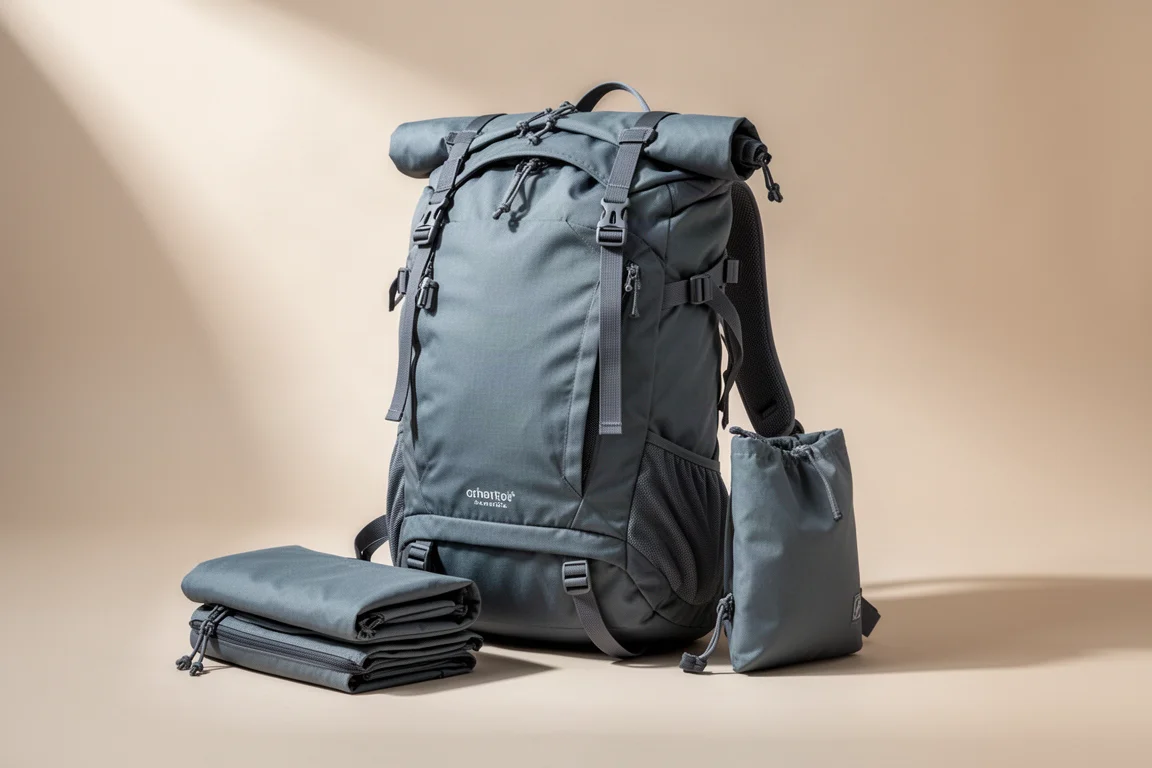
At $200 retail, and often discounted well below that, the Flash 55 is one of the best values in backpacking. It carried close to 40 pounds at the start of a six-day desert river trip and stayed comfortable throughout. The suspension is well thought out, with an adjustable torso and ventilation at the back panel. The hip belt feels stiff at first but softens quickly, and it did not cause chafing. It is also modular: remove the top lid and run a roll-top closure instead to save weight when the extra capacity is not needed.
Outdoor Vitals CS40
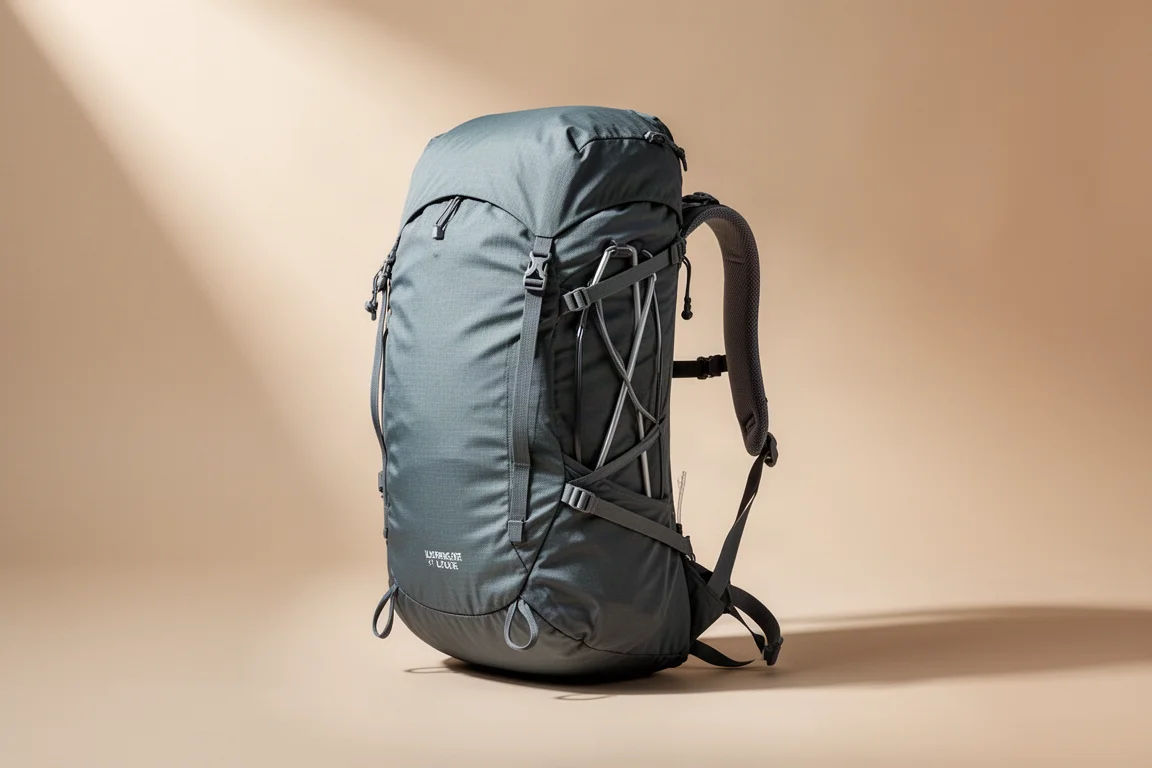
The CS40 is the most enjoyable ultralight-focused pack of the year. It uses Ultra fabric, carbon fiber stays, and a stripped-down 40-liter design that carries roughly 30 to 35 pounds comfortably. The real test came in the Escalante area, where abrasive sandstone and narrow canyon walls punish lightweight fabrics. The CS40 came through the bushwhacking without the fast abrasion wear that ultralight materials often show, and it has kept going on later trips. The trade-off is price: $368 against $200 for the Flash 55.
Sleeping Pads
Two pads defined the year, and both share the trait that matters most. They are comfortable enough that you look forward to lying down on them. Comfort and warmth are the two criteria that decide a pad, and both of these deliver an R-value of 5.
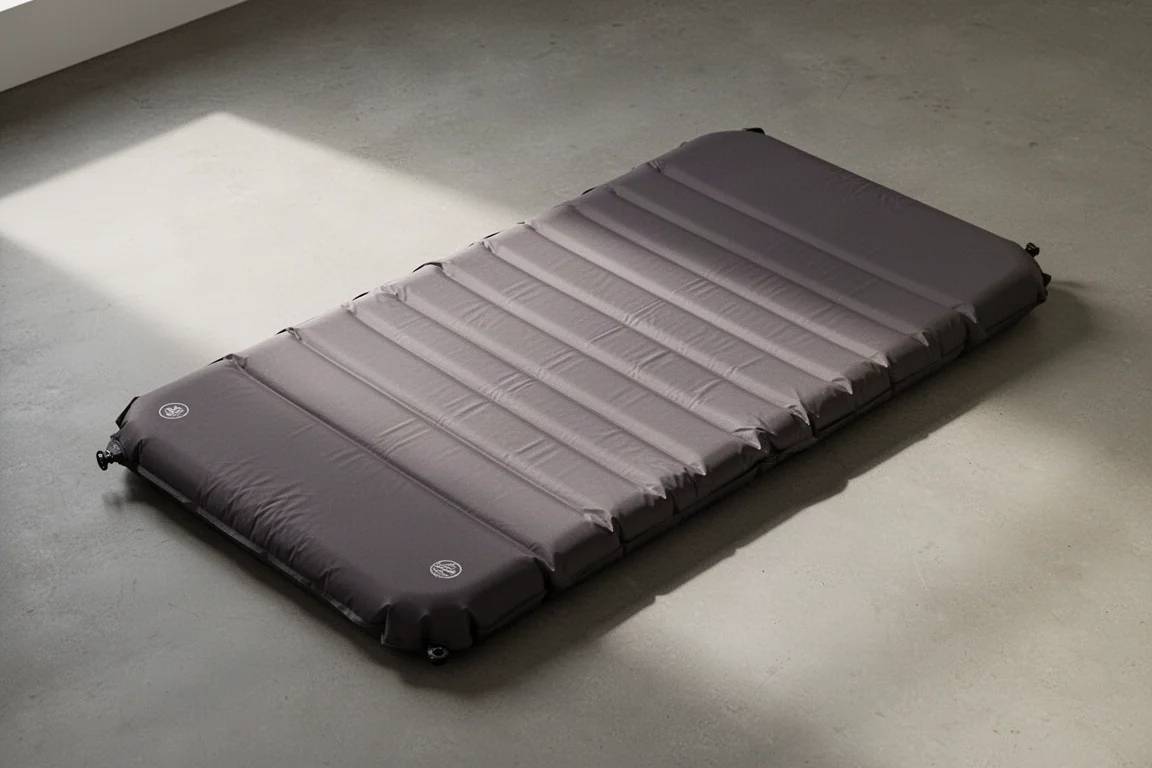
Zenbivy Ultralight Sleeping Pad
The Ultralight pad is one of the most comfortable sleeping pads available. Its dimpled baffle pattern provides support and pressure relief whether you sleep on your back or your stomach, and the weld points on each side are offset from the other side so cold spots do not line up straight through the pad. Mylar insulation inside keeps the packed size small, so it takes up little room in a pack. At $200 for the 25 x 72 size it is a premium purchase, but a consistent and genuinely comfortable one.
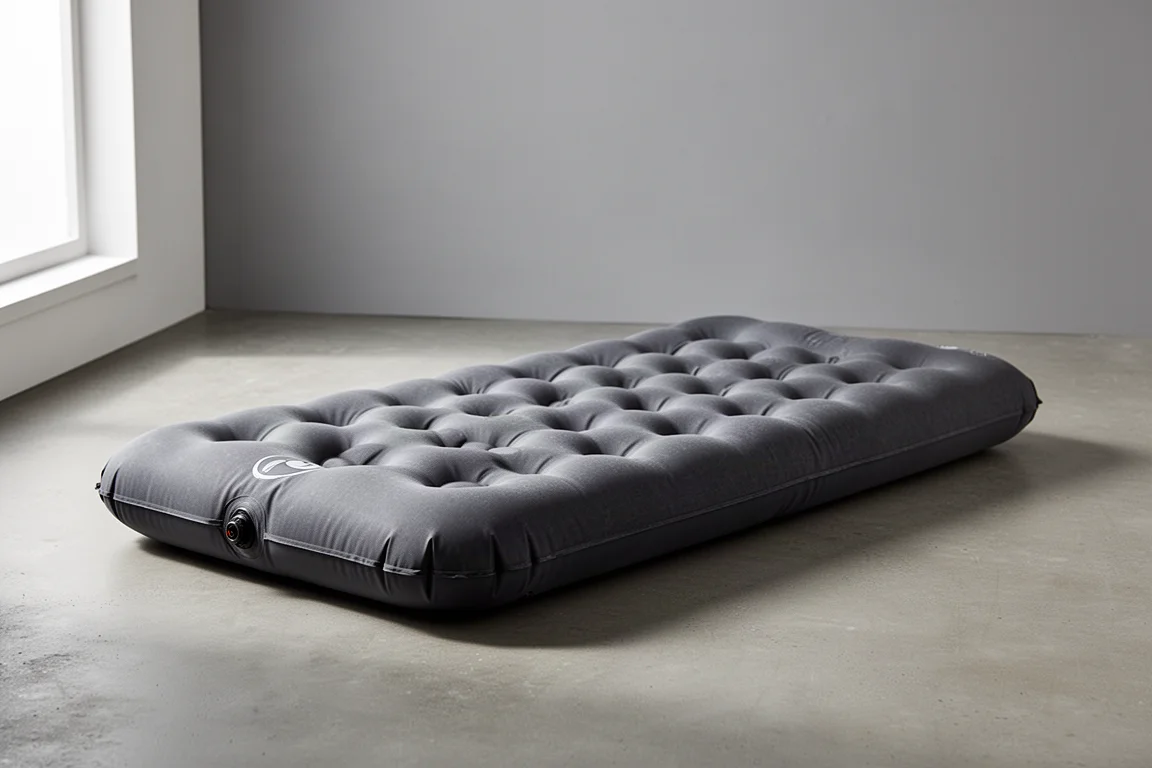
Kilos Gear AeroCloud Elite
The AeroCloud Elite is the value pick, and it gives up surprisingly little. In a regular 25 x 72 size it costs $130 and also carries an R-value of 5. Its insulation combines a metallized film with a fibrous synthetic layer bonded to it, a dual approach that has stayed warm down to freezing temperatures without issue. The dimpled baffling delivers the same kind of pressure relief as the premium pad, which is unusual at this price. Spending less on a sleeping pad usually means sacrificing comfort. That is not the case here.
Quilts and Sleep Systems
Quilts have a reputation for being fussy, but the sleep systems here are the reason that reputation is worth revisiting. A quilt saves weight by removing the material underneath you, where insulation is compressed and does little, and it lets you move without the constriction of a zipper. The catch is draft management, and the designs below solve it in different ways.
Both approaches are worth understanding before you choose. One is a traditional top quilt that relies on generous sizing, a well-built foot box, and tension control. The other is a sheet-and-quilt system that attaches to your sleeping pad and seals the edges. Price and weight are the main variables between them.
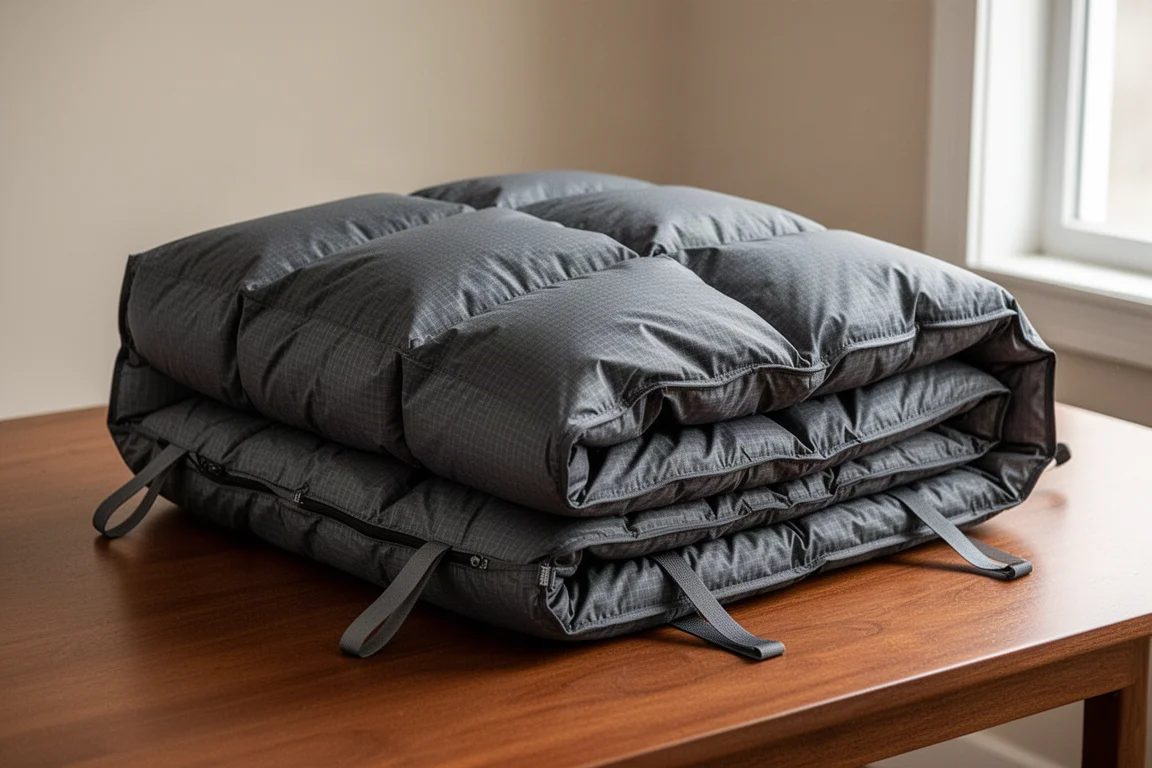
UGQ Bandit Top Quilt
The Bandit changed how quilts work for anyone who had written them off. This one is built long and wide, which keeps the quilt in place when you roll over, and it still saves weight by removing the material beneath you. The specification is serious: a 20-degree comfort rating, 850 fill power down, and an extra ounce of overfill. It stayed warm on a cold desert trip that dropped into the teens. The baffling is well executed, the foot box is fully insulated, and the dynamic tension control system reduces drafts. At $426 as configured it is a significant purchase, but not out of line for a high-quality down quilt that will last for a very long time.
Zenbivy Ultralight Bed
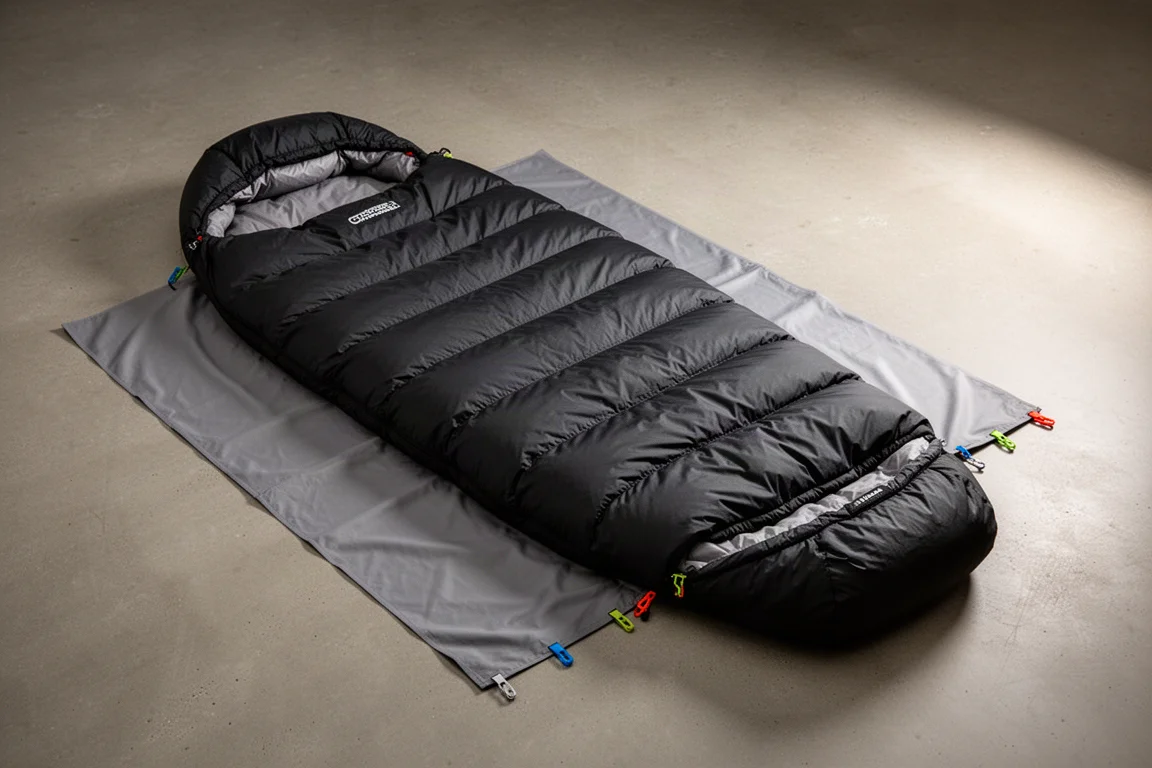
The Ultralight Bed delivered one of the most enjoyable backcountry sleep experiences of the year. It uses a 10-denier Quantum fabric that is soft to the touch and calendered on only one side, so it avoids the plasticky feel of some lightweight shells. The 900 fill power down uses a hydrophobic treatment that infuses gold particles into the down to help it resist moisture. The sheet system attaches to your sleeping pad and creates a draft wing that seals the edges, and the large insulated hood has headboard clips so a pillow stays in place instead of sliding off the end of the pad. Configured in size large with a 25-degree rating, insulated sheet, and hood, it comes to $600.
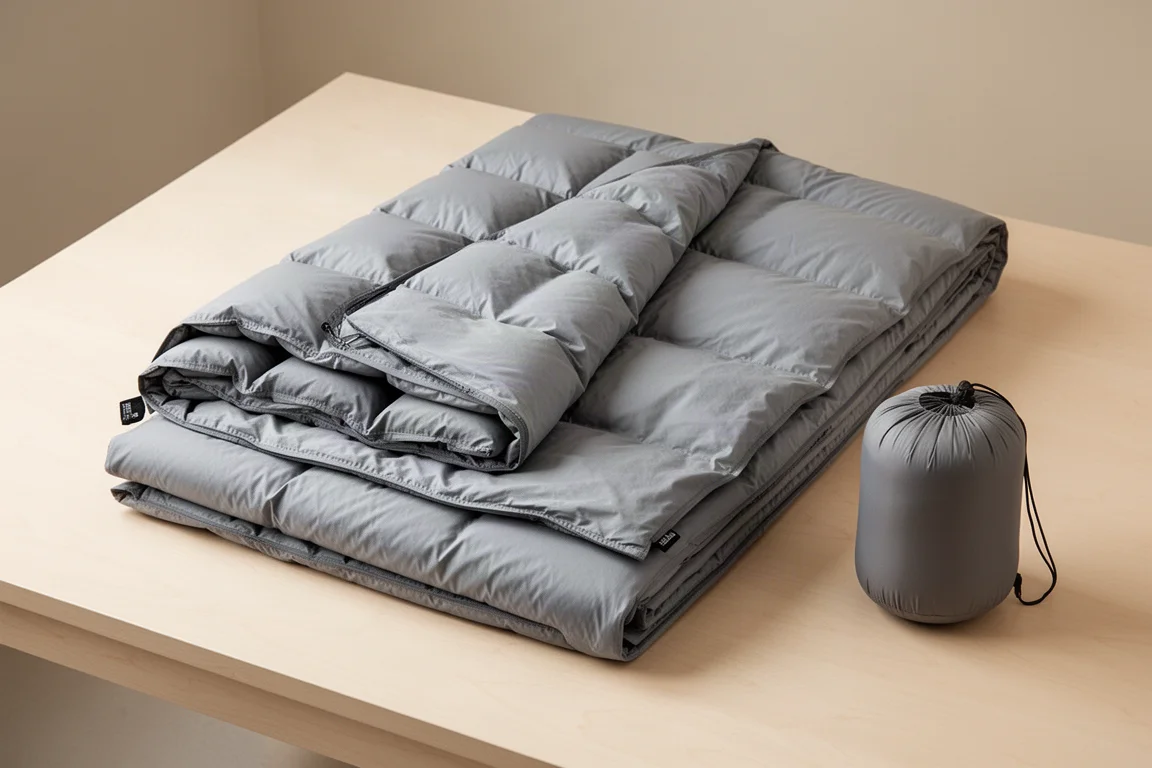
Zenbivy Light Bed
The Light Bed deserves more attention than it receives. It is the 25-degree version of the same system, with slightly thicker and heavier fabrics and a lower fill power down. In exchange for a few extra ounces you save several hundred dollars, and you get the same design, the same draft-free sheet, and the same quality of sleep. If weight is not the deciding factor, this is the smarter buy in the range.
Tents
Tents are the most interesting category in backpacking, because the geometry does the work. Small changes in pole structure and panel shape translate into real differences in wind performance, interior volume, and weight. Three shelters stood out this year for value and for how enjoyable they are to actually sleep in.
Tarptent Rainbow
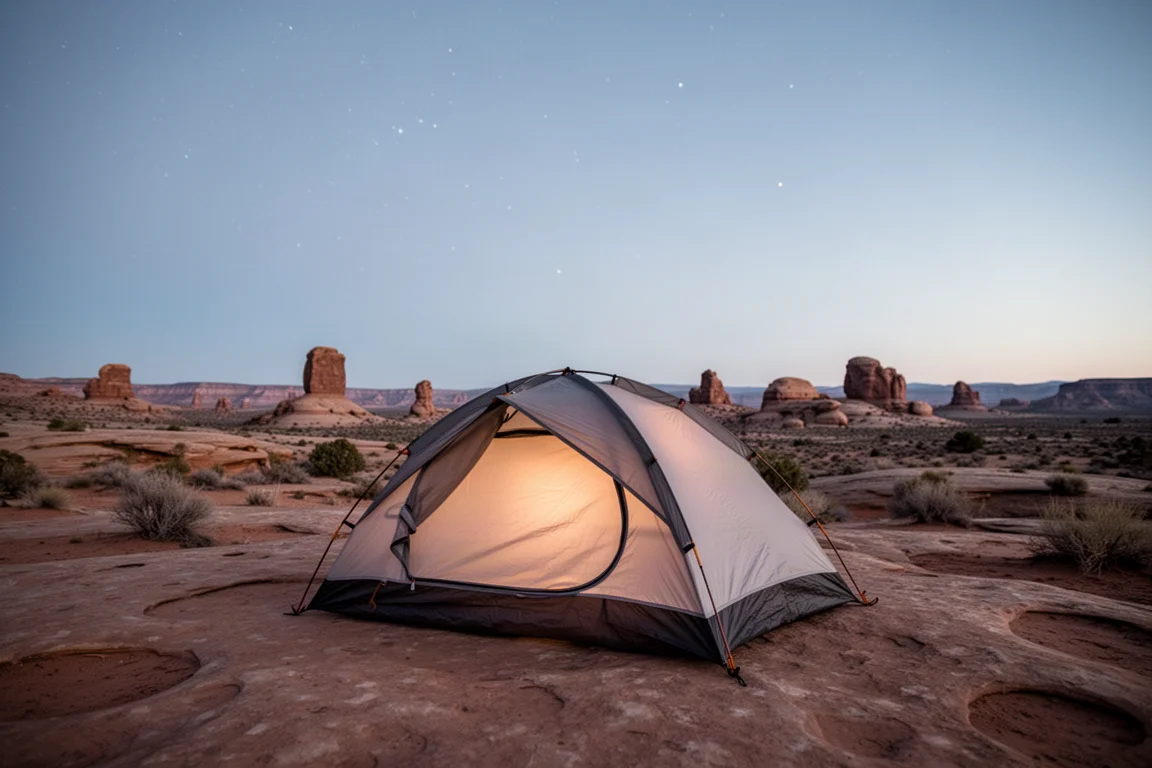
The Rainbow series is simple in concept, high performing, lightweight, and roomy. The one-person Rainbow, the two-person double-wall version with an Ultra TNT fly, and the Triple Rainbow DW all share the same design language. The semi-freestanding structure pitches in almost any location, holds a good peak height, and handles wind well. The polyester fabric, an update from the earlier nylon, does not stretch, and it keeps the price competitive without adding much weight over nylon or the TNT option available on the two-person double-wall model.
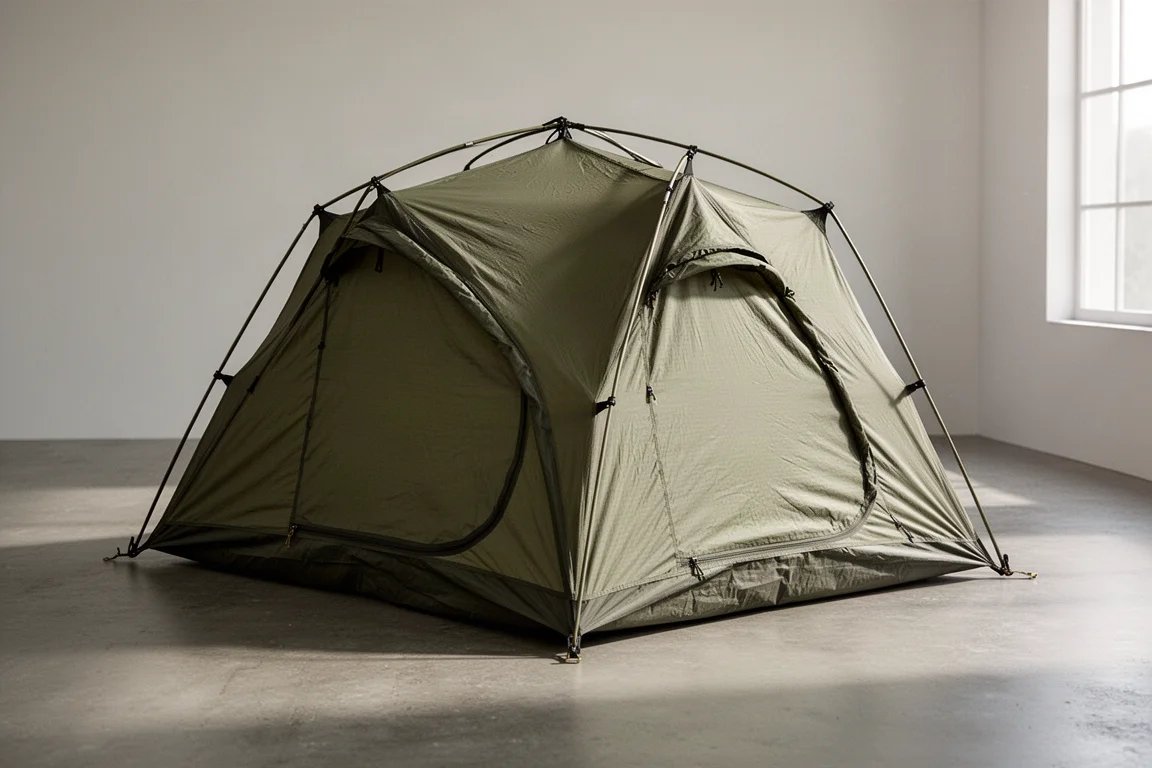
Tarptent Triple Rainbow DW
The Triple Rainbow DW has been the most enjoyable of the Rainbow models used this year, mostly on car camping trips plus one backpacking trip. It offers a huge amount of interior space in a small pack size and a light overall package, with the same semi-freestanding design, strong wind performance, and non-stretch polyester fabric that define the series.
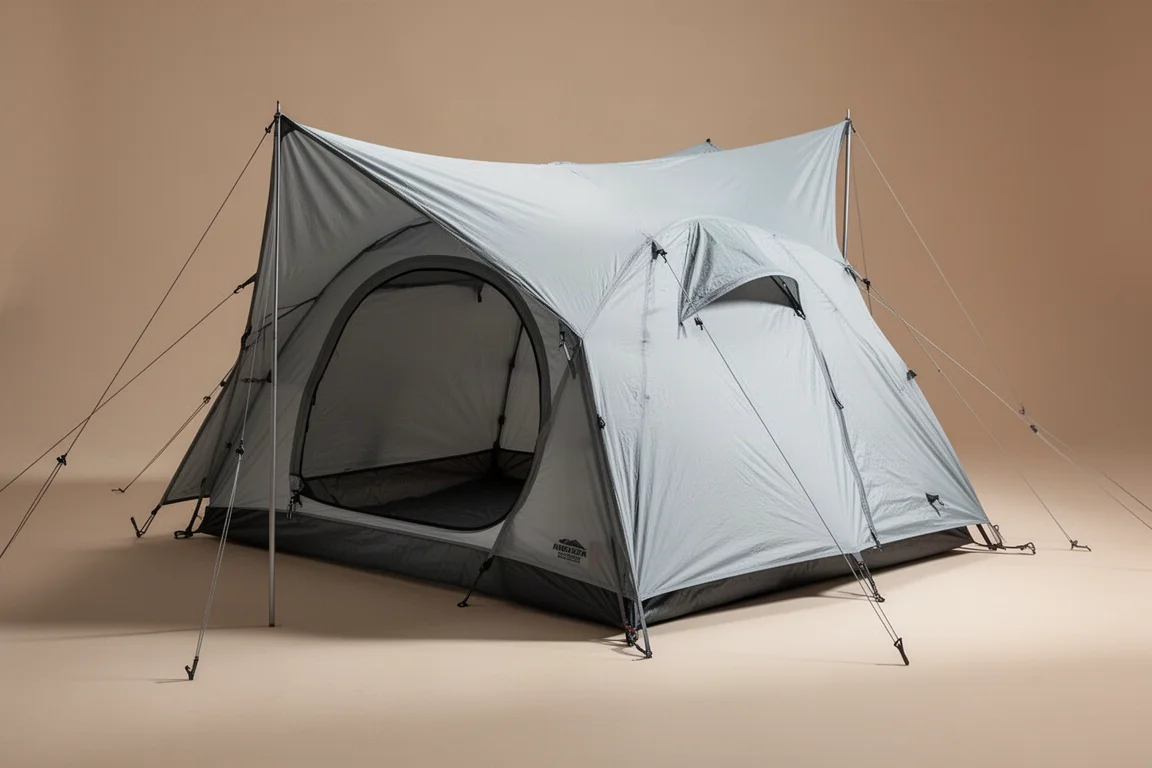
Hill Zero Gear Mattis
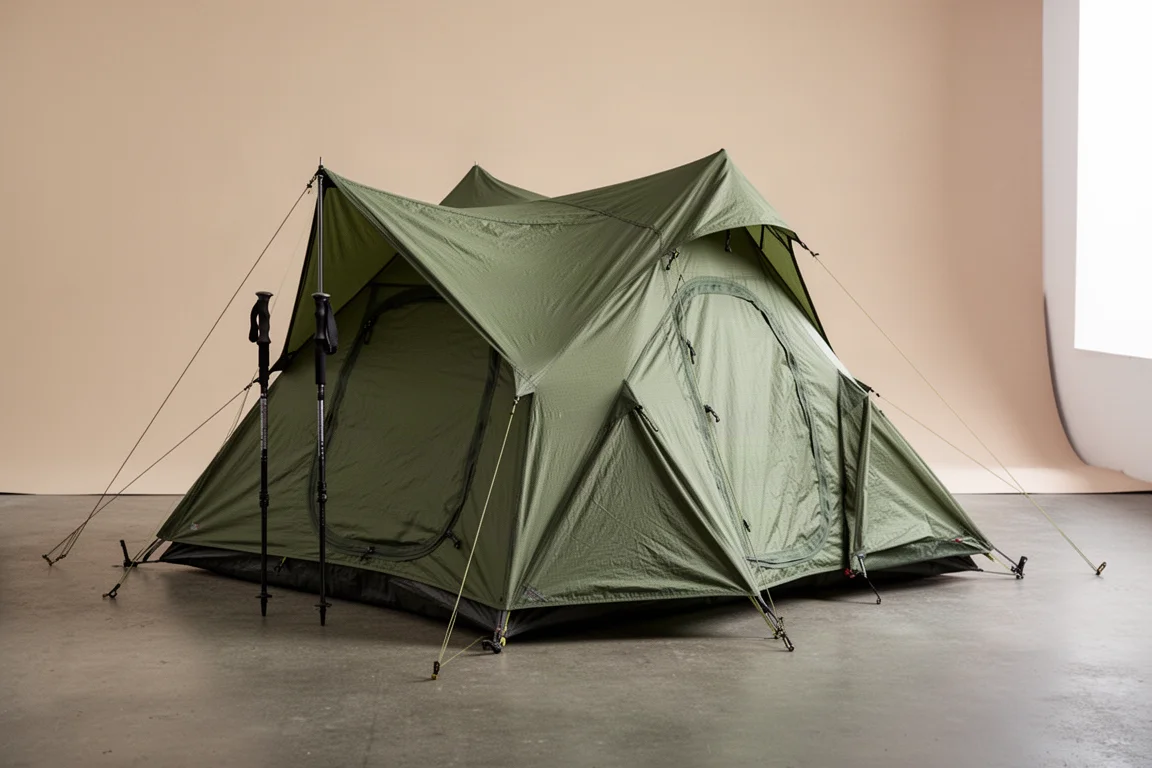
The Mattis is the surprise of the year. It is a non-freestanding, two-trekking-pole shelter with two doors and two vestibules, and it shares a lot of character with the Tarptent Dipole. Struts at the head and foot ends raise the height of the end walls and angle outward, which creates roughly 12 inches of extra usable space above floor level. The nylon ripstop fabric has proven strong, and the sewing quality is high. For the weight you get and the price you pay, it is a strong value from a brand that is relatively new to the tent market.
Small Essentials
A few small items made an outsized difference this year. They are the kind of gear that is easy to overlook because it is inexpensive and unglamorous, yet it changes how a trip feels day after day.
What ties them together is efficiency: fast boil times, less fuel burned, and light that goes where you need it without adding bulk. Most of them also cost about as little as gear in their category gets.
Claymore Capon 40B
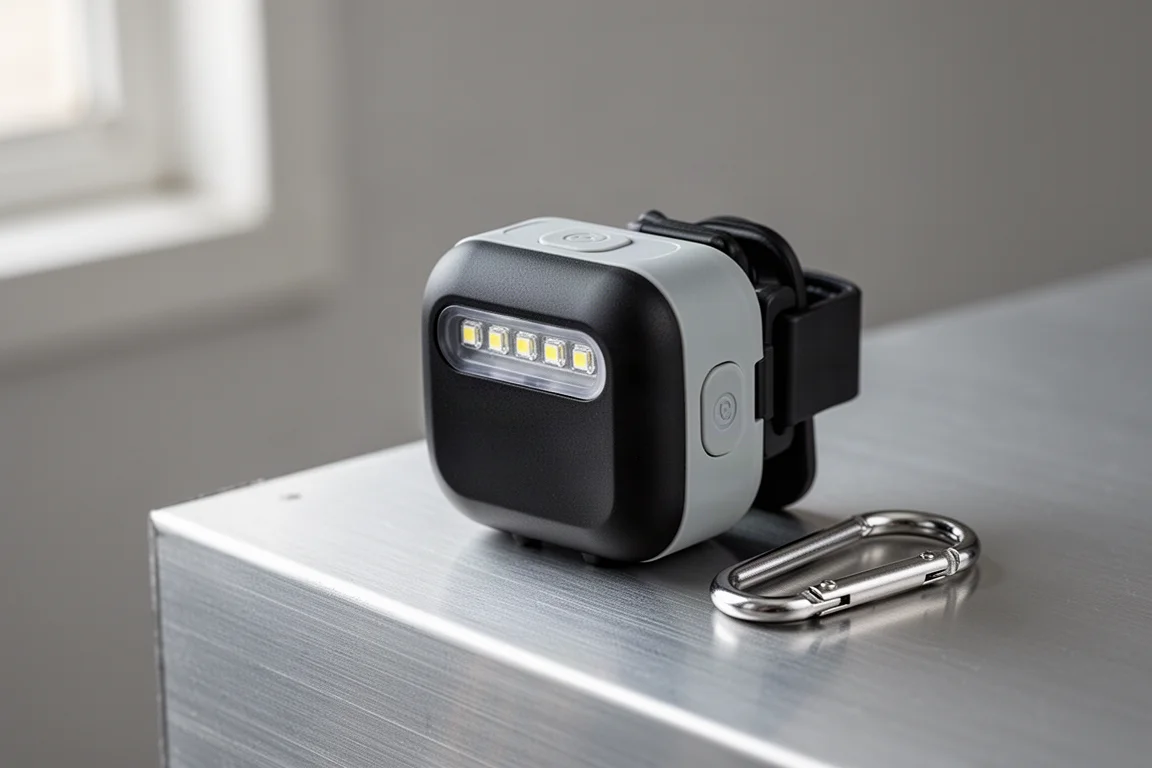
The Capon 40B is a tiny dual-function light. It clips onto a ball cap as a headlamp, and a row of LEDs on top turns it into a small lantern. A carabiner is included, and the body articulates so you can hang it from the top of a tent. It is lightweight, simple, and around $25, which makes the value hard to argue with.
Fire Maple Petrol G3 600 mL
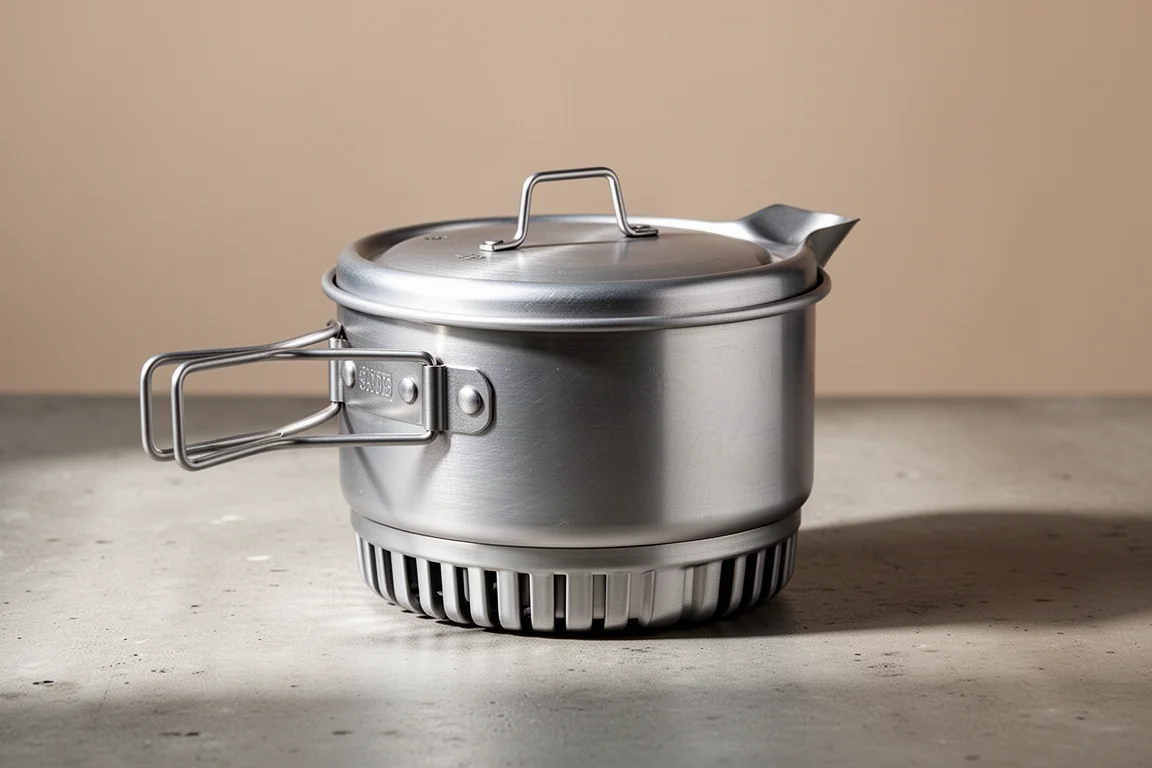
This 600 ml aluminum pot has a heat exchanger base, and it boils water remarkably fast. Paired with a stove whose pot supports slot into the heat exchanger cutouts, the burner sits closer to the base of the pot and pushes more heat into the surrounding metal. Those cutouts are set at 120 degrees to make that possible. The handle is strong and stays cool enough to grab without a cloth. At roughly $25, it may be one of the best pieces of gear to arrive this year.
Fire Maple Green Peak Stove
The Green Peak is a roughly $20 to $25 canister stove that makes a compelling companion for the Petrol pot. Together they form an under-$50 cook system that boils water quickly and uses very little fuel.
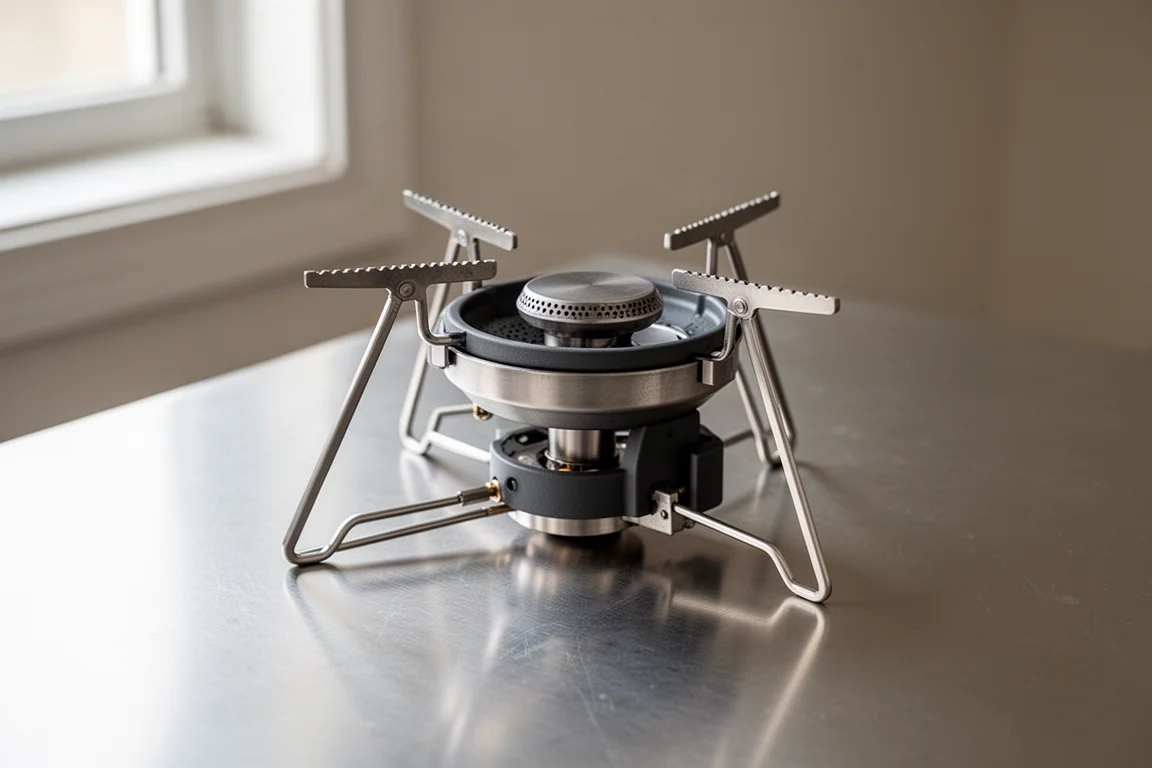
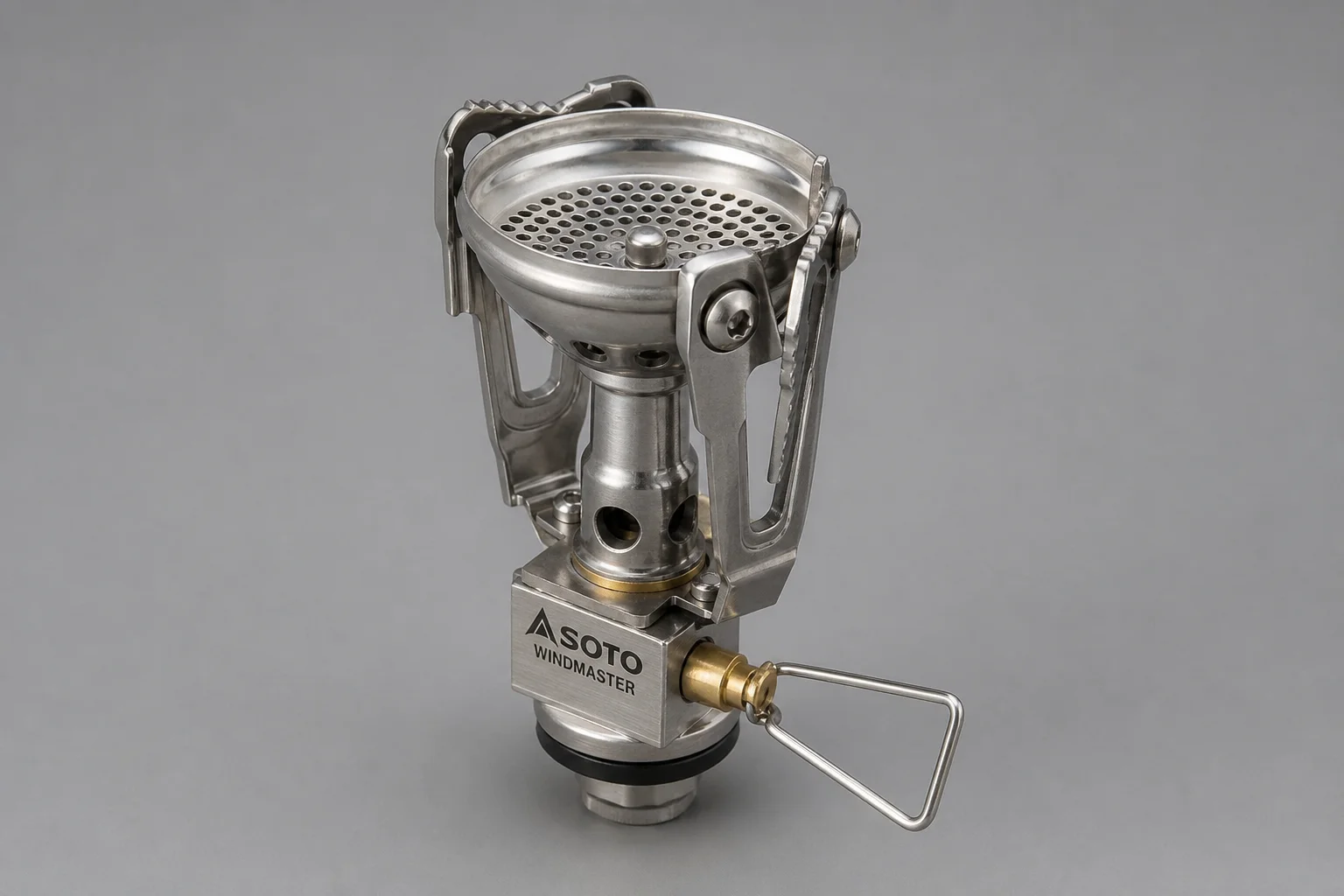
Soto WindMaster
The WindMaster’s pot supports fit the slots in the Petrol G3 heat exchanger, which lets the burner sit close to the base of the pot and drive heat into the exchanger. It is the companion stove to pair with the pot when you want the fastest boils and the most efficient fuel use from a compact setup.
Freeze-Dried Meals and Breakfast
Trail food is where a lot of trips are won or lost. After years of eating the same brand, the standout change this year was branching out, and the meals that came out ahead were genuinely enjoyable rather than merely tolerable.
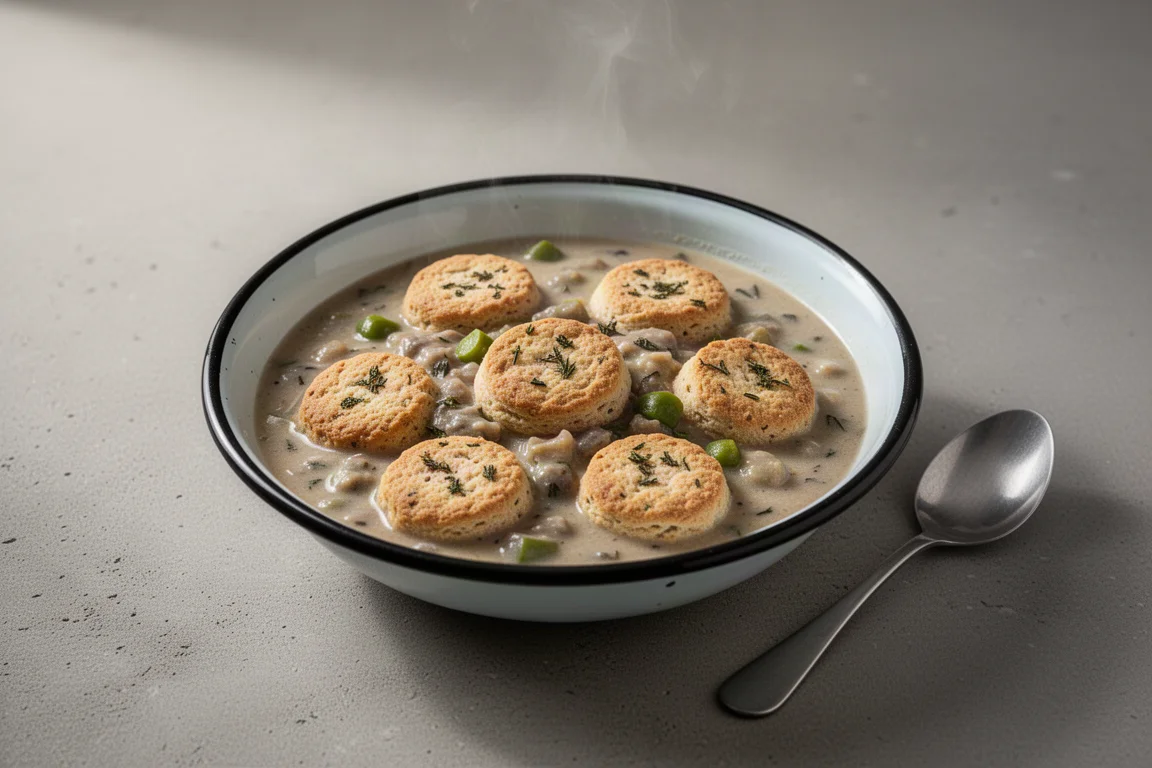
Pinnacle Foods Jalapeño Cheddar Biscuits and Herb Sausage Gravy
This one is the best of the bunch. It tastes excellent, it does not cause digestive trouble, and it leaves you feeling good afterward rather than regretting dinner. For a hot meal at the end of a long day, that combination is worth more than any spec sheet.
Pinnacle Foods Sticky Teriyaki Chicken with Garlic Asparagus and Coconut Rice
The teriyaki chicken with asparagus and coconut rice is the other standout from the same brand, and it is genuinely delicious. It is the kind of recipe that makes you reconsider what a freeze-dried dinner can be.
Alpen Fuel Granola
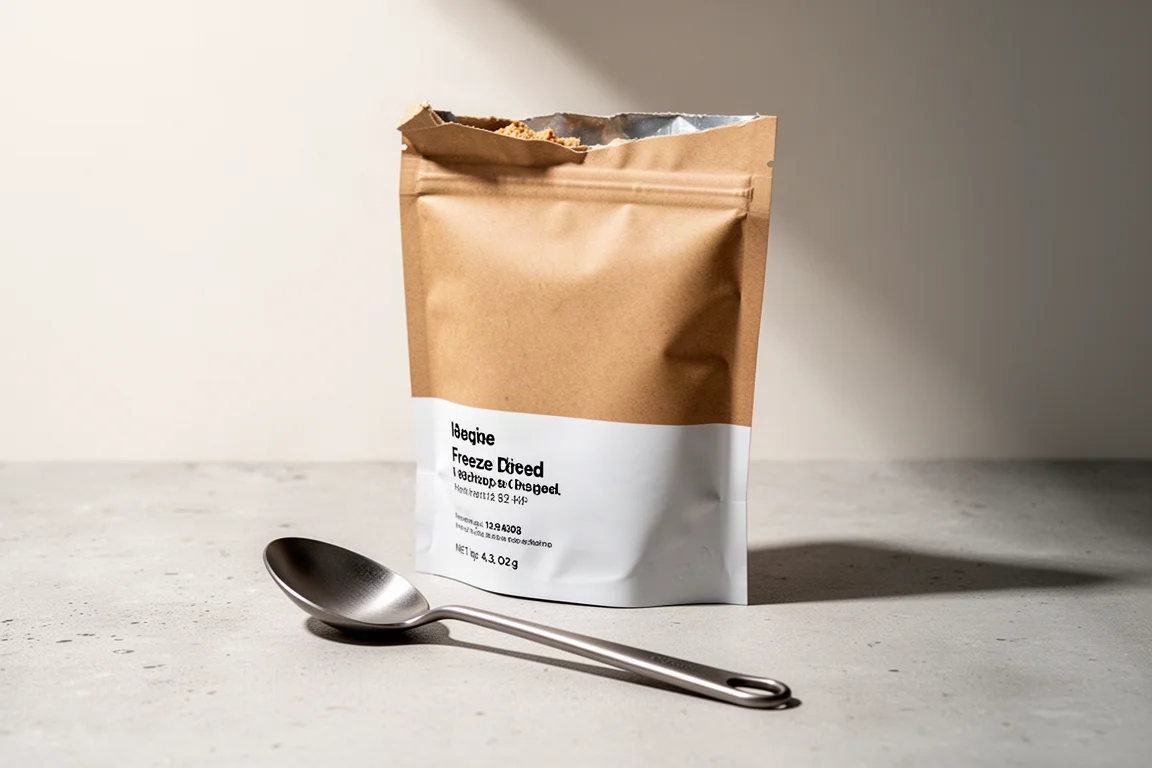
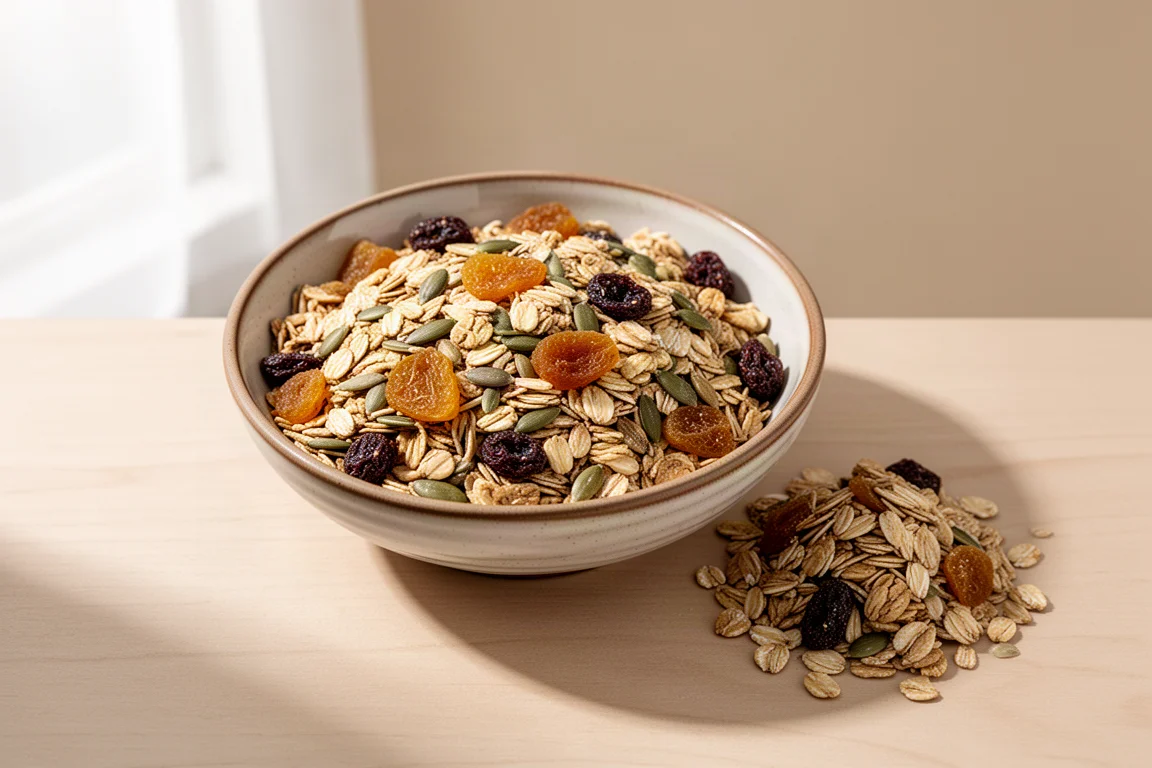
For breakfast, the Alpen Fuel granola packs 770 calories into a single package and carries less sugar than a typical instant oatmeal, so it fuels a long morning without the crash. It has become a regular part of the morning routine.
Electrolyte and Fuel Drink Mixes
Electrolytes are a category where the marketing tends to be louder than the evidence. What matters in practice is how a mix makes you feel during a long day on trail and how you feel at the end of it. Three products from the same brand stood out for exactly that reason.
They cover three different jobs: replacing electrolytes while you hike, recovering after you stop, and taking on calories without stopping to eat. Used across a full day, they change how the last few miles feel.
Tailwind Rapid Hydration
Rapid Hydration is the on-trail option, with 45 calories per serving and everything you need for electrolyte replenishment. It is light, easy to drink steadily through the day, and it does the job without adding meaningful calories.

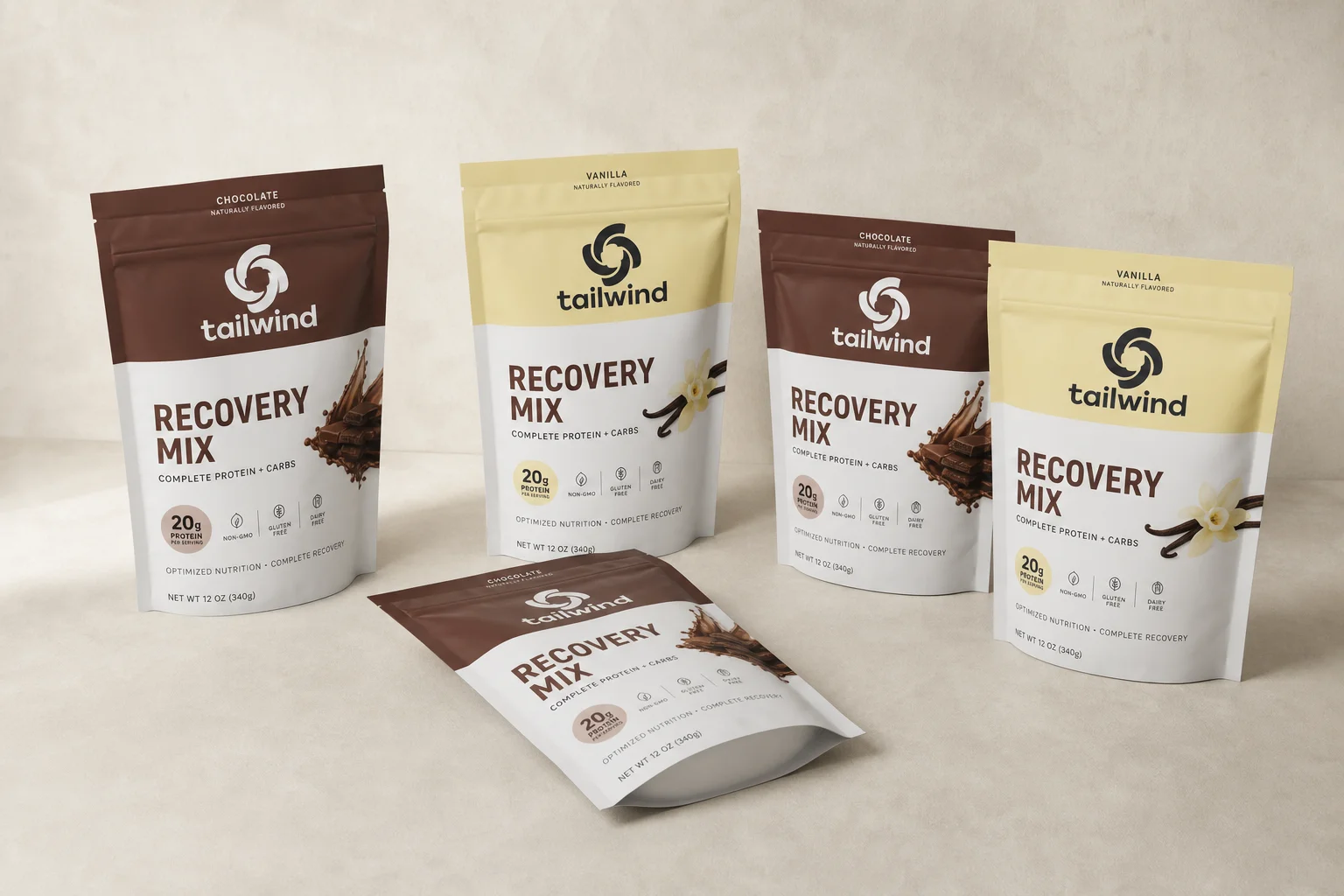
Tailwind Recovery Mix
The recovery mix is 240 calories mixed into a liter of water, and it tastes excellent. Used after a hard day of hiking, it has made a visible difference: better sleep, less cramping, and feeling better overall the next morning.
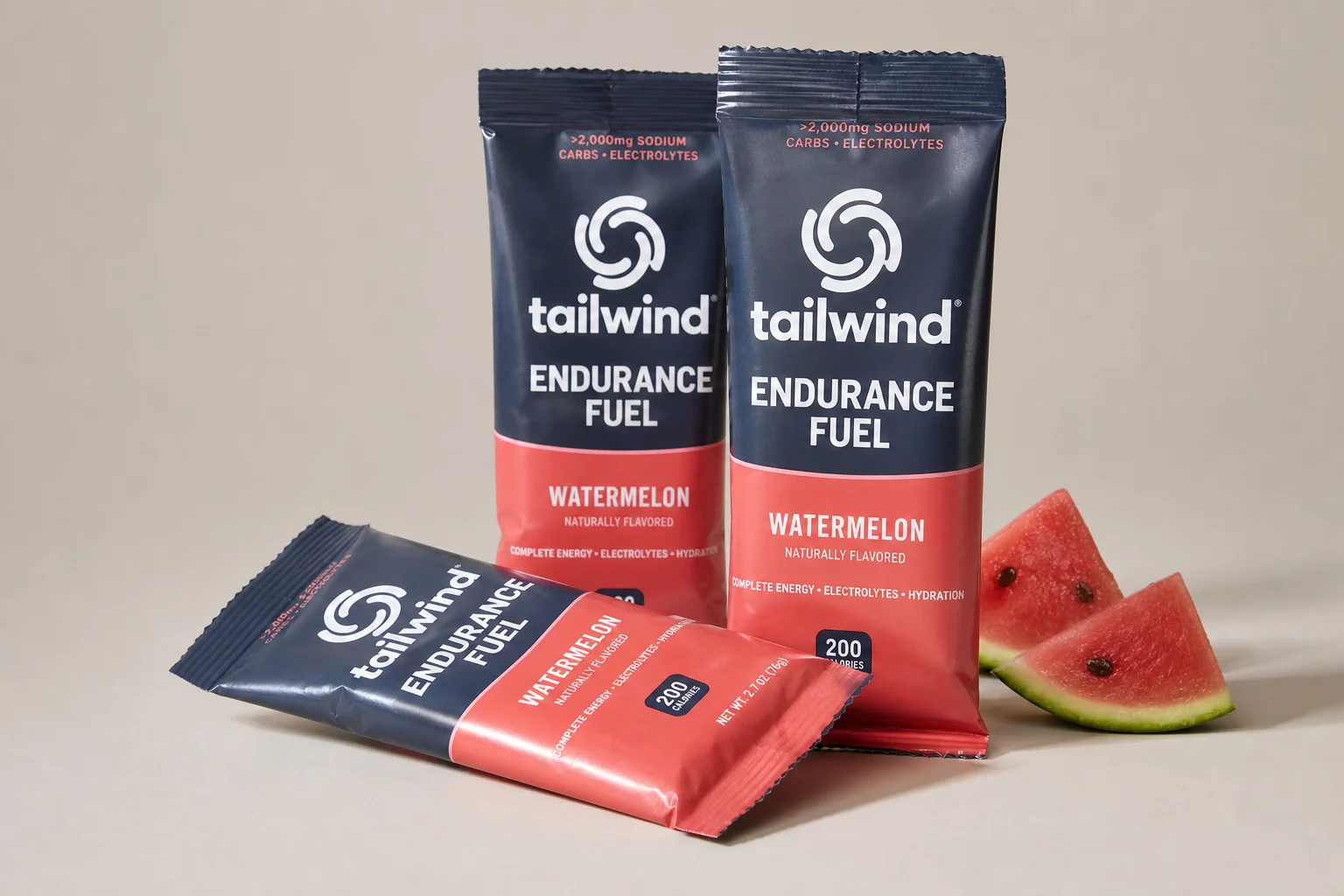
Tailwind Endurance Fuel
Endurance Fuel is essentially liquid food at 200 calories per serving. It lets you drink your calories instead of stopping to eat, so you hydrate and fuel at the same time. On long days when eating becomes a chore, that is a real advantage.
Buying Advice
The right way to read this list is by need rather than by rank. If your priority is value, the REI Flash 55, the Kilos Gear AeroCloud Elite, the Claymore Capon 40B, and the Fire Maple cook setup all deliver far more than their prices suggest, and each of them is a sensible first purchase.
If your priority is weight and performance, the Outdoor Vitals CS40, the Zenbivy Ultralight sleeping pad, the UGQ Bandit, and the Zenbivy Ultralight Bed are the picks that reward the extra spend. The Zenbivy Light Bed sits deliberately between the two camps, carrying nearly the same performance as the premium sleep system for several hundred dollars less.
For shelters, decide first whether you are willing to carry trekking poles. The Hill Zero Gear Mattis is the non-freestanding option and offers a lot of space for one person. The Tarptent Rainbow series pitches almost anywhere and is the more flexible choice if you want a semi-freestanding design.
Finally, treat food and drink mixes as gear. The Pinnacle Foods meals, the Alpen Fuel granola, and the three Tailwind mixes are the kind of purchases that quietly improve every trip, because feeling good at the end of a hard day is worth as much as a lighter pack.
Conclusion
None of these items are here because of a sponsorship or a marketing push. They are here because they performed, and because each one solves a specific problem clearly enough that you can tell whether it fits your own trips. Start with the category where you currently compromise most, whether that is sleep, carry comfort, shelter, or fueling, and build from there.
Further reading
Related Reviews

Backpacking Gear
Building a 10 lb Base Weight: An Ultralight Backpacking Gear List
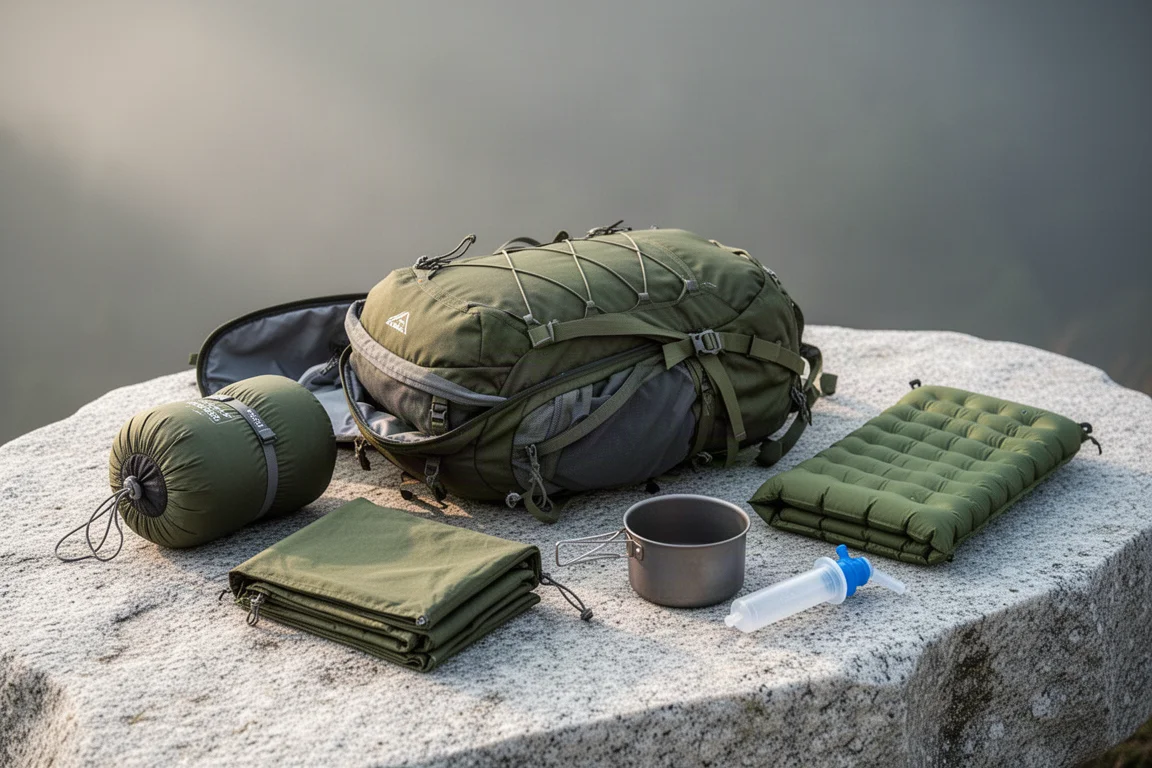
A practical walkthrough of the ultralight pieces behind a 10 lb base weight, from a 765 g pack and a roomy one-person tent to a full camp chair and a dependable water filter.
Backpacking Gear
A 15-Pound Lightweight Backpacking Gear List for Solo Trips
A beginner-friendly 15-pound backpacking setup built from easy-to-find gear, with notes on what each piece does, how it packs, and where to spend your attention.
Backpacking Gear
8 Ultralight Backpacking Gear Upgrades Worth Carrying
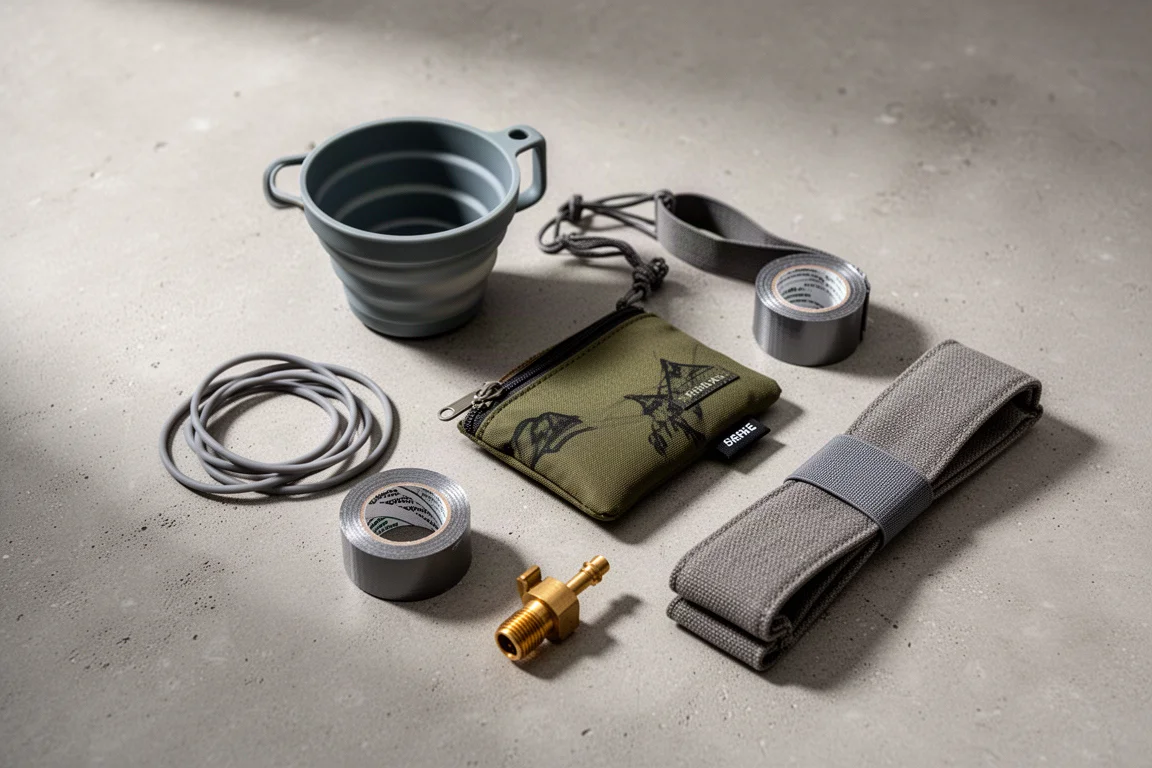
Eight small, affordable backpacking upgrades that solve real trail annoyances, from a pillow that stays put to a fuel valve that rescues leftover canister gas.