Backpacking Gear
Best Backpacking Gear Roundup: Water Filters, Shelters, and Sleep Systems
Seven pieces of water treatment, shelter, and sleep gear worth knowing, along with the design trade-offs that only show up on real trips.
Introduction
Not every piece of new backpacking gear earns a place in your pack. Some designs solve a real problem, some trade one annoyance for another, and a few are simply the lightest thing you can carry for the job. This roundup covers seven pieces of water treatment, shelter, and sleep gear worth understanding before you spend money, including the trade-offs that tend to surface only after a few trips.
Filters, shelters, and sleep systems are the three categories where a small design decision has the biggest effect on a long day. A filter that will not empty wastes both water and time. A shelter that drips onto your sleeping bag can ruin a night. A pad that crinkles under you is a pad you stop looking forward to. Here is what stands out in each category, and what to weigh before buying.
LifeStraw Peak Series: A Squeeze Filter With One Design Trade-Off
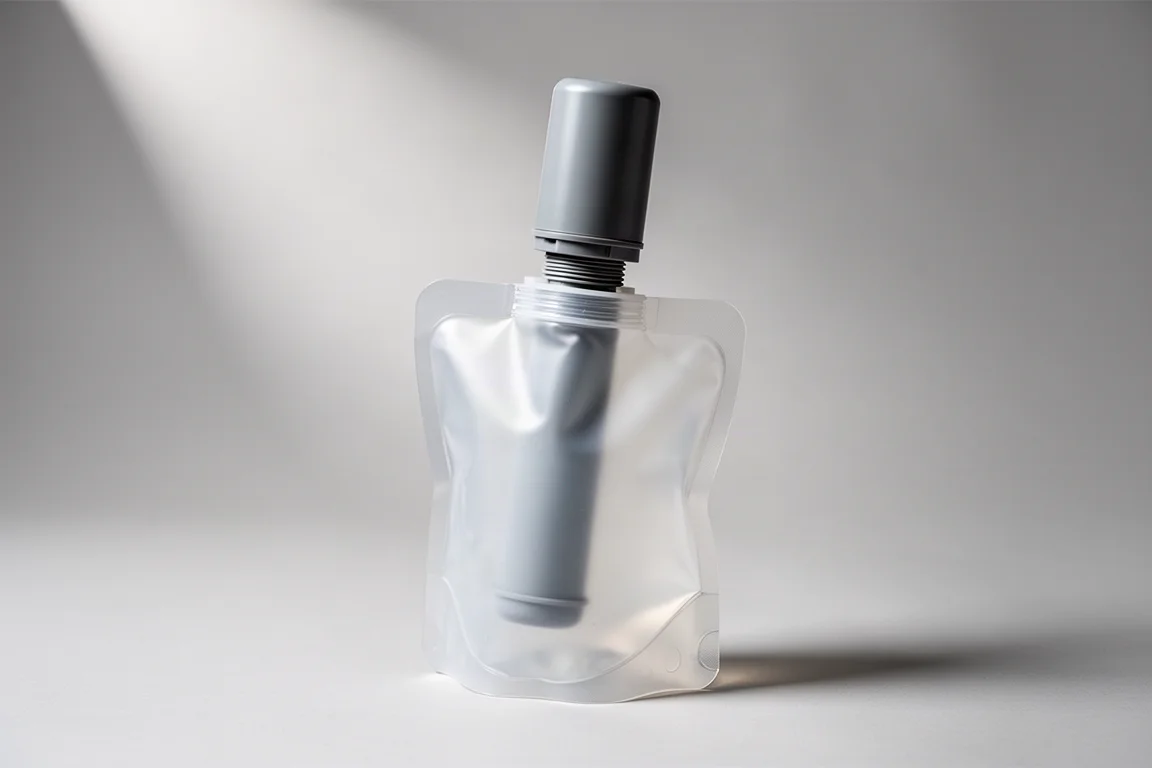
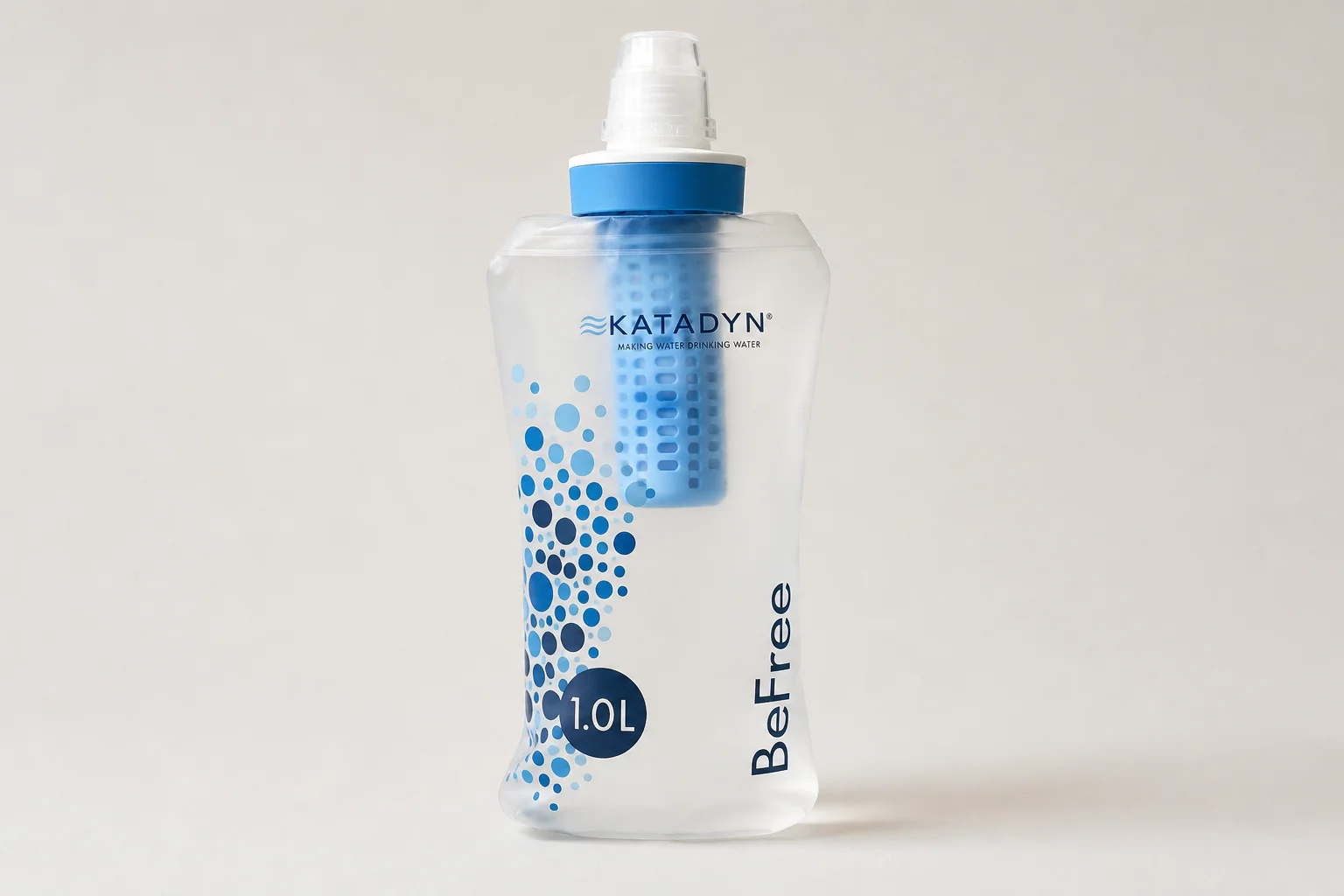
The Peak Series is a squeeze and gravity filter that borrows several ideas from other brands, most visibly from the Katadyn BeFree. Like the BeFree, the filter body is recessed into the squeeze bag rather than sitting on top of it. The difference is the opening. The Peak filter only draws from the bottom of its housing, while the BeFree’s intake is open around its full circumference.
That difference matters in practice. Because the filter sits deep in the bag and pulls only from the base, the supplied 1-liter squeeze bag cannot be squeezed completely empty. A liter of water goes in, and a noticeable amount stays behind.
The saving grace is the thread. The Peak Series uses a standard 23 mm thread, the same one found on a SmartWater bottle or a Cnoc bag, and pairing it with a wide-mouth bag changes the experience entirely. With a Cnoc bag you can push all of the water through at roughly 30 seconds per liter, which is not the fastest result available but is far from slow. Flow rate is worth watching as well, since the filter can slow down after as little as 15 liters of use, which is not much water at all. At almost $40 it undercuts the BeFree, but add a roughly $20 wide-mouth bag to make it work the way you want and the value case gets thinner. The Platypus QuickDraw delivers a stronger design for less money.
Katadyn BeFree: The Open-Design Squeeze Filter
The BeFree is the design the Peak Series was clearly chasing. Its filter intake is open all the way around rather than only at the base, so water can leave the bag from every side as you squeeze. That single difference is why the BeFree tends to empty more completely, and why you are not left fighting the bag for the last of the water.
The trade-off is price. The Peak Series costs less than the BeFree, so the cleaner emptying comes at a premium. For hikers who treat water on every single trip and rely on one filter as their only method, that premium is often easy to justify.
Platypus QuickDraw: The Better-Value Squeeze Filter
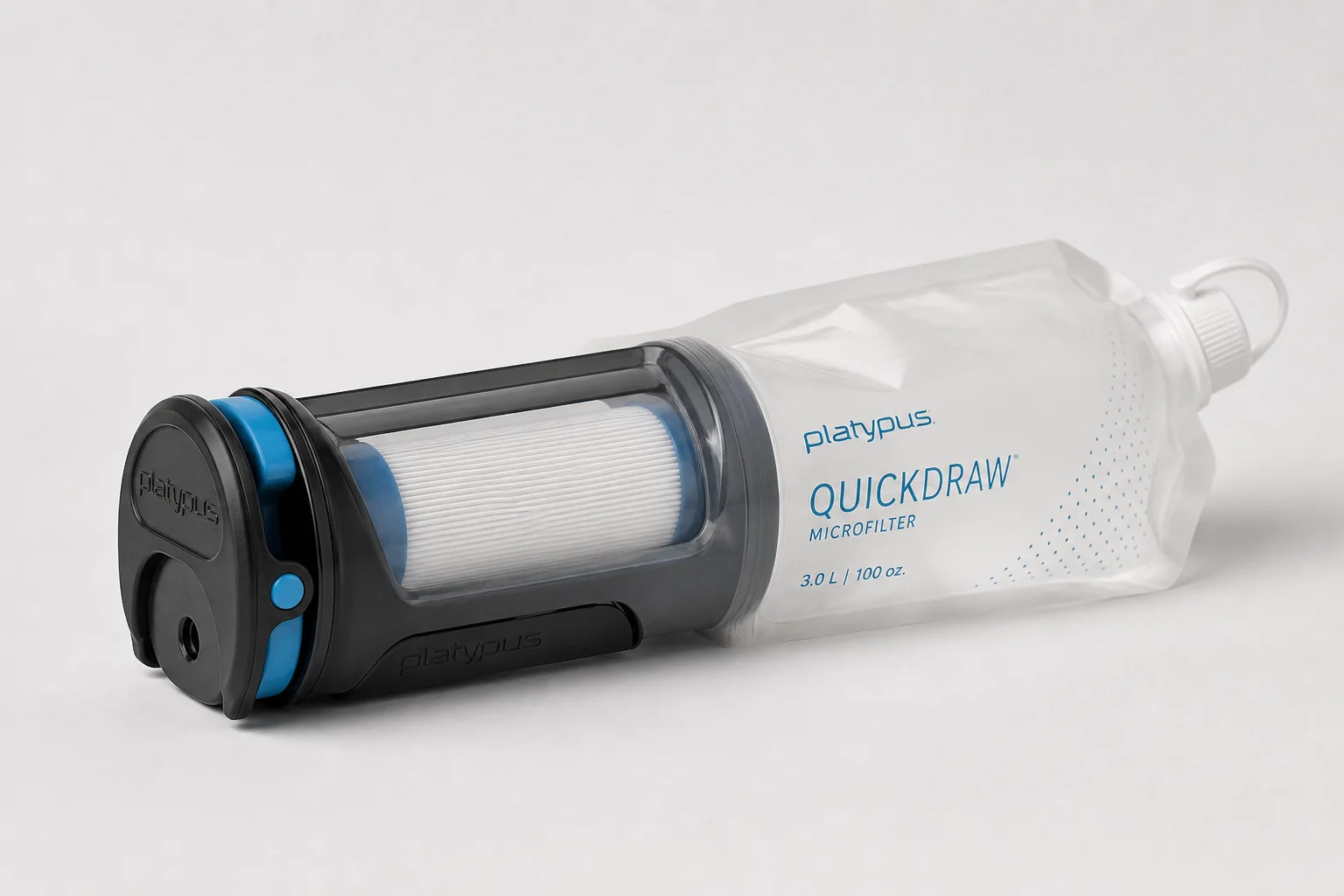
The QuickDraw is the squeeze filter to look at first if you want the stronger design without the BeFree price. It sells for around $30, or roughly $40 in a version that includes a usable squeeze bag, which means a fully working setup costs less than a Peak Series plus a separate wide-mouth bag.
The design is also the better of the two, and the price is lower either way. For a filter that comes out of your pack every day on trail, that combination is hard to argue with.
MSR FreeLite 2: A Two-Person Shelter With a Reachable Vestibule Zip
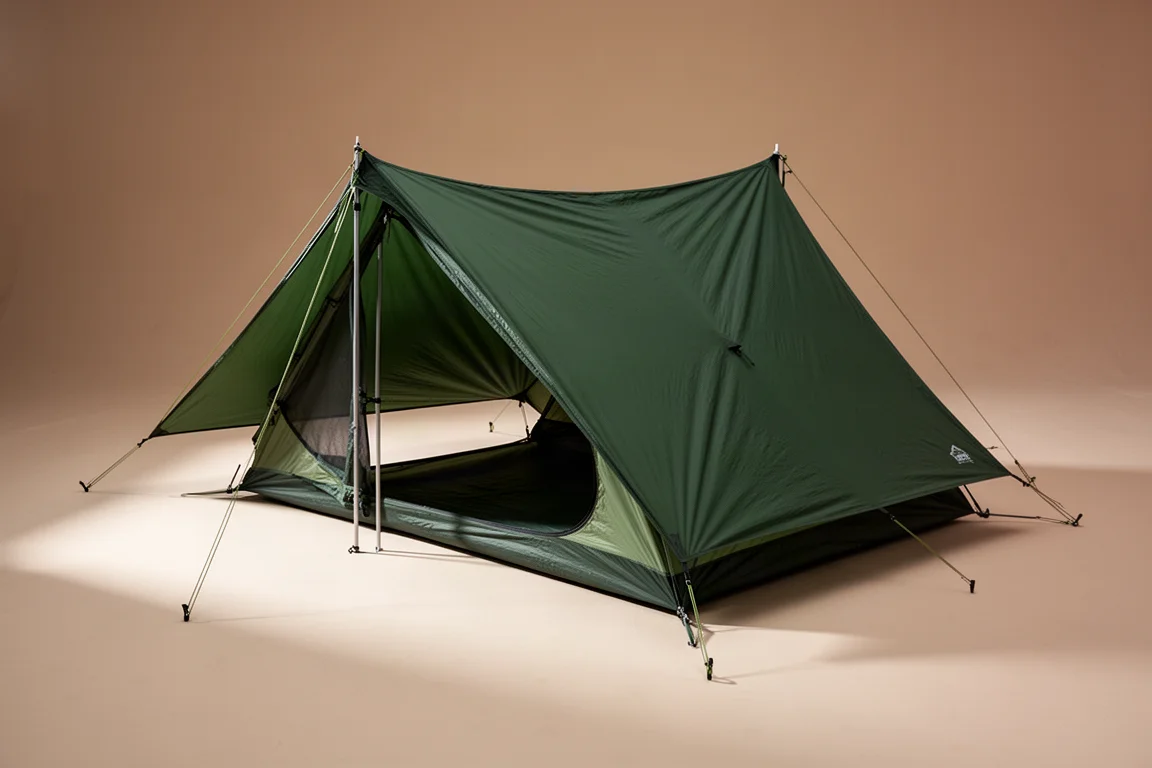
The FreeLite 2 is a completely redesigned semi-freestanding ultralight tent that weighs in at just over 2 lb. Its strongest feature is its shape. A true rectangular floor measuring 50 inches across is enough to fit two people on 25-inch wide pads without the usual overlap negotiation, and headroom is decent as well, which makes this a realistic two-person shelter rather than a squeeze.
MSR also rethought the vestibule. Instead of a zipper running down the center of the fly, the FreeLite 2 uses one that cuts across it. The result is that you can reach the vestibule without folding yourself in half every time you open or close the tent, which is a small change that pays off in bad weather.
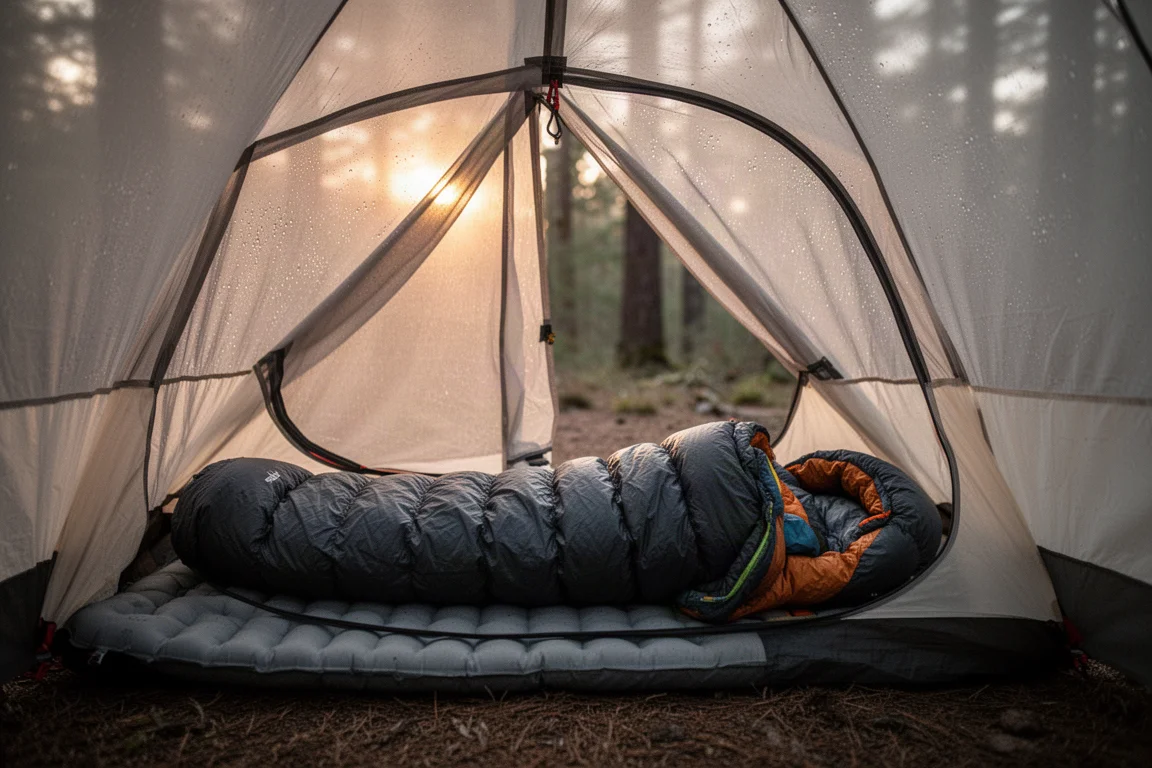
The catch is a side effect of that zipper layout. With a wet fly, opening the tent tends to drip water straight inside, right where your sleeping bag sits. It is not so much a flaw as a consequence of the design, but it is the kind of thing you notice on a rainy morning.
Therm-a-Rest Ohm 20: A Quilt and Sleeping Bag in One
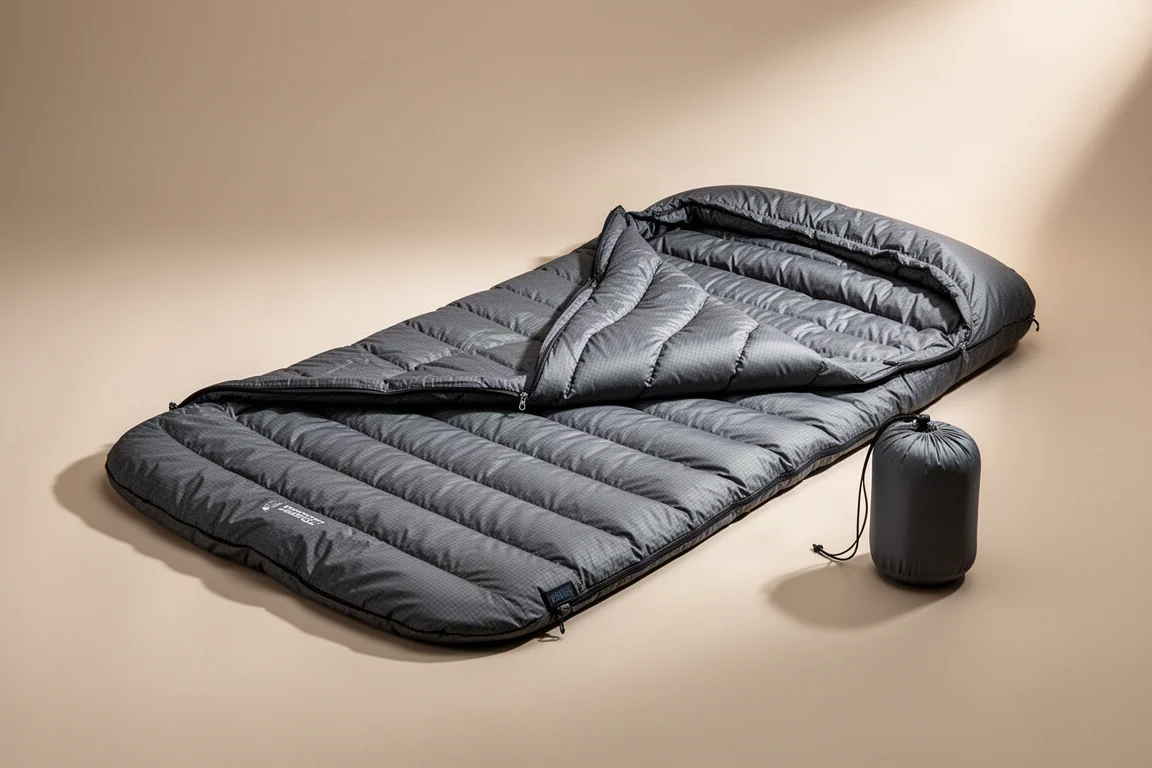
The Ohm 20 is a hybrid. Zip it fully closed and it behaves like a sleeping bag, open it up and it becomes a large quilt, and two of them can be zipped together into a two-person bag. That flexibility is the whole point, and it makes the Ohm a sensible answer for anyone who cannot decide between the two formats.
The numbers back it up. It uses 900 fill power hydrophobic down and weighs 22 oz, and it is rated at 30F for comfort with a 20F limit. Pushed toward that limit in the Utah desert, the rating held up well in field use.
There is no hood included, which is part of what allows the bag to open flat into a quilt. Pair it with a separate down hood and an appropriately rated sleeping pad and it performs well through spring and fall, and opened all the way up it works comfortably in the warmer temperatures of summer.
Nemo Tensor Insulated: An Insulated Pad That Stays Quiet
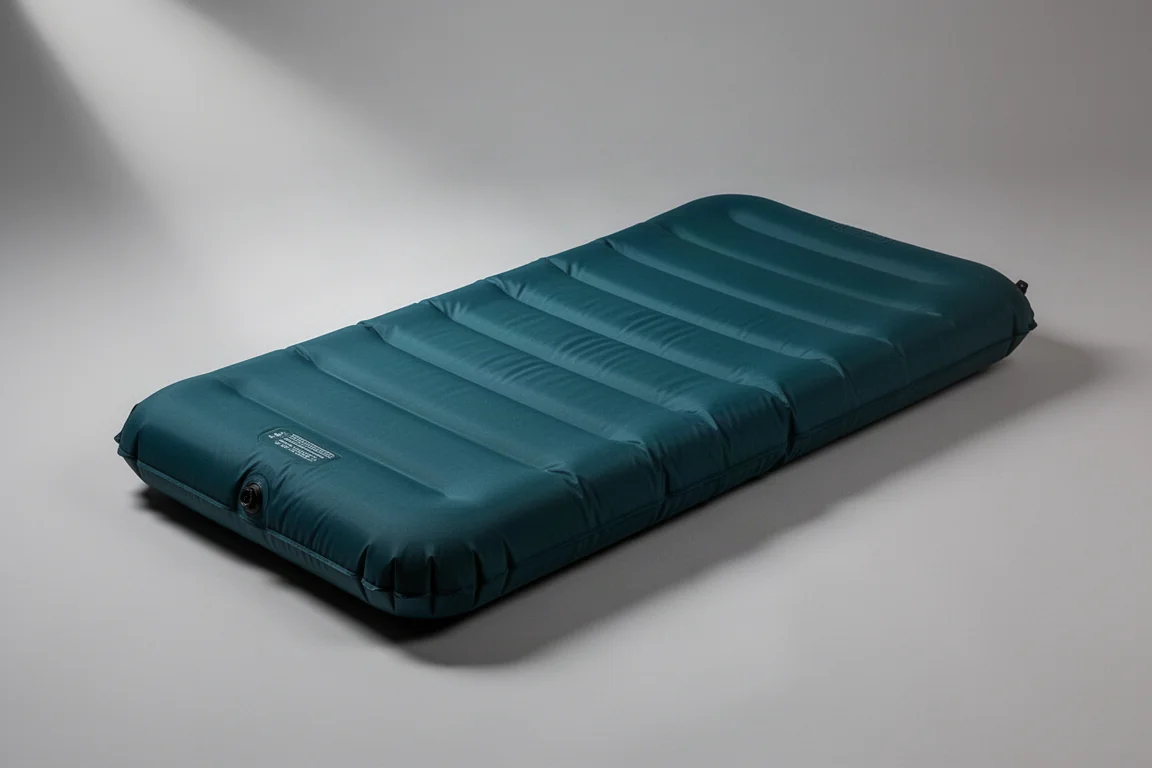
The Tensor Insulated was updated with a 4.2 R value, a rating that suits all but the coldest conditions. For most three-season trips that is the sweet spot, and it is backed by a 3-inch thickness that adds comfort without turning the pad into a car-camping mattress.
The more interesting change is the noise. Most lightweight insulated pads make the familiar potato chip bag sound, because the reflective film inside them crinkles against the shell. Nemo still uses reflective film, but suspends it inside the pad instead of letting it rest against the fabric, which keeps the sound down. That is also how the R value went up without adding weight.
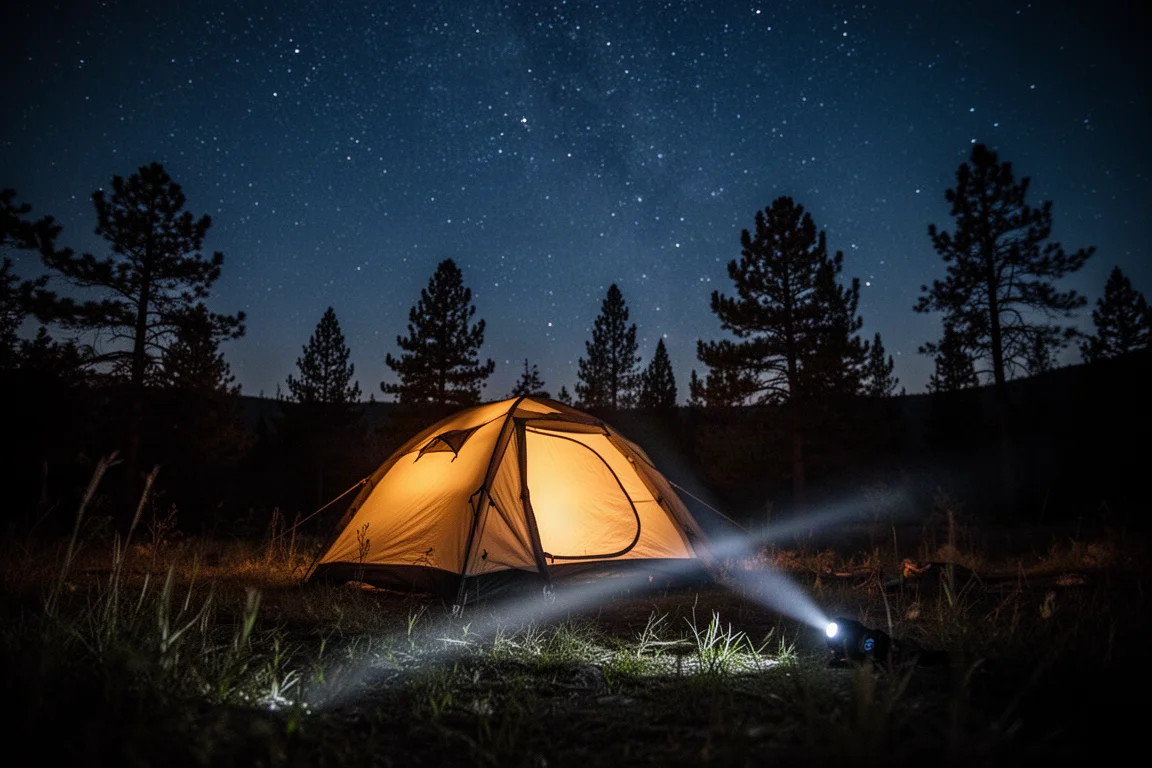
The pad comes in at around 19 oz, and a wide 25-inch version is available for anyone who has given up on 20-inch pads. For three-season backpackers who want warmth without the crinkle, it is one of the easier recommendations in this roundup.
Zpacks Plex Solo: The Lightest Shelter in the Lineup
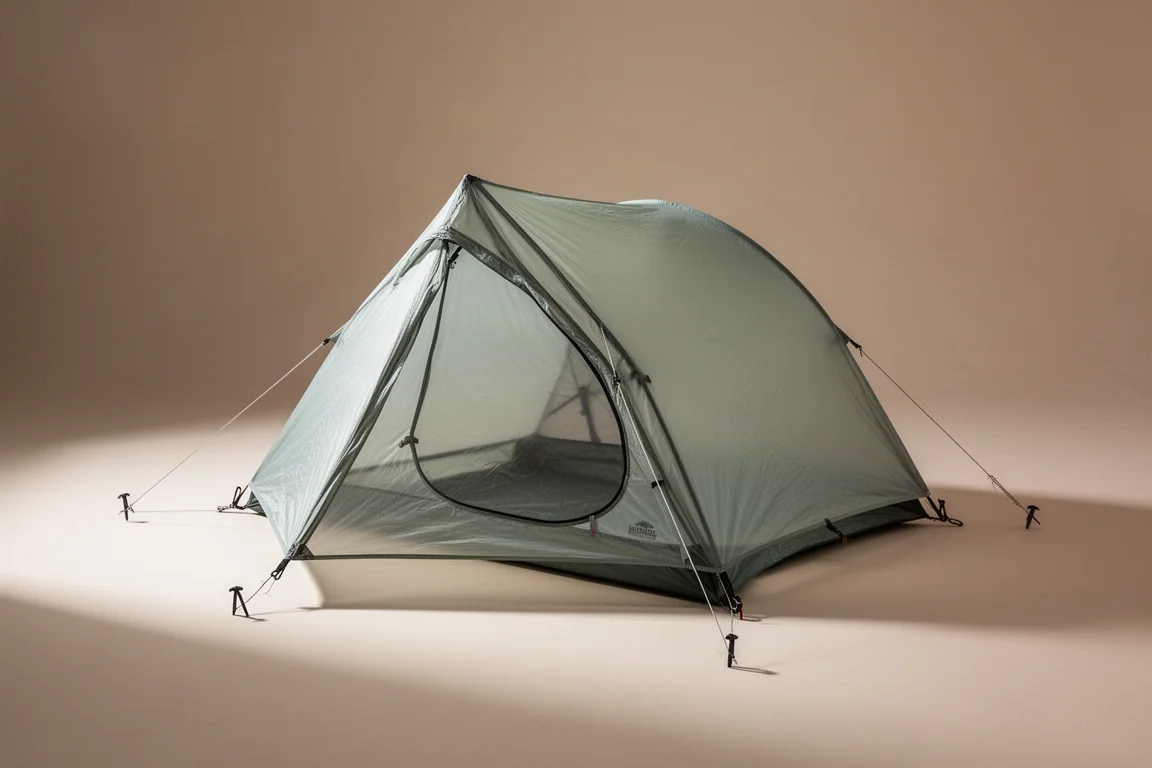
The Plex Solo is the lightest piece of gear here by a wide margin. At 13.7 oz it weighs less than most packs, most sleeping bags, and most sleeping pads, which makes it both the largest and the lightest item in a typical ultralight loadout. It is also roomy and relatively easy to pitch, so the low weight does not come with a difficult setup.
The only real obstacle is cost. At almost $600 US, the Plex Solo is a serious commitment. If the budget is there, it is difficult to find a better one-person tent. If it is not, a slightly heavier shelter will get you most of the way for considerably less.
Buying Advice: Matching Gear to the Trip
The right choice depends less on the spec sheet than on how you actually use your gear. If you treat water on every trip, the filter is the piece to get right first, and the gap between a filter that empties cleanly and one that leaves water behind shows up several times a day.
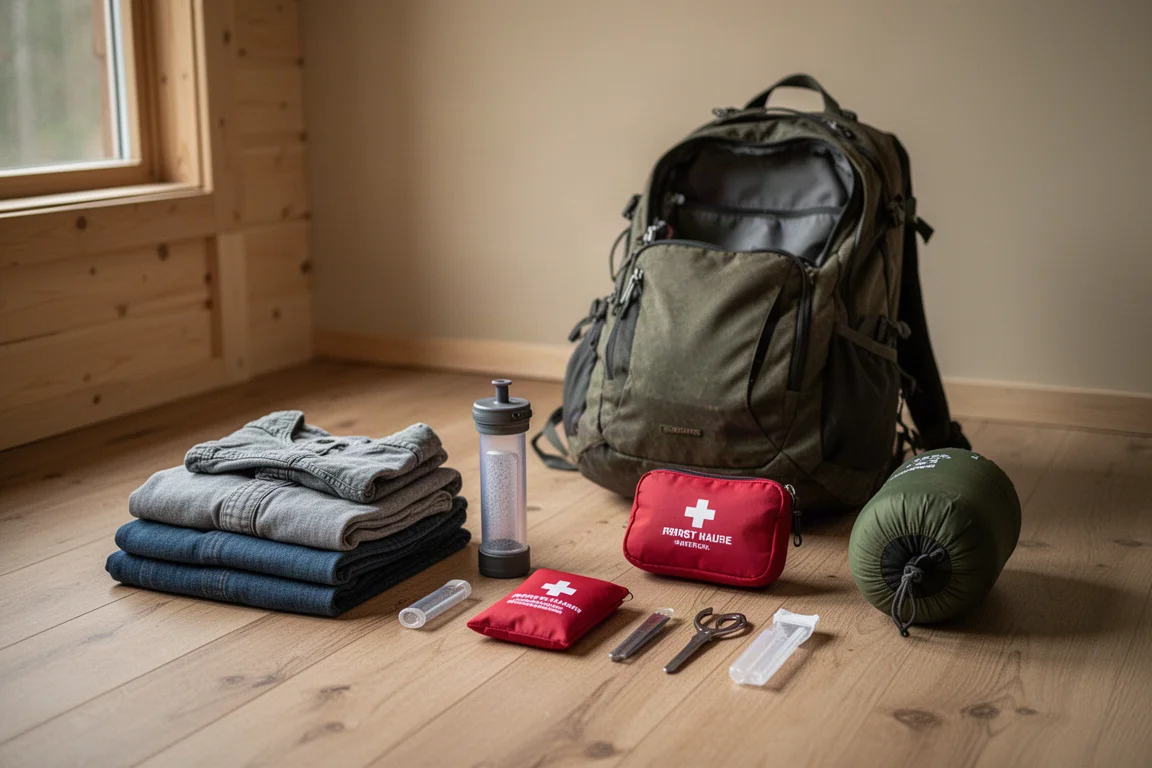
For shelter and sleep, think about the conditions you genuinely camp in. A two-person tent with a 50-inch rectangular floor makes shared trips far easier, but if most of your nights are solo, the weight savings of a one-person shelter are hard to beat. On the sleep side, a 4.2 R value pad covers the majority of three-season nights, while a quilt-and-bag hybrid gives you options across a wider temperature range.
A practical way to decide is to weigh the cost of each item against how many nights a year you will actually use it. Gear that solves a daily problem, like a filter or a pad, tends to be worth spending on. Gear that solves an occasional problem can wait.
Conclusion
There is no single best piece of backpacking gear, only gear that fits the trips you take. The QuickDraw makes the strongest case among the filters on price and design, the FreeLite 2 is a genuinely comfortable two-person shelter as long as you can live with its vestibule behavior, and the Plex Solo remains the benchmark for anyone counting ounces. Match the gear to the trip and your money goes further.
Further reading
Related Reviews

Backpacking Gear
Building a 10 lb Base Weight: An Ultralight Backpacking Gear List
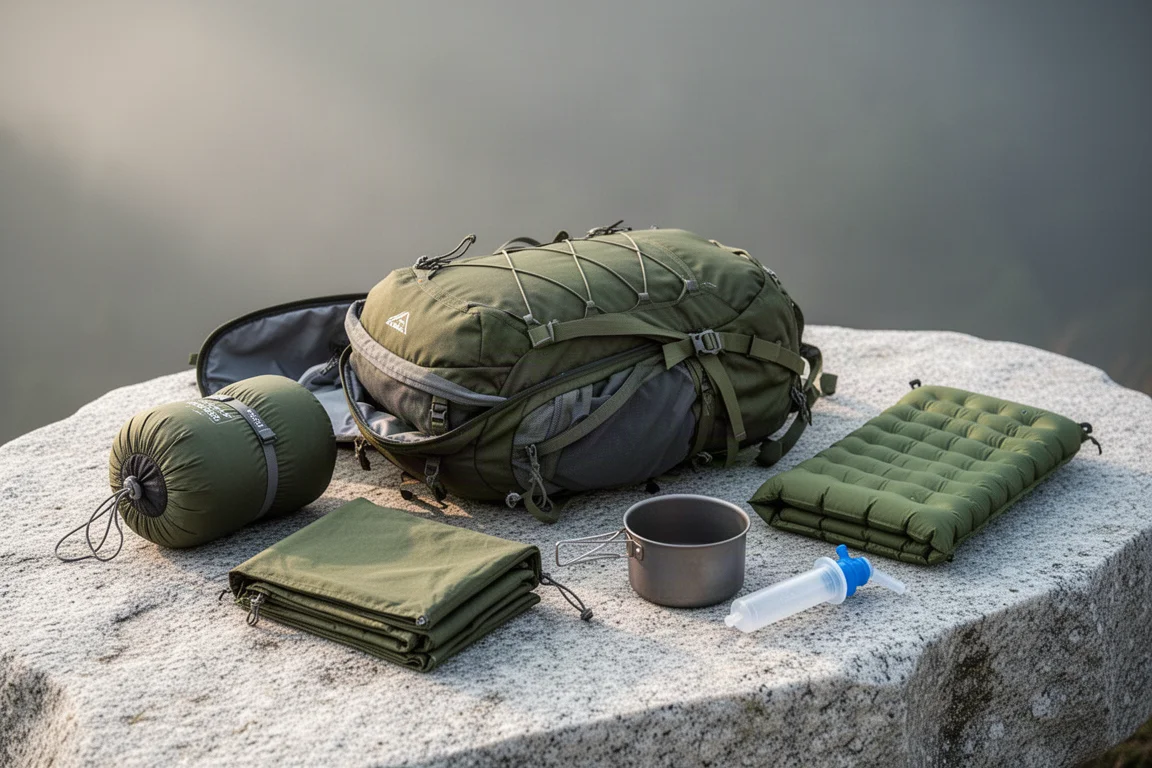
A practical walkthrough of the ultralight pieces behind a 10 lb base weight, from a 765 g pack and a roomy one-person tent to a full camp chair and a dependable water filter.
Backpacking Gear
A 15-Pound Lightweight Backpacking Gear List for Solo Trips
A beginner-friendly 15-pound backpacking setup built from easy-to-find gear, with notes on what each piece does, how it packs, and where to spend your attention.
Backpacking Gear
8 Ultralight Backpacking Gear Upgrades Worth Carrying
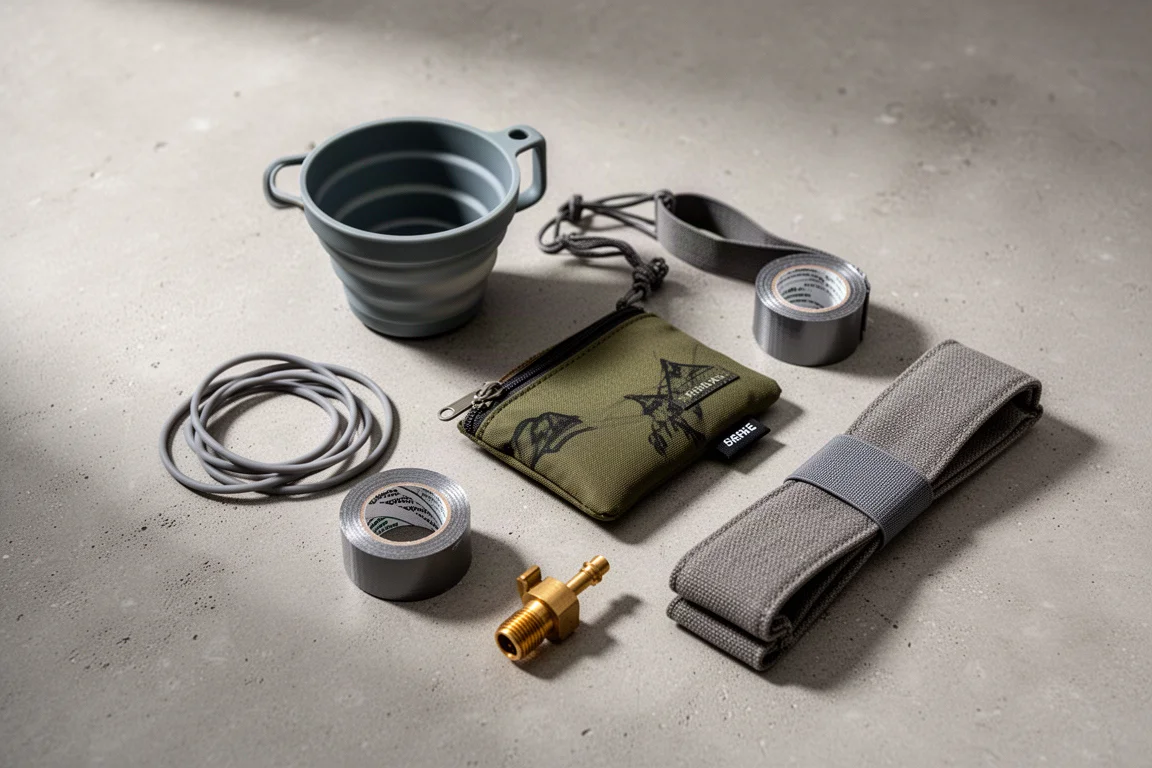
Eight small, affordable backpacking upgrades that solve real trail annoyances, from a pillow that stays put to a fuel valve that rescues leftover canister gas.