Backpacking Gear
Best Backpacking Gear: Premium Picks and Budget Alternatives for the Big Three
Premium backpacking gear for the backpack, sleep system and shelter, paired with lower-cost alternatives that hold up on real multi-day trips.
Introduction
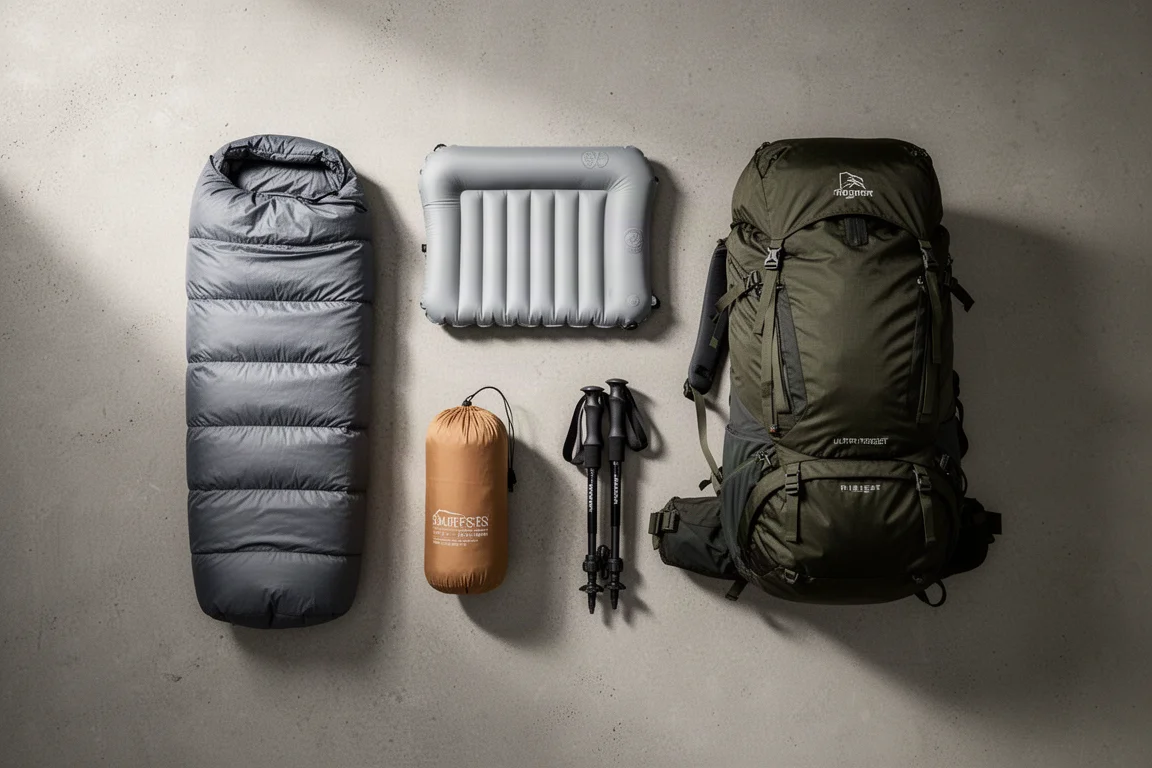
Backpacking gear is expensive, and the prices attached to top-tier equipment can be genuinely startling. The good news is that most of that cost sits in three places: the backpack, the sleep system, and the shelter. Once those are settled, everything else is an add-on.
This guide pairs premium picks with lower-cost alternatives across those three categories. Every item here has been used repeatedly on multi-day trips, and the alternatives were not chosen on price alone. They are gear that has held up season after season, with trade-offs you can weigh before you buy.
How We Evaluated This Gear
Start with the big three. Get the pack, the quilt or bag, the sleeping pad and the shelter right, and you have covered the bulk of your spending.
From there, the criteria are practical. Weight matters, but so does comfort over a long day, how quickly a shelter pitches in bad weather, how a pad feels at two in the morning when you roll onto your side, and whether the gear still works after several seasons. Price matters as well, but it is measured against how many nights you expect to spend out.
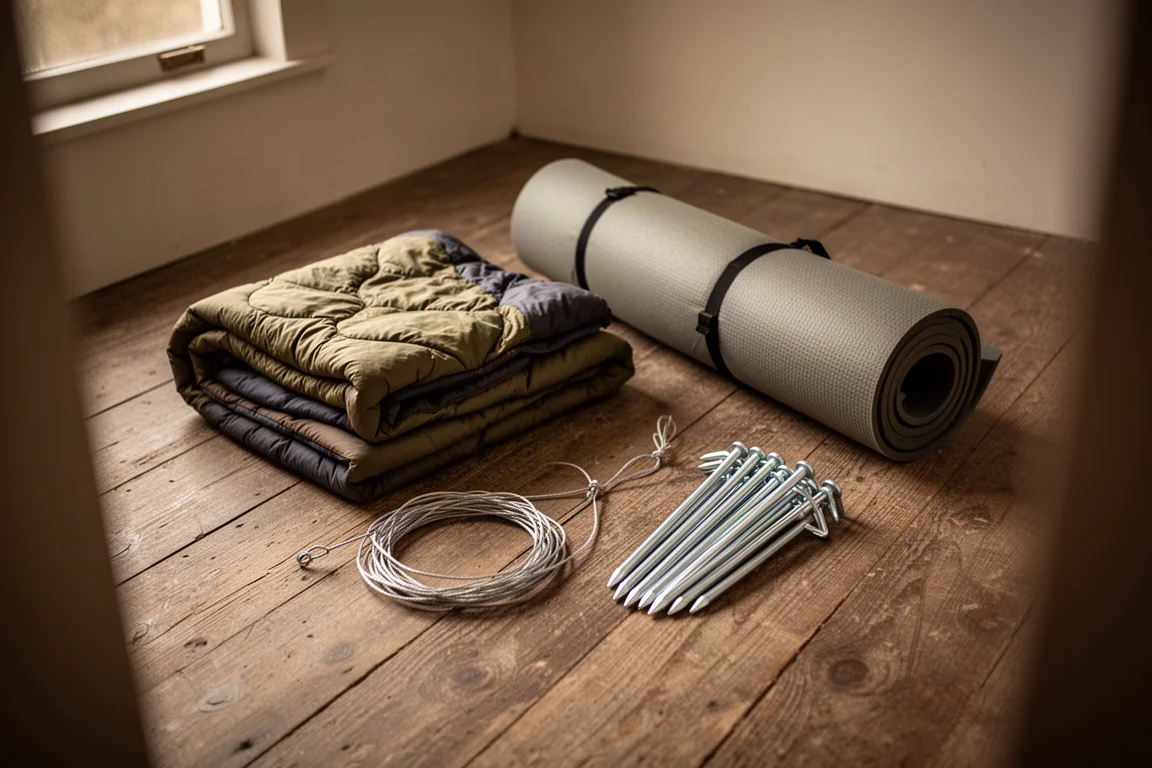
Each premium pick below is followed by an alternative that costs less and does the same job, with the compromises stated plainly.
Best Premium Backpack: Zpacks Arc Haul Ultra
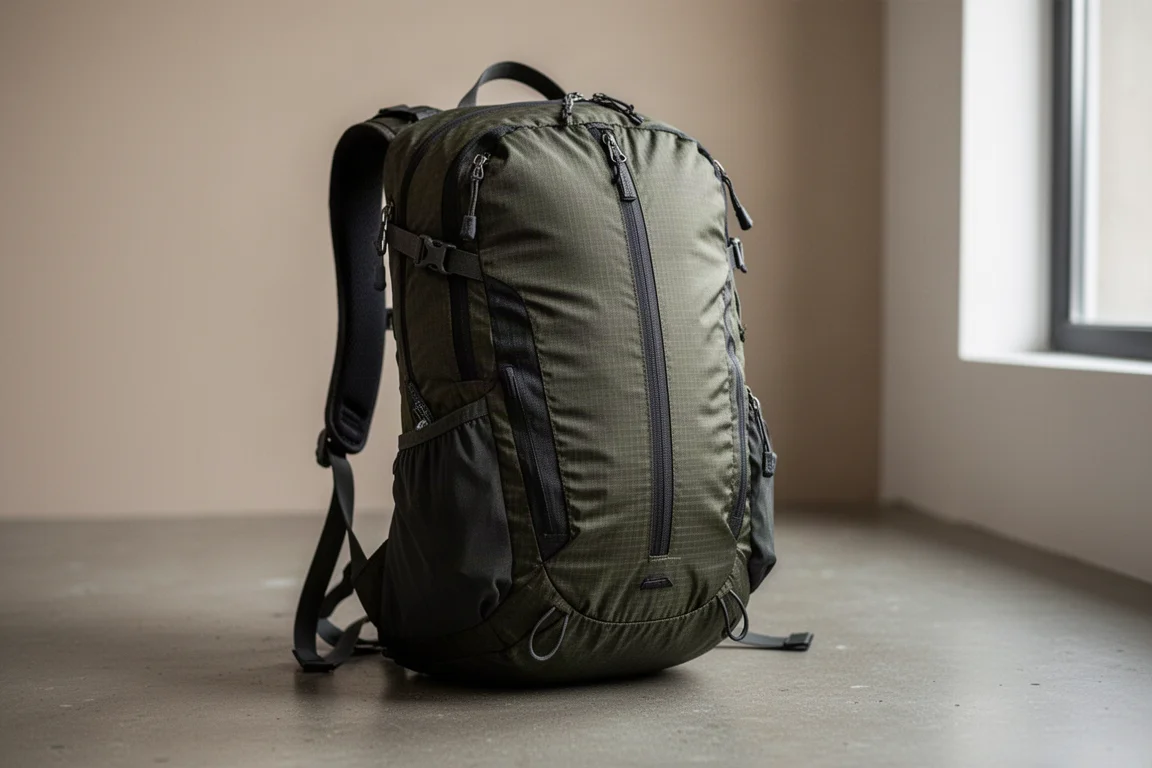
The Arc Haul Ultra is the pack to consider when budget is not the deciding factor. It comes in 40, 50, 60 and 70 litre versions at the same price, and the weight difference between the smallest and largest is only 1.2 oz. That makes the 70 litre version the sensible choice for most buyers, since it swallows extra food or winter layers without a meaningful penalty.
The pack is comfortable, durable, and has been used across a long stretch of trips. For carrying heavy loads over long distances, it is the most comfortable option in this roundup.
Best Value Backpack: Outdoor Vitals Shadowlight Ultralight Backpack
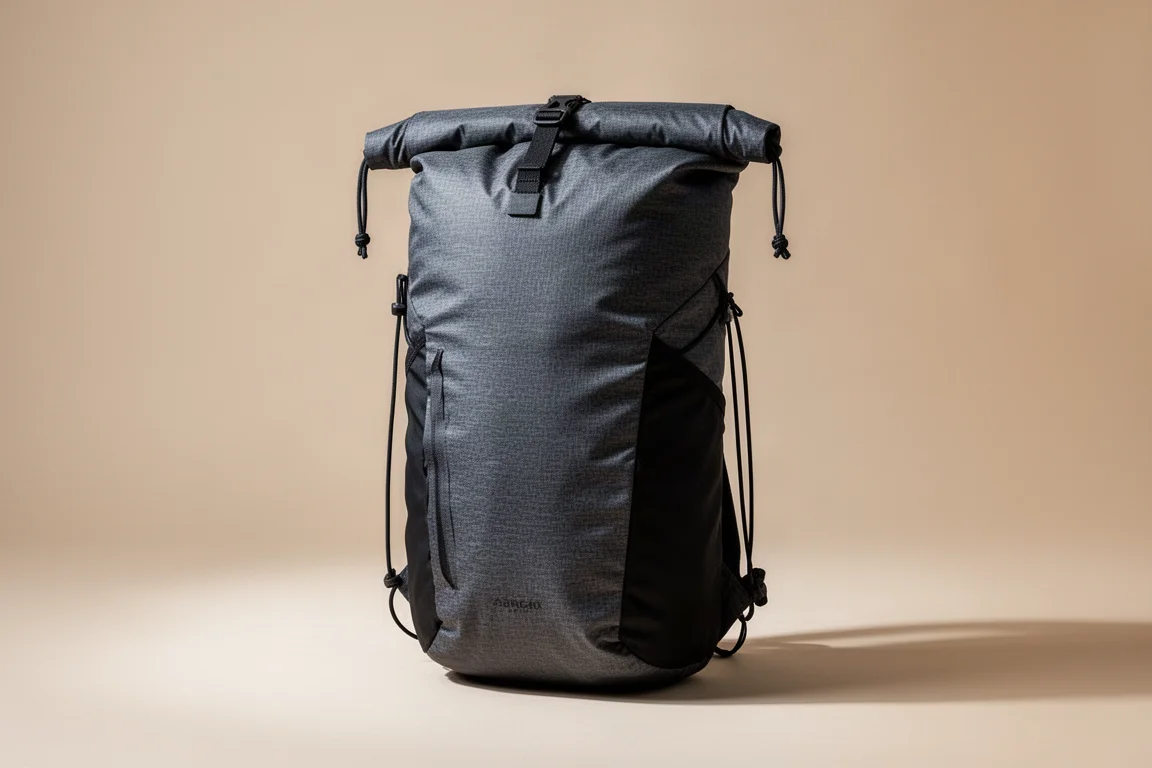
The Shadowlight sells for roughly half the price of the Arc Haul Ultra and weighs only a little more. The 60 litre version comes in at $209, and the tall size refers to torso length.
It has a full-length centre zip, so you can reach the bottom of the pack without unpacking from the top. There are also plenty of extra pockets for anyone who likes an organised load. It carries a decent amount of weight, in the same range as the premium pack, and it has survived multiple seasons of use.
At $209 it is not a bargain-bin price, but finding something cheaper that lasts as long is genuinely difficult.
Best Premium Quilt: Zenbivy Ultralight Quilt
The Zenbivy Ultralight Quilt is the closest thing to sleeping in your own bed at home. It is expensive, and to get the full effect you need to buy it as a set with the matching sheet, which adds further cost.
On temperature rating, choose the 10° version. Its comfort rating lands closer to 20° or 25°, which covers the conditions most backpackers actually meet. Buying one rating that handles the cold end of your trips is cheaper than owning two quilts.
The sheet clamps onto the quilt in a way that feels unrestrictive, like a sheet laid over you, while preventing drafts when you roll over. If sleep quality in the backcountry matters and the budget allows, this is the setup to get.
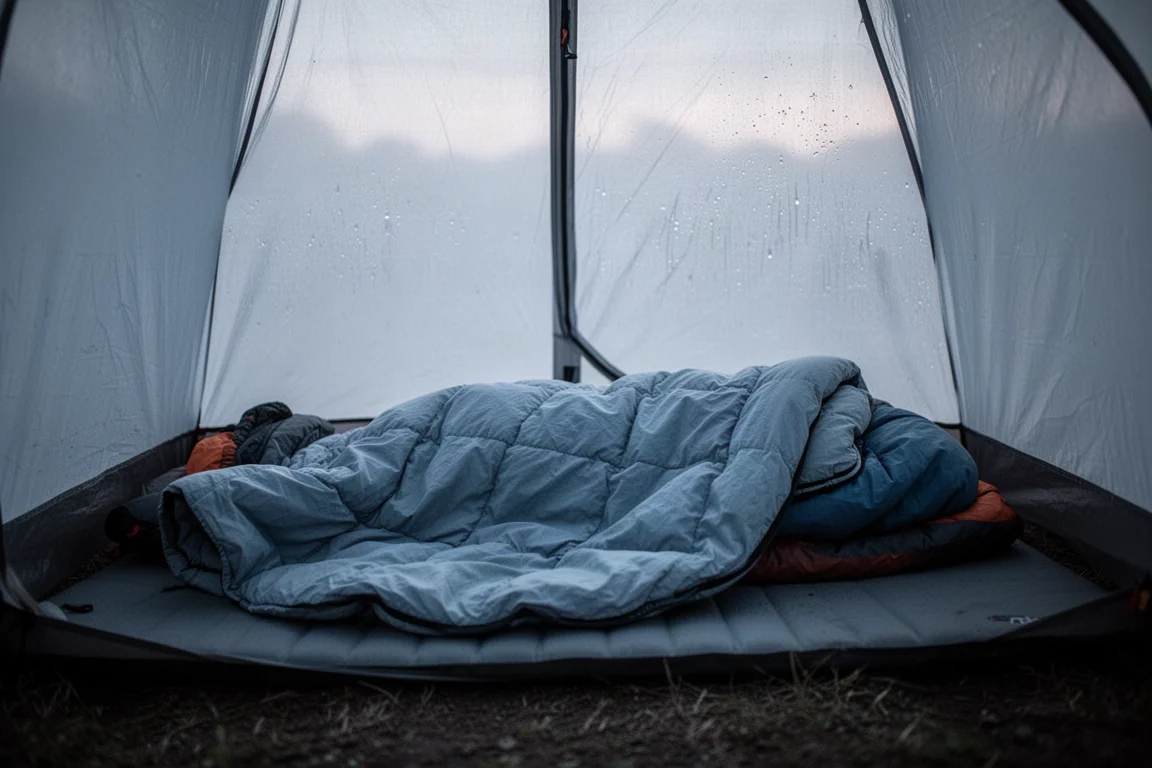
Buying the quilt on its own is not recommended. The system is what makes it work.
Best Premium Sleeping Pad: Zenbivy Ultralight Mattress
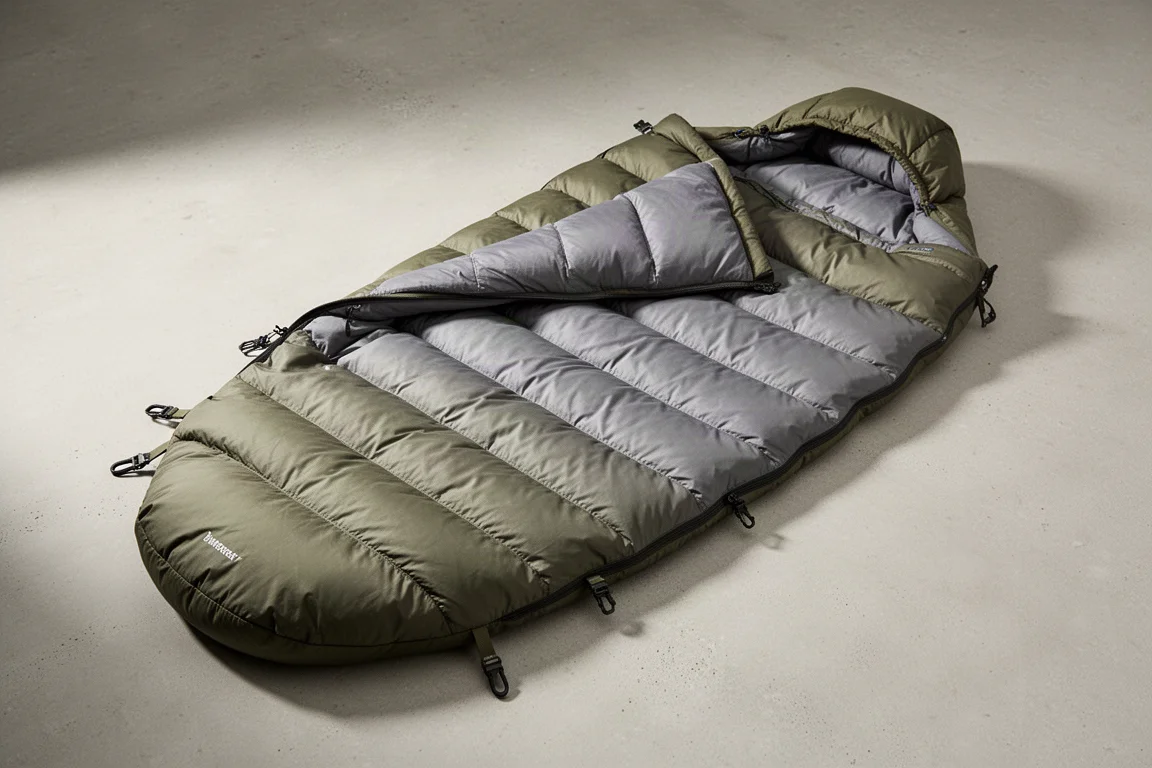
The Ultralight Mattress is the natural partner to the quilt. The regular version is $189 and the wider version is about $200. It carries an R5 rating, which is warm enough for year-round use in most conditions.
It is comfortable, with one caveat: it needs to be inflated close to full. When it is under-inflated, hips can reach the ground, so there is not much leeway in how firm you set it. Other users have found it comfortable across a wider range of pressures, but it is worth knowing before you commit.
A longer version exists, though it can be out of stock.
Best Value Quilt: Outdoor Vitals StormLoft Down Top Quilt
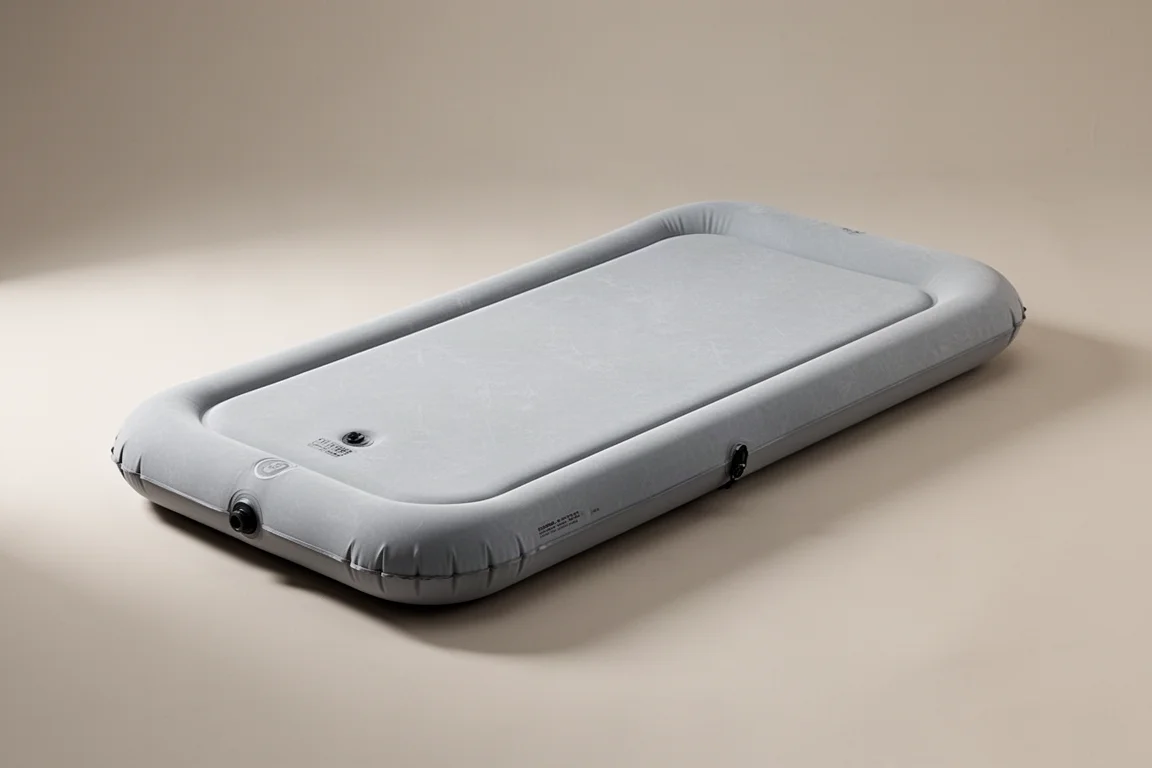
The StormLoft costs roughly half as much as the Zenbivy quilt system. The 15° version is $329, and that is the rating to choose over the colder 0° option for most three-season trips.
You give up the sheet and the insulated hood. In practice you wear your puffy jacket and put your hood up, which most backpackers do anyway. The quilt is very wide when strapped down, so it does not pull away when you roll over, and it is one of the few quilts that produces no cold drafts when it is properly secured.
The one annoyance is a cord running through the middle of the quilt. When you are on your back it can drift toward your face. Everything else about it is excellent.
Best Value Sleeping Pad: Flextail Zero Mattress
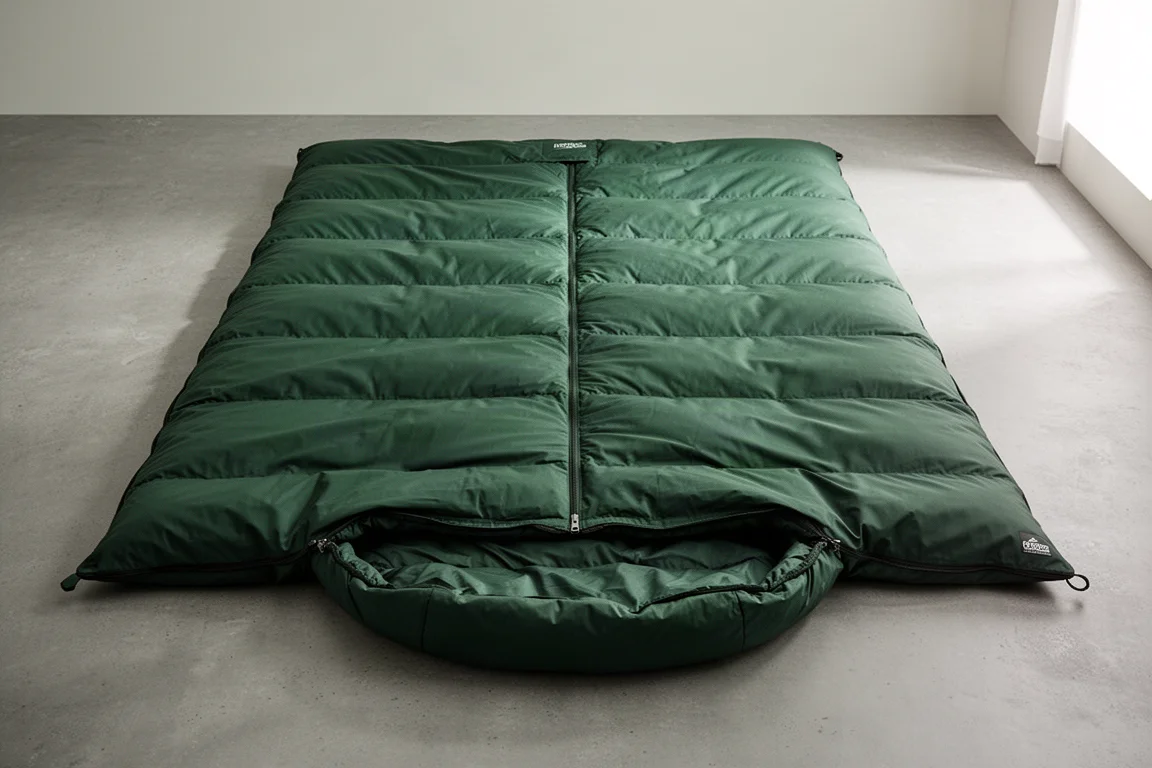
Flextail is best known for pumps, and its sleeping pad deserves more attention than it gets. The regular version is 25 inches wide, costs $140, and carries an R5 rating. That combination is unusual at this price, and it means one pad can cover the whole year.
An R5 rating is enough to sleep on snow comfortably. It is not intended for deep winter conditions well below freezing, but for everything else it works. The sides are raised slightly, so it feels wider than its dimensions suggest, and it is genuinely comfortable.
Two quirks are worth knowing. The valve sits at the bottom of the pad, which is deliberate but awkward if you want to adjust firmness in the middle of the night. The bundle pricing is also worth taking: with the Zero Pump included the total is $164, against roughly $50 for the pump on its own.
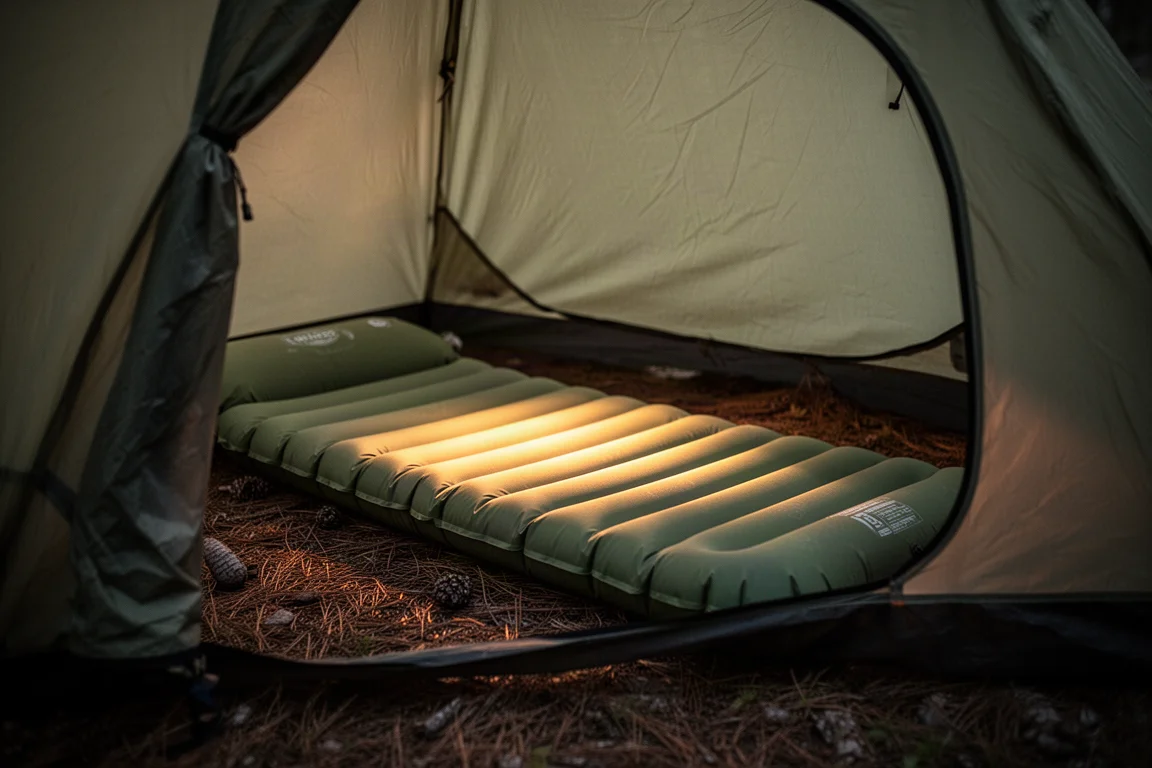
For anyone who wants one warm pad without spending $200, this is the pick.
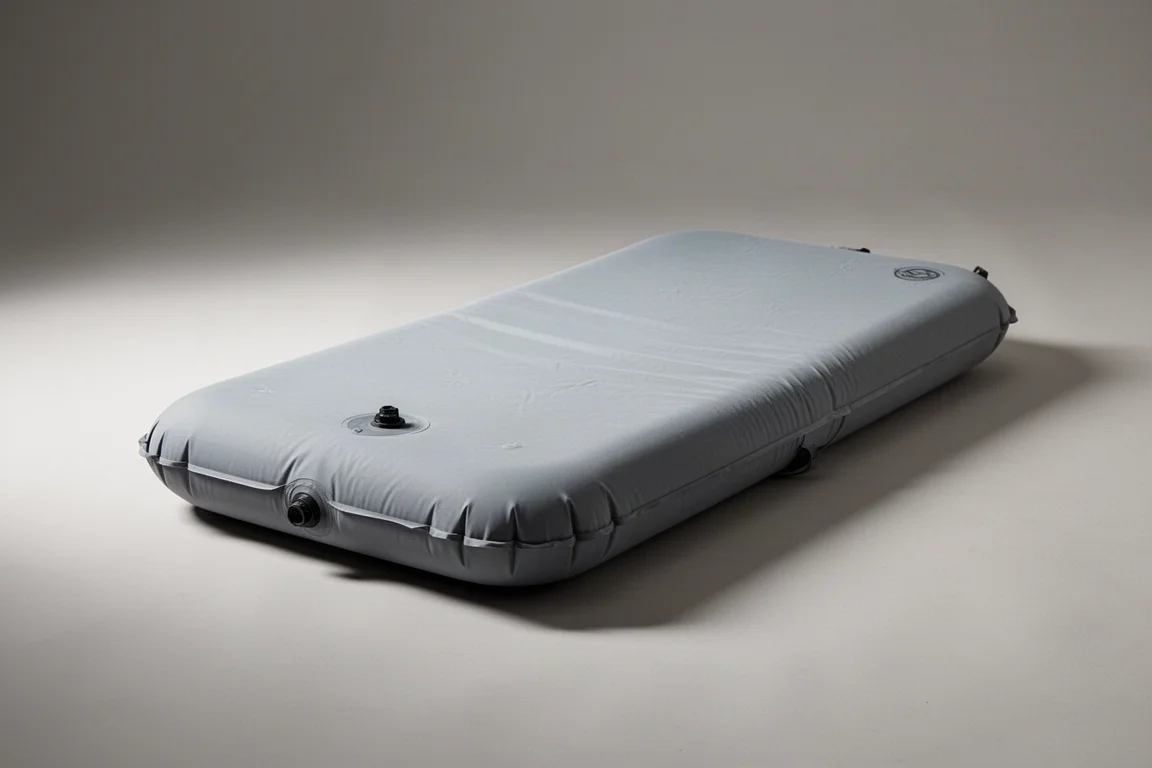
Best Premium Solo Shelter: Zpacks Offset Solo Tent
The Offset Solo is the shelter to buy if the budget stretches. At $650 it is a serious purchase, but it weighs 17.5 oz (496 g) and offers headroom that makes a one-person tent feel enormous.
Setup is fairly straightforward, though it needs eight stakes. It includes an additional offset component at one end, a small piece that could be lost or broken, and a stick can substitute in a pinch. A wider duo version is available for trips with a partner.
If you can afford it, this is a superb tent. It simply does not feel like a one-person shelter once you are inside.
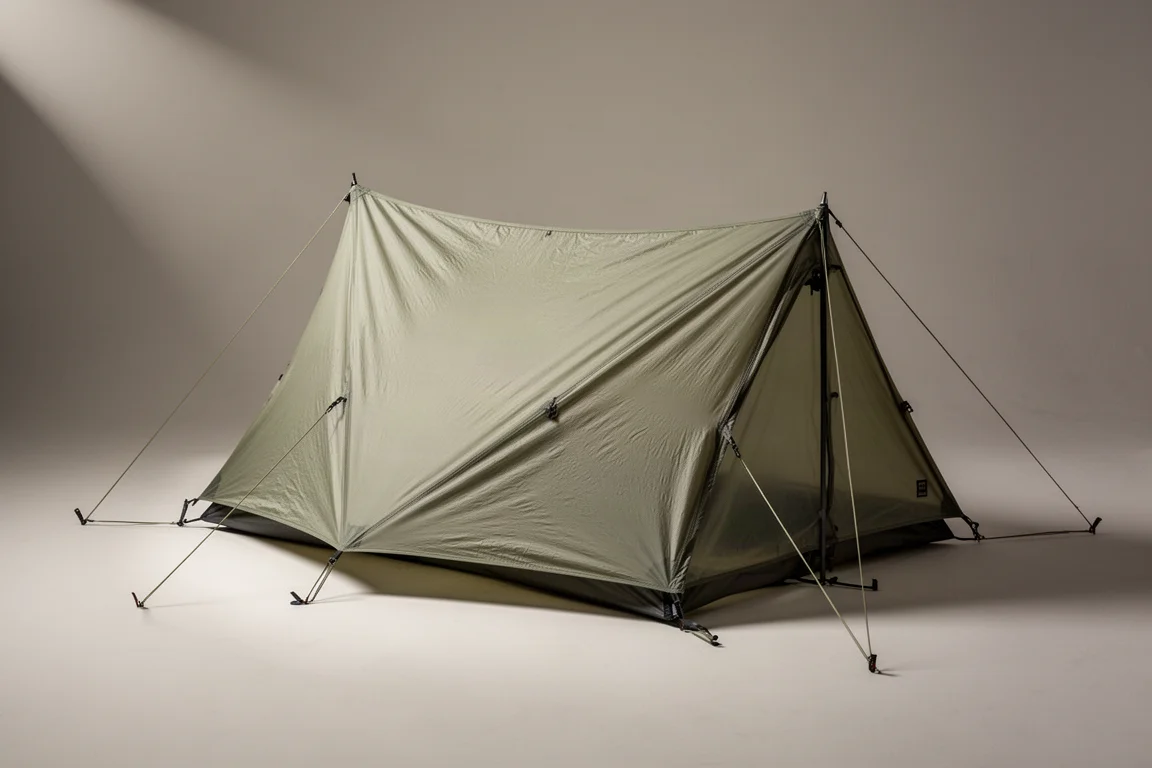
Best Value Trekking Pole Tent: Durston Gear X-Mid 1P
The X-Mid 1P is the best inexpensive trekking pole tent you can buy. At $234 it is phenomenal value.
The trade-offs are real. It is heavier than premium options, the interior feels narrow when you are lying in it, and it may not suit anyone who dislikes enclosed spaces. It fits a 25 inch wide pad, and headroom is good without being generous. For the price, none of that is a dealbreaker.
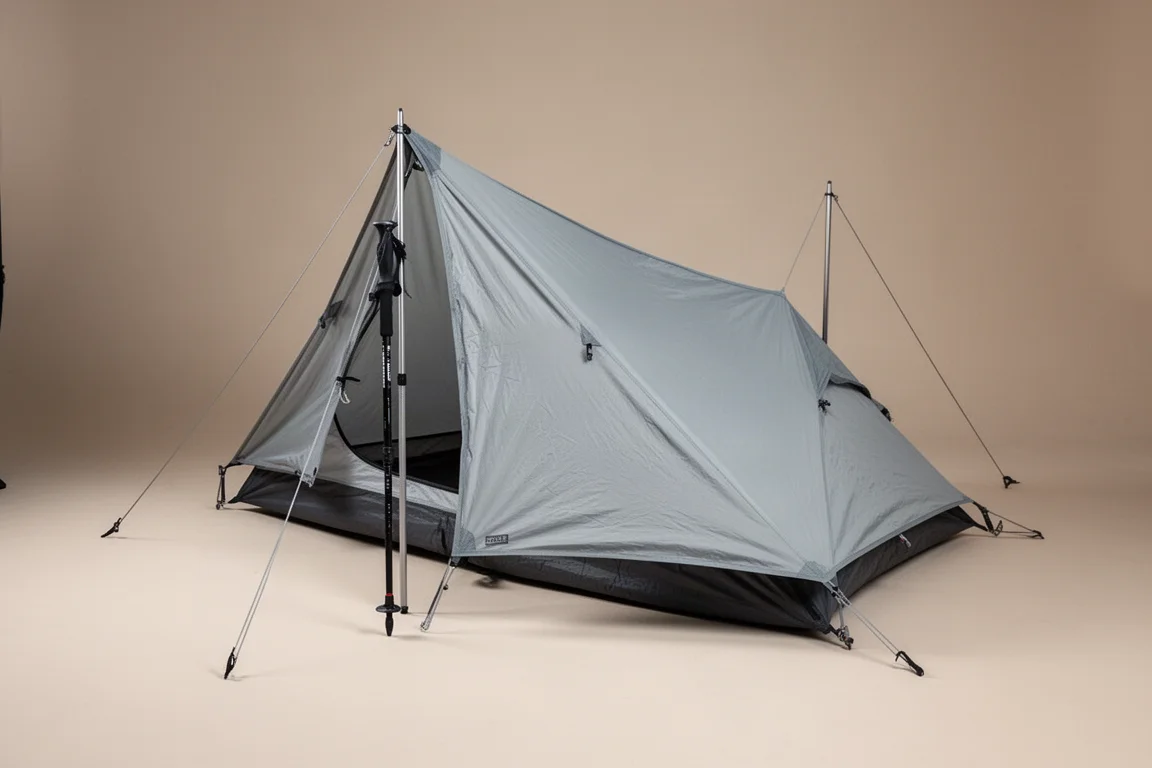
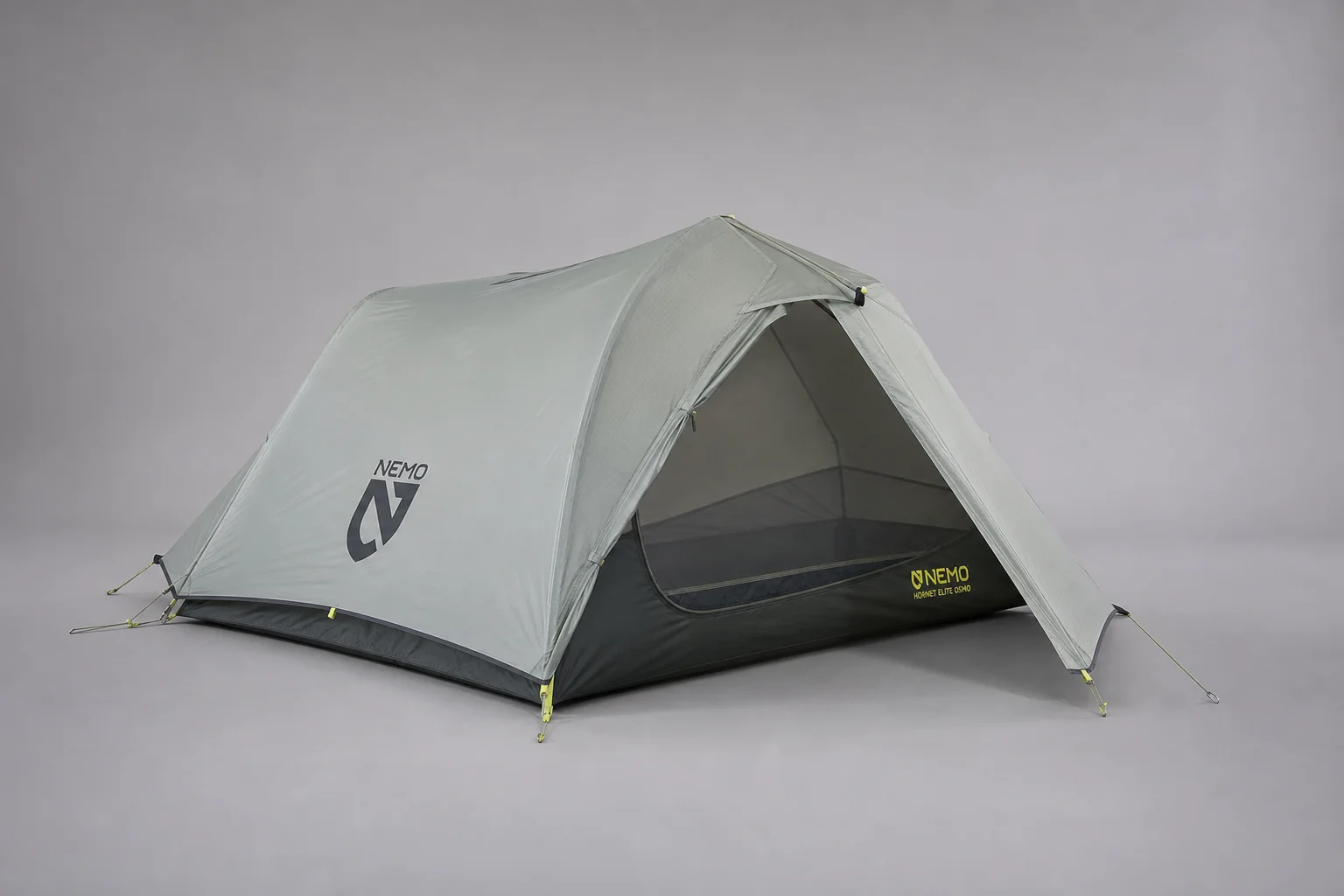
Best Freestanding Option: Nemo Hornet Elite Osmo
If trekking pole tents are not for you, the Hornet Elite Osmo is the freestanding answer. Choose the two-person version, since the one-person version is narrow for its class. This is the updated Osmo build.
It weighs just over 2 lb with poles, which puts it in the same territory as a trekking pole shelter once you account for the 16 oz or more that a pair of poles adds to your carried weight. The footprint is small, headroom is decent, and there are two vestibules plus plenty of room inside. It is expensive at around $550, but everything about it works well.
Best Budget Freestanding Tent: Paria Outdoor Products Bryce 1P Tent
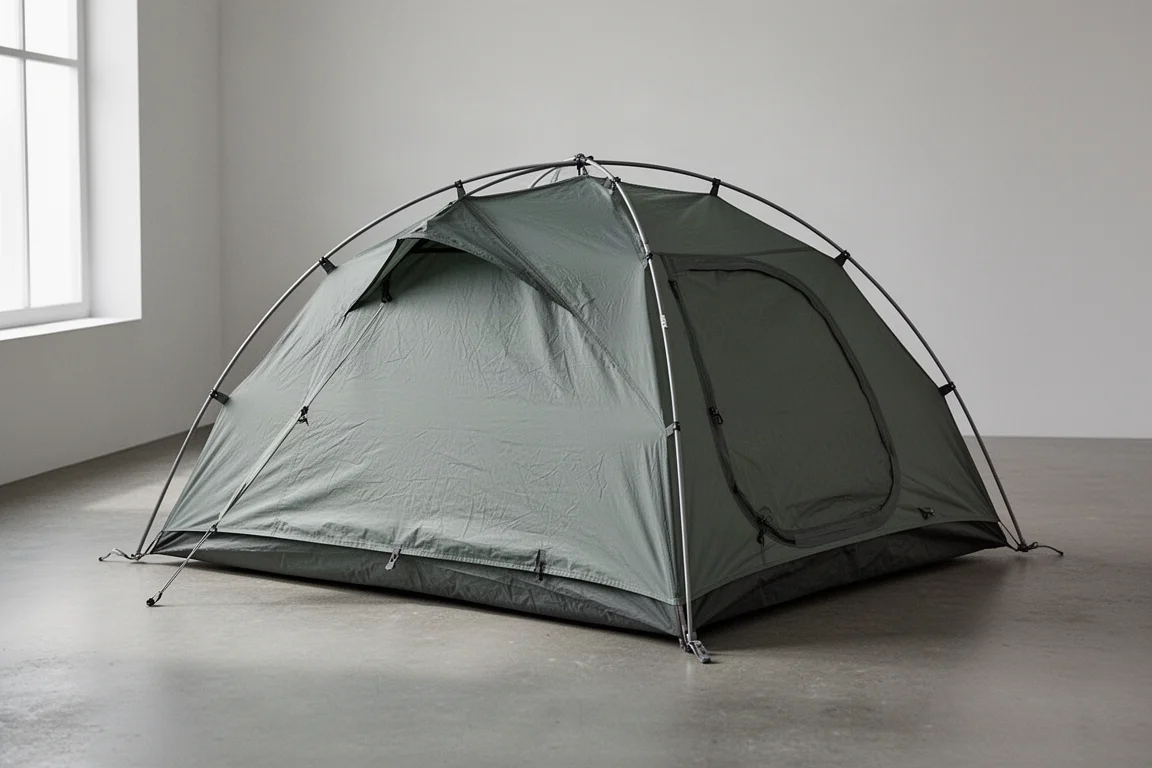
The Bryce 1P is a fully freestanding tent for $160. It weighs just under 3 lb, and the interior feels closer to a one-and-a-half person space than a solo tent. It has been used on more trips than almost anything else in this guide.
The compromises are weight and access. It is heavier than the premium shelters, and there is a single door at the head end, which means climbing over your pillow area for a middle-of-the-night exit. At $160, that is easy to live with.
For a first backpacking setup or a second tent for shorter trips, this is hard to beat.
Overall Buying Advice
The decision comes down to how often you go. If you backpack frequently, or you are planning a long thru-hike, the premium picks make sense. They are the one-and-done purchases, and the cost is spread across a lot of nights out. Treat yourself if the budget allows.
If you head out a few times a year, are just getting into backpacking, or are not planning a long trail, the lower-cost list is the better route. That gear still lasts for years, and the difference in total cost across a full setup is substantial.
Either way, spend your money on the big three first. Everything else can be added later.
Conclusion
Premium backpacking gear is expensive, and the gap between the top tier and the value tier is large. The Arc Haul Ultra, the Zenbivy sleep system and the Zpacks Offset Solo are the best of what is available when the budget is there. The Shadowlight, the StormLoft quilt, the Flextail Zero Mattress, the X-Mid 1P and the Bryce 1P cover the same ground for far less money.
Match the list to how you actually use your gear, and either path will serve you well for years.
Further reading
Related Reviews

Backpacking Gear
Building a 10 lb Base Weight: An Ultralight Backpacking Gear List
A practical walkthrough of the ultralight pieces behind a 10 lb base weight, from a 765 g pack and a roomy one-person tent to a full camp chair and a dependable water filter.

Backpacking Gear
A 15-Pound Lightweight Backpacking Gear List for Solo Trips
A beginner-friendly 15-pound backpacking setup built from easy-to-find gear, with notes on what each piece does, how it packs, and where to spend your attention.

Backpacking Gear
8 Ultralight Backpacking Gear Upgrades Worth Carrying
Eight small, affordable backpacking upgrades that solve real trail annoyances, from a pillow that stays put to a fuel valve that rescues leftover canister gas.