Backpacking Gear
Best Backpacking Gear: 12 Most Popular Picks From Long-Distance Hikers
A data-informed roundup of the backpacking gear that long-distance hikers and ultralight shoppers choose most, with the trade-offs worth weighing before you buy.
Introduction
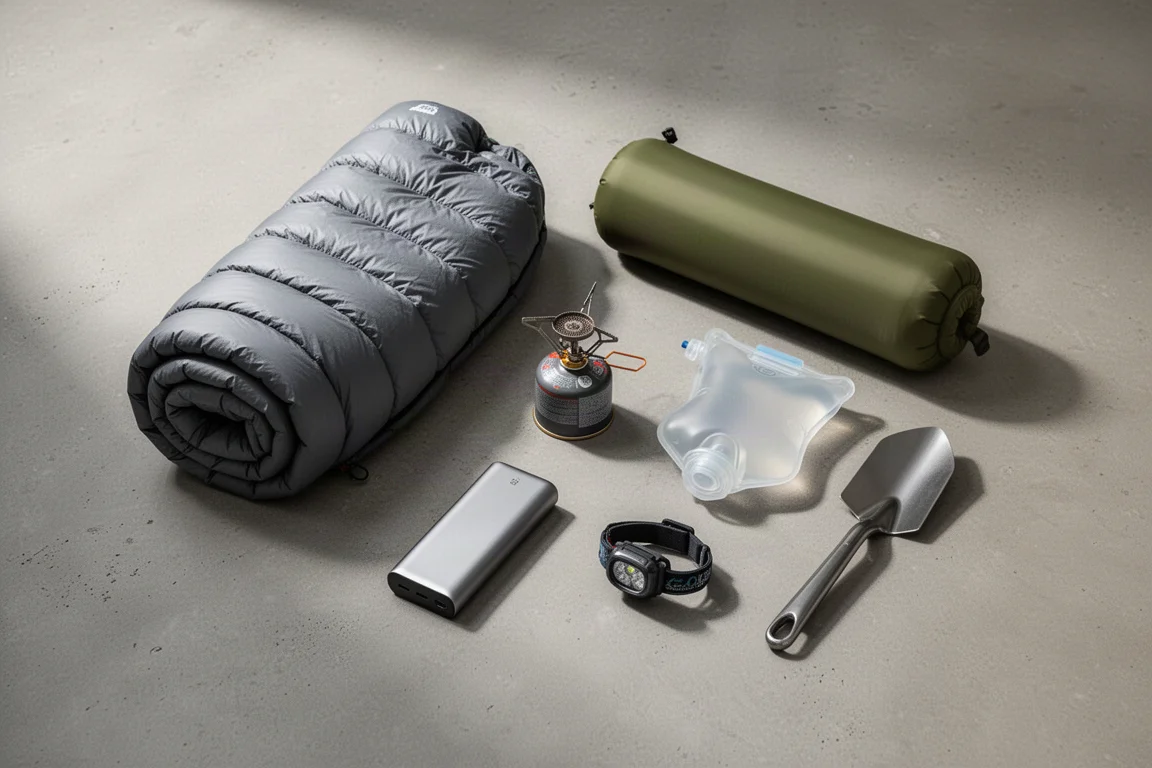
Ask a hundred long-distance hikers what belongs in a pack and you will get a hundred variations, but the overlap is telling. The gear that keeps appearing on multi-month trails tends to be light, durable, and simple to live with. That consistency is exactly what makes it worth studying before you spend money.
This roundup pulls together the pieces that show up most often in long-distance hiker surveys and in sales data from a retailer that specializes in ultralight and cottage backpacking gear. The result leans toward small-brand and ultralight equipment, which makes sense: people who walk for months at a time treat their kit like professional equipment.
How This List Was Built
Two sources of evidence shaped this list. The first is survey data from long-distance hikers on major trails, which captures what people actually carried and how well it held up. The second is sales data from an ultralight-focused retailer, which shows what buyers are choosing right now.
Where the two sources disagree, the split is worth understanding rather than dismissing. Some categories produced a single clear winner. Others produced two or three strong candidates with genuinely different strengths, and the right answer depends on how you hike.
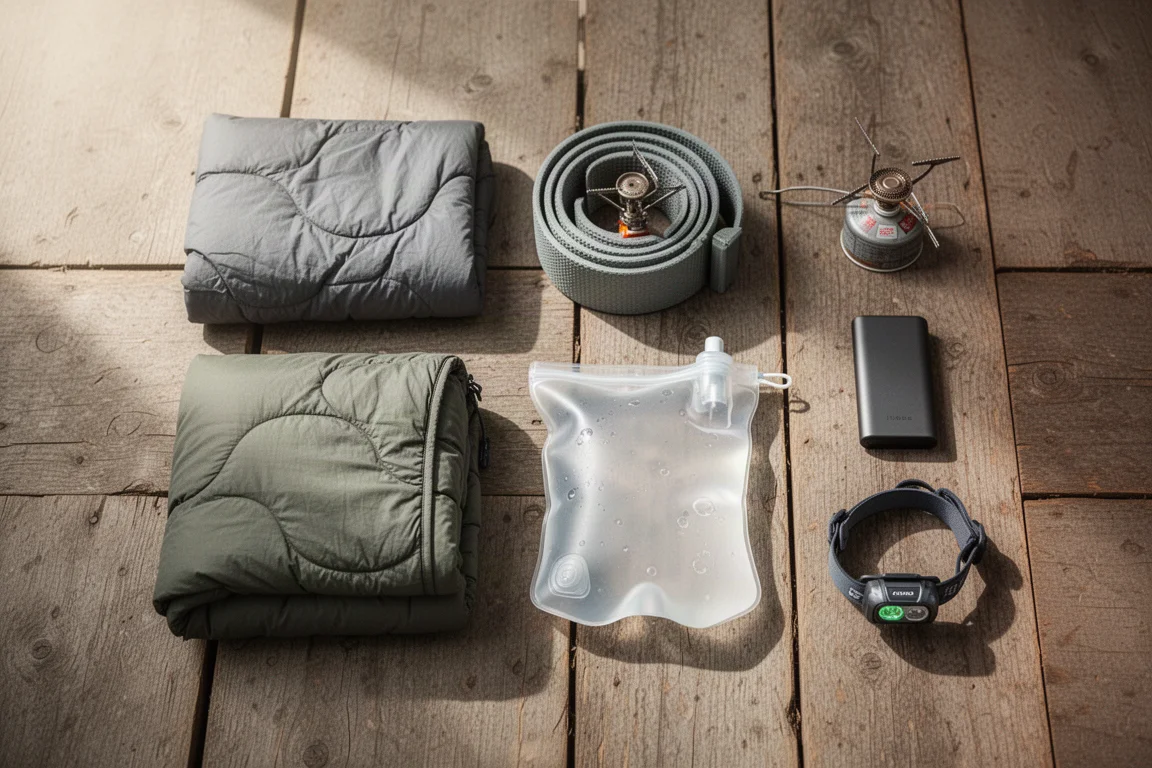
A note on the ultralight bias: it is a feature, not a flaw. Long-distance hikers are the closest thing backpacking has to full-time users, and the gear they trust has already survived months of daily use. Mainstream equipment from big-box stores is often perfectly good, but it is designed for occasional trips rather than for people counting every gram.
Enlightened Equipment Enigma: The Closed-Footbox Quilt
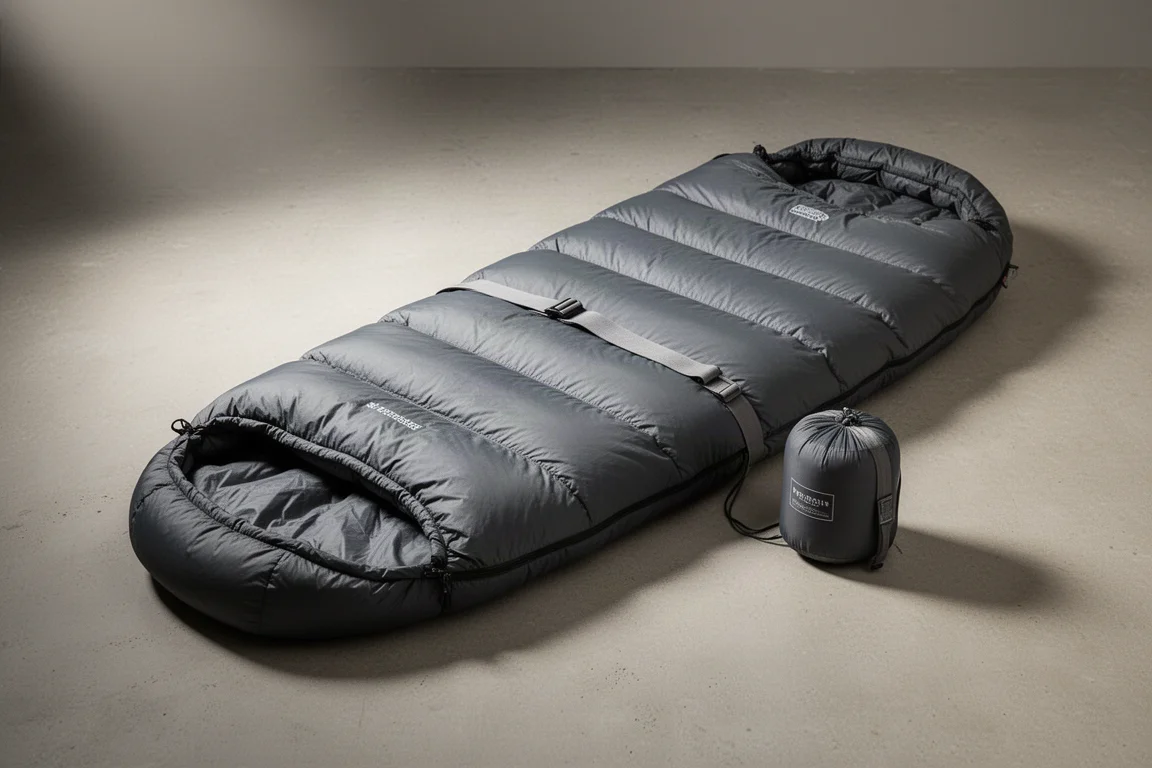
Enlightened Equipment is the most consistently cited quilt brand across the available data, and the Enigma is the model that cold sleepers tend to gravitate toward. It was the top quilt in two of the long-distance surveys.
The Enigma uses a sewn closed footbox. Everything else, from the pad straps to the insulation to the available temperature ratings, is shared with the rest of the range. If you have ever wrestled a cinch cord shut on a cold night and still felt a thin ribbon of air at your feet, the closed design removes that problem entirely.
Enlightened Equipment Revelation: The Quilt You Can Open Up
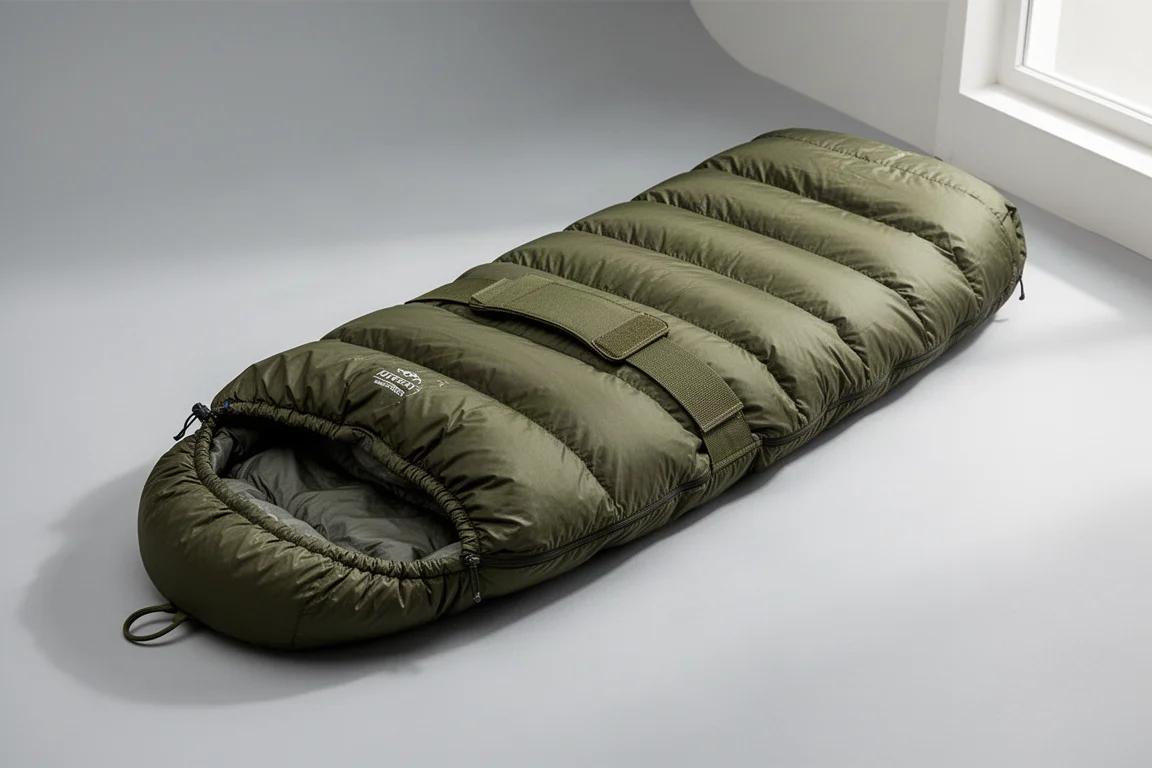
The Revelation is the same quilt family with one meaningful change: a cinchable footbox instead of a sewn one. It topped one of the long-distance surveys and outsells the Enigma by roughly five to one, which suggests a lot of buyers value the flexibility.
That flexibility matters most in warm weather. Loosen the footbox and the quilt opens into something closer to a blanket, which is comfortable on mild nights when a fully enclosed design feels like overkill. The trade-off is that a cinched footbox can leave a small opening that lets in a draft when temperatures drop.
Zpacks Duplex: The Most Popular Ultralight Tent
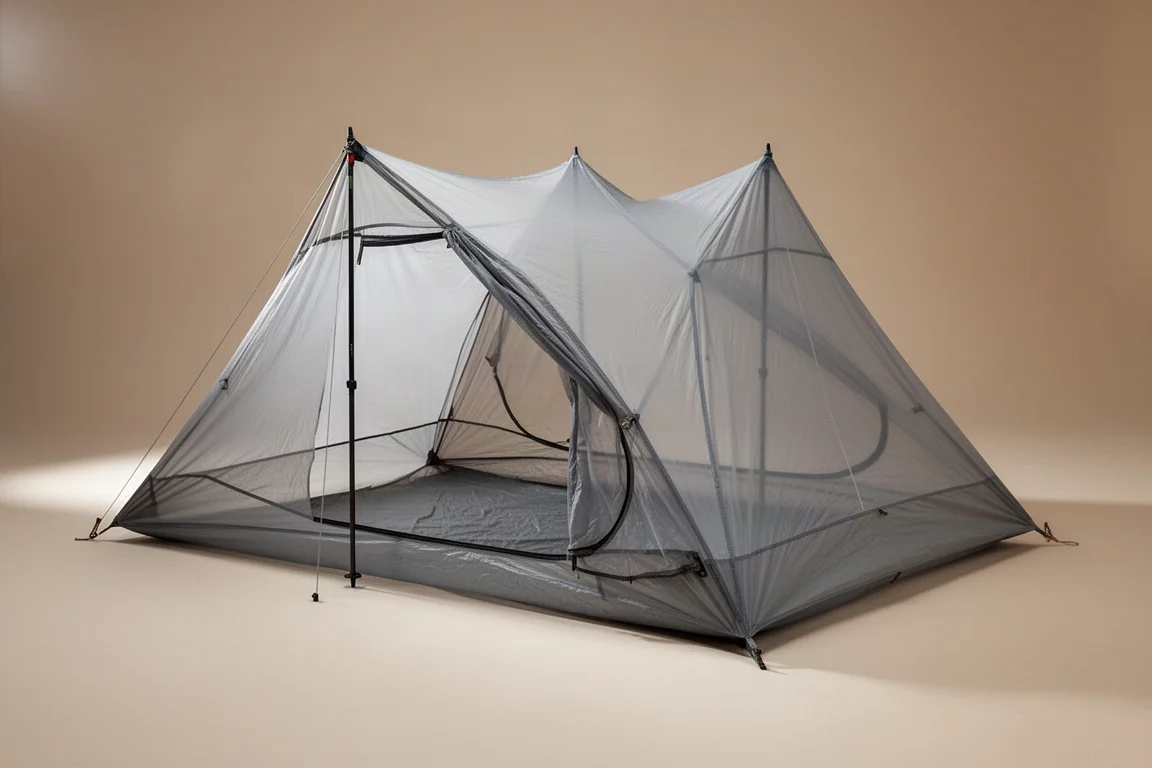
Every long-distance survey pointed to the same tent. The Duplex is a trekking-pole shelter built from Dyneema, with two doors and two vestibules, and it earns its following by being both light and unusually roomy for one person.
Some hikers would argue for a Durston X-Mid, and that family of tents does appear to be gaining ground, but as a single model the Duplex leads the data by a clear margin. Two doors and two vestibules make camp easier to live with, and the Dyneema construction keeps the packed weight low.
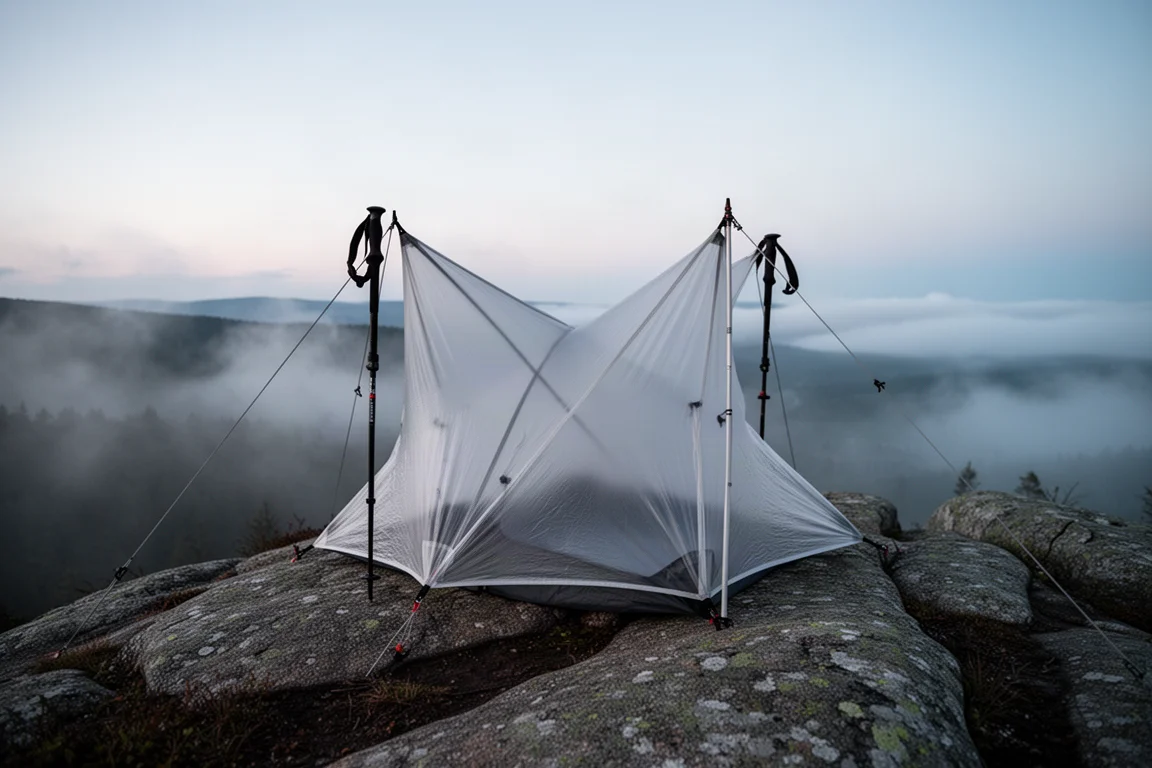
The main consideration is price. At around $700 it is a serious investment, though that figure is typical for ultralight Dyneema shelters. It is also at its best with one occupant: two people fit, but the space advantage that makes the Duplex so appealing shrinks quickly.
Therm-a-Rest NeoAir XLite NXT: The Long-Standing Inflatable Pad
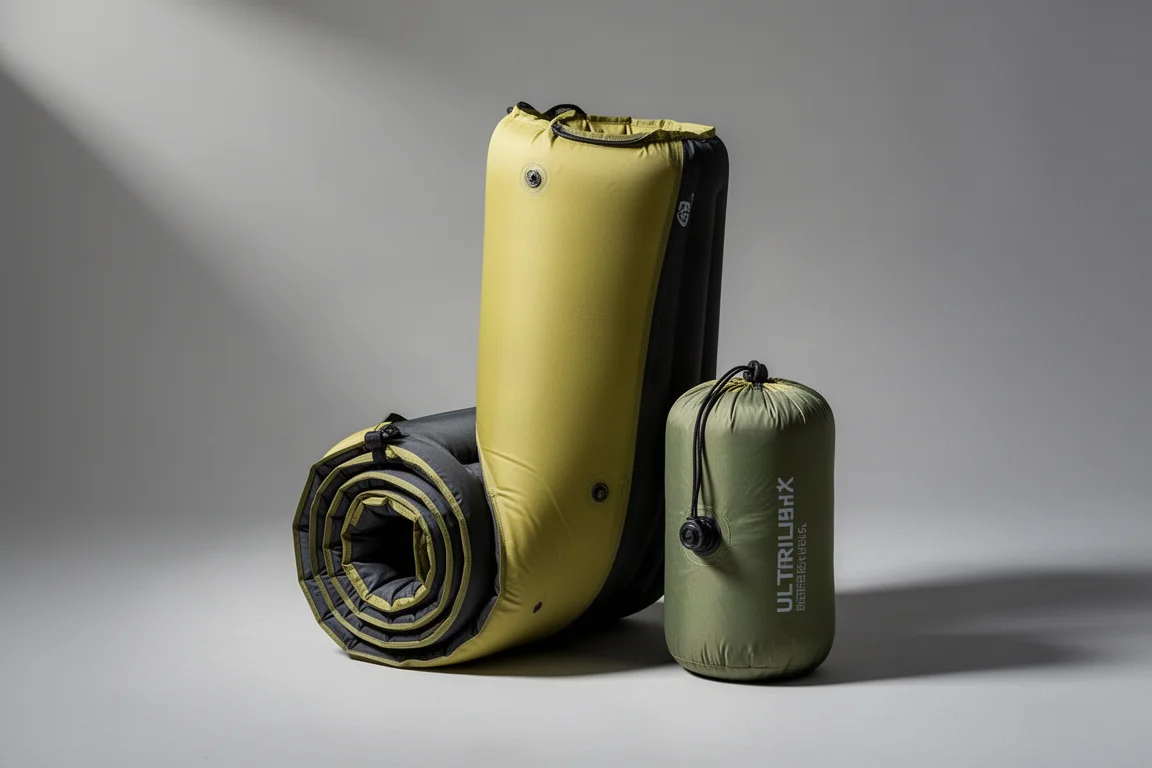
Few pieces of gear have led their category for as long as the NeoAir XLite. It was among the first inflatable pads to combine real thickness, low weight, and a usable R value, and it has stayed near the top of the category for decades.
The XLite NXT measures 3 inches thick, weighs about 1 pound in the regular wide size, and carries an R value of 4.5. That combination covers three-season use for most backpackers. Comfort is subjective and some sleepers prefer other pad designs, but the specifications and the sales record are hard to argue with.
Gossamer Gear Mariposa: The Best All-Round Pack Pick
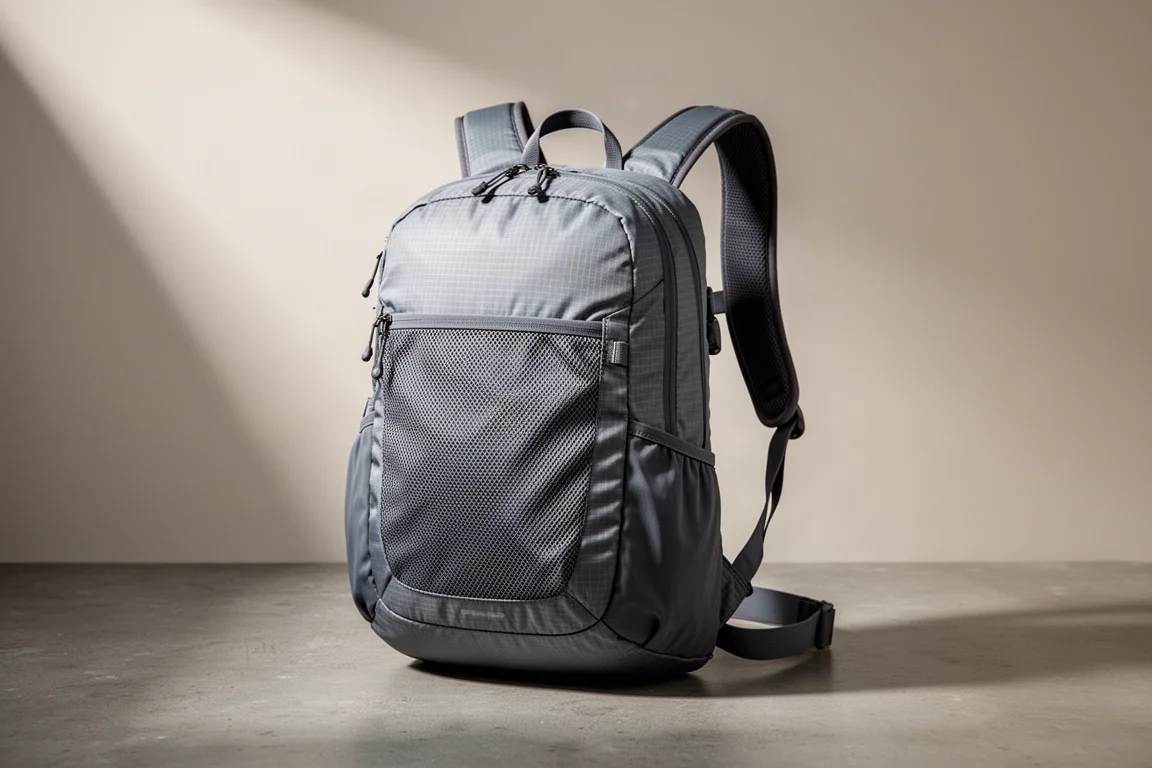
Backpacks are the one category where the data genuinely splits. Different long trails produced different favourites, including the ULA Circuit and the Hyperlite Southwest, so the decision comes down to fit, budget, and priorities.
The Mariposa is the pick here because it balances comfort and cost. At around $315 it undercuts the other leading packs by roughly $40 to $60, yet it still weighs about 2 pounds, uses thick padding and wide shoulder straps, and offers plenty of pockets for organizing gear.
MSR PocketRocket 2: The Stove Hikers Keep Coming Back To
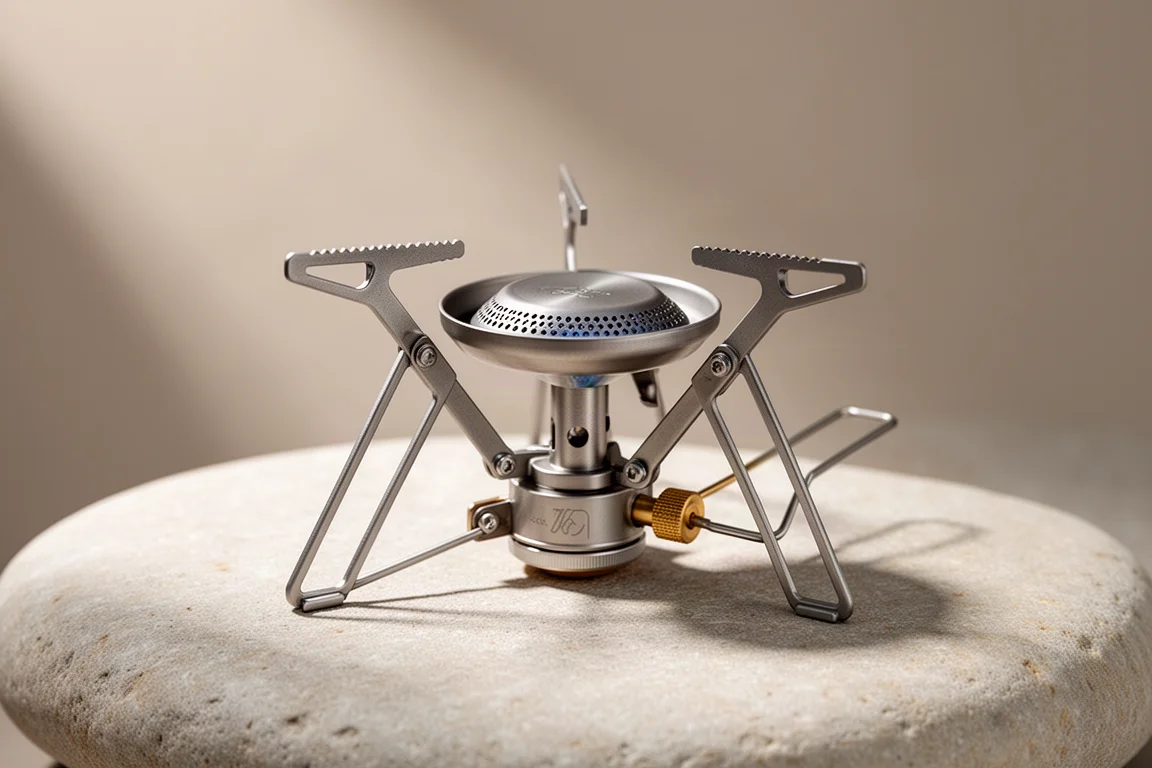
The PocketRocket 2 was the top stove in all three long-distance surveys. It has been around long enough to build a reputation for reliability, and it is the sort of design that rarely surprises its owner on trail.
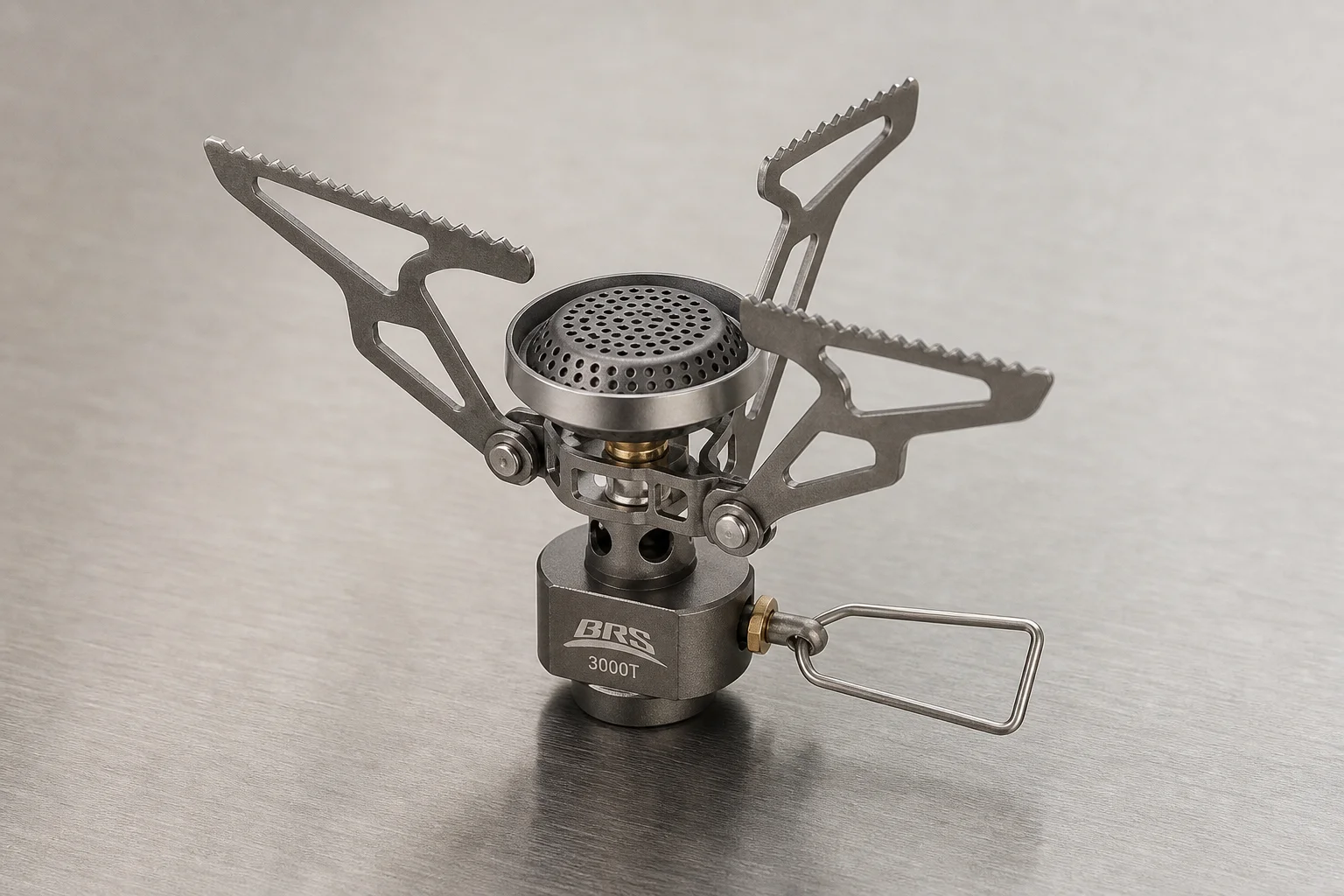
BRS 3000: The Lightest, Cheapest Stove
Sales data tells a different story from the surveys. The BRS 3000 outsells the PocketRocket 2 by a wide margin, largely because it weighs under an ounce and costs under $20.
That combination is hard to beat for anyone counting grams on a budget. The honest answer to which stove is better depends on what you value: a long-established brand with a proven track record, or the lightest and cheapest option that still gets the job done.
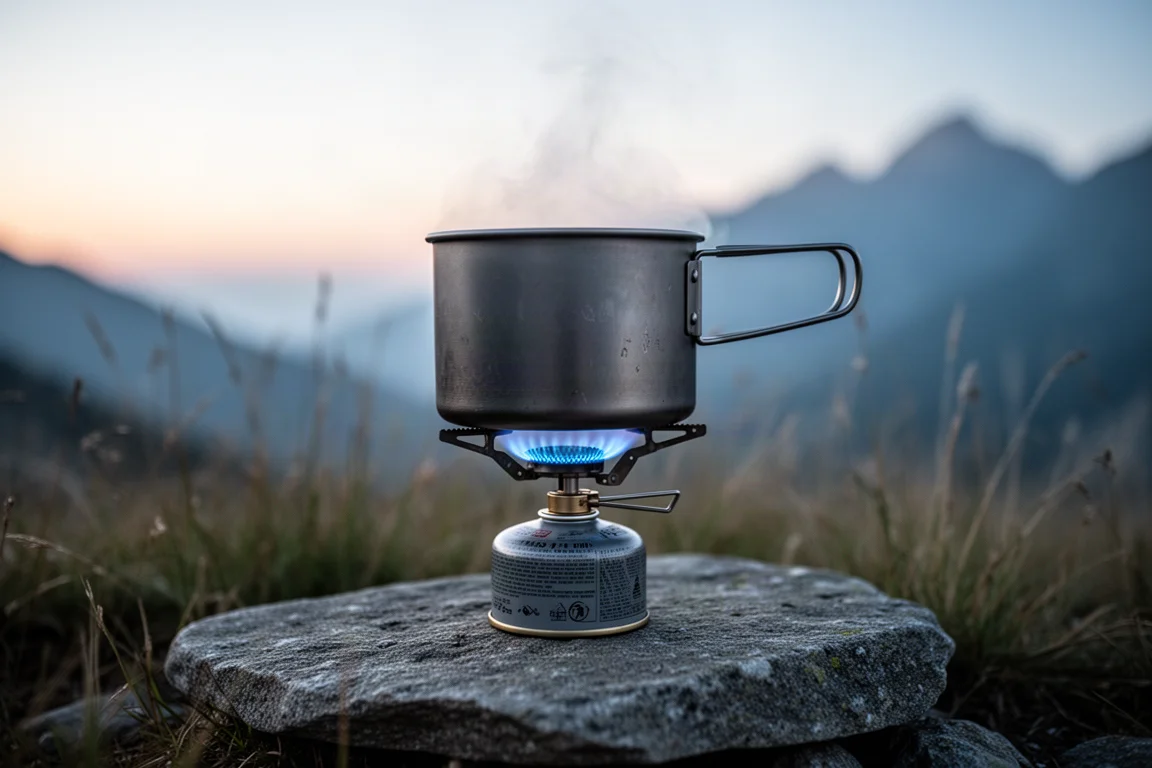
Both stoves are comfortable choices for backcountry cooking. Hikers who have used each of them tend to treat the decision as a matter of priorities rather than performance.
Katadyn Vecto 2 L: The Water Bag That Makes Filtering Easier
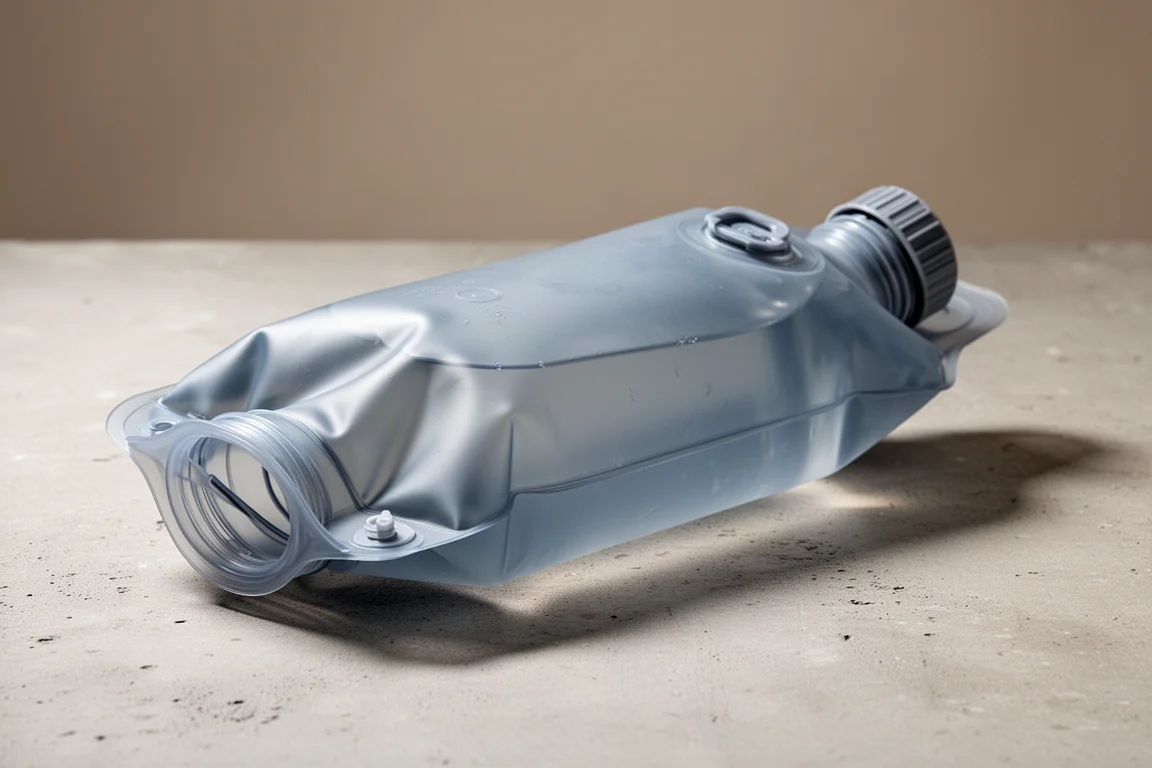
Squeeze filters are close to universal on long trails, and the Vecto bag exists to fix the weakest part of that setup: the small, awkward pouch that usually ships with a filter.
The Vecto holds 2 litres and opens wide, so scooping from a shallow stream or a still pool takes seconds instead of minutes. Push the slider closed, thread a filter onto the 28 mm opening, and squeeze. It is a simple design that has made a lot of water stops less frustrating.
Nitecore NB10000: The Compact Power Bank
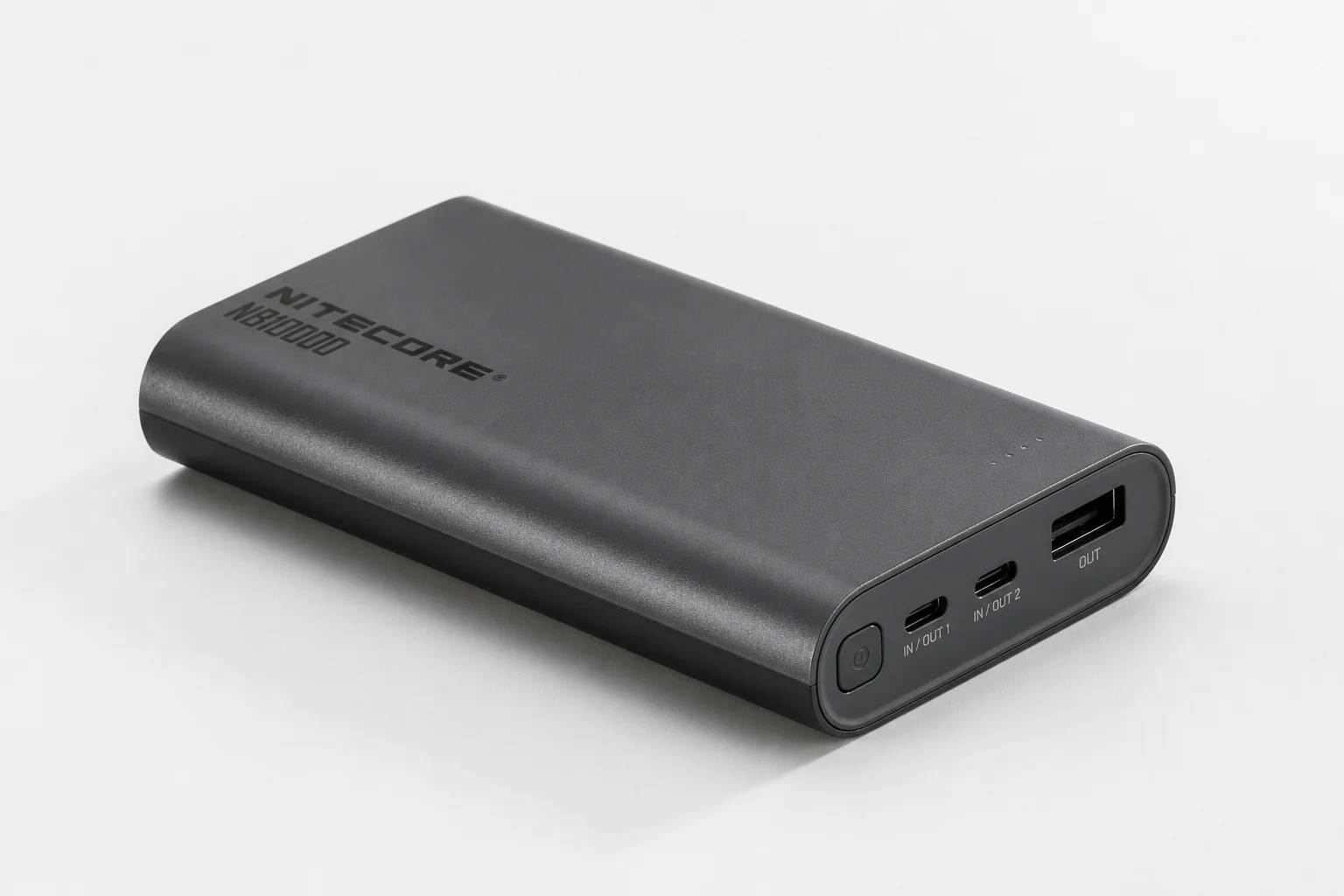
Phones have become part of the backcountry routine, whether for photos, satellite messages, or navigation. That makes a power bank close to essential, and the NB10000 is the lightest and most compact option in the category.
It stores 10,000 mAh, enough to recharge a phone two to three times, in a body smaller than the phone itself. The carbon fibre shell keeps the weight at 5.29 ounces, which is a large part of why it sells as well as it does.
ThermoDrop Thermometer: Know How Cold It Got
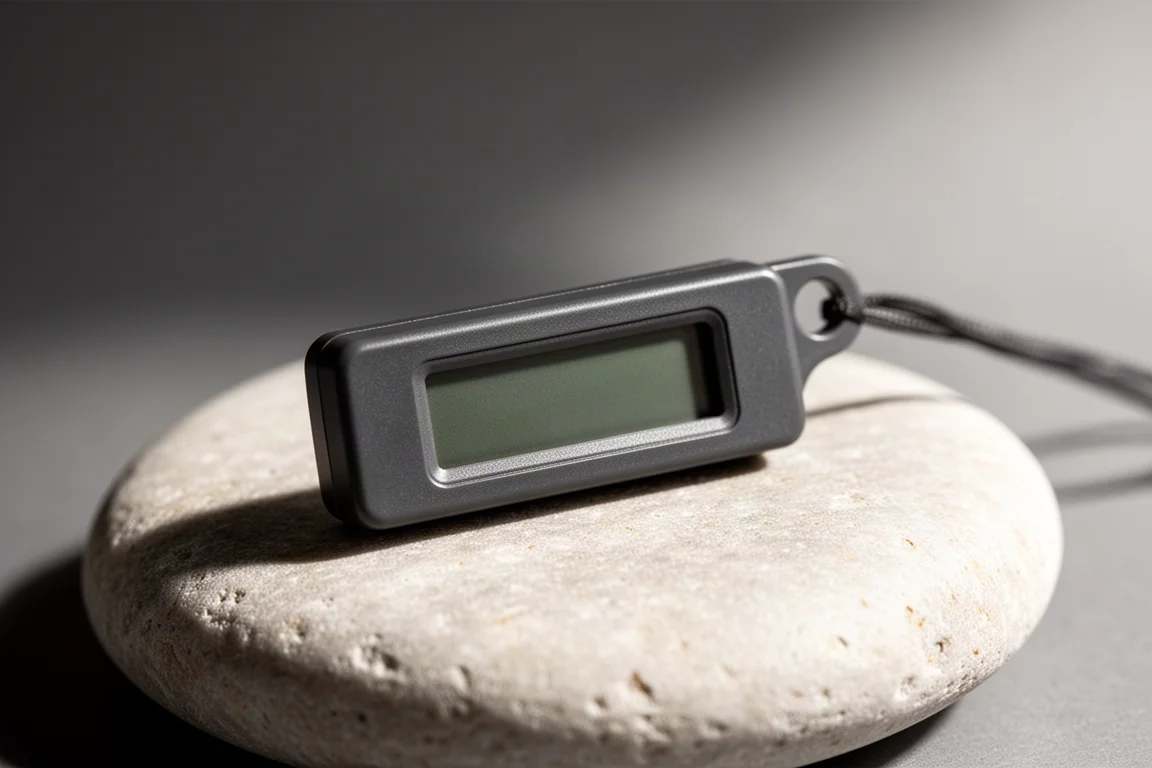
The ThermoDrop shows the current temperature and records the high and low since it was last reset. The low reading is the useful part: it tells you what your sleep system actually faced overnight.
The practical value shows up when you are testing the limits of your gear. If you felt cold in a 30°F bag, the thermometer tells you whether the temperature really dropped to the bag’s rating. If it did, the conditions were the problem rather than the equipment.
Nitecore NU25: The Lightest Headlamp
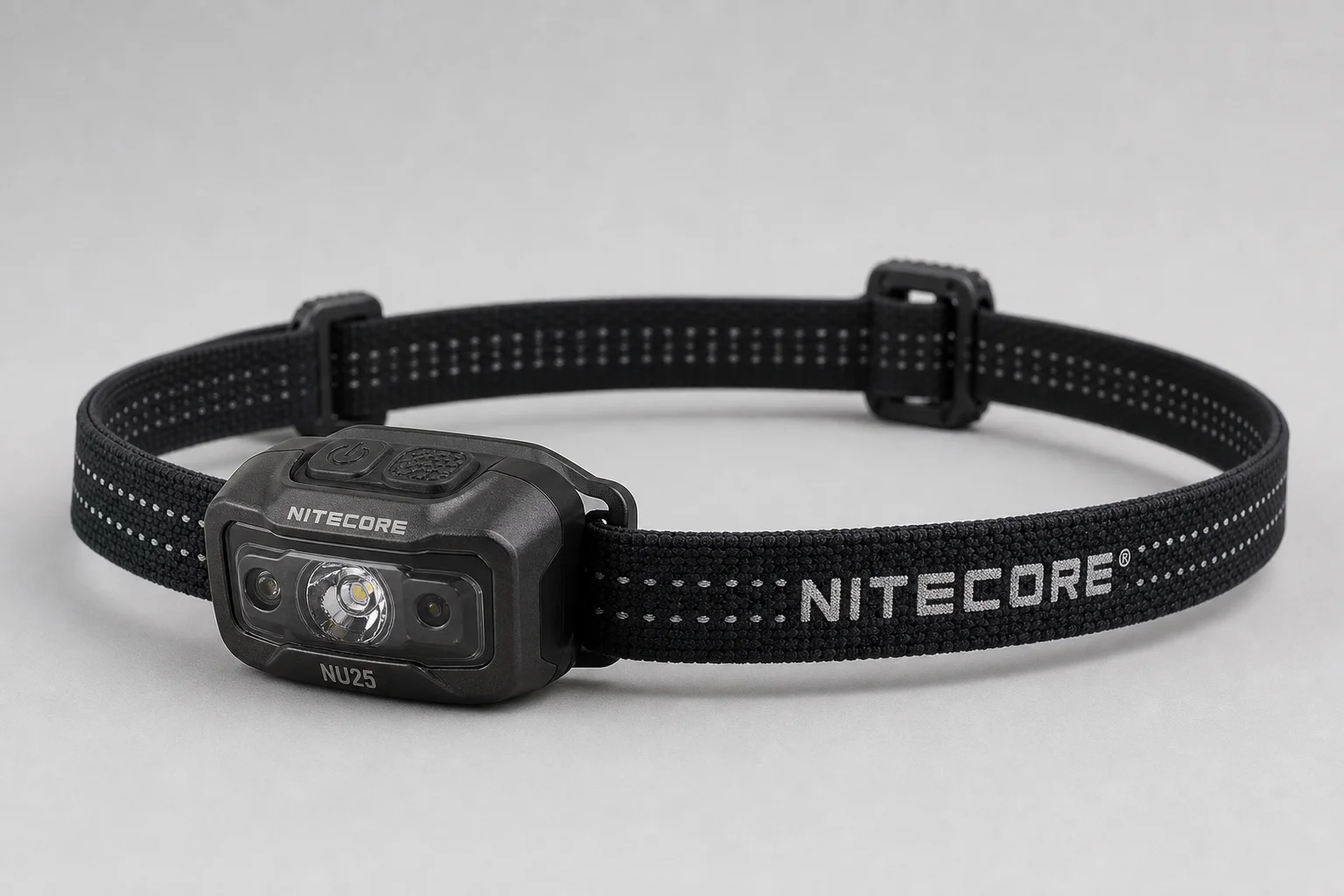
The NU25 has been the lightest headlamp available for a long time. Earlier versions weighed about 1 ounce including the strap, and it became common for hikers to cut the strap off and replace it with elastic cord to save a few more grams.
Nitecore responded by selling a version with the elastic cord already fitted, which is a sensible move. The one oddity is that the current version weighs about 1.5 ounces with the cord, heavier than the original. Even so, nothing else in the category comes close on weight.
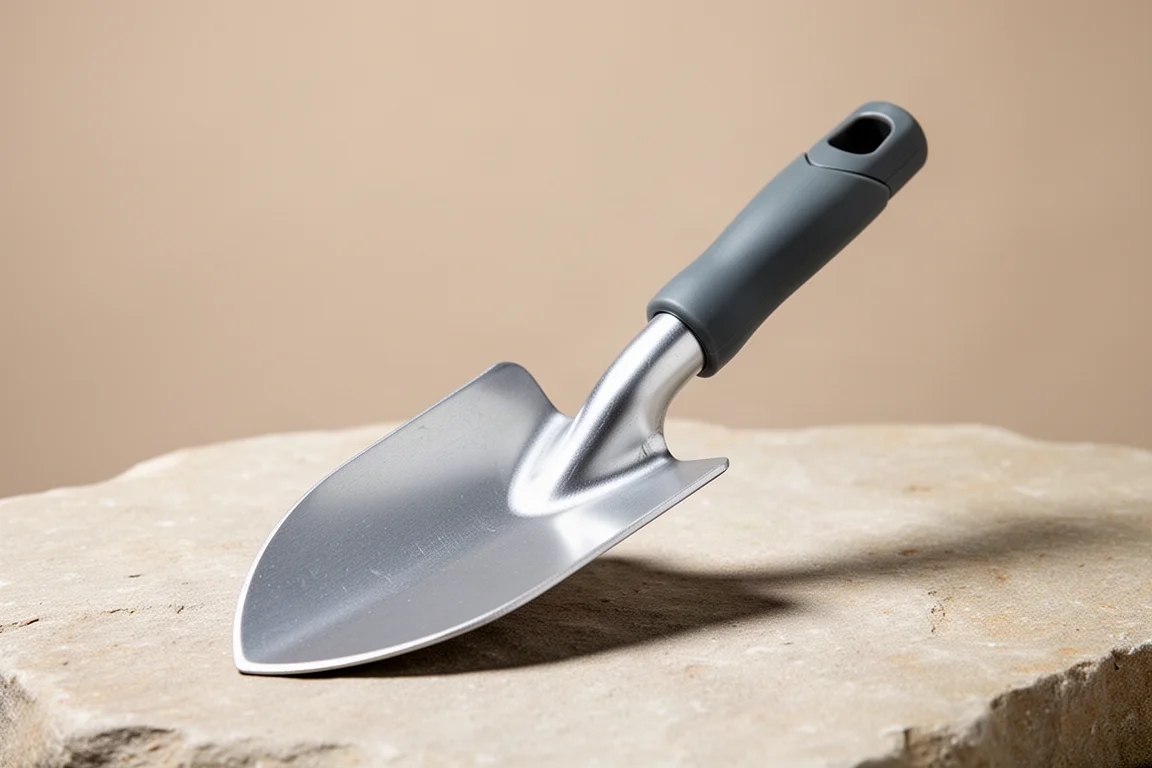
Bogler Trowel: The Most Comfortable Trowel
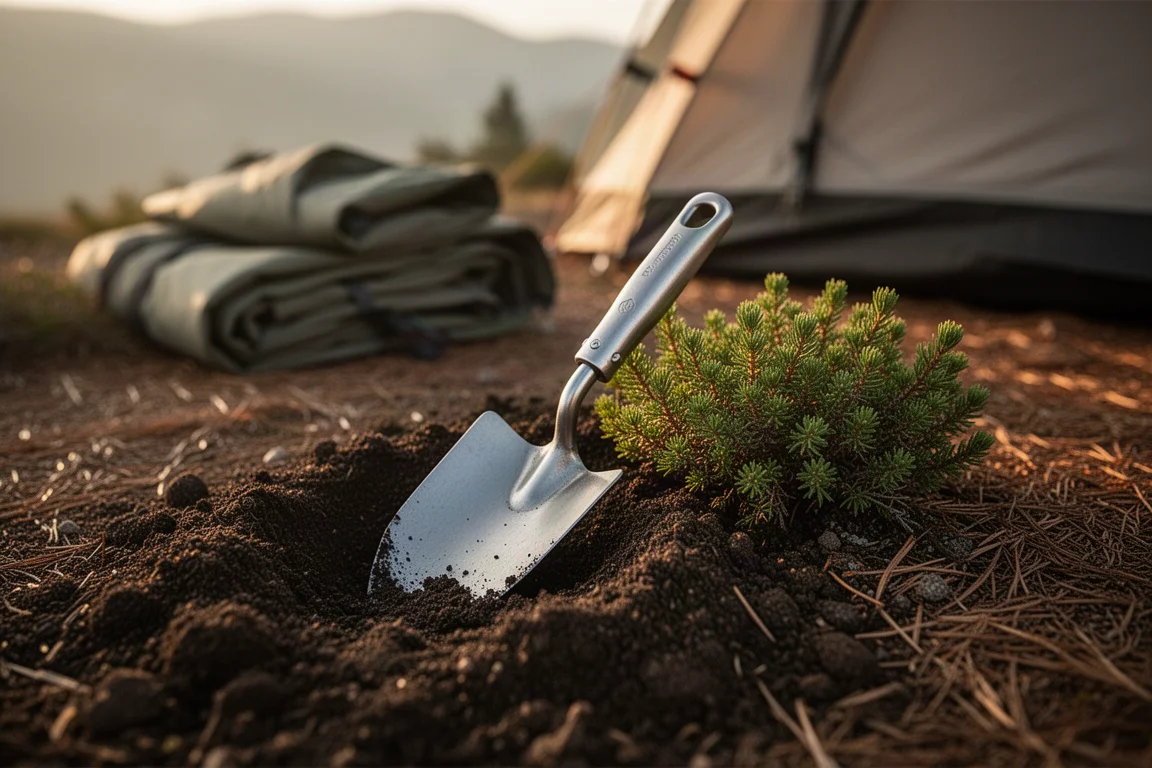
The Bogler trowel solves a small problem that anyone who has dug a cathole will recognize. The Deuce of Spades was the long-time standard, but its bare handle digs into your palm almost as hard as the blade digs into the ground.
Ben Bogler added a small plastic cap at the top of the handle, which spreads the pressure and makes the tool far more comfortable to use. The whole trowel weighs less than half an ounce, so that comfort costs almost nothing in pack weight.
For a piece of gear this small, the difference is mostly about how often you actually use it. A trowel that does not hurt your hand is a trowel you will not avoid, and that matters on busy trails.
Overall Buying Advice
The pattern across this list is that the most popular gear is rarely the most complicated. Quilts, trekking-pole shelters, inflatable pads, and simple canister stoves dominate because they are light, predictable, and easy to live with day after day.
If you are building a kit from scratch, start with the sleep system and the shelter, since those drive both comfort and weight. Packs come next, and fit matters more than any specification sheet. Accessories such as the Vecto bag, the power bank, the thermometer, the headlamp, and the trowel are inexpensive additions that make the rest of the kit easier to use.
Budget is the other honest consideration. The Duplex at around $700 is a significant outlay, while the Mariposa at around $315 sits in the middle of the pack market. Where money is tighter, the BRS 3000, the Vecto bag, and the Bogler trowel deliver a great deal for very little.
Conclusion
None of this gear is exotic. It is popular because it works, and because hundreds of long-distance hikers have already tested it in conditions most weekend trips never reach. Matching those choices to your own trips, budget, and comfort preferences is the part only you can decide.
Further reading
Related Reviews

Backpacking Gear
Building a 10 lb Base Weight: An Ultralight Backpacking Gear List
A practical walkthrough of the ultralight pieces behind a 10 lb base weight, from a 765 g pack and a roomy one-person tent to a full camp chair and a dependable water filter.

Backpacking Gear
A 15-Pound Lightweight Backpacking Gear List for Solo Trips
A beginner-friendly 15-pound backpacking setup built from easy-to-find gear, with notes on what each piece does, how it packs, and where to spend your attention.
Backpacking Gear
8 Ultralight Backpacking Gear Upgrades Worth Carrying
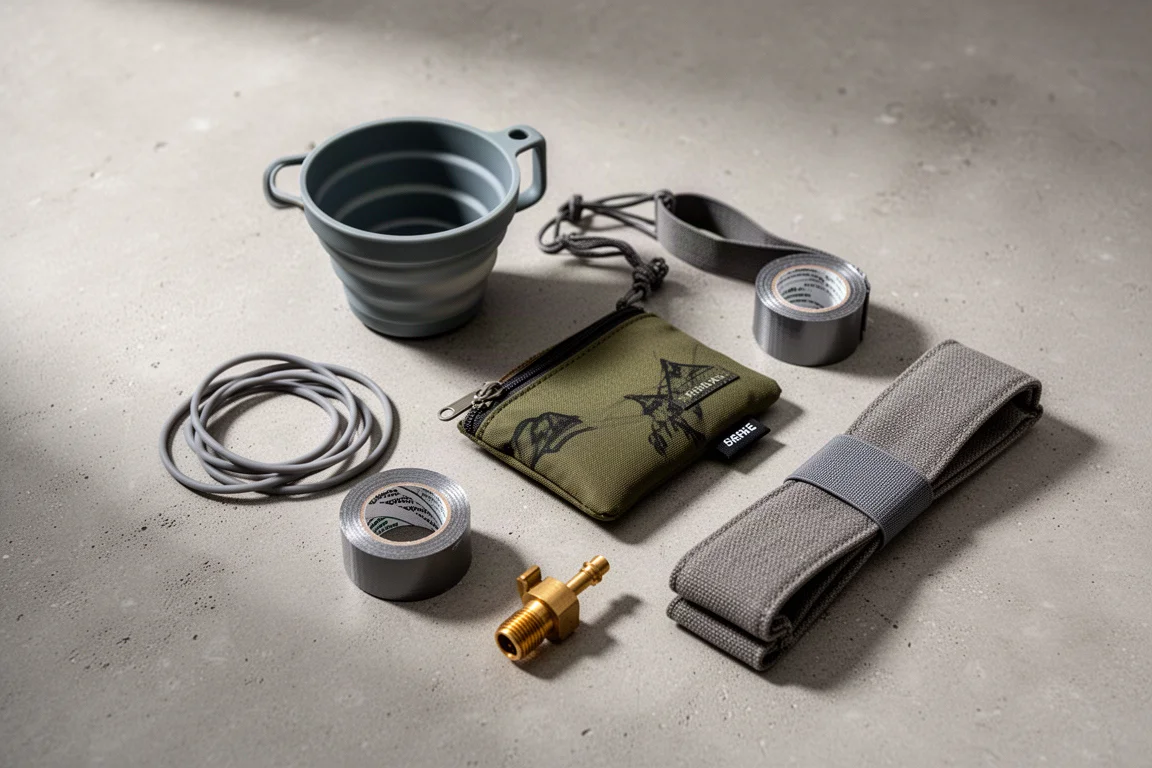
Eight small, affordable backpacking upgrades that solve real trail annoyances, from a pillow that stays put to a fuel valve that rescues leftover canister gas.