Backpacking Gear
Best Backpacking Gear Picks: Eight Standout Items for the Backcountry
Eight backpacking items that stood out in the field, from a 600 ml heat exchanger pot and a low-cost canister stove to a freestanding camo tent and a draft-free sleep system.
Introduction
Backcountry gear earns its place the hard way: trip after trip, in wind, rain, heat, and long days where every item has to justify the weight it adds to a pack. The eight items below are the pieces that stood out after a heavy season of use, chosen because they solve a real problem rather than because they look good in a catalogue.
Nothing here was paid for by a brand, and every pick is a product that has been used repeatedly in the field. Some are remarkably inexpensive, one is a serious investment, and all of them have a clear job on a backpacking trip.
What Earned a Place on This List
Three things separate a genuinely useful piece of backpacking gear from a novelty: it has to perform in real conditions, it has to be reliable enough to trust when the weather turns, and it has to be worth the space it takes up. Value matters too, but value is not the same as cheap. A $260 tent that handles strong wind and heavy rain is better value than a lighter shelter that leaves you exposed.
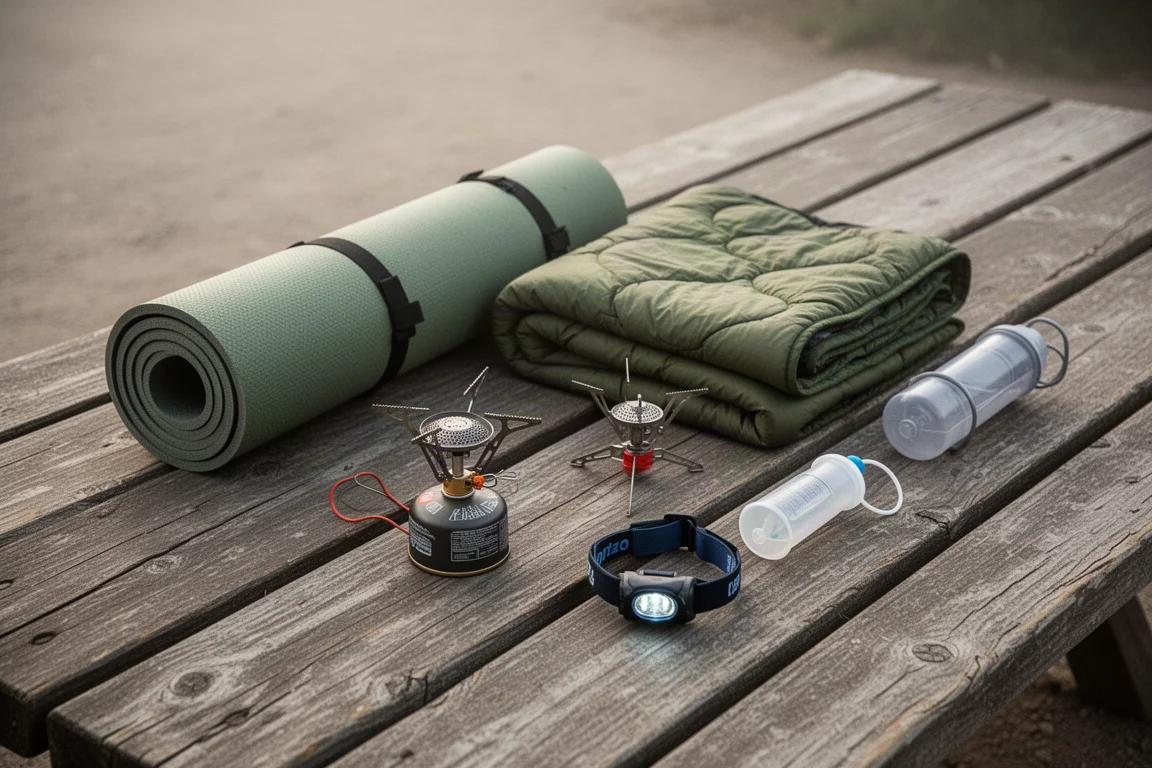
The picks below cover the core of a lightweight backpacking kit: cooking, communication, sun protection, shelter, sleep, and food storage. Several of them work best as a pair, which is worth keeping in mind before buying any single item on its own.
Fire Maple Petrol G3 Heat Exchanger Pot
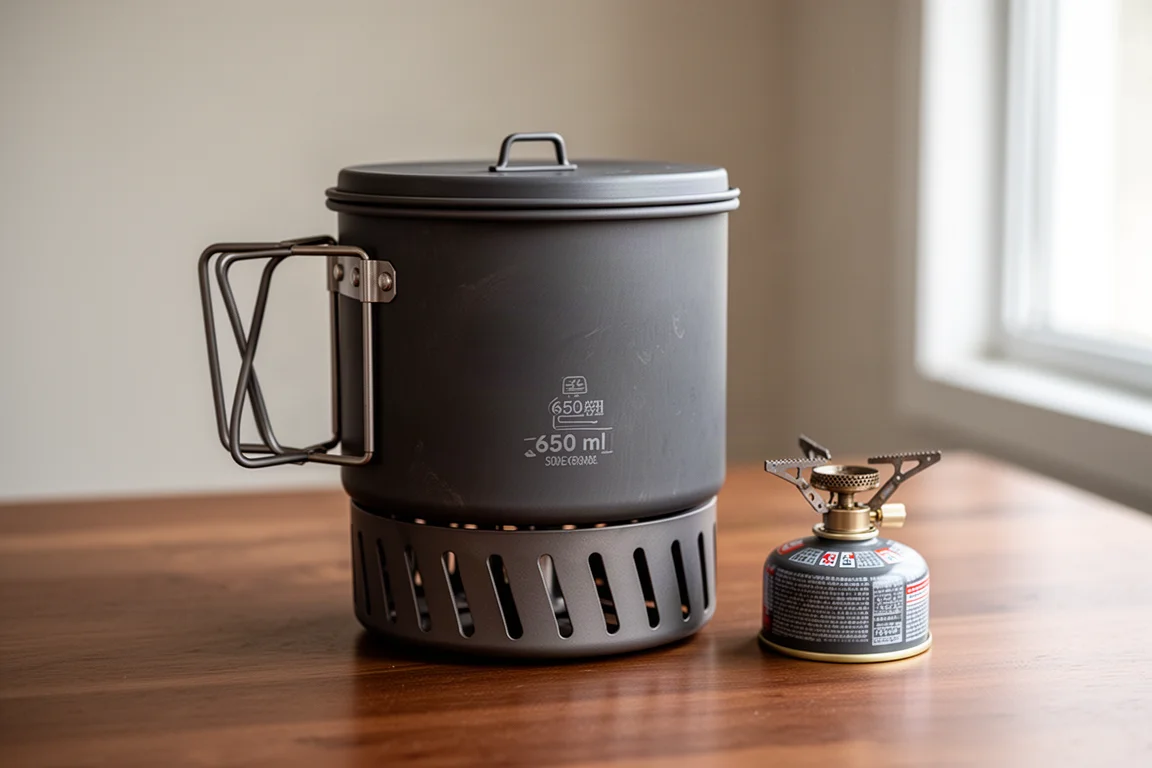
Heat exchanger pots have been around for years, but most of them come in one-litre or larger capacities, which is more volume than a solo backpacker needs. The Petrol G3 takes the same idea and shrinks it to 600 millilitres, which makes it lighter and better matched to one person cooking one meal.
The aluminium body is heavier than a titanium pot of similar size, but that trade-off buys the heat exchanger base and a sturdier handle. The handle extends further out than the folding double handles common on lightweight pots, so it stays cooler and you can pour without wrapping it in a cloth first.
The base has three cutouts designed to line up with a stove that uses pot supports set at a 120-degree angle. When the two match, the heat exchanger does its job properly: fuel efficiency improves and the burner is much better protected from wind, which shortens boil times without any extra effort.
Green Peak Canister Stove
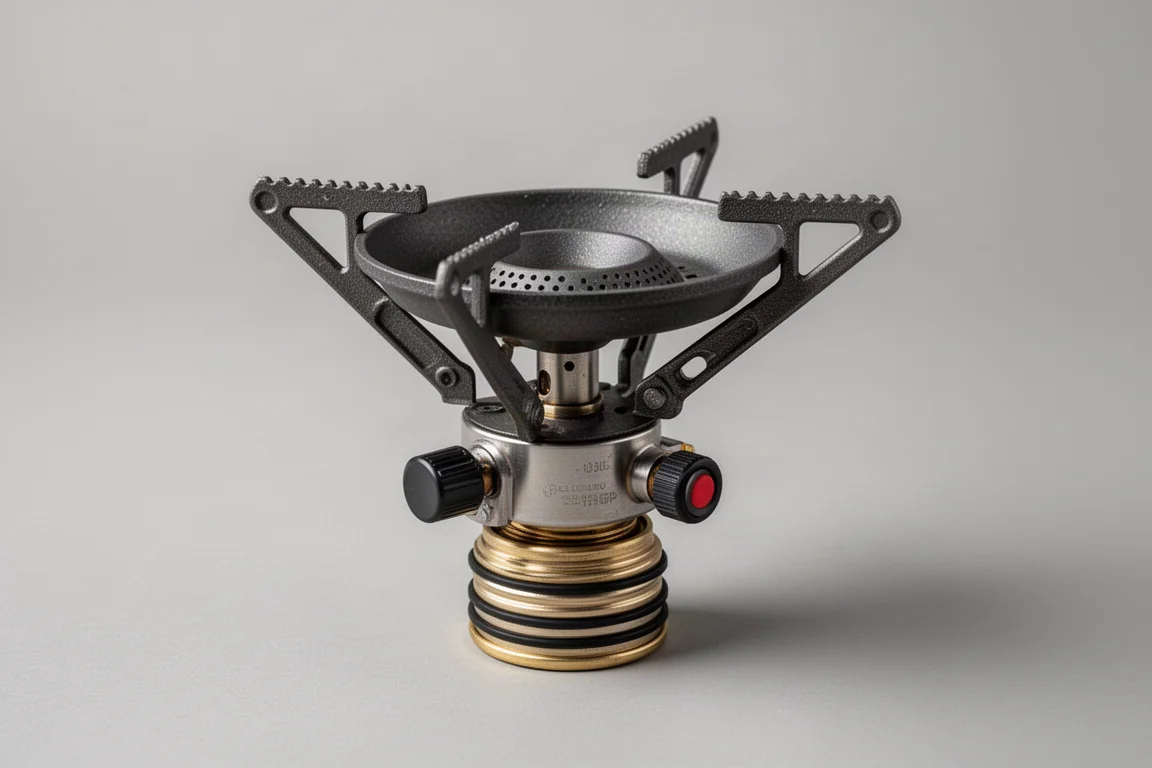
The Green Peak canister stove is the natural partner for the pot above. It is a small, inexpensive canister stove with pot supports arranged at the same 120-degree angle as the cutouts on the Petrol G3 base, and it includes a piezo igniter so you do not need to carry a lighter.
At roughly $20 it is one of the least expensive ways to build a reliable cooking setup, and reliability is where it earns its place. There have been no ignition or performance issues with it across a long stretch of trips, which is more than can be said for some stoves costing several times as much.
Bought together, the stove and pot come in under $50. That combination delivers quick boil times, good wind performance, and a durable aluminium pot that will outlast plenty of more expensive titanium cookware.
ZOLEO Satellite Communicator
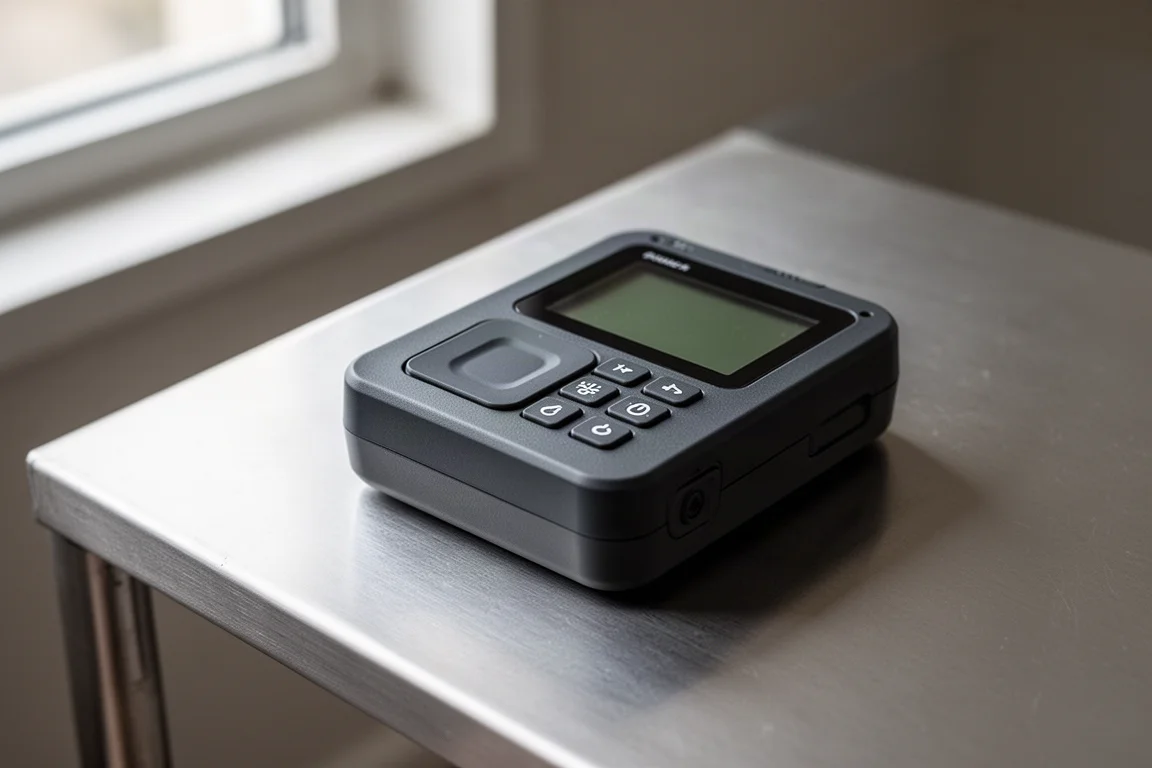
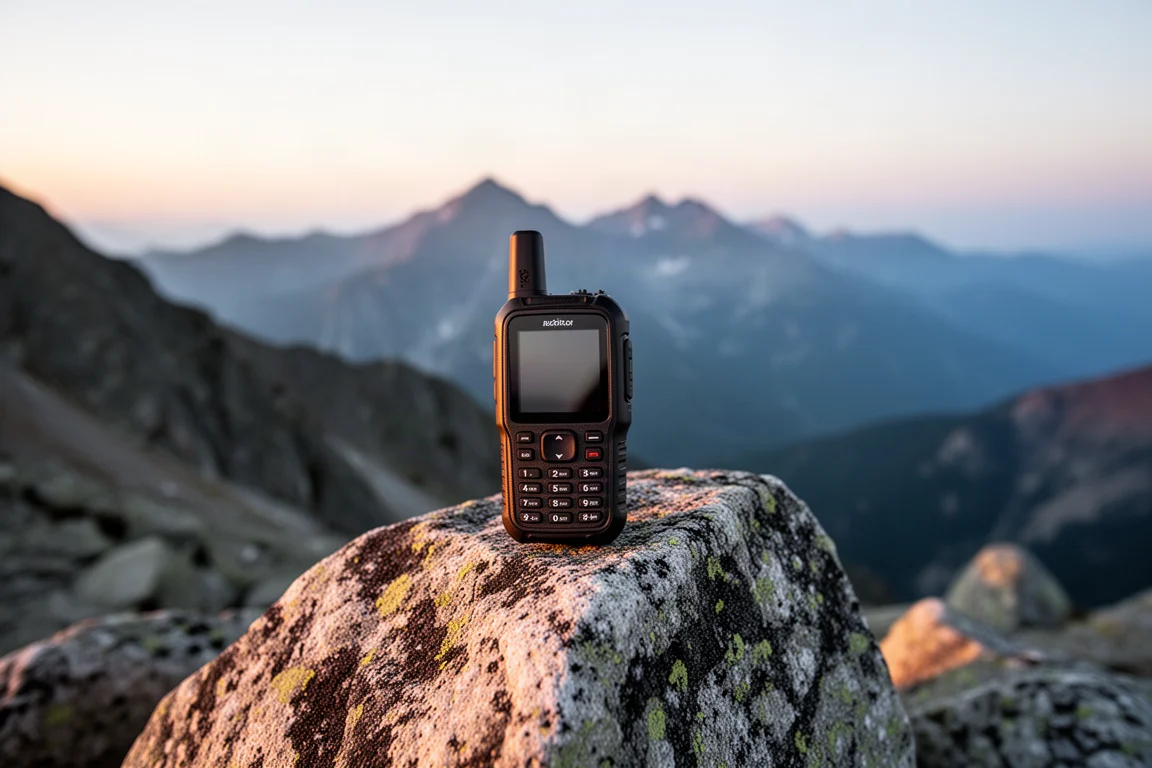
A dedicated satellite communicator is still the more dependable option for anyone who spends serious time beyond cell coverage. ZOLEO is a standalone, durable device that handles two-way text messaging over satellite, and it keeps working the way you expect it to trip after trip.
Messaging is only part of what it does. There is a search and rescue SOS function, the ability to pull weather reports and updated forecasts while out in the field, and the option to message medical professionals about non-emergency questions. You can also send private links so family or friends can follow a breadcrumb trail of your route.
Phone-based satellite messaging is improving, but it comes with compromises. A phone typically needs to be out of airplane mode to reach a satellite, which drains battery faster, and messages can queue up rather than delivering as they are sent. That queue has to clear before anything current arrives, which is exactly the kind of delay you do not want in an emergency.
Reliability is the real argument for carrying a separate device. ZOLEO has been consistent in the field, with no message backlog problems and no dependence on a phone’s battery or settings. For anyone who is regularly out of signal, that consistency is worth the extra item in the pack.
Outdoor Vitals Altitude Sun Hoodie
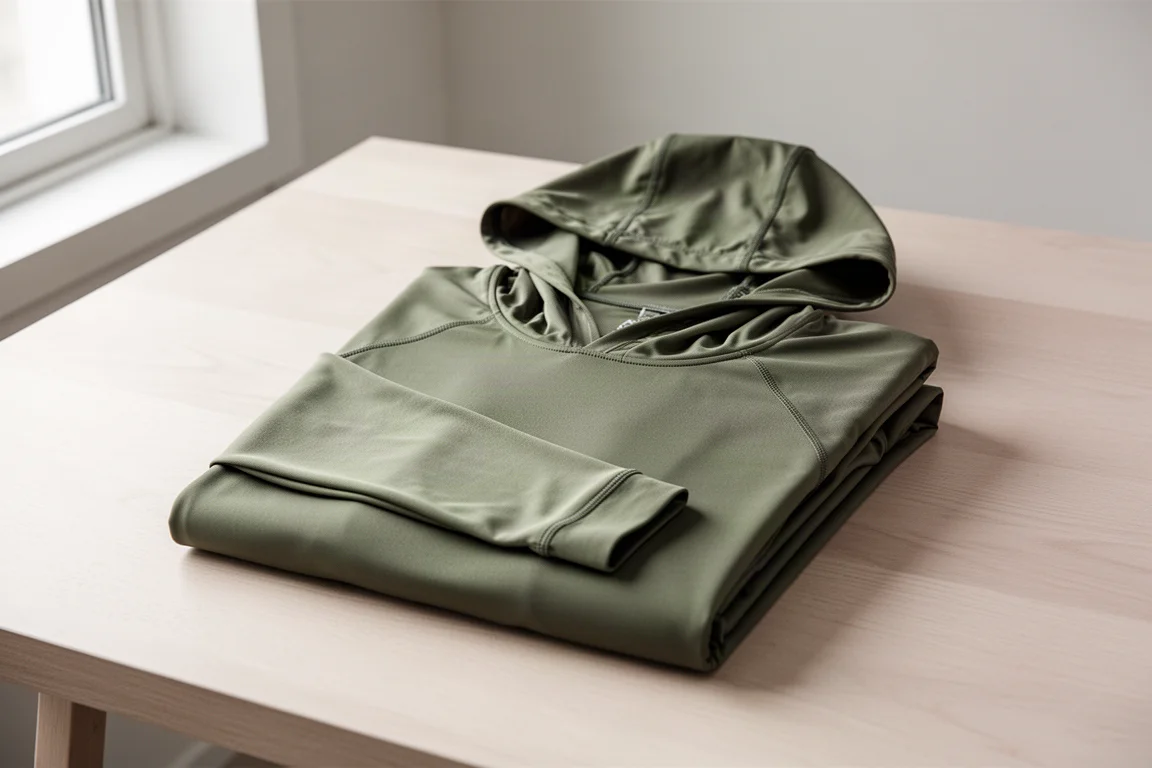
The Altitude Sun Hoodie is a simple idea done well: a long-sleeve, hooded, lightweight 100% polyester layer that replaces sunscreen on exposed days. At around $50 it is also one of the better values in this list.
It has been worn on nearly every trip, through severe bushwhacking, very hot days, and winter outings, and it has held up without issue. The fabric dries quickly, the fit works well on the move, and the hood can be pulled up to shade the neck, ears, and part of the face while adding a little wind protection.
The long sleeves are the main benefit. Covering up means no sticky sunscreen reapplication, no greasy hands, and no missed spots on a long exposed climb. It is a low-complexity piece of gear that quietly improves every sunny day on the trail.
Hsy R Gear Scout One-Person Tent
Freestanding shelters make a real difference in desert terrain, where stakes cannot be driven into slickrock and every anchor has to come from rocks placed around the tent. The Scout is fully freestanding, so it pitches and holds its shape properly in those conditions instead of relying on tension from the ground.
The interior measures 37 inches wide with a floor long enough for a user under six feet to sleep comfortably with gear inside. Two doors and two vestibules give it the livability of a much larger tent, and two end vents keep air moving to control condensation.
The fabric is Nylon 66, which resists taking on water and stretching better than standard nylon 6, addressing the sagging and dampness that people often complain about in nylon tents. The 8.6 mm aluminium pole is slightly thicker than the poles on some ultralight freestanding shelters, and that extra material shows up as stability.
At $260 it is a strong value in a category where prices climb quickly. It has handled intense wind and heavy rain, and it remains a genuinely enjoyable tent to spend a night in rather than simply an affordable compromise.

Zenbivy Ultralight Bed
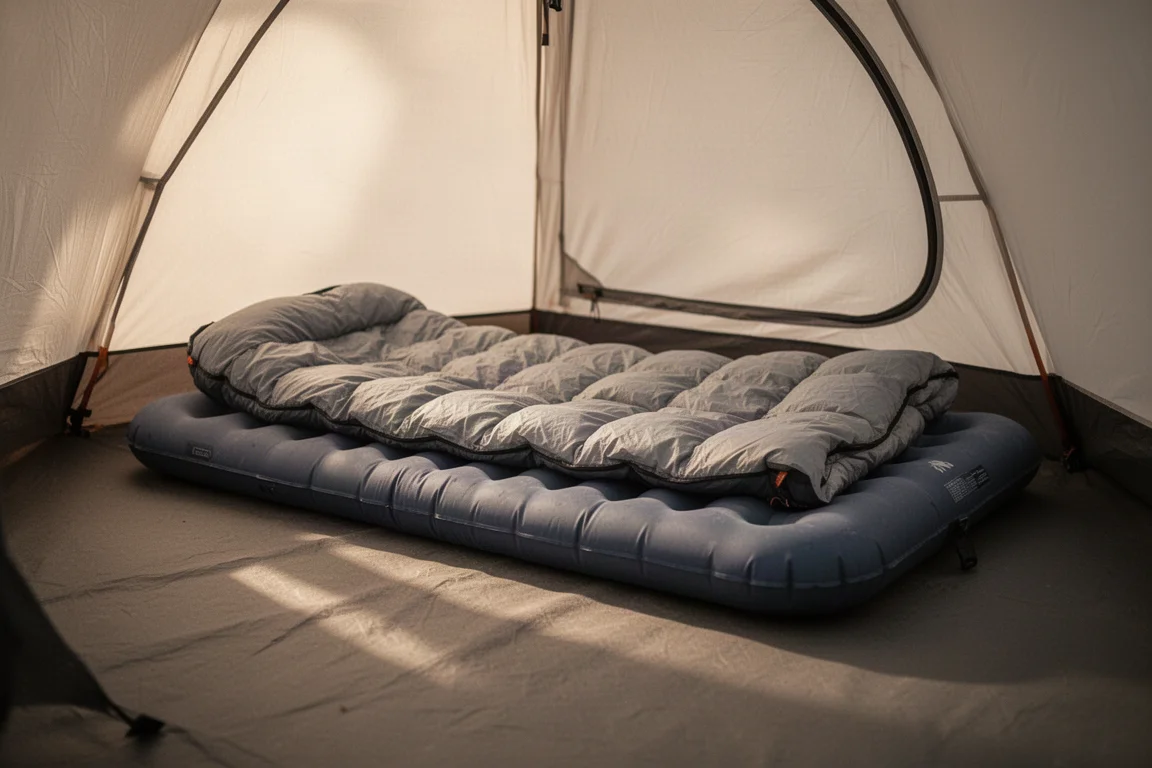
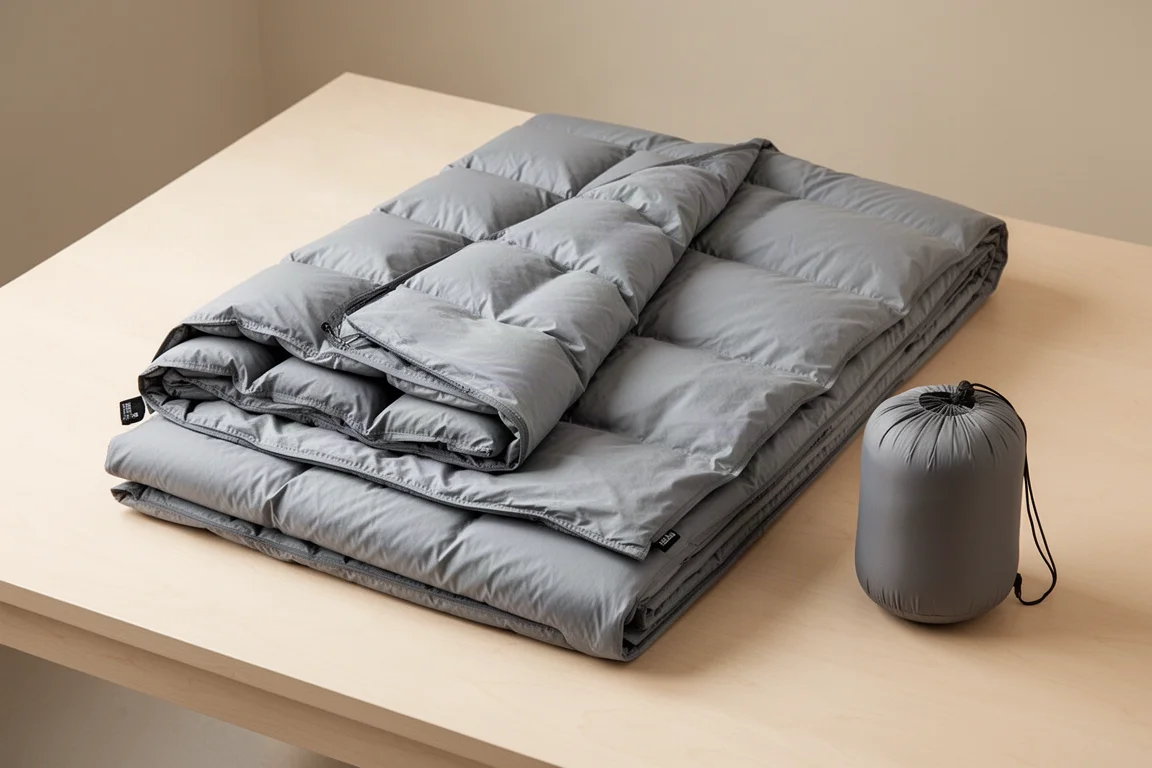
The Zenbivy system rethinks how a sleeping bag meets a sleeping pad. A sheet attaches to the pad and includes a hood that holds a pillow in place, a soft-top pillow sits inside it, and a quilt clips onto the sheet. The result is a sleep setup that feels closer to a bed at home than a mummy bag does.
The clipped quilt eliminates drafts, and the wide, open interior leaves room to move. Side sleepers, stomach sleepers, and back sleepers can shift position through the night without dragging the quilt along or opening a cold gap at the side, because the wings of the sheet extend well up under the quilt.
The Ultralight version uses 10 denier fabric and 900 fill power down, which keeps weight and packed size low. It is an expensive system: over $600 for the sheet, pillow, and quilt, with the mattress adding roughly $200 on top. The mattress is now available in a rectangular shape alongside the mummy version, which suits sleepers who want more room at the feet.
Zenbivy Light Bed
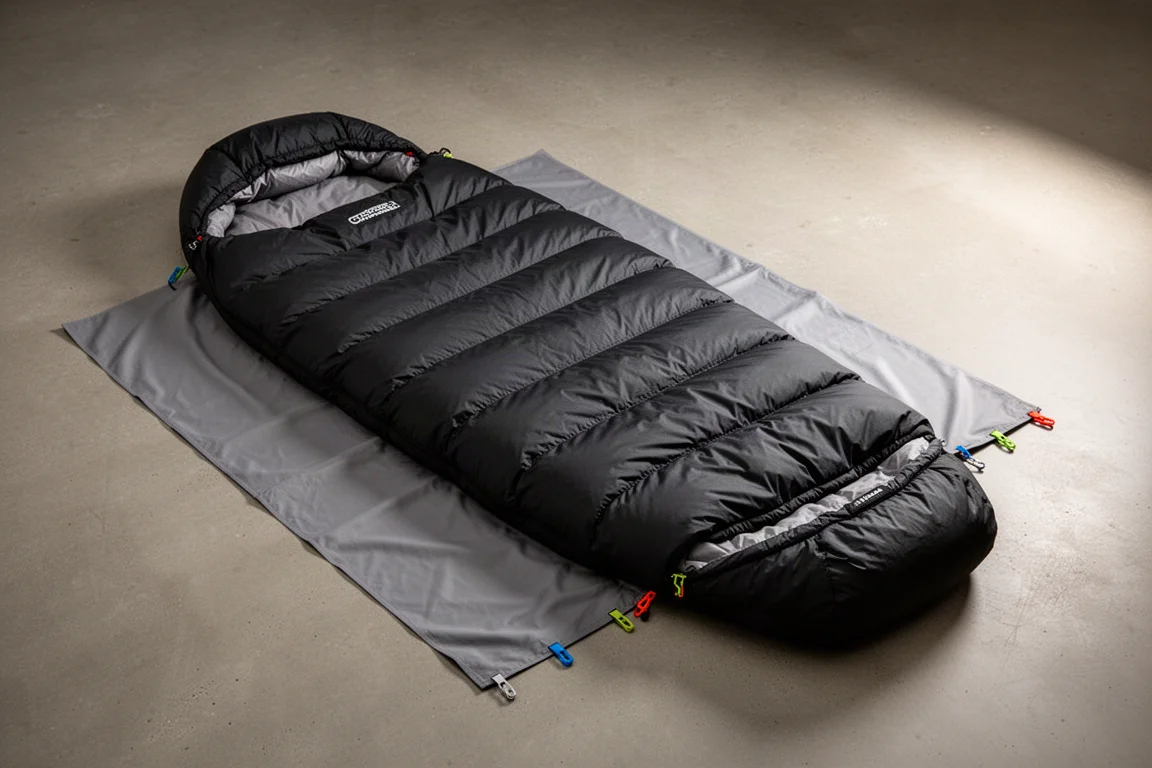
The Light Bed follows the same design as the Ultralight version with heavier materials. The outer fabric is 20 denier instead of 10 denier, and the down is 800 fill power instead of 900, which adds a few ounces to the packed weight and brings the price down considerably.
If you are willing to carry those extra ounces, the Light Bed delivers the same draft-free, roomy sleep experience for a much lower cost. The difference between the two models is expected to become clearer with upcoming updates to both lines, which should make the choice easier for buyers who are weighing weight against budget.
Backcountry Exposure Food Bag
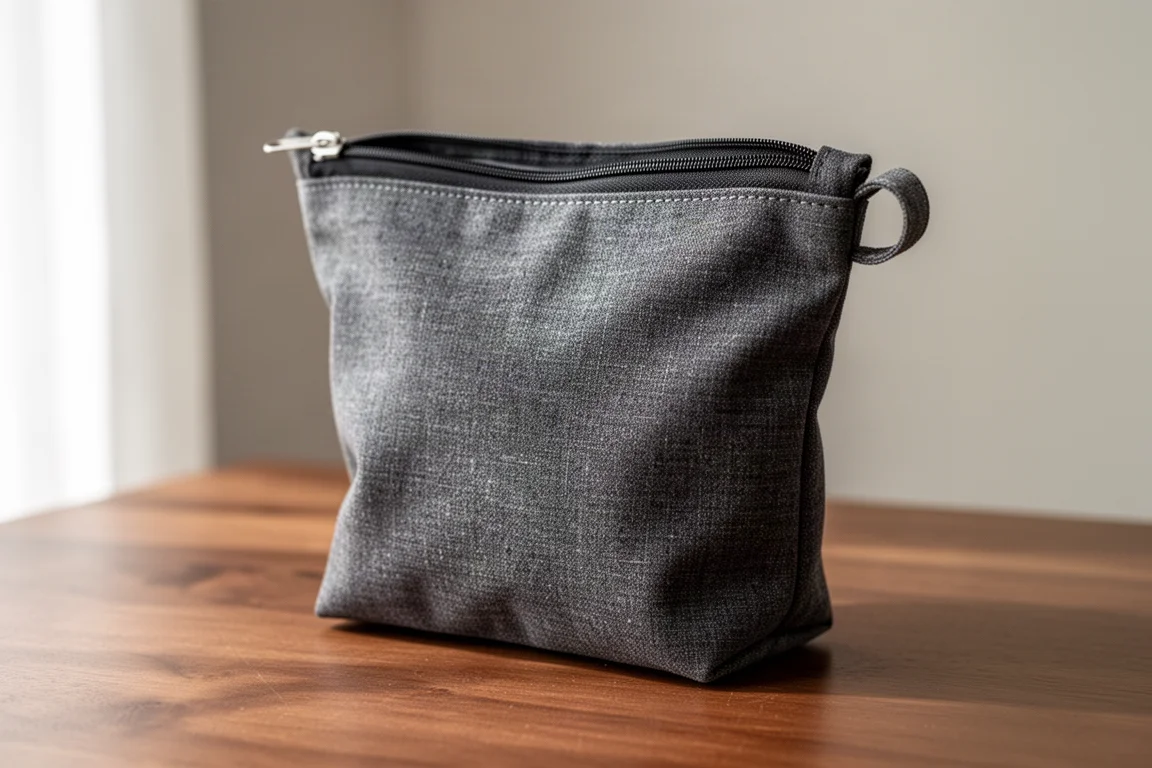
Food storage is the least glamorous part of a kit and one of the easiest places to save weight and hassle. This food bag is sewn in small batches and sold directly through the maker’s own shop, and it has been in use for several seasons.
It is built from high-quality materials with a watertight zipper, and it slides into a backpack without fighting for space. The zipper top opening is the detail that matters most: instead of digging into the bottom of a roll-top bag, you open the top and see everything at once, which makes resupplying and repacking on the trail far quicker.
It is a straightforward, durable bag at a reasonable price point, and it solves the daily annoyance of rummaging for a snack at the bottom of a dark sack.
Buying Advice
Two of these items are best bought as a pair. The Petrol G3 pot and the Green Peak stove are designed to work together, and at under $50 combined they are one of the cheapest ways to build an efficient, wind-resistant cooking setup that will last.
For everything else, buy in the order that matches how you actually travel. A satellite communicator matters most for anyone who spends extended time beyond cell coverage. Sun protection and shelter come next, since they affect every day of a trip. Sleep systems are the biggest single expense, and the Light Bed is the sensible starting point if the Ultralight version’s price is hard to justify.
Conclusion
None of these eight items is complicated, and that is part of why they work. A small heat exchanger pot, a $20 stove, a dependable satellite messenger, a sun hoodie that replaces sunscreen, a freestanding tent that pitches on rock, a sleep system that stays put, and a food bag with a zipper where you need it: each one removes a small friction point from a day in the backcountry.
Start with the pieces that match the trips you take most often, and add from there. The best gear is the gear you stop thinking about once you are on the trail.
Further reading
Related Reviews
Backpacking Gear
Building a 10 lb Base Weight: An Ultralight Backpacking Gear List
A practical walkthrough of the ultralight pieces behind a 10 lb base weight, from a 765 g pack and a roomy one-person tent to a full camp chair and a dependable water filter.
Backpacking Gear
A 15-Pound Lightweight Backpacking Gear List for Solo Trips
A beginner-friendly 15-pound backpacking setup built from easy-to-find gear, with notes on what each piece does, how it packs, and where to spend your attention.
Backpacking Gear
8 Ultralight Backpacking Gear Upgrades Worth Carrying
Eight small, affordable backpacking upgrades that solve real trail annoyances, from a pillow that stays put to a fuel valve that rescues leftover canister gas.