Backpacking Gear
Best Backpacking Gear of the Year: Top Picks and Gear to Approach With Caution
The backpacking gear worth building a kit around this year, plus the shelters, sleep systems and accessories to inspect closely before you spend.
Introduction
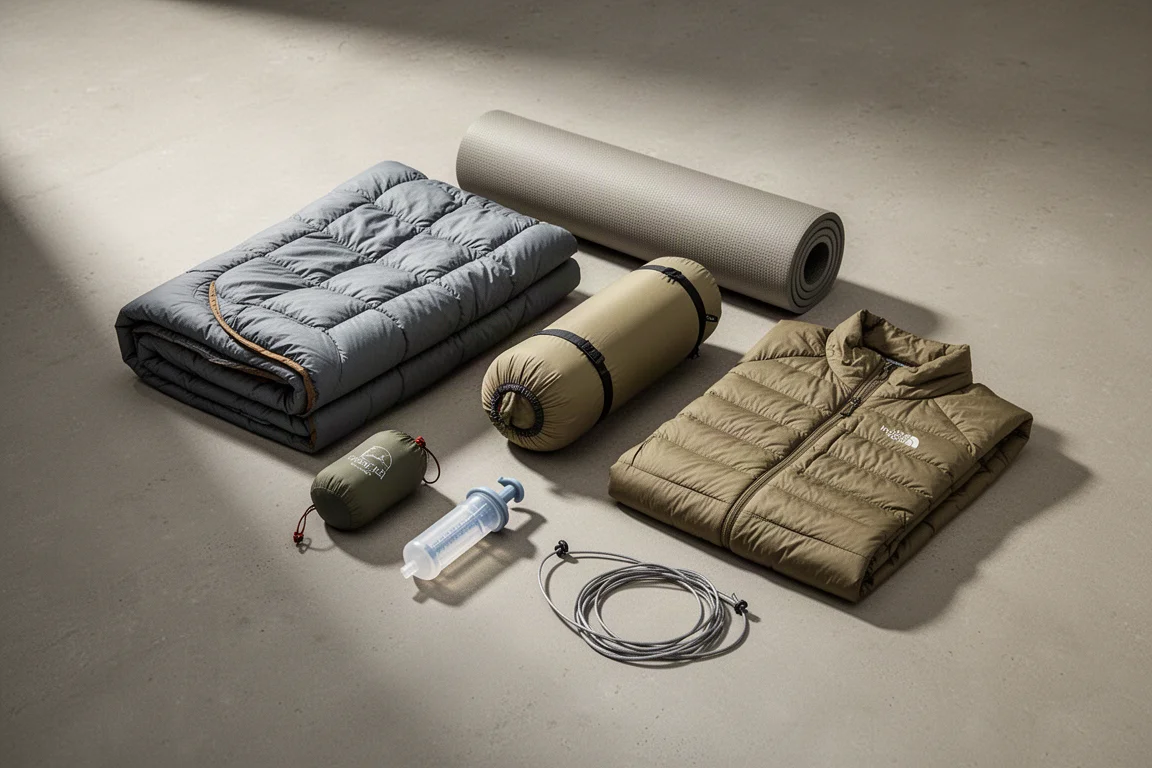
This year brought a deep crop of new backpacking gear, and the gap between the best and the rest was wider than usual. A handful of items earned a permanent place in the pack on trip after trip. Others looked clever on paper and then ran into trouble in the field, whether that was a floor a few inches too narrow, a filter you cannot remount, or a frame hub that will not hold up.
This roundup covers both sides of the year. The picks below are the gear worth building a kit around, followed by two items worth knowing about even though they are difficult to buy right now, and then the gear worth inspecting closely before you spend money on it.
What This Year’s Gear Roundup Covers
The list is organized around how each item performed over a full season rather than by category, so tents, sleep systems, layers and small essentials all appear together. Weight, comfort, and whether a design decision creates a new problem were the criteria that mattered most. A few ounces saved is not worth a wet sleeping bag, and a clever feature is not worth much if it makes the item harder to live with.
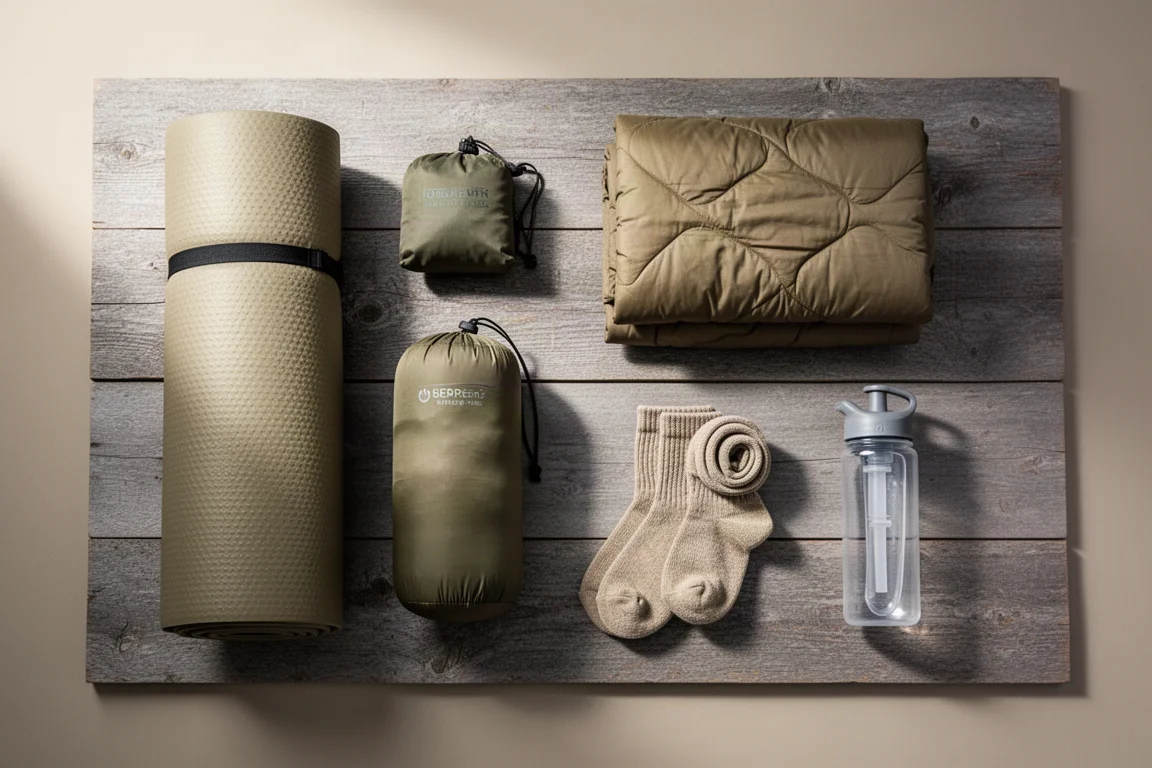
Every entry includes the trade-offs, including the ones that kept an otherwise good product out of the top spots. Several of the strongest items here are specialized, so it is worth reading the notes on who each one suits before deciding.
Best Solo Shelter: ZPacks Plex Solo
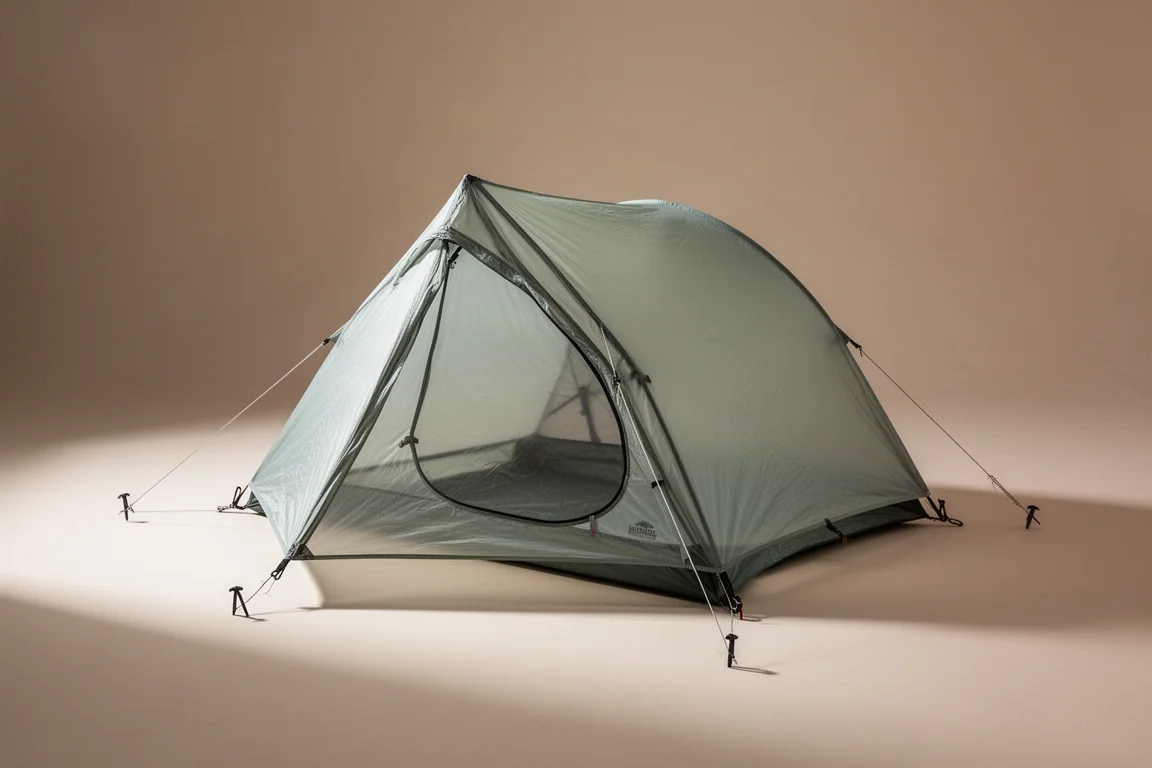
For solo trips, the Plex Solo is the shelter to beat. At 13.7 oz it is the lightest fully enclosed tent in this roundup, and it still leaves room for one person plus gear, even on a 25-inch wide sleeping pad. That combination of very low weight and a fully enclosed design is what makes it the top pick of the year.
It is not cheap at almost $600, but tents this light rarely are, and the weight saving is the kind you notice on every climb. If most of your trips are solo, this is the shelter that will spend the most nights in your pack.
Best Couple’s Sleep System: Zenbivy Double Bed
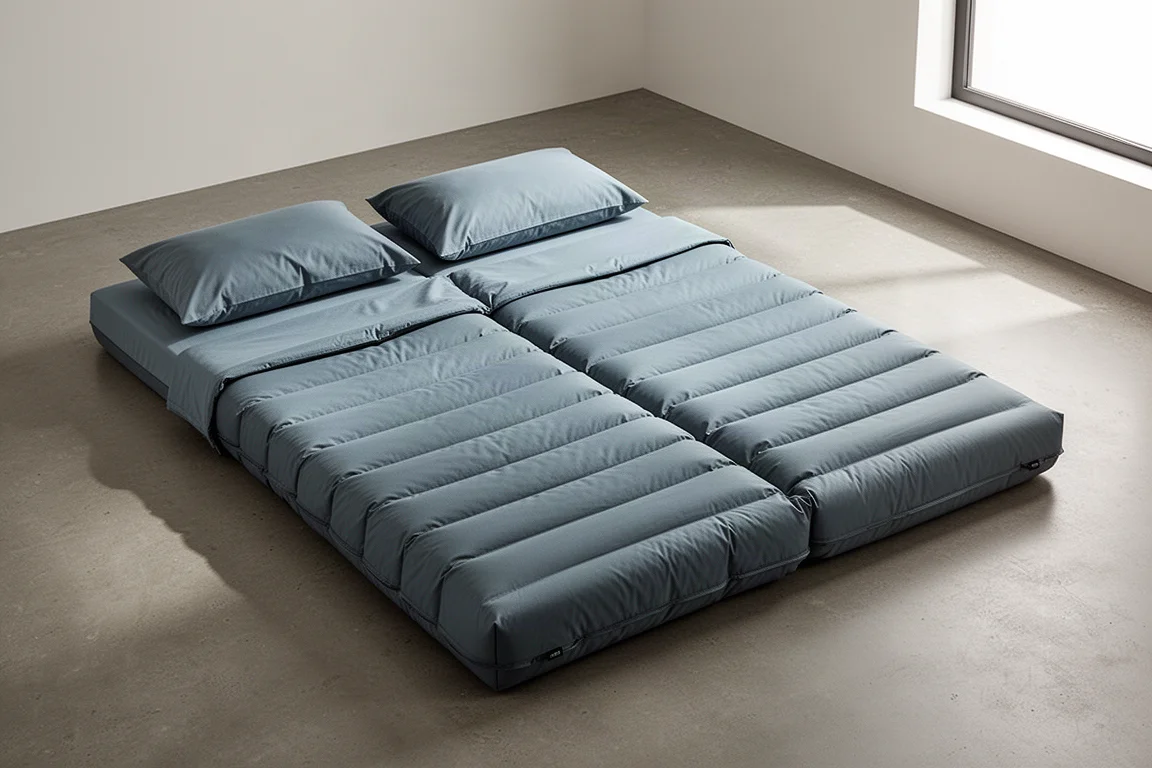
The Zenbivy quilt design is the best of its kind in this roundup, and the double version solves a real problem for couples: two people sharing one comfortable bed instead of two separate bags drifting apart overnight. It worked well on a recent trip with two people in the tent.
The only thing holding it back is how specialized it is. A double bed only pays off on trips where you are hiking with a partner, so it will not earn a place in a solo kit. For couples who backpack together regularly, it is an easy recommendation.
Best Sleeping Pad: Nemo Insulated Tensor
The Insulated Tensor was updated with a 4.2 R value, which is warm enough for all but the coldest nights out. Several pads reach that level of insulation, but only two companies use a metallic film inside the pad to reflect heat back toward the sleeper. That approach keeps weight low while keeping warmth high.
Among the pads that use reflective film, the Insulated Tensor is the most comfortable of the group, which is why it takes the second spot overall and remains the favorite pad of the year.
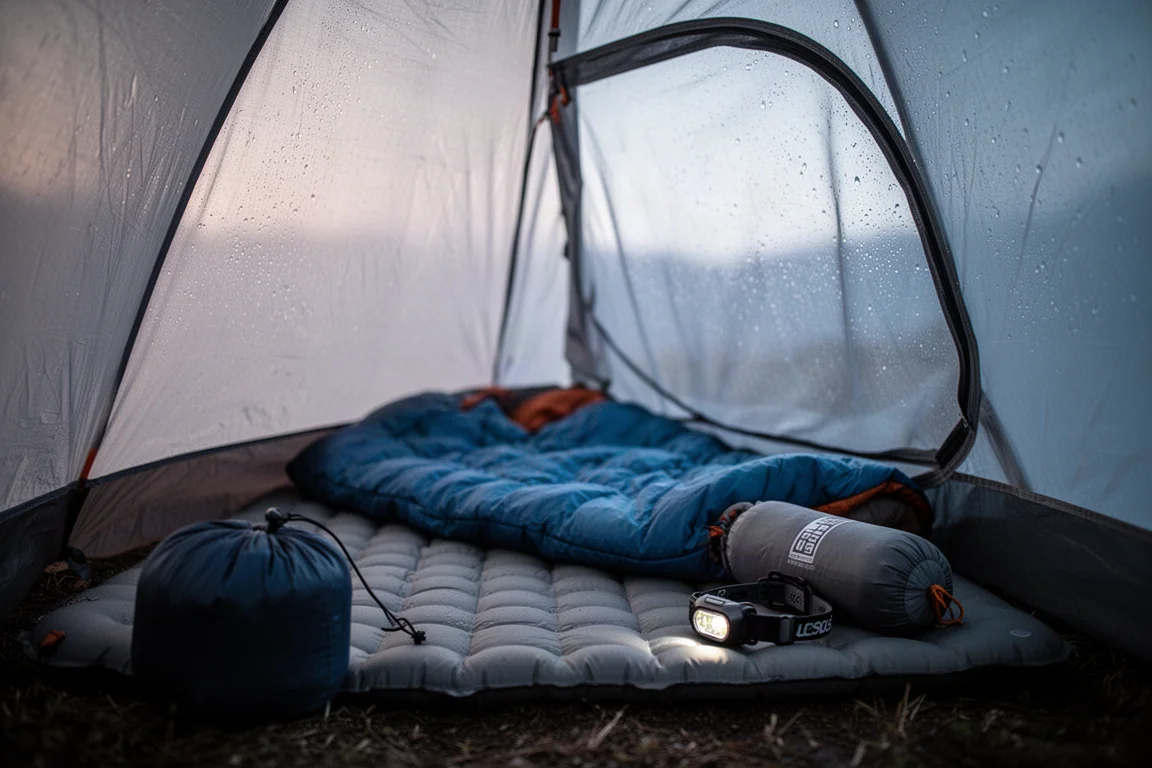
A warmth rating only tells part of the story. A pad also has to be comfortable enough that you actually sleep on it, and the surface and baffle layout are what separate this one from the rest of the field.
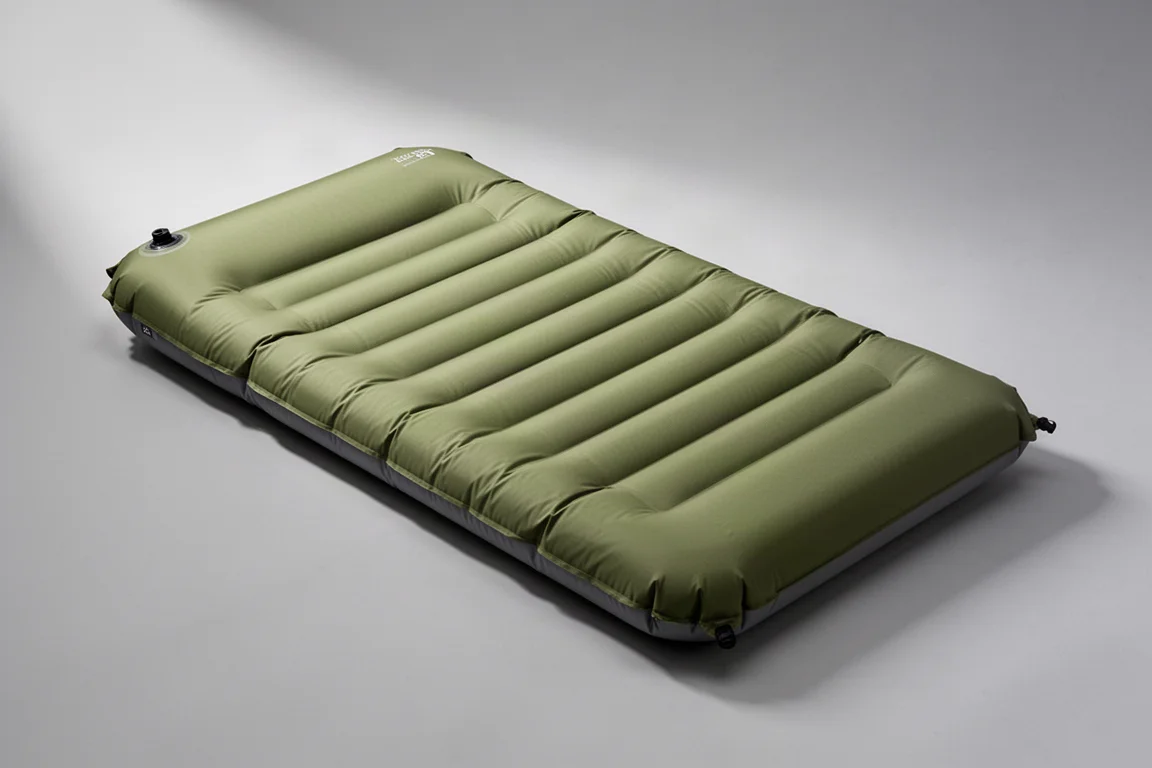
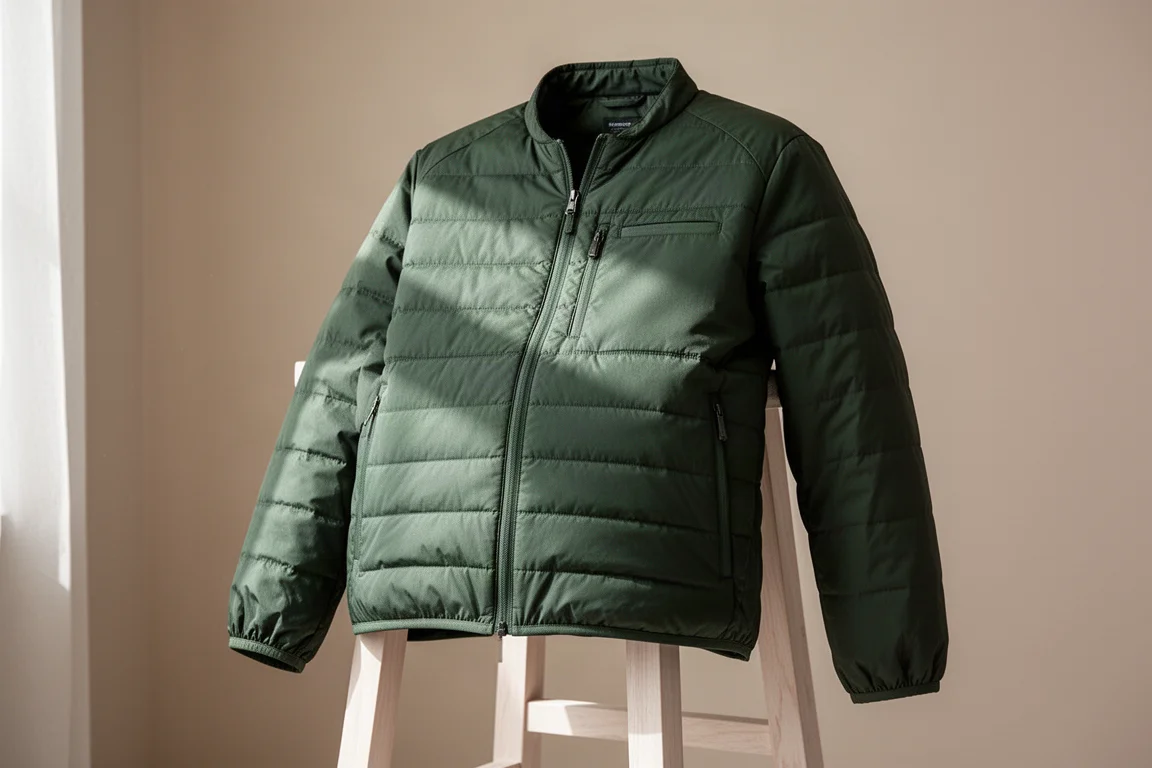
Best Lightweight Insulated Jacket: Outdoor Vitals Ventus
The Ventus did not make a strong first impression, but it grew quickly once it started getting worn around town out of convenience. It is very light, warm and comfortable, and it ended up being used as often off the trail as on it, which is unusual for a piece this light.
Both a pullover and a full-zip version are available. The full-zip is the more convenient of the two, since it is easier to vent on the move and easier to take on and off. As a light layer for cool mornings and evenings, it has become one of the favorites of the year.
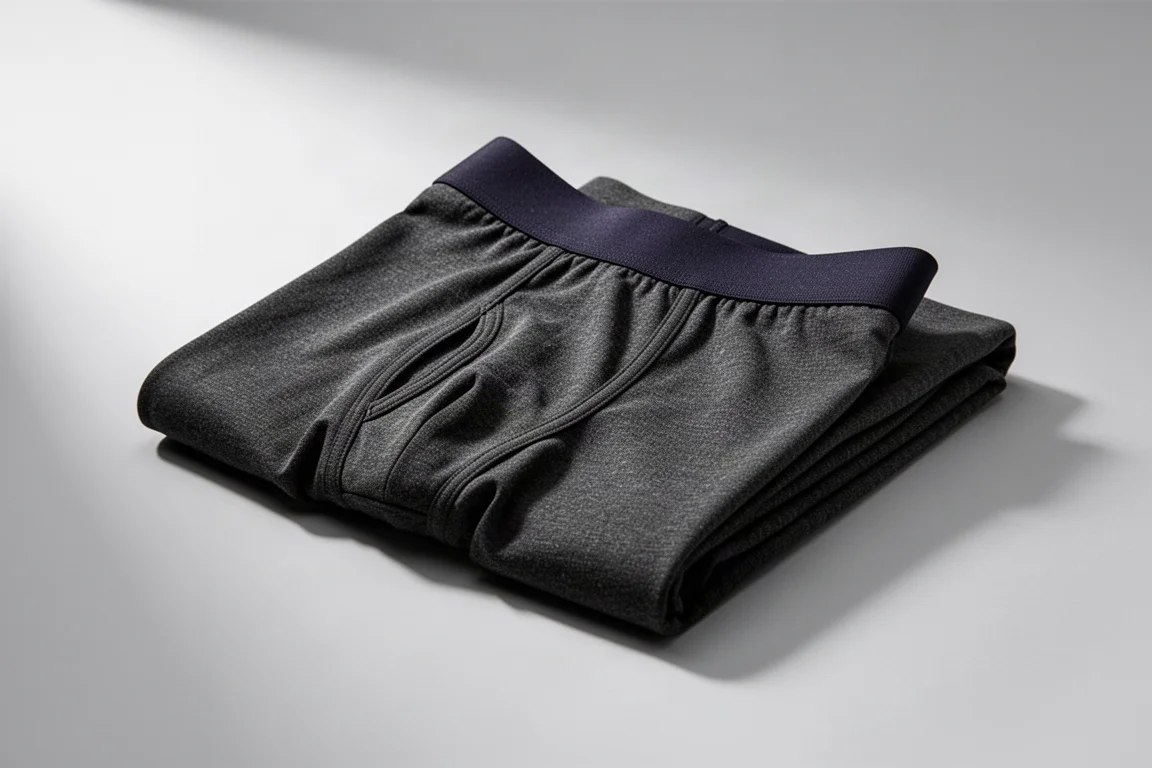
Best Backpacking Underwear: Bombas Boxer Briefs
Socks and underwear rarely make a gear list, but they are foundational for backpacking. Cotton is the thing to leave at home in the backcountry; synthetic fabrics are the ones to look for.
Boxer briefs keep the inner thighs from rubbing together and causing chafing, and the synthetic material wicks moisture away from the skin, which also helps protect against hypothermia when the temperature drops. Bombas also donates one pair for every pair purchased, so the purchase supports someone experiencing homelessness as well.
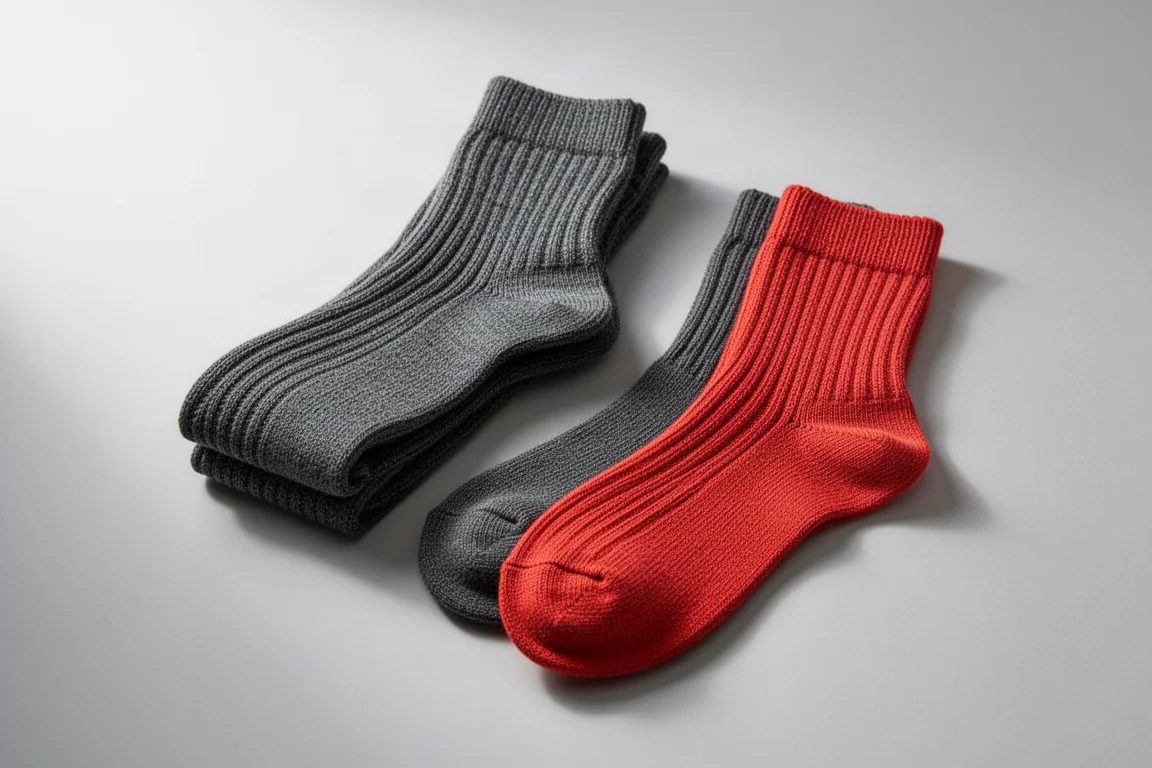
Best Backpacking Socks: Bombas Socks
The same logic applies to socks. Synthetic socks wick moisture and keep feet dry, which is often the difference between a comfortable day and a blister. Bombas uses a honeycomb stitching pattern to support the arch, and the toe has no seam across it, which removes one of the common places a sock can rub.
Like the boxer briefs, every pair purchased funds a donated pair, so a foundational piece of gear also does some good. If you are still hiking in cotton socks, this is one of the simplest upgrades on the list.
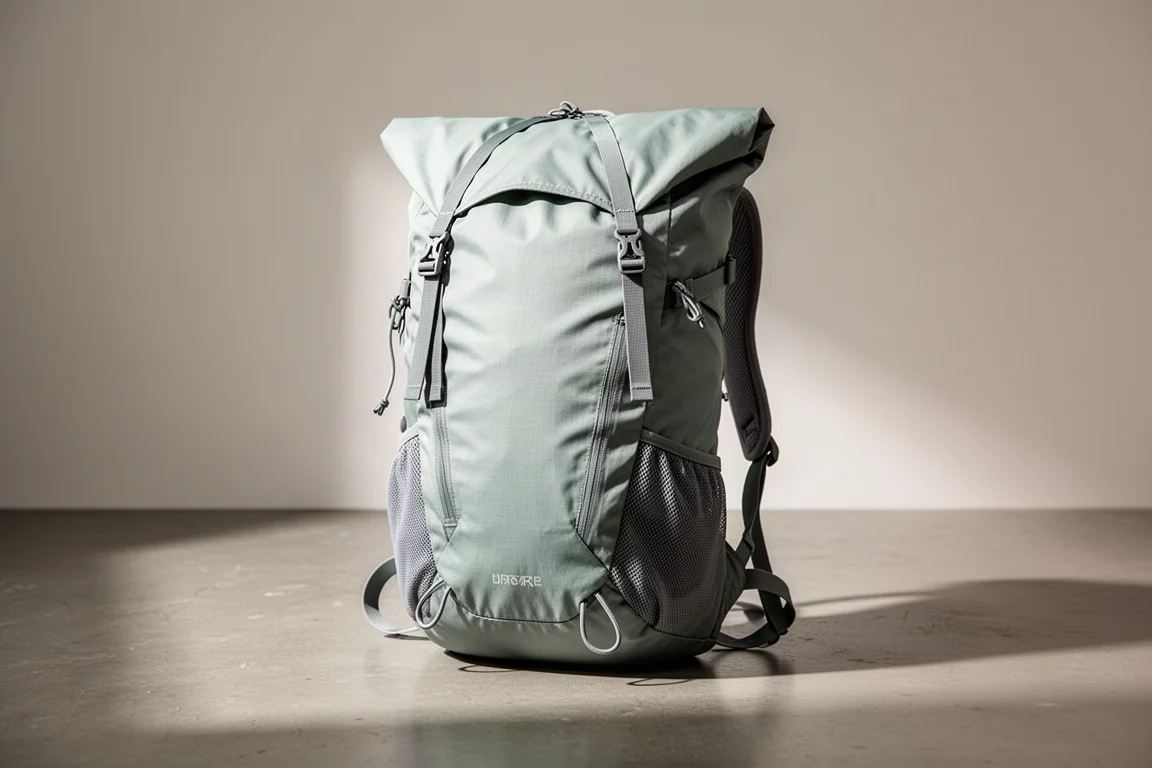
Honorable Mention: Durston Kakwa 40
Two pieces of gear deserve a mention even though they cannot be bought right now. The Kakwa 40 is the favorite backpack at the moment, and it would have taken a place in the main list if supply allowed.
High demand and supply chain issues mean it is unavailable for the time being, with availability expected again next year. It is worth keeping an eye on if you are shopping for a pack over the next few months.
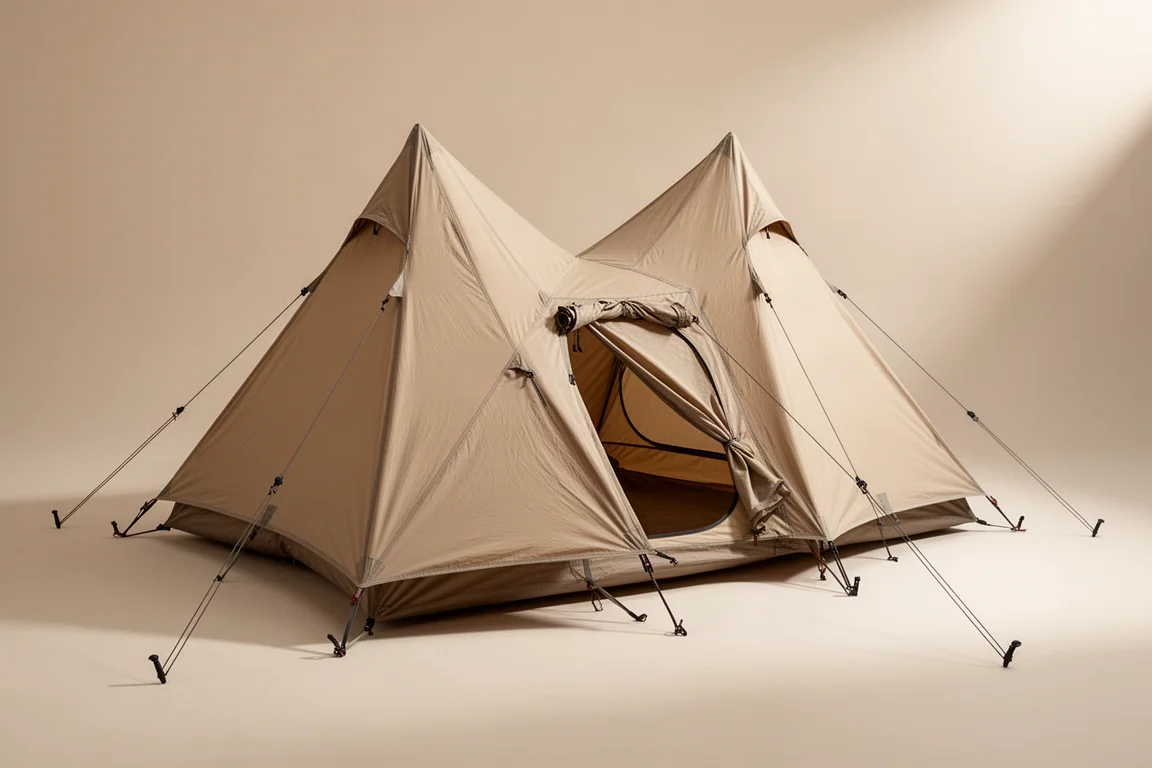
Honorable Mention: Durston X-Mid Pro 2
The X-Mid Pro 2 is the second honorable mention, and it earns the spot on design alone. The tent uses a distinctive geometric layout that sets it apart from conventional two-door shelters, and it is genuinely impressive in the field.
It is in the same situation as the Kakwa 40: demand and supply problems keep it out of stock, with a return expected sometime next year. Both are worth waiting for if you are not in a hurry.
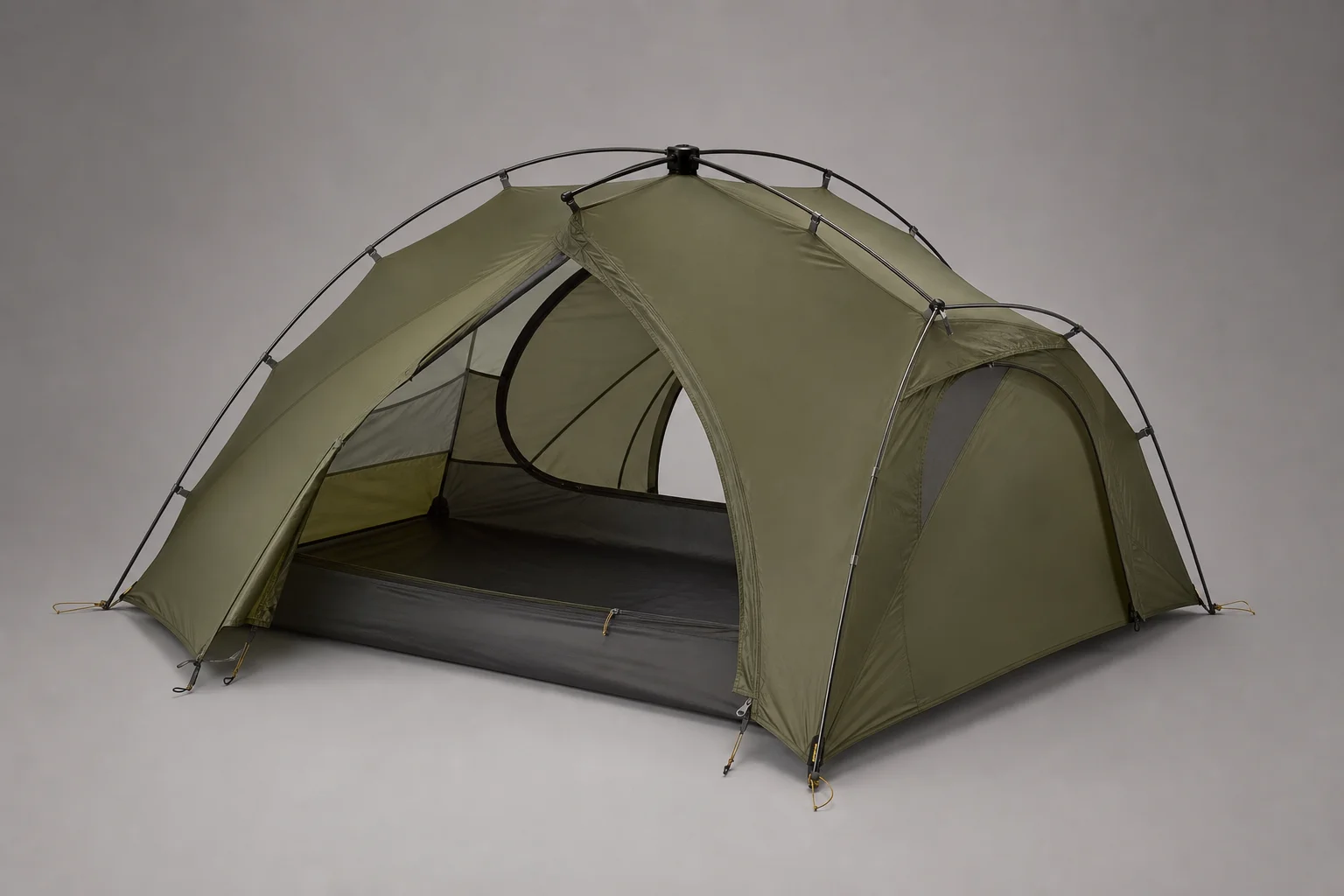
Gear to Approach With Caution: Big Agnes Copper Spur
Not every update lands. The Copper Spur is a genuinely nice tent, which is why it sits at the mild end of this list rather than the severe end, but the floor is 43 inches wide. That is not enough to fit two wide sleeping pads side by side.
In practice that makes it a one-person tent that could have fit two people with just a few more inches of floor. If you camp solo, or you and your partner both use narrower pads, it remains a reasonable shelter. If you use wide pads, plan on it being a solo tent.
Big Agnes Lost Ranger Ultralight Sleep System
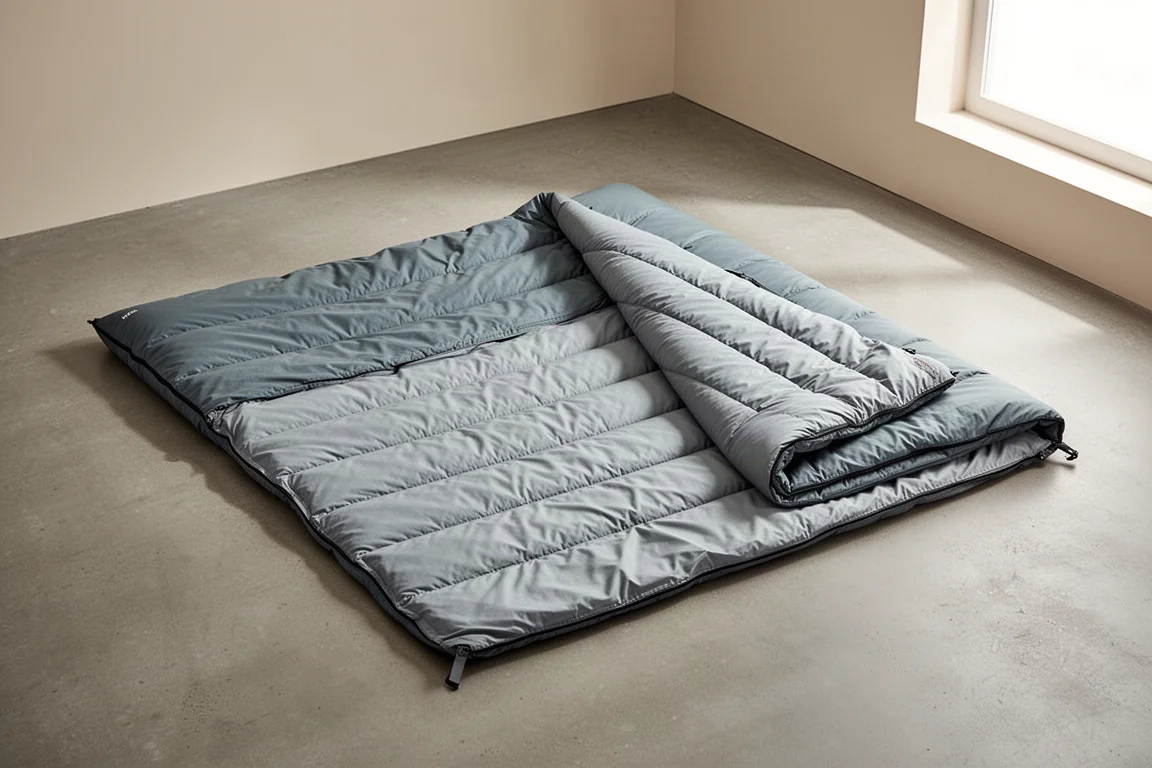
The Lost Ranger takes a clever idea and prices it too high. It is a three-in-one sleep system that uses layering to reach three different temperature ratings: 45°F, 20°F, or 0°F depending on how many layers you use.
The problem is that only one of those configurations is ISO certified, so a good part of the flexibility you are paying for is unverified. At $650, that is a hard combination to justify when simpler, better documented options exist for less.
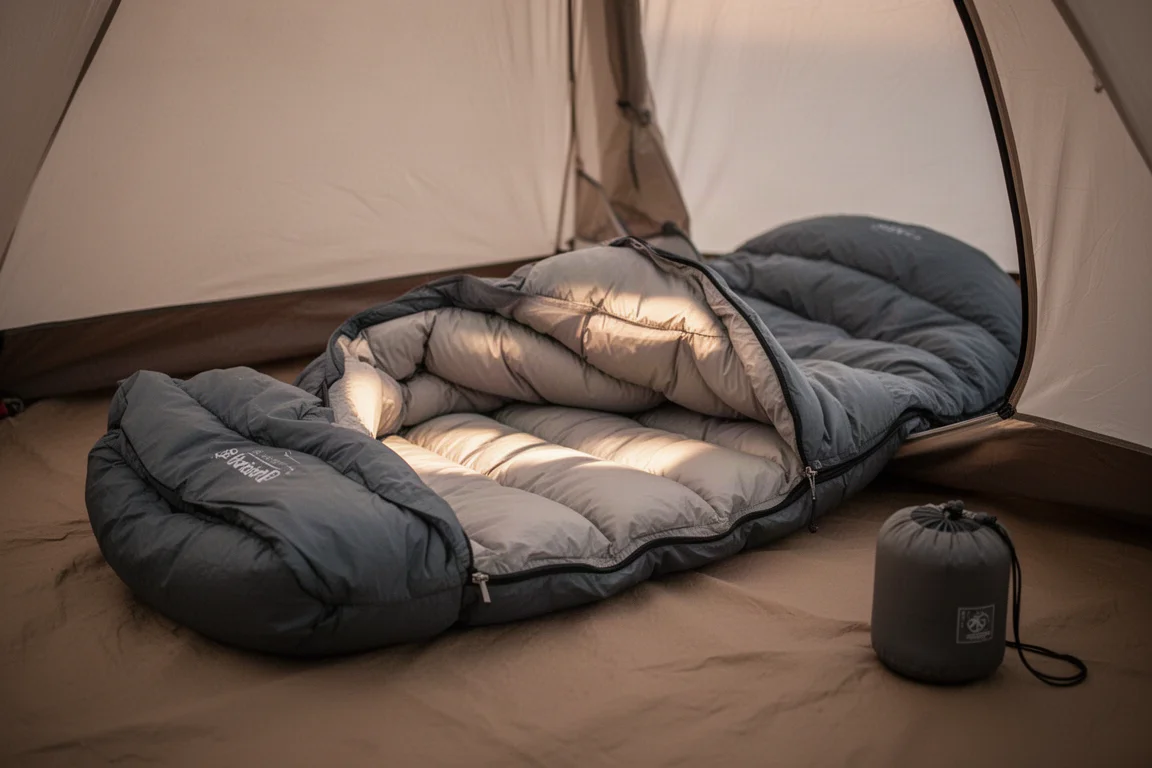
Layering systems are appealing because they promise one bag for a range of conditions. The catch is that the rating you actually rely on has to be the certified one, and here that is a single configuration out of three.
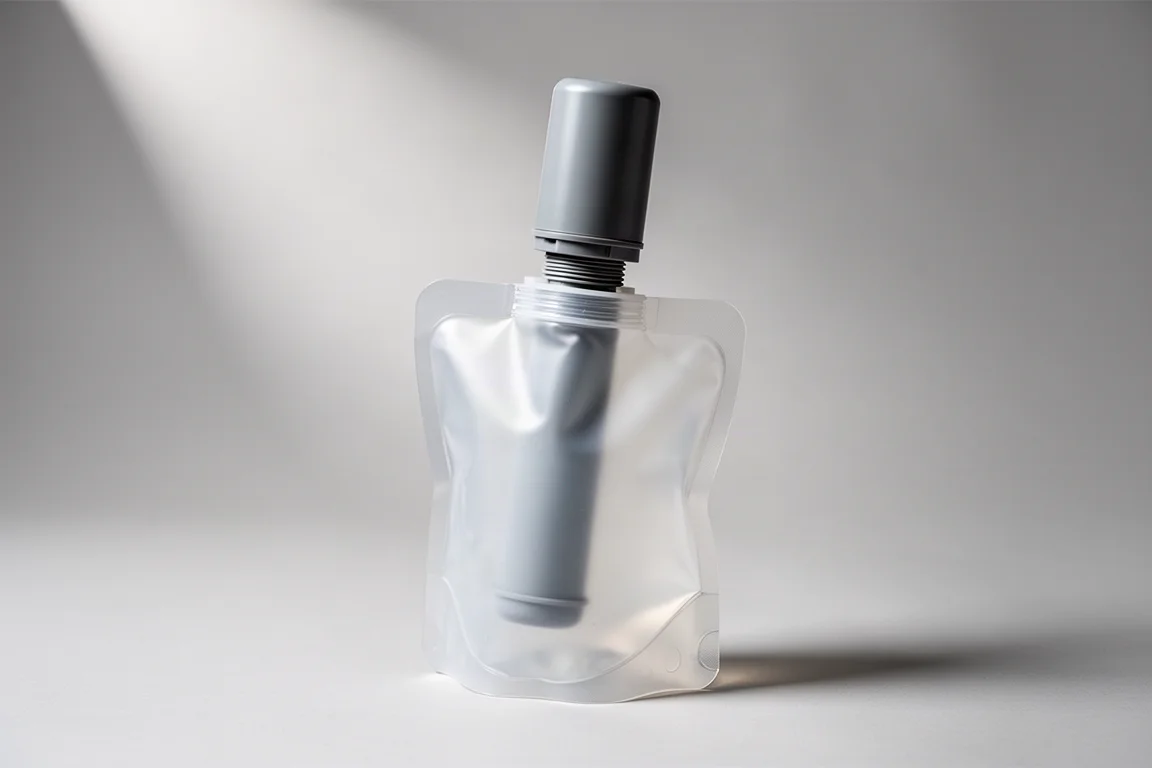
LifeStraw Peak Series Filter
The Peak Series filter has a design flaw that shows up as soon as you use it the obvious way. With the filter mounted inside the bag, you cannot filter past the hole at the bottom of the filter, which leaves water you simply cannot reach.
Moving the filter to the outside of the bag fixes that, but then you cannot move it back, because the dirty end ends up dangerously close to your mouth and risks cross-contamination. It reads like a product rushed out to compete with established squeeze filters rather than a design that was thought through.
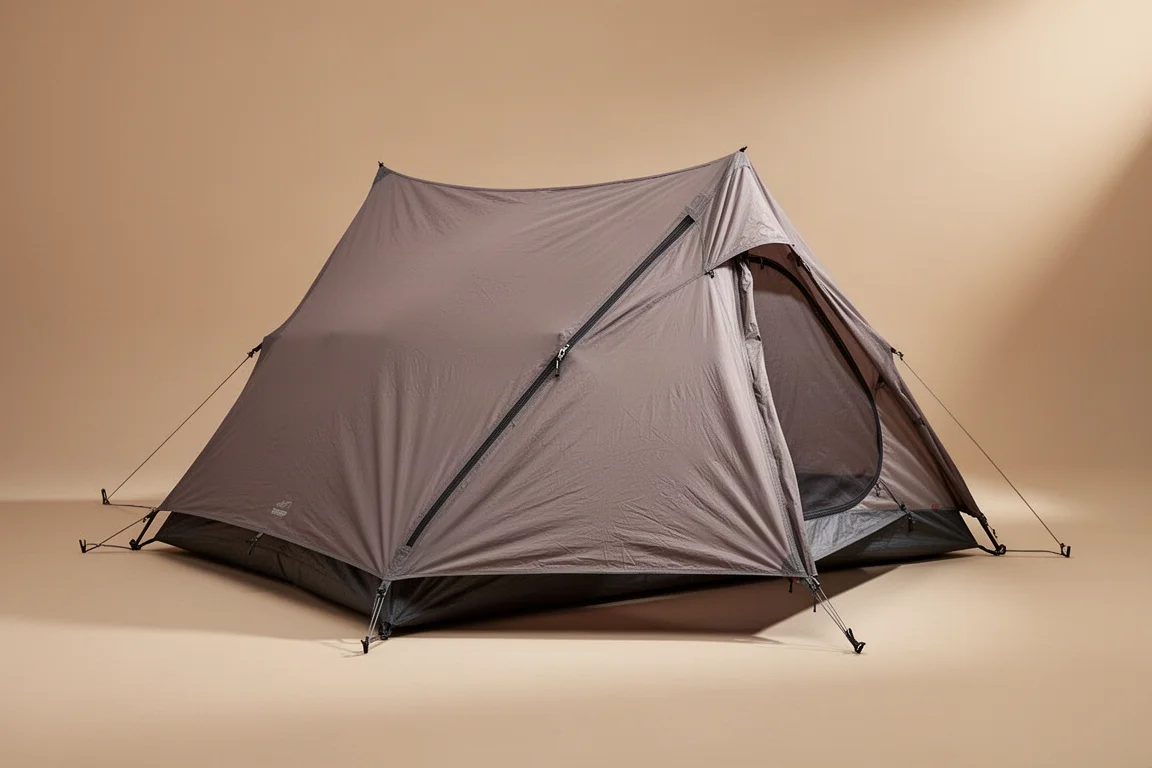
MSR FreeLite Tent
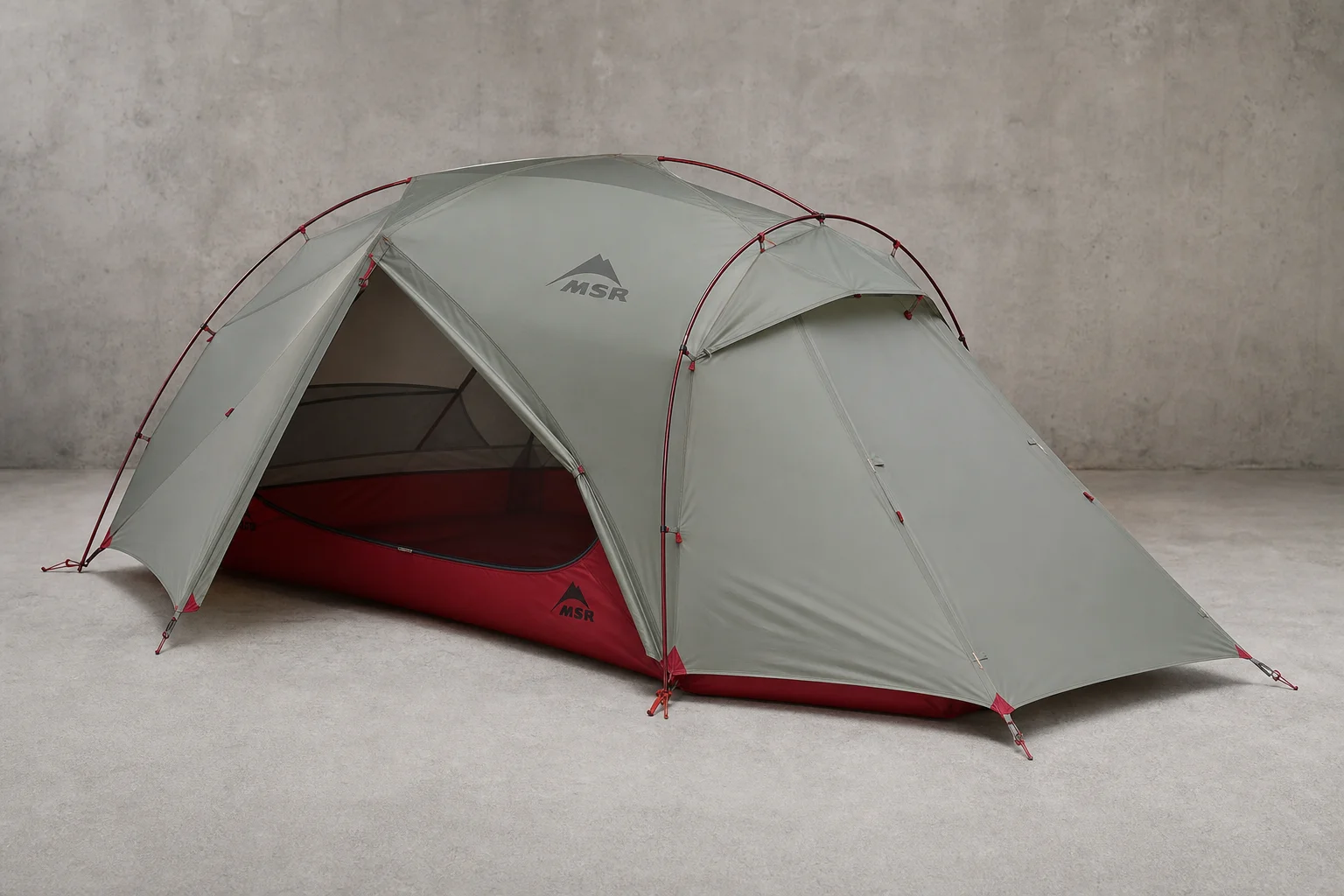
The FreeLite gets a lot right. The floor is 50 inches wide, which is more generous than the Copper Spur, the packed weight is just over 2 lb, and the diagonal zipper across the fly means you do not have to fold yourself in half to get out of the tent.
That same diagonal zipper is the problem. Any time the fly is wet, water drips through it and into the tent. Water inside a shelter is not something most backpackers are willing to accept, which keeps the FreeLite off the recommended list.
MSR Hubba Hubba: The Better MSR Option
If you are set on an MSR tent, the Hubba Hubba is the one to choose. It uses the same diagonal zipper design, but the ceiling extends further out, which pushes the zipper away from the floor and keeps drips out of the living space.
That single change turns a design that fails in wet weather into one that works. The Hubba Hubba is the safer purchase in this lineup.
Get Out Gear Trek Chair
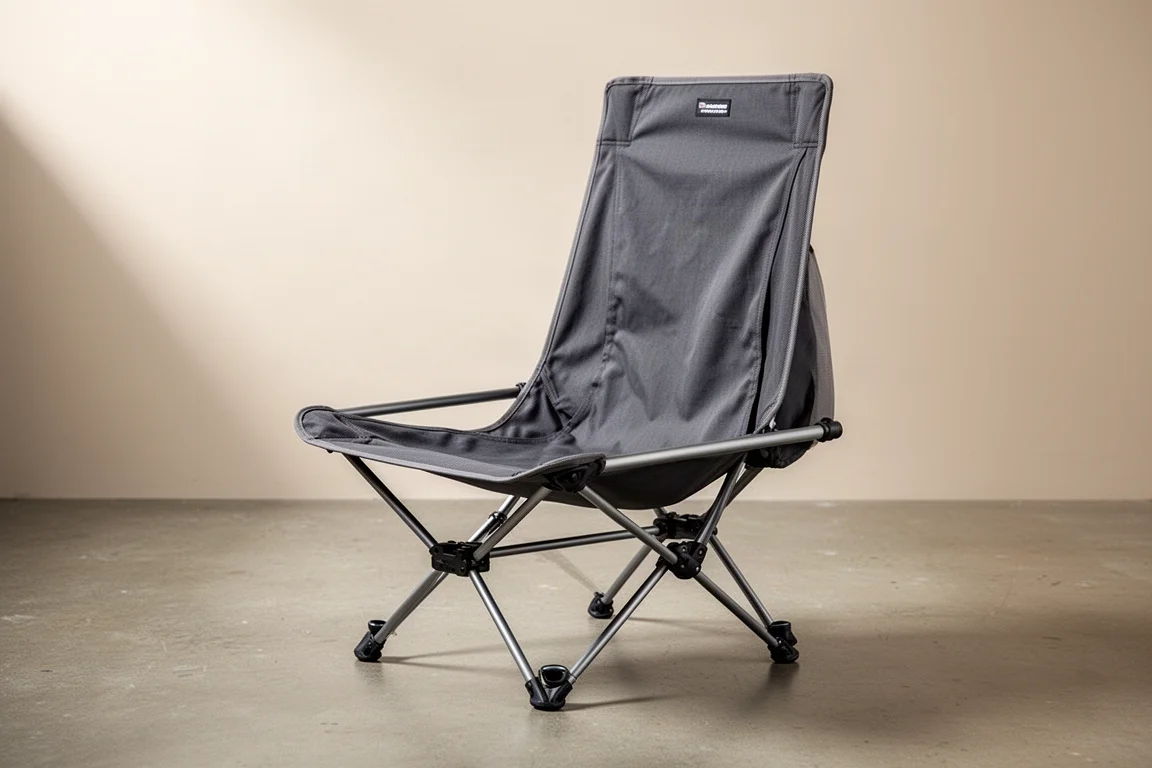
Using trekking poles as part of a chair frame is an overdue idea, and the Trek Chair is the worst piece of gear of the year anyway. It is heavier than the Helinox Chair Zero High Back, which needs no trekking poles at all, so the weight argument for the design does not hold up.
The bigger issue is the front pole hub, which keeps snapping. A replacement frame arrived assembled with two front pole hubs, the same part that keeps failing, and after swapping the hubs the frame was tested three times and failed three times. The failure shows up when you lean back on two legs, so in theory you might be fine if you never lean back and never set the chair on uneven ground. Realistically, the hub needs a redesign to withstand lateral torque before this chair can be recommended.
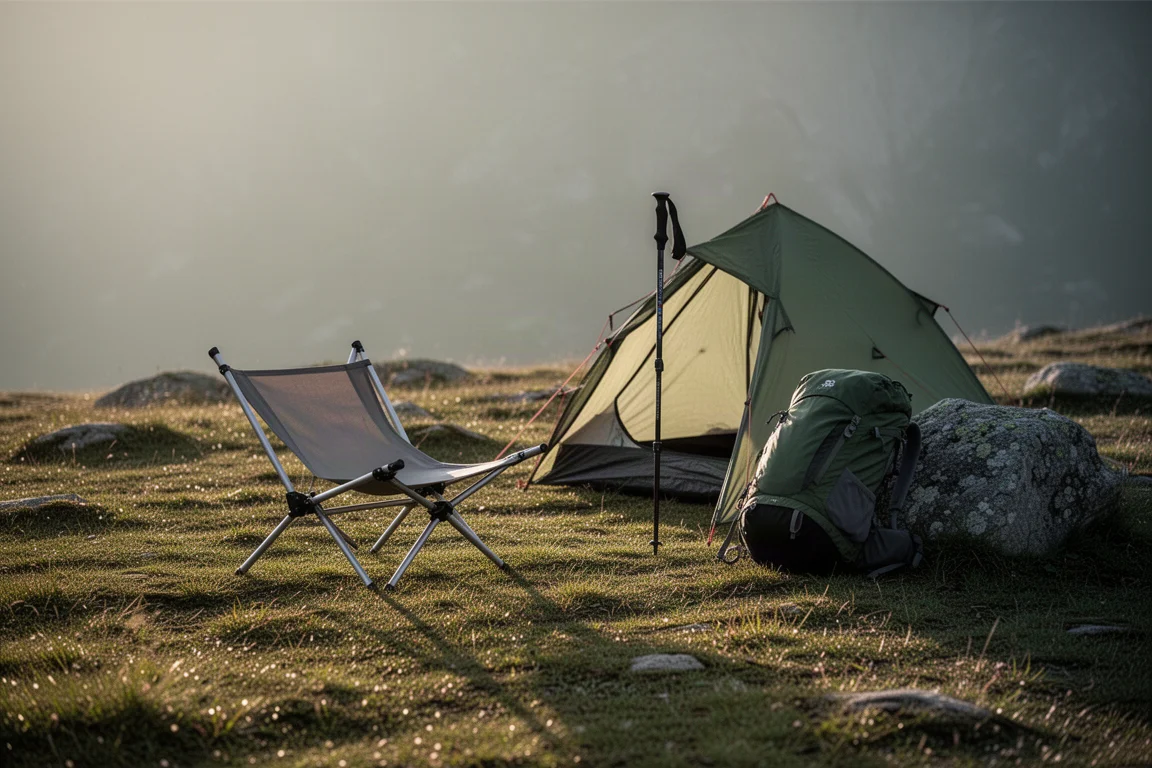
Until that redesigned hub exists, the chair is a reminder that a good concept still has to survive contact with real campsites, uneven ground, and the way people actually sit.
Buying Advice
Start with shelter and sleep, because those two decisions shape everything else. If you hike solo, the weight savings of a shelter like the Plex Solo are worth paying for. If you hike with a partner, floor width matters more than a few saved ounces, which is why the Copper Spur’s 43-inch floor and the FreeLite’s wet fly are worth knowing about before you buy.
For sleep, prioritize a pad you will actually sleep on and a rating you can trust. The Insulated Tensor balances warmth and comfort, while the Lost Ranger shows why a certified rating matters when a system advertises several.
Base layers are the simplest place to make a real difference. Synthetic socks and underwear reduce chafing, wick moisture and help keep you warm when conditions turn, and the Bombas range adds a donation with every purchase.
Finally, check availability before you commit. The Durston Kakwa 40 and X-Mid Pro 2 are among the best items of the year, but neither can be bought right now, so plan around restock timing rather than waiting on a trip.
Conclusion
The best gear of the year is not always the lightest or the cleverest. The Plex Solo, the Zenbivy Double Bed, the Insulated Tensor, the Ventus and the Bombas base layers earned their spots because they solved real problems on real trips, and the Durston Kakwa 40 and X-Mid Pro 2 would have joined them if they were available.
The other half of the list is just as useful. A 43-inch floor, a dripping fly, a filter you cannot remount and a chair hub that snaps are all avoidable purchases once you know about them. Buy for the trips you actually take, and the gear that fits will be obvious.
Further reading
Related Reviews

Backpacking Gear
Building a 10 lb Base Weight: An Ultralight Backpacking Gear List
A practical walkthrough of the ultralight pieces behind a 10 lb base weight, from a 765 g pack and a roomy one-person tent to a full camp chair and a dependable water filter.
Backpacking Gear
A 15-Pound Lightweight Backpacking Gear List for Solo Trips
A beginner-friendly 15-pound backpacking setup built from easy-to-find gear, with notes on what each piece does, how it packs, and where to spend your attention.
Backpacking Gear
8 Ultralight Backpacking Gear Upgrades Worth Carrying
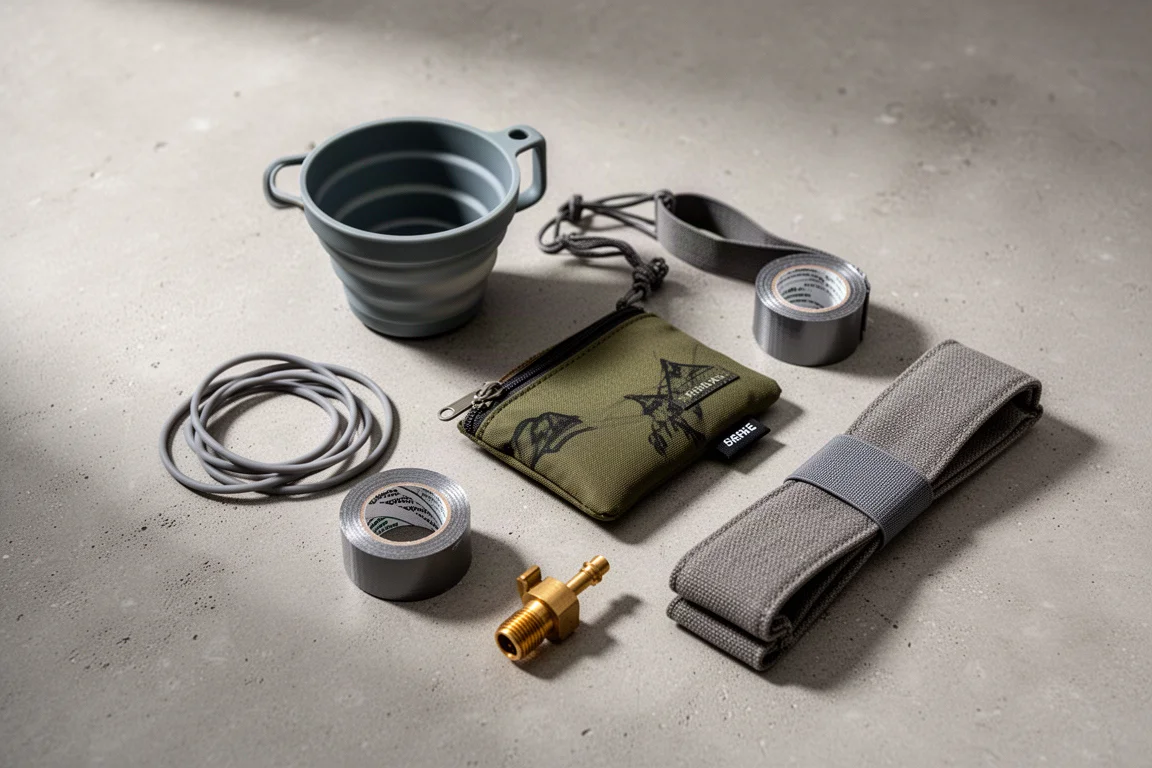
Eight small, affordable backpacking upgrades that solve real trail annoyances, from a pillow that stays put to a fuel valve that rescues leftover canister gas.