Backpacking Gear
Best Backpacking Gear: Eight Reliable Picks for Multi-Day Hiking
Eight pieces of backpacking gear that held up through a full season of long-distance trails, with honest notes on weight, comfort and the trade-offs worth knowing before buying.
Introduction
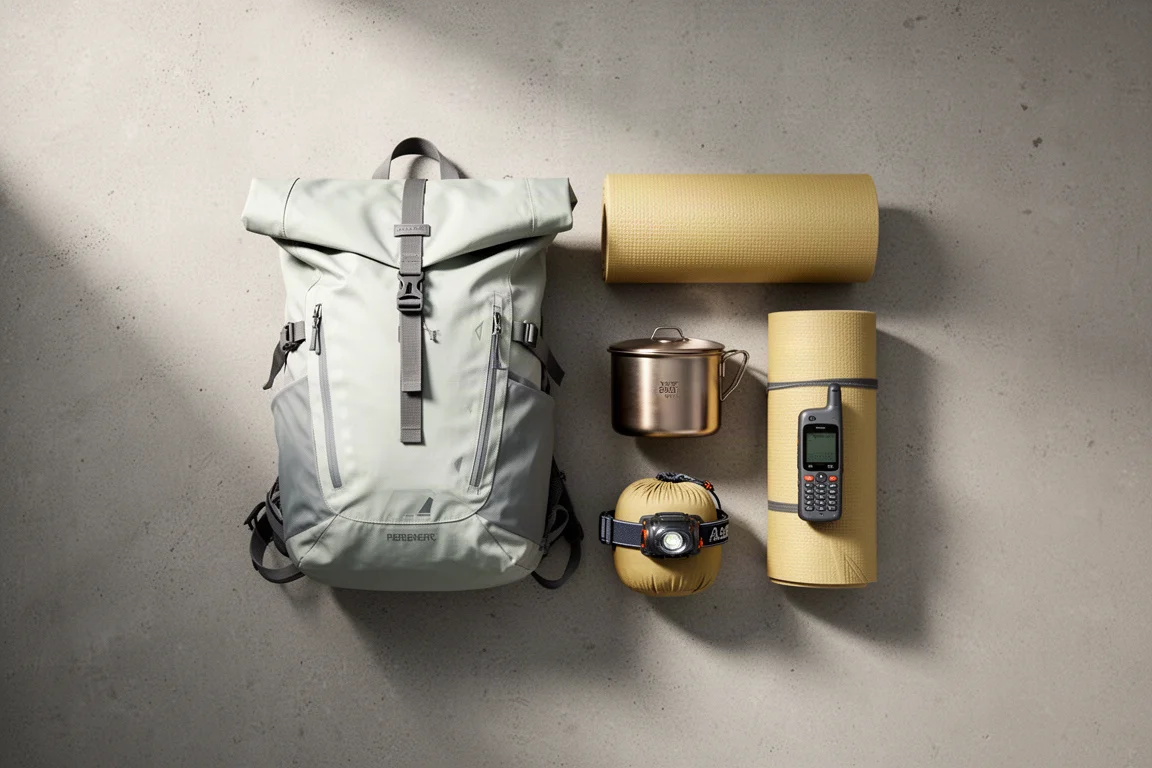
Long-distance hiking gear earns its place slowly. A pack, a shelter or a sleeping system only proves itself after weeks of rain, condensation, rocky pitches and long days where every gram is felt. The eight items below are the ones that came through a full season of multi-day hiking across Scotland, Wales, the Italian Alps and the Arctic Circle, and that are still the first things packed for the next trip.
This is not a list anyone needs in order to start hiking. A wicking top, a couple of layers, a waterproof and any comfortable pack will get a first trip done. The value of a list like this one sits in the details that only appear after hundreds of miles: which pockets can be reached while walking, which shelters stay dry inside, and which small objects quietly make camp more comfortable.
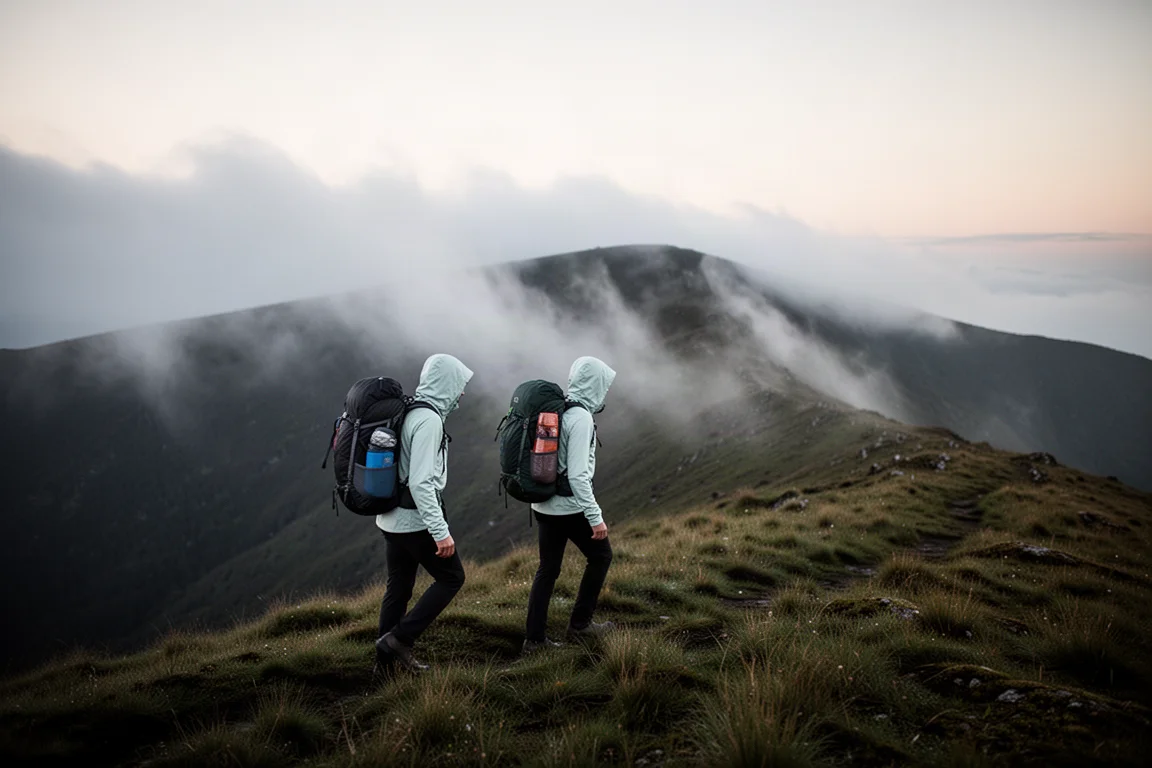
What follows is eight pieces of gear that held up to that kind of use, with honest notes on what each one still asks of the person carrying it.
What Earned a Place in the Pack
Three things decide whether a piece of gear stays in the pack: reliability across multiple seasons, comfort over long days, and whether it solves a real problem rather than an imagined one.
Weight matters, but it is not the only measure. A wide sleeping pad and a generously cut sleeping bag weigh more than the ultralight alternatives, and they still earn their place because better sleep turns into longer days and a better mood on the trail. The same logic applies in reverse: a shelter that saves weight but leaves everything damp in the morning is a trade-off worth understanding before buying.
Durability and repairability round out the list. Anything used hard for thousands of miles will eventually fail, and the useful question is where and when.
Zpacks Arc Haul Ultra: A Light Pack That Carries Heavy Loads
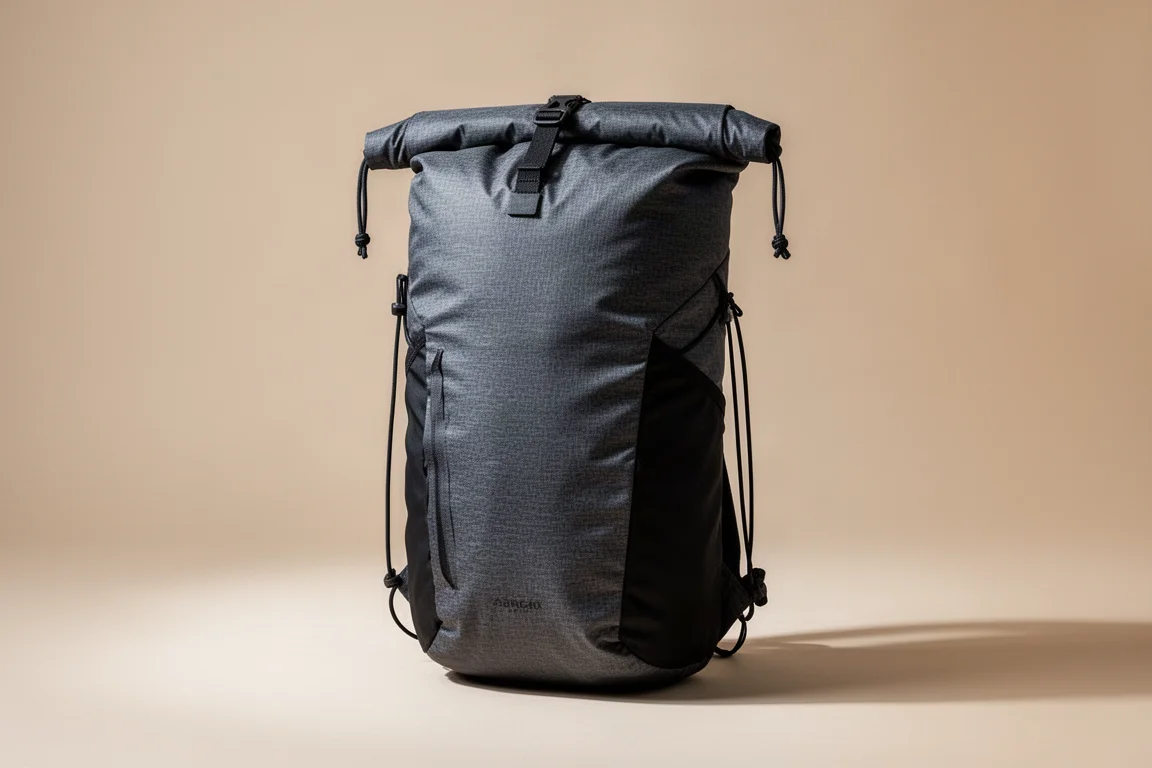
The Arc Haul Ultra has been the main pack for essentially every multi-day trip in recent seasons. It is very light for the volume it carries, and it has stayed hardwearing through thousands of miles of walking.
The hip belt pockets are a standout: spacious, easy to reach and tough enough to survive constant use. The side pocket is the opposite experience, since it sits out of reach while walking, which is awkward if snacks live there. One side has been set up to hold a small lens pouch for quick access during the day.
Two details matter more than any specification. The pack has been kind to a back injury, which is not something every ultralight design manages, and it is now wearing out in several places after years of hard use. That is the honest limit of a very light pack.
Hilleberg Enan: A Lightweight Three-Season Shelter
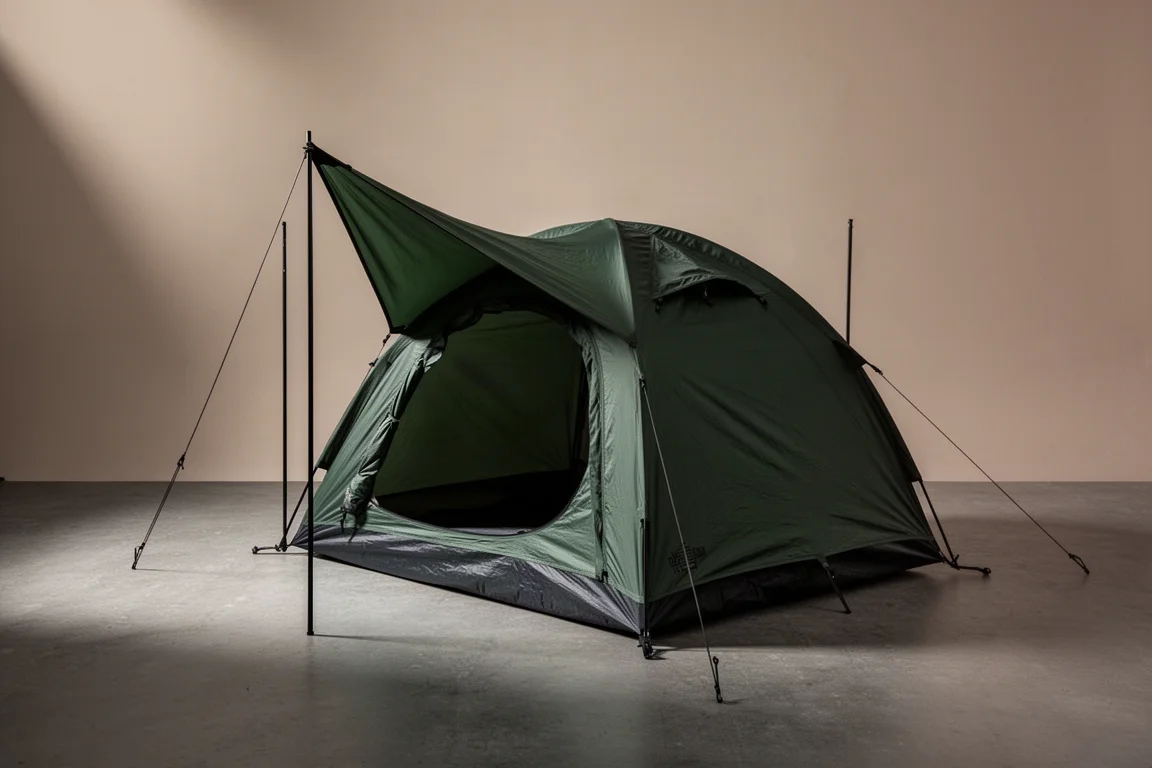
The Enan is a three-season tent with a separate inner and outer, and it weighs around 1.1 kg. It pitches quickly, comes down easily and has been used across the world without drama. For a lot of trips it feels less like equipment and more like a small home.
The one consistent complaint is condensation. On some mornings the inside of the shelter is wet enough that a sleeping bag, stove and clothing all need drying out. That is a real trade-off to weigh against the low weight and the confidence the design inspires.
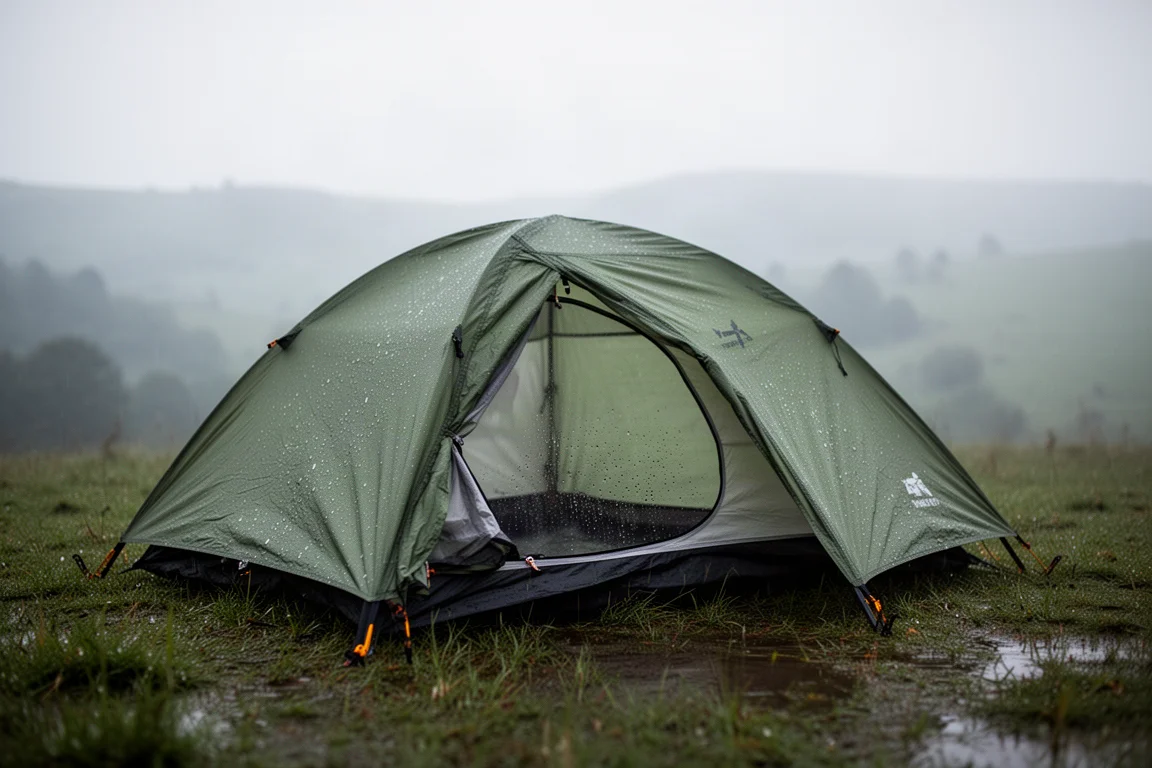
For anyone who wants a light, dependable three-season shelter and can live with damp mornings, this remains an easy tent to trust. Anyone who camps in humid conditions often may want to think carefully about ventilation before committing.
Therm-a-Rest NeoAir: A Wide Pad for Better Sleep
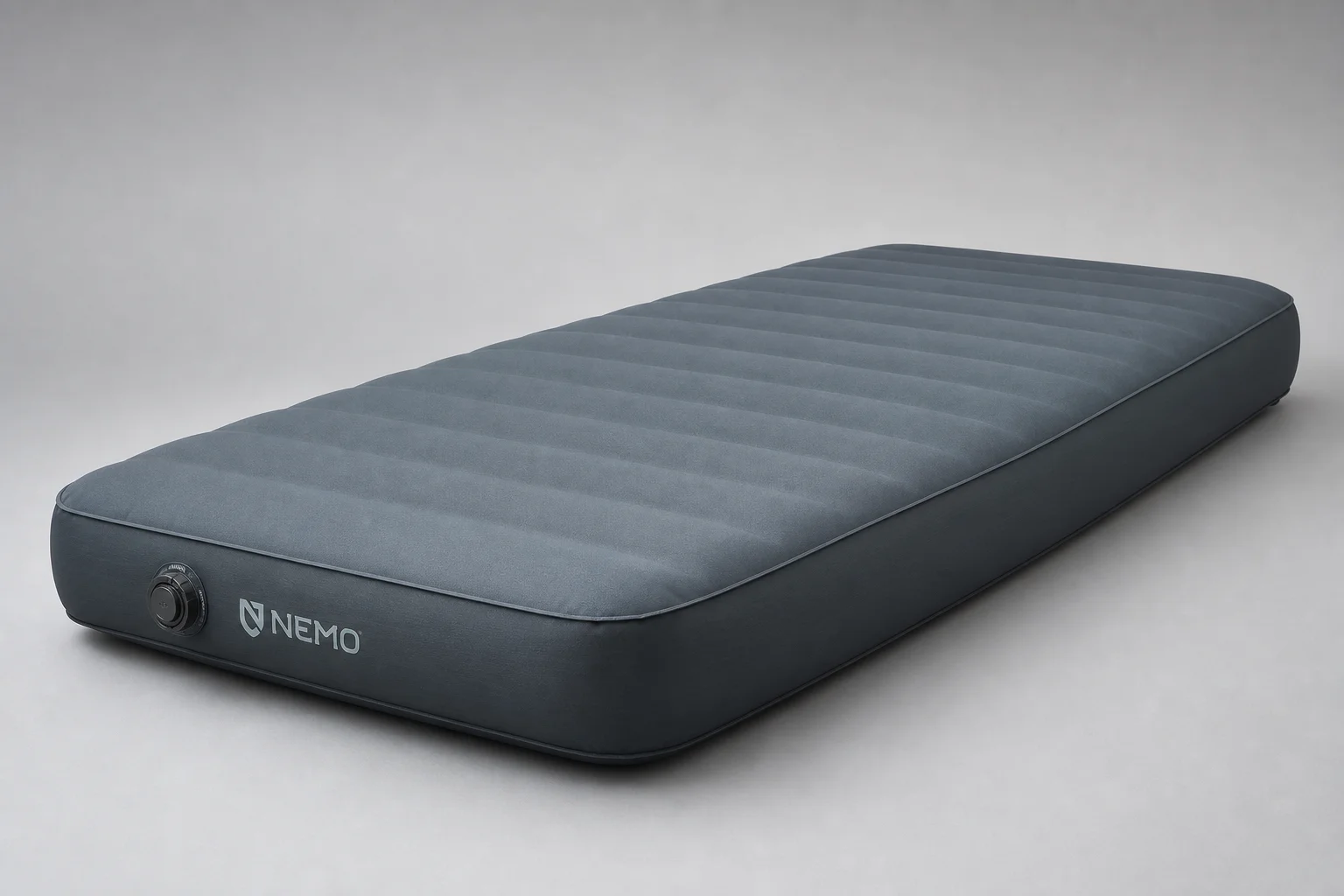
Most weight-focused hikers choose a three-quarter-length sleeping mat. This setup goes the other way, with a wide pad that supports the whole body. It is possible to curl up on it, stretch out on it and move around at night without rolling off the edge.
By ultralight standards it is a luxury item, and it is worth being honest about that. It has also been genuinely useful for a back injury, and better sleep on the trail has translated into longer days, a more comfortable pack carry and a better mood overall. Sleeping well is one of the few places where extra grams reliably pay for themselves.
Therm-a-Rest Parsec: A Warm, Fast-Drying Sleeping Bag
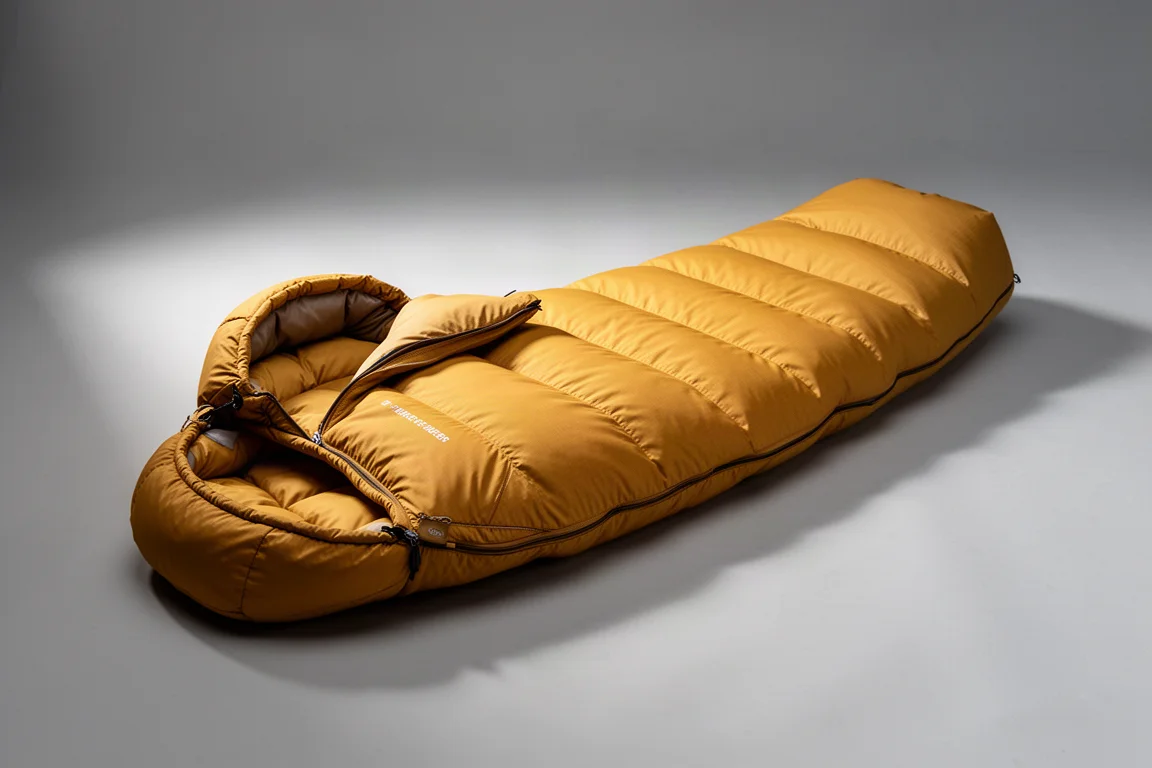
The Parsec has been the most travelled bag in the rotation. It is warm for its weight, the hood extends over both pillow and head, and the fabric dries quickly after a night of condensation in the tent.
It is also, in a small way, a morale item: the warm yellow colour is cheerful in a way that matters on a grey morning. Several bags have been used alongside it, and this is the one that keeps coming back.
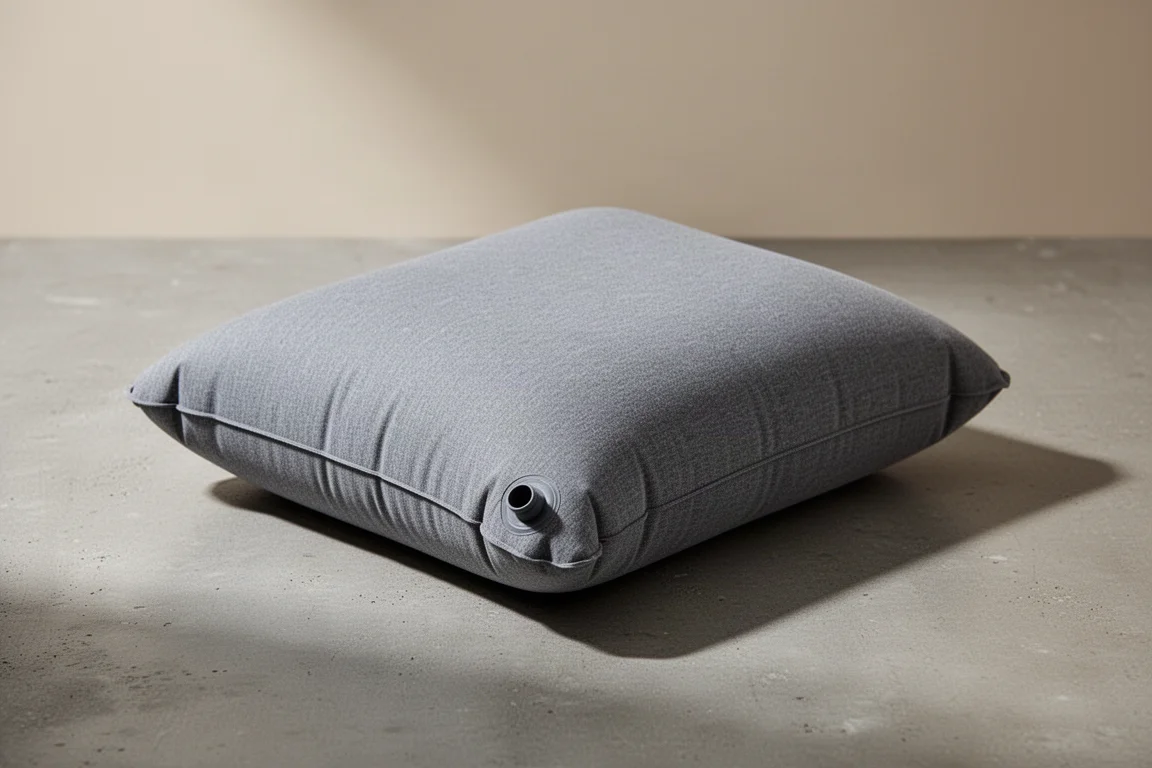
Cocoon Air-Core MicroLite Pillow: 48 Grams of Comfort
At 48 g, this pillow is light enough to forget it is in the pack. It inflates with a single breath, and the fabric is unusually soft for something so minimal. Before it, a stuffed backpack with clothing on top did the job, which is a perfectly workable approach and noticeably less comfortable.
It has been in use for several seasons, and it is so unobtrusive that it occasionally ends up carried on day hikes by mistake. For the weight and the modest outlay of a small accessory, it is one of the easiest upgrades in a sleep system.
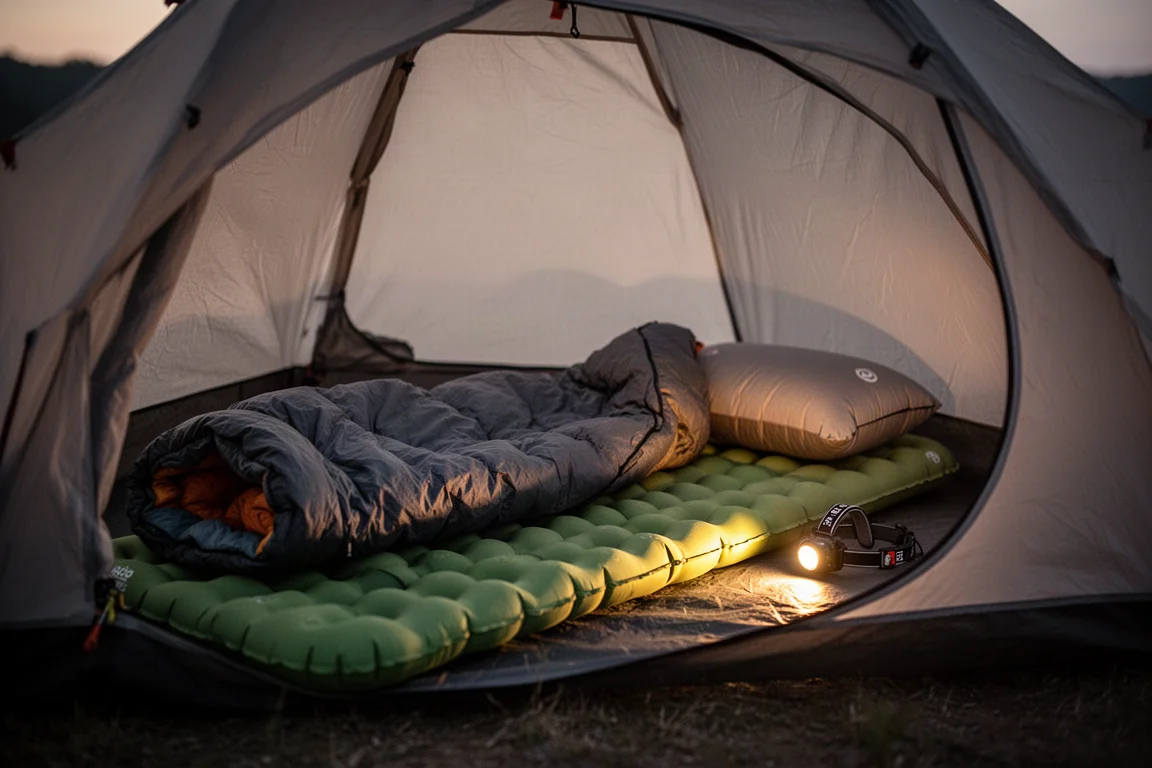
Small comfort items rarely get credit in gear lists, but a pillow is one of the few that changes how a night feels without adding meaningful weight.
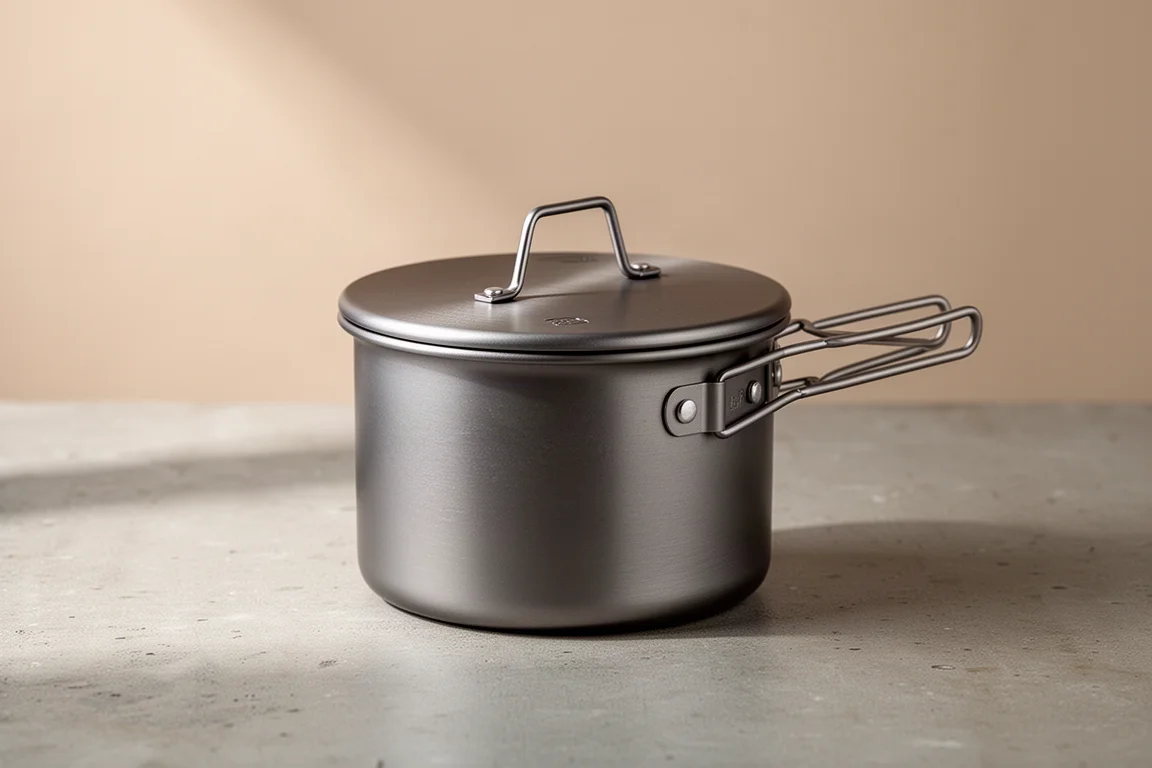
Soto River Titanium Pot: The Cooking Vessel
The titanium pot is the least glamorous item in the pack and one of the most used. It serves as the cooking vessel for a simple canister stove setup: boil water, rehydrate a meal, make a hot drink, repeat.
Titanium keeps the cook kit light, and a single pot keeps the whole setup simple. It does mean carrying a separate stove and gas canister, so the pot is best understood as one component of a compact cooking system rather than a complete kit.
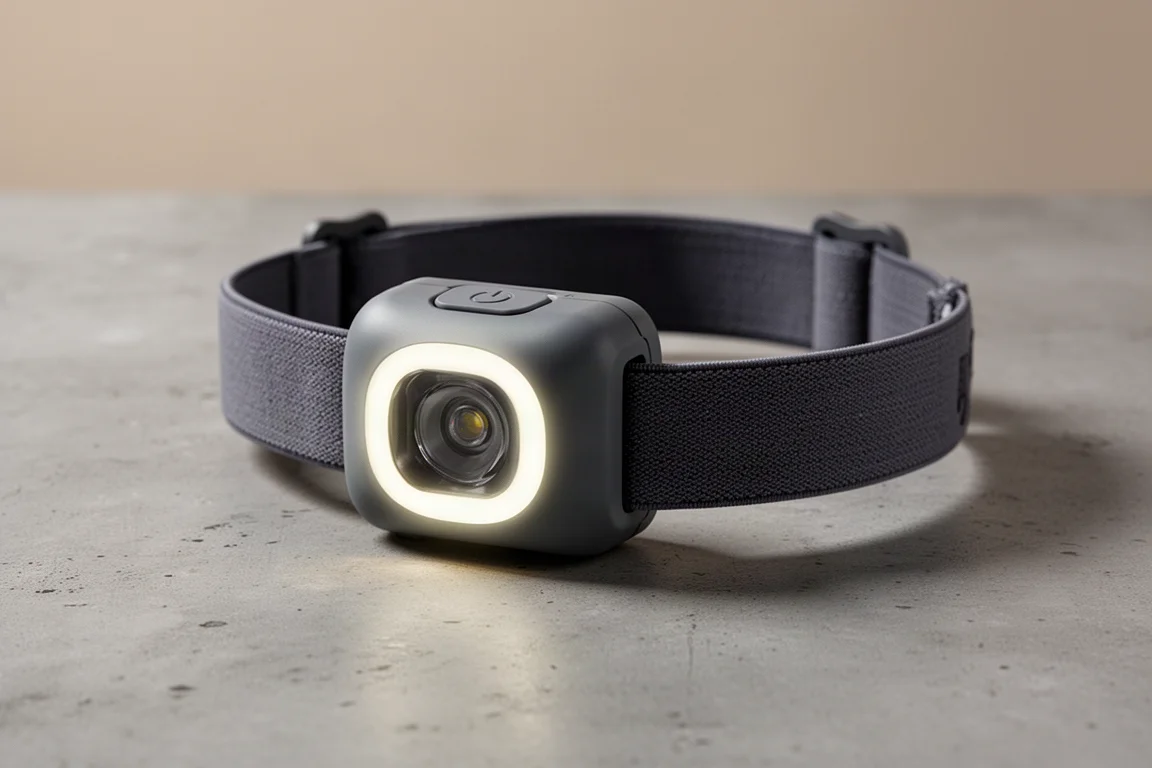
Petzl Actik: A Head Torch You Can Trust
The Actik is the torch that keeps coming back. It is straightforward, reliable and predictable, which matters more than any feature list when a head torch is the difference between a comfortable evening and a dark camp.
The trade-off is output. It is not the brightest option, and a brighter 550-lumen handheld torch was added to the kit for nights when more light feels reassuring, particularly when camped alone in an unfamiliar place. Rechargeable torches have also proved inconsistent, which is a real consideration when most charging capacity is reserved for camera gear.
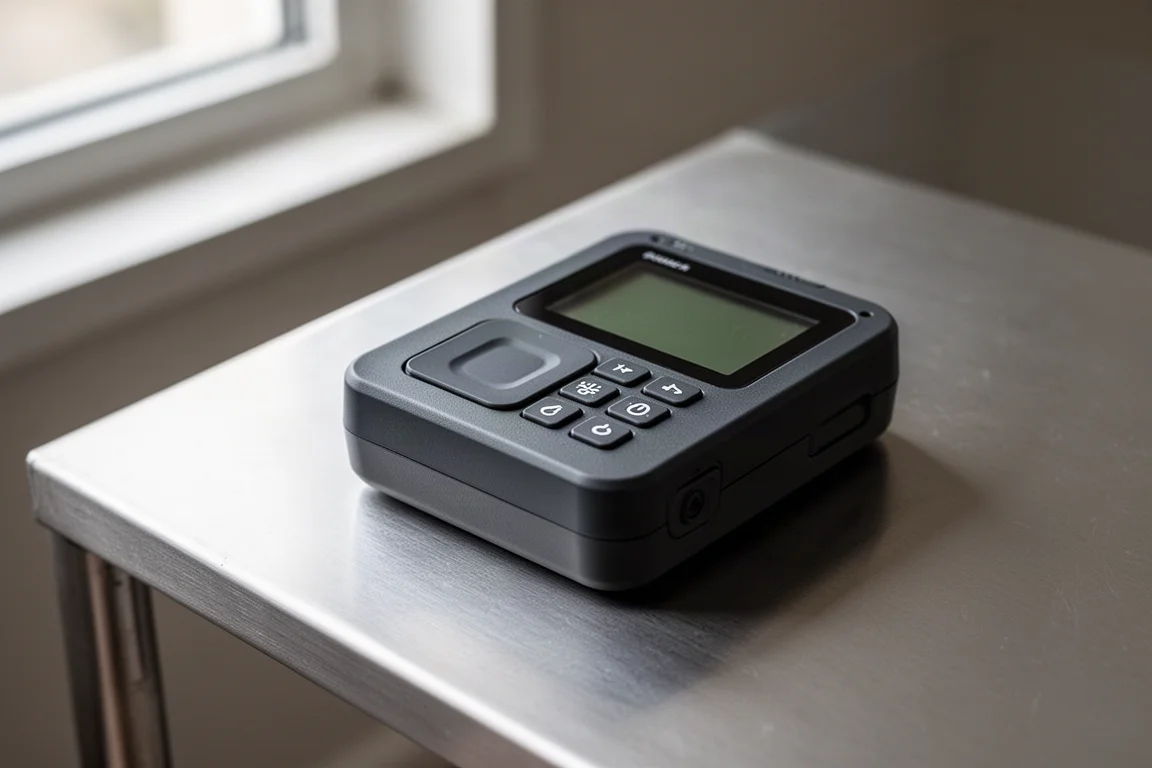
ZOLEO: Satellite Messaging From the Trail
ZOLEO is a satellite communicator that pairs with a phone over Bluetooth. It sends message-style texts, has an SOS button and access to medical support, is water resistant and works over the Iridium satellite network. For anyone out of signal for days at a time, the ability to send a short message home is worth a great deal.
The limitation is connection strength. It has not always locked onto a satellite easily and has sometimes needed to be placed outside the tent, whereas an earlier communicator could send messages and receive weather from inside. Battery discipline also shapes how it is used: it is switched on in the morning and evening at camp and off in between, which means tracking features have gone largely untried.
Buying Advice: Matching Gear to Your Own Hiking
None of this gear is a requirement. The right starting point is a basic layering system, a waterproof, comfortable shoes and any pack that fits, then letting experience decide what gets replaced first.
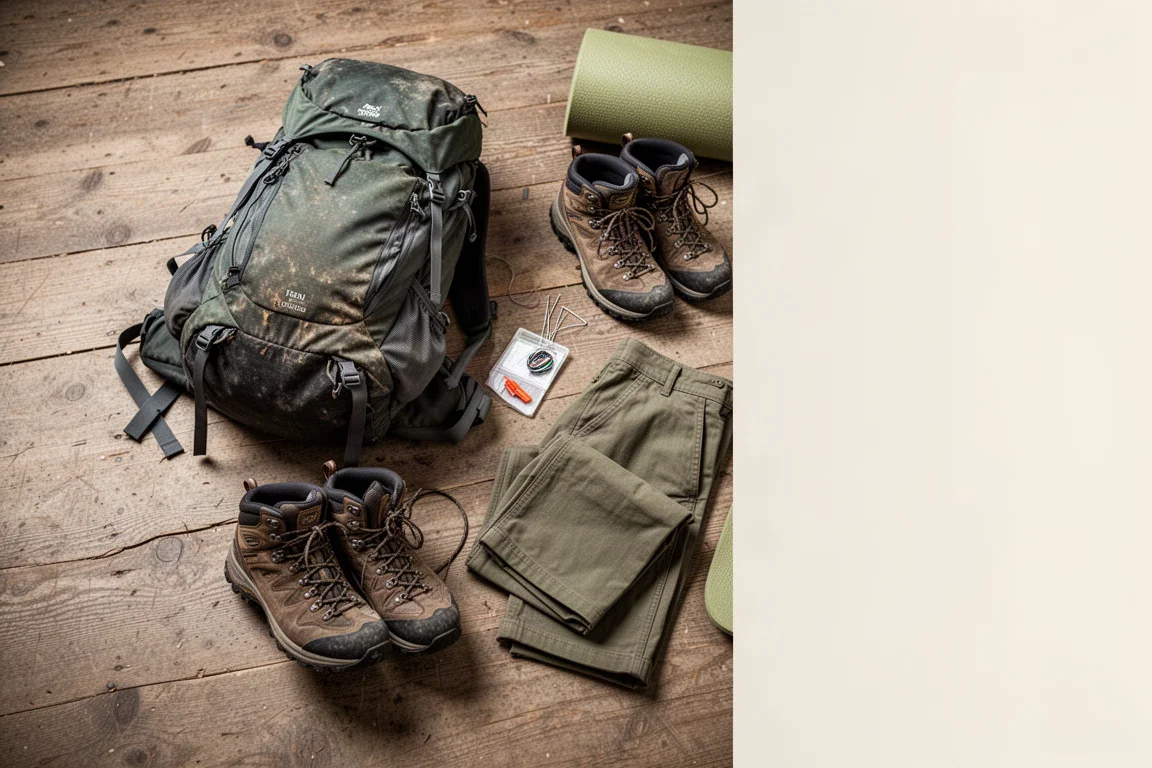
Buying secondhand is one of the most effective things a hiker can do, both for cost and for the planet. Outdoor kit holds up well, and a used pair of trail trousers or a used shelter often has plenty of life left in it. Replacing items only when they genuinely wear out, rather than when something newer appears, keeps spending low and gear knowledge high.
The two categories worth spending on early are sleep and shelter. Better sleep shows up directly in daily mileage and enjoyment, and a shelter that keeps the inside dry protects everything else in the pack. Weight savings elsewhere are usually cheaper and less consequential.
Conclusion
Eight items, one common thread: each of them solves a specific problem well enough to keep earning its place. A light pack that stays comfortable, a three-season shelter that is trusted even when it runs damp, a sleep system built for rest rather than for the lowest possible number, and a handful of small accessories that make camp easier to live in.
The most useful approach is to start with what is already in the cupboard, walk with it, and replace only what genuinely gets in the way. When something works, keeping it is usually smarter than chasing the next version.
Further reading
Related Reviews

Backpacking Gear
Building a 10 lb Base Weight: An Ultralight Backpacking Gear List
A practical walkthrough of the ultralight pieces behind a 10 lb base weight, from a 765 g pack and a roomy one-person tent to a full camp chair and a dependable water filter.

Backpacking Gear
A 15-Pound Lightweight Backpacking Gear List for Solo Trips
A beginner-friendly 15-pound backpacking setup built from easy-to-find gear, with notes on what each piece does, how it packs, and where to spend your attention.

Backpacking Gear
8 Ultralight Backpacking Gear Upgrades Worth Carrying
Eight small, affordable backpacking upgrades that solve real trail annoyances, from a pillow that stays put to a fuel valve that rescues leftover canister gas.