Backpacking Gear
Best Backpacking Gear for Multi-Day Hikes: 10 Items That Earned Their Place
A multi-day walk along the Great Glen Way sorted the gear that earns its place from the gear that just adds weight. Ten items, from tents and quilts to shoes and shells, with the trade-offs to weigh before buying.
Introduction
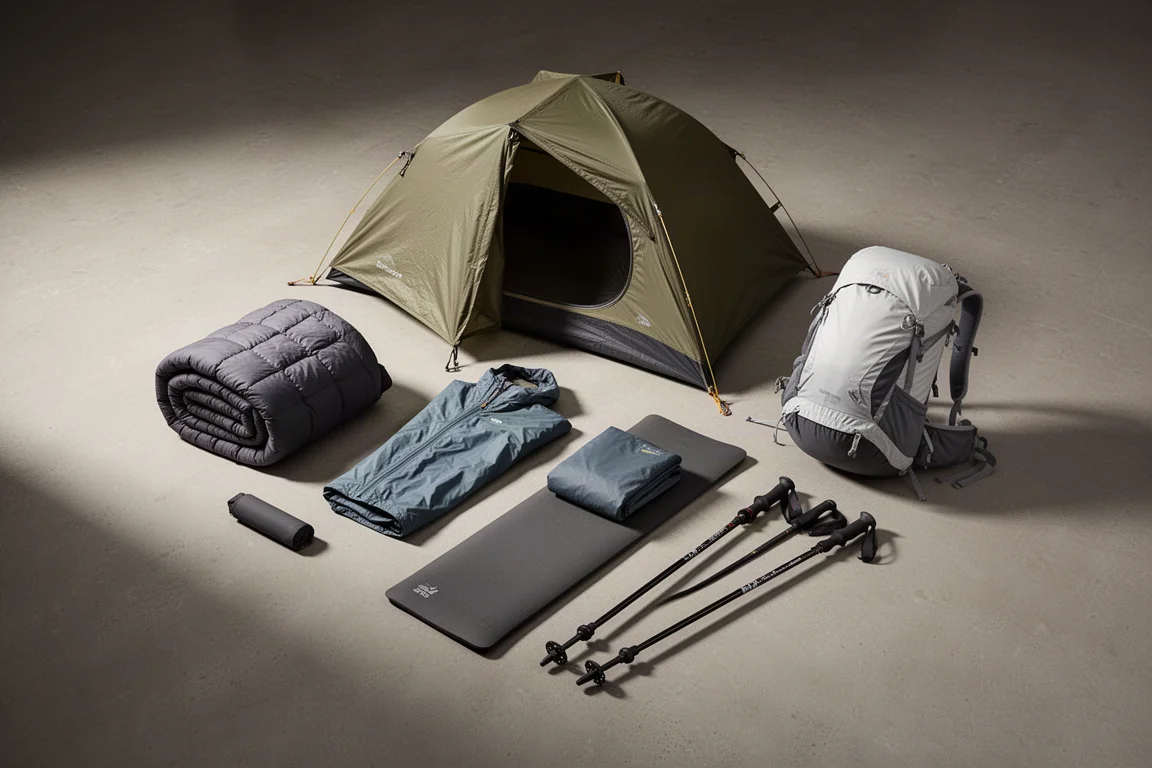
Multi-day hiking has a way of exposing gear that only looks good on a packing list. A walk along the Great Glen Way, spread over several days of mixed spring weather, put a full backpacking kit through real conditions: long days on the move, campsite pitches, rain, and overnight temperatures that dropped to around freezing.
By the halfway point, about two and a half kilograms of equipment had been posted home. Some of it was food that was never going to be eaten, some was spare clothing, and some was power and camera gear that turned out to be unnecessary. The weight saving was noticeable on the shoulders and legs, and it confirmed a simple rule: the best kit is the kit you actually use.
What Earned Its Place
The items that performed best shared a few traits. They were light enough to carry all day, simple enough to pitch or adjust when tired, and suited to the person using them rather than to a specification sheet. The tent that worked was the one with enough interior space to shelter a full pack. The shoes that worked were the ones with a wide toe box that had already proven themselves on long walks.
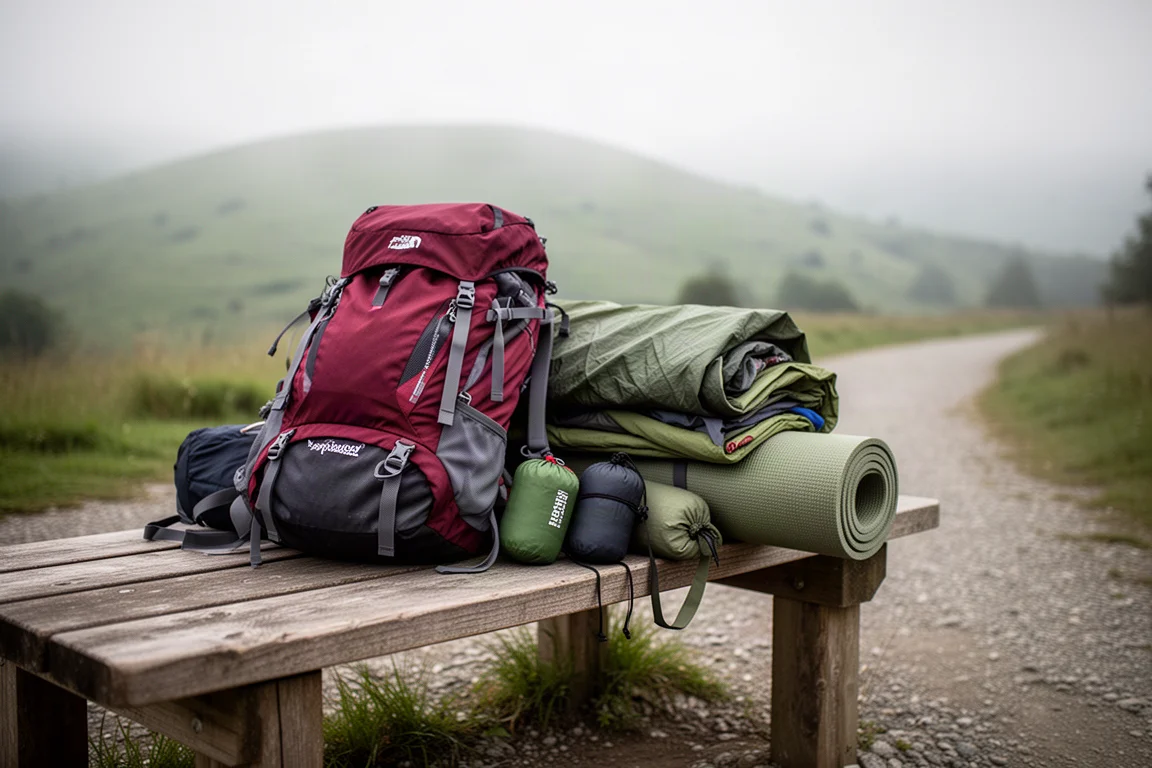
Just as useful were the items that did not work. A pair of trail shoes that felt excellent on short runs caused heel rubbing within the first half hour of walking, and a quilt that had been used successfully before turned out to be too narrow for a restless sleeper on a cold night. Neither product was faulty. They simply did not match the job.
That distinction matters when buying gear. A product can be well made and still be wrong for a particular trip, a particular foot shape, or a particular sleeping style.
Best Freestanding Tent: Durston X-Dome 1 Plus
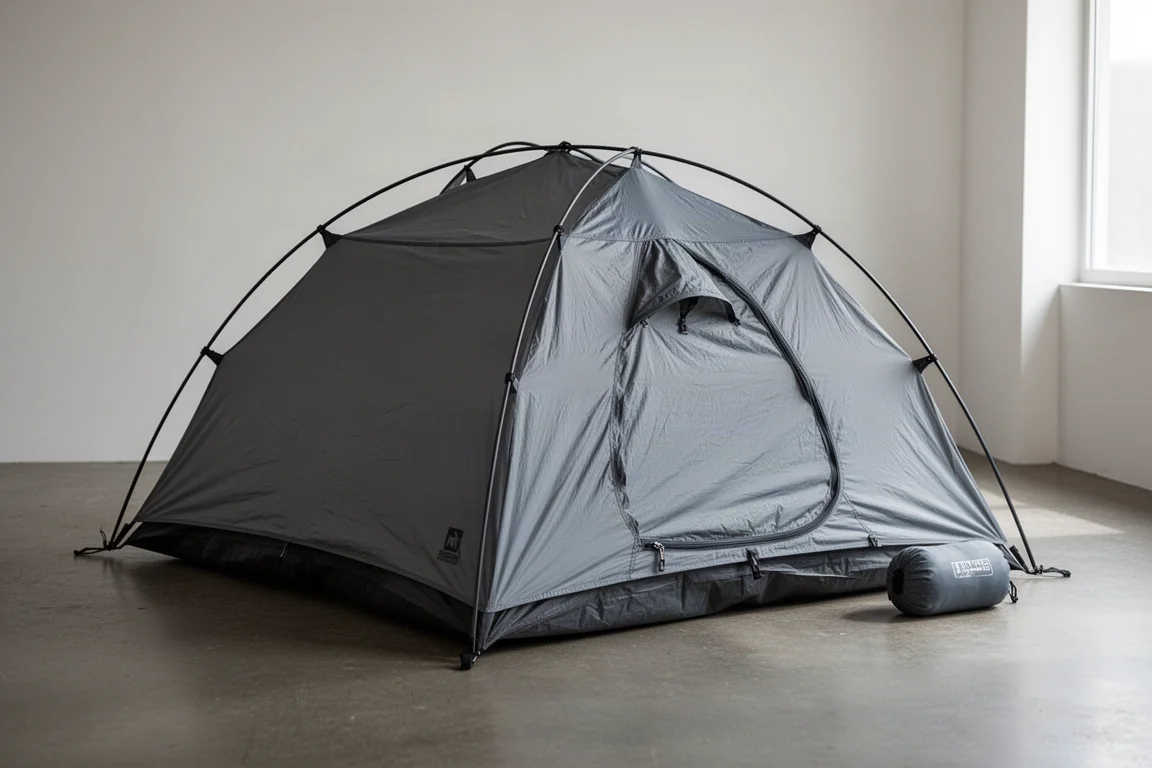
The Durston X-Dome 1 Plus is a freestanding one-person tent that pitches quickly and offers a generous amount of internal space. Headroom is ample, and there is enough room inside to keep a full backpack and kit out of the weather. The vestibule is large enough that everything, including the pack, can be brought inside when rain keeps a walker in the tent.
At a shade over a kilogram, it is light enough for multi-day use without feeling fragile. It proved surprisingly robust in the conditions it met, even though it was never tested in strong wind. The inner and outer are connected, and the inner can be unclipped from the fly easily, even one-handed. That makes it possible to remove a wet fly, pack the dry inner, and dry the fly with a cloth before reconnecting the two, a process that takes about a minute.
There are a couple of small annoyances. Two connection points on the inner are not attached to the outer, so finding the inner section to clip it in place can be fiddly during pitching. A small spinner added to those points solves the problem and makes the connection quicker. The carbon fibre poles are another consideration. The hub section is the most delicate part, and a break there would be difficult to repair in the field.
For anyone who wants a freestanding tent with room for a one-person kit and does not want to rely on trekking poles for pitching, the X-Dome 1 Plus is a strong option.
Best Trekking Pole Tent: Durston X-Mid
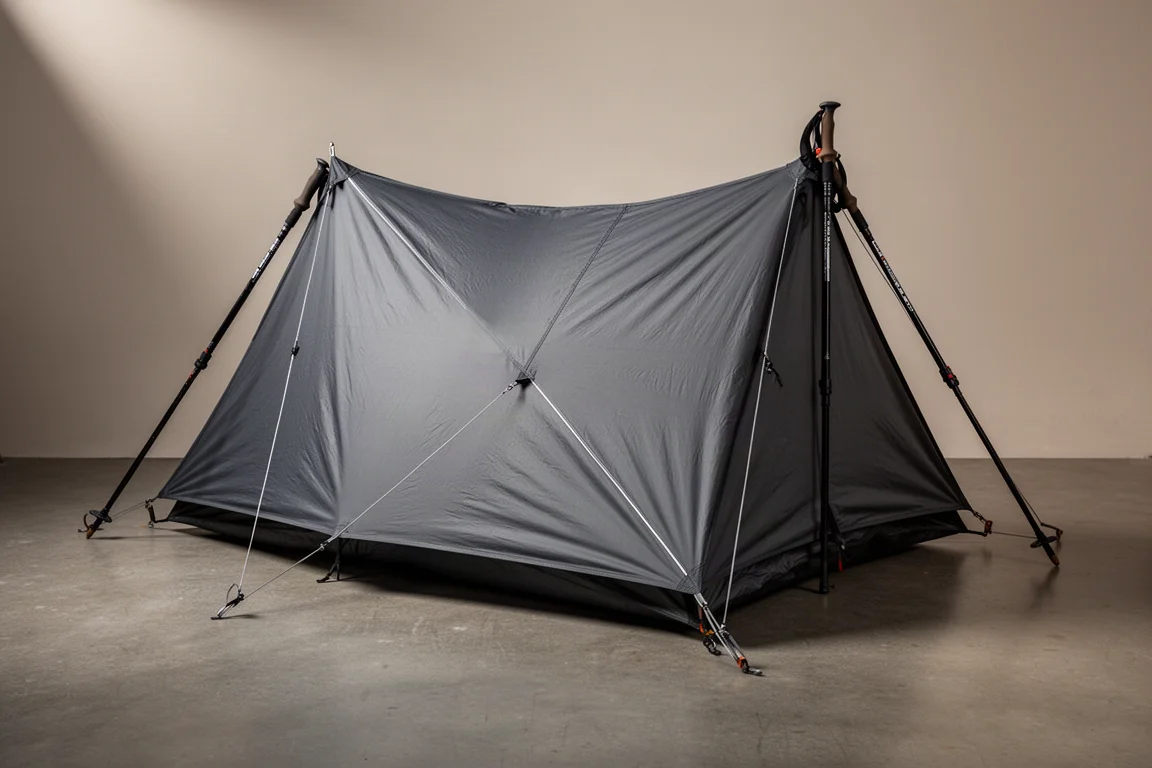
The Durston X-Mid is a trekking pole tent, which means it uses walking poles as its structure instead of dedicated tent poles. That approach saves weight and, in this case, produces a very stable shelter. It has two vestibules, and the offset inner is slightly wider than a sleeping pad.
The trade-off compared with the X-Dome is interior floor space. The X-Dome offers more room inside the tent itself, while the X-Mid spreads its storage into two vestibules. For a walker who prefers to keep every item inside the sleeping area, the X-Dome layout is more appealing. For a walker who already carries trekking poles and wants a stable, lightweight shelter with two entrances, the X-Mid makes sense.
It was chosen again for a subsequent multi-day route, which says as much as any specification. If you already walk with poles, a trekking pole tent removes the need for separate tent poles entirely.
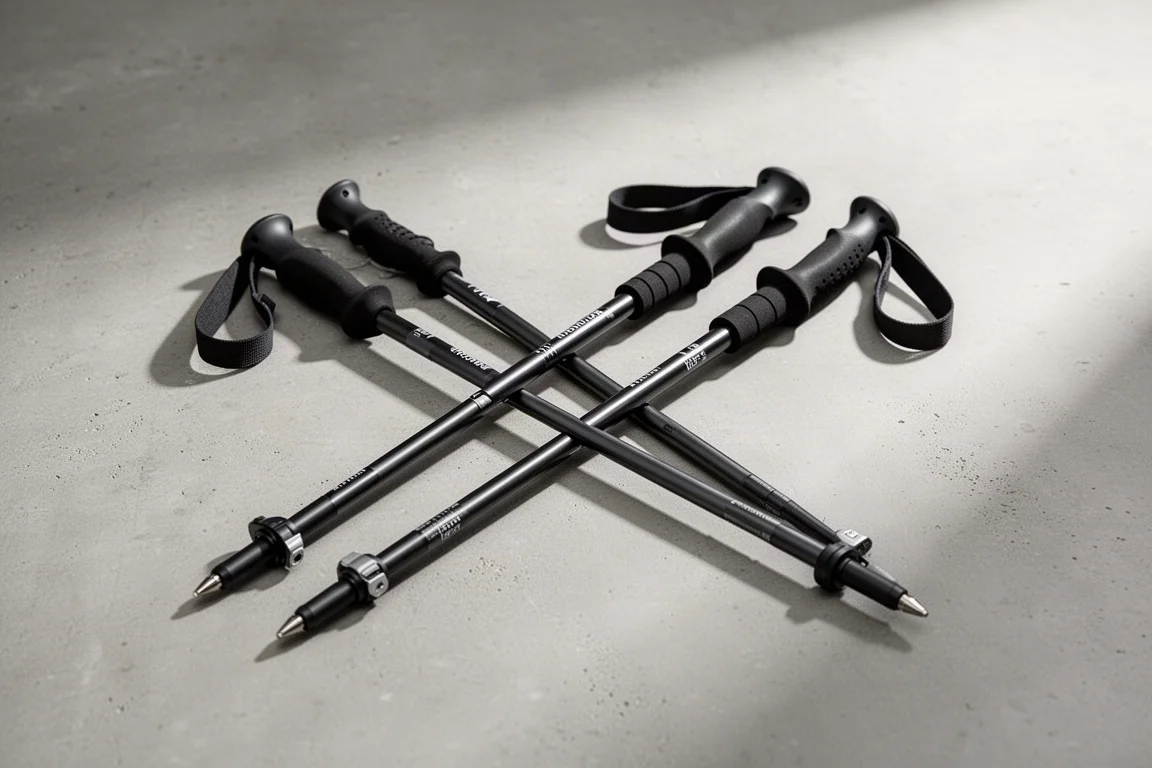
Best Trekking Poles: Leki Legacy Light
Trekking poles are easy to leave in the pack until a descent or a long day makes them necessary, and that was the mistake made on this trip. The Leki Legacy Light poles stayed packed until the third day. Once they came out, they made a clear difference, and the feeling was that the feet would have suffered less if the poles had been used from the start.
The lesson is not really about this specific model. It is that poles only help if they are in your hands. The Leki Legacy Light is light enough to carry without noticing, and it is worth getting into the habit of using poles from the first mile rather than saving them for the worst terrain.
Best Backpack: Hyperlite Mountain Gear Unbound 55
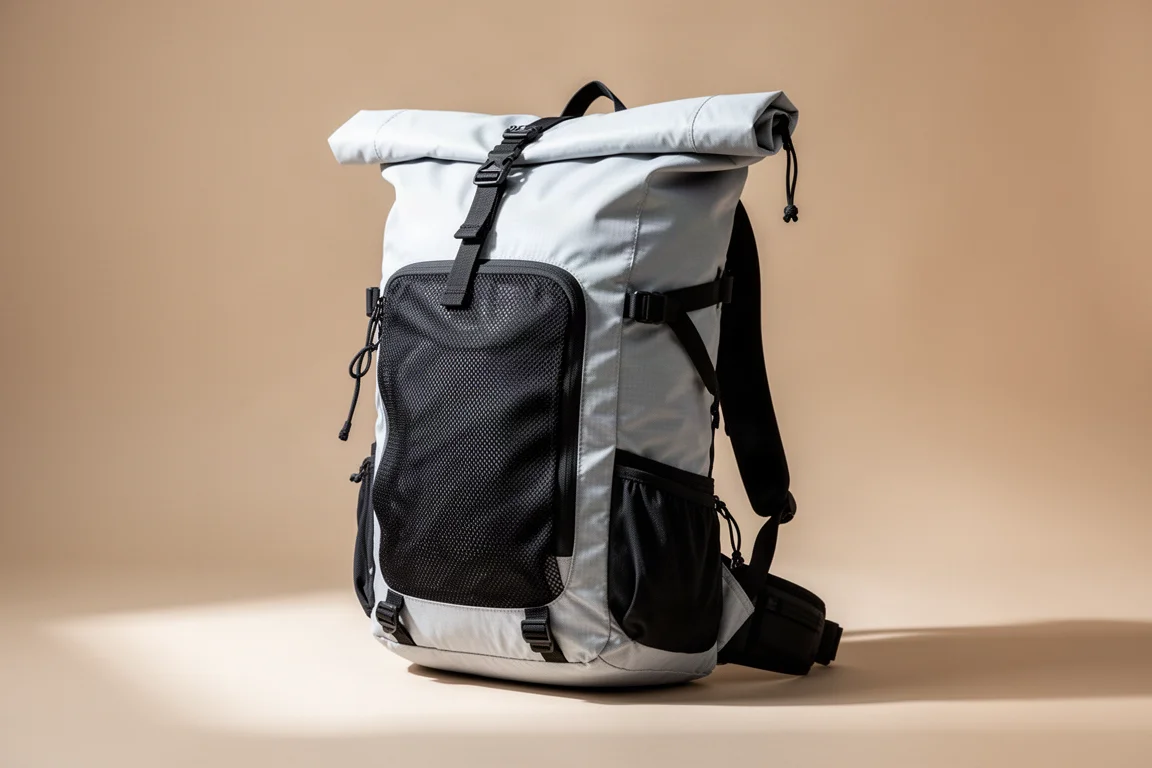
The Hyperlite Mountain Gear Unbound 55 is a DCF backpack that carried weight comfortably over several days. The hip belt transferred load well, and the pack did not cause shoulder or back discomfort even when the kit was at its heaviest. A mesh back panel was added for ventilation, which helped reduce a sweaty back on warmer sections.
The pack is completely waterproof. DCF fabric and taped seams mean there is no need for a pack liner, which removes both weight and a step from camp chores.
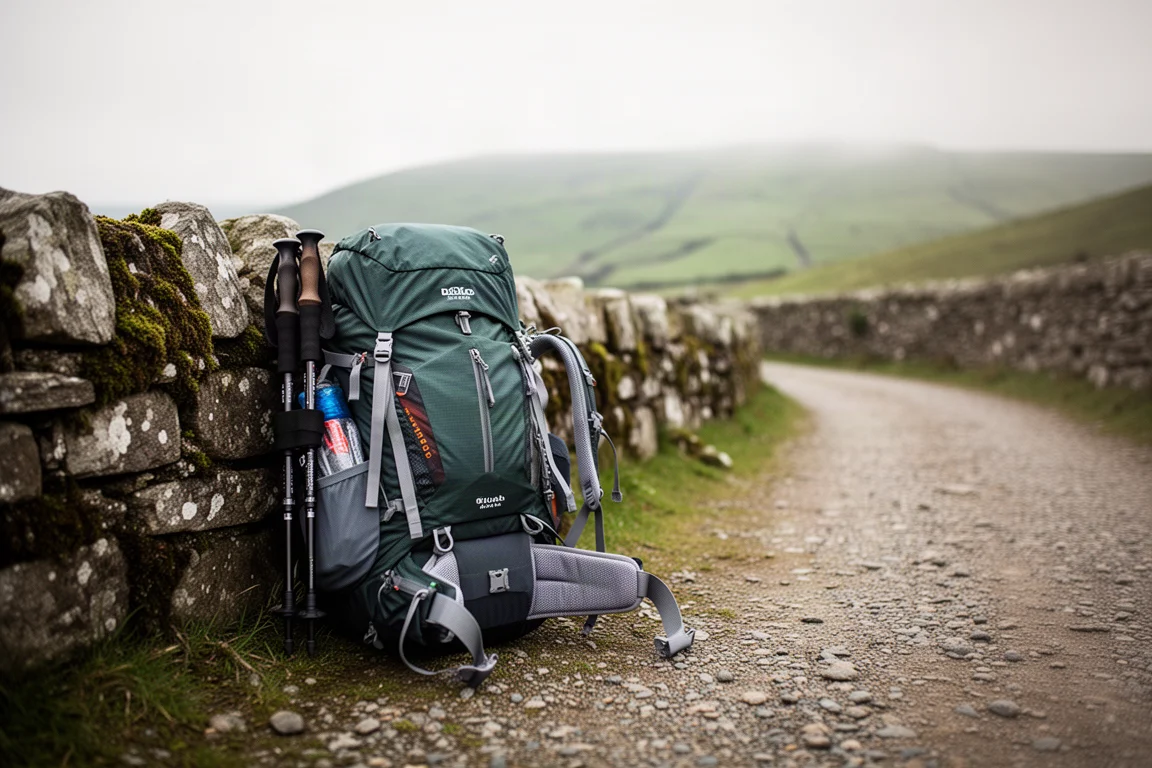
The pockets are well judged, including a large mesh pocket that is easy to reach and a webbing system that accepts bungees and carabiners. That webbing makes it simple to strap trekking poles or other bulky items to the outside of the pack.
Weight was reduced by posting items home, but that decision was driven by sore feet rather than by the pack itself. The Unbound 55 handled its load well throughout, and the waterproof construction is a genuine convenience on wet multi-day routes.
Best Sleeping Pad: NEMO Eclipse
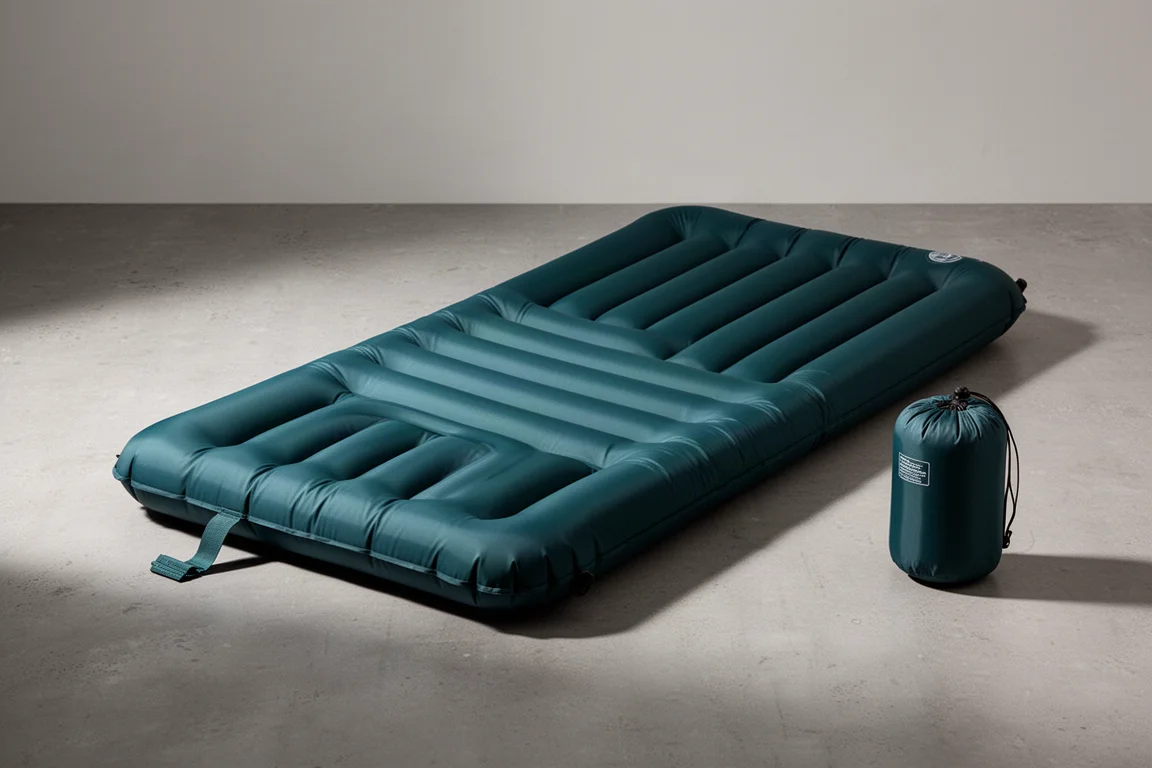
The NEMO Eclipse is a sleeping pad that stood out as the most comfortable the hiker had owned. It is warm, quiet, and stable. Compared with other pads, including the Therm-a-Rest models used previously, it makes far less noise when shifting position, which matters on a campsite where every rustle carries.
The regular wide version provides enough room for arms to rest without slipping off, and it avoided the numb hands and shoulders that can appear on narrower pads. The R-value is 6.2, which is more than enough for the conditions likely to be met in the UK outside of the deepest winter in Scotland, where an additional layer underneath might be needed.
The main caveat is thickness. The pad is too thick to fit inside a bivvy, so anyone who wants to use a bivvy bag will need a separate, thinner pad. That is a specific limitation rather than a flaw. For tent-based camping, the Eclipse is hard to beat, and it was preferred over the NEMO Tensor Extreme. A thicker pad, such as the NeoLoft, is comfortable but adds unnecessary bulk. The Sea to Summit Comfort Light is another alternative, although older versions are noticeably noisy, and newer materials from that brand are reported to be much quieter.
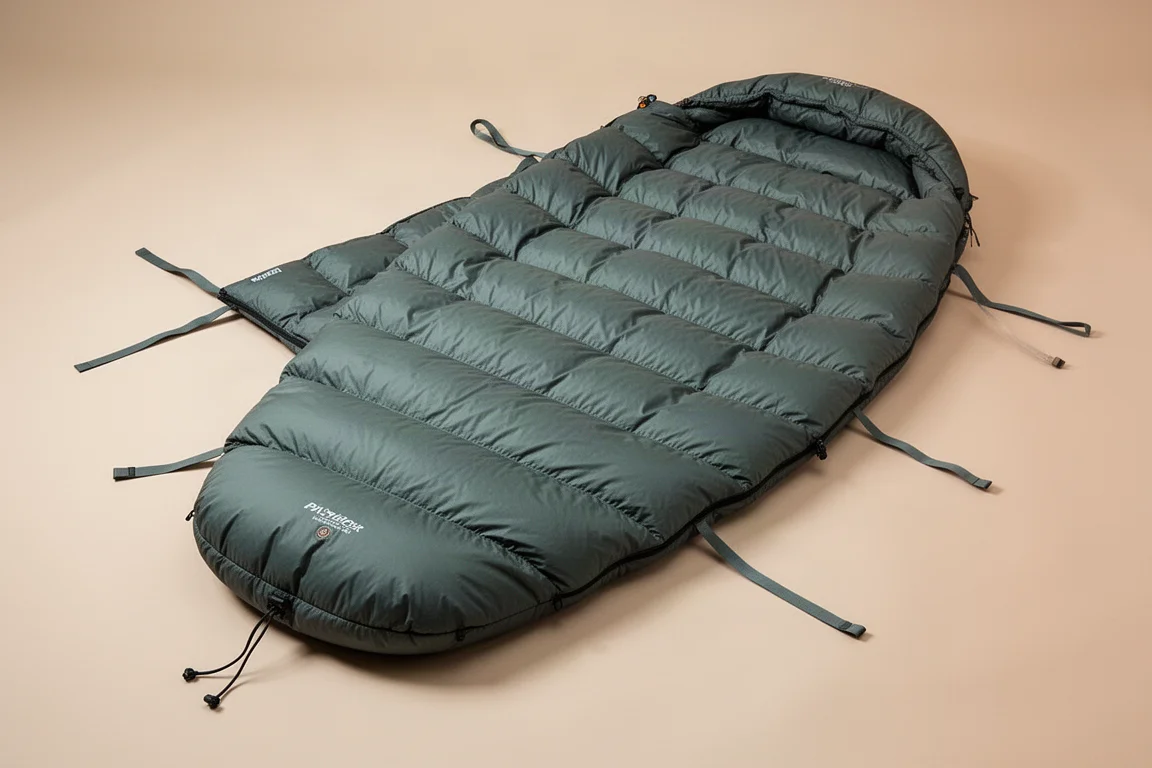
Best Quilt: Therm-a-Rest Vesper -6
The Therm-a-Rest Vesper -6 is a quilt with a comfort rating of minus 6 degrees Celsius. It has been used successfully on several trips, but one night on this walk exposed its limits for a restless sleeper. Temperatures stayed just above freezing, nowhere near the comfort rating, and the hiker still got cold. A down jacket had to be pulled on in the middle of the night.
The likely cause was width. The hiker moves around a lot during sleep and has broad shoulders, and without using the pad straps there were moments when rolling over created a gap at the back. Once cold, it was hard to warm up again. The quilt is not a bad piece of kit, and it remains in the rotation, but for temperatures around freezing the Enlightened Equipment Revelation quilt is the preferred choice.
The practical takeaway is to use pad straps, especially with a quilt, and to match the width of the quilt to the sleeper rather than relying on the temperature rating alone.
Best Pump: Aragogo Pump Inflator
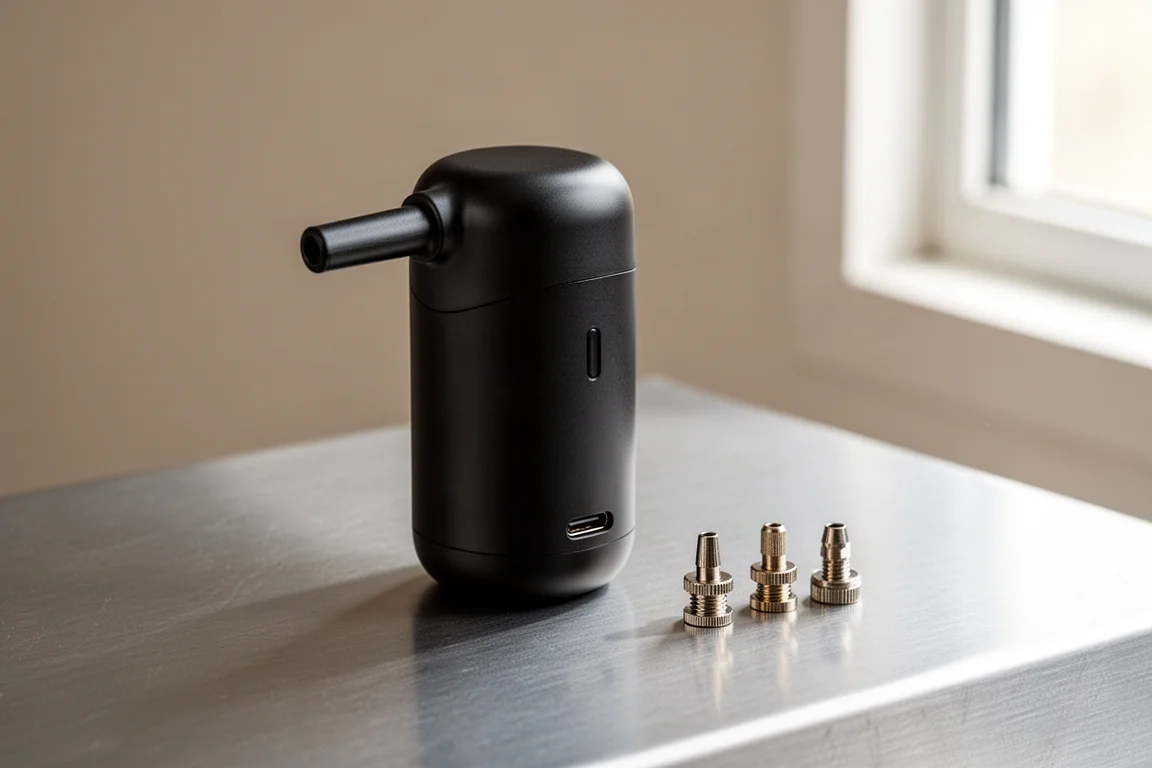
The Aragogo pump inflator is a small USB-C device that takes the effort out of inflating a sleeping pad at the end of a long day. It ships with a set of adapters to fit different pad valves. On this trip the adapters were left behind and a little gaffer tape was wrapped around the nozzle instead, which made it sit tightly and lock into the pad.
With a power bank attached, the pump can be left to fill the pad while other camp tasks are done. It is powerful enough to inflate a pad fully on its own, with no need for extra breaths. It can also run from a mobile phone, using roughly one percent of the phone battery to inflate an air mattress. It is quieter than some competing inflators, which is a small but welcome detail on a shared campsite.
For anyone who dislikes huffing and puffing into a pad after a long day, this is a simple and effective upgrade.
Best Rain Shell: Outdoor Research Helium Jacket
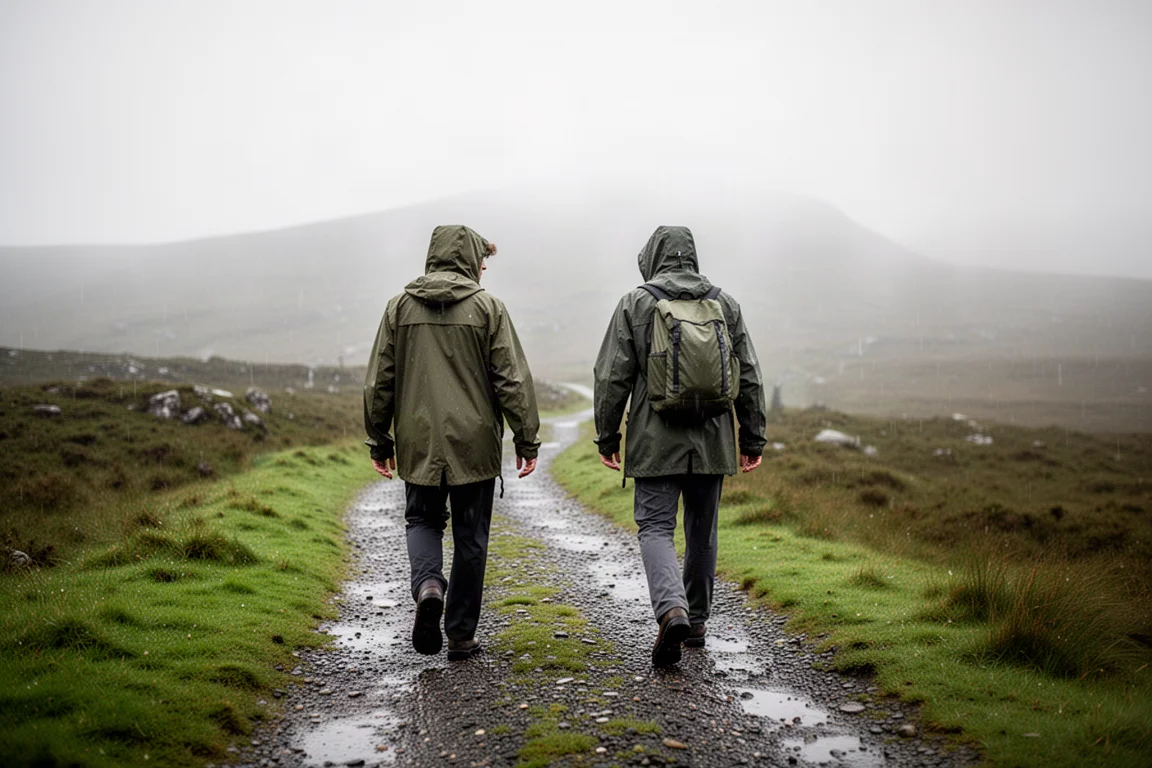
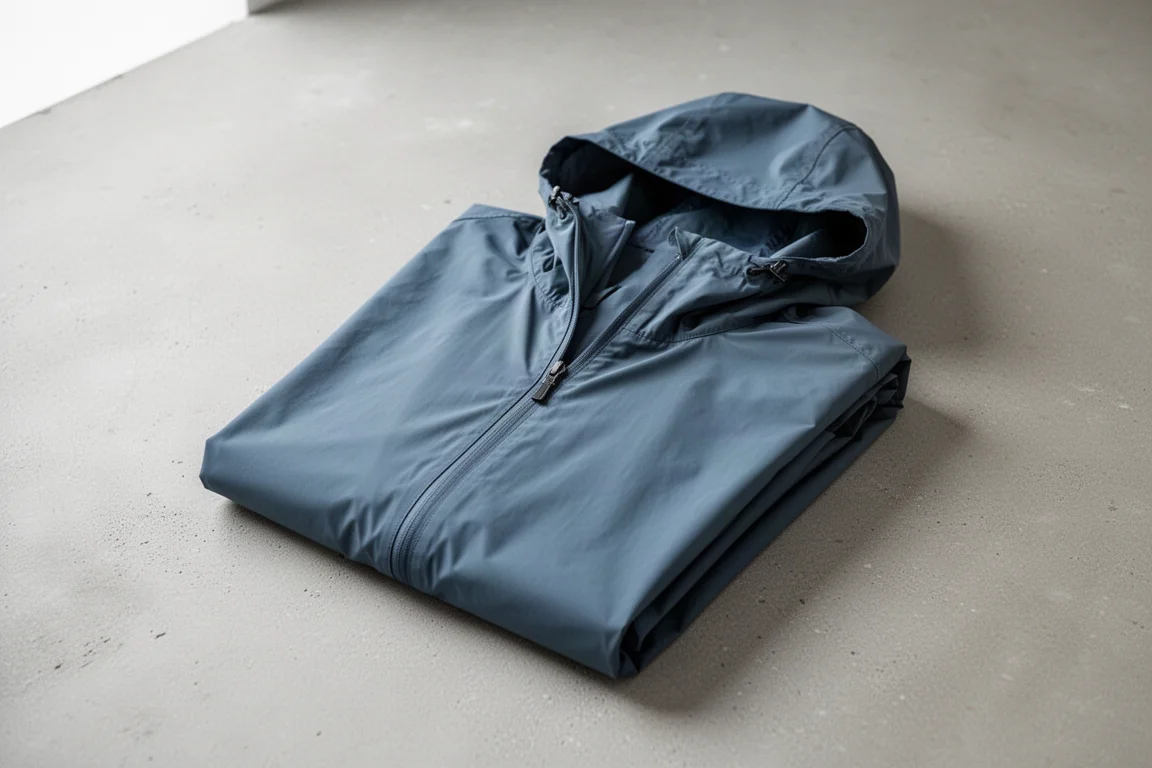
The Outdoor Research Helium jacket served as a rain shell, a windshirt, and an extra layer when temperatures dropped. A dedicated windshirt had been left behind, so the Helium had to cover both roles. It kept out the rain that fell, and when worn over a fleece or hoodie it trapped warmth without feeling clammy.
It is not a heavy three-layer shell. In sustained, heavy rain over several days, a thicker waterproof layer might be more appropriate. For a springtime multi-day route with mixed conditions, it was more than adequate. It packs down very small and can be stowed in its own pocket, which makes it easy to keep within reach.
The jacket is a good example of a versatile layer that earns its place because it covers several jobs at once. For walkers who want one shell that handles wind and rain without adding bulk, the Helium is worth considering.
Trail Shoes That Worked: Altra Lone Peak 9+
The Altra Lone Peak 9+ is the shoe that works for this walker. It has a wide toe box, which suits feet that struggle in narrower trail shoes. It has been used on the Cumbria Way and on other multi-day walks, and it remains the default choice for long-distance walking.
The key point is fit rather than brand loyalty. Once a shoe works for your feet over long distances, changing to something new before a multi-day trip is a risk. The Lone Peak 9+ has proven itself repeatedly, and it was the shoe the walker was glad to return to after trying an alternative.
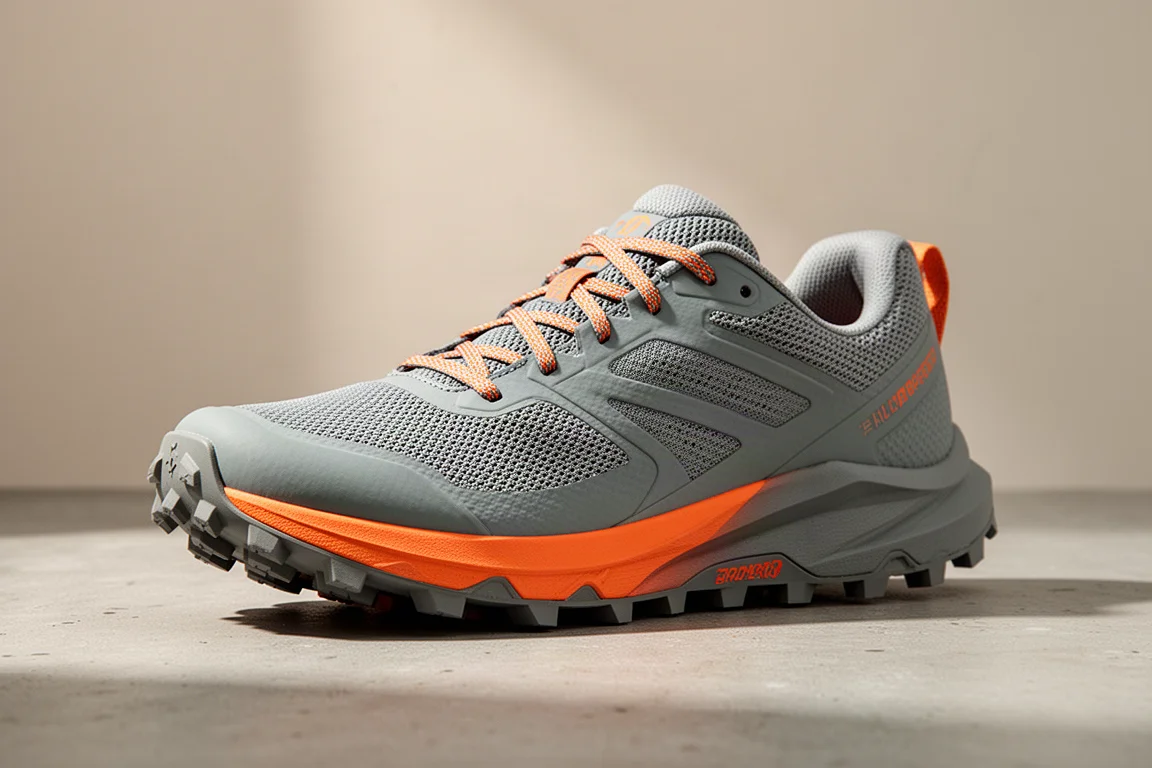
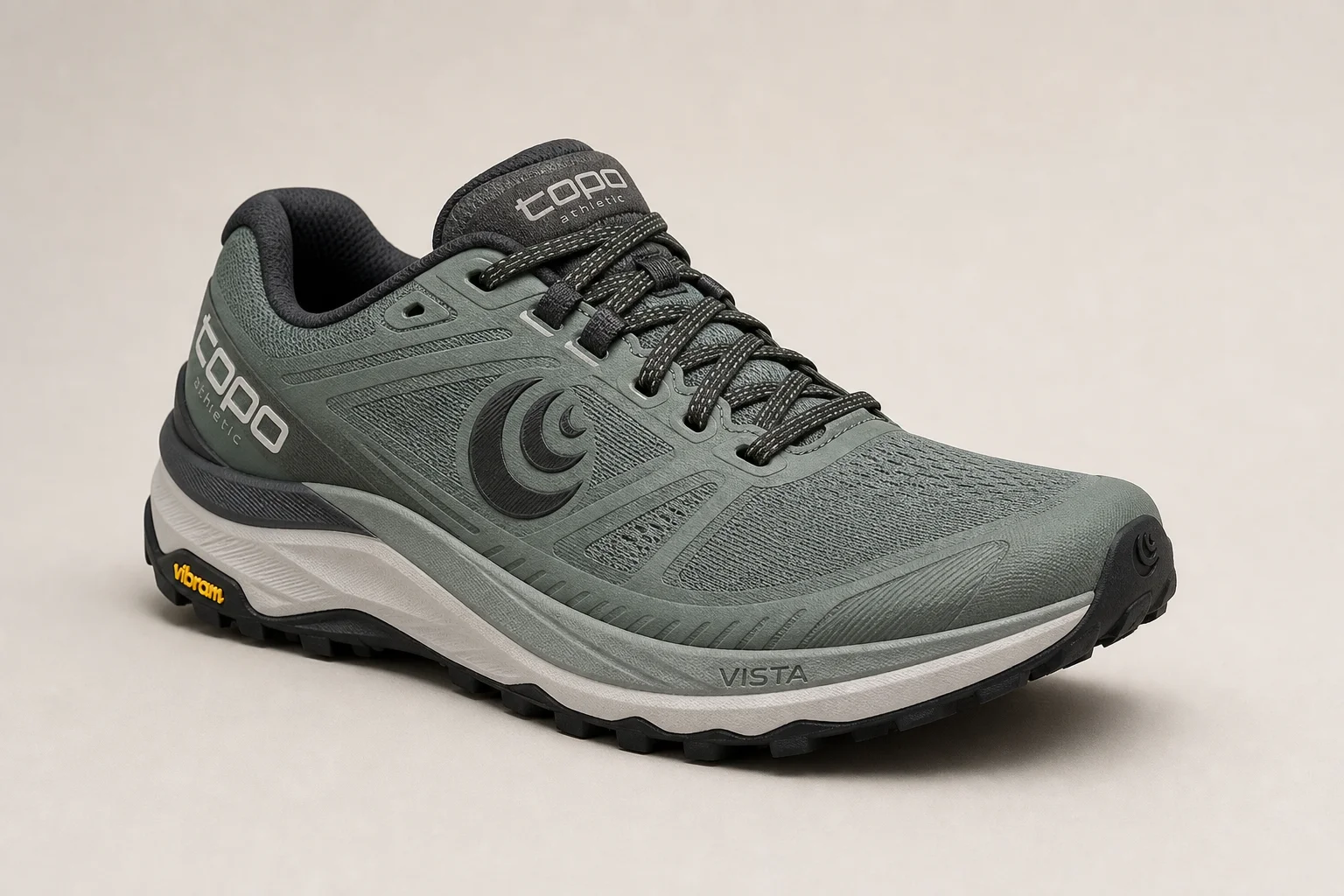
Trail Shoes That Didn’t Work: Topo Athletic Vista
The Topo Athletic Vista is a trail running shoe that performed well for running. It was used for 5K park runs and a trail run, and it felt brilliant in those settings. The assumption was that it would work equally well for walking. It did not.
Within the first half hour of walking, skin had rubbed off the heel. Leukotape was applied, but the heels got worse, and a blister developed on a toe. The shoe is a little narrower than what the walker was used to, and over a multi-day walk that difference caused real discomfort. The Vistas are still worn occasionally for park runs, but they are no longer used for hiking.
This is not a criticism of the shoe for everyone. Many people find the Vista excellent for walking. It is a reminder that footwear is highly individual, and a shoe that excels for one activity or one foot shape can be the wrong choice for another.
Buying Advice: Pack Only What You Trust
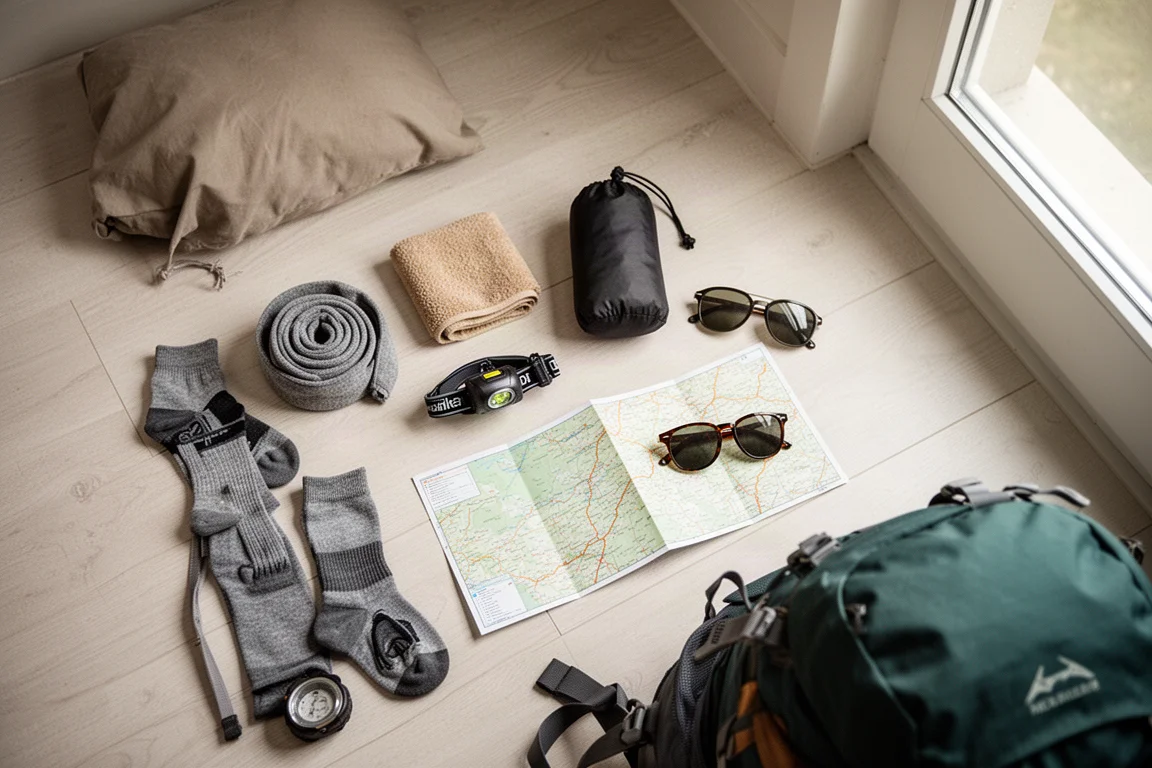
Two and a half kilograms of gear went home at the halfway point of the walk, and the difference was immediately noticeable. Most of that weight came from duplicates and backups: extra meals, spare socks, a second buff, two extra towels, a spare base layer, a pair of shorts, gloves that were never worn, and power and camera accessories that were not needed.
The lesson is not to pack for every possible scenario. Pack for the trip you are actually taking. If a piece of gear has a duplicate that can do the same job, leave the duplicate at home. If you rinse clothing, only rinse items that will dry quickly, because a wet base layer and wet boxer shorts add far more weight than they do when dry.
Footwear deserves special attention. A shoe that feels good on a short run may not survive a long walk, and blisters can make every other piece of gear feel heavier. Test new shoes on long training walks before committing to them for a multi-day route. Sleeping gear also rewards honesty about how you sleep. A quilt needs to be wide enough, and pad straps should be used rather than left in the pack. A sleeping pad needs to be thick enough for comfort but thin enough if a bivvy is part of the plan.
Finally, the cheapest item in the kit can work perfectly well. A pair of low-cost sunglasses did the job on this walk, which is a useful reminder that price and performance do not always move together.
Conclusion
Multi-day walking is an efficient filter. The Durston X-Dome 1 Plus, the Durston X-Mid, the Leki Legacy Light poles, the Hyperlite Mountain Gear Unbound 55, the NEMO Eclipse, the Therm-a-Rest Vesper -6, the Aragogo pump inflator, and the Outdoor Research Helium jacket all earned their place, even where small caveats apply. The Altra Lone Peak 9+ remains the reliable choice for this walker, while the Topo Athletic Vista showed how personal footwear can be.
The most useful takeaway is to treat a multi-day trip as a test. Take gear you trust, cut the duplicates, and be willing to post home what you are not using. The weight you save is easier on your feet, and the kit you keep is the kit that works.
Further reading
Related Reviews

Backpacking Gear
Building a 10 lb Base Weight: An Ultralight Backpacking Gear List
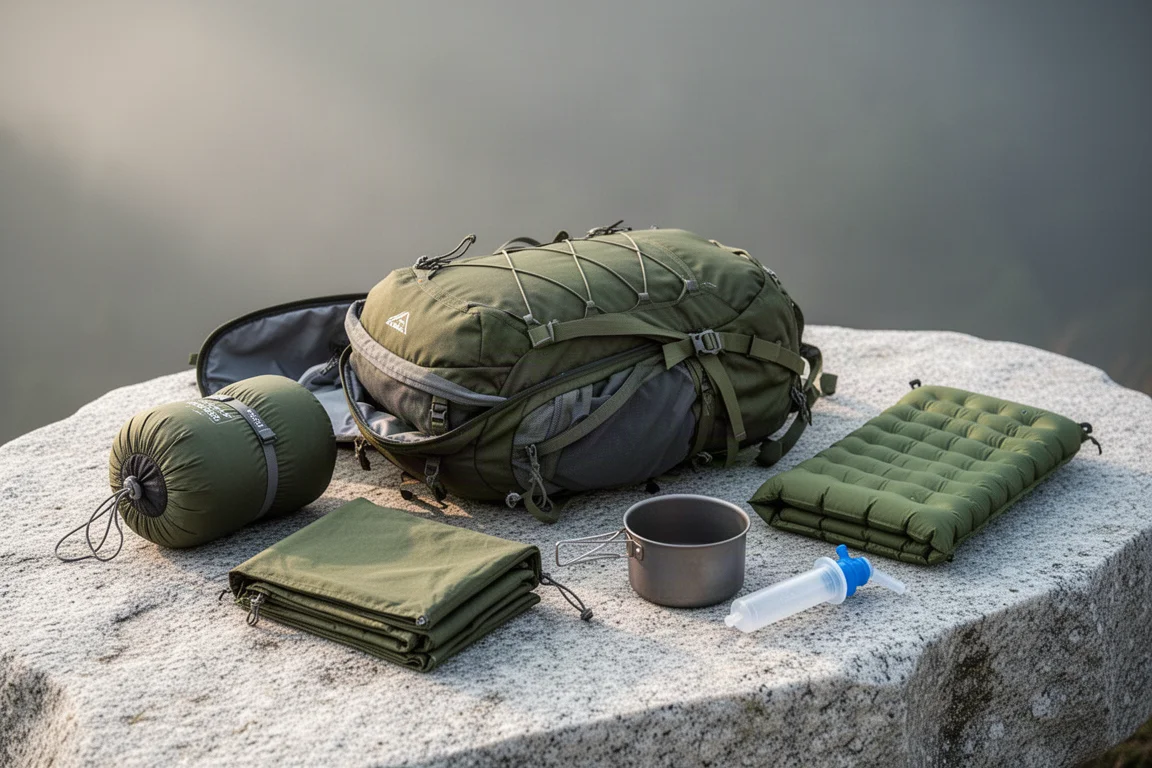
A practical walkthrough of the ultralight pieces behind a 10 lb base weight, from a 765 g pack and a roomy one-person tent to a full camp chair and a dependable water filter.
Backpacking Gear
A 15-Pound Lightweight Backpacking Gear List for Solo Trips
A beginner-friendly 15-pound backpacking setup built from easy-to-find gear, with notes on what each piece does, how it packs, and where to spend your attention.
Backpacking Gear
8 Ultralight Backpacking Gear Upgrades Worth Carrying
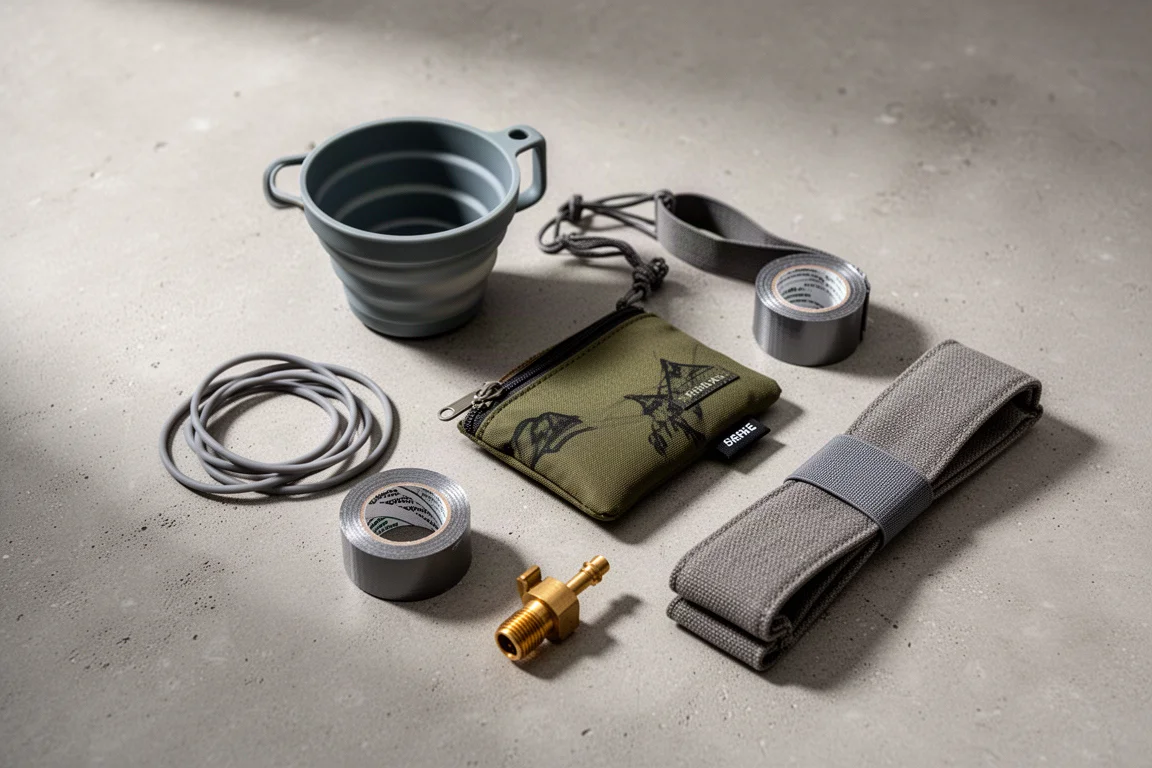
Eight small, affordable backpacking upgrades that solve real trail annoyances, from a pillow that stays put to a fuel valve that rescues leftover canister gas.