Backpacking Gear
Best Backpacking Gear for Beginners: Four Pieces Worth Buying First
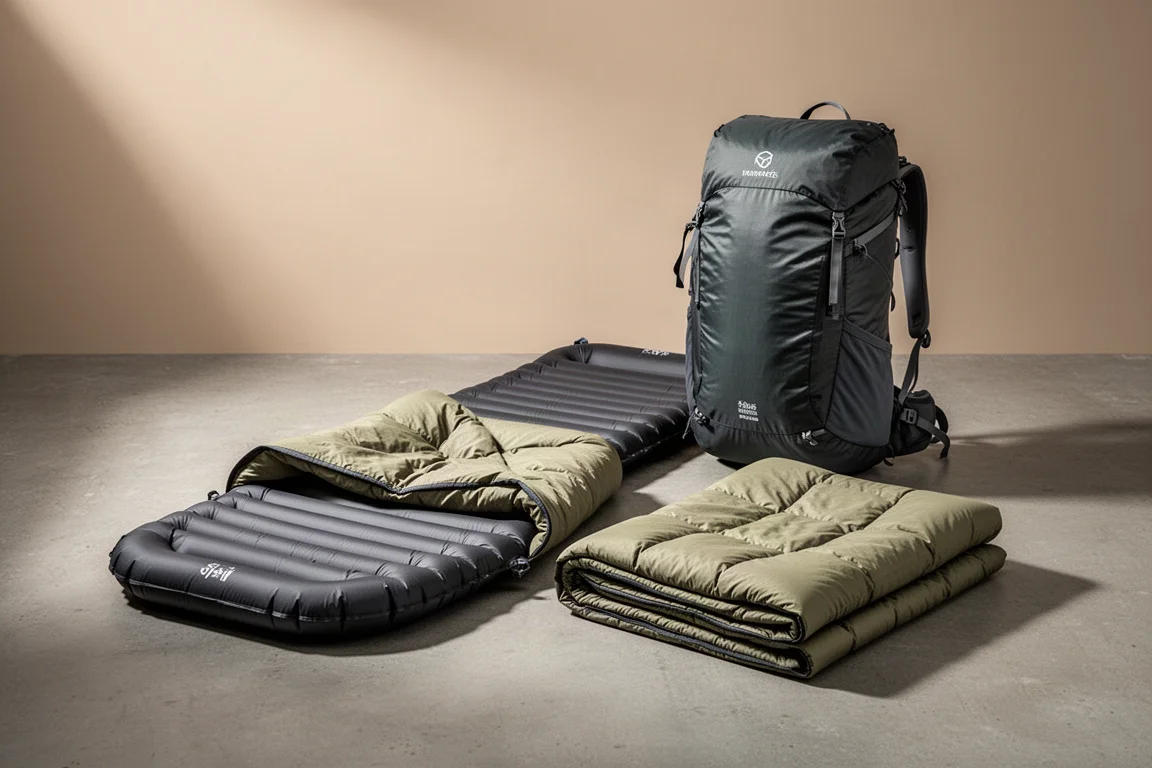
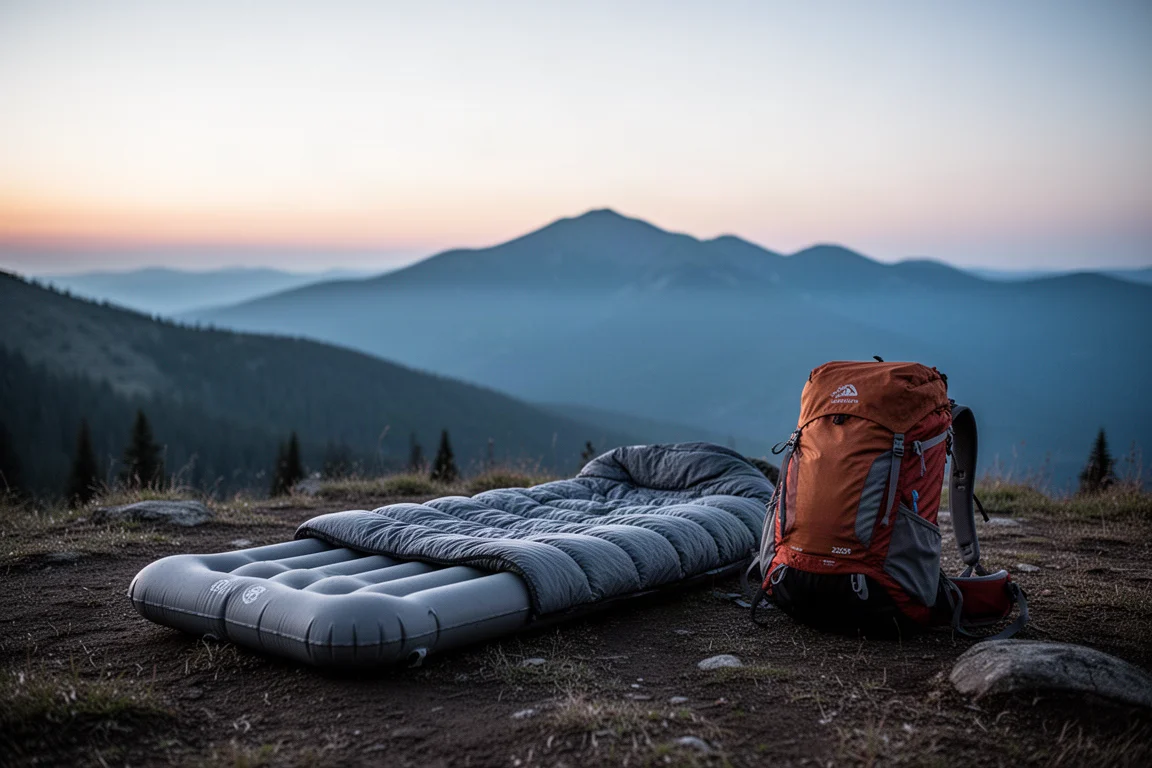
A starter backpacking kit built around the four items that shape a night outdoors: two sleeping pads, a hybrid quilt system, and an adjustable ultralight pack.
Introduction
The real fear in backpacking is rarely wildlife. It is spending good money on a setup and only later discovering it was the wrong one: too heavy, too cramped, or uncomfortable enough that the trip stops being enjoyable. That pattern is common, and it is avoidable.
The four items below are the ones that most reliably change how a first kit performs. They cover sleep, warmth, and the pack that carries everything, and each one earns its place for a specific reason rather than a long feature list.
What Actually Matters in a Starter Kit
Two things decide a night outdoors: what you sleep on and what you sleep under. A sleeping pad is half of what keeps you warm, so insulation matters as much as cushioning. The industry standard for that is R value, a measurement of how well a pad resists heat loss.
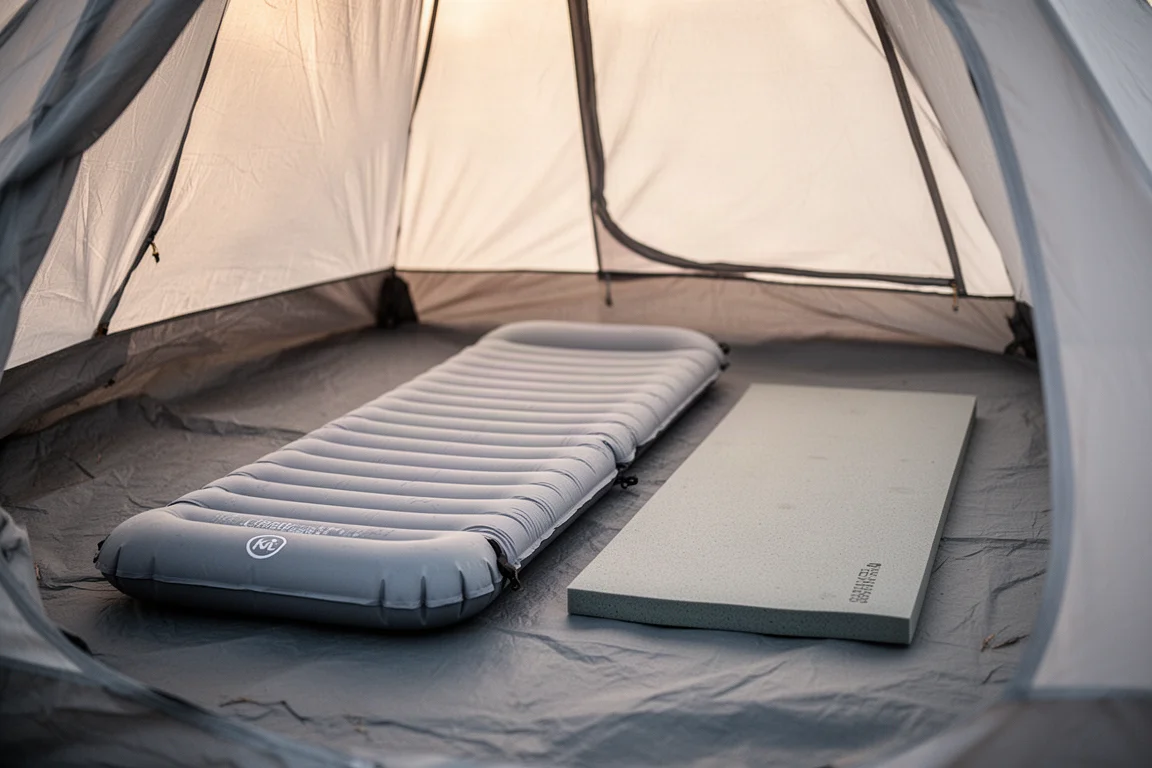
Closed-cell foam pads are the traditional entry point, and they are usually less than an inch thick. They provide very little warmth and very little comfort, and they still consume pack space. The one genuinely useful role for a foam pad is as an extra insulating layer beneath an inflatable pad in cold conditions. As a primary sleeping surface, it is a false economy.
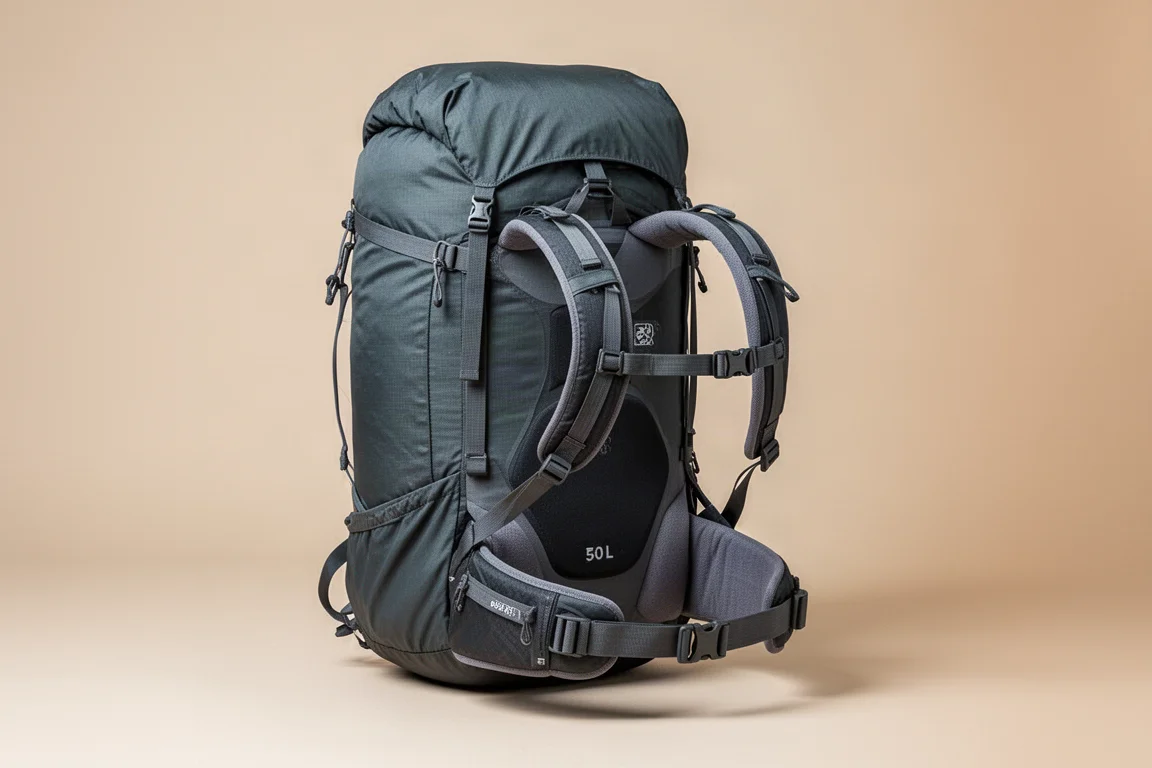
Fit matters just as much on your back as it does under it. Packs are sized by torso length rather than overall body size, so a large t-shirt does not mean a large pack. An adjustable torso removes most of that uncertainty before you spend anything.
Best Sleeping Pad for Warmth: Therm-a-Rest NeoAir Xlite
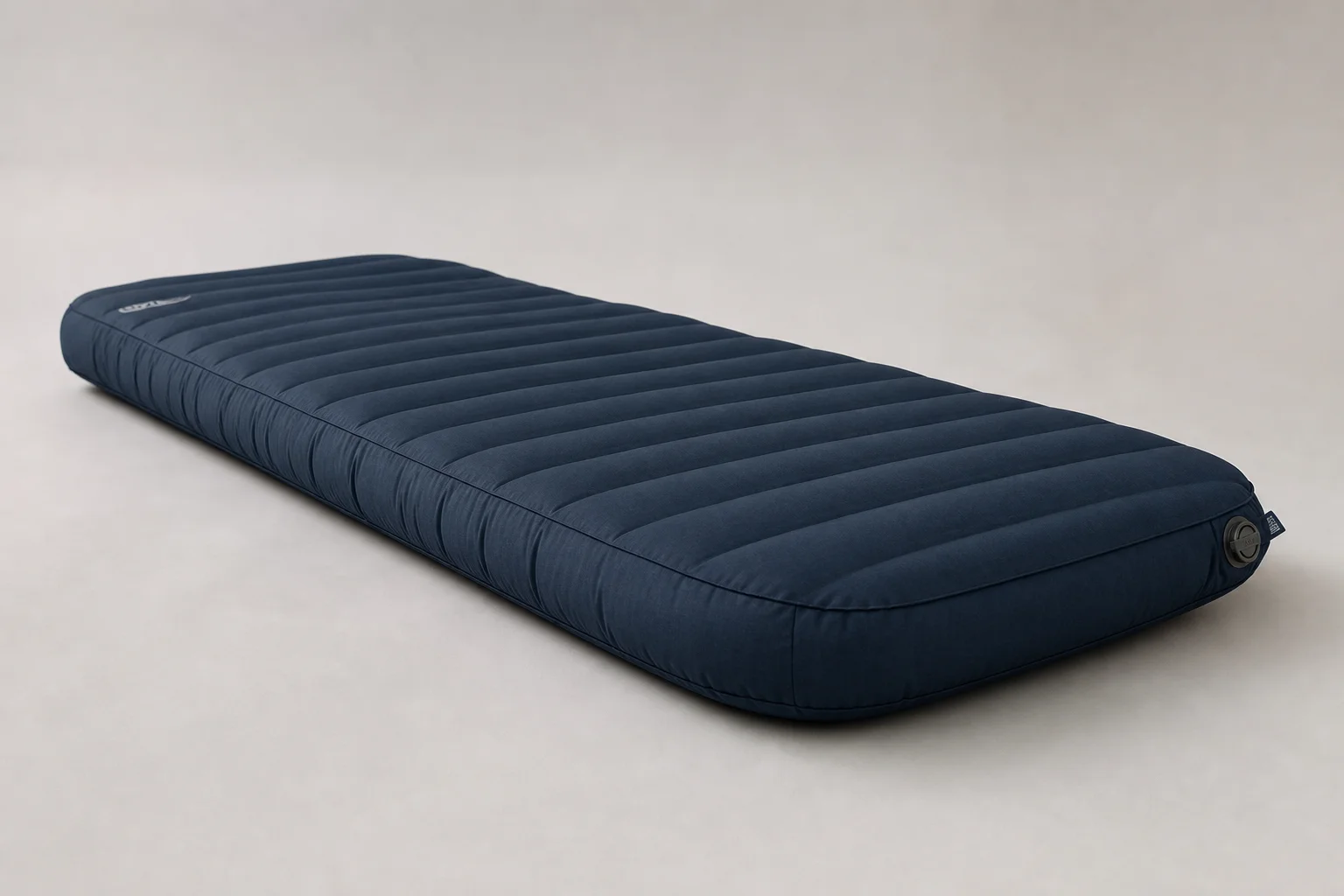
The Therm-a-Rest NeoAir Xlite is the natural step up from a foam pad. It carries an R value of 4.2, which is a genuinely strong insulation rating for a packable inflatable pad, and that warmth is the main argument in its favour.
Comfort is where it is more modest. It is a clear improvement over closed-cell foam, but it is not the most comfortable inflatable pad available. Backpackers who weigh insulation heavily, or who want a dependable three-season pad without moving into comfort-focused designs, will still find it a sensible purchase.
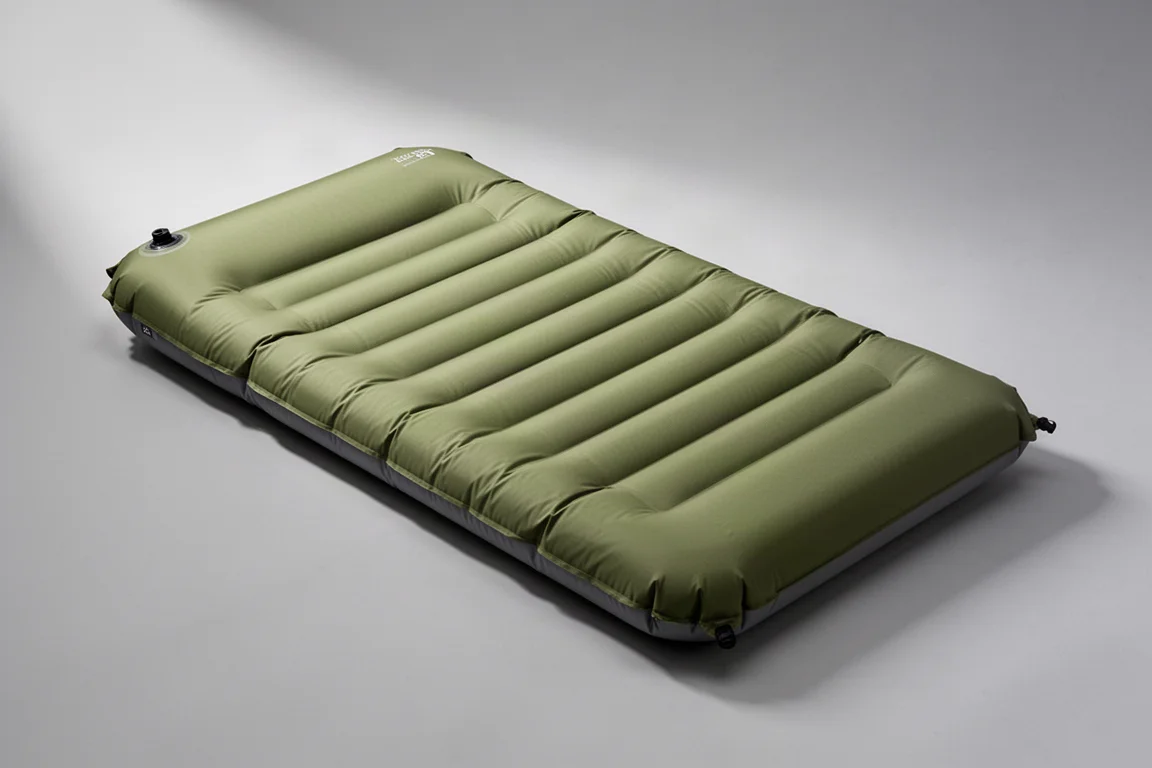
Best Sleeping Pad for Comfort: Nemo Insulated Tensor
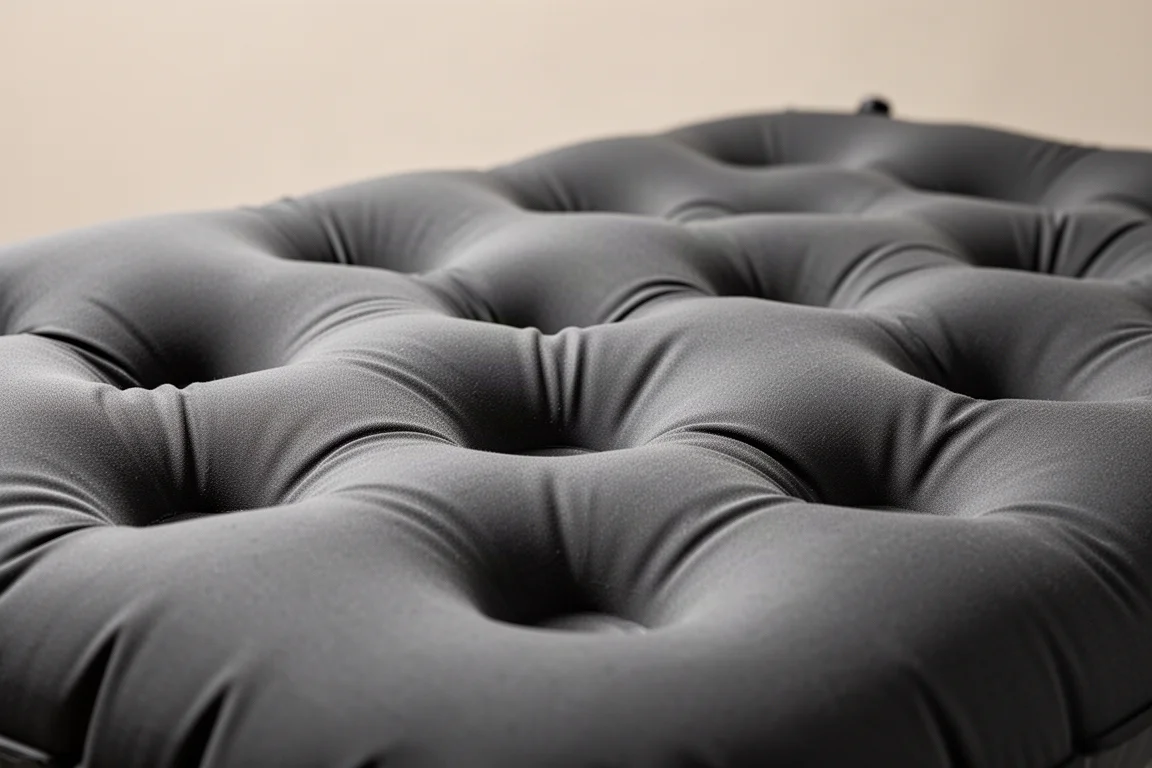
The Nemo Insulated Tensor matches the Xlite on insulation with the same R value of 4.2, and it is the more comfortable of the two. The difference is in the baffle construction. Deeper divots and dimples across the surface break up pressure points, so hips and shoulders are less likely to wake you in the middle of the night.
For anyone who has spent a night shifting around on a firm, flat pad, that design detail is the entire point of the upgrade.
The trade-off here is cost rather than performance. If insulation is equal between the two pads, comfort becomes the deciding factor, and this is the pad to choose when it is.
Best Hybrid Quilt and Bag System: Zenbivy Light Bed
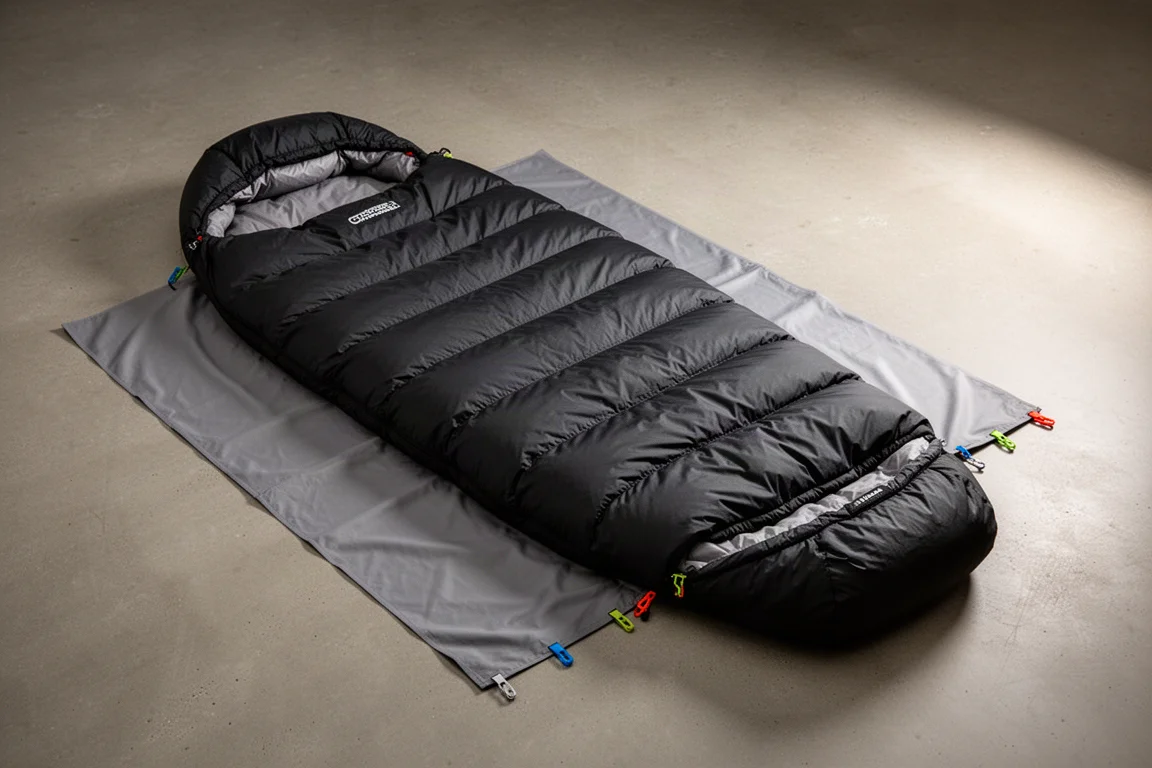
Sleeping bags are designed for people who sleep on their backs. Anyone who tosses and turns tends to prefer a quilt, which works like the blanket at home: you lay it over yourself rather than climbing inside it. For newer campers, though, a quilt can feel unorthodox, and that is exactly the gap the Zenbivy Light Bed fills.
It is a quilt at heart, but it comes with a full sheet that slips over the sleeping pad. From there the quilt can be buttoned up tight like a sleeping bag, or draped loosely like a blanket with a leg or an arm out when the weather is warmer. A hood keeps your head warm and stops a pillow from sliding off the pad during the night. It behaves like both a bag and a quilt depending on the conditions, which makes it an easy recommendation for anyone unsure which style suits them.
Best First Backpack: Six Moon Designs Minimalist V2
The most common first-pack mistake is buying the wrong size, and the resulting pain is entirely preventable. Packs come in small, medium, and large, but those sizes follow torso length rather than overall build. Someone who wears a large shirt may well need a small pack.
Professional measurement works, and so does measuring yourself, but an adjustable torso is the more forgiving route. Lightweight packs rarely offer that adjustment, which is what makes the Six Moon Designs Minimalist V2 stand out. It is a lightweight pack with an adjustable torso, so if the fit is causing pain you can stop, adjust, and keep walking until it is right. At $210 it is also the most affordable pack in this selection, which makes it the natural starting point for a first kit.
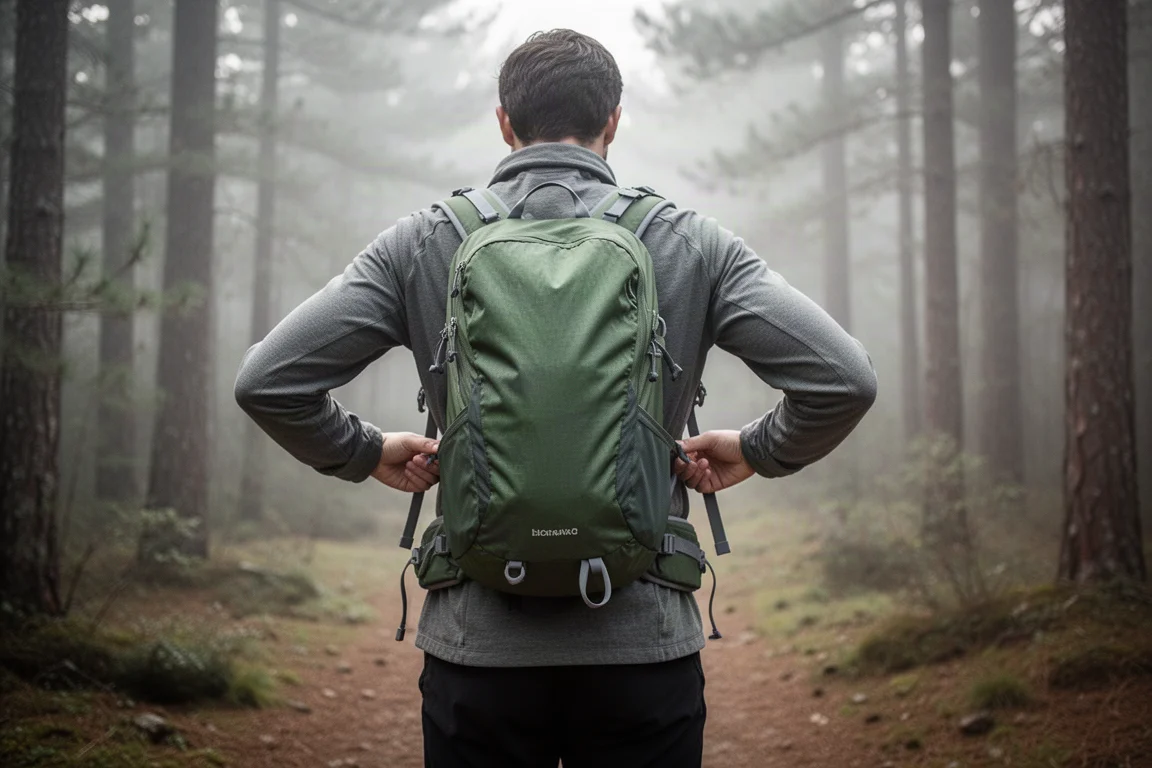
If a pack is digging in or shifting under load, the fix is usually a fit adjustment rather than a new pack. An adjustable torso makes that fix possible on the trail instead of at home.
Trail Runners or Hiking Boots?
Trail runners have become the default recommendation, and for a first kit they are usually the better call. They are considerably lighter than boots, and because your feet are the one thing you lift and put down thousands of times a day, that weight accumulates into real fatigue by evening. They also feel closest to everyday shoes, which shortens the adjustment period.
Boots still have their place. In muddy or snowy conditions they remain the stronger choice, and for consistently wet trips a waterproof pair of trail runners or a pair of boots is worth the compromise. If your feet only occasionally get wet, trail runners dry faster and stay lighter and more comfortable overall.
Overall Buying Advice
Start with the two items that decide whether you sleep: a pad with a meaningful R value, and a sleep system you genuinely find comfortable. Everything else can be upgraded in a later season.
Then get pack fit right before you worry about pack weight. A light pack that hurts is worse than a slightly heavier pack that carries well, and an adjustable torso is the cheapest insurance against that problem. Footwear comes third, and for most three-season trips a lighter shoe will serve you better than a heavier boot. A dedicated pillow is also worth the small amount of space it takes, because it changes the quality of a night’s sleep far more than most people expect. A balled-up jacket in a stuff sack is a compromise you will feel by morning.
Conclusion
A first backpacking kit does not need to be extensive, but it does need to be right in the places that are hard to fix later. A warmer pad, a sleep system that suits how you actually sleep, and a pack whose fit can be adjusted on the move cover the majority of the discomfort that new backpackers blame on the trail itself. Get those three right and the rest of the kit can grow around them.
Further reading
Related Reviews

Backpacking Gear
Building a 10 lb Base Weight: An Ultralight Backpacking Gear List
A practical walkthrough of the ultralight pieces behind a 10 lb base weight, from a 765 g pack and a roomy one-person tent to a full camp chair and a dependable water filter.

Backpacking Gear
A 15-Pound Lightweight Backpacking Gear List for Solo Trips
A beginner-friendly 15-pound backpacking setup built from easy-to-find gear, with notes on what each piece does, how it packs, and where to spend your attention.

Backpacking Gear
8 Ultralight Backpacking Gear Upgrades Worth Carrying
Eight small, affordable backpacking upgrades that solve real trail annoyances, from a pillow that stays put to a fuel valve that rescues leftover canister gas.