Backpacking Gear
Best Backpacking Gear: 12 Field-Tested Picks for Multi-Day Trips
Twelve backpacking items that earned their place over a year of trips, with plain notes on weight, comfort, price, and the compromise each one asks for.
Introduction
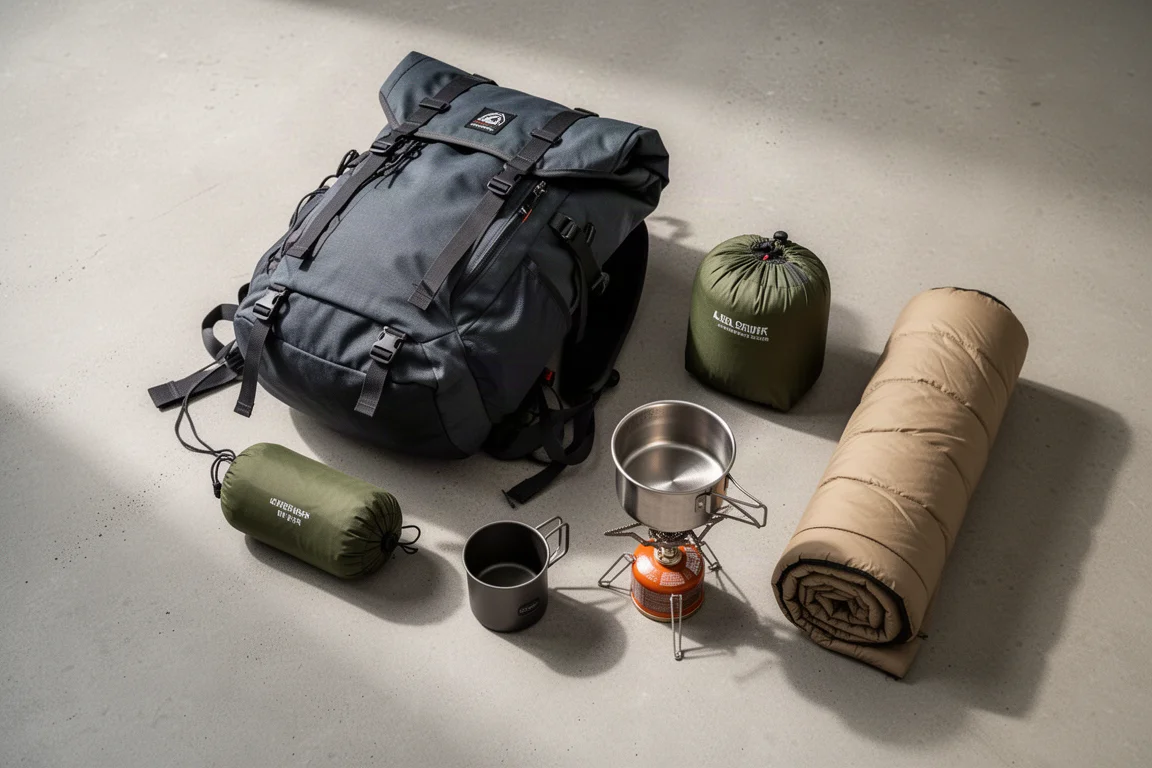
A year of multi-day trips is the only honest test of backpacking gear. Packs get loaded heavier than planned, stoves get lit in wind and rain, and sleeping systems are judged at three in the morning, when comfort actually matters. The items below earned a permanent place in the kit after repeated use rather than a single outing.
The list covers shelter and carrying, camp cooking, clothing and footwear, sleeping systems, and camera and safety equipment. Some entries are specialist ultralight pieces with matching price tags, while others are small, inexpensive accessories that quietly remove an everyday annoyance. Each entry comes with a plain note about what it does well and where it asks for a compromise.
How These Picks Were Chosen
Selection was based on real trips rather than specification sheets. Gear that failed in the field, added weight without a payoff, or created a new problem was left out. Durability mattered, but so did comfort, packed size, and how easy an item is to live with across several consecutive days.
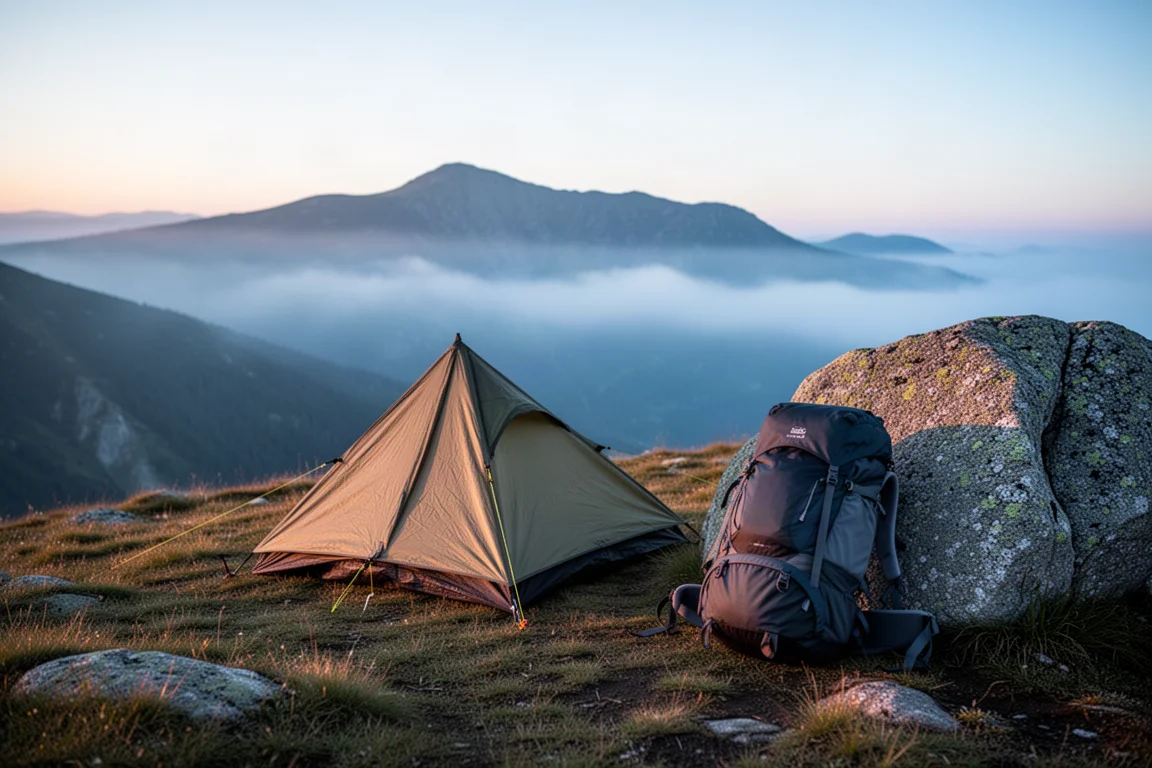
Weight and price were weighed against genuine benefit. A pack that carries better than its number on a scale, a stove that lights reliably in wind, or a sleeping pad that prevents a numb arm at three in the morning is worth more than a slightly lighter alternative that is unpleasant to use.
Custom fit, repairability, and the availability of spare parts also shaped the list, because gear that can be maintained tends to stay in service longer. Where a product has a clear limitation, that limitation is stated plainly so you can judge whether it matters for the trips you actually take.
Shelter and Carry
A pack and a tent are the two decisions that shape everything else on a trip. Both entries here favour carrying comfort and confidence over the lowest possible number on a scale.
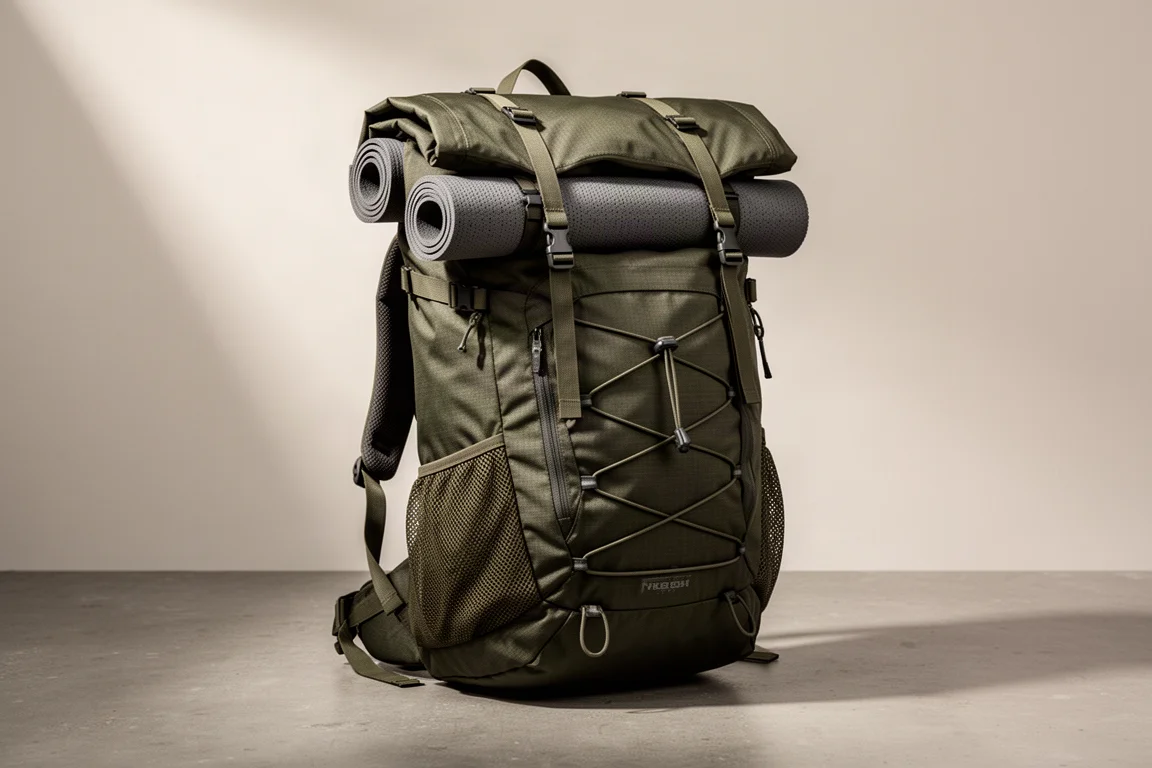
Atom Packs Mo EP60
The Mo EP60 is a 60-litre roll-top pack built to a supplied torso length, and the extra capacity over the 50-litre version is the reason it stayed in the lineup. It allows a few added luxuries on longer routes without forcing a change of approach. Storage is generous, with stretchy side pockets, bungee cord lashing points, and a top strap that will hold a closed-cell foam mat or a bear canister.
The materials are waterproof, but the pack as a whole is best described as water resistant, since the seams are not taped. Inside, there is plenty of room. This is a specialist purchase. A more mass-produced pack can do a very similar job for considerably less money, so the case for it rests on fit, comfort, and the way it carries a full load.
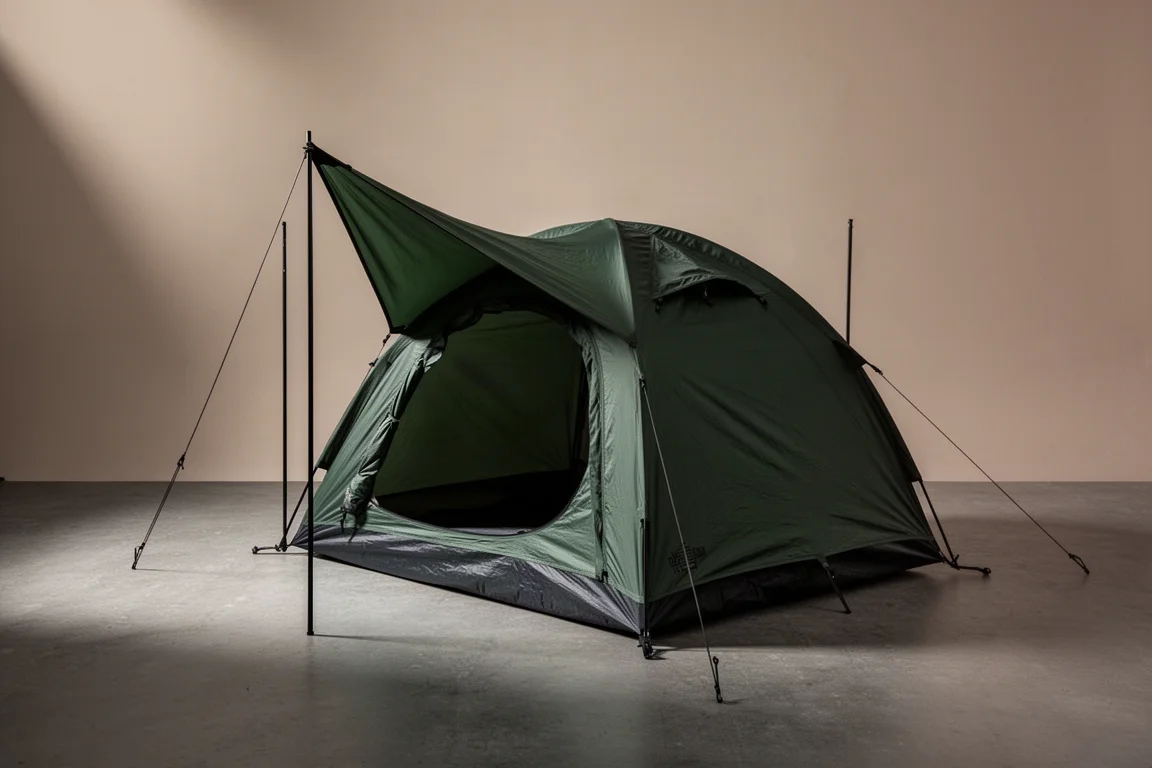
Hilleberg Enan
The Enan is a solo tent with a small vestibule, and its neat trick is that unclipping the inner in one corner creates a virtual vestibule. That opens up space for changing out of wet clothing, cooking, and storing a pack while still leaving usable room inside. It is a lighter-duty design than the more storm-worthy alternative, and it is not intended for extreme wind, which is a fair trade for the trips it suits.
The poles have been upgraded to 10 mm versions shared with the heavier-duty series, and extra guy lines have been added for stability. The result is a tent that inspires confidence in ordinary bad weather. It is not perfect out of the box, and further modifications are planned, including a mesh panel to make it usable year round.
Cooking and Camp Kitchen
Cook systems are where weight, wind resistance, and fuel choice collide. These three cover a full-size setup, a minimalist alcohol burner, and the smallest possible mug.
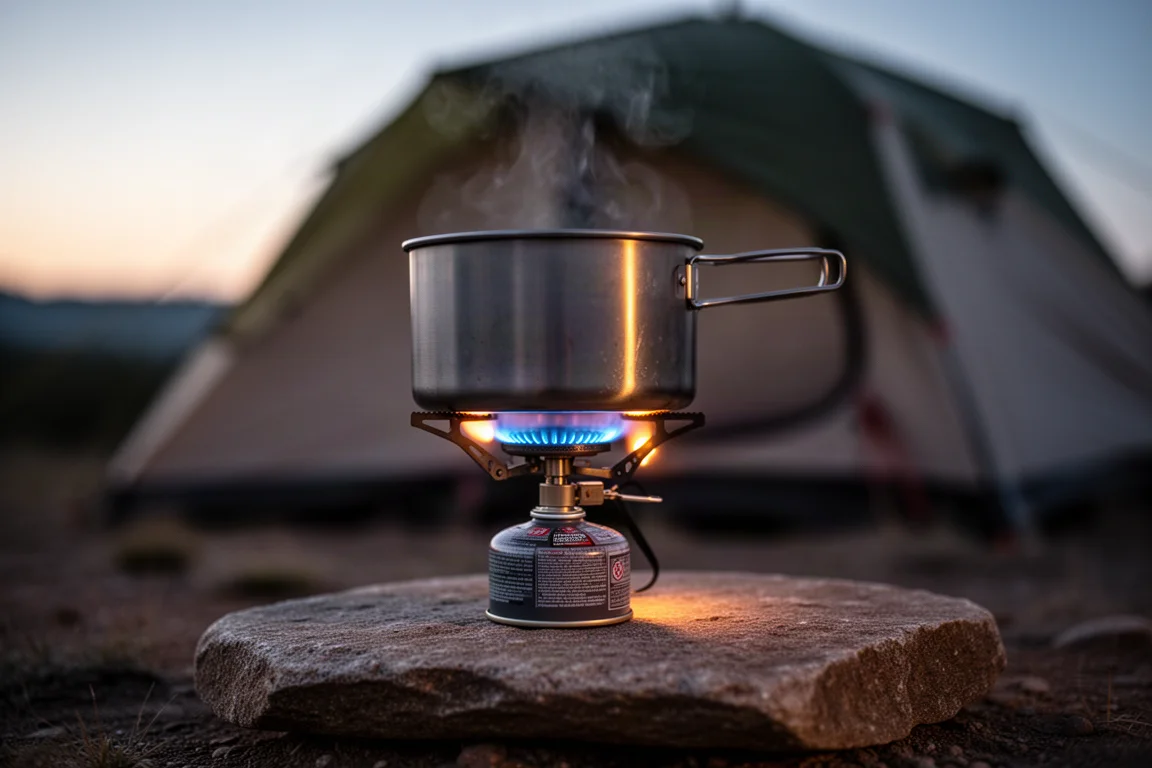
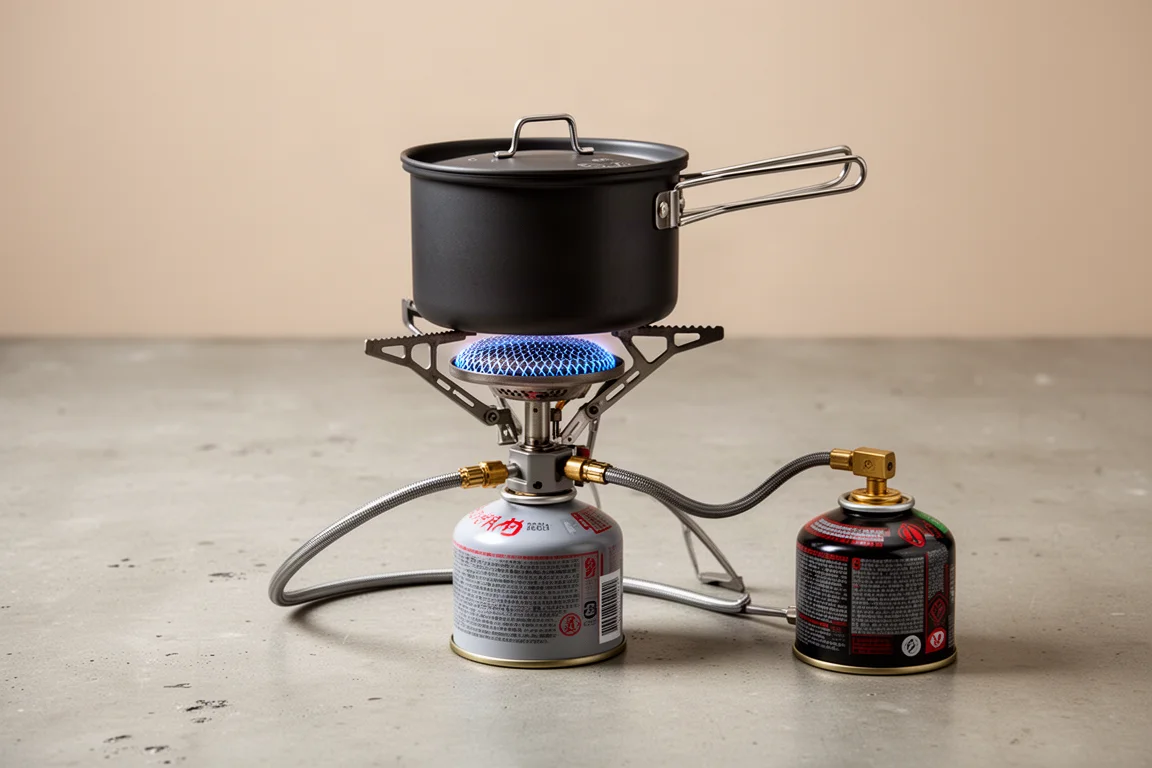
Fire Maple Mars
The Mars is heavier than many backpackers would accept for long distances, but it earns its place through volume and stability. It swallows a large gas canister, the pot holds roughly 1.25 litres, which is enough for larger boil-in-the-bag meals, and the radiant burner with its heat sink is notably wind resistant and brings water to a boil quickly.
The low stance makes it very sturdy, and the included pan support means it can be used for frying as well as boiling. The wish list is straightforward: a smaller, lighter version with the same radiant burner. For trips where a proper cooked meal matters more than the last few hundred grams, it is an easy recommendation.
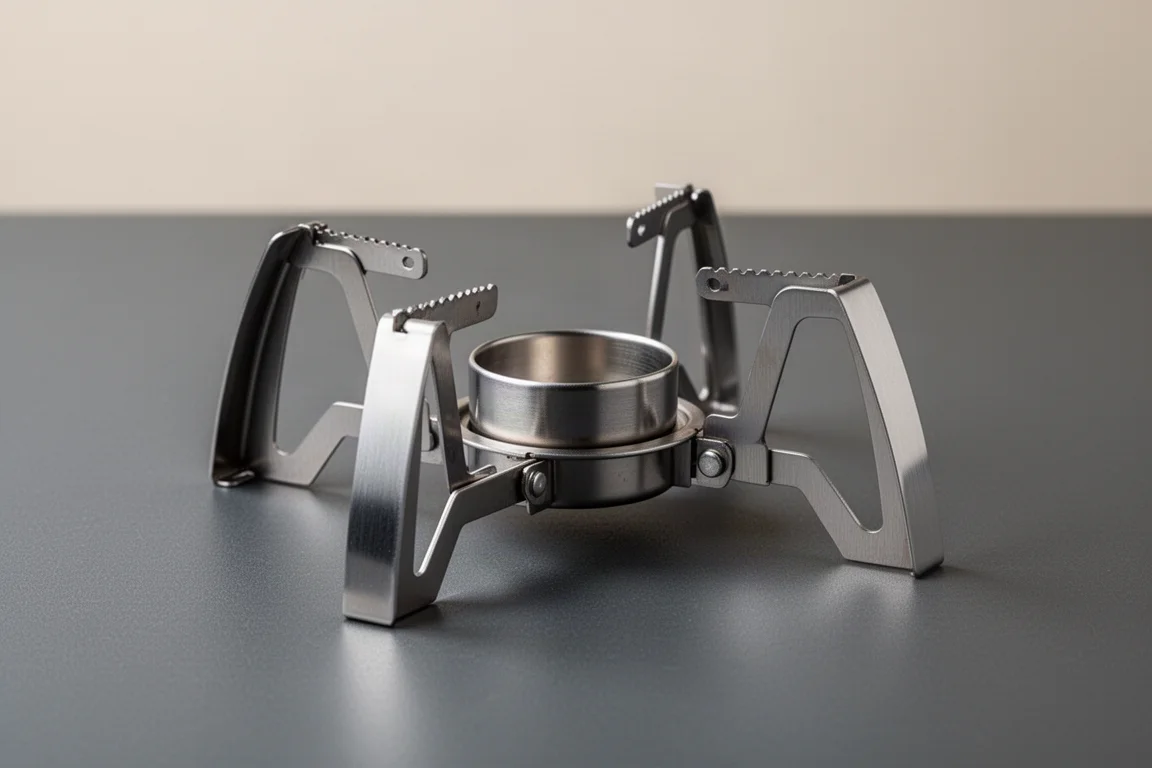
Fire Maple X-Boil
The X-Boil is about as simple as a stove gets. A stainless sheet folds into a support with arms that hold a pot, an alcohol burner sits inside, and the cutouts accommodate a frying pan as well. It works with any pot of roughly 100 mm diameter, which makes it a flexible companion to cookware you already own.
It is very light, ideal for rehydrating meals and simple boiling, and compact enough to serve as a backup stove stored inside a pot. It needs only a small amount of fuel, typically carried in a small bottle, and it takes up almost no space in a pack.
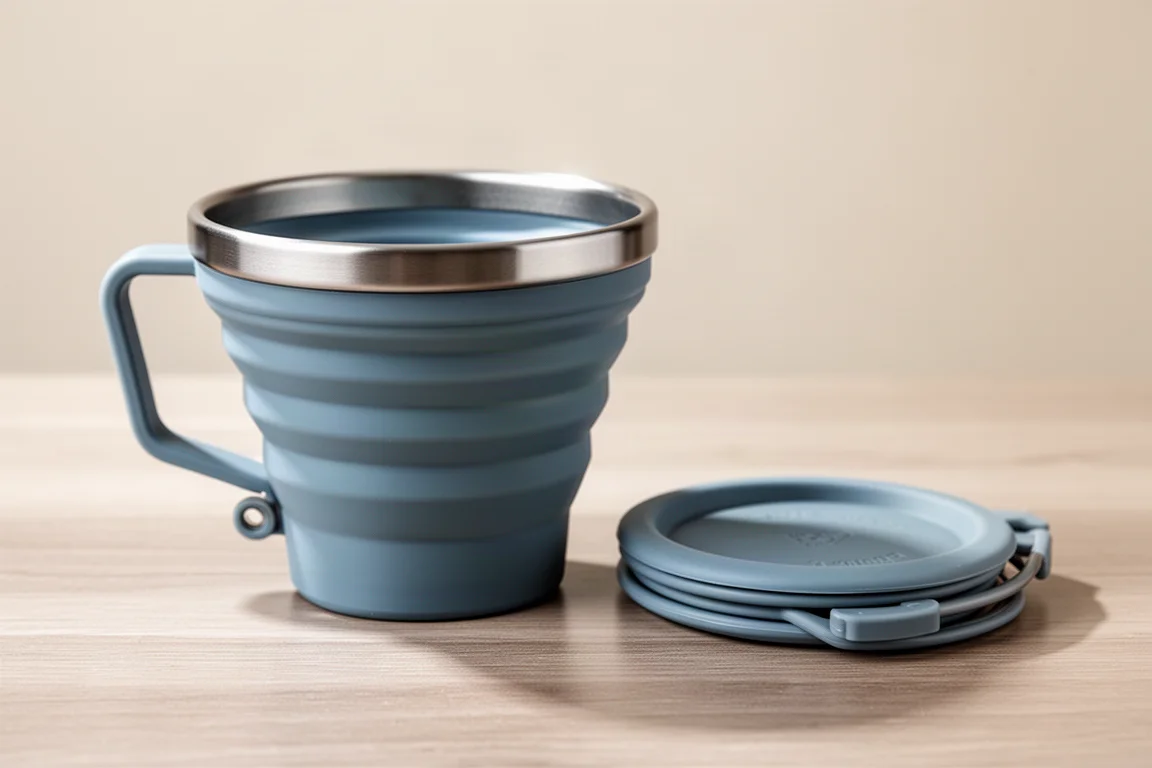
Sea to Summit X-Mug
The X-Mug folds flat and weighs almost nothing, which is why it has survived years of use. It is the sort of accessory that costs little and removes a small daily irritation. The one drawback worth knowing is that a hot drink cools quickly in genuinely cold weather, so it suits three-season use better than deep winter.
Clothing and Footwear
Layering and footwear choices decide how a long day feels, and this group leans towards light, breathable pieces that work across most of the year.
Outdoor Research Helium
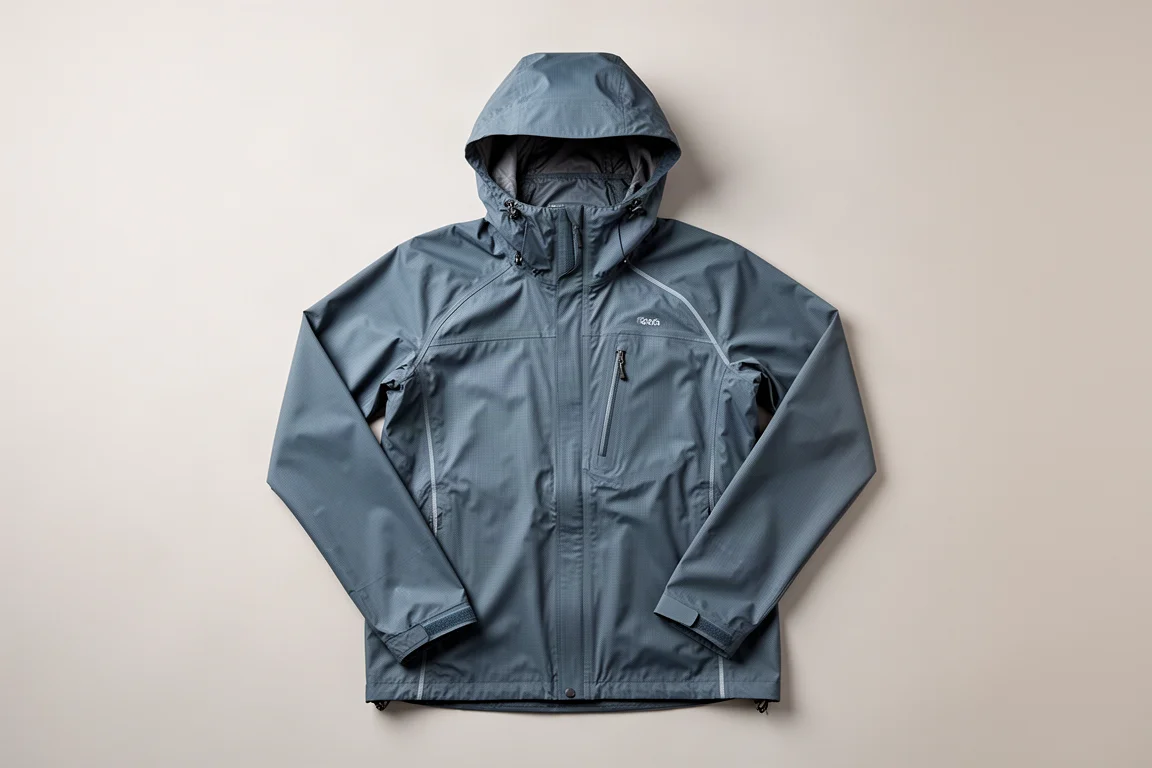
The Helium is a lightweight waterproof jacket that doubles as a windshell because it breathes well enough to wear while moving. On a dry but windy day it cuts the chill without building up sweat inside, which makes it the jacket that gets worn most often across most of the year. It is not built for the worst conditions, and it is worth being clear about that: this is a light shell for moderate weather, not a storm layer.
Rab Mythic Ultra
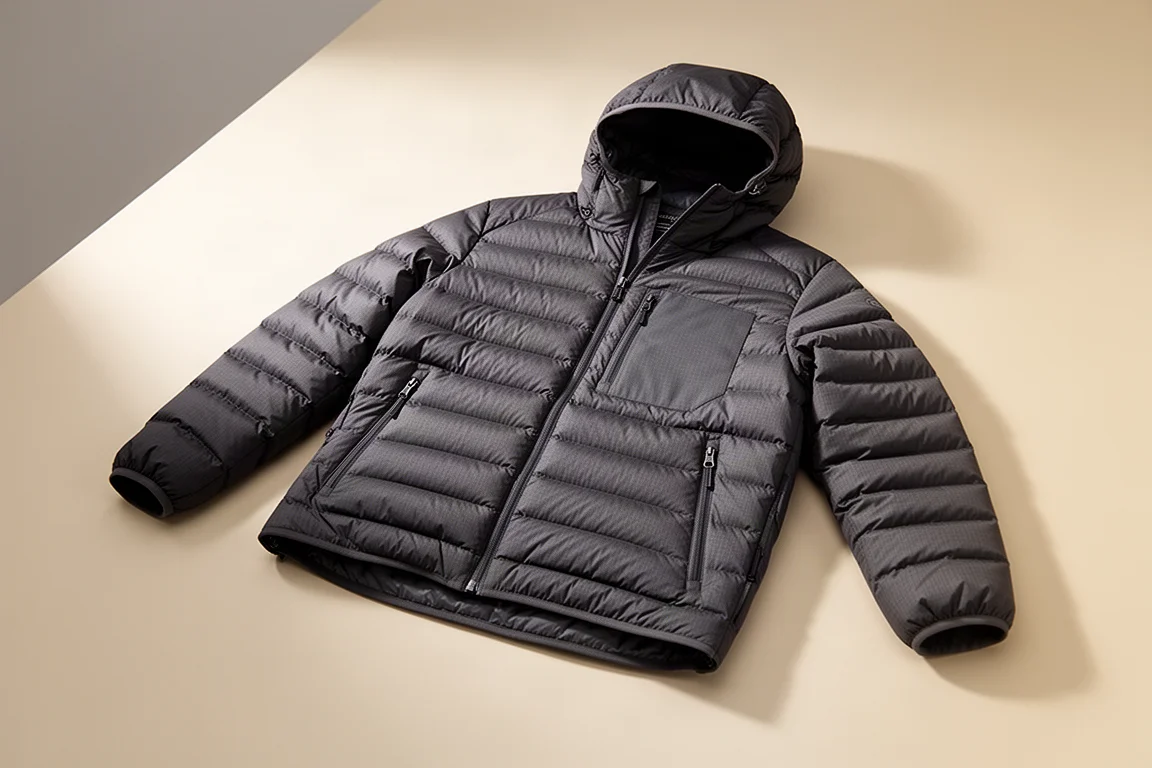
The Mythic Ultra is a very light down jacket filled with hydrophobic down, and it is genuinely warm for its weight. The trade-off is the outer fabric, which is delicate and has already required a small repair with repair tape. Treated carefully, it is an excellent insulation layer for cold camps. Treated roughly, it will show wear quickly.
Altra Lone Peak
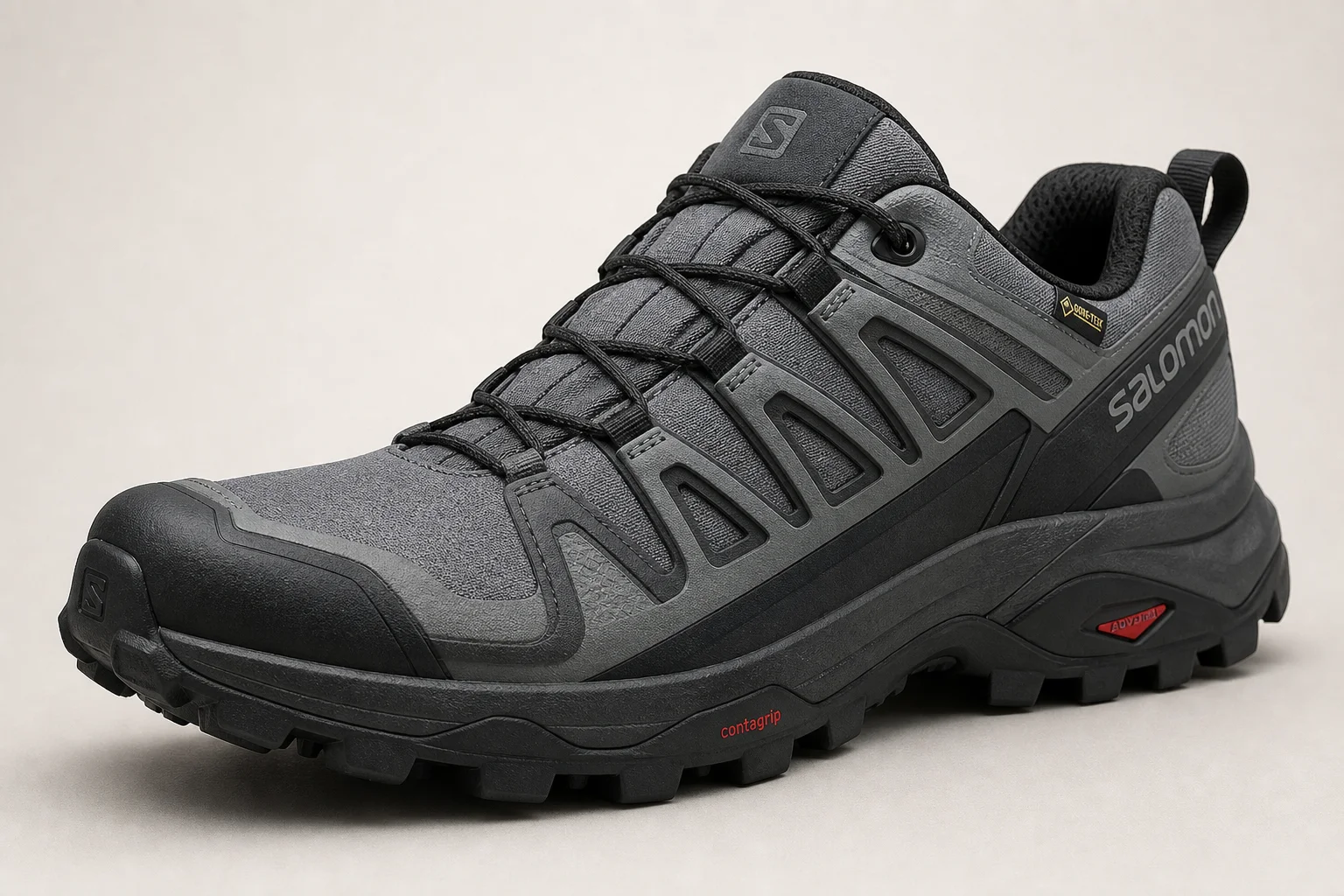
Moving to zero-drop footwear has been the single biggest success of the year in terms of equipment. The Lone Peak and a pair of comparable boots changed how long days felt, taking pressure off knees and hips. It is a transition worth making gradually rather than overnight, and the payoff is comfort over distance.
Sleeping Systems
Sleep quality decides whether a multi-day trip is enjoyable, and both of these picks were chosen for comfort and packed size rather than headline warmth ratings.
Sea to Summit Comfort Light
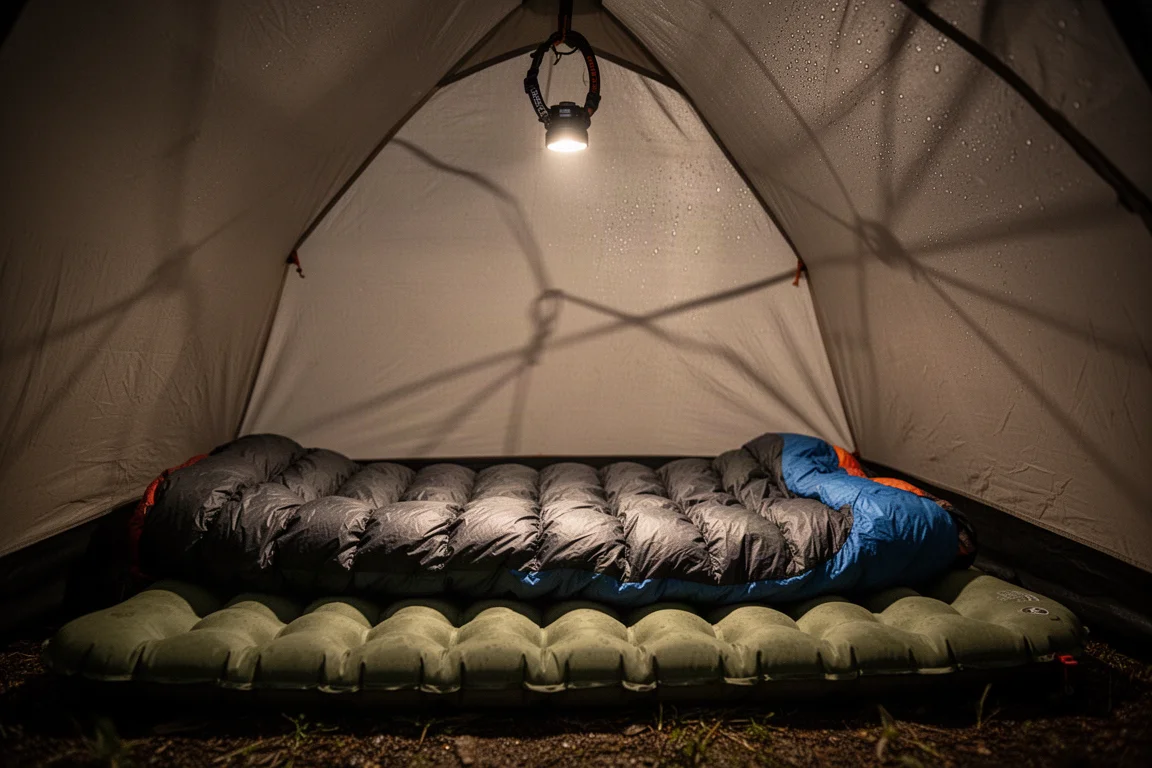
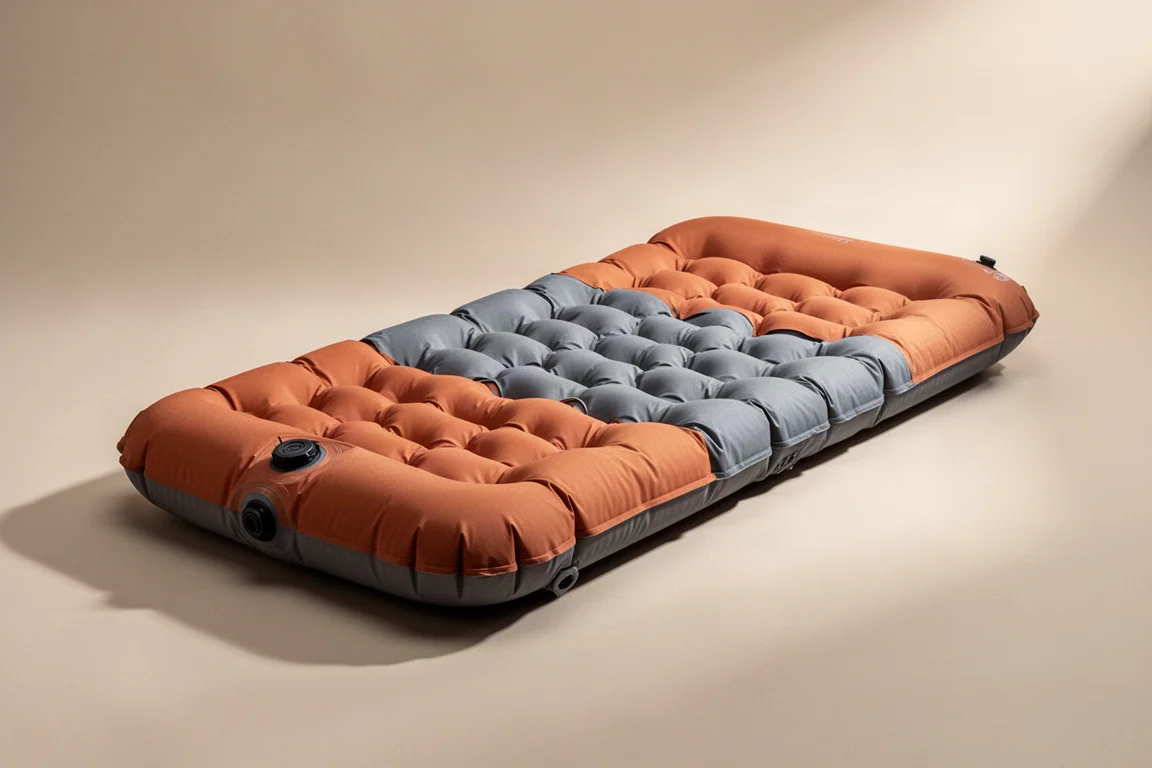
The Comfort Light is neither the warmest nor the widest pad available, but it has produced the best sleep, which counts for more. The air-sprung pockets spread support evenly enough that no pressure points develop, unlike other pads that end the night with a numb arm. It inflates quickly, holds air better than anything else used so far, and folds in half to work as a seat.
Cold weather is the known limitation. For genuinely low temperatures it will likely need a closed-cell pad underneath for extra insulation, which is a simple fix rather than a dealbreaker.
Therm-a-Rest Vesper 0
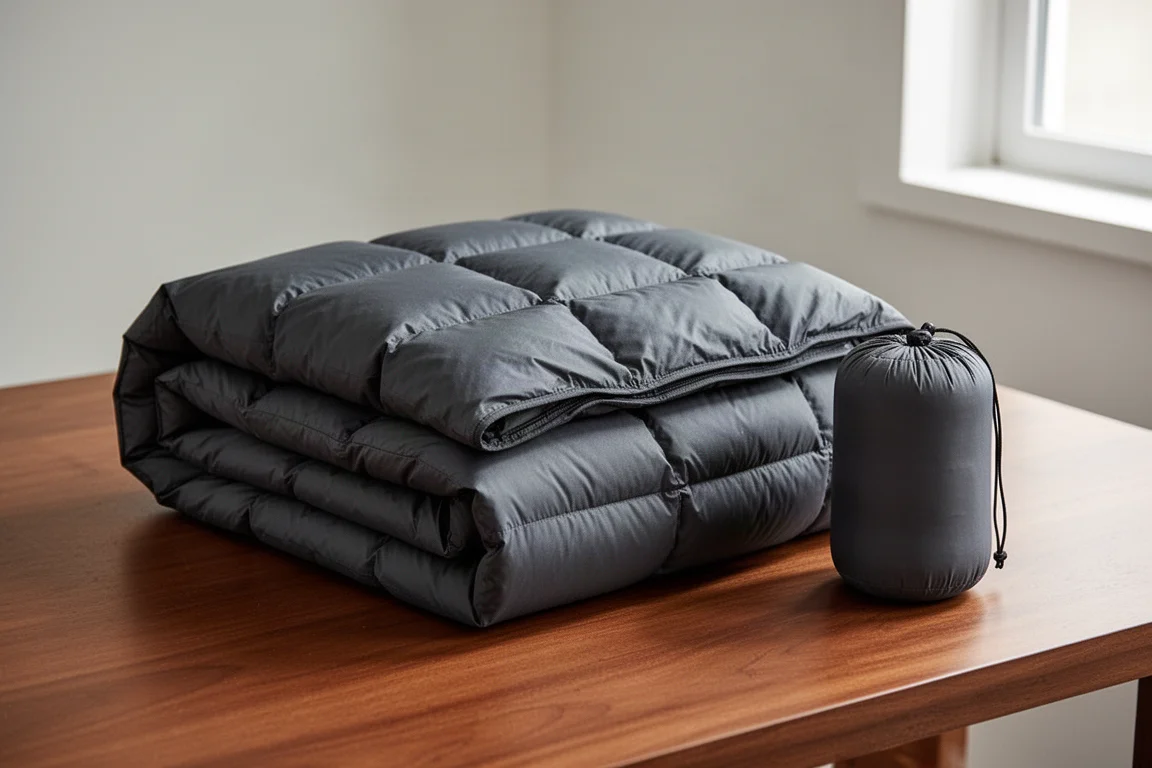
The Vesper 0 is a quilt rated to a 0-degree comfort limit, filled with hydrophobic down, and it compresses down to almost nothing. It performed well on multi-day trips, including wet and changeable conditions. Quilts remain a pricey category, and it is fair to question why a quilt often costs more than a comparable sleeping bag when it uses less material. For anyone who sleeps well under a quilt, though, the packed size and the warmth are hard to argue with.
Cameras and Safety Gear
Recording a trip and staying in contact are two different problems, and these two items solve them without adding much weight.
DJI Osmo Action 4
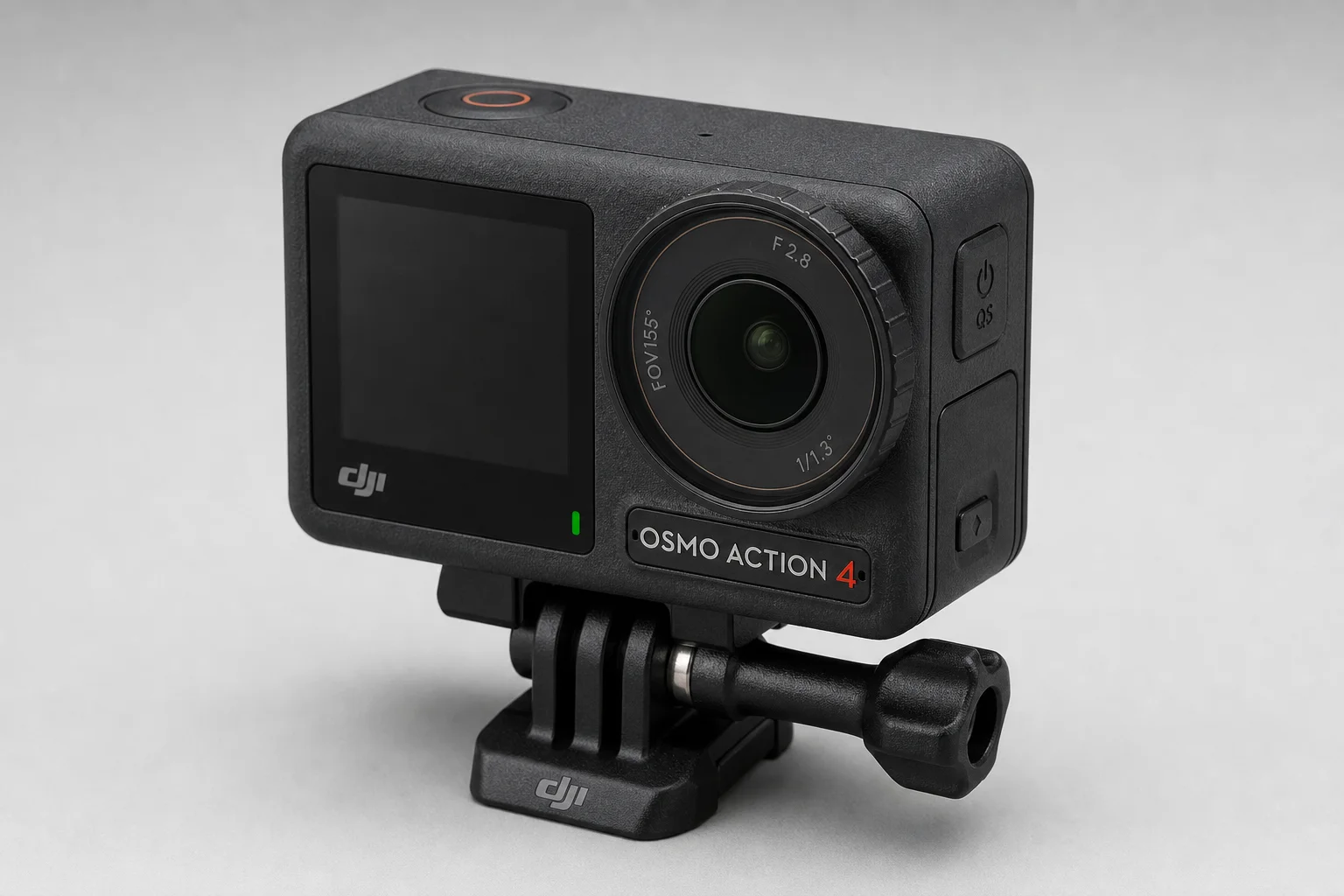
The Action 4 replaced a long run with another action camera line, and reliability is the main reason it stayed. It ships with a quick-charging battery case that simplifies power management on the move, and it pairs wirelessly with the DJI Mic 2 for cleaner audio without cables.
Zoleo Satellite Communicator
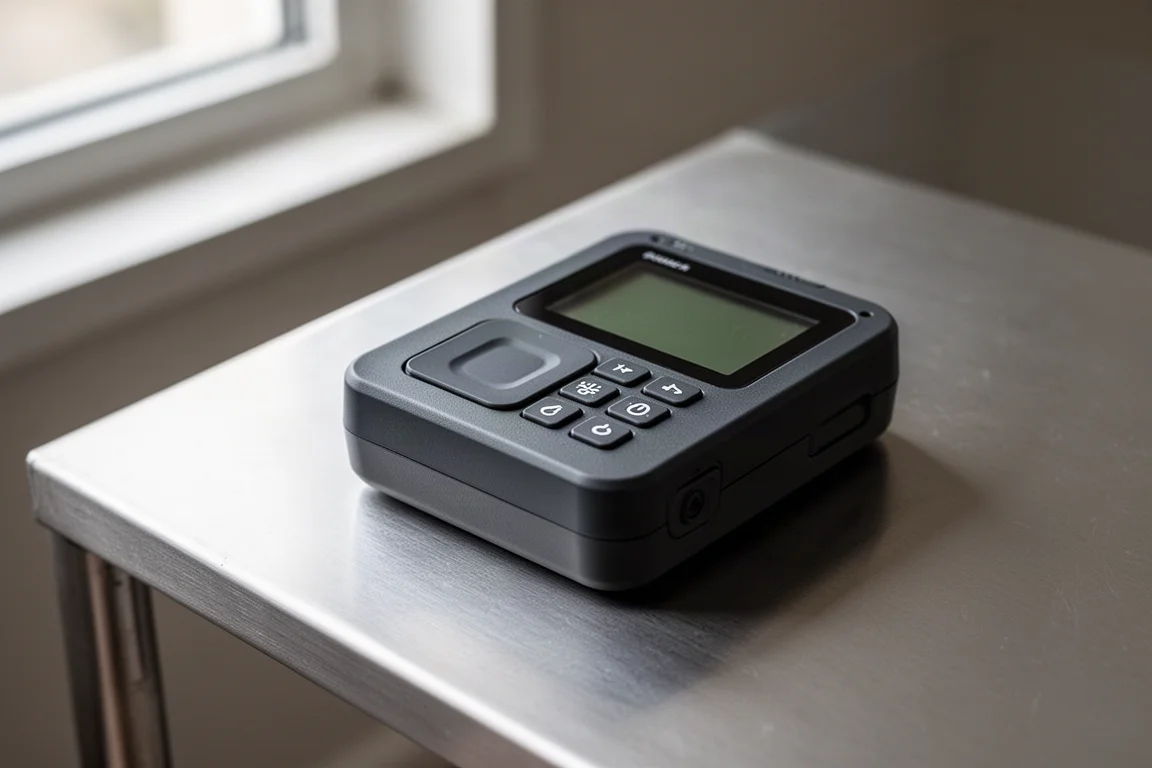
The Zoleo is for the places where a phone has no signal. Its value is twofold: an SOS function that you hope never to use, and simple messaging that lets family know you are fine. Think of it as an insurance policy for remote routes rather than a gadget you will interact with daily.
Other Gear Worth Noting
A few smaller items also earned a place in the pack over the year.
- BioLite AlpenGlow 250: far more lantern than a camping trip strictly needs, but excellent for lighting a camp and for filming after dark.
- Olight H1R Nova: a headlamp still going strong after five years of use.
- Soto Extendable Torch: an extendable torch that lights a stove reliably in windy conditions.
- DJI Mic 2: pairs wirelessly with the Osmo Action 4 for cleaner audio.
- A folding camp table: flips open into a stable platform for a mug or a stove, which is genuinely useful on uneven ground.
- A compact lantern that doubles as a sleeping pad inflator, plus a 10,000 mAh power bank, both of which travel on every trip.
Buying Advice
Start with the trips you actually take. A 60-litre pack only makes sense if you want the extra capacity, and a 50-litre version of the same design will carry a similar load with less bulk. Buy capacity for the longest trip you plan, not the shortest.
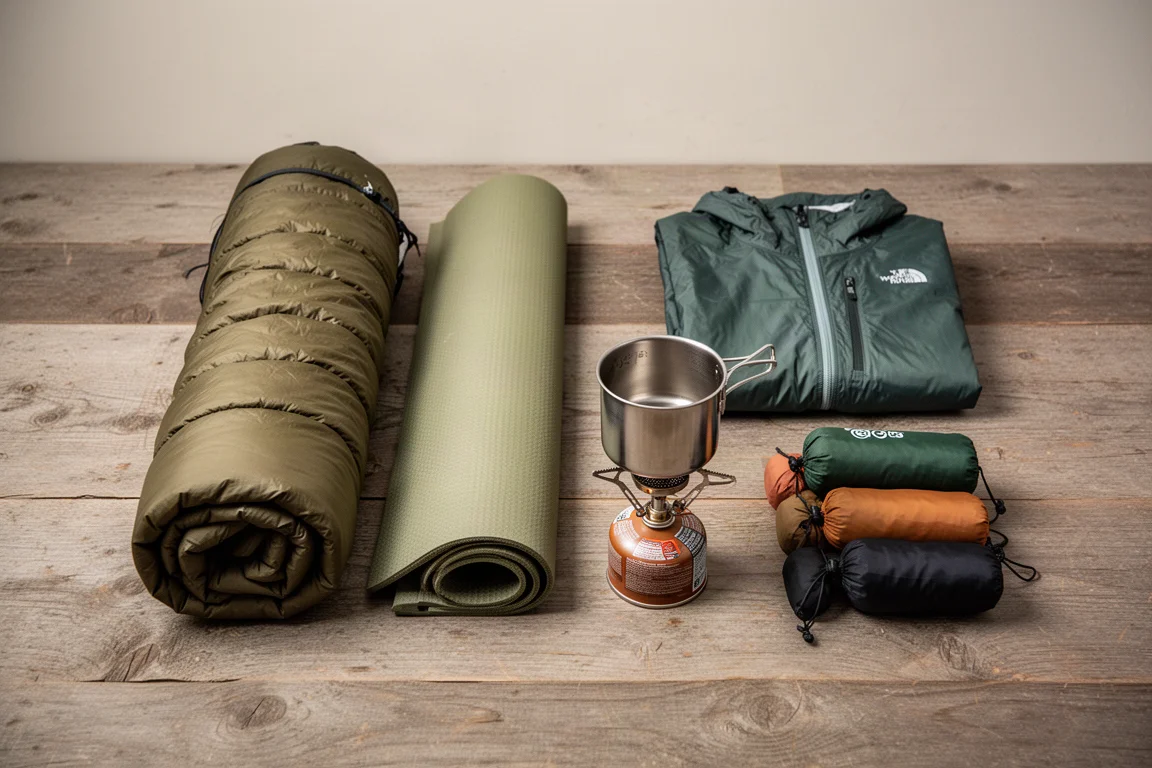
Weight is worth paying for, but comfort is worth more. A pad that prevents a numb arm at three in the morning, or a pack that carries a full load without hot spots, will do more for a trip than a marginally lower number on a scale.
For clothing and sleeping gear, match the item to the conditions rather than to the worst weather imaginable. A light, breathable shell that gets worn every day is more useful than a heavier one that stays in the pack, and a quilt or pad rated for moderate temperatures can be extended with a closed-cell layer when it turns cold.
Finally, weigh repairability and cost together. Several items here are expensive for what they are, and in most categories a more mass-produced alternative will do a similar job for less. Pay the premium where fit, comfort, or reliability genuinely changes the experience, and save elsewhere.
Conclusion
The best gear from a year of trips is not the lightest or the most expensive, but the equipment that made trips easier to enjoy: a pack that carries well when loaded, a tent that feels dependable in bad weather, a stove that lights in wind, and a sleeping setup that delivers a full night of rest. Everything else is detail.
Build the kit around the trips you take most often, accept a small weight penalty where comfort improves, and treat the rest as optional. That approach tends to produce a kit list that stays stable for years.
Further reading
Related Reviews

Backpacking Gear
Building a 10 lb Base Weight: An Ultralight Backpacking Gear List
A practical walkthrough of the ultralight pieces behind a 10 lb base weight, from a 765 g pack and a roomy one-person tent to a full camp chair and a dependable water filter.

Backpacking Gear
A 15-Pound Lightweight Backpacking Gear List for Solo Trips
A beginner-friendly 15-pound backpacking setup built from easy-to-find gear, with notes on what each piece does, how it packs, and where to spend your attention.

Backpacking Gear
8 Ultralight Backpacking Gear Upgrades Worth Carrying
Eight small, affordable backpacking upgrades that solve real trail annoyances, from a pillow that stays put to a fuel valve that rescues leftover canister gas.