Backpacking Gear
Best Backpacking Gear: 12 Field-Tested Favorites
Twelve backpacking pieces that earned a permanent spot in the kit, from armless sunglasses and a collapsible bottle to a freestanding tent.
Introduction
Backpacking gear earns its place slowly. A piece of kit has to survive long trails, shifting seasons, and the small irritations that only reveal themselves after a few hundred miles of real use. The twelve items below have all cleared that bar, and between them they cover the core of a three-season backpacking setup.
Some are long-standing favorites that were replaced like for like when they wore out. Others are newer additions that solved a specific problem, and a few had been set aside years ago before coming back into rotation. What they share is a clear reason to be in the pack.
How These Products Were Evaluated
Weight matters, but it is rarely the deciding factor on its own. Each item here was judged on how it performed over months of backpacking, bikepacking, and international travel: whether it lasted, whether it was pleasant to use in poor conditions, and whether it replaced more than one item in the kit.
Versatility carried a lot of weight in the final selection, as did durability under repeated use. A shelter that pitches easily, a layer that works while you are moving, and a filter that keeps flowing are worth more on a long trail than a marginally lighter alternative that frustrates you daily.
Ombraz Leggero Sunglasses
Conventional sunglasses fail in predictable ways. The arms slide down a sweaty face, and they press against helmet straps during bikepacking or climbing. The Leggero takes a different approach, replacing the sidearms with a cord that runs behind the head. The frame stays in place through active use and sits comfortably under a helmet.
Optional side shields and a small front plug extend the coverage further, which makes them a practical choice for snow travel, winter backpacking, and mountaineering, where glare off snow is the real problem rather than sun overhead.

Enlightened Equipment Visp Rain Jacket
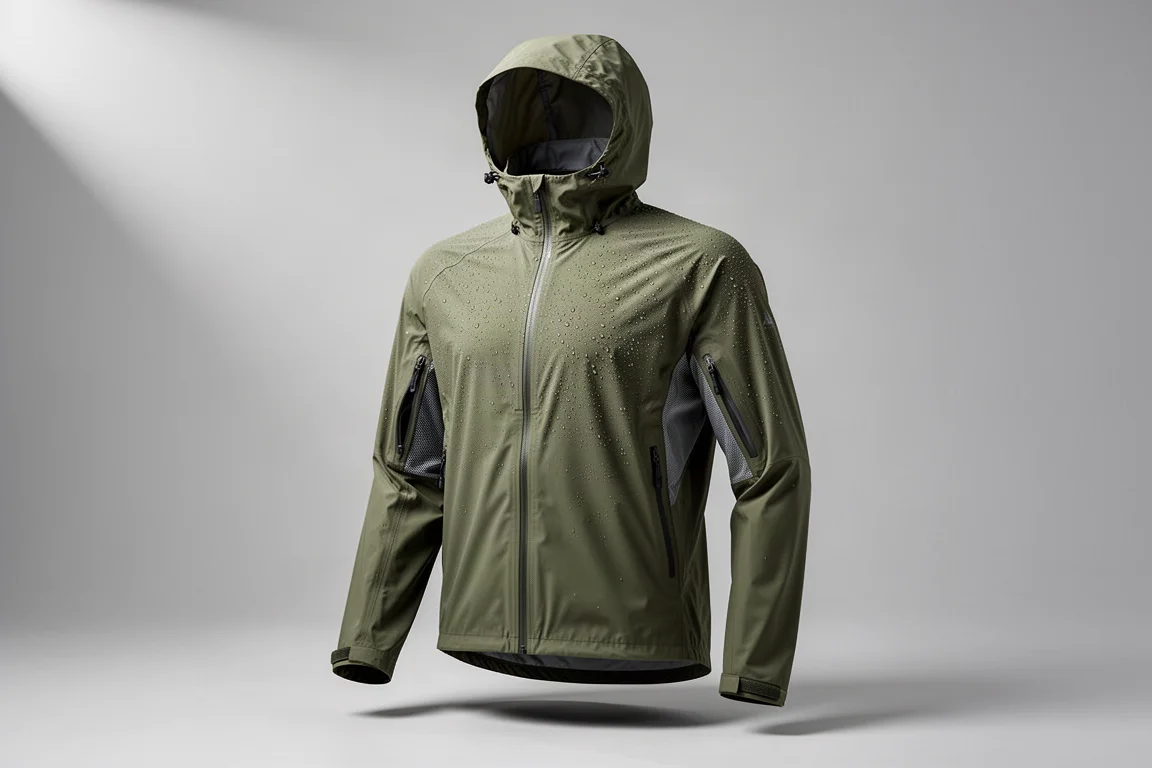
The Visp has been a benchmark ultralight rain jacket for years: very light, small when packed, and effective at shedding rain. After a long stretch of hard use, one jacket eventually wore out and stopped performing, and the model had been out of production for some time.
With the Visp back in production, a replacement went straight into the kit. For anyone who wants rain protection that disappears into a pack until it is needed, this remains one of the most convincing options available.
Mokin 40W Dual USB-C PD Wall Charger
Town stops and international travel both put pressure on charging. The Mokin charger addresses that by staying genuinely small, with prongs that fold into the body, while offering two USB-C PD ports rated at 20 watts each.
That is enough to charge a phone quickly, charge a camera, and, with an adapter, top up a headlamp. Carrying one compact block instead of several is a meaningful simplification for anyone resupplying in town.

Chafon 4-in-1 Charging Cable
The natural companion to the charger is a single cable that covers multiple connector types. It swaps between Lightning and USB-C, so the same cable handles a phone or a camera depending on what needs power.
The braided jacket matters more than it sounds. It keeps the cable from twisting into knots and holds up to being stuffed into a pack repeatedly. For a zero day spent charging everything at once, one cable doing several jobs is worth the space.

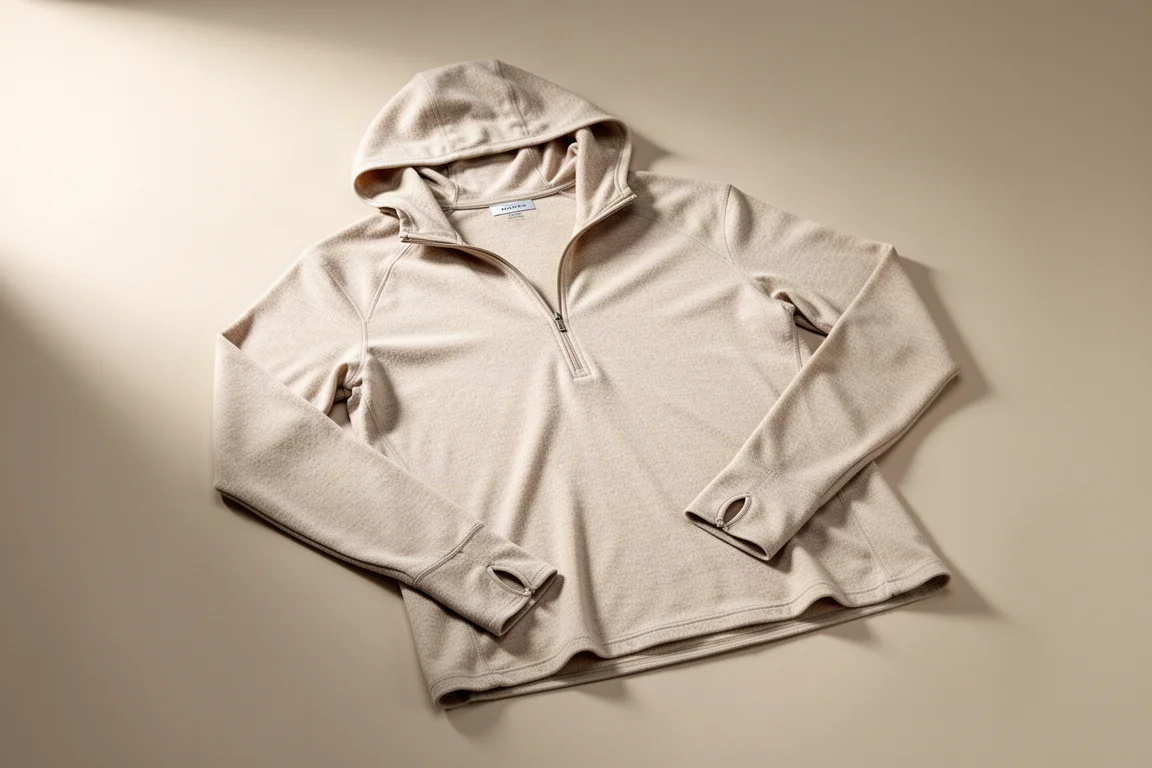
Evolved Supply Co Mirage Sun Hoodie
Sun hoodies have become the default hiking top for good reason, and the Mirage is a considered take on the format. It uses a soft merino wool fabric, adds thumb holes for coverage over the backs of the hands, and pairs a quarter chest zip with a hood that works well with a helmet.
The chest zip is the detail that matters most on a climb: open it up when you are overheating and close it again on the descent. As an all-round hiking top for exposed terrain, it covers sun protection, breathability, and warmth in a single layer.
Merino wool brings odor resistance and a soft hand feel, which keeps the hoodie comfortable against the skin across multiple days between washes. It is the kind of layer that works on its own in warm weather and under a shell when conditions turn.
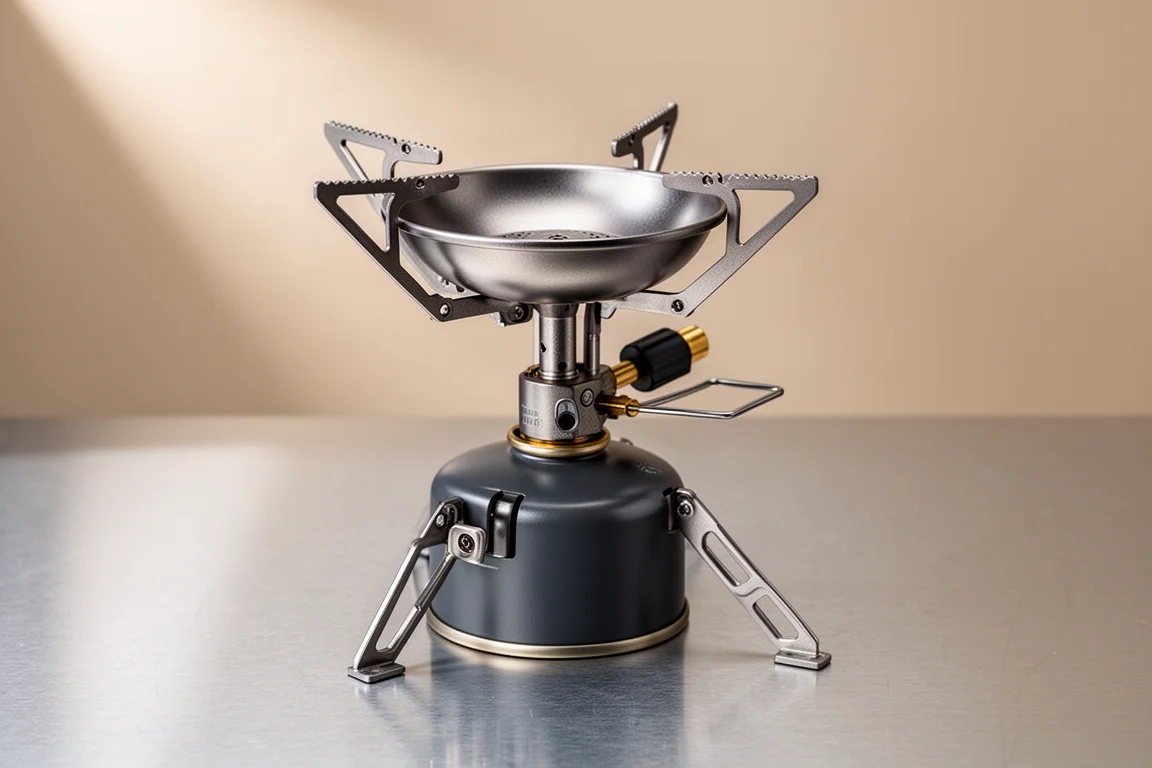
Soto WindMaster Stove
A basic ultralight canister stove is light and inexpensive, but it is not especially efficient with fuel and struggles in wind and cold. The WindMaster is the upgrade for anyone who cooks in less forgiving conditions.
It is compact and light, resists blowing out, and includes a piezo igniter so there is no need to carry a separate lighter. Fuel efficiency matters most on longer carries, where every gram of canister weight is something you have to move.
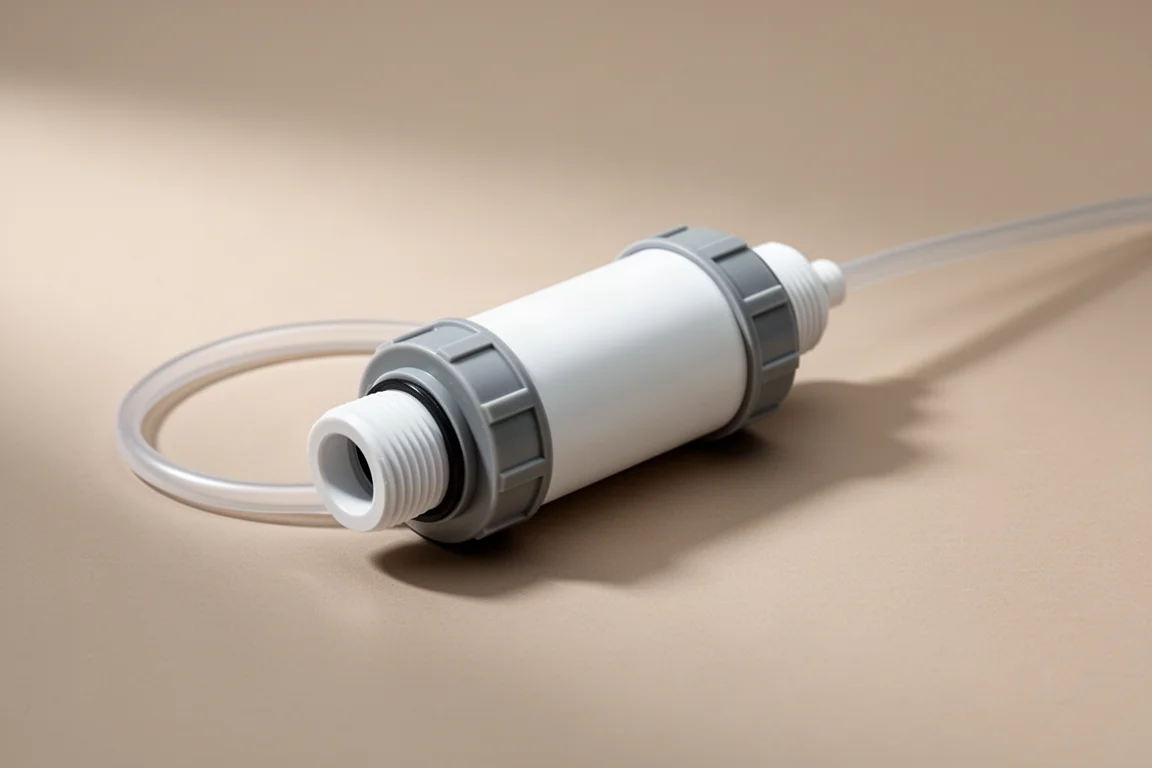
Sawyer Micro Squeeze
Squeeze filters live or die by clogging, and this one has handled everything from clear alpine water to murkier desert sources without losing flow. It threads onto bottles and bladders, so it works with whatever container is already in the kit.
An early example of this filter gave trouble and was retired. A later unit, used consistently across long trails and international trips, has been reliable throughout, filtering everything asked of it.
CNOC Vesica Water Bottle
The Vesica is a collapsible bottle, essentially a reusable soft bottle that folds down small when empty and holds a liter when full. That makes it easy to carry spare capacity without paying for it in pack space.
Threading it directly onto a squeeze filter turns it into a compact gravity-style setup, and the soft body sits neatly in a side pocket for drinking on the move. It pairs naturally with the filter above.

Gossamer Gear Thinlight 1/8-Inch Folded Pad
Closed-cell foam pads are the least glamorous item in a pack and one of the most useful. This 1/8-inch pad serves as a sit pad at camp, an extra layer of warmth under an inflatable sleeping pad, and something to stretch out on during a break.
The folded version adds a practical benefit: the pleats let it fold into a flat, pack-sized panel that works as a back panel in a frameless backpack. It does the same jobs as before while fitting the pack better.
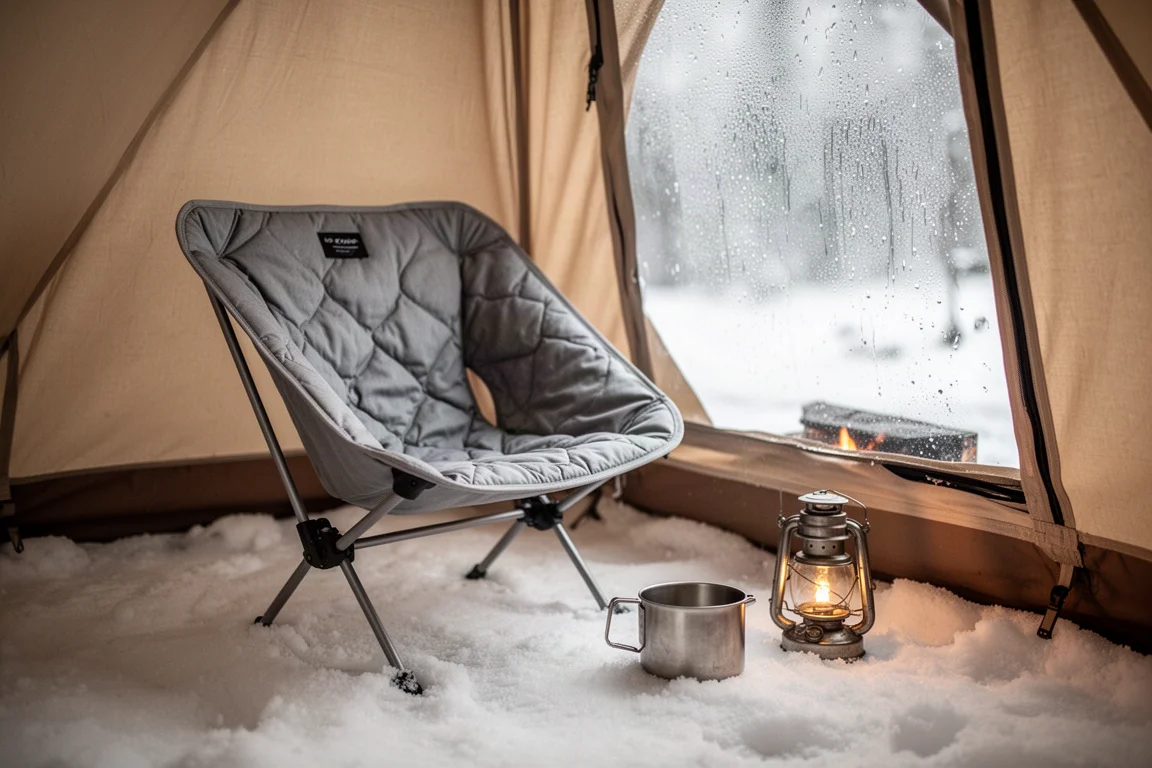
Anyone who has wrestled a rolled foam pad into a frameless pack will appreciate how much cleaner the folded format is. It is a small change that makes an already versatile piece of kit easier to live with.

Senchi Designs Alpha 60/90 Fleece
Mid layers are usually excellent at camp and less good on the move, because they trap heat without letting moisture out. Alpha Direct insulation, available in Alpha 60 and Alpha 90 weights, behaves differently: it keeps the chill off while staying highly breathable.
That combination is what makes it work as an active layer. On a climb or a long descent, it takes the edge off the air without leaving you clammy or overheated, which is exactly what a mid layer should do when you are working hard.

Topo Athletic Pursuit Hiking Shoe
After years in one style of trail shoe, the Pursuit was a deliberate change of direction, and it has become the most trusted hiking shoe in the rotation. The 28 mm stack height gives a balanced ride, and the wide toe box suits feet that want room to spread.
Durability has been the standout. After months of miles, the shoe has held up rather than breaking down early, and it stays comfortable on long days with a loaded pack.

Zpacks Free Duo Tent
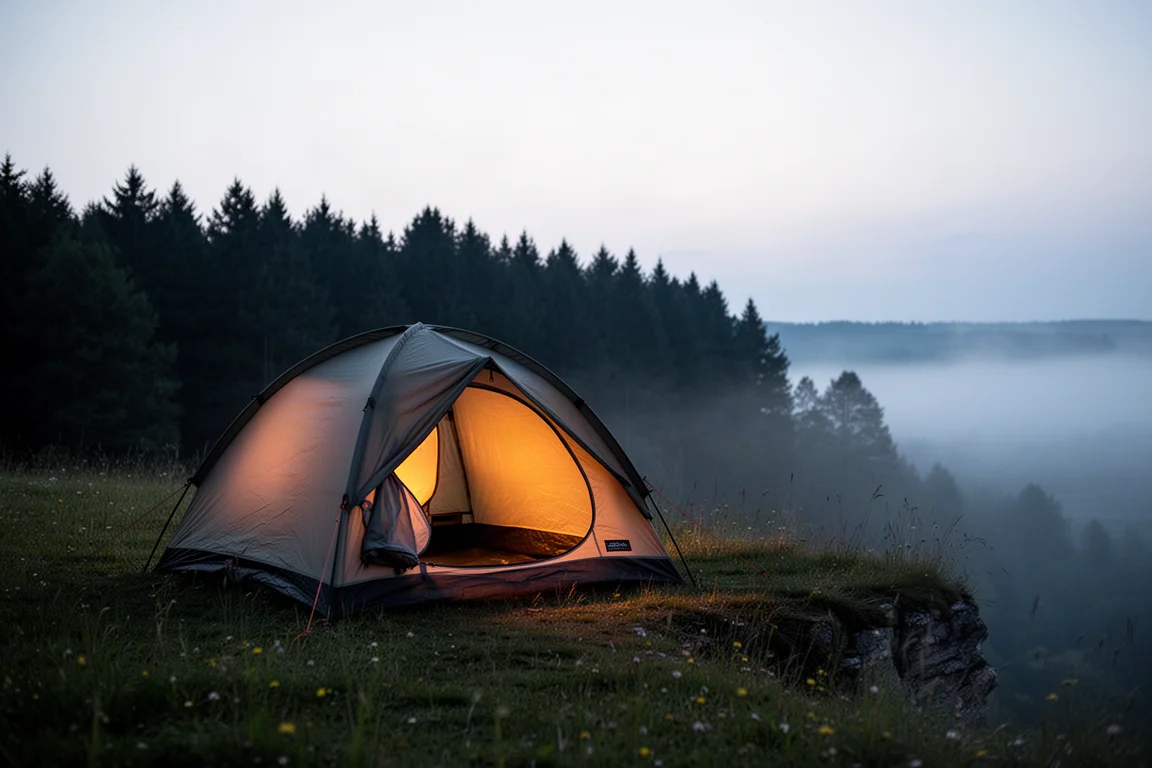
For anyone who has spent years in trekking pole tents, a freestanding shelter is a genuine change of habit. The Free Duo is a single wall design without a separate fly, which keeps the weight down: the tent plus a set of carbon poles comes in at around 30 ounces, and it pitches with just four stakes.
The interior room and the simplicity of setup are what stand out. Compared with a trekking pole tent plus the poles themselves, the weight penalty is modest for the convenience of being able to pitch almost anywhere.
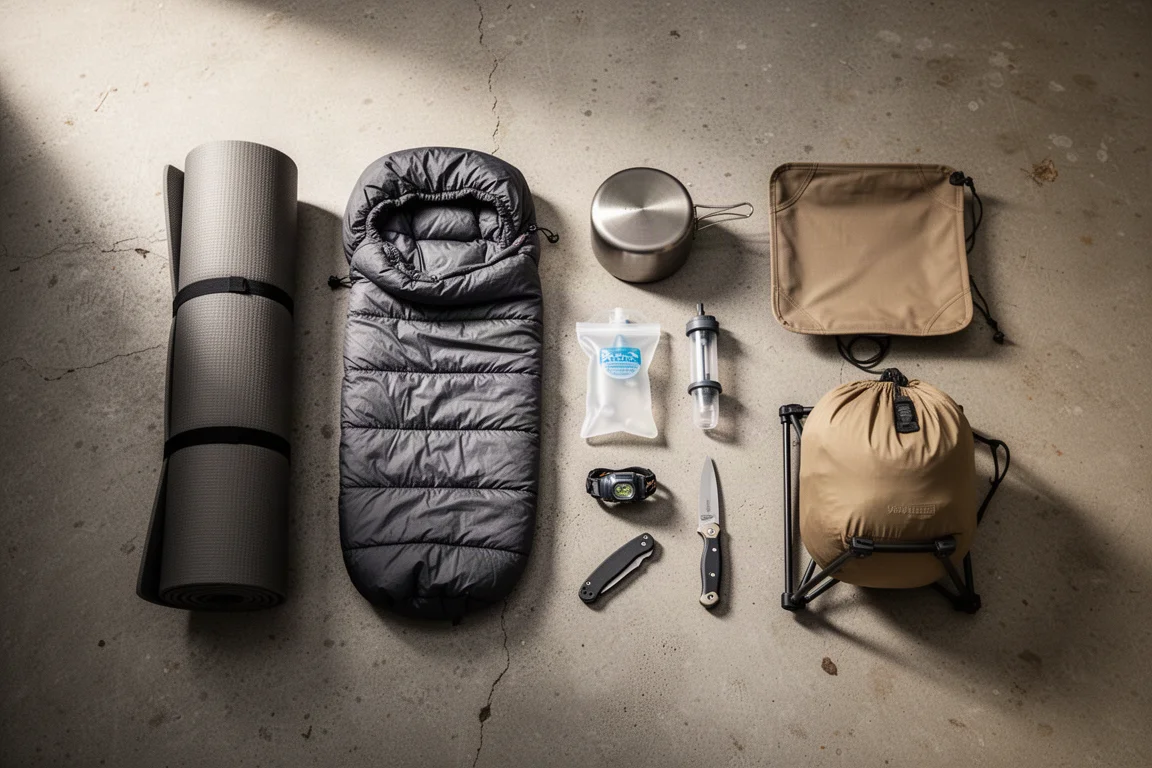
At the time of writing, the Free Duo was listed as unavailable, with a new version announced for January 2024. Anyone considering it should check current availability before planning a trip around it.

Buying Advice: Building a Cohesive Kit
Few people need all twelve items at once, and this list is not meant to be bought in one go. Start with the pieces that solve a problem you actually have: a shelter that pitches where you camp, a layer that works while you are moving, and a filter that matches your water sources.
Weight is easiest to judge in context. A slightly heavier item that replaces two others, or that you will genuinely use every day, is often the better buy than the lightest option on paper. Buy for the conditions you camp in, then let the kit evolve as those conditions change.
Conclusion
These twelve pieces have one thing in common: each earned its place through repeated use rather than a specification sheet. Some are long-term favorites that were simply replaced when they wore out, and others are newer additions that solved a specific problem well enough to stay.
If you are rebuilding a kit or filling a gap, pick the one or two items that address your biggest annoyance on trail. The rest can wait until you have a reason for them.
Further reading
Related Reviews
Backpacking Gear
Building a 10 lb Base Weight: An Ultralight Backpacking Gear List
A practical walkthrough of the ultralight pieces behind a 10 lb base weight, from a 765 g pack and a roomy one-person tent to a full camp chair and a dependable water filter.
Backpacking Gear
A 15-Pound Lightweight Backpacking Gear List for Solo Trips
A beginner-friendly 15-pound backpacking setup built from easy-to-find gear, with notes on what each piece does, how it packs, and where to spend your attention.
Backpacking Gear
8 Ultralight Backpacking Gear Upgrades Worth Carrying
Eight small, affordable backpacking upgrades that solve real trail annoyances, from a pillow that stays put to a fuel valve that rescues leftover canister gas.