Backpacking Gear
Best Backpacking Gear: 10 Favorites That Earn Their Place on the Trail
Ten backpacking favorites, from a reachable-bottle pack and a customizable quilt to cushioned trail runners and a satellite messenger, with the real strengths and trade-offs to weigh before buying.
Introduction
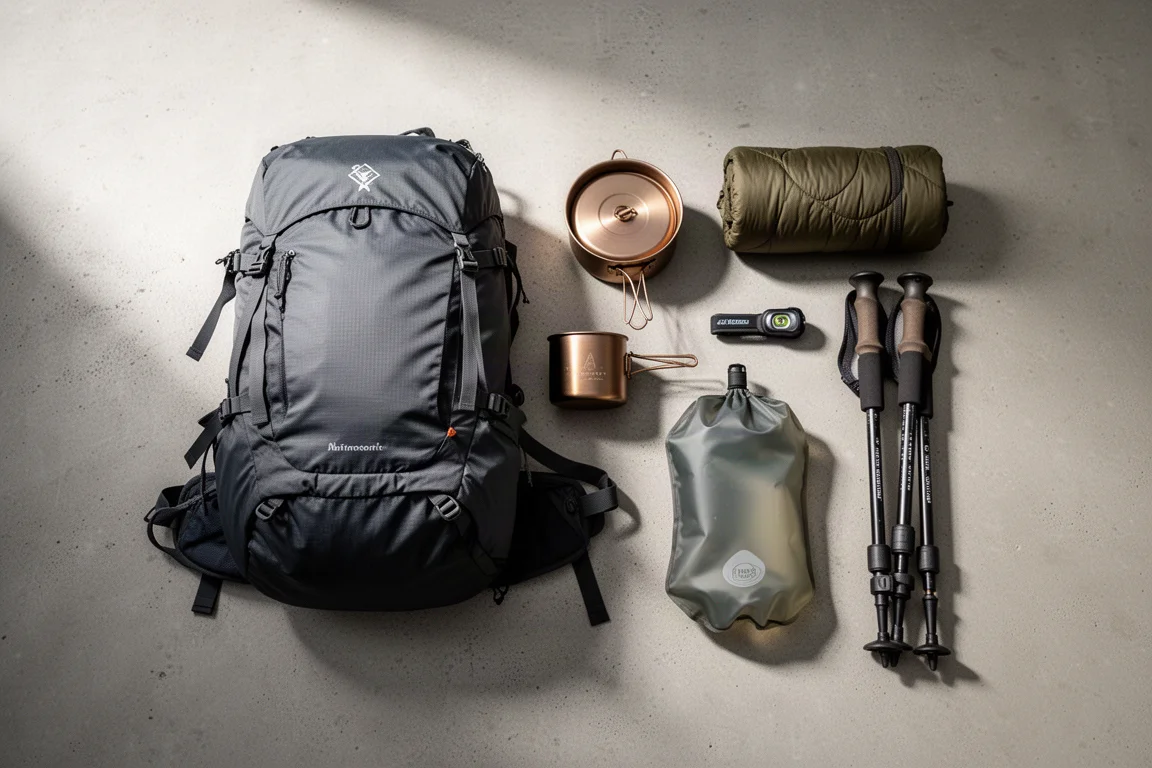
Backpacking gear earns its place slowly. A piece has to survive wet nights, long food carries, and the kind of day where everything in the pack feels heavier than it should. The ten items below have done exactly that, and each one solves a specific problem rather than simply adding to the pile.
Some of these picks are inexpensive. Others cost real money. What they share is that they make a trip noticeably easier: a pack you can drink from without stopping, a quilt that does not strangle you overnight, a shoe that keeps your feet fresh after a long day, and a tent that stays roomy when the weather turns.
How These Ten Picks Earned a Place
The bar for inclusion was simple. Each item had to fix a recurring annoyance, hold up over repeated use, and justify the weight it adds to the pack. Value counted as much as performance, which is why a jacket costing about $100 and a premium Dyneema tent can sit on the same list without contradiction.

Long trips also expose the difference between gear that is merely adequate and gear that keeps working: pockets you can actually reach, fabrics that shed water instead of holding it, clothing that protects without overheating, and electronics that keep you in contact when there is no signal at all. Every recommendation below is written around that practical test rather than a specification sheet.
REI Flash 55: A Pack That Makes Water Easy to Reach
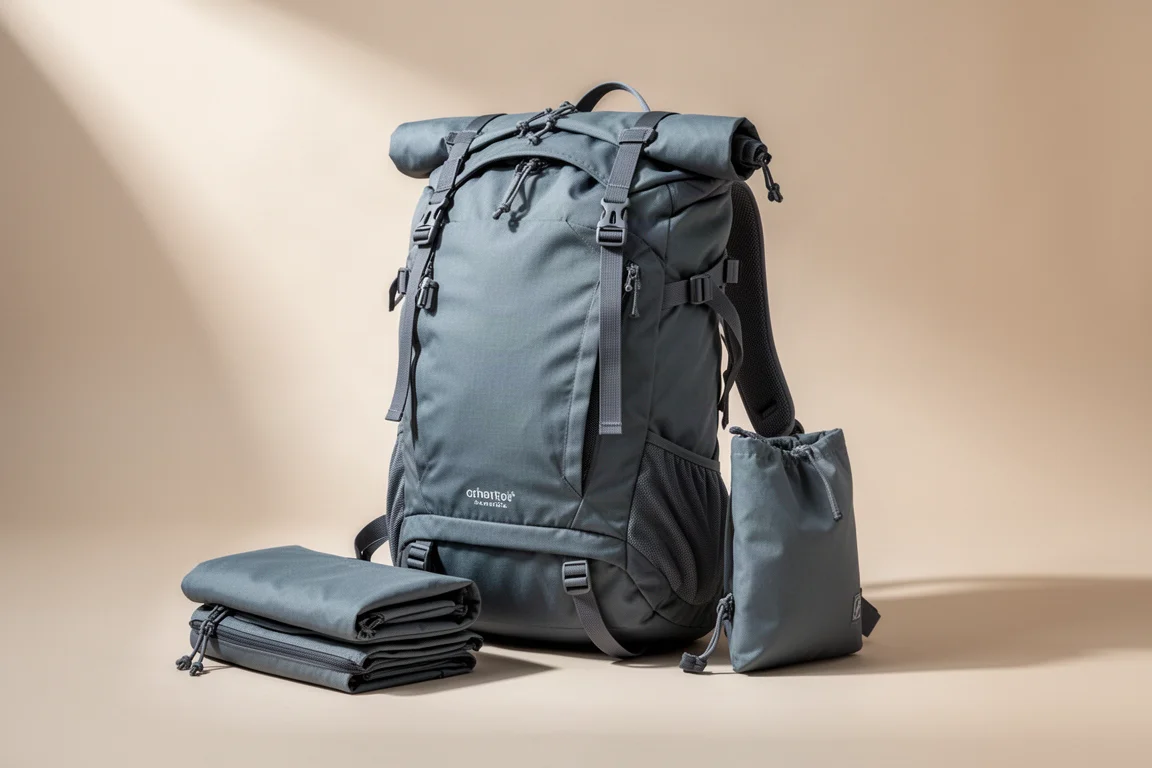
The Flash 55 is a 55-litre backpacking pack whose standout detail is pocket placement. The water bottle pockets sit just in front of the side pockets instead of behind them, so a bottle is reachable without unusual shoulder flexibility or long arms. That sounds minor until you have spent a full day stopping every time you want a drink.
Carrying capacity is generous for the weight. The pack handles loads up to roughly 40 lb comfortably while weighing a little over a kilogram on its own, which puts it in a useful middle ground for multi-day trips. It also goes on sale often, sometimes at 30 percent off and occasionally 40 percent, and at those prices it is one of the better values in backpacking.
Enlightened Equipment Enigma: A Quilt That Ends Tangled Nights
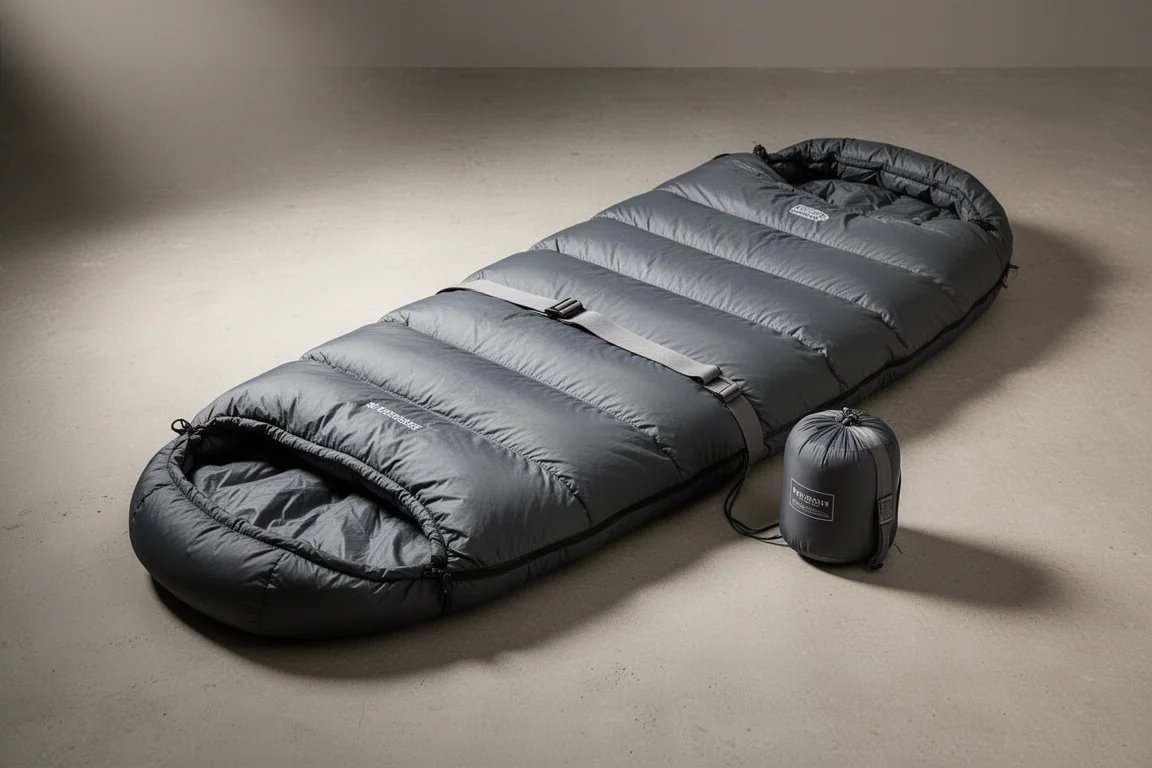
Sleeping quilts suit some backpackers better than a fully enclosed bag. Without a hood and a sealed shell, there is nothing to twist around your shoulders during the night, so rolling over and settling back down becomes far less of a production.
The Enigma was the first quilt that made that case clearly, and after trying quilts from several other makers, its combination of customizability and build quality still stands out. Buyers choose the details that suit their own trips at order time, which is why the purchase rewards a little planning up front rather than an impulse click.
Kelty Trek 100: Three-Season Warmth at a Friendly Price
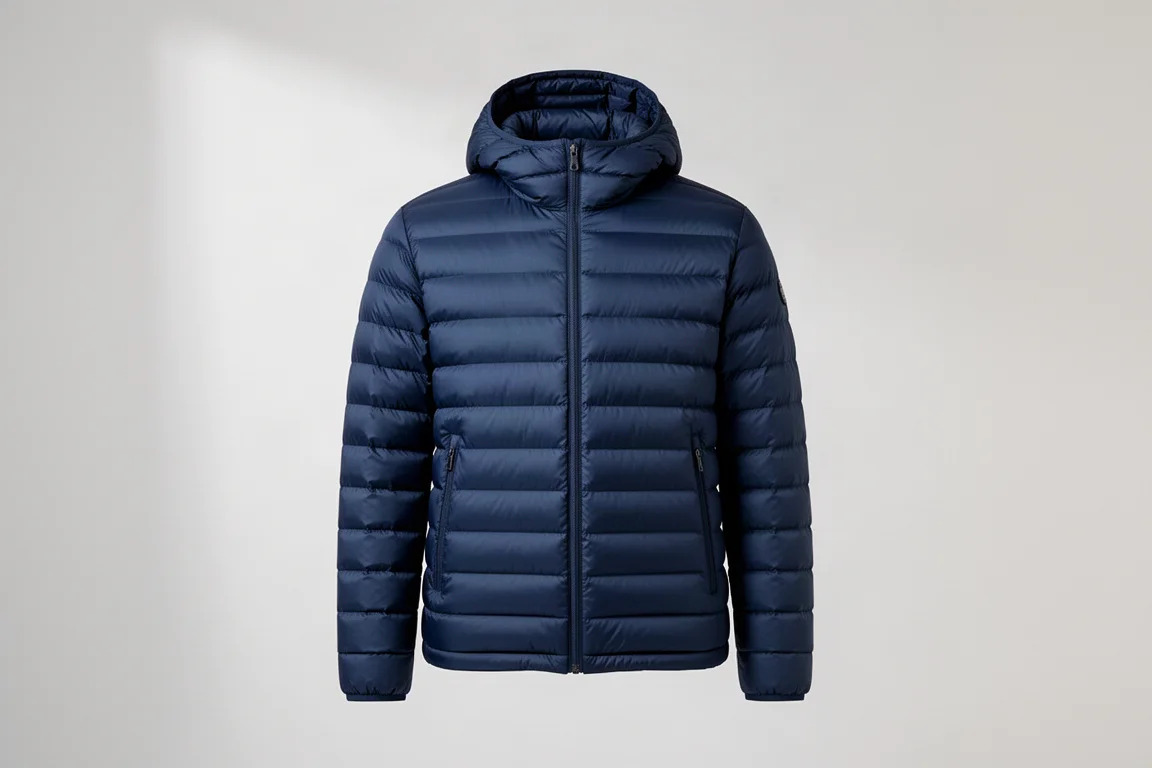
The Trek 100 down jacket delivers the warmth, low weight, and overall quality of a jacket that could easily sell for around $300, yet it costs closer to $100. For three-season backpacking, that combination is difficult to argue with.
The low price changes how the jacket gets used. It is comfortable enough to bring on trips where a more expensive layer would stay at home, and there is far less worry about snagging it on brush or packing it away damp. That practicality is the reason it gets picked up more often than jackets costing three times as much.
Trekology 2.0 Pillow: Small Comfort That Stays Put
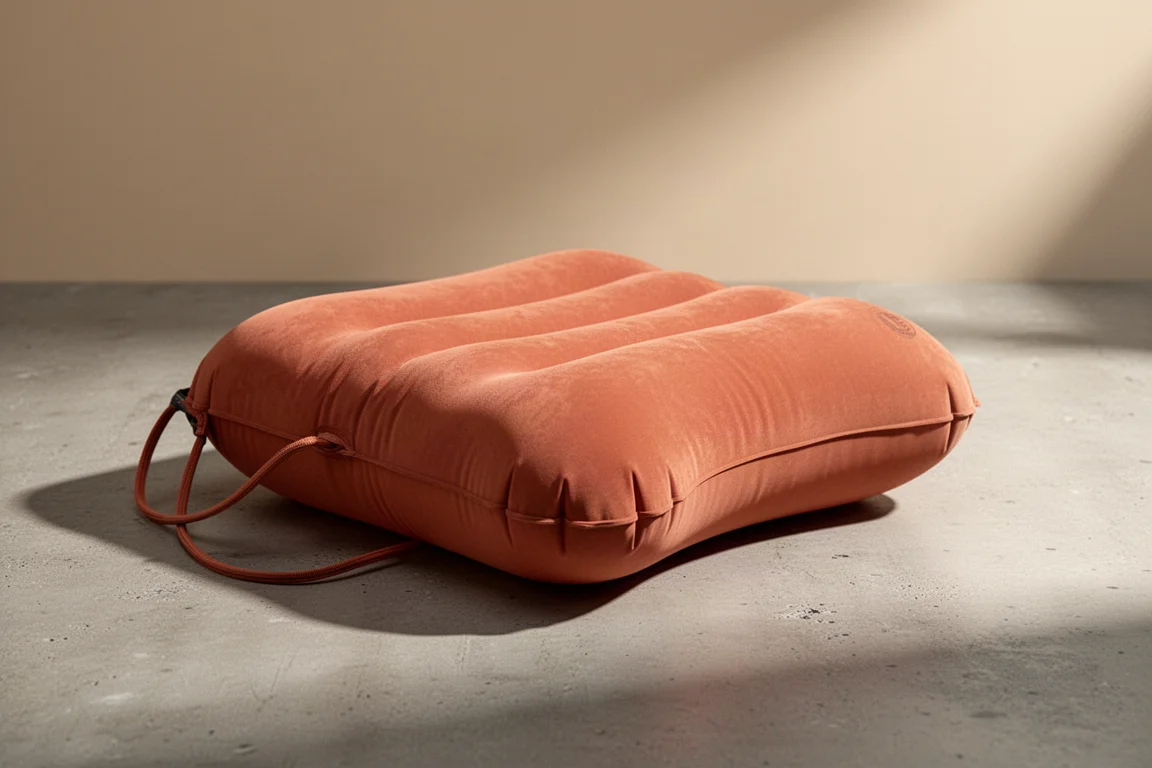
The Trekology 2.0 pillow brought something new to camp comfort: a pad strap. The strap locks the pillow onto a sleeping pad so it does not wander off during the night, which anyone who has chased a camp pillow around a tent will appreciate.
The baffling is supportive rather than balloon-like, making it one of the more comfortable camp pillows available, and it costs under $20. That price makes it an easy addition for anyone who has been sleeping on a folded jacket instead.
The trade-offs are scale and setup. It is a compact camp pillow rather than a full-size one, and the strap is most useful when there is a sleeping pad to attach it to. For backpackers who value a consistent night of sleep, that is a small price to pay.
Hoka Speedgoat: Cushion That Solves Foot Fatigue
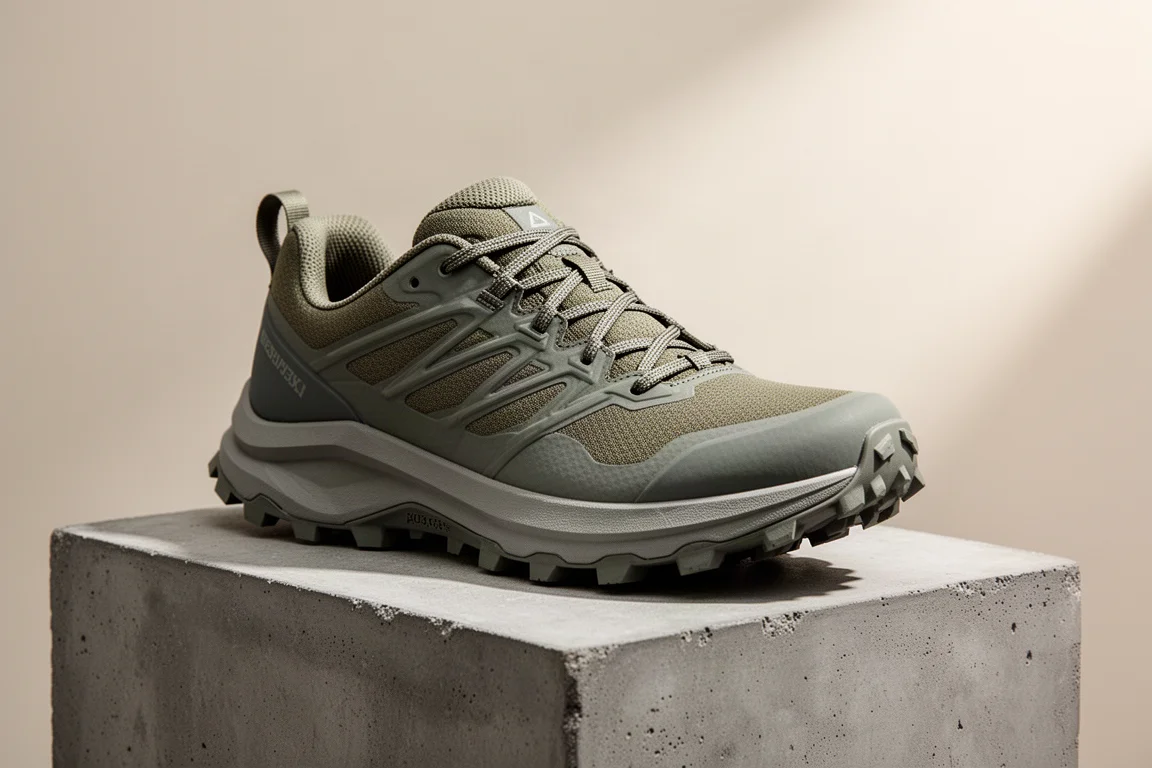
Moving from hiking boots to trail runners is a common shift for long-distance hikers, but finding the right shoe can take a while. Low-cushion options such as the Altra Lone Peak leave every rock, root, and stick underfoot, and the result is often foot fatigue well before the day is over.
The Speedgoat takes the opposite approach. A substantial amount of cushioning protects the foot while the platform stays supportive and stable, which is what makes it workable for loaded backpacking rather than fast day hikes alone. The Vibram Megagrip outsole adds grip that holds up on mixed and wet terrain.
The strongest argument is distance covered: roughly 1,100 km on a thru-hike of the Great Divide Trail without a single blister. For hikers who have struggled with sore feet, that is about as persuasive as footwear gets.
Outdoor Research Astroman: Sun and Bug Protection That Lasts
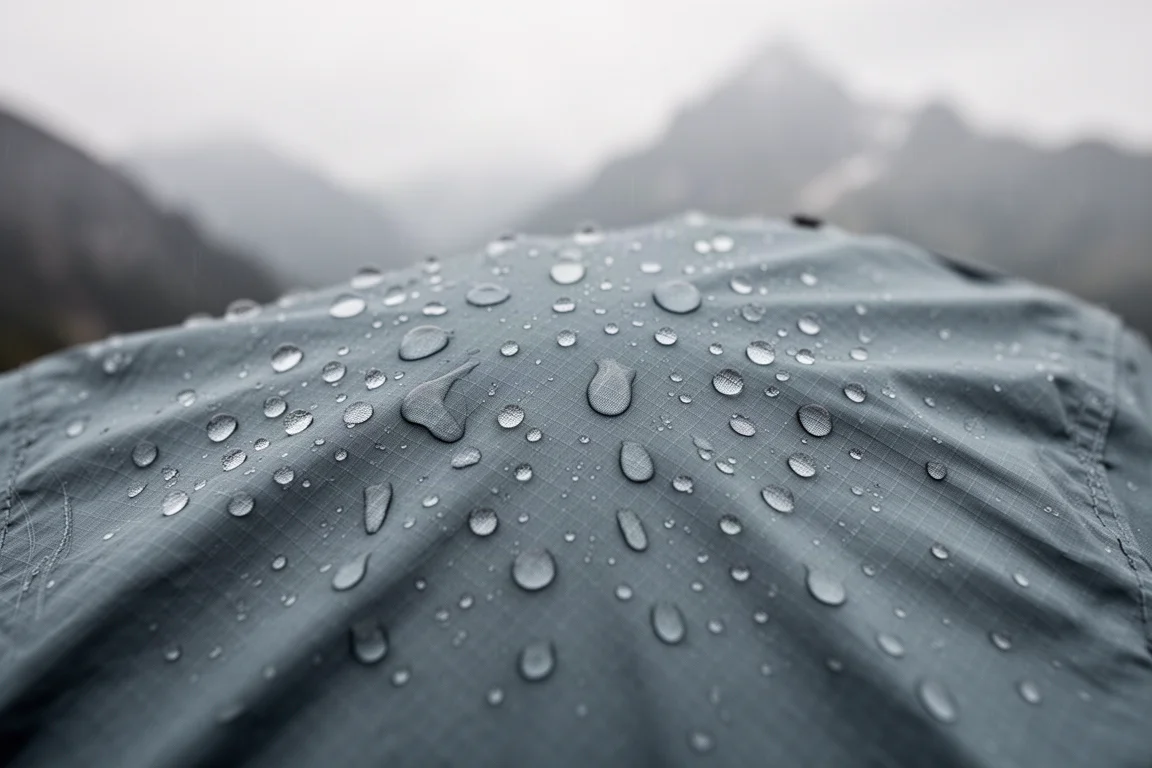
A sun hoodie is the layer people ask about most on summer trips, and the Astroman shows why. It is lightweight and breathable, with a UPF 50 rating that covers arms, neck, and head without turning into a portable sauna.
It also dries extremely quickly, and the weave is tight enough to keep mosquitoes and other biting insects off your skin. Durability is the part that stands out most: after many years and thousands of miles, the fabric is still intact and does not develop much odour.

Unpaste Toothpaste Tabs: Oral Care Without the Bottle
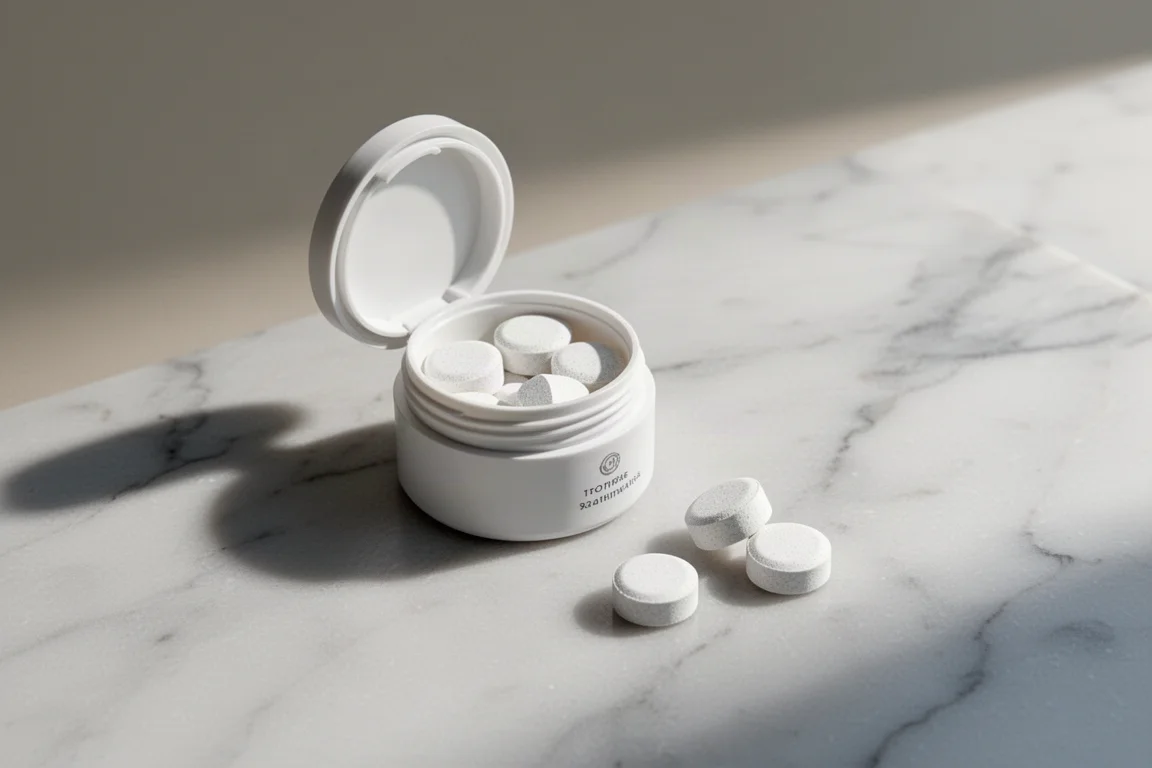
Travel toothpaste tubes are awkward on trail. They leak, they freeze, and you inevitably carry more than you need. Toothpaste tabs solve all three problems: they keep breath fresh, they do not freeze when it is cold, and you can pack exactly the number a trip requires.
That precision matters on long routes. When resupply points are far apart and logistics are tight, knowing precisely how much oral care to carry makes planning simpler and removes a small but real annoyance from the daily routine.
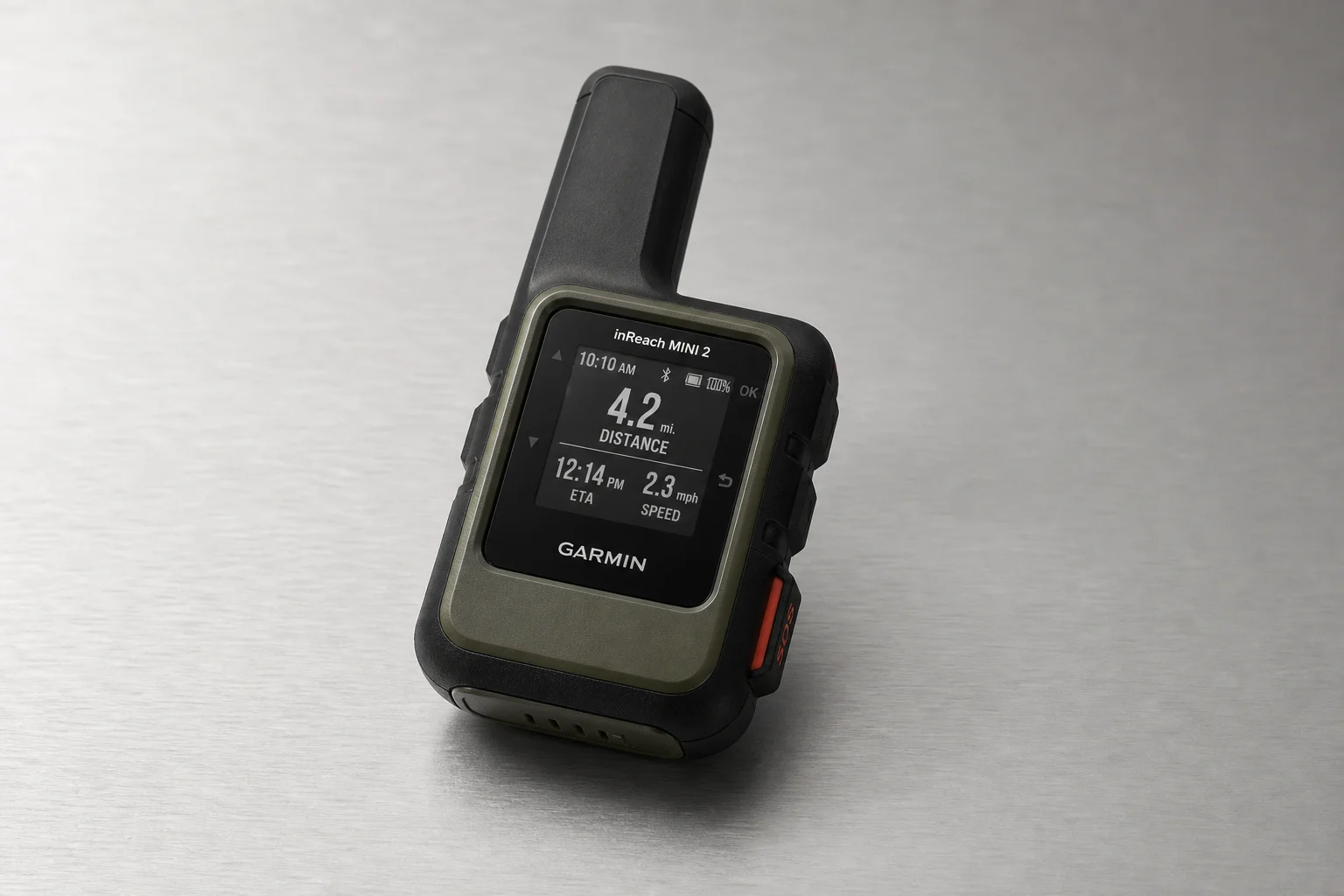
Garmin inReach: Communication Beyond Cell Coverage
Satellite messengers have been standard safety equipment in remote Canadian wilderness work for years, where they were used to coordinate with helicopters, arrange pickups, and stay in contact with other crews in places with no other means of communication.
For personal trips, the appeal goes well beyond emergency rescue. Being able to check in with family, coordinate with friends who are out of cell reception, and pull live weather while on route changes how a trip is planned, especially in mountain regions where conditions shift quickly.
In practice, the value of a device like the inReach depends on how much time is spent beyond cell coverage. For hikers who rarely leave reliable signal, it is extra weight and one more battery to manage. For anyone travelling in remote terrain, the ability to call for help is difficult to put a price on.
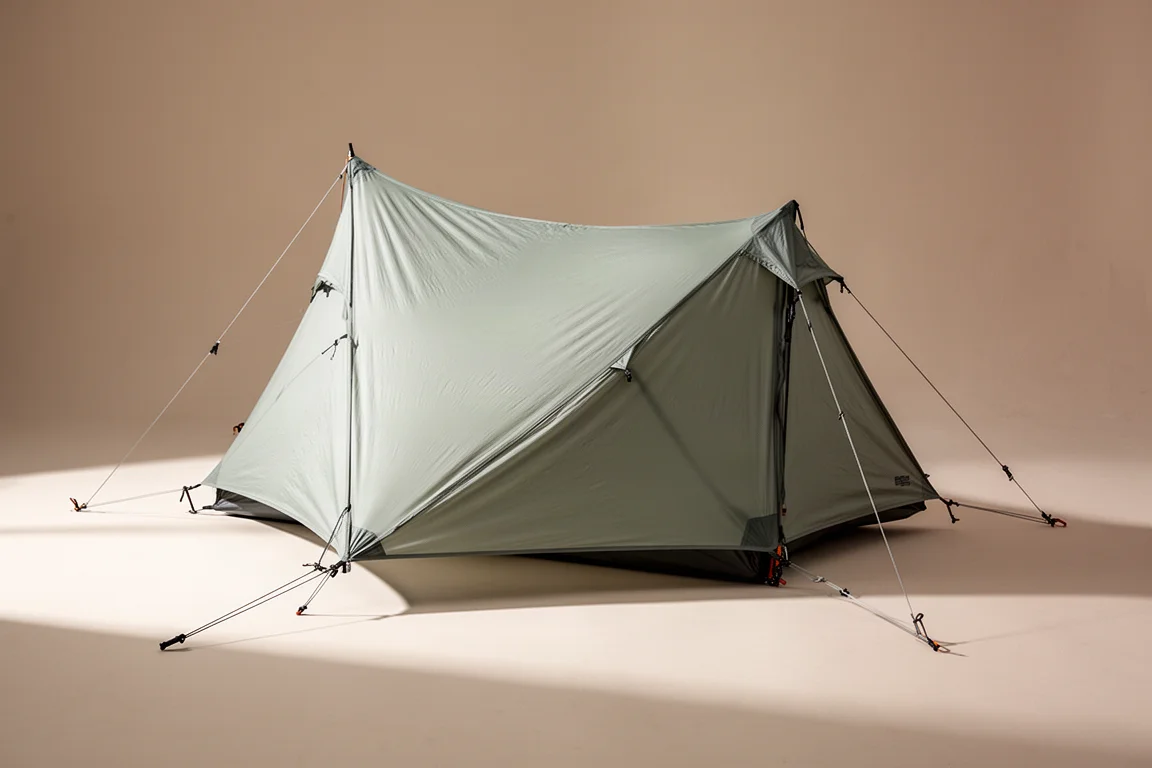
Zpacks Altaplex: Dyneema for Long-Distance Thru-Hikes
Dyneema tents look like an expensive indulgence until you spend real time in one. A thru-hike with the Altaplex makes the case convincingly, and the benefits reach well beyond the weight saving.
The fabric does not sag when it rains, so the interior keeps its full volume instead of pressing in on you. It also does not absorb water, which means the tent is not heavier to carry after a wet night, and condensation or rain on the surface wipes off easily. In humid, wet conditions, those three traits matter more than a handful of grams.
The trade-off is price: Dyneema tents cost hundreds of dollars more than comparable nylon models. The Zpacks tents used on these trips were supplied by the brand, which is worth noting when weighing how the material performs over a long season.
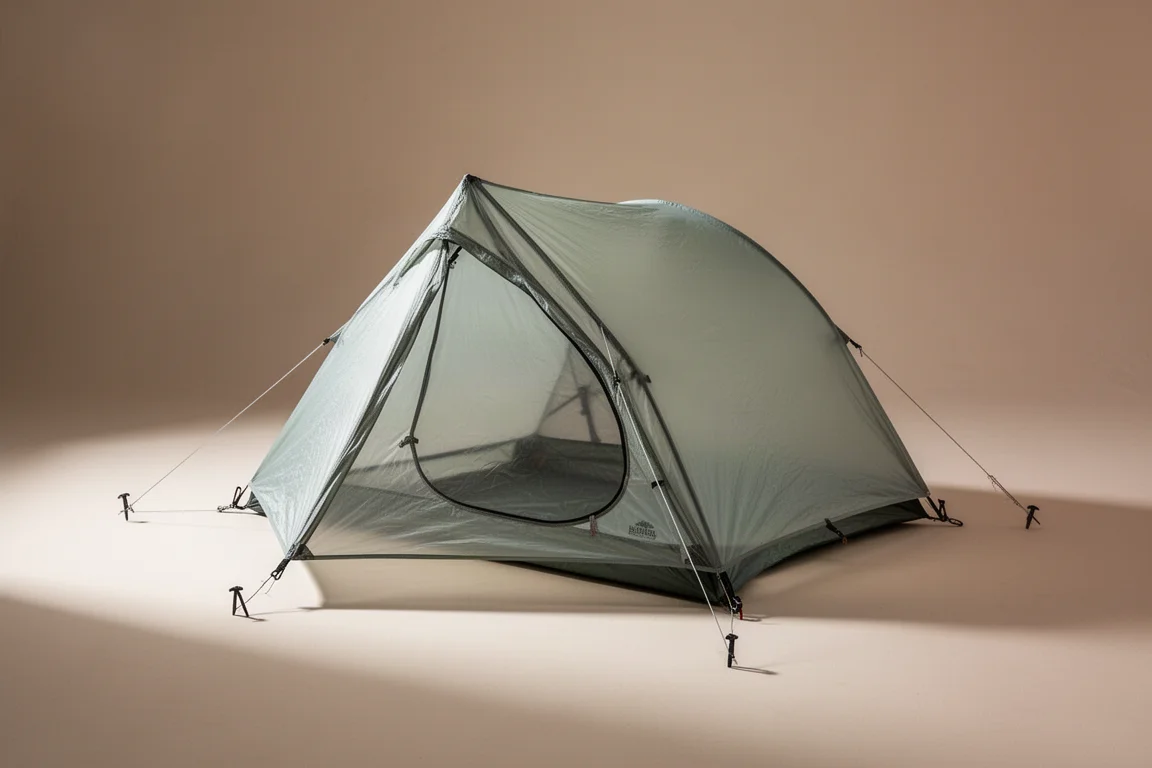
Zpacks Plex Solo: Dyneema Performance Night After Night
Dozens of nights in the Plex Solo confirm the same advantages at a smaller, solo scale: no sagging in rain, no water absorbed into the fabric, and a surface that can be wiped clean when condensation builds up inside.
Knowing how it performs in the field, buying one at full price becomes an easy decision rather than a reluctant one. For hikers who camp often in wet climates, the extra cost buys interior space, drier packing, and a lighter pack at the end of a rainy day.
Overall Buying Advice
The most useful question to ask about any piece of backpacking gear is which problem it solves for you. A pack with forward-set bottle pockets is worth more to someone with limited shoulder mobility than to a hiker who reaches behind without thinking. A quilt suits sleepers who move around at night, while an enclosed bag suits those who sleep still and cold.
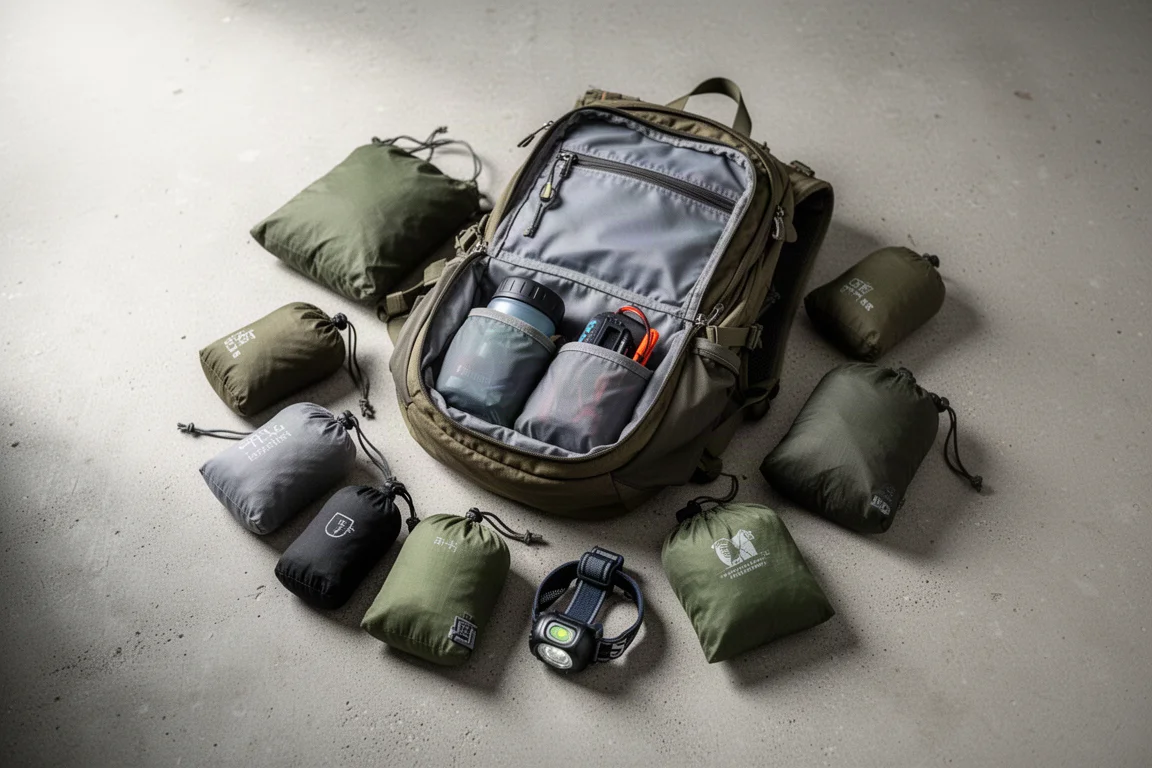
Price is not the same thing as value. The Kelty Trek 100 and the Trekology pillow cost very little and improve daily comfort immediately, while a Dyneema tent and a satellite messenger cost considerably more and pay off in wet weather and remote terrain. Buying the inexpensive items first is often the fastest way to make trips more comfortable, and saving for the expensive ones makes sense once your trips genuinely call for them.
Watch for sales on packs and jackets, choose footwear by fit and cushioning rather than reputation alone, and think honestly about how much you worry about damaging an item before deciding to carry it somewhere rough.
Conclusion
The ten items here share one quality: each removes a small friction from a backpacking day. Reachable water, untangled sleep, fresh feet, sun protection that lasts for years, a clean tooth routine without a tube, a way to reach help from almost anywhere, and a shelter that stays roomy in the rain. None of them are strictly necessary, and all of them make the next trip better.
Some favorites do not need a specification sheet at all. A bright titanium spoon that keeps food warm when it rides inside a sleeping bag has outlasted plenty of serious gear, and that kind of small, stubborn usefulness is what this list is really about.
Further reading
Related Reviews
Backpacking Gear
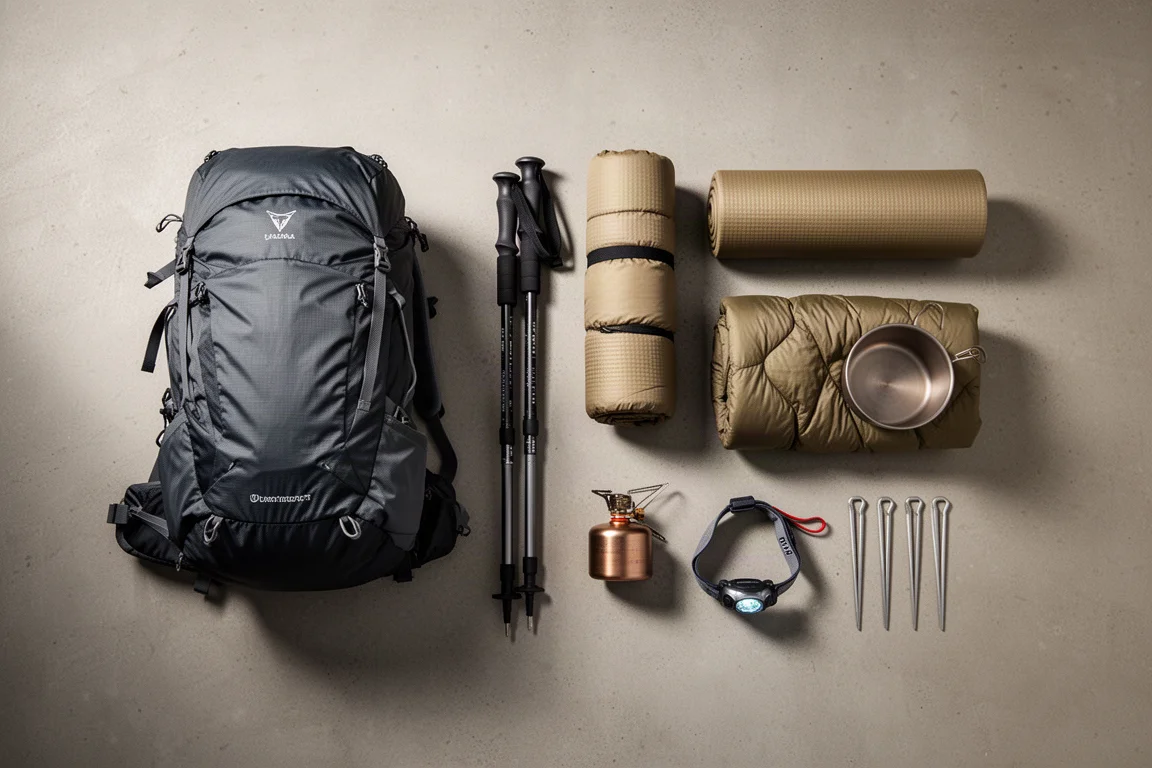
Building a 10 lb Base Weight: An Ultralight Backpacking Gear List
A practical walkthrough of the ultralight pieces behind a 10 lb base weight, from a 765 g pack and a roomy one-person tent to a full camp chair and a dependable water filter.
Backpacking Gear
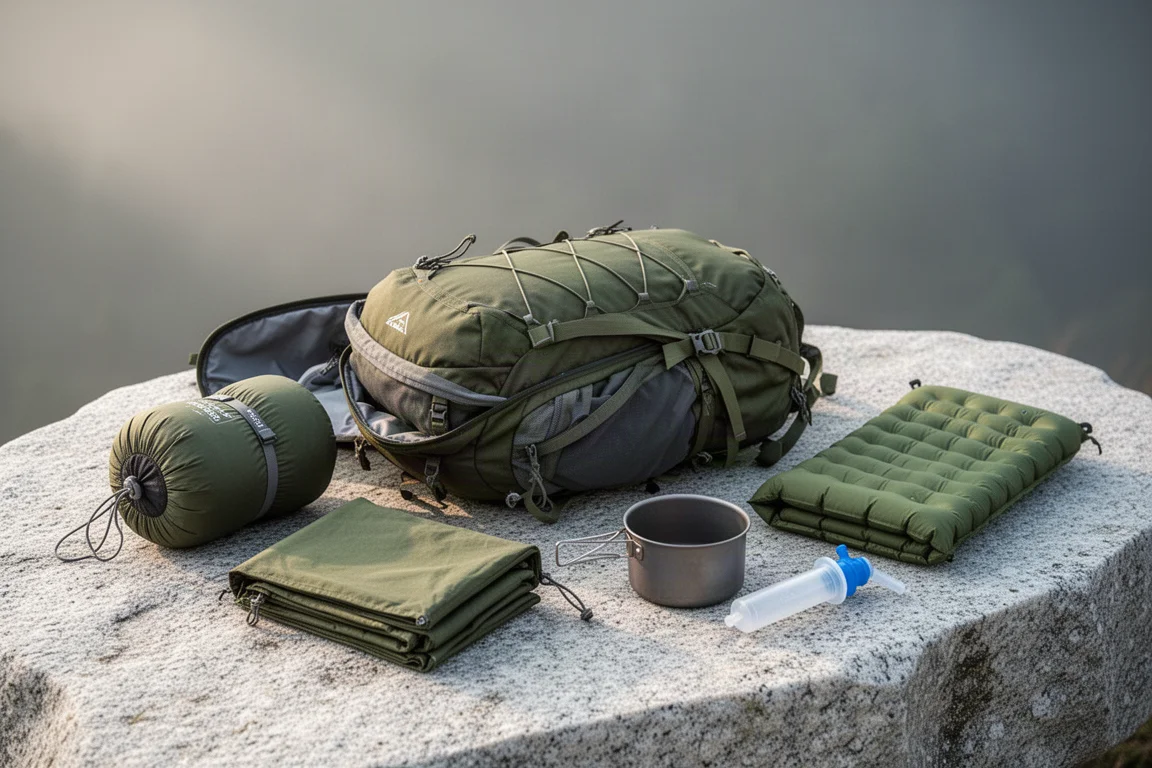
A 15-Pound Lightweight Backpacking Gear List for Solo Trips
A beginner-friendly 15-pound backpacking setup built from easy-to-find gear, with notes on what each piece does, how it packs, and where to spend your attention.
Backpacking Gear
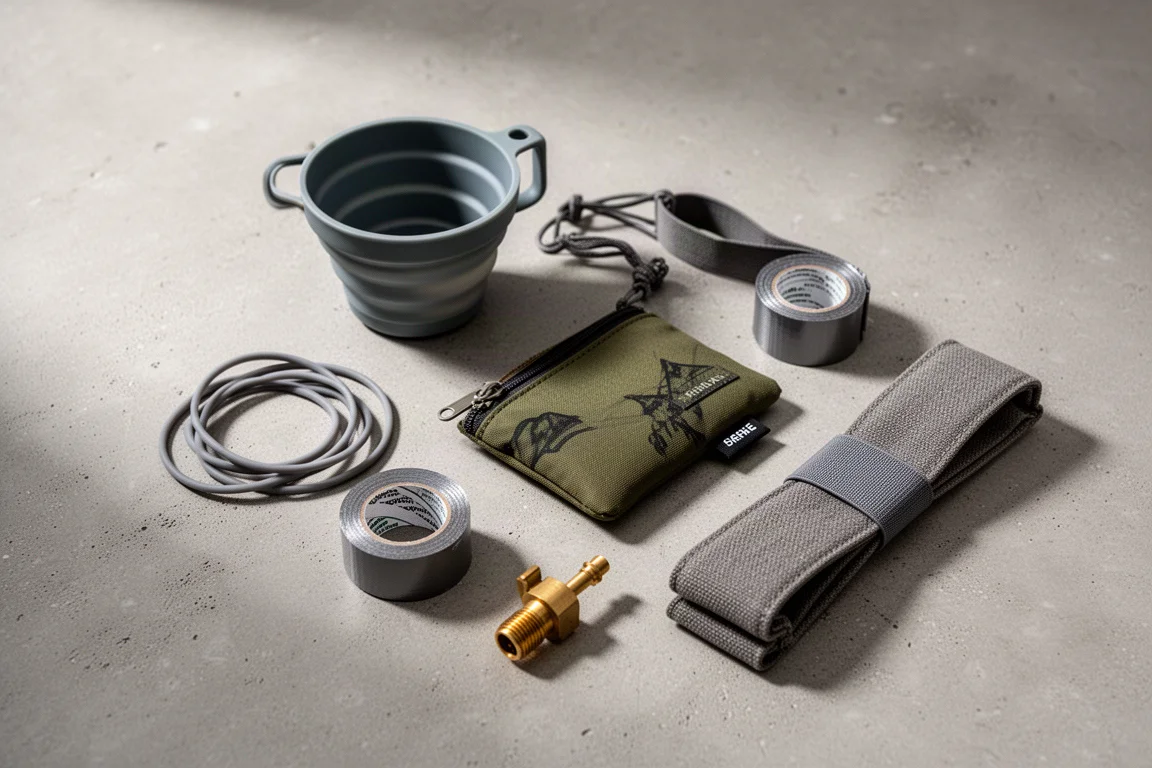
8 Ultralight Backpacking Gear Upgrades Worth Carrying
Eight small, affordable backpacking upgrades that solve real trail annoyances, from a pillow that stays put to a fuel valve that rescues leftover canister gas.