Backpacking Gear
Best Backpacking Gear: The Big Three, Premium Picks and Value Alternatives
A practical breakdown of backpacking's big three, the pack, the sleep system, and the shelter, with premium picks and lower-cost alternatives that hold up on real trips.
Introduction
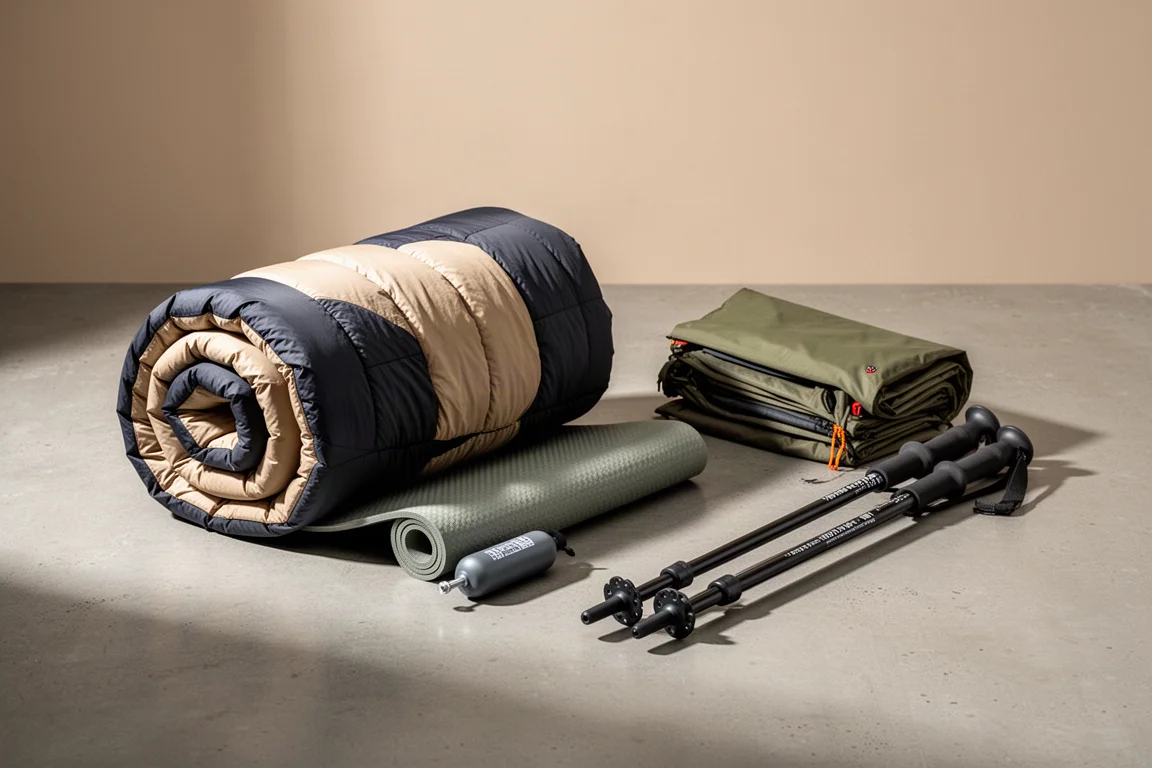
Backpacking gear has become genuinely expensive. Prices have climbed to the point where assembling a full kit can feel like a serious financial commitment, and the largest share of that cost lands in three places: the backpack, the sleep system, and the shelter. Sort those out and most of what remains is small add-ons.
This guide covers both ends of that decision. For each part of the big three, there is a premium pick that represents the best of the best, and a lower-cost alternative that has proven itself over multiple backpacking trips across several years. One item in the value column is newer and has only two trips behind it so far, and that is flagged where it appears. There is also one very inexpensive addition that handles trip planning.
Prices move around, so treat the figures here as a snapshot. The trade-off they describe does not move much: lighter, more comfortable, and more durable gear costs more, and the value picks make that trade in a way that still holds up season after season.
Why the Big Three Come First
The backpack, the sleep system, and the shelter carry the bulk of the expense in any backpacking kit, and they also decide how a trip actually feels. A pack that carries well makes long days easier, a sleep system that keeps you warm decides whether you recover overnight, and a shelter decides how much you enjoy camp when the weather turns.
Everything else in the kit, the stove, the filter, layers, and small accessories, is comparatively cheap to swap or upgrade later. That is why this guide stays focused on the big three.
Premium Backpack Pick: Zpacks Arc Haul Ultra
The Arc Haul Ultra is the expensive backpack on this list, and it justifies the cost in daily use. It comes in 40, 50, 60, and 70 litre versions, and every one of those sizes is priced the same. The weight difference between the smallest 40L and the largest 70L is just 1.2 oz, which makes the 70L the obvious choice: it swallows extra food, winter layers, or a short overnighter load without any real penalty.
Comfort is where this pack separates itself. It carries well over long distances, it has proven durable over years of use, and it is the most comfortable backpack we have used.
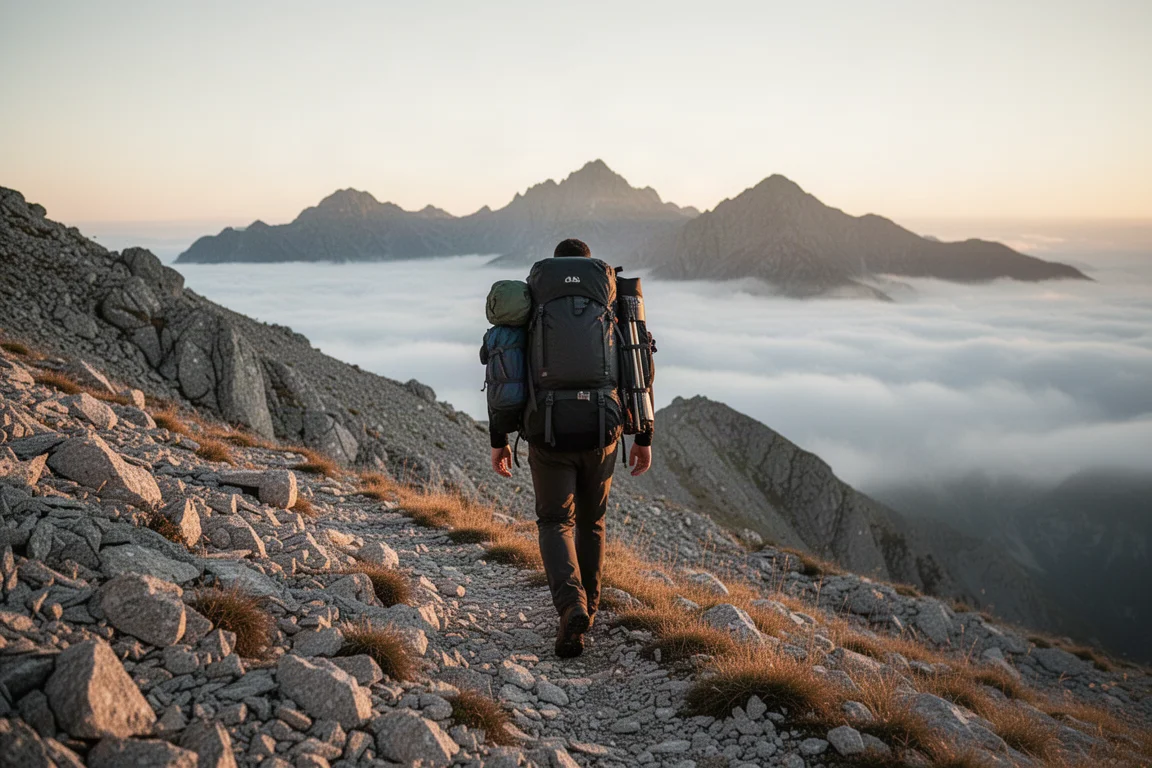
If price is the deciding factor, the value pick below does the job for half the money. If comfort over long miles is the priority and the budget allows it, this is the pack to buy, at around $400.
Value Backpack Pick: Outdoor Vitals Shadowlight Ultralight
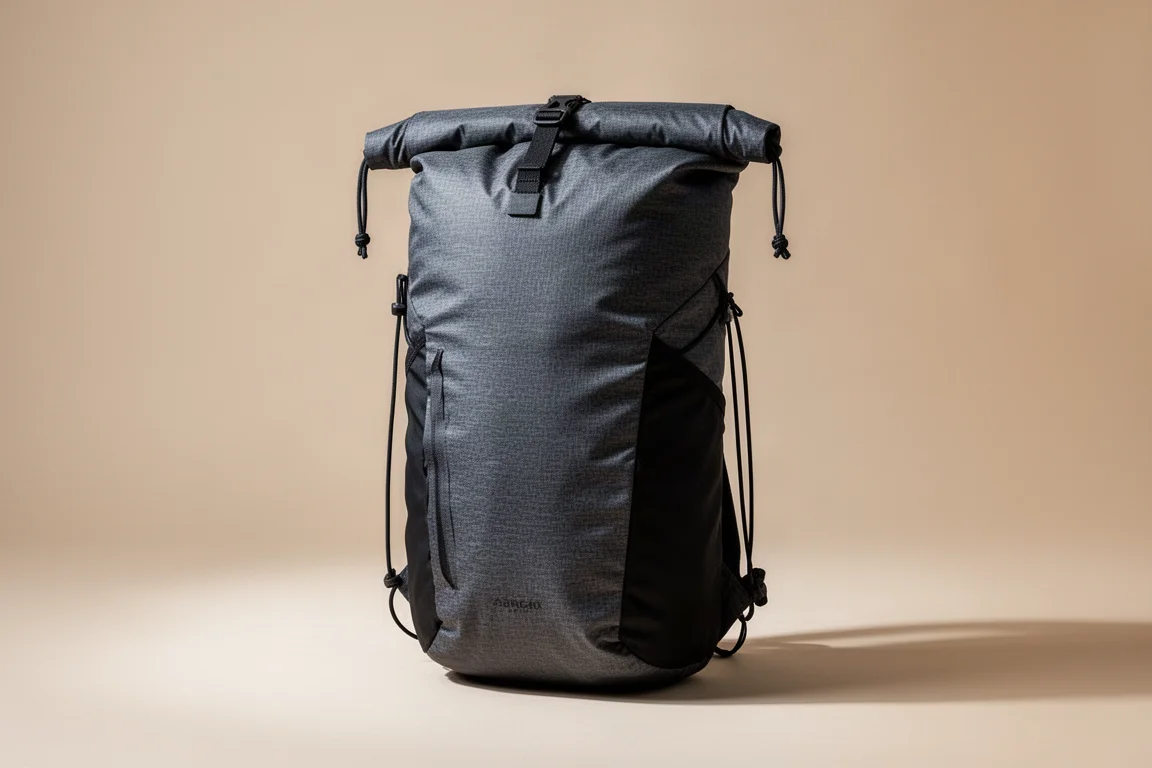
The Shadowlight Ultralight sells for roughly half the price of the premium pick, at $209. It weighs a little more, but not by much, and it has been used on multiple backpacking trips over the past couple of years.
The 60 litre version is the one to get, and torso sizing is what the tall option refers to. A zip down the middle of the pack gives access to the bottom without opening the top lid, and there are plenty of extra pockets for anyone who likes to keep kit organised. It is comfortable, and it can carry about as much weight as the more expensive pack, or possibly more.
Two hundred dollars is not a rock-bottom price for a backpack, but finding something cheaper that lasts as long is a genuine challenge.
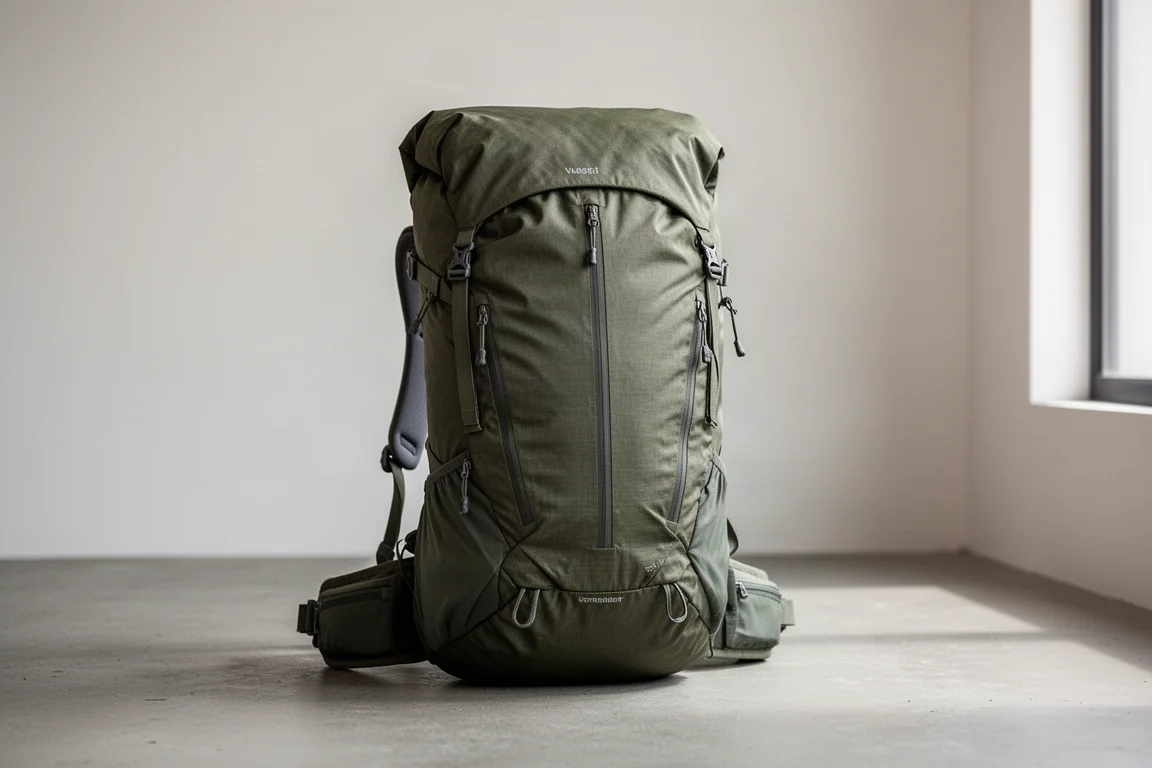
Trip Planning Worth Paying For: onX Backcountry
This is the cheapest item in the entire kit, and it is the one that shapes a trip before you leave the house. The app handles trail selection, navigation on the trail, campsite and water source discovery, and weather for the whole area you plan to cover. An annual subscription works out to about $23 with the discount that is currently offered.
The Elite tier adds public and private land boundaries, which matters if you want to be certain you are camping where you are supposed to be. Recent updates also extend the app beyond backpacking, with features aimed at mountain bikers, skiers, and climbers.
Premium Sleep System: Zenbivy Ultralite Quilt
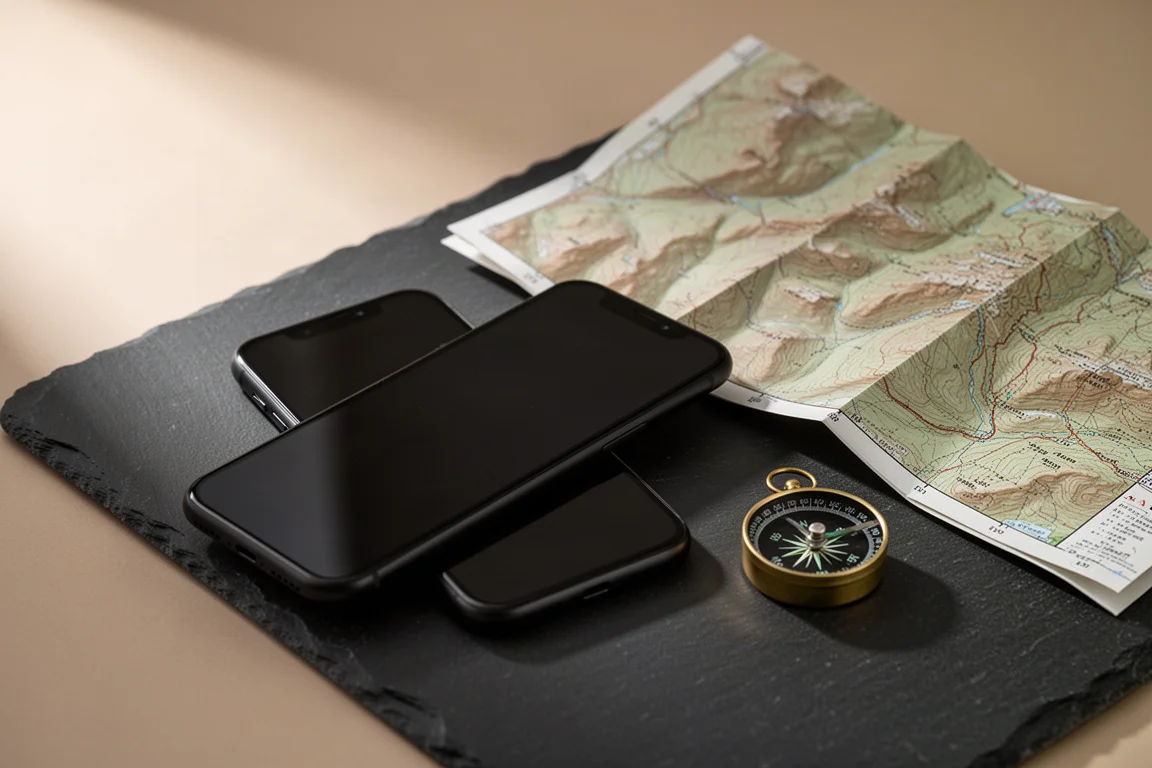
This is the closest thing to sleeping in your own bed at home, and it is priced accordingly. The quilt has to be bought as a set with the matching sheet to behave the way it is designed to: the sheet clamps onto the quilt in a way that keeps drafts out when you roll around, without the feeling of being restricted.
Choose the 10°F version. Its comfort rating lands closer to 20°F, possibly 25°F, which covers almost everything most backpackers will meet in a season. Prices run from $409 for the 25°F quilt to $579 for the 10°F quilt, and that is the quilt alone; the sheet and the insulated hood are extra. If you only want a quilt and not the full system, this is not the right purchase, and the Outdoor Vitals quilt below covers that case for far less.
Zenbivy Ultralight Mattress
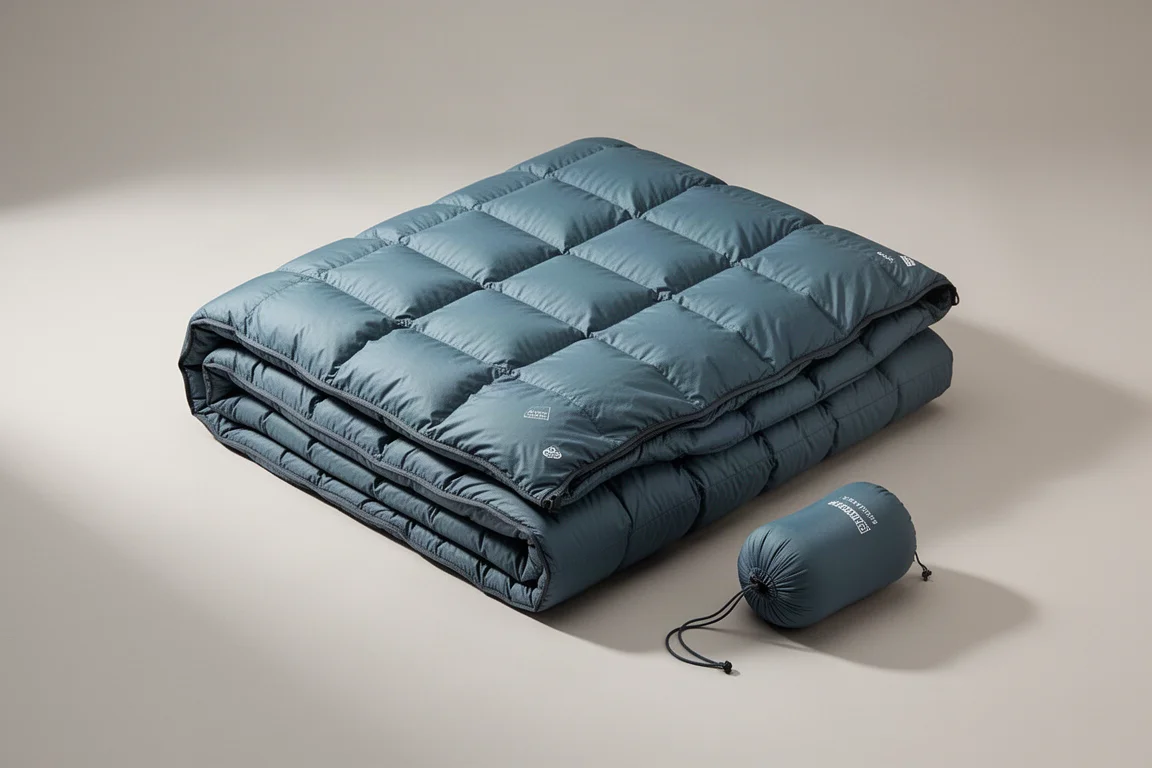
The matching mattress costs $189, or about $200 for the wider version, and it carries an R5 insulation rating. It is very comfortable, with one caveat: it needs to be inflated firmly. Underinflated, hips can reach the ground, so there is not much leeway in how much air you leave in it. The longer version was out of stock at the time of writing.
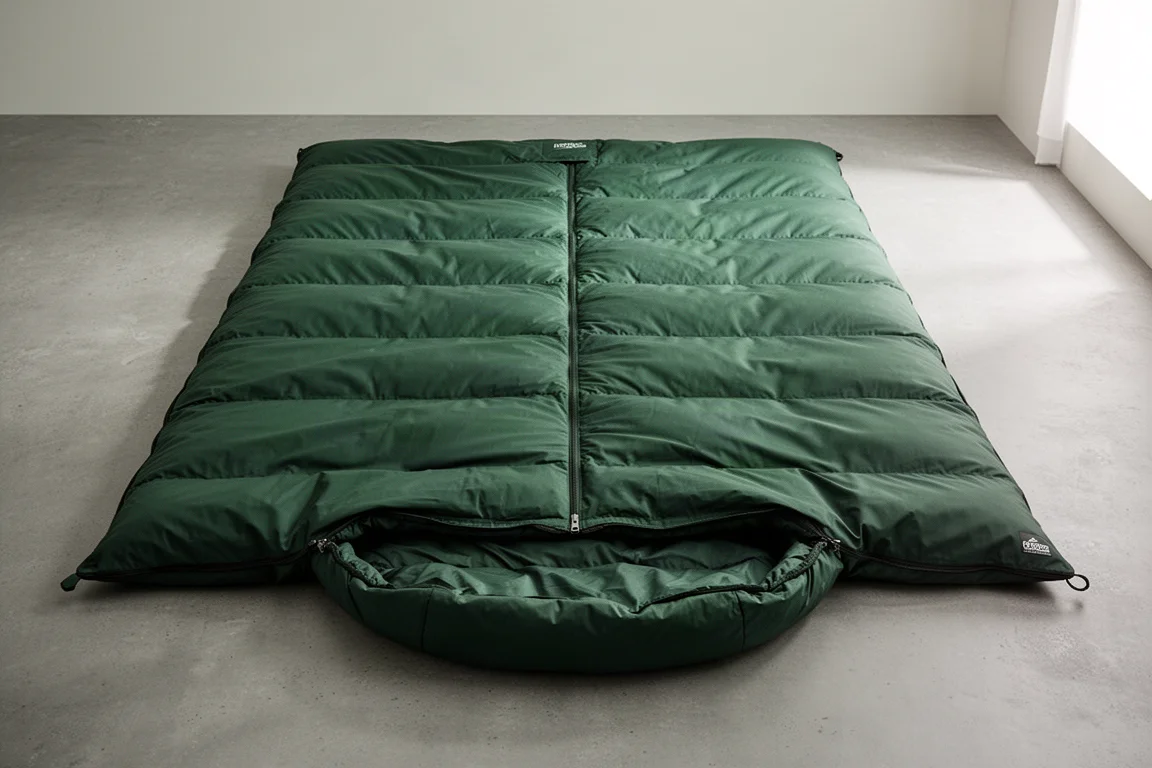
Value Quilt Pick: Outdoor Vitals StormLoft Down Top Quilt
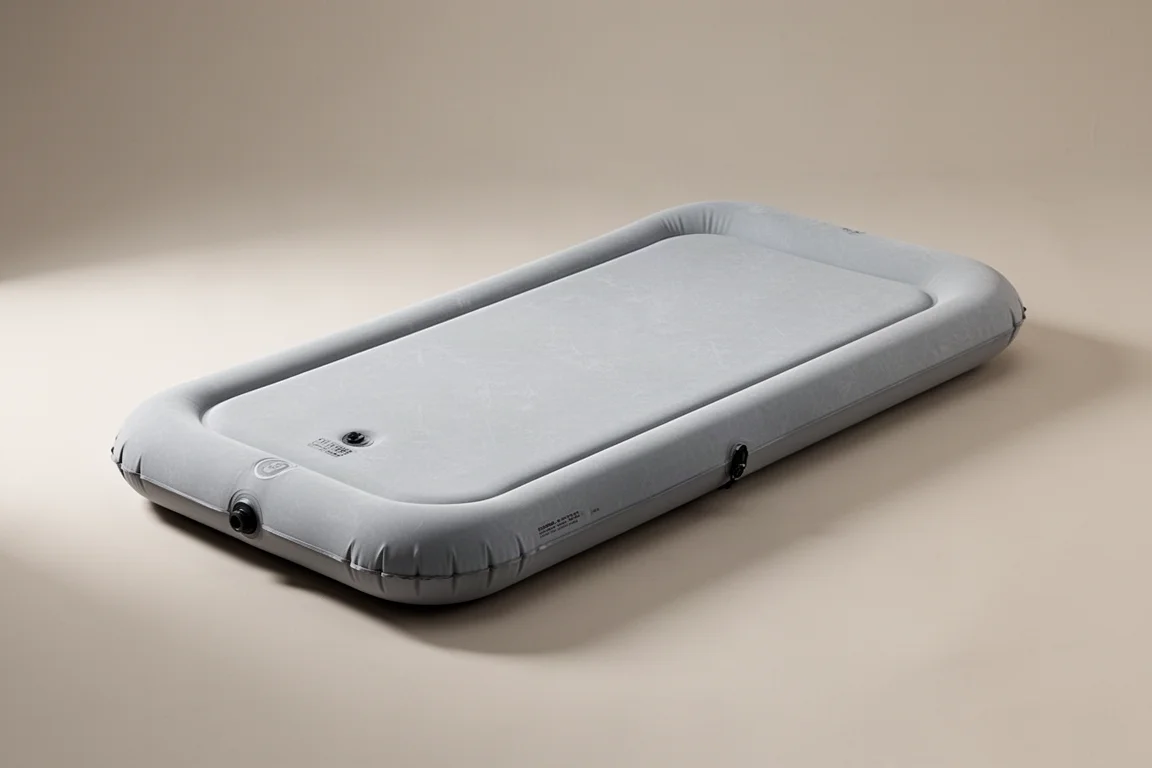
At $329 for the 15°F version, this quilt costs roughly half of the Zenbivy setup, and it is the pick for anyone who wants a single quilt rather than a full system. The 0°F version costs more and is not the one to buy here.
There is no sheet and no insulated hood, which is fine: you wear your puffy jacket and use your hood instead. The quilt is wide when it is strapped down, it does not pull up when you roll over, and it has not produced a cold draft when strapped correctly. The one annoyance is a cord that runs across the middle of the quilt, which can end up on your face when you lie on your back.
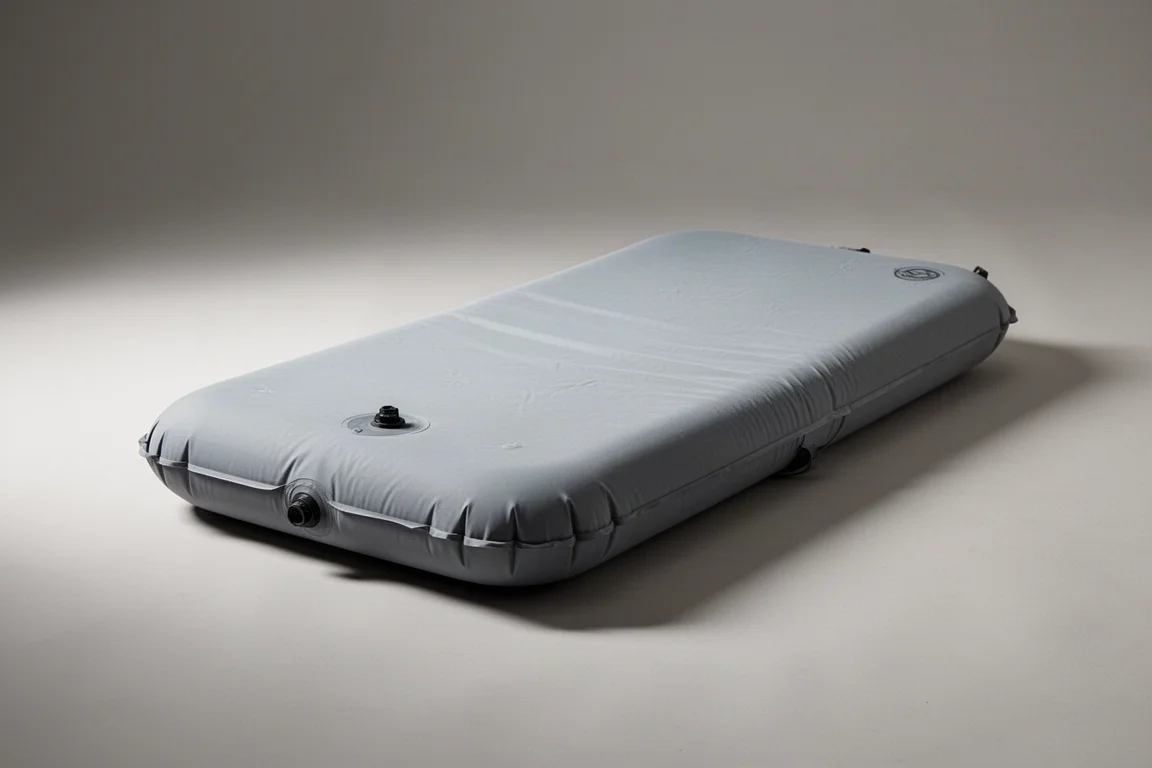
Value Mattress Pick: Flextail Zero Mattress
At $140 for the 25-inch wide regular version, this is an R5-rated pad that can be used through every season, including on snow. Bundle it with the Zero Pump and the total comes to $164, which is remarkable given that the pump alone costs about $50.
The pad is comfortable, and its side walls are raised just slightly, so it feels wider than it measures. The one oddity is the valve, which sits on the bottom of the pad by design. It causes no problems in normal use, but it makes letting out or adding air in the middle of the night awkward. The long-term picture is still open: this pad has been used on two backpacking trips so far.
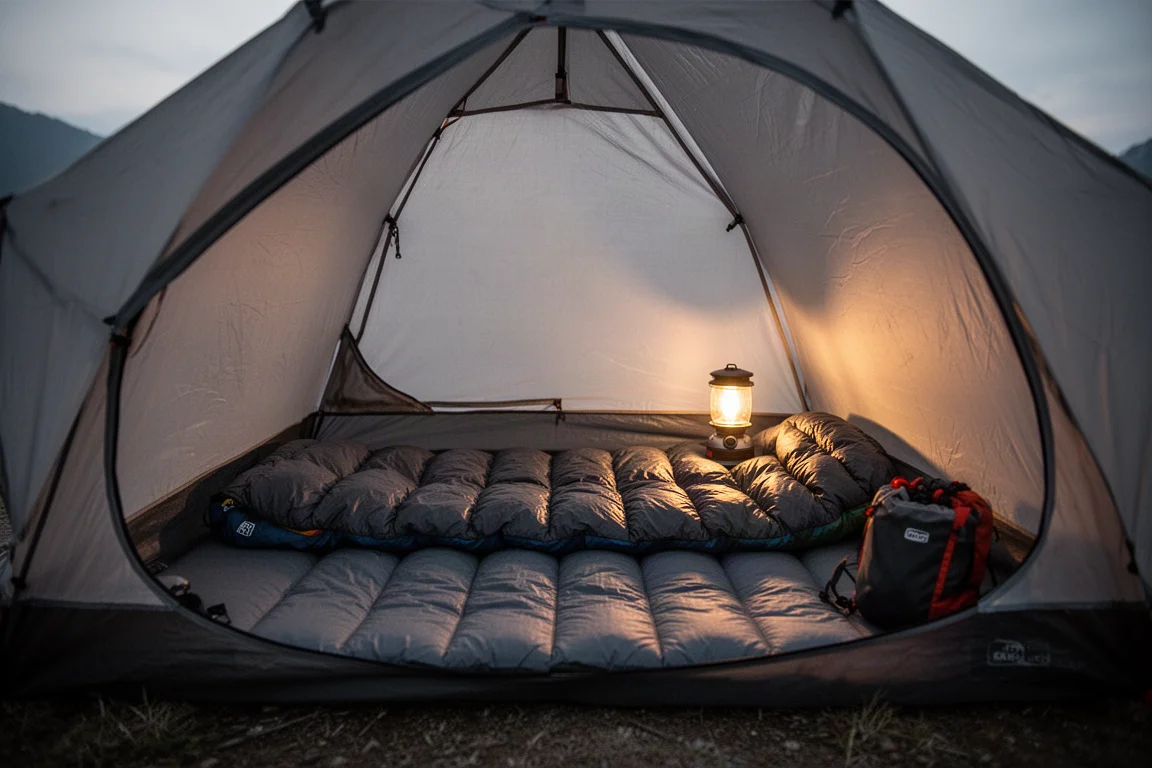
For anyone who wants one pad for every season, the combination of an R5 rating and this price is the strongest value argument on this list. Plan on topping it up before you settle in, rather than reaching for the valve at two in the morning.
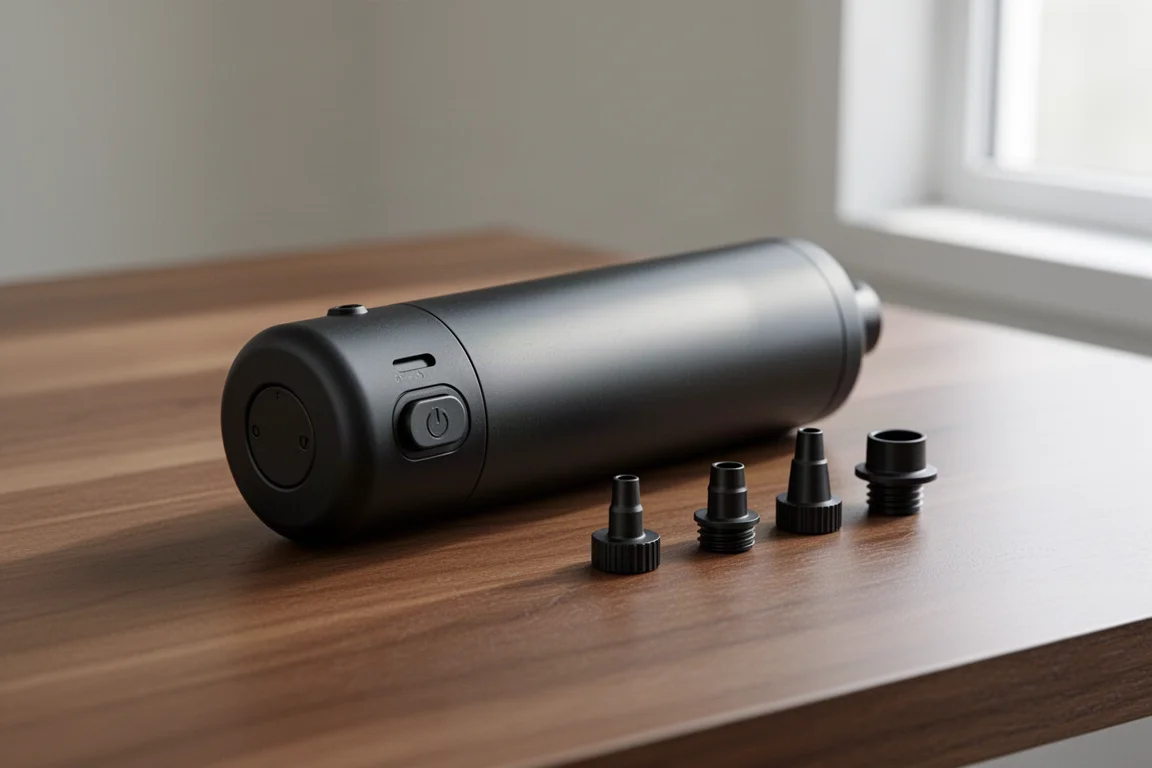
Flextail Zero Pump
The Zero Pump costs about $50 on its own, and it is discounted when bundled with the Zero Mattress. If you are already buying the pad, the bundle is the better deal, and it removes the tedious part of inflating a mattress at the end of a long day.
Premium Shelter Pick: Zpacks Offset Solo Tent
The Offset Solo is a $650 one-person trekking pole tent, and it weighs 17.5 oz, or 496 g. What you get for that money is space: the headroom is enormous for a solo shelter, and it does not feel like a one-person tent once you are inside it.
Pitching is fairly straightforward, though it takes eight stakes. The tent also comes with an extra pole to offset one end, which is a small point of risk since it can be lost or broken, although a stick can stand in if that happens.
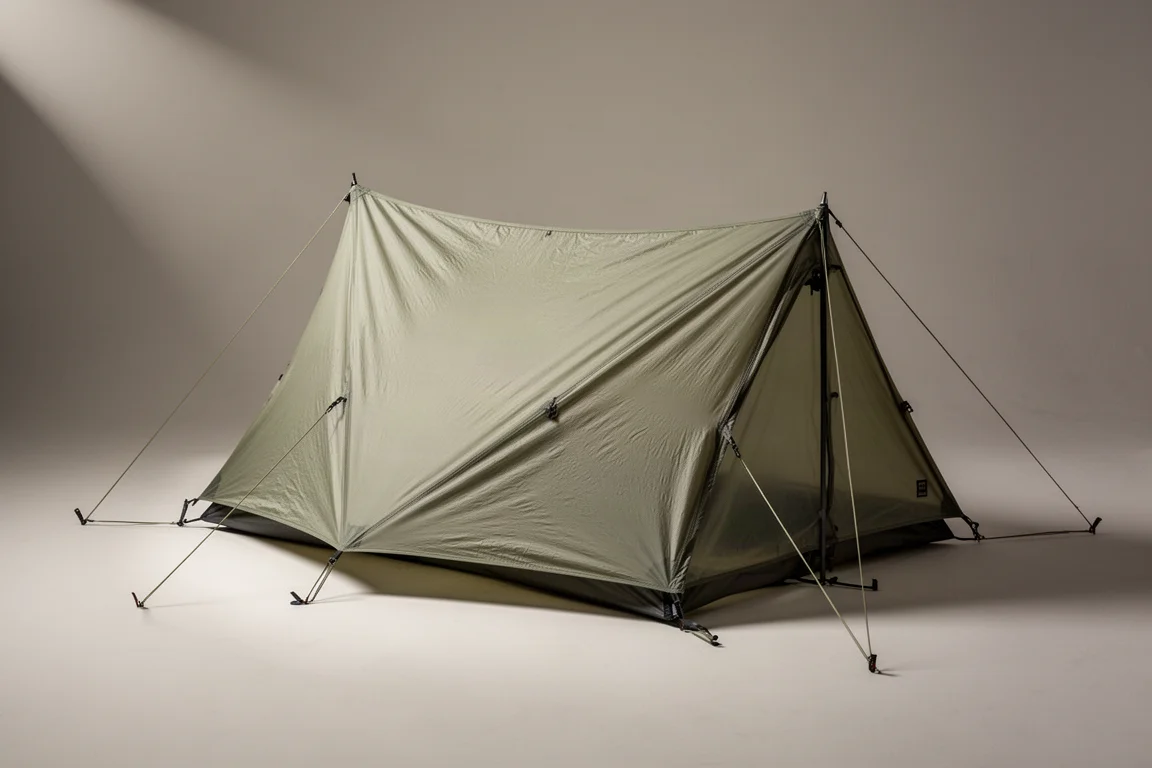
The Wider Option: Zpacks Offset Duo Tent
The Offset Duo is the wider version of the same design, which makes it the sensible step up when one person is not the whole party. It keeps the interior space that makes the solo version stand out and adds room for a second sleeper.
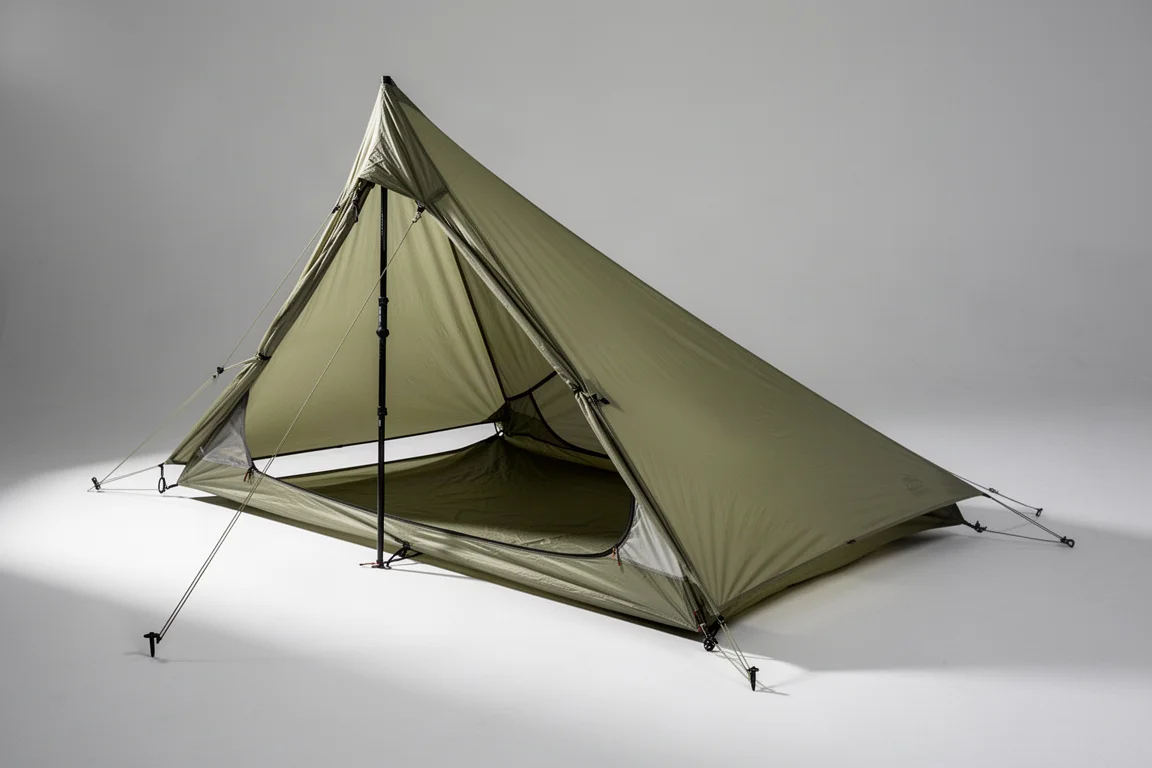
Value Trekking Pole Tent: Durston X-Mid 1P
At $234, the X-Mid 1P is the best inexpensive trekking pole tent you can buy. It is a little heavier than the premium options, and the interior feels noticeably narrower once you are lying in it, which is worth knowing if you dislike confined spaces. It fits a 25-inch wide pad, and the headroom is good without being generous.
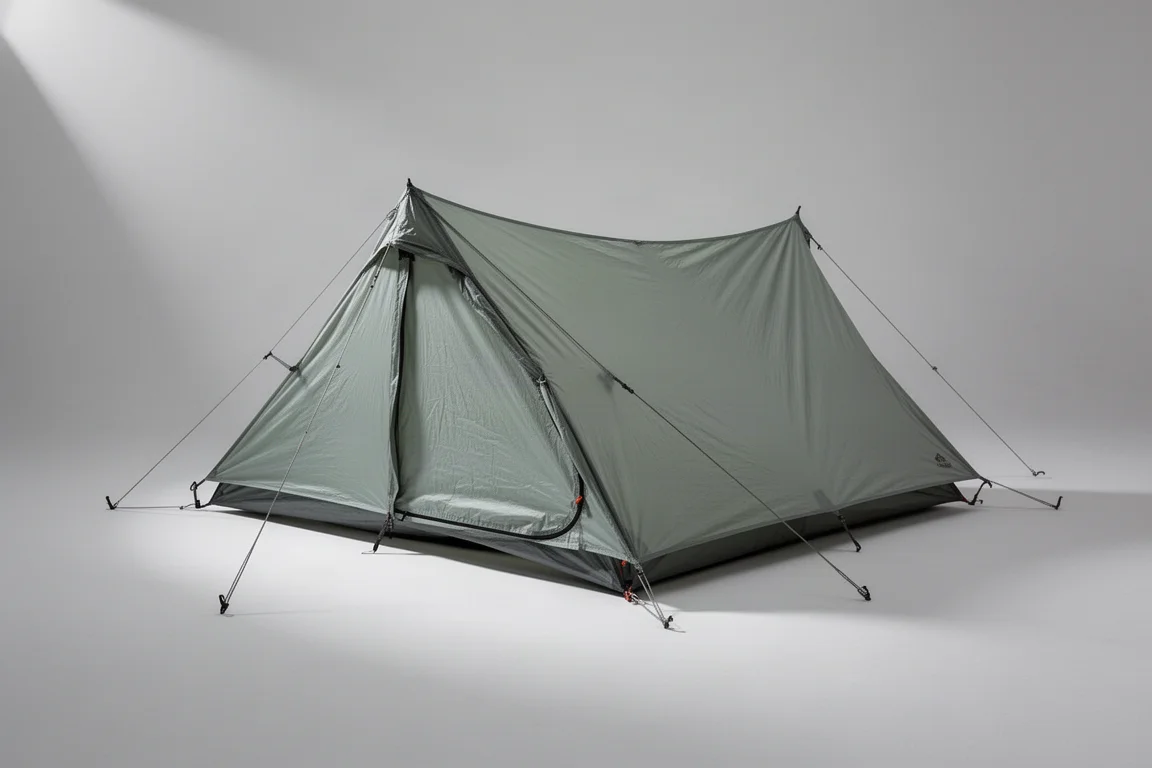
The Lighter Durston Option: X-Mid Pro
The X-Mid Pro is the other trekking pole tent that belongs in this conversation, and it is a fantastic shelter that is probably just as capable as the Offset Solo. The difference comes down to headroom: the Offset Solo has a great deal more of it. If a tighter interior does not bother you, the Pro is a strong alternative.
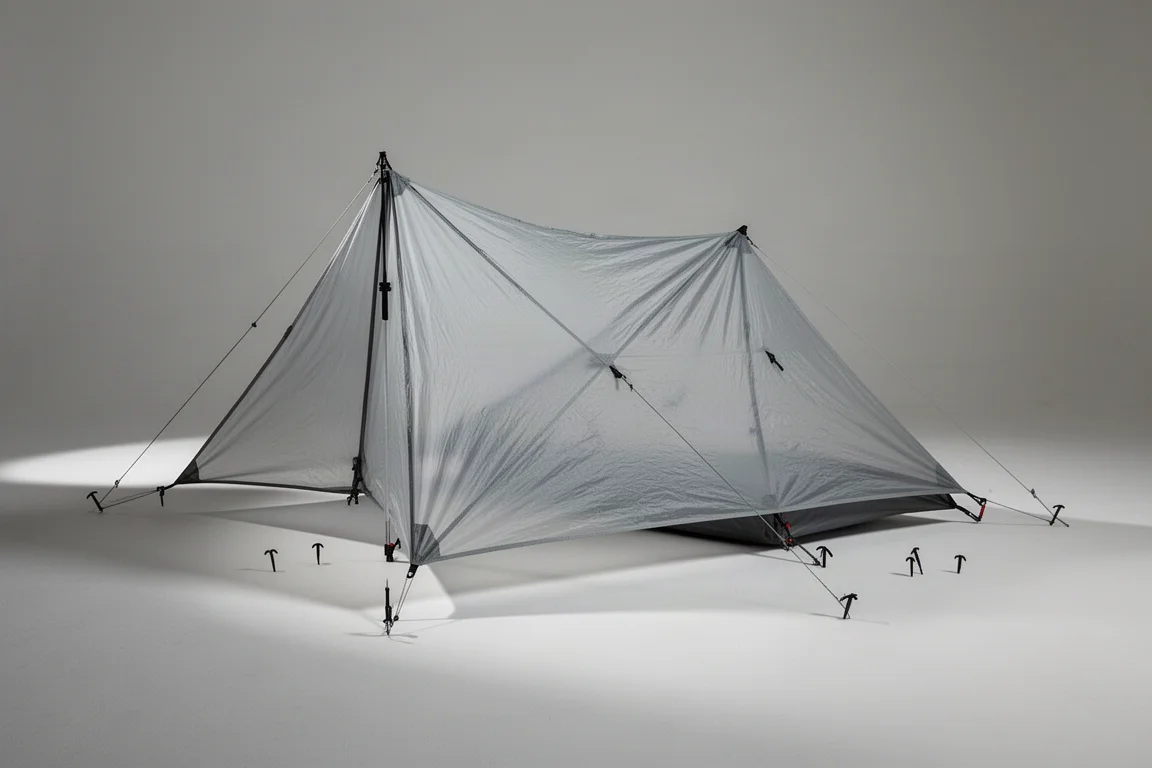
Premium Freestanding Tent: Nemo Hornet Elite OSMO 2P
For anyone who does not carry trekking poles, this is the premium freestanding option. The OSMO version is the updated model. Get the two-person version: the one-person saves about $100 but is skinny, and at around $550 the two-person is the better purchase.
The footprint is small, the headroom is decent rather than generous, and you get two vestibules plus plenty of room inside. It weighs just barely 2 lb with its poles. For perspective, most trekking poles weigh 8 oz each or more, so the 16 oz of poles you would otherwise carry puts this tent in the same weight class as the 17.5 oz Offset Solo.
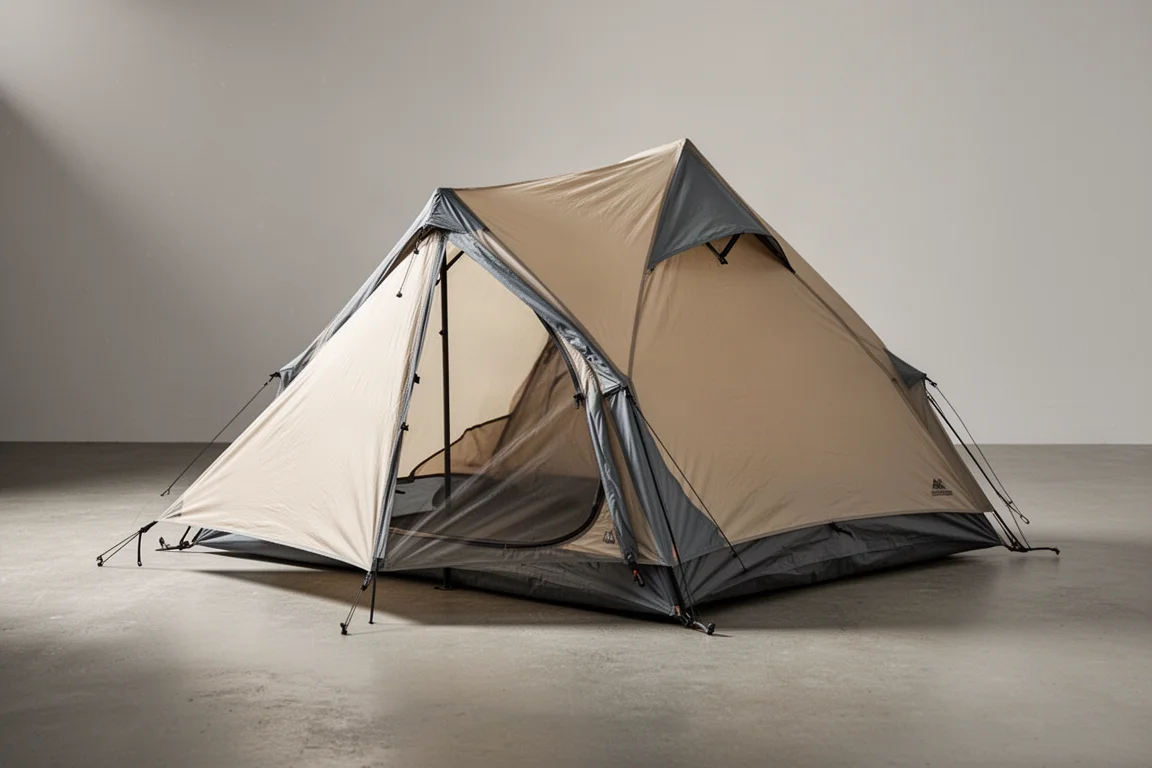
Value Freestanding Tent: Peregrine Bryce 1P
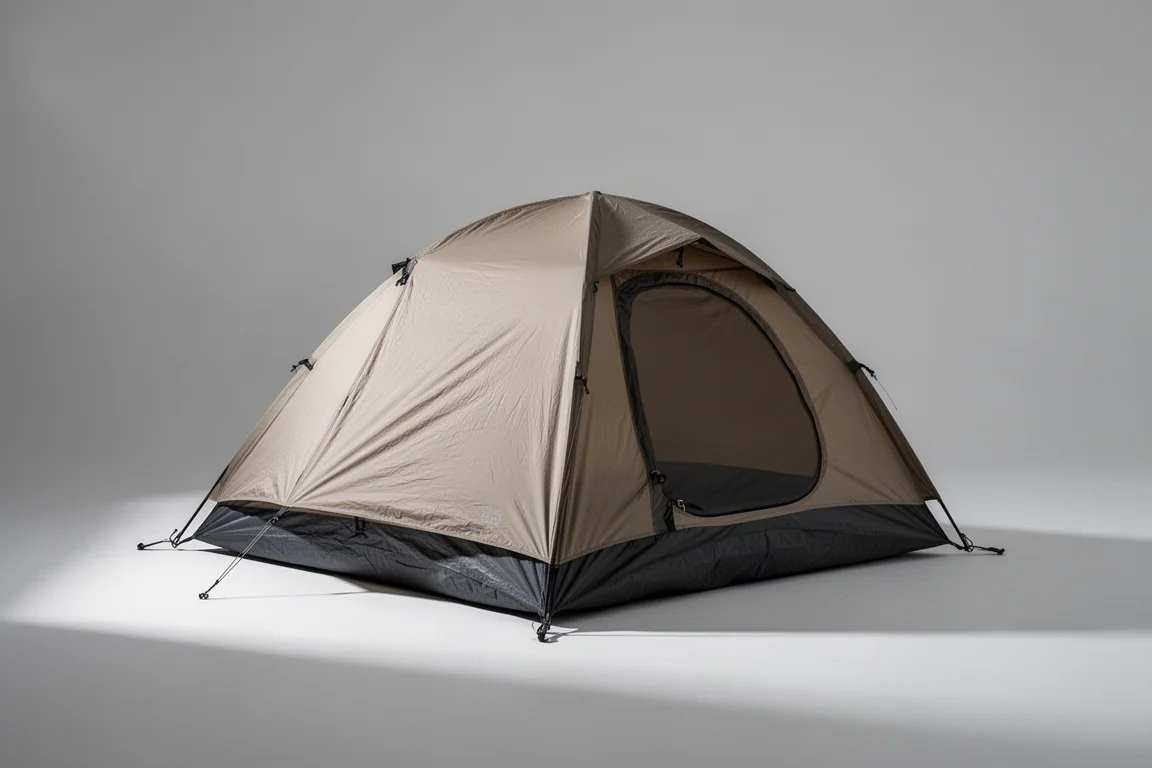
The Bryce 1P is a fully freestanding tent for $160, and it can be brought down to just under 3 lb. It has been used on more backpacking trips than any other shelter here, and the interior feels closer to a one-and-a-half person tent than a solo one, with a footprint that is not unreasonable.
The trade-offs are weight and access. It is heavier than the premium picks, and the single door sits at the head end of the tent, so getting out in the middle of the night means climbing over the spot where your pillow is. For $160, that is a fair exchange.
Overall Buying Advice
The gap between the two columns is substantial, and the honest answer is that it comes down to how many nights you will actually spend out there. If you backpack frequently, or you are planning a long thru-hike and putting a serious chunk of your life into it, the premium list is the one-and-done route: gear you will not need to replace, and comfort you will notice every single night.
If you go out a few times a year, or you are just getting into backpacking and want gear that will last for years, the value list is the smarter spend. A handful of weekends a season does not justify the premium column, and a long trail does not reward the cheapest possible kit.
Conclusion
The big three are where backpacking budgets go, and both columns here solve the same three problems at very different prices. The premium picks buy weight savings, interior space, and sleep quality that show up on every trip. The value picks buy most of that performance for roughly half the money, and they have the seasons behind them to prove it.
Pick the column that matches how often you will actually be out there, and spend the difference on the trips themselves.
Further reading
Related Reviews

Backpacking Gear
Building a 10 lb Base Weight: An Ultralight Backpacking Gear List
A practical walkthrough of the ultralight pieces behind a 10 lb base weight, from a 765 g pack and a roomy one-person tent to a full camp chair and a dependable water filter.
Backpacking Gear
A 15-Pound Lightweight Backpacking Gear List for Solo Trips
A beginner-friendly 15-pound backpacking setup built from easy-to-find gear, with notes on what each piece does, how it packs, and where to spend your attention.
Backpacking Gear
8 Ultralight Backpacking Gear Upgrades Worth Carrying
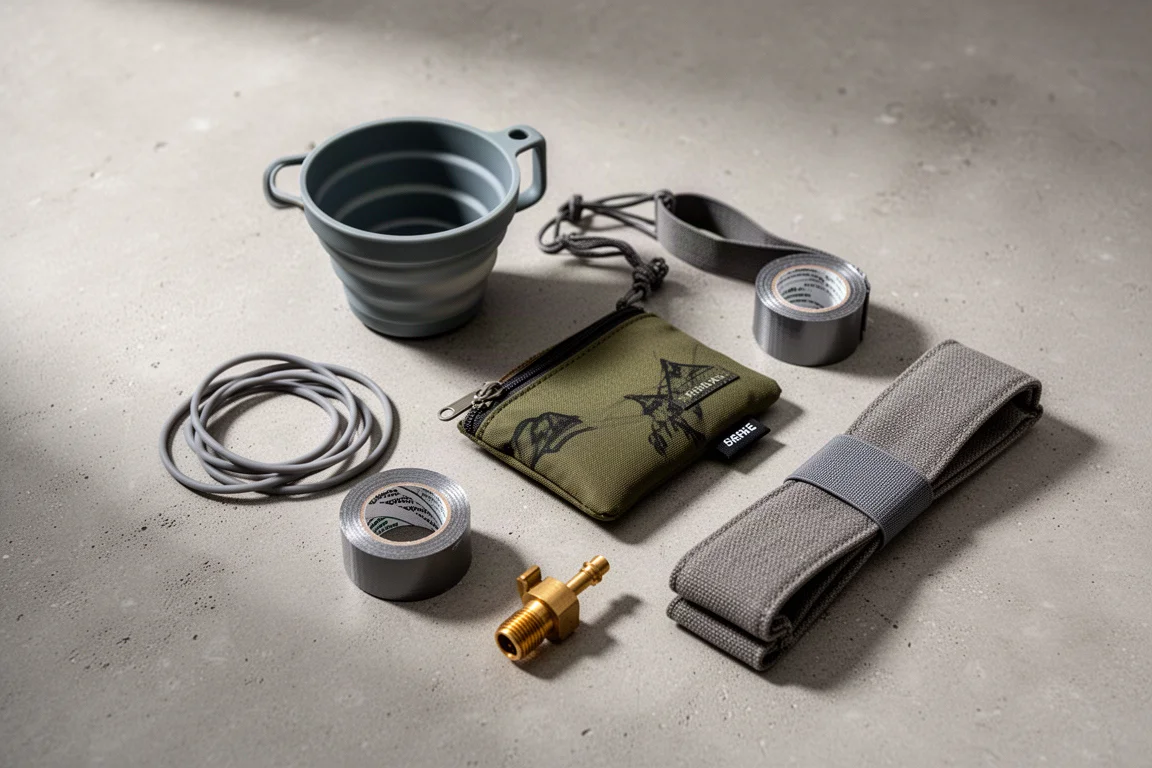
Eight small, affordable backpacking upgrades that solve real trail annoyances, from a pillow that stays put to a fuel valve that rescues leftover canister gas.