Backpacking Gear
Best Backpacking Gear Awards: Standout Picks Across Every Category
A category-by-category roundup of backpacking standouts, from ultralight packs and storm-ready tents to filters, headlamps, and camp comfort picks.
Introduction
Choosing backpacking gear is mostly a matter of matching trade-offs to the trips you actually take. A pack that carries a heavy load comfortably is not the pack you want for a fast overnight, and a shelter that shrugs off a storm is not the shelter you want when every gram counts.
This roundup collects the standouts from a year of testing across cold, rain, and wind. The categories cover the decisions that shape a trip: the pack on your back, the sleep system under and over you, the shelter above you, the kitchen, water treatment, lighting, communication, and the comfort items that quietly decide whether you sleep well.
Every entry below explains what makes the product worth considering and what it asks you to give up in return.
How These Picks Were Chosen
Weight matters, but weight alone rarely decides anything. A pack that saves 400 g and carries badly is simply a worse pack. The same logic applies to sleeping pads, tents, and cook systems: the useful question is what a product does with the weight and the money it costs.
Durability and reliability carry just as much influence. A filter that clogs on day three or a headlamp that buries every mode behind a single button creates problems at the worst possible moment. Gear that held up trip after trip ranked above gear with a better spec sheet.
Price was judged against the rest of the category rather than in isolation. Several picks here earn their place because they deliver most of the performance of far more expensive gear, and a few justify a premium because nothing cheaper comes close.
Each section below covers one category, with the strengths worth knowing and the trade-offs to accept before you buy.
Best Overall Backpack: Durston Kakwa 55 Ultra Grid
The Kakwa 55 in its Ultra Grid build is the rare pack that is genuinely light without charging a premium for it. At $200 and 870 g, it lands in ultralight territory while still offering the capacity and carry of a full-size backpacking pack.
Load carry is the part that surprises people. The pack swallows a serious amount of gear and keeps the weight comfortable, so you are not forced to choose between a light pack and a pack that carries well.
Durability completes the case. The materials and construction are built to survive rough handling and repeated seasons of use. A recent version update adds a lumbar pad to the hip belt, a little more interior capacity, and a lower overall weight.
Best Feature-Rich Backpack: REI Flash 55
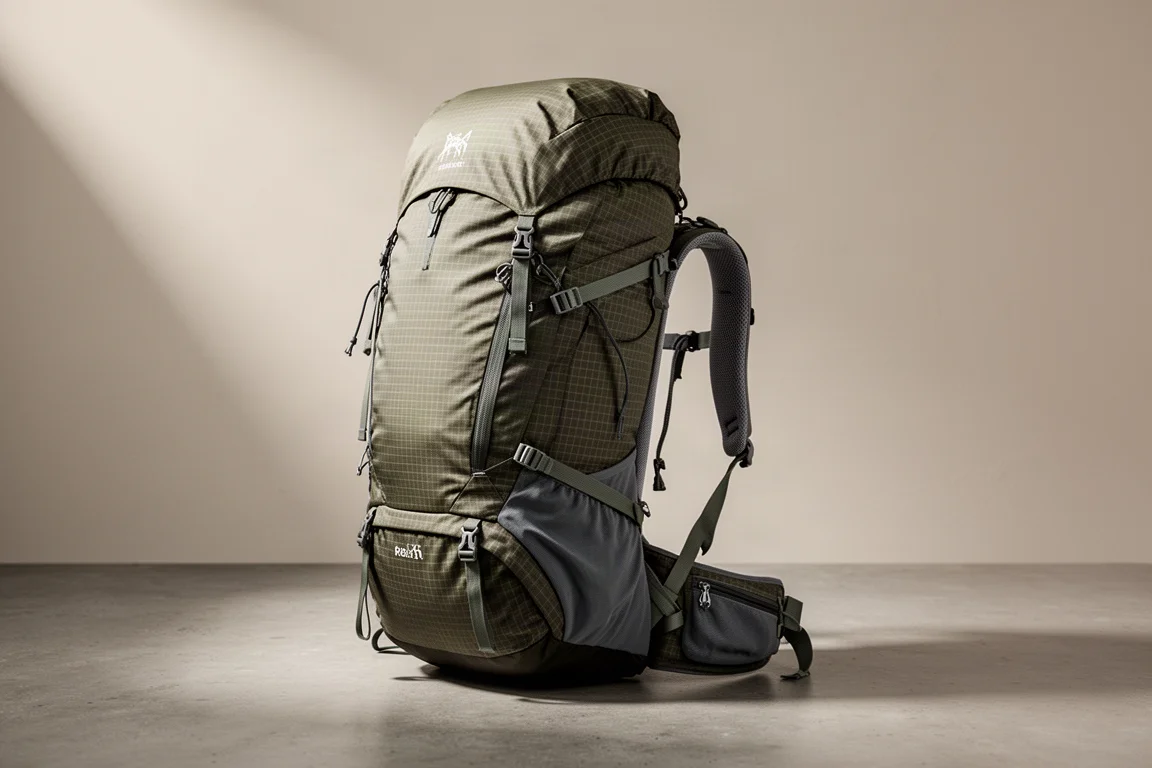
At 1,300 g, the Flash 55 is noticeably heavier than the Kakwa 55, and it earns those grams back through features and load transfer. An adjustable torso lets you dial in the fit, while a burly frame paired with stiff foam pushes weight down onto the hips.
The standout detail is the pair of pockets positioned in front of the side pockets and dedicated to water bottles. You can reach back, grab a bottle, drink, and stow it again without contorting or asking for help, and your side pockets stay free for other gear.
For anyone who regularly carries heavy loads or long resupplies, the combination of an adjustable fit and a stiff frame makes the extra weight easy to justify.
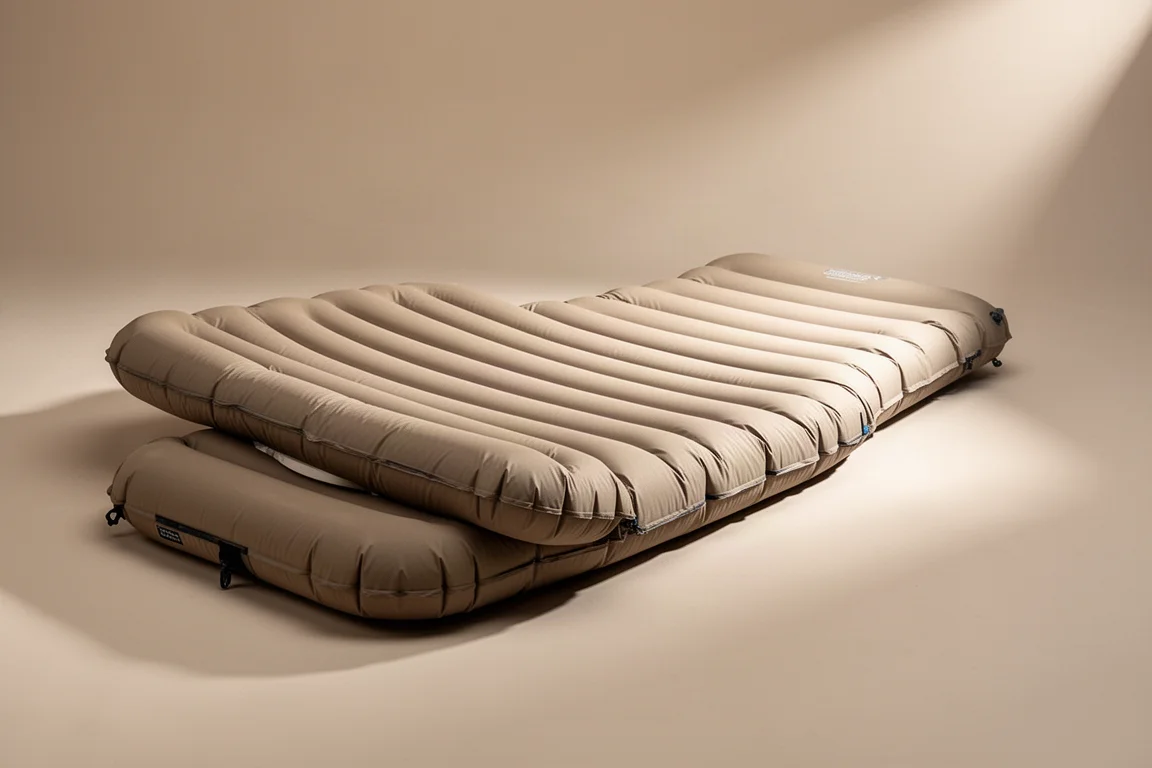
Best Sleeping Pad: Exped MegaMat Ultra
The MegaMat Ultra is the most comfortable sleeping pad in this roundup. It is thick, uses a stretchy top surface, and feels noticeably more supportive under body weight than inflatable pads that behave like a balloon.
Sizing is the second advantage. It is available in a 30-inch wide version, which gives restless sleepers more room and makes the pad feel closer to a bed at home.
Comfort is personal, and some sleepers will prefer a different feel under them. If a thick, supportive pad is the priority, this is the one to start with.
Best Sleep Insulation: ZenBivy Sleep System
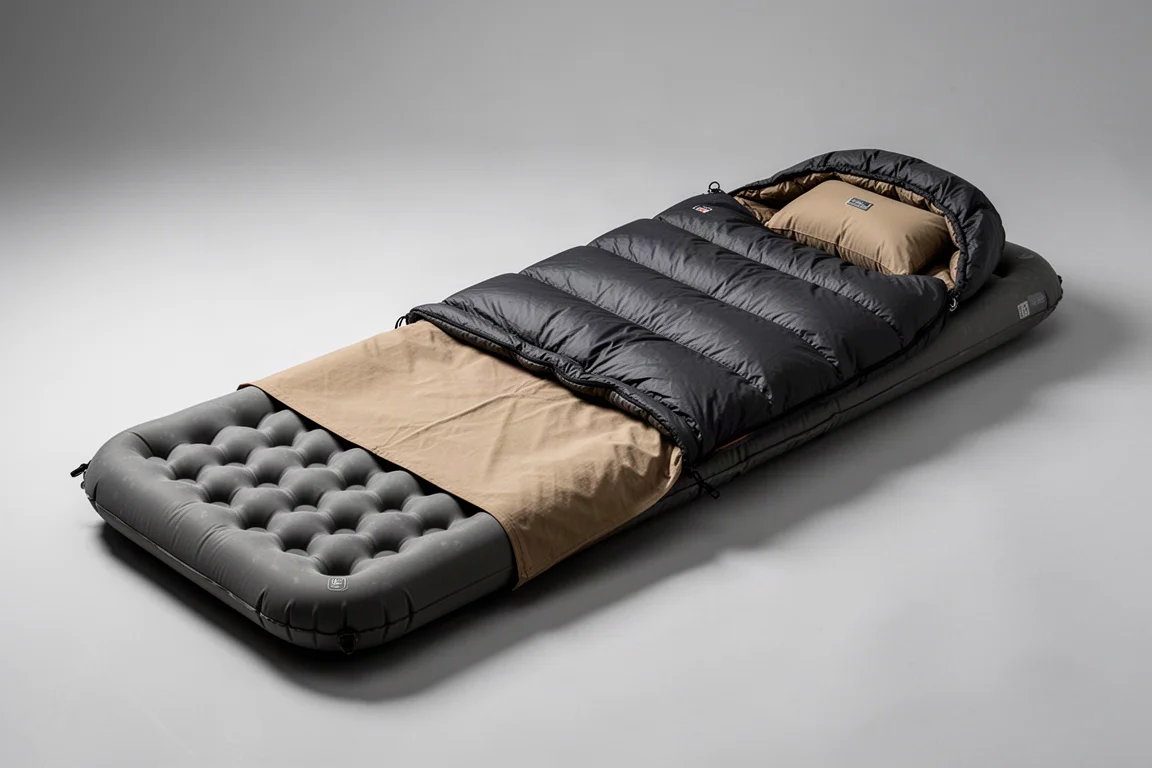
The ZenBivy system pairs a sheet that attaches to your sleeping pad with a quilt that attaches to the sheet. The result behaves like a blanket at home: you can toss and turn underneath it instead of feeling pinned in place.
Draft control comes from overlapping panels where the quilt meets the pad, which keeps cold air from creeping in along the edges. That combination of freedom of movement and warmth is what separates the system from a conventional bag.
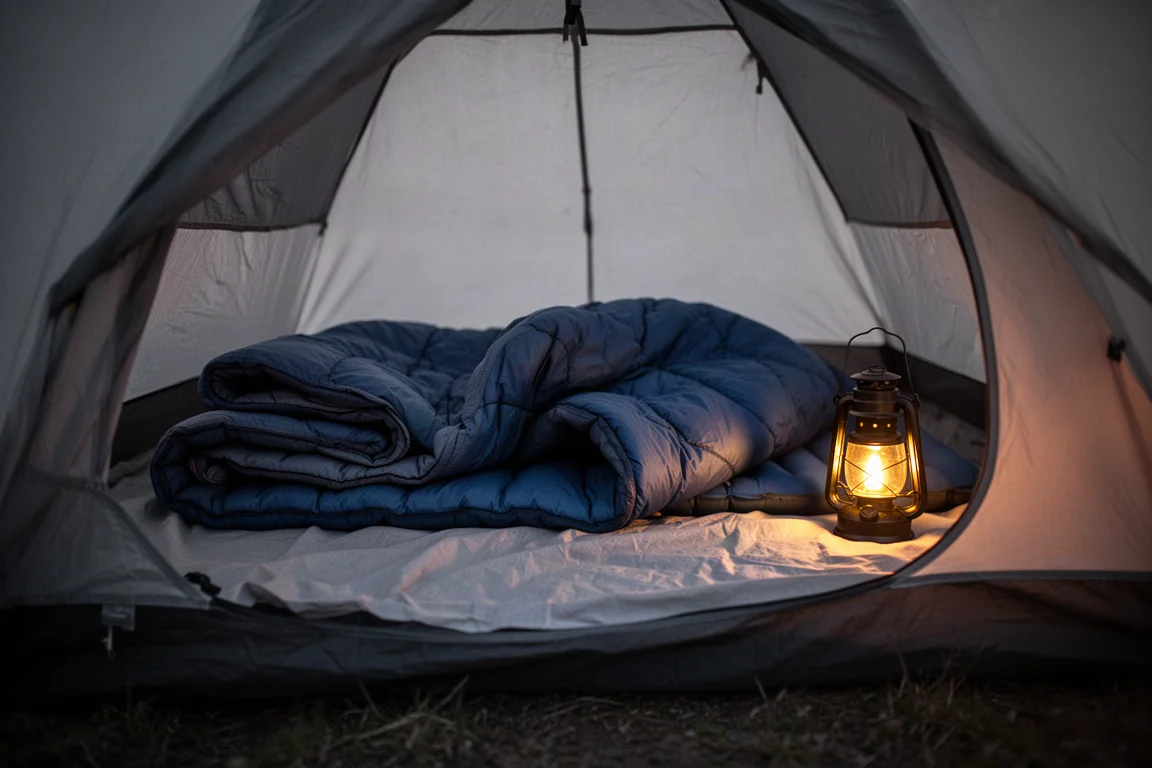
Multiple quilt and sheet options let you trade weight against price depending on how you use it, and the ultralight version is impressively light for everything included. Earlier versions felt fiddly to set up, and the design has been refined over time, so the current system is far more approachable than it once was.
Best Pillow: Exped Mega Pillow
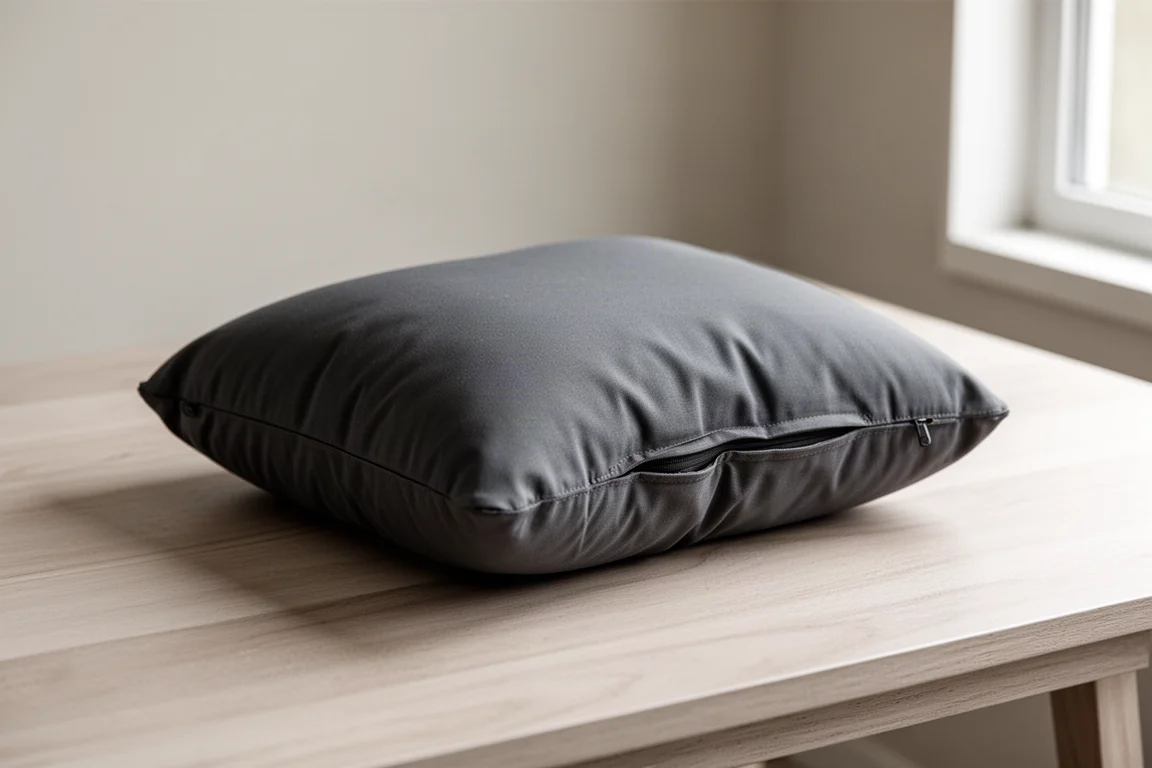
The Mega Pillow is large, tall, and wide enough to span most of a sleeping pad, which means you are far less likely to slide off it during the night. The height suits side sleepers particularly well.
Attachment loops on either side accept a length of shock cord, so you can wrap the pillow around your pad and keep it where you put it. That detail matters more than it sounds once you have spent a night chasing a pillow around a tent.
It also feels supportive rather than springy, and the soft pillowcase makes it comfortable against the skin. If you want a pillow that stays put and feels like the one at home, this is the pick.
Best Solo Tent: Durston X-Dome 1 Plus
The X-Dome 1 Plus is a solo tent that does almost everything well. It weighs under a kilogram, handles serious weather, and still leaves enough floor space beside your sleeping pad to keep gear inside rather than out in a vestibule.
Storm performance is the headline. It has stayed stable in winds around 70 km/h during testing, and the structure suggests it could take considerably more. For a tent this light, that is unusual.
At $370 it is not the cheapest solo shelter available, but it is priced reasonably for what it delivers, and it works across a wide range of trips rather than excelling in only one.
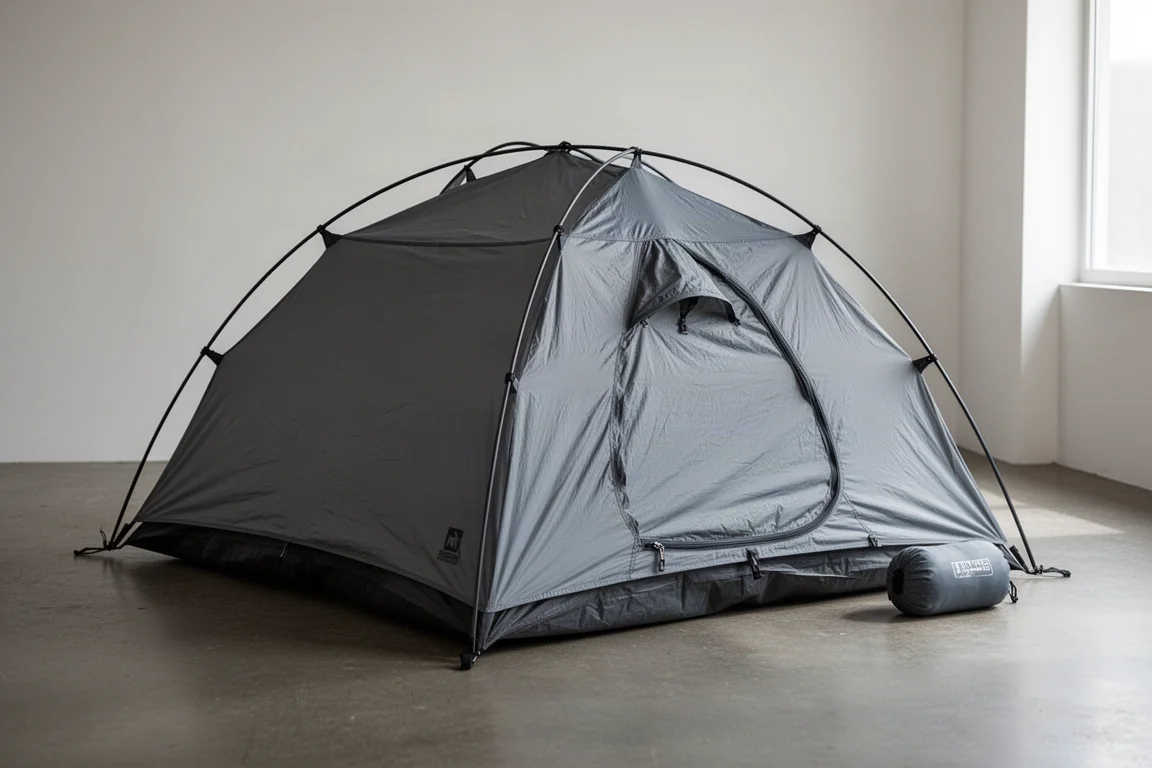
Best All-Around Two-Person Tent: Durston X-Dome 2
The X-Dome 2 takes the same approach as the solo version and scales it up. It fits two 25-inch wide pads, which makes it a genuine two-person tent rather than a squeeze.
It is slightly less stormworthy than the X-Dome 1 Plus, but it remains a strong performer. The balance of weight, interior space, and weather protection is what makes it the best all-around choice in the category.
Competition among two-person tents is fierce, and there are several solid options on the market. This one stands out for doing everything well instead of optimizing for a single trait.
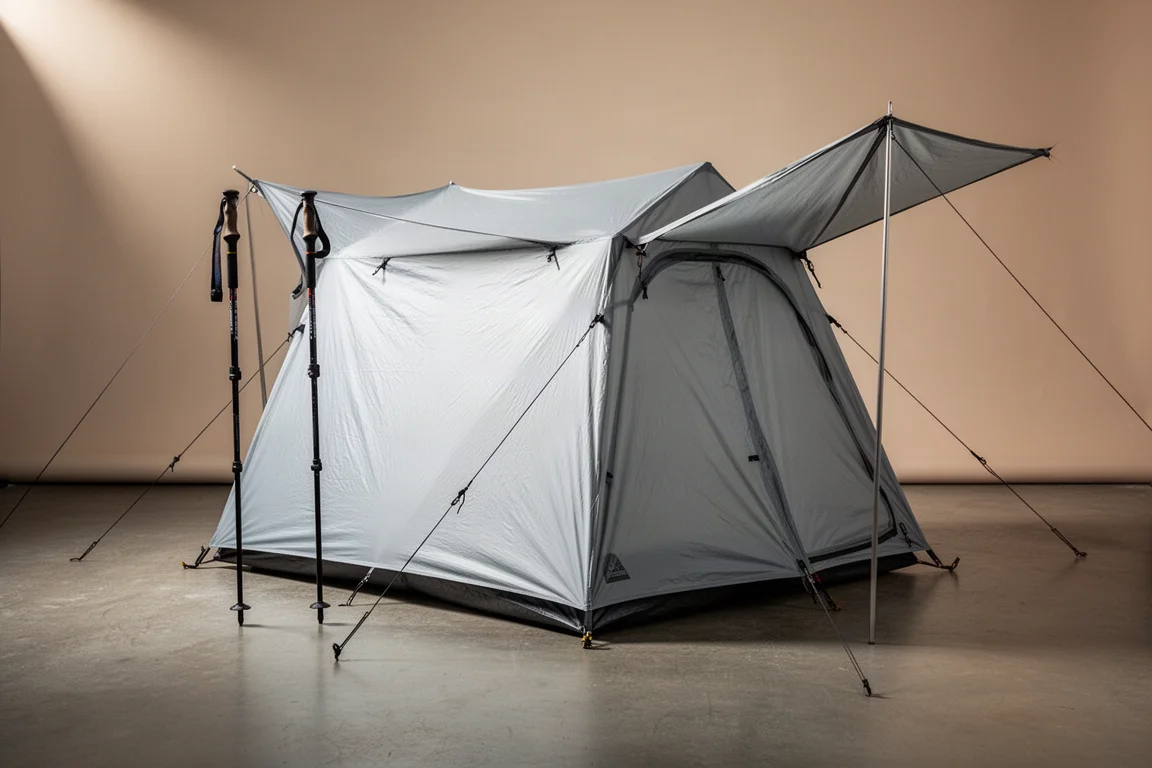
Most Stormworthy Two-Person Tent: Tarptent ArcDome
When weather is the main concern, the ArcDome is the tent to look at. It is made from quality materials and designed for harsh conditions, and once it is pitched it barely moves when the wind picks up.
That stability costs some weight compared with the X-Dome 2, though the ArcDome is still respectably light and lighter than comparable lightweight tents from roughly a decade ago.
For exposed ridgelines, shoulder-season storms, and trips where the forecast is uncertain, the extra grams buy real peace of mind.
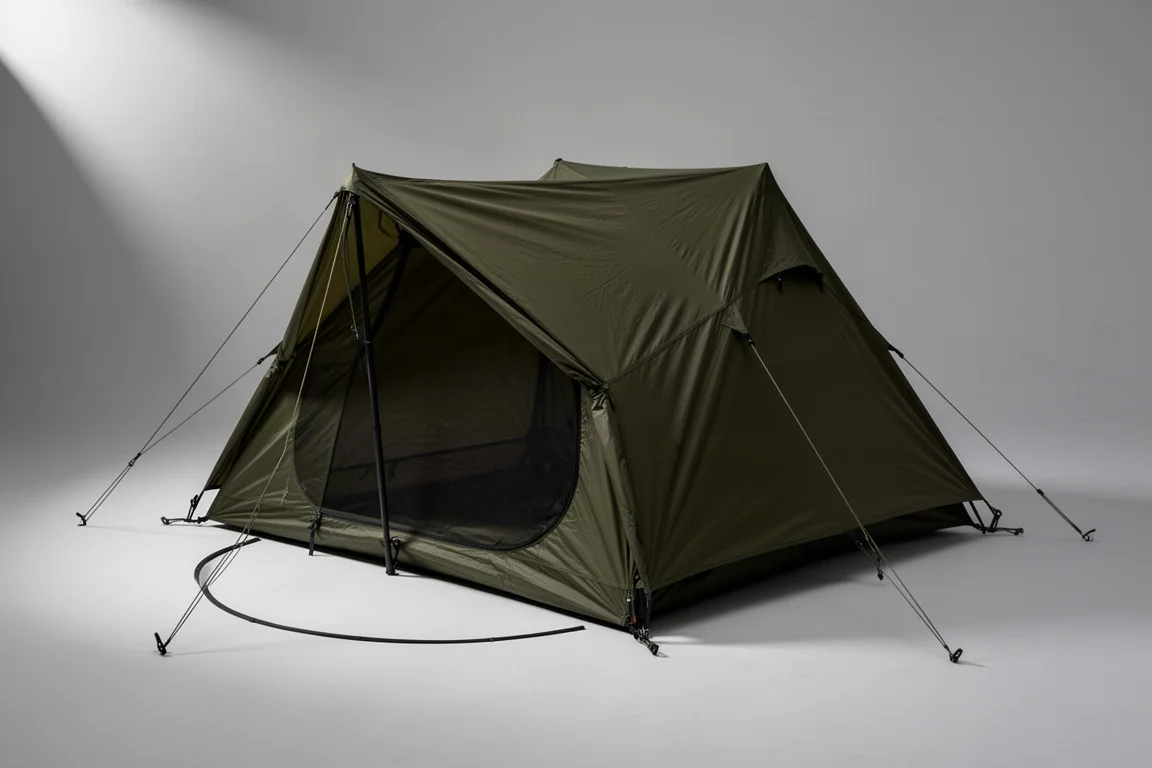
Lightest Trekking Pole Tent: Durston X-Mid
The X-Mid helped make trekking pole tents approachable for people who had never considered them. It is roomy inside, uses a double wall construction, and the sil-poly fabric does not sag or stretch when it gets wet.
It is also lighter and less expensive than many alternatives, which is why it remains one of the strongest values in ultralight shelters.
The one requirement is a pair of trekking poles. If you already hike with them, the X-Mid turns them into a shelter that competes with far more expensive tents.
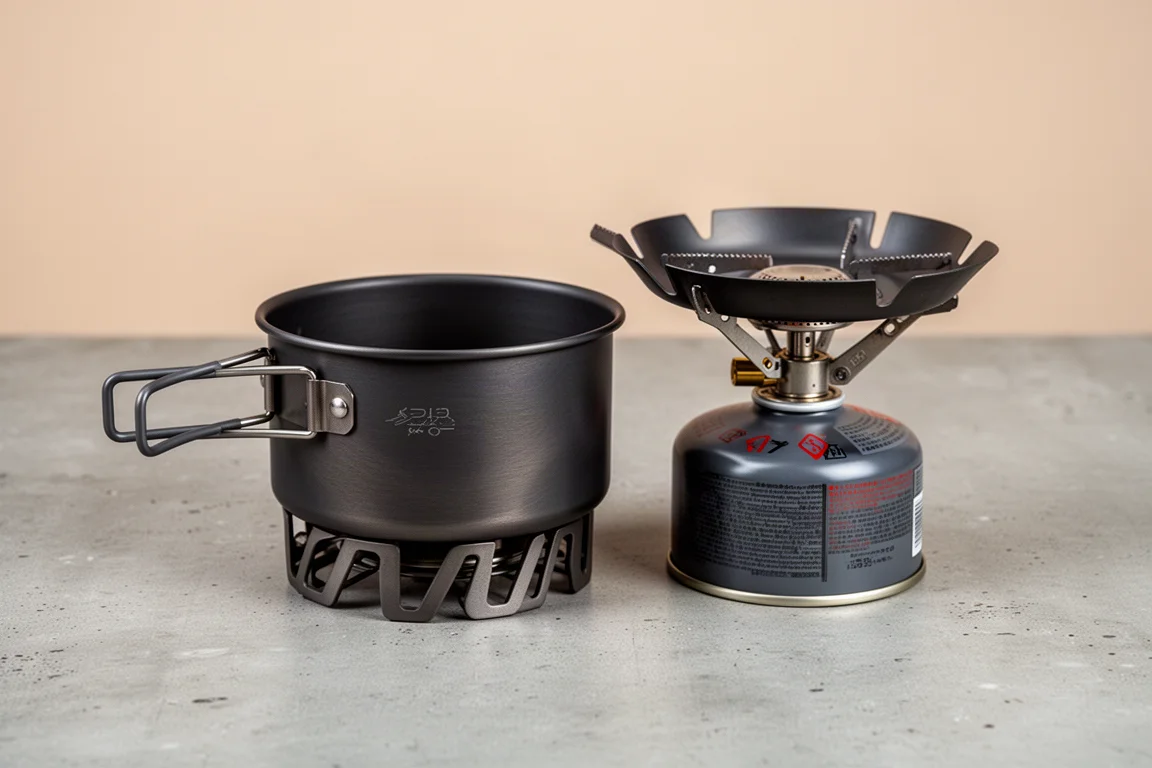
Best Cook System: Fire Maple Petrel Pot and Green Peak Stove
This pot and stove combination is a lesson in doing more with less. The stove and a fuel canister nest inside the pot, and the handle holds everything together for storage and transport.
The Green Peak stove has a wide burner with a lip that shields the flame, and the pot’s heat exchanger adds further wind protection while improving heat transfer into the water. The result is fast, efficient boils even in breezy conditions.
The whole setup weighs 247 g and costs $50 for both pieces. It is not the lightest option available, but the combination of wind performance and price is hard to argue with.
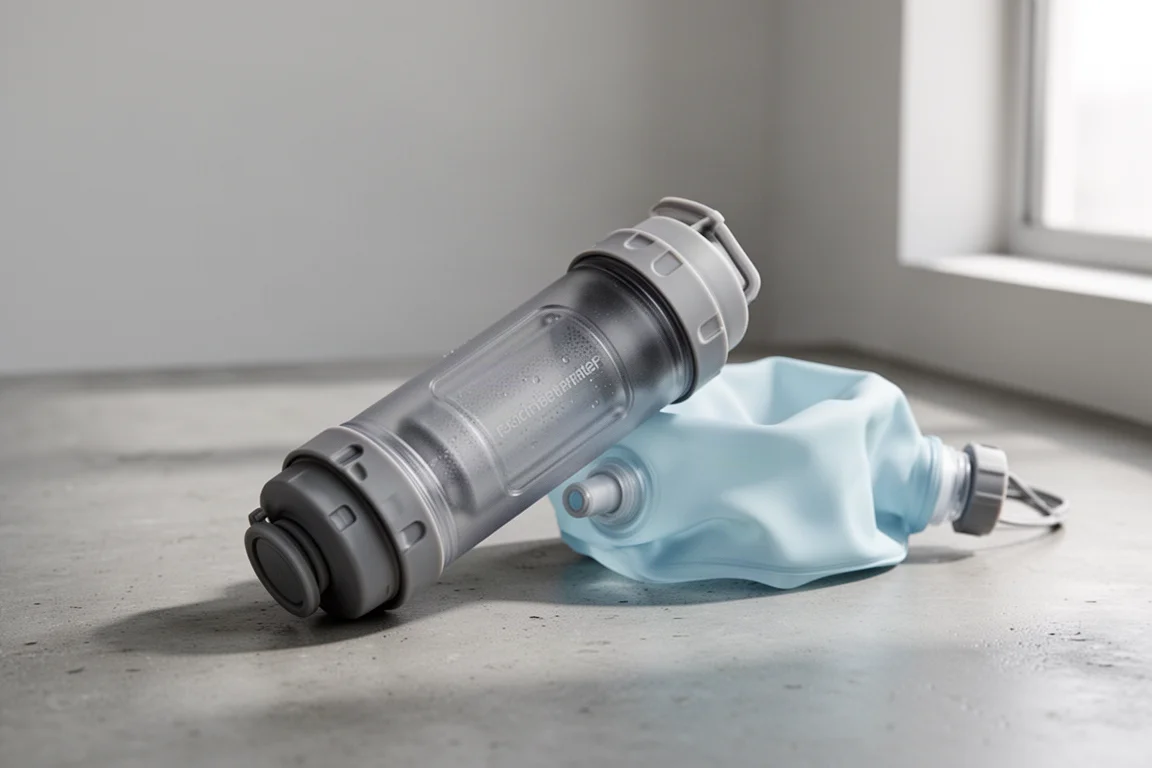
Best Water Filter: Platypus Quick Draw
Reliability is the entire point of a water filter, and the Quick Draw has been the most dependable option in this category. Filters that clog at inconvenient moments are a real risk on longer trips, and this one has consistently avoided that pattern.
Flow rate is a genuine strength. Filtering a few litres at camp goes quickly, which matters at the end of a long day when everyone wants water and dinner.
The caps on both ends seal the filter, so it can go inside a sleeping bag when temperatures are expected to drop below freezing. That simple feature protects the filter and extends its working life.
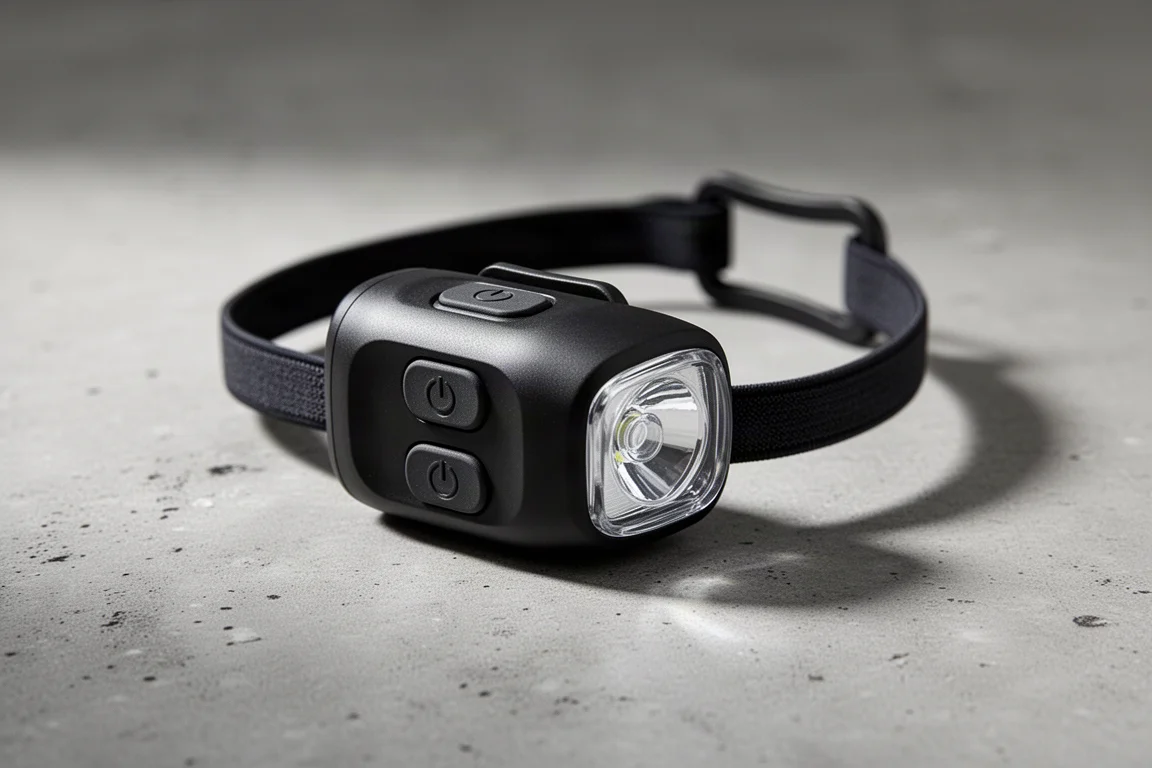
Best Headlamp: Nitecore NU20 Classic
The NU20 Classic gets the fundamentals right. It is light, rechargeable, inexpensive, and bright enough for camp chores and night hiking.
USB-C charging keeps cable clutter down, and the two-button layout separates white light from red light. Headlamps that hide every mode behind a single button are frustrating in the dark, and this design avoids that entirely.
Other brands are closing the gap on features, but their headlamps cost considerably more. For most backpackers, this is the sensible choice.
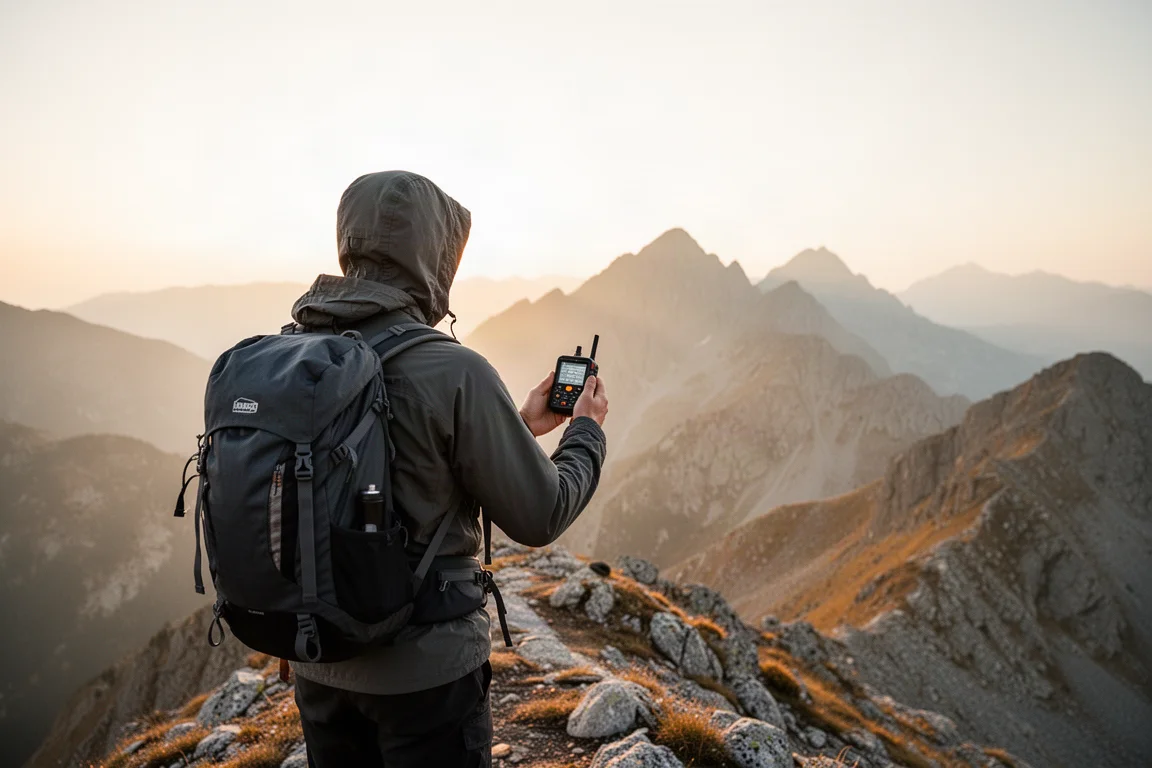
Best Satellite Communicator: Garmin inReach Messenger Plus
Satellite communication is one area where reliability is worth paying for. Built-in satellite features on phones are slow and inconsistent in practice, and they are not something to depend on in an emergency.
The inReach Messenger Plus is a standalone device with long battery life that works independently of a phone. It also supports sending and receiving photos, which makes it easier to share a trip with family back home.
Hardware and subscription costs are real and they add up over time. Rental options exist for occasional trips, but for anyone who spends significant time beyond cell coverage, the cost is easier to justify.
Battery life is the other consideration. Long trips and cold conditions drain phones quickly, and a dedicated device with its own power supply removes that worry from the equation entirely.
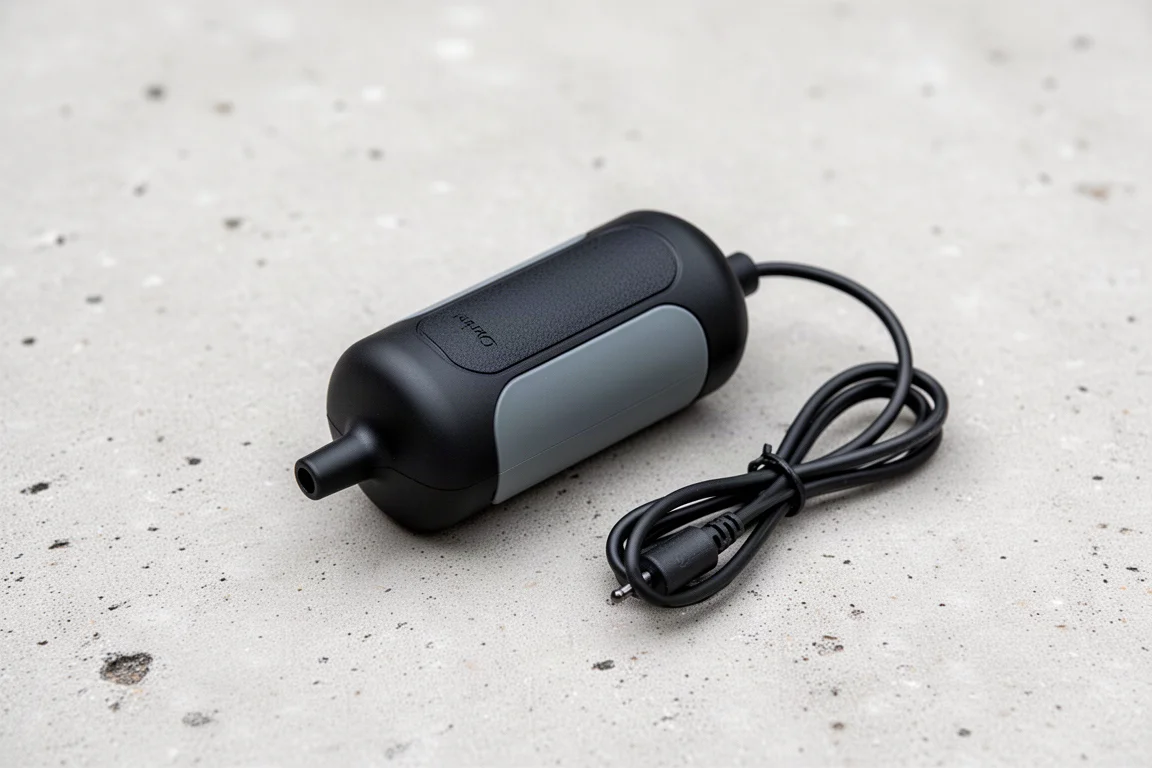
Best Sleeping Pad Pump: Aerogogo Giga Air Pump
The Giga Air Pump is the surprise of this roundup. First impressions suggested a cheaply made accessory at a very high list price, but the price has since settled to $45, and the performance tells a different story.
It is powerful for its weight and inflates even the largest sleeping pads quickly, without the noise that makes some pumps unpleasant to use in a quiet campground.
At 35.6 g it needs an external battery to reach that weight, which is the main trade-off compared with pumps that carry their own power. If a built-in battery is a hard requirement, a pump with an integrated cell is the better fit.
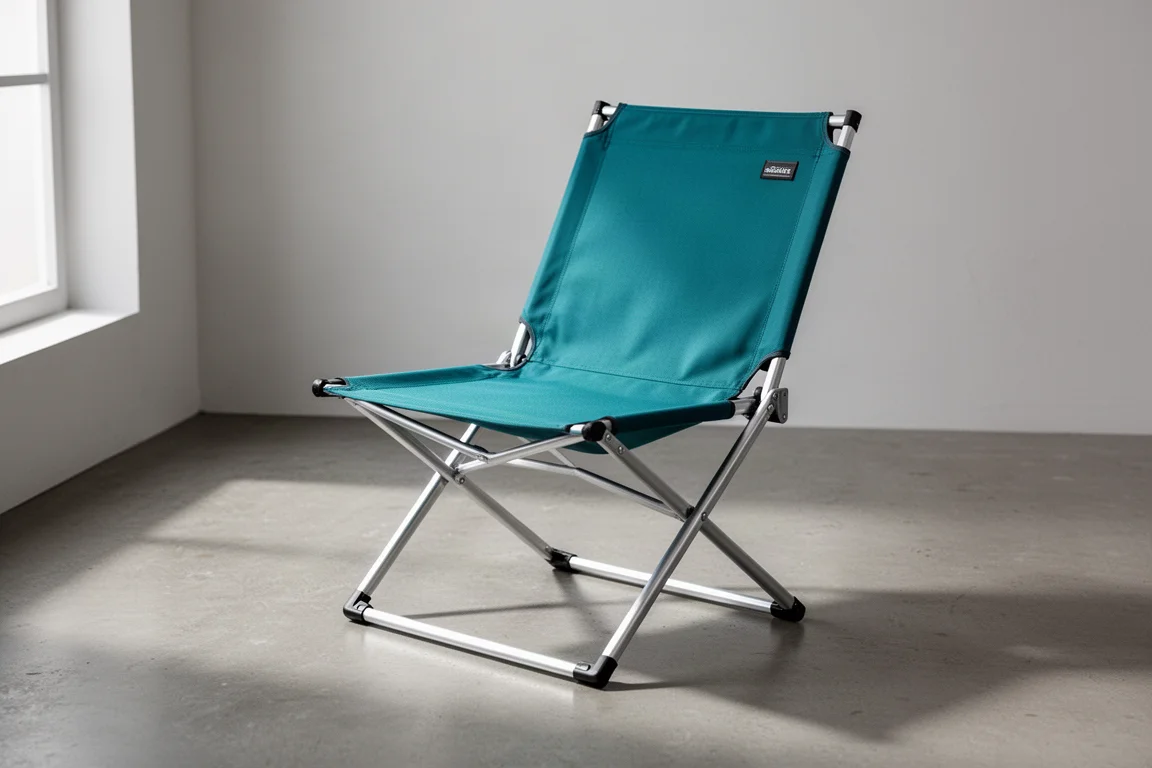
Best Camp Chair: REI Flexlite Air
Lightweight chairs around a pound tend to be compared against one well-known model, but the Flexlite Air undercuts the field on both weight and price. It is lighter and less expensive than the usual recommendation.
The compromises are comfort and stability. Some people will find it less comfortable than heavier chairs, and it wobbles a little more than the alternatives.
Those trade-offs are easy to accept at this price, which is why it takes the category. For backpackers who want a chair without a serious weight penalty, this is the value pick.
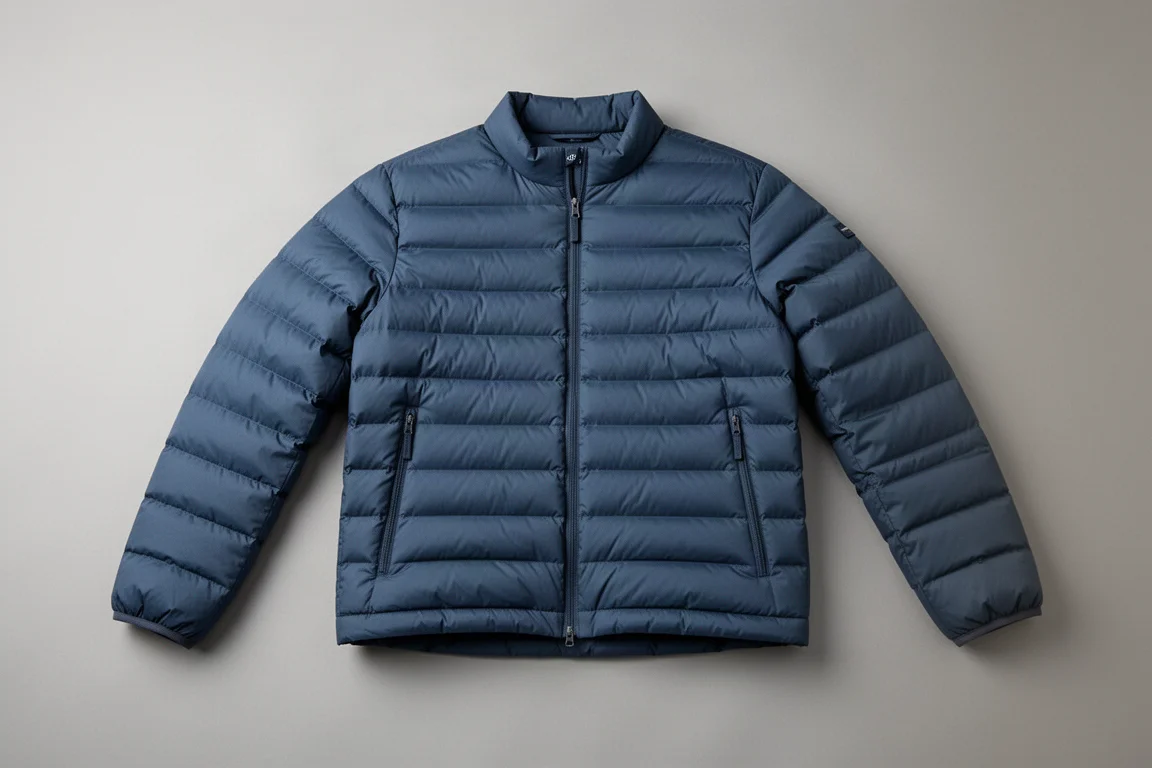
Best Down Jacket: Decathlon MT 100
The MT 100 delivers the essentials of a down jacket at a price that is difficult to beat in most markets. It is lightweight, warm, and durable enough to handle regular use.
Pricing has crept upward in the US, while it remains reasonable in other regions, including around $80 in Canada. Even so, it stays affordable relative to comparable insulating layers.
For three-season backpacking, a lightweight down layer covers the widest range of conditions. It packs down small, adds warmth the moment you stop moving, and does not punish you on price.
Buying Advice: Matching Gear to Your Trips
Start with the pack, because it shapes everything else. If you regularly carry heavy loads or long resupplies, the adjustable fit and stiff frame of the Flash 55 justify its extra weight. If your loads are lighter and you want to move fast, the Kakwa 55 Ultra Grid is the better match.
Sleep gear is where comfort and weight trade off most visibly. The MegaMat Ultra and the ZenBivy system prioritize comfort, while lighter pads and quilts save grams at the cost of some plushness. Decide which side of that line you actually care about before spending.
Shelter choice comes down to weather and habit. The X-Dome 1 Plus and X-Dome 2 cover most trips, the ArcDome is for exposed and stormy conditions, and the X-Mid is the light, low-cost option for hikers who already carry trekking poles.
Small items deserve attention too. A dependable filter, a headlamp with simple controls, a fast pump, and a warm layer round out a kit that works without fuss. Satellite communication is the one category where the cost is easiest to justify if you travel far from coverage.
Conclusion
Good backpacking gear is less about chasing the lowest weight and more about choosing the right trade-offs. The picks above earned their place by being dependable in the conditions that matter, whether that means carrying a heavy load comfortably, holding up in strong wind, or simply working every time you reach for them.
If you are building a kit from scratch, start with the pack and the sleep system, since those two decisions shape how a trip feels. Then add shelter and the small essentials as your trips demand. The right combination is the one that matches the miles you actually walk.
Further reading
Related Reviews

Backpacking Gear
Building a 10 lb Base Weight: An Ultralight Backpacking Gear List
A practical walkthrough of the ultralight pieces behind a 10 lb base weight, from a 765 g pack and a roomy one-person tent to a full camp chair and a dependable water filter.

Backpacking Gear
A 15-Pound Lightweight Backpacking Gear List for Solo Trips
A beginner-friendly 15-pound backpacking setup built from easy-to-find gear, with notes on what each piece does, how it packs, and where to spend your attention.

Backpacking Gear
8 Ultralight Backpacking Gear Upgrades Worth Carrying
Eight small, affordable backpacking upgrades that solve real trail annoyances, from a pillow that stays put to a fuel valve that rescues leftover canister gas.