Backpacking Gear
Best Backpacking Gear 2026: One Pack, One Shelter, One Sleep System
A field-tested backpacking kit built around a single pack, tent, and sleep system that cover the widest range of three-season trips without a premium price tag.
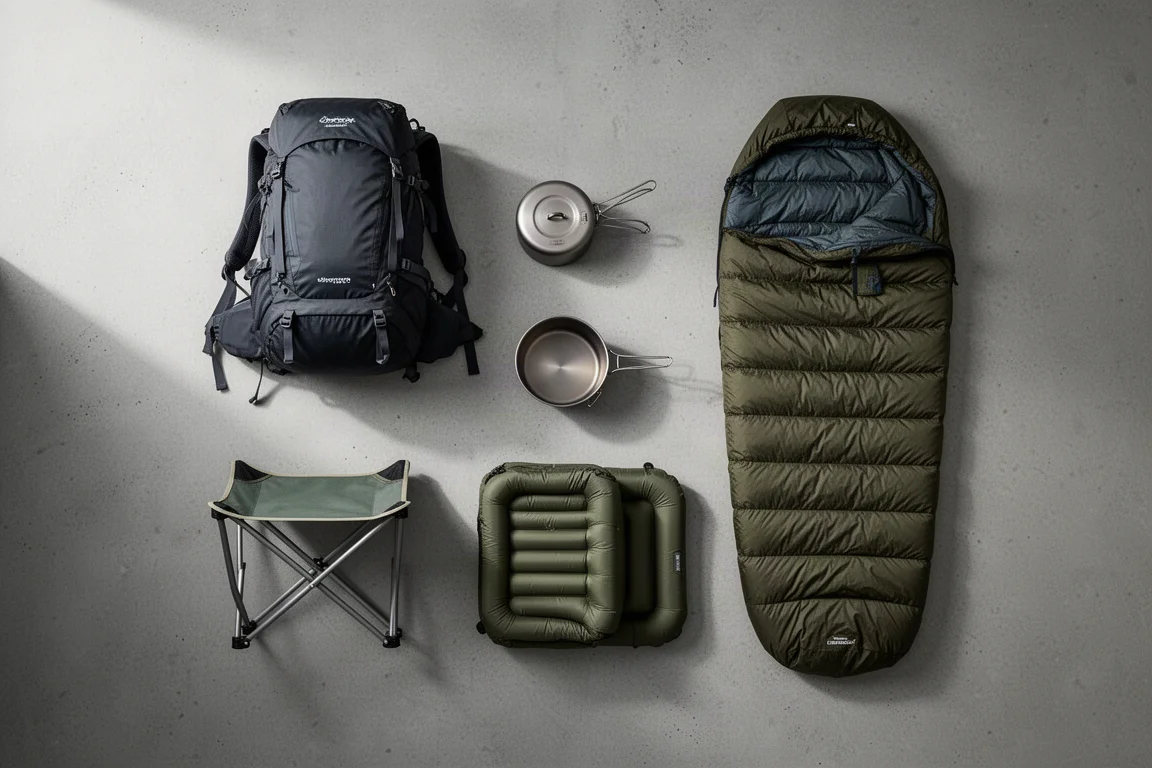
Introduction
Backpacking gear lists get long quickly, and the temptation is to own a different setup for every kind of trip. The alternative is more practical: choose one pack, one shelter, and one sleep system that handle the majority of conditions well, then build the rest of the kit around them.
That is the approach behind this selection. Every item here was chosen for the conditions most backpackers actually meet, including long days with heavy water carries, three-season nights, and weather that turns without much warning. The common thread is gear that is comfortable, durable, and approachable in price rather than exotic equipment that only suits one narrow trip.
What Matters Most in a Do-Everything Kit
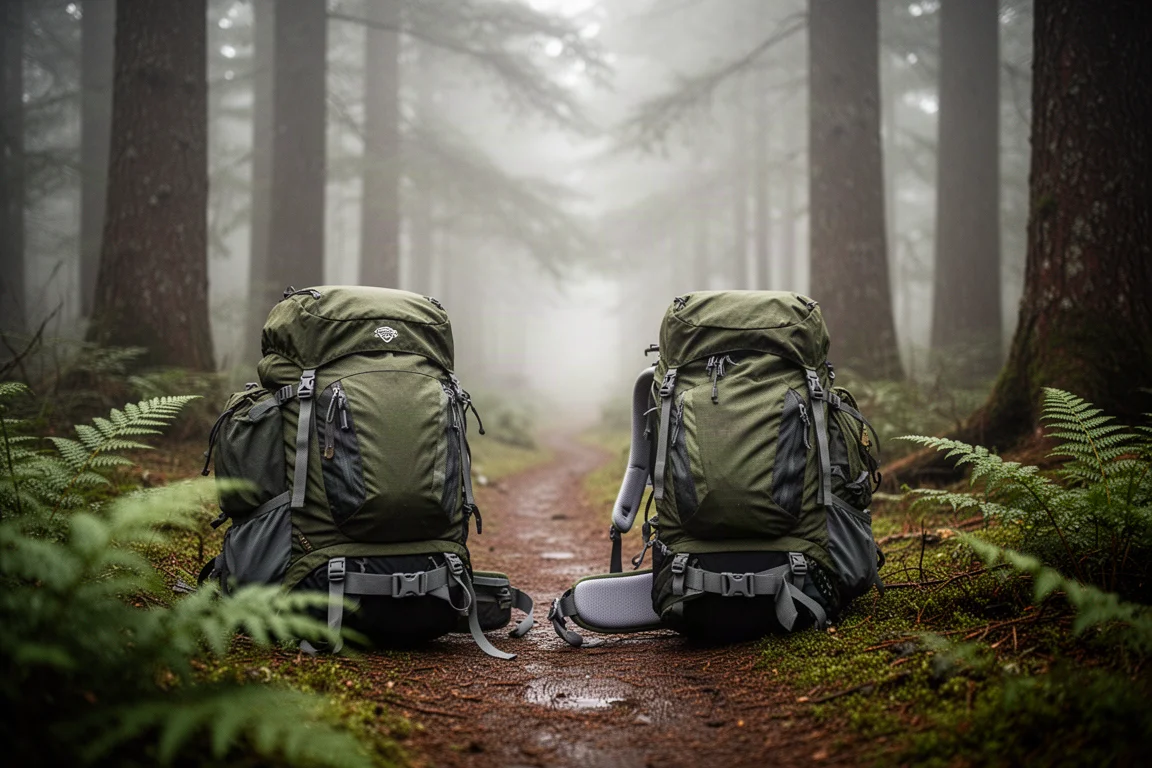
Committing to a single setup for every trip changes the priorities. A pack has to carry real weight, roughly 40 pounds once water carries and extra insulation are part of the plan, while staying light enough to move comfortably over long distances. Reachable water bottle pockets matter more than they sound: a side pocket you cannot reach from the shoulder strap costs you hydration and time on every climb.
For shelter, storm worthiness, fast pitching, and enough interior width to share matter more than shaving the last gram. For sleep, comfort comes first, warmth close behind, and weight third. Cost matters as well, because gear intended for years of use should be approachable rather than a one-off splurge.
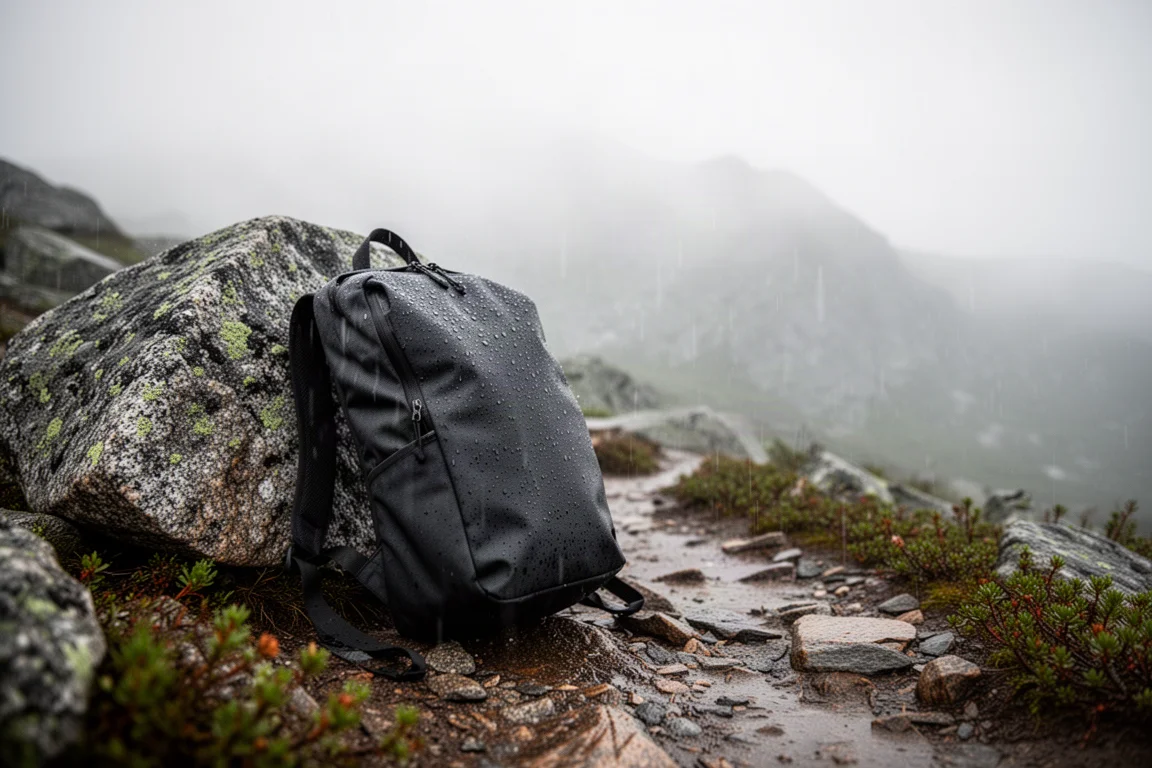
That set of priorities explains why this kit leans toward items that are comfortable and durable rather than the absolute lightest option available, and why several picks cost noticeably less than comparable high-end alternatives.
The Pack: REI Flash 55
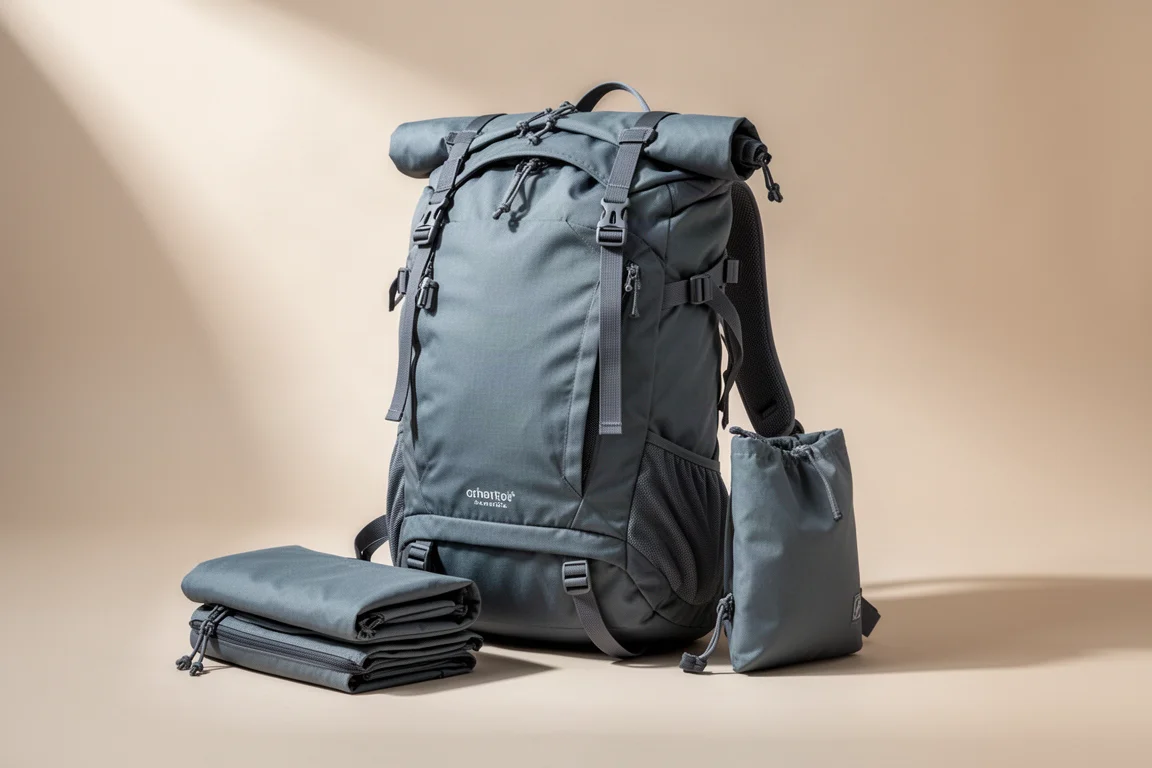
The REI Flash 55 anchors the kit. It carries 40 pounds without complaint, which is unusual for a pack that weighs just over 1.2 kilograms. The 2023 version adds an adjustable torso so the fit can be dialed in more precisely, and the foam is notably stiff, which helps move load onto the hips instead of the shoulders.
The feature that earns it a permanent place is the pair of extra pockets sitting in front of the side pockets. Water bottles are reachable without wrestling with the pack, and the side pockets stay free for tent poles, a camp chair, or bear spray. In grizzly country that last point is not a convenience. Bear spray that cannot be reached in three or four seconds is effectively not there, and a front-mounted pocket keeps it immediately accessible.
The Shoes: Hoka Speedgoat 5
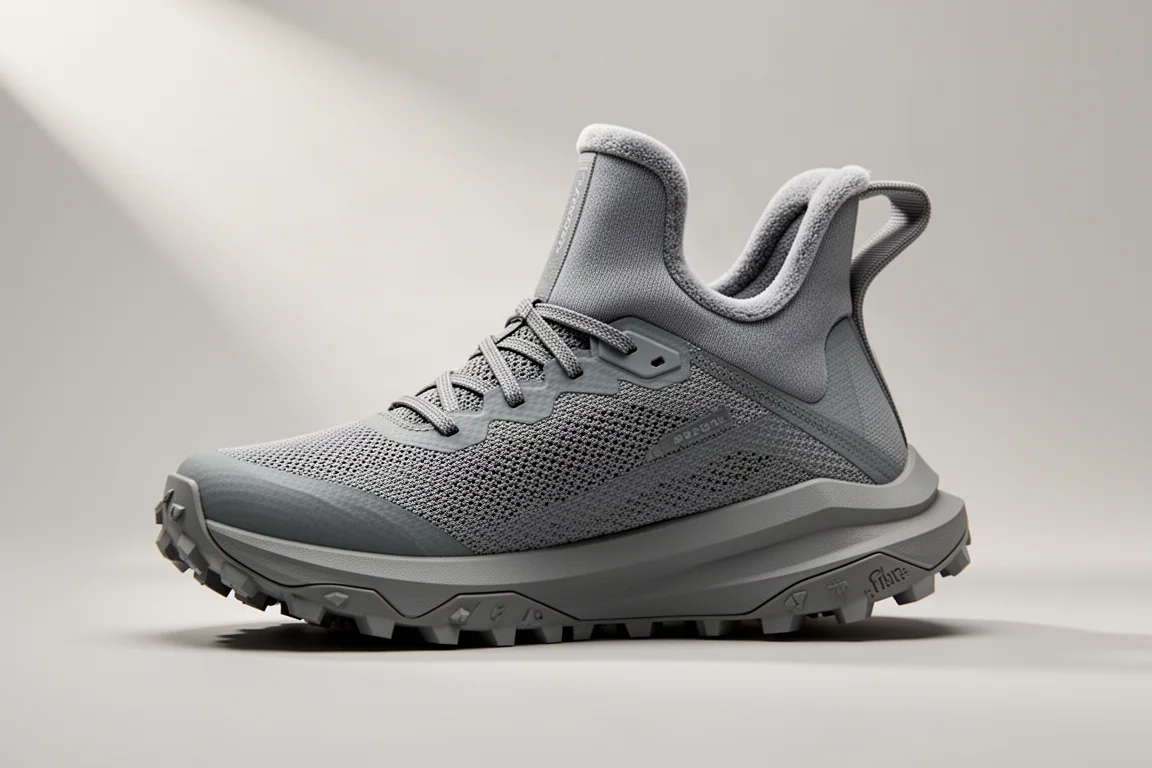
Shoes are not usually counted among the big three, but they decide whether a long day stays enjoyable. The Hoka Speedgoat 5 is grippy on rough ground and comfortable enough to wear day after day on tough trails, keeping feet in good shape through repeated long days and difficult terrain.
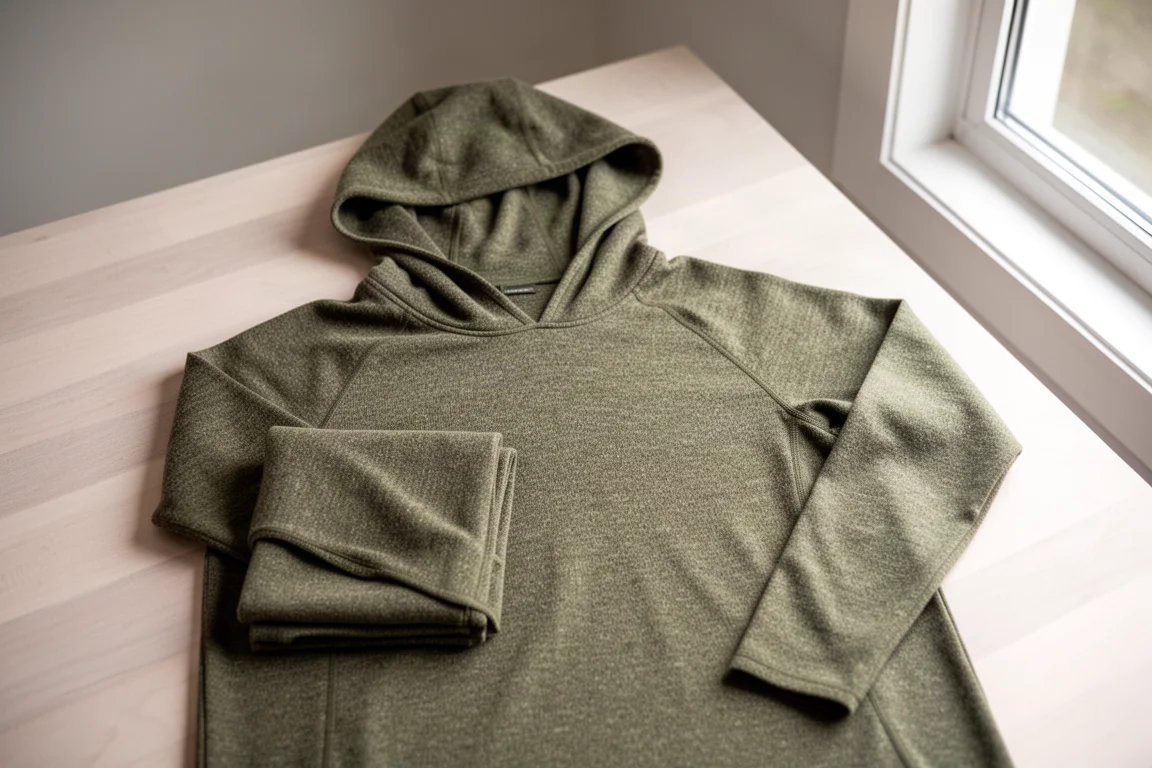
The Layer: Appalachian Gear Company 80/20 Hoodie
Alpaca wool is the reason this hoodie made the cut. It resists odor far better than most hiking layers, staying fresh through five straight days of hiking and sleeping in it, and it is more durable than merino while holding less moisture and drying faster.
The Shelter: X-Mid Two-Person Tent
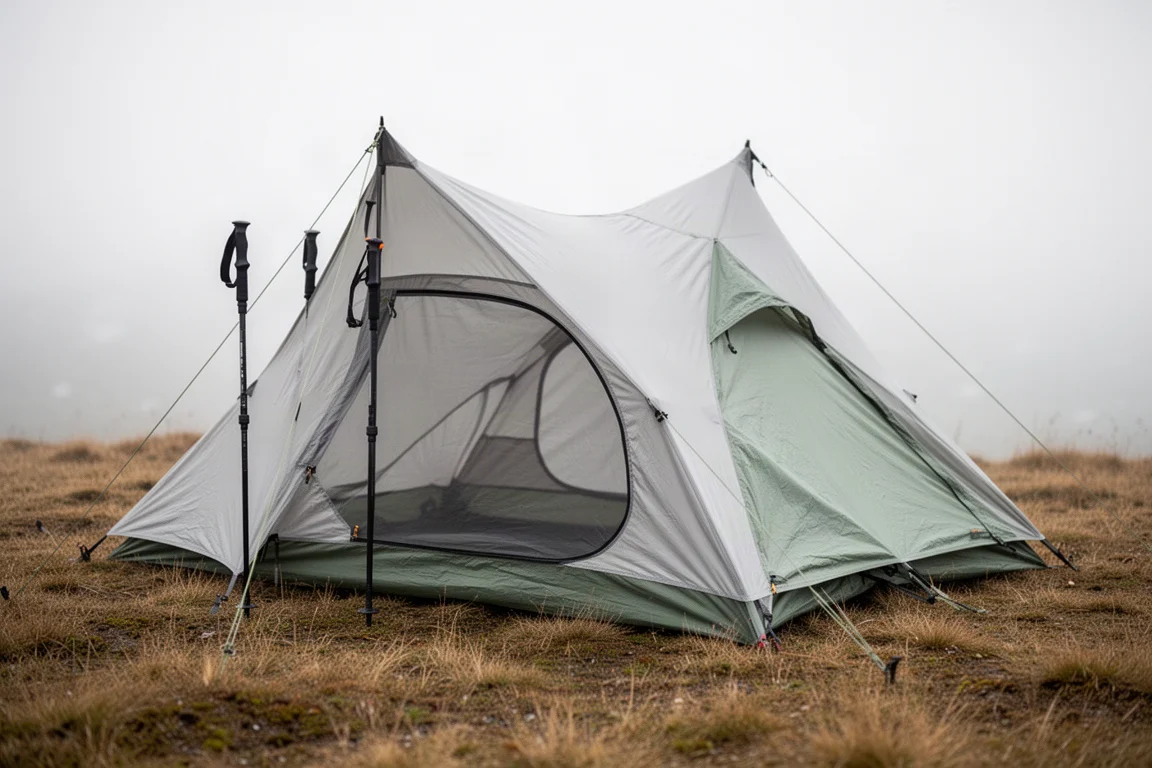
The regular X-Mid two-person tent, not the Pro version, is the shelter pick. It pitches easily, stays light, and has held up in serious rain and wind. Two 25-inch wide sleeping pads fit side by side without a fight, which matters when the tent is shared.
Because it is a trekking pole tent, the inner and the fly go up together in a single step. In rain, that means the interior never sits exposed while the fly is wrestled into place. Setup takes a little practice for anyone new to trekking pole shelters, but it becomes quick with repetition.
The X-Mid covers a wide range of trips, from shared pitches in the Canadian Rockies to solo nights on the west coast, which is exactly the range a one-tent decision has to cover.
The Sleeping Pad: REI Helix
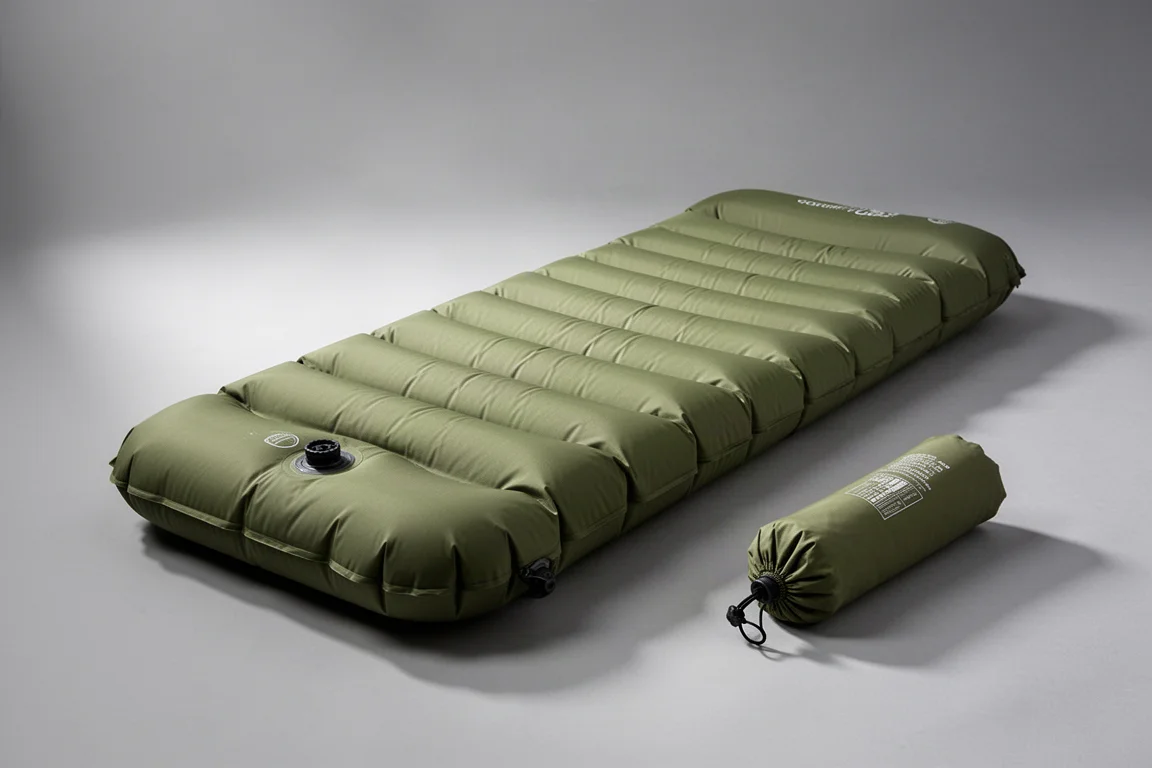
The REI Helix is the most comfortable sleeping pad in this kit and, at $160, also one of the least expensive. It is warm enough for three-season use without question, and likely warm enough for winter in warmer parts of the southern United States and other mild regions.
Other all-around pads, including the Ether Light XT, the Nemo Tensor, the RAB Ionosphere, and the Exped Ultra 5R, are all credible options. None of them matched the Helix for comfort, and all of them cost noticeably more.
The Quilt: Hammock Gear Econ Burrow
The Hammock Gear Econ Burrow is an affordable quilt rated to 20 degrees Fahrenheit, and it has stayed comfortable from that rating up to around 60 degrees Fahrenheit. Quilts make sense for three reasons. They save weight by dropping the enclosed bottom, the zippers, and the extra material of a sleeping bag. They are far more versatile across temperatures: on warm nights the quilt drapes like a blanket and heat dumps easily with an arm or a leg out, while on cold nights the pad straps, the top snap, and a cinch around the neck lock warmth in. And they allow more natural movement, so rolling from side to back does not end in a tangle.
For anyone who sleeps cold or simply prefers a fully enclosed bag, that logic does not apply, and that is where the sleeping bag option below comes in.
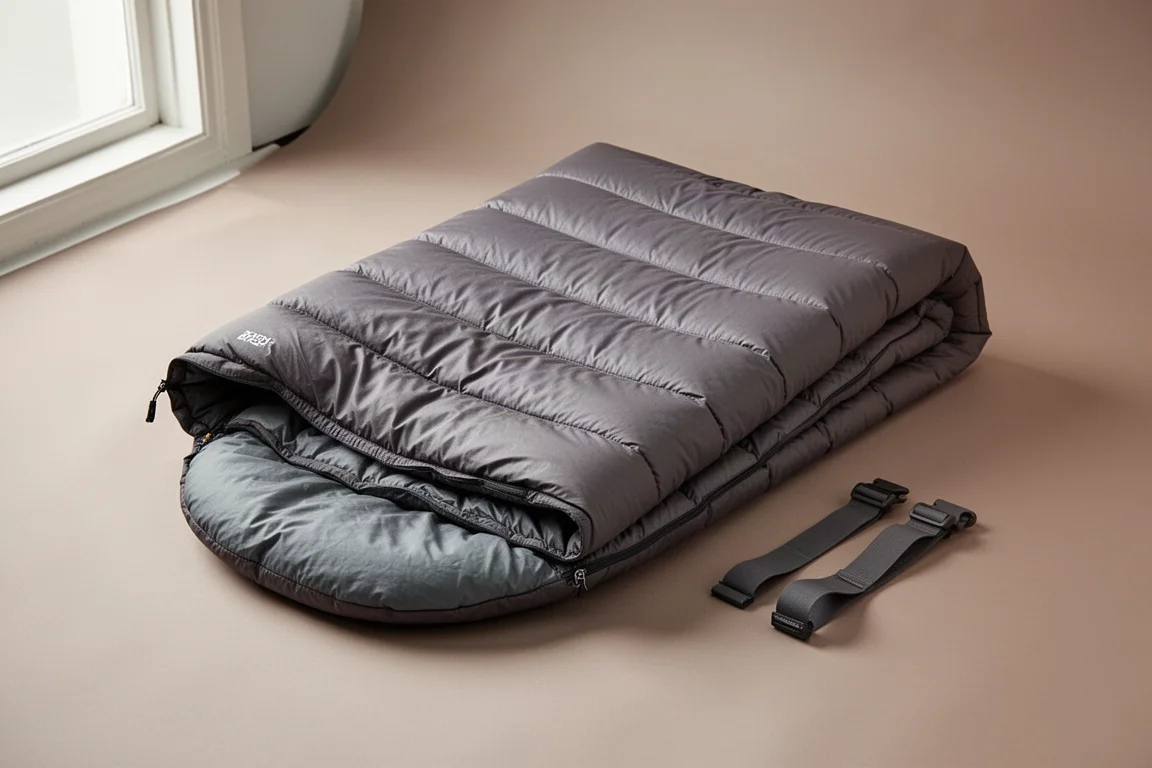
The Sleeping Bag Alternative: Decathlon MT900
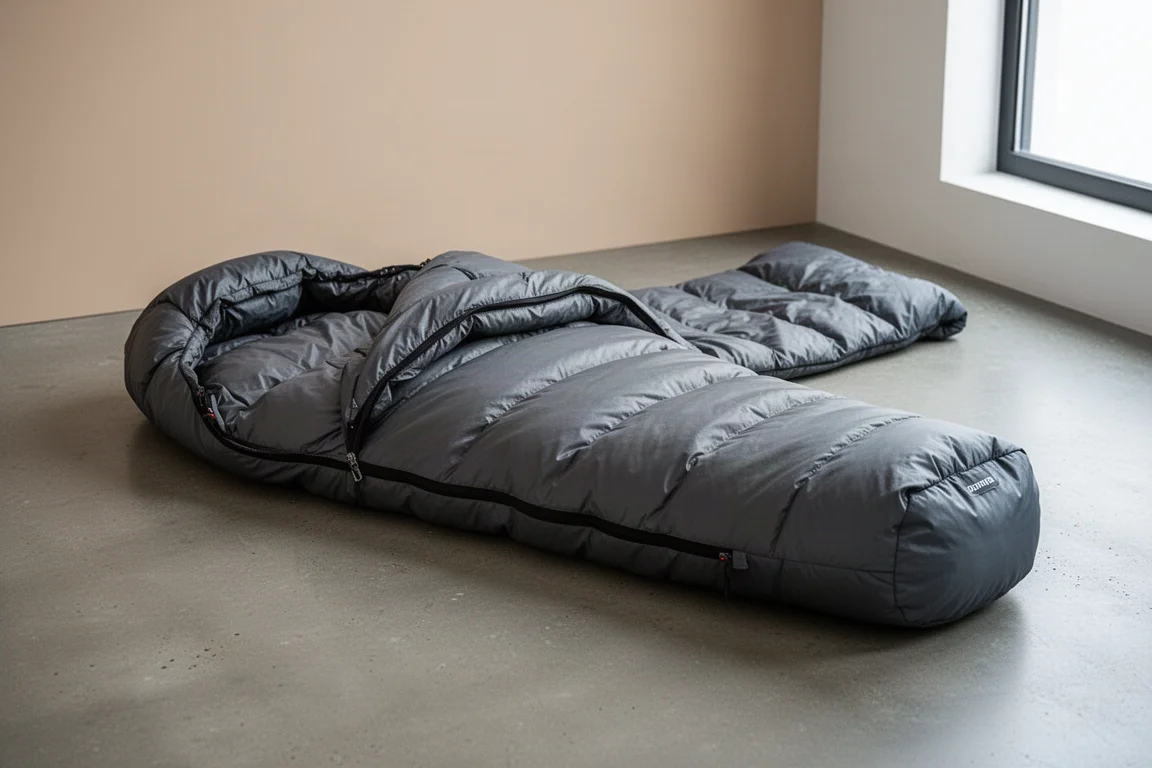
If a sleeping bag is the requirement, the Decathlon MT900 is the pick. Its comfort rating is freezing, or zero degrees Celsius and 30 degrees Fahrenheit, and it is very affordable for its weight. Reaching a similar weight in a sleeping bag typically costs two or three times as much.
Buying Advice
The reasoning behind this kit is worth borrowing even if the specific items are not. Choose gear that is comfortable and durable enough to trust repeatedly, and let weight and price follow rather than lead. A pack that carries 40 pounds well and keeps water reachable, a shelter that pitches fast in bad weather and fits two wide pads, and a sleep system matched to the temperatures you actually camp in will cover more trips than a collection of specialized pieces.
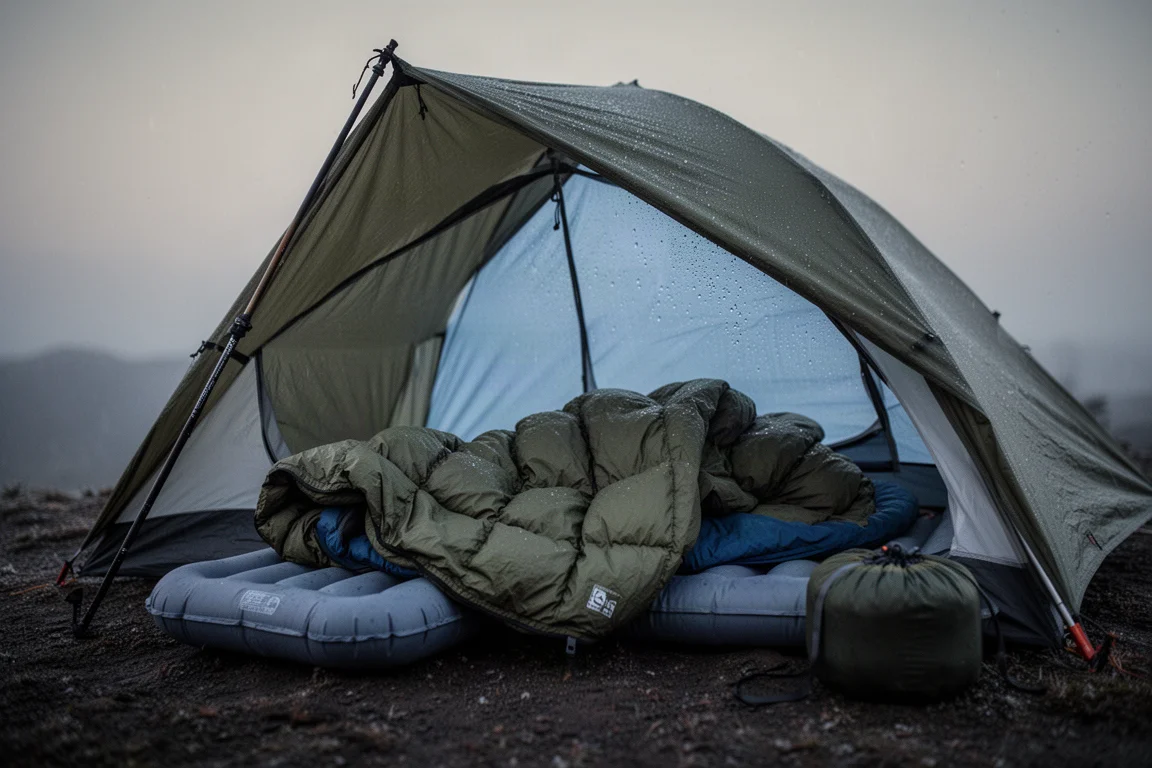
If you are building from scratch, buy the sleep system first, since comfort at night shapes how the rest of a trip feels, then the pack, then the shelter. Each pick here is approachable in price relative to comparable high-end gear, which makes committing to one setup for years a reasonable bet rather than a costly experiment.
Conclusion
One pack, one shelter, and one sleep system can genuinely cover the majority of three-season trips. The REI Flash 55 handles heavy loads and keeps water within reach, the X-Mid two-person tent pitches quickly and stands up to weather, the REI Helix delivers comfort at a modest price, and the Hammock Gear Econ Burrow covers a wide temperature range. Add the Hoka Speedgoat 5 for the miles and the Appalachian Gear Company 80/20 Hoodie for the layers, and the kit is complete. d rescue resources are strong but cell service is not, that combination of safety and connection changes how confidently you plan a route.
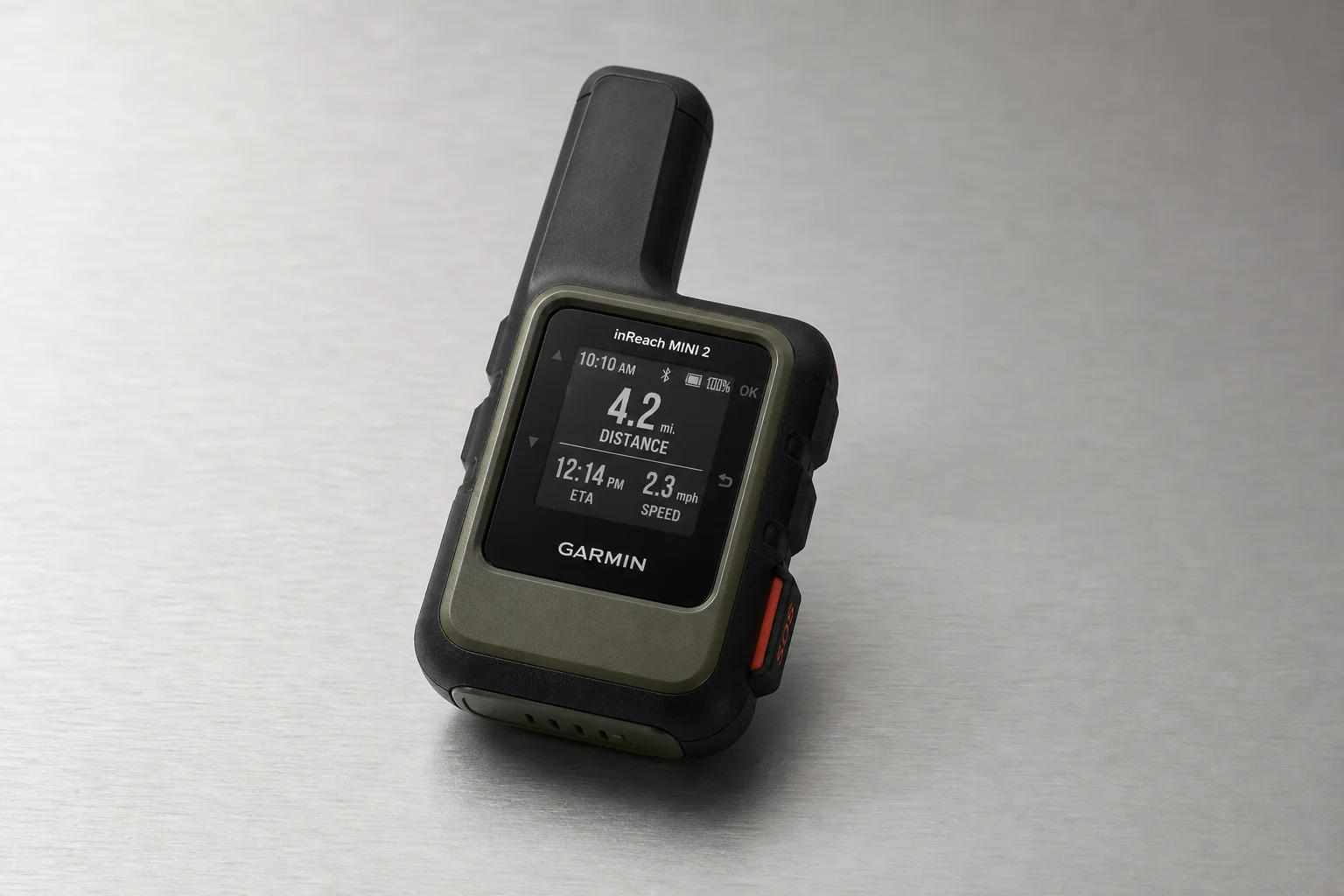
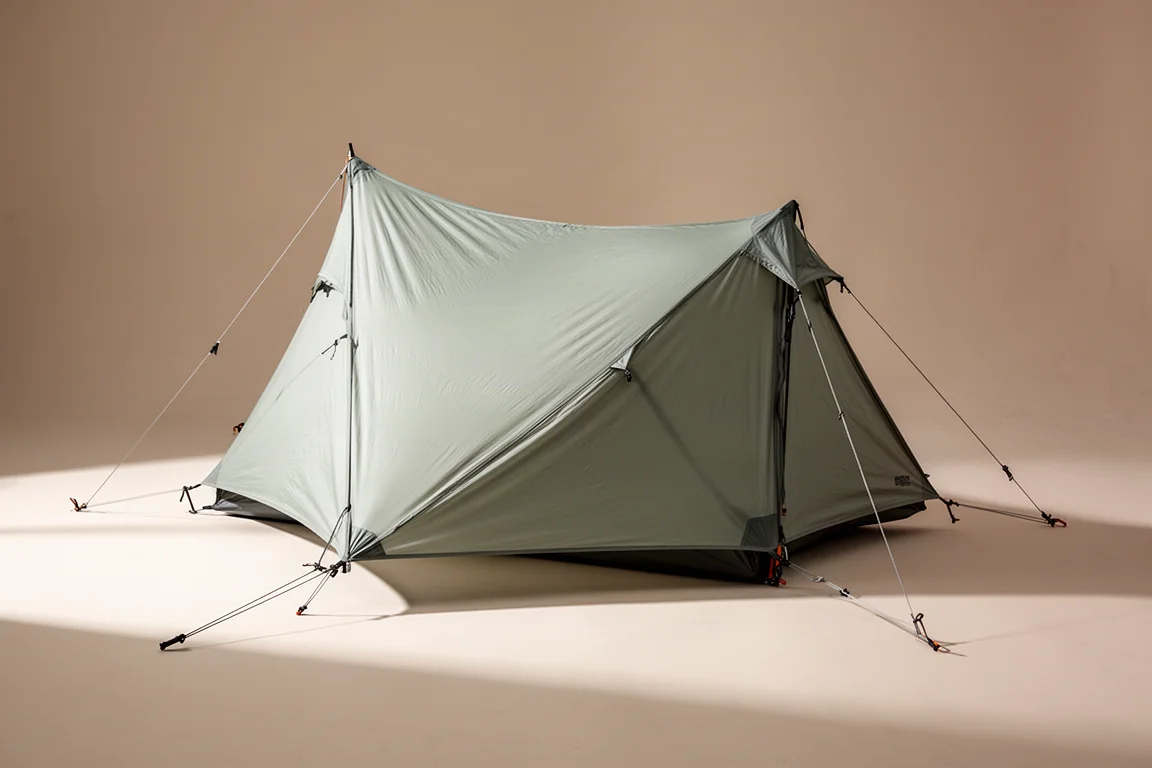
Zpacks Altaplex: What Dyneema Actually Buys You
Dyneema shelters look like an expensive indulgence until you spend real time in wet weather. Weight savings are the headline, but they are not the whole story. The fabric does not sag when it rains, so the interior keeps its full usable space instead of closing in around you. It also does not absorb water, which means you are not packing away extra water weight with a soaked shelter.
Maintenance is easier too. Dyneema wipes down quickly, which is exactly what you want when condensation builds up overnight or rain has collected on the outside. Those benefits show up most in high-moisture environments, where a lighter shelter that also performs better is worth more than the spec sheet suggests.
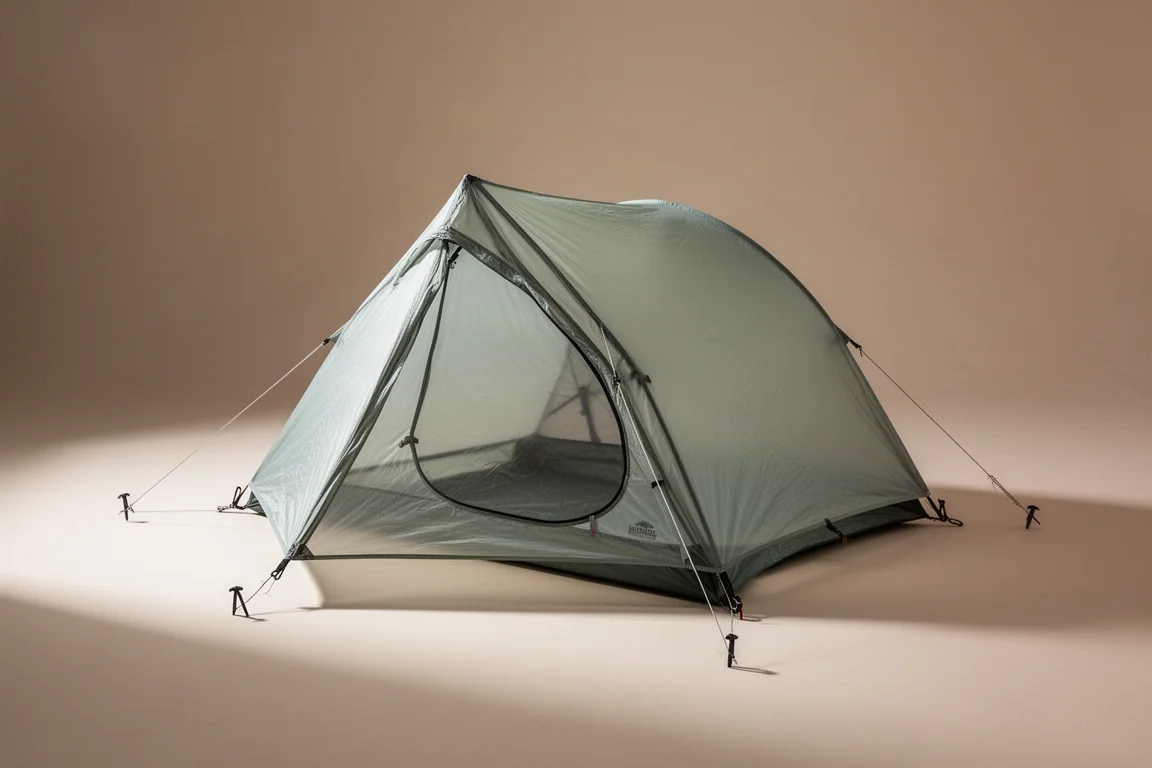
Zpacks Plex Solo: A One-Person Shelter Built for Wet Weather
The Plex Solo brings the same Dyneema advantages to a solo shelter, and dozens of nights in varied conditions show where it pays off. No sagging walls, no absorbed water, and quick wipe-downs when condensation or rain needs clearing.
For solo backpackers who spend time in damp climates, that combination is the reason Dyneema earns its premium. The upfront cost is real, but the performance gap in wet weather is the part that is easy to underestimate.
Buying Advice: Where to Spend and Where to Save
Not every item here needs to be a major purchase. A practical order of operations is to sort out the sleep and shelter system first, since those decide how well you recover each night, then add the small items that smooth out daily routines.
Inexpensive upgrades like a strap-mounted pillow or toothpaste tabs deliver comfort and convenience well beyond their cost, while a Dyneema shelter or a custom quilt is a longer-term investment that pays back across many seasons. The one category worth prioritizing early is footwear, because a shoe that suits your feet and your terrain determines how the whole day feels.
Conclusion
The best backpacking gear is the gear you stop noticing. The Flash 55 puts water within reach without a struggle. A quilt and a strap-mounted pillow turn a night on the ground into actual rest. Cushioned trail runners keep feet fresh over long distances, a sun hoodie handles sun and bugs at the same time, and a satellite communicator quietly widens the range of trips you can plan with confidence.
Start with the pieces that match the trips you actually take. If your shelter leaks or your feet hurt at mile ten, those problems come first. Everything else here is a refinement that makes the miles easier, and each one has earned its place over real trail time.
Further reading
Related Reviews

Backpacking Gear
Building a 10 lb Base Weight: An Ultralight Backpacking Gear List
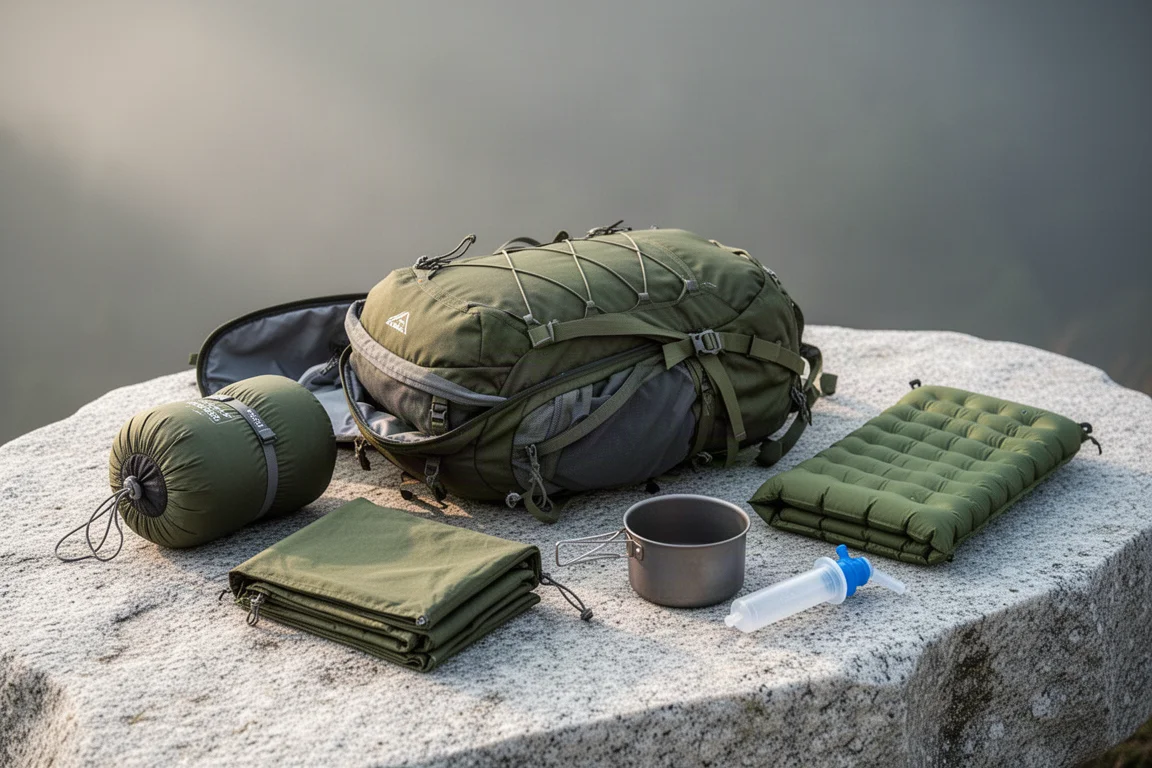
A practical walkthrough of the ultralight pieces behind a 10 lb base weight, from a 765 g pack and a roomy one-person tent to a full camp chair and a dependable water filter.
Backpacking Gear
A 15-Pound Lightweight Backpacking Gear List for Solo Trips
A beginner-friendly 15-pound backpacking setup built from easy-to-find gear, with notes on what each piece does, how it packs, and where to spend your attention.
Backpacking Gear
8 Ultralight Backpacking Gear Upgrades Worth Carrying
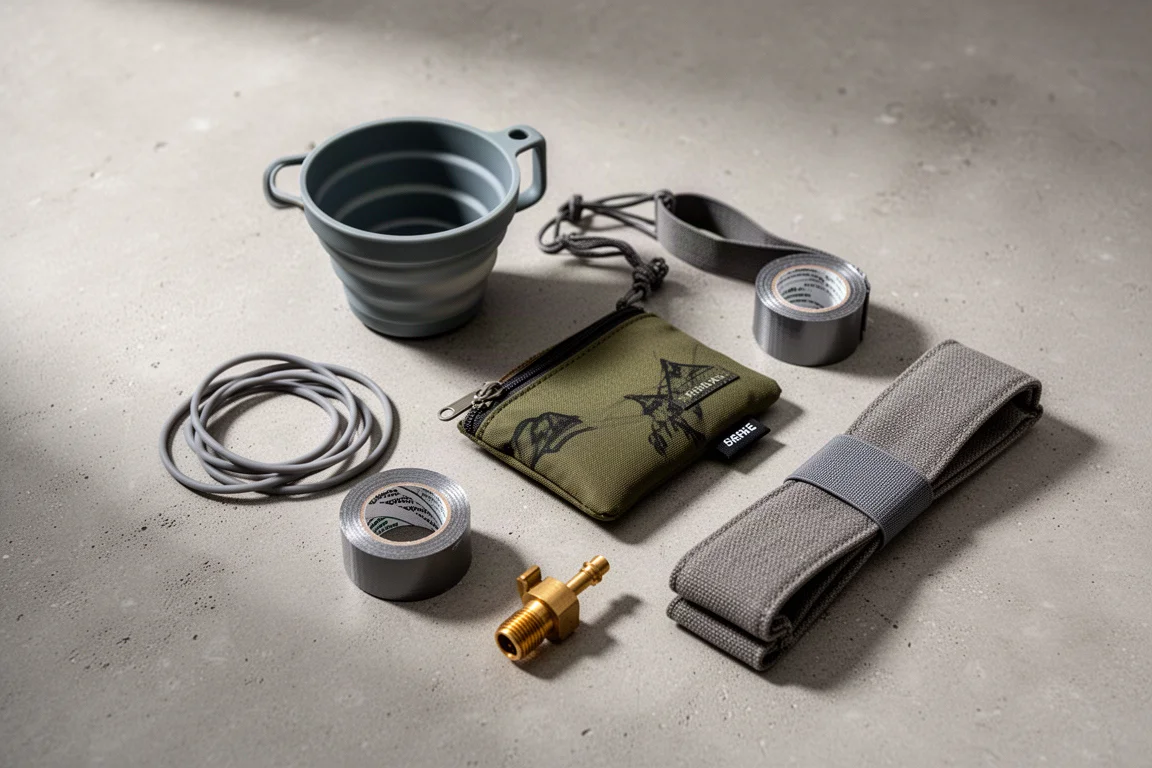
Eight small, affordable backpacking upgrades that solve real trail annoyances, from a pillow that stays put to a fuel valve that rescues leftover canister gas.