Backpacking Gear
Best Backpacking Gear 2025: Six Game Changers Worth Repacking For
The backpacking gear that moved whole categories forward this year, from cold-weather stoves and quilts to packrafts and minimalist footwear, with the trade-offs worth knowing before you buy.
Introduction
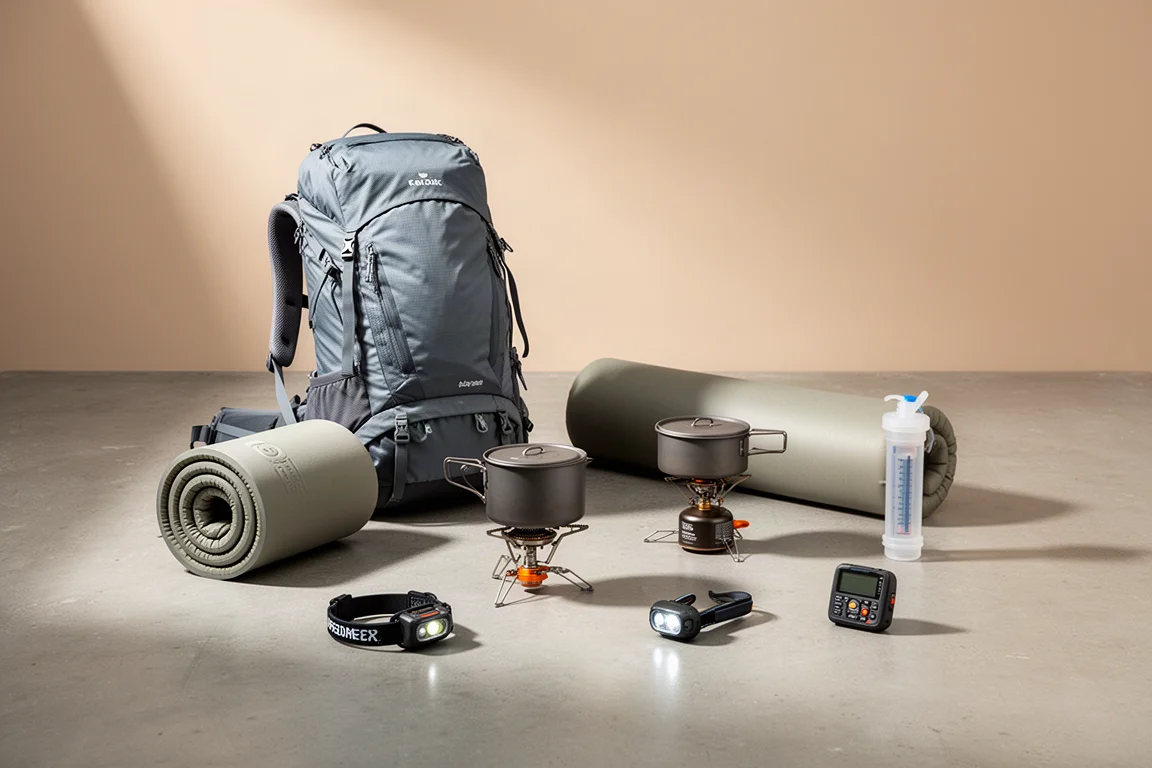
Every year brings a familiar wave of backpacking gear updates: lighter fabrics, small design refinements, and the occasional clever stuff sack. Then there are the years when something arrives that makes an entire category of equipment feel dated. This year delivered several of those moments, and the products below earned their place through time on trail rather than through spec sheets.
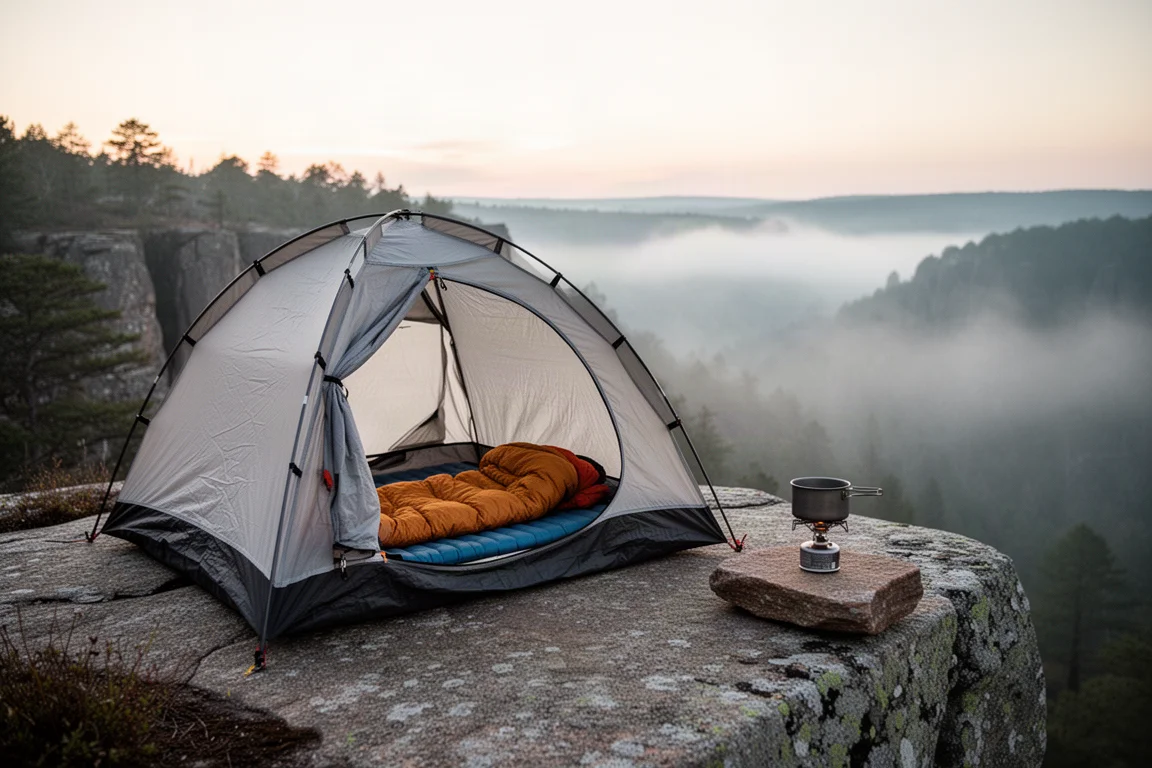
This guide covers six categories where the leap forward is genuinely noticeable: cold-weather cooking, quilts, winter sleeping pads, pot lids, water bottles, and packrafts. It also includes one addition that is not new gear at all, but has changed how a lot of backpackers think about their feet on a day-to-day basis.
If you are a weekend backpacker, a thru-hiker, or someone who spends winter nights on snow, the goal here is straightforward. Help you decide which of these upgrades is worth the money, and which ones you can comfortably skip for now.
How These Products Earned Their Place
Three questions shaped this list. First, does the product solve a problem that has annoyed backpackers for years? Second, does it perform in the conditions it claims to handle, including wind, cold, and snow? Third, does it stay practical once you are actually carrying it: weight, packed size, and how many extra steps it adds to camp chores?
Value matters too, but value is not the same as cheap. A product that replaces two items or removes a nightly frustration can justify a higher price. Where something is expensive or hard to find, that is called out plainly rather than glossed over.
Best Cold-Weather Stove: Primus Ulti
Cooking in cold weather has always involved a trade-off. Winter canister stoves lose efficiency as temperatures drop, while liquid fuel stoves bring reliable output at the cost of weight, mess, and fuss. The Primus Ulti takes a different route: it is an inverted canister stove with a preheating tube, paired with a radiant burner.
That combination delivers the convenience of a canister with the efficiency of a radiant burner. The included pot adds a heat exchanger system, which further reduces fuel use and helps the stove shrug off wind. In breezy conditions, the wind made very little difference to how the system performed.
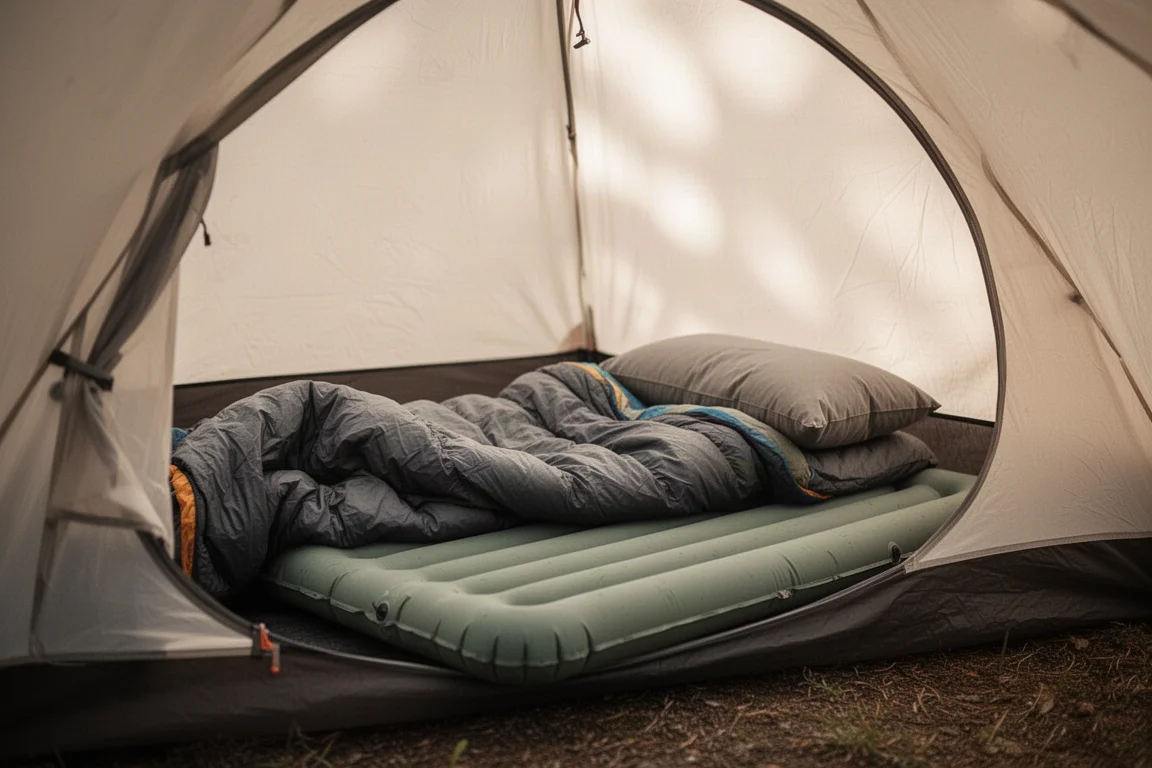
The whole setup, including a medium-sized canister, nests inside the 1.7 litre pot, which keeps the packed footprint small and the cooking routine quick once you stop for the night.
The main drawbacks are price and availability. This is a very expensive system and it can be hard to find in stock, so it suits buyers who specifically want the efficiency gains and are prepared to pay for them.
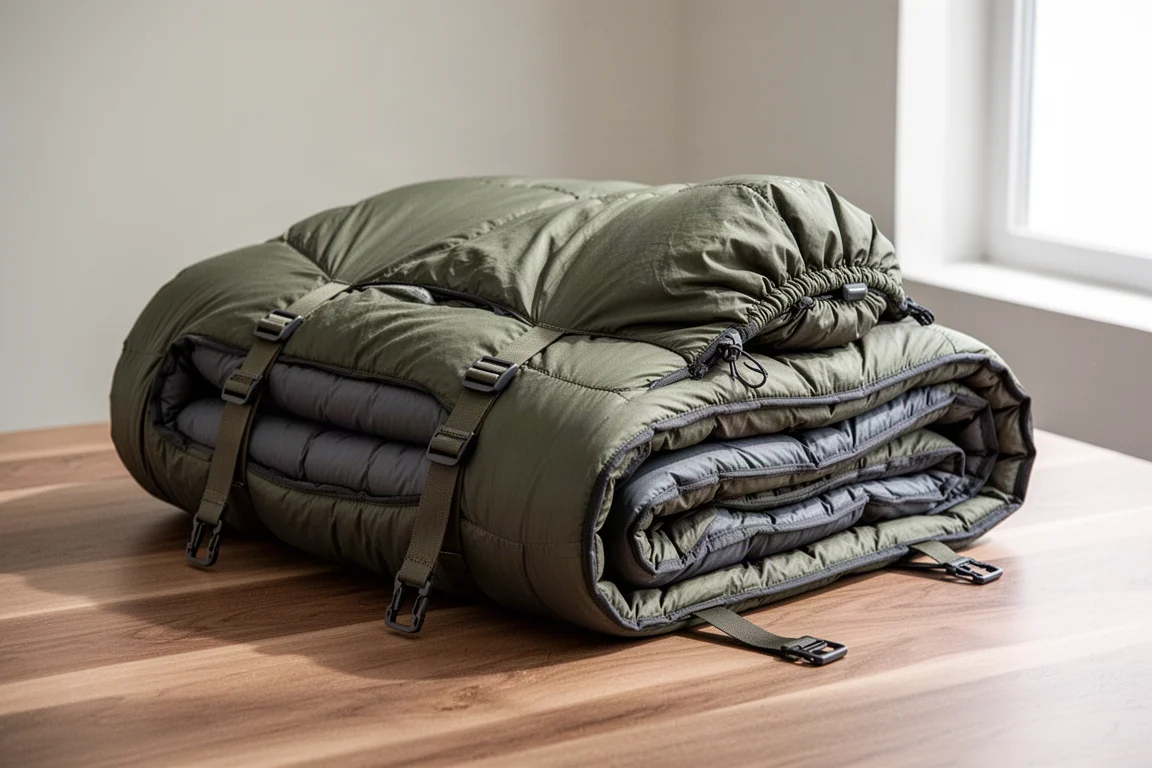
Best Quilt: Neve Quilt
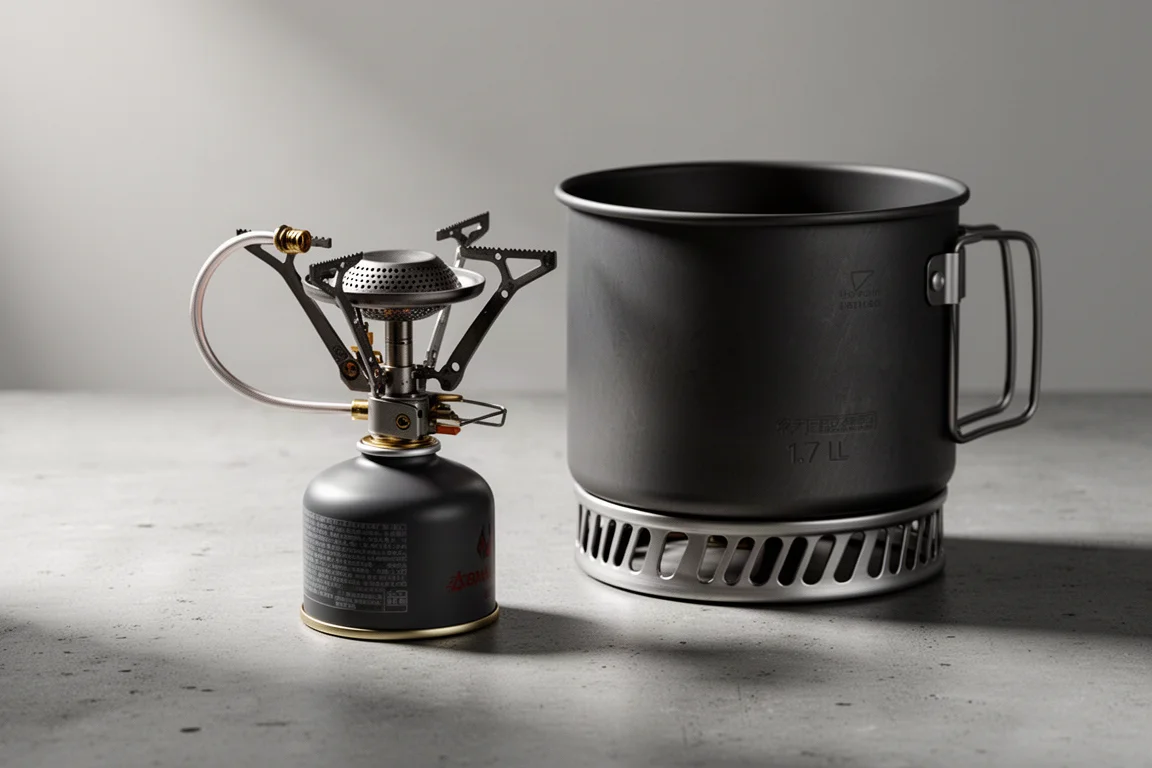
Quilts appeal to backpackers because they weigh less than a comparable sleeping bag and let you shift positions underneath them the way you would with a blanket at home. The catch has always been drafts. A quilt attaches to your sleeping pad rather than wrapping around you, and any gap between quilt and pad lets cold air in, especially when you roll over in the night.
The Neve quilt addresses that directly with draft tubes running along the sides. The clips that attach to the pad straps sit higher on the quilt, leaving a layer of material between the clip and the pad that seals the gap. When you move and the quilt lifts slightly, that material fills the space instead of leaving an opening, which is exactly when the difference becomes noticeable.
The details back it up. The pad straps are notably thick, which limits how far the quilt can lift off the pad. At the head end there is a neck snap, a draft collar, and a cinch that locks the quilt around your neck and shoulders to hold heat in. It is also fairly light for how many features it carries, and it is priced as one of the most affordable quilts on the market, which makes it an easy recommendation for anyone curious about switching from a sleeping bag.
Best Cold-Weather Sleeping Pad: Sea to Summit Ether Light XR Pro
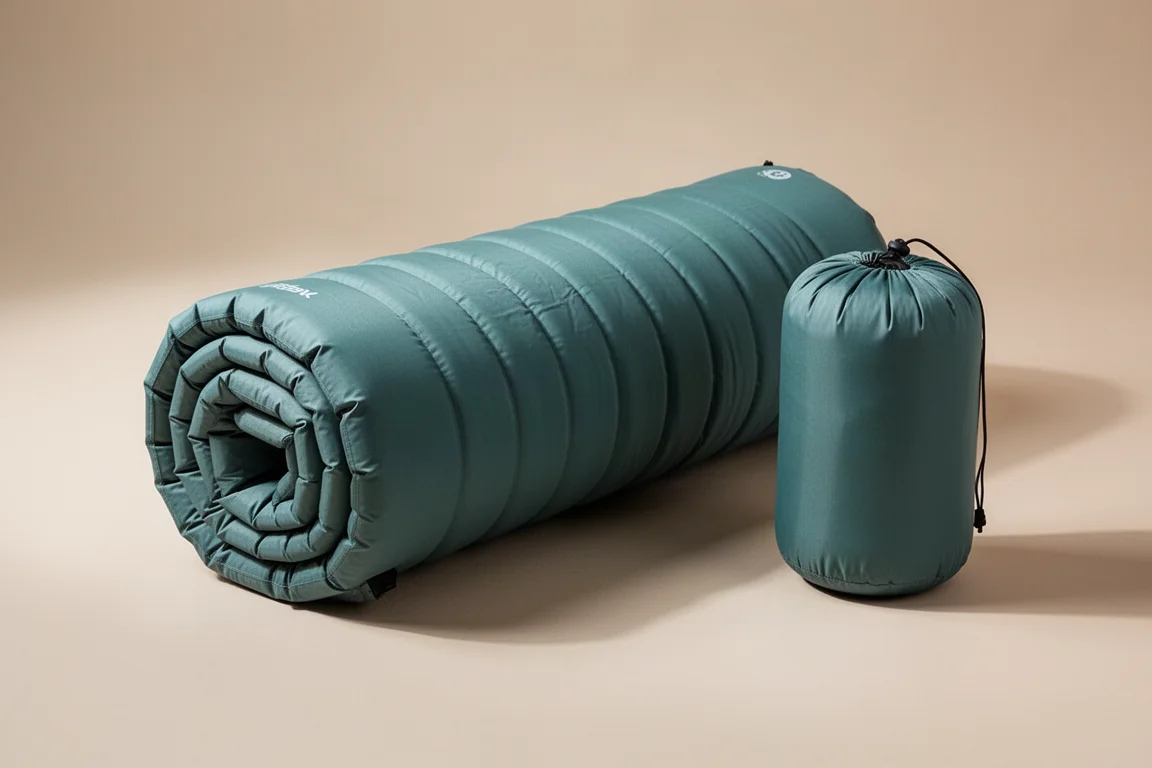
For years, the warmest winter pads on the market came with an unspoken compromise: warmth on snow, discomfort everywhere else. Fully inflated to maximise warmth, most cold-weather pads have been genuinely unpleasant to sleep on.
The Sea to Summit Ether Light XR Pro breaks that pattern. It uses a dimpled baffling system that spreads pressure and relieves hotspots even when the pad is fully inflated, so you are not choosing between warmth and comfort. It has been tested down to -25°C on snow with the sleeper staying warm.
Practical details matter just as much in winter. The valve sits on top of the pad, which makes it easy to add a little air without leaving your sleeping bag, a small thing that becomes a nightly routine in cold conditions. It is also compact and fairly light for a winter pad.
It is not quite as warm as the long-standing benchmark winter pad, and that is worth knowing if you regularly sleep on snow in extreme cold. For most cold-weather trips it is warm enough, and it is the first winter-rated pad that is genuinely comfortable to sleep on.
Best Minimalist Footwear: Lems
Minimalist footwear is not a new product category, but it has been one of the most useful changes to daily wear for hikers. Two benefits stand out. First, the foot is allowed to move and work naturally, which supports foot strength. Second, that natural position supports posture and body alignment.
There is an important caveat. Do not jump straight from heavily cushioned, supportive shoes into a full day of walking in minimalist footwear. Start with short walks and gradually extend the time you spend in them. Build up over weeks rather than days, and the transition is far more comfortable.
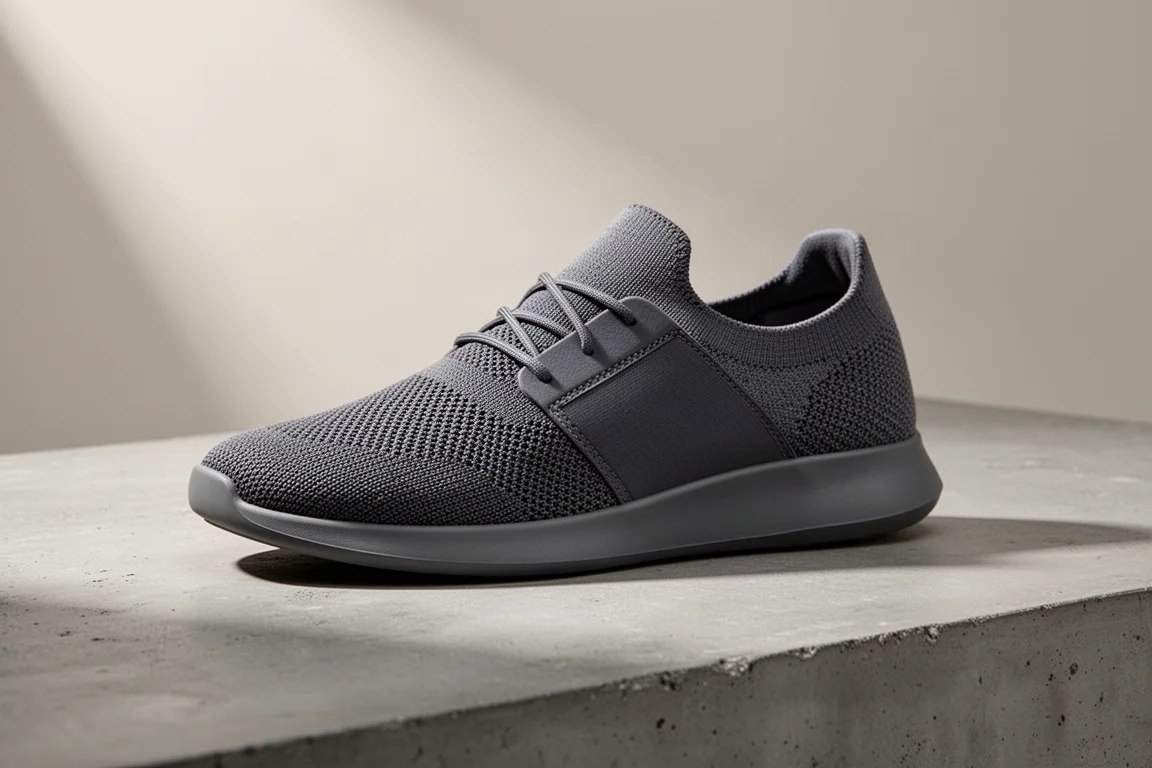
Lems Primal Zen
The Primal Zen is the everyday option: a low-profile shoe built for walking, errands, and long days on your feet. Worn consistently, it is the pair that does the most work toward stronger feet, which pays off directly on trail.
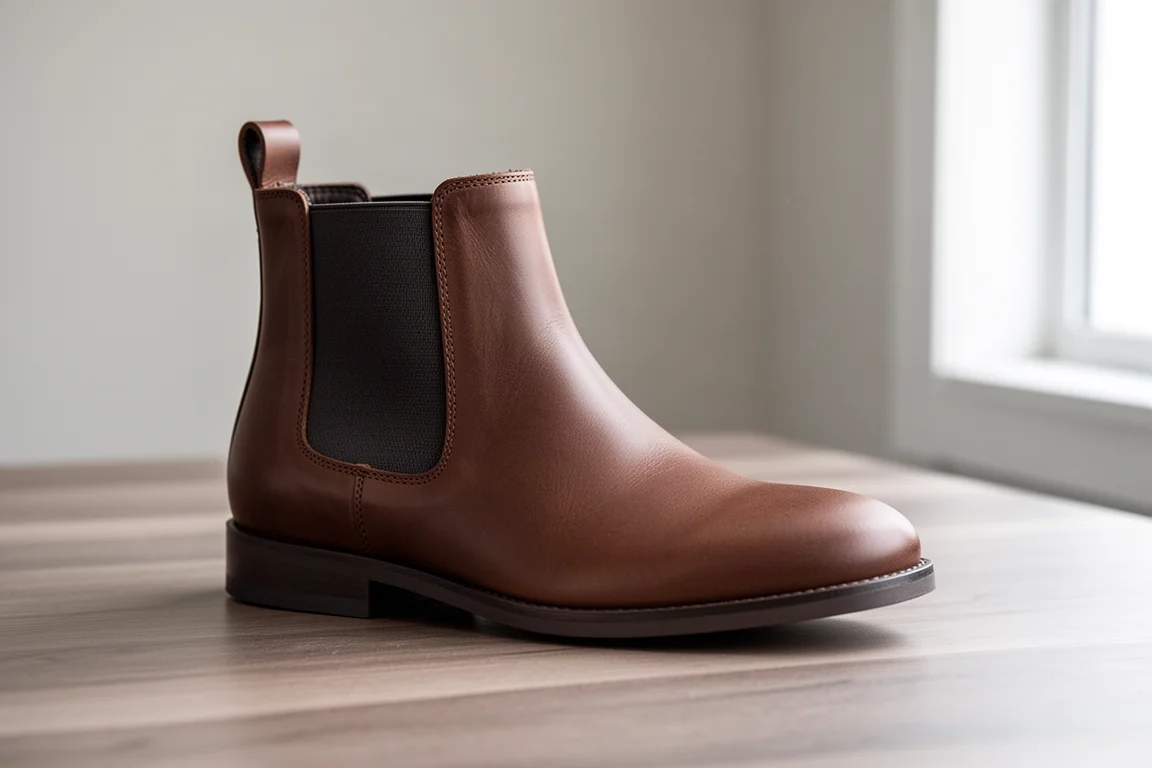
Lems Chelsea Boot
The Chelsea boot applies the same approach to a smarter silhouette. It works for the office, for travel, and for evenings out without giving up the wide, natural fit that makes this footwear useful in the first place.
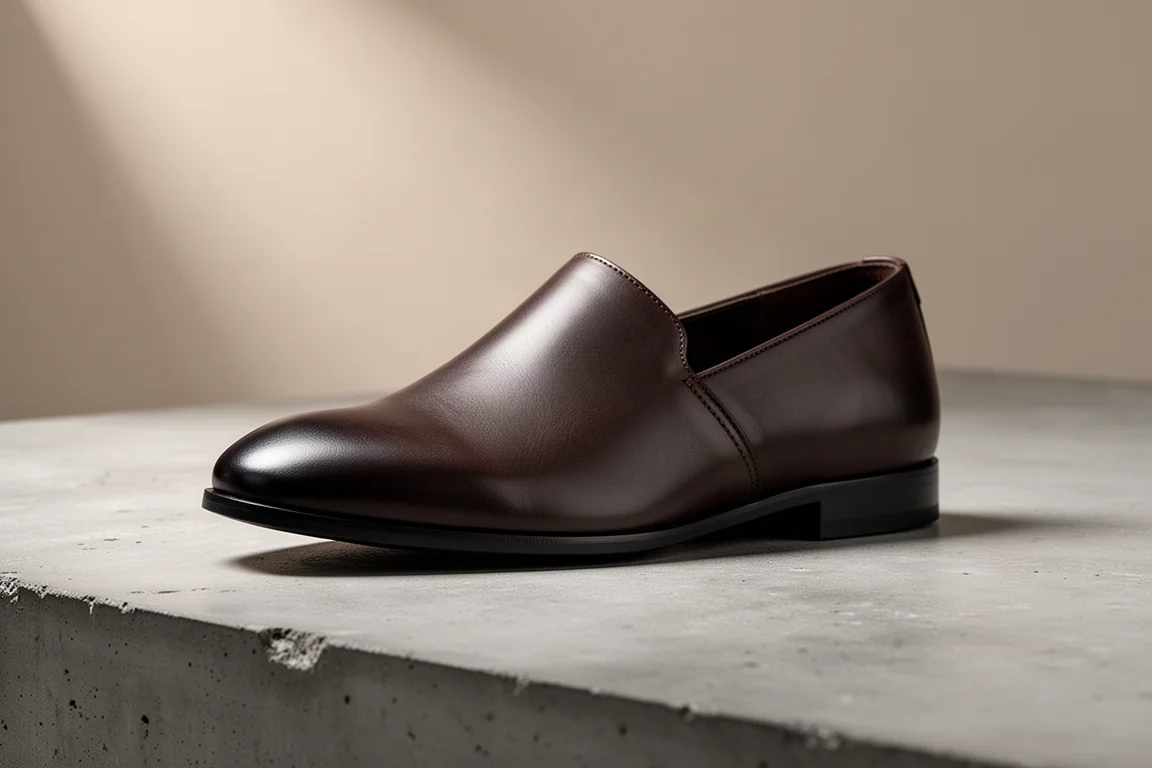
Lems 9to5
For a dressier look, the 9to5 is the option to reach for. It keeps the flat, flexible feel while looking appropriate in settings where a trail shoe would not.
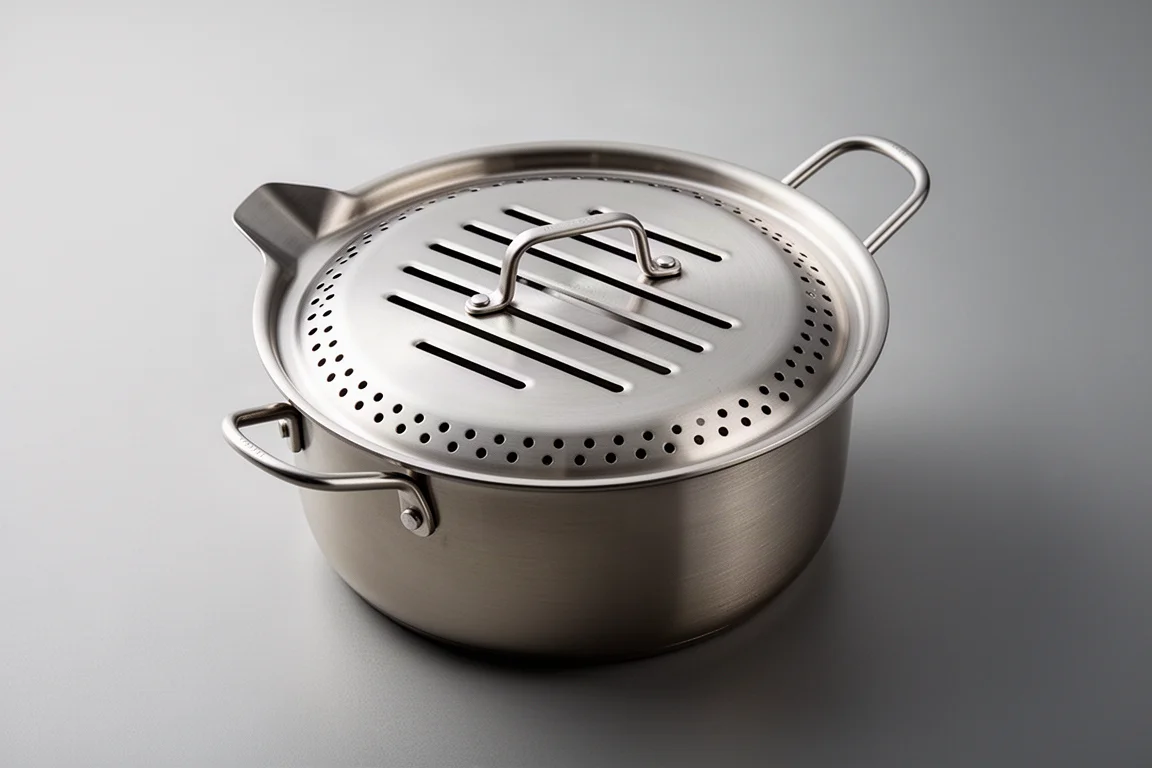
Best Titanium Pot Lid: Peak Outdoors Pika Lid
The lid that ships with most titanium backpacking pots does its one job of holding heat, but little else. It usually needs an elastic band or a stuff sack to stay put, and it offers no other function.
The Peak Outdoors Pika Lid, developed in collaboration with backpackers, changes that. It snaps onto the pot, so no band or bag is needed to keep the kit together. It also holds a fuel canister, which prevents rust rings from forming inside the pot, and there is room to nest a lighter underneath the canister.
The extras are thoughtful rather than gimmicky: a measurement conversion chart, drainage holes, a pouring spout, and slots that hold a spoon. When the lid is attached, you can pour water out of the pot easily even if the pot has no handles. Additional stock and colour options are in the works, so availability should improve over time.
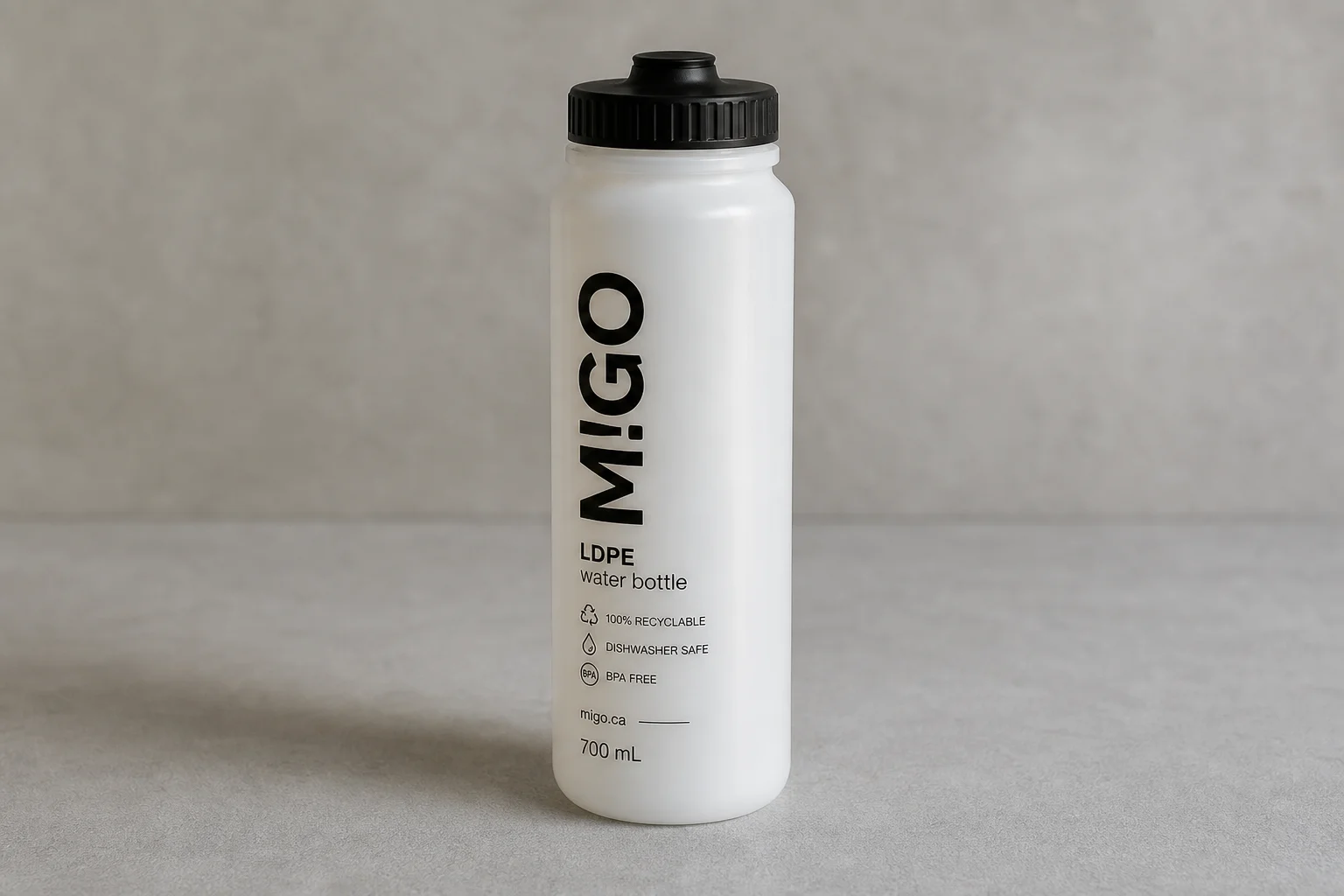
Best Water Bottle: MIGO Bottle
Backpackers have long chosen between disposable-style bottles for low weight and reusable bottles for durability. Each comes with trade-offs, and neither is ideal for filtering water on the move.
The MIGO bottle is built around a dual-threaded lid, and that is the feature that sets it apart. The wide, standard-sized opening makes it easy to filter water into the bottle and to add electrolyte powder without spilling. It also makes cleaning straightforward, whether by hand or in a dishwasher. The top thread is a standard 28 mm fitting, so it accepts a flip cap or an inline squeeze filter mounted directly, letting you drink from a bottle holding untreated water.
It handles boiling water as well, which will pair well with a planned insulating sleeve for winter use, and the threading works with a bidet cap. The squeeze factor is another plus: the bottle springs back into shape instead of crinkling the way disposable bottles do.
Best Packraft: Alpacka Mage Packraft
Packrafting looked improvised not that long ago. Boats resembled inflatable dinghies, and strapping gear to the bow before running whitewater felt like a gamble.
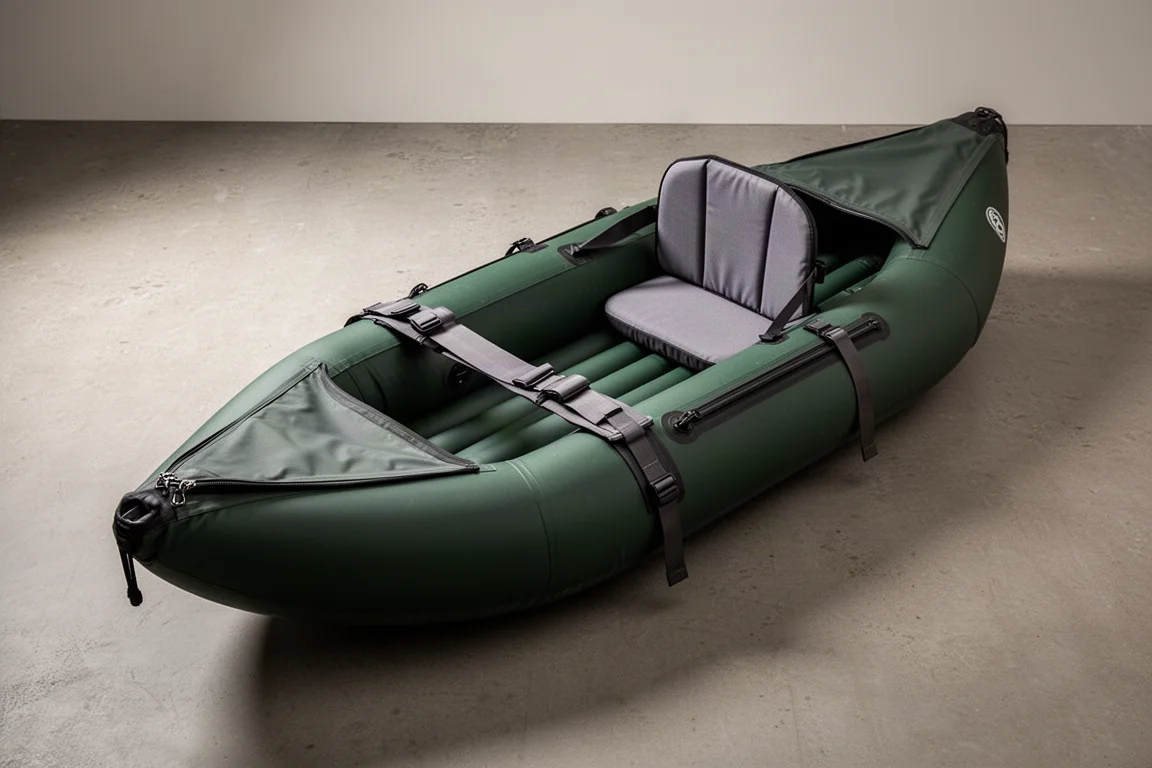
The Alpacka Mage shows how far the category has come. It is a capable whitewater boat at 8.5 lb, which keeps it realistic for multi-day expeditions. A zipper at the rear lets you store gear inside the tubes, improving the centre of gravity and removing the need to lash loads to the front of the boat.
On the water, the fit does the heavy lifting: a full back band, a seat, and thigh straps. The thigh straps are what make the boat manoeuvrable, and they also allow you to roll it. The floor inflates along the bottom and pushes the hull down to create edges, which adds secondary stability and lets you carve and edge through the current.
Buying Advice
If you are prioritising a single upgrade, think about which problem costs you the most comfort or time. Cold-weather cooking is where the Primus Ulti makes the biggest practical difference, provided the price and availability work for you. For sleep, the Neve quilt is the value pick, while the Sea to Summit Ether Light XR Pro is the choice for anyone who sleeps on snow and has given up on comfort.
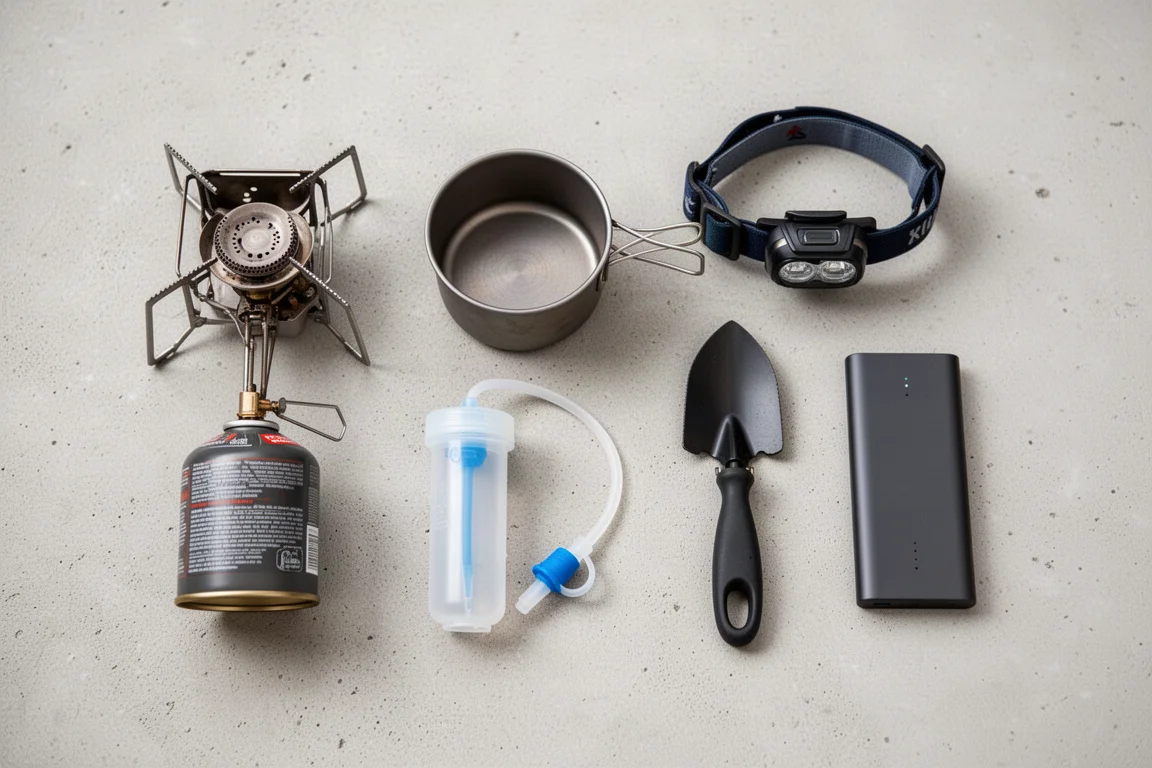
For smaller budgets, the Pika lid and the MIGO bottle are inexpensive fixes for daily annoyances, and both are easy to justify because they get used on every trip. Minimalist footwear is the slowest upgrade to adopt but the one that pays off over years rather than trips, so start with short walks and build up gradually. The Alpacka Mage is a specialist purchase: worth it if packrafting is already part of your plans, and easy to defer if it is not.
Conclusion
What ties these products together is not novelty for its own sake. Each one removes a specific, long-standing compromise: cold-weather stoves that are either inefficient or fiddly, quilts that leak warmth at the sides, winter pads that are warm but miserable to sleep on, pot lids that need a band to stay put, water bottles that force a choice between filtering and durability, packrafts that carry gear badly, and everyday shoes that leave your feet weaker than they should be.
Start with the category where you feel that compromise most often, and let the rest wait until your current gear genuinely holds you back. That approach keeps the spend sensible and the payoff real.
Further reading
Related Reviews

Backpacking Gear
Building a 10 lb Base Weight: An Ultralight Backpacking Gear List
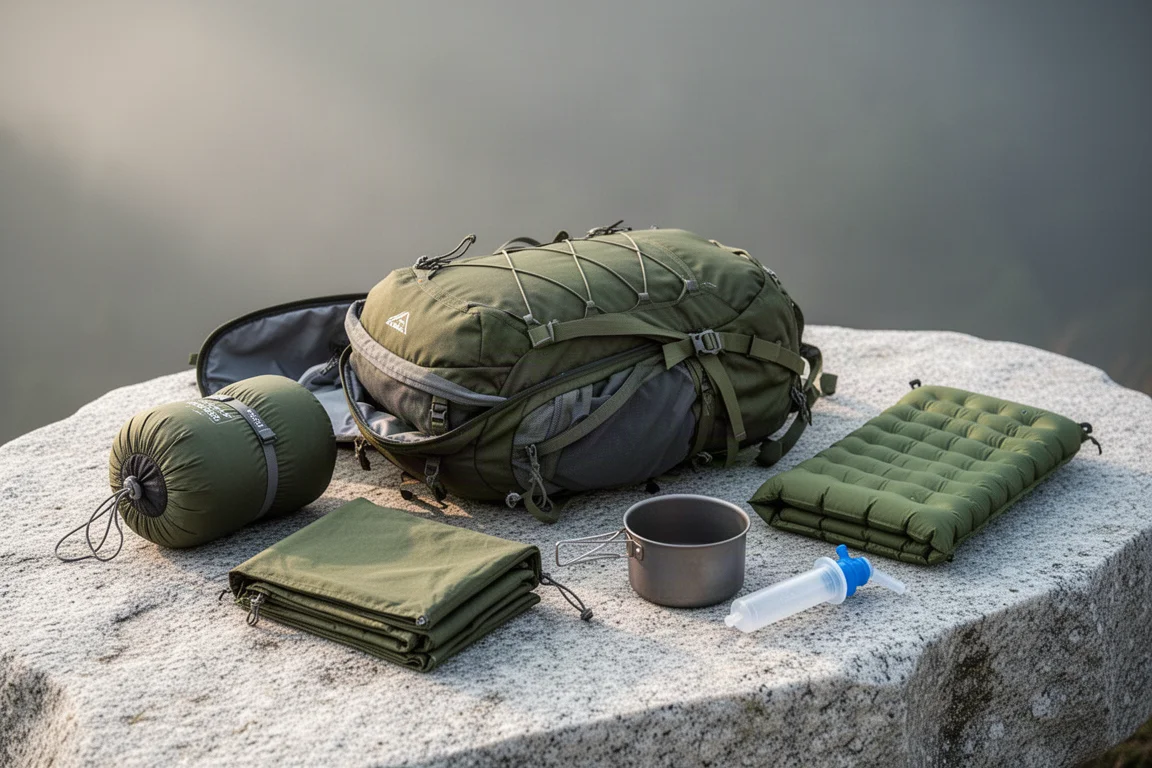
A practical walkthrough of the ultralight pieces behind a 10 lb base weight, from a 765 g pack and a roomy one-person tent to a full camp chair and a dependable water filter.
Backpacking Gear
A 15-Pound Lightweight Backpacking Gear List for Solo Trips
A beginner-friendly 15-pound backpacking setup built from easy-to-find gear, with notes on what each piece does, how it packs, and where to spend your attention.
Backpacking Gear
8 Ultralight Backpacking Gear Upgrades Worth Carrying
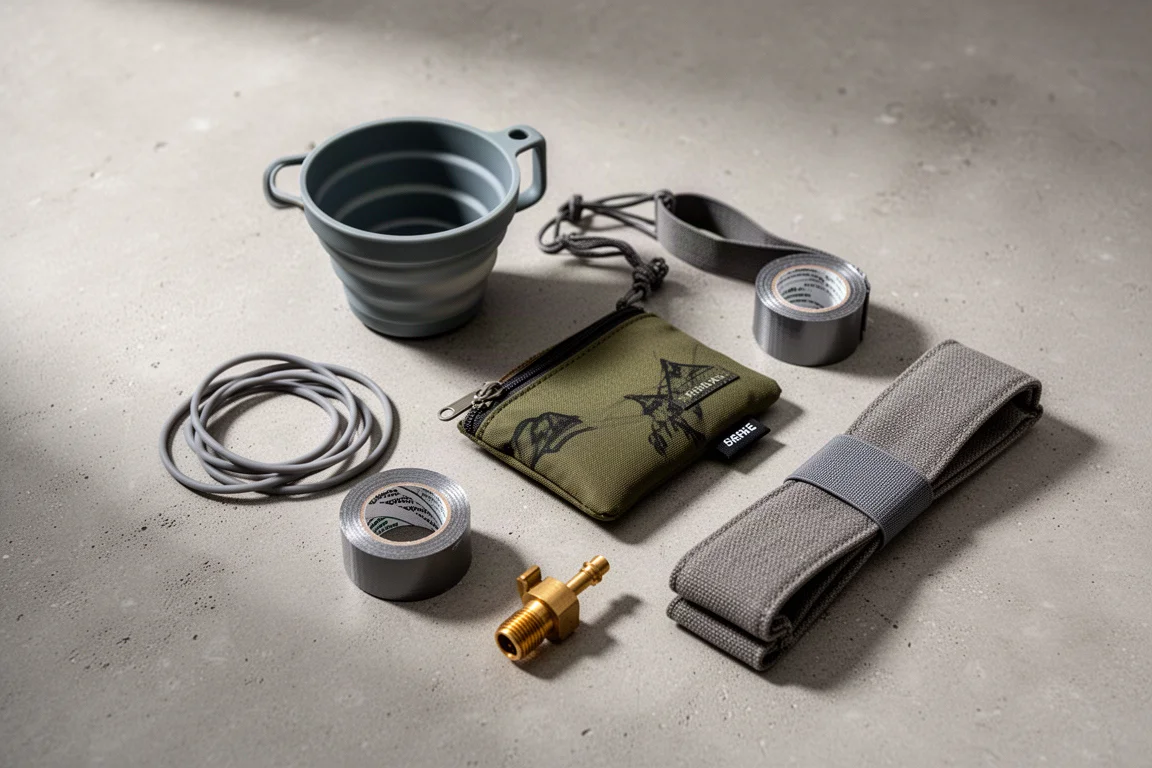
Eight small, affordable backpacking upgrades that solve real trail annoyances, from a pillow that stays put to a fuel valve that rescues leftover canister gas.