Backpacking Gear
Best Backpacking Gear 2025: Six Game-Changing Upgrades
Six 2025 backpacking upgrades that solve long-standing problems, from a radiant-burner stove to a light whitewater packraft, plus minimalist footwear advice.
Introduction
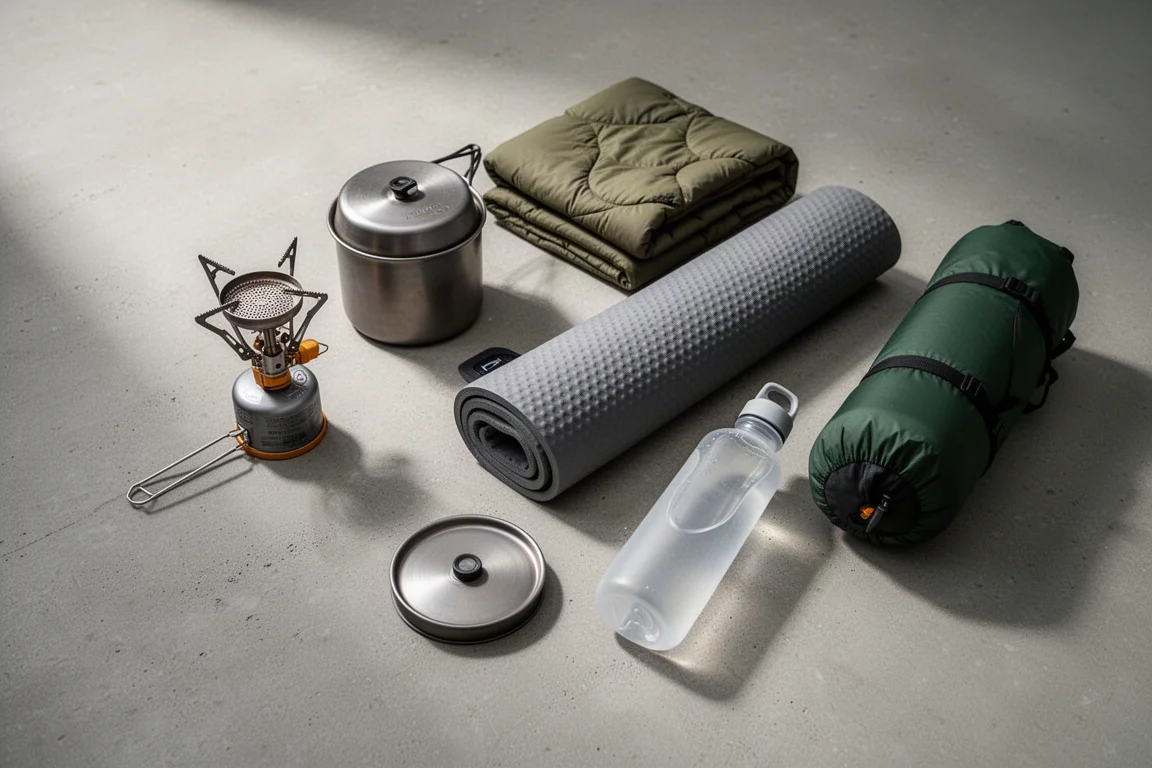
Most gear years look the same: lighter fabrics, small design tweaks, and the occasional clever stuff sack. Then there are the seasons that reset expectations. The six products below belong to the second group, and each one solves a problem backpackers have quietly accepted for years, including winter stove efficiency, quilt drafts, winter pad comfort, pot lids that need an elastic band, water bottles that force a choice between disposable and reusable, and packrafts that require lashing gear to the bow. A closing section covers minimalist footwear, a category that can change how your feet feel on every trip.
What Makes These Picks Stand Out
Three things separate a genuine upgrade from a marketing one. First, the product has to fix a known weakness in its category rather than add a feature nobody asked for. Second, it has to hold up in real conditions, from wind and wet cold to long days on the move. Third, the trade-offs have to be honest, whether that means price, availability, weight, or the learning curve that comes with a new approach. Each pick below is assessed against those standards, and the caveats are listed alongside the wins.
Best Cold-Weather Stove: Primus Ulti Stove
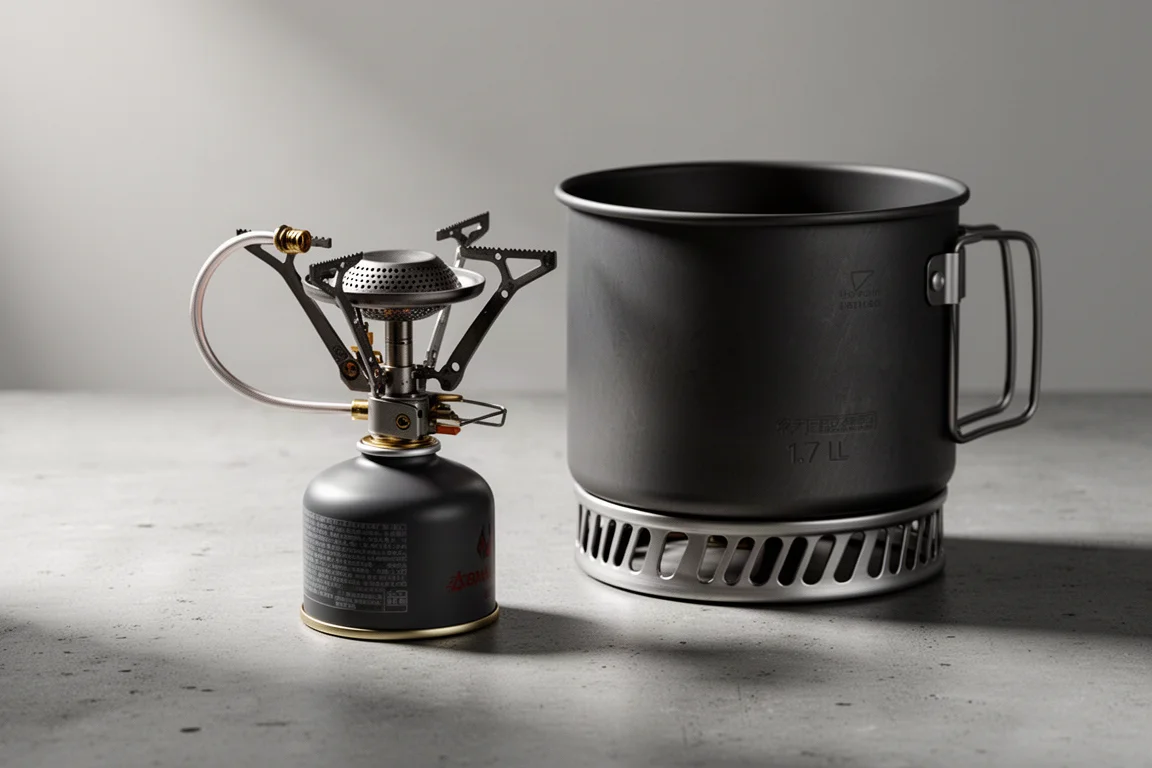
Cold-weather canister stoves have traditionally traded efficiency for convenience, while liquid fuel stoves demand priming, maintenance and a heavier kit. The Primus Ulti Stove takes a different route. It is an inverted canister stove with a preheating tube, paired with a radiant burner, which keeps the simplicity of canister fuel while gaining radiant-burner efficiency. The included pot uses a heat exchanger, adding further fuel savings and helping in exposed conditions. In breezy weather the stove kept performing without the flame being pushed around, and the whole system, including a medium-size canister, nests inside the 1.7 litre pot. The main caveats are price and availability, since this is a very expensive system that can be hard to find in stock.
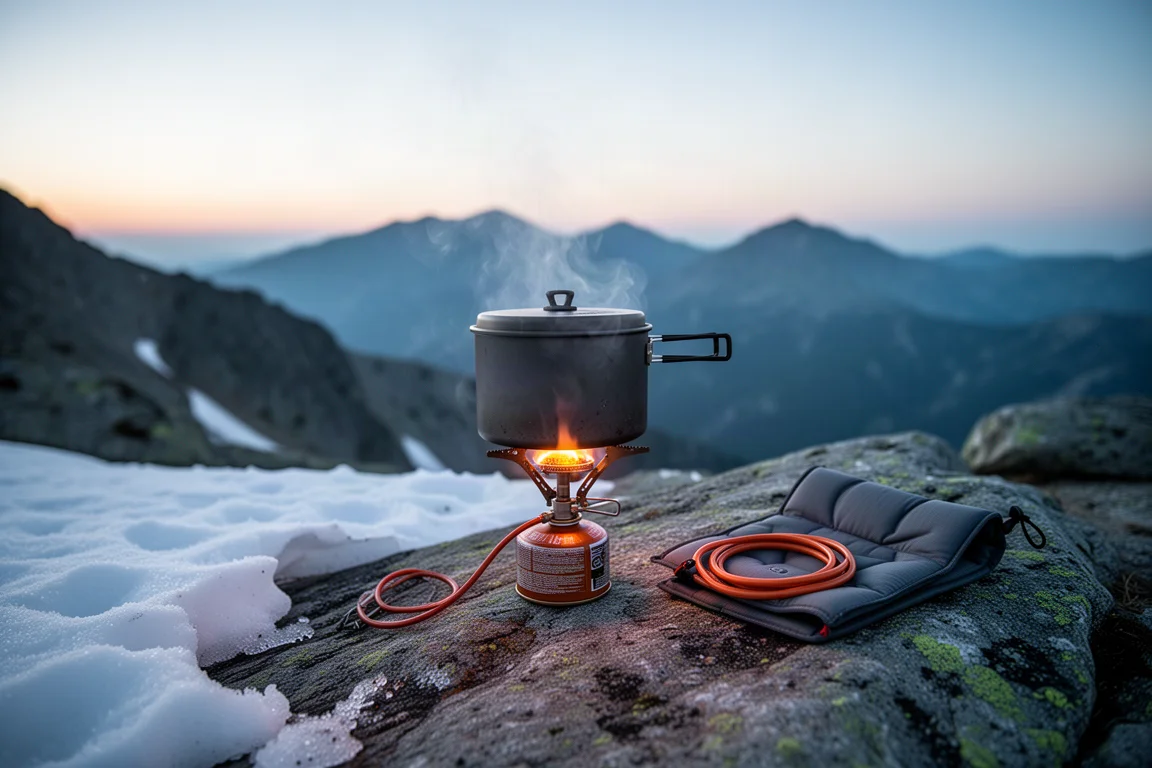
That combination of efficiency and wind resistance matters most for anyone cooking in sub-freezing conditions, where fuel economy decides how many canisters a trip requires. If cost is the deciding factor, a standard canister stove remains the simpler purchase.
Best Backpacking Quilt: Neve Quilt
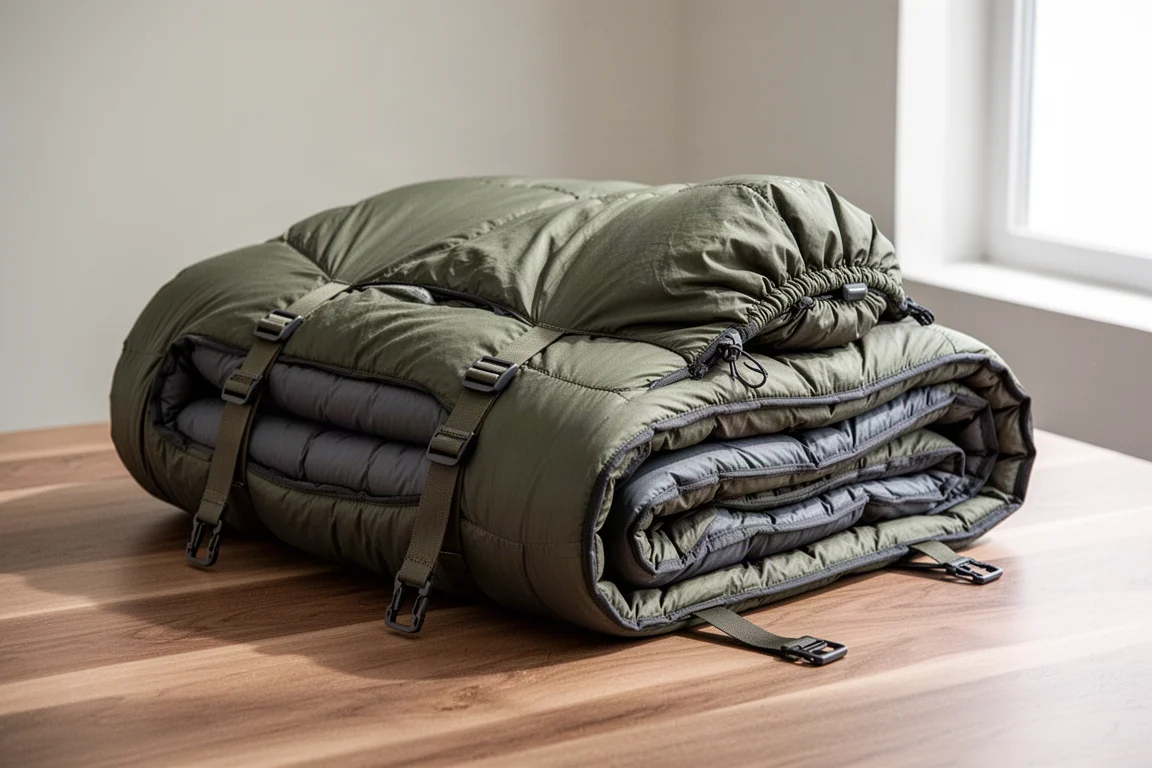
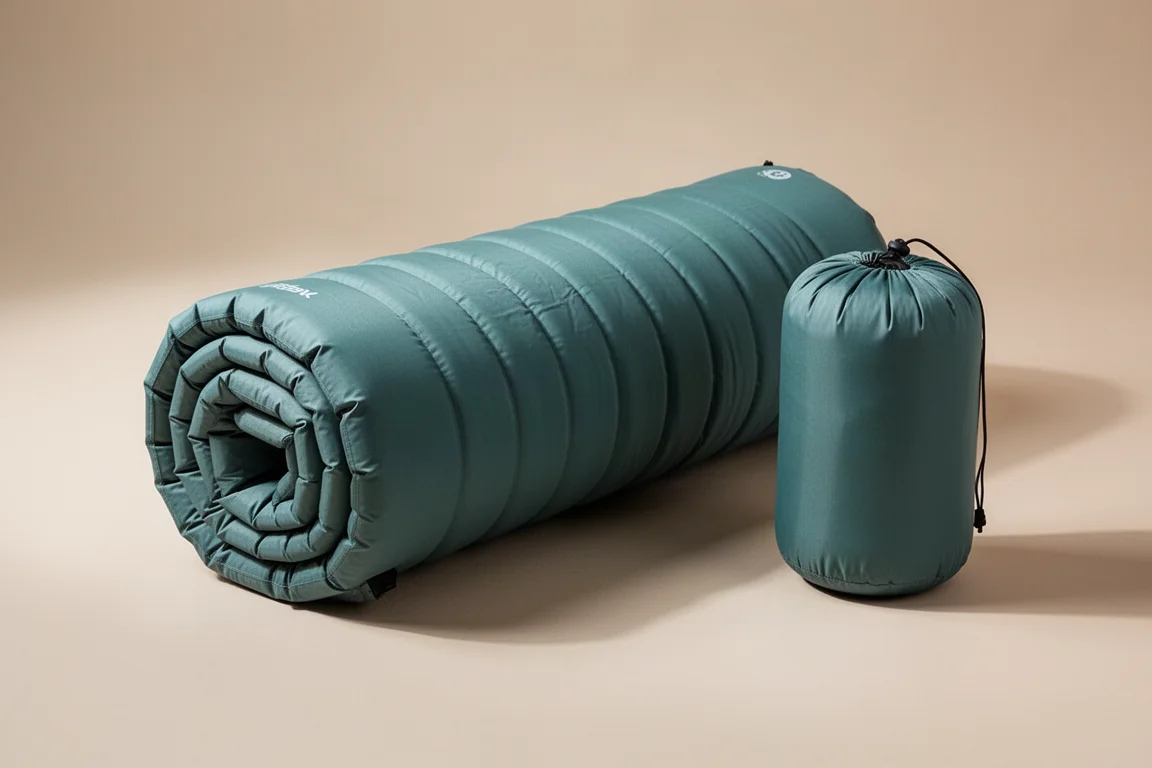
Quilts are lighter than sleeping bags and let you shift position like a blanket at home, but the switch from a bag takes adjustment. Quilts attach to the sleeping pad, which is an extra step, and drafts along the edges have been a common complaint. The Neve Quilt addresses that directly with draft tubes running along the side of the quilt and pad-strap clips positioned higher up. The layer of material between the clip and the pad fills the gap whenever the quilt lifts, which is exactly what happens when you roll over in the night. Thick pad straps also limit how far the quilt can rise off the pad, and at the head end a neck snap, a draft collar and a cinch seal the quilt around the neck and shoulders.
For how feature-rich it is, the quilt stays fairly light, and it sits among the best-priced quilts on the market.
Best Winter Sleeping Pad: Sea to Summit Ether Light XR Pro
The warmest winter pads have long been the ones you tolerate rather than enjoy, especially when they are fully inflated to maximise warmth. The Sea to Summit Ether Light XR Pro targets that trade-off head on. It sleeps warm enough for snow camping, having proven comfortable on snow in temperatures down to -25 C, and it does so without the stiffness that usually comes with a winter pad. A dimpled baffling system provides noticeable pressure relief even when the pad is fully inflated, and the valve sits on top of the pad so topping up air mid-trip is quick. It packs down reasonably compactly and stays fairly light for a winter model. It is not quite as warm as the warmest winter pads available, but warm enough for most cold-weather trips.
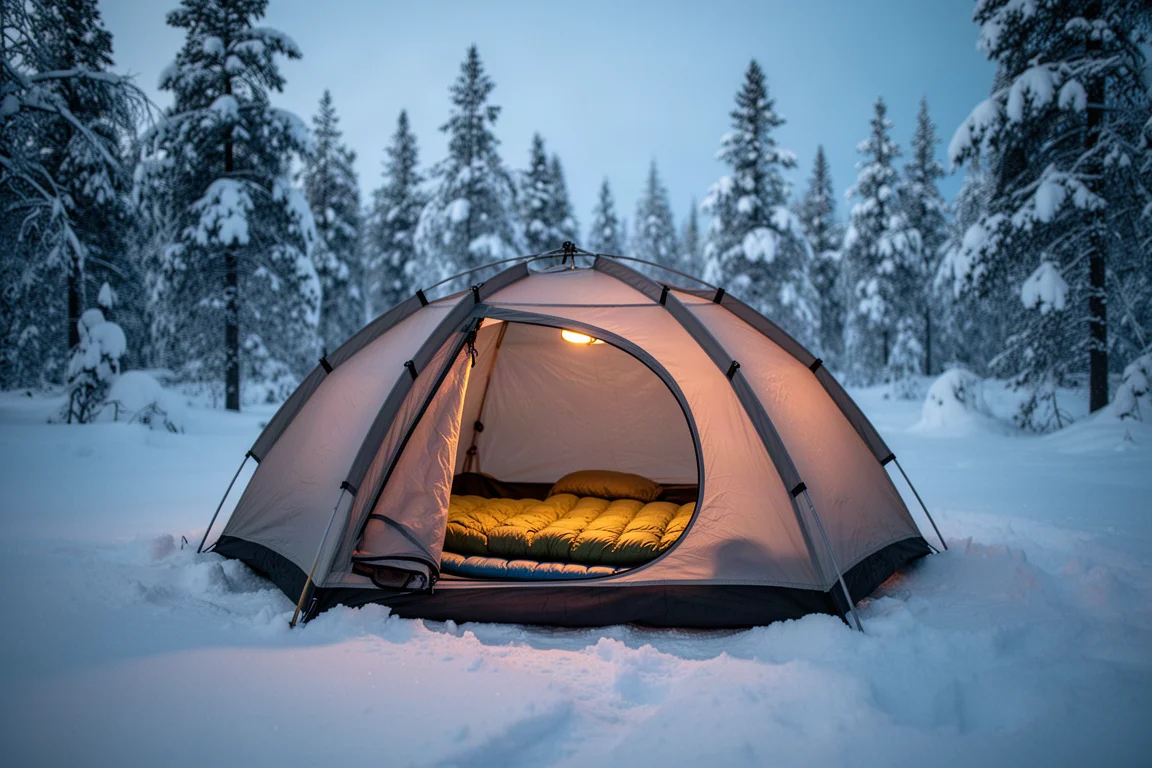
Comfort is the headline here. For anyone who has spent a night fighting a rigid winter pad, this is a design that can be inflated fully without turning the evening into a negotiation.
Best Titanium Pot Lid: Pika Lid
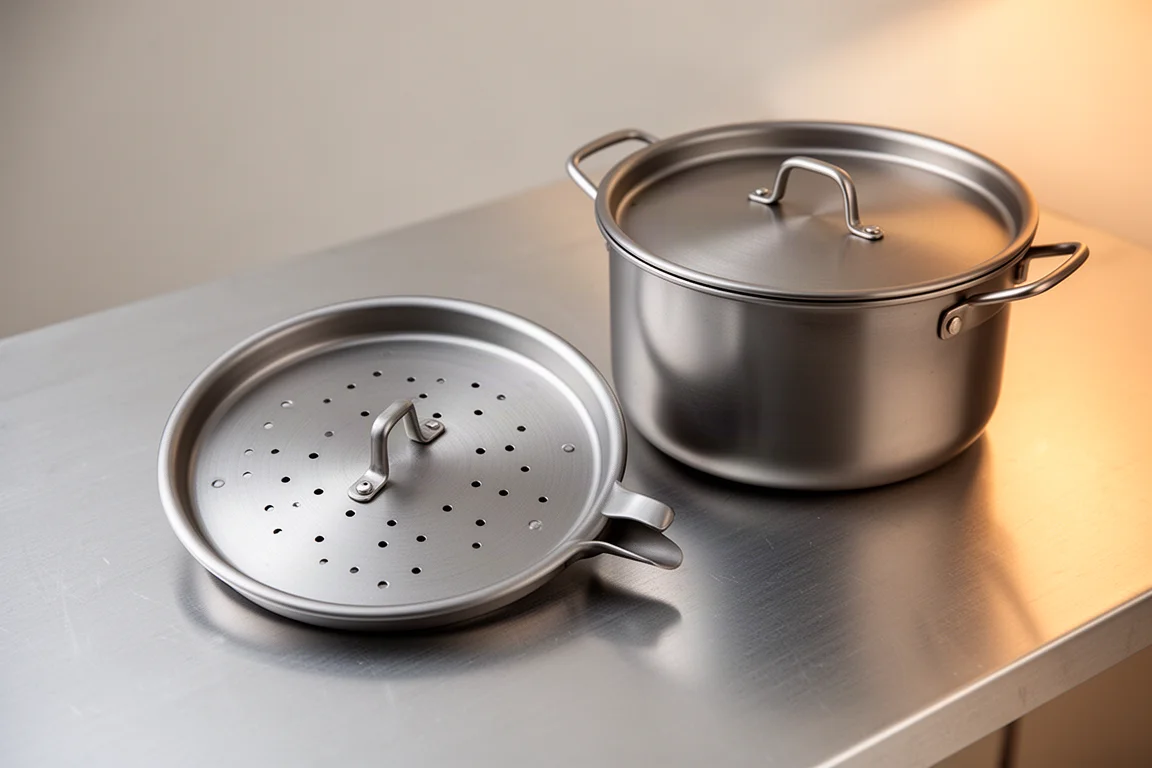
Most titanium pots ship with a lid that does little beyond holding heat, and keeping pot and lid together usually means an elastic band or a stuff sack. The Pika Lid, developed in partnership with Peak Outdoors, snaps onto the pot instead. It fits widely used pots such as the Toaks 750, and it nests a fuel canister so the inside of the pot avoids rust rings, with room for a lighter tucked underneath the canister. The lid also carries a measurement conversion chart, drainage holes, a pouring spout, and slots on top that hold a spoon. With the lid attached, pouring water out of the pot is easy even when the pot has no handles.
Stock is still being built out, with more availability and additional colors in the works, so it is worth checking before planning a full cook kit around it.
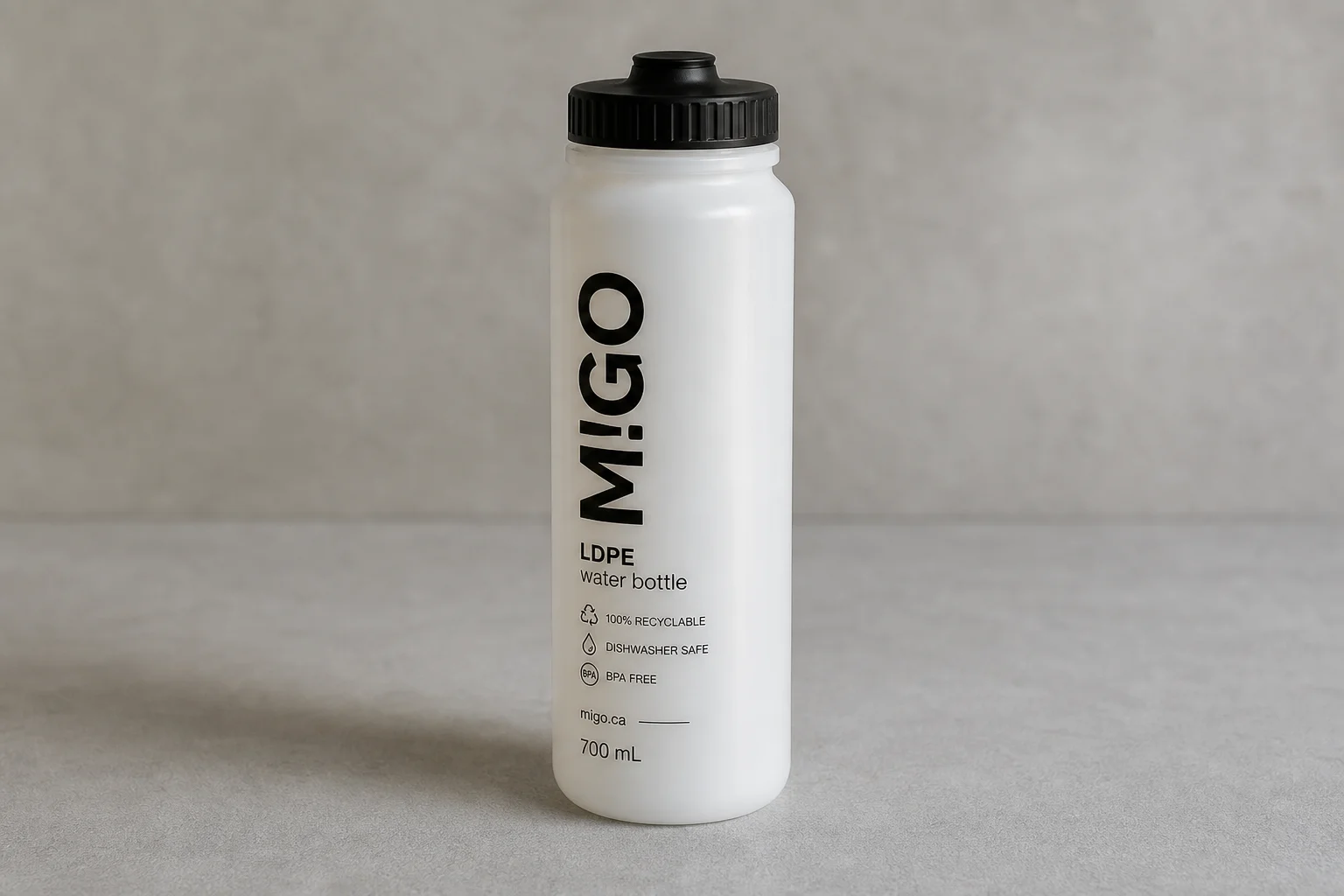
Best Water Bottle: Migo Bottle
Backpackers have long chosen between disposable-style bottles for low weight and reusable bottles for durability, and each option carries compromises. The Migo Bottle takes a dual-threaded approach. A wide, Nalgene-sized opening makes filling from a filter and adding electrolyte powder far easier, and that wider mouth also makes cleaning simple, by hand or in a dishwasher. On top sits a standard 28 mm thread, the same thread used by common single-use bottles, so a flip cap can be fitted or a Sawyer or QuickDraw filter can be screwed straight on for drinking from the bottle while it holds dirty water.
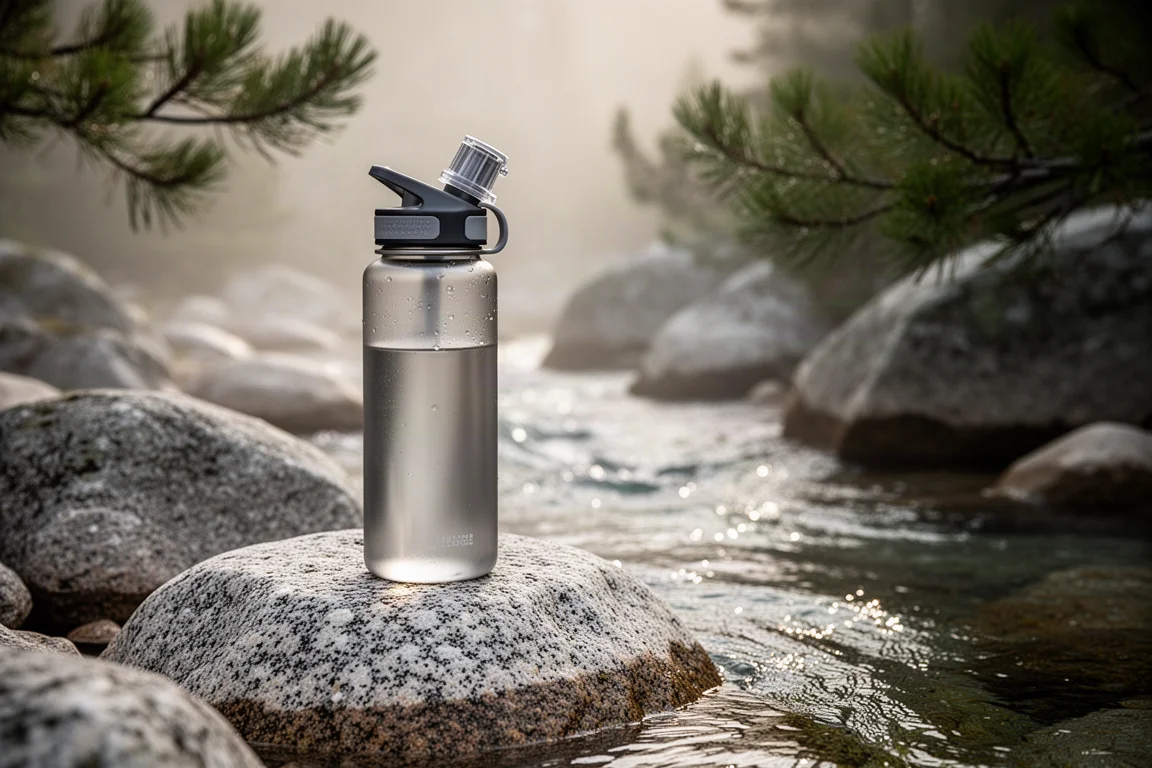
The bottle also handles boiling water, which becomes more useful once a koozie arrives for winter use, and the threading accepts a bidet attachment for backcountry hygiene. The squeeze factor is a welcome detail as well: water comes out easily and the bottle rebounds instead of crinkling the way single-use bottles do.
Best Packraft: Alpacka Mage Packraft
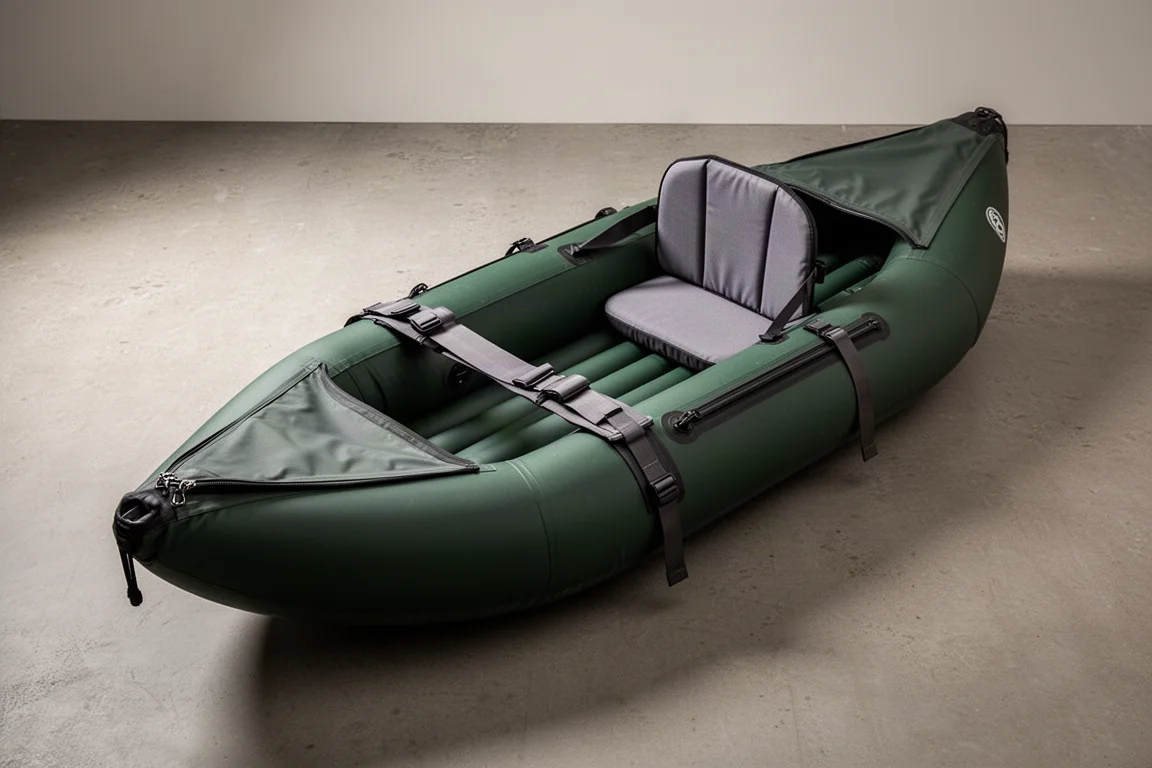
Packrafting looked improvised not long ago. Boats resembled inflatable dinghies, and strapping gear to the bow before heading into whitewater felt risky. The Alpacka Mage Packraft shows how far the category has moved. It weighs 8.5 lbs, performs on whitewater, and is light enough for multi-day expeditions.
The defining change is a zipper on the back of the boat that lets you stow gear inside the tubes, which improves the centre of gravity and removes the need to lash loads to the front. A full back band, a seat and thigh straps add control, and the thigh straps in particular make the boat far easier to manoeuvre, to the point that rolling becomes possible. An inflatable floor runs along the bottom and pushes the hull down to create edges, which helps secondary stability and lets you carve through the current.
Best Minimalist Footwear: Lems
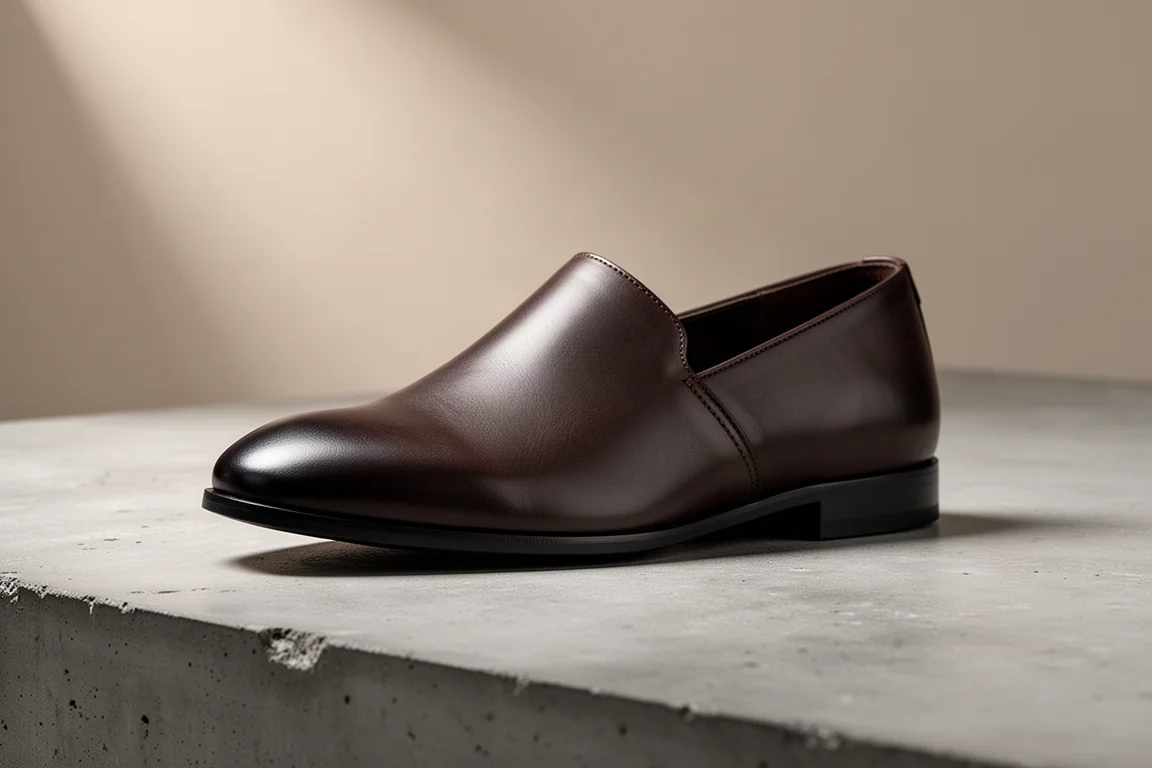
Minimalist footwear is not a 2025 launch, but it may be the single biggest change available to hikers who have only ever worn cushioned, supportive shoes. A flat, flexible sole lets the foot move and work naturally, which supports foot strength and can help with posture and body alignment. The transition is what matters most. Going straight from heavily cushioned shoes into long days on minimalist footwear tends to cause problems, so the sensible route is short walks at first and a gradual increase in wear time. Lems builds its range around that flat, flexible approach, with several models covering everyday wear, boots and dressier occasions.
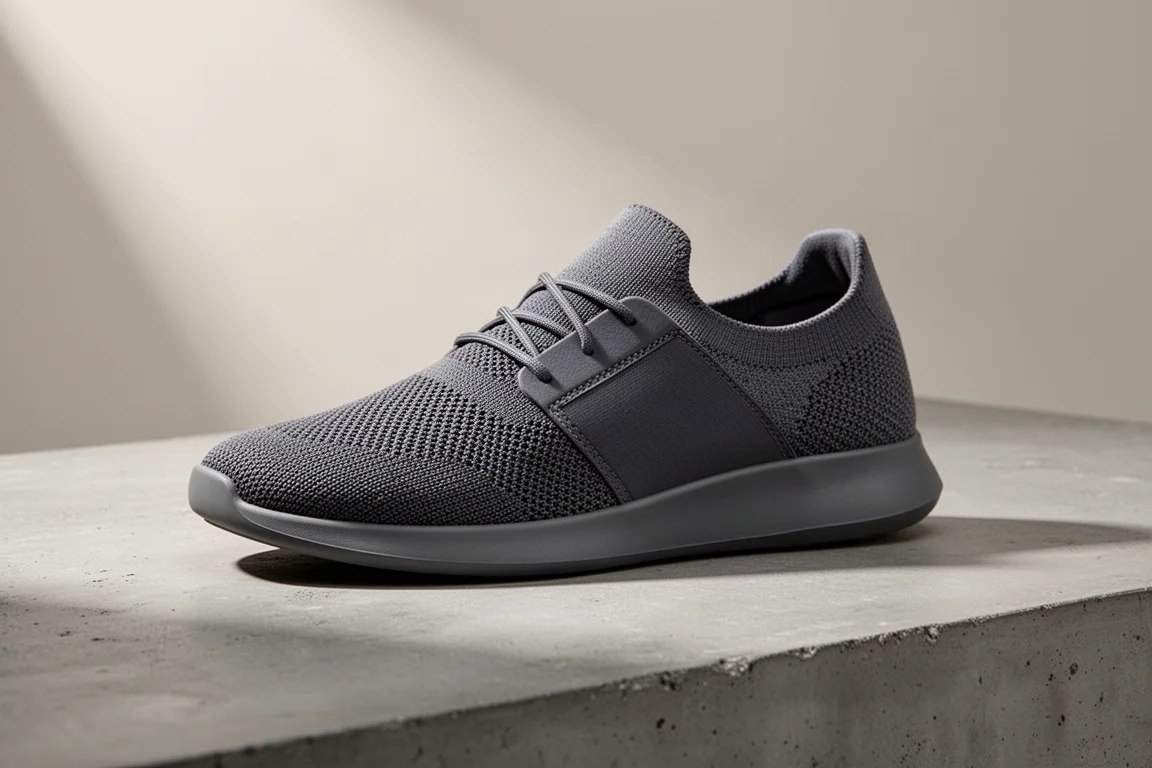
Lems Primal Zen
The Primal Zen is the everyday model in the Lems lineup, built for daily wear and walking. It is a natural starting point for anyone easing into minimalist shoes, since it suits the low-intensity miles that build foot strength before you take a flatter shoe onto bigger terrain.
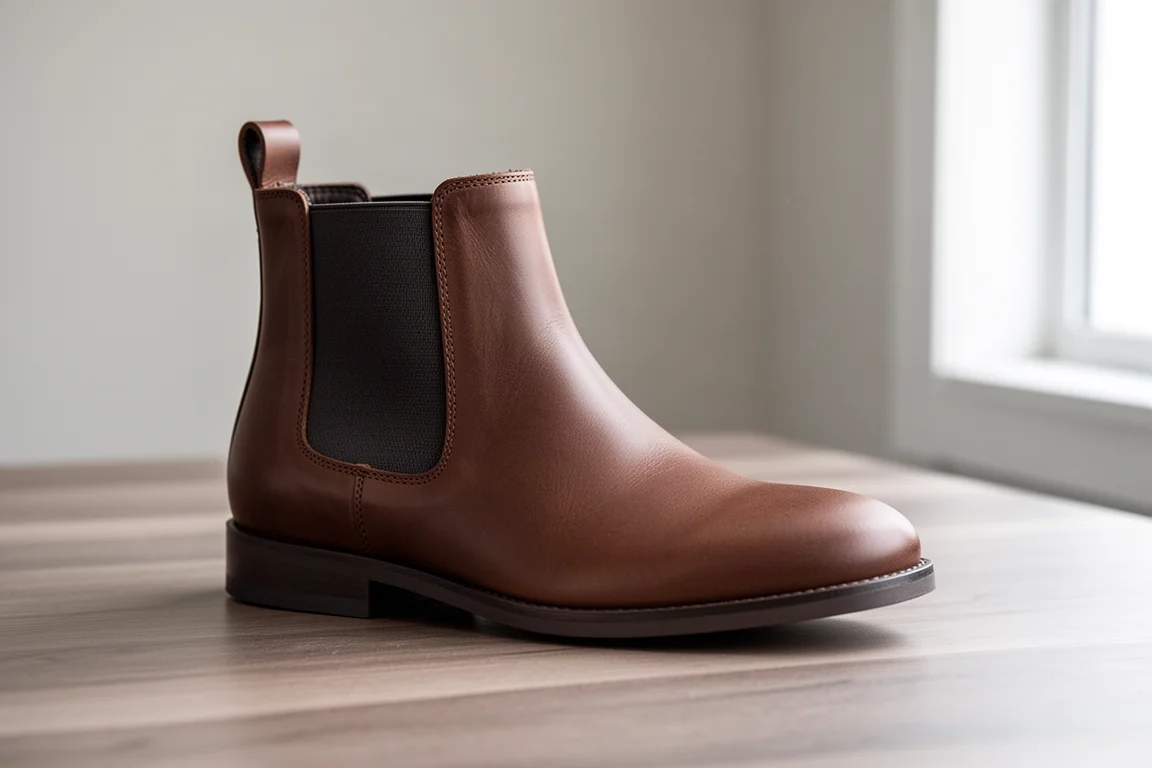
Lems Chelsea Boot
The Chelsea Boot takes the same flat, flexible construction into a boot silhouette. That makes it a straightforward daily option for anyone who wants a minimalist shoe that reads as a boot rather than a trainer, without changing the way the foot is allowed to move.
Lems 9to5
The 9to5 is the dressier pick in the range, for days when a more formal look matters but you still want the flat, flexible fit that keeps your feet working naturally.
Buying Advice: Building a Cohesive Pack Setup
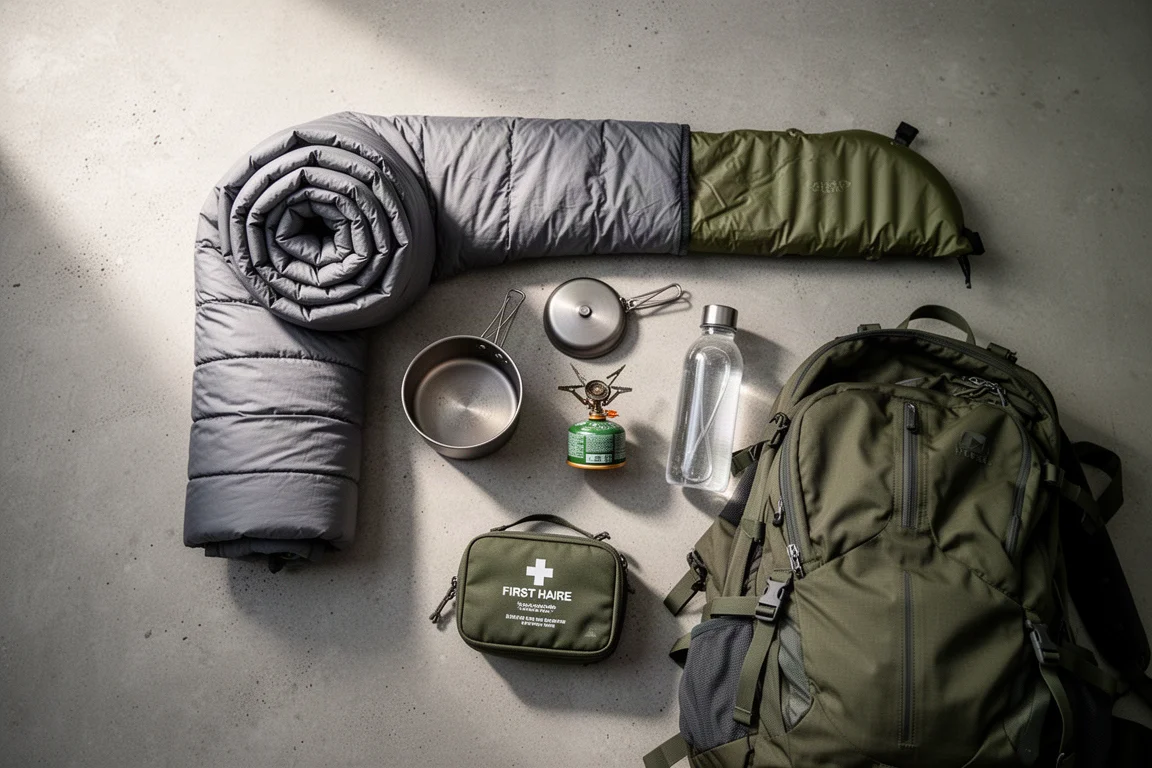
Start with the problem that costs you the most comfort. If you cook in freezing temperatures, the stove is the upgrade that changes a trip, because fuel efficiency and wind resistance decide how much canister weight you carry. If you sleep cold, a quilt with side draft tubes and a winter pad that stays comfortable when fully inflated will do more for your nights than any other purchase. If it is small daily annoyances that wear you down, the pot lid and the water bottle are low-cost fixes that pay off on every trip.
Two practical notes before you commit. Availability matters: the stove can be difficult to find in stock, and the lid is still building out its stock and color options, so it is worth checking both before designing a cook kit around them. And if minimalist footwear is part of your plan, treat it as a training project rather than a gear swap, adding time in the shoes gradually while your feet adapt.
Conclusion
The strongest gear of 2025 is defined less by weight savings than by solved problems. A radiant-burner canister stove, a quilt that seals its own drafts, a winter pad that stays comfortable when fully inflated, a lid that snaps shut and nests a canister, a bottle that offers both a wide opening and a standard thread, and an 8.5 lb packraft with in-tube storage and thigh straps all share the same trait: they remove friction that backpackers had learned to live with. Add stronger feet from minimalist footwear and the whole setup becomes more capable. Choose the upgrade that addresses your biggest annoyance first, and build from there.
Further reading
Related Reviews

Backpacking Gear
Building a 10 lb Base Weight: An Ultralight Backpacking Gear List
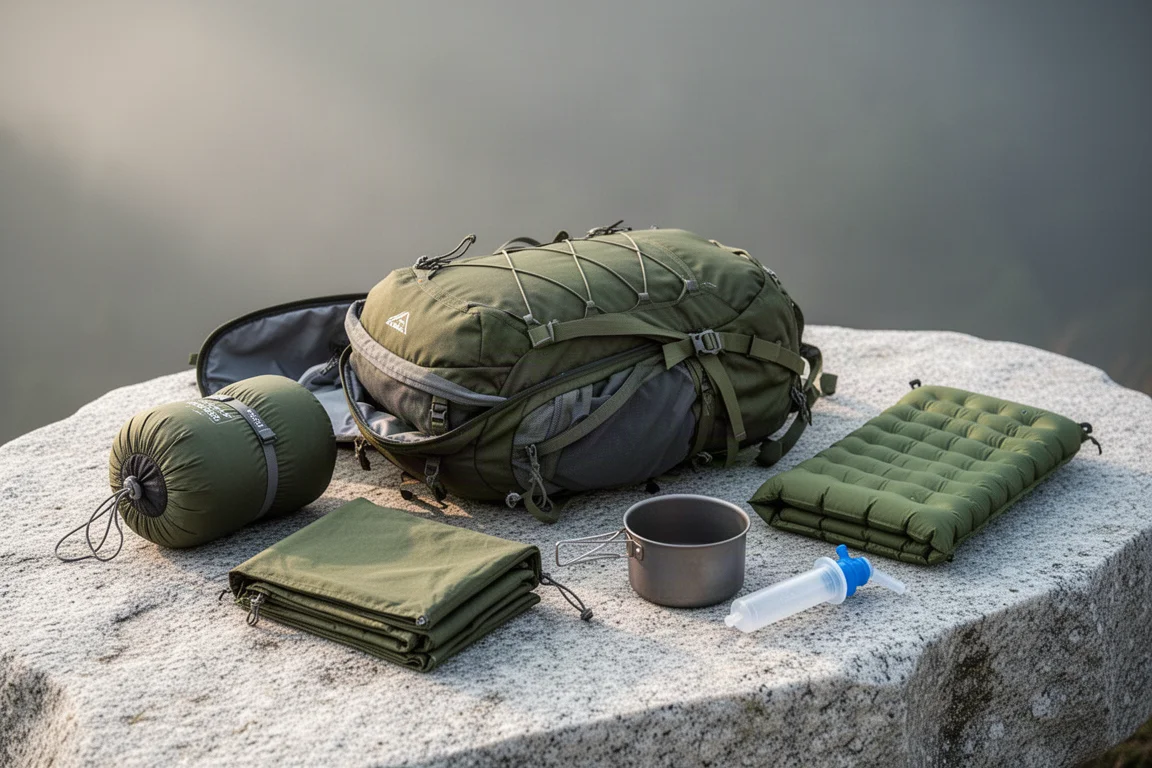
A practical walkthrough of the ultralight pieces behind a 10 lb base weight, from a 765 g pack and a roomy one-person tent to a full camp chair and a dependable water filter.
Backpacking Gear
A 15-Pound Lightweight Backpacking Gear List for Solo Trips
A beginner-friendly 15-pound backpacking setup built from easy-to-find gear, with notes on what each piece does, how it packs, and where to spend your attention.
Backpacking Gear
8 Ultralight Backpacking Gear Upgrades Worth Carrying
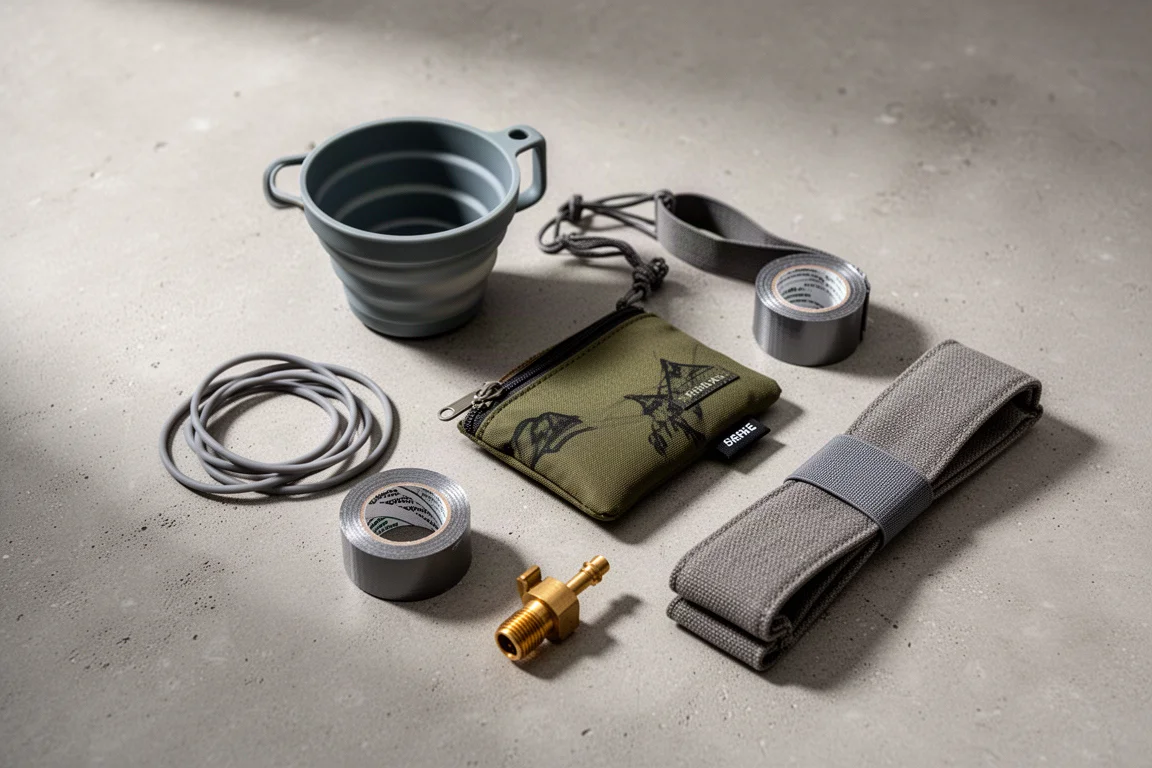
Eight small, affordable backpacking upgrades that solve real trail annoyances, from a pillow that stays put to a fuel valve that rescues leftover canister gas.