Backpacking Gear
Best Backpacking Gear of 2021: Field-Tested Favorites and Misses
A season of backpacking trips distilled into the gear that earned a permanent place in the pack, plus the items that fell short and why.
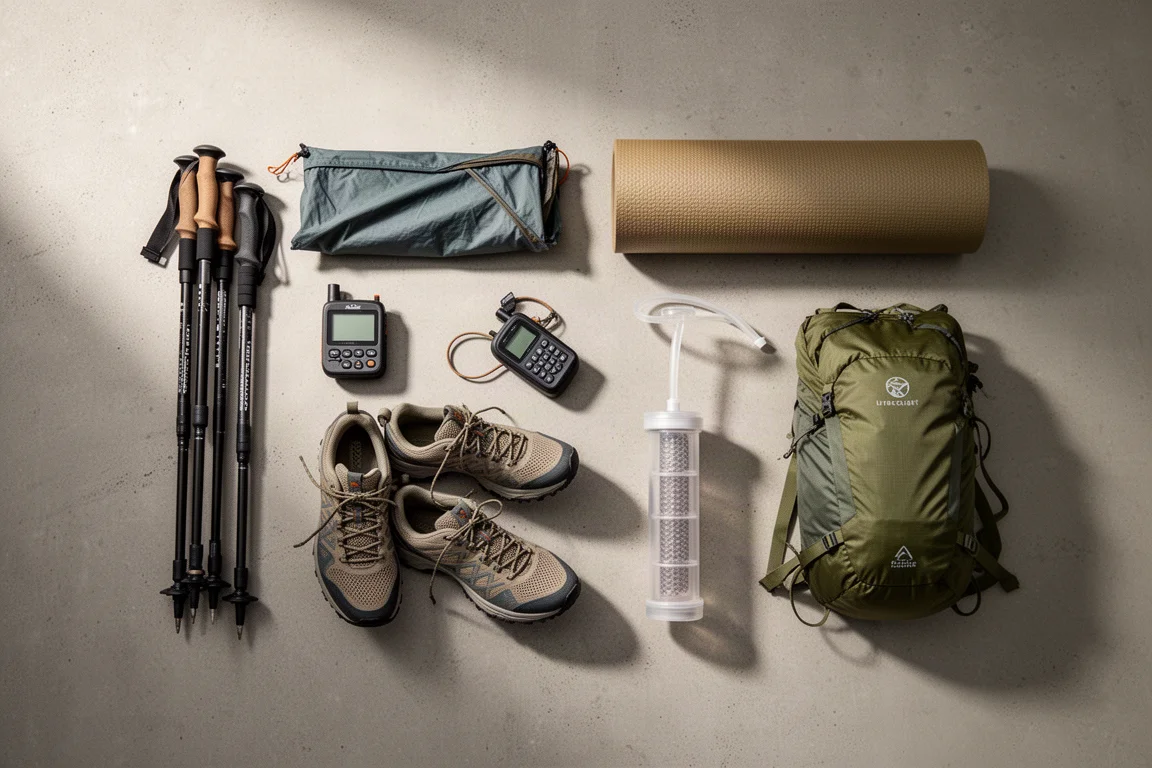
Introduction
A full year of backpacking is the fairest test gear can face. A shelter either holds up when the wind picks up or it does not. A sleeping pad either delivers real rest night after night or it quietly wears you down. A water filter either keeps flowing or it becomes a chore.
This roundup collects the equipment that earned a permanent place in the pack across a season of trips, alongside a few items that fell short of expectations. Some picks here are still easy to recommend despite a small annoyance. A couple are not recommended at all.
How This List Came Together
Each item was judged on what actually changes a trip: living space and packed weight for shelters, comfort across consecutive nights for sleep systems, fit and traction for footwear, and reliability for anything that has to work when the weather turns.
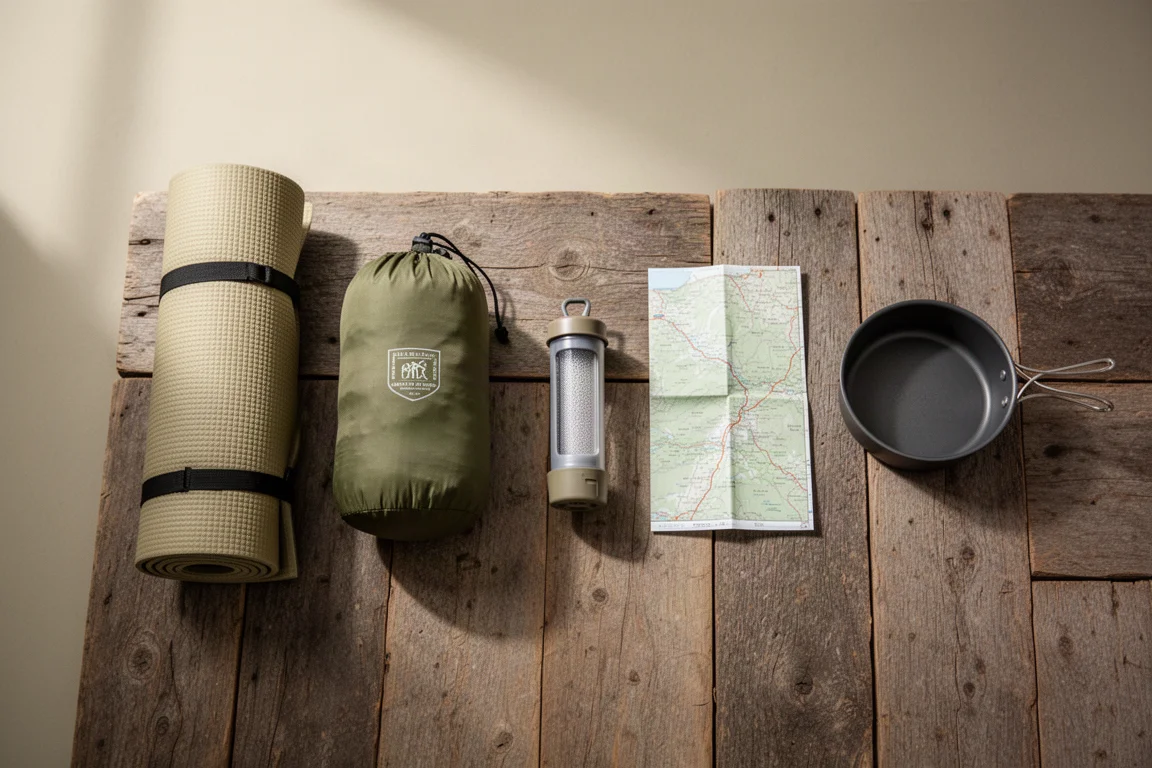
Durability carried real weight too. Water bags and filters were watched for leaks, clogging, and long-term wear, because a small failure far from the trailhead is disproportionately irritating. Where a product has a genuine flaw, that flaw is stated plainly rather than smoothed over.
The result is a mix of recommendations and cautions, organized so you can find the category you care about and read the honest trade-off attached to it.
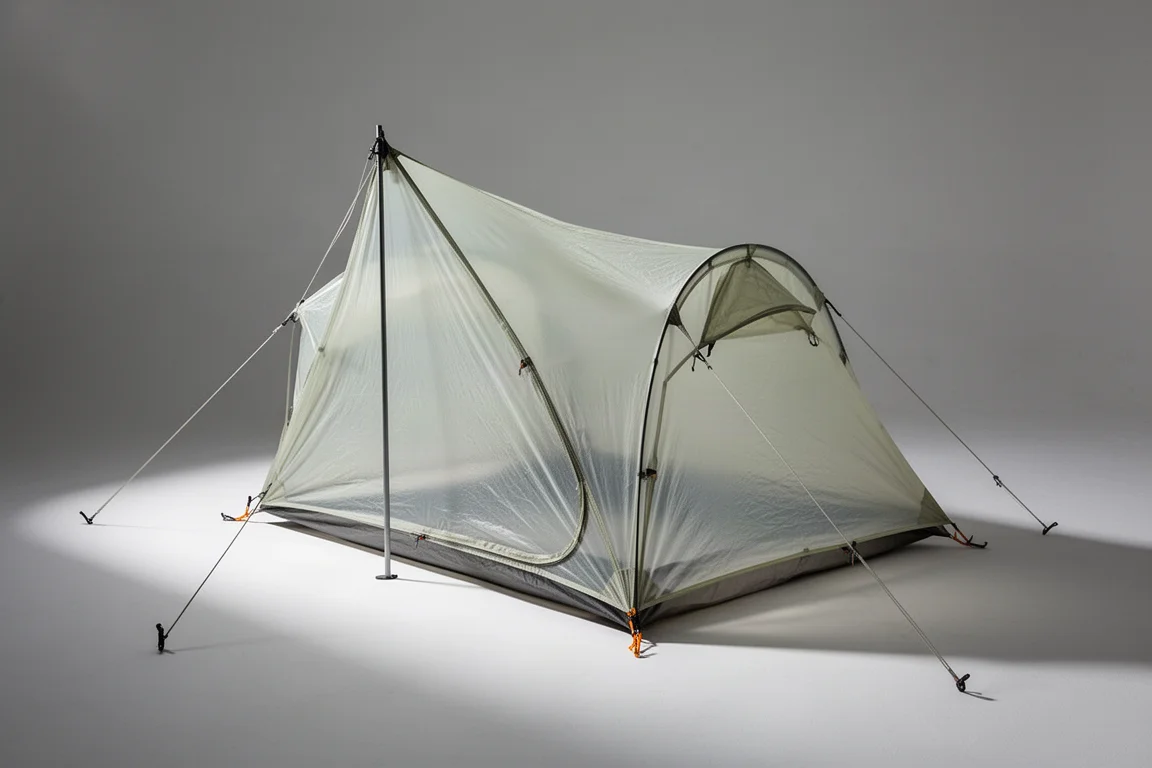
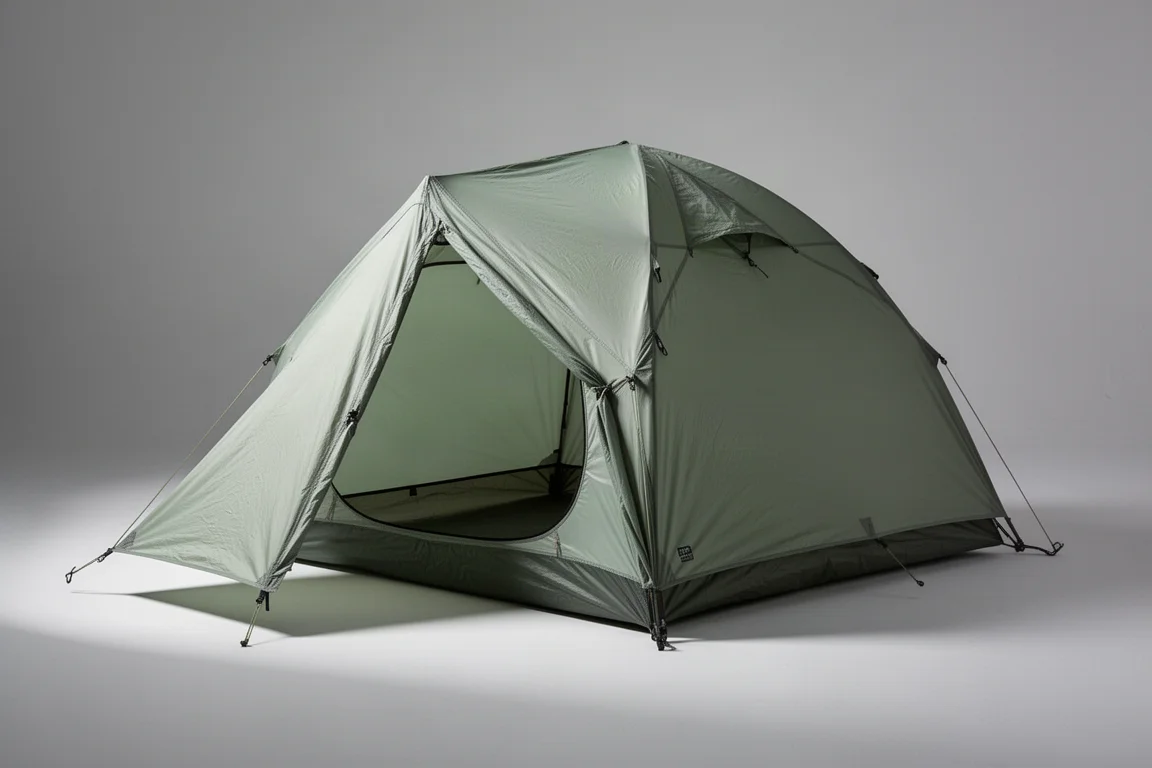
Best Shelter: Tarptent Double Rainbow Lithium
This shelter earned its place for three reasons that matter on real trips. The first is living space: for the design and weight class it belongs to, the interior feels genuinely generous rather than merely adequate.
The second is weight. Compared with other shelters in the same quiver, this one trims meaningful grams from the pack without giving up comfort. The third is versatility. It pitches in a wide variety of locations, so campsite selection never feels restricted by the tent itself.
After a full season of use, the conclusion is straightforward: it was worth the investment, and there are no regrets about the purchase.
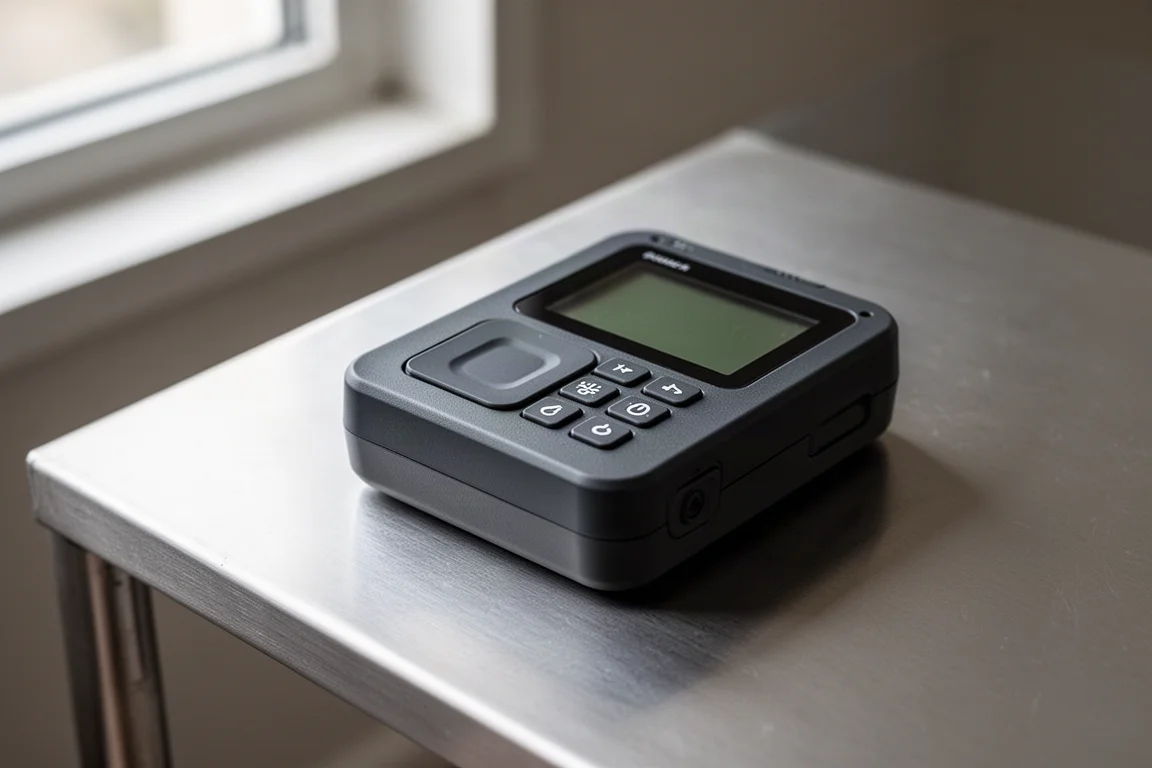
Best Satellite Communicator: ZOLEO Satellite Communicator
Two-way satellite messaging is one of those categories where reliability matters far more than a feature list, and this communicator has been dependable from the first trip onward. It supports trip planning before departure and keeps a line open to family and friends once you are deep in the backcountry.
That capability changes how a trip feels. Hikers who once preferred to disappear entirely often find that a short check-in message removes a great deal of worry at home without intruding on the experience. After more than two years of steady use, this one remains an easy recommendation.
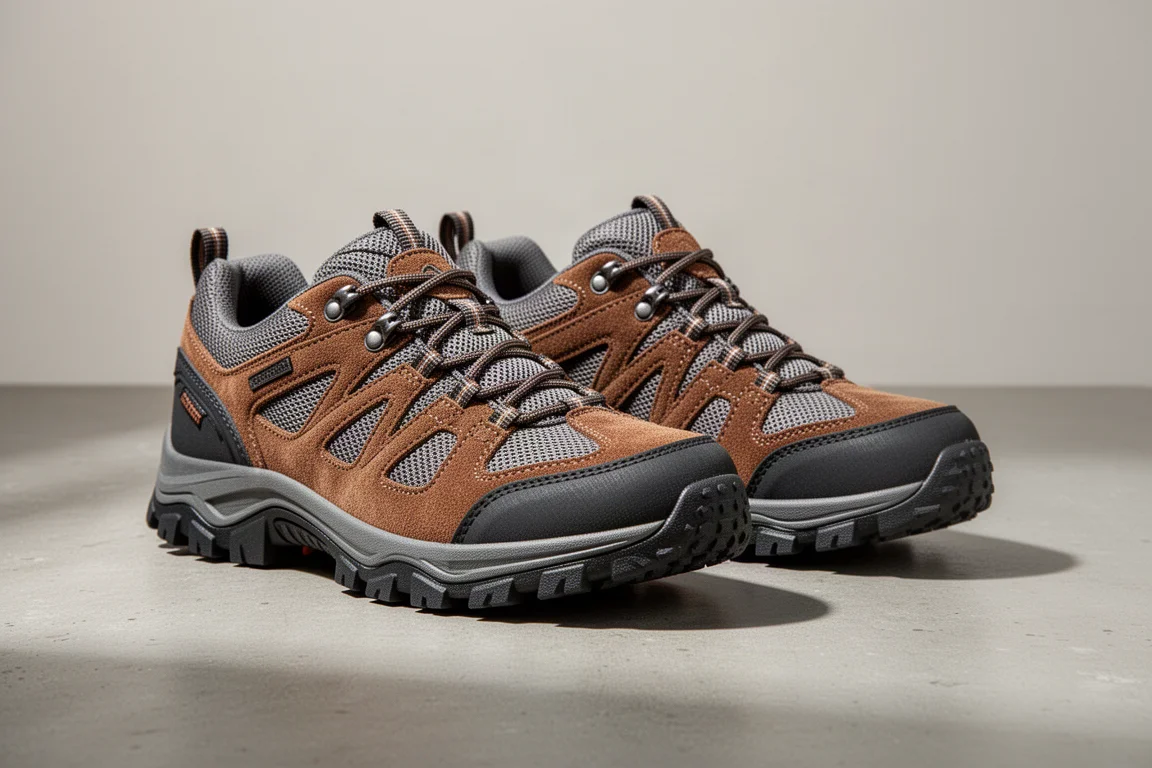
Best Hiking Shoe: Danner Trail 2650
After more than a decade in trail runners from another brand, this shoe became the primary hiking footwear for a full year of trips. The fit is the standout. A heel drop of roughly six millimetres keeps the stride natural, while the toe box stays roomy without becoming sloppy on narrower feet.
The Vibram outsole has been a dependable partner on mixed terrain, and the overall performance has been strong enough that it deserves a closer look in its own right. If you are considering a switch away from a long-familiar shoe, this is a credible place to start.
Best Daypack: Waymark Gear Mile
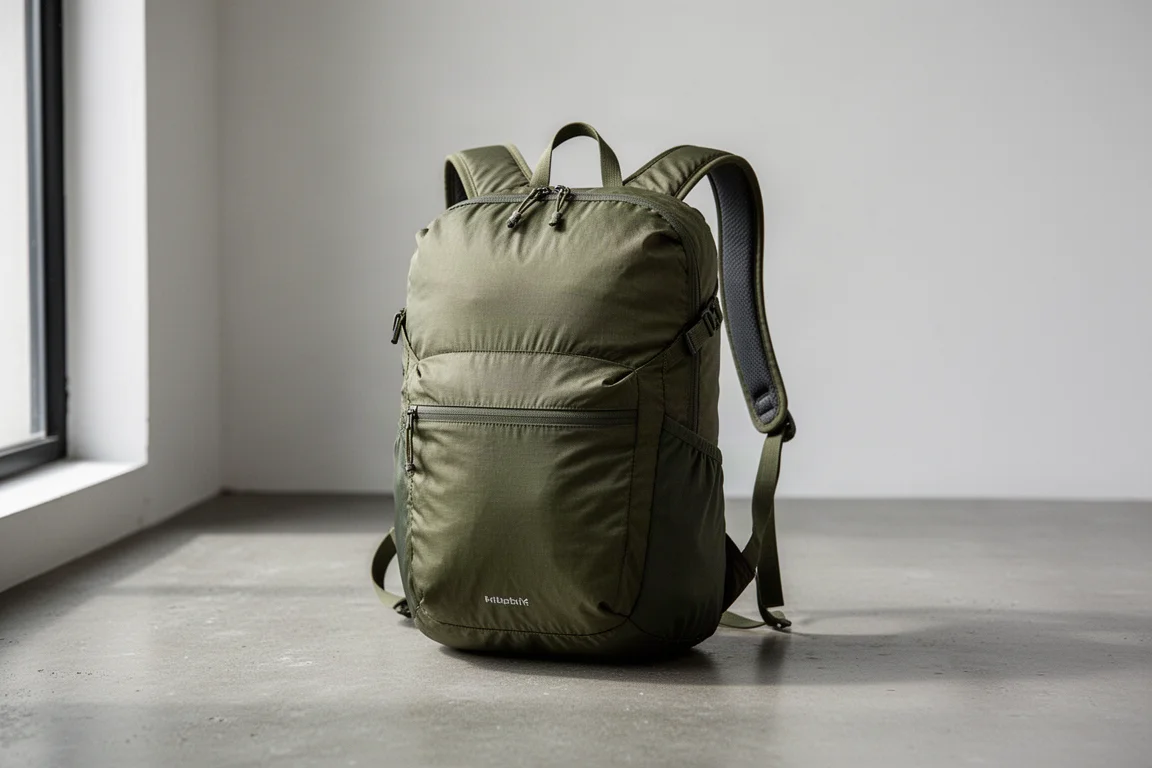
The Mile occupies a useful middle ground: a small overnight ultralight pack that works just as well as a daypack. It has been the go-to bag for day hikes with family and for solo outings, while a second one does daily duty carrying a laptop and work gear.
Part of the appeal is the design process behind it. The pack was shaped around specific feedback about what a small ultralight pack should do, and that shows in how few compromises it asks for. It is also offered in an eco pack material for buyers who want that option.
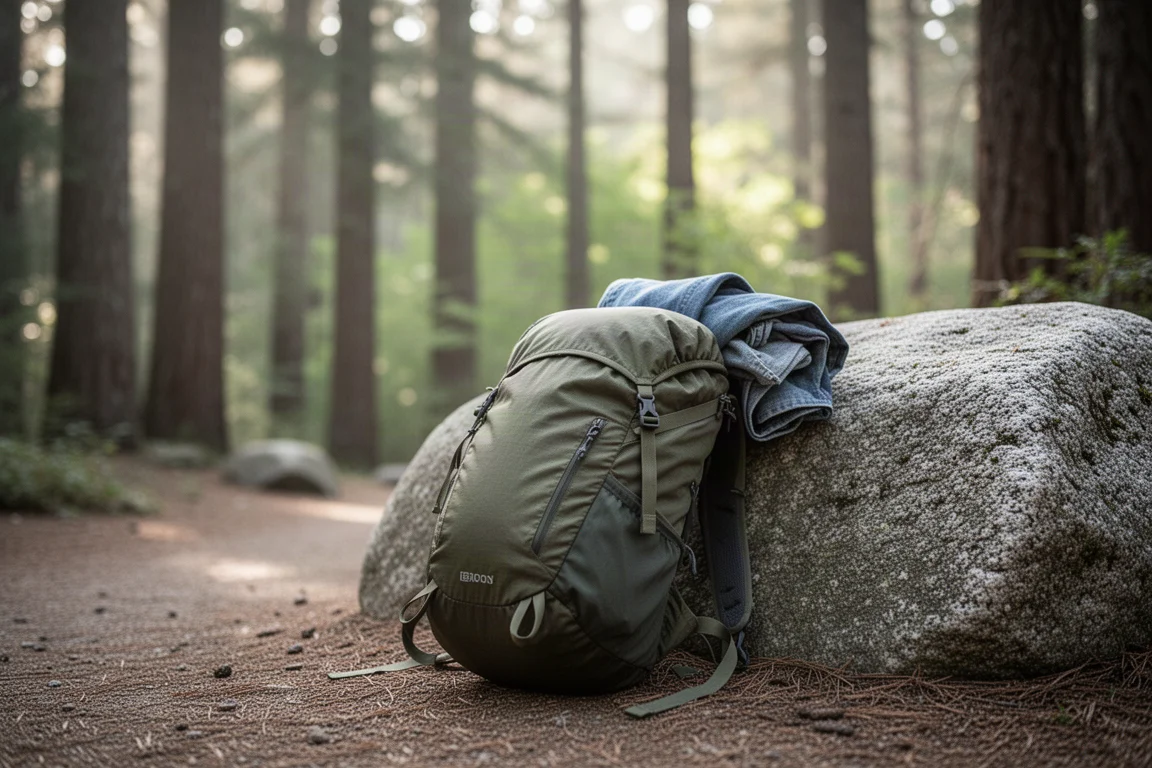
Capacity is the obvious limit. This is a pack for light, short trips rather than a full multi-day load, and it is best understood as a fast-and-light option rather than a do-everything hauler.
Best Down Insulation: Outdoor Research Helium Down Hoodie
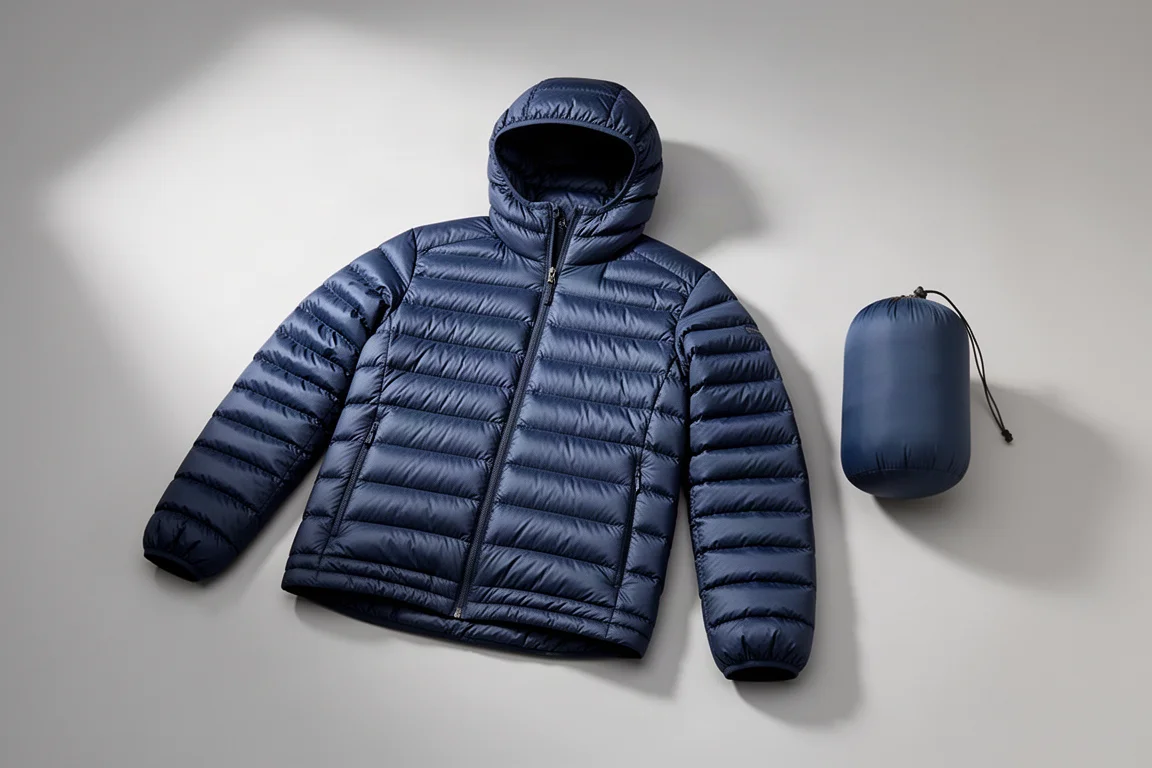
Of all the insulation available, this is the piece that kept finding its way into the pack. The down hoodie is comfortable, the fit works well, and the weight makes it easy to justify bringing along even on trips where the forecast looks mild.
It is not perfect. A couple of details could be refined, and those are worth knowing before you buy. Even so, the combination of comfort, fit, and low weight has made it the most-used insulation layer of the year.
Best Active Insulation: Outdoor Vitals Ventus
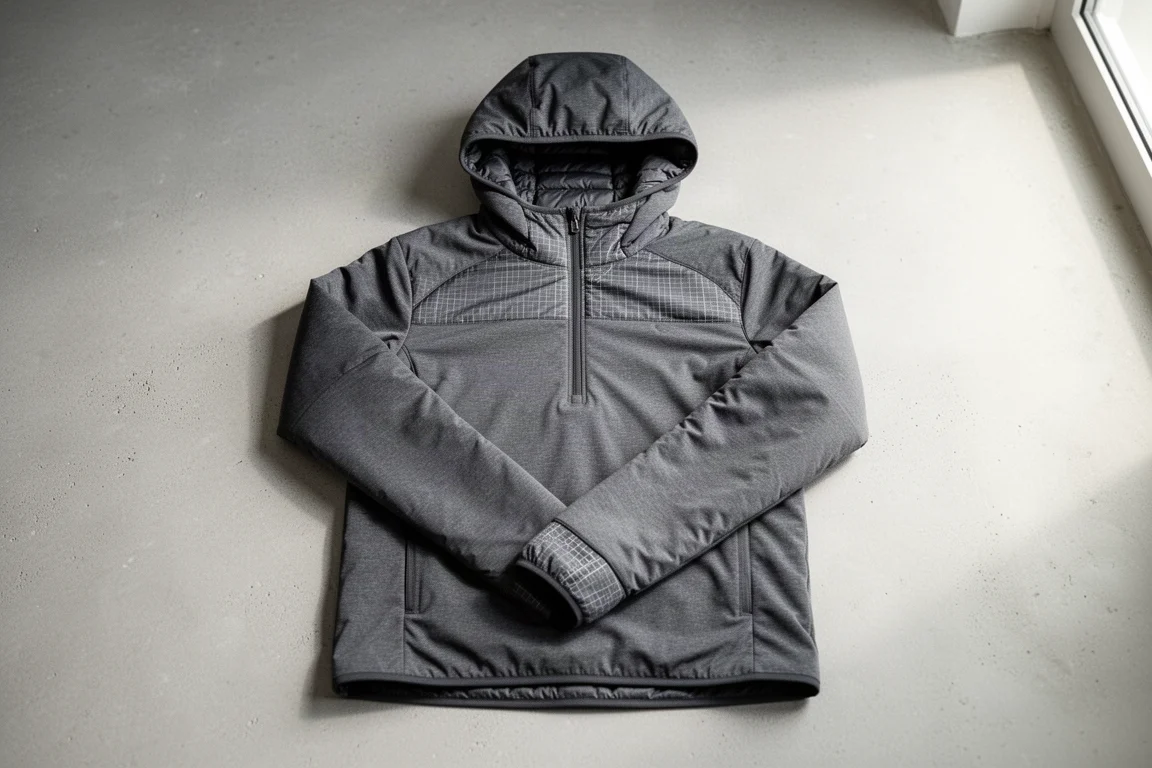
This synthetic hoodie or pullover fills a different role: lightweight insulation that works as a mid layer and as an active layer while moving. Across a full season of trips it was the first piece reached for whenever a light insulating layer was needed.
One change would improve it. Extending the front zipper would make the jacket easier to pull on and off for only a few grams of added weight. That is a small complaint about what is otherwise a standout release, and it was money well spent.
Best Sleeping Pad: Sea to Summit Ether Light XT
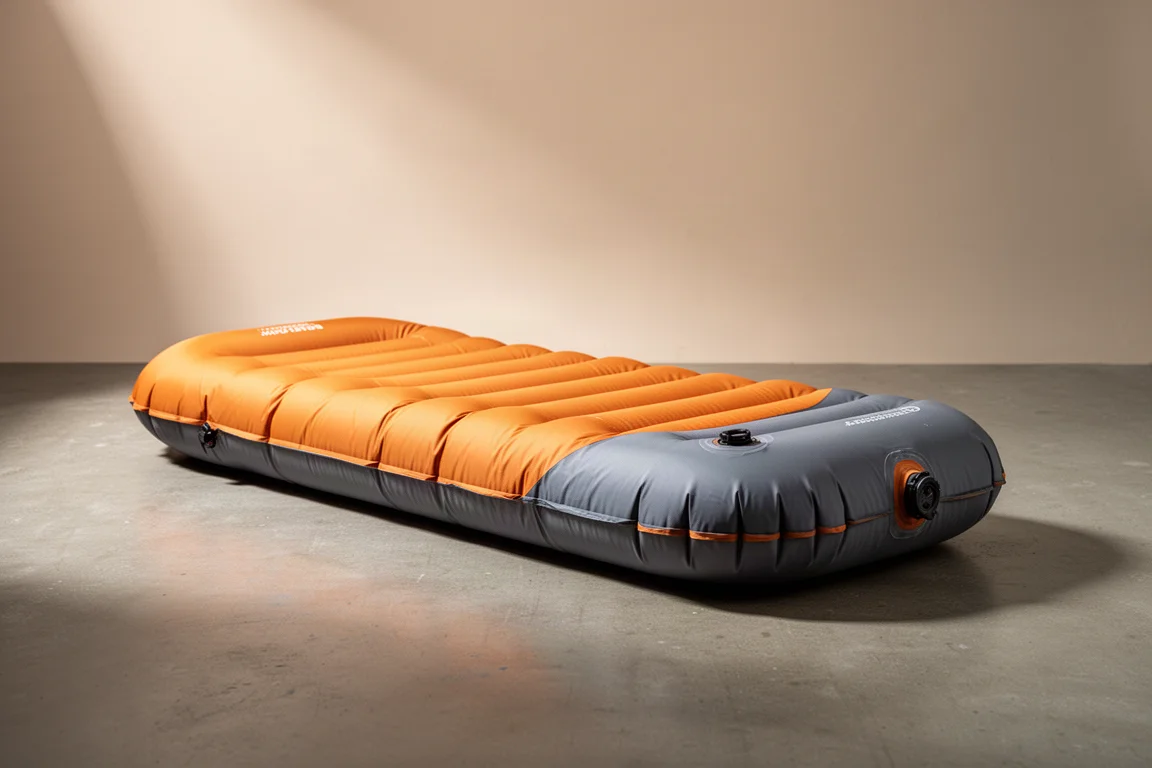
Of every sleeping pad used this year, this one delivered the best nights. It is not the lightest option on the market, and that is a fair criticism to weigh, but the comfort level is what makes it worth the grams.
Compared with other pads in rotation, including lighter alternatives, this is the one that consistently produced restful sleep in the backcountry. For backpackers who treat a good night of rest as part of the gear budget rather than an afterthought, that trade-off makes sense.
Best Sleeping Bag: Sea to Summit Spark 4
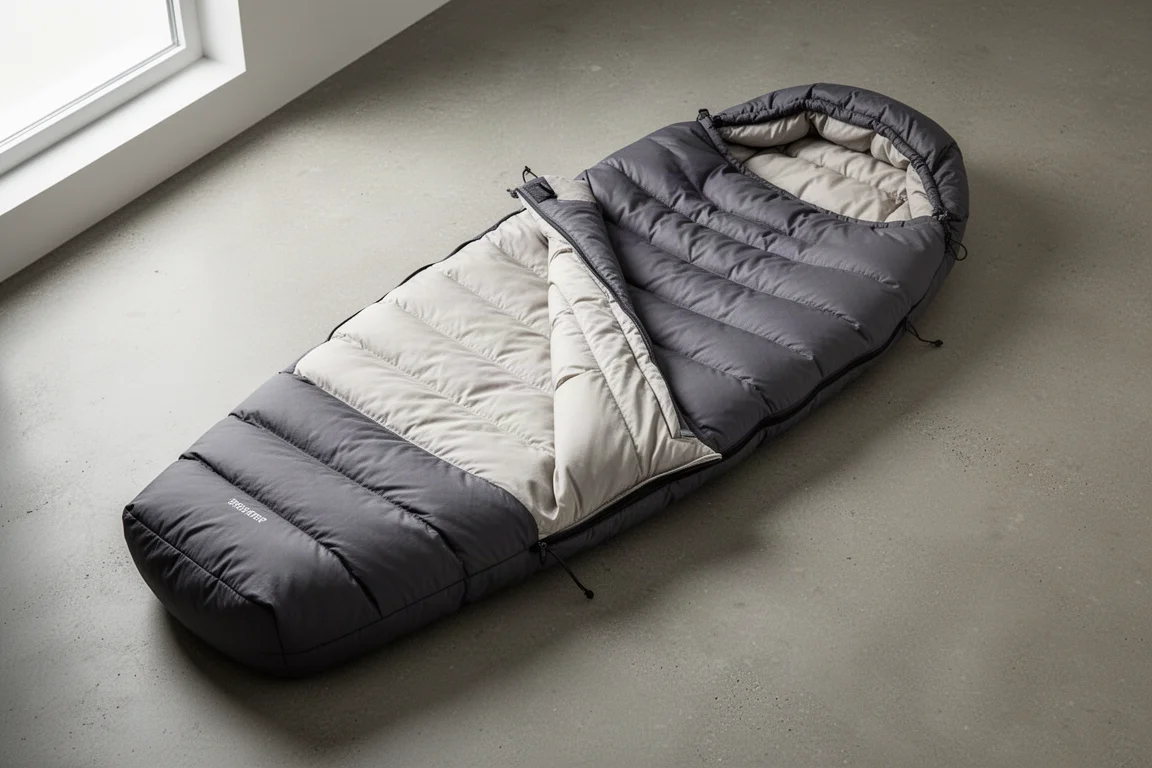
The Spark line comes in several temperature ratings, and the version used here is the 5-degree model, aimed at colder shoulder-season conditions. It has seen at least a dozen nights, and the warmth and comfort have been consistently impressive.
Price is the honest caveat. This is an expensive bag, and that should be part of the decision from the start. The other quirk is the zipper, which is frustrating to operate once the bag is fully zipped.
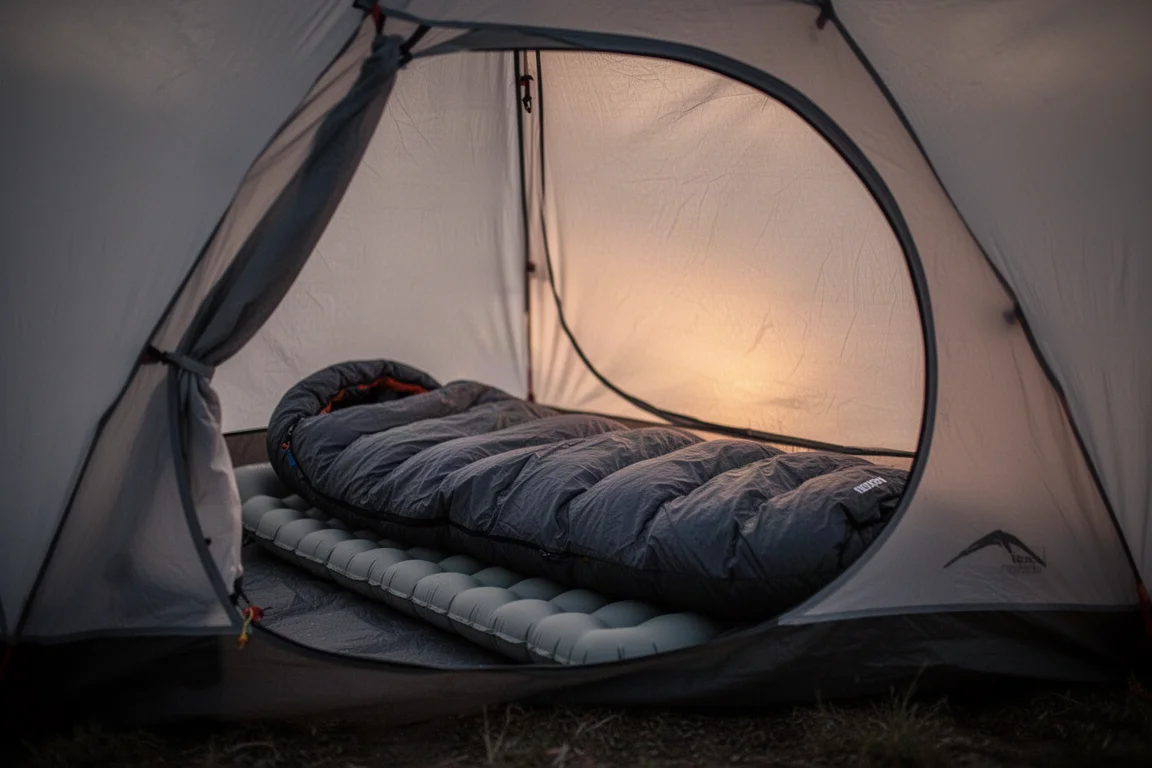
Those two issues are worth weighing against the performance, because the nights themselves were comfortable and the bag has held up well across repeated use.
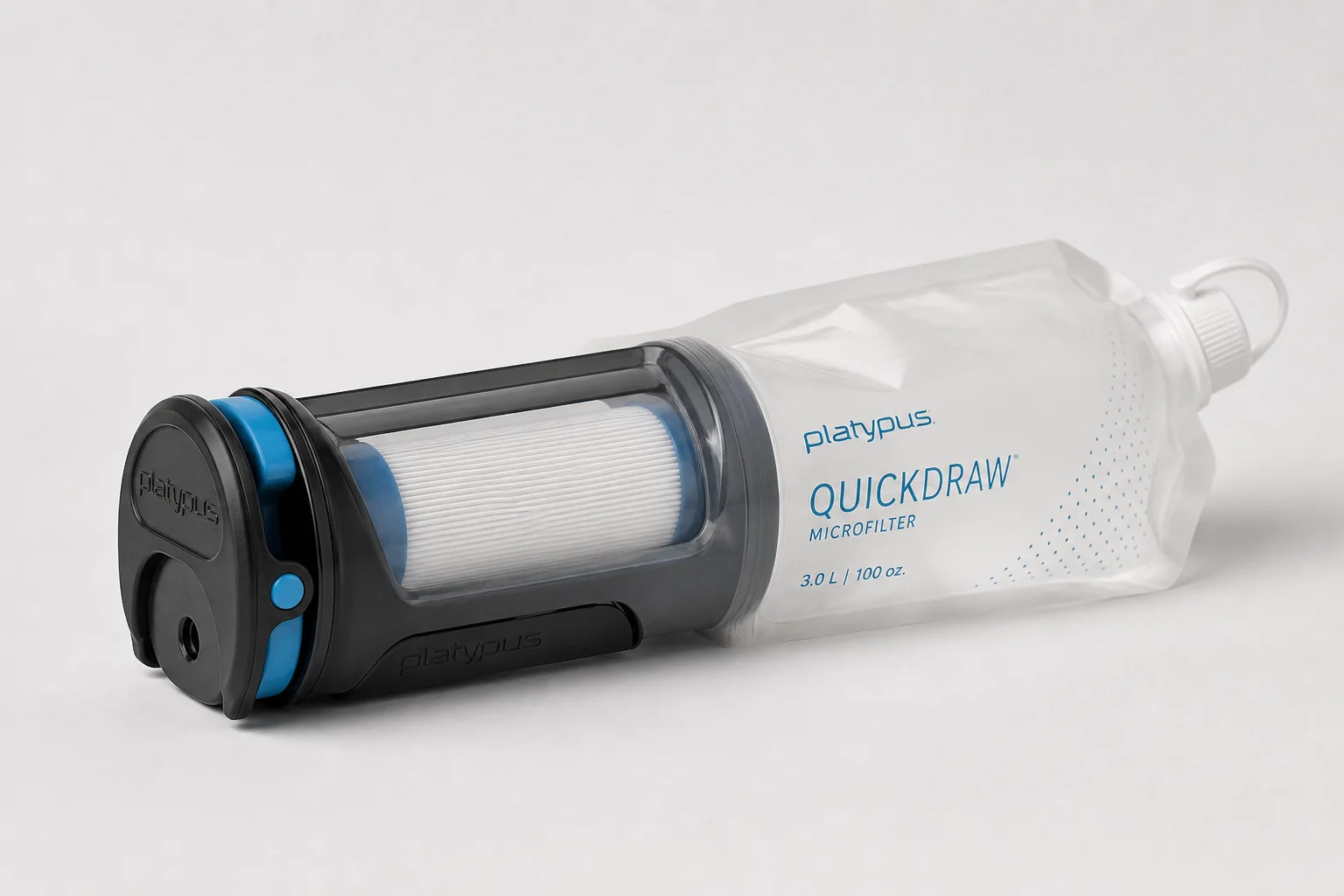
Best Water Filter: Platypus QuickDraw
This hollow fiber filter took over as the primary option in the fall, and the switch happened quickly for good reason. The unit feels rugged and robust in the hand, and the ability to thread it directly onto a bottle or a water bag keeps the whole process simple.
It is a straightforward, dependable design that asks for very little: fill, thread, squeeze or drink. That simplicity is exactly what a water filter should offer, and it is why this one became a favorite so fast.
Less Ideal: Sawyer Micro Squeeze
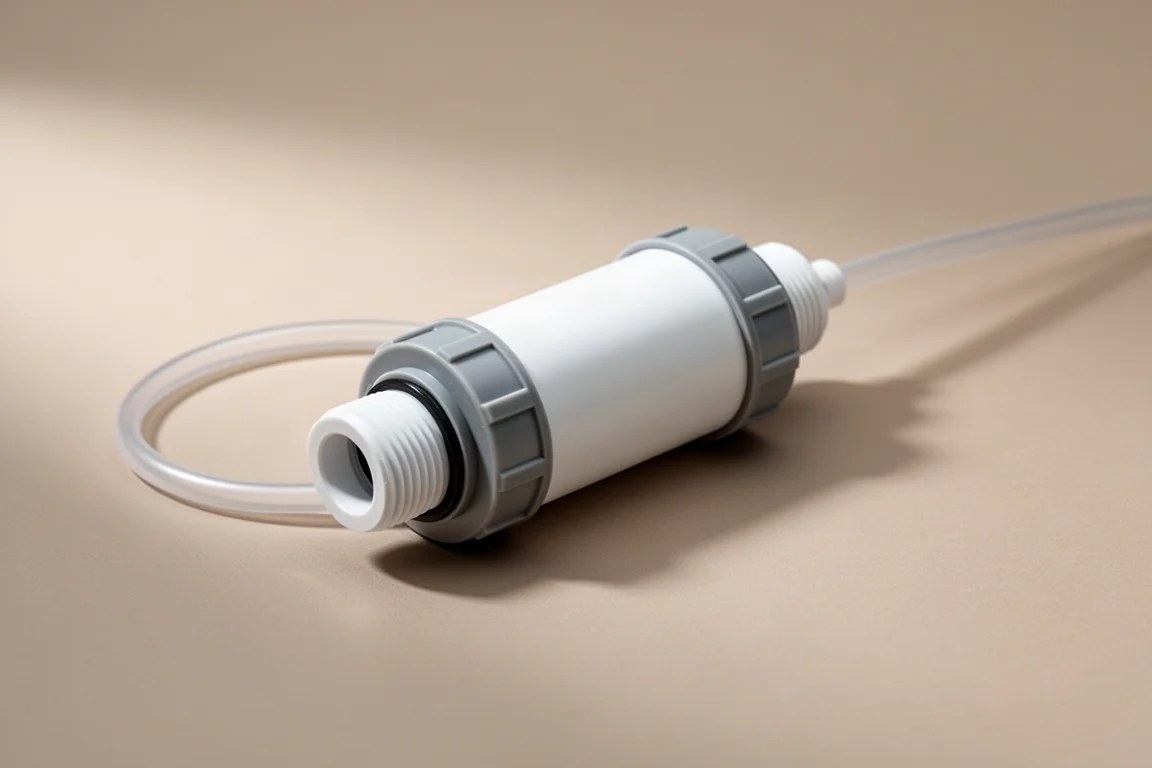
To be fair to this filter, it never actually failed. It kept passing water for as long as it was used, and it has been in service since it was released. The problem is not reliability, it is relative performance.
The Sawyer Squeeze holds more volume, and that extra volume translates into faster flow rates. At roughly the same price, other filters simply do more. This one is not broken, it has just been outpaced.
Less Ideal: CNOC Vecto
This is the most conflicted entry on the list. As a water bag, the Vecto is excellent. The opening system is the best of any bag used, and nothing else comes close for ease of filling and carrying water.
The frustration is durability. Several bags have developed pinhole leaks, and some have failed outright. For a bag that costs around twenty dollars and is marketed as a high-quality option, that pattern is disappointing. Better material quality and a longer service life would fix the one thing holding it back. It is still in use, which says something about how good the design is.

Less Ideal: Big Agnes Fly Creek 2 Solution Dye
This tent did not last the year. It was used for a few trips and then sold, because the design has flaws that became obvious in the field.
The biggest issue is wind. In strong, gusty conditions the tent simply did not perform, and a shelter that cannot handle exposed weather is hard to justify carrying. The front-entry layout adds a second, smaller frustration, because getting in and out is more of a struggle than it needs to be.
Two-door, two-vestibule alternatives are both lighter and easier to live with, which made the decision easy. This one is not recommended.
Overall Buying Advice
The pattern across this list is worth noticing. The gear that earned a permanent spot was not always the lightest or the most feature-packed. It was the gear that removed friction: a shelter that pitches anywhere, a filter that threads on without fuss, insulation that is comfortable enough to forget you are wearing it.
Weight still matters, but it matters most where you feel it. A lighter shelter or pack changes how a trip feels over long miles. A slightly heavier sleeping pad can be a worthwhile trade if it means sleeping well. Communication gear is a personal call, but for anyone who hikes far from help, the reassurance is real.
Durability deserves more attention than it usually gets. Water bags and filters are small purchases, but repeated failures add up in both cost and annoyance. Where a product has a known weak point, go in with clear eyes and decide whether the rest of the package is worth it.
Finally, match the gear to the trips you actually take. A small ultralight daypack is excellent for short, light outings and the wrong tool for a multi-day load. A warm shoulder-season sleeping bag is a waste in midsummer and a lifesaver in the cold. Buy for the conditions you camp in, not the ones you imagine.
Conclusion
The best gear of the year was defined less by specifications than by how little it got in the way. A shelter that pitches anywhere, a filter that threads on without drama, insulation that is comfortable enough to forget about, and a sleep system that delivers real rest all made trips better in ways a spec sheet cannot capture.
The misses are just as useful. A filter that is outpaced by higher-volume options at a similar price, a water bag that leaks before its time, and a tent that struggles in wind are all avoidable purchases once you know what to look for. Read the trade-offs, match them to your own trips, and the right kit becomes much easier to choose.
Further reading
Related Reviews

Backpacking Gear
Building a 10 lb Base Weight: An Ultralight Backpacking Gear List
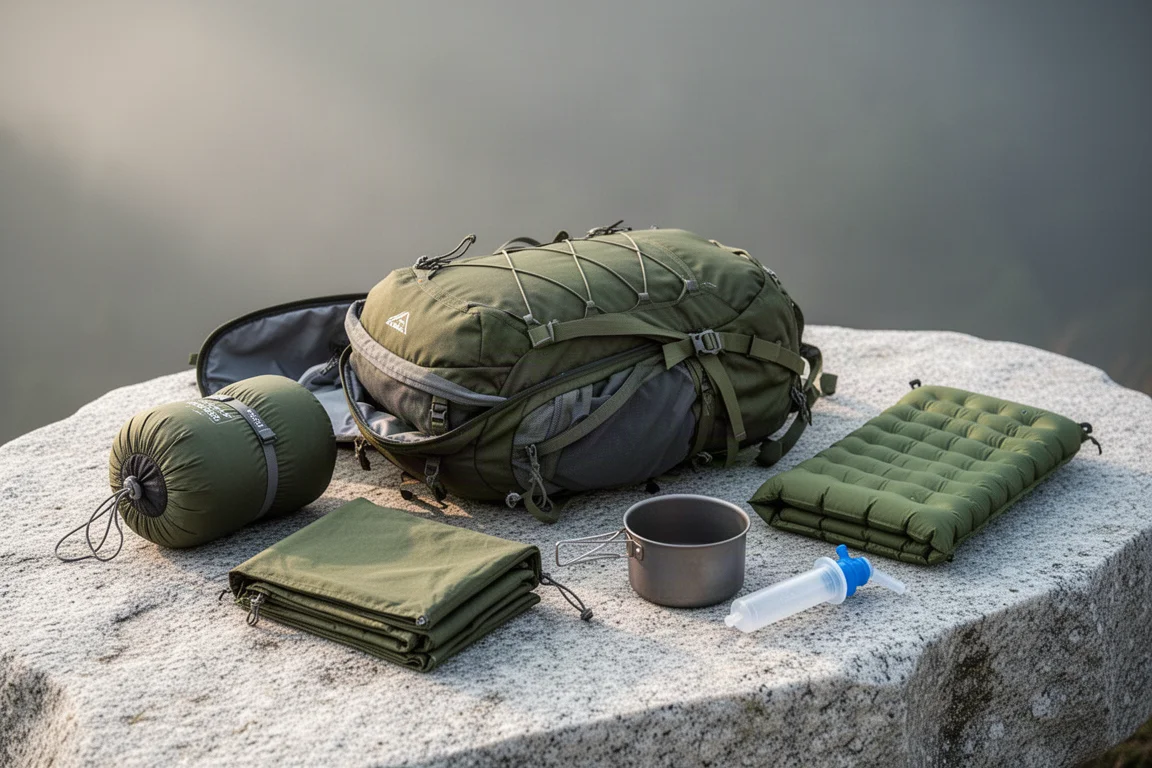
A practical walkthrough of the ultralight pieces behind a 10 lb base weight, from a 765 g pack and a roomy one-person tent to a full camp chair and a dependable water filter.
Backpacking Gear
A 15-Pound Lightweight Backpacking Gear List for Solo Trips
A beginner-friendly 15-pound backpacking setup built from easy-to-find gear, with notes on what each piece does, how it packs, and where to spend your attention.
Backpacking Gear
8 Ultralight Backpacking Gear Upgrades Worth Carrying
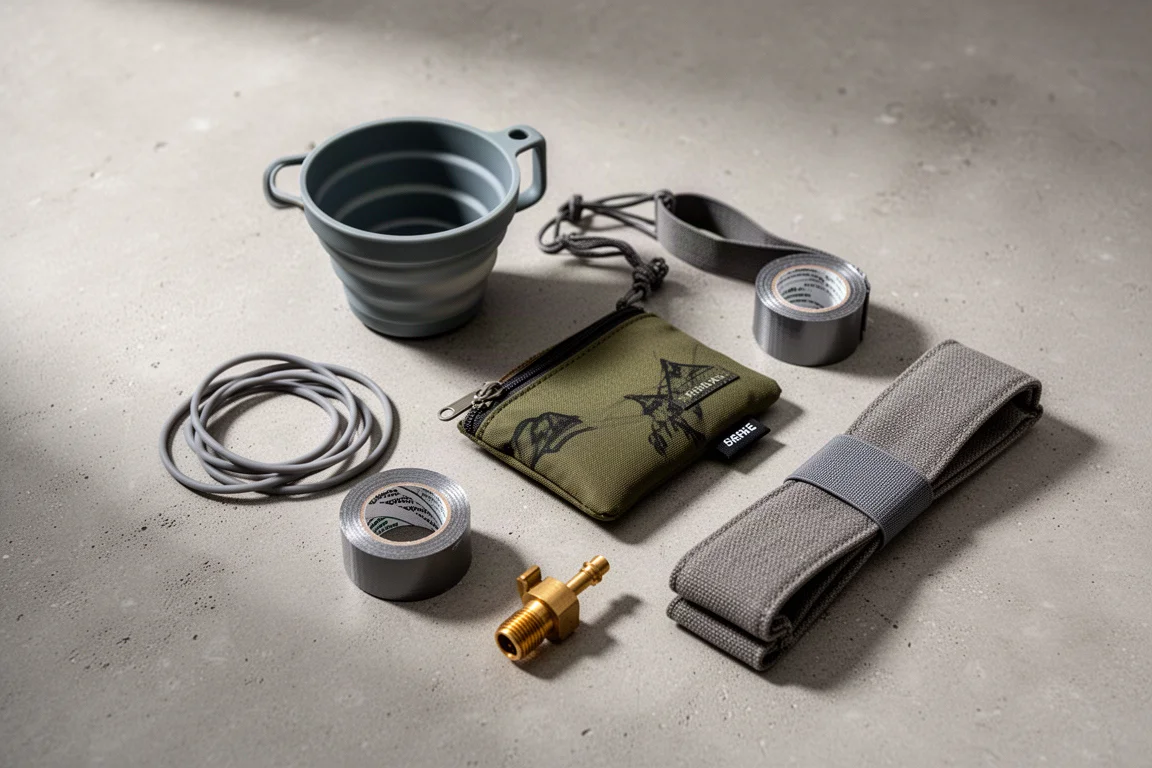
Eight small, affordable backpacking upgrades that solve real trail annoyances, from a pillow that stays put to a fuel valve that rescues leftover canister gas.