Backpacking Gear
Best Backpacking Gear: 10 Standout Picks for Bigger Backcountry Trips
Ten backpacking items that earned their place over a year of winter trips, alpine climbs, and packrafting, with the strengths and trade-offs worth weighing before buying.
Introduction
Backpacking gear lists change as the trips change. A kit built for long-distance thru-hikes looks very different from one built for winter overnights, alpine climbs, and packrafting, and this past year leaned heavily toward the second category. The ten items below earned their place through repeated use in snow, at altitude, and on routes where the trail sometimes disappeared entirely.
How These Picks Were Chosen
Every item here was carried on real trips rather than tested on a short walk. Four questions decided the list: does it solve a specific problem, how does it behave in cold and exposed conditions, how much weight and pack space does it add, and does it still make sense after months of use. Some picks are traditional full-featured items, and others are small accessories that quietly remove friction from a camp routine.
Several entries also mark a deliberate change in approach. After years of chasing the lightest possible setup, the list now includes pants, a framed pack, and a freestanding tent, all chosen because bigger trips asked for them.
Norrøna Falketind Flex1 Pants
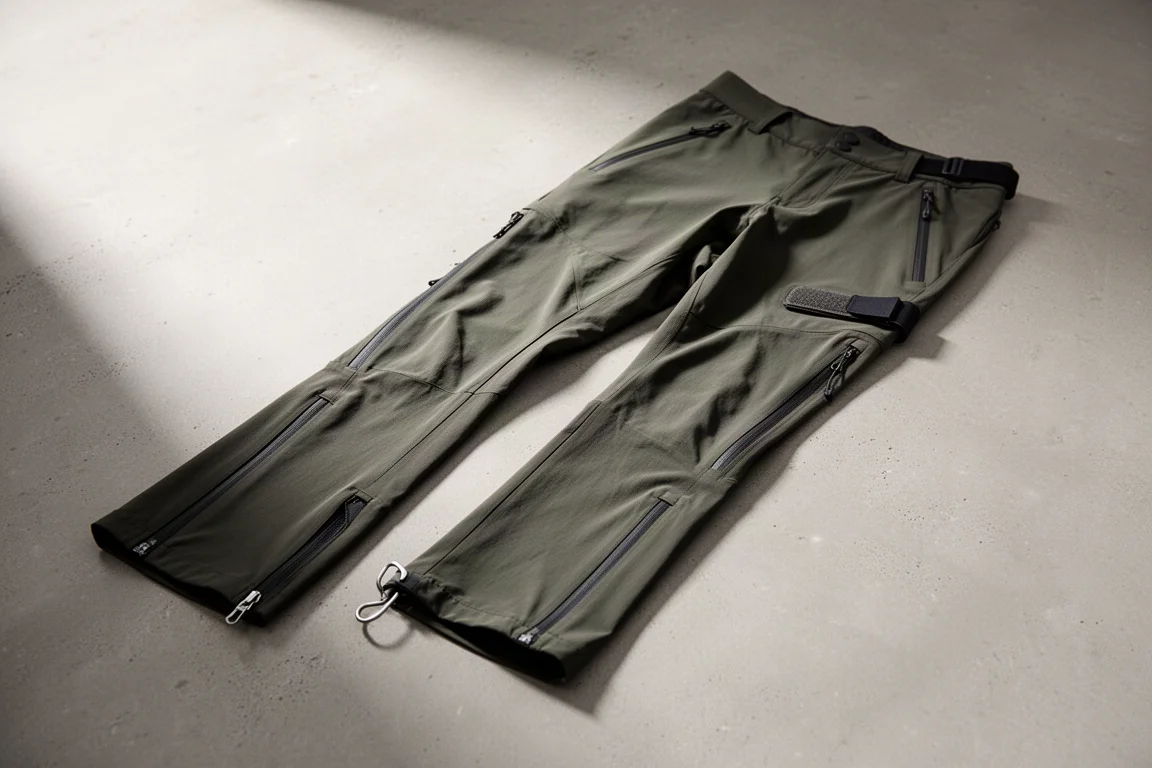
Technical hiking pants rarely fit tall, slender frames well, which is part of why running shorts have dominated ultralight kits for so long. The Falketind Flex1 addresses that with a longer cut and a genuinely light construction for a pair of trekking pants.
Instead of a belt, the waist uses Velcro adjustment tabs on both sides, so nothing digs in under a hip belt over a long day. Zippered vents run down the sides and can be opened when the pace picks up, and a small hook at each hem lets the pants attach to a boot or shoe for a little extra gaiter-like coverage in deep snow.
HydraPak Hydrium 500ml Flask
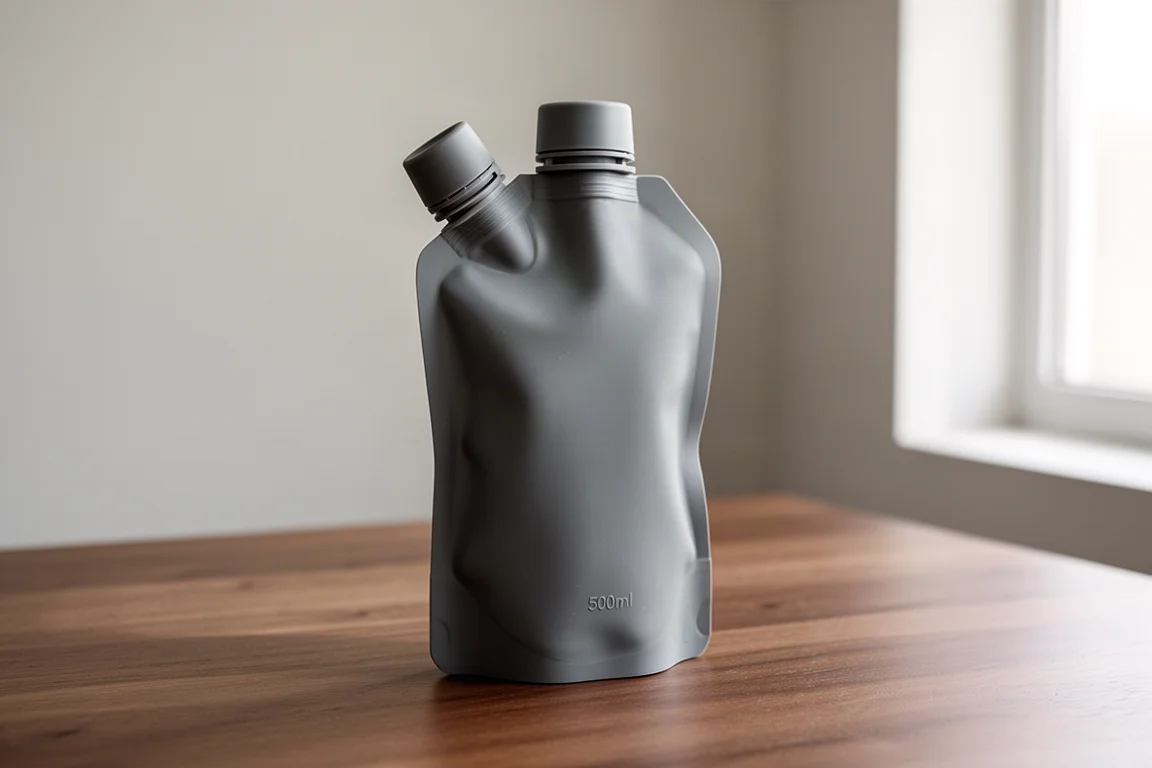
Front-mounted bottle pockets on fastpacking-style packs work best with smaller, softer bottles that can be grabbed and squeezed without stopping. The Hydrium 500ml fits that role, and its rubberized plastic holds up without leaking or developing holes.
Two bottles cover most needs: one carried with an inline filter for quick water on the move, and one fitted with an adaptable straw top for easy sipping. Together they make drinking on the move noticeably simpler.
FlipFuel Fuel Transfer Device
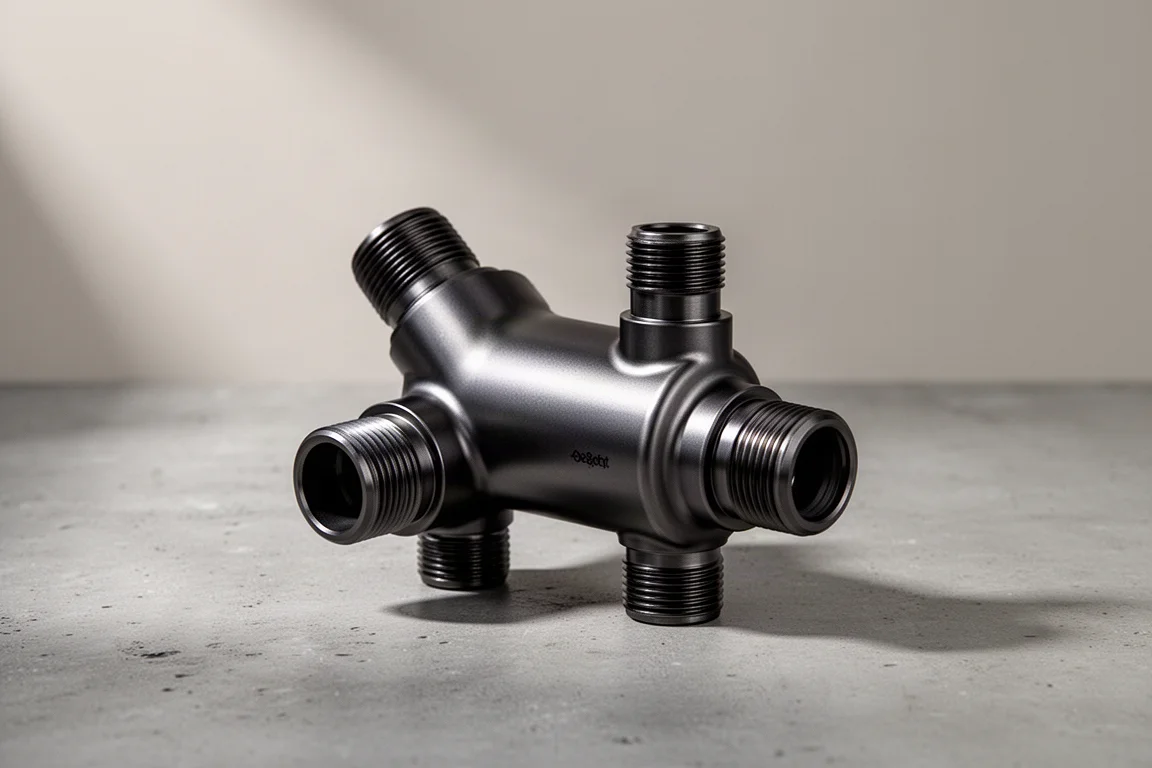
Partially used canisters accumulate fast, and most of them hold too little fuel to trust on a new trip. FlipFuel is a transfer device that consolidates them. Chill one canister, leave the other at room temperature, connect each to opposite sides of the device, and the pressure difference drains the leftovers into a single can.
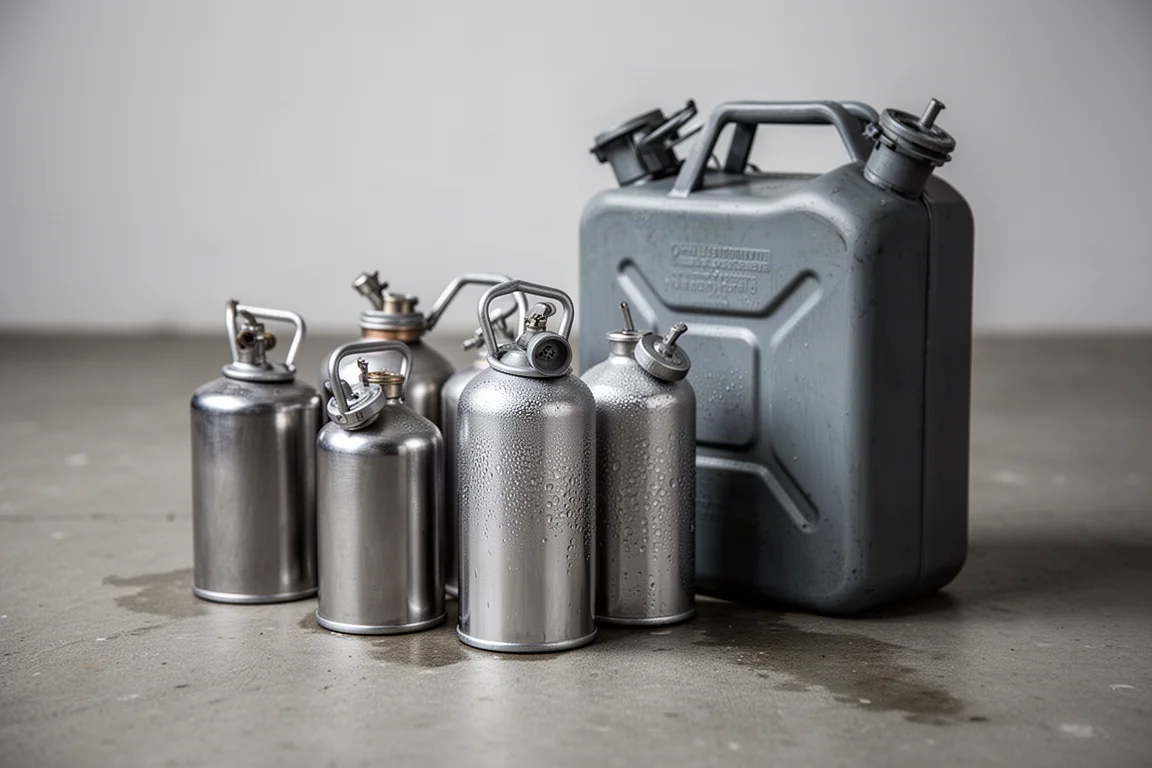
The practical result is buying larger, cheaper canisters and filling a small one before each trip instead of stocking up on multiple small ones. It reduces waste, frees up shelf space, and lowers fuel spending across a season.
Evolved Supply Co Space Ranger 50L
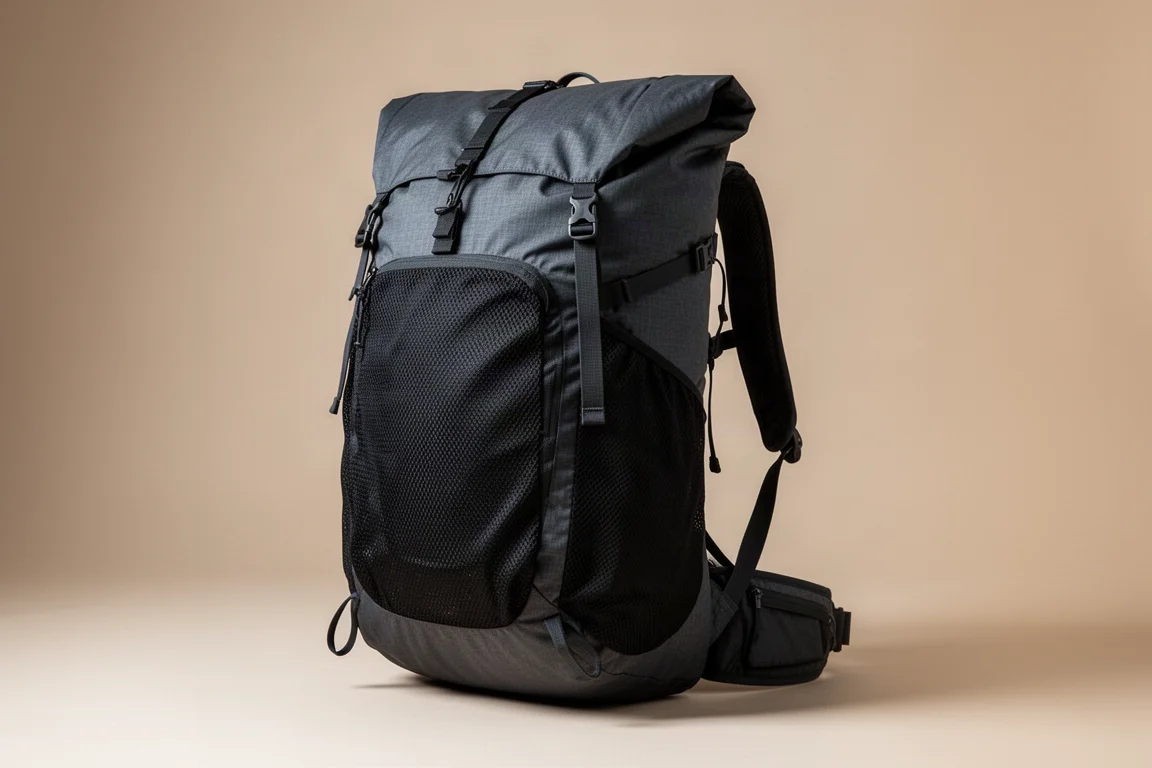
Frameless ultralight packs work beautifully for light three-season loads, but they struggle once a trip involves mountaineering gear, winter layers, or a packraft. The Space Ranger 50L was built for those heavier carries: a 50-liter-plus roll-top pack in an ultralight fabric, with an internal frame made from two removable stays and a padded lumbar pad and hip belt that can also be removed.
The layout follows a familiar pattern: a large mesh outer pocket, a bottom pocket, a single cinch with a hook, a removable Y-strap, and load lifters, which make a heavy pack far more comfortable to carry. It has handled loads approaching 40 pounds on a Himalayan trek toward Island Peak and is the natural choice for deep winter trips and packrafting.
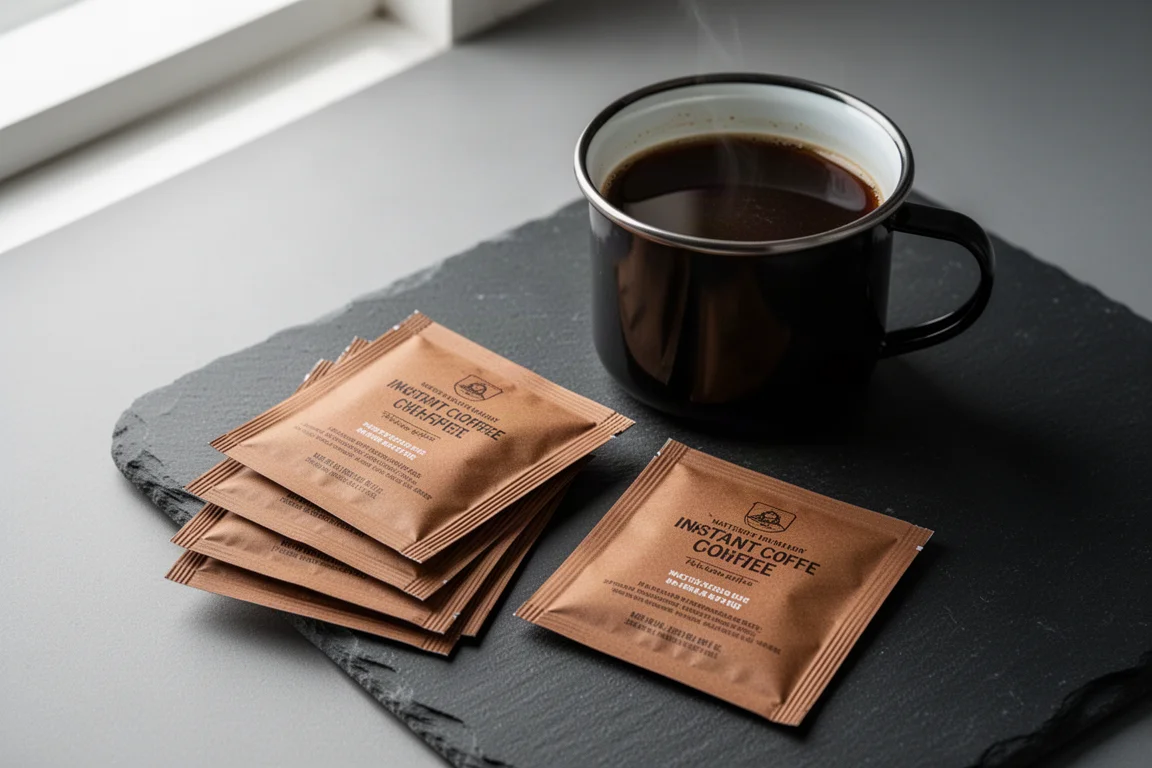
First Ascent Hero Blend Instant Coffee
Instant coffee has a reputation problem, and most of it is deserved. Hero Blend avoids the flat, chemical aftertaste that typical grocery-store instant brands carry and lands much closer to a fresh-brewed cup.
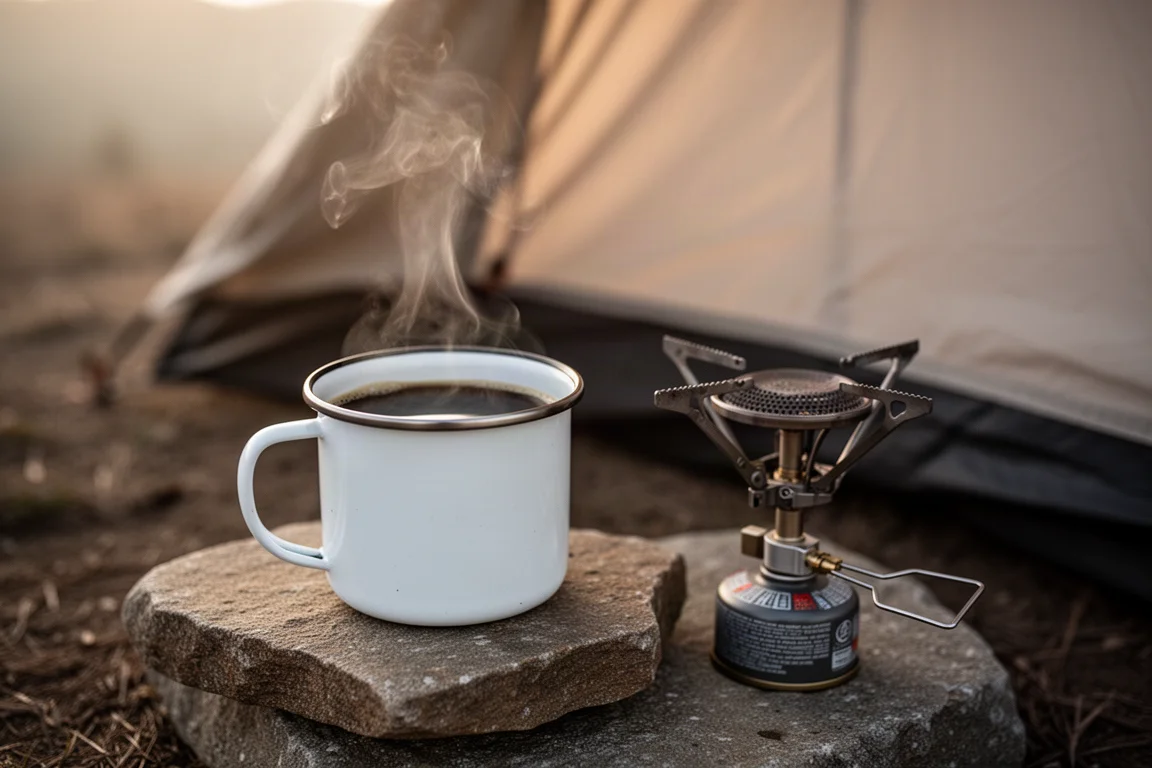
It costs more than the usual supermarket sachets, which is the main trade-off. For anyone who wants a real cup of coffee without carrying a grinder, a pour-over cone, or a press, the single-serve packets are an easy addition to a food bag.
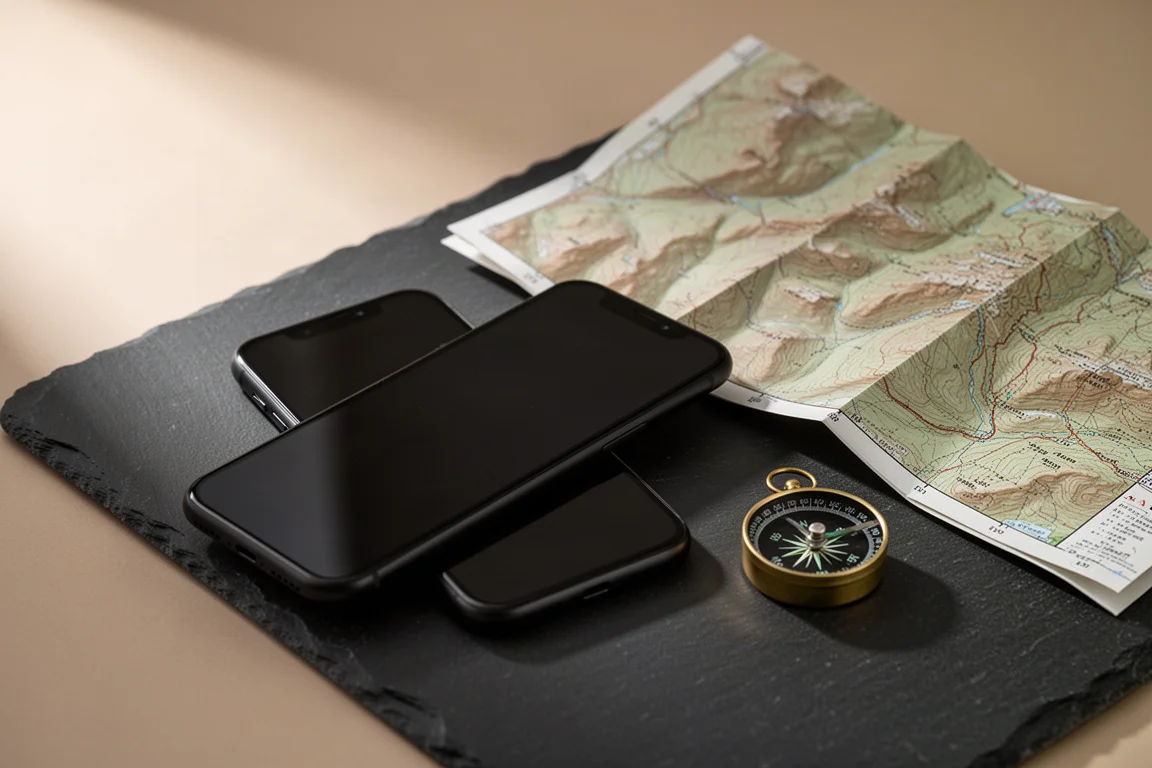
onX Backcountry
Most hiking apps handle a point-to-point thru-hike well and little else. onX Backcountry is built for the trips in between: off-trail routes, winter objectives where the trail disappears under snow, canyon routes planned from scratch, and river sections on a packrafting trip.
Two features stand out for planning. An active wildfire layer is genuinely useful in the desert Southwest, where fire closures can reshape a route overnight, and a weather layer can be checked before leaving the trailhead so the kit matches the forecast. Having both in one place makes route planning and on-trail navigation less fragmented.
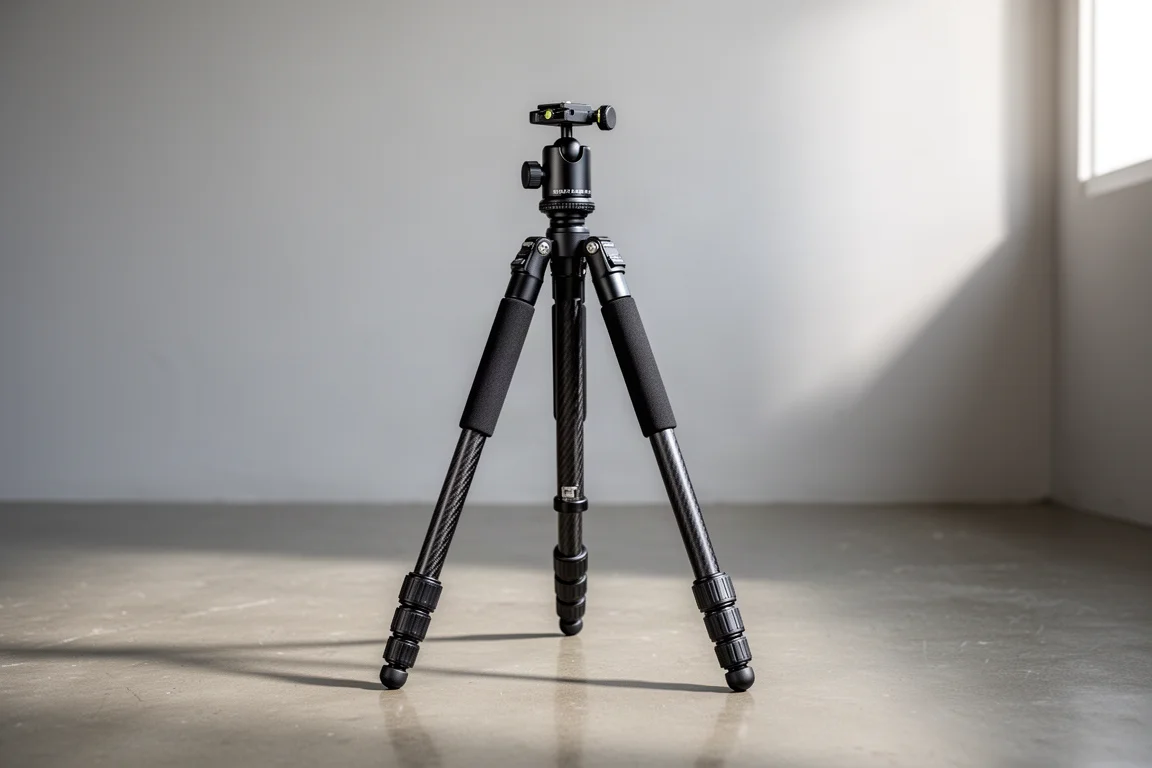
Aoka Carbon Tripod
Compact mini tripods are light and packable, but they sit so low that framing a shot usually means hunting for a rock to prop them on. The Aoka carbon tripod reaches close to full height while weighing about a pound, a rare combination for something carried on a backpacking trip.
It has become a standard item in the pack for walk-by shots and talking-head footage, and it adds real capability for anyone documenting their own trips without a meaningful weight penalty.
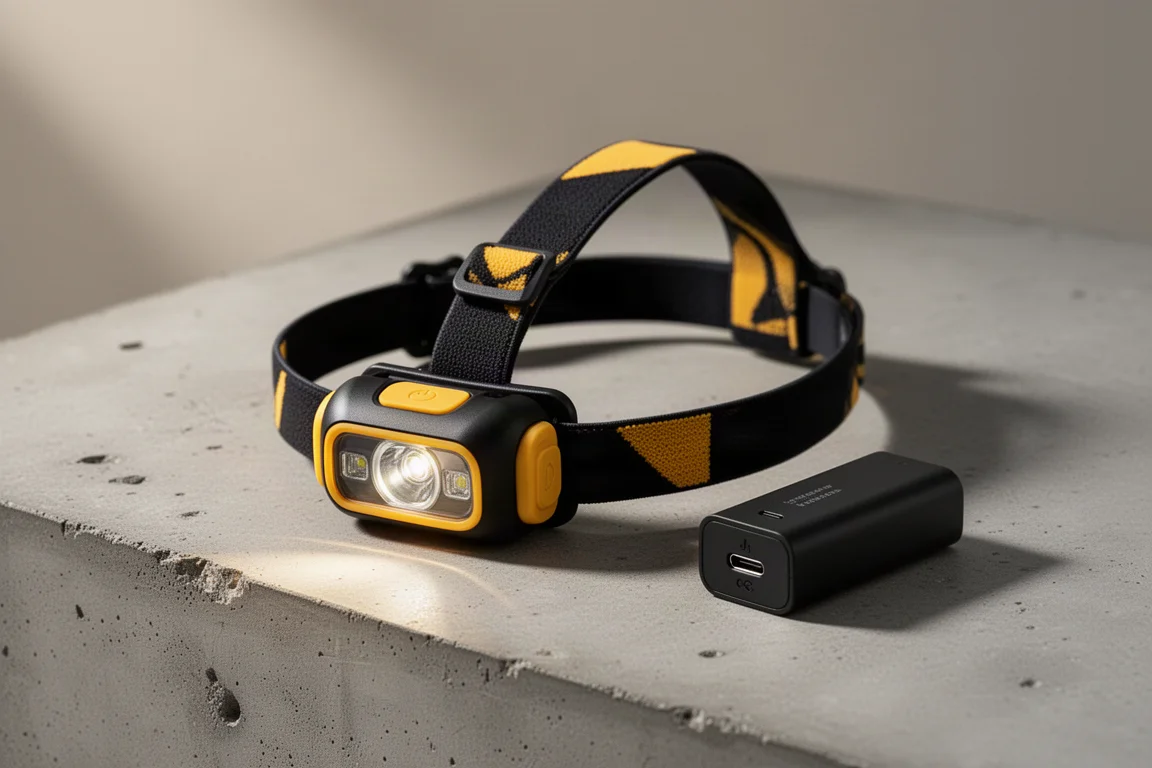
Petzl Swift RL
A minimal rechargeable headlamp still covers most three-season trips, but longer nights, higher elevations, and cold temperatures push it to its limits. The Swift RL is a more traditional full-featured headlamp with a longer runtime and USB-C charging.
Reactive lighting is the standout feature. The beam adjusts automatically to whatever is in front of you, so looking out into darkness gives full output while glancing down at snow or ice reduces brightness instead of reflecting back and blinding you. That behavior matters on a pre-dawn alpine start, which is exactly where it proved itself on a climb that began at 1 a.m.
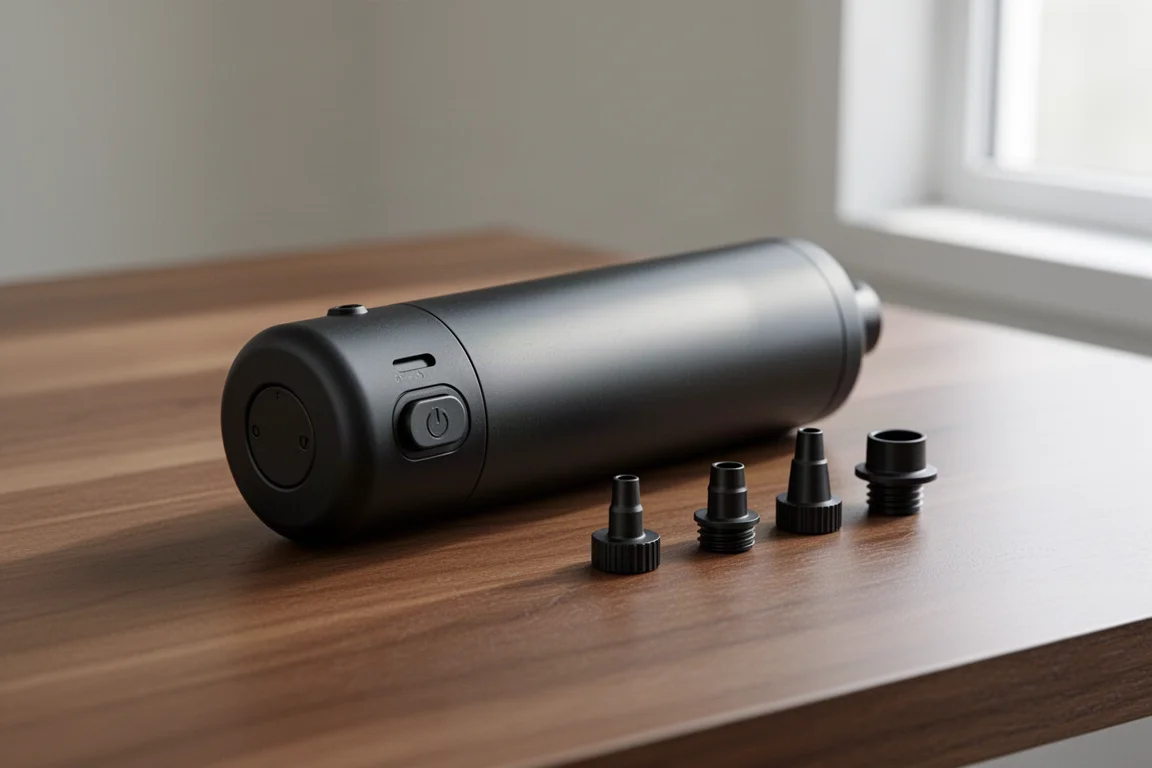
Flextail Zero Pump
Inflating a sleeping pad by lung power is free and, for years, seemed like the obvious choice. At cold, high-altitude camps, though, the effort is unwelcome and conserving energy matters more than saving an ounce.
The Zero Pump is tiny, weighs almost nothing, and takes up almost no pack space. It comes with adapters for different pad valves, so it works across a mixed gear closet. It is a small luxury that earns its place in cold conditions.
Zpacks Free Zip Freestanding Tent
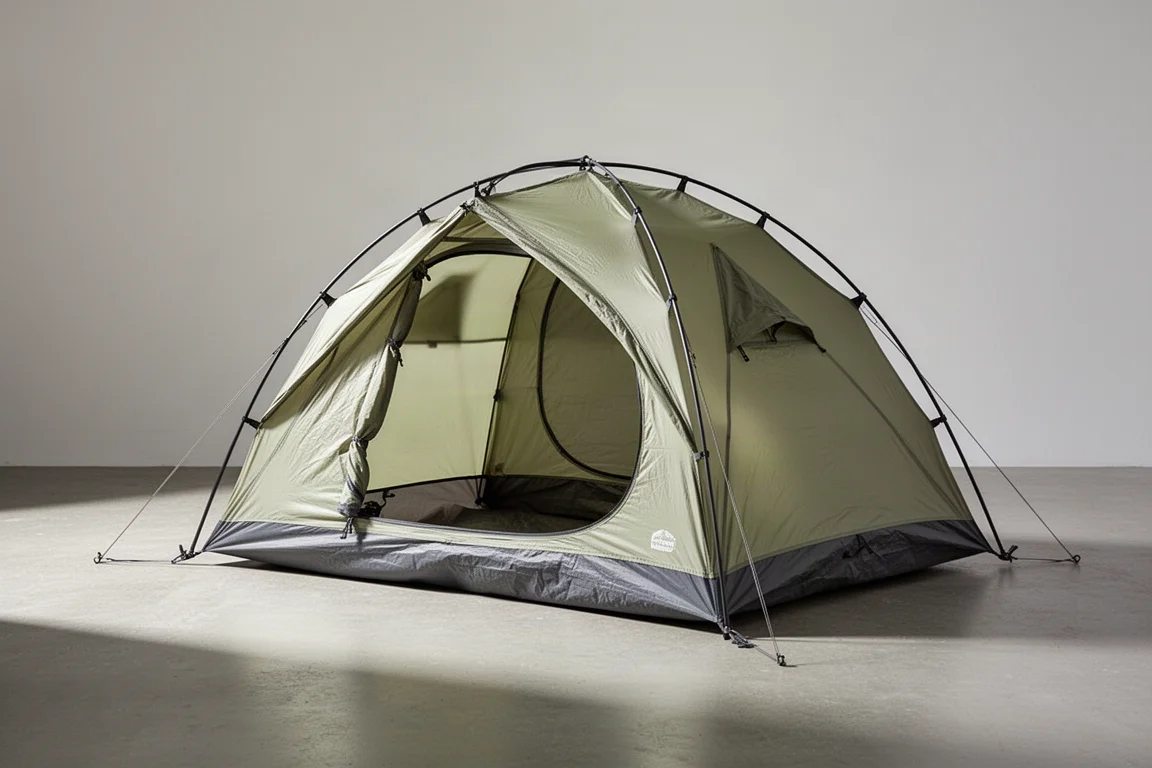
Freestanding tents are heavier than trekking-pole shelters by nature, but they are far easier to pitch on rock, snow, and platforms where stakes are unreliable. The Free Zip keeps the weight surprisingly low while providing a genuinely roomy interior.
Compared with the earlier Free Duo, the poles are noticeably smaller, so the tent packs down much tighter. The structure handles high winds well at elevation, which is the main reason it has become the default shelter for winter trips, mountaineering objectives, and upcoming bikepacking and packrafting routes.
Overall Buying Advice
These ten items point to a broader idea: a backpacking kit should match the trips you actually take. Someone covering long distances on established trails will get more from a stripped-down shelter and a minimal headlamp, while anyone moving into winter camping, alpine climbs, or packrafting will get more value from vented pants, a framed pack, and a stronger light.
Start with the items that solve a recurring frustration. Fuel consolidation and a small pad pump cost little and remove daily friction. Pants and a framed pack matter most when conditions and loads grow. The tent and the headlamp are the biggest commitments here, and both make sense only if your trips have outgrown a lighter alternative.
Conclusion
The through-line across these ten items is fit rather than weight. Gear that matches the trips you actually take will always outperform gear that matches a category. A stripped-down kit remains the right answer for fast, light travel on established trails, and a fuller kit is the right answer for winter, altitude, and water. Reading this list against your own calendar is the quickest way to decide which upgrade is worth making first.
Further reading
Related Reviews

Backpacking Gear
Building a 10 lb Base Weight: An Ultralight Backpacking Gear List
A practical walkthrough of the ultralight pieces behind a 10 lb base weight, from a 765 g pack and a roomy one-person tent to a full camp chair and a dependable water filter.

Backpacking Gear
A 15-Pound Lightweight Backpacking Gear List for Solo Trips
A beginner-friendly 15-pound backpacking setup built from easy-to-find gear, with notes on what each piece does, how it packs, and where to spend your attention.

Backpacking Gear
8 Ultralight Backpacking Gear Upgrades Worth Carrying
Eight small, affordable backpacking upgrades that solve real trail annoyances, from a pillow that stays put to a fuel valve that rescues leftover canister gas.