Backpacking Gear
Best Backpacking Gadgets: 12 Standout Picks for Ultralight Campers
Twelve backpacking and camping gadgets worth packing, with the weights, prices, and trade-offs that matter in each category.
Introduction
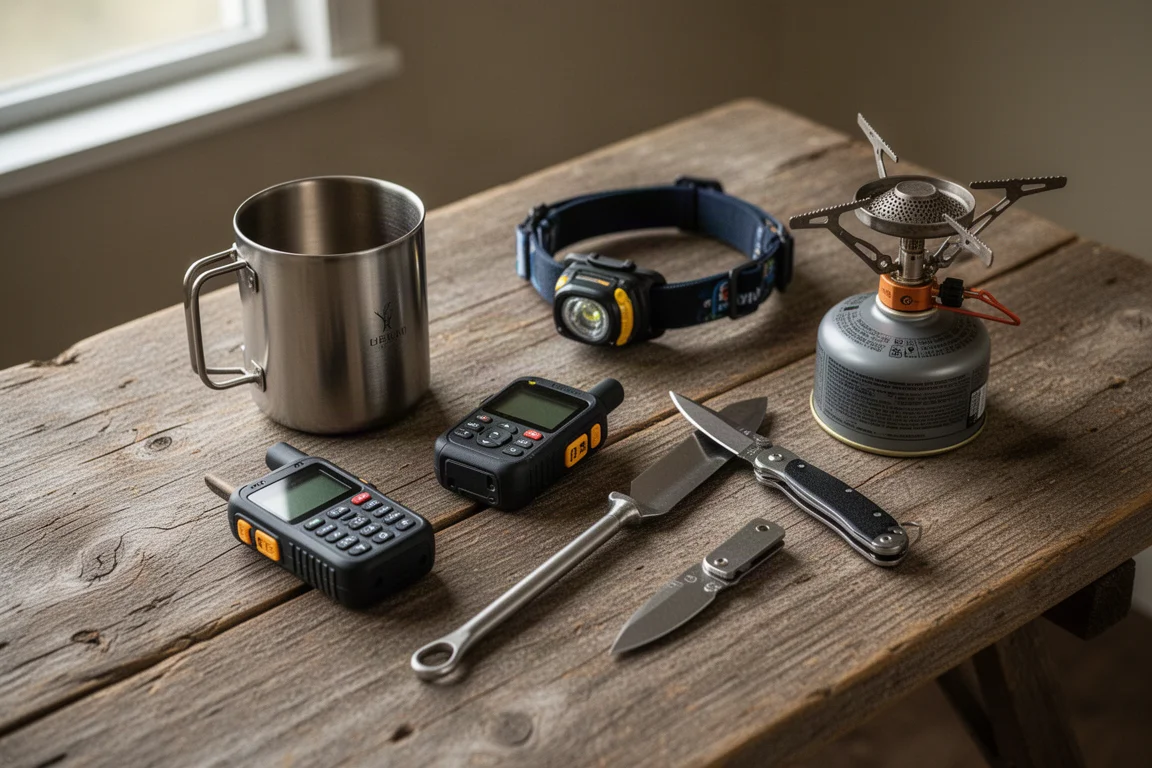
Some gear earns its place in a pack by doing something no other item can. A satellite communicator is the obvious example, but the same logic applies to a stove that keeps cooking when the wind picks up, a headlamp that weighs less than a snack bar, or a coffee setup that needs nothing but hot water.
This roundup covers twelve standouts across the categories backpackers think about most: coffee, emergency communication, navigation, fuel, thermometers, trowels, camp shoes, knives, watches, pad pumps, headlamps, and stoves. Each entry focuses on weight, price, and the job the product is built to do, along with the trade-offs worth knowing before you buy.
Best Coffee: Starbucks VIA
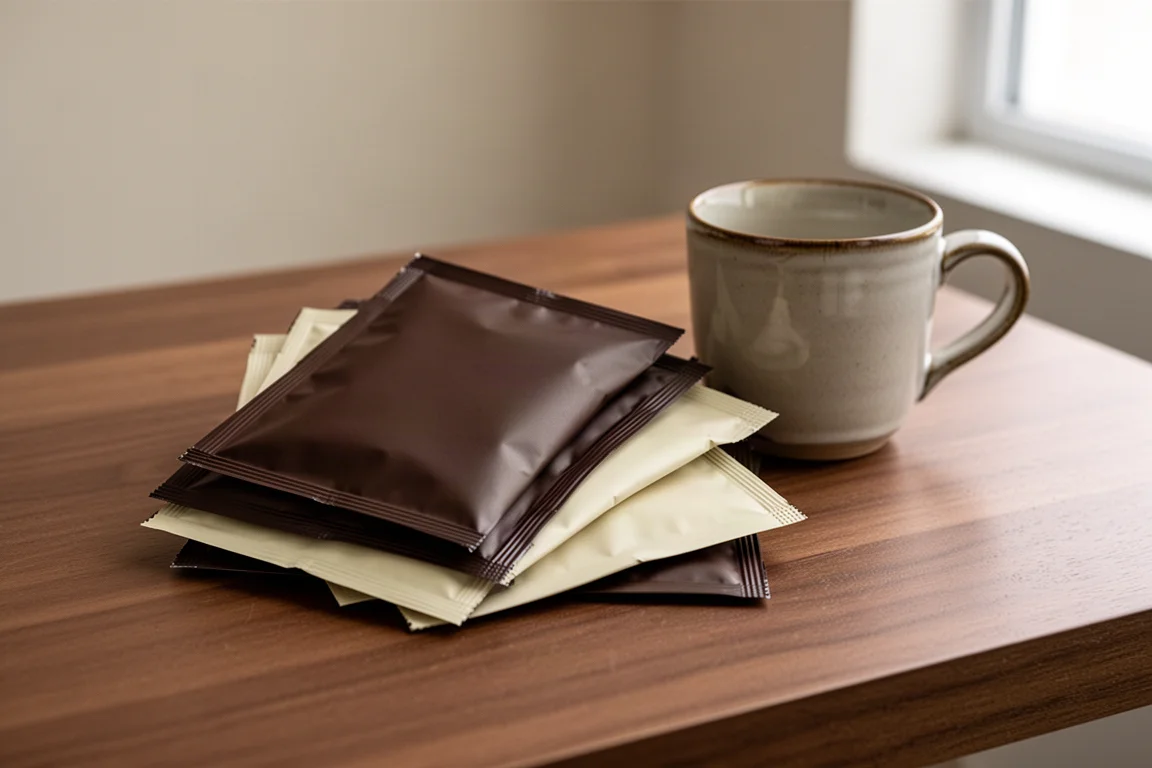
Instant coffee is the least glamorous answer to the camp coffee question, and for a lot of trips it is also the right one. Starbucks VIA comes in single-serve packets that take up almost no space and dissolve in hot water in seconds. There is no dripper to rinse, no filter to pack out, and no grounds to bury.
A box of eight runs about $8, which works out to roughly a dollar a cup. For a weekend trip, that is a small line item for a large convenience gain.
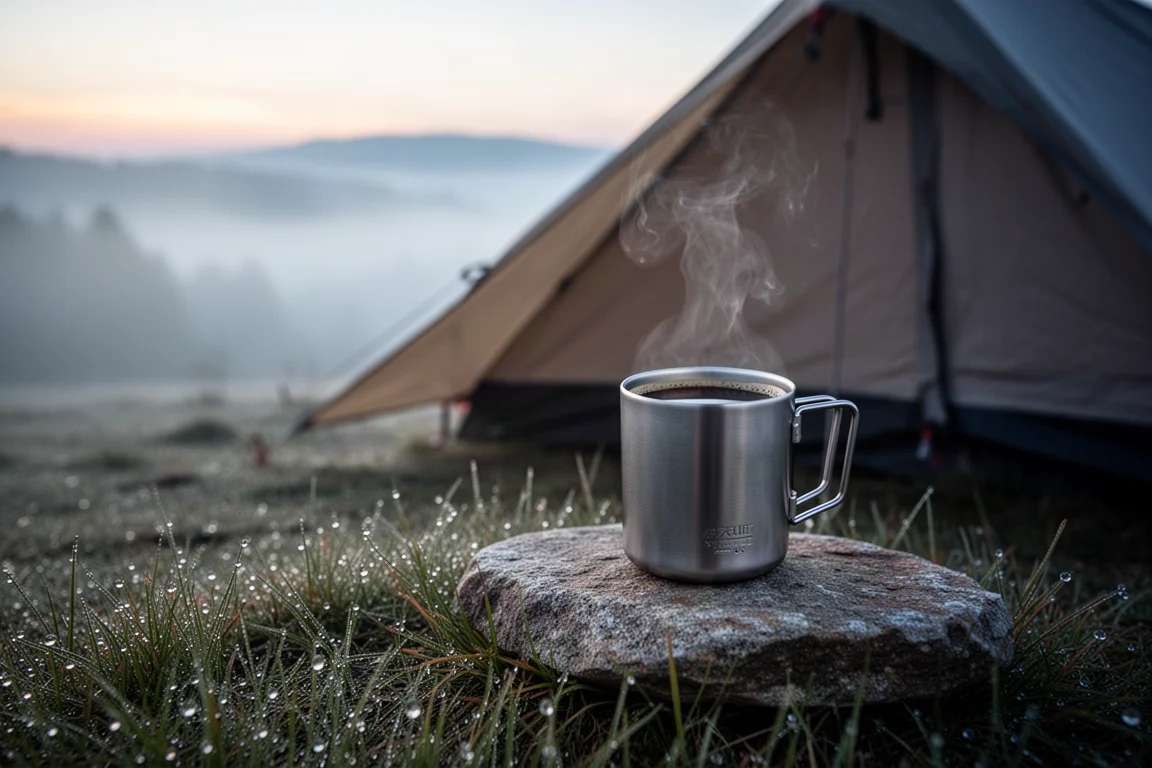
The flavour is simpler than a fresh pourover, and anyone who treats camp coffee as a ritual will still want a cone and a filter. As a lightweight default that works in any weather and asks for nothing beyond hot water, it is hard to argue with.
Best Satellite Communicator: Garmin inReach Mini 2
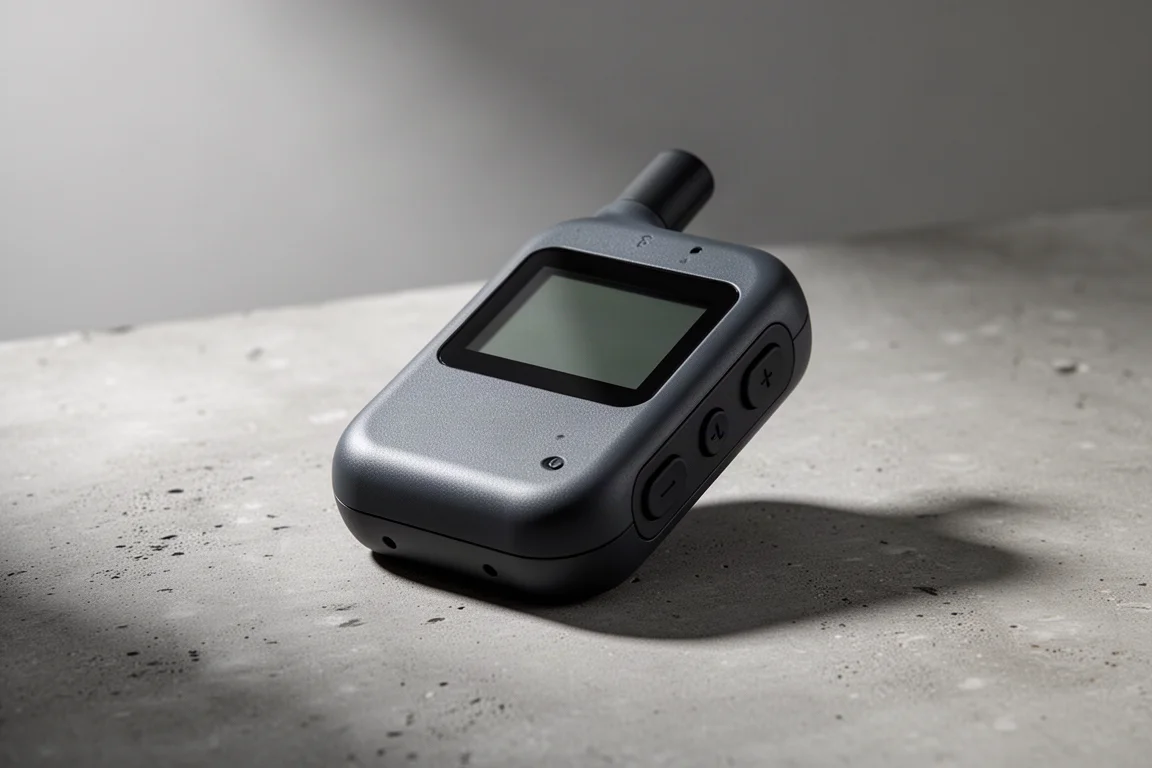
A satellite communicator is the one piece of electronics that justifies its weight on every trip. The Garmin inReach Mini 2 sends texts and SOS signals from areas with no cell coverage, runs up to 14 days on a charge, and weighs 3.5 oz. A screen built into the front and a clear interface make it quick to use with cold hands.
The trade-off is price. It costs roughly twice as much as the least expensive communicators in this category, and that gap is the main reason to think carefully about how often you travel beyond coverage. For anyone who does, the combination of long battery life and a compact, rugged body is difficult to beat.
Best Value Navigation App: OnX Backcountry
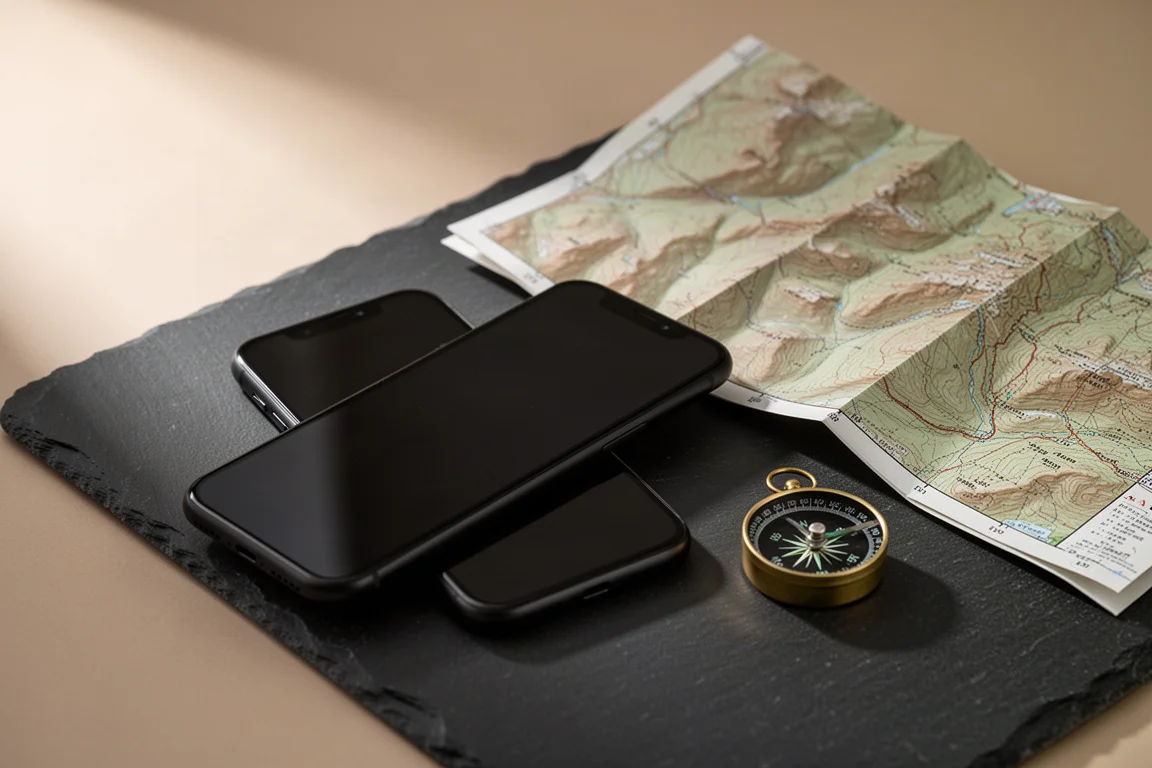
Not every useful gadget is hardware. OnX Backcountry handles trail search, hike planning, campsite location, and navigation from a phone, and it is currently offered at introductory pricing of $1, with a $3 tier that opens up the full mapping feature set through the Elite membership.
Elite adds private land boundaries, landowner names, and recent imagery, which lets you check whether there is snow on the ground where you are headed before you reach the trailhead. The app also includes features aimed at bikers, climbers, and skiers, plus outdoor gear discounts. The promotional pricing is described as limited, so it is worth checking before planning a season around it.
Best Hidden Gem: Flip Fuel Transfer Device
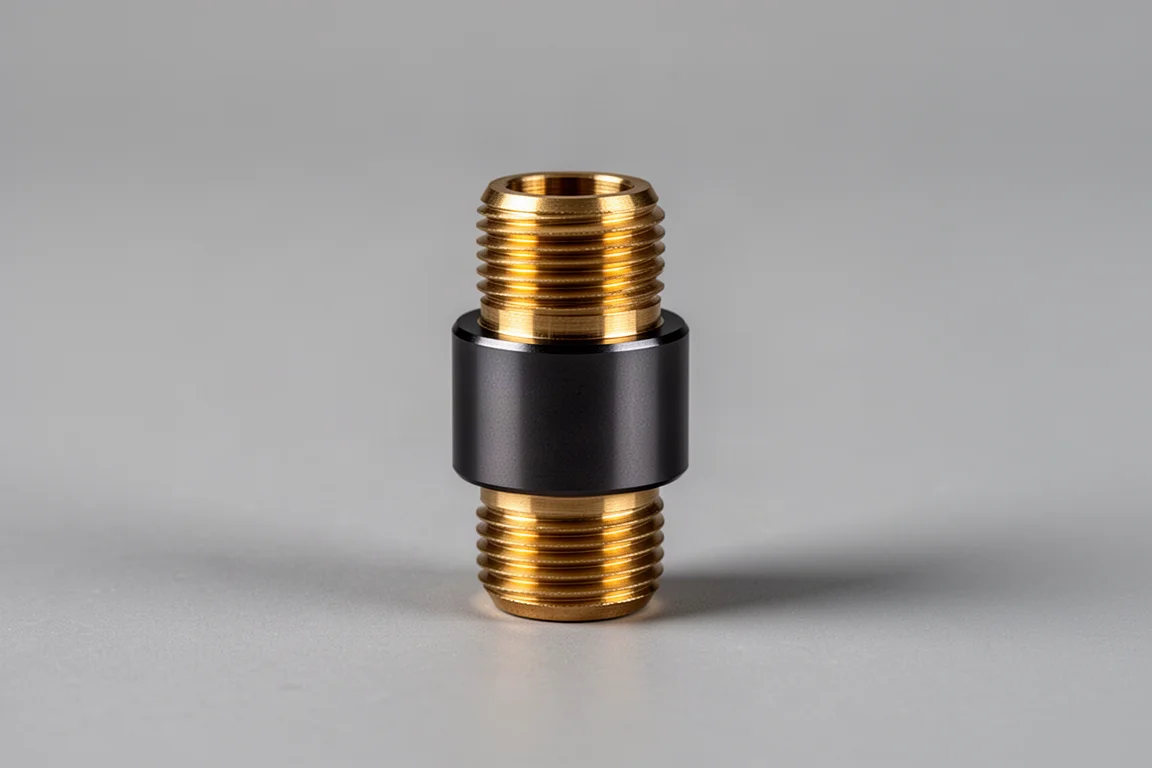
Canister fuel is convenient right up to the moment you own three half-empty canisters and a decision to make. The Flip Fuel Transfer Device moves fuel from one canister into another through a secure threaded valve, so partially used canisters can be consolidated instead of replaced.
It costs $35 and weighs 1.4 oz, a reasonable trade for cutting waste and saving weight on multi-day trips. The device only makes sense if you cook on canister fuel, but for that audience it solves a problem most hikers simply live with.
Best Thermometer: ThermoWorks Zipper Pull Thermometer
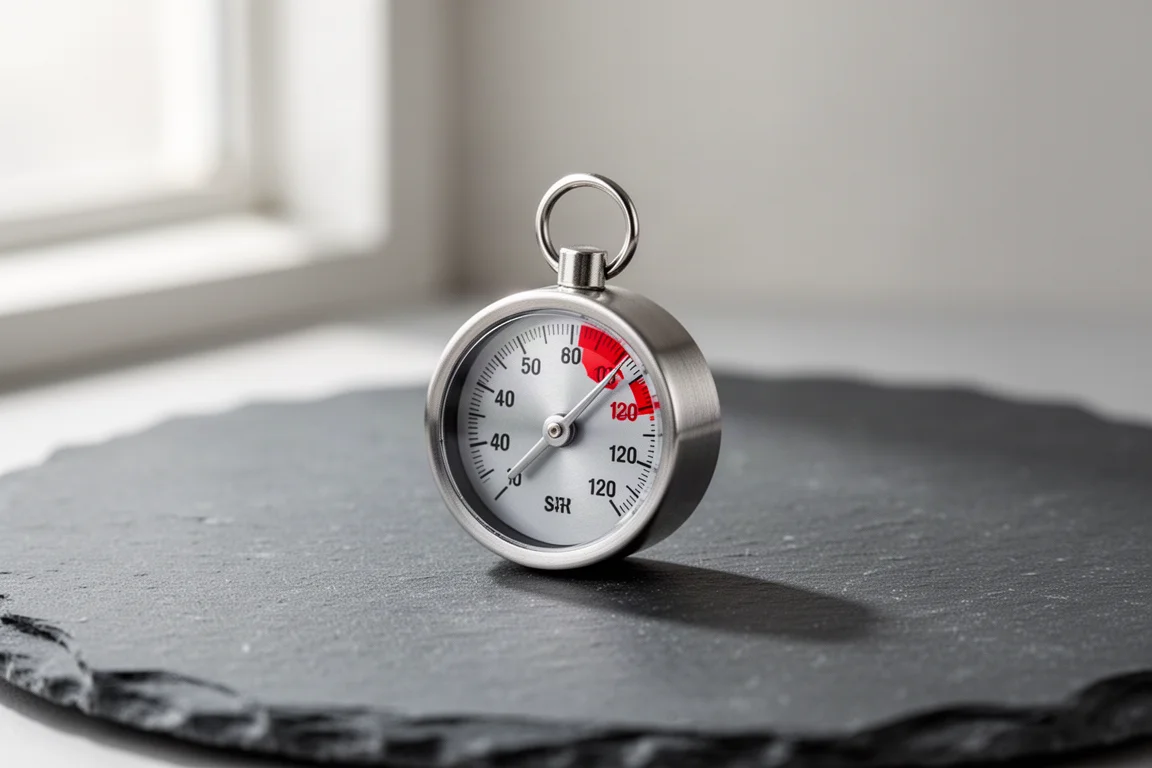
Knowing the overnight temperature is useful for more than curiosity. It tells you whether your sleep system has margin, and it settles the argument about how cold it really got. The ThermoWorks Zipper Pull Thermometer weighs half an ounce and reads from -13 degrees Fahrenheit up to 122 degrees Fahrenheit.
Most people clip it to a zipper pull on a pack or a jacket, and some move it into the tent at night to track conditions. At $22 it costs more than the simplest options, and it reads temperature only, without app-based tracking or a history of past readings.
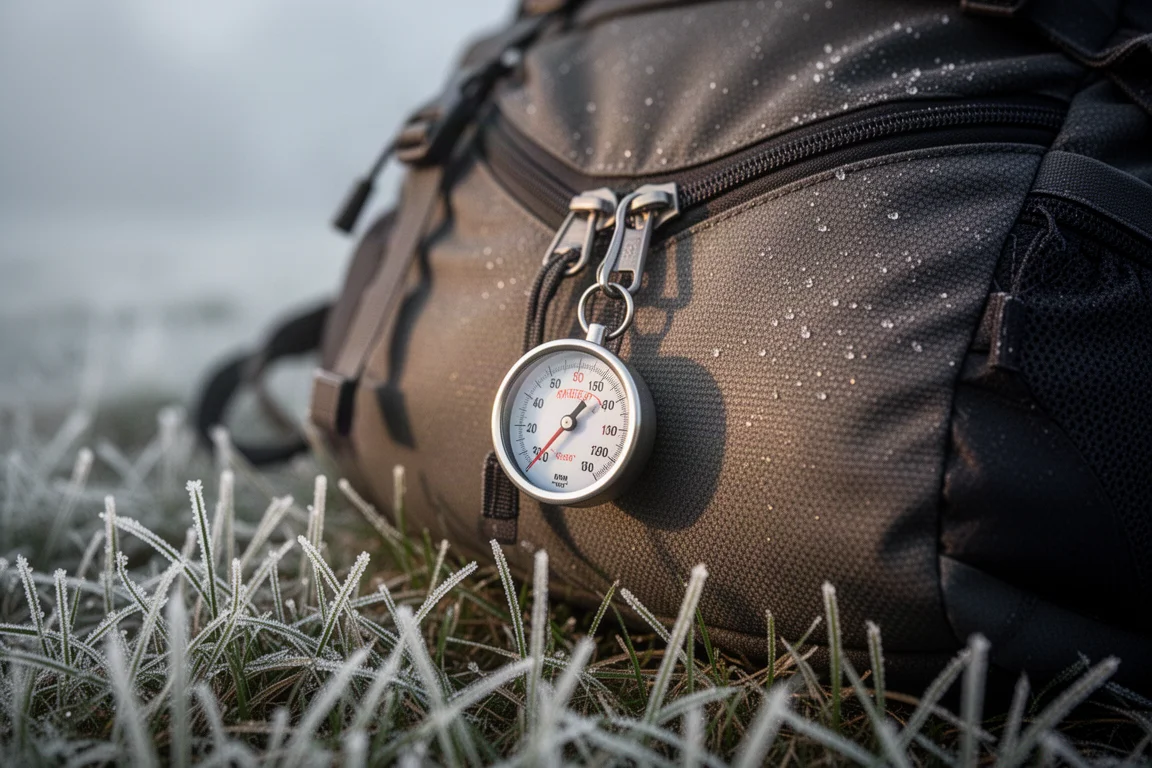
For a small, durable instrument that lives on your pack and never needs charging, that simplicity is the whole point.
Best Trowel: Bogler Co. Ultralight Trowel
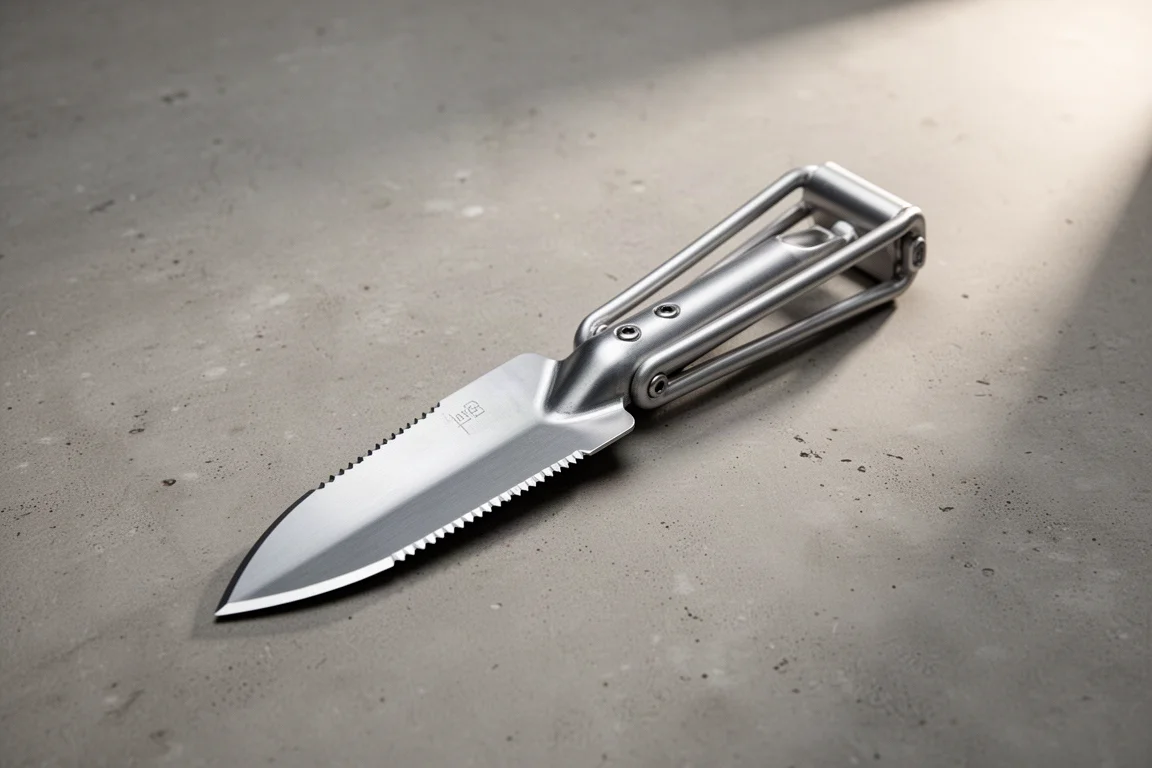
A trowel is one of those items that is easy to overlook until you need it. The Bogler Co. Ultralight Trowel weighs half an ounce and is made from aircraft-grade aluminium, with a design that claims to slice through medium-size roots rather than forcing you to dig around them.
At $18 it is a small purchase that removes a genuine annoyance from backcountry trips. The ultralight build means less leverage in hard or rocky ground, so a heavier tool still has a place in some conditions.
Best Camp Shoes: Zpacks Ultralight Camp Shoes
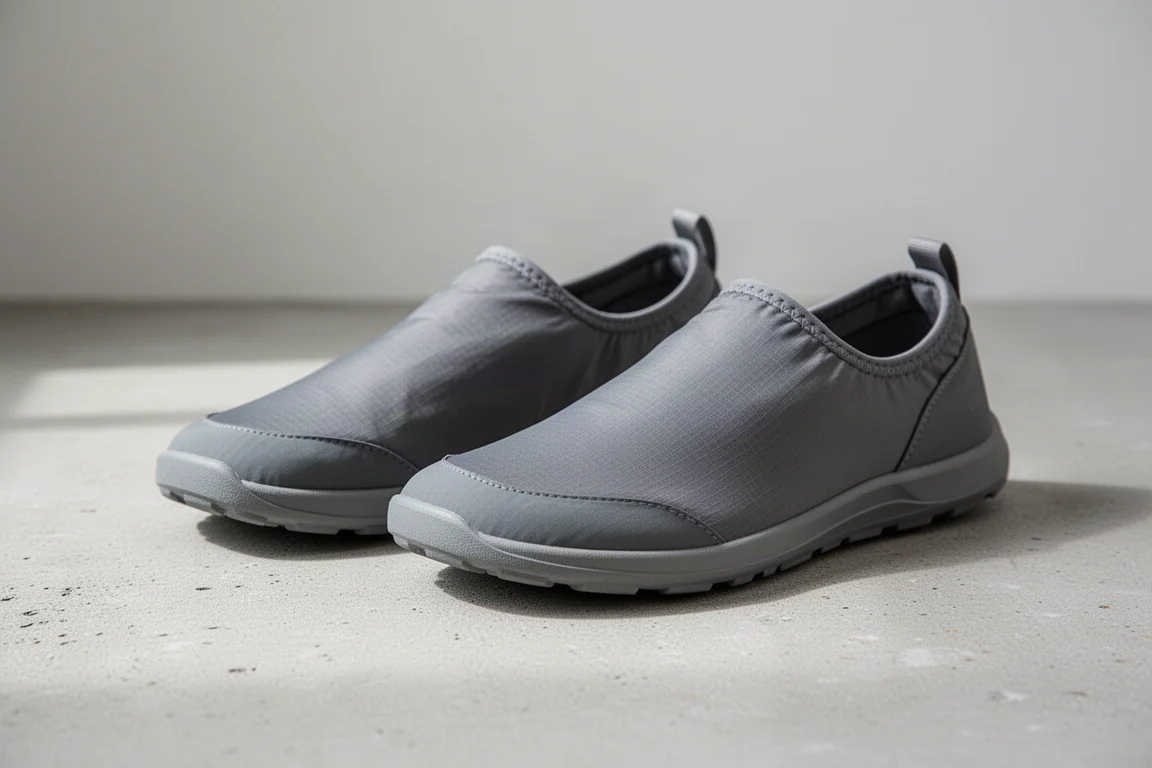
The case for camp shoes is simple: after a long day, getting out of wet trail runners and into something soft makes camp feel like a reward rather than a chore. The Zpacks Ultralight Camp Shoes weigh 2.4 oz per pair in size large, with foam soles and 100D nylon uppers.
They pack down small, and the nylon upper is durable enough that they can double as footwear for low-flow stream crossings. Fast-moving water is a different story, since a loose fit can send them off your foot.
Best Knife: Victorinox Classic SD
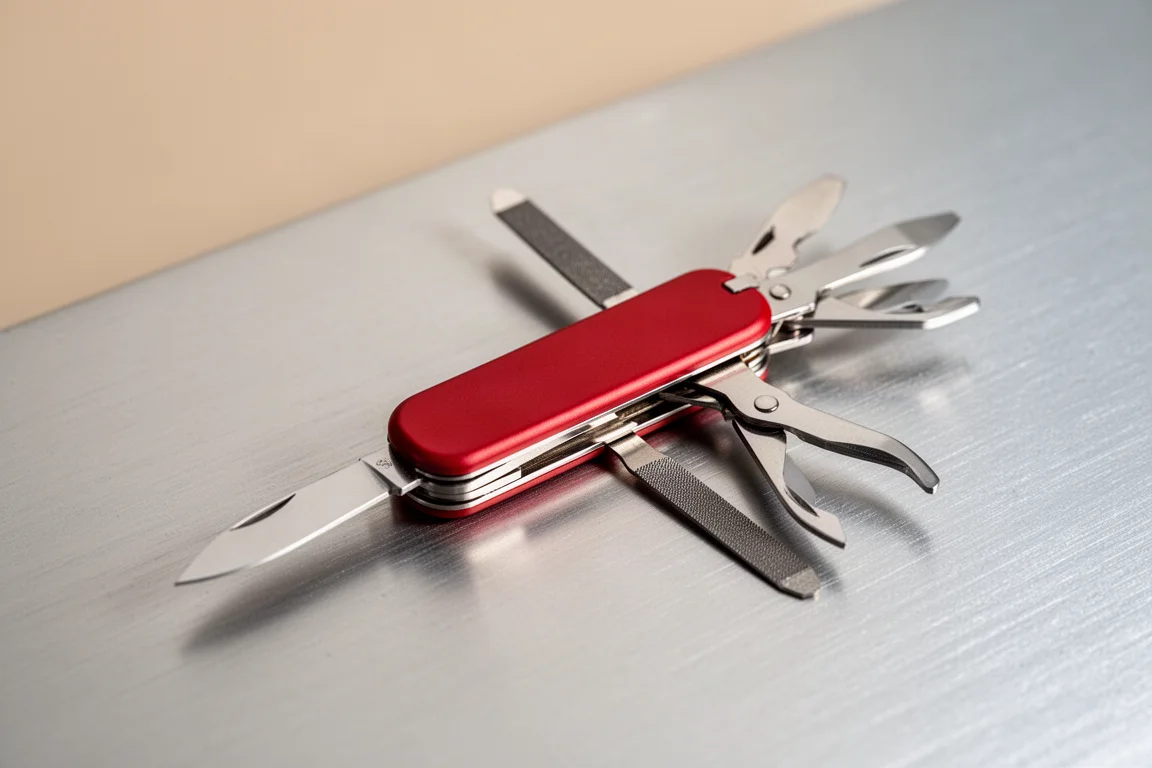
The Victorinox Classic SD weighs 0.7 oz and packs seven functions into a tool the size of a key. The blade, scissors, and file cover most of what a backpacker actually needs: opening packaging, trimming tape and cord, and small repairs.
At about $20, and often less on sale, it is an easy item to keep in a pocket or a hip belt pouch. The small blade is not built for heavy cutting, but as an everyday camp tool it is hard to fault.
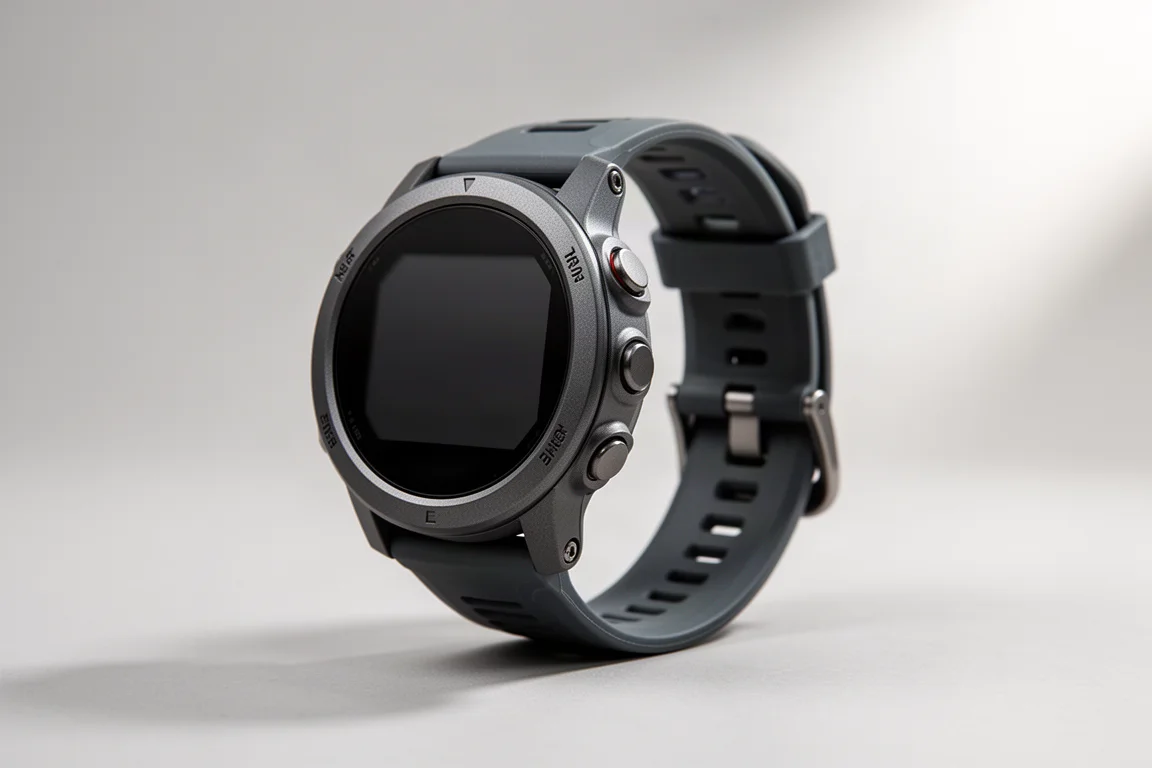
Best Watch: Garmin Instinct 2
A trail watch has to survive weather, sweat, and the occasional knock against rock. The Garmin Instinct 2 carries a 10 ATM water rating, GPS and heart rate tracking, and up to 28 days of battery life, all in a 1.8 oz body. At $299 it costs far less than premium smartwatches, and it does not need daily charging.
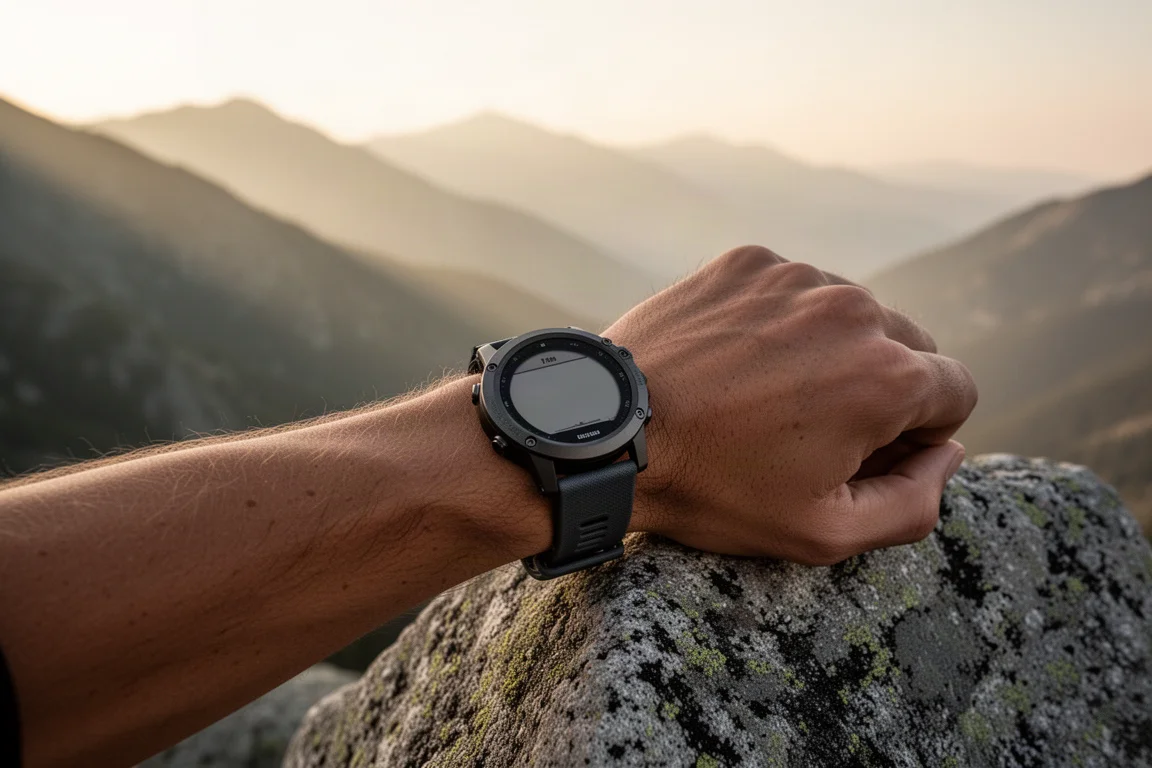
That combination of battery life and durability is what makes it a practical choice for multi-day trips rather than a daily-wear accessory. The feature set is more utilitarian than a smartwatch-first design, which is exactly the trade many backpackers are happy to make.
Best Pad Pump: Flextail Zero Pump
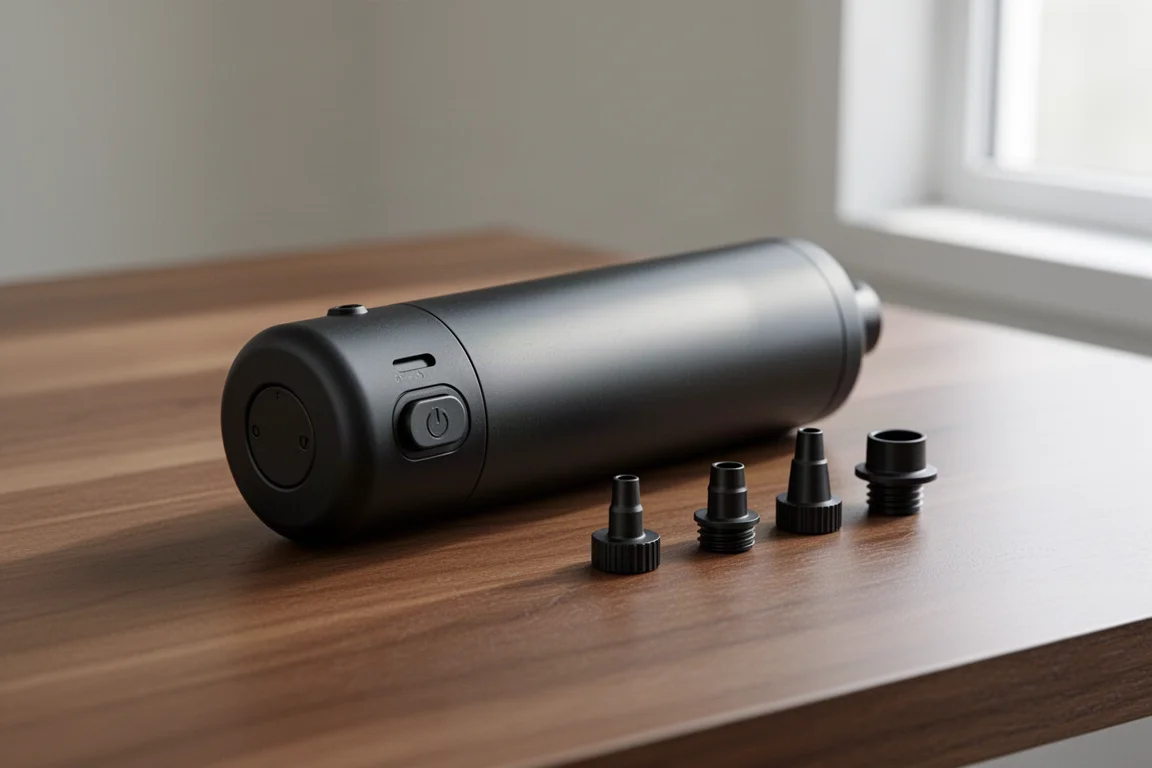
Inflating a sleeping pad by mouth at the end of a long day is a small misery that adds up over a season. The Flextail Zero Pump weighs 1.2 oz without the battery, inflates pads quickly, and doubles as a fire bellows for coaxing damp wood into a flame.
At $50 it is a luxury rather than a necessity, and the quoted weight excludes the battery. For campers who use inflatable pads on every trip, the time and breath saved make it easy to justify.
Best Headlamp: Nitecore NU20 Classic 360L USB-C
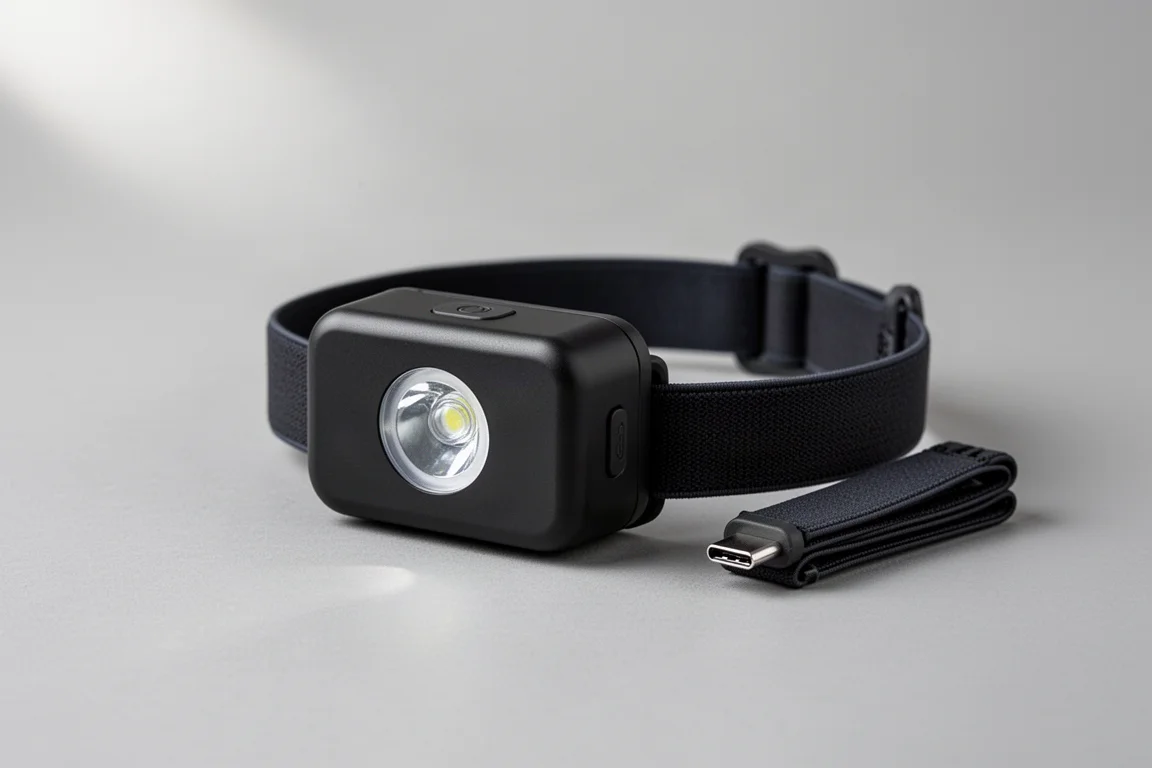
The Nitecore NU20 Classic 360L USB-C weighs 1.3 oz and charges over USB-C, which means a single cable can cover your headlamp, phone, and battery bank. At $25 it is one of the least expensive items in this roundup.
Rechargeable lights trade spare batteries for a charging routine, and that is the main thing to plan around. Beyond that, this is a straightforward, dependable headlamp that is easy to recommend.
Best Stove: MSR PocketRocket Deluxe
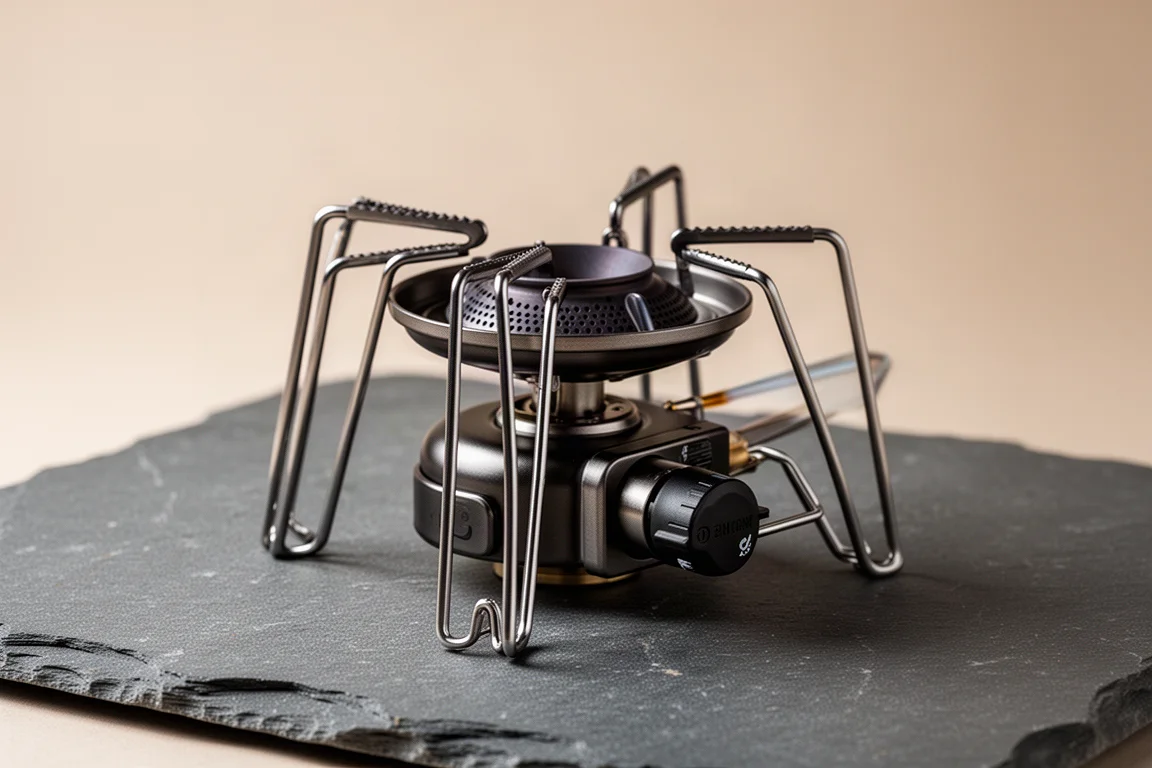
Wind and cold are what turn a simple dinner into a long one. The MSR PocketRocket Deluxe uses a pressure regulator to keep cooking consistent across different weather and elevation, and the 2.9 oz stove nests inside a 750 ml pot along with a small gas canister.
It is the most expensive of the stoves compared here at $85, and the regulator is the reason. For anyone who cooks in exposed campsites or at altitude, that reliability is worth the premium. For fair-weather weekend trips, a simpler stove will do the same job for less.
Buying Advice
Start with the categories where failure is expensive. A satellite communicator and a regulated stove are the two places where spending more changes the outcome of a trip, not just the comfort of it. Both are also the items most likely to be used in poor conditions, when cheap alternatives tend to show their limits.
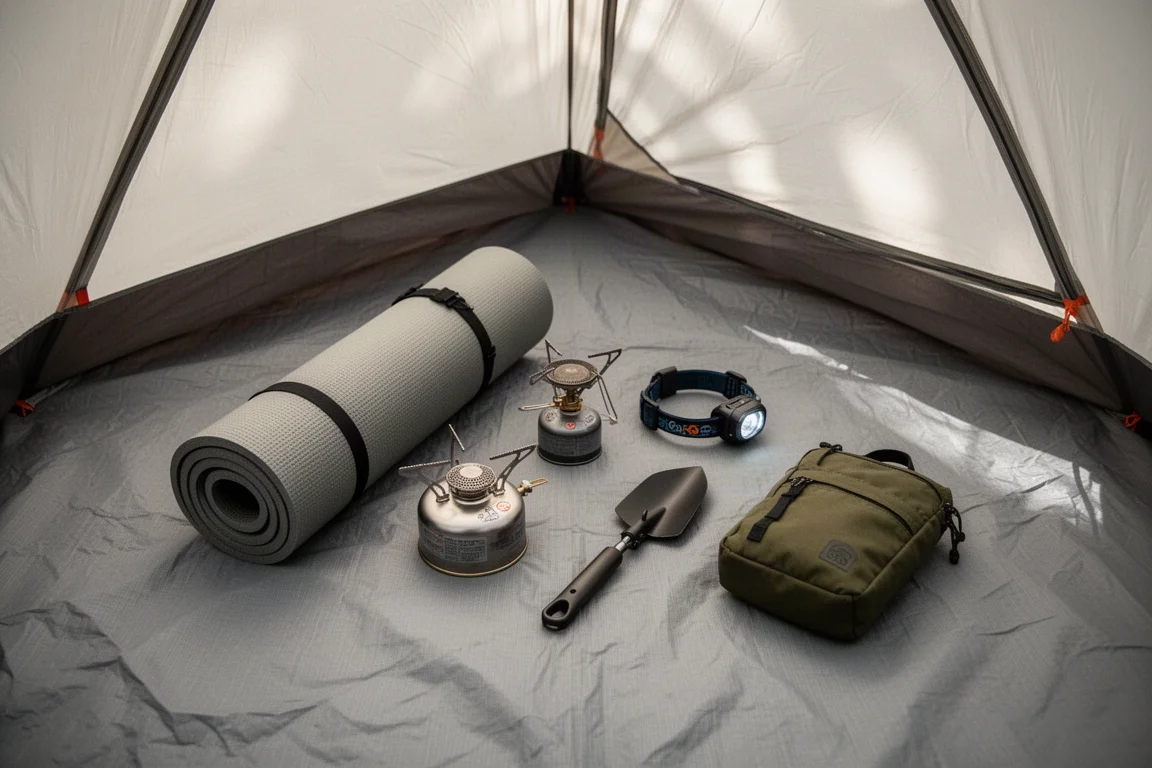
Next, look at what you handle every day. Coffee, thermometers, trowels, knives, and headlamps all have inexpensive options that do the job well, and the differences between them are usually about convenience rather than capability. A $20 knife and a $25 headlamp cover the vast majority of camp tasks.
Finally, weigh the total rather than the individual items. A handful of half-ounce tools adds up, but a few extra ounces spread across a pack rarely matter as much as the reliability of the gear you depend on when the weather turns. Match each purchase to how you actually travel, and the pack tends to sort itself out.
Conclusion
The best backpacking gadgets are the ones that quietly remove friction. Coffee that needs only hot water, a stove that keeps cooking in the wind, a trowel that weighs half an ounce, and a communicator that reaches help from anywhere all fall into that category.
If you are upgrading one thing this season, start with the item that solves your most frequent annoyance. The picks above are strong in their categories, and each one is worth the space it takes up in a pack.
Further reading
Related Reviews

Backpacking Gear
Building a 10 lb Base Weight: An Ultralight Backpacking Gear List
A practical walkthrough of the ultralight pieces behind a 10 lb base weight, from a 765 g pack and a roomy one-person tent to a full camp chair and a dependable water filter.

Backpacking Gear
A 15-Pound Lightweight Backpacking Gear List for Solo Trips
A beginner-friendly 15-pound backpacking setup built from easy-to-find gear, with notes on what each piece does, how it packs, and where to spend your attention.

Backpacking Gear
8 Ultralight Backpacking Gear Upgrades Worth Carrying
Eight small, affordable backpacking upgrades that solve real trail annoyances, from a pillow that stays put to a fuel valve that rescues leftover canister gas.